Book Ten for 2025: “Four Seasons in Rome”, Anthony Doerr


If you have ever felt enchanted by a trip to Rome, you will find this memoir delightful and informative. It made me want to return just to stay a while, wander around, visit the more obscure places Doerr describes, people watch, eat, and drink local wine.

In 2007, Anthony Doerr, the 2015 Pulitzer Price Winner, won the Rome Prize to become a fellow at the American Academy in Rome. He and his wife, Shauna, moved to Rome with their newborn twins, Owen and Henry. This memoir memorializes the four seasons they spent living there. They learn to care for babies; wander throughout Rome visiting tourist sites, local restaurants, the butcher, the baker, the toy store; learn enough Italian to acknowledge all the Italians who stop to admire the babies; and attend the vigil for the dying Pope John Paul II.

While there intending to write his later novel (the one that eventually won the Pulitzer) and failing to do so, he does manage to write a short story which I have read in one of his collections and to read everything by Pliny the Elder. His discussions about his readings makes me want to read some of Pliny the Elder myself. As in his short stories and novels, Doerr’s descriptions, language, and observations delight and enchant. This is a wondrous book about one of the world’s oldest and most fascinating cities which he calls, “a Metropolitan Museum of Art the size of Manhattan with no roof, no display cases…

Book 28 for 2024: “Gun Island”, Amitav Ghosh


A tale based on a Bengali legend about a merchant called the Gun Merchant, Bonduki Sadagar, this novel not only takes place in the mangrove swamps of the Sundarbans but also in Venice. It has nothing to do with guns but demonstrates how differences in language use among languages and translations can lead to total mistranslation. The narrator is an older, male, Bengali, rare book dealer who grew up in Kolkata but now lives in Brooklyn most of the year and goes back “home” occasionally. When he meets a distant relative by chance at a party, he finds himself enmeshed in the Gun Merchant tale and finds himself in search of a remote shrine where a king cobra lives. His adventure leads him to meet two young men and reconnect with an old friend, an Italian woman who is a famous historian.

What fascinated me most about this novel was learning all about the immense number of historical connections between the Bengali part of India and Venice especially related to trade and persons of Jewish descent. It is also filled with lessons in relationships among languages and history. For example, I learned the origin of the word ghetto. During the 17th century a part of Venice, Getto, was where their large and prosperous Jewish population was forced to live, Venice being one of few European cities where Jews were safe. Thus the word designating a part of the city became the word ghetto.

It is also a story about the risks and dangers of immigrants trying to get to Europe. I learned many Bengalis, mostly from Bangladesh, live in Venice and the numerous historical connections between the Bengali speaking areas of the world and Venice.

One Book a Week-55: “The Scribe of Siena”, Melodie Winawer


At the beginning of 2023, my main resolution was to read at least one book a week on average. I exceeded the goal. Now I have to decide whether to continue. I discovered a lot of authors I had never read before and learned many new things.

This last book of the year is perfect for those who love Italy, the Italy of today and medieval Italy because it takes place in both time periods–mostly in the Siena of the 14th century but some in modern Siena as well. It begins in current day New York where Beatrice, the main character, works as a neurosurgeon. Years before, her older brother, a medieval scholar, moved to Siena to investigate the ancient rivalry between Florence and Siena. When her brother suddenly dies, Beatrice discovers she has inherited his house in Siena. When she goes there to settle his estate, she not only discovers his wonderful, centuries old house, but also a manuscript from a fresco artist, Gabriele Accorsi, and one of his paintings where there is an image of a woman who looks exactly like Beatrice herself. This magically leads her to 1347 Siena, a conspiracy over the rivalry between Florence and Siena, the Plague, romance, and so much more. This is a page turner sort of book where the reader also learns a lot about the Plague, medieval Italian customs and life, and Tuscan history.

I find it interesting that the author is a professor of neurology, fluent in several languages, and literate in Latin. This novel has also lead me to explore the actual medieval relationship between the cities of Florence and Siena.

Wandering the World–Italy, Part Two


It is an hour or so boat ride from Sorrento to Capri. Although not very crowded in November, apparently it is tourist heaven in the summer. The lower town contains many of the world’s major high end stores. This time of year most remained closed. Even though I am not a big fan of touristy destinations, I thoroughly enjoyed our day on Capri. I doubt I would like it so much in high season.

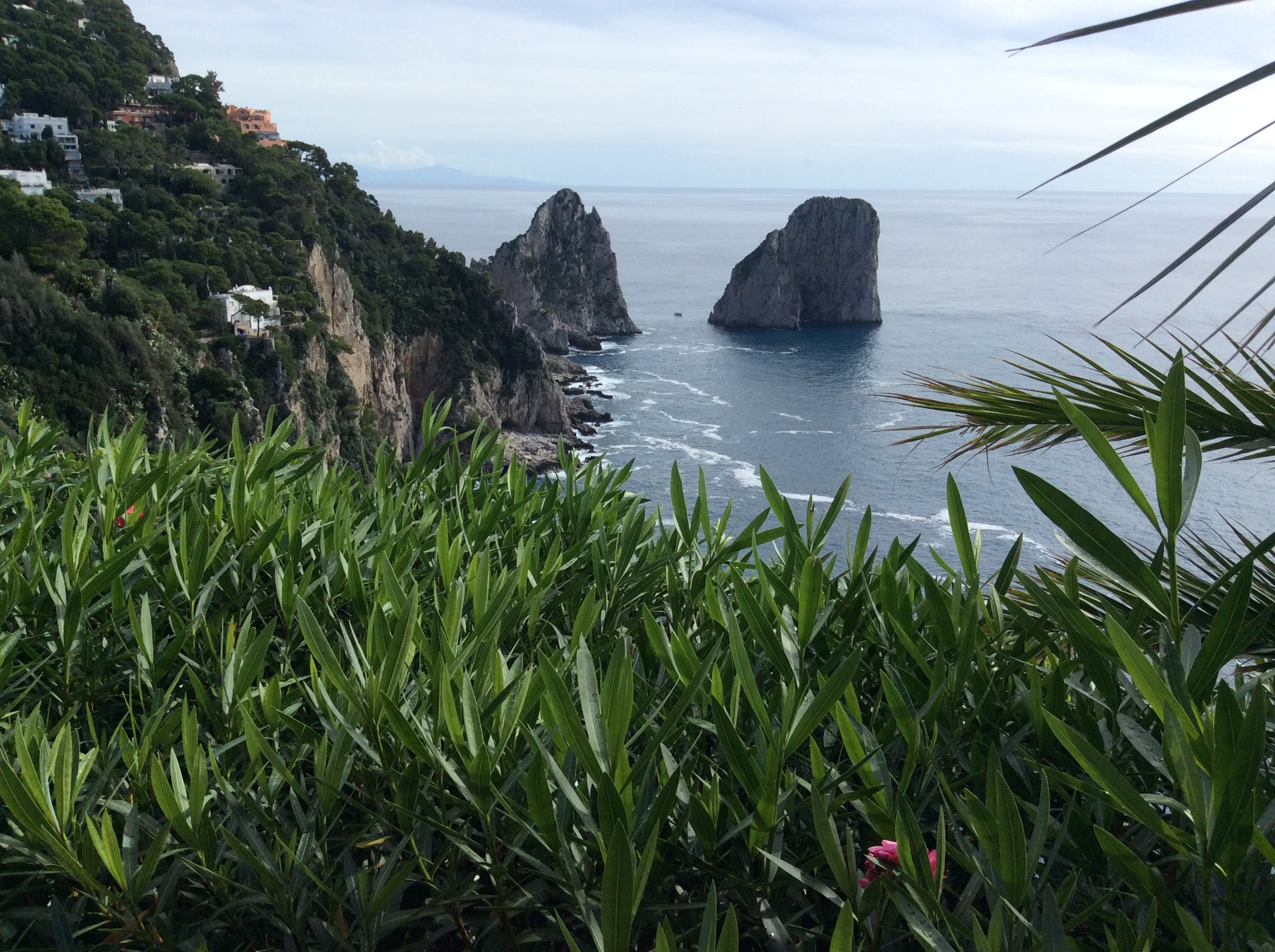
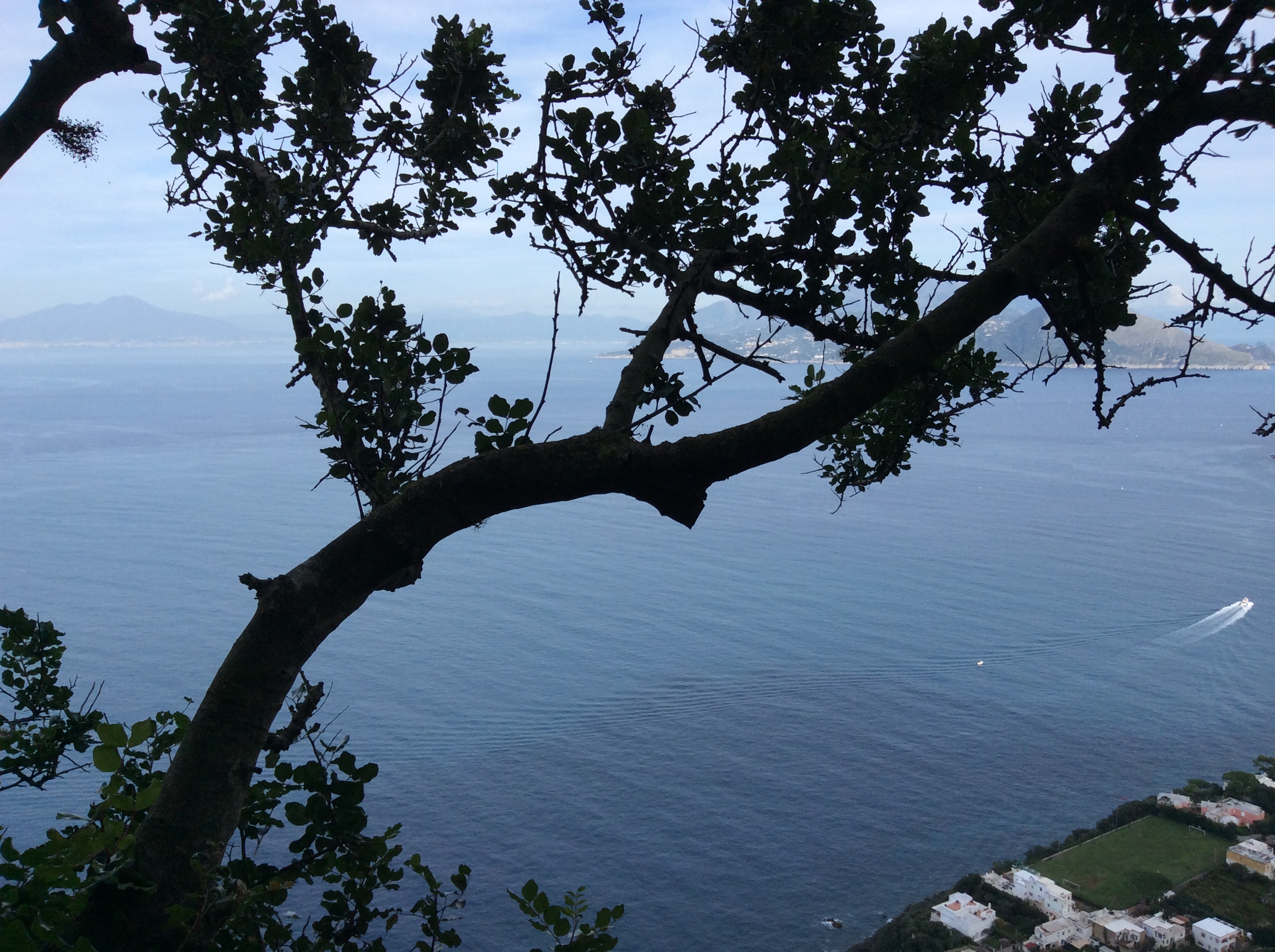
Looking down on the lower, main town from the town high on the island, Ana Capri. At the far point one can hike to the remains of Tiberius’ villa, where he hid the last ten years of his reign as Emperor of Rome. If he did not like you, off the cliff you went. I was standing on a trail with over 900 steps, carved by the Greeks even before the Roman times, that lead down to the lower town.
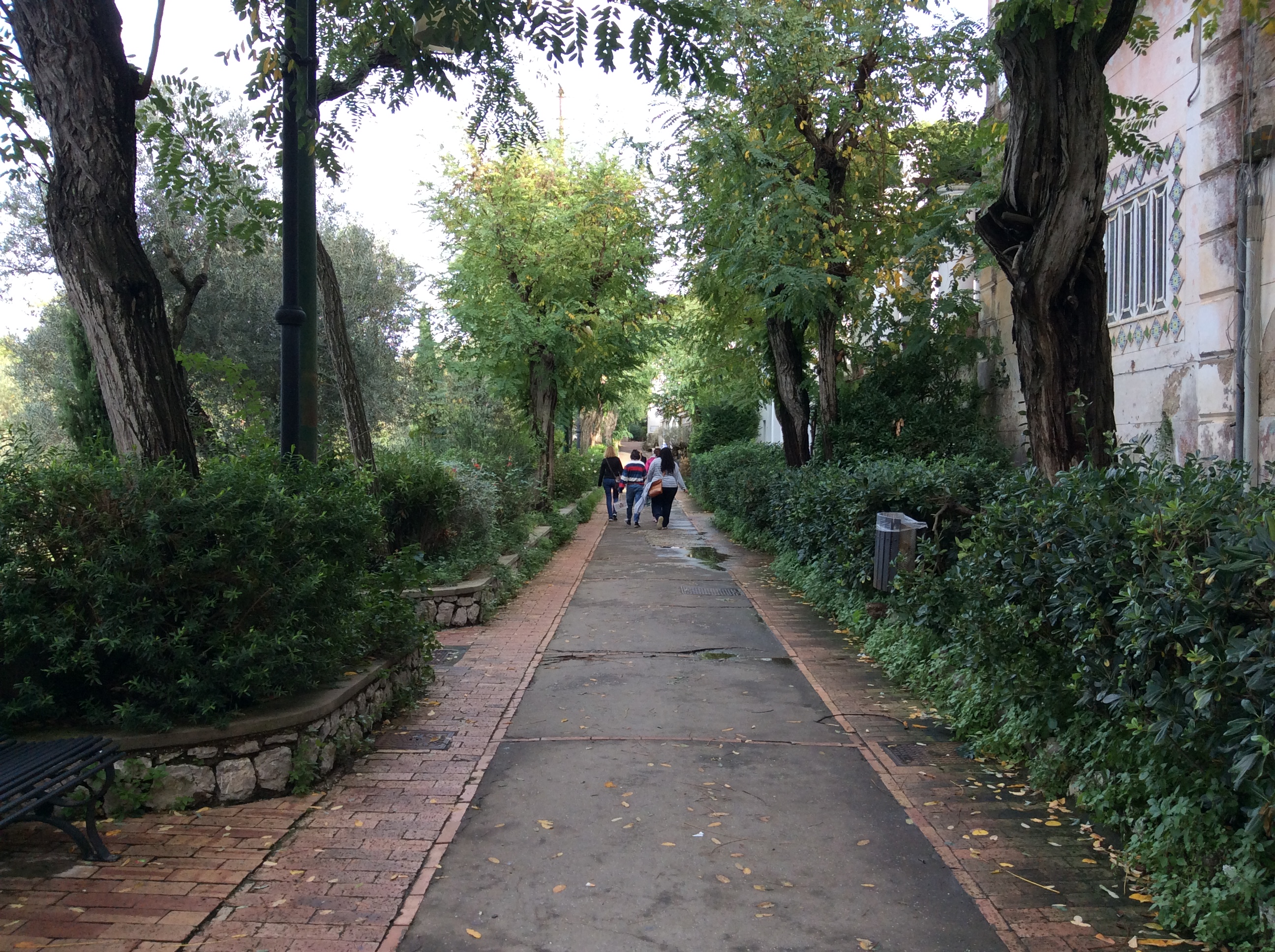
This walkway leads to the path mentioned in the previous photo. This time of year Capri is lush, relaxing, and peaceful.
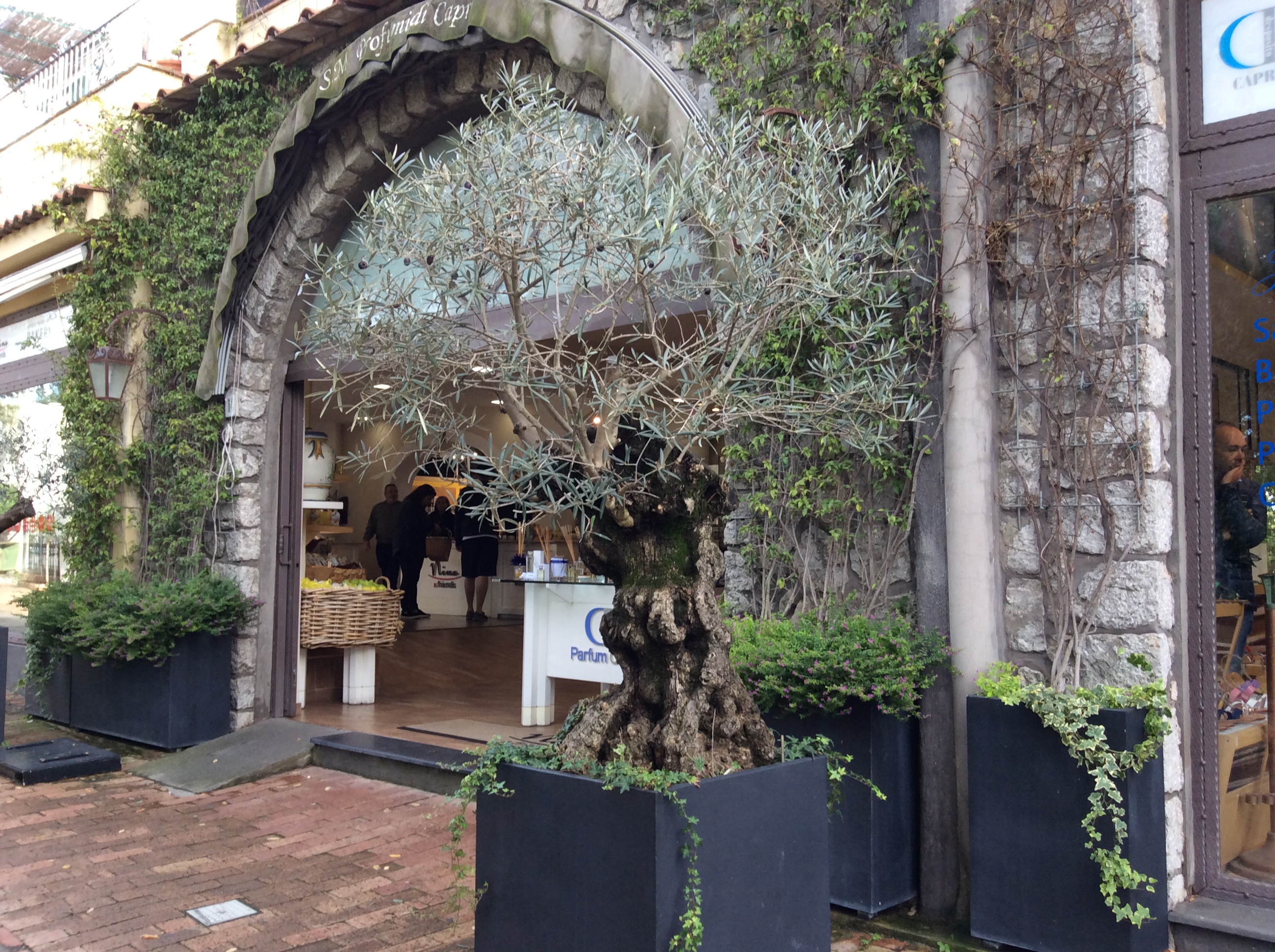
This shop, among the few that were open, sold all sorts of chocolates with various limoncello products. The combination of chocolate, limoncello, and almonds is a taste of heaven.

I took all the above photos while strolling along the walkway shown in the third photo. Beauty lay everywhere I looked.

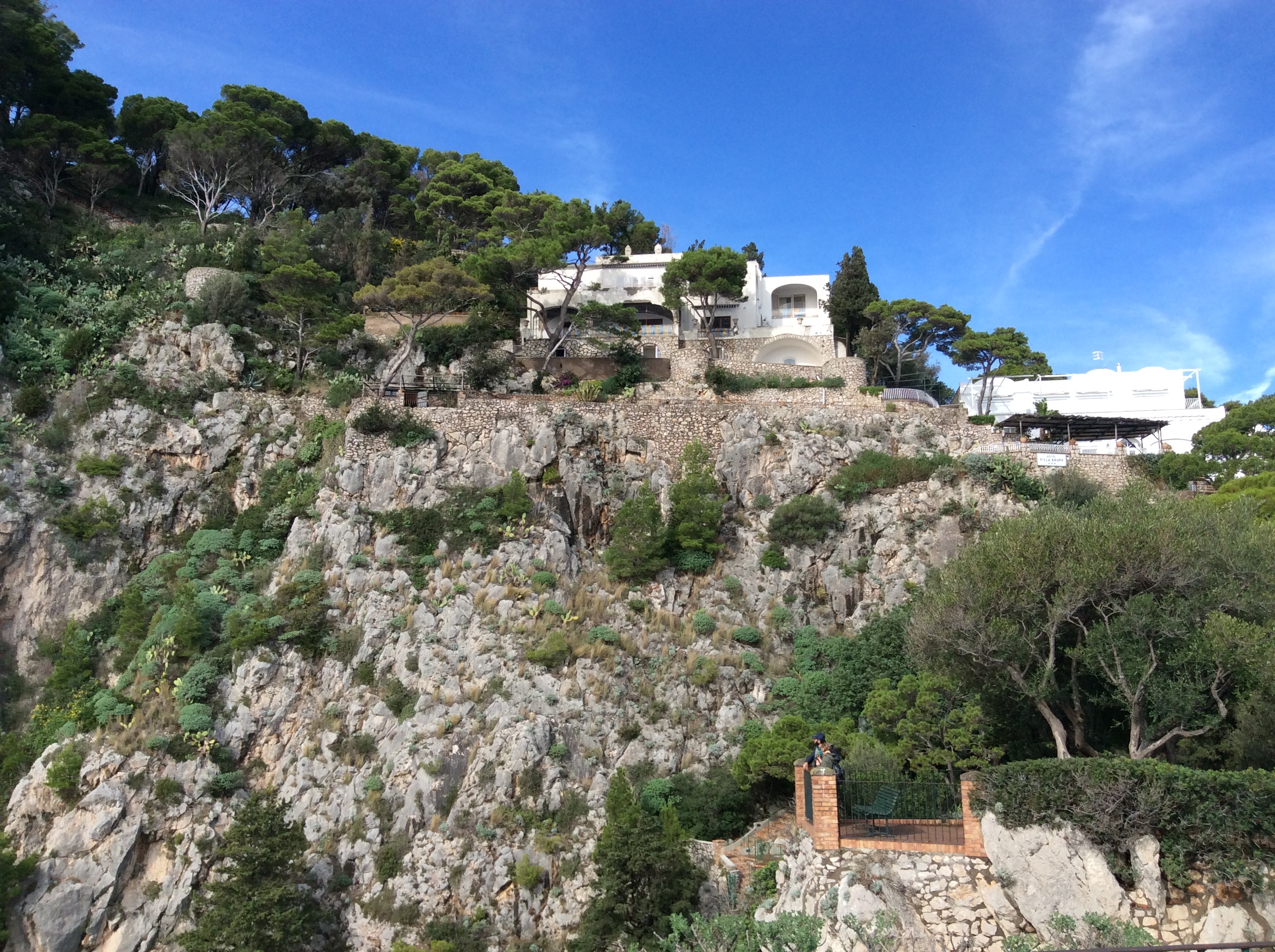
Capri is rugged. Houses hang off cliff edges, steep roads climb up and down near the sea’s edge. We strolled, went to a garden, found a little place to sit on steps and drink cappuccino .

Wandering the World–Italy, Part One


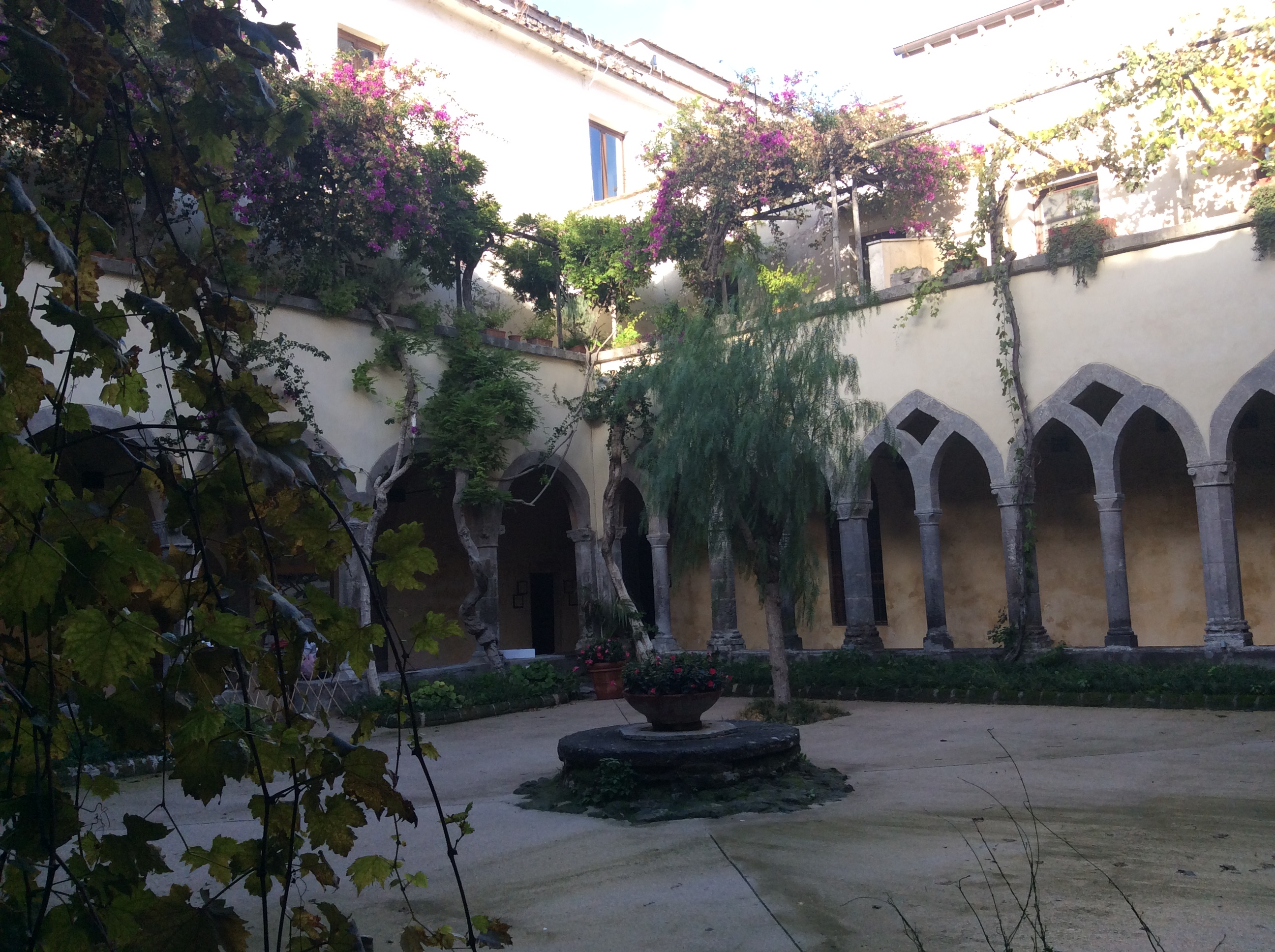
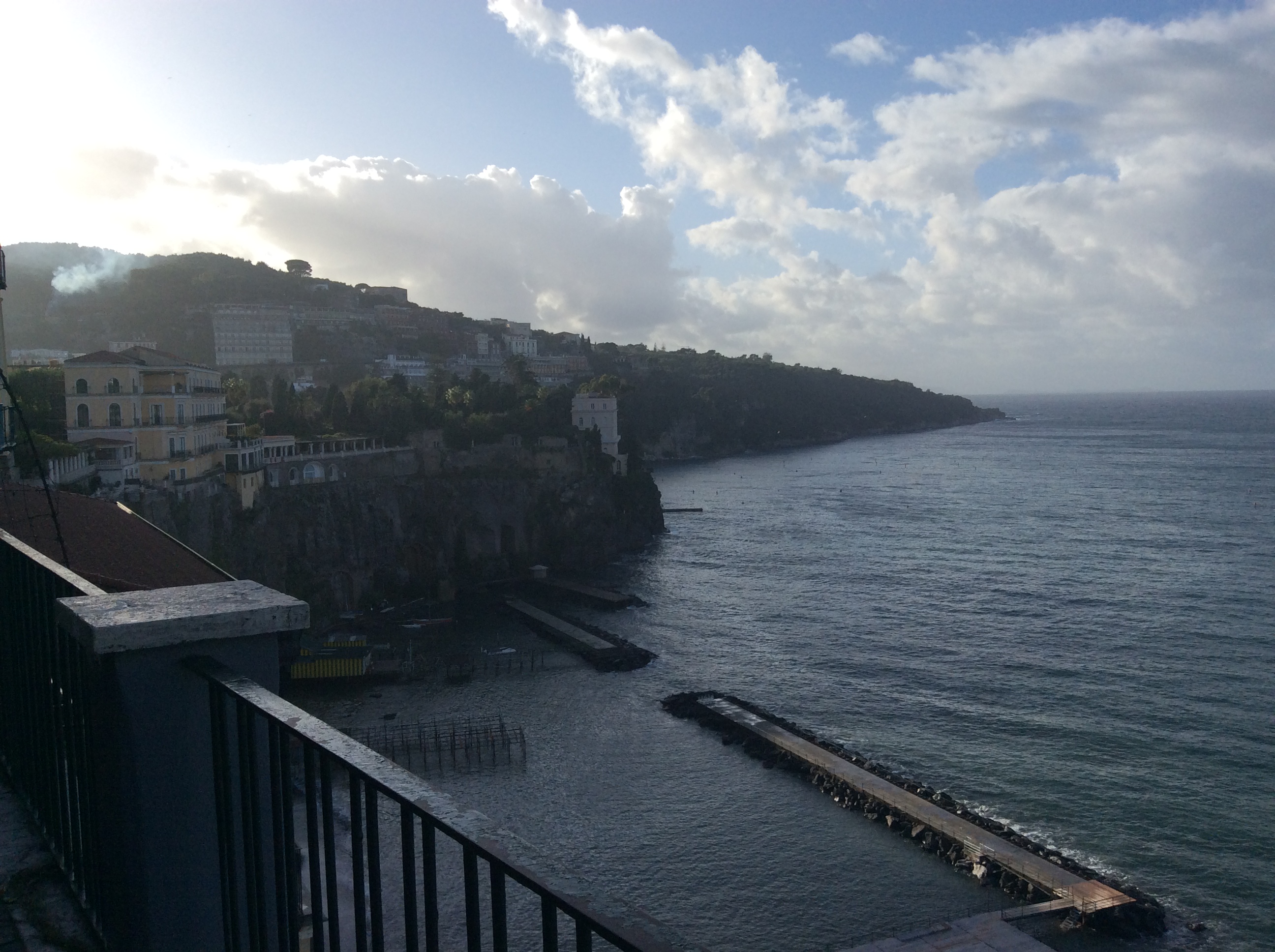
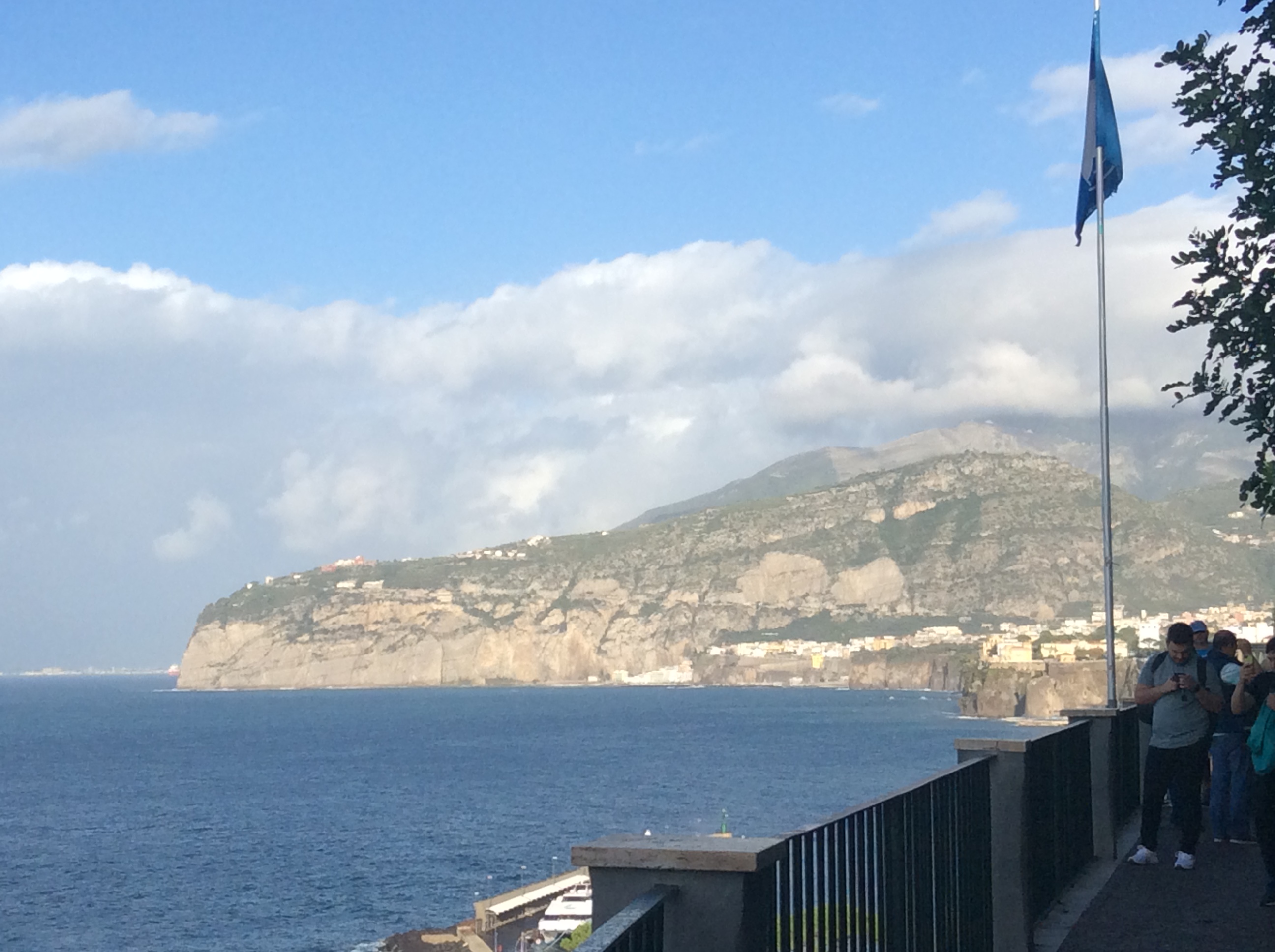
Last November I spent a little over a week in Italy. We spent only 1/2 day in Rome then drove to Sorrento where we stayed for a week. From there we wandered down the Amalfi Coast, over to Naples, Pompeii, and Capri. Want to avoid the summer heat and crowds? Go in November. Yes, it is chilly and sometimes rainy with big storms at night. Nevertheless, you can really see what people do who live there and avoid masses of tourists. Here are some of my favorite photos:

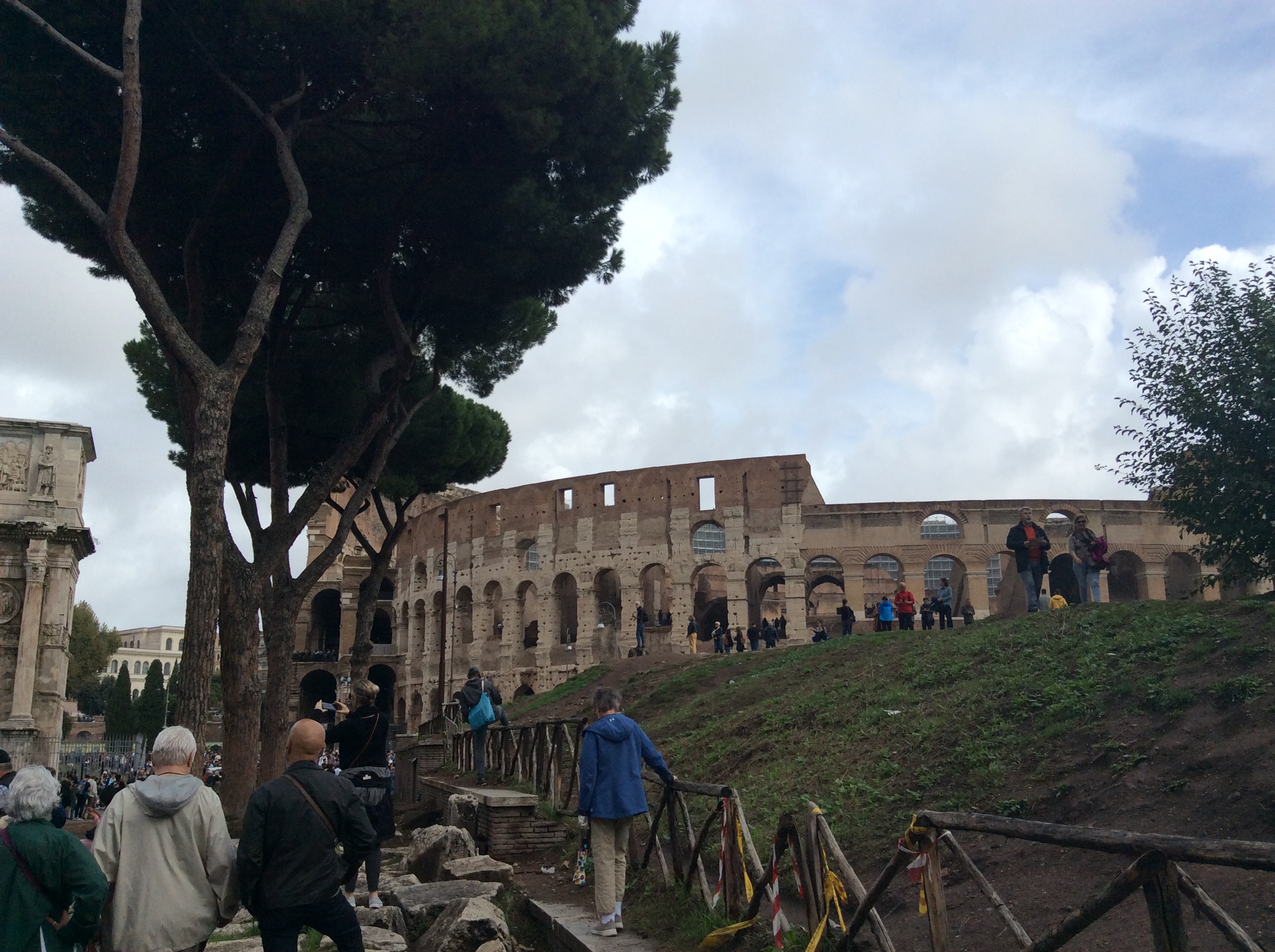
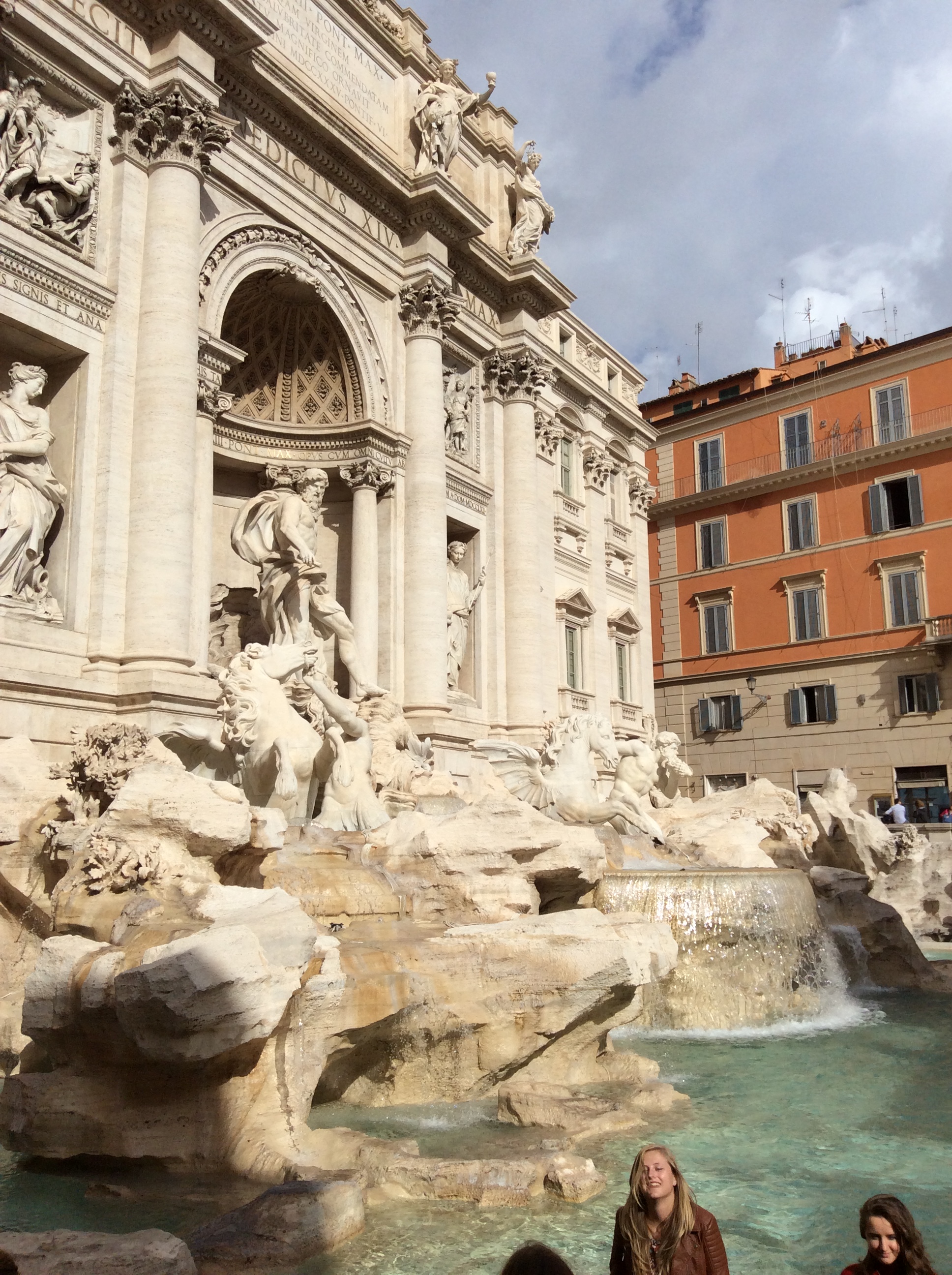
The above photos taken in Rome. The following were taken in Sorrento.

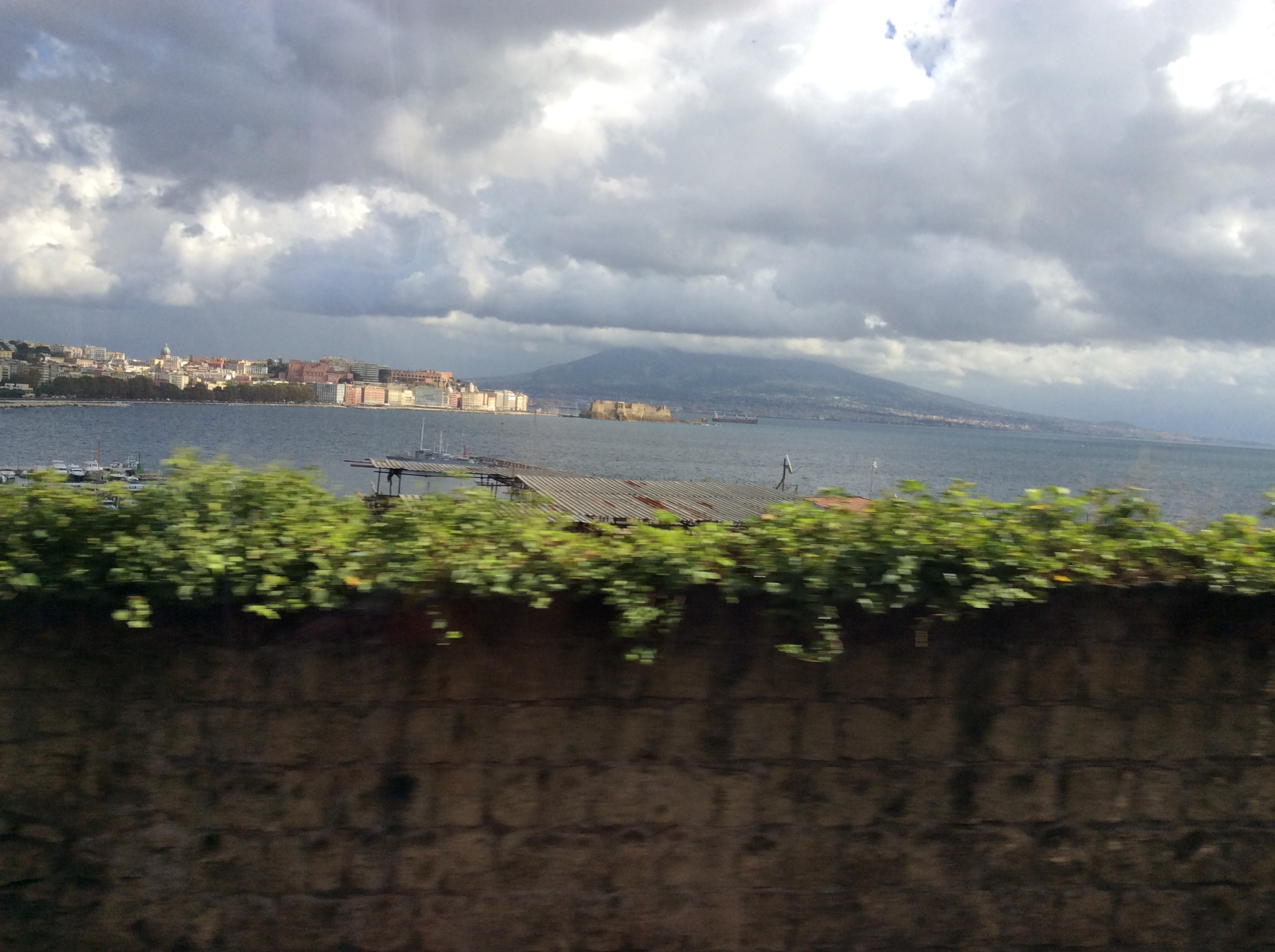
Vesuvius. I think I saw it nearly every day.

Italy–a day in Naples


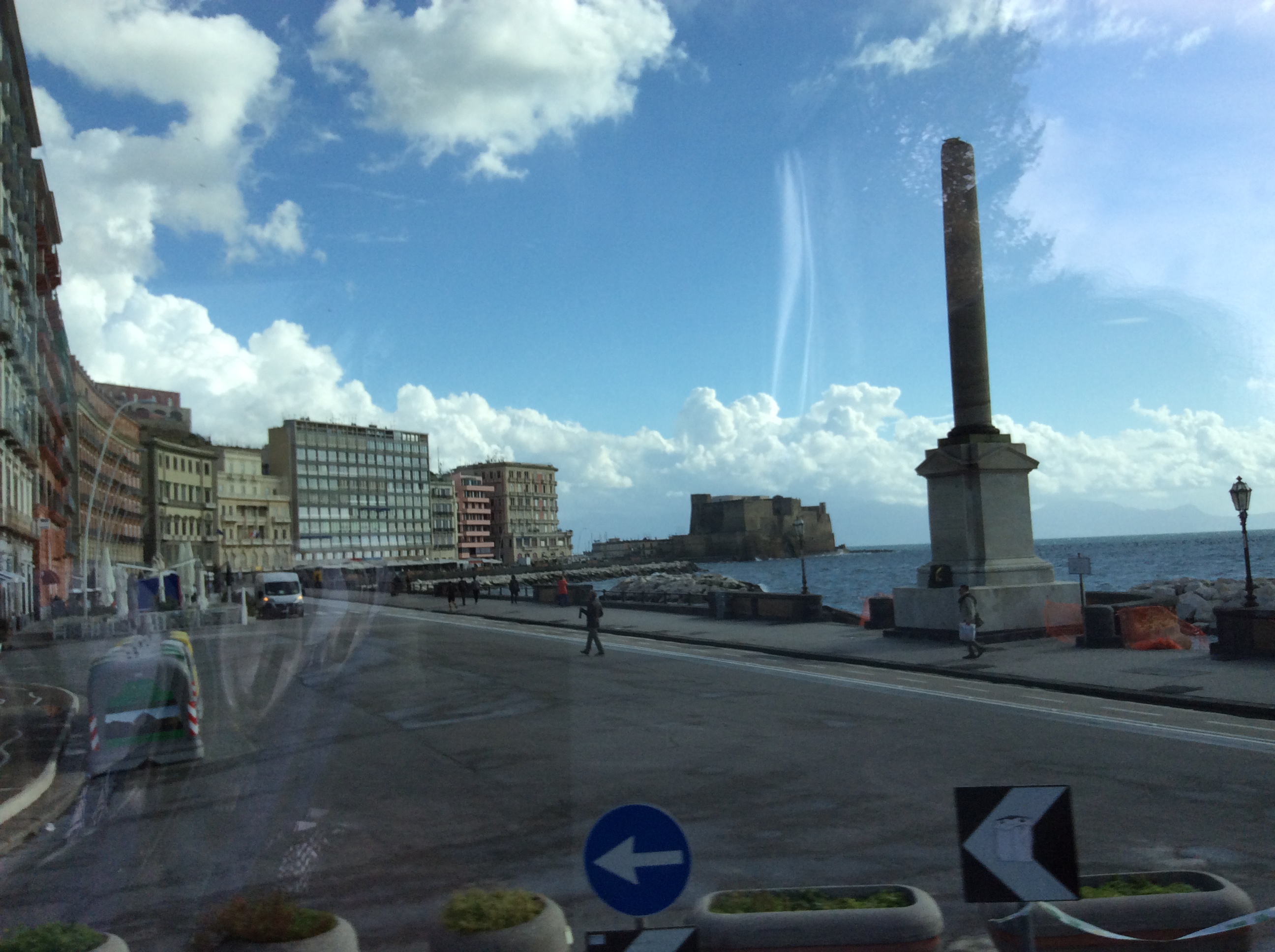
Naples is big; it is old; it contains stark extremes.  How old?  The New Castle was built in the 13th century; yes, that one is the new one.  Coming from Sorrento one first sees the ship yards, huge apartment complexes where the less fortunate dwell, industrial areas.

IMG_4500

IMG_4502

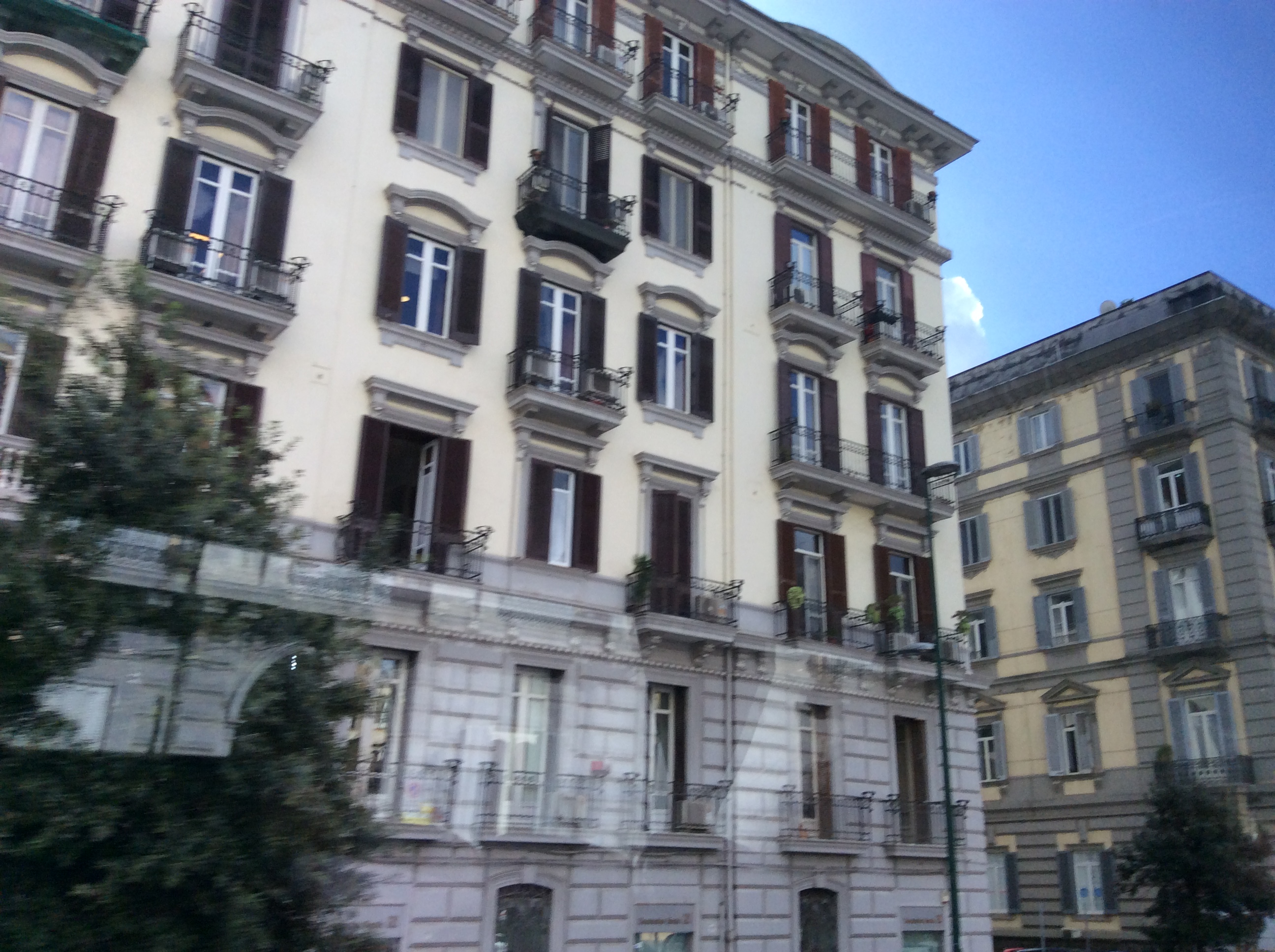
Some said they thought it looked dingy.  I laughed to myself.  These buildings are old and near the sea.  Will anything built in the US last this long?

IMG_4503

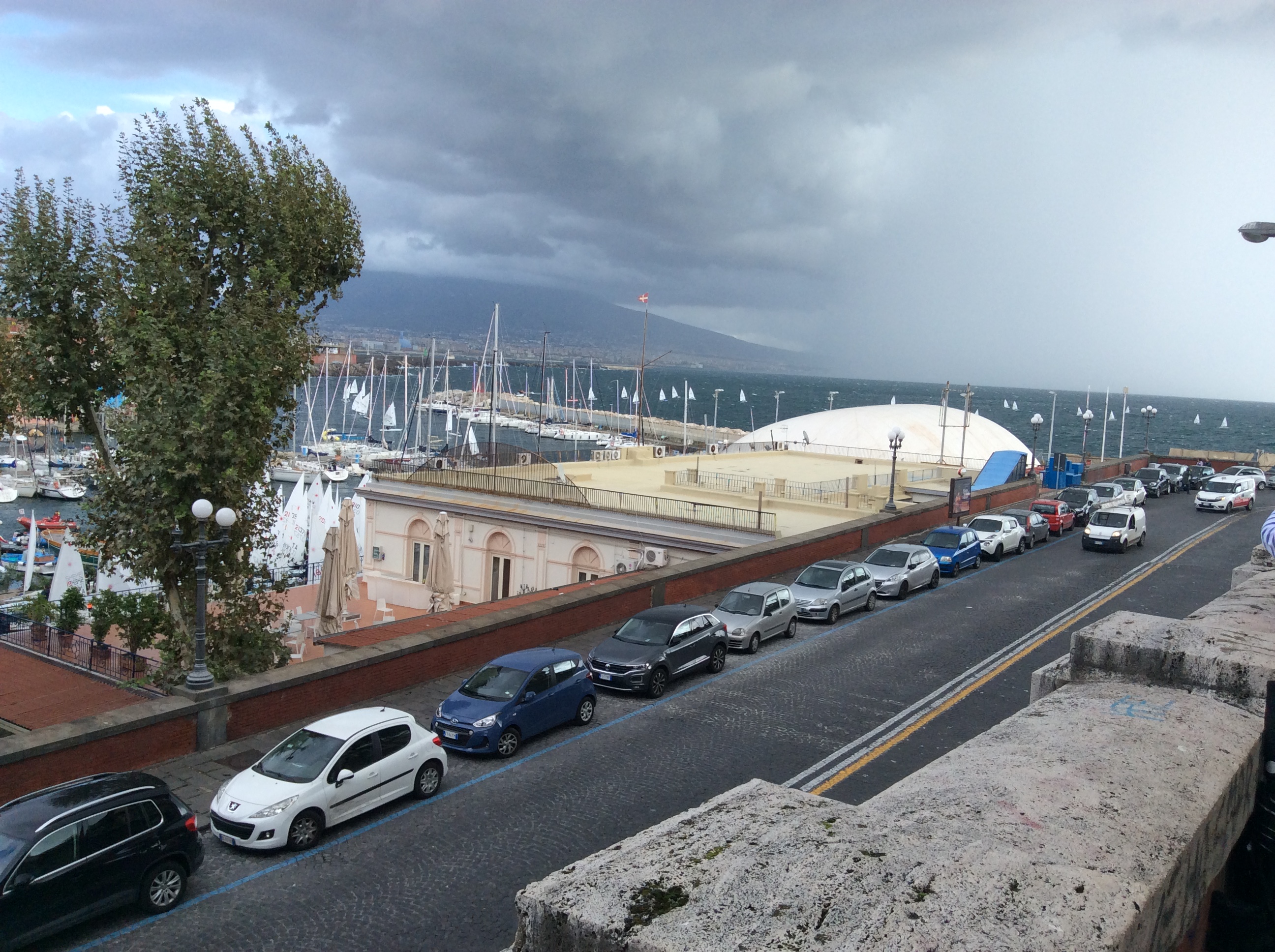
IMG_4505Then we drove up higher and higher into another part of Naples.  You can see Mt. Vesuvius in the background.

IMG_4506

IMG_4510

IMG_4516

The island to the right in the distance is Capri. More on Capri in a later post. In this part of Naples it is obvious that some people live very well there.

IMG_4522

IMG_4523

IMG_4524

Then we went lower again driving along the seafront and parked where we could walk to the oldest part of Naples.

IMG_4525

A very old cathedral in the background to the left.  We wanted to go in but it was closed until later in the day.  To the right of this photo, a large group of protestors were shouting slogans, etc. through loud speakers. Military were evident in the square.

IMG_4526

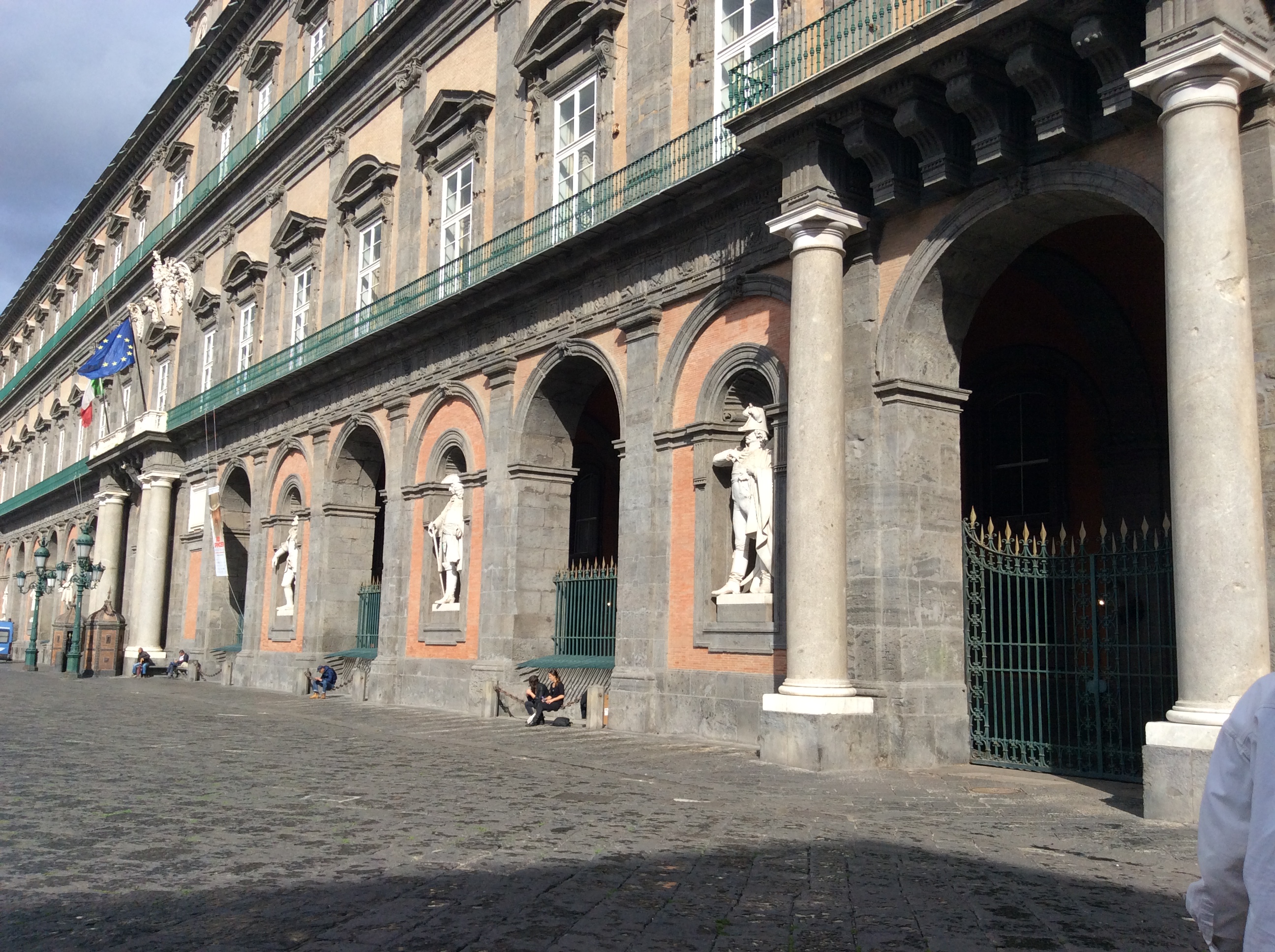
A city government building.  The statues are of various famous people in the history of Naples.

IMG_4528

Looking across the square from the church steps.

IMG_4529

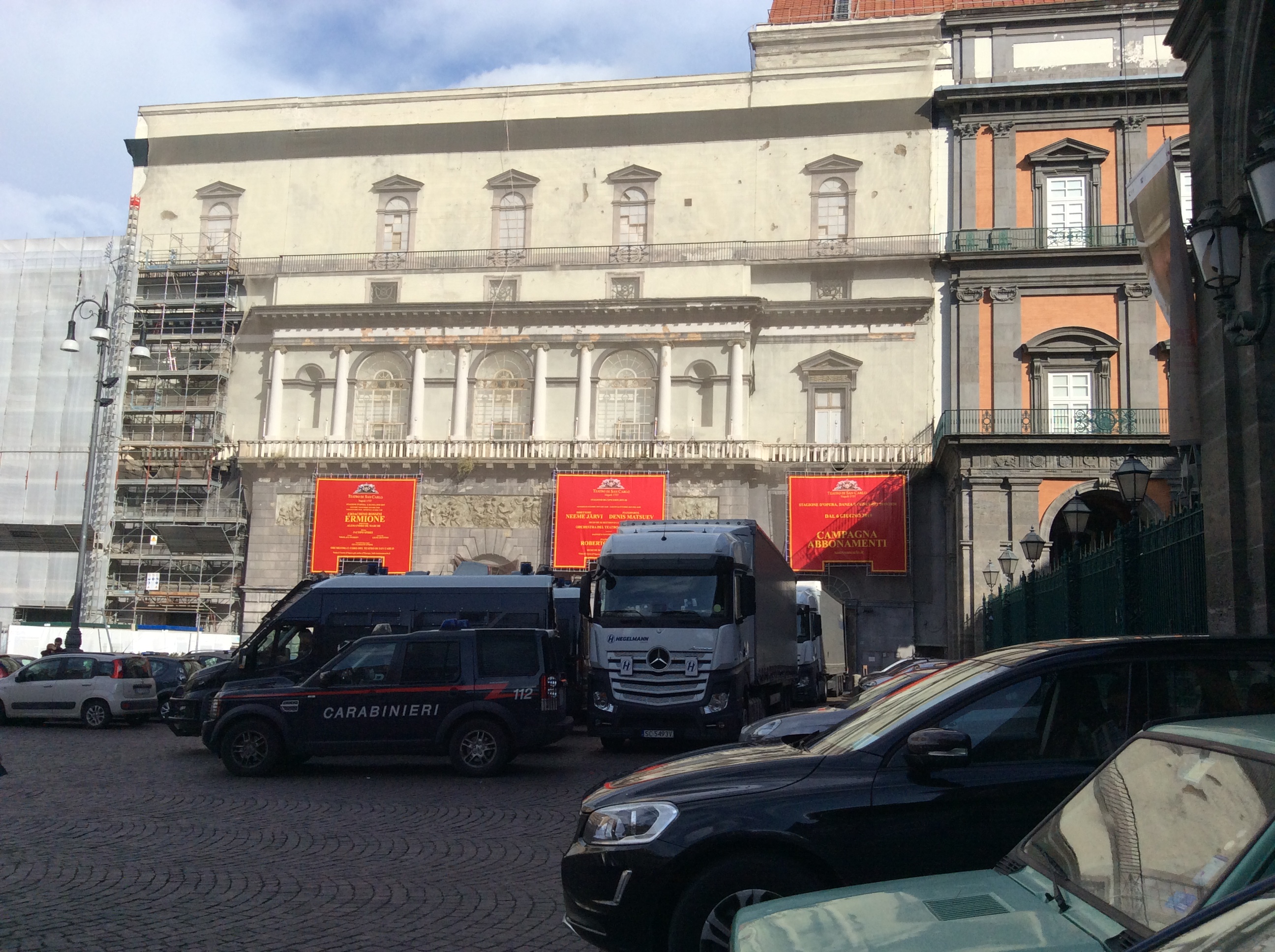
The oldest opera house is in Naples.  Operas are still performed here.

IMG_4530

We walked to another area and went inside this building which is filled with restaurants and shops, many with very high end clothing.

IMG_4532As we left, I noticed the bay was filled with tiny sailboats.  It was very windy and I thought they were very brave.  Later, I learned that these tiny boats are training boats, the ones you use when you are first learning to sail.  It looks daunting to me. I have only sailed on boats much bigger.

Why do so many people still live so near a non-dormant volcano?  Someone asked this question.  The response was:  Why do people live in Florida, Houston where there are hurricanes rather often.  Why do people live where there are tornadoes, earthquakes, mudslides? At least Vesuvius provides a beautiful backdrop.


Italy–Spaghetti with Lemon Cream Sauce


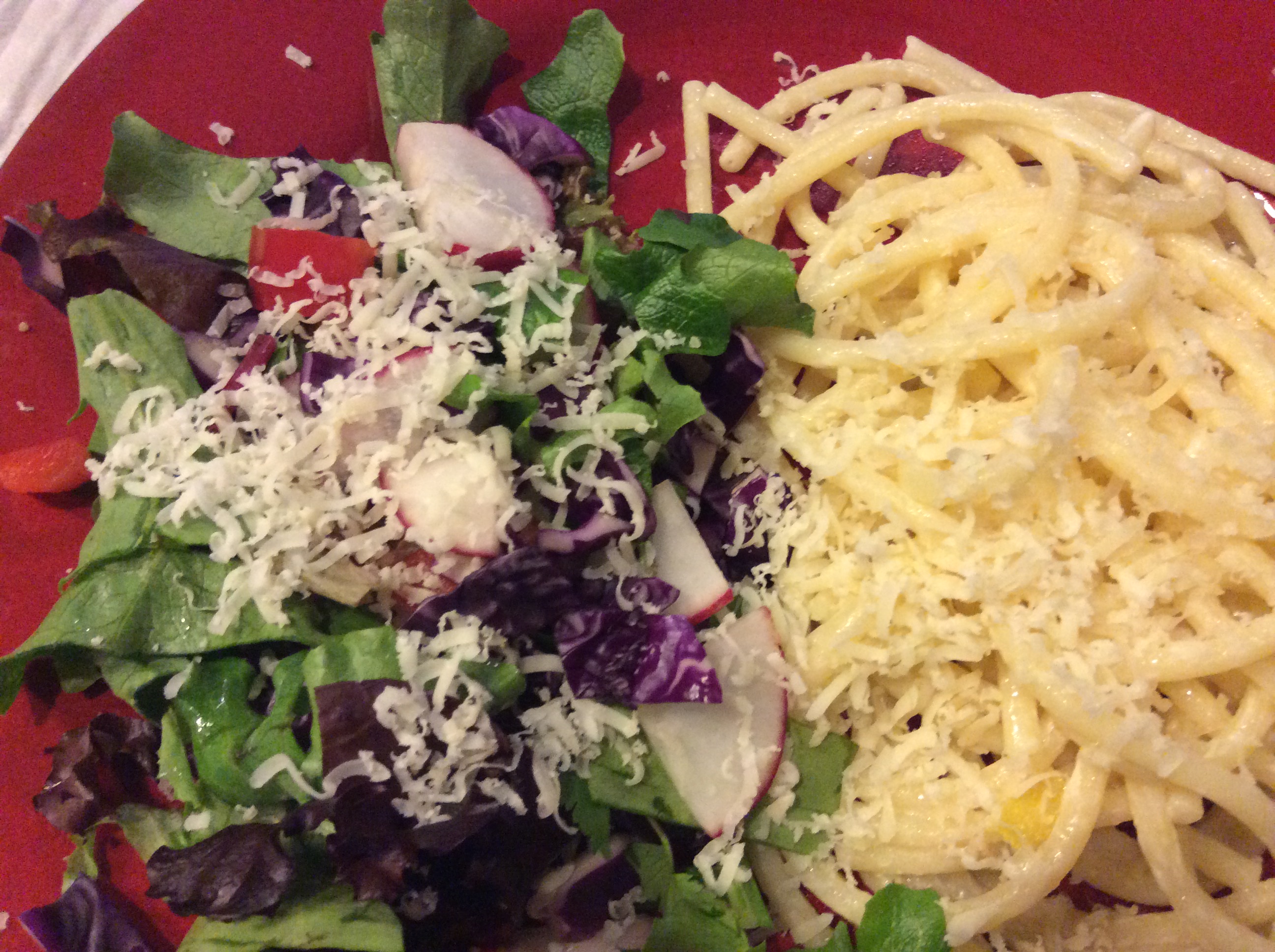
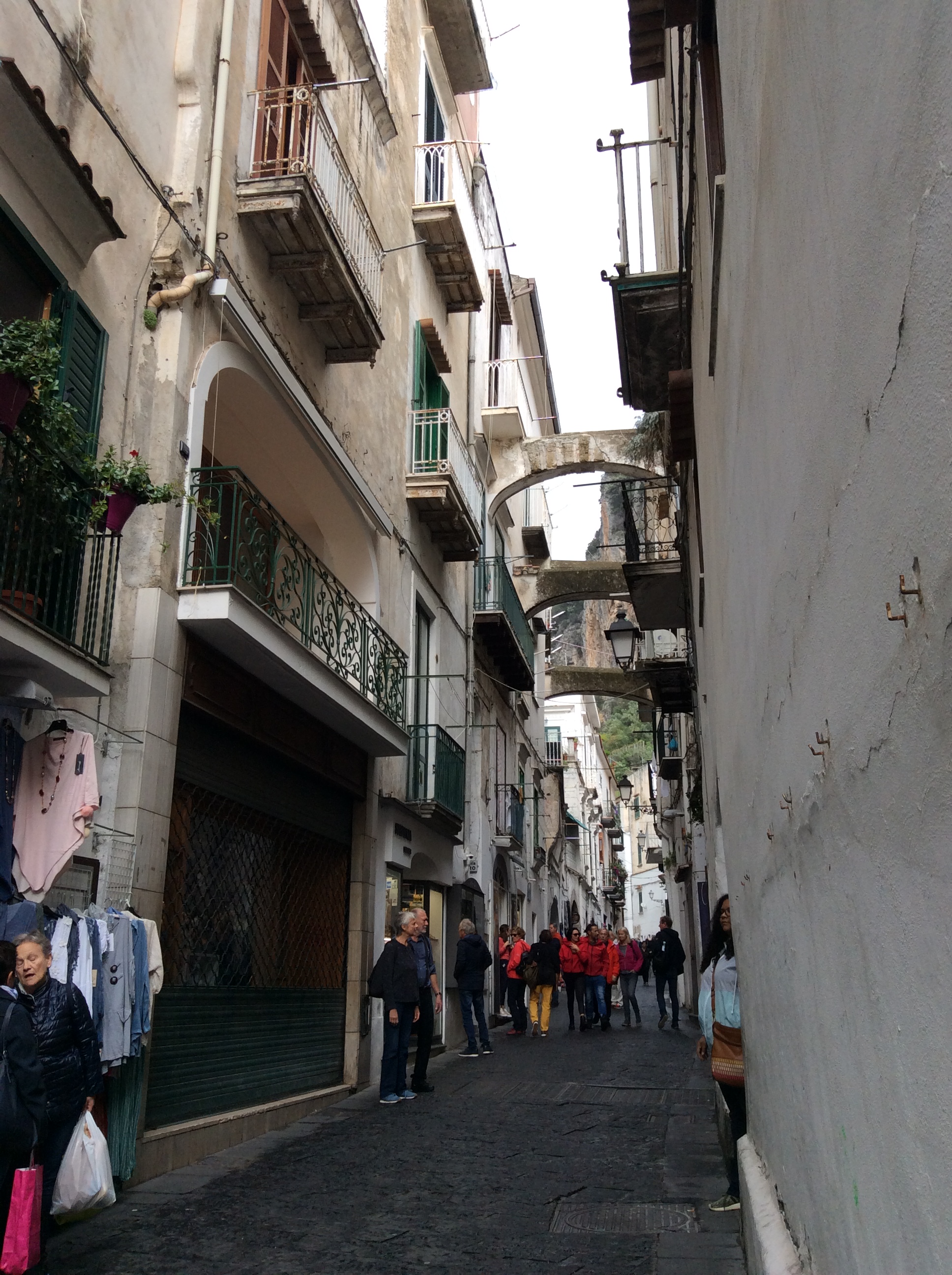
My favorite pasta dish in Italy was like none other I have eaten anywhere.  The first time–and the best dish–was in a little restaurant along the side of a narrow street in Amalfi.  The Amalfi Coast is famous for its lemons and where they create the best limoncello.  Therefore, it is not surprising that they created a pasta dish featuring lemons.  When I returned home, I experimented to recreate it.  First, the spaghetti–yes, they called it spaghetti–was considerably thicker than spaghetti in the US.  I guess it was homemade.  I did find a reasonable substitute here, bucatini from Italy.

Here is my recipe for two people:

1/2 lb. bucatini made from durum wheat semolina

1 lemon

heavy cream or half and half

lemon essential oil

butter

Cook the pasta as directed on the package.  While the pasta is cooking, using a potato peeler, peel strips from the rind of the lemon and cut into small pieces. If not using lemon essential oil, juice the lemon.  After the pasta is cooked and drained, place back in the pot with a couple tablespoons of butter and stir until butter is melted.  Add the lemon rind and lemon juice or essential oil to taste.  Add the cream carefully–just enough to make a little sauce.  Serve and grate parmesan or asiago cheese on the top.

Serve with a nice green salad.

IMG_4546

IMG_4131

Farther up this street just below the school, we found the restaurant where I ate the spaghetti with this sauce.


Italy–Sirens’ Song


As we drove along the Amalfi Coast, the guide told us the mythological story of the Sirens.  My daughter took a photo out the window of the Sirens’ islands.

IMG_2866

Later I wrote this poem remembering the travails of Odysseus.


The melodious Sirens’ song

lured Odysseus

begging to be untied from

the mast.

Even the roaring sea’s

voice whispered in

comparison.

They sang honeyed

love songs to starving

sailors, longing for a woman’s

touch, a kiss, ecstasy.

With knife claws, they

ripped them asunder,

crunching bones, blood

erupting.

Satiated, they sang,

eternal, etherial, deceptive.


Several days later at a shop in Sorrento, while my daughter was looking for a medusa cameo, the owner, a cameo artist, brought out Siren cameos.  He insisted the Siren’s have been terribly misunderstood.  I wanted clarification but unfortunately other customers appeared and I remain mystified.

Cooking in Italy


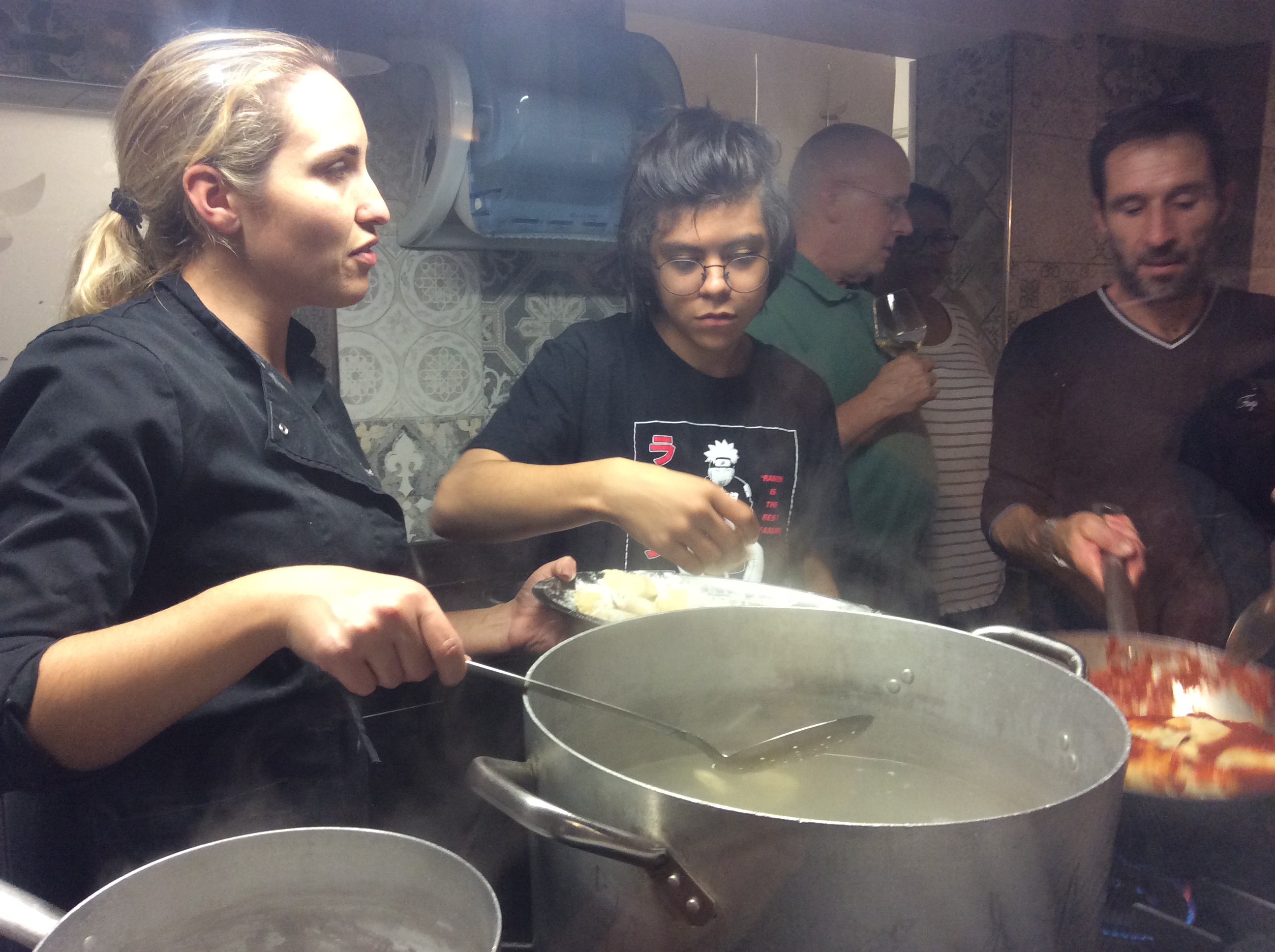
After spending most of the day exploring Pompeii, we rushed back to Sorrento for an evening cooking class up on a mountainside above the main part of the city. We made eggplant parmesan and  cheese ravioli. Their take on the eggplant dish was different from any I have seen in the US.  They had sliced the eggplant on the diagonal and already cooked it.  Each person received several pieces of the already cooked eggplant and a bowl of their homemade mozzarella cheese.  We were instructed to place a teaspoon of the cheese in the middle of each piece of eggplant, roll it up, and place it in a small casserole dish with their homemade tomato sauce already in the dish.  Instead of layers of eggplant, sauce, and cheese, this was rolls of eggplant filled with cheese atop a tomato sauce in a casserole dish which they baked while we made ravioli.

For making the ravioli, in front of each person they placed a pile of a couple cups of flour and dishes of water and oil.  We were instructed to add the oil and a little water to make a stiff dough.  Then we were told that the key to really good ravioli dough (and I am guessing any pasta dough) is to knead it a lot.  Yes, to do all this, we had to use our hands.  After the dough was thoroughly kneaded, we patted it out into an oval and then ran it through a pasta maker several times to make it thin.  We laid this rolled dough on the table and then with a ravioli cutter, we cut circles, filled them with mozzarella cheese, but not too much.  The key is to get just the right amount of cheese so you have enough but can still fold it over and seal the edges with the cheese inside.  It must be sealed thoroughly so it does not fall apart when being boiled in the salty water.

The owner asked my grandson to help cook the ravioli.  Here he is working away.

IMG_4455

After the ravioli was done, we all sat down and enjoyed the eggplant, the ravioli with their homemade tomato sauce, and their local wines.  Making both dishes was much easier than I expected.  And fun.  The evening was filled with joy, laughter, and good company.


Italy–Pompeii


Although I had heard about, read articles, seen photos and documentaries, nothing prepared me for its size, grandeur, and wealth.
IMG_4155

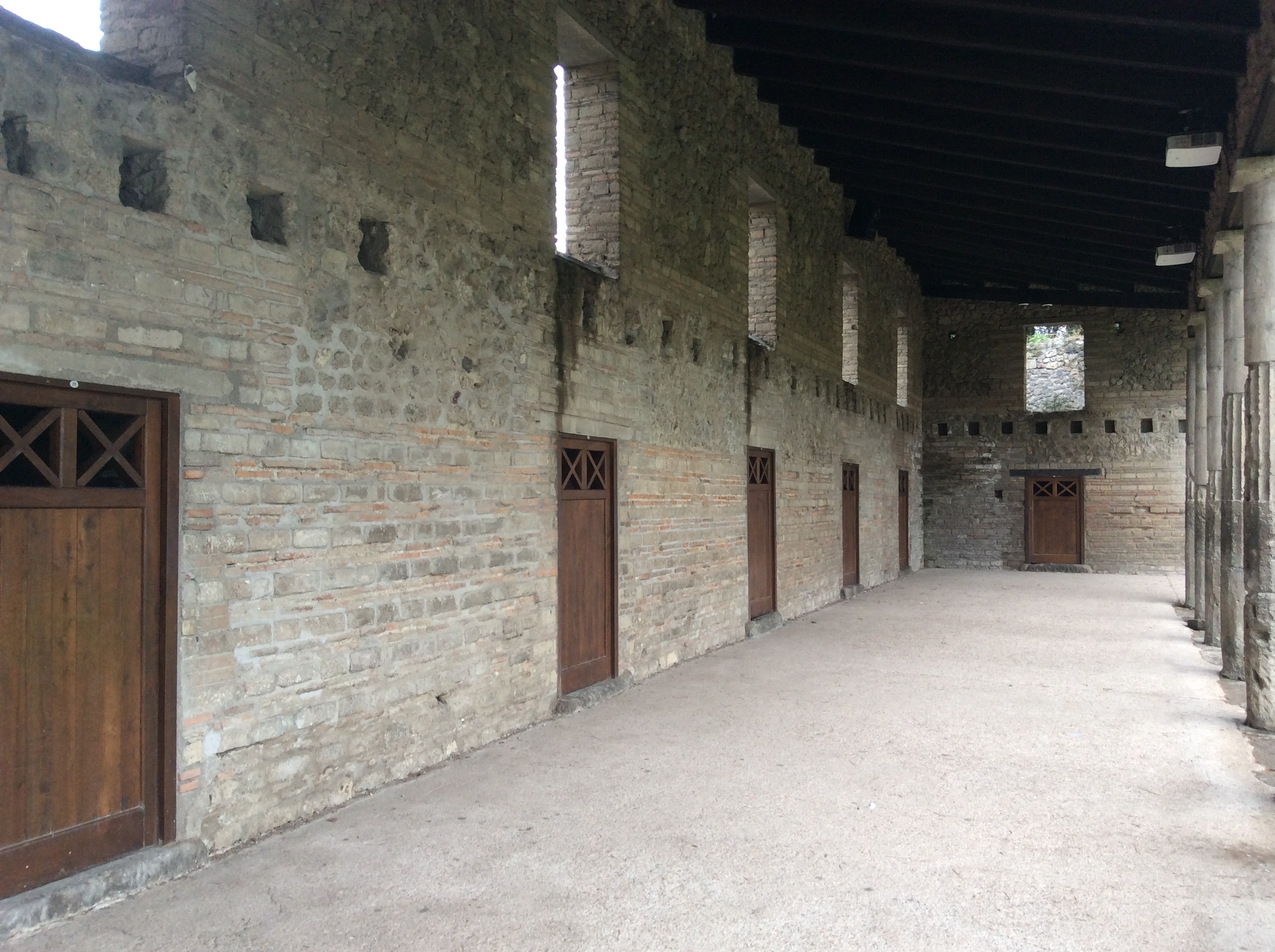
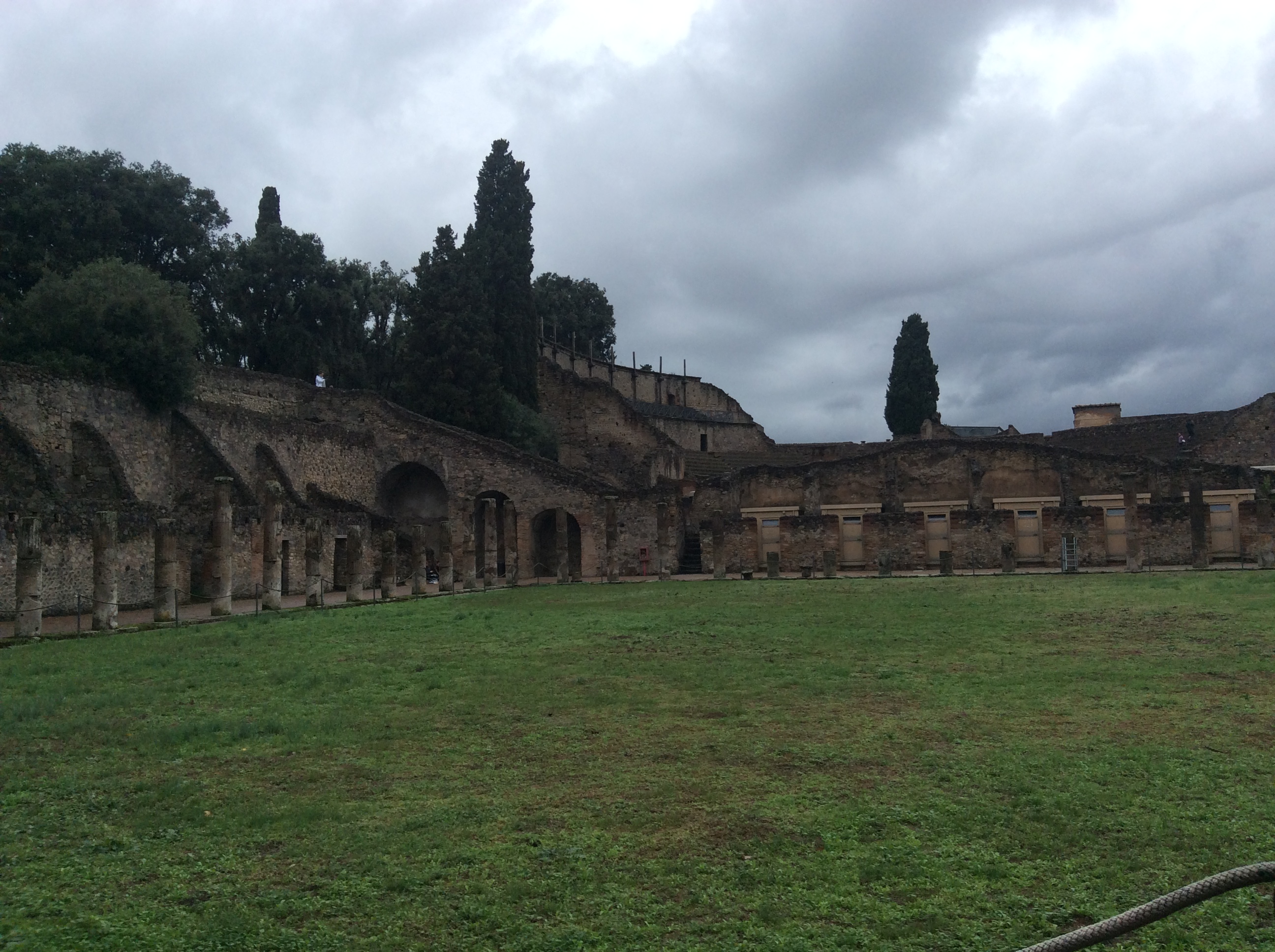
To get here you have to climb up a hill.  This is where the gladiators lived and trained.

IMG_4156

IMG_4157

The doors are copies, the rest not.  Gladiators lived in the rooms behind the doors and exercised and practiced in the green area shown in the previous two photos.
IMG_4158

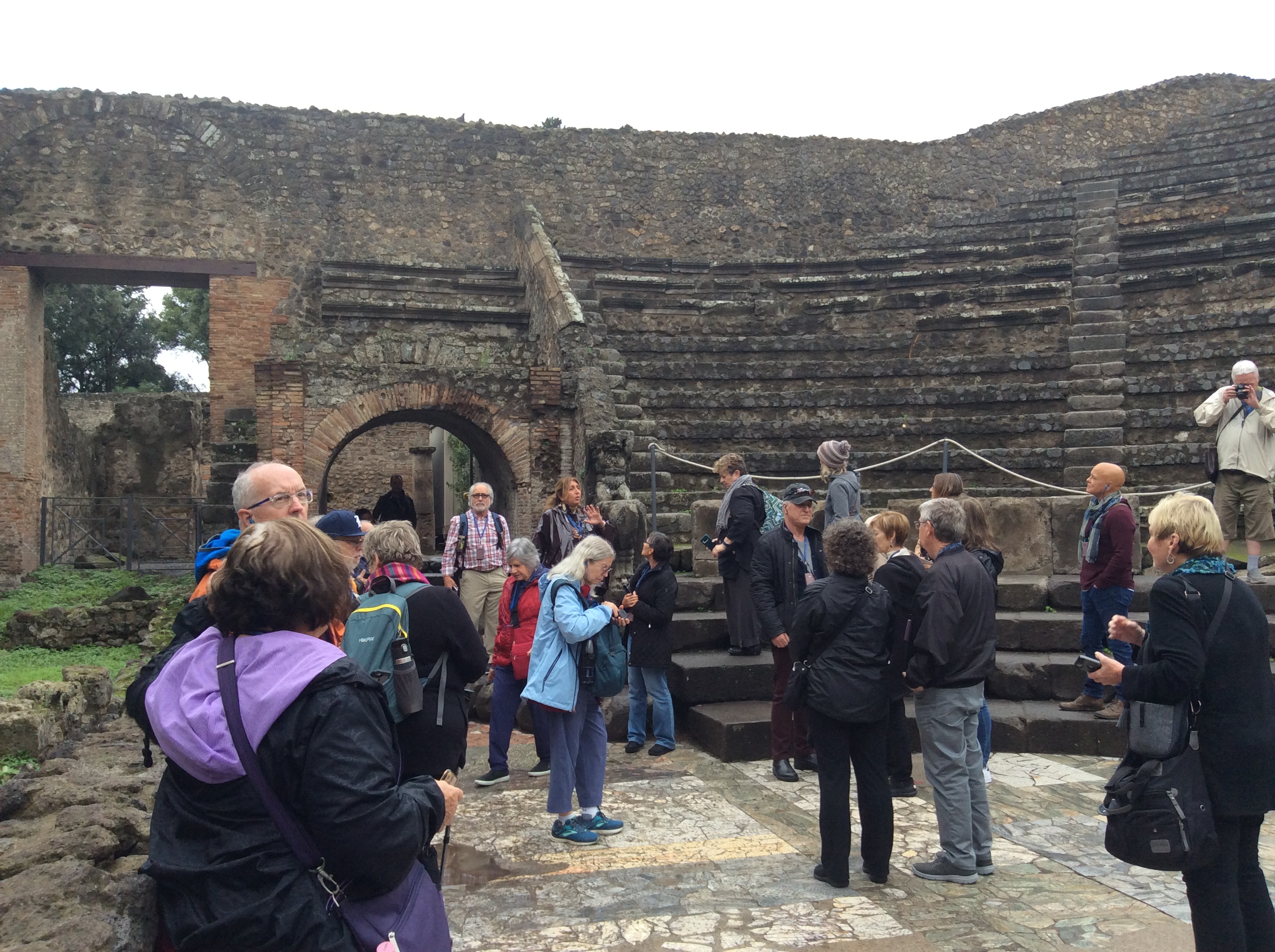
This is the tiny amphitheater which holds about 1000 persons. Occasionally, performances, e.g. concerts, are still held here.

IMG_4159

An we walked around, I took pictures of the various buildings, streets, walls.

IMG_4160

Looking back toward the small amphitheater.
IMG_4161

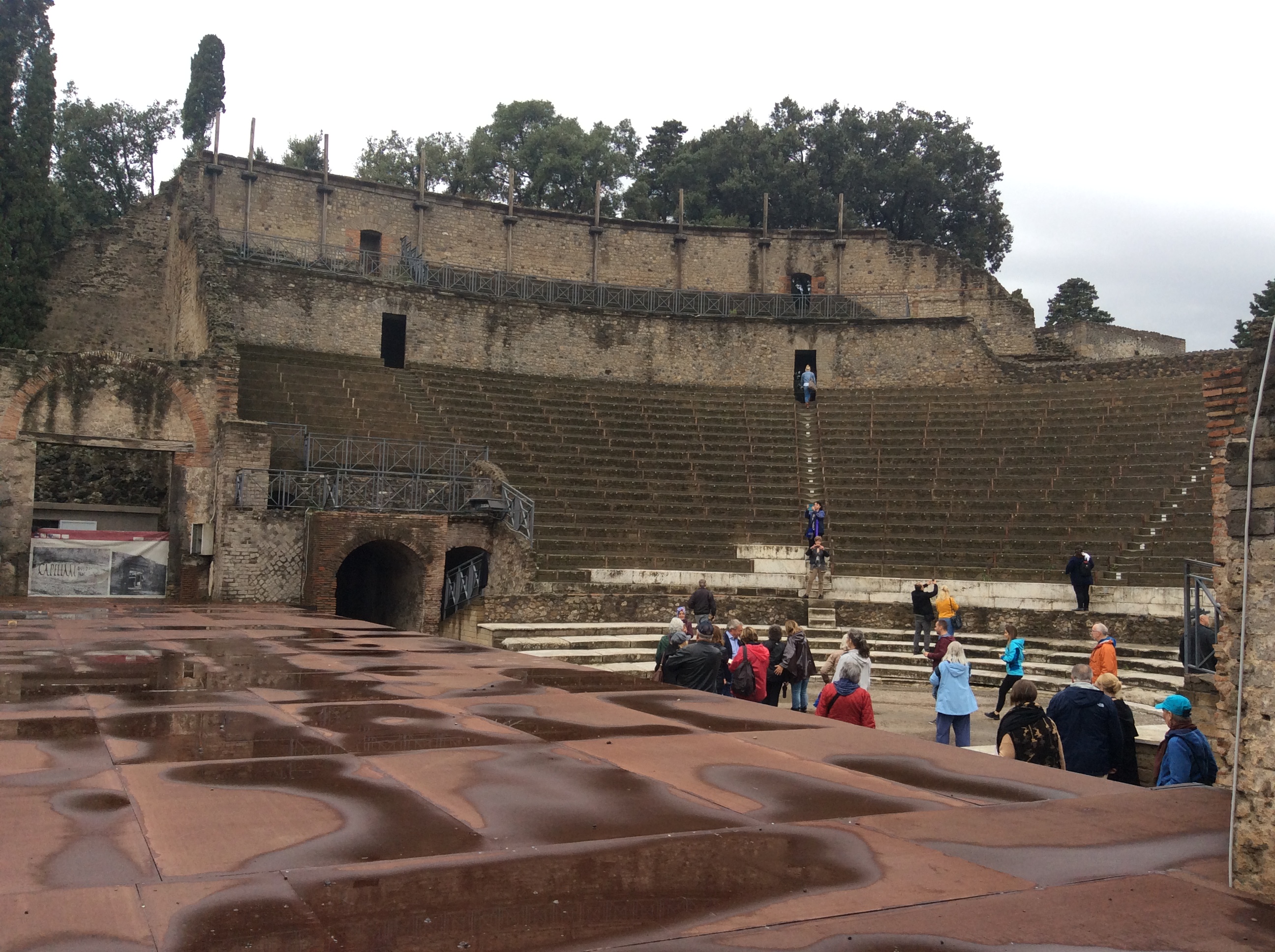
This is the large amphitheater which holds 5000.  Just like in theaters now, the seats vary in size, view, etc. so that the where you get to sit depends on who you are and how much you have to spend.

IMG_4162

Looking toward what remains of the stage and area behind the stage.

IMG_4164

Streets were laid out in a grid at right angles to each other.  This is a typical street with sidewalks on each side.  Notice the large stones in the middle.  At times with excessive rain, the streets would flood.  The large stones allowed people to cross without getting their feet wet.  The spaces in the middle were designed so carts could pass through.  Along the sides are spaces for shops.

IMG_4165

IMG_4167

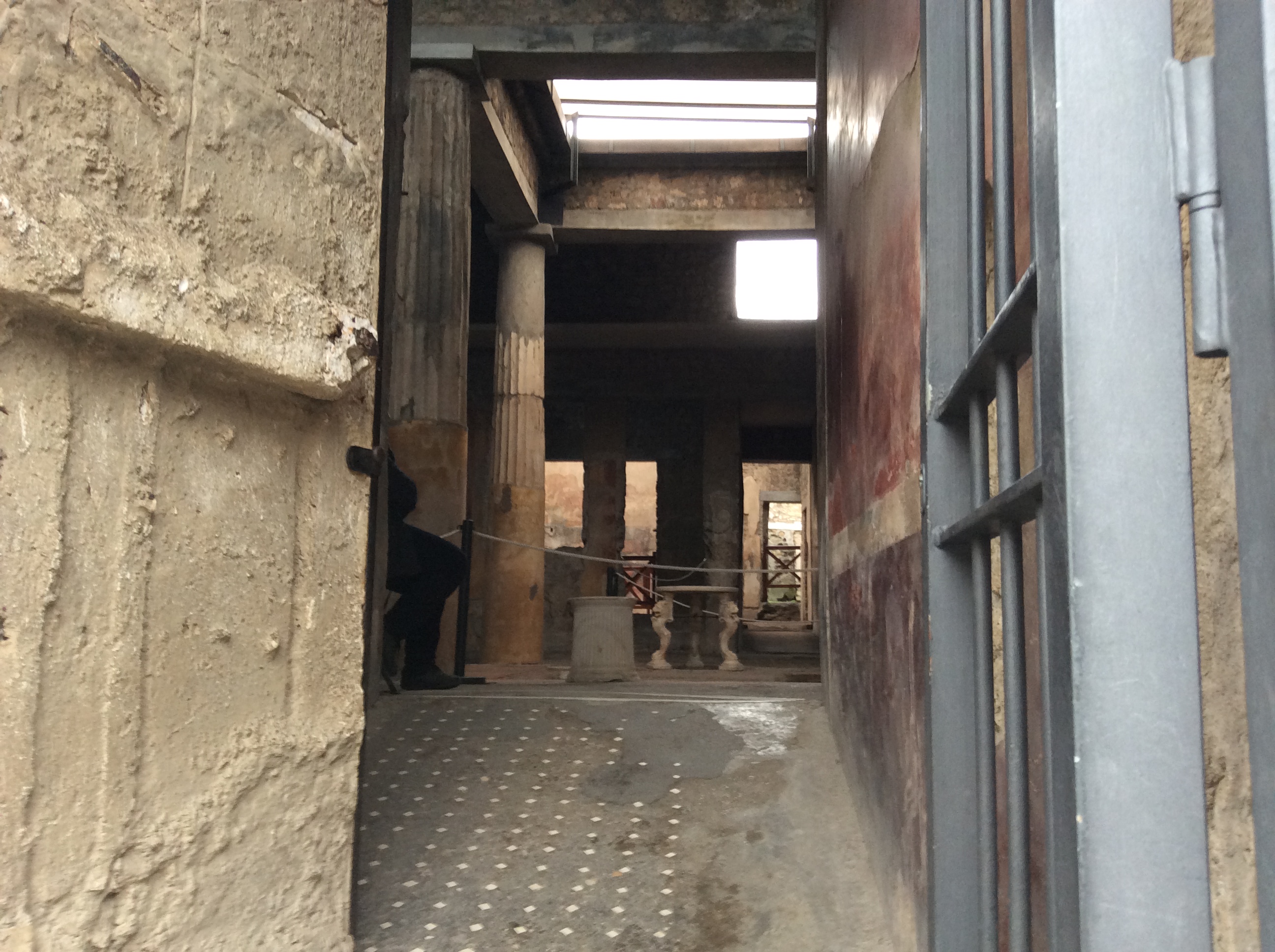
The wealthy in Pompeii lived in very large, elegant houses, with water collection systems, heated and running water.  This is the entry to one such house.

IMG_4168

The courtyard at the same house.

IMG_4169

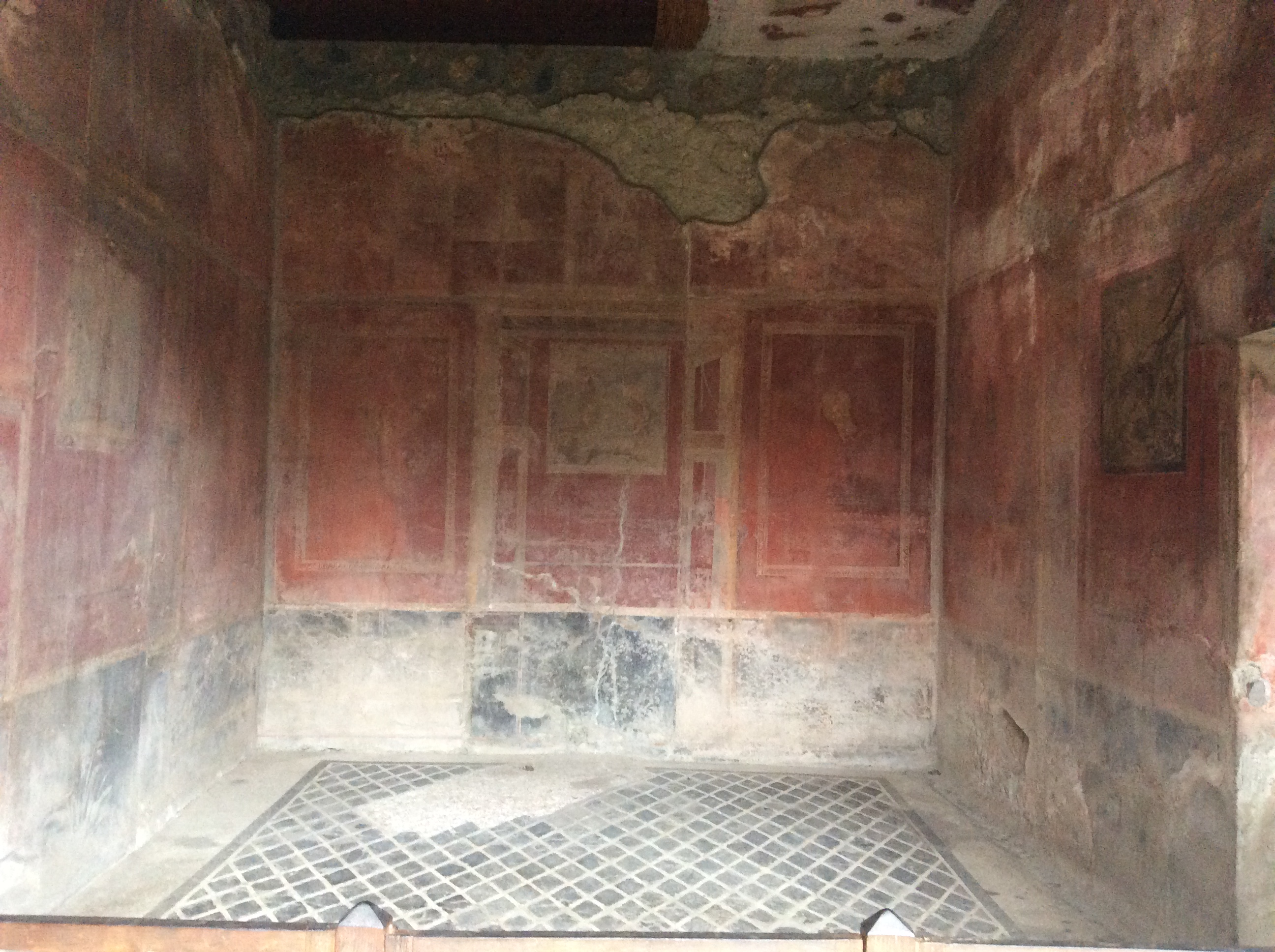
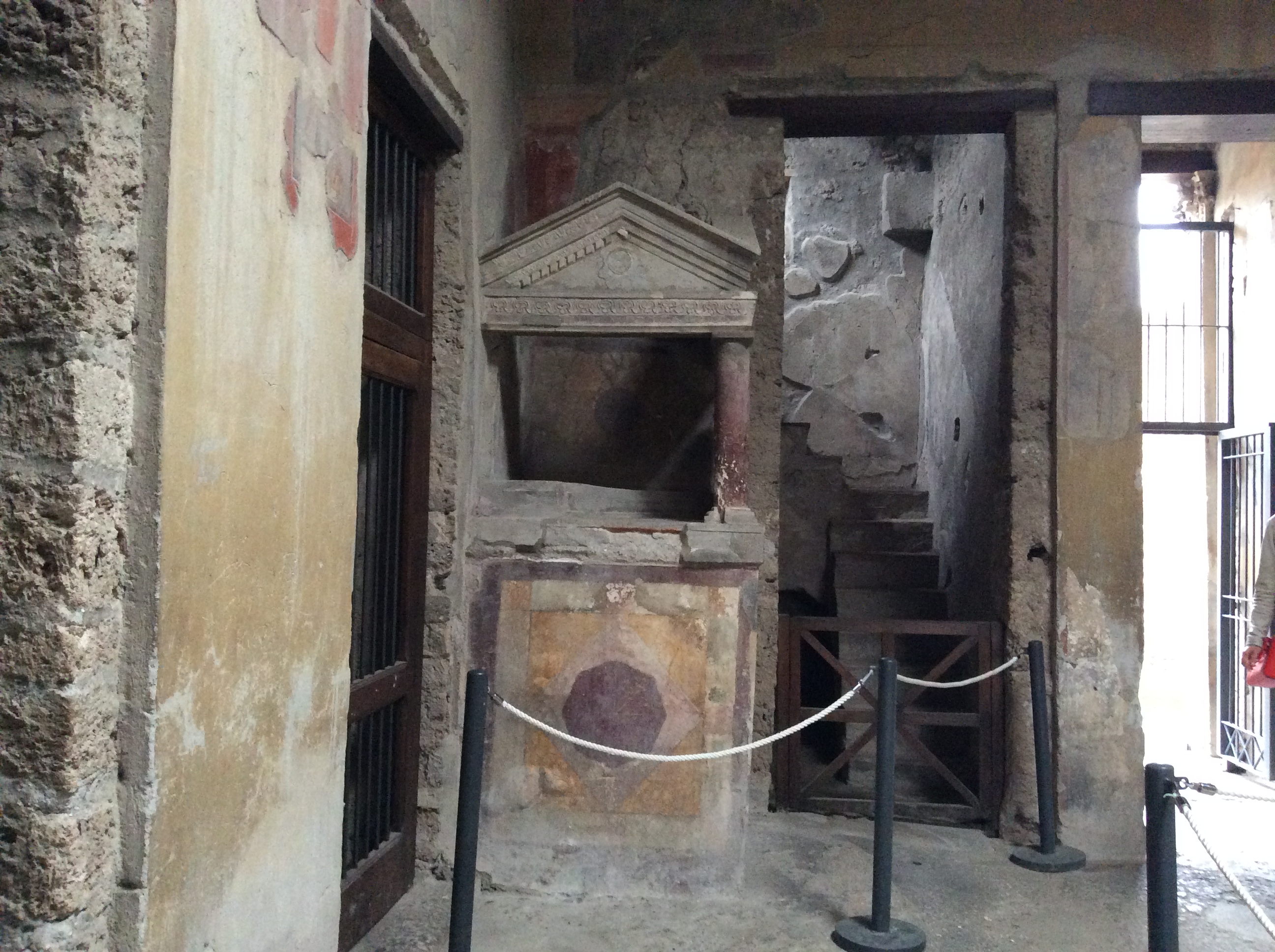
What remain of the frescoes there.  Considering this was buried for nearly 2000 years…
IMG_4170

IMG_4171

IMG_4172

Part of the dining room.  There, like in Rome, people reclined while eating.

IMG_4173

We moved on to another house.

IMG_4174

More frescoes.  Most of them tell a well known story.

IMG_4175

IMG_4176

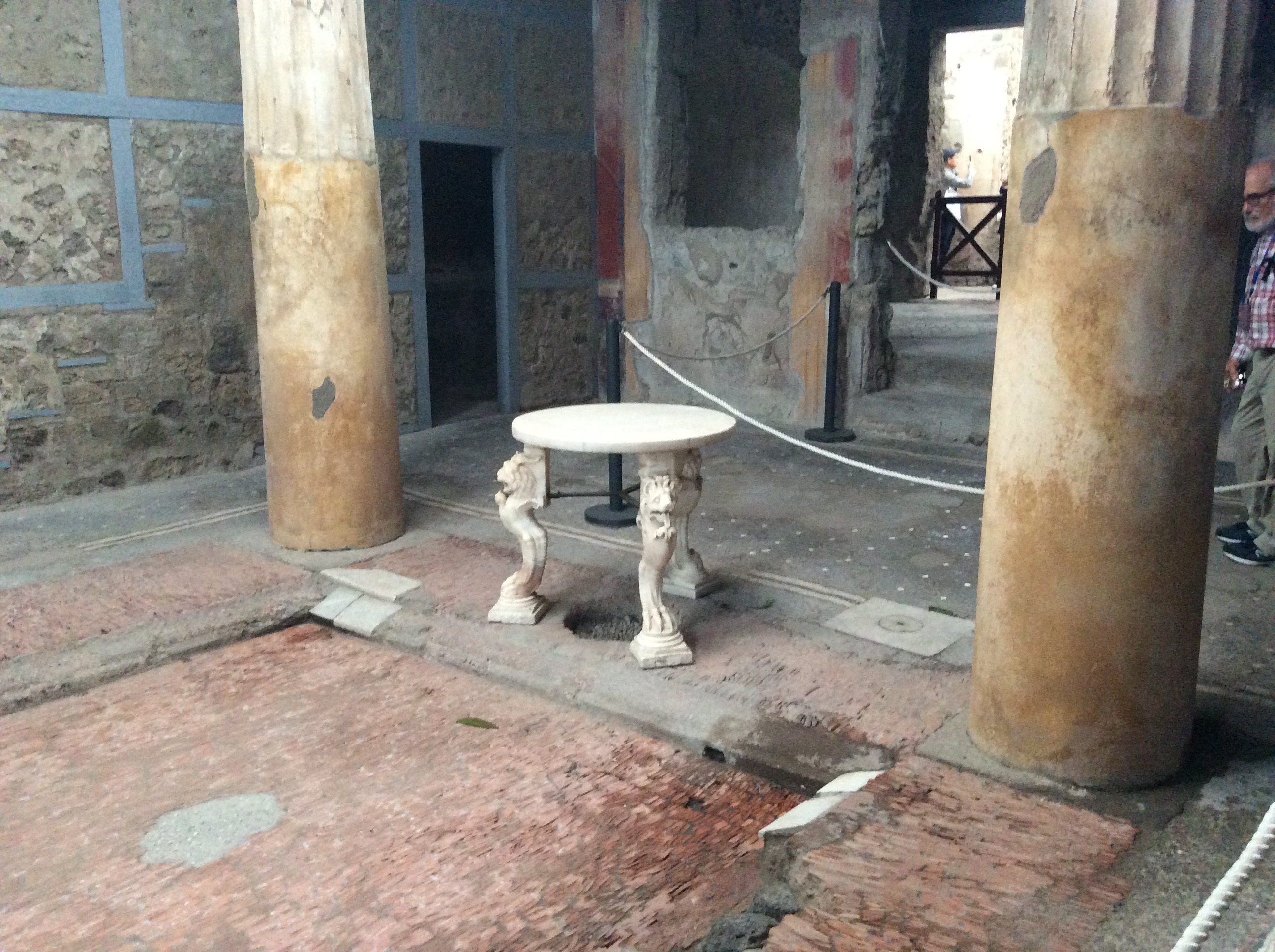
When they excavated this second house, they found this table with three legs–common then apparently.  This is not a new table, it is one from Pompeii found in this house.

IMG_4177

Decorated walls in this second house.

IMG_4178

An original floor in the same house.

IMG_4180

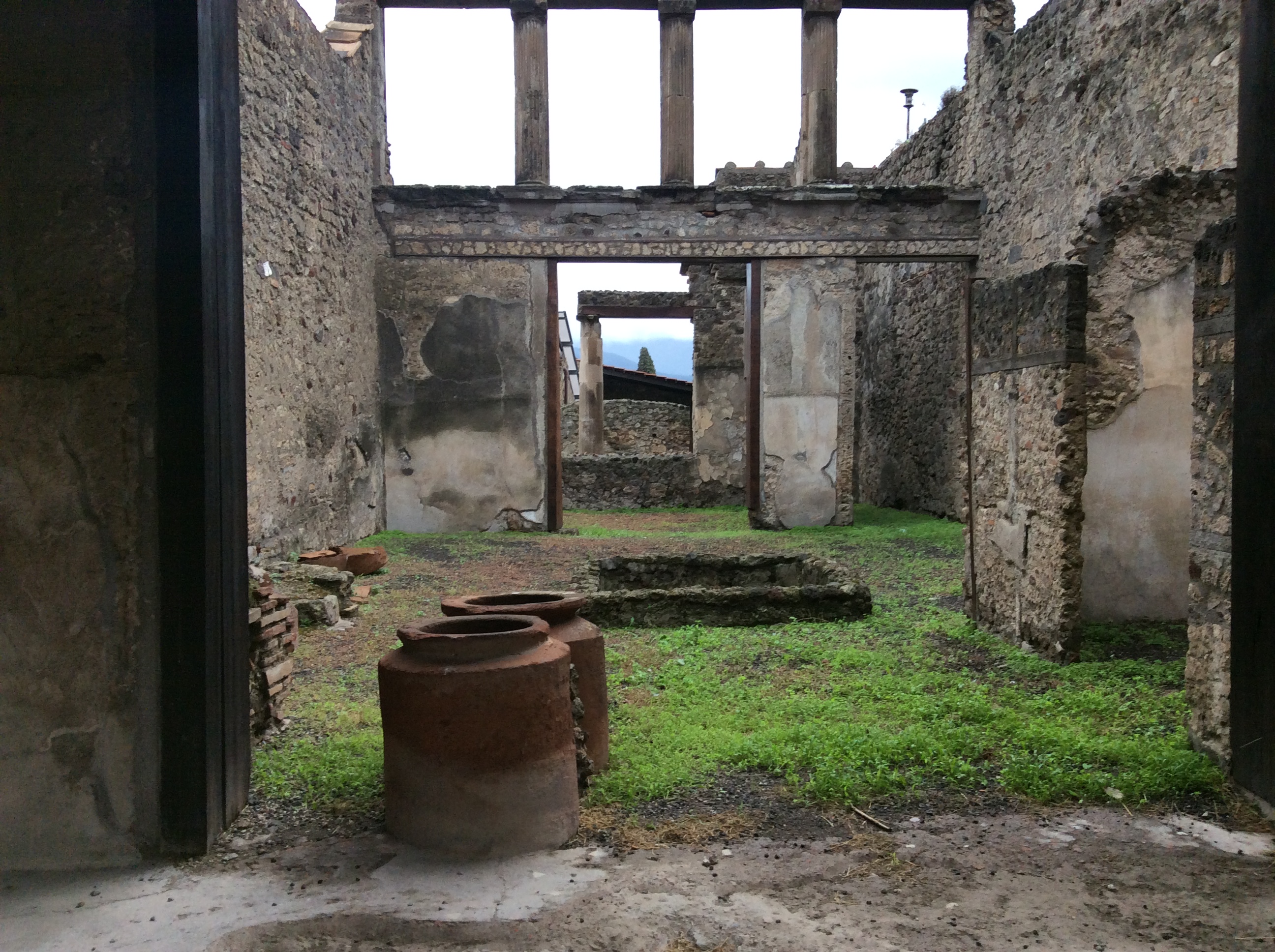
A place where someone had a shop with items for sale.
IMG_4181

IMG_4291

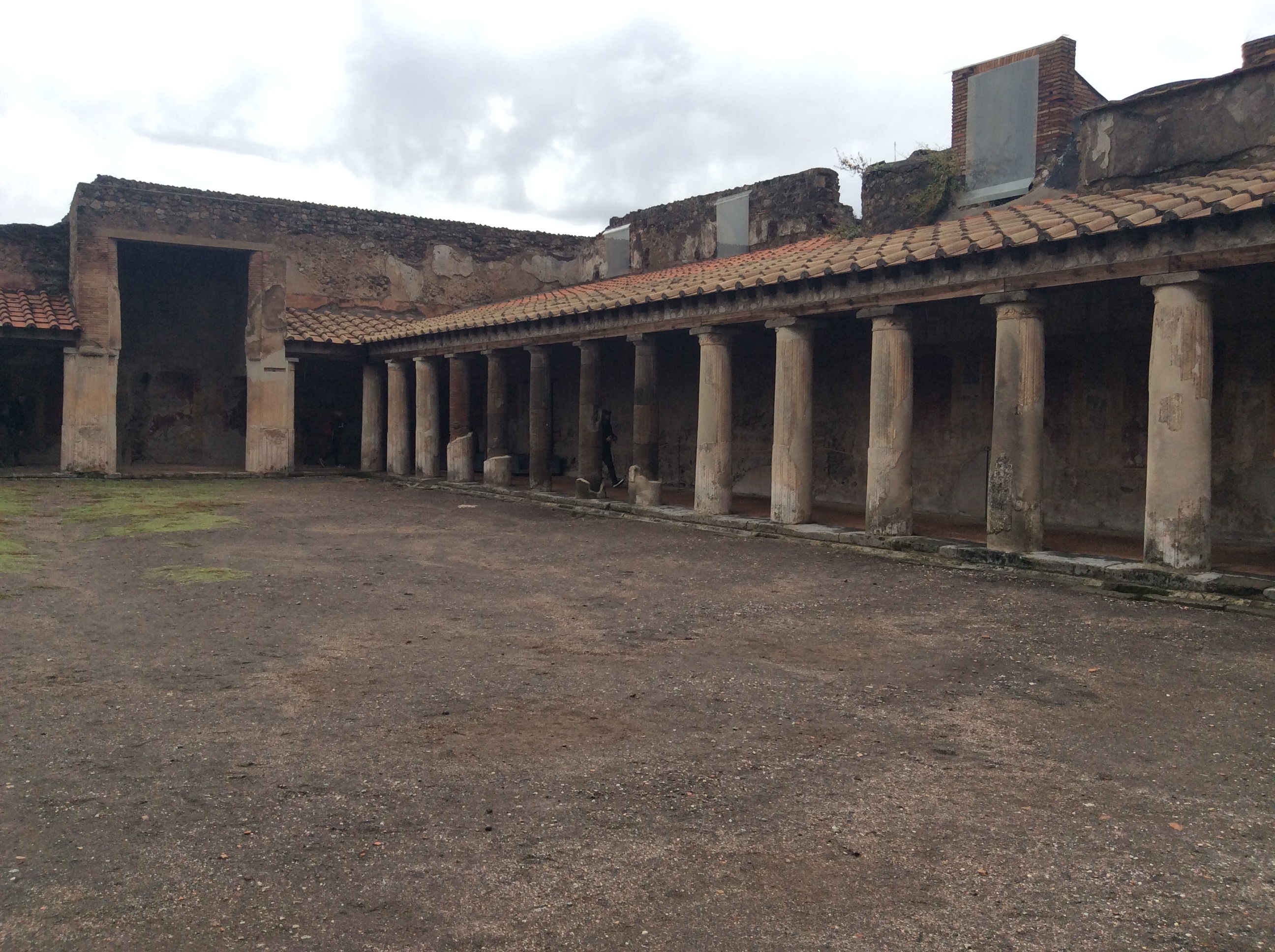
We also visited the bathhouse area where there would be separate bathhouses for men and women, exercise rooms, hot water, steam, just like today.

IMG_4302

Although the walls, floors, streets and sidewalks are as they were before the volcanic eruption, in some places they have restored roofs to look like what they would have looked like then.
IMG_4303

IMG_4344

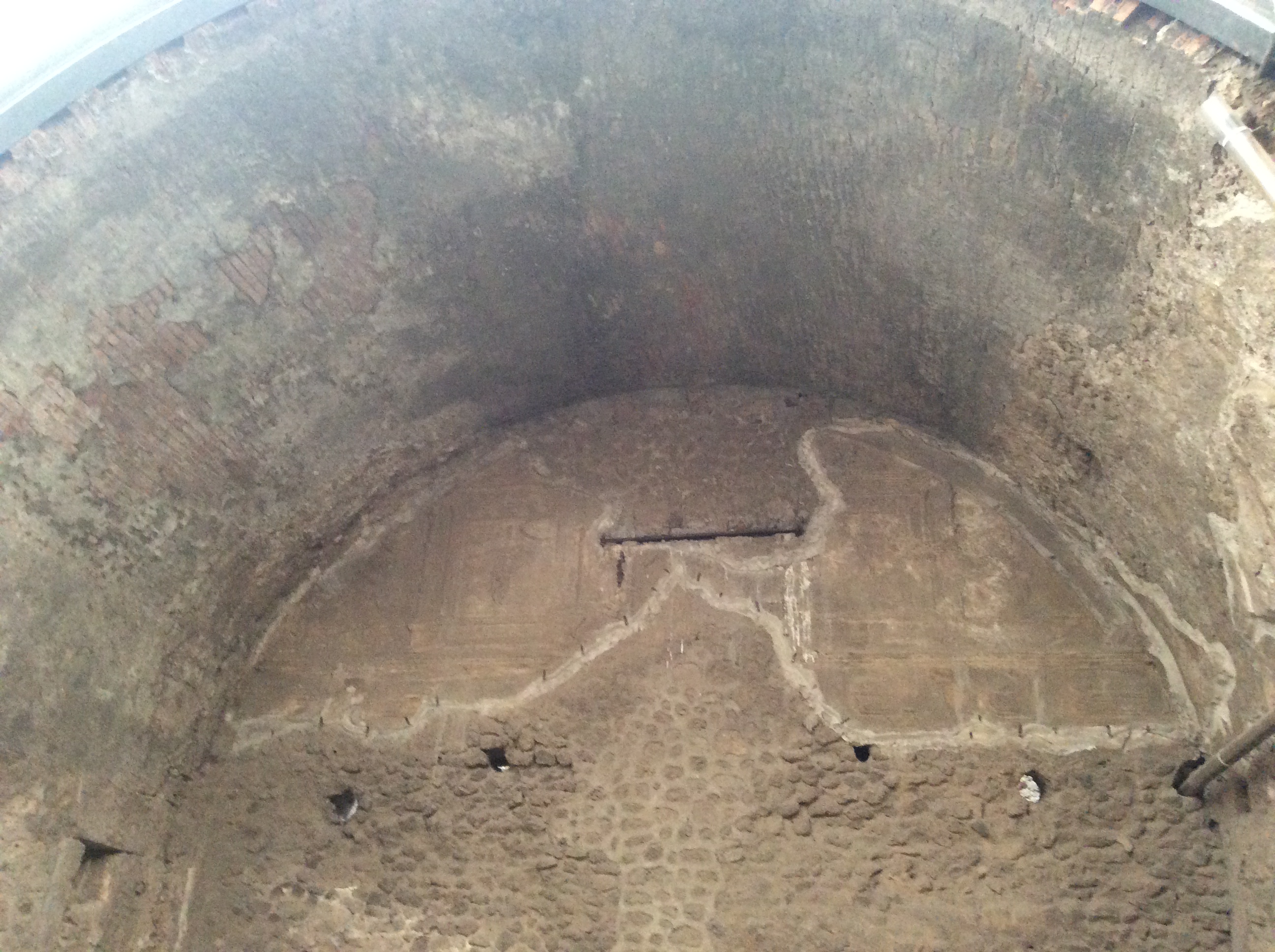
They knew that domed structures are more stable.

Next we walked to the brothel.  Many of the sexually graphic frescoes remain.  They illustrate different positions.  I might also add that both stone and painted penises are everywhere in Pompeii.  Why?  They were the symbol of a good life, of prosperity, of fertility, of joy, of, well, everything good. I took some photos of the frescoes at the brothel but do not want to get thrown off my blogging site so will not put them here.
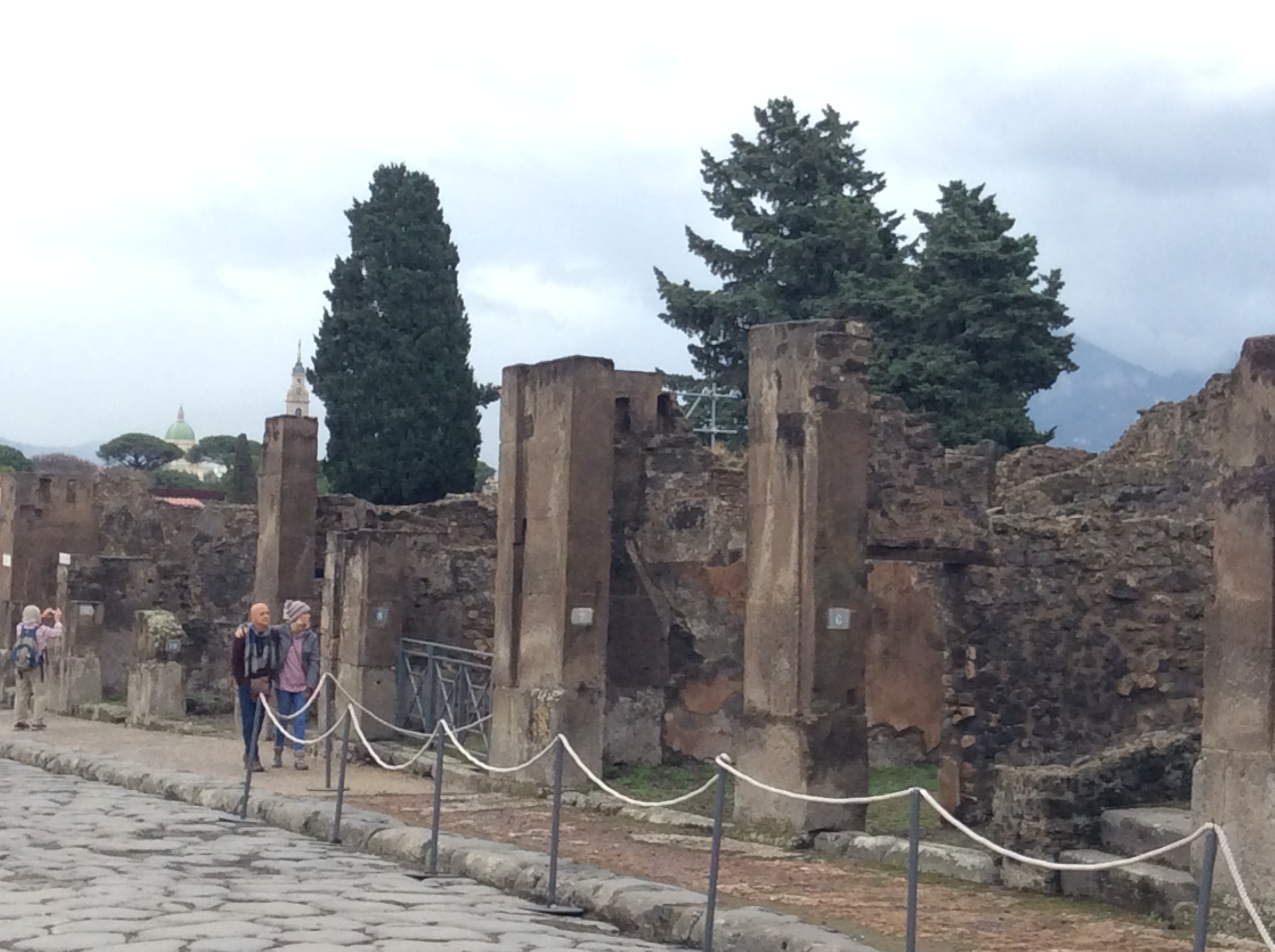
IMG_4348

Another typical street headed toward the giant city square.

IMG_4368

Standing in the middle, looking toward one direction.  I was astonished at the size of this place.  We went a good time of the year–the off season.  The guide told us that in high season there are so many people here, it is difficult to move through them at times.

IMG_4370

Looking the other direction with Mount Vesuvius in the background. Before the eruption this volcano was just a tall mountain or so the people there thought.  Then it was approximately 10,000 feet.  The eruption made it fall into itself and decrease by about 6000 feet.
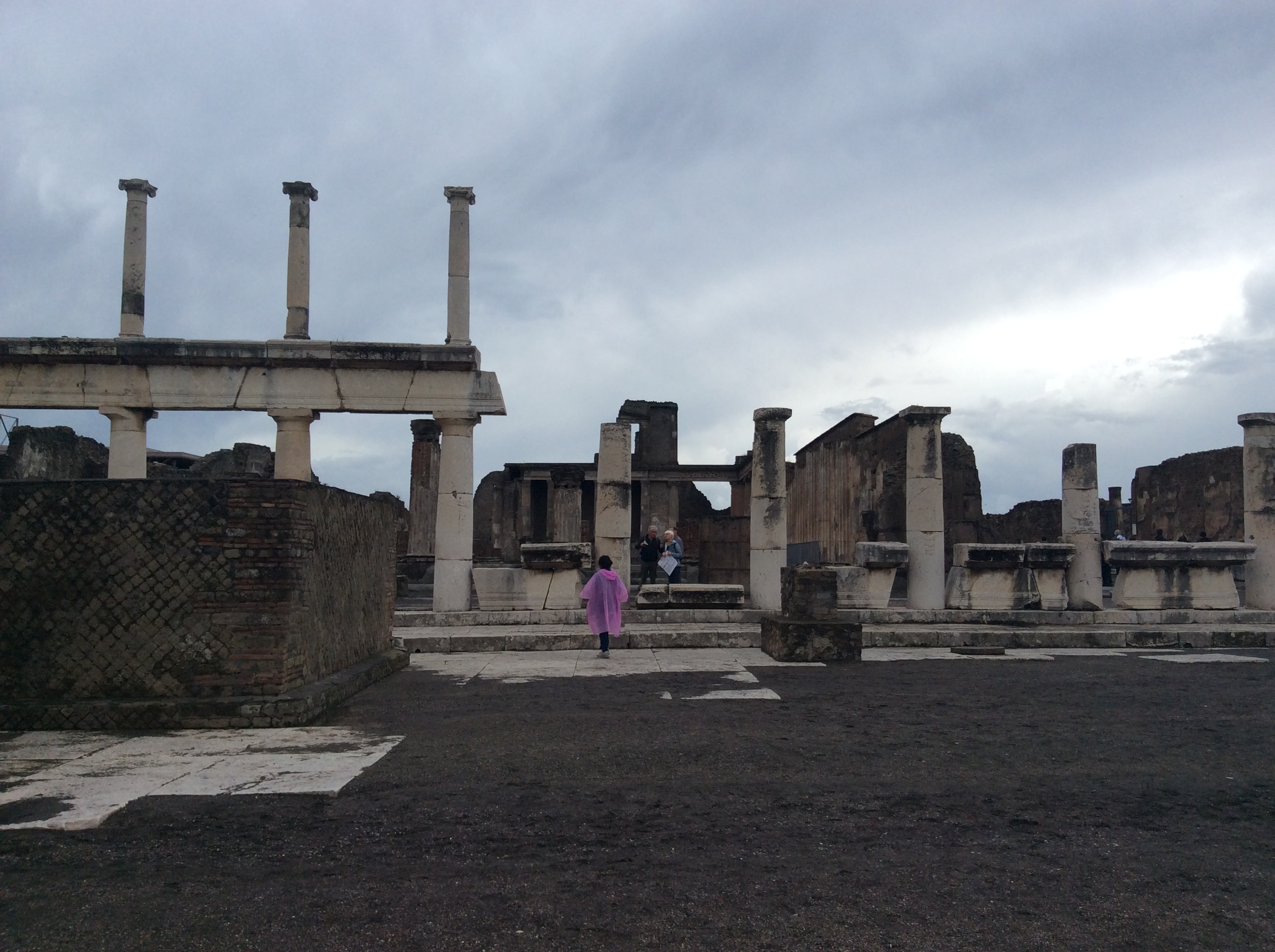
IMG_4371

More photos of the square.

IMG_4372

IMG_4373

IMG_4375

The countryside near Pompeii is lush green. IMG_4454
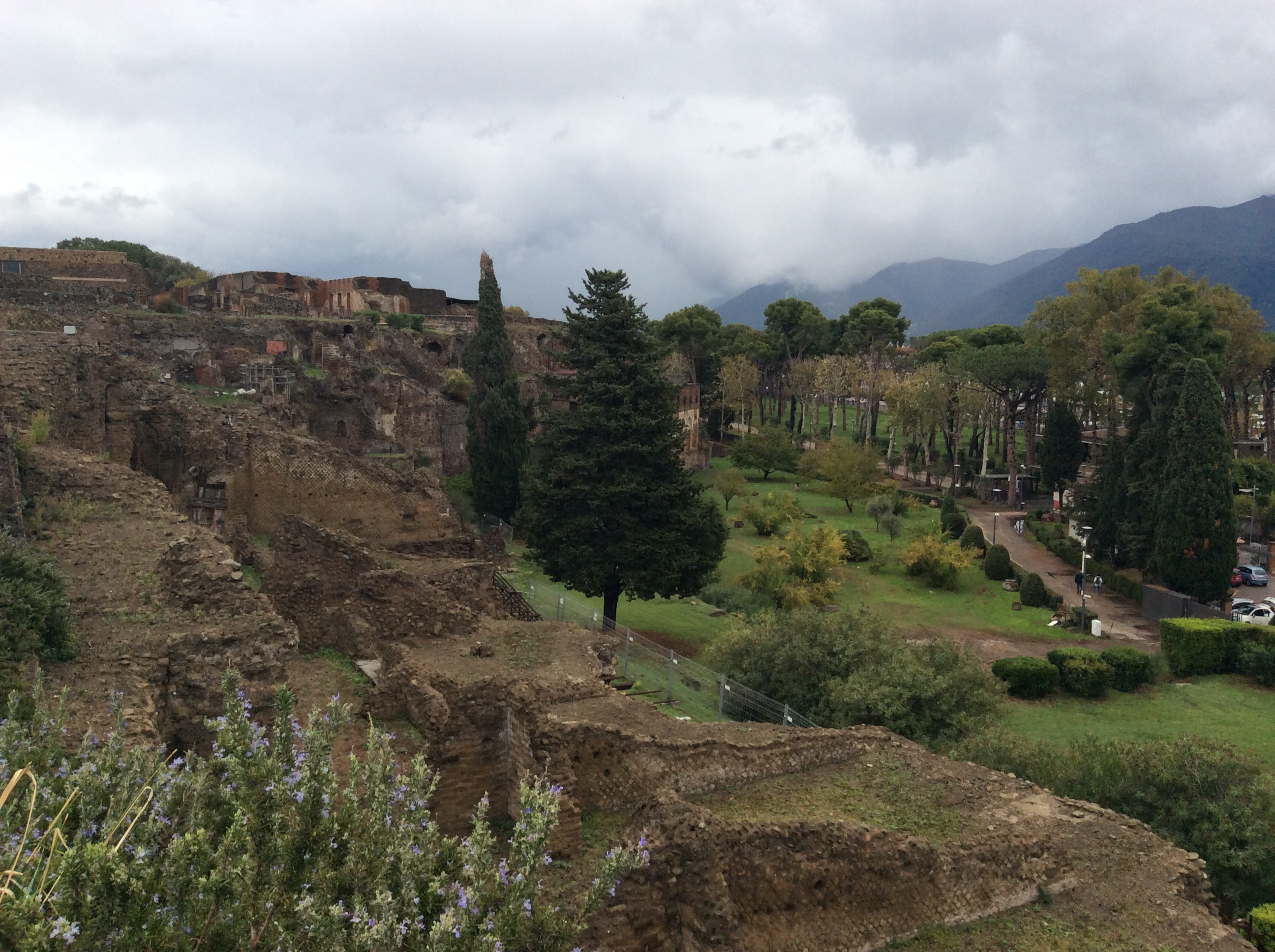
The view walking down the steps leaving Pompeii.