Sunday Poem


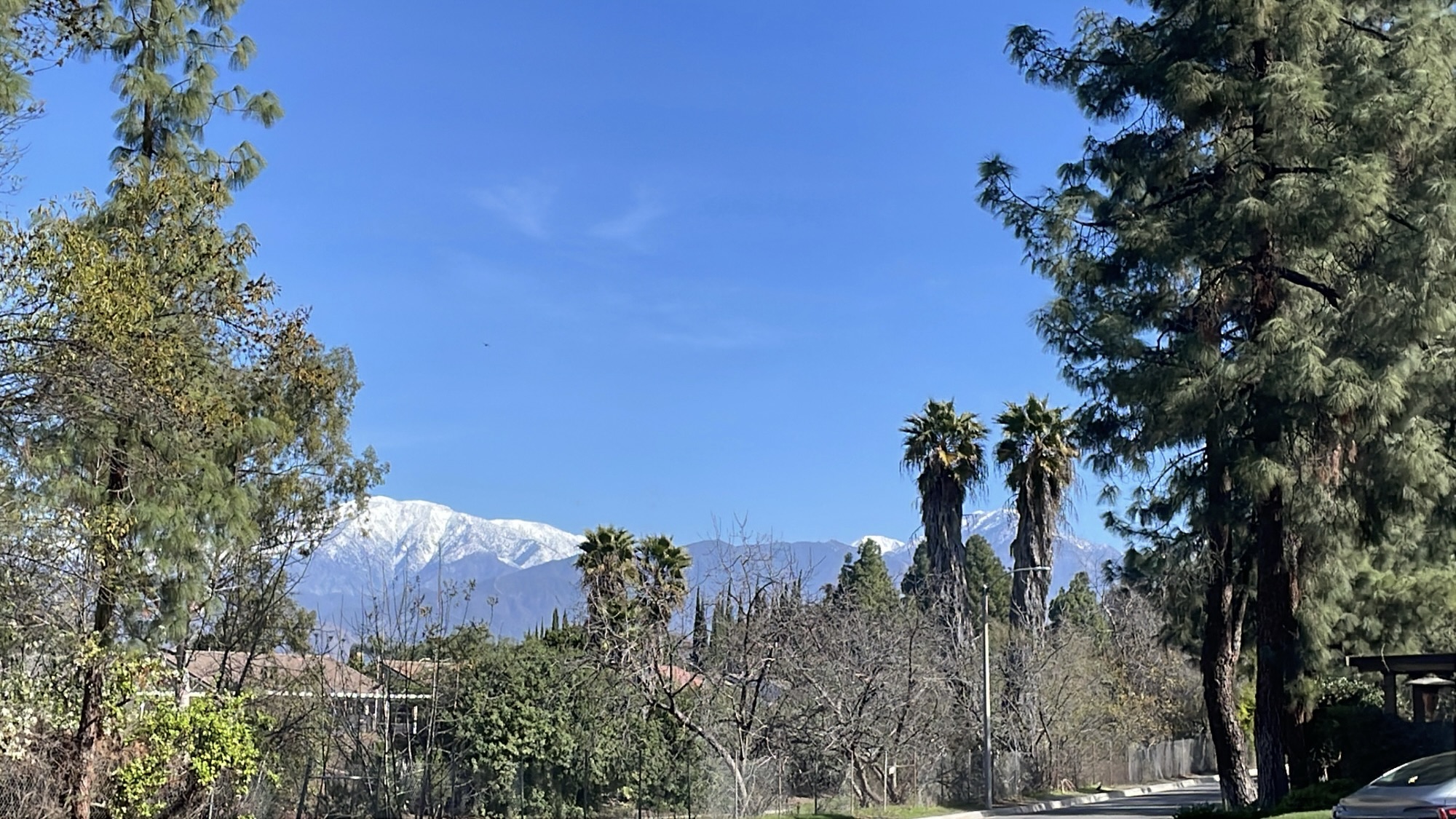
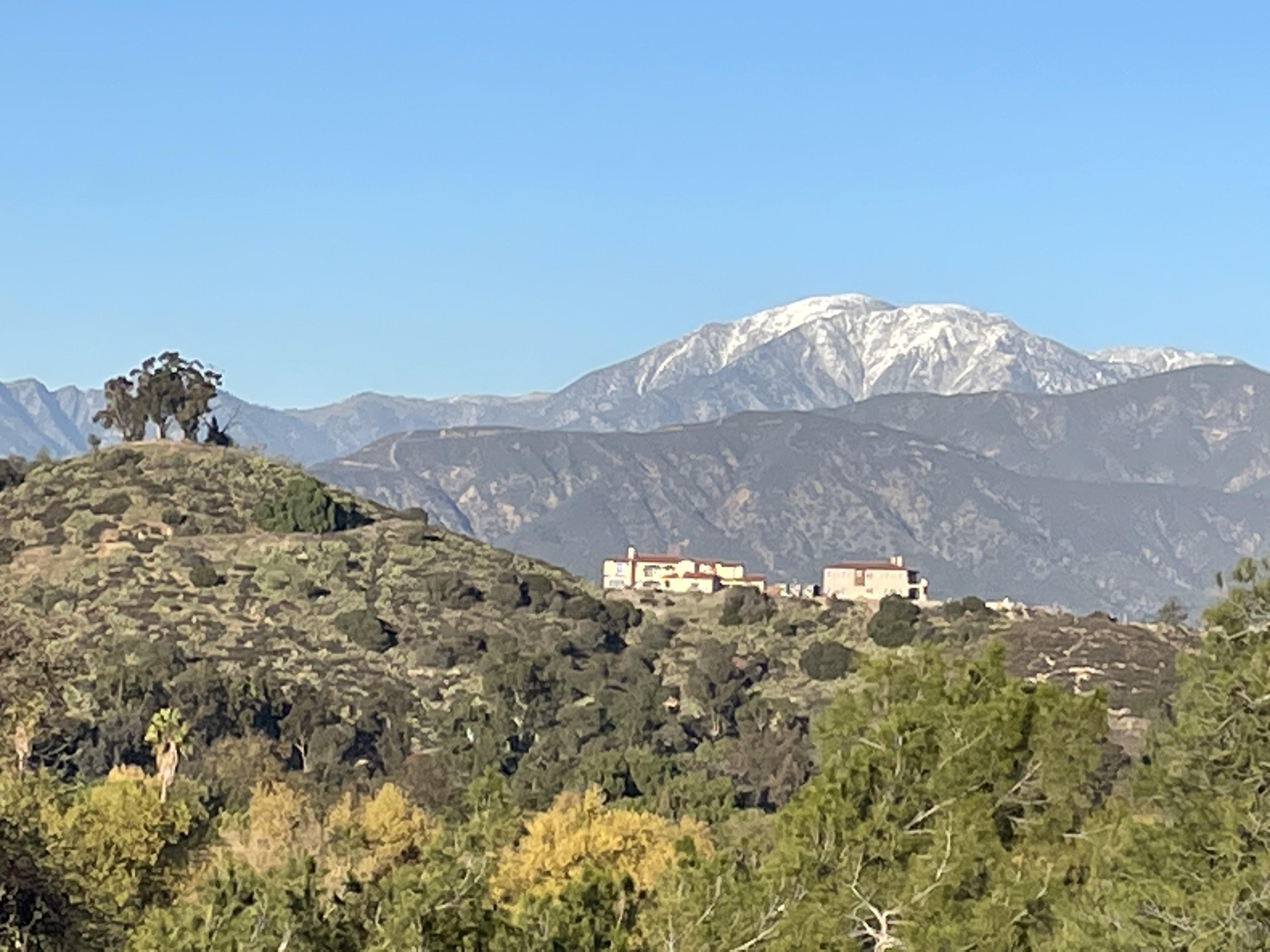
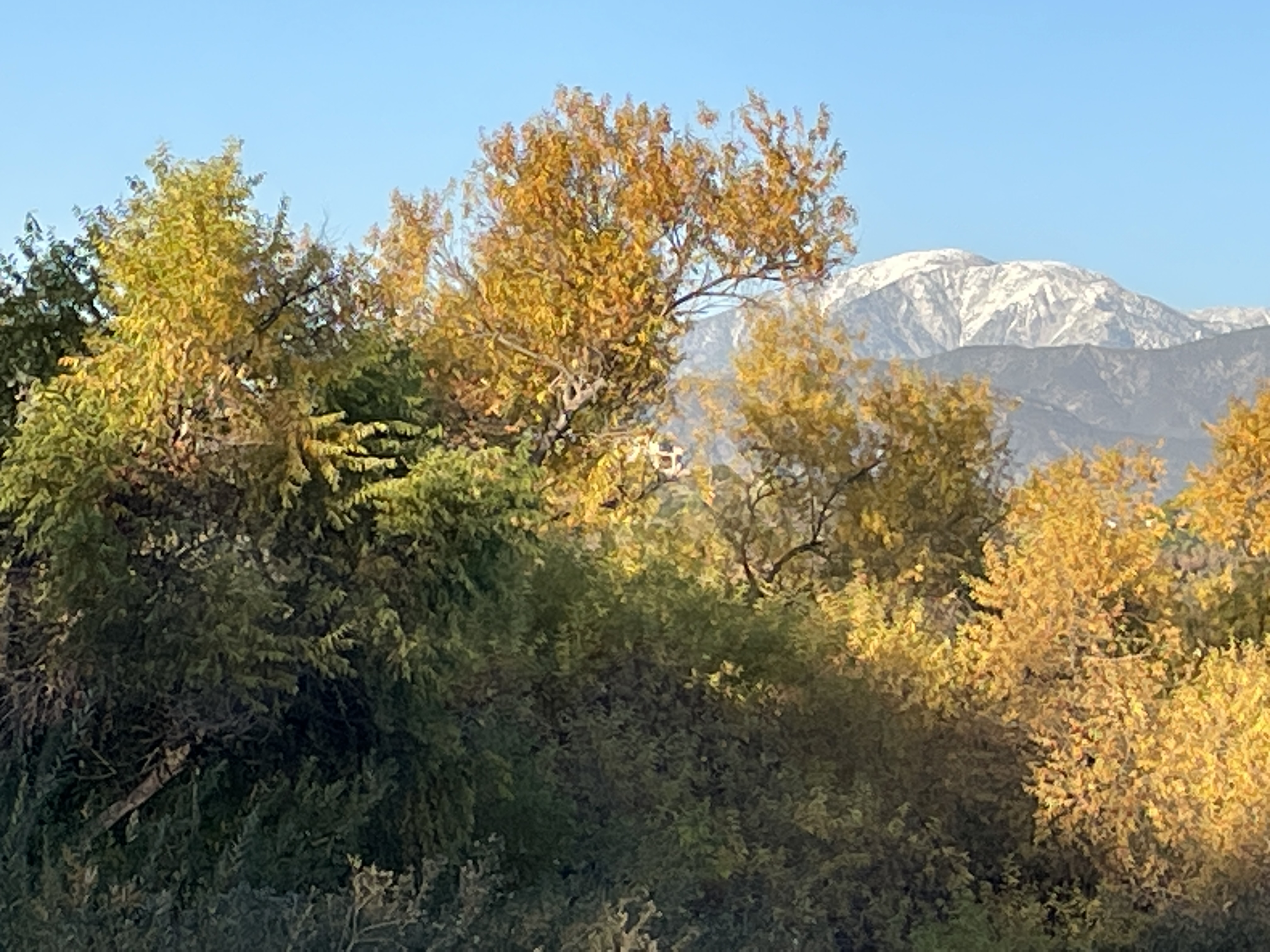
This morning snow capped mountains

brought me joy.

In afternoon I

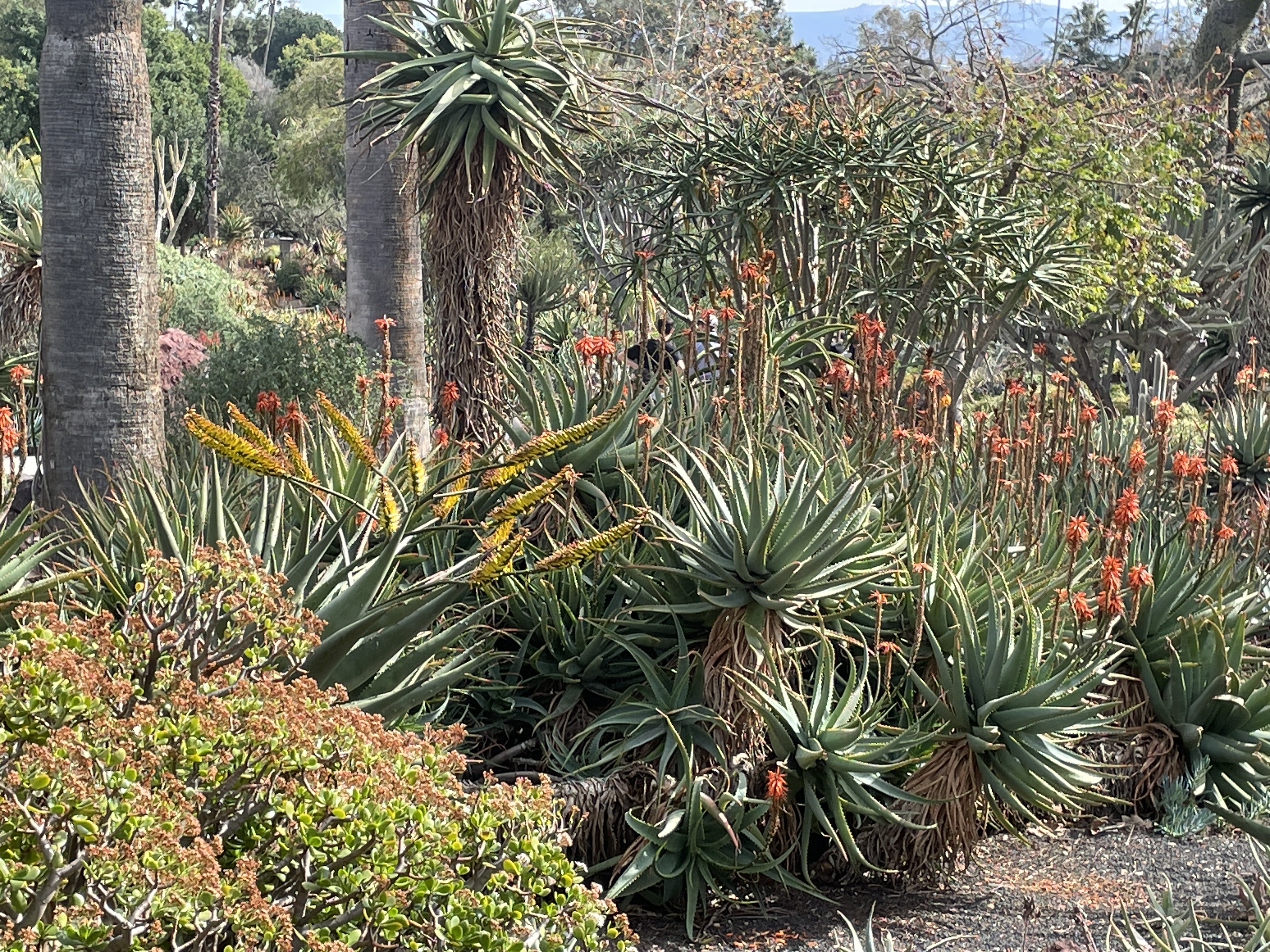
strolled through gardens,

lunched with daughter near gurgling streams.

Flowers smiled at me,

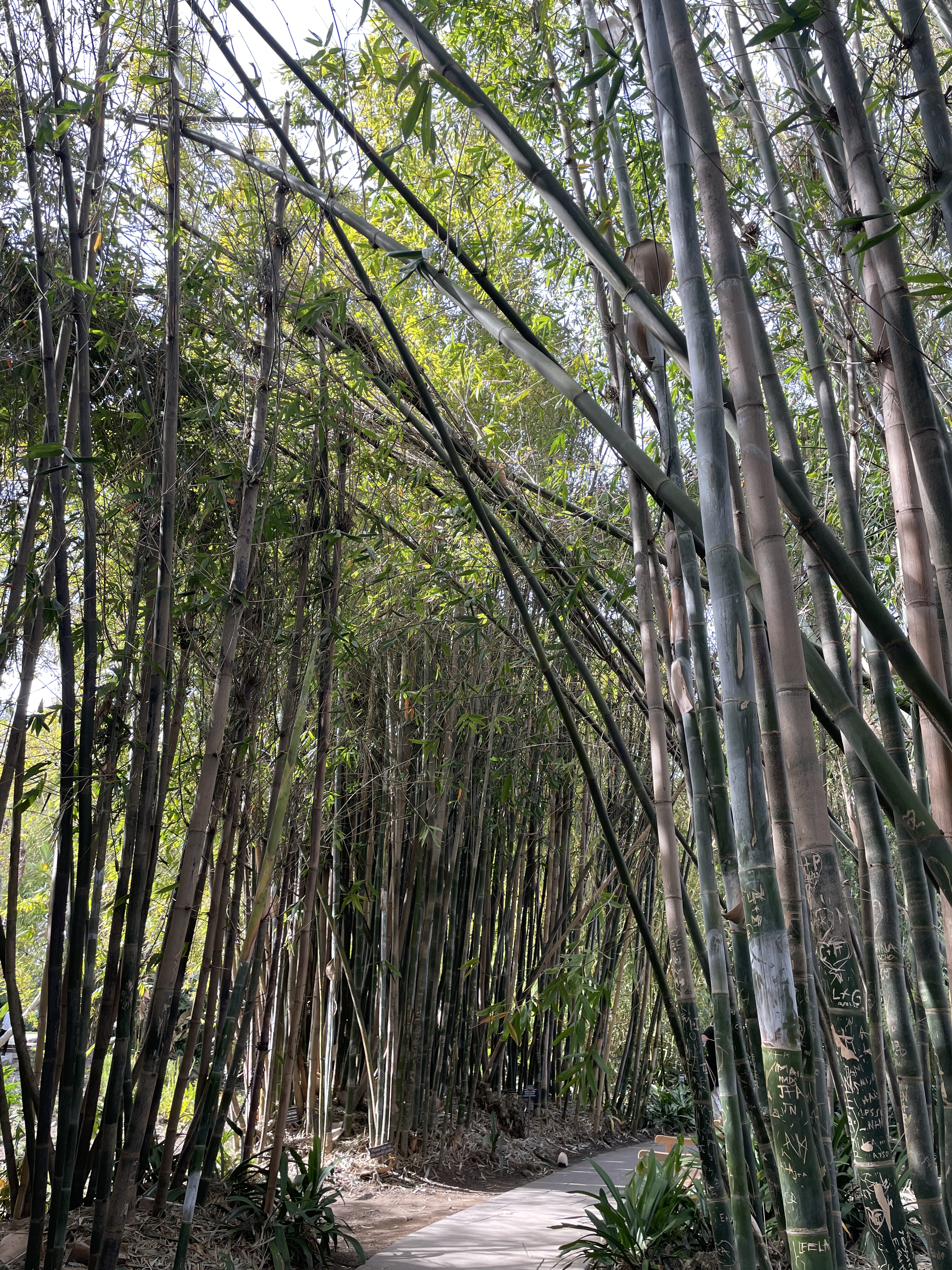
A bamboo forest beckoned.

Nature’s beauty overcame negativity, despair.

We will

Endure

Overcome.

El Barrio Bonito


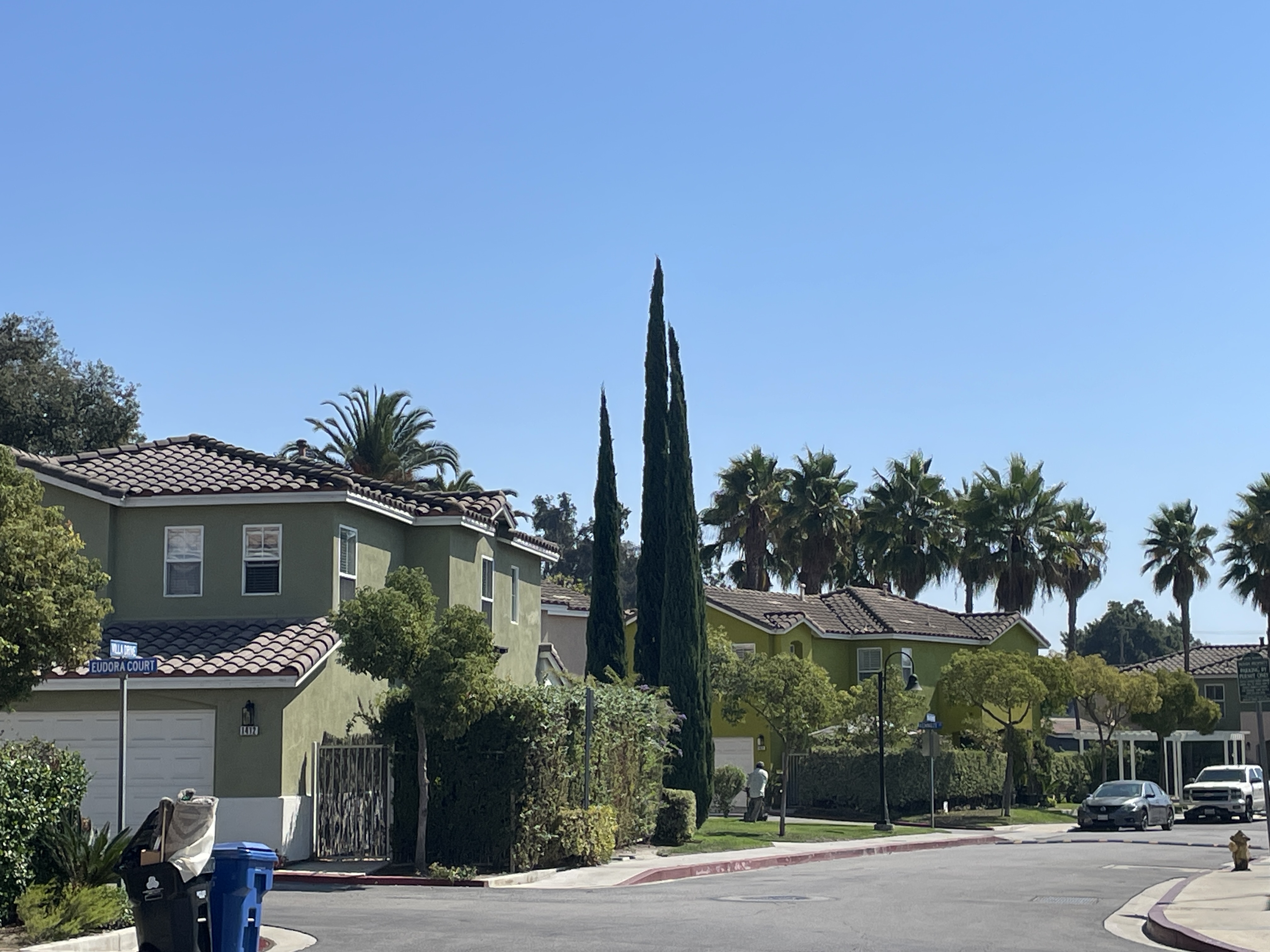
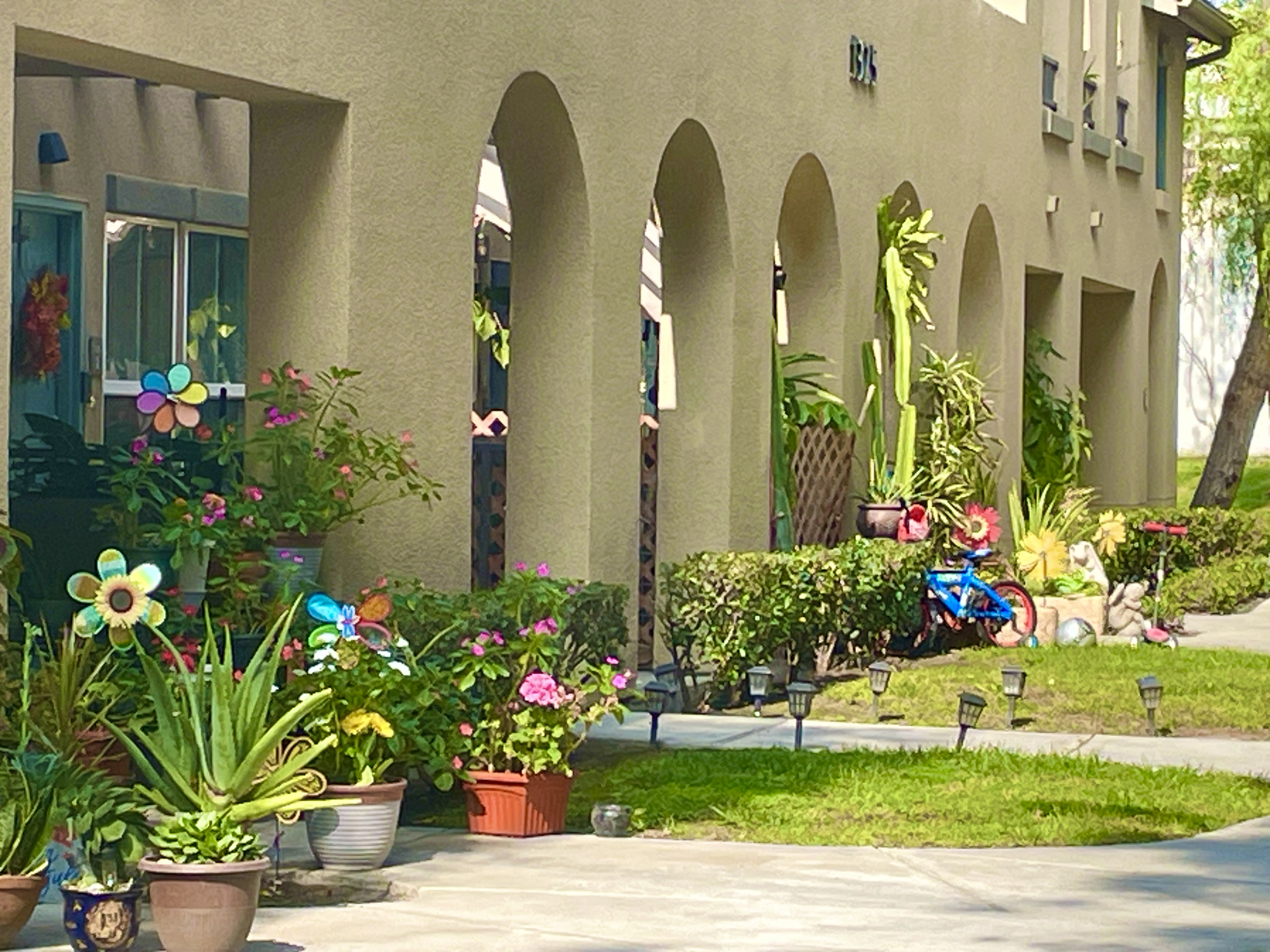
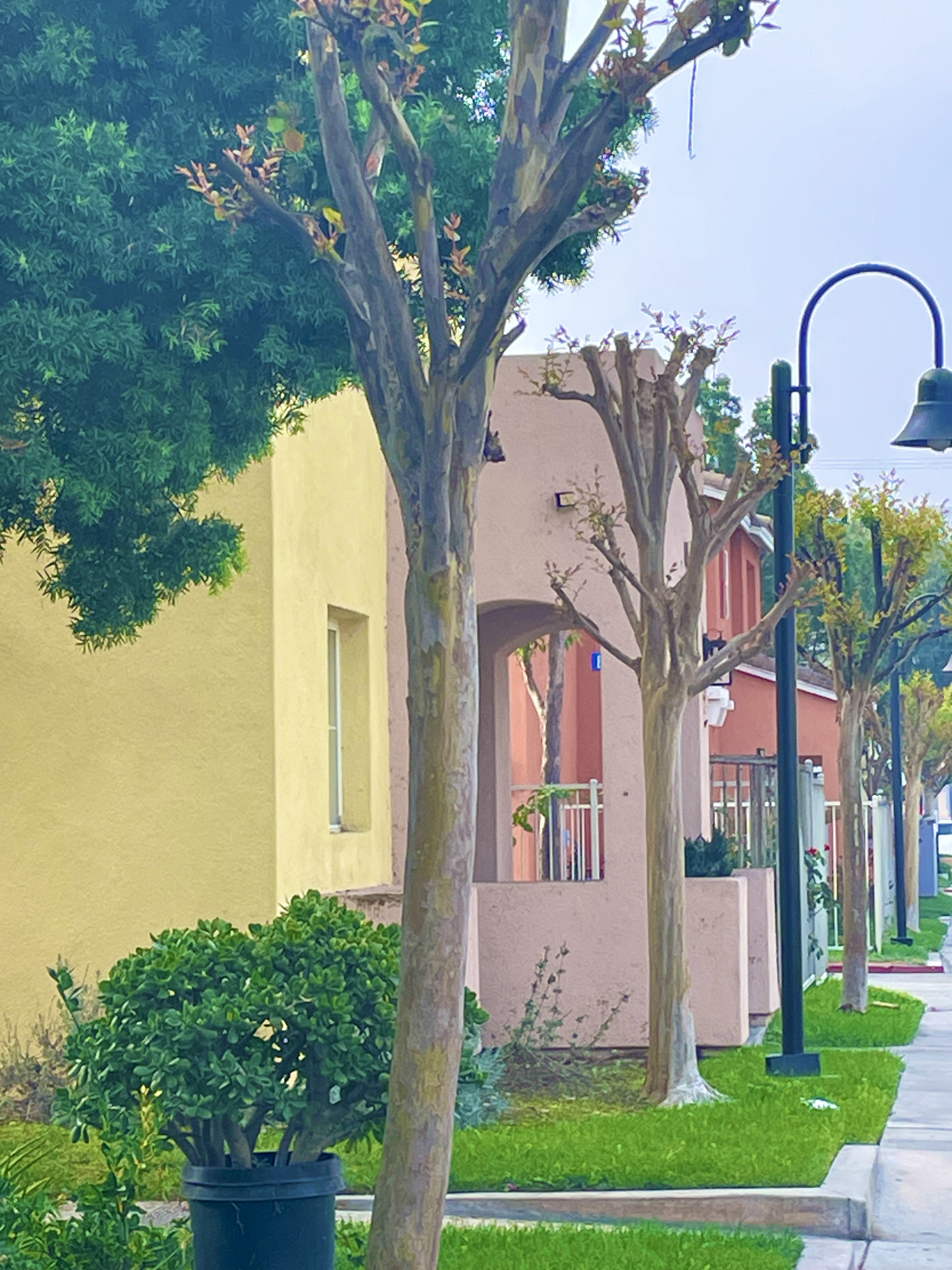
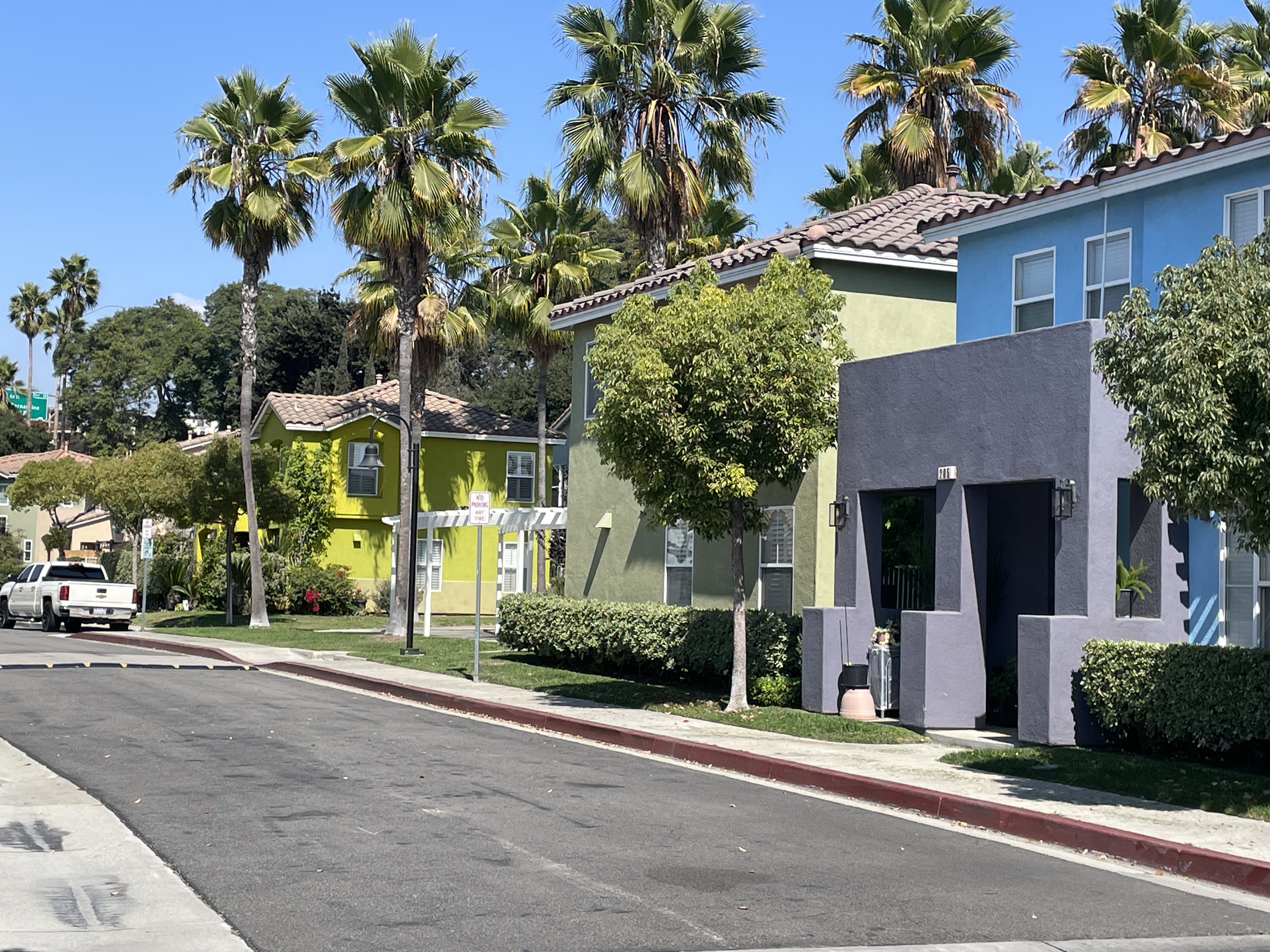
Every week I go to Mendez High School in Boyle Hts., CA. Between meetings with my students, I take a walk in one of my favorite neighborhoods. Frequently when a person mentions low income housing, a negative image comes to their minds. Wrong. The neighborhood where I walk is beautiful, lovely places full of flowers. In one area the buildings are painted in joyous colors that make me smile every time I walk there. Here are photos for you to see for yourself.

Downtown LA in the background.

Perfect Spring Day


They tell writers, “Never ever use cliches.”

Sometimes I question that. When you

word a cliche, nearly everyone knows

exactly what you mean. For example:

This is a perfect spring day:

-birdsong wafting here and there,

mostly mockingbirds except for those

irredescent, orange-throated

hummingbirds at their feeder

-wind singing through the pines

-open windows for a change; it’s

75 degrees and sunny

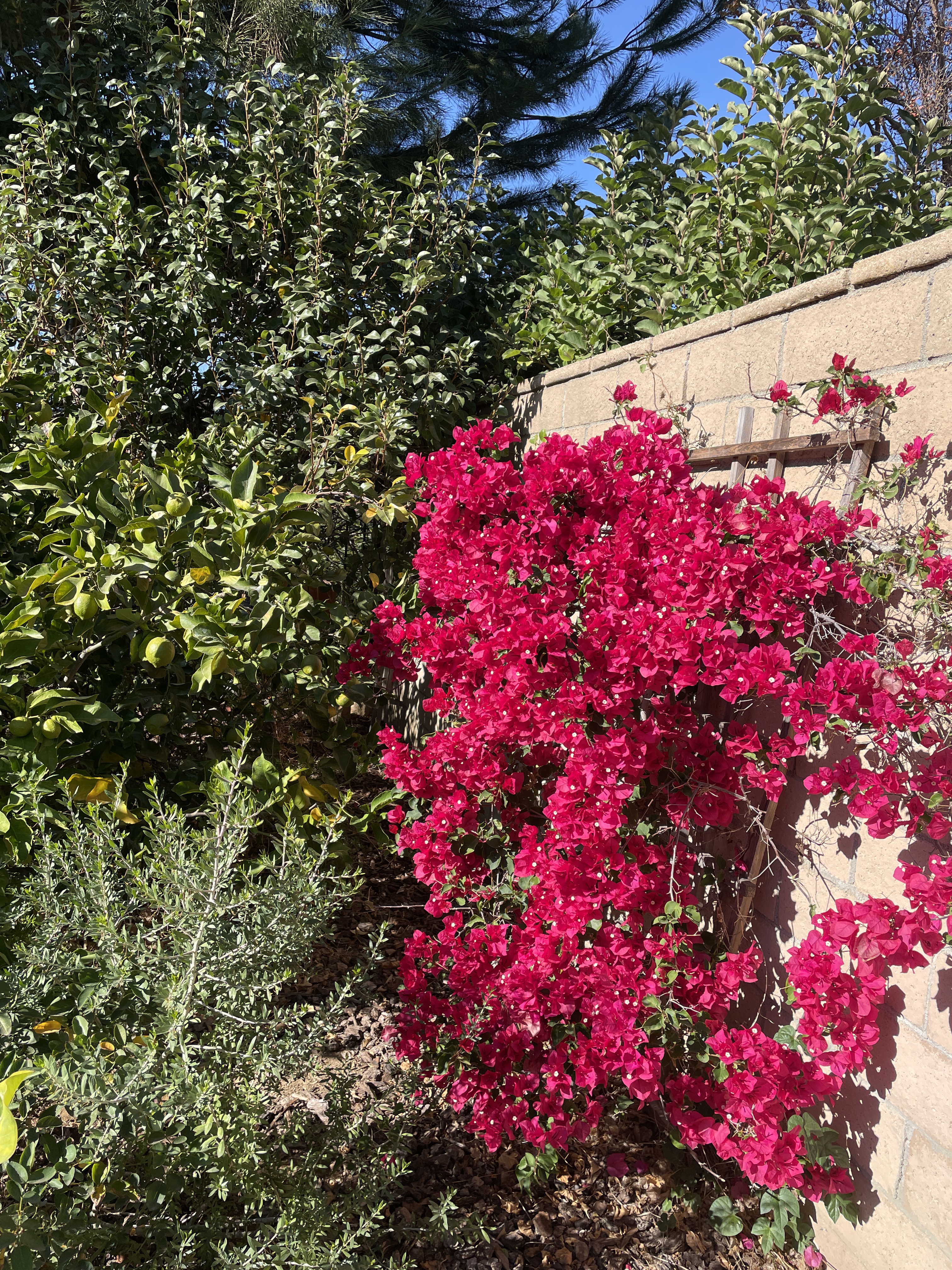
-magenta and scarlet bougainvillea

climbing the garden wall

-white and lavender lantana

outdoing themselves with

spread and bloom

-geraniums in full flower

-mint growing so fast and tall

I already need to trim it.

I lounge on the patio reading

another novel, drinking rosewater

lassi, munching mixed nuts.

I feel gratitude for this

perfect spring day.

An Afternoon Stroll at The Huntington


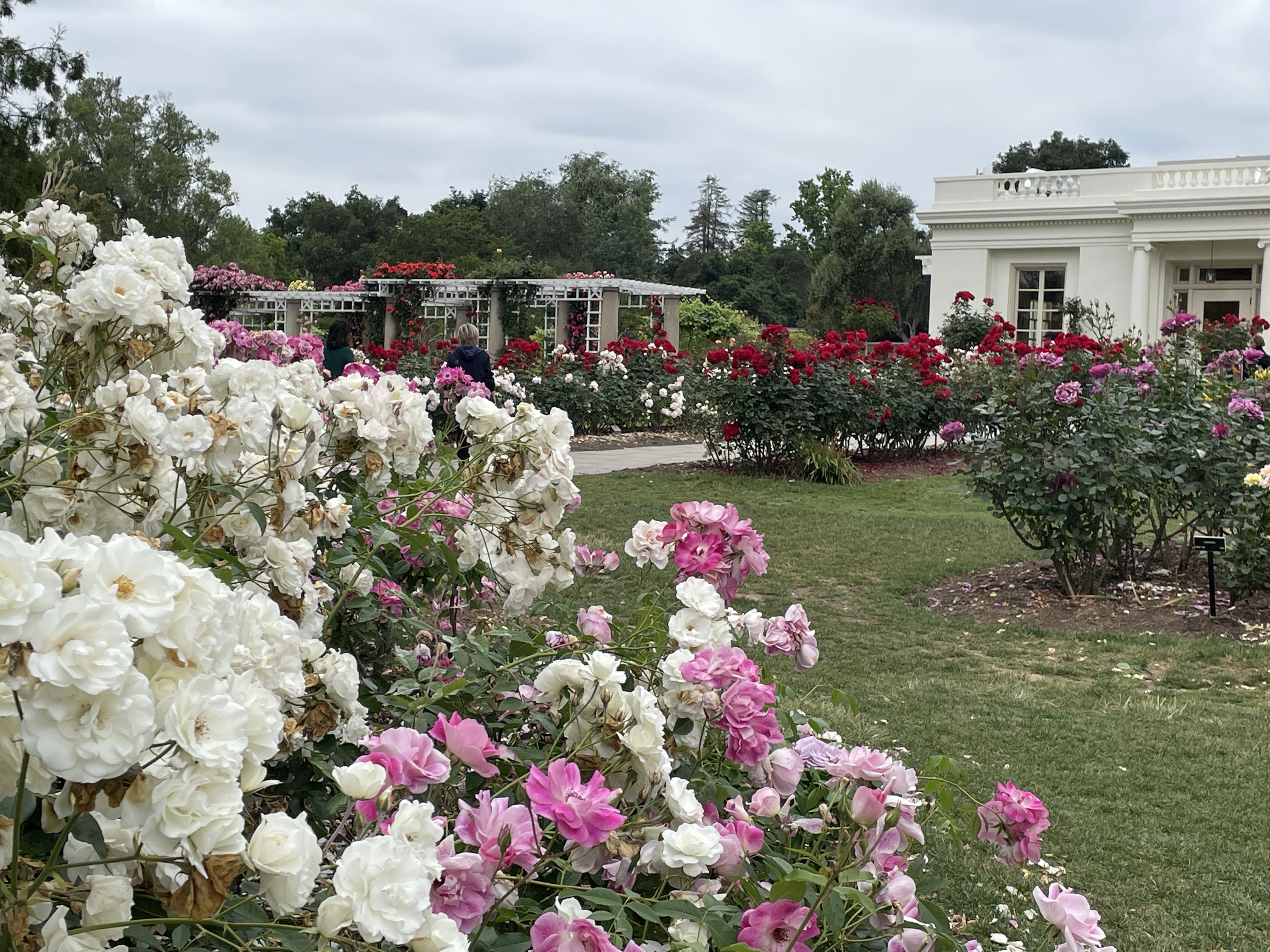
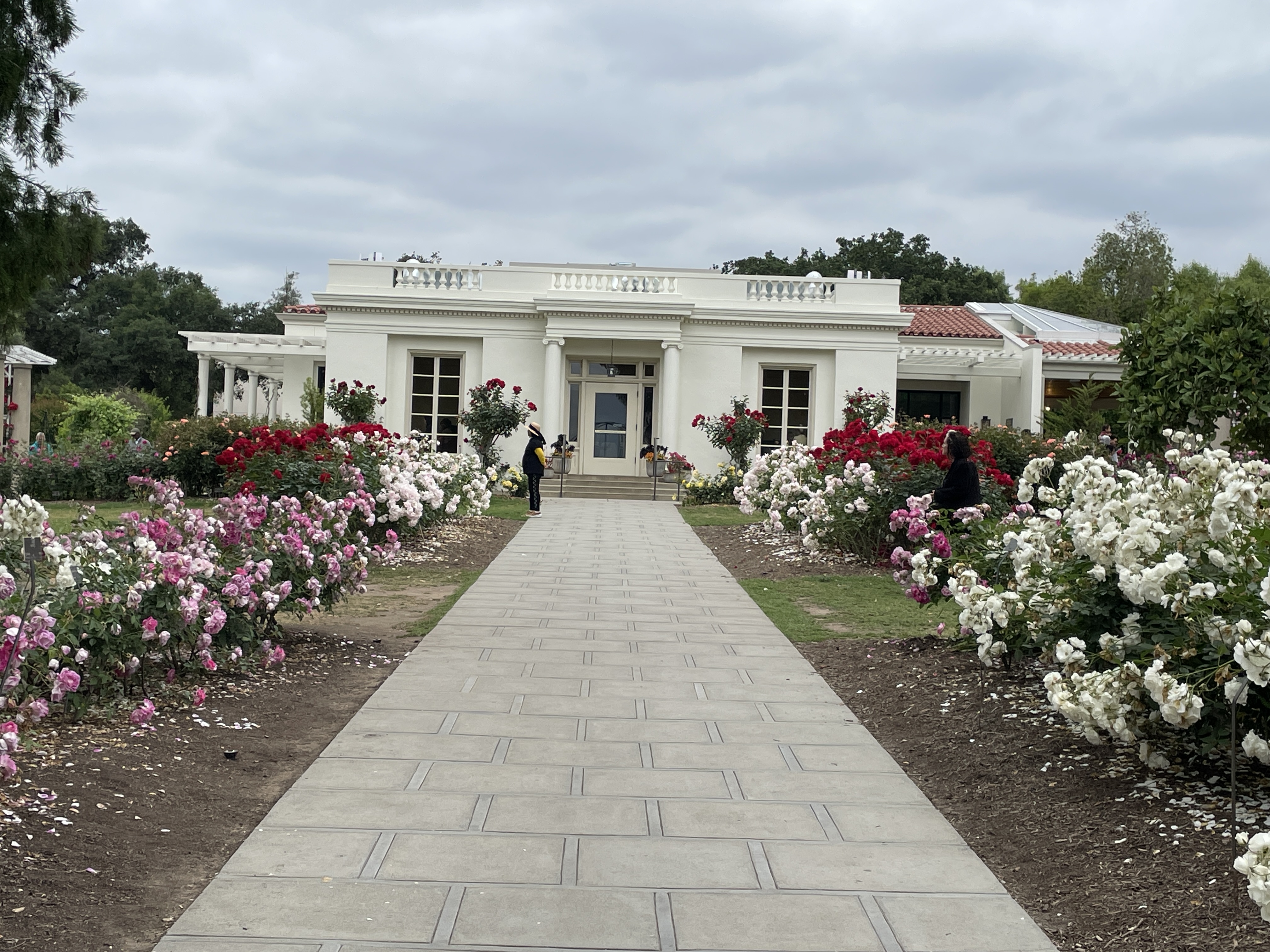
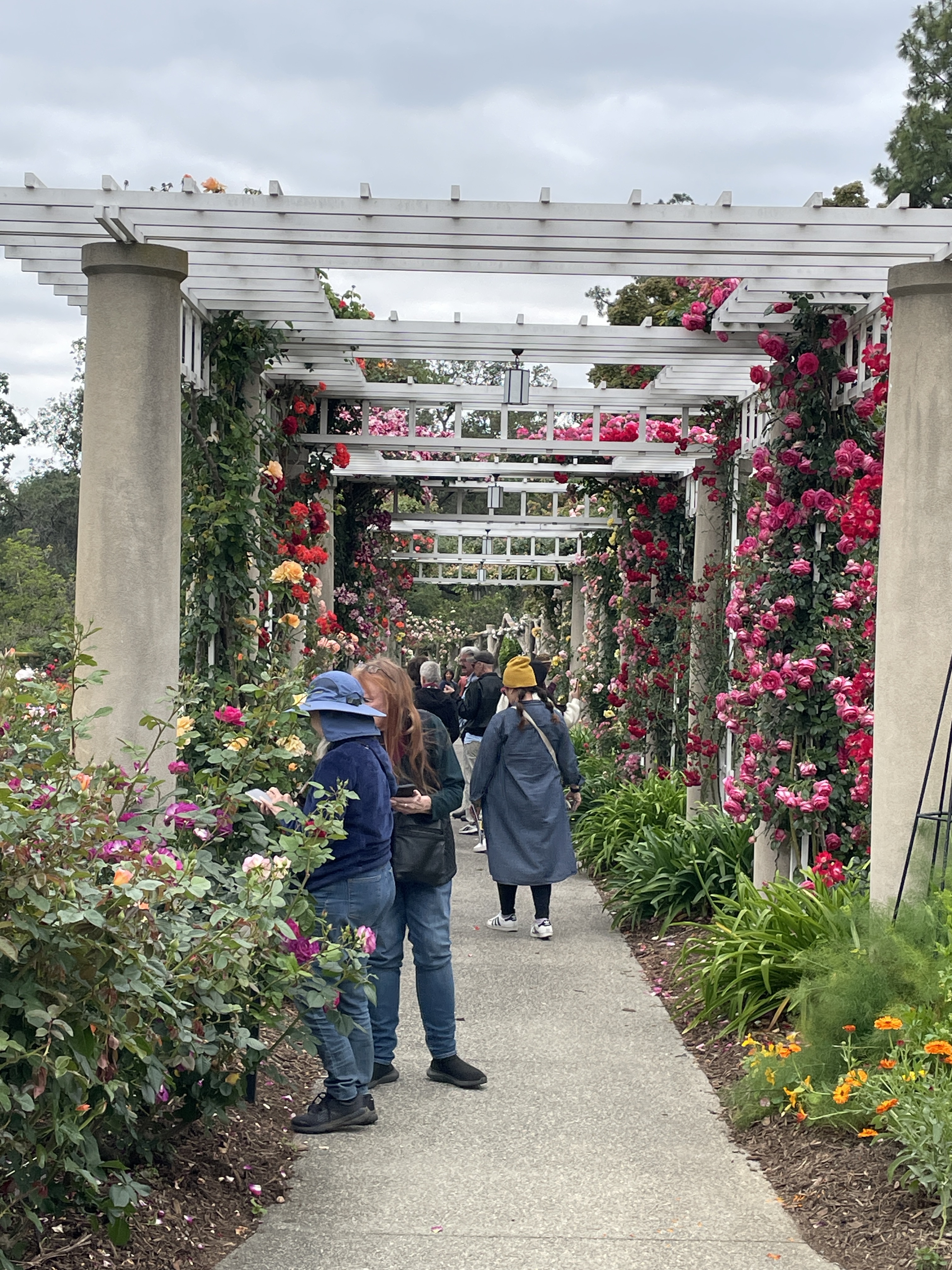
Friday, I decided to look around at parts of The Huntington since I had not been there in a while. For one thing, I knew the roses would be in full bloom, and even though I had been there a number of times, I had never looked around the rose garden. They did not disappoint.

Find the bird among the roses.

The building is the newly reopened Tea Room.

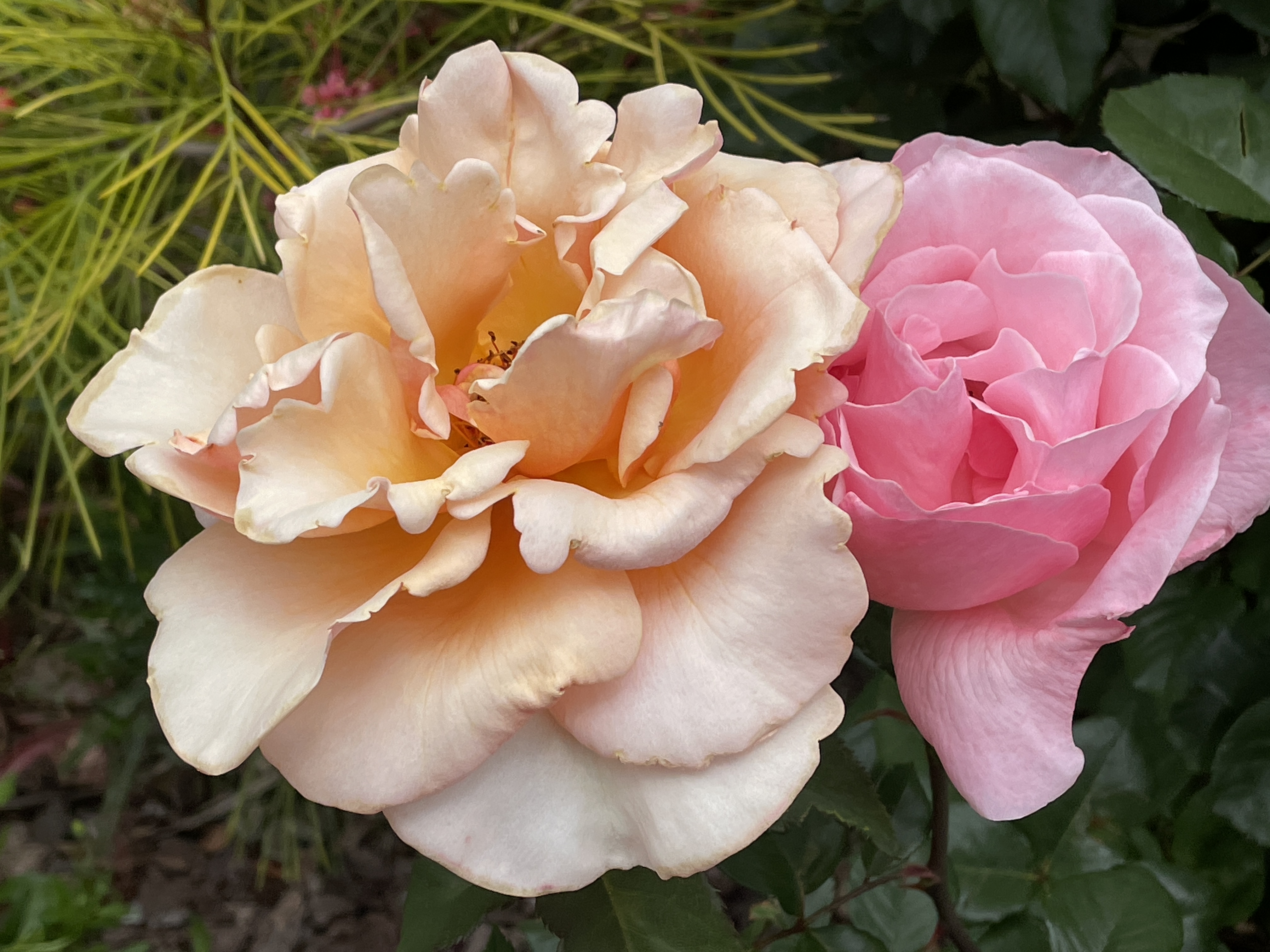
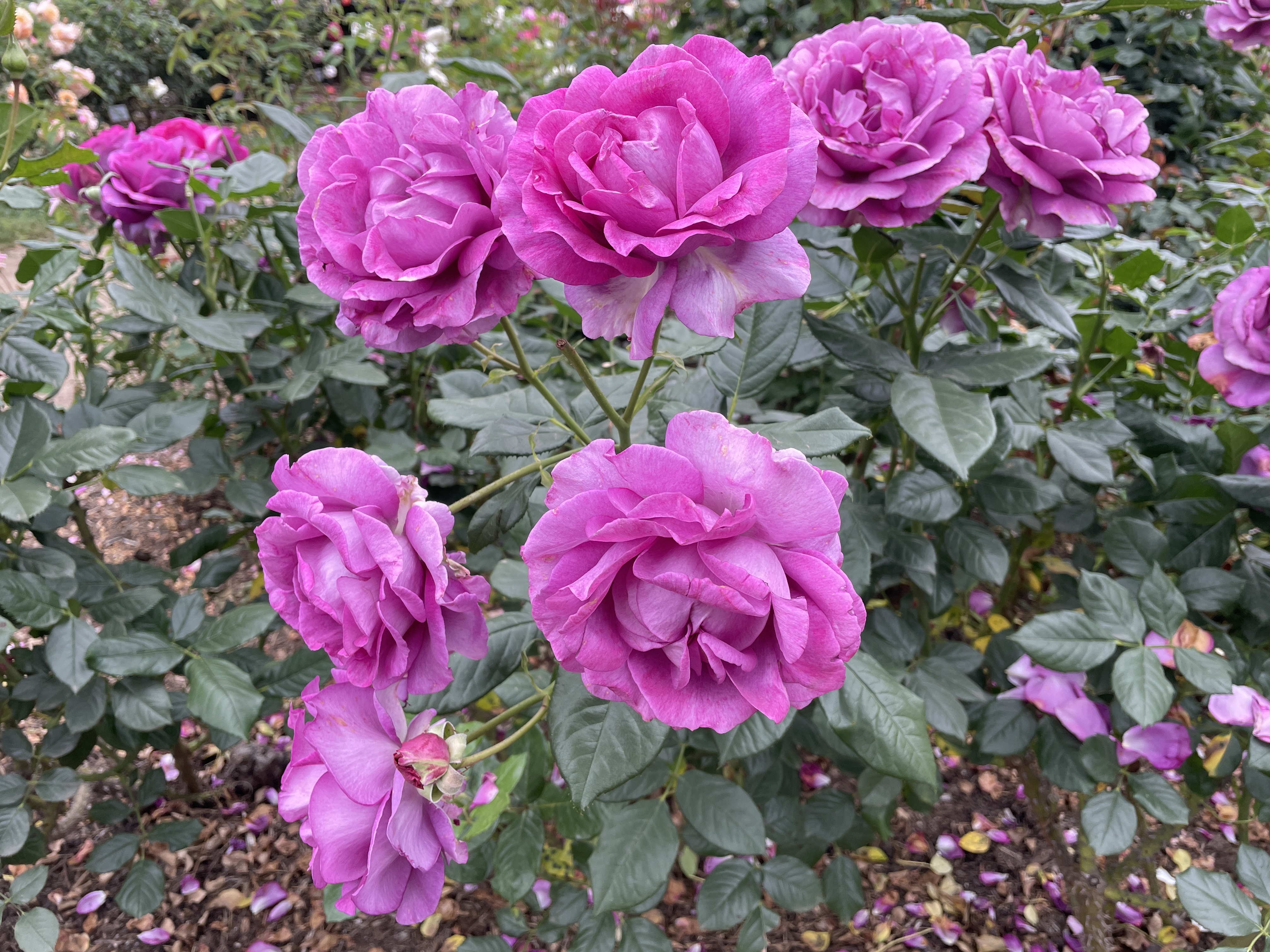
This rose has perfume as part of its name and smells divine.

I left the rose area and strolled in the herb garden seen above. Then I found a new kind of artichoke, Opera Artichoke. See below.

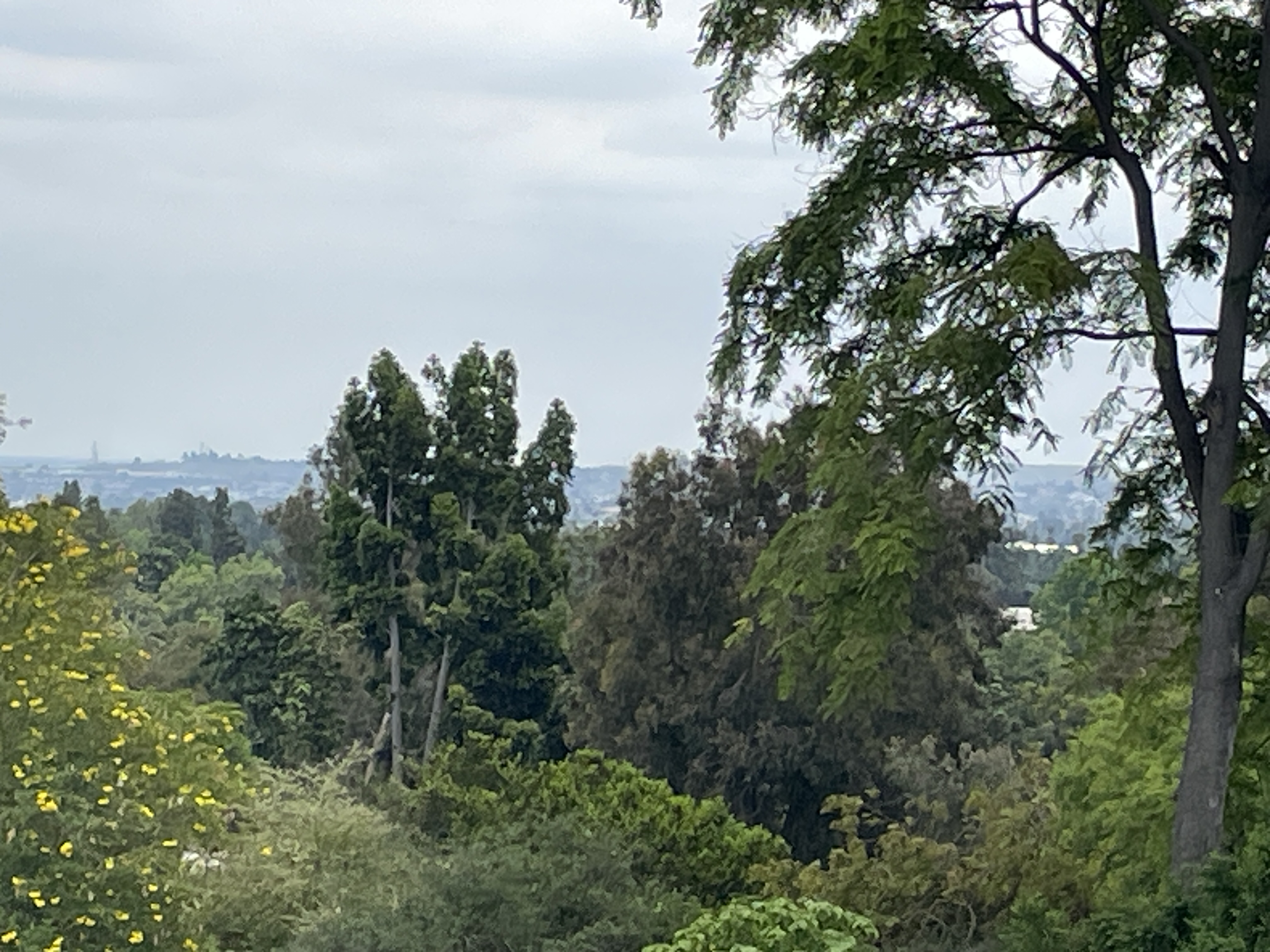
Facing away from the rose garden I could see all the way to downtown Los Angeles.

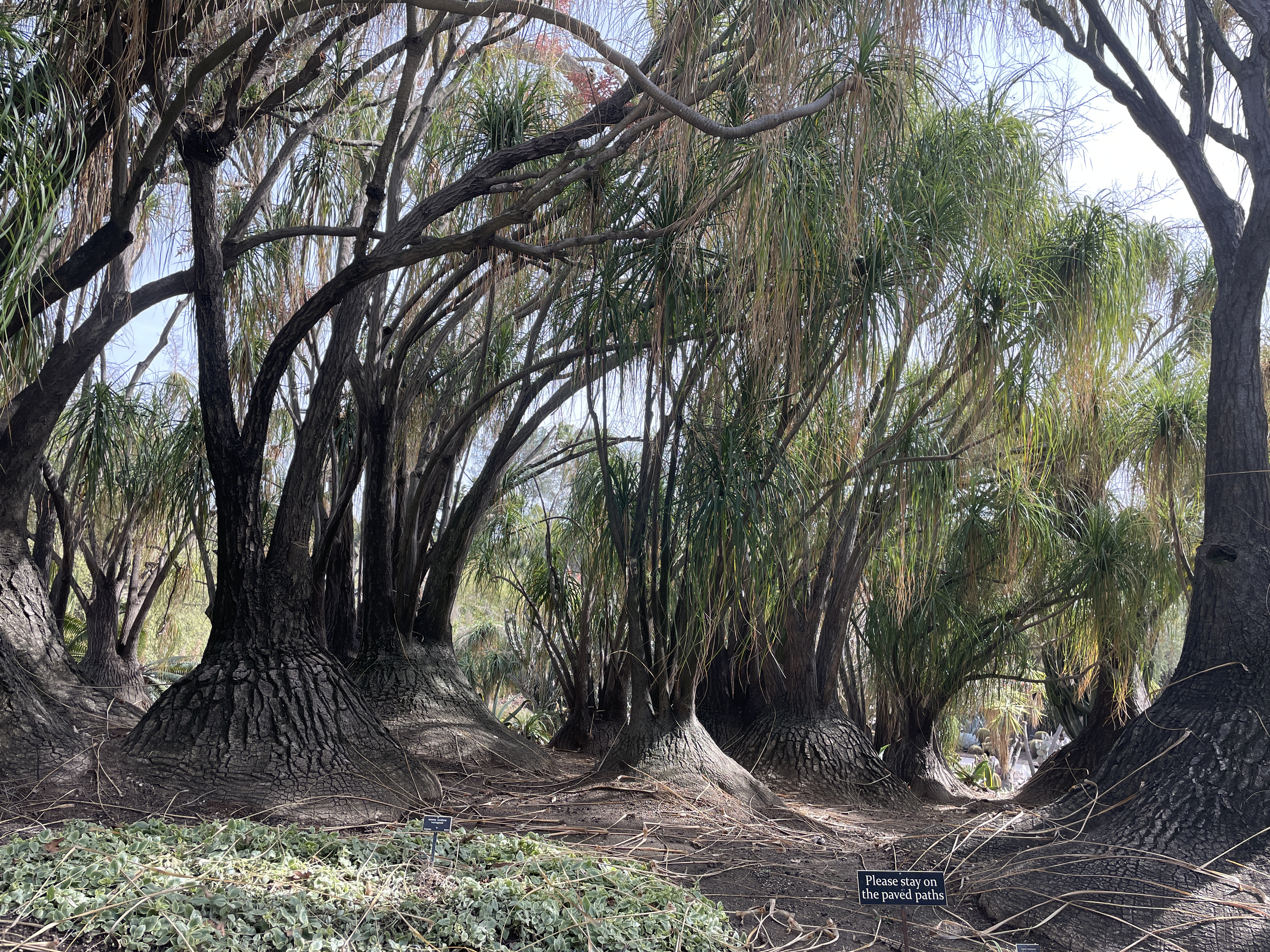
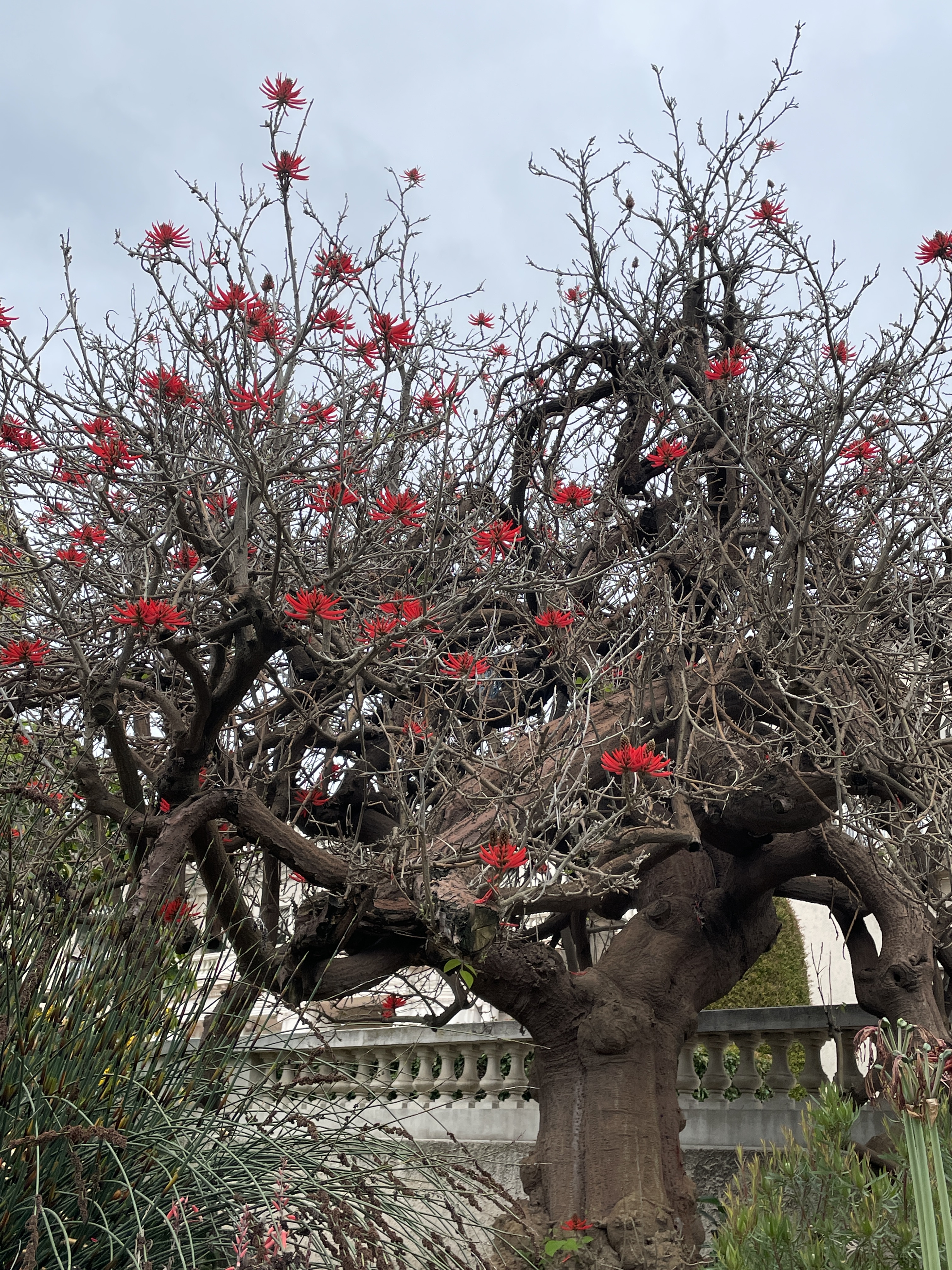
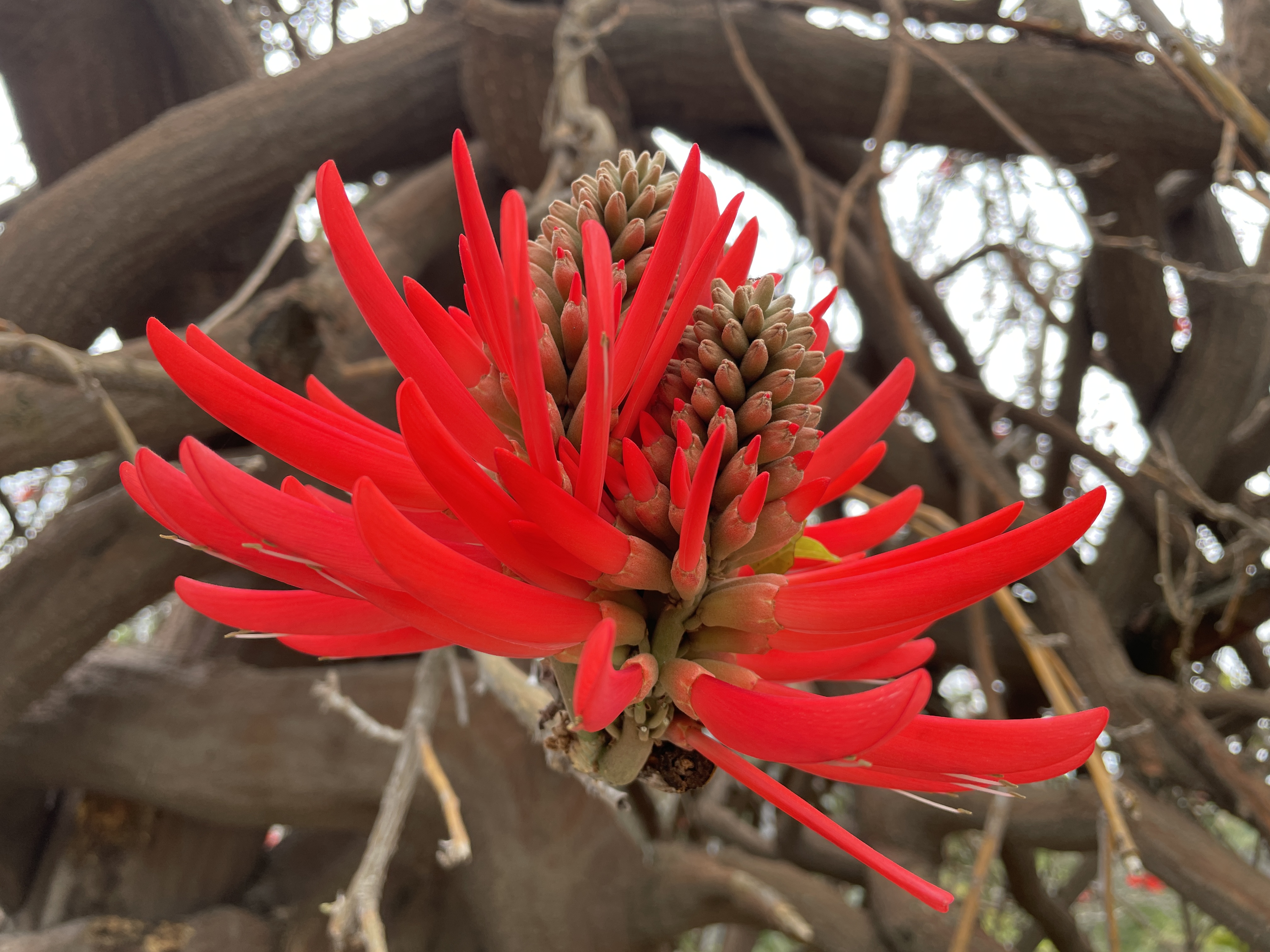
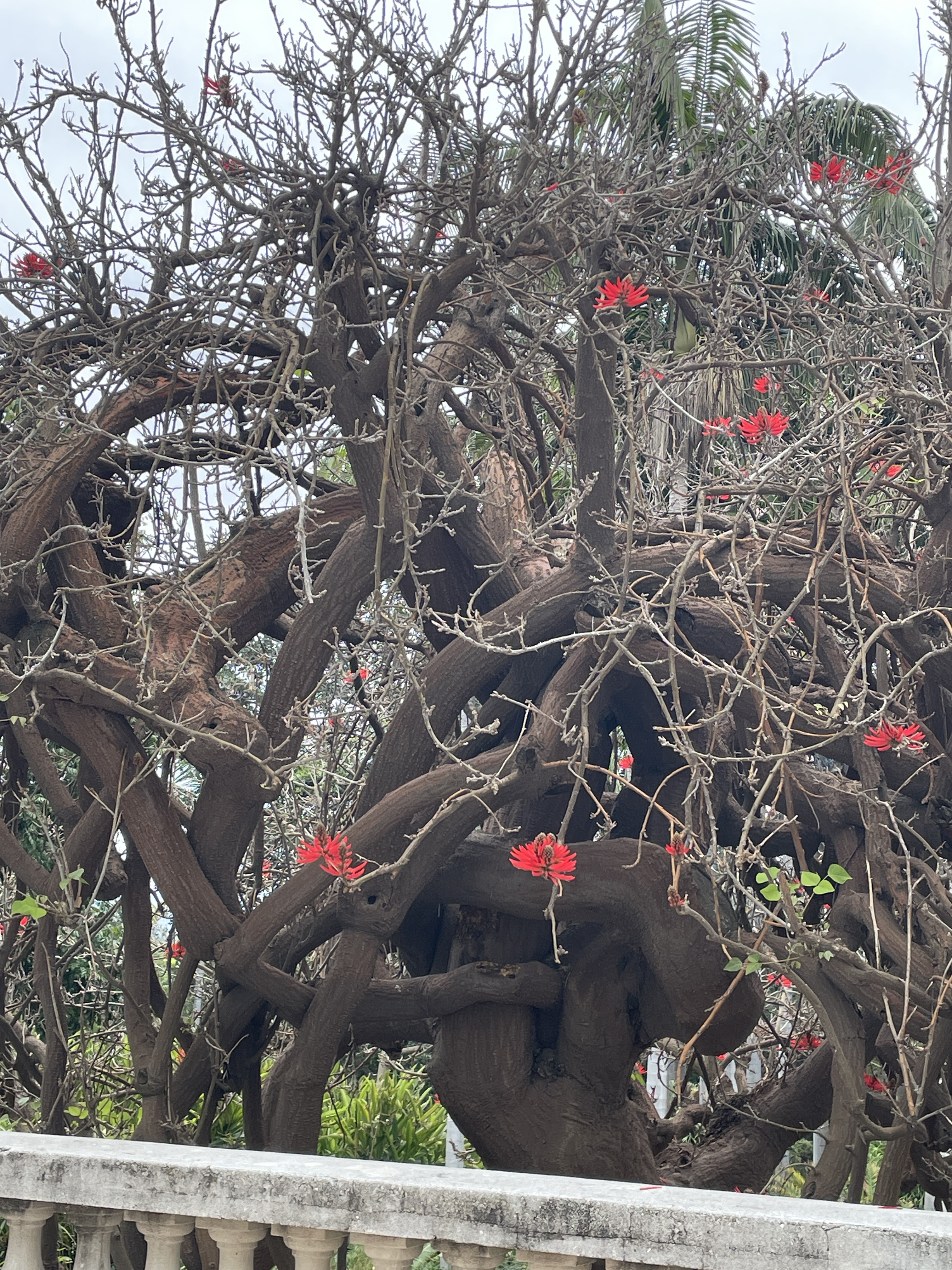
This tree is labeled Naked Coral.

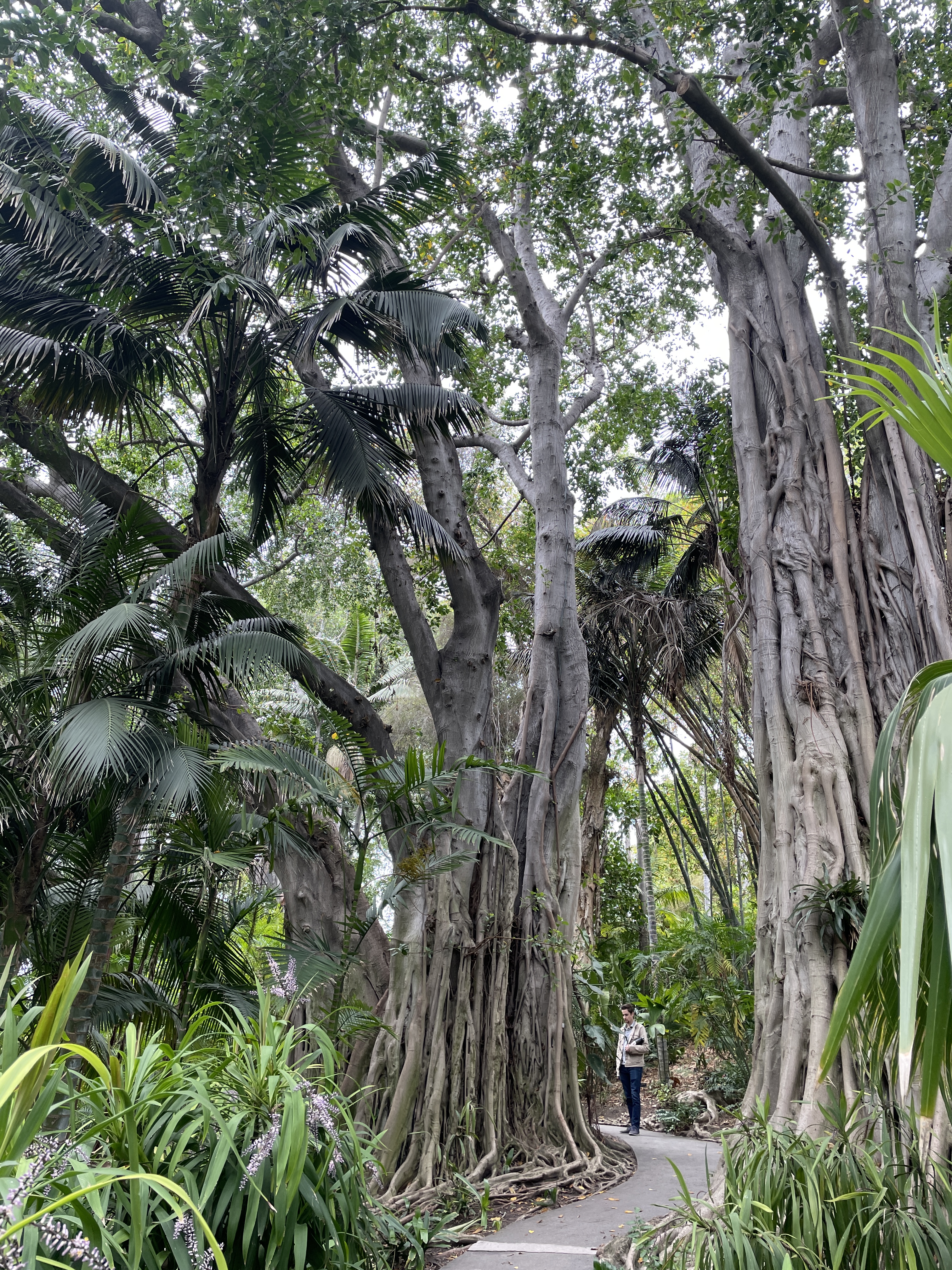
Then I strolled through the tropical garden area.

Fig trees.

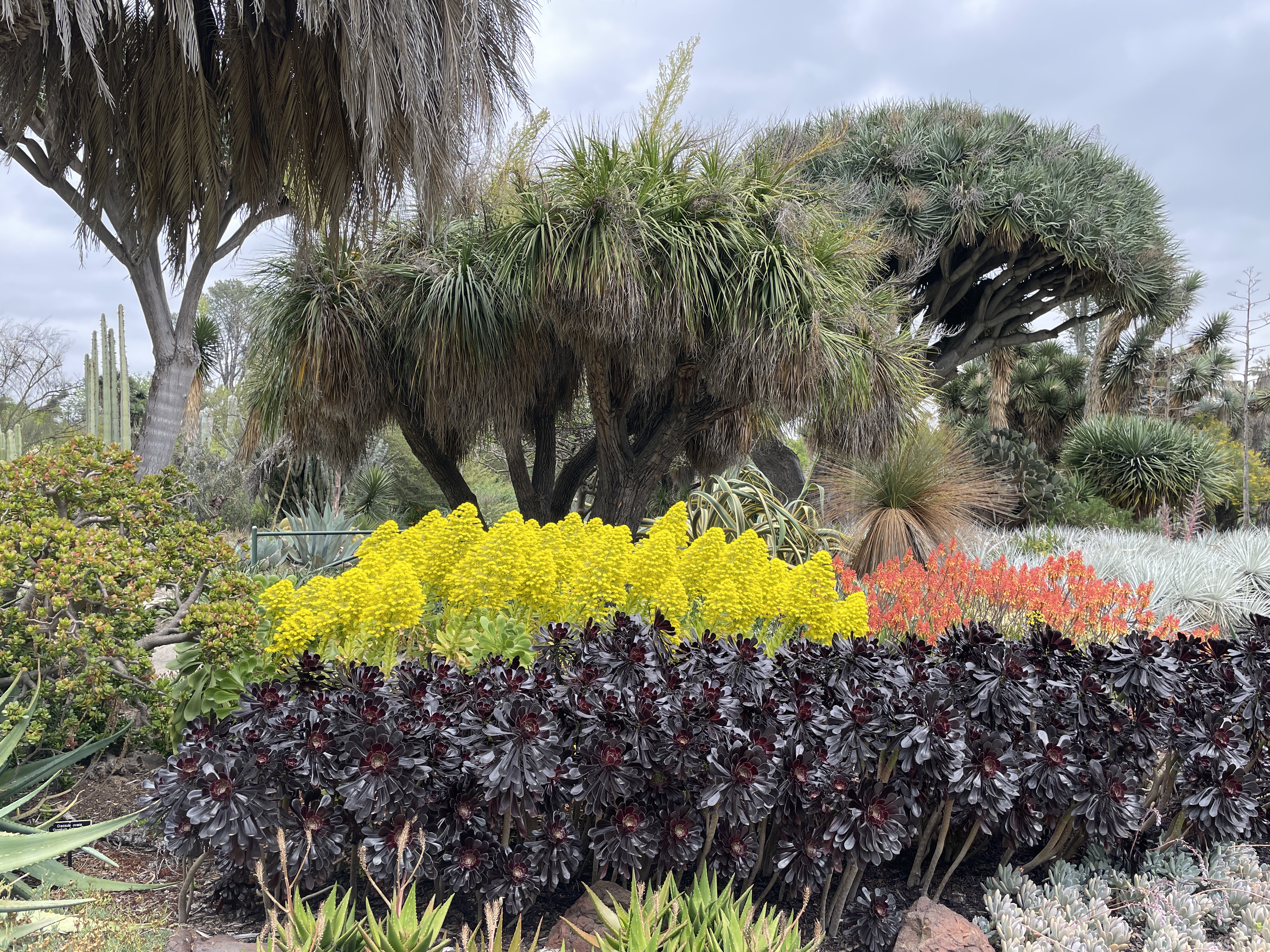
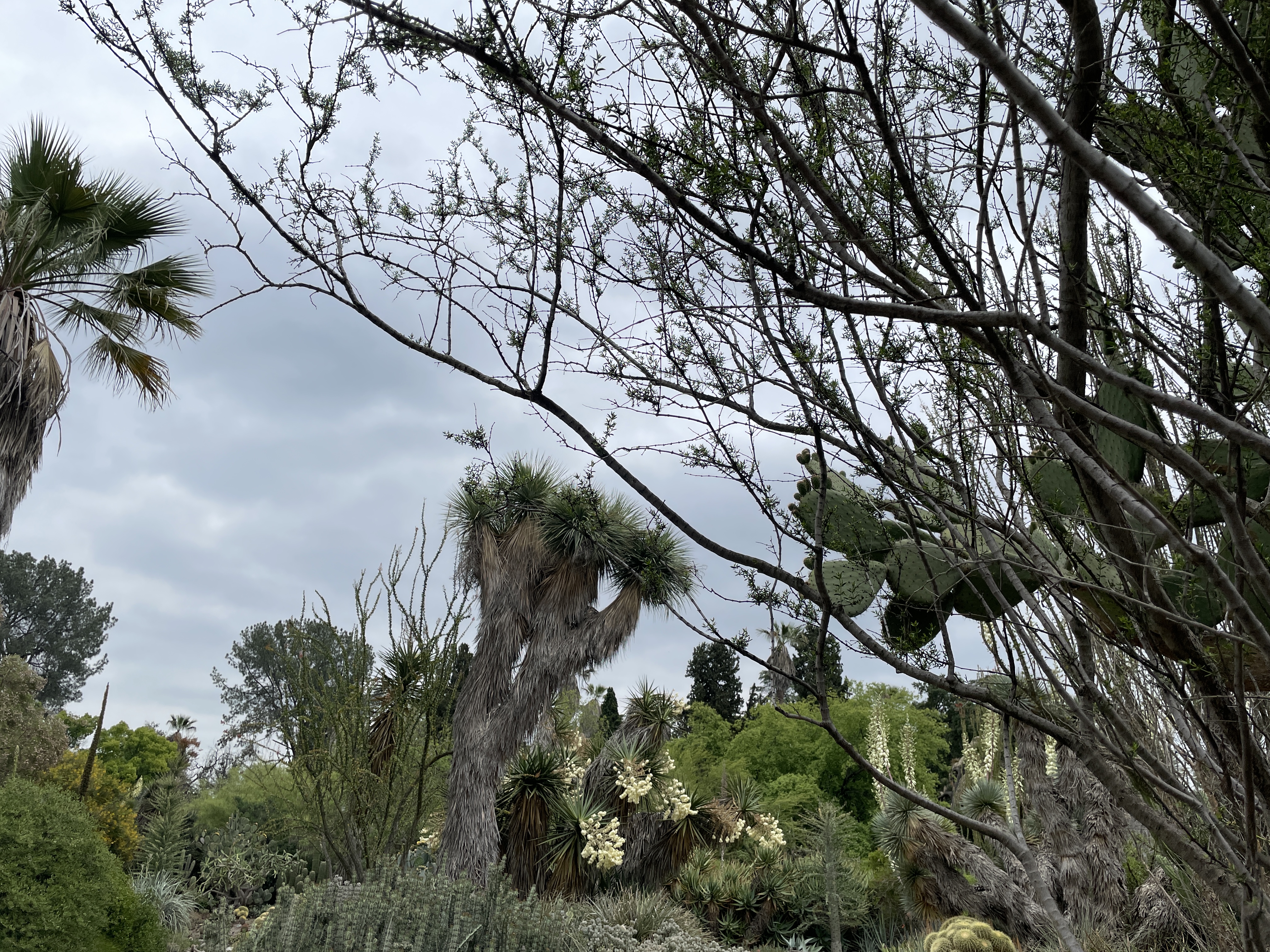
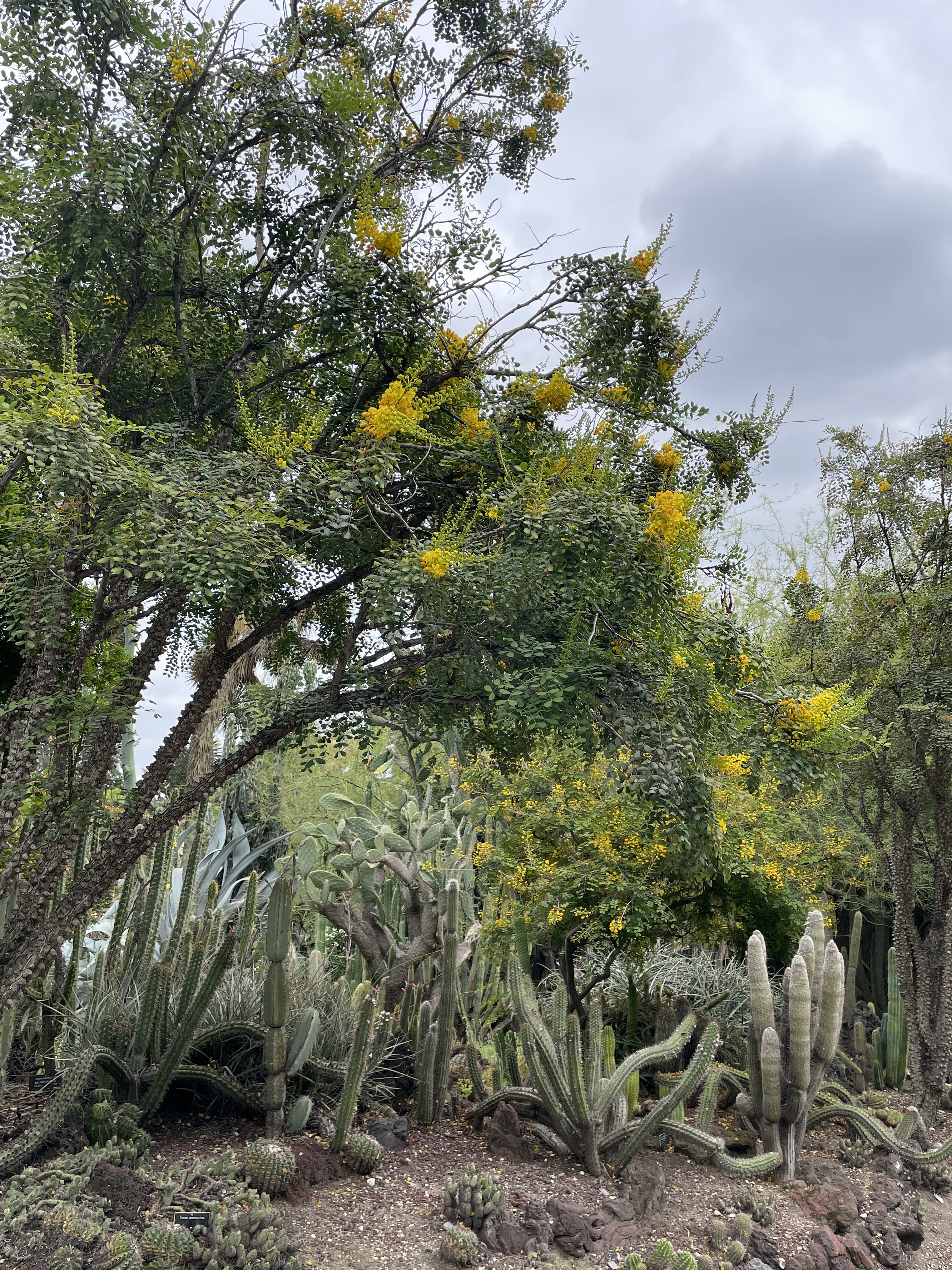
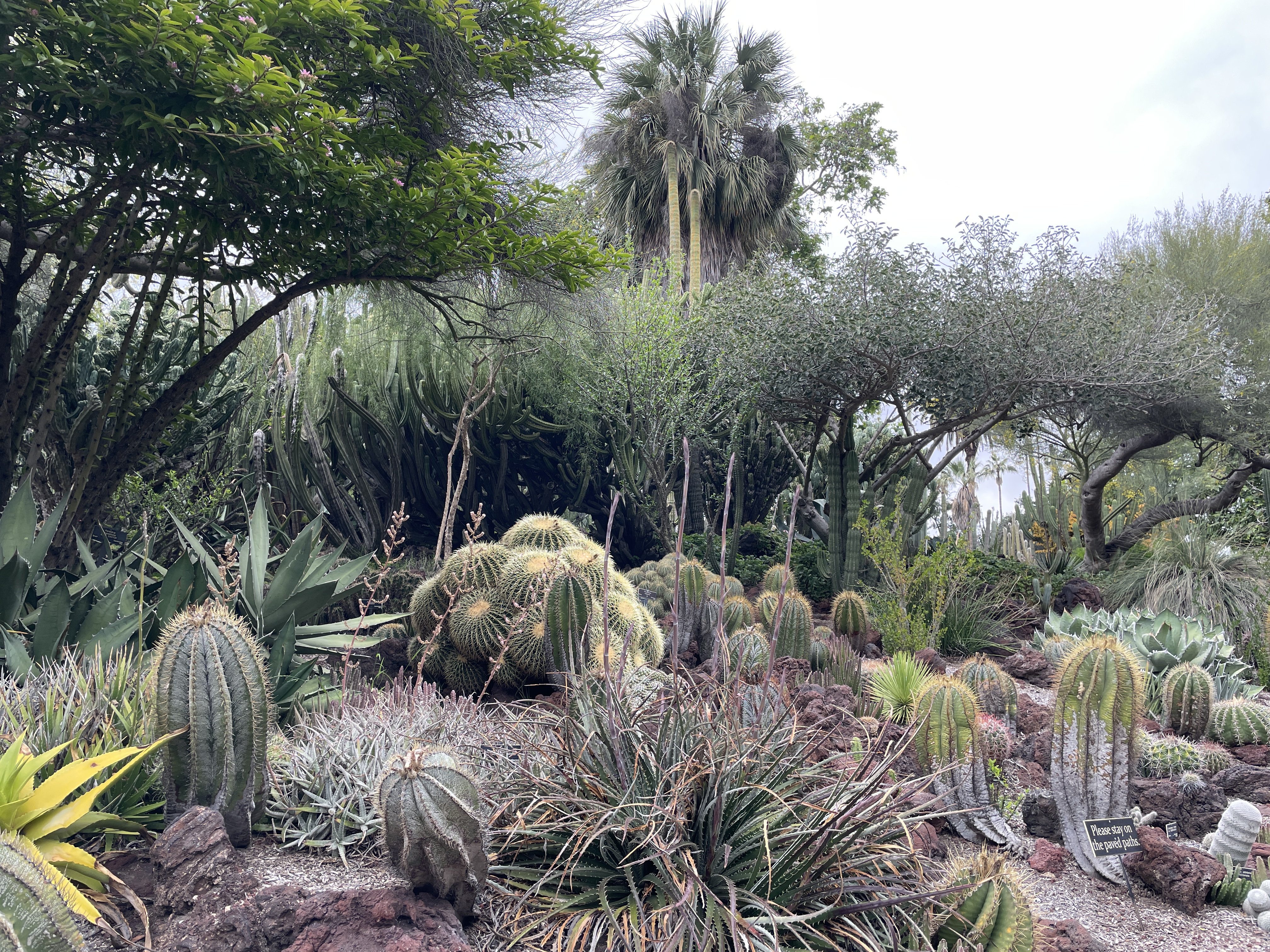
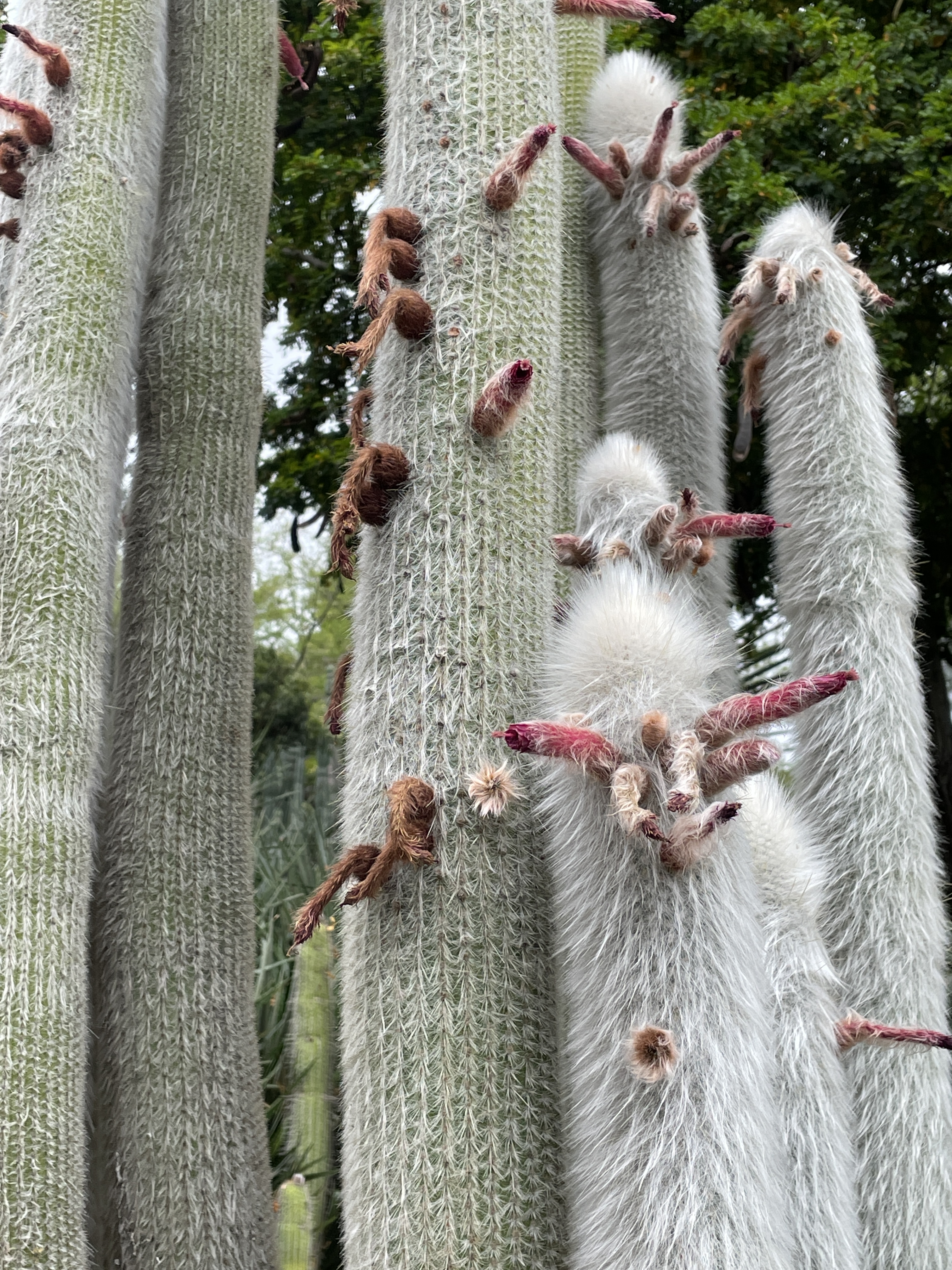
After leaving the tropical area, I wandered around cactus and succulent gardens.

One Book a Week-4: FINDING THE MOTHER TREE: Discovering the Wisdom of the Forest


When it first came out in 2018, I read The Overstory by Richard Powell. Finding the Mother Tree: Discovering the Wisdom of the Forest by Suzanne Simard appears to contain the endless years of detailed research and life story behind one of the characters in Powell’s novel. In fact, in her Acknowledgements, Simard thanks Powell for helping to make her life’s research more accessible to the general populace.

Simard’s book is part memoir, part detailed scientific explanations of her research and how a forest works and lives, and part how difficult it is to be taken seriously in the science world if you are female and your research contradicts the norm. She grew up in Canada. Her family made a living cutting down trees. Her family and life was and is intricately interwoven with nature. Even as a child, she was obsessed with tree roots, crawled around on the forest floor to see what lived there. A specific fascination was all the types and colors of fungi that grew just under the surface. Why were they there? What purpose did they serve? Later this became her life’s work, leading her to discover how trees of varying species use these fungi to communicate with and nurture each other. Of special significance are the “mother trees”, older, larger trees who provide nurturance to all the younger trees around them, recognize their kin, favoring them as they nurture all the other trees as well.

Traditionally, loggers and timber companies clear cut, then replanted with seedlings of all the same species of evergreen. It took Simard decades of research to convince them that it was not only the poorest way to grow new trees but also the least economical. For decades they saw her as some nutty woman, laughed at her research, laughed at her, even using epithets to her face. Ultimately, however, her work led to changes in how forestry is practiced.

This book relates her long struggle to save the forests. For those who are science minded, the final pages of the book contain 32 pages of Critical Sources. If you are interest in learning more about “mother trees”, go to http://mothertreeproject.org. It defines the term “mother tree” and explains how trees communicate. It also contains videos.

Strolling in Bonelli Regional Park


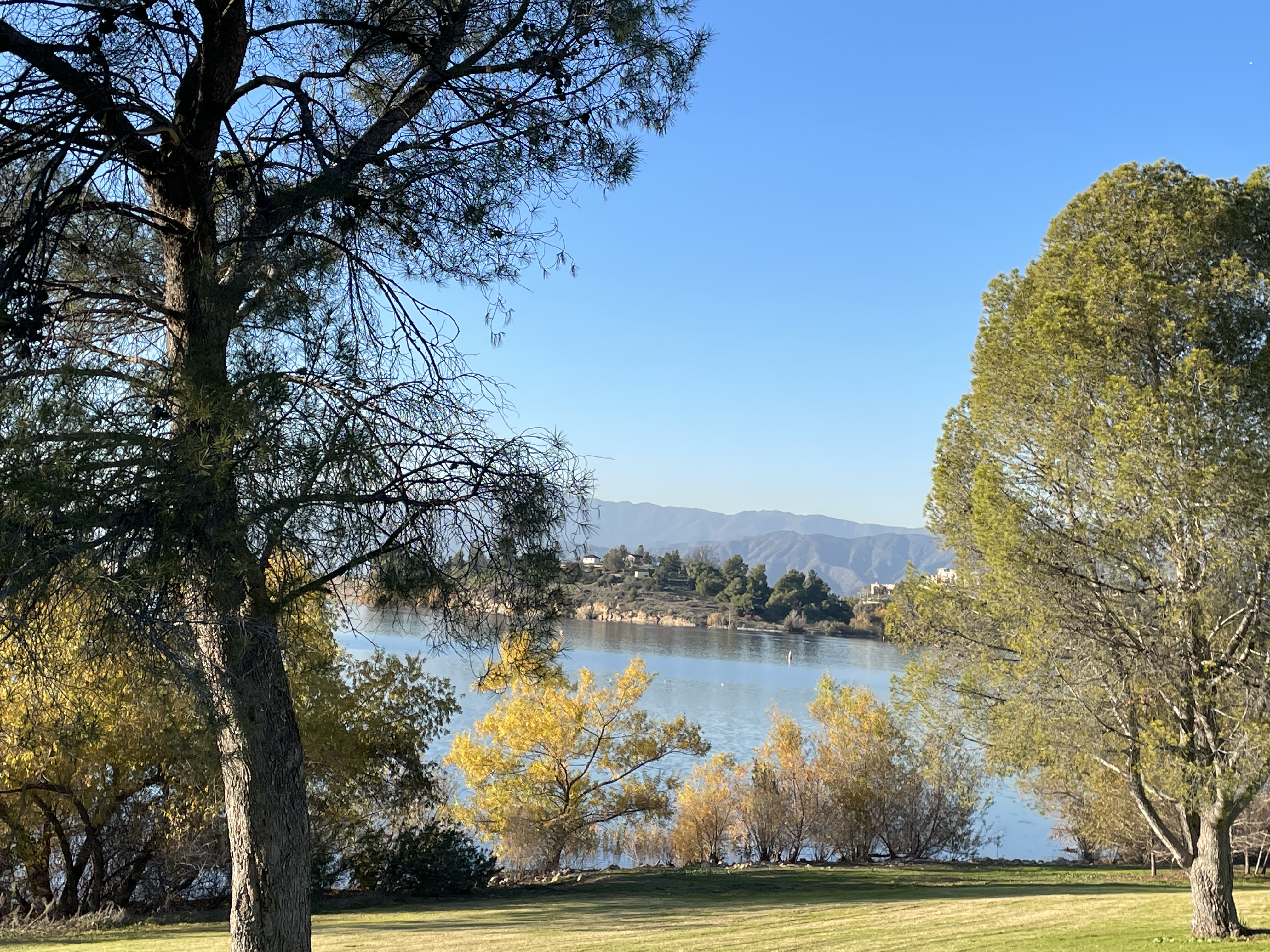
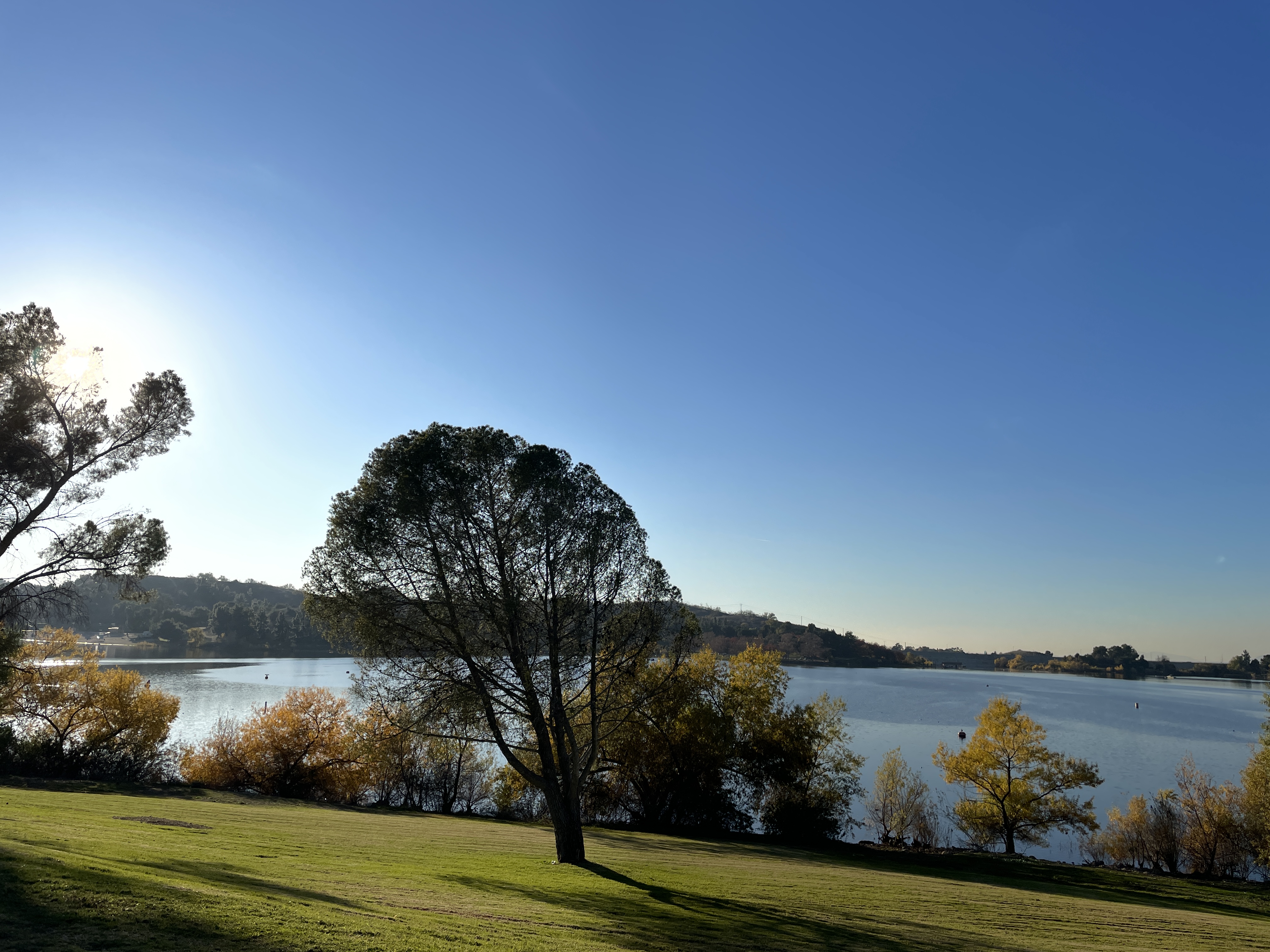
Instead of walking around the neighborhood, today my neighbor and I took a long walk along one of the paths in Bonelli Regional Park ten minutes from where we live. There are over 30 miles of hiking and bike trails in the park. We took the easy paved walk overlooking the lake.

In summer people swim and boat here. Now it is mostly hiking, dog walking, biking, and fishing.

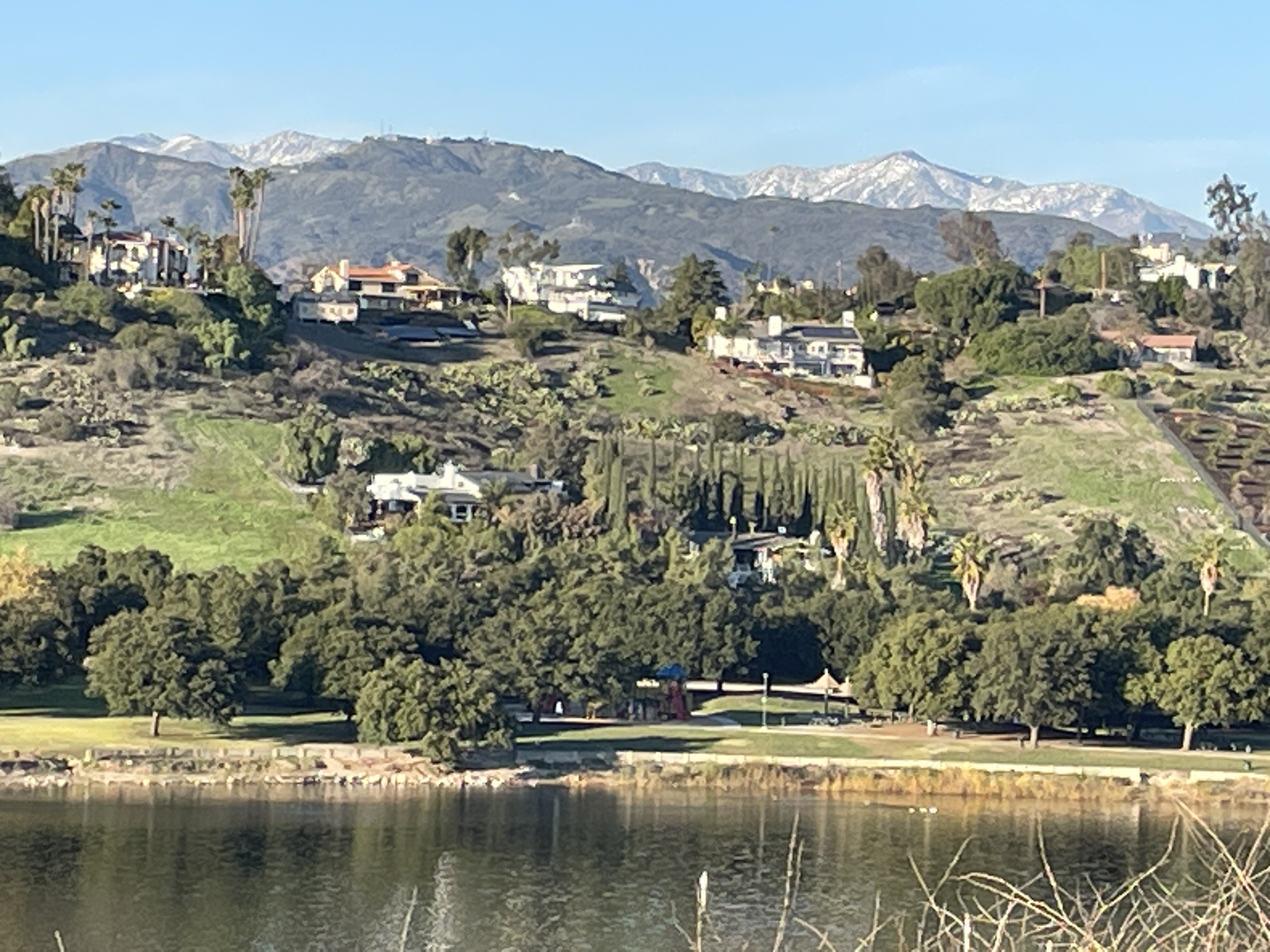
On this side of the lake many houses, some very large, overlook the lake. A few have vineyards or orchards on the slope near the houses.

Mt Baldy rises in the background. Several of the mountains remain snowcapped.

Several species of ducks, but mostly mallards, and a few geese reside here. In this area we saw a man fishing.

In Honor of Earth Day


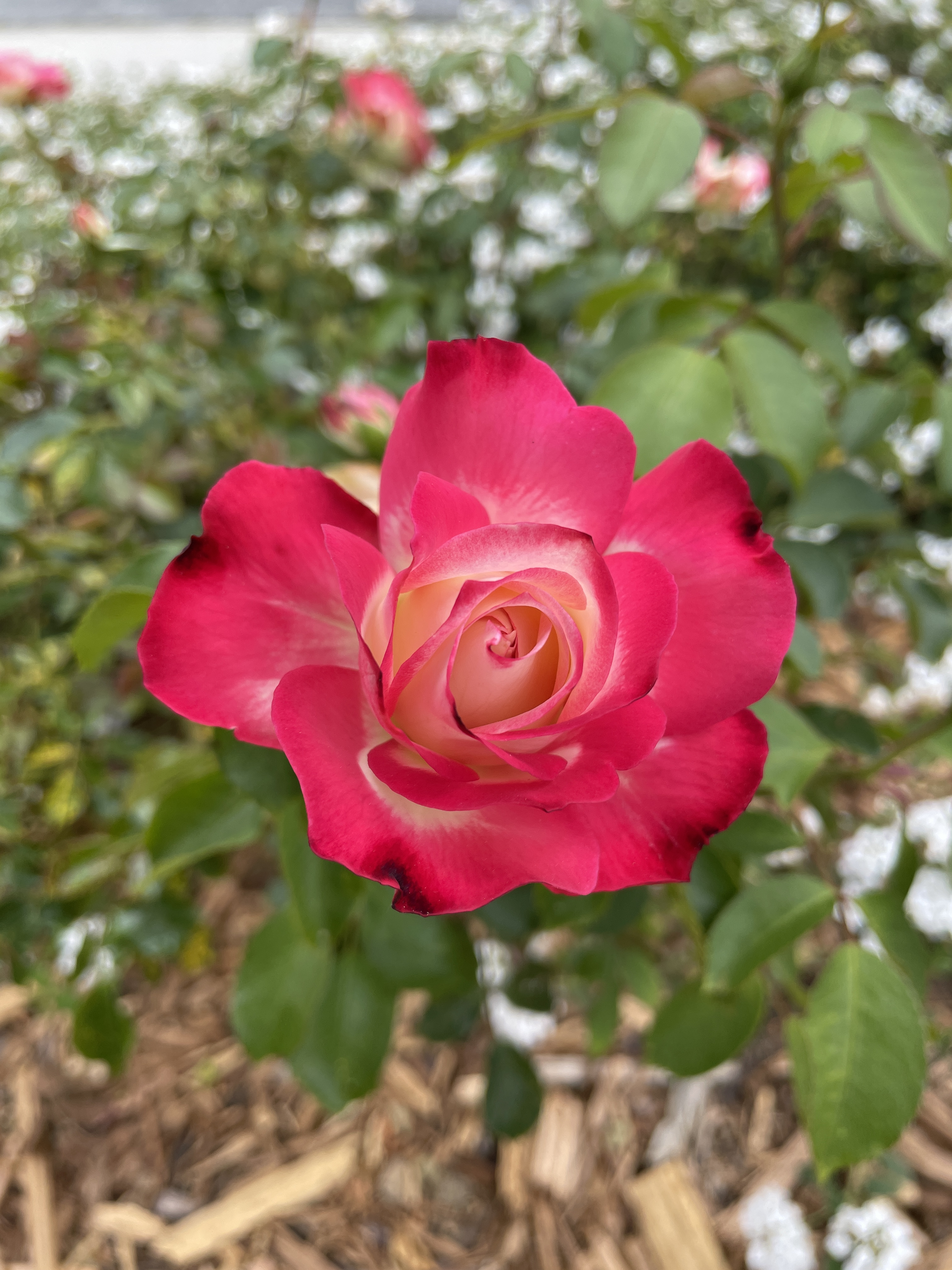
In honor of Earth Day

I present you roses:

may they bring joy

feelings of renewal

a sense of beauty

value of our precious planet.

The Huntington Gardens–Part Two


In the last six weeks I have travelled to these gardens five times, two alone and three with house guests. Amid all the turmoil in the world today this is a place where nature continues its grand display, instilling a sense of peace and quiet.

My son headed to the Chinese and Japanese gardens.
Earlier photos were the walk to arrive here at the Japanese Gardens.

Depending on how you walk through the gardens, you walk to Japanese first, then Chinese, then back to the Japanese Gardens. This and the following few photos are the Chinese Gardens.

The Chinese Garden is filled with various sizes of limestone that looks like sculptures but is natural. The next time I go, I am going to learn what is written on many of the pieces of limestone.

In many places you can see the San Gabriel Mountains which are not far away.
The pond is filled with fish.
My son enjoying the waterfall.
I sat on a bench and stared at this for a long time, wondering how they do this without messing any of it up. There are doze
Looking back as we are on the way out.
And finally something European as we headed toward the parking area.

After five times, I have seen most of the gardens–next post will be some photos of the Australian area–and the two art galleries. Never made it to the library yet.