Why Teachers Suck …


I was going to write a nice little poem for my blog post today but instead decided this was more important to post. As I teacher, I can verify the veracity of this post. In some ways it may be a little easier for me because I teach mostly seniors in high school who are somewhat self sufficient but many still get free or reduced lunches, some are homeless or drift from one friend to another since thrown out of their own house, some work so late they can barely stay awake in class, some self medicate because no one can afford the meds they need. Most graduate in spite of this. How? Because the school and teachers go to great lengths doing everything imaginable to help them succeed, e.g. online programs, extra time, alternative assignments. Why do I continue to teach? I love teenagers; I never have a boring day; I work hard to make a difference; I think public education is the foundation for a working republic, for this country to flourish and succeed.

Bert Fulks's avatarBert Fulks

A friend and I were grousing about ignorance run amok.

“Americans get their information from internet memes,” I laughed.  “And in the true spirit of democracy, dullards who have never cracked a book will cancel the votes of people who actually have a clue. What could go wrong?”

“You know what the problem is?” Tim challenged.  “Our country’s a mess because teachers suck.”

teacher2I bristled.

Although I’ve been out of the classroom for a number of years, once a teacher, always a teacher.  Plus, I have family and friends still slugging it out in the trenches.  I know their battles and the wounds they carry.

“Dude, do you know what teachers endure on a daily basis?” I asked Tim.  I found that, no, he didn’t.  I fear most Americans might be as clueless.

I emailed a former colleague (she’s two years from retirement) and asked one question:  “How has education…

View original post 1,411 more words
My Ethiopian Adventure–on the Road to Lalibela, Part One


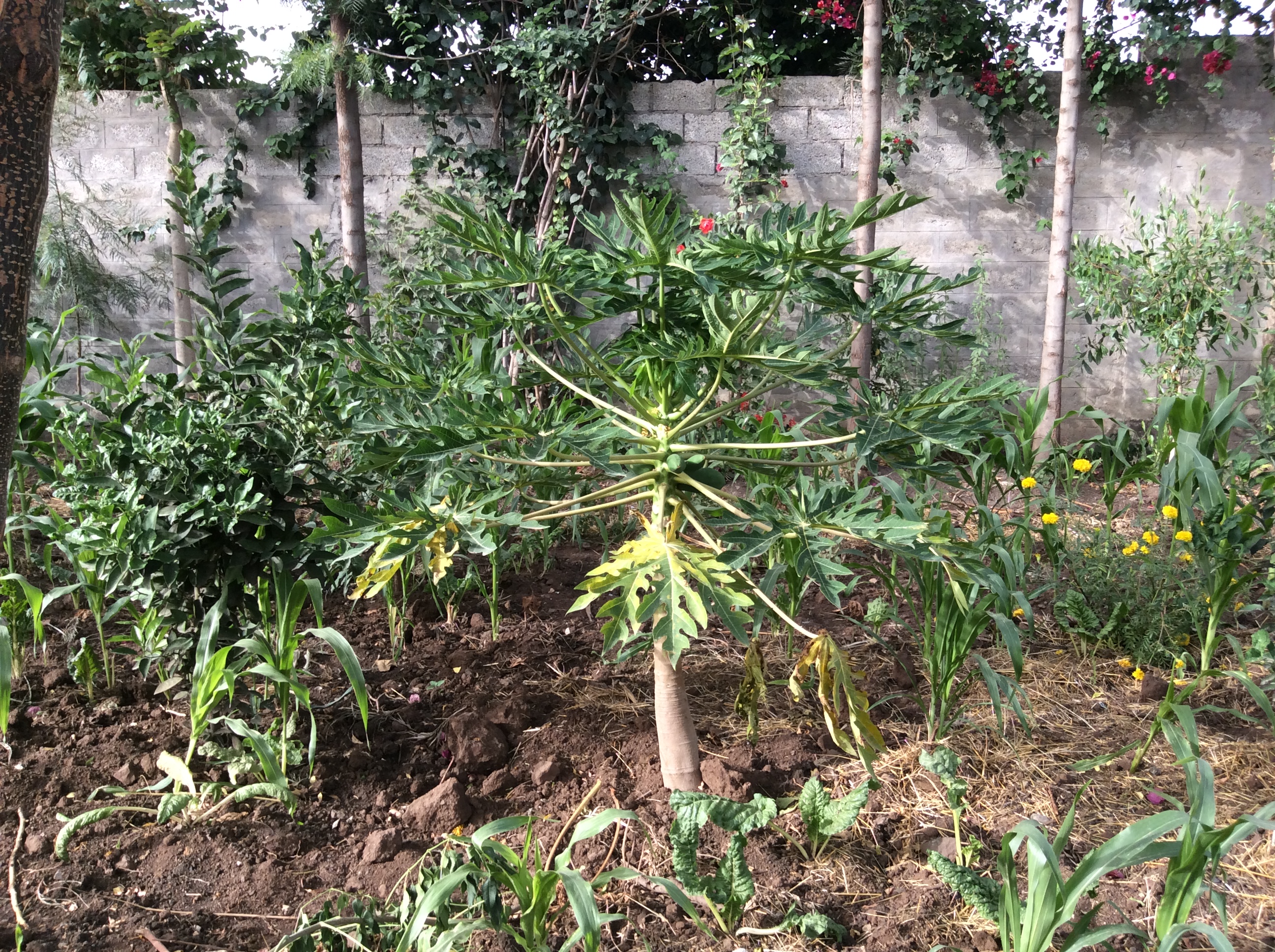
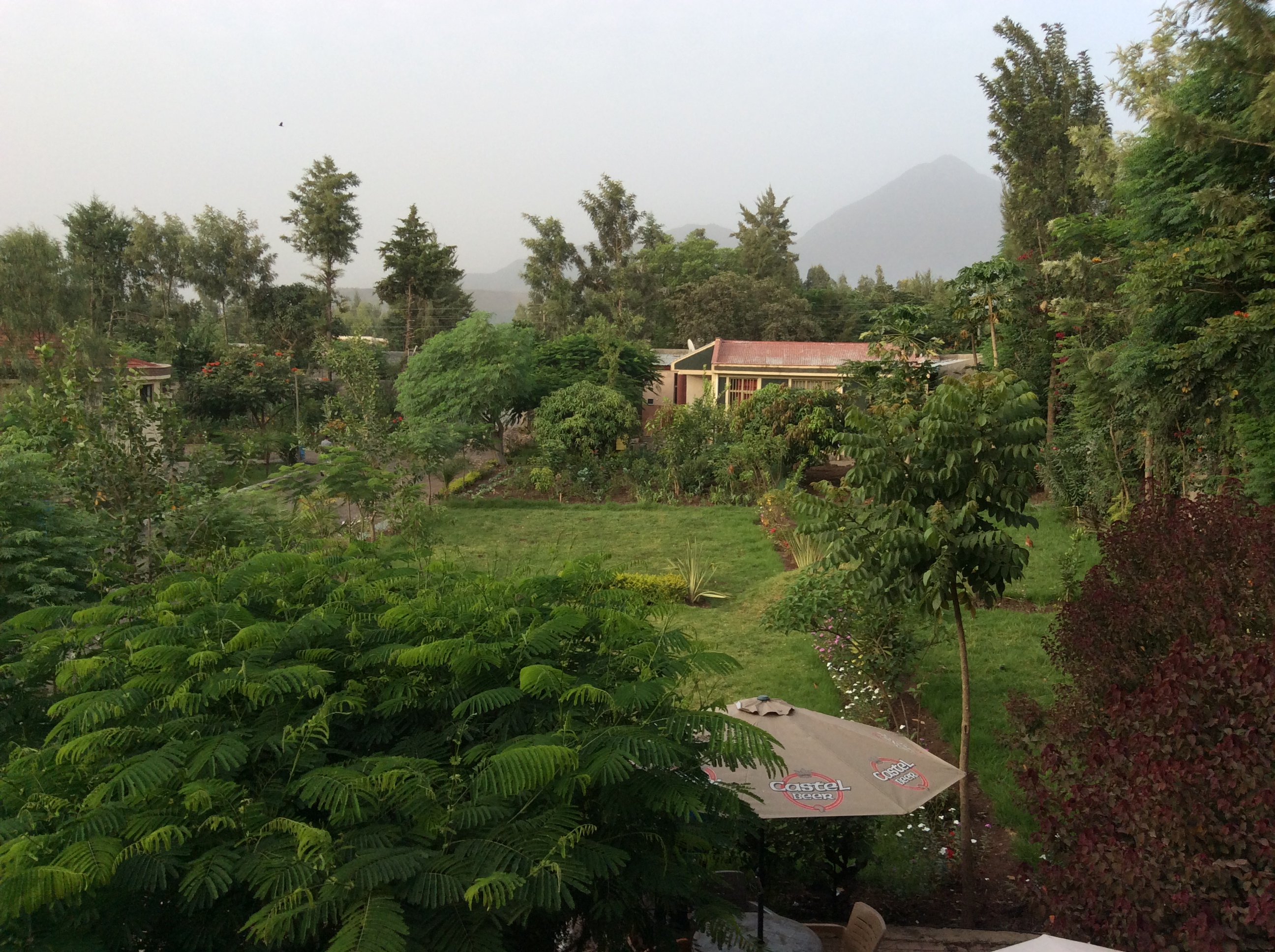
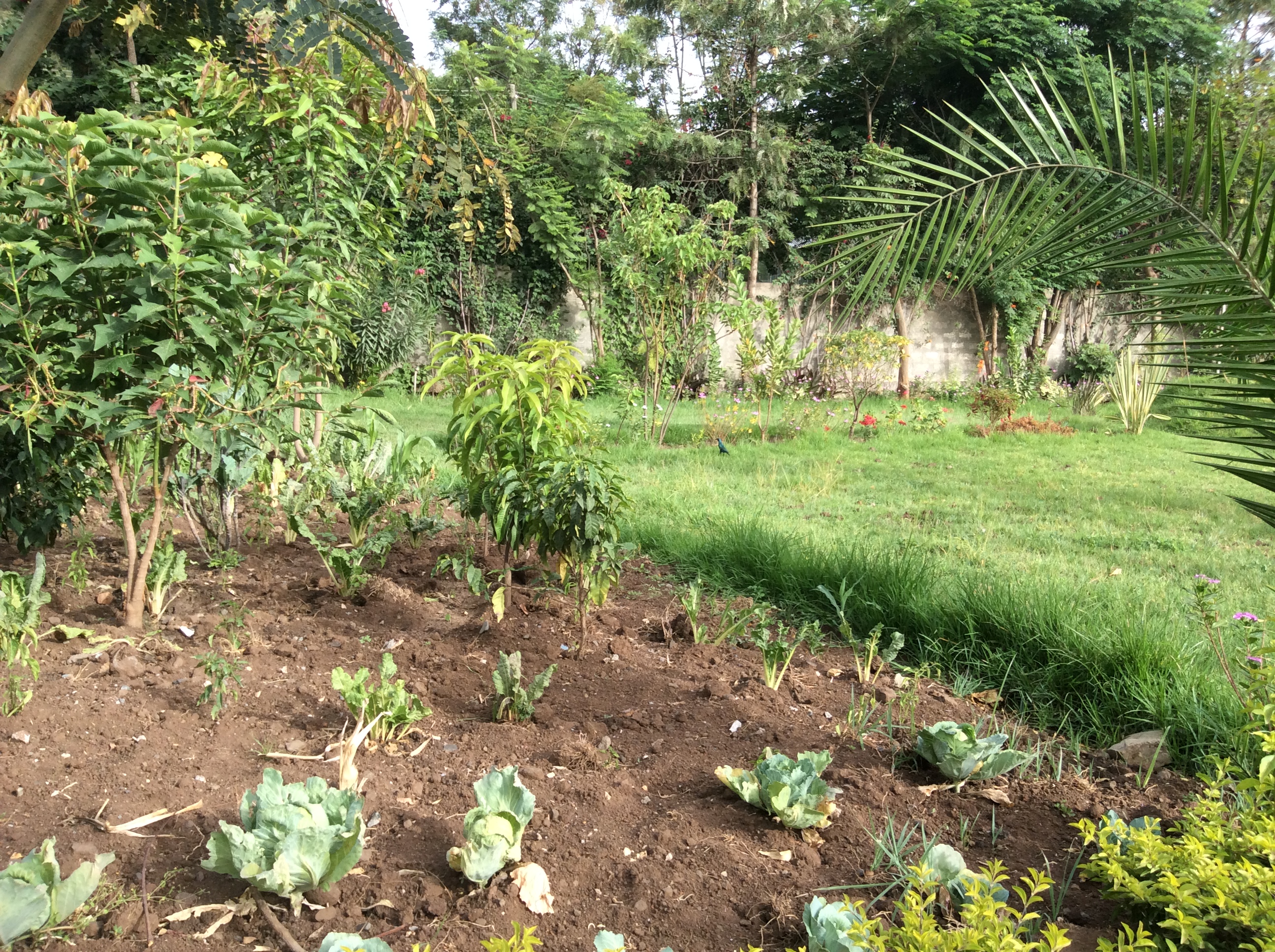
Although the Sunny Side Hotel’s rooms in Kombolcha seem elemental to say the least, the food there is some of the best I had in Ethiopia.  One of the reasons for this may be their extensive gardens which not only hold flowers, but vegetables and fruit trees.

IMG_0292

IMG_0294

That’s a papaya in the middle.

IMG_0296

IMG_0290

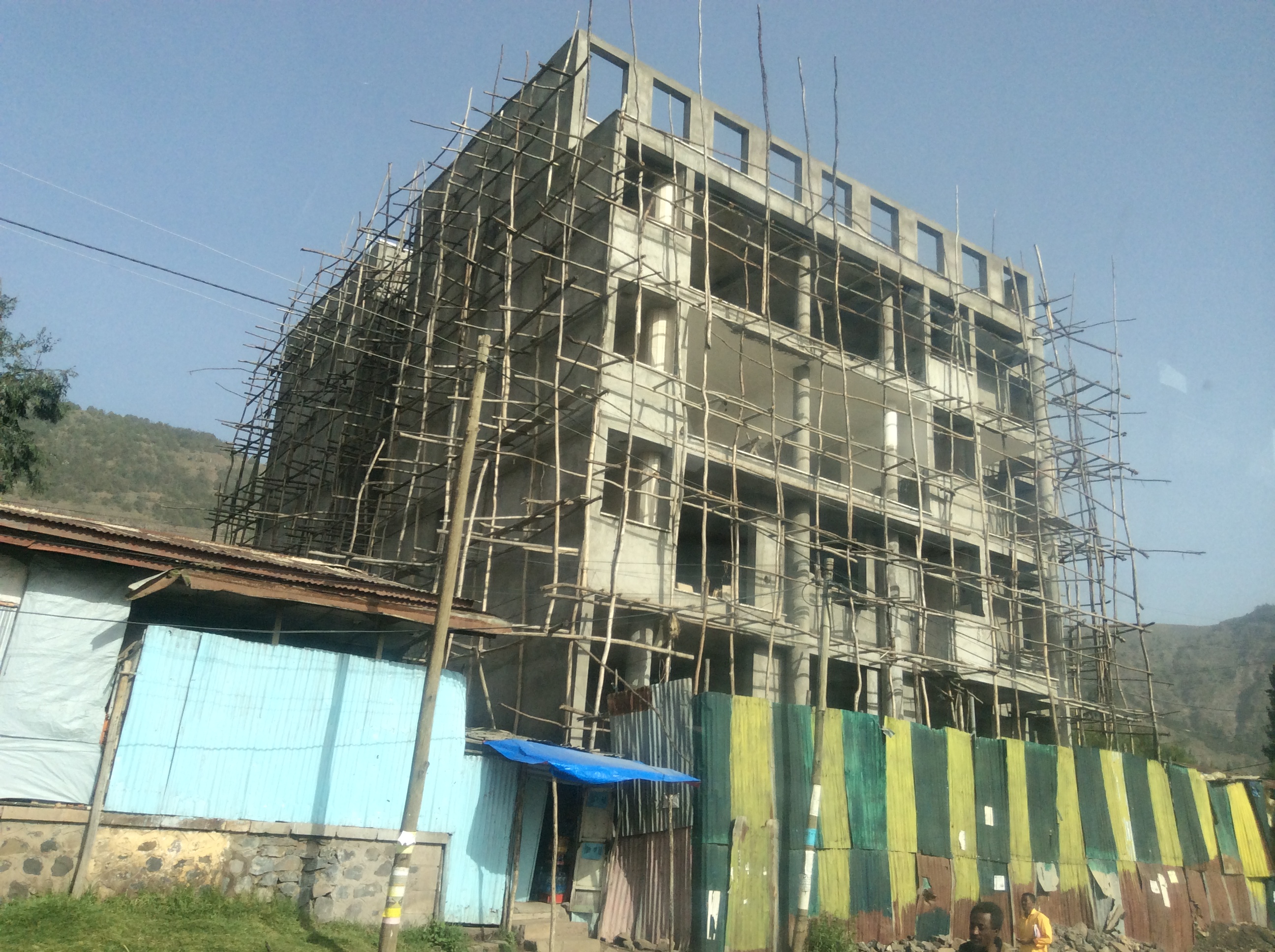
Dinner consisted of fresh talapia–Lake Tana is full of talapia and is a common item on menus, perfectly grilled, julienned vegetables sautéed in sunflower oil and seasoned with a sprig of rosemary.  The next morning we headed for Lalibela.  The first larger city through which we drove is Dese.  As in most Ethiopian cities, new construction could be seen everywhere.  They do not use steel for scaffolding.  They use eucalyptus as in this building.

IMG_0307

IMG_0305

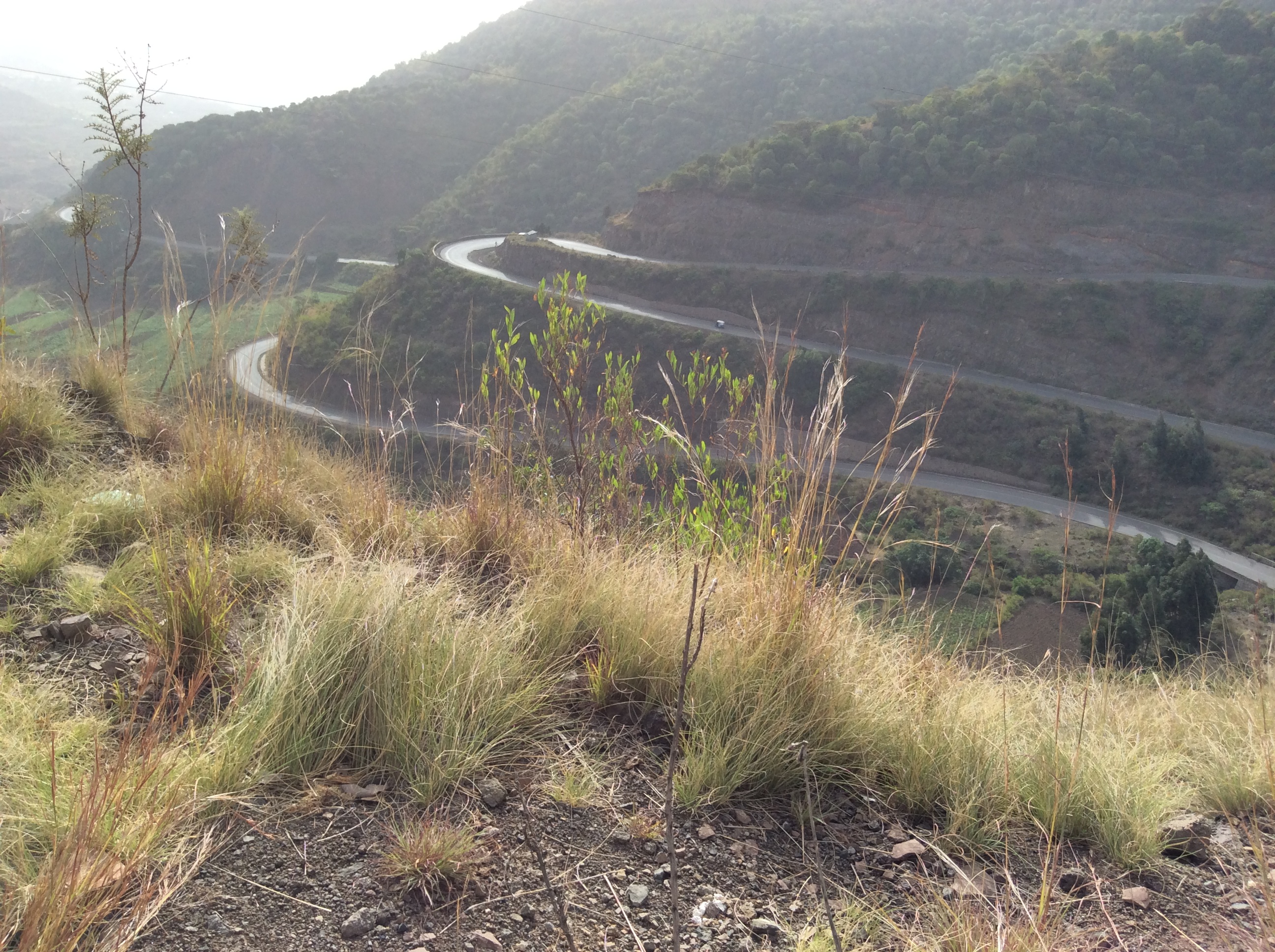
We continually climbed switched back roads.  Usually, terraced fields lay as far as we could see on the mountainsides.

IMG_0303

IMG_0301

IMG_0311

Not too far from Dese, we came to the smaller town of Hayk.  Hayk is the Amharic word for lake.  The town is named after this nearby lake.

image

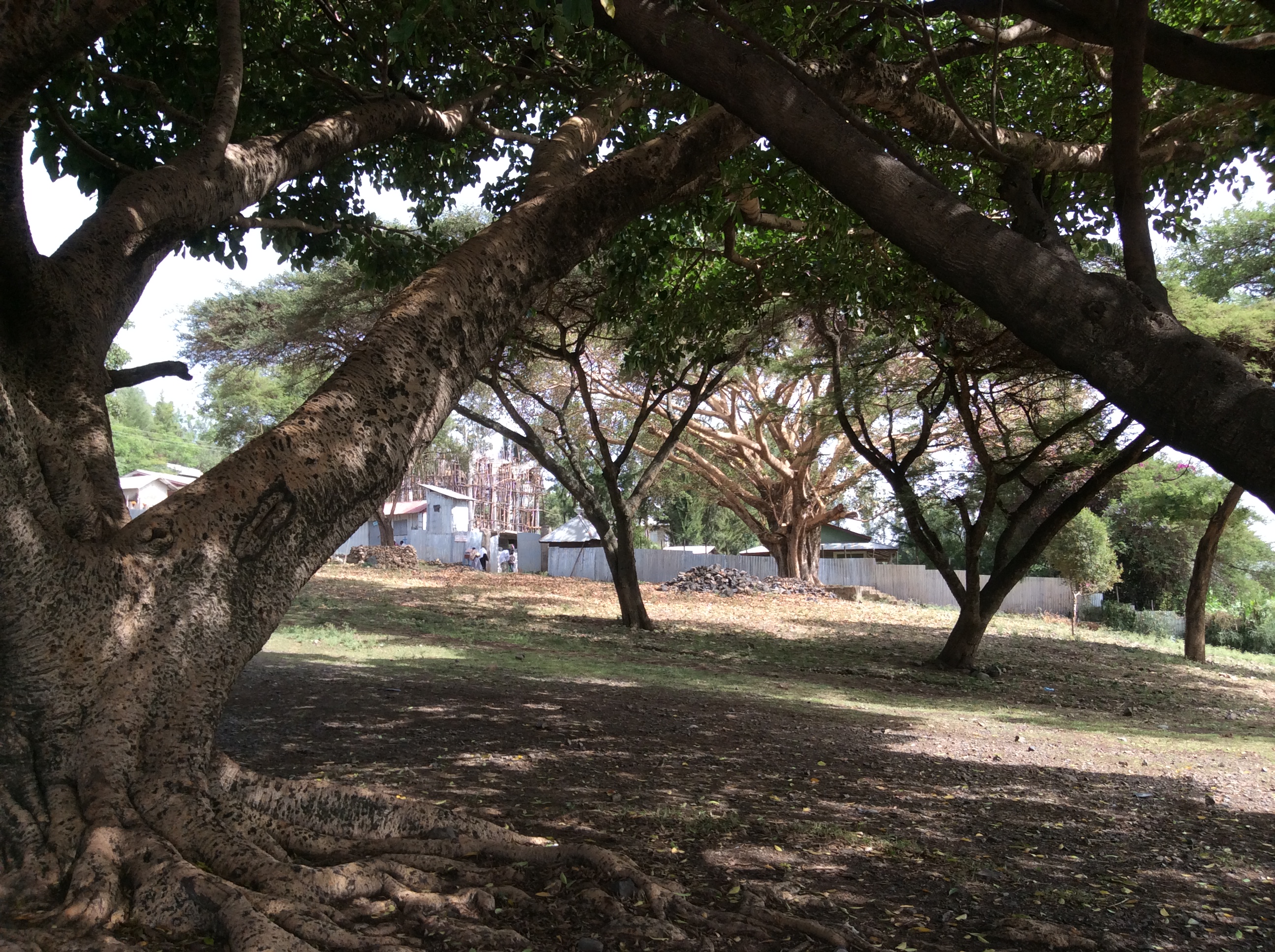
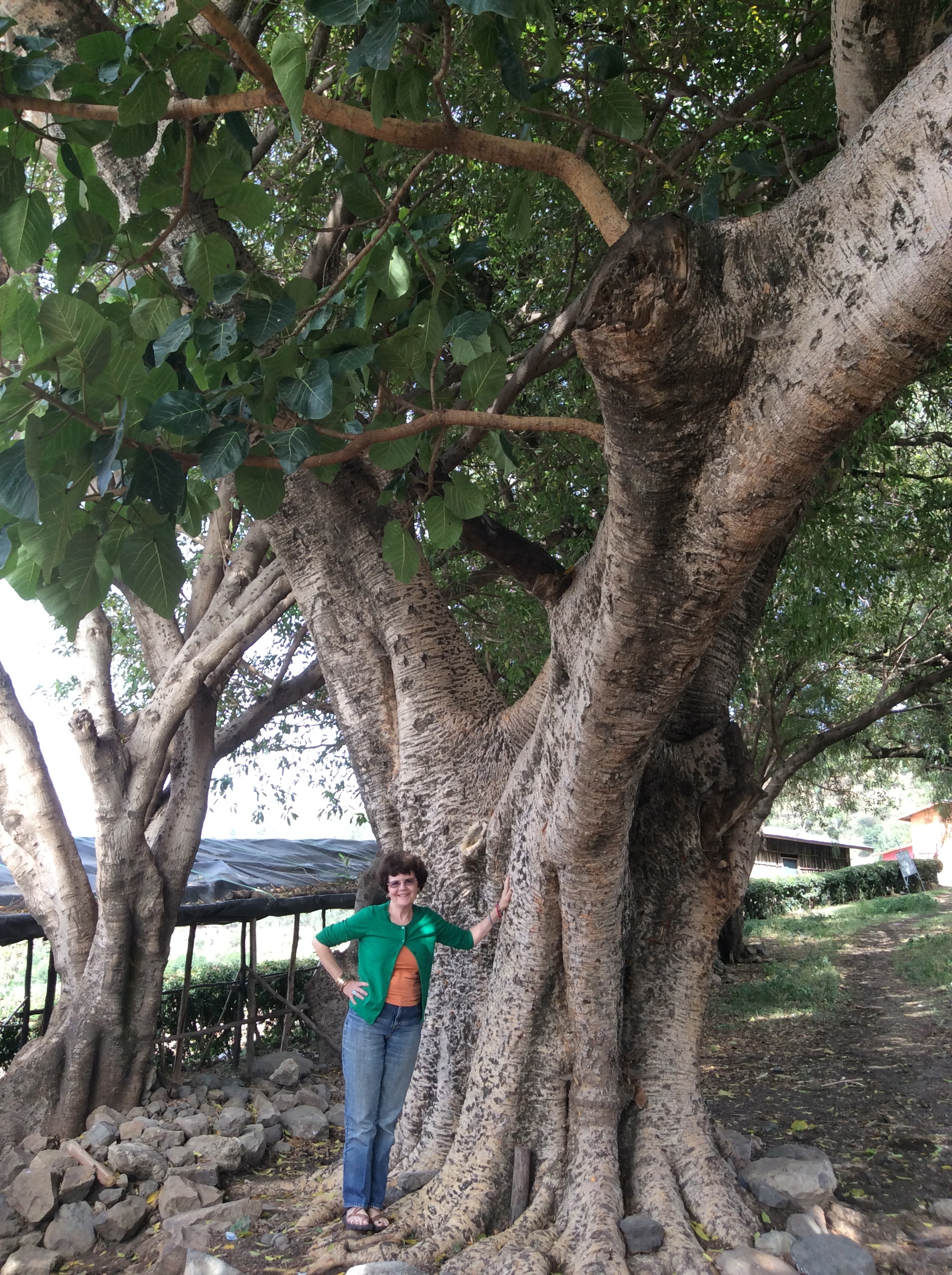
Seven species of acacia grow in Ethiopia.  These, higher in the mountains, appear considerably more lush than those farther south in semi arid places. You cannot swim in this lake because, like many bodies of water in Africa, the schistosomiasis parasite lives here.  There is a cure, but not very pleasant.  Huge fig trees and acacias provide a setting like one sees in movies.

IMG_0316

IMG_0317

IMG_0319

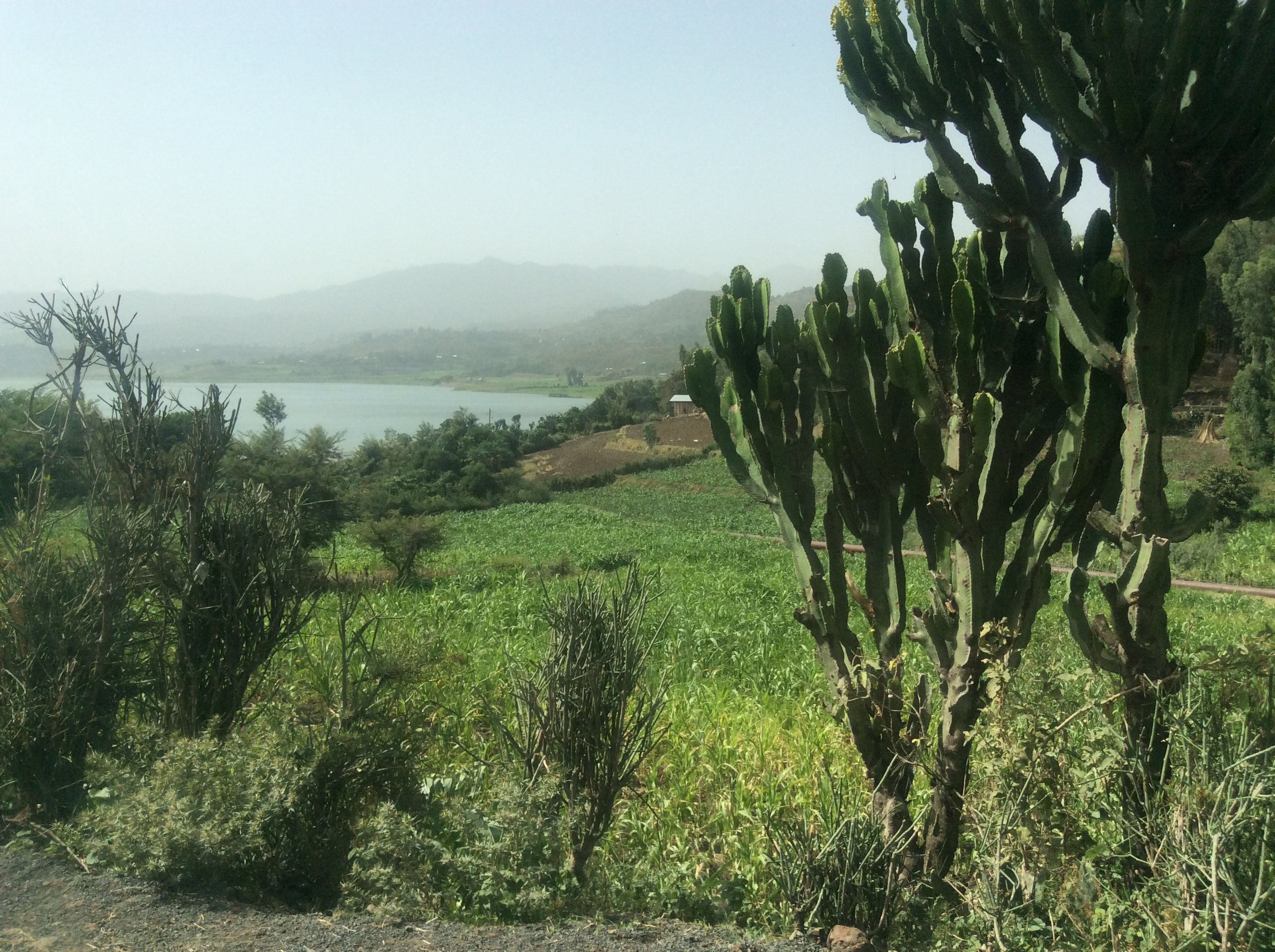
This monastery resides on a small peninsula that juts out into the lake.  The sign says no women allowed.  Foreign male visitors may enter for a fee–locals free. Lush fields surround the lake.

IMG_0314

IMG_0322

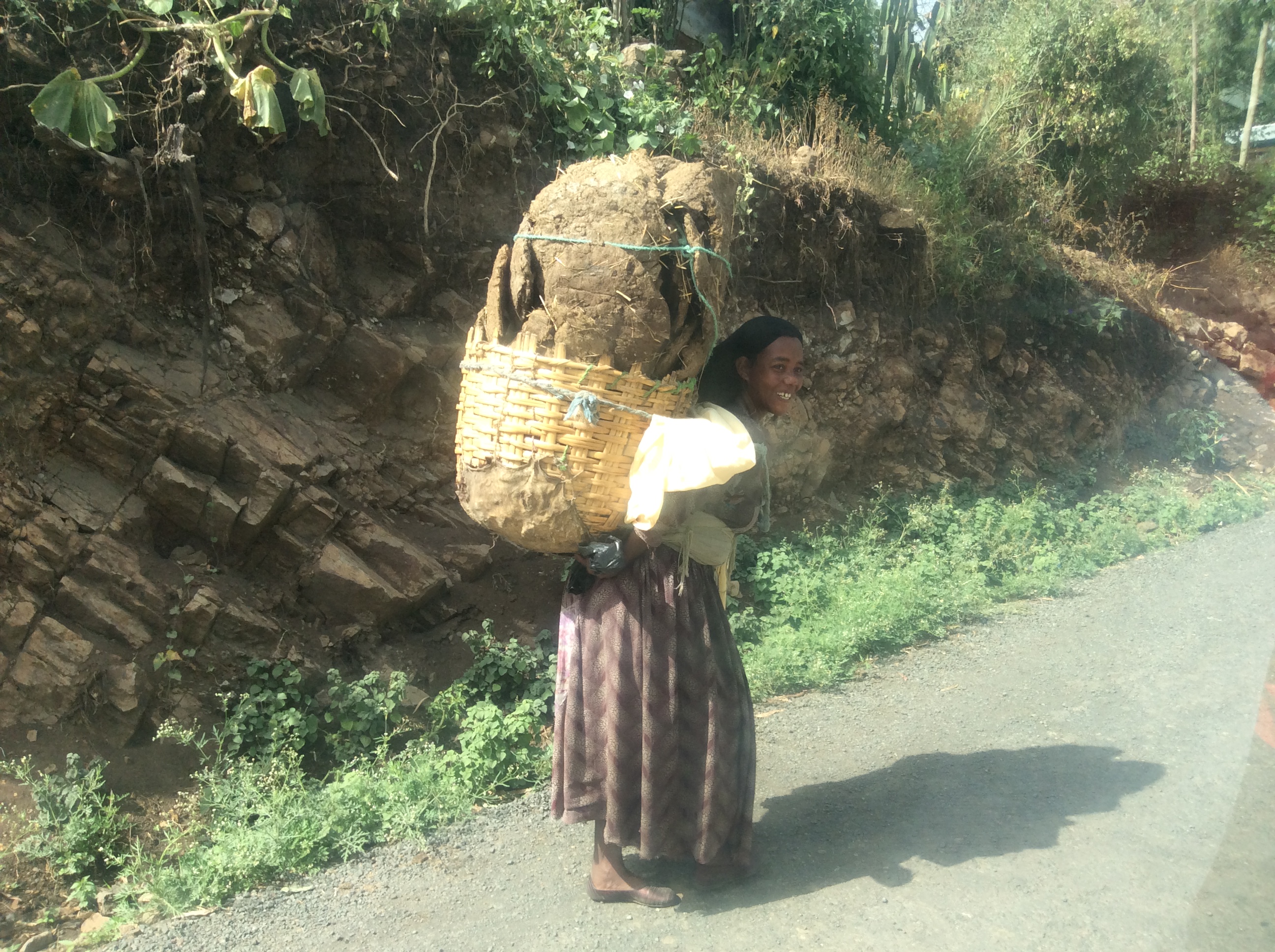
Yes, that is cactus on the right–not exactly a place I expected to see cactus.  On the road out of the lake, we saw this girl walking and asked to take her photo.  She is carrying dried dung.  Houses are first framed in eucalyptus and then plastered with a mixture of dung and mud or just mud.  Sometimes they are left the natural dark brown color.  Some home owners prefer to paint them bright colors.

IMG_0324

IMG_0331

This is a typical house in most areas left unpainted with a metal roof.  Everywhere people worked the fields the “old” way with a beautiful result.

IMG_0327

IMG_0328

We passed villages and towns of all sizes.

IMG_0330

And always children as well as adults drove animals along the road.

IMG_0335

IMG_0336

IMG_0343

Eighty languages are spoken in Ethiopia.  Some, like Amharic and Oromo, are spoken my millions, others by only a particular small tribe. Everywhere we went people knew Amharic, an Afro-Asian, Semitic language (like Arabic and Hebrew) which originates in the ancient language of Geez, a language now only used as the sacred language of the Ethiopian Orthodox Church.  English is taught in elementary school, which is compulsory through the eighth grade.  Because of too many students and too few schools and teachers, especially in rural areas, school is half a day.  One group goes in the morning and another in the afternoon.

I can’t believe it is almost 11


Today I went to a workshop on how to incorporate special lessons into the regular curriculum to add enrichment for gifted and talented children.  The materials were good.  I will use them, but think most would be fine for everyone.  Years ago when I taught English I never told the students, but I taught them all more or less as if it were an Advanced Placement class.  This strategy resulted in high test scores on the state test.  Everyone complains about teaching to the test.  If you teach well, students will do well.

It’s late; this day went by way too fast and here I am blogging and still need to grind coffee for morning among a few other things.  Three kids,including my grandson, are spending the night.  They have the iMAC on, the TV on, and are drawing, all at the same time.  They are 8 and 10.

In the midst of all this activity, I came across the following information:

-The Sacramento River is so low salmon smolts cannot make it to the sea so the state is transporting them in trucks.

-Three-fourths of the US corn crop is bioengineered to include  genes from the natural toxin Bt to make it resistant to corn rootworms, which are now becoming resistant to Bt.

-Lake Mead–the water supply for Las Vegas–is so low they are going to have to move the intake pipes.

-One-third of the natural gas produced in North Dakota’s Bakken shale formation is burned off and lost.  The flares from this can be seen in space and produces greenhouse gases equivalent to one million cars.

-Atmospheric carbon dioxide is the highest it has been in at least 800,000 years. s

-Solar power in Italy and Germany is now as cheap as power from fossil fuels.

-At night rangers close the roads through northern California’s parks to prevent poachers from cutting the valuable burls out of the redwoods with chain saws.

-The use of public transportation in the US is at a 57 year high.