Determination


People tell me I have a lot of determination. If they know about it, they use this example: I just finished my 659th day of walking at least 10,000 steps per day never missing a day. My average is over 13,000 but it was higher until the rain came. It forced me to dance, jog, and run in place inside my house, not exactly a fun endeavor.

Three years ago as part of a Story Circle Network class, I read about book written by a woman who read a book per day for a year in order to help her deal with her grief over the loss of young family member who died too soon. I figured if she could read a book a day, surely I could read a book per week. First year I made it, second I fell one short, and in 2025 I read 53 and reviewed them all on my blog.

Today, I finished book one off 2026: “We Are Green and Trembling” by the Argentinian writer Gabriela Cabezon Camara. It won the National Book Award for translated literature. A sort of fantastical, historical novel, it portrays the life of a real person, Antonio de Erauso. Now identifying as a man, he writes letters to his aunt who is the prioress of a Basque convent. When a small girl, his parents placed her in the convent hoping she would someday replace the aunt as head of the convent. To flee the narrow confines of such a life, she escapes and disguises herself as a man. Through his narration and letters to his aunt, he tells of all his adventures, including working as a mule skinner, then becoming a conquistador in South America among other endeavors. At the time of the novel, he has escaped the military captain for whom he fought and rescued two native Guarini girls from enslavement along with two monkeys. The smallest girl and the monkeys were in cages and near starvation when he rescued them. Pursued by the military they escaped, they now reside deep in the jungle aided by the natives who live there.

Through this novel, the author manages to criticize colonialism, the tyranny of strict religious beliefs, the treatment of women, and the horrors inflicted on native peoples.

A Book a Week-43: “Desertion”, Abdulrazak Gurnah


Gurnah, a native of Zanzibar, won the Nobel Prize for Literature in 2021. This is the second of his novels I have read. Both deal with colonial Africa and the effects of colonialism on both individuals and countries, especially in East Africa.

In 1899, a British man, Pearce, stumbles out of the desert and collapses near the shop of a local businessman, Hassanali. His sister, Rehana, saves Pearce. This sparks a love affair, the results of which have long lasting effects on several families, not only for Pearce and Rehana, but for lovers and individual family members two generations later.

It is also a tale of governments immediately after independence and their failures. Additionally, it addresses “forbidden” love and its effects on those who genuinely love each other but cannot pursue their love. The effects are not only immediate but long lasting, affecting others not just the two lovers.

Reflections on Independence Day


IMG_3636

When I was a child, we lived on a farm where it rains around 40 inches annually.  On the Fourth of July, Dad always shot off a few Roman candles, and we had small firecrackers and sparklers, nothing fancy, just fun.  Even then I knew about the Declaration of Independence, revered its message.  Still do.

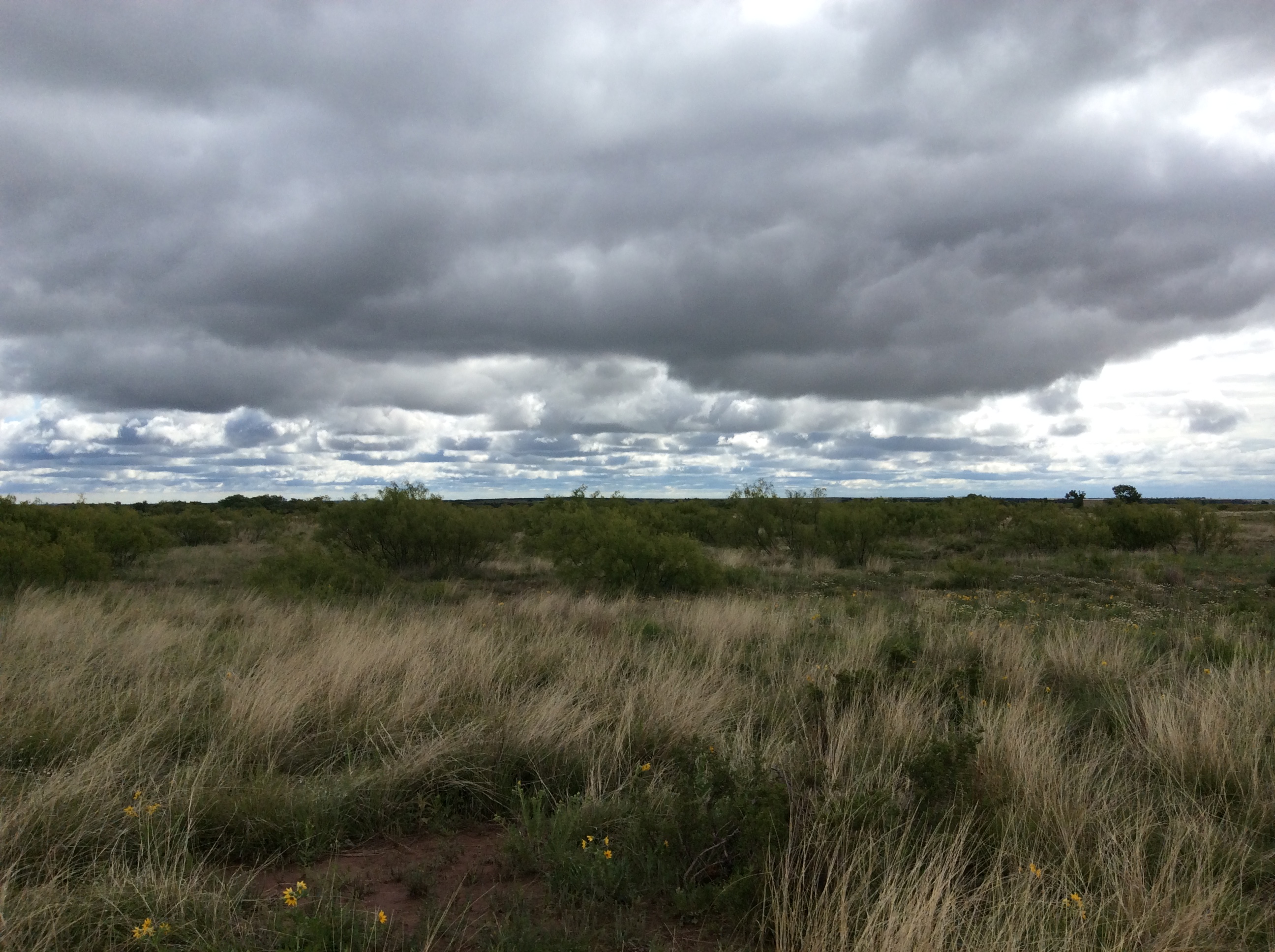
Now I live where it is hot and dry.  The neighbor’s fireworks display rivaled those found in cities–beautiful but dangerous in brown grass country.  I wonder if they give any thought to the history, to why anyone celebrates this day.

For the first time in the decades of my life, I did not celebrate Independence Day.  Why?

Born decades ago, I originally went to college in Virginia where I experienced the shock of real segregation; I had not grown up where it was like that. I was horrified, lasted only one semester, then transferred.  Later I attended a college which shut down in protest over the Viet Nam War, I supported The Civil Rights Movement, I helped create one of the first intercollegiate groups to advocate for abused women, and with an ethnically diverse group I taught diversity classes for teachers.

Now in 2020, I feel that even with all that hard, determined work, progress has been too limited.  It is as if I have been transported back to 40 years ago.  People need to learn from the history most do not even know:

-Cotton Mather, the leading intellectual and Puritan minister in the colonial era, actually helped butcher King Phillip (Metacomet) like an animal.  What did he do to deserve this?  He tried to save his Native people.  Cotton Mather later writes about tearing Metacomet’s jaw from his skull.

-In 1676, when poor whites joined enslaved Africans to rebel for a better life and decent living conditions, fighting for justice against the wealthy planters, those rich planters realized they had to get poor whites to hate Blacks.  They took land owned by Blacks and gave it to poor white people and then paid them to hunt down and abuse, even kill, people of African descent.

-Later, the same Cotton Mather mentioned above, learned from his slave that in Africa, Africans had been taking pus from a smallpox infected person and inoculating others with it to prevent smallpox from spreading.  He refused to believe any African  could be so smart even though he inoculated himself and his family after learning this.  Later, he wrote this about his African slave who had told him the story that may have saved his life: “…brokenly and blunderingly and like Idiots they tell the Story.”

-Of course, we all know that the intellectual giant, Thomas Jefferson, held the deed to the woman who would later bear him numerous children while he proclaimed those famous words that all people are created equal.

The history of racial and ethnic hatred goes back to the inception of this country.  It continues to poison progress and hope.  It never seems to end.  I am tired of it.  Enough is enough.