One Book a Week-26: “Holding Fire: A Reckoning With The American West”, Bryce Andrews


If you LOVE the West, but sometimes struggle with its violent history, this is the memoir for you. Here is a quote from page 178: “I’m embarrassed at how long it has taken me to notice that a rancher’s view of the natural world is blindered in comparison to the hunter’s perspective; that driving livestock from one field to another is nothing like stalking free-ranging herds; that finding, gathering, and preparing a hundred different wild plants bears no resemblance to growing alfalfa or oats…”

Andrews also discusses the difference between sustainability and reciprocity. Before reading the book, I had never thought about this. He notes that sustainability is taking without damaging. Reciprocity entails giving back, e.g. nature, asking, “What can I give back? What can I do to take care of this place that feeds and shelters me?” This is quite different from “How much can I sustainably take?”

Andrews grew up in the West. However, after cowboying on several ranches in Montana, hunting annually, and later inheriting his grandfather’s Smith and Wesson revolver, he begins to question the gun violence and destructiveness of Western culture. This book details his journey. He continues to live on a farm in the Montana mountains, slowly transforming the land to make it profitable but also a place for nature, for wildlife to prosper.

One Book a Week-22: “The Neuroscience of You”, Chantel Prat, Ph.D


The subtitle of this book is “How Every Brain Is Different and How to Understand Yours”. Prat explains in detail and with humor how every brain is different. Little quizzes and tests help readers explore their own brains. The results of most of the quizzes did not surprise me except possibly one. I do not think I am as extraverted as the test indicates. You can find some of the tests and quizzes on her website, CHANTELPRAT.COM–without reading the book.

Research details how brains differ and how this difference controls individual behavior. Two people faced with the same potentially threatening situation react differently because their brains differ. Although many of these differences are genetic, brain research also suggests that the ability to understand others and comprehend social cues is learned. For better or worse, brain research also reveals that people with brains that work in a similar way are more likely to spend time together. However, people can learn to understand others whose brains are quite different. She calls this mind modeling (reverse engineering the minds of others)–sort of like what is commonly called walking in another person’s shoes. Being able to “read” correctly another person’s nonverbal cues helps with this and it can be learned. So the next time you find someone behaving in what you consider an idiotic manner, try thinking this: they have a different brain shaped by their own unique genetics and experiences. This might help me at least come to some understanding of behavior and views I consider intolerable.

Reading Octavia Butler-1


In a recent post I mentioned walking in her footsteps. This is the rainy season so we have not been able to go on that walk yet.. However, this morning I finished reading the last novel of hers that I had not read–Parable of the Talents. It is the sequel to Parable of the Sower. Now I have read all of them. She is buried at Mountain View Cemetery in Altadena, CA, Eagles View Lot 4517. The inscription on her gravestone is the theme of both the books above:

All that you touch You Change.

All that you Change Changes you.

The only lasting truth is Change.

God

Is Change.

Puma–2


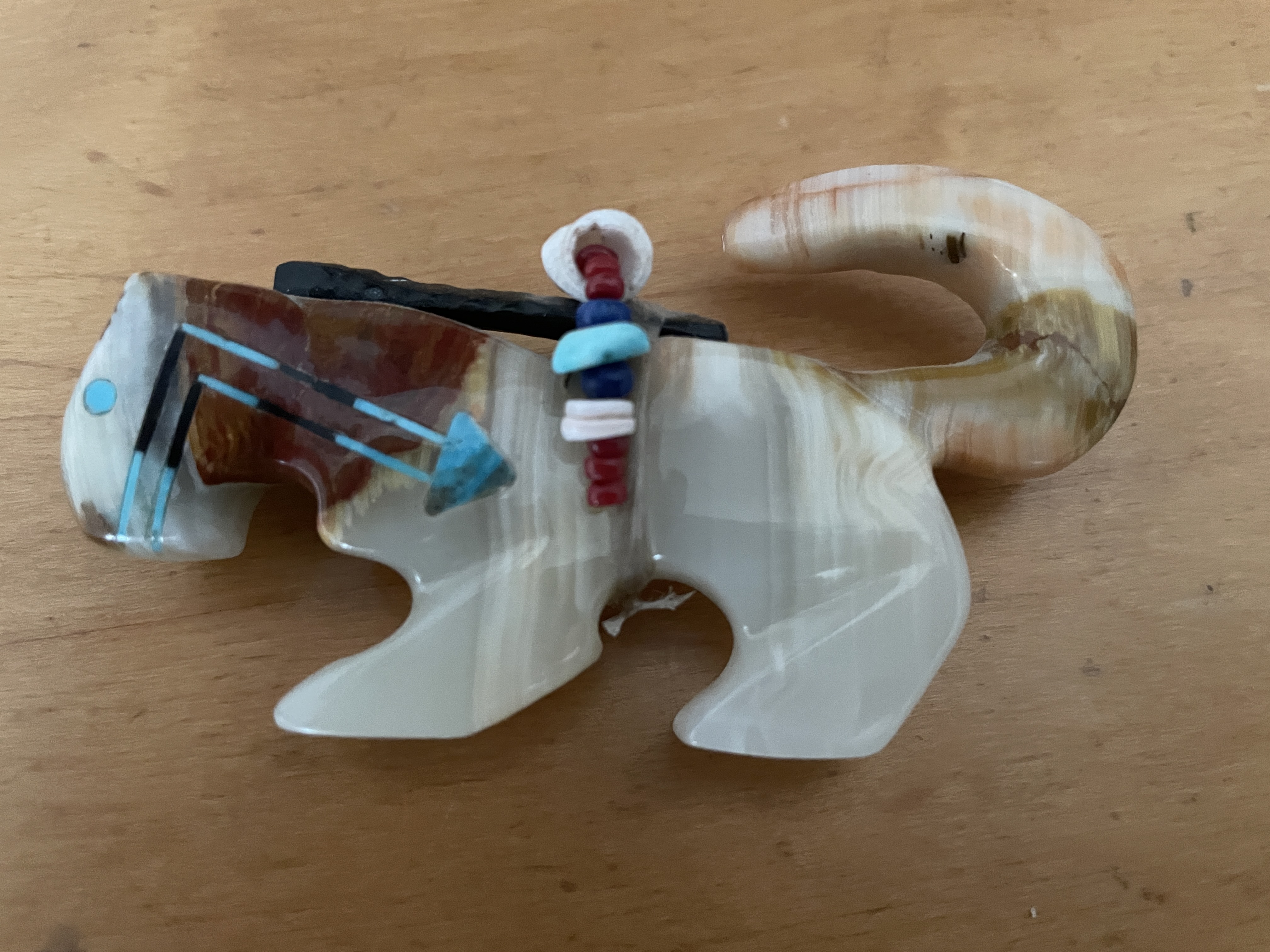
Years ago while visiting Albuquerque or Santa Fe, I acquired a Zuni puma fetish. It is the only fetish I own. I bought it because it is a puma, the Directional Guardian and prey god of the North, representing independence, personal power, intensity, and loyalty, carried by travelers to protect their journey. It resides on a dresser in my bedroom, watching over me, protecting my life journey.

As I mentioned in a previous post, my puma obsession extends to researching them and writing poems about them. The following poem was originally published in my book, “On the Rim of Wonder”.

My neighbor walked out her door

found a puma lying on the lawn.

Puma rose, stretched, disappeared.

At night when I open my gate

I wonder if she lurks

behind the cedar trees,

Pounce ready.

A Zuni puma fetish guards my sleep.

I run with puma

Night wild

Free.

I scream and howl

Moonstruck

Bloodborn.

I hike the canyon

stroll around my house

look for puma tracks.

I see none.

I would rather die by puma

than in a car wreck.

Fuerte


An “exercise” to write a poem about ones origins with the words I am from… inspired me to write this poem.

I am from the dark side of the moon, blood born, secretly shining.

Fuerte

I am from puma, stalking your memories, invading your minds,.

Fuerte

I am from Gottlieb, who left Swiss mountains 150 years ago at 18 to avoid

becoming a mercenary, moved to Missouri, created a farm. His cultivator

sets in my front garden.

Fuerte

I am from persons Gujarati, Bengali, Punjabi, who sailed seas, met strangers, loved.

Fuerte

I am from Esan, a Nigerian tribe about which I knew nothing until a DNA test revealed,

ancient, black, beautiful.

Fuerte

I am from Latin America, Colombian, Peruvian, Puerto Rican–wanderers, explorers.

Fuerte

I am from Slavic peoples. Byzantine, Macedonian, Alexander the Great.

Fuerte

I am from brave wandering ancestors–Asian, Latin, Toscani Italian, French, German, Swiss, Slavic, Iberian.

Fuerte

I am from J haploid group, people who left the northern Middle East 7000 years ago,

wandered, explored, populated Western Europe.

Fuerte

I am from farmers, Doyle and Barbara, who grew corn, wheat, soybeans, Hereford and Charolaise cattle

to whom I carried salt blocks as a child.

Fuerte

I am from Sacred Corn, the nourisher, singing on hot summers, growing.

Fuerte

I am from the sweet smell of Jasmine, Roses, Honeysuckle, winding up walls, overgrowing gardens,

giving people hope.

Fuerte

I am from lemons, figs, dates, pomegranates, golden, dark, red, tropical, lingering.

Fuerte

I am from Stars, universal child, born on sacred ground, singing infinite songs.

Fuerte

Reflections–Old Year, New Year


Most 2020 goodbyes ring with epithets on the horrors of 2020. I object. 2020 brought bad, yes, mainly due to Covid 19’s effects on the lives of masses. It also enlightened us:

-staying home makes cleaner air.

-staying home increases home gardening and thus healthier eating.

-staying home leads to a slower, more thoughtful life, to extra time with family.

-staying home reconnects us with ourselves.

2020 lead to positives that have nothing to do with Covid 19:

-increased awareness and concern for the lives of others different from ourselves.

-increased awareness that discrimination and brutality among our police exists and we need to fix it.

-increased awareness of the ever growing income gaps in our society.

Covid 19 did bring:

-an increased awareness of the impacts of any pandemic and that we must prepare ourselves because there will be more.

-an increased appreciation of essential workers and their roles in our everyday lives.

-an increased appreciation for nurses and doctors and other health care workers.

Spring will come,

flowers will bloom,

birds will sing.

Yesterday, I heard Bishop Michael Curry speak on national news. I will close with one sentence which remains with me:

“Love is a commitment to the Common Good.”

Desert


Give me the long view

the endless space,

let my bones gleam white

beneath a desert willow

where a diamondback seeks shade.


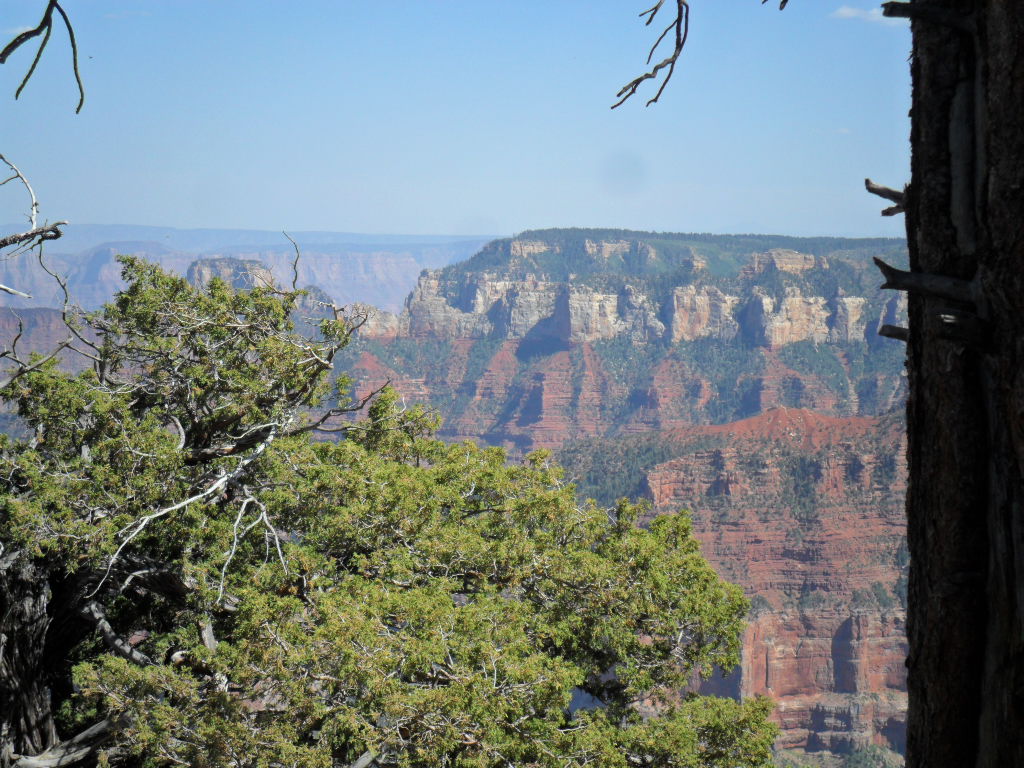
Let me walk through red rock, climb to eternity,

stretch arms into the azure, crystalline air,

laugh out loud.


Give me the long view,

let me laugh out loud,

look down the Kaibab

Plateau into eternity.


Let me sing songs to emptiness,

to stark, open, free,

dance in sun, moonlight,

laugh out loud.


Give me the long view.

SAM_1192

Plains Indian Artifacts–Beaded Moccasins


Last evening I attended a new exhibit at Panhandle-Plains Historical Museum.  The exhibit featured moccasins, paintings, and various artifacts made by different Great Plains tribes, including a headdress worn by Quanah Parker.  The exhibit also contains many old photographs.  A number of Comanches were present including a lady over 100 years old.

After I left the exhibit, I kept thinking about it and wondered how current Comanches might feel when they come to something like this which in many ways honors them but also displays a past that will never return.  While contemplating, I wrote this poem about what I saw.

Beaded moccasins,

moons of work.

Ceremonial beauty,

now encased in glass, labelled, dated by someone’s guess,

for strangers who believe in a strange god,

desecrate the land,

waste invaluable water,

kill bears for sport.

Weep

Wait


img_2432

Palo Duro Canyon, Comanche Country, where they made their last stand and were forced to go to a reservation in Oklahoma after federal troops killed over a thousand of their horses.


Blood Quantum: A Poem for Our Time


My grandson cuts himself into 16 equal pieces:

4/16 Urhobo from Africa

3/16 Spanish from Spain

4/16 European–two Swiss German great, great-grandfathers

(Werth and Kaiser), Irish, English and who knows what

3/16 Mexican–whatever mixtures that may be

2/16 Navaho


Who am I? What am I?

Who are you? What are you?

Do we really know?

Who sets the rules?

white men

black

Indian

Native American

Irish

English

German

from where and for whom?


He looks Navaho:

-blue black straight hair

-pale brown skin

-obsidian eyes.

One four year old girl asks him,

“Are you American Indian?”

His six year old self says nothing.

She repeats,

“Are you American Indian?”

He says, “It’s complicated.”


The Navaho won’t claim him, too little blood.

He needs 1/4, not 1/8.

Caddy and Fort Sill Apache allow 1/16, not Navahos.

1/4 blood is for

-Sioux

-Cheyenne

-Kiowa

-Navaho

1/8 works for Comanche and Pawnee.

Some Cherokees only want a Cherokee ancestor.


But he is none of those.

Is he Navaho?

Is he white?

The old South goes by the one drop rule:

one drop of Negro…

Is a person with 99/100 per cent white

and 1/100 black, black?

Who says?

Kids at school ask, “What are you?”

He tells them.

They say, “You’re lying.”


I only know specifically about two ancestors,

the Swiss Germans.

Another great grandfather disappeared during the Civil War.

I don’t even know his name.

Who am I?

Who are you?

I think I’ll get a DNA test.

Then I’ll know how many pieces I need to cut myself into.


Note:  This was originally published in my book “On the Rim of Wonder”.  I had a cousin send me 75 pages of ancestry information.  I looked up more myself.  That one great grandfather remains a mystery.  I had my DNA done.  It did not match what I expected from the ancestry work.

Blood quantum is the term the US government used to determine whether a person would be qualified as an Indian.  Now many Indian Nations use it to decide who can be on the tribal rolls and who cannot.


Sunday Poem-Puma I


“An animal’s eyes have the power to speak a great language.”  Martin Buber


My neighbor walked out her door

found a puma lying on the lawn.

Puma rose, stretched, disappeared.


At night when I open my gate

I wonder if she lurks

behind the cedar trees,

pounce ready.


My daughter dreams puma dreams:

a puma chases her up a tree.

There are no trees here big enough to climb.


A Zuni puma fetish guards my sleep.

I run with puma

Night wild

Free.


I scream and howl

Moonstruck

Bloodborn.


I hike the canyon

stroll around my house

look for puma tracks.

I see none.


I would rather die by puma

than in a car wreck.


SAM_0912

Note:  This is the first in a series of Puma Poems in my book “On the Rim of Wonder”.