Walking in Pasadena Near Rose Bowl


Fearless little bird with chocolate brown head runs beside me

on the road. At the intersection I circle to the left, following

a familiar route. The heavy tree canopy here always astonishes.

It’s almost like walking in a forest.

The architectural variety amazes: mid-century modern, Spanish,

colonial, ranch, the smallest I am guessing contains 3500 sq. ft. One

house encompasses an entire city block, fronted with heavy, high

fences and metal gates. Privacy obsessed.

I’m watching my time. I don’t want to be late for singing

practice. I take a new route, perhaps a shortcut. It’s

120 degrees of a circle. Not quite a regular street,

not quite an alley, a combination–fronts of a few houses

and the backside of others. At one place it angles more;

I come to a three story stone fortress with intricate

geometrical designs vertically running up and down

the walls. No windows. A sign says, “No trespassing.”

Realization hits me. This is the other side of a house

I saw last year through a gap in a wall on another street.

Three ladies, strangers, asked me about it, told me they’d

heard it was the creation of a famous architect. I researched,

asked others, no one knew. Back then, I tried to find the front,

failed. Now I’m looking at it, wonderstruck. It appears abandoned,

an architectural wonder belonging to another time and place.

Time to rush, a bit lost, I look at my phone map, finish the loop,

find a familiar street, walk faster. Then I see a large, white, colonial house,

weeds knee high, black shutters hanging askew. Here it is abandoned

in the midst of multi-million dollar houses. I wonder what the neighbors

think. Walking on I hear water rushing, peer through the hedges–a stream

runs downhill from the side of this huge brown house at least 100 feet

and gurgles in a pool behind the bushes. Hurrying, I stop in front of one

of my favorite houses, a one-story, tan, Spanish style, small compared

to the others nearby. I take a photo of the tree in front by the sidewalk,

its impressive girth impossible to ignore.

Finally, I’m near my destination, walking in front of The Gamble House,

a tourist destination made famous by the movie, “Back to the Future”,

a structure I see at least twice a week.

An Afternoon at The Getty Center


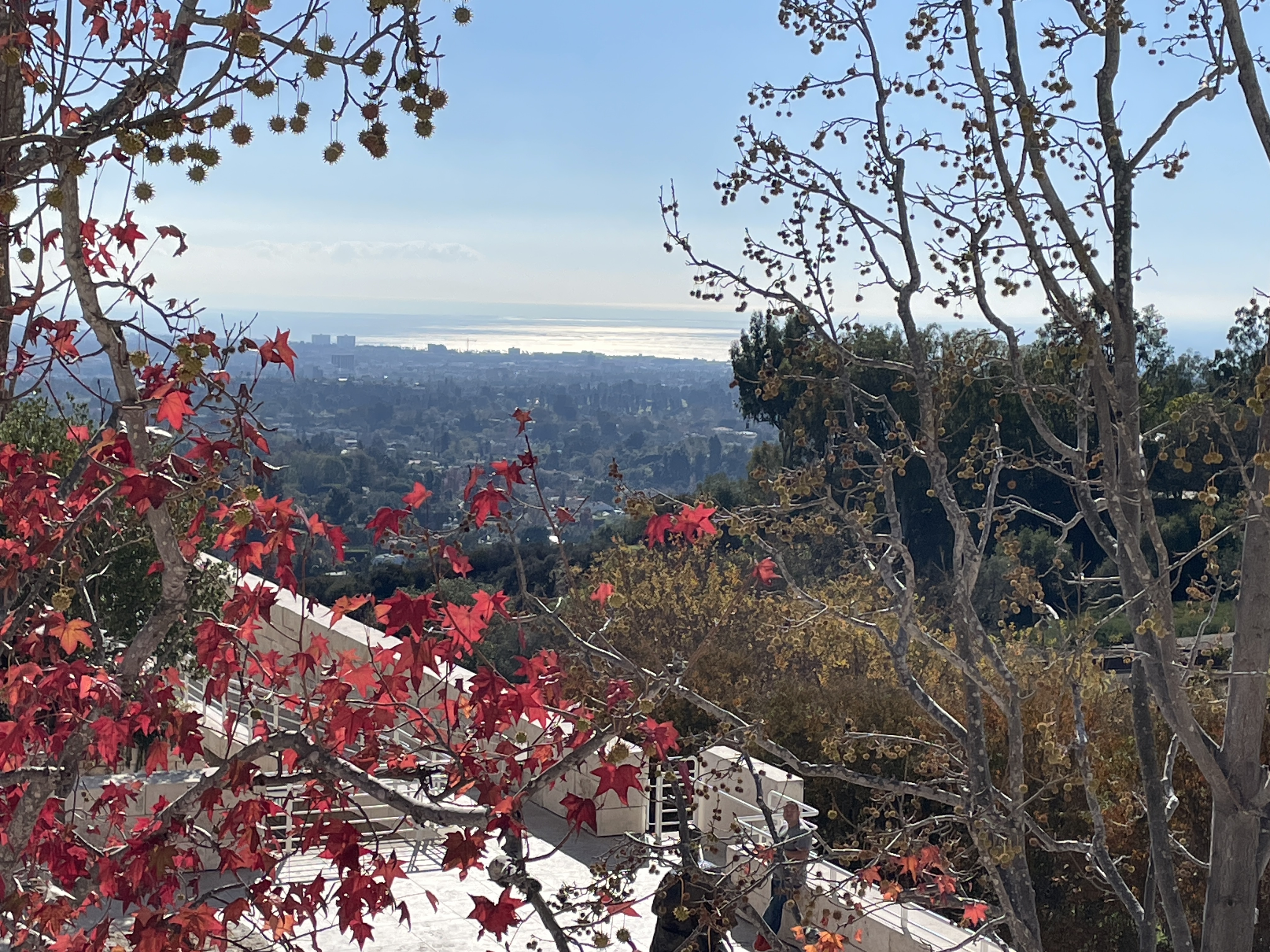
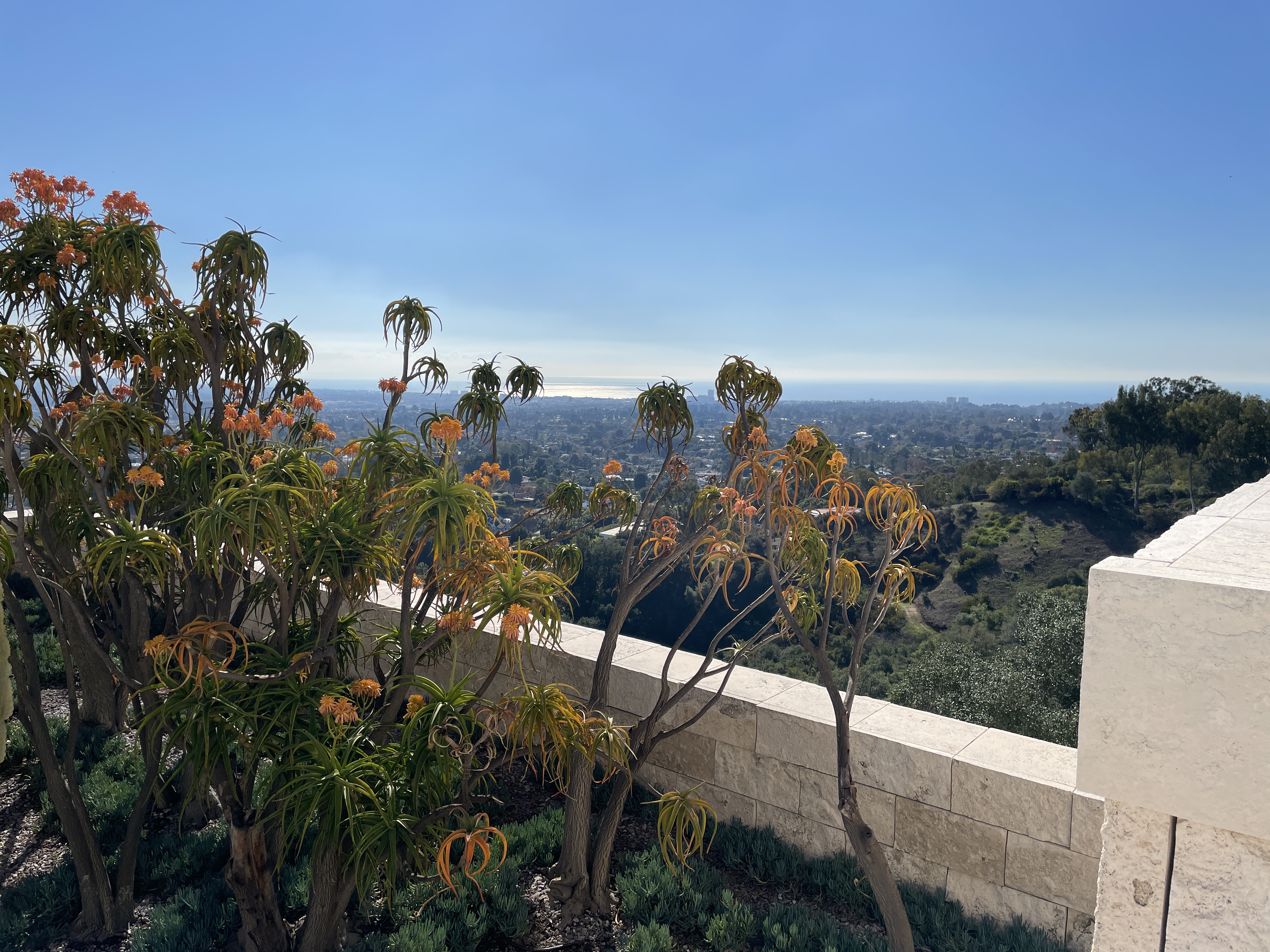
Yesterday my daughter and I drove to The Getty Center to wander around, look at the art, eat at the restaurant, enjoy the views which are quite spectacular.

Two views of the Pacific Ocean from different vantage points. The Getty Center is on top of a hill with spectacular views in almost every direction.

Looking in the opposite direction is a view of a lot of Los Angeles.

In the distance loom the snow capped mountains close to where I live in the San Gabriel Valley.

Across the 405 freeway are large houses and vineyards.

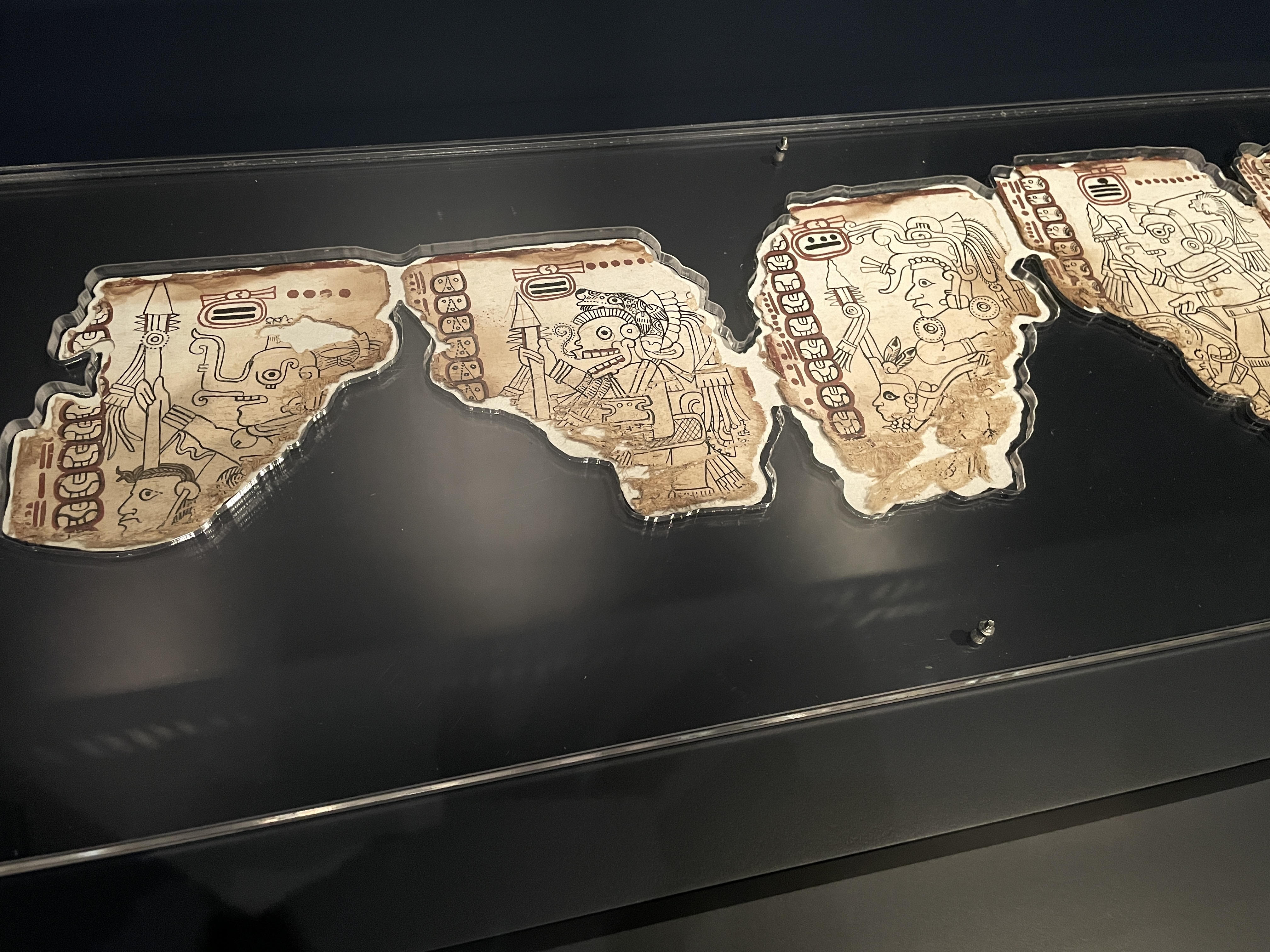
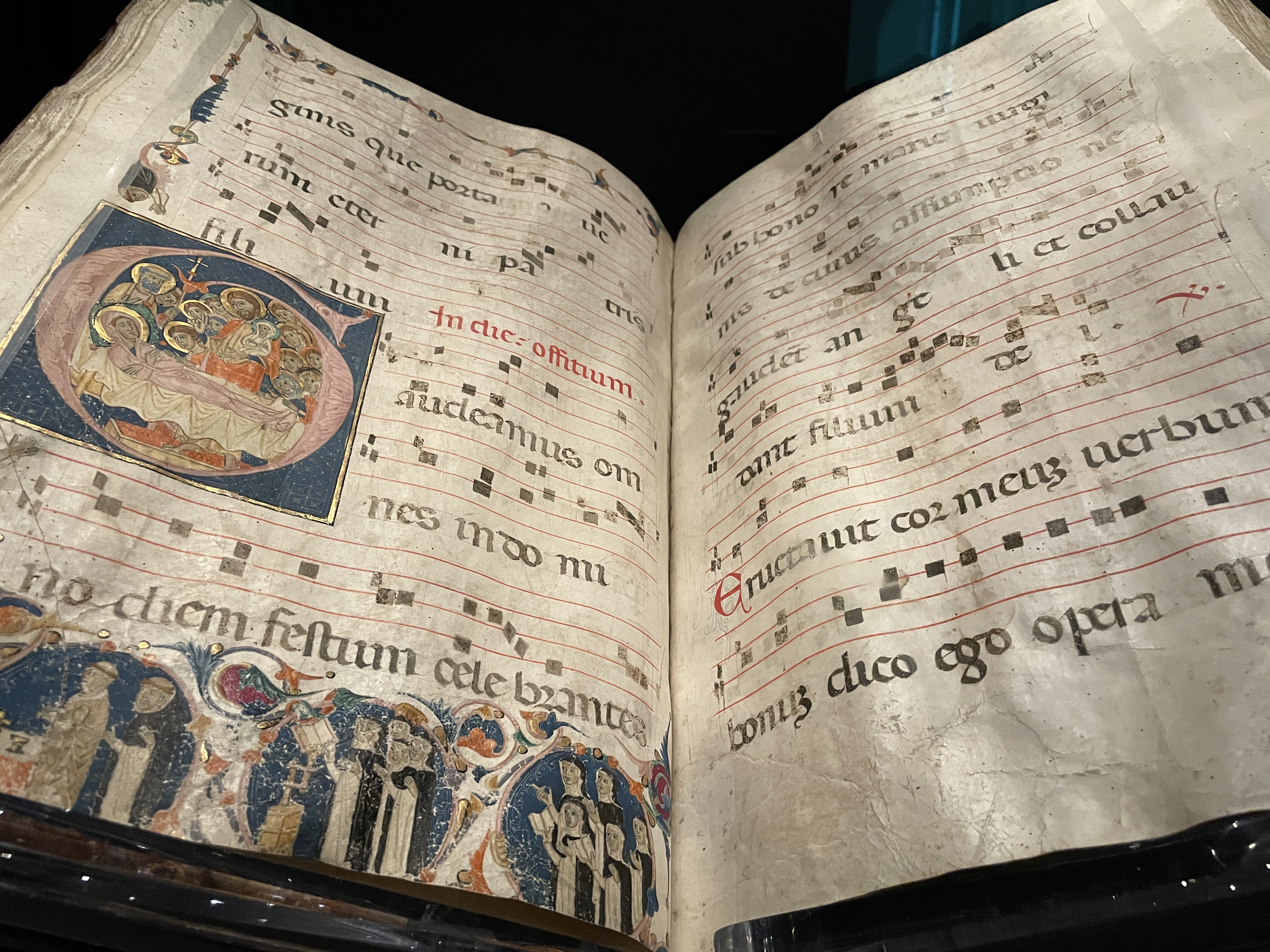
Currently, one entire section of The Getty Center features a Mayan codex, a few pages of one of the oldest ever found.

The view from where I took several photos back through an open area. The Getty Center is huge, made mostly out of limestone.

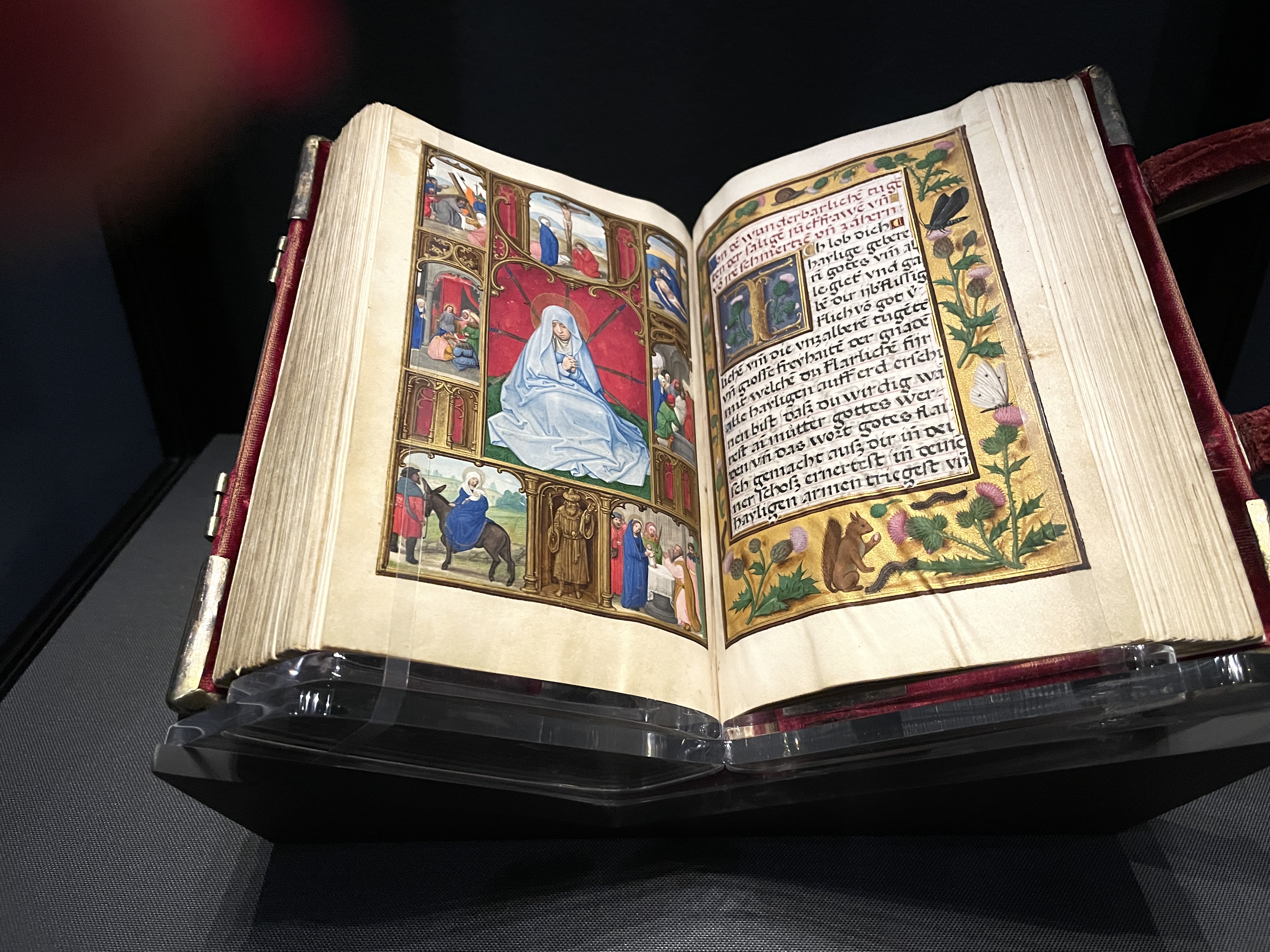
Much of the art currently on view is about the Virgin of Guadalupe and religious paintings related to the birth of Jesus.

Italy–a day in Naples


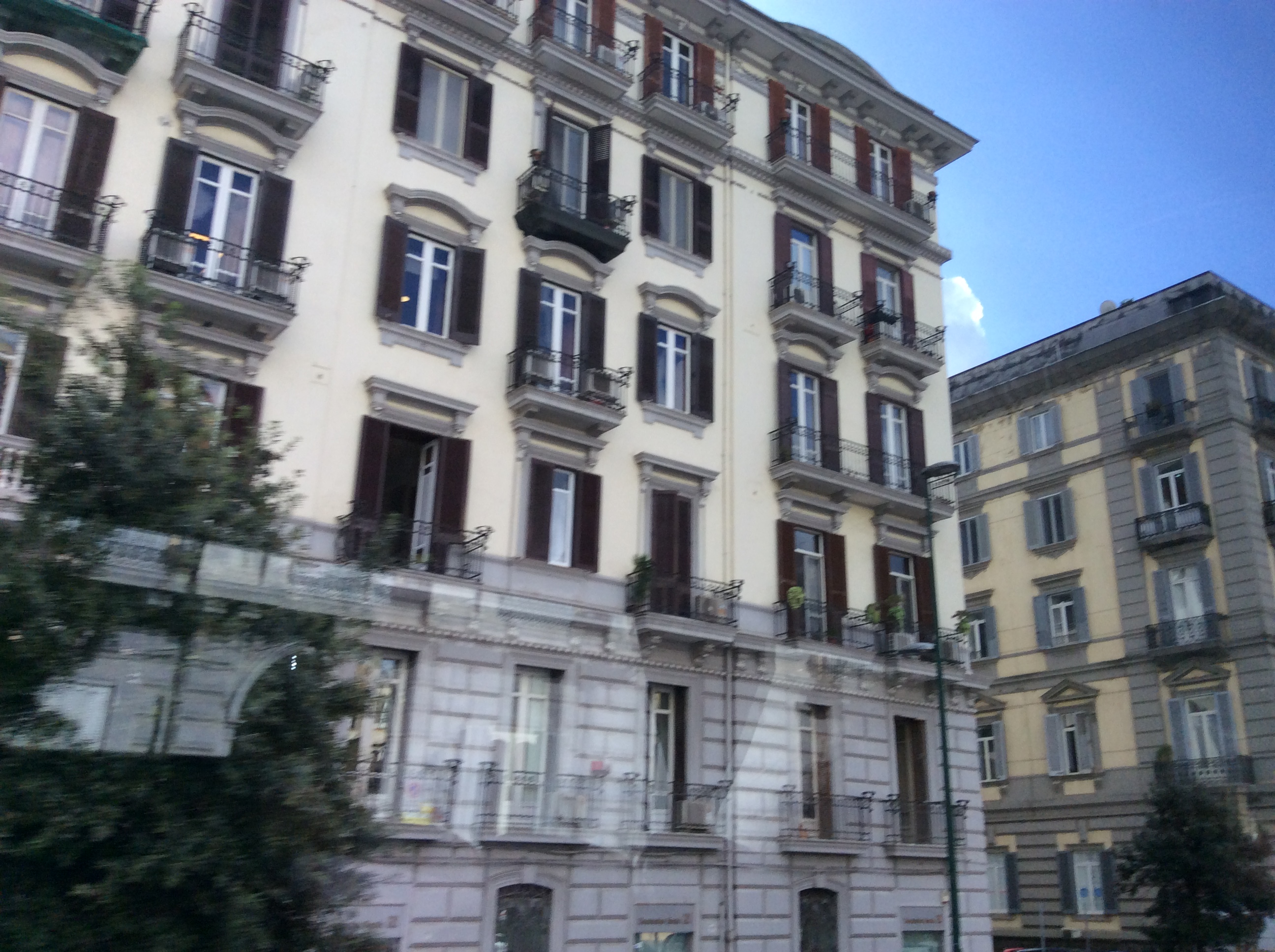
Naples is big; it is old; it contains stark extremes.  How old?  The New Castle was built in the 13th century; yes, that one is the new one.  Coming from Sorrento one first sees the ship yards, huge apartment complexes where the less fortunate dwell, industrial areas.

IMG_4500

IMG_4502

Some said they thought it looked dingy.  I laughed to myself.  These buildings are old and near the sea.  Will anything built in the US last this long?

IMG_4503

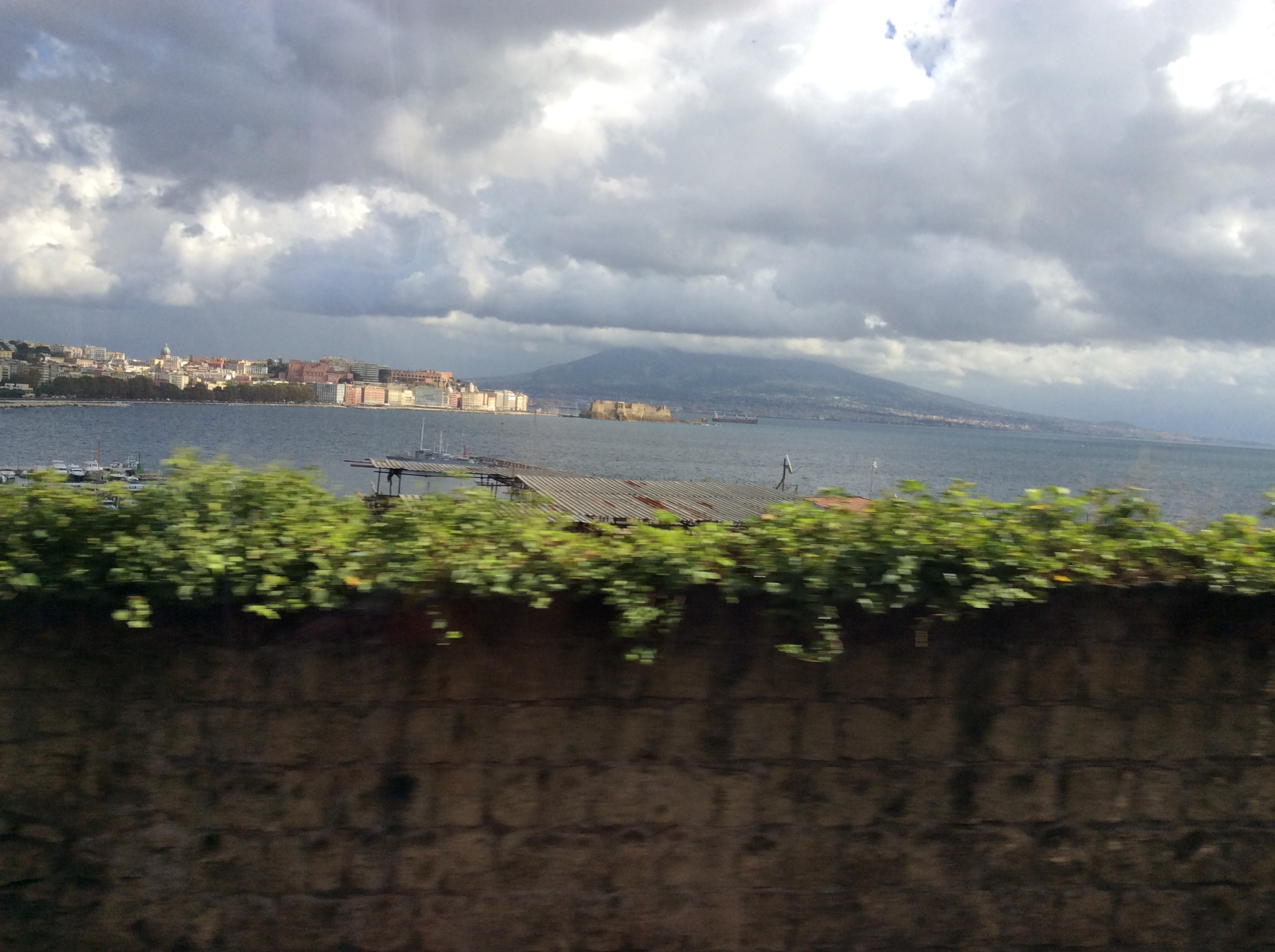
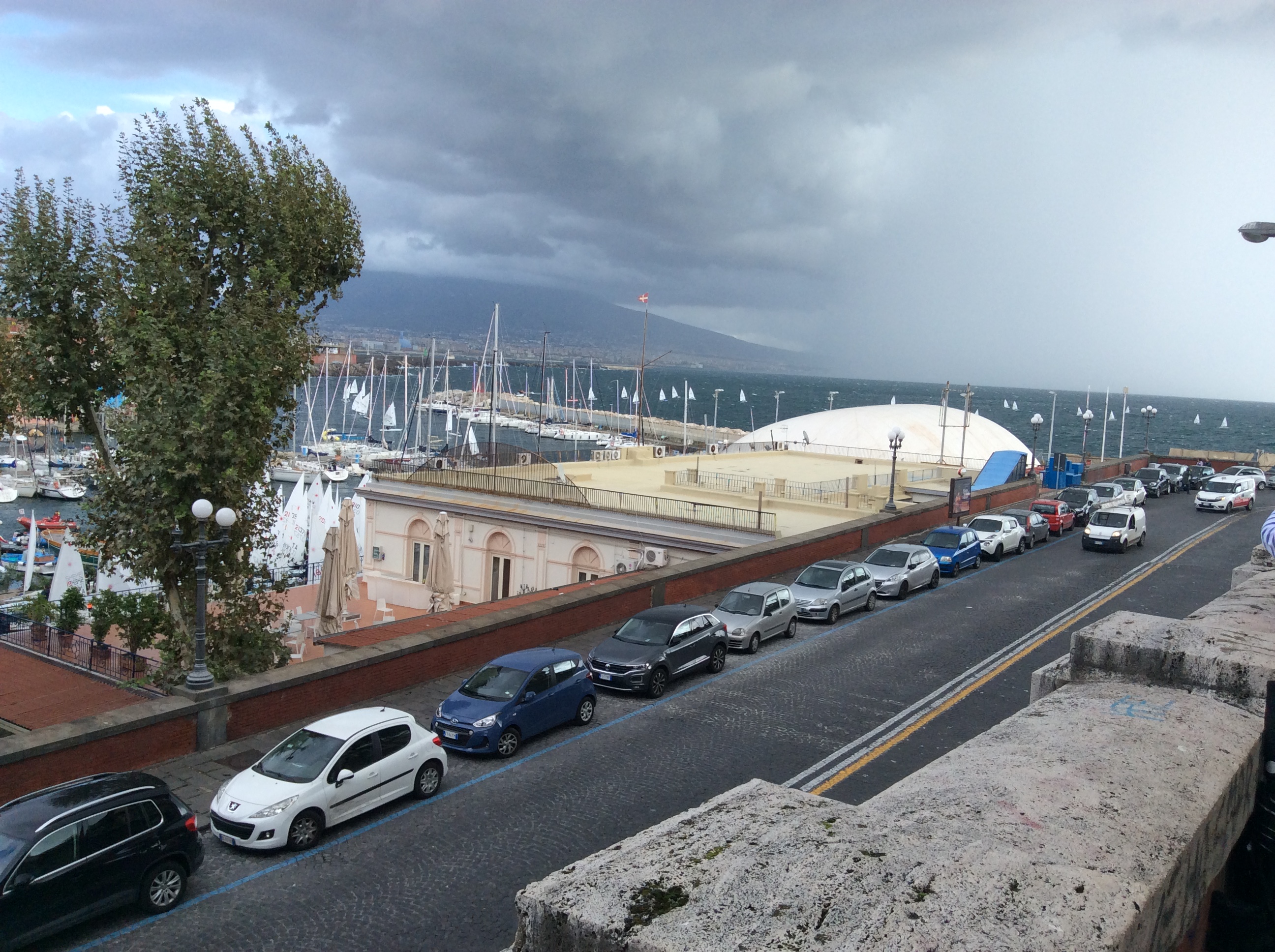
IMG_4505Then we drove up higher and higher into another part of Naples.  You can see Mt. Vesuvius in the background.

IMG_4506

IMG_4510

IMG_4516

The island to the right in the distance is Capri. More on Capri in a later post. In this part of Naples it is obvious that some people live very well there.

IMG_4522

IMG_4523

IMG_4524

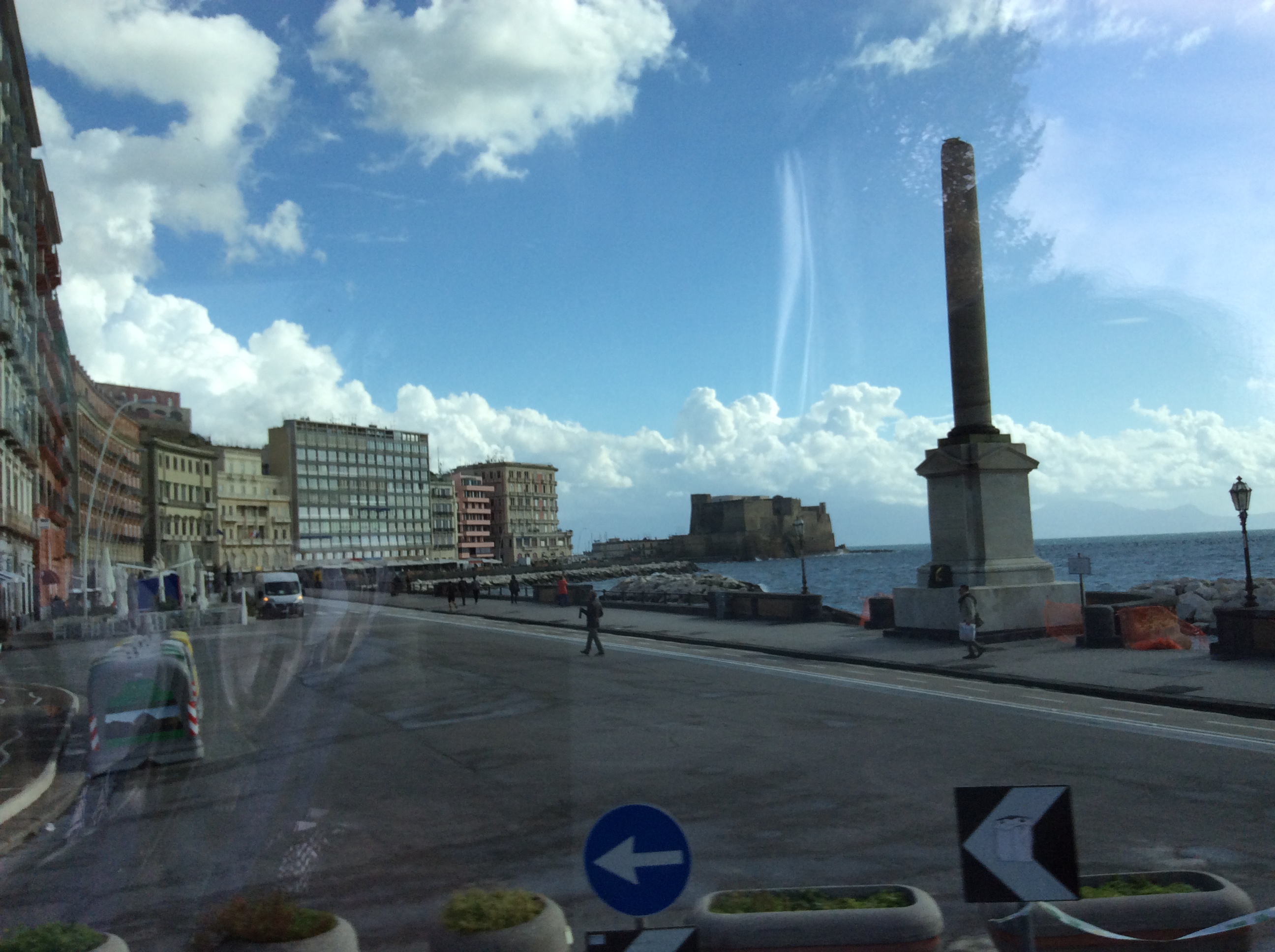
Then we went lower again driving along the seafront and parked where we could walk to the oldest part of Naples.

IMG_4525

A very old cathedral in the background to the left.  We wanted to go in but it was closed until later in the day.  To the right of this photo, a large group of protestors were shouting slogans, etc. through loud speakers. Military were evident in the square.

IMG_4526

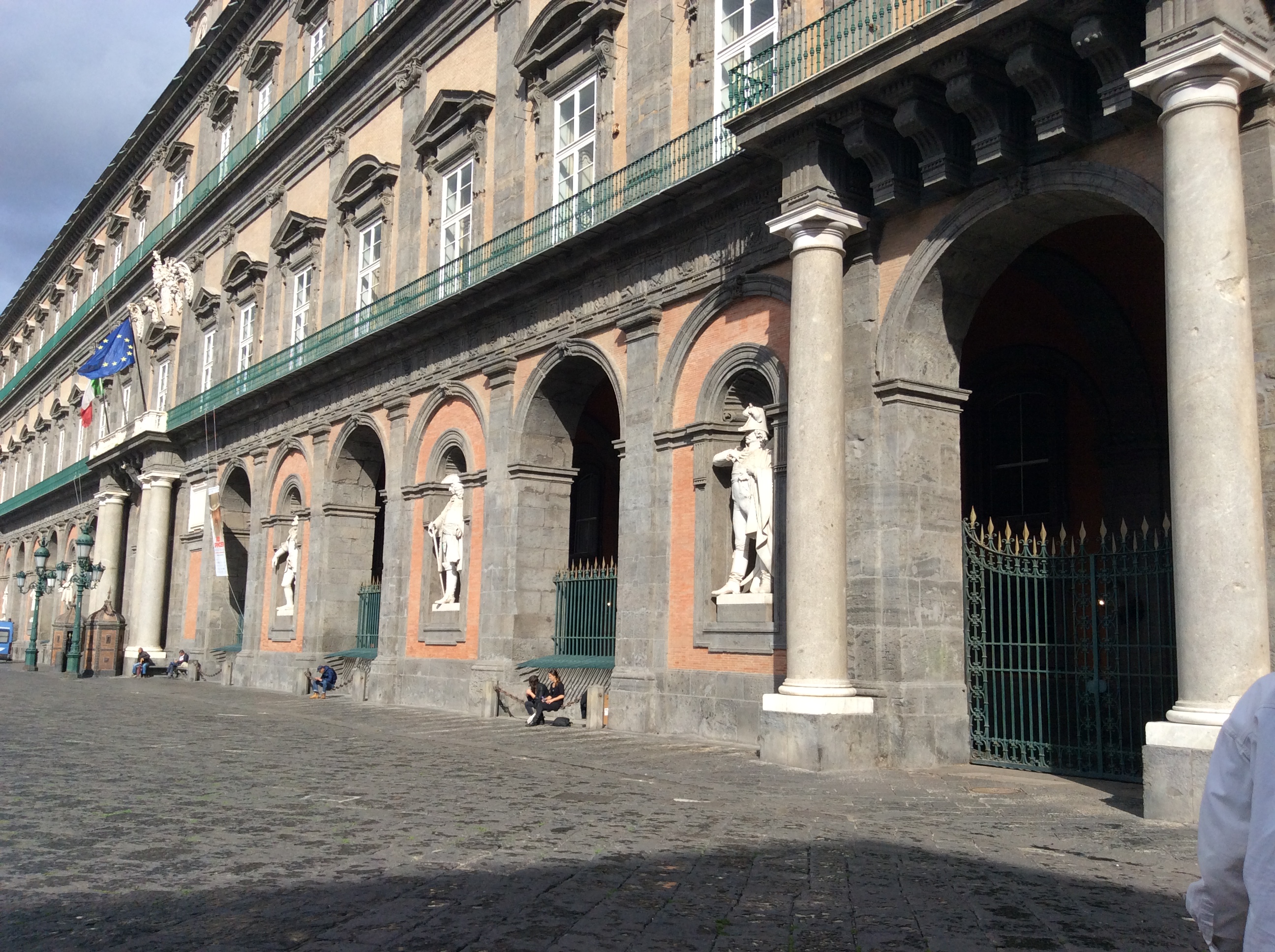
A city government building.  The statues are of various famous people in the history of Naples.

IMG_4528

Looking across the square from the church steps.

IMG_4529

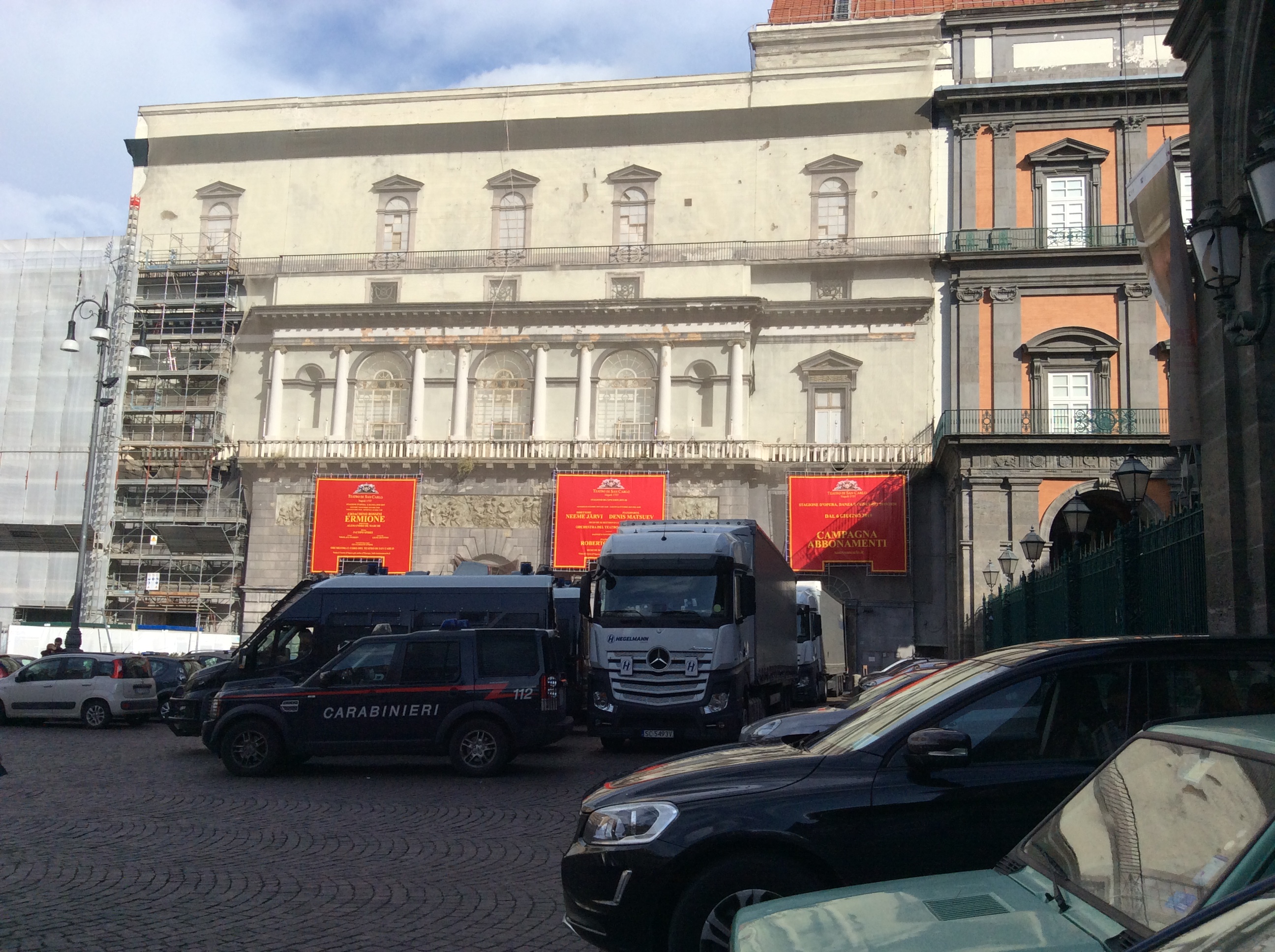
The oldest opera house is in Naples.  Operas are still performed here.

IMG_4530

We walked to another area and went inside this building which is filled with restaurants and shops, many with very high end clothing.

IMG_4532As we left, I noticed the bay was filled with tiny sailboats.  It was very windy and I thought they were very brave.  Later, I learned that these tiny boats are training boats, the ones you use when you are first learning to sail.  It looks daunting to me. I have only sailed on boats much bigger.
Why do so many people still live so near a non-dormant volcano?  Someone asked this question.  The response was:  Why do people live in Florida, Houston where there are hurricanes rather often.  Why do people live where there are tornadoes, earthquakes, mudslides? At least Vesuvius provides a beautiful backdrop.


Adventures in Argentina– Teatro Colon


IMG_2950

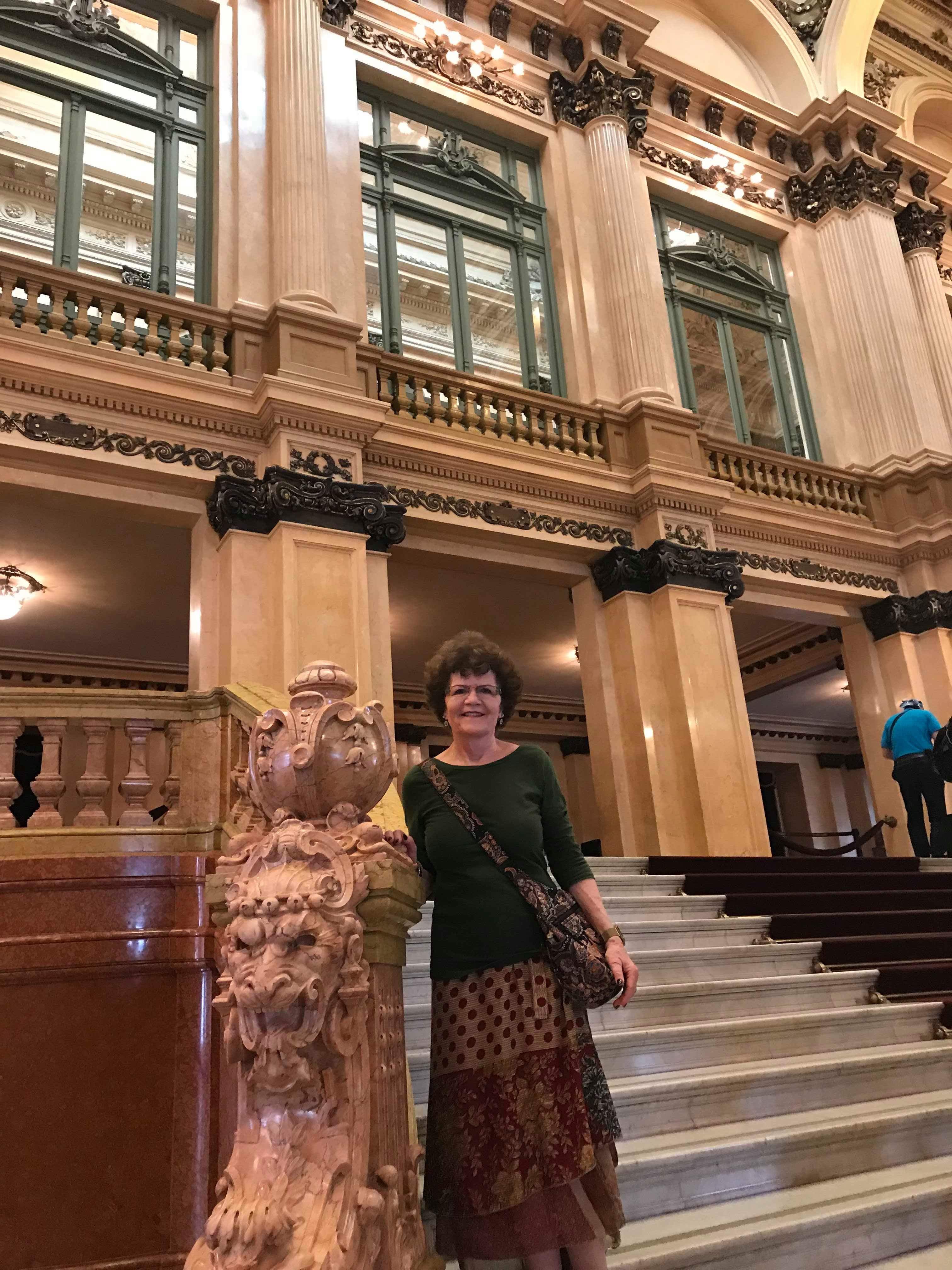
Teatro Colon, considered one of the world’s great theaters, began on May 25, 1908, with a performance of Verdi’s Aida.  This theatre replaced the original theatre which began operation in 1857.  Teatro Colon’s construction took twenty years even though its original cornerstone was laid in 1890.  The original architect, Francesco Tamburini, died in 1891.  His partner took over but also died.  The final architect, Jules Dormal, completed the theatre.

IMG_2943

IMG_2957

IMG_2951

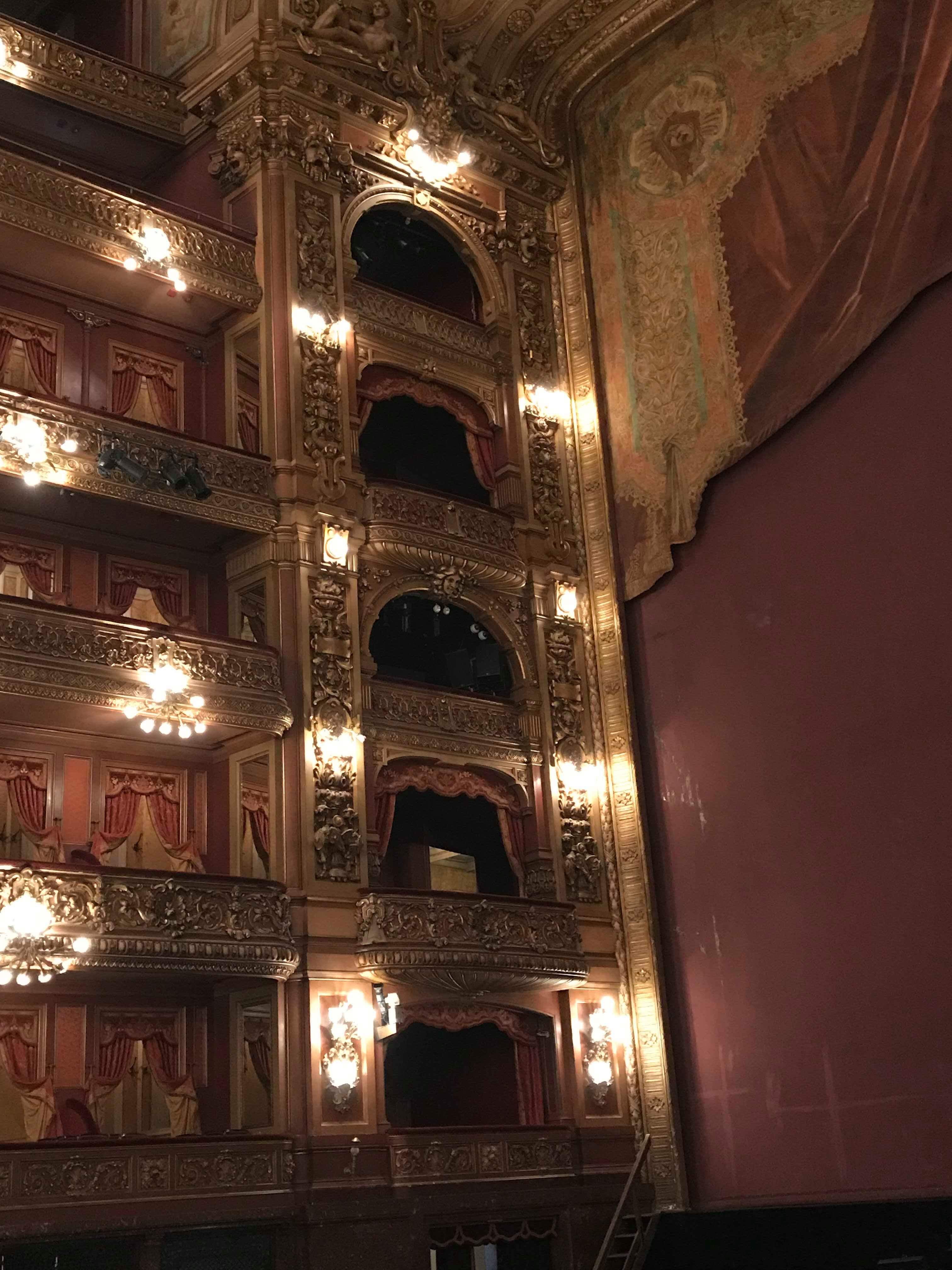
Theater Colon is huge–originally 8,202 square meters, 3,196 of which is underground. Later 12,000 more meters were added.  The total floor space equals 58,000 square meters.  The design includes French and Italian styles, and includes dressing and practice rooms, rooms to design sets and create scenery, etc.–this part of the theatre is underground.  Everything used in the productions here are created on site.

IMG_2945

This is the curtain area.  The actual curtain used during performances remains behind what you see here.

IMG_2942

IMG_2955

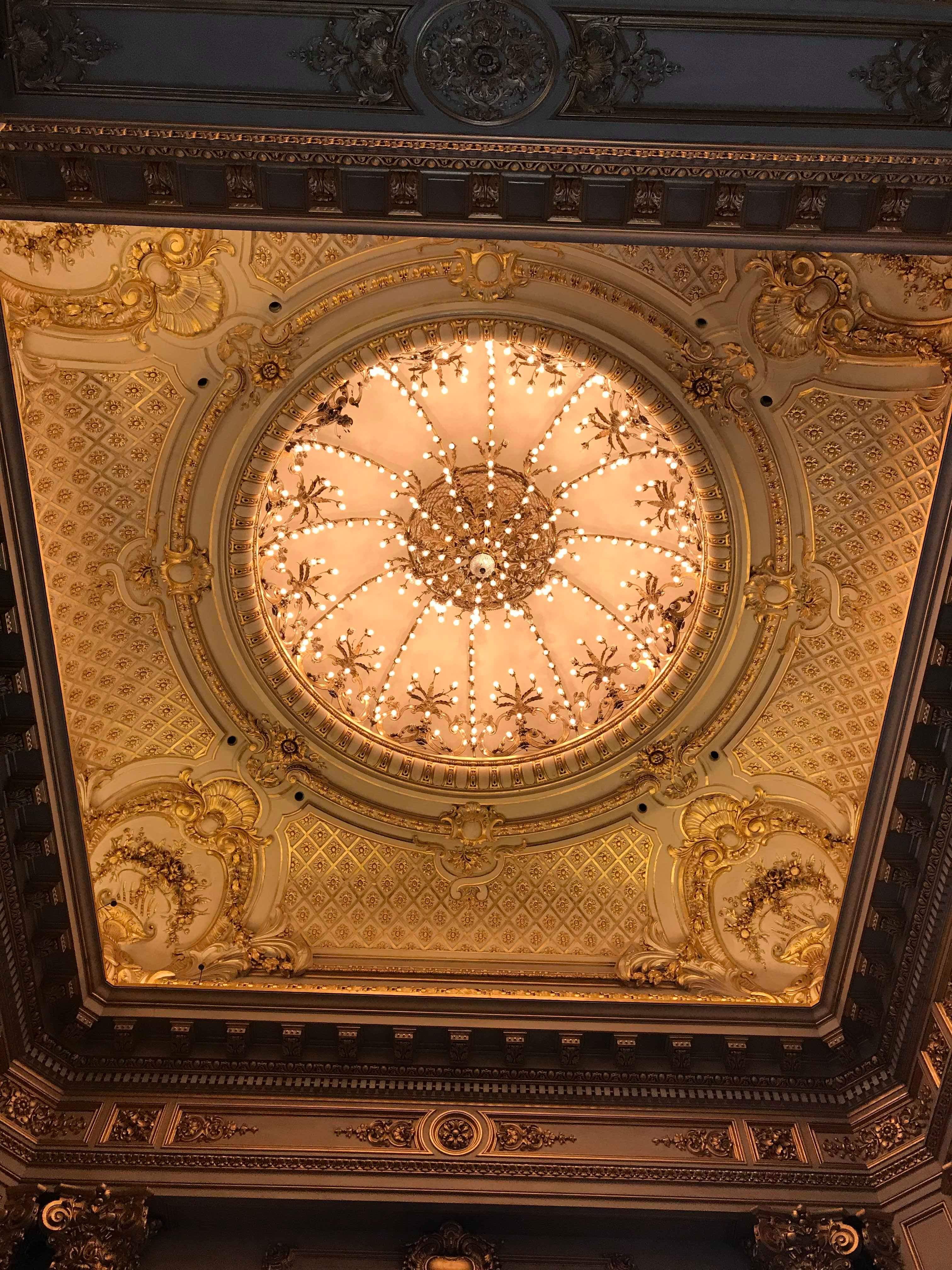
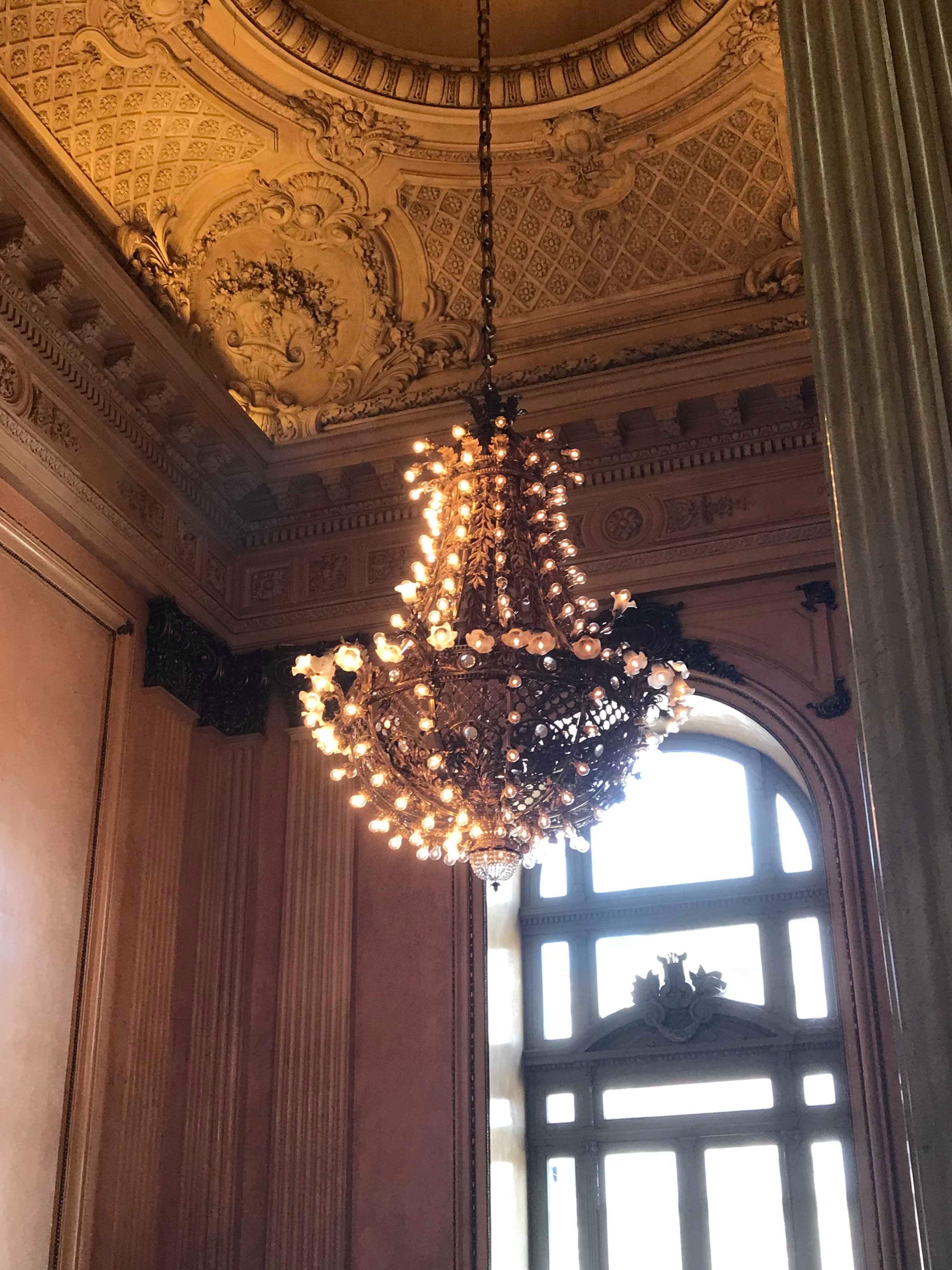
Marble, gold, other precious stones and metals are everywhere.

IMG_2953

Due to design, its acoustics are known worldwide as one of the best.  Every famous opera singer you have ever heard of performed here.  This holds true for ballet dancers and orchestras as well.

Currently, the theatre provides a venue for operas, symphonies, ballet, choral music, and contemporary dance among other artistic endeavors. During this March alone, fifteen  different performances of varying types occurred here. When we arrived the lines were long, some for buying tickets for performances, others for tours.

IMG_2954

IMG_2963

IMG_2939