Book 18 for 2025: “The Great Hippopotamus Hotel”, Alexander McCall Smith


After reading 17 serious books to date this year, I decided it was time to read something lighter and found this latest in the No. 1 Ladies Detective Agency series at the library. If you are looking for lighter reading, sort of mystery stories without murders, and insights into a different culture, Botswana, this series is for you. Start with at least several near the beginning of the series so you get to know all the main characters to fully appreciate what occurs and who’s who.

This novel gets its name from a traditional hotel located way out in the countryside far from city. It is a relaxing place with a lovely veranda and native gardens full of flowers and succulents. Strange things begin to occur–food poisoning, scorpions in rooms, laundry disappearing from the clothes line–too many for it to be by accident. The hotel manager comes to see Mma Ramotswe and Mma Makutsi for help. At the same time Mr. J.L.B. Matekoni has a male client who asks him to find him a fancy, red, Italian sport car without his wife knowing anything about it. With their customary good humor and kindness, these characters set out to solve the problems of the hotel and deal with the sports car issue.

As usual in this series, one learns that quite often people accuse the wrong person, that things are often not as they seem, and that your own prejudices and inclinations can lead you totally astray.

Book 36 for 2024: “The Storyteller of Marrakesh”, Joydeep Roy-Bhattacharya


A striking, foreign, young couple appear one evening in the Jeema of Marrakesh. The woman’s incredible beauty fascinates the observers. Suddenly, they disappear. Hassan, a traditional storyteller, invites those who observed the couple to tell what they saw and knew on that night as he presents his own stories to the crowd at the Jeema. His brother, Mustafa, has confessed to the crime of their disappearance, telling everyone he loved the woman whom he hardly knew. He is imprisoned for their disappearance. However, nearly everyone acknowledges that he had nothing to do with it. This novel presents all the different views of the couple, their disappearance, and what it means. Often observer stories contradict each other, raising the questions of what is truth, whose truth is factual, how can we know what is true and how do we define love. Hassan is determined in his quest which takes the reader through all these stories, Hassan and Mustafa’s childhood, the mysteries of the Sahara, and much more.

An Abecedarian Poem for Sudan


While a lot of the world is focused on Ukraine and Israel/Gaza, since April 2023, two groups, the Sudanese Armed Forces and the Rapid Support Forces, have been fighting for control of Sudan. 11.1 million people are displaced and more than 17,000 killed, mostly civilians including children. Currently, for the second time since 2003, famine lurks at the door of Darfur state. Although I wrote the poem thinking about Sudan, a lot of the same conditions apply to Congo.

Amidst the denuded trees along a wide

boulevard walked a tall, dark-haired girl

carrying a large basket filled with a few

deep red pomegranates, two brown

eggs and three delicate pastries

filled with pineapple, cinnamon, and

guava, her favorite. She felt lucky.

Her mother sent her to the market, her mother

ill with ague, shivering, fevered,

jaundiced, too young to be dying, her father

killed in the endless wars which had

leveled so many cities and villages.

Men filled with the desire for revenge, for power,

never thinking how forgiveness and love could

overcome the endless devastation.

People plagued by angry men, men so

quick to condemn all not their tribe, their own,

retribution driving them week after week.

Some lay dying on the streets or dead as

the girl walked around their bodies

under the relentless, tropical sun.

Void of relief, fearful but determined, she

walked on toward the remains of her home.

Xenophobia once again stalked the streets,

young men brandishing assault rifles. Animals in the

zoo seem kinder, more caring.

Book Seven for 2024: “After Eden, A Short History of the World”, John Charles Chasteen


Want to learn a lot in less than 400 pages? Read this book. Published this year, it is the most recent book by a prominent Latin American scholar and historian. After humans learned agriculture and built cities, most of the population of the world became increasingly patriarchal and warlike. The divide between rich and poor increased. Egalitarian foragers and wandering hunters existed only in more remote areas. A few still exist in those remote and less modern corners of the world, often places where few others want to even go. This quote says a lot about the current state of affairs:

“Our civilization has thousands of years practice making war. We have almost NO practice making global peace, but without it we are doomed. Today’s pervasive nationalism and rearmament is unlikely to help us make global peace.”

And a page later:

“Only a true unanimous global effort has any chance to preserve our common home.”

He notes that saving Earth will take huge social transformations, including curbing the excessive consumer capitalism that currently pervades plus overcoming a world wide history where half of humanity mistreated the other half, a practice that still continues.

One Book a Week-18: “If An Egyptian Cannot Speak English”, Noor Naga


Identity politics remains at the heart of this unusual novel. Written in three parts, One portrays a “love” affair between an Egyptian American woman who has gone to Cairo to find her Egyptian self and an unemployed, revolution (as in Arab Spring) photographer who alternates between living in a rooftop shack and homelessness. Each vignette starts with a question and alternates between the voice of the woman and the man, expressing their viewpoints on life, love, and their situation. Part Two is the same except without the “headline” question. Part Three is a big surprise–a discussion, written as a play, a critique of the rest of the novel among the author, an instructor, and several “students”.

I loved this book in part because it enabled me to learn a lot about Egyptian cultures, but also because I found it thought provoking and intriguing.

The Churches of Lalibela


Last night part of 60 Minutes featured these churches.  Several years ago I went with friends from Ethiopia to see them.  We spent almost an entire day hiking through around and up and down all eleven of them. I decided to travel back a few years and relive my experiences there and share it here.

IMG_0397

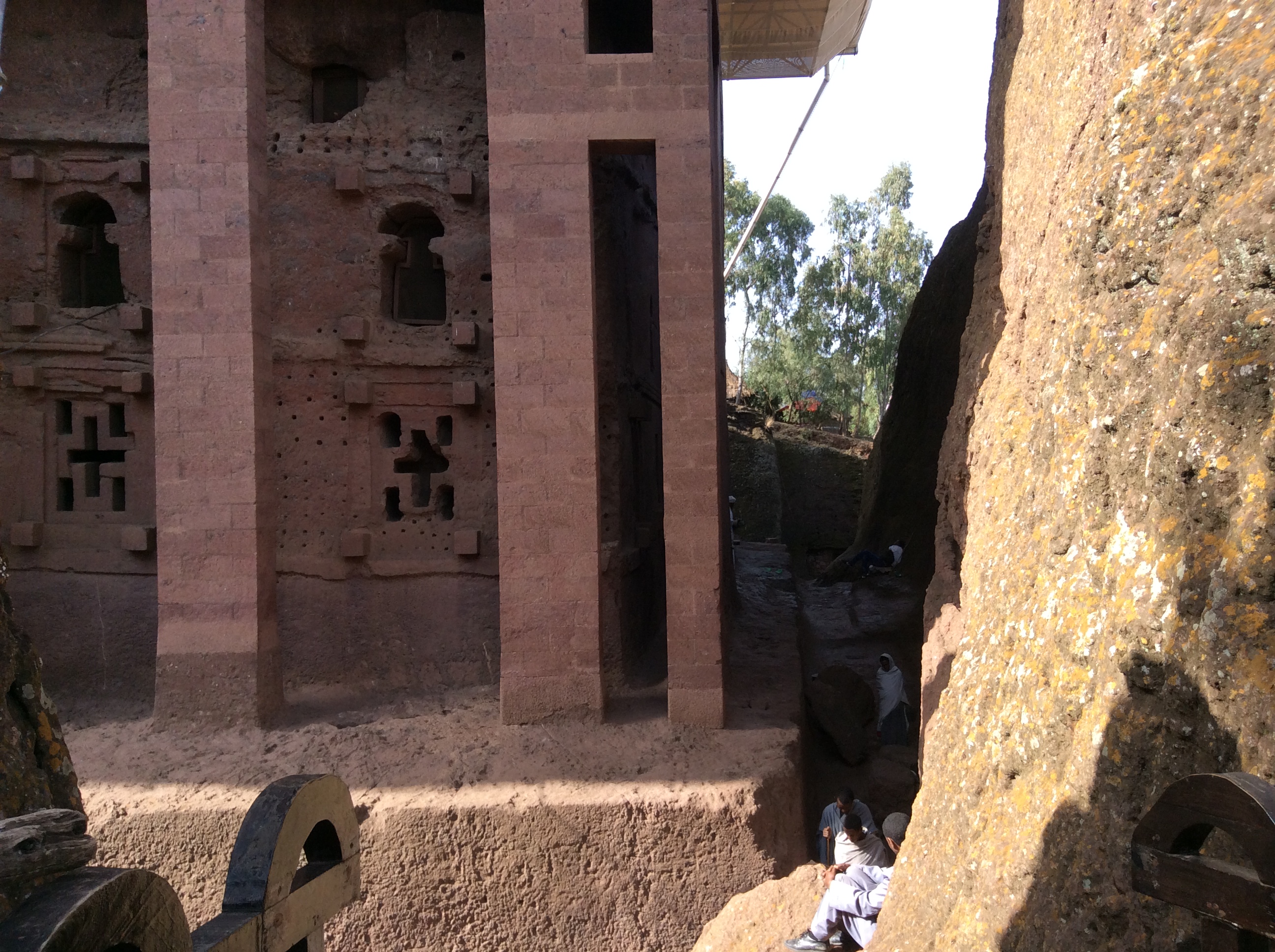
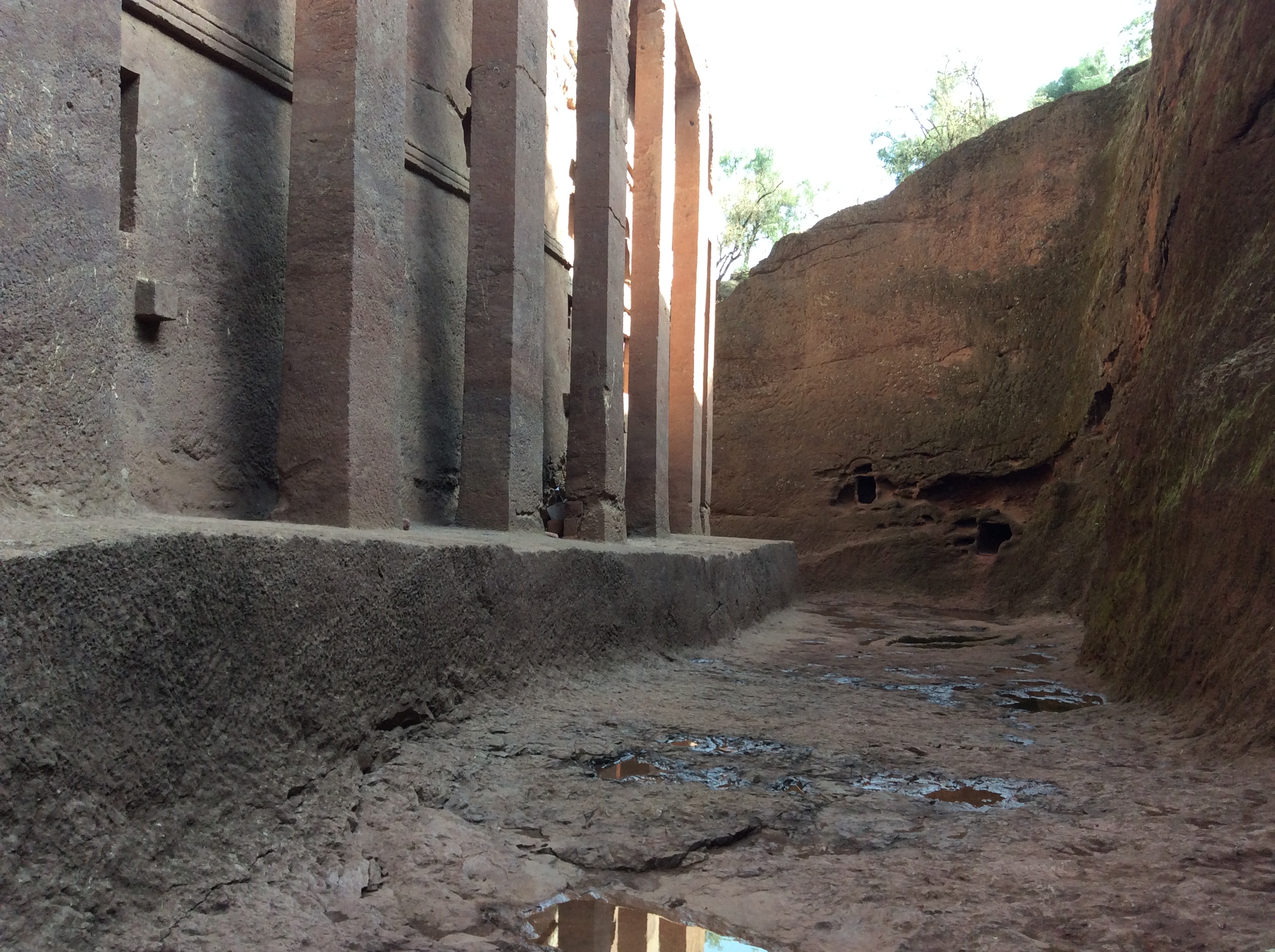
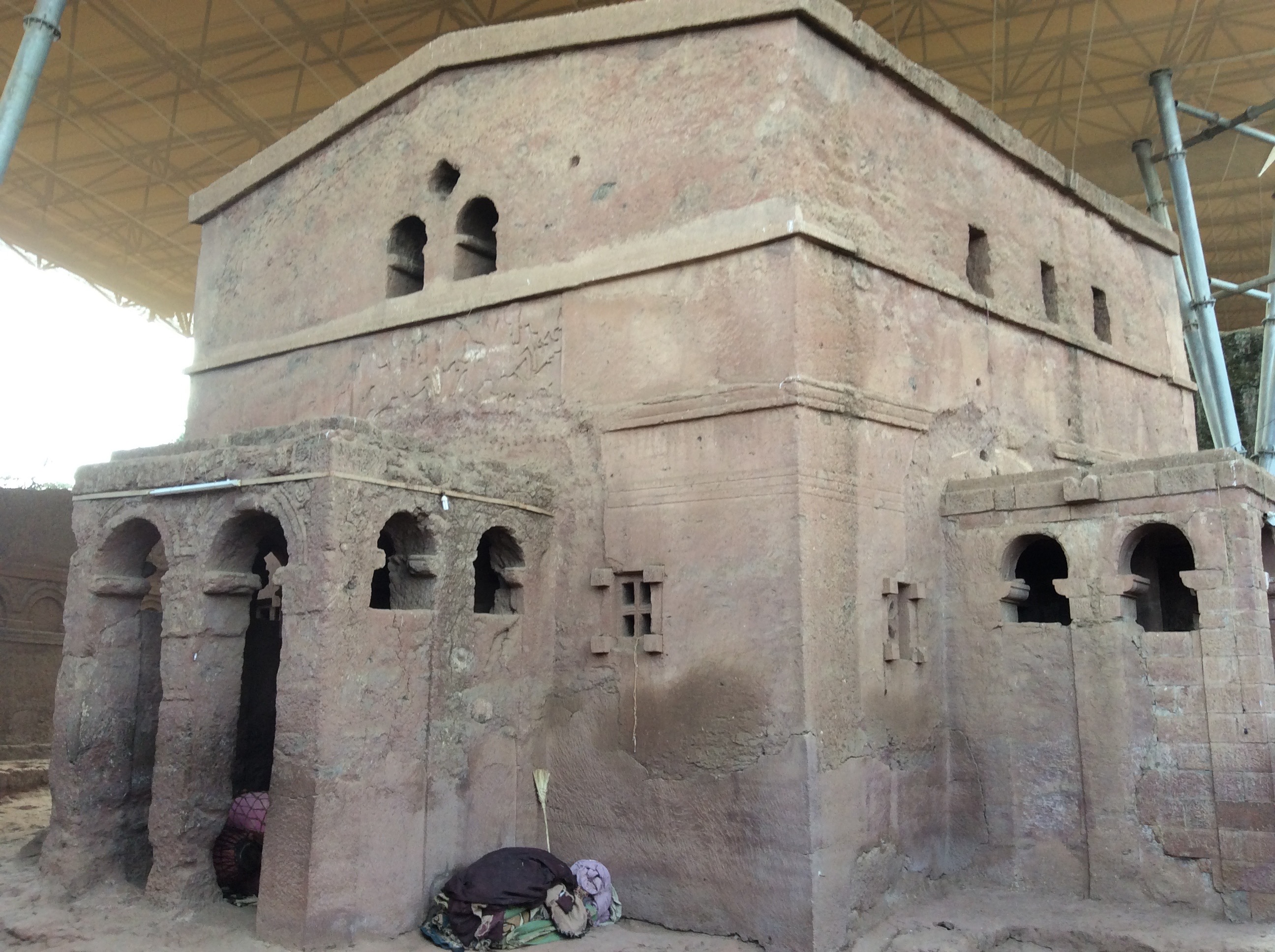
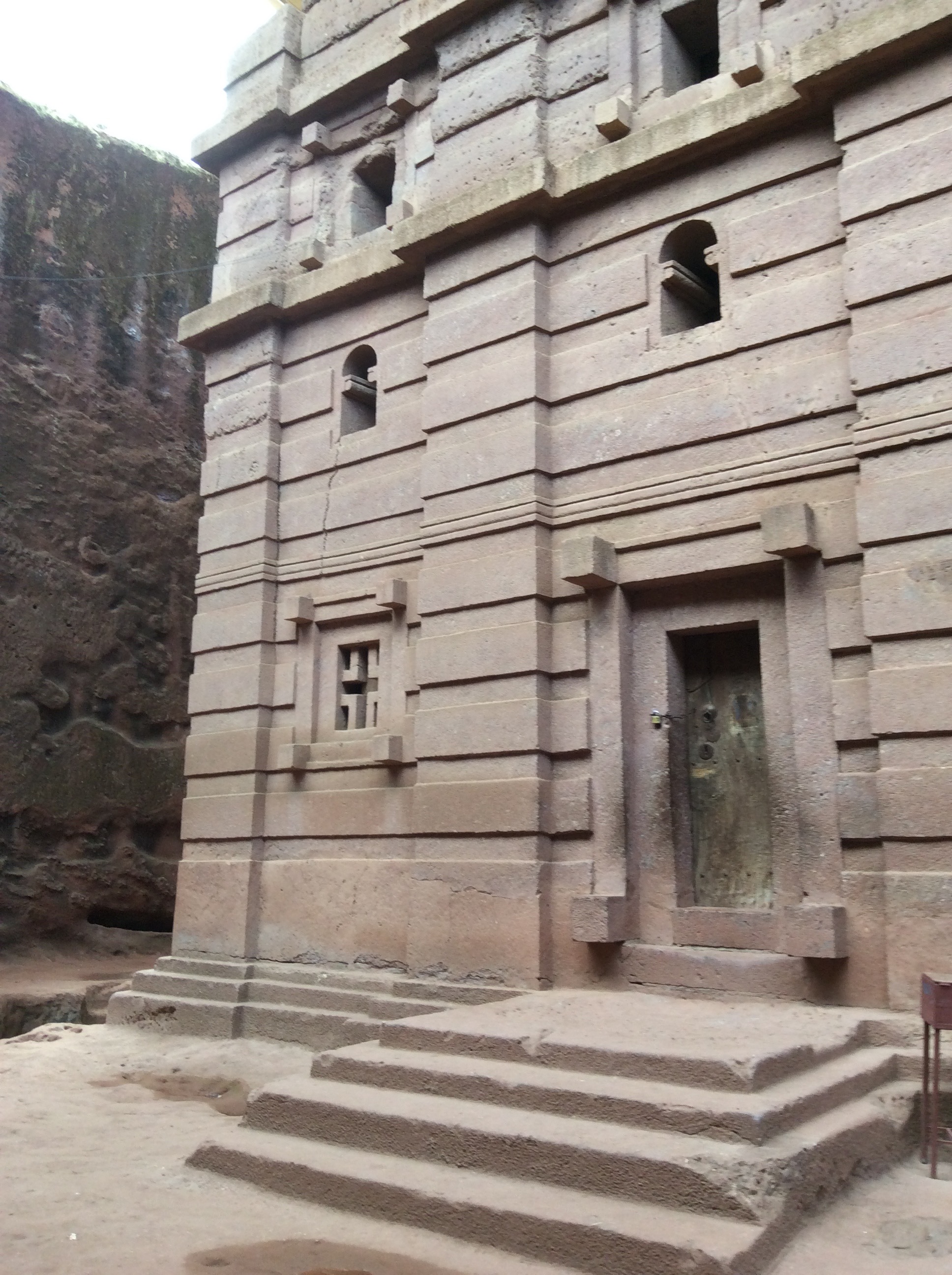
800 years ago these churches were carved from the top down out of solid stone. They dug a trench deep all around what is now each church and then worked from there.  Everything is stone, including the interior columns and spaces.

IMG_0400

There are areas around all the churches and drainage canals so they do not flood in the rainy season.

IMG_0412

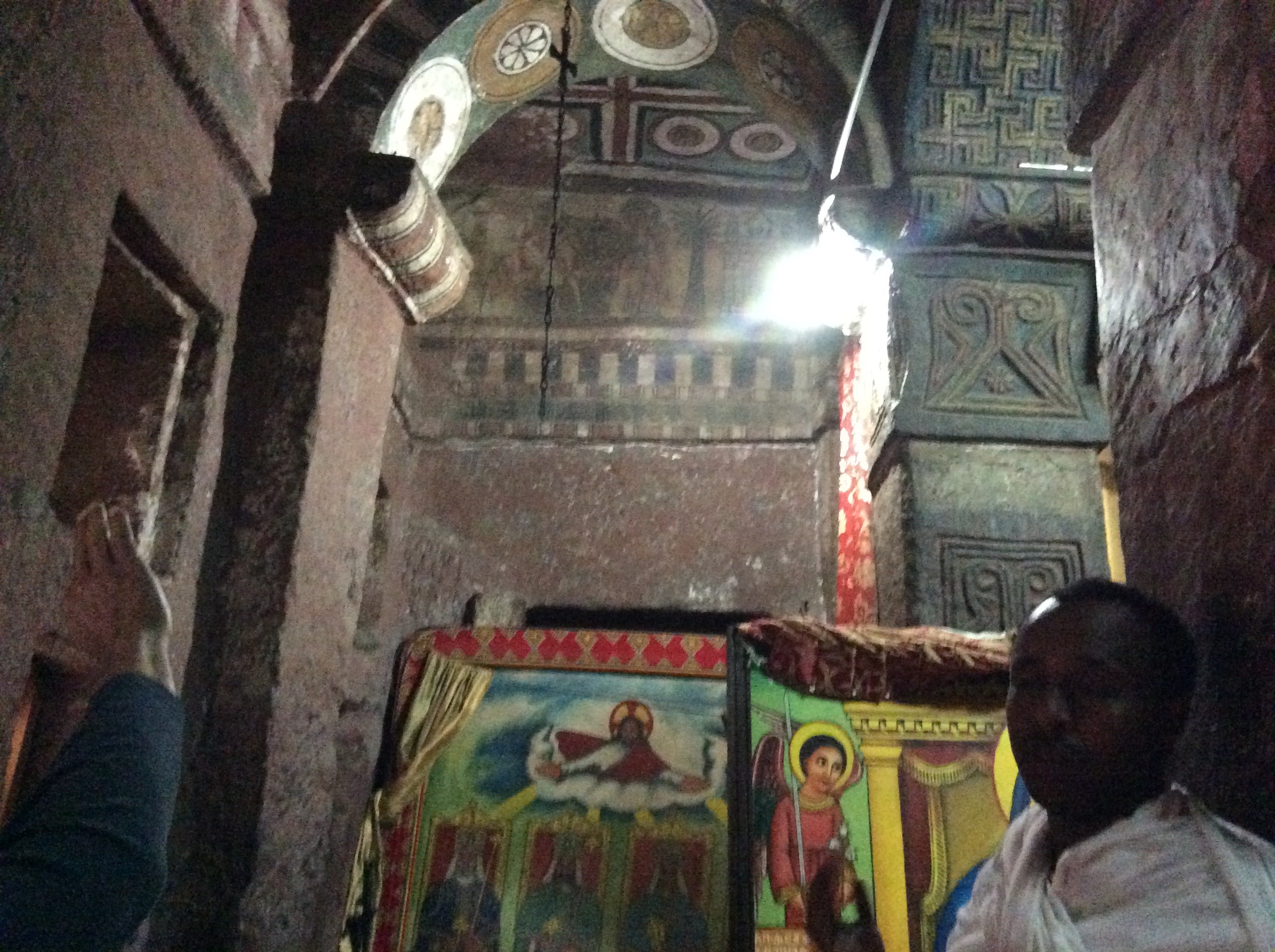
The inside of each church is decorated with carvings, frescoes, and wall hangings.

IMG_0417

Because 800 years of wear and tear and especially rain was beginning to take its toll, they covered them several years ago.  Now, according the the architect on 60 Minutes, they are experiencing the opposite problem.  The stone is getting too dry and contracting. They are teaching local people how to preserve the stone so it will last hundreds more years.

IMG_0420

Dino, my Ethiopia friend, and the guide, in white.

IMG_0442

IMG_0444

Why the ridiculous looking socks?  Fleas are a problem.  Many of the churches have old carpet on the floors, thousands of people still workshop in them regularly.  We were told to spray our ankles, tuck our pants inside out socks, spray our socks. It worked.

IMG_0448

IMG_0427

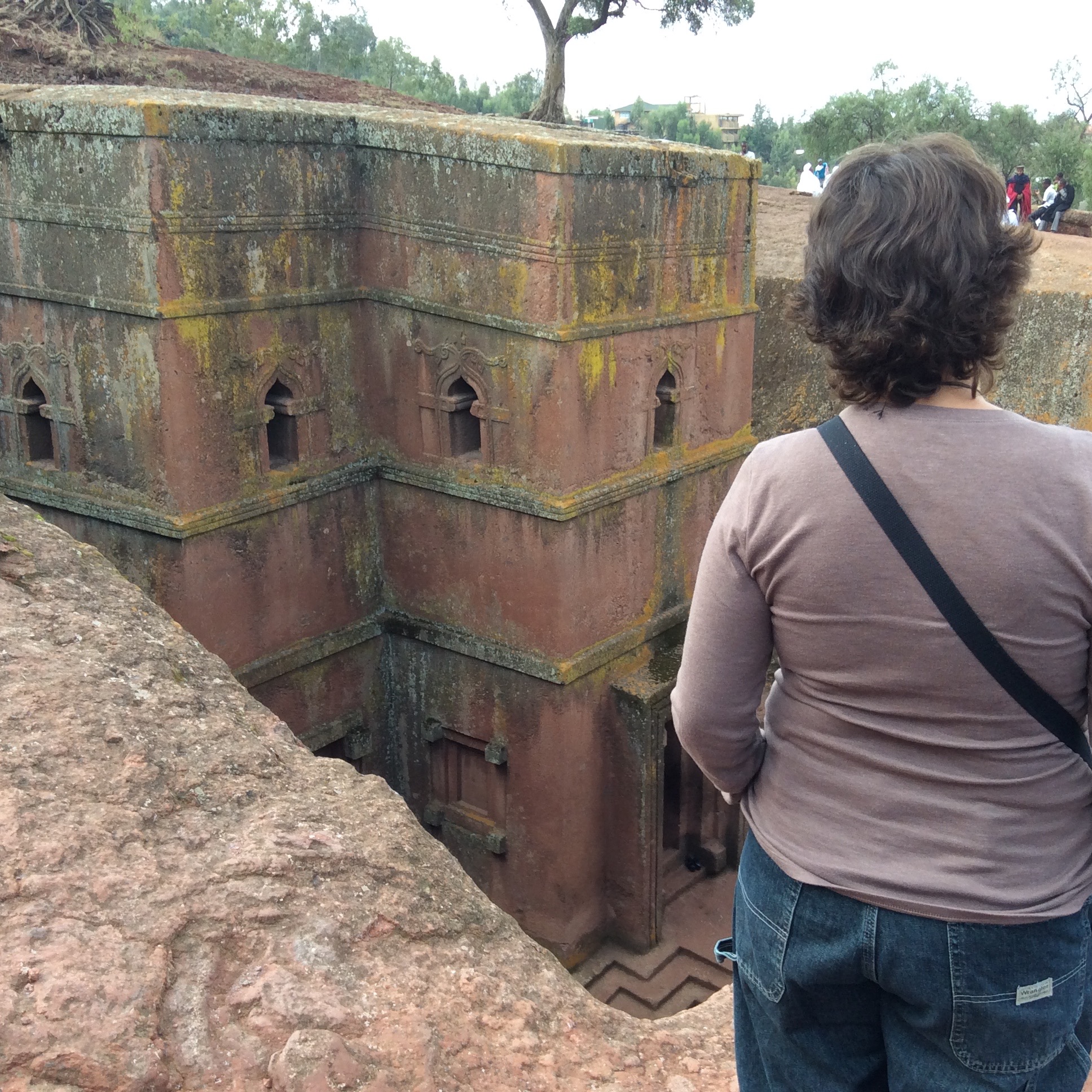
And here is probably the most photographed of them from up above. Yes, you do get to climb all the way down there if you want to go inside.  We did. The story goes that the king went to Jerusalem and wanted to create an Ethiopian Jerusalem.  There is a river nearby which they call the River Jordan. As you tour, they explain every detail and how they match passages and stories from the Biblical Jerusalem.  How did they build all of these out of solid stone?  With the help of angels.


The World in One Room


Four jaguar heads stare at me,

Mexican, Costa Rican.

A third guards the mantel,

partially hidden in tropical plants,

attack ready, tail raised, jaws open,

teeth bared.


My feet rest on a coffee table

carved in Kashmir.  I look at the photo

of the young man whose family made it.

He took me home to meet his mom,

to the floating market.

Once peace reigned there.

Now I wonder if he is safe, alive.


The Hoop Dancer raises his arms,

the Acoma pot exudes ancient

black on white beauty, painted

by the tips of yucca stems.

The Thai Spirit House begs

to appease evil spirits.

I should put food and flowers there;

I never do.


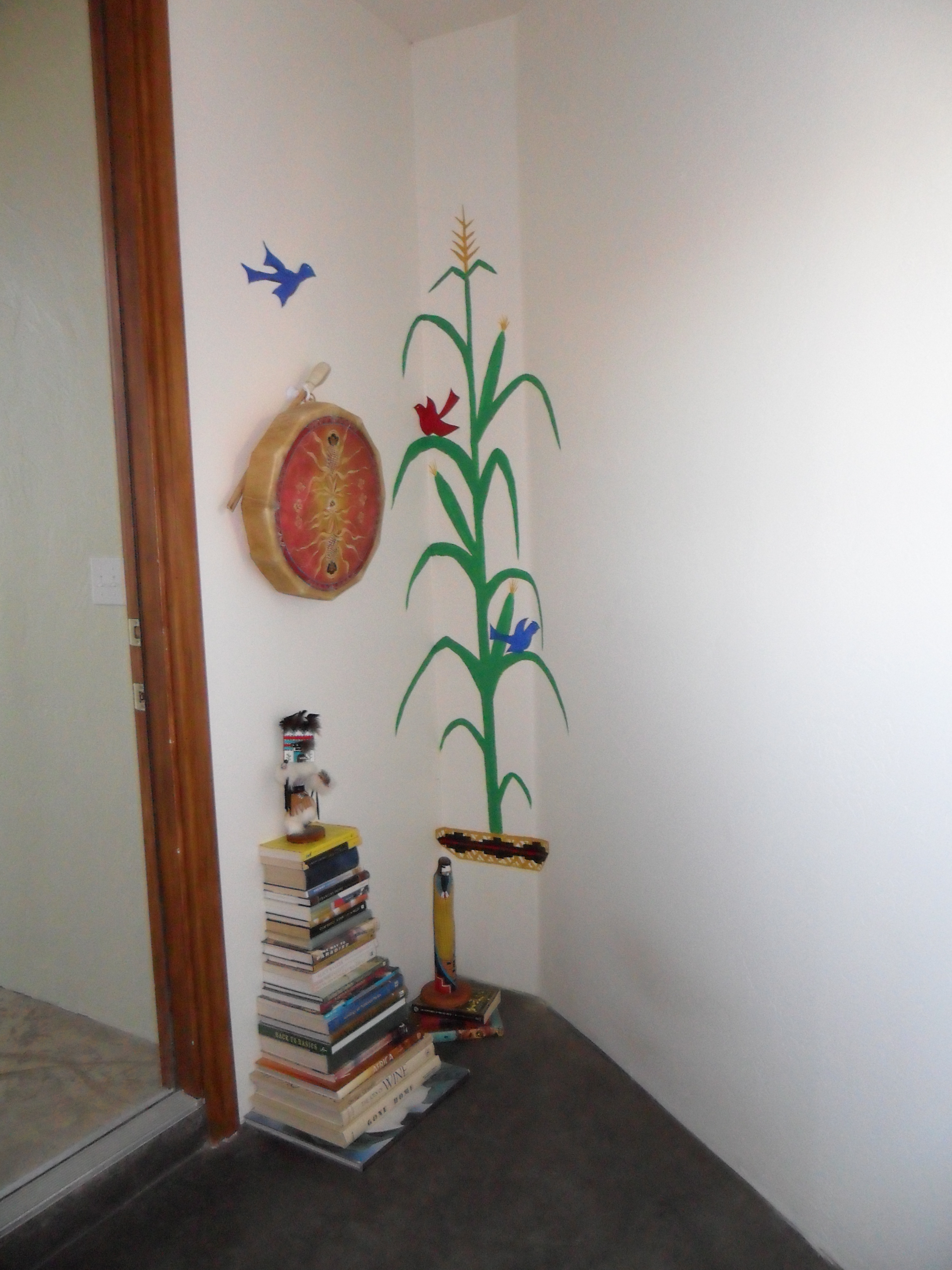
Corn plant of life–for Navaho, Hopi,

me, painted, growing up my wall,

blue and red birds flitting through

the stalks, singing ancient songs.

Corn Maiden rug hanging on the wall;

an Isleta Pueblo girl won a contest

with its design.  Four Corn Maiden

Kachinas watch the room.

Corn everywhere–Sacred Corn.


Three Ethiopian crosses, St. George

and the Dragon, Frida Kahlo doll,

Argentinian Madonna, Tohono O’odham

baskets, a painted cow skull, Nigerian carved

wooden elephants, including a Chieftains chair,

the stained glass transom window from the house

where my dad lived from birth to ten.


In a room filled with windows, there

is little room for paintings, yet–

purple bison glide across the prairie,

an Iraqi woman flies through an azure

sky filled with dark blue birds,

a 15th century mystic, Kabir, tells

a tale in poetry, Navaho spirits,

pumas walking toward me–

my obsession.


Rugs scattered–Kerman,

an unknown Persian city, Afghani,

Egyptian, Indian, Zapotec, scraps of old

Turkish rugs sewn together.


In one cabinet, Grandmother’s china,

Mom’s Czech crystal–a wedding present

decades ago, Grandson’s painted art,

the silverware Dad gave Mom on their

first wedding anniversary,  Mom’s

everyday dishes–flowers blooming.

I use them every day.
 

These objects–a testament to who I am:

World wanderer, seeker, citizen.

SAM_0912

SAM_0035


Ethiopian Journey–Ancient Churches of Lalibela


In the 12th century the king of Ethiopia decided to build a New Jerusalem.  Eleven churches were carved out of solid rock on the mountain top in the village of Lalibela.  A UNESCO World Heritage site, these churches remain intact and in use.

IMG_0428

They were all carved from the rock top of the mountain down into the earth so that they remain invisible unless the person is only a few feet away.  This protected them from the vision of potential invaders, usually Muslims from what is now Sudan.  The above is probably the most photographed of these churches and stands separate from the others.
IMG_0429

My friend is standing near where the stairs lead down to the bottom where visitors and worshippers can enter the church.  Visiting all these churches in one day is not an activity for the faint of heart or for one terrified of heights.

IMG_0401

This is the first church we visited.  It still mystifies many as to how such incredibly intricate structures could me carved by hand out of solid stone.  Even these columns are carved out of the rock.  The “official” Ethiopian Orthodox Christian story relates how angels helped the builders.

IMG_0402

This and most of the other churches are connected by “waterways” where in the rainy season a sophisticated system of drainage keeps all of them from flooding and makes it possible for visitors and worshippers to walk along from church to church.

IMG_0407

Everything in the Christian churches in Ethiopia  symbolizes something related back to Jerusalem and the Bible.  Even though the guide explained it all in detail, keeping up with all the symbolism proved a daunting task.  Notice the swastikas.  They are ancient symbols of the eternal circle of life and death.  Hitler turned them backwards and into a totally different meaning.  There are also many different styles of crosses there, two of which can be seen in the windows of this church.

IMG_0408

This is a fertility pool.  In the past a priest got in the water–it is very deep–with a woman who could not conceive and bless her in the water.  At one point when it began to fill too much, they cleaned out the bottom and found many treasures buried there, apparently dumped into the pool to protect them from enemy invaders.

IMG_0412

The inside of the churches are intricately carved and sometimes painted.

IMG_0417

Two types of basalt exist on this mountain, soft and hard.  Churches carved out of the soft basalt have begun to deteriorate and as a consequence are covered.  As can be seen here, people still come to these churches to pray and attend services.

IMG_0419

Our guide lead us from church to church through these narrow passageways which are, as previously mentioned, used to drain water away from them in the rainy season.  If Ethiopia had a national color, it would be white.  It is not only worn to go to church and for religious purposes but in daily life as well.  It mystifies me as to how they keep whites so very white.

IMG_0430

The slit dug in the rock is part of the system of drainage.  The grass in the foreground grows out of a pool of holy water.  While we were there, a boy filled a plastic bottle with the water and left.

IMG_0435

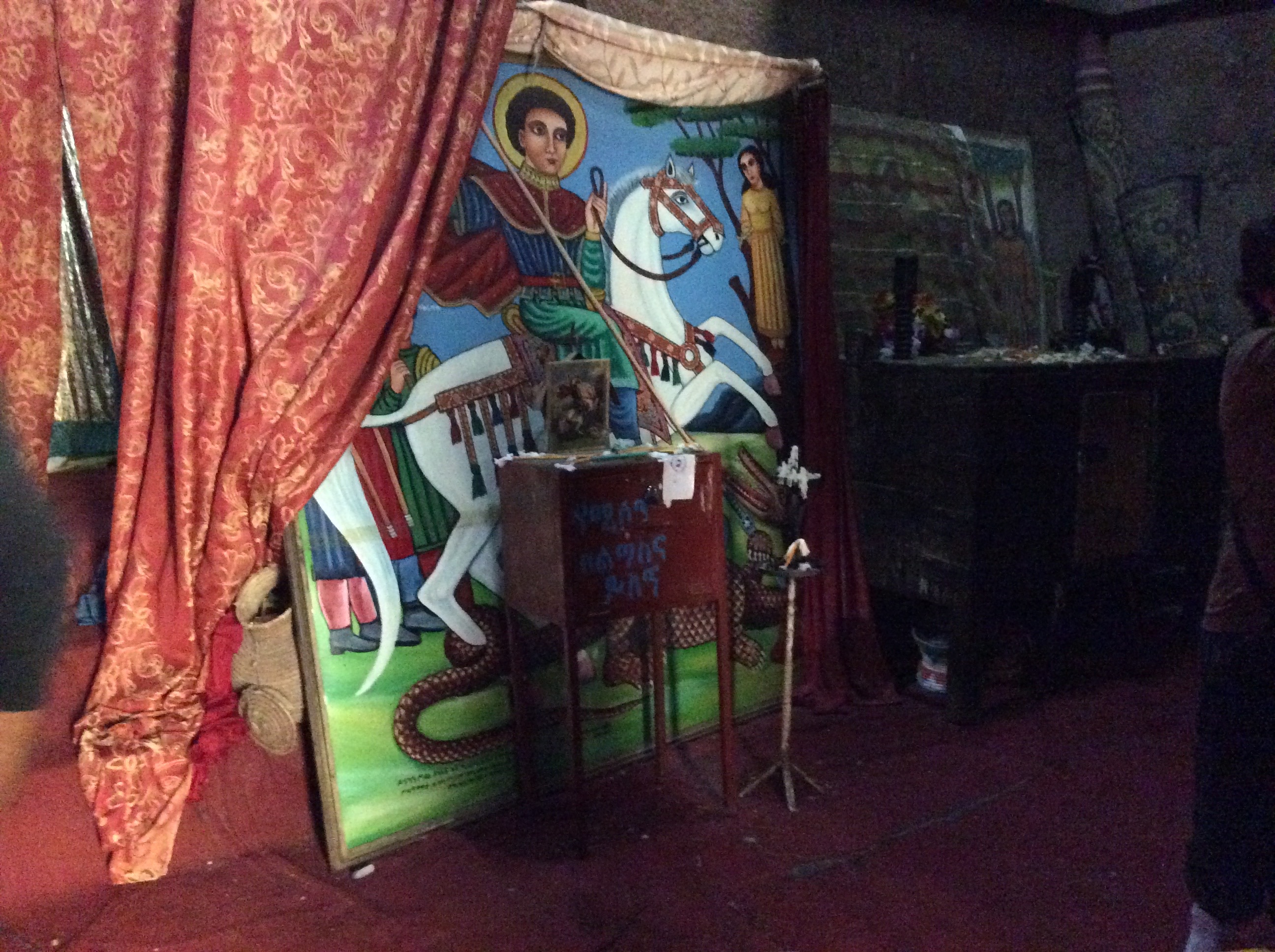
St. George and the dragon are everywhere, not only in churches but also on beer.  He is the patron saint of the country, symbolizing the triumph of Christianity over paganism as symbolized by the dragon.

IMG_0448

The carving in many of the churches reveal a sophisticated knowledge of how to work in stone.  It is difficult to believe that this was carved by hand downward into solid basalt centuries ago.

IMG_0491

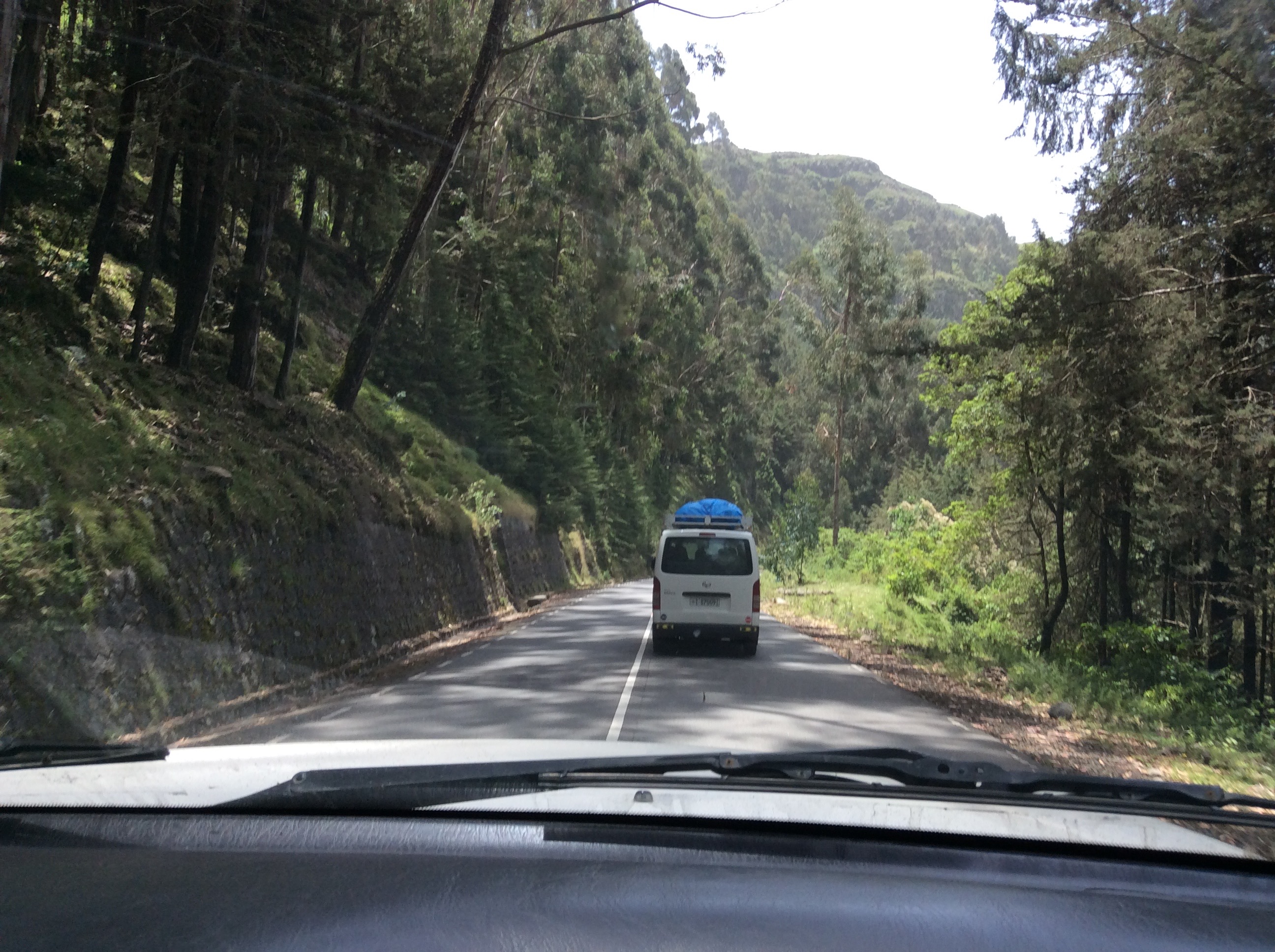
The road to Lalibela is rather daunting, climbing  higher and higher with no guard rails, nothing.  As you can see from this photo, patchwork quilt  fields cover even the mountainsides.


To learn more about Lalibela, see detailed information and explanations of their River Jordan and other religious symbolism, go to my blog posts from August 2014.

Ethiopian Journey–From Addis Ababa to Debre Birhan


Addis is the second highest capital in the world.  Only La Paz, Bolivia, is higher.  To a large extent, altitude determines climate in Ethiopia.  Addis and the surrounding area, much of which is high altitude farmland, receives a lot of rain this time of year and looks totally unlike what a lot of people think of when they hear the word Ethiopia–not desert but rather miles and miles of green.

IMG_0248

IMG_0249

We had not driven far from Addis when we crossed a river, an area of which is considered healing.  Many people had come for priests to bless them and to experience the healing power of the water.

IMG_0246

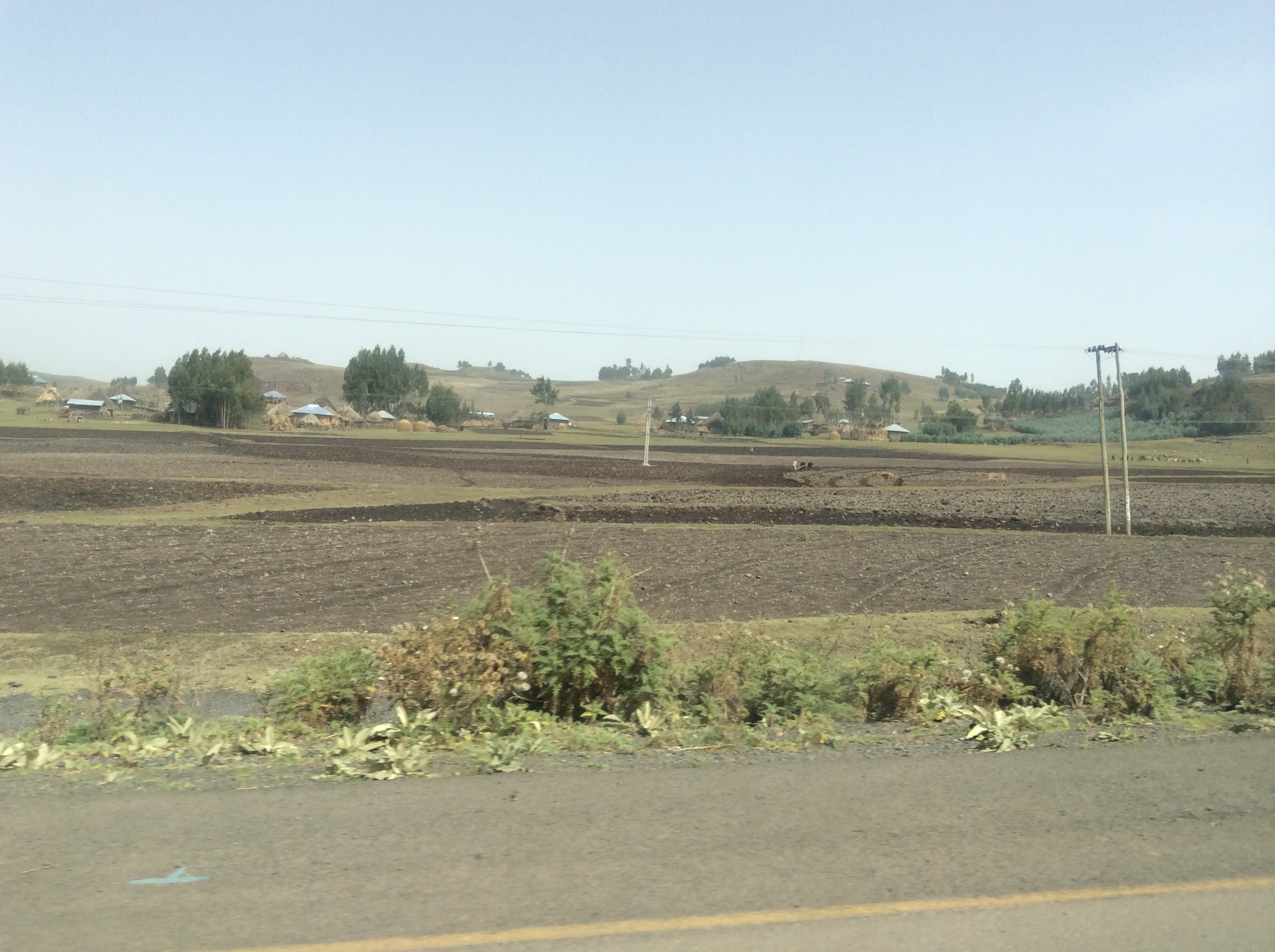
I saw only three tractors in ten days of criss crossing farmland.  Why so few?  One reason is rocks.  Many of the fields remain rather full of rocks in spite of many having been removed.

IMG_0258

Therefore, they farm the “old fashioned” way; horses or cattle pulling plows with a human behind.

IMG_0251

Houses in the villages in the farming areas demonstrate old ways alongside new.

IMG_0257

IMG_0259

Winnowing the way we did in the USA a century ago.

IMG_0253

IMG_0261

Much of the farmland is a picturesque patchwork quilt of browns and greens.

IMG_0266

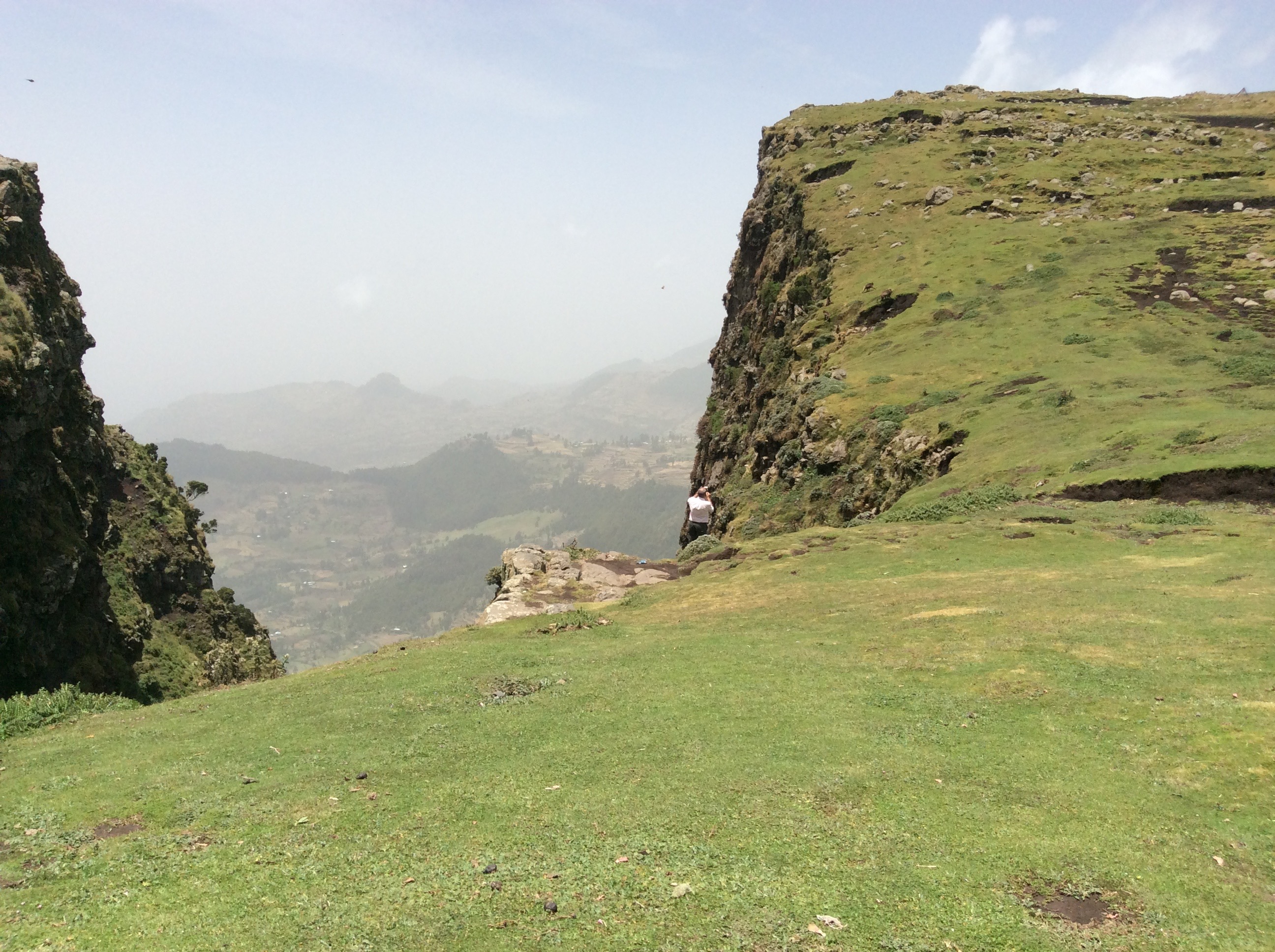
Before dropping down to lower country, we drove by Menelik’s Window.   The drop off here is steep and far.  I did not go near it–I had not yet become used to the endless drop-offs or even realized that I would need to do so.  This is one of four places in Ethiopian where you can see gelada baboons.  They are extinct elsewhere. Menelik was an Ethiopian emperor.  This “window” allows one to look from the high country for miles and miles to the landscape beyond.

IMG_0262

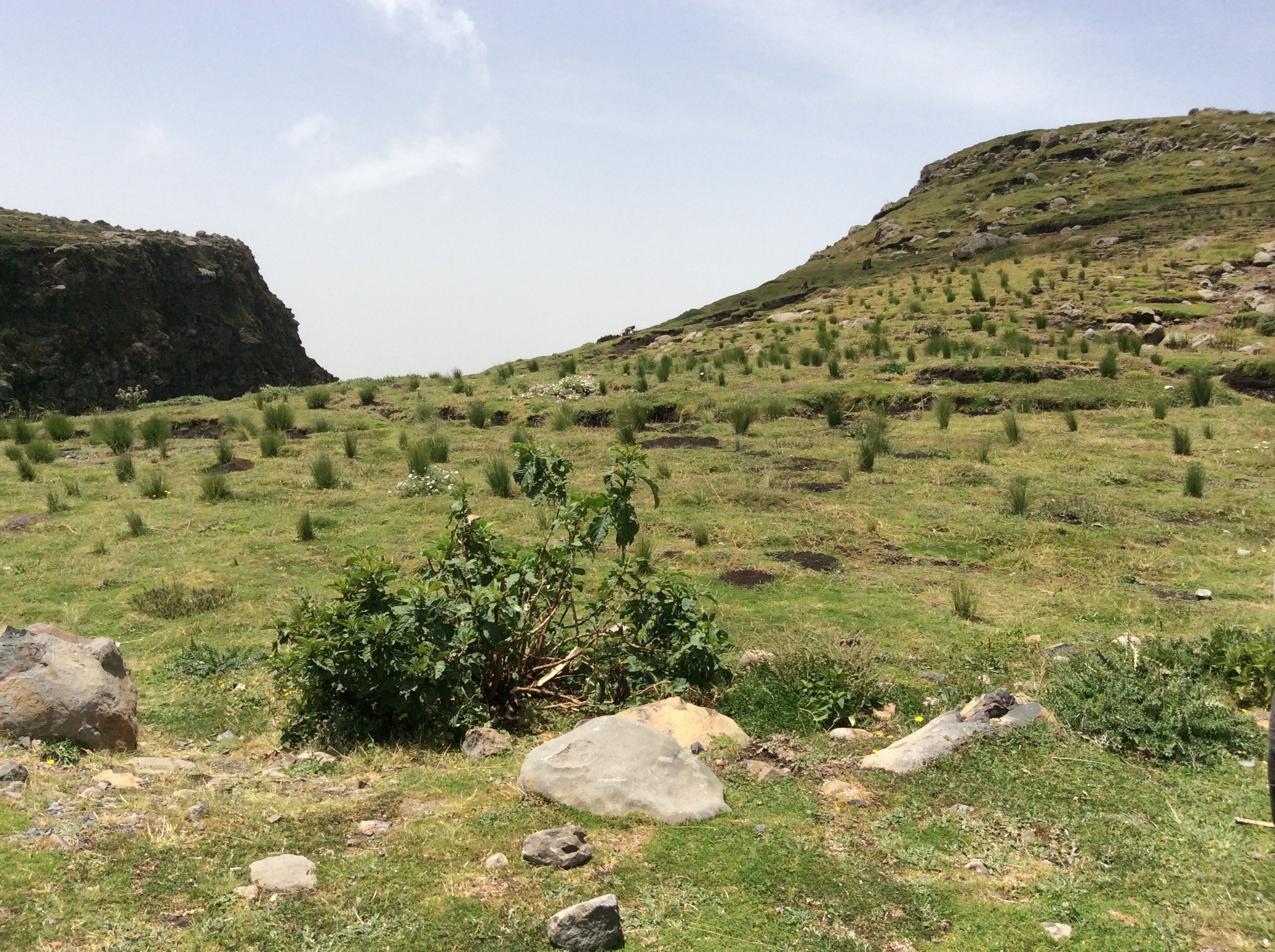
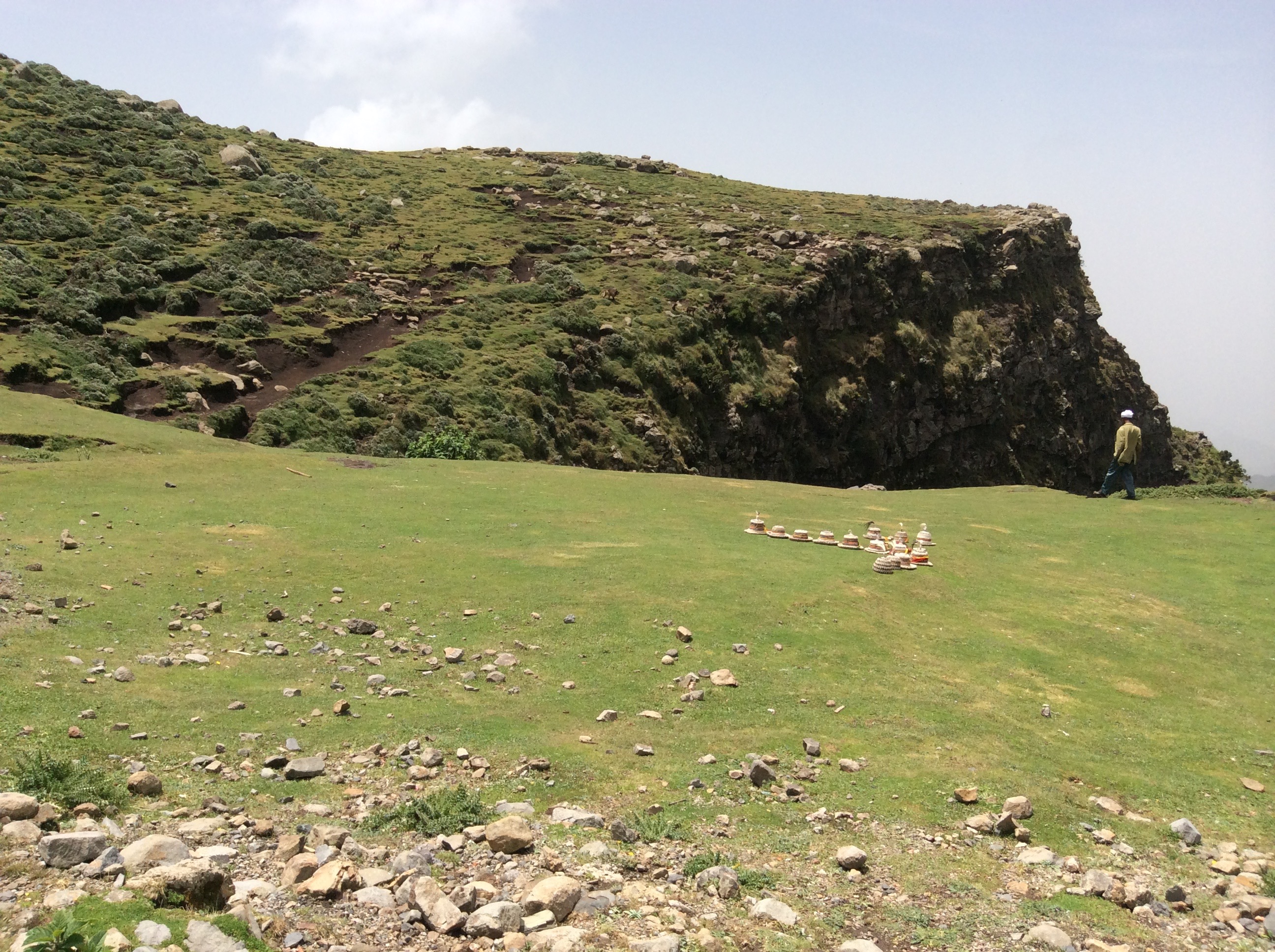
The large tufts of grass provide food for the gelada which are grass eating herbivores, the last of the grass eating primates.  All others are extinct.  This same grass is used by the locals for roofing material so boys stay in these areas all day chasing off the baboons.

IMG_0264

To keep themselves busy they weave woolen baskets and hats to sell which they display in the grass.

IMG_0267

This ten year old boy happily donned the hat he had made.  I bought it for my grandson who was the same age when I took the trip.

IMG_0268

Except for the different vegetation, driving down the mountain looked a lot like driving through Colorado.

IMG_0271

IMG_0272

IMG_0276

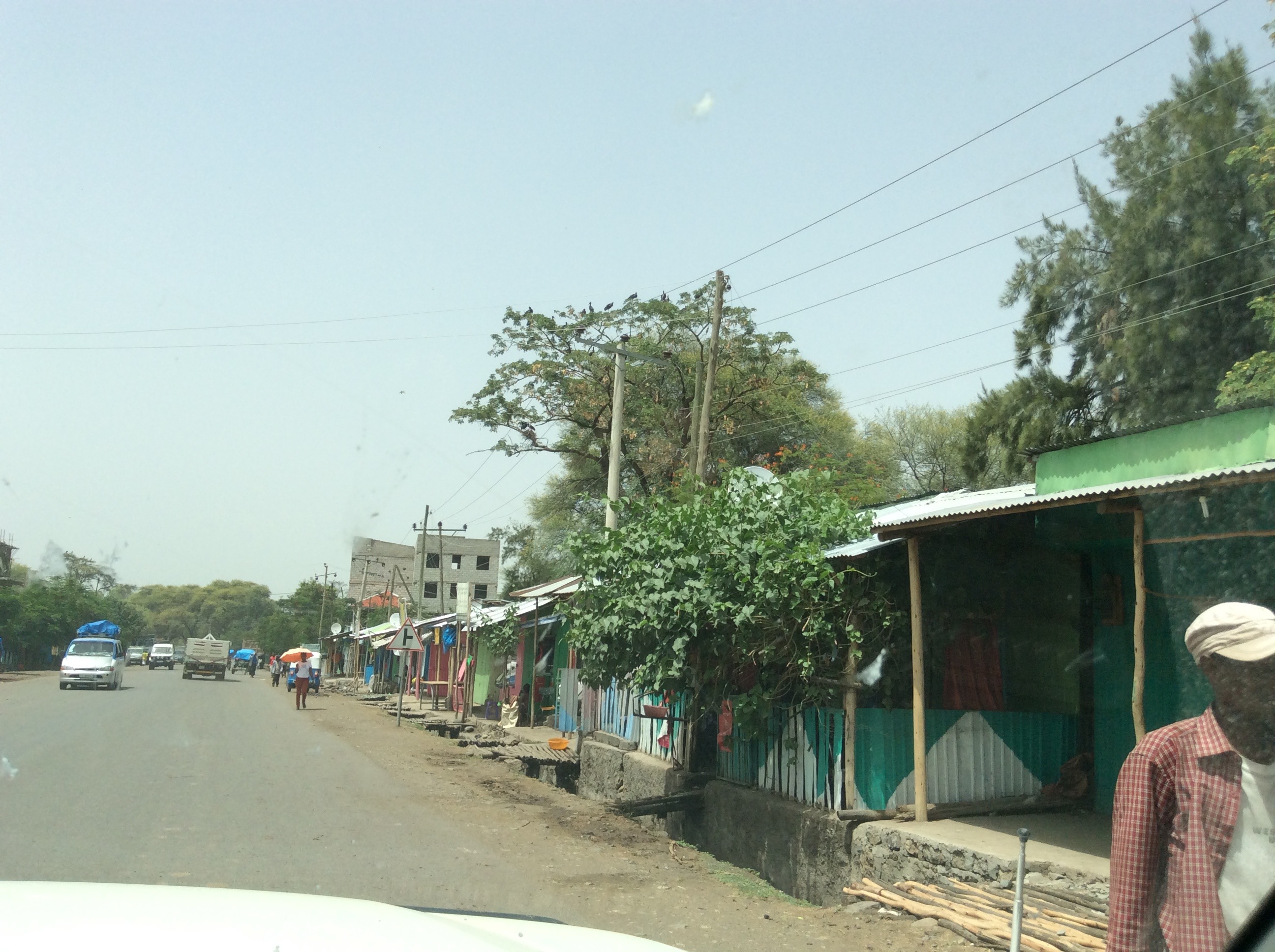
Down from the mountain the landscape appears quite different and considerably drier.  We drove through several smaller towns on our way to Debre Birhan where we stayed the first night.

IMG_0279

Driving in Ethiopia requires navigating around animals.  Everyone drives their cattle, camels, horses, all livestock down the road whenever possible.  The roads are generally very good.  Many, built by the Italians, have stood the test of decades.

IMG_0282

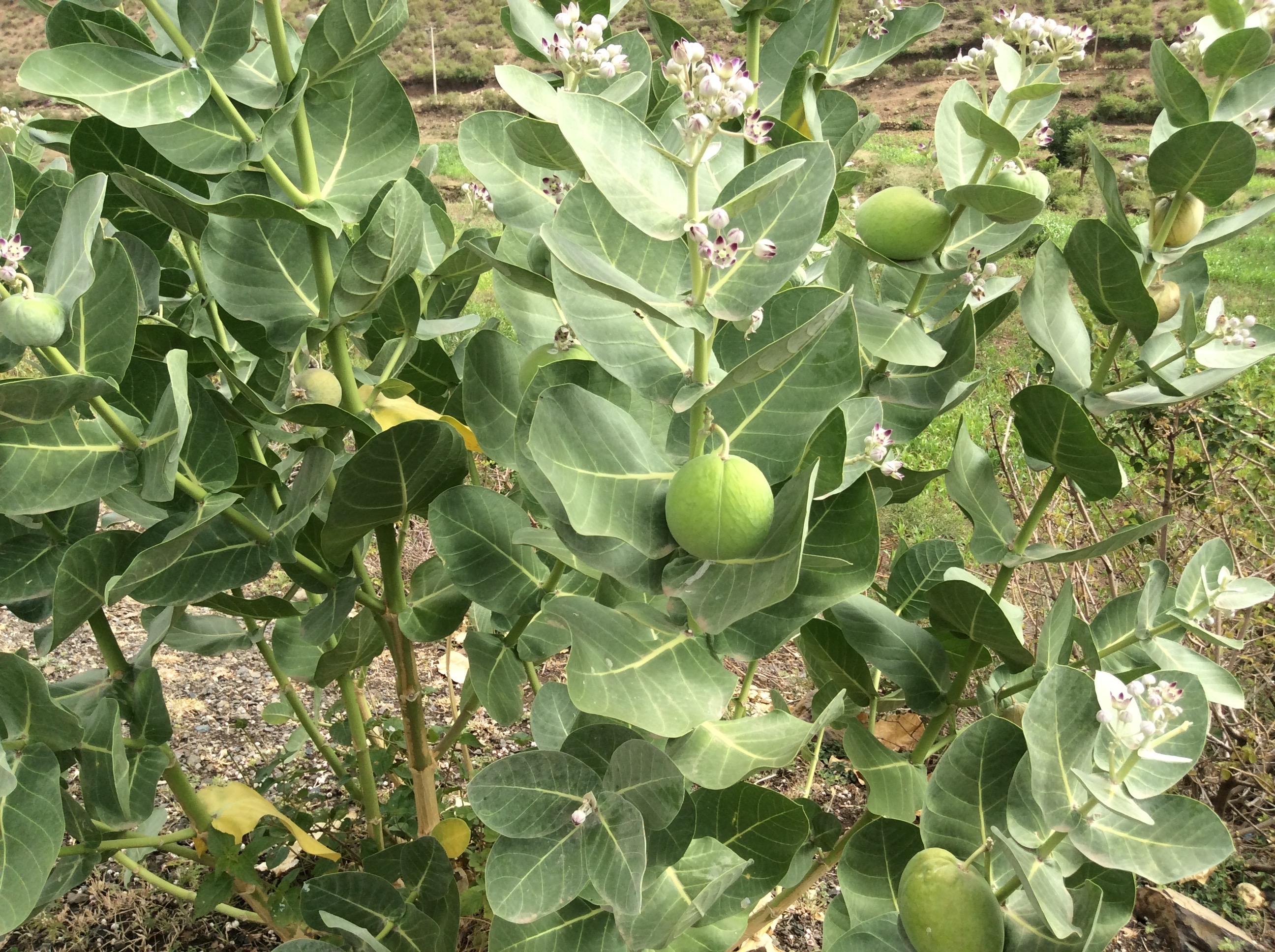
Along the road we saw many of these “apples”.  My friend told us how they played with them as a child.  However, the adults all warned the children not to touch their eyes when they did–it will make you blind.  They are called Apples of Sodom–so many things in Ethiopia have symbolic meaning.

IMG_0283

These fruit could be seen all along the road and even on the road.  After driving through this drier area we rose above a huge valley with miles and miles of grass.

IMG_0285

A semi-nomadic group brings their immense herds of cattle here in the rainy season to graze.  When we drove further on above the valley, I saw the first tractor working a field as big as this grazing land.


My Ethiopian Adventure–On the Road to Lalibela, Part Two


My Ethiopian Adventure–On the Road to Lalibela, Part Two.

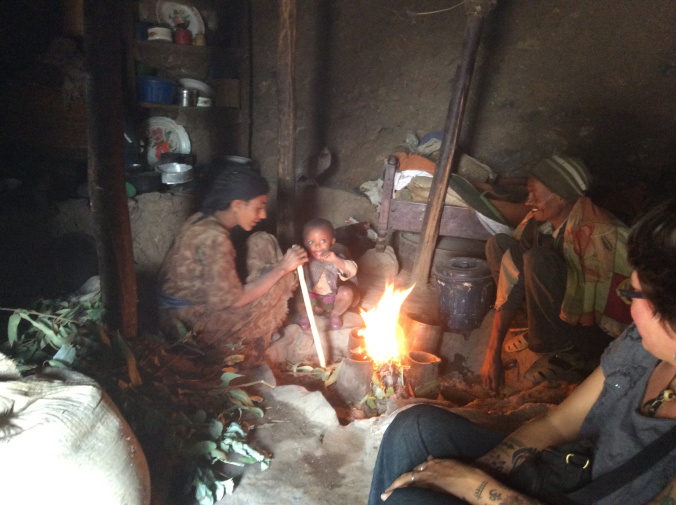
To continue my revisiting the Ethiopian trip from last July, I am reblogging this section, day two on the road to Lalibela.  This photo shows the interior of a small farmhouse we visited. Click the green title to see the rest of the photos.

A farm house near the road.