Ethiopian Journey–From Addis Ababa to Debre Birhan


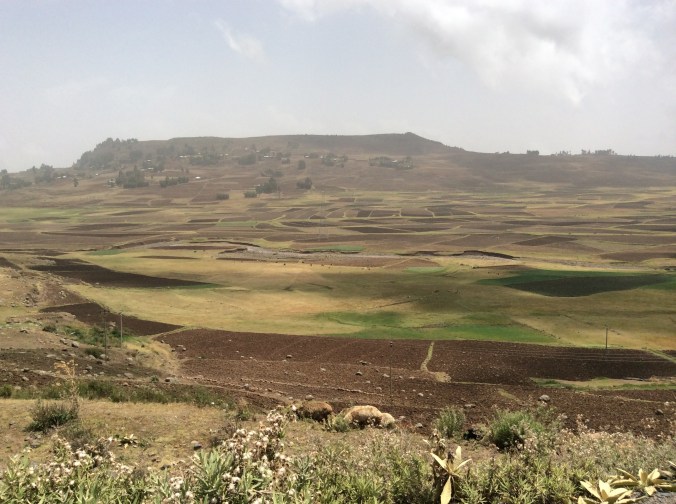
Addis is the second highest capital in the world.  Only La Paz, Bolivia, is higher.  To a large extent, altitude determines climate in Ethiopia.  Addis and the surrounding area, much of which is high altitude farmland, receives a lot of rain this time of year and looks totally unlike what a lot of people think of when they hear the word Ethiopia–not desert but rather miles and miles of green.
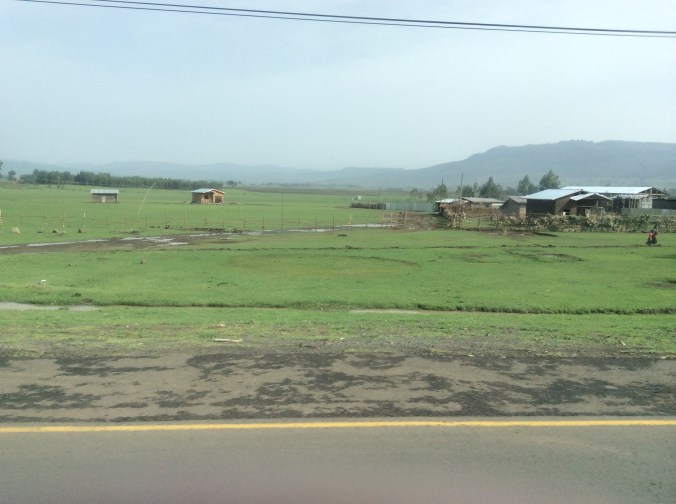
IMG_0248

IMG_0249

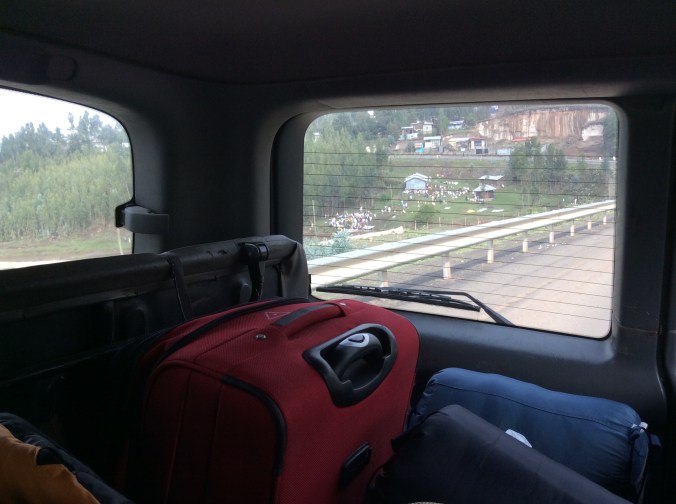
We had not driven far from Addis when we crossed a river, an area of which is considered healing.  Many people had come for priests to bless them and to experience the healing power of the water.
IMG_0246

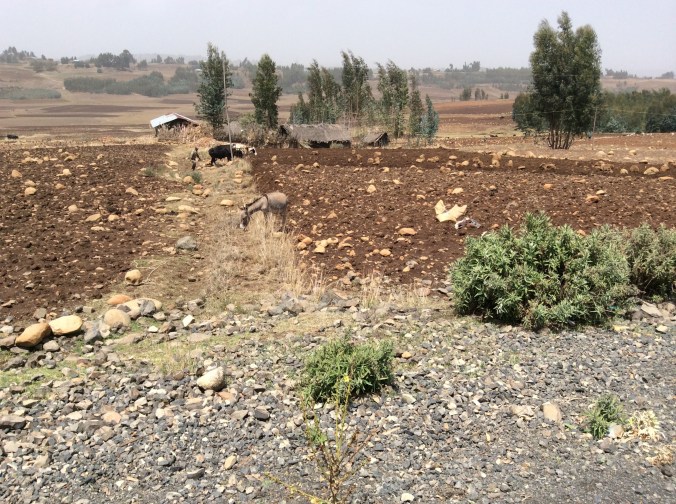
I saw only three tractors in ten days of criss crossing farmland.  Why so few?  One reason is rocks.  Many of the fields remain rather full of rocks in spite of many having been removed.
IMG_0258

Therefore, they farm the “old fashioned” way; horses or cattle pulling plows with a human behind.
IMG_0251

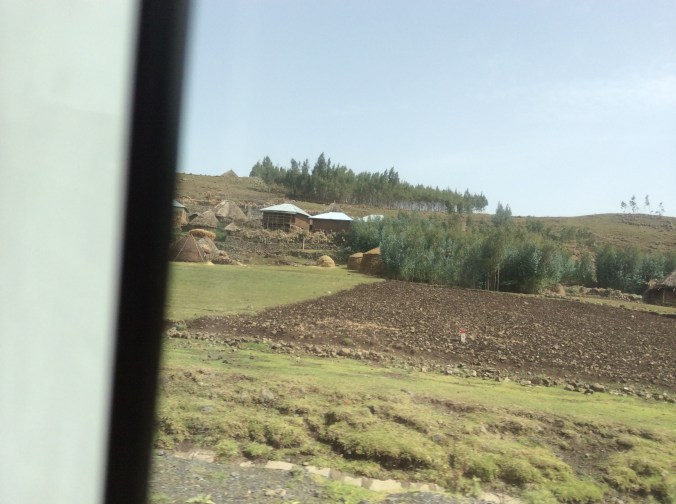
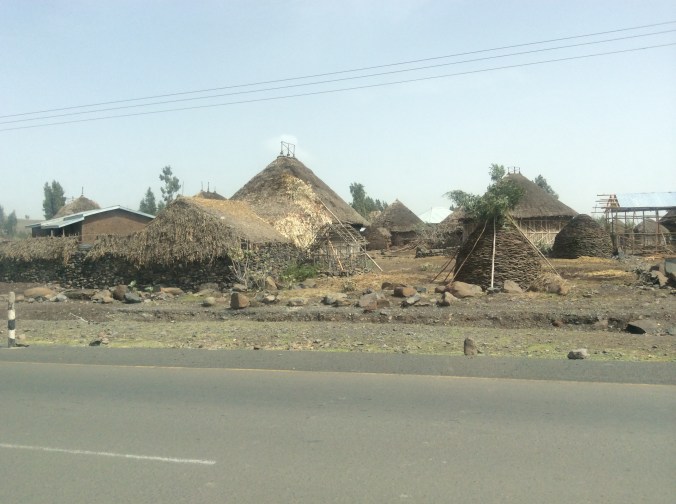
Houses in the villages in the farming areas demonstrate old ways alongside new.
IMG_0257

IMG_0259

Winnowing the way we did in the USA a century ago.

IMG_0253

IMG_0261

Much of the farmland is a picturesque patchwork quilt of browns and greens.
IMG_0266

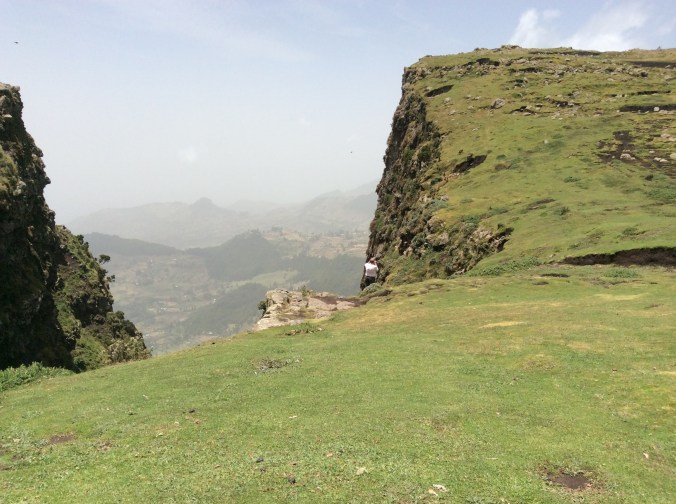
Before dropping down to lower country, we drove by Menelik’s Window.   The drop off here is steep and far.  I did not go near it–I had not yet become used to the endless drop-offs or even realized that I would need to do so.  This is one of four places in Ethiopian where you can see gelada baboons.  They are extinct elsewhere. Menelik was an Ethiopian emperor.  This “window” allows one to look from the high country for miles and miles to the landscape beyond.
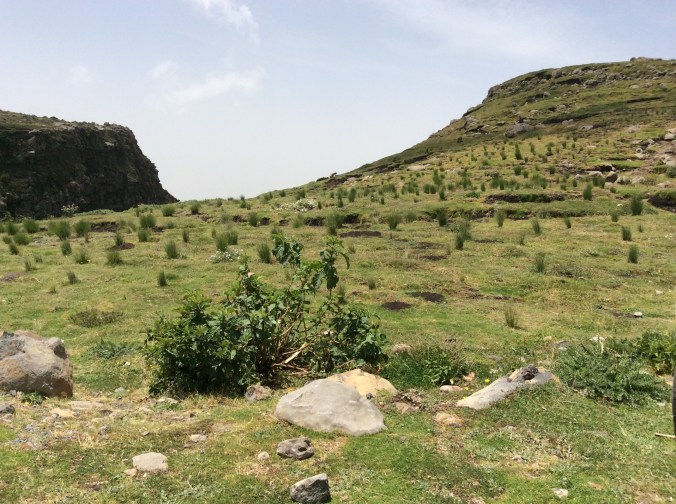
IMG_0262

The large tufts of grass provide food for the gelada which are grass eating herbivores, the last of the grass eating primates.  All others are extinct.  This same grass is used by the locals for roofing material so boys stay in these areas all day chasing off the baboons.

IMG_0264

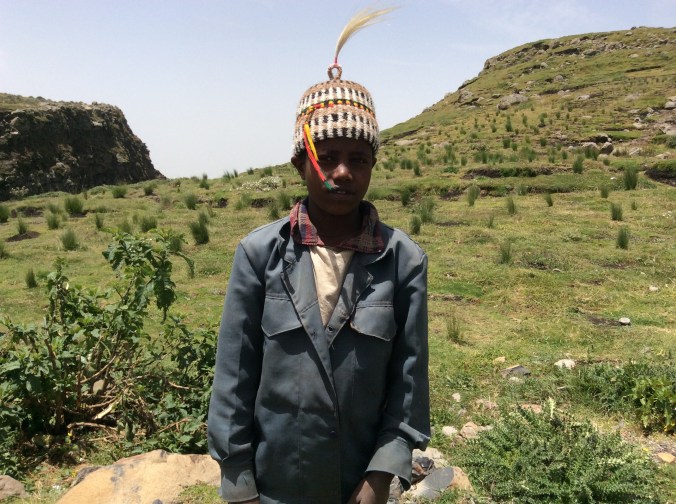
To keep themselves busy they weave woolen baskets and hats to sell which they display in the grass.
IMG_0267

This ten year old boy happily donned the hat he had made.  I bought it for my grandson who was the same age when I took the trip.

IMG_0268

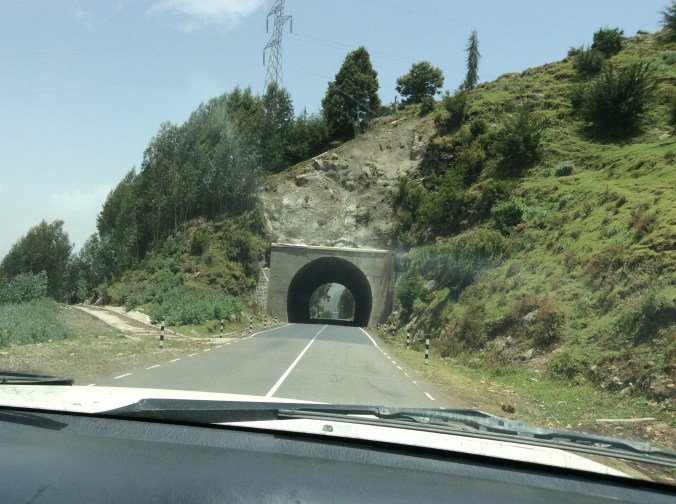
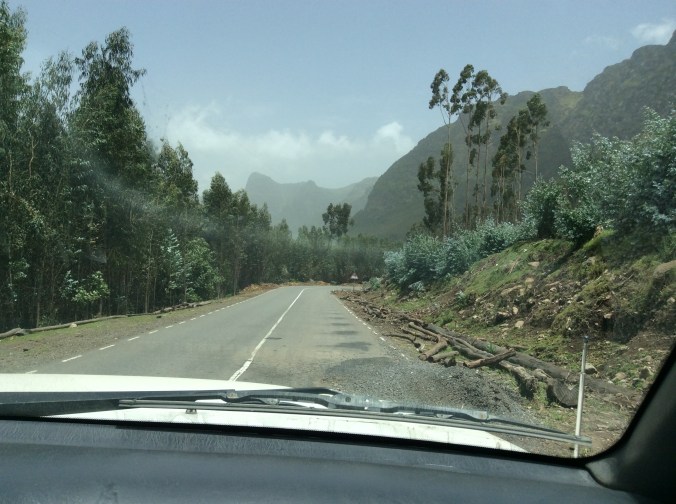
Except for the different vegetation, driving down the mountain looked a lot like driving through Colorado.
IMG_0271

IMG_0272

IMG_0276

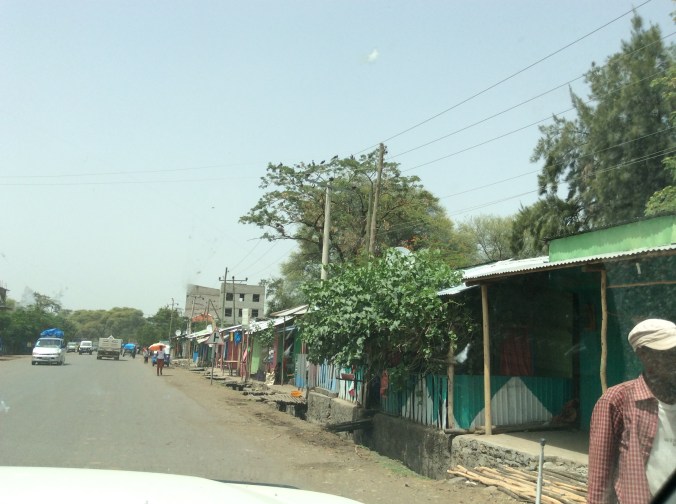
Down from the mountain the landscape appears quite different and considerably drier.  We drove through several smaller towns on our way to Debre Birhan where we stayed the first night.
IMG_0279

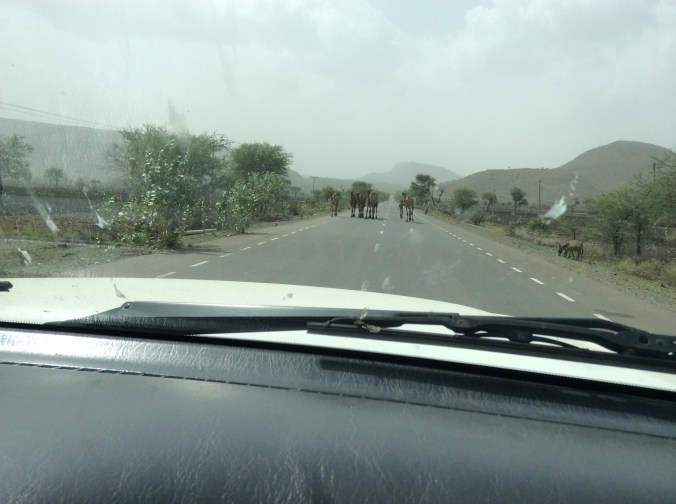
Driving in Ethiopia requires navigating around animals.  Everyone drives their cattle, camels, horses, all livestock down the road whenever possible.  The roads are generally very good.  Many, built by the Italians, have stood the test of decades.

IMG_0282

Along the road we saw many of these “apples”.  My friend told us how they played with them as a child.  However, the adults all warned the children not to touch their eyes when they did–it will make you blind.  They are called Apples of Sodom–so many things in Ethiopia have symbolic meaning.

IMG_0283

These fruit could be seen all along the road and even on the road.  After driving through this drier area we rose above a huge valley with miles and miles of grass.

IMG_0285

A semi-nomadic group brings their immense herds of cattle here in the rainy season to graze.  When we drove further on above the valley, I saw the first tractor working a field as big as this grazing land.


Ethiopian Journey–Addis Ababa


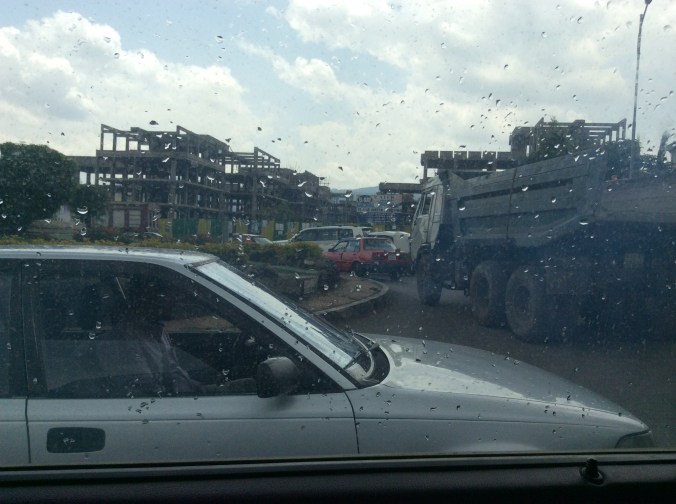
We spent a couple of days in Addis staying with my friend’s sister who lives there.  Addis traffic is incredible.  In a city with millions of people I saw only one traffic light and it was not working.  Most intersections are giant traffic circles and getting through them is a rather daunting task.  On the way to my friend’s brother’s house one day, we sat stuck for nearly one half hour–we could not get through the circle.  Finally, the passenger in the car to the right of us jumped out and stopped the traffic so we and his driver could get through.

IMG_0211

Additionally, it rained often, streets and buildings were under construction, and mud and potholes showed up everywhere.  This is a nice traffic circle.

IMG_0212

A nice day with little traffic.

IMG_0213

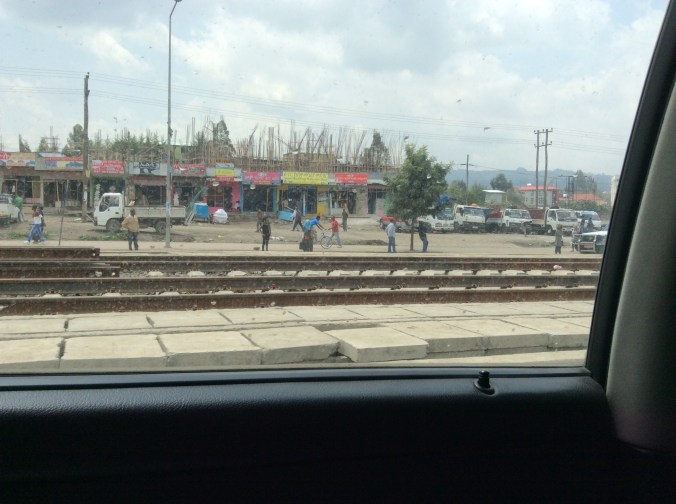
They were building a new rail line across the city hoping people would use the train instead of driving.

IMG_0214

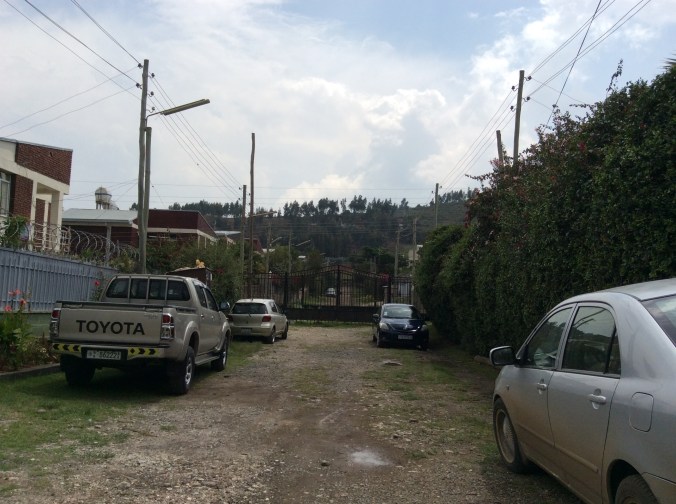
This is a typical residential street in a newer part of the city.  A gate with a guard can be found at each end of the street.

IMG_0215

In other parts of the city, houses have walls around them and you back your vehicle out into a street like this, then go to the main street.

IMG_0207

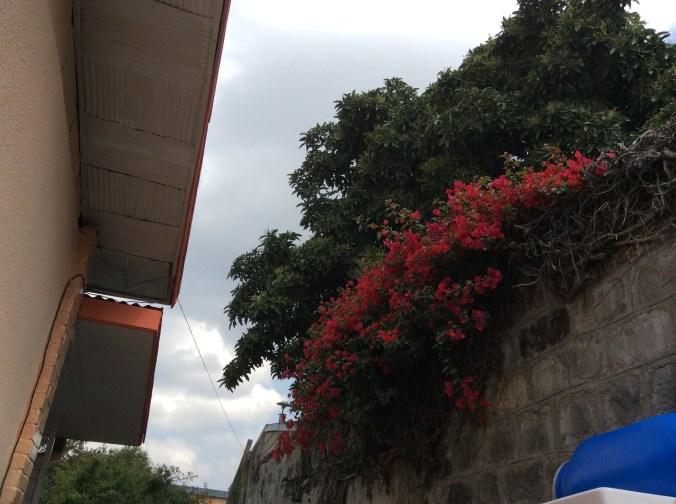
Walls around houses are not bare.  Lush tropical vines and flowers cover many of them.

IMG_0218

Many of the fancier, famous hotels, like the Hilton here, contain fountains and gardens. My friend and I could not resist a photo in front of the pool and fountains.

IMG_0219

After wandering around the Hilton we drove to see the grounds of another famous hotel where foreign diplomats often stay.  The plants in the foreground are papyrus.

IMG_0220

IMG_0222

These extensive gardens take a while to walk around.  Many of the plants and trees are labelled.  From here we could see the Addis skyline.
IMG_0227

We stayed in Addis a couple of days.  Before we left on a ten day road trip, my friend’s sister took us to a traditional restaurant.  I expected it to be filled mostly with tourists–was I ever wrong.

IMG_0240

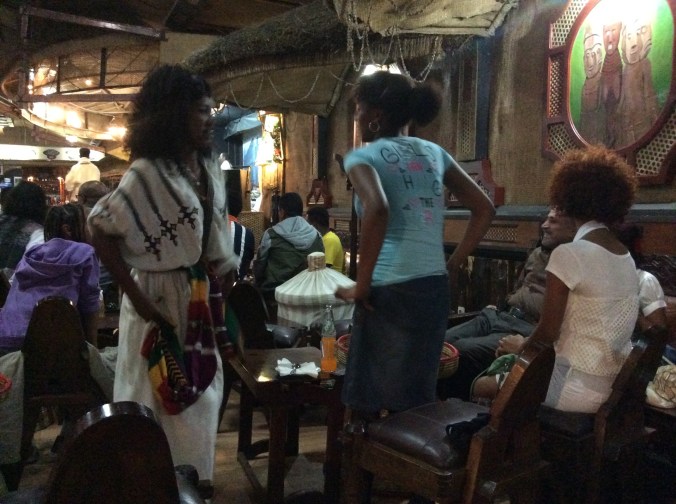
In addition to traditional food, this restaurant features traditional dancing.  Many locals came to compete, to try to out-dance the professional dancers.

IMG_0242

The lady on the left, one of the professional dancers, and the lady on the right having a little competition.  The lady on the left is dressed in traditional dress.

IMG_0243

In the background locals try to out-dance the professionals.


Ethiopian Journey, Dubai


If you have a long enough layover in Dubai, they put you up in their Emirates hotel and feed you in the cafeteria free.  The hotel is nice, the food excellent–quite a nice perk.  From the hotel it is easy to walk to several places as well as take a van tour around the city.  We did both.

IMG_0167

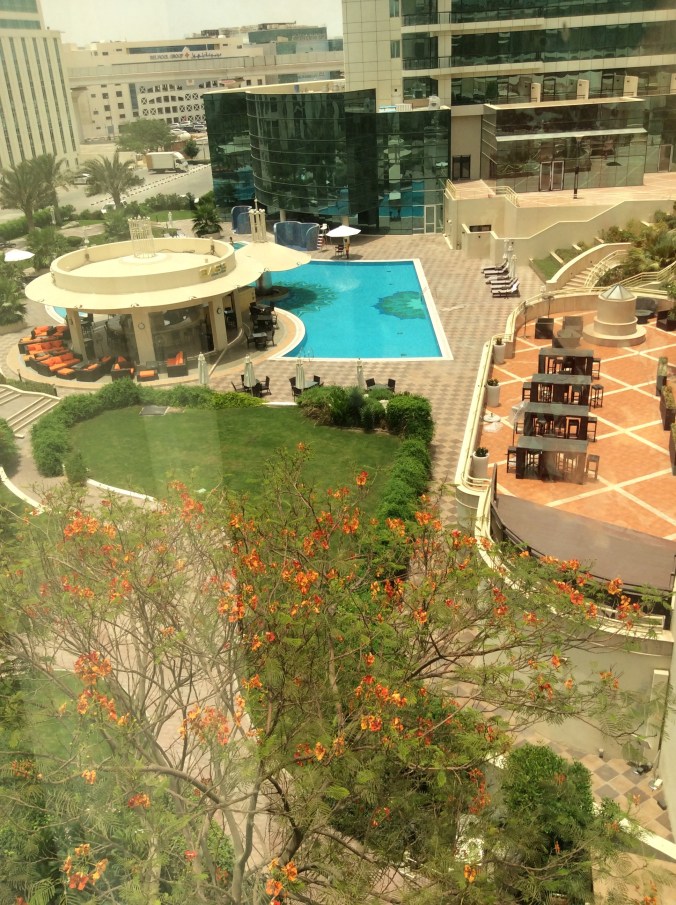
The view from my room.  The pool has a swim up bar but it is not open during Ramadan which was occurring two years ago when we were there.  Alcohol is available in some restaurants and bars but you must imbibe inside.

IMG_0169

One of the first places we visited on the tour was this mosque, designed to look like the famous mosque in Istanbul.  The following photos are of typical houses near the mosque.

IMG_0170

IMG_0171

IMG_0172

IMG_0180

Then we arrived at the beachfront of the Persian Gulf.  The water is warm, like lukewarm soup.  In the background two of the most expensive hotels in the world tower above the water.

IMG_0184

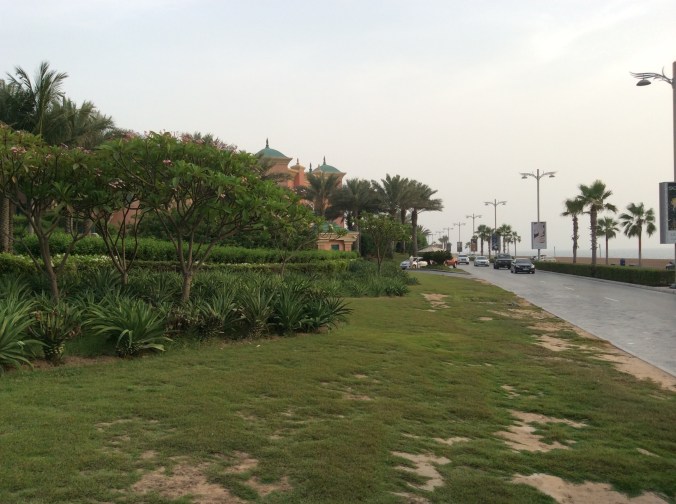
The street goes along the waterfront with luxury hotels on the left.  Many of these areas are fill–manmade peninsulas.

IMG_0185

You can visit the sister hotel in the Bahamas.

IMG_0189

Because of the fill, the fake peninsulas, it is easy to get a bit disoriented.  Plus during the summer there is so much haze, it is rather difficult to determine directions.

IMG_0190

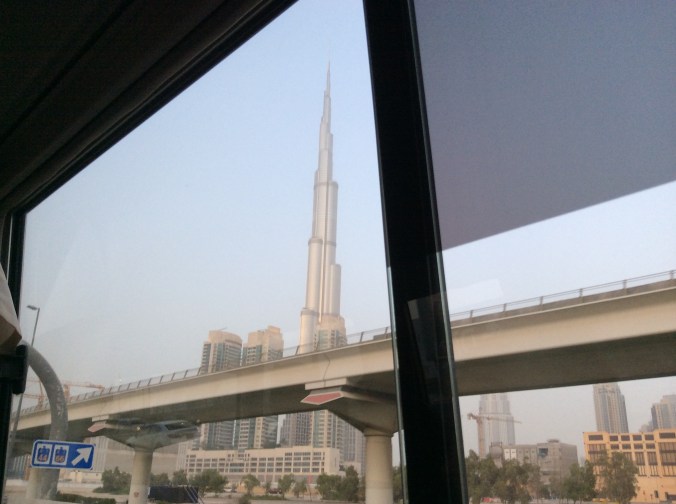
The tallest building in the world.

IMG_0191

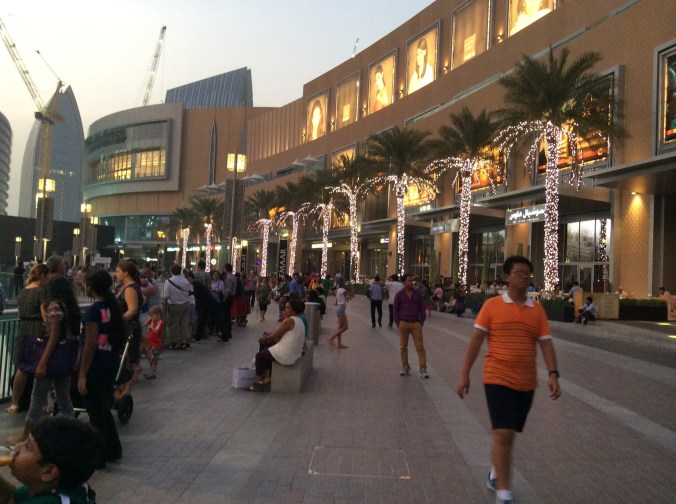
After visiting several smaller shopping areas, we arrived here, the famous Dubai mall.  This is the largest aquarium in a mall in the world. Here you see people from everywhere in the world dressed in every way imaginable.

IMG_0192

A children’s store across from the aquarium contained this lollipop tree with giant lollipops.

IMG_0194

In spite of high heat–it was 108 when we arrived–no wind and high humidity (yes, because on the Gulf, even though it is desert, the humidity is stifling), many people were outside awaiting the fountain show.

IMG_0198

One part of the skyline reflected in the lake.  The fountain show, synchronized with music, is worth the wait even in the heat.

IMG_0202

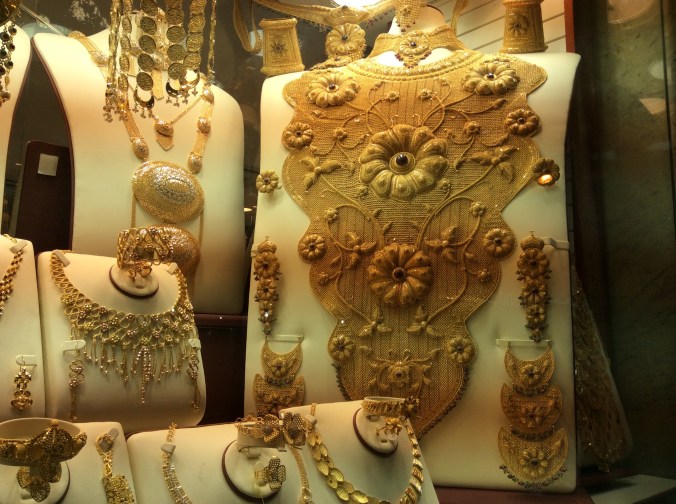
On to the gold and silver souk.

IMG_0203

Gold and silver are sold by weight.  You can also buy gold in shops at the airport; however, nothing quite has heavy and exotic as some of this.

IMG_0204

We did actually shop in the food shops and bought nuts covered in various spices to take along for snacks.

IMG_0205

Ethiopian Journey–The Beginning


Two years ago today, two friends and I flew from here to Dallas to Dubai.  The final destination:  Ethiopia, where I spent nearly three weeks with them and my friends’s family plus a road trip through the north.  Ethiopia was nothing like what one sees in the news, in famine photographs, nothing like the image most people in the USA have of it.  My main goal when I returned home was to show people photos and inform them what it really looks like, how incredibly beautiful it is there.  This mission continues two years hence.  For the next several weeks I plan to relive this journey and share it on my blog here.

It is a short trip from Amarillo to Dallas via air.  In order to carry the baggage allowed on Emirate Airlines, we first flew via Southwest to Love Field, then took a taxi to Dallas International.  If you plan to fly long distances, I highly recommend Emirates Airlines.  Compared with all the others I have experienced even coach class is wonderful:  bigger seat room, more than a hundred movies to watch, good food, an area where you can help yourself to fruit and snacks, unlimited wine and beer, and an international group of flight attendants.

From Dallas to Dubai is fifteen hours of flying.

IMG_0155

IMG_0163

People wonder why they fly over Greenland, Iceland, northern Europe to get to Dubai.  Do not look at a flat map.  Get a globe and trace the route.  It is the shortest way to go.  Dubai is not like many think here.  No, I did not see endless lines of Lamborghinis and Ferraris.  In fact, I do not recall seeing any at all.  Tomorrow, photos of Dubai before heading on to Addis.

Ranch Bones


w

Skull


Years of bones piled up.  Cattle–calves, yearlings, the old–heaped 100 yards

northeast of the ranch house, upwind from the summer, southwest prevailing

winds.  Mostly black baldies, a few Charolais.  Old bones bleached white,

disintegrated.  Some new bloated bodies rotting, nauseating.  Others just sundried

hide stretched over skeletons.  Drug here by tractor, the dead.  Shipping fever, parasites,

drought, extreme weather.


A ranch’s history written in bones.

Bones


Isabella


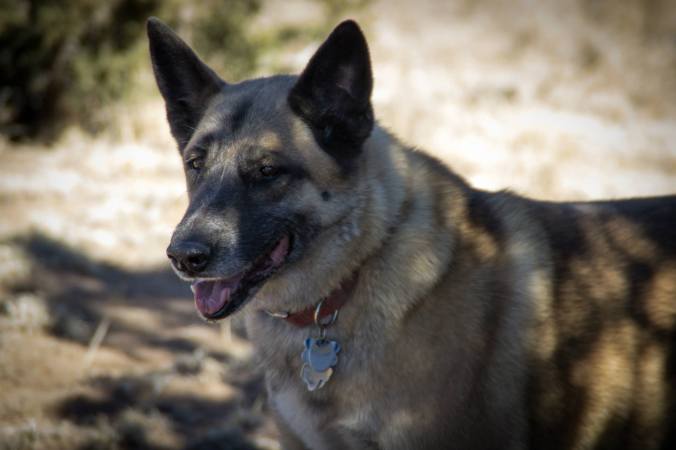
The bone is big, more than eighteen inches long.  Isabella–

wolf, German shepherd, blue heeler, 80 pounds, lies in cool,

emerald, native grass, gnawing.  What kind is it?  From where?

Half hour hiking cross canyon, through junipers, tall grass, searching.

Nothing.

One week later, while driving through the gate, I see the neighbor’s

black lab gnawing on identical bone.  Surprised, puzzled, I wonder

if it’s the same bone.  After running the eighth mile back to my house,

I find the old bone, three pieces scattered in the grass.  Not the same.

Neighbor tells me he hiked, searched.

Nothing.


no dead animal smell

meat scraps stuck to bone

we will never know


Gratitude by Esther Nelson


Here in the USA I hear so much complaining even about trivia and so little gratitude. I have also come to realize that gender still defines so much, limits what girls in particular think they can accomplish; girls still try to, as this essay notes, “make nice”, often failing to accomplish all they can be. It remains remarkable and a puzzle, as this essay notes, how some people can rise above negative circumstances while it destroys others.

Esther Nelson's avatarFeminism and Religion

esther-nelsonI’ve been in the midst of moving for almost a year, yet am still not finished with that onerous task.  My youngest son and family recently moved into the place I’ve called home since 1980.  I bought a small house in the vicinity and have just settled in after spending four months painting, cleaning, and hauling box after box to my new dwelling.  At the same time, I’ve been traveling back and forth to New Mexico busy with painting, cleaning, and remodeling my “retirement house.”

I’m tired.  Am also experiencing emotions that I thought I was impervious to.  I never perceived myself as somebody having an attachment to place, but a month or so before moving out of my old home, I began to feel nostalgic.  There was so much I didn’t want to leave behind–the woods, birds nesting in bushes around the property as well as on top of…

View original post 965 more words

Toxic Masculinity: “Masculinity Must Be Killed” by Carol P. Christ


Very thought provoking. I definitely will look for the pamphlet by Abdullah Ocalan.

Carol P. Christ's avatarFeminism and Religion

Carol Molivos by Andrea Sarris 2A few days ago I watched the movie An Unfinished Life starring Morgan Freeman, Robert Redford, and Jennifer Lopez. Though it was recommended as a sensitive psychological drama, and though on the surface level it criticizes (male) violence against women and animals, on a deeper level, it confirms the association of masculinity with violence, suggesting that violence is the way men resolve their problems with each other.

At the beginning of the film, Robert Redford, who lives on a ranch in Montana, picks up his rifle with the intention of shooting a bear who mauled his friend Morgan Freeman. This act of violence is stopped by local authorities who arrive to capture the bear. However, the bear is not removed to a more remote area, but rather is given to a local make-shift zoo where it is kept in a small cage. At the end of the movie, Redford frees…

View original post 1,003 more words

Making a Difference: Kiva Loans


To honor the death of a best friend’s father, I did as she asked, made a Kiva loan.  After looking through dozens of potential individuals and groups, I loaned 100 dollars to a group of women in the Democratic Republic of Congo to help fund their poultry raising operation.  Even though it has been less than six months, they have paid back more than half, paid on time regularly.

Some loan opportunities require even less money.  People often think their efforts don’t count, they are too small to make a difference.  Everything each person does makes a difference for better or worse.  Make a difference, act, speak out, contribute however you can to make our world a better place for all of us.