Breezes caress
Scents of jasmine, roses
Rainbow colors
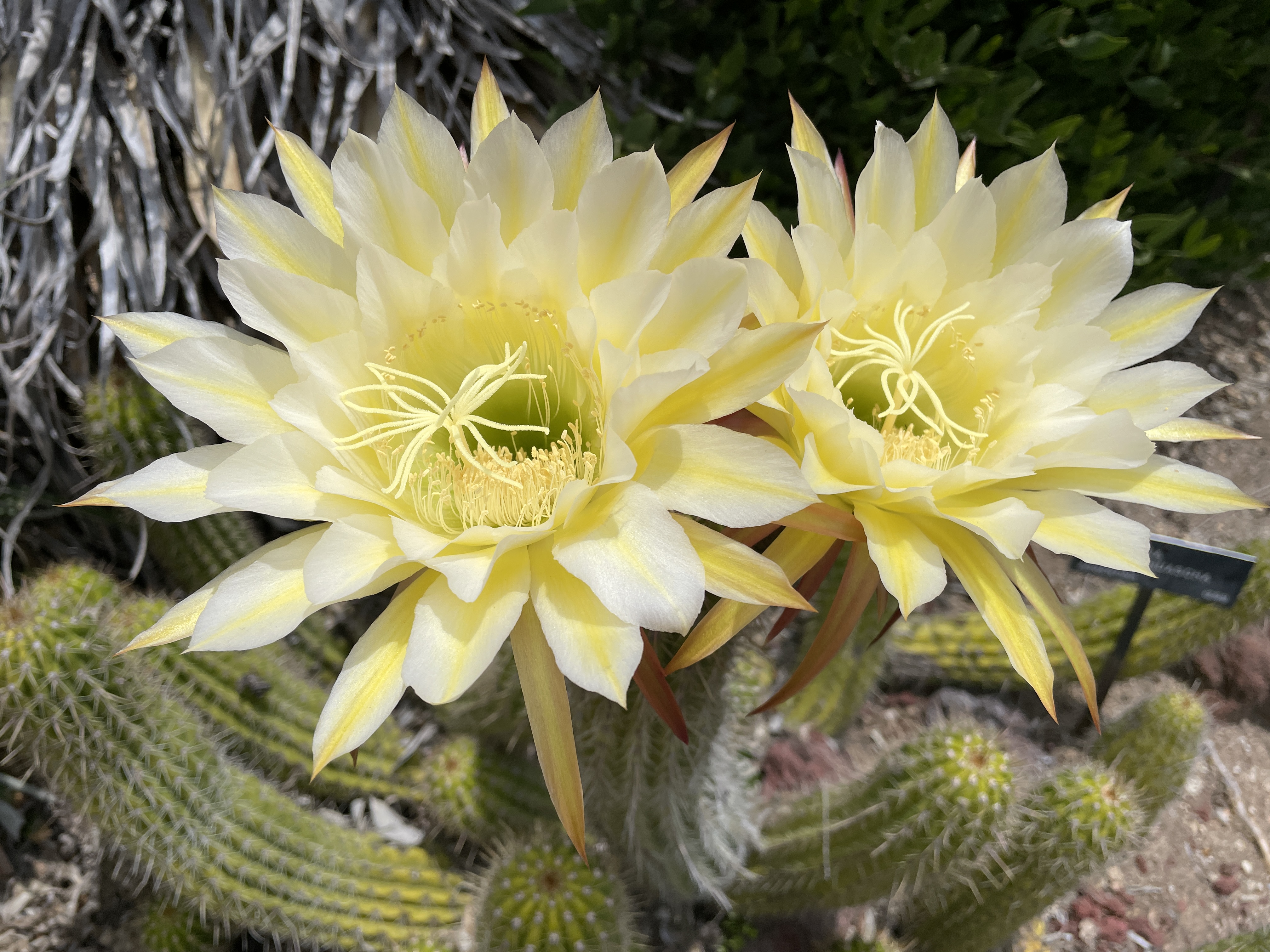


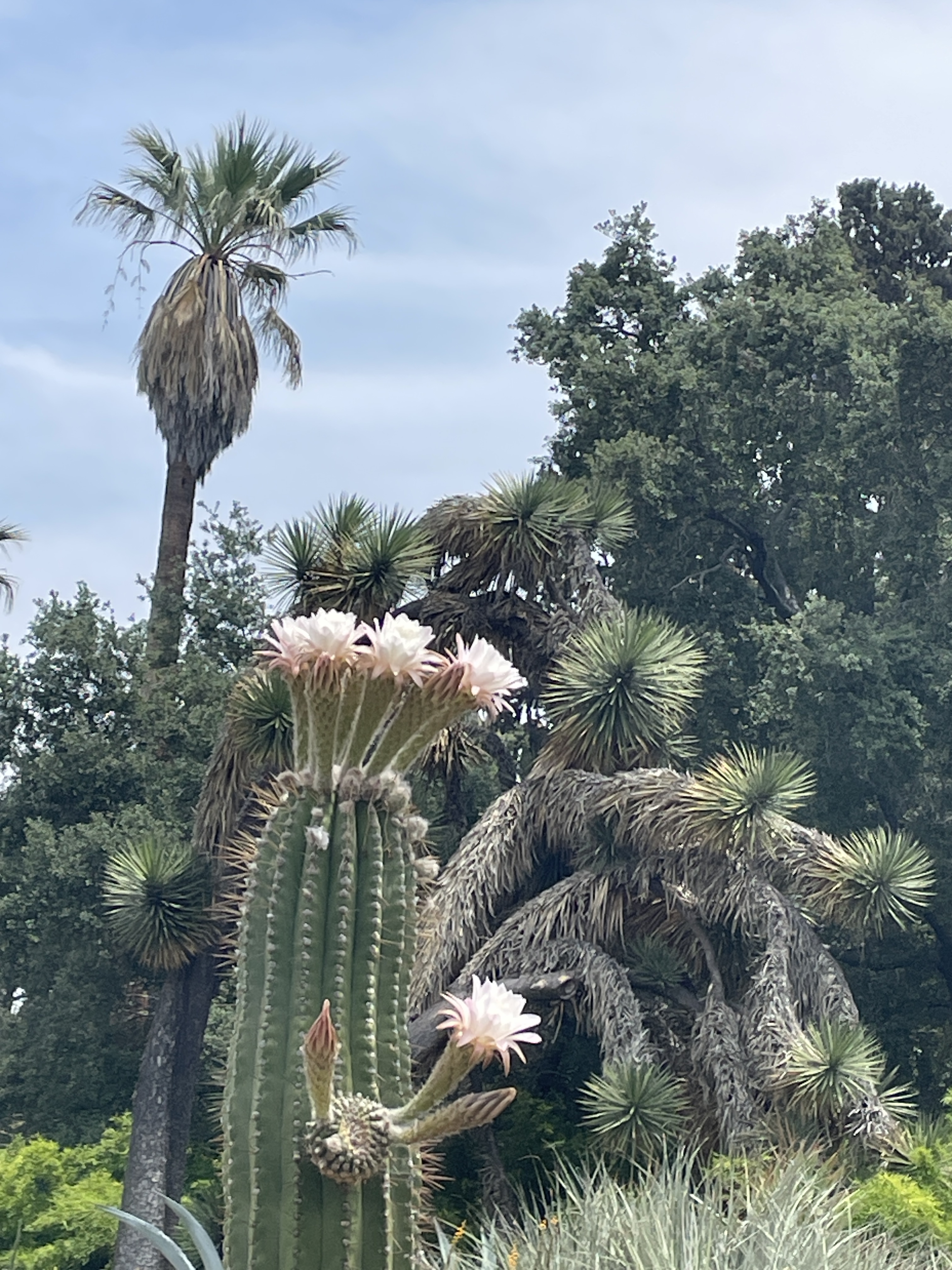

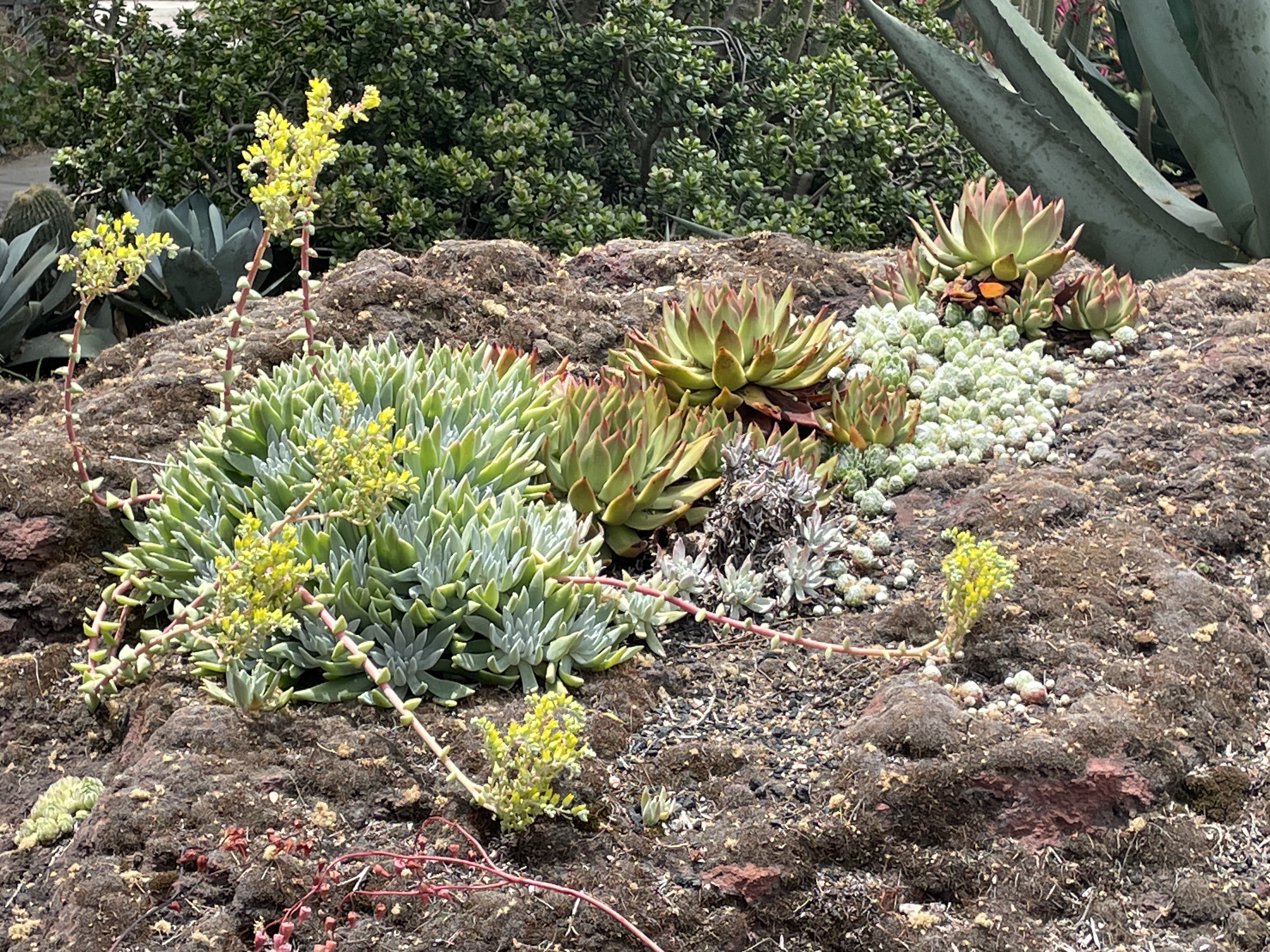
These are growing on a large rock.


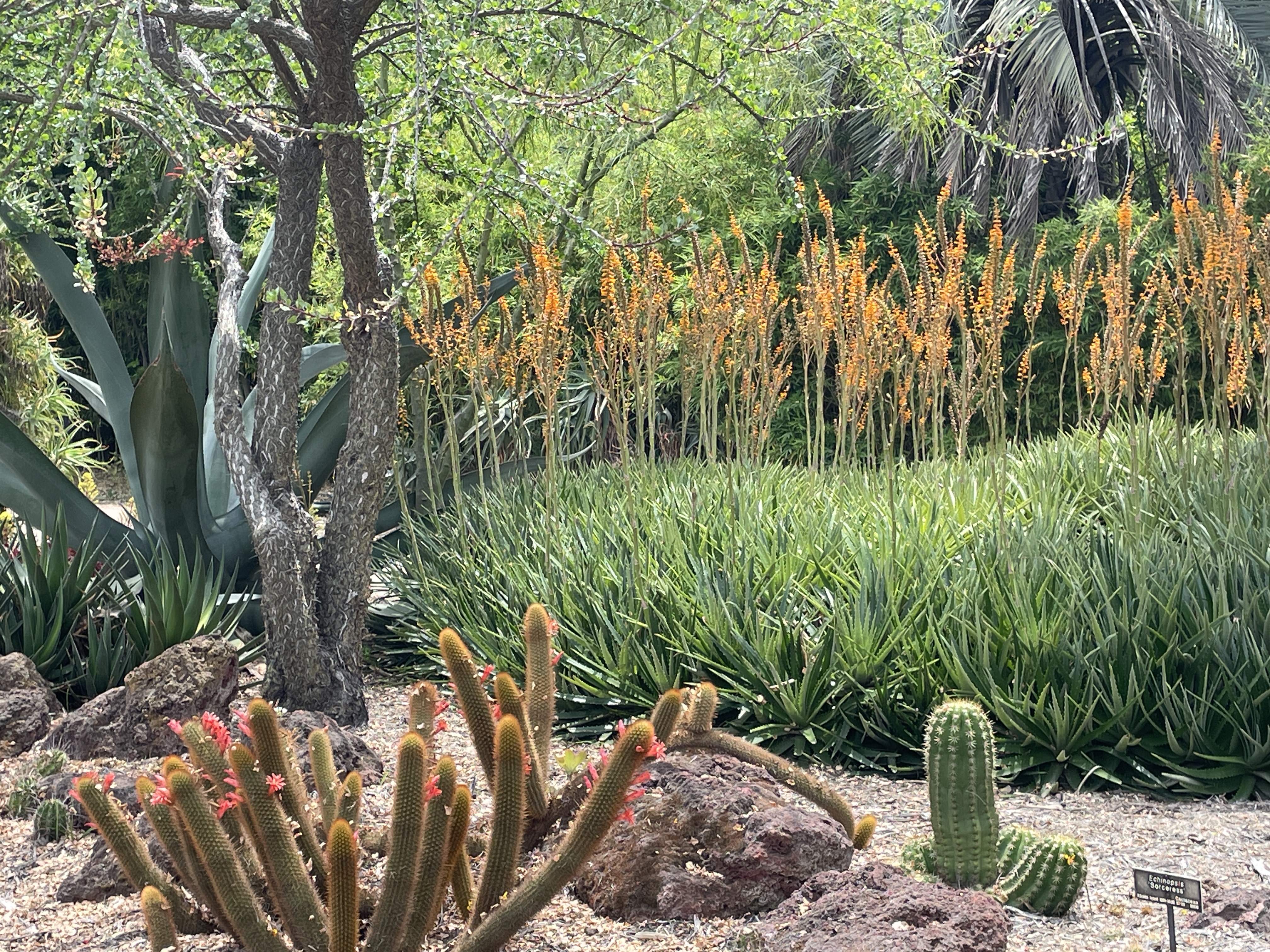
Breezes caress
Scents of jasmine, roses
Rainbow colors
These are growing on a large rock.
This latest Strout novel takes the reader back to Crosby, Maine, the site of most of her other novels. The same cast of characters appear, Olive, the Burgess boys, Lucy, William, Margaret, and all the others. This one, however, has a new twist, a heinous murder occurs. The most obvious suspect is the victim’s reclusive son who lived with her. Bob Burgess is hired as his lawyer. Lucy starts visiting Olive and they tell each other stories about people they have known , what Lucy calls “unrecorded lives”. Meanwhile, Lucy keeps asking, “What does anyone’s life mean?” Lucy and Bob take walks every week, spending the time talking about all the things they feel they cannot talk about with anyone else. William becomes more obsessed with the parasites he is studying and never quits talking about them.
This, like all of Strout’s novels, focuses on relationships, the good and the bad, and how they sustain us, sometimes transform our lives, sometimes nearly ruin us. Although, readers do not have to read her novels in sequence and this one could be read alone, I think it would make more sense to the reader to at least read three others first: “Olive Kitteridge”, “The Burgess Boys”, and “Oh, William”.
Strout has a unique, easy to read style, that is both simple and profound. She talks about people as they are with empathy and concern. She talks about the many forms of love–“…it is always love. If it is love, then it is love.”

After reading 17 serious books to date this year, I decided it was time to read something lighter and found this latest in the No. 1 Ladies Detective Agency series at the library. If you are looking for lighter reading, sort of mystery stories without murders, and insights into a different culture, Botswana, this series is for you. Start with at least several near the beginning of the series so you get to know all the main characters to fully appreciate what occurs and who’s who.
This novel gets its name from a traditional hotel located way out in the countryside far from city. It is a relaxing place with a lovely veranda and native gardens full of flowers and succulents. Strange things begin to occur–food poisoning, scorpions in rooms, laundry disappearing from the clothes line–too many for it to be by accident. The hotel manager comes to see Mma Ramotswe and Mma Makutsi for help. At the same time Mr. J.L.B. Matekoni has a male client who asks him to find him a fancy, red, Italian sport car without his wife knowing anything about it. With their customary good humor and kindness, these characters set out to solve the problems of the hotel and deal with the sports car issue.
As usual in this series, one learns that quite often people accuse the wrong person, that things are often not as they seem, and that your own prejudices and inclinations can lead you totally astray.
The characters in the eight stories of this collection are people touched by violence of one sort or another, reflective of the violence that has occurred in Colombia’s history. A photographer’s obsession for a woman with a traumatic past, a writer’s fascination with the history of a woman whose grave is outside the official cemetery, two people whose own personal shared histories meet at a grandiose ceremony pretending they do not know each other–are examples of all the tales of complexity found in life and how morals change over time. These are not stories for the faint of heart. They do reveal how traditions of the past harmed people in ways that do not occur today, how lies can catch up with the liar, and how often pretending to be someone you are not often fails.
Barbara Lewis Duke, pretty, petite, blue-eyed and blond, my
mother, one fearless, controlling woman. Long after Mom’s
death, Dad said, “Barbara was afraid of absolutely on one
and nothing.” They married late, 34 & 38. He adored her
unconditionally. She filled my life with horses, music, love,
cornfields, hay rides, books, and ambition. Whatever she felt she
had missed, my sister and I were going to possess: books,
piano lessons, a college education. Her father, who died long
before I was born, loved fancy, fast horses. So did she. During
my preschool, croupy years, she quieted my hysterical night
coughing with stories of run away horses pulling her in a wagon.
With less than one hundred pounds and lots of determination,
she stopped them, a tiny Barbie Doll flying across the Missouri
River Bottom, strong, willful, free.
Note: This was first published in an anthology and later in my poetry memoir, “On the Rim of Wonder.” My mom loved the color pink and roses, had a rose garden. In the summer there were always crystal bowls on the dining table with roses floating. Today I have roses floating in two stemmed crystal bowls in my kitchen.

Given the nature of the previous book I read by this author and this novel, I have come to the conclusion that she likes to create seriously disturbed, dysfunctional characters. The setting helps with the “mystery”–a somewhat remote island which really is not an island except when the tide comes in. Only one house with only one inhabitant, a steep wooded slope that ends in a rock outcrop with a long plunge to the sea, the disappearance twenty years before of the philandering husband of the famous artist who lived there, and now a lonely, strange, old woman living there alone add to the atmosphere. The relationships among several other characters reveal the continued class structure of British society, its effects. and add to the unsettling nature of the story. To top it all off, a gruesome discovery is made about an art exhibit of the deceased, famous artist who once lived on the island. Although not classified as a mystery, this really is several bizarre mysteries combined. If you like British stories, art, and mystery novels, you will like this novel.
Last year I read her novel “Gilead” which takes place in fictional, small, Iowa town in which the main character is the father of the main character in this novel, “Jack”. John Ames Boughton, Jack, is the wayward son of a Presbyterian minister. Previously, he has been wrongly imprisoned for a theft he did not commit. He loves literature, especially poetry. He lives off of odd jobs, drinks too much, smokes, and is somewhat of a lost soul who continuously philosophizes about live, religion, and societal rules. One day he sees a woman walking in the rain. When she drops her bundles on the sidewalk, he helps her. She thinks he is a preacher because of the way he is dressed and invites him in for tea. She is Della Miles, a teacher and the daughter of a Black Methodist minister. This is the story of interracial love when it was still illegal in the US, the lengths they go to resist and hide it, and the reactions of her family. Reading this, one realizes how it was not that long ago that most of the US was not only segregated, but sometimes even talking to someone on the sidewalk from another race could get a person into trouble with the police.
Imagine a society where everyone has shelter and love.
My 15th book of the year was “Imagination, A Manifesto”, Ruha Benjamin. After going over the history of racism, poverty, and misogyny in the US, the author, a professor at Princeton, details various ways individuals and groups can imagine and act toward creating a better world for all. She delineates the endless obstacles to attaining this better world but claims through collectively imagining detailed ways the world can be better, people can work together to attain such a world. She admits individuals rarely have the power to do this alone but working with others, we can make dramatic differences, but first we have to imagine what this better world will look like. We now are prisoners of hierarchies, exploitation, and frequent violence, but it does not have to be this way. The Appendix includes Discussion Prompts, Project Based Prompts, and Speculative Prompts to help readers get started imagining differently. She quotes Toni Morrison–“Dream a little before you think.”
Imagine a world full of roses.


This is one of the most heart wrenching books I have ever read. As a child, the main character, David Winkler, discovers he possesses the ability of premonition via dreams that come true. Only his mother understands him; unfortunately she dies while he is still young, leaving him with father who is only physically there. He becomes an hydrologist, specializing in the structure of snowflakes, leading a rather lonely life as a weatherman in Alaska. While at the grocery store, he meets a woman. He knows what she is going to do before she does it. Eventually, they develop a relationship. The remainder of the novel details the consequences of their relationship and their having a child, Grace. David dreams that he will not be able to save Grace from flood waters, his wife thinks he is crazy, and then to avoid what he perceives will be Grace’s fate if he stays, he disappears. Eventually, he arrives hungry and destitute on a Caribbean island where he is taken in by a kind family who have escaped imprisonment in Chili during the military dictatorship there. He agonizes over whether his running away saved Grace and is unable to find out what happened to her. Eventually he saves up enough money to search even though he has no idea where she might be or how she will react of he finds her alive. Will her mother forgive him, will Grace if he finds her? He is driven to find out no matter the consequences.
This novel’s main themes include love, longing, forgiveness, the meaning of friendship, and the human search for grace.
Note: I have now read everything published by Anthony Doerr. His works contain beautiful prose and detailed descriptions. One of the most impressive things about his work is the amount of research required to write in such great detail about so many subjects, e.g. structure of snow flakes, the anatomy of different types of shells, the history of the city now called Istanbul and its ancient neighborhoods.
Travel the World 4 Less
A Glimpse into My Life & Passions
Ceto-Magoism, the Whale-guided Way of WE in S/HE
Exploring the F-word in religion at the intersection of scholarship, activism, and community.
ANCESTRAL FOOD. HERBAL WISDOM. MAGICAL COOKERY. SEASONAL CELEBRATION.
inesemjphotography
politics, engineering, parenting, relevant things over coffee.
Food is the best expression of every emotion. Explore through my reviews, recipes, events and more.
Smile! A Site for Friends Wherever You Are!
inspiring personal growth through poetry and writing
Combining atheism with whimsy. This is a Fair and Balanced blog based on opinion unencumbered by fact.
Odds and ends ~ My Life
Original poetry, commentary, and fiction. All copyrights reserved.
bripike@gmail.com
A wildlife filmmaker in Africa
A Geeky Feminist's Musings On Pop Culture
"5 minute walks"
 writingontherim