Breezes caress
Scents of jasmine, roses
Rainbow colors
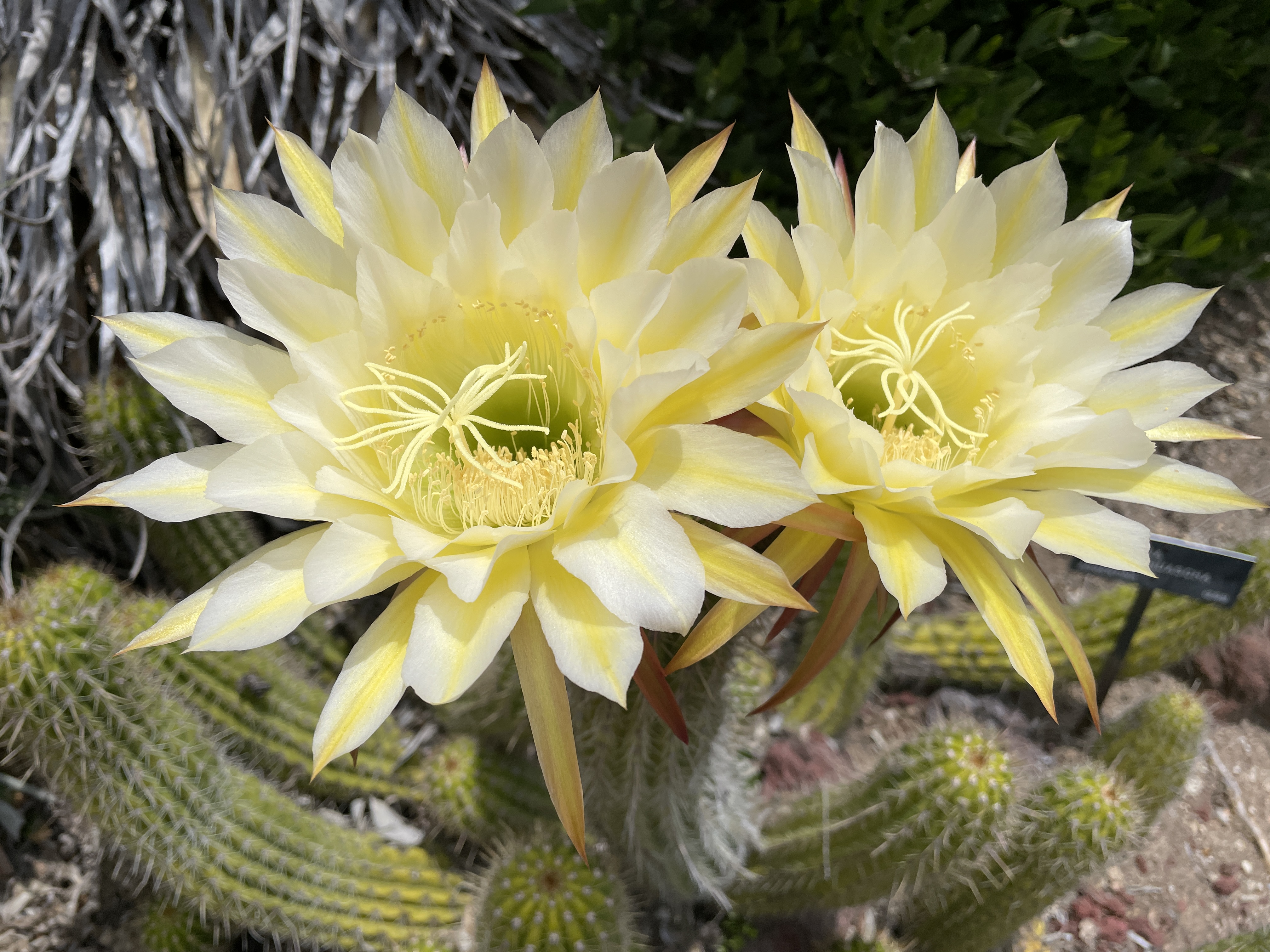


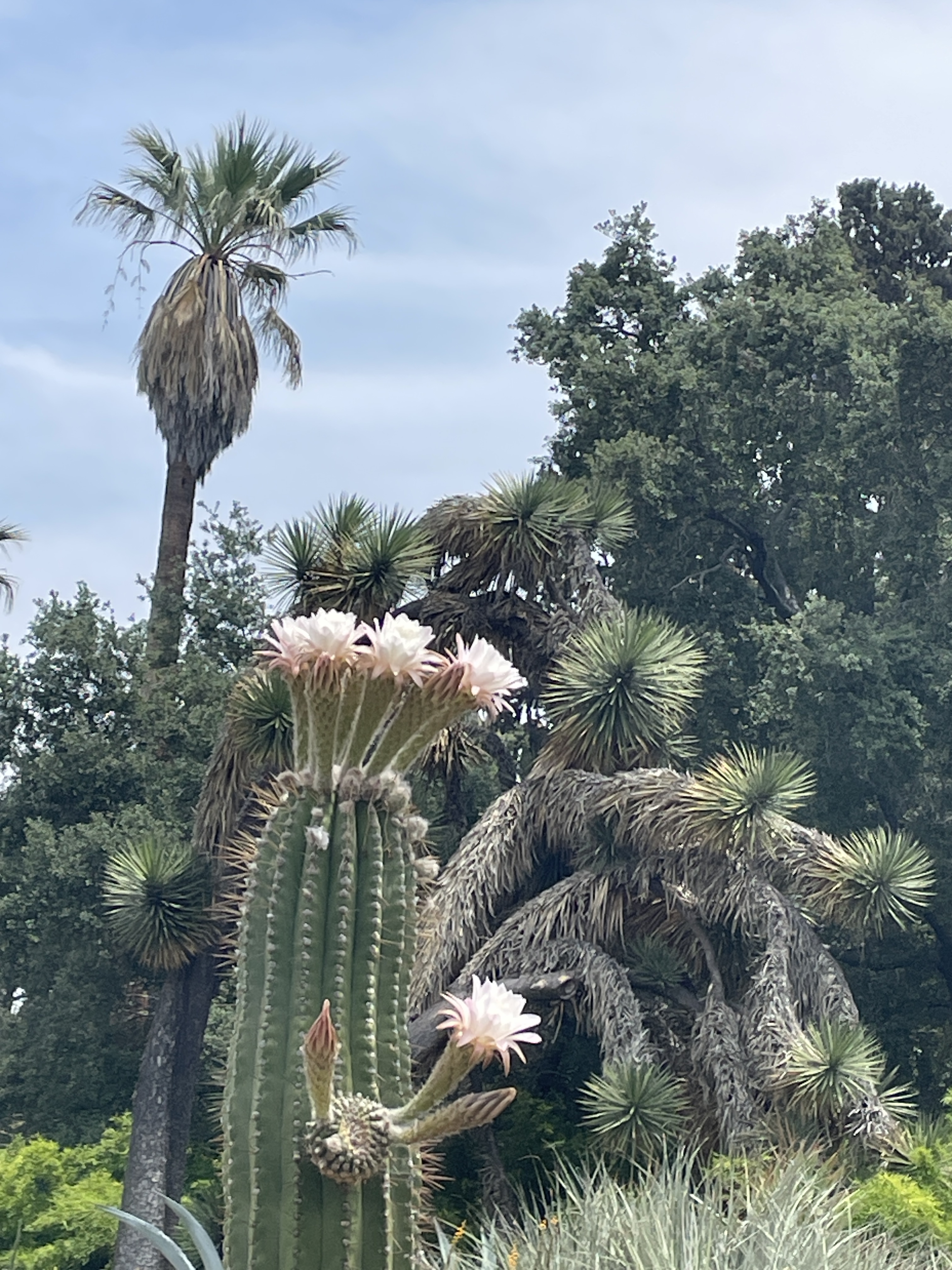

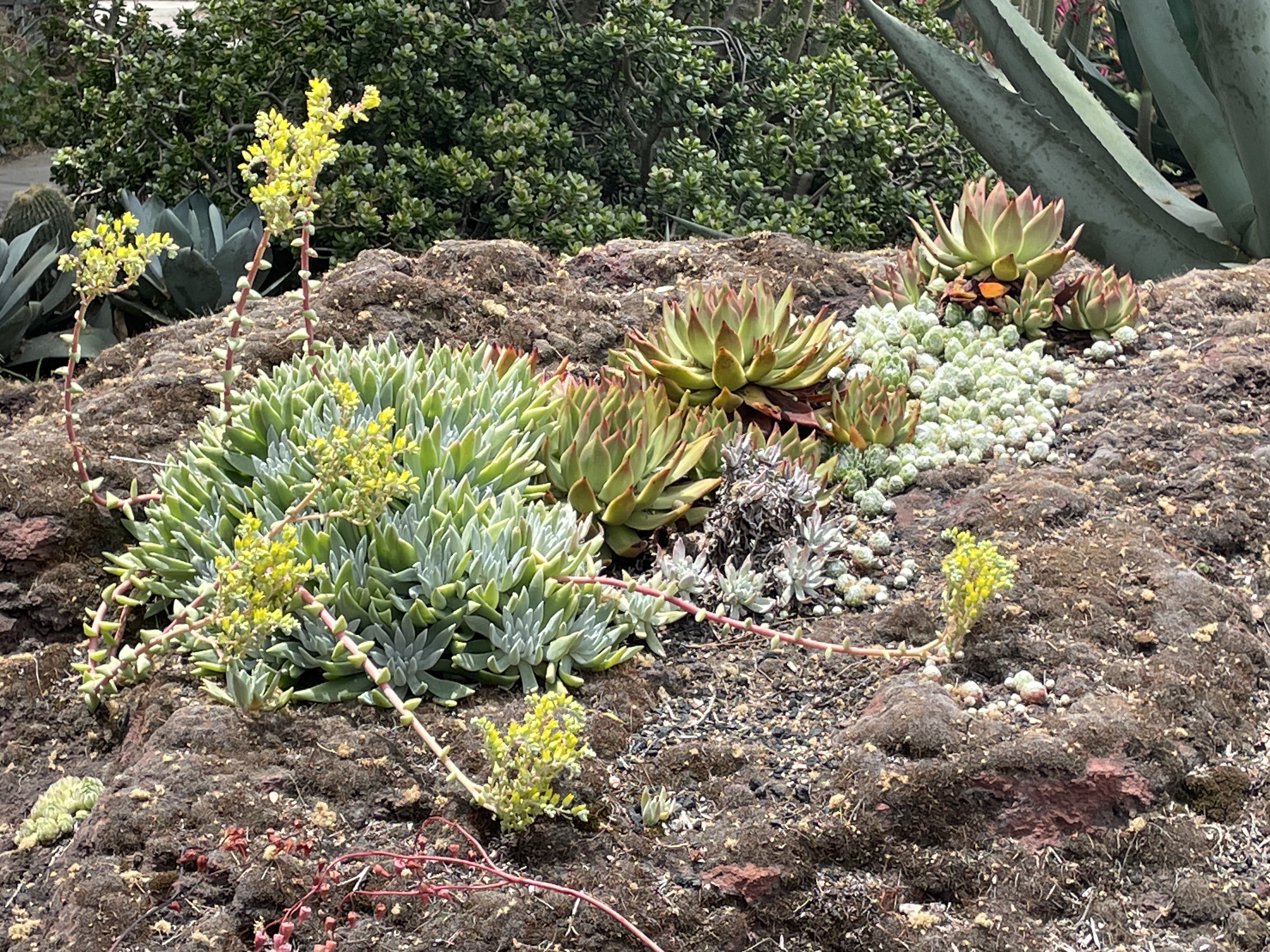
These are growing on a large rock.


Breezes caress
Scents of jasmine, roses
Rainbow colors
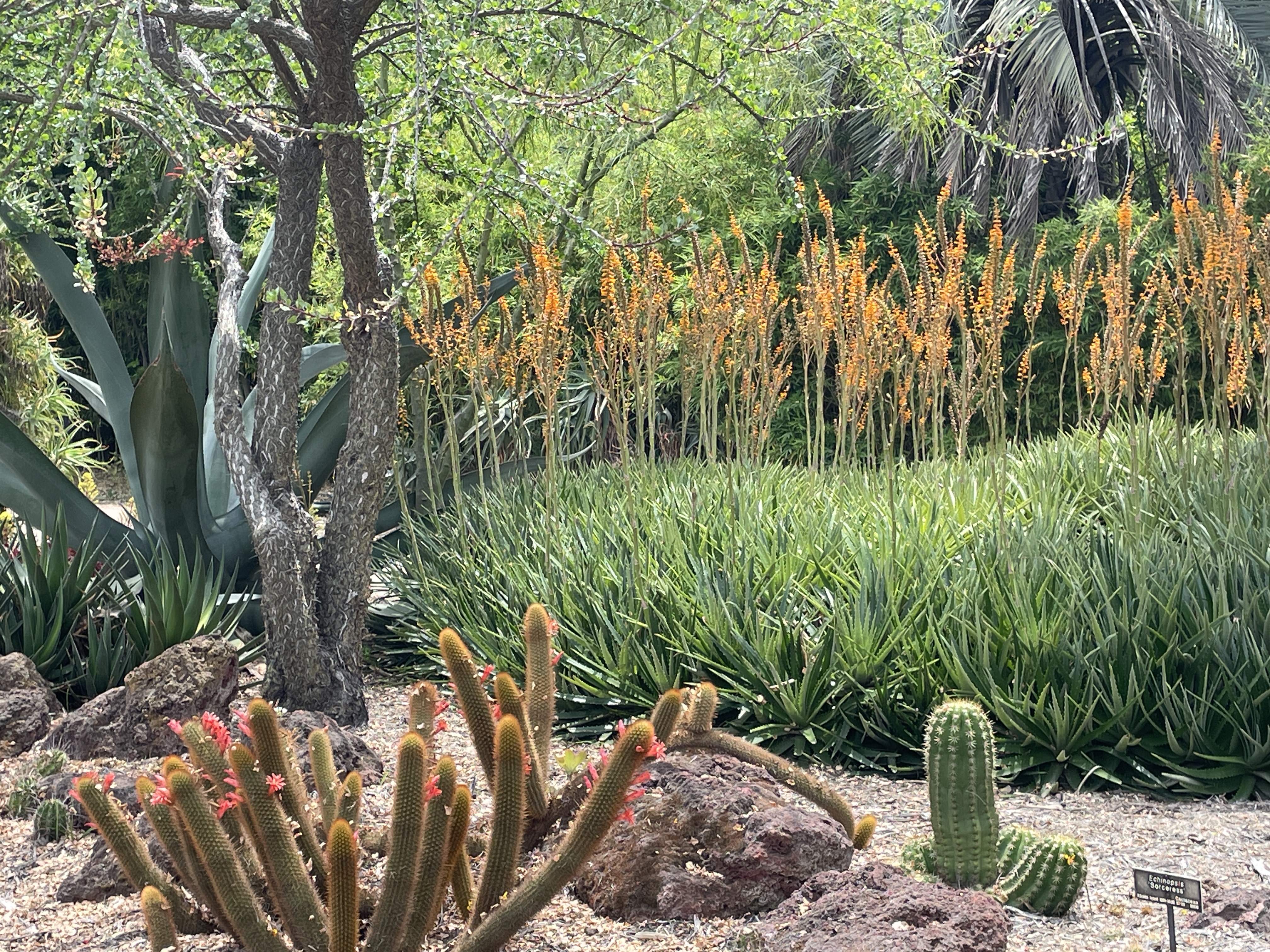
These are growing on a large rock.
Imagine a world full of roses.


Taste the honey on your tongue
avocado, dark brown
clover, golden
so many shades, textures
sweetness
pleasure
Feel the breeze caress your cheeks
bringing scents
honeysuckle
lilacs
peach blossoms
pleasure
Touch the silken fabric of your scarf
wind softness around you
midnight and snow
rainbows
desert sunsets
pleasure
Listen to the birds outside your window
mockingbird love songs
a rapture’s scream
the whir of hummingbird wings
emerald, indigo, grey
pleasure
Look at flowers blooming everywhere
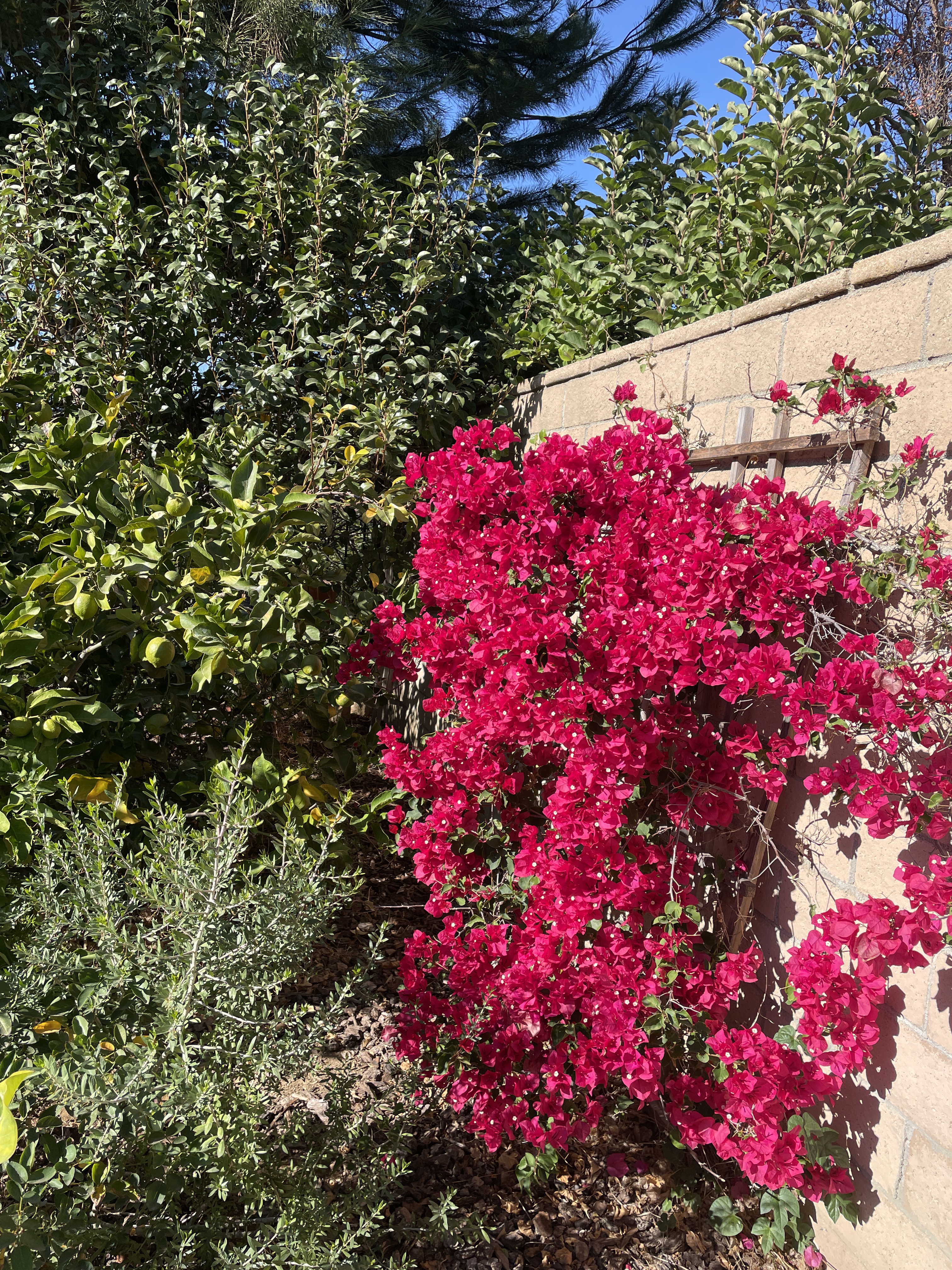
crimson bougainvillea
roses, sunshine colors
pale pink, vermillion
beauty
pleasure
Sing a song of Gratitude
I am a bit behind so decided to share three poems I wrote more than ten years ago about my favorite animal obsession, pumas. These poems were first published in my poetry memoir, On the Rim of Wonder, which is available on Amazon and Barnes and Noble.
I
My neighbor walked out her door
found a puma lying in the lawn.
Puma rose, stretched, disappeared.
At night when I open my gate
I wonder if she lurks
behind the cedar trees,
Pounce ready.
My daughter dreams puma dreams:
a puma chases her up a tree.
There are no trees here big enough to climb.
A Zuni puma fetish guards my sleep.
I run with puma
Night wild
Free.
I scream and howl
Moonstruck
Bloodborn.
I hike the canyon,
stroll around my house,
look for puma tracks.
I see none.
I would rather die by puma
than in a car wreck.
II
I watch for eyes, blue changing to amber and back.
I put my palm, fingers stretched to measure, into the footprint.
Too small, bobcat.
No puma.
My thin body squeezes between the rocks,
climbing quietly down the cliff.
Watching, listening, searching.
No puma.
Pale amber rushes across my vision line.
My heart quakes.
I watch; I wait.
It is Isabella, a golden whir chasing rabbits.
No puma.
At sunrise, I walk the rim,
watching.
At sunset, I walk the rim,
waiting.
At night, I walk the rim,
dreaming.
No puma, not yet.
III
I want
to walk
with you
in my dreams
scream your screams
feel your blood
rushing
your heartbeat
mine
soft golden fur
wound in my hair
your amber eyes
glowing
through my brown
death defying
together walking
moonlit
wild
free

Note: My puma obsession continues. This painting and several others of pumas hang in my house. I now have two puma Zuni fetishes. I hike in the mountains hoping to see one in the wild.
I.
Why
and
What
draws me
to
witches
herbal secrets
moonlight
night riding
ancient ruins
and
archaic codes.
It is the Goddess blood I carry,
remembrance of a past
when women ruled
when peace reigned
and ALL were healed.
II.
Woman, wondrous, wild
daughter of the moon,
mysterious, magnificent
fierce secret keeper
guardian of the universal key.
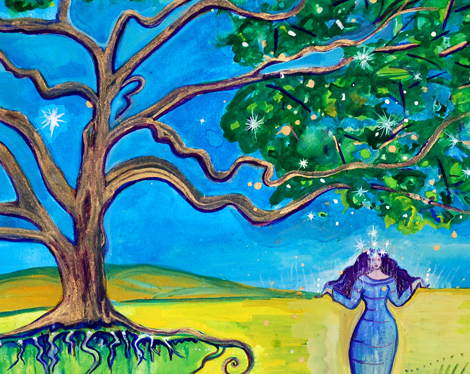
Note: These poems were originally published in my book of poetry, “On the Rim of Wonder”, available online at Barnes and Noble and Amazon.
After reading his other collection of short stories, I ordered this one which is an earlier collection. Once again, he does not disappoint. One of the stories, “The Hunter’s Wife” won the O’Henry Award and has to be one of those most touching and unusual stories I have ever read. One main character, the man who makes his living guiding hunting parties in Montana, becomes obsessed with a young woman he sees in a magic show and follows her everywhere. When he first meets her, she is underage and he does nothing. Later when she is older he relentlessly pursues and marries her. After years of enduring the hardships of living in a remote cabin in the mountains, she leaves. She has always possessed the ability to feel the emotions of both other humans and animals and begins to make her living using this ability to help people. After never seeing her for twenty years, the hunter comes to one of her events. The story details the years between their first meeting and what happens when the hunter attends this event.
The title story, “The Shell Collector”, details the life of a blind expert on certain kinds of sea shells and the marine life that inhabit them, some of which are poisonous. He moves to a remote Pacific island, becomes familiar to those who live there. After a local child becomes ill and her father thinks the shell collector saves her, his peaceful life as he has known it becomes totally upended.
All the stories are notable but another one I found fascinating is “Mkondo”. The main character, Ward Beach, works for a natural history museum and goes to Tanzania to study and collect specimens. While there, he becomes fascinated with a young woman he sees rapidly running through the forest. The rest of the story details his pursuit, their life together, their separate lives, and questions the meaning of what is considered success in life.
I generally am not a short story reader but Doerr’s stories are unique, insightful, touching, and carry a sort of magic not found in many novels or stories.

This book is part of a group read at the church where I sing. Classified as science fiction because it occurs in a society on the moon of a different planet far into the future, it is the cheeriest science fiction I have ever read. One of the main characters, Sibling Dex, is a tea monk who travels from town to town, village to village, dispensing the right herbal tea and “advice” to the people who come to see him. He becomes frustrated and bored with this life and decides to head out into the countryside, out into the untouched nature where all the old roads are overgrown or now non-existent.
Due to past experiences, these humans have freed all the robots after they became sentient, and they have an agreement as to where each lives. In addition, humans have decided to live very differently, leave a lot of nature to nature and so live only in certain areas, in bigger towns and small villages with some nature here and there, but most of nature is now untouched and left to do whatever nature does.
Dex heads out in his tea house wagon which he pedals to generate electricity. It is self containing and he has everything he needs for at least two weeks. At one campsite not too far into the wilderness, a robot named Mosscap appears. Mosscap has volunteered to go into human territory per the ancient agreement between humans and robots and learn about humans. Dex finds this a mixture of frightening, intriguing, and confusing. Yet he agrees to allow Mosscap to accompany him on his adventure. The rest of the book is about what they discover, what they learn from each other, and the future they plan.

On this new day in a new year
I want you to promise yourself to
-laugh when you see the sunrise
-dance in the moonlight even if you
think you cannot dance
-remember your best day ever, then
make a new best day
-hug your loved ones, tell them you
love them
-walk in nature, touch a flower.
A new year brings no promises.
The world contains too much violence, hate.
Yet you, yes, you your precious self
can transform the world,
project joy where you think there is none,
bring laughter somewhere, sometime,
reach out to others,
send positive vibrations into the universe.
You can make a difference,
make the world a better place.
Tis the season to…
Feel joy when the morning
sun caresses your face;
Laugh when you hear
children playing in the
street;
Give thanks for being alive,
having friends and family;
Walk down your street or
take a hike, touch a flower,
a tree and appreciate nature’s
simple bounties;
Remember the time your
loved one took your face
in gentle hands and smiled;
Give the gift of kindness,
peace, and compassion to everyone,
strangers, friends, family,
the unknown;
Promise yourself to live your
best self in the year to come,
to never forget that life
is a gift.
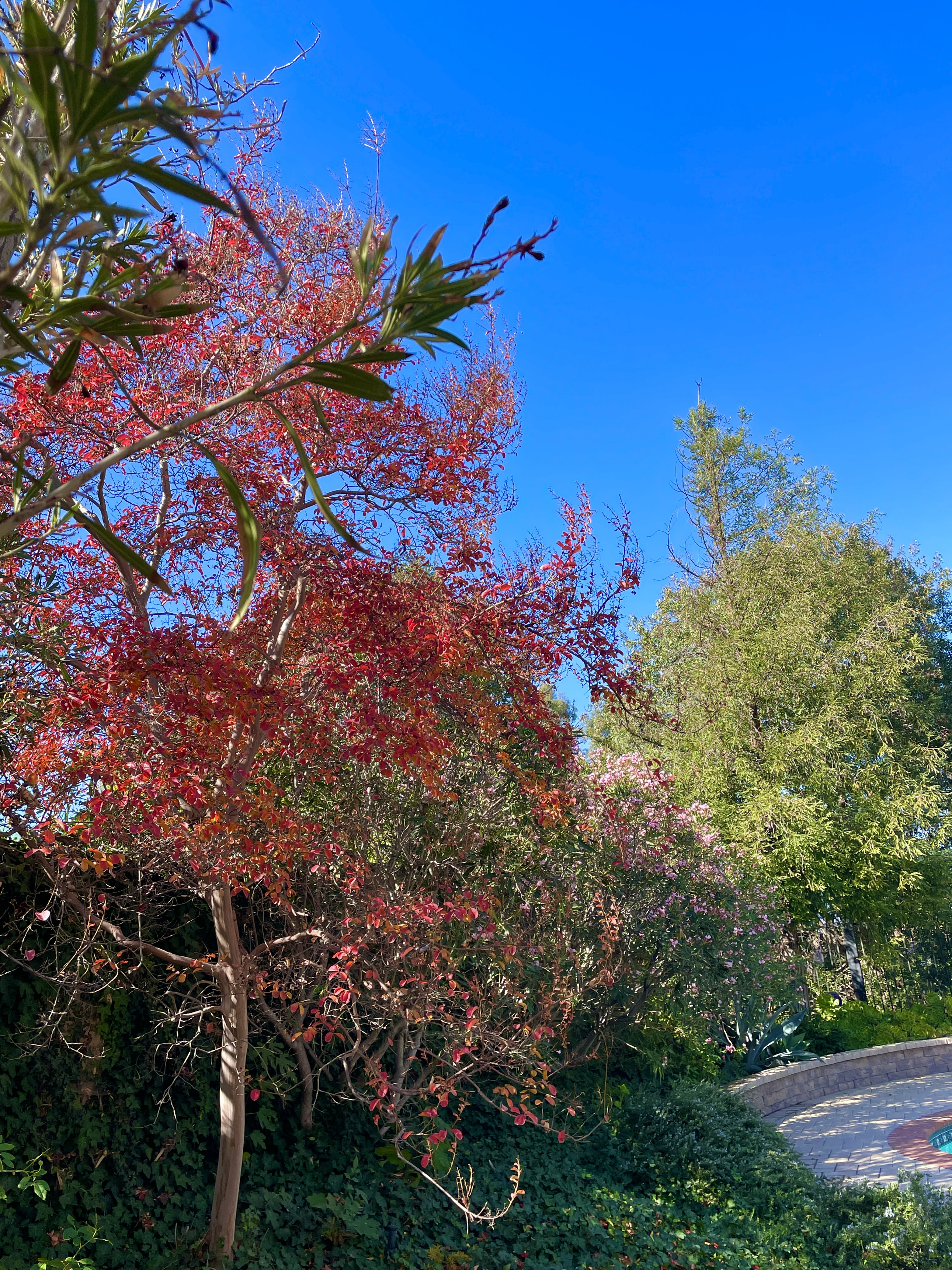
vibrant fall colors
bring joy
in a troubled world



Travel the World 4 Less
A Glimpse into My Life & Passions
Ceto-Magoism, the Whale-guided Way of WE in S/HE
Exploring the F-word in religion at the intersection of scholarship, activism, and community.
ANCESTRAL FOOD. HERBAL WISDOM. MAGICAL COOKERY. SEASONAL CELEBRATION.
inesemjphotography
politics, engineering, parenting, relevant things over coffee.
Food is the best expression of every emotion. Explore through my reviews, recipes, events and more.
Smile! A Site for Friends Wherever You Are!
inspiring personal growth through poetry and writing
Combining atheism with whimsy. This is a Fair and Balanced blog based on opinion unencumbered by fact.
Odds and ends ~ My Life
Original poetry, commentary, and fiction. All copyrights reserved.
bripike@gmail.com
A wildlife filmmaker in Africa
A Geeky Feminist's Musings On Pop Culture
"5 minute walks"
 writingontherim