reading,
listening to birds
the gurgling of water,
looking up to watch
four hummingbirds challenge
each other at the feeder, and
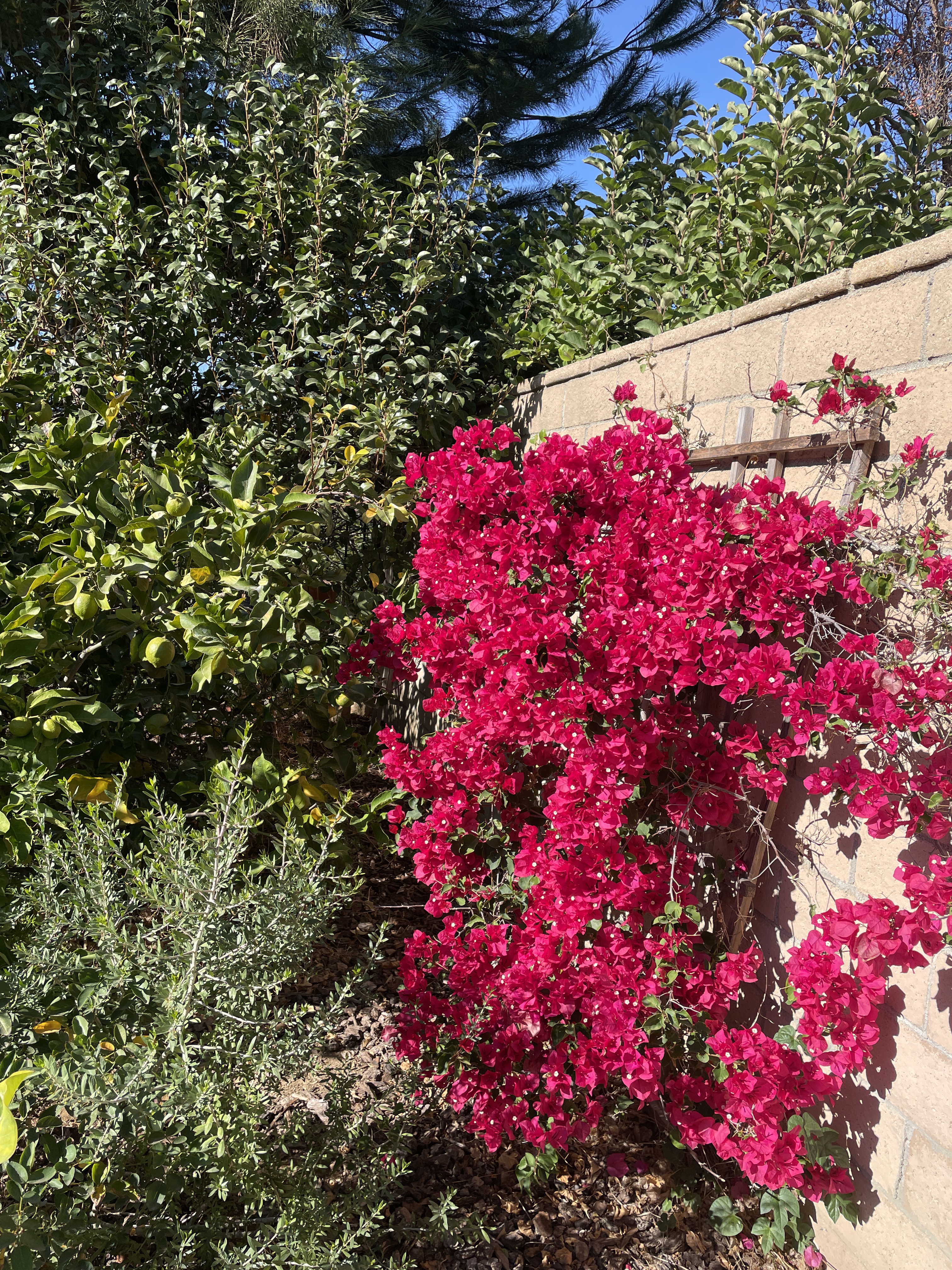
I notice I’m surrounded by flowers
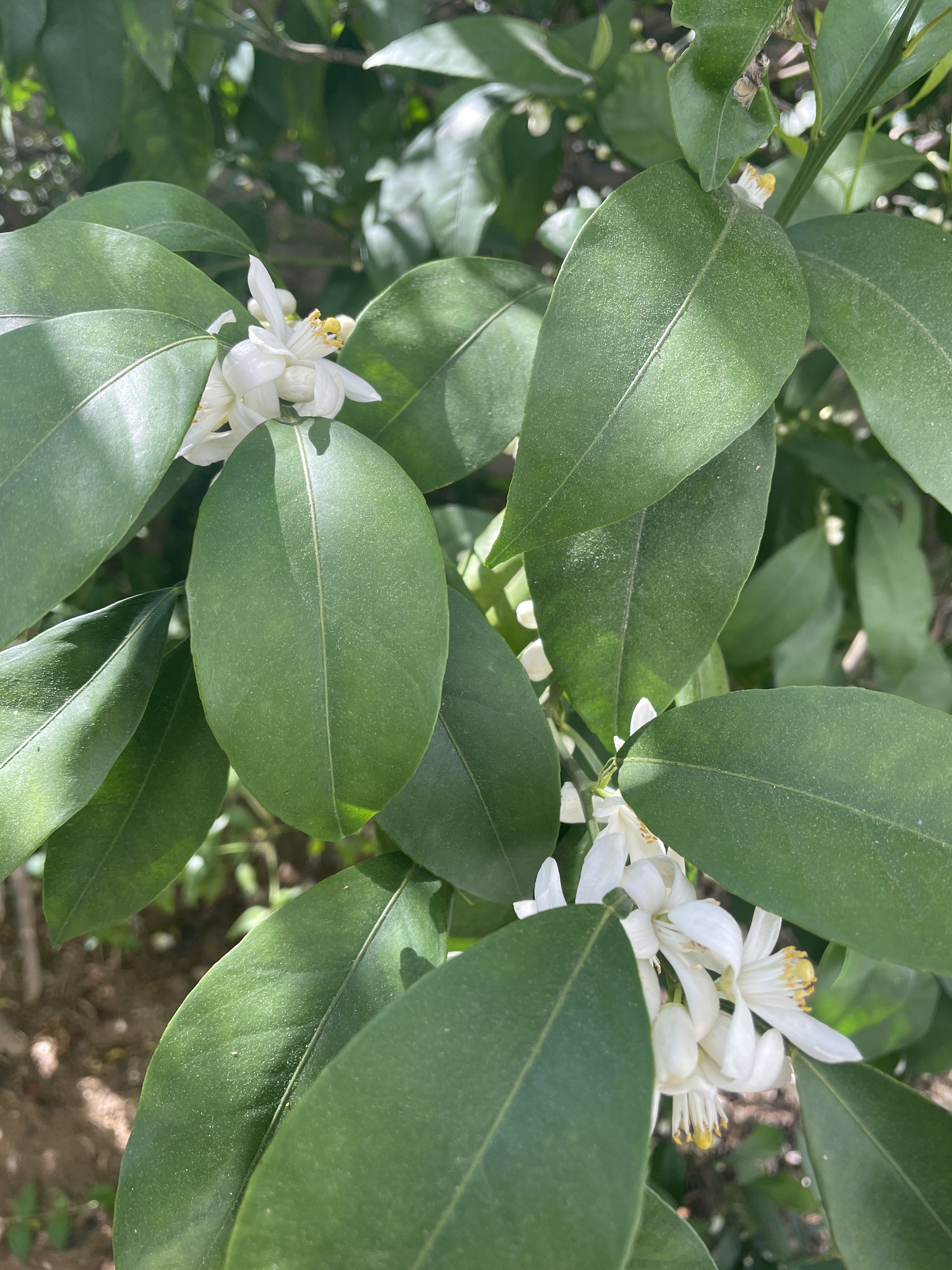
and the scent of orange blossoms.


reading,
listening to birds
the gurgling of water,
looking up to watch
four hummingbirds challenge
each other at the feeder, and
I notice I’m surrounded by flowers
and the scent of orange blossoms.
Spring
Bird songs
Bougainvillea wall climbing
Essence of orange
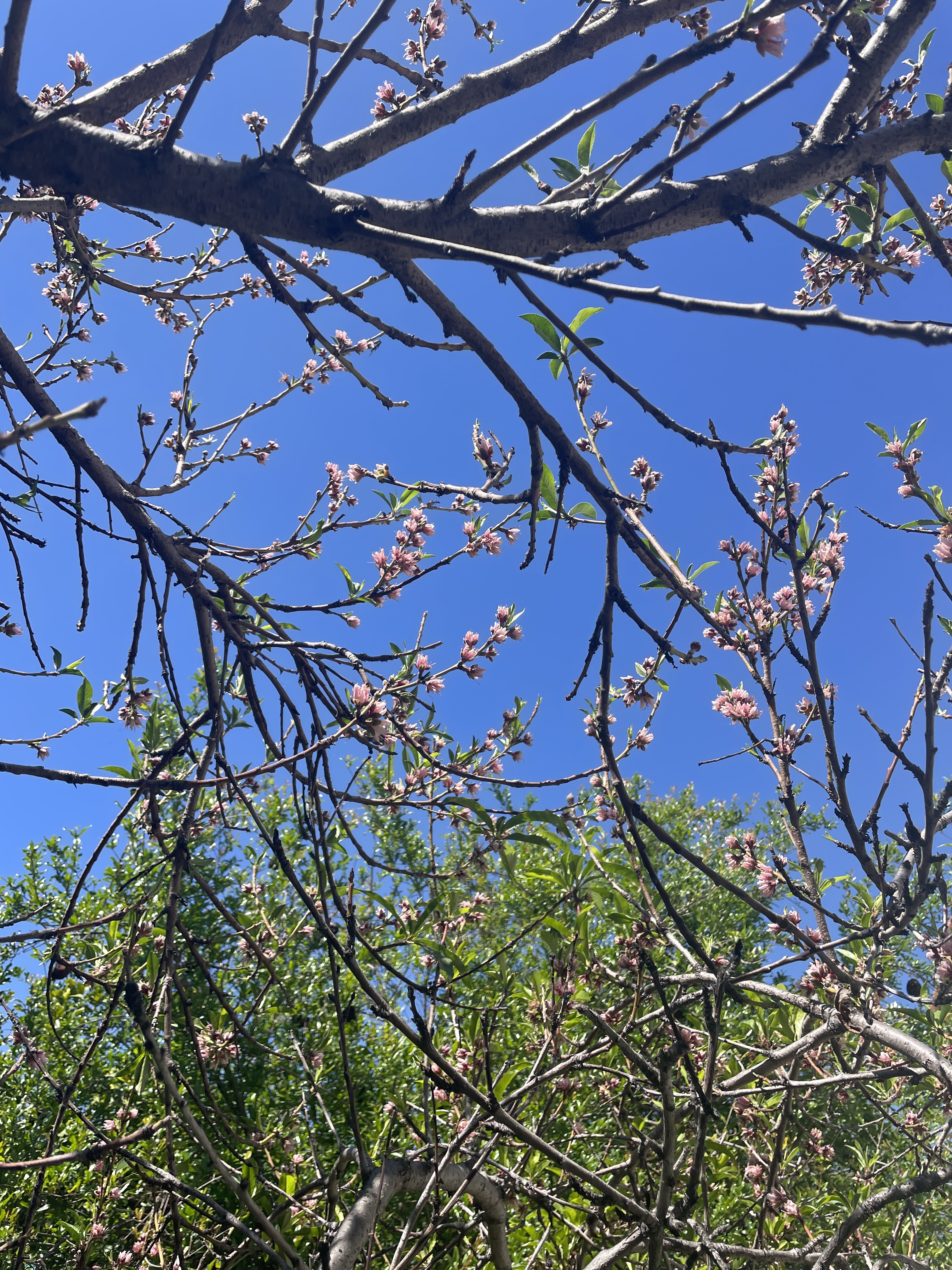
Peach blossoms
Beauty
Joy
There is nothing like meeting a goal while enjoying it to bring a sense of delight as well as accomplishment. I walk daily–today I arrived at day 707 without ever missing a day–looking at the flowers, visiting with all the other walkers. I live in a walking neighborhood with friendly walkers who at a minimum wave. Some stop to chat and some check on me if they have not seen me out walking in a while because of the different routes we take or different times we walk. One particular person who checks on me taught me how to make some of her native food–India. Another lady several blocks away prefers to walk with others, not alone, so if she sees me out, we join together in the company of her little dog, June, whom I have never seen actually walking. June rides in a baby carriage.
Now, as I write this, I’m enjoying another late afternoon of delight in my backyard. The hibiscus is full of ruby flowers. Freeway daisies, bright white and purple, pop up everywhere. Four different colors of bougainvillea sport their joy. One nasturtium–they are popping in places I never even planted–is sporting the same color of ruby as the hibiscus. The lemon tree is full of almost ripe lemons some of which I have promised to friends and neighbors. One woman cannot eat all these lemons. Meanwhile, I listen to different birds singing their varied songs and to the gurgle of the water fountain by the Nile Blue French doors and watch the hummingbird who is watching me.
I feel grateful to be surrounded in beauty and quiet joy.
Two days ago I drove to the local library to return “The Historian” and inquire about a book an acquaintance had recommended. The library houses a used book section at its front hall entrance. I usually only glance at it because mostly it contains books in which I have zero interest. I glanced once again. There in nonfiction I saw NERUDA painted in big, bold bright colors-blue, red, green, purple–across the top half of a book cover. Just below this was a parade of flowers marching across the middle of the cover in the same bold, bright colors. Finally, at the bottom painted in bright red on a black background in capital letters it read, “MEMOIRS.” Inside the O is printed in the same red these words,”confieso que he vivido.” I snatched it up. The little sign said 25 cents. Although I’ve read Neruda poems mostly translated into English, I had no idea he had written anything about his own life. I knew I had to read this. I knew some things about his fascinating life. I wanted to know more. I dug around in my wallet, found a quarter, and deposited in the little brown box one of the librarians had indicated.
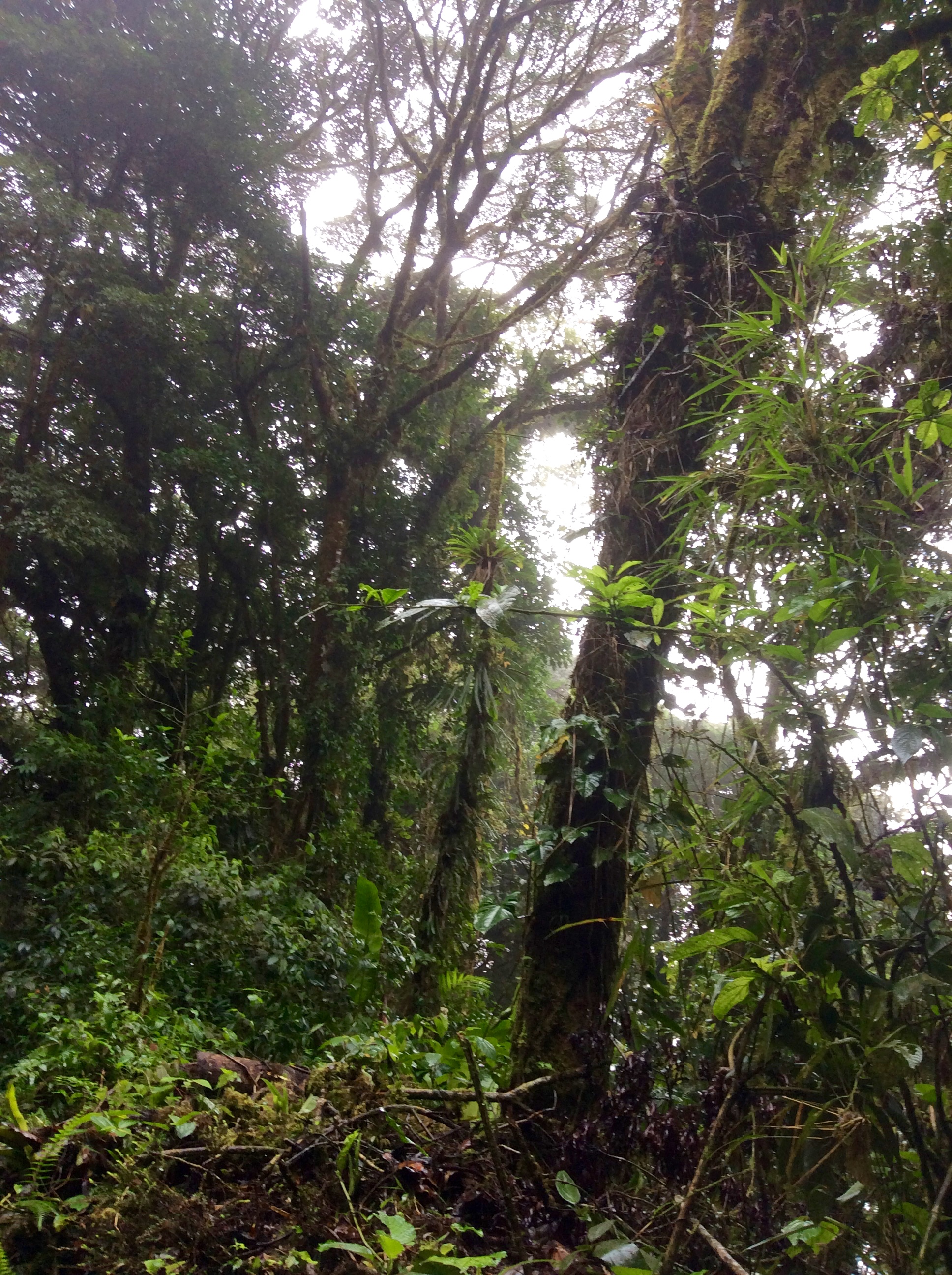
Later at home, I read the beginning, his brief introduction, explaining there are gaps here and there. He also explains, “What the memoir writer remembers is not the same as what the poet remembers.” He goes on to explain this. I will need to contemplate this more. Then in the beginning of the first chapter, “The Country Boy”, he describes “The Chilean Forest”. It starts, “Under the volcanoes, beside the snow-capped mountains, among the huge lakes, the fragrant, the silent, the tangled Chilean forest…” What continues is a prose poem describing this forest with intense sensory detail so clear the reader can see the details, the mystery, the lushness. He ends with this poem with the words, “Anyone who hasn’t been in the Chilean forest does not know this planet. I have come out of this landscape, that mud, that silence to roam, to go singing through the world.” Reading this beginning instantly linked me to his poetry I had read, to its sensory detail, to its lyricism.
They say we are all products of the environment in which we grew up whether we like it or not. Reading this is making me view this truism in a new light.
In a hurting, damaged world
where greed and hatred often reign
I wish for
the beauty of flowers to flow into hearts
kindness toward those different from self
to permeate hearts and mines
the light of joy create compassion
toward each other
the knowledge that we are all one race,
one people flow through humanity
Hold friends and family close
Smile, greet strangers
Release hatred, anger into air
Promise yourself to love more,
let others be themselves,
be grateful, find joy

This is my fourth Murakami book in the past couple of months and his latest work. In the Afterword he notes that the core of this long novel is a novella published in 1980 in a literary magazine. He was never satisfied with it and never allowed it to be republished in book form. Yet he knew “this contained something vital for me.” Like his other works I have read, the settings include young people, libraries, and strange events many of which are akin to what is called magical realism. The boundaries between reality and the imagination are blurred and questions who we are and what is real.
It begins with a young couple, 17 and 16, in love. The girl tells the boy about this strange walled town and tells him her real self resides there. She describes it in detail and tells him he could go there and become the Dream Reader in the library in this town which has no books, just old dreams that need to be read and where the main animal form is unicorns who often die in mass during the harsh winters there. One day with no warning, she disappears. In one form or another he spends the rest of his life searching for her. Somehow he ends up in this bizarre town where he has to give up his shadow to remain. He has substantial issues with this as he watches his shadow become ill and nearly die.
Later, after a successful career as a book dealer for a large corporation, he suddenly retires and decides to apply for a head library position in a small town in the remote mountains. He meets the previous head librarian whose life is full of mystery and where the reality of this real place and the bizarre town seem blurred. He meets a strange teenager who practically lives in the library reading books with great rapidity day after day. His relationship with the boy develops and he sees what he has been seeking his entire life.
This book takes a look at what is reality, the subconscious, and life’s meaning. It is also an ode to libraries and books and love.

gurgling water
redwoods sighing
peace

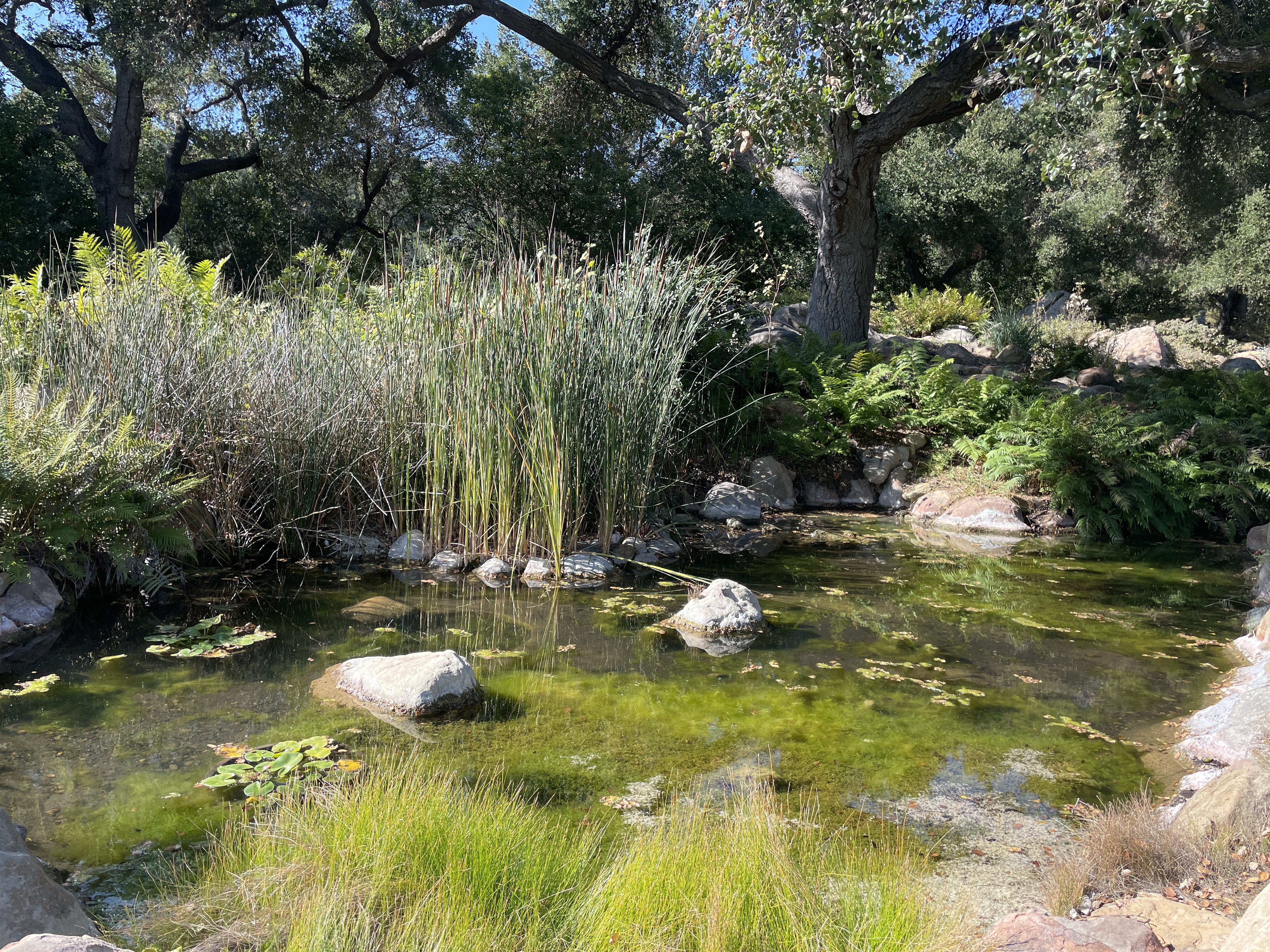

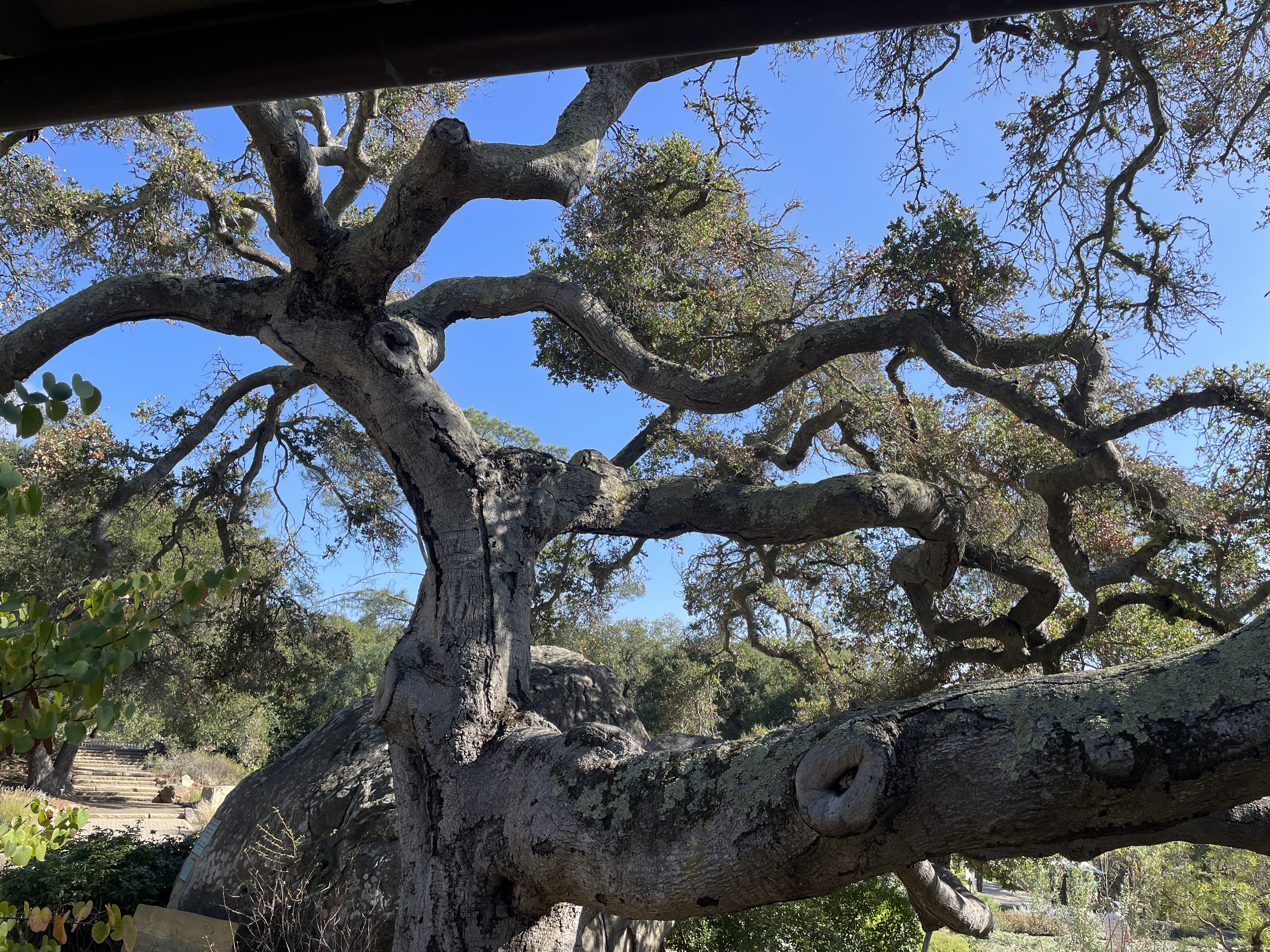
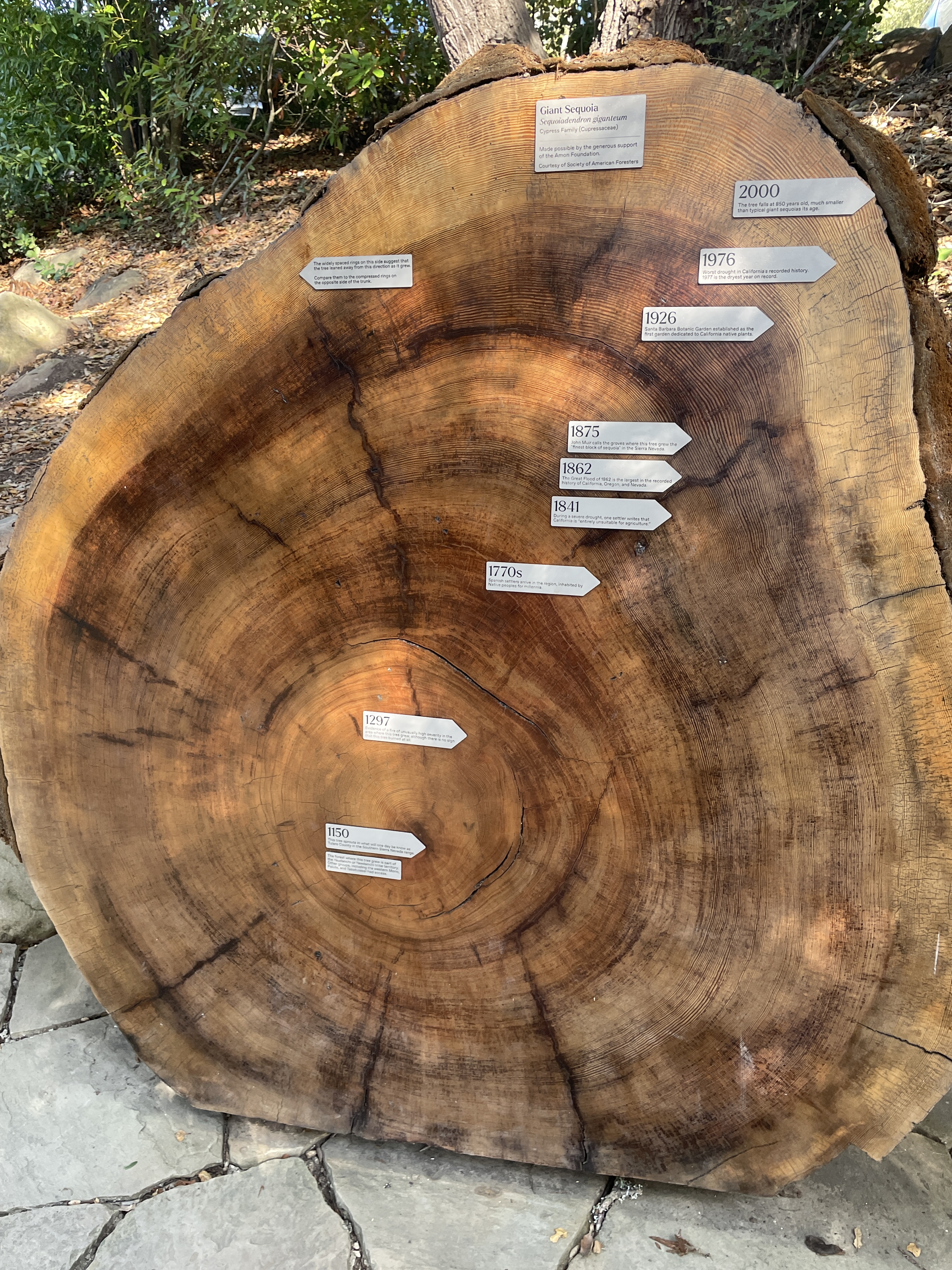


Note: All the plants in this 78 acre garden are native to the area including the coastal redwoods.
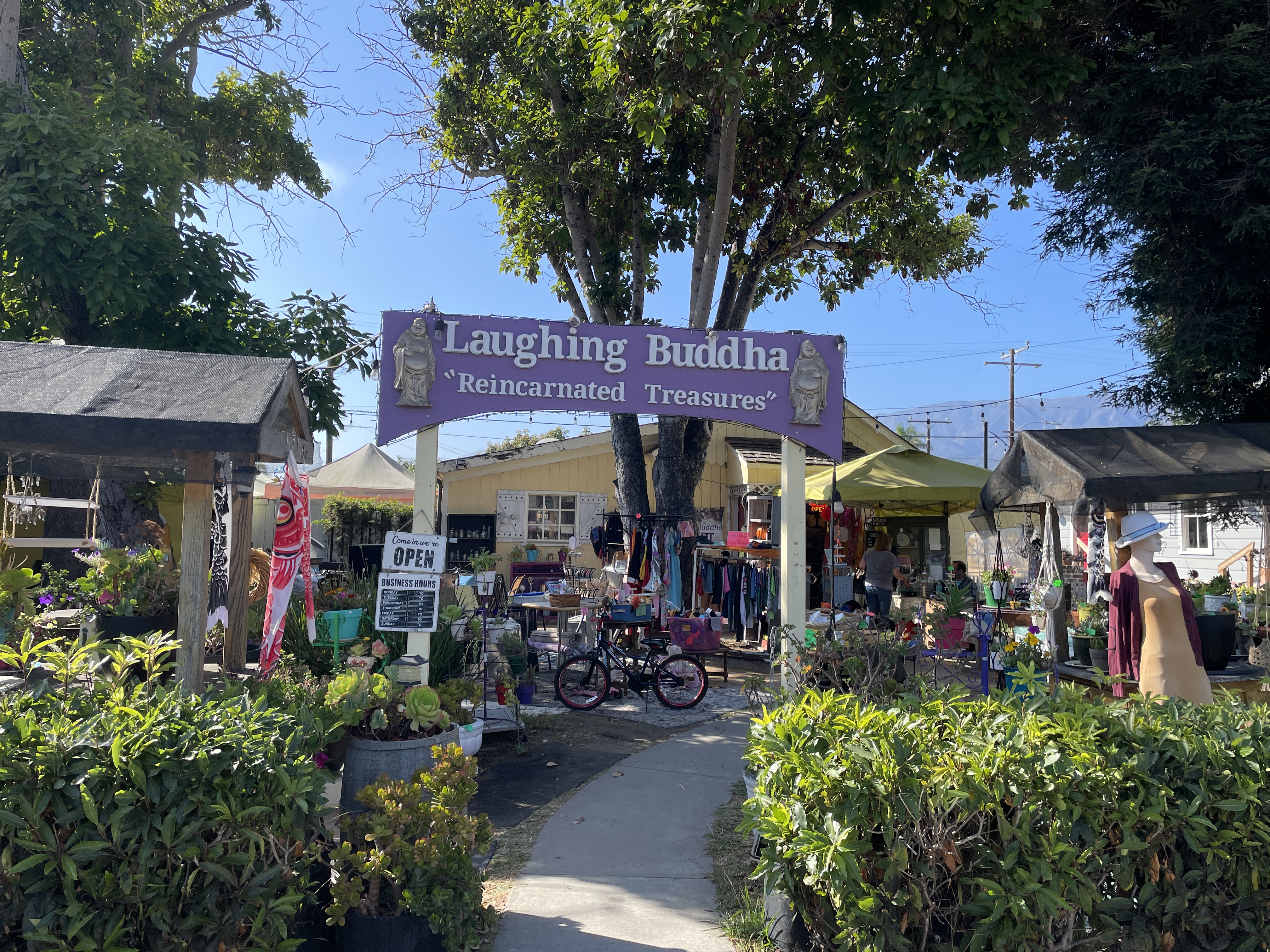
Laid back beach town
Families eating ice cream
Main street organic market
Ocean breezes ruffling hair




What a delightful, entertaining book! The title refers to her basement kitchen in Edinburgh, Scotland, where she lives when she is not wandering the globe. Each chapter highlights a certain place in her travels, in this case Ukraine, various countries in Central Asia, e.g. Uzbekistan, Russia, and the city of Istanbul, which she says is one of her favorite cities to visit especially in winter when tourists are gone. In one chapter, “Russian Railway Pies”, she and her husband ride the train from Moscow to the eastern shore of Russia–the Trans Siberian Railway journey. They did this in winter when the temperature in some places they stopped were as low as 50 below zero.
Each chapter contains her experiences in an individual country or city. She describes the places in detail, the people she meets, the food she eats. She also relates her feelings regarding these places, many of which she had previously visited, how they have changed over the years for better or worse–worse in the case of Russia, what they mean to her. In each chapter she always goes back to her kitchen, her dog, hiking the Scottish highlands, and her cooking, usually a recipe where she is trying to re-create a food she ate in one of these places she loves.
This is her most recent book, published in 2024. She also has a series of books about particular places where the entire book is dedicated to that particular place. Mostly, she has travelled in Central Asia, Russian, the Balkans, Turkey. I enjoyed this book so much, I plan to read another one about her other adventures. She is not just on these adventures for fun but also as a career so she knows many journalists, diplomats, officials in these places.

This book was not quite what I expected. It is somewhat memoir in that she talks about her career as a journalist accompanied by photographers and such which is not really on your own, about her marriage and divorce, the new guy, and actually traveling on her own. However, a large part of it, which is quite fascinating, is the history of the solo women travelers in history starting with the nun Egeria, who wrote about her own travels throughout the Middle East in the years AD 381-384. Centuries later the book, “Itinerarium Eerie”, provides the details of her journeys and her “boundless curiosity”.
The book provides details of the adventures of many women who traveled solo: Emily Hahn, Nellie Bly, Martha Gellhorn–once married to Hemingway, Annie Londenberry, Gertrude Bell–the first woman to ride by camel across the Empty Quarter in Saudi Arabia, Helena Swanwick, Ethel Smyth, Jean Baret–the first woman to circumvent the globe, Isabelle Eberhardt, Elspeth Beard. I realized in reading this I had actually read about one of these women, Sarah Hobson, who rode all over Persia (Iran) on horseback disguised as a man and have read several books about Gertrude Bell. In the 1700s, Jeanne Barat sailed around the world on a scientific expedition disguised as a man. In 1983, Elspeth Beard circumvented the globe on a motorcycle to heal the trauma she had suffered. Others rode bicycles, some used various forms of navigation, but all defied the norms of their time. Many encountered all sort of dangers and nearly died.
Yes, the book does give women advice on how to travel safely alone, what to pack, etc. And toward the end she tells the reader how to find adventures nearby in the countryside or streets where you live, how to open the eyes and ears, all the senses, and notice your surroundings in new ways.
Travel the World 4 Less
A Glimpse into My Life & Passions
Ceto-Magoism, the Whale-guided Way of WE in S/HE
Exploring the F-word in religion at the intersection of scholarship, activism, and community.
ANCESTRAL FOOD. HERBAL WISDOM. MAGICAL COOKERY. SEASONAL CELEBRATION.
inesemjphotography
politics, engineering, parenting, relevant things over coffee.
Food is the best expression of every emotion. Explore through my reviews, recipes, events and more.
Smile! A Site for Friends Wherever You Are!
inspiring personal growth through poetry and writing
Combining atheism with whimsy. This is a Fair and Balanced blog based on opinion unencumbered by fact.
Odds and ends ~ My Life
Original poetry, commentary, and fiction. All copyrights reserved.
bripike@gmail.com
A wildlife filmmaker in Africa
A Geeky Feminist's Musings On Pop Culture
"5 minute walks"
 writingontherim