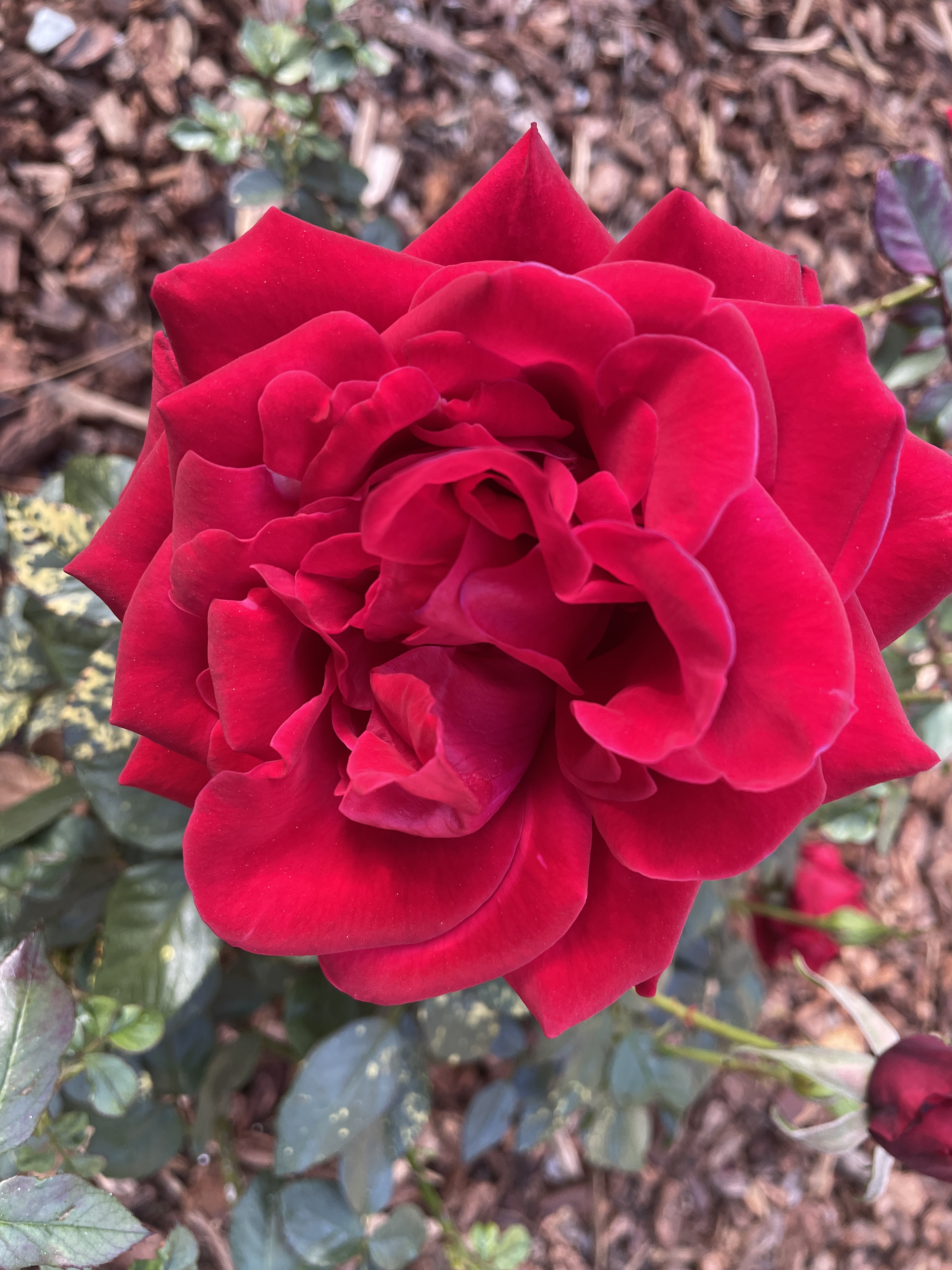
Book 41 of 2024: “Crazy Horse”, Larry McMurtry


One of the saddest books I’ve ever read, this short piece of nonfiction details not only the life of Crazy Horse but also the demise of the traditional lifestyle of the Plains Indians. Crazy Horse has been the subject of endless legends and myths, many of which apparently have nothing to do with reality. He was not a chief; he often defied traditional Sioux customs. He was very much his own person. Among his people, he was especially known for his kindness and support of the poorest and weakest and for his prowess as a warrior. Crazy Horse died young due to not only white betrayal but also that of some of his own people.

I highly recommend this book if you are interested in this particular period of US history. At the end is a comprehensive list of sources with notes about each one of them.

Book 40 for 2024: “If We Are Brave: Essays from Black Americana”, Theodore R. Johnson


Johnson, a columnist for The Washington Post, notes that the US was founded on a set of ideals but for much of its history agreement on what those are ideals are has not existed. What are these ideals, who are they for? Today there is little agreement on much of this. There seems to be a lack of a common vision on what a democratic system is and should be and for whom. The essays in this book address these questions both today and from the origins of the country when only white men who owned land could vote. This book also discusses how different races in the country and the changing predominance of cultures affects the ideals people hold and the kind of country they envision for themselves.

As a Black man who is a retired Navy Commander, he also discusses his own experience, extensive research, and personal views. This short book is an excellent primer on how different races and cultures experience living in this country and their varying visions of the meaning of democracy.

Book 37 for 2024: “Follow the Science: How Big Pharma Misleads, Obscures, and Prevails”, Sharyl Atkinson


The title tells it all. The author is an investigative journalist. The book is filled with details of varying science reports and studies. A lot of what she quotes is the opposite of the official narrative and science for vaccines in particular, especially those related to childhood vaccinations and Covid vaccines. Technically, both flu and Covid shots are not vaccines in that they do not keep the recipient from getting the disease in all cases like the vaccines for smallpox, measles, and polio do. This does matter in considering whether individuals should get the shots. She also discusses general public immunity in regard to flu and Covid, especially the latter. She also questions the claims that childhood vaccines as they are currently given never cause autism and whether some children are susceptible to extremely negative reactions to these vaccines when the majority of children are not. The main claim is that the giant pharmaceutical companies have enormous power to control the narrative about medications they produce, have huge influence with elected officials of both parties, and will do whatever it takes to make a profit on the drugs they manufacture.

Autumn


As a summer person, I’m less excited than others I know to see it end. This abecedarian poem allowed me to experiment with words without searching for profound meanings, allowed me to play.

Autumn

brings

chills

dreary

evenings

fog.

Gone

heat

intense

joy.

Kindness

lingers while I

meander

near

oceans

playing

quickly,

running in

sunshine.

Tomorrow

under a

vanishing

wind in a

xeroscape

yard, I will

Zoom my next meeting.

Book 33 for 2024: “Three Daughters of Eve”, Elif Shafak


Shafak is a popular Turkish writer. One of my all time favorite books is her novel about the life of Rumi.

“Three Daughters of Eve” takes place one evening in Istanbul in 2016. Peri, one of the daughters from the title, is on her way to a fancy party when a thief snatches her purse out of the back seat of her car which is stalled in traffic. She parks the car and chases him through back alleys. As she fights him for her purse, an old photo falls to the ground. It portrays three young women and their university professor. This photo jars her mind, takes her back to her time at Oxford University when she was a student there in 2000-2002, her childhood in Istanbul in the 1980s and 90s, and her life. She thinks back to her life with her two friends, Shirin, an adventurous Iranian young woman, and Mona, a devout Egyptian Muslim who word a headscarf out of choice. And then there is the famous professor Azur, whose class on God either makes students hate or love him and the scandal that caused Peri to return to Istanbul.

Until her daughter, who was in the car and eventually chases her mother down in the alley, sees the photo, no one, except her husband, seems to have known Peri even went to Oxford. Her daughter mentions it at the party while everyone is arguing about East and West and politics and who has the most money and how they acquired it. Peri tries to deflect questions, changes the subject, and keeps remembering her past: her parents, a father quite irreligious, her mother a devout Muslim, their endless arguments and hostility, her brothers, her childhood and her stint at Oxford.

Through the story of Peri’s life, this novel explores personal identity, East-West history and politics, the meaning of marriage and friendship.

Book 31 for 2024: “Tender”, Sofia Samatar


This book contains 20 fantastical and dystopian short stories. I found them fascinating with topics ranging from selkies to ogres to ghouls to jinns to witches (in this case positive ones). The settings range from US to Africa to a settlement in outer space (the story “Fallow”). Divided into two sections, Tender Bodies, Tender Landscapes, these stories address human frailty, anger, greed, extreme religions and how humans treat each other (both good and bad) and what might occur in the future if people do not behave better. “Fallow” is a sort of handmaid’s tale where instead of being on Earth–which has been basically destroyed–a group of extreme religious folks have made a place for themselves on another planet after escaping Earth. If anyone from Earth accidentally shows up, they are in big trouble unless they become just like the people already there. Otherwise, they do not kill them–that is wrong–but just sort of let them slowly die. These stories, both brutal and lovely, display an incredible imagination.

An Abecedarian Poem for Sudan


While a lot of the world is focused on Ukraine and Israel/Gaza, since April 2023, two groups, the Sudanese Armed Forces and the Rapid Support Forces, have been fighting for control of Sudan. 11.1 million people are displaced and more than 17,000 killed, mostly civilians including children. Currently, for the second time since 2003, famine lurks at the door of Darfur state. Although I wrote the poem thinking about Sudan, a lot of the same conditions apply to Congo.

Amidst the denuded trees along a wide

boulevard walked a tall, dark-haired girl

carrying a large basket filled with a few

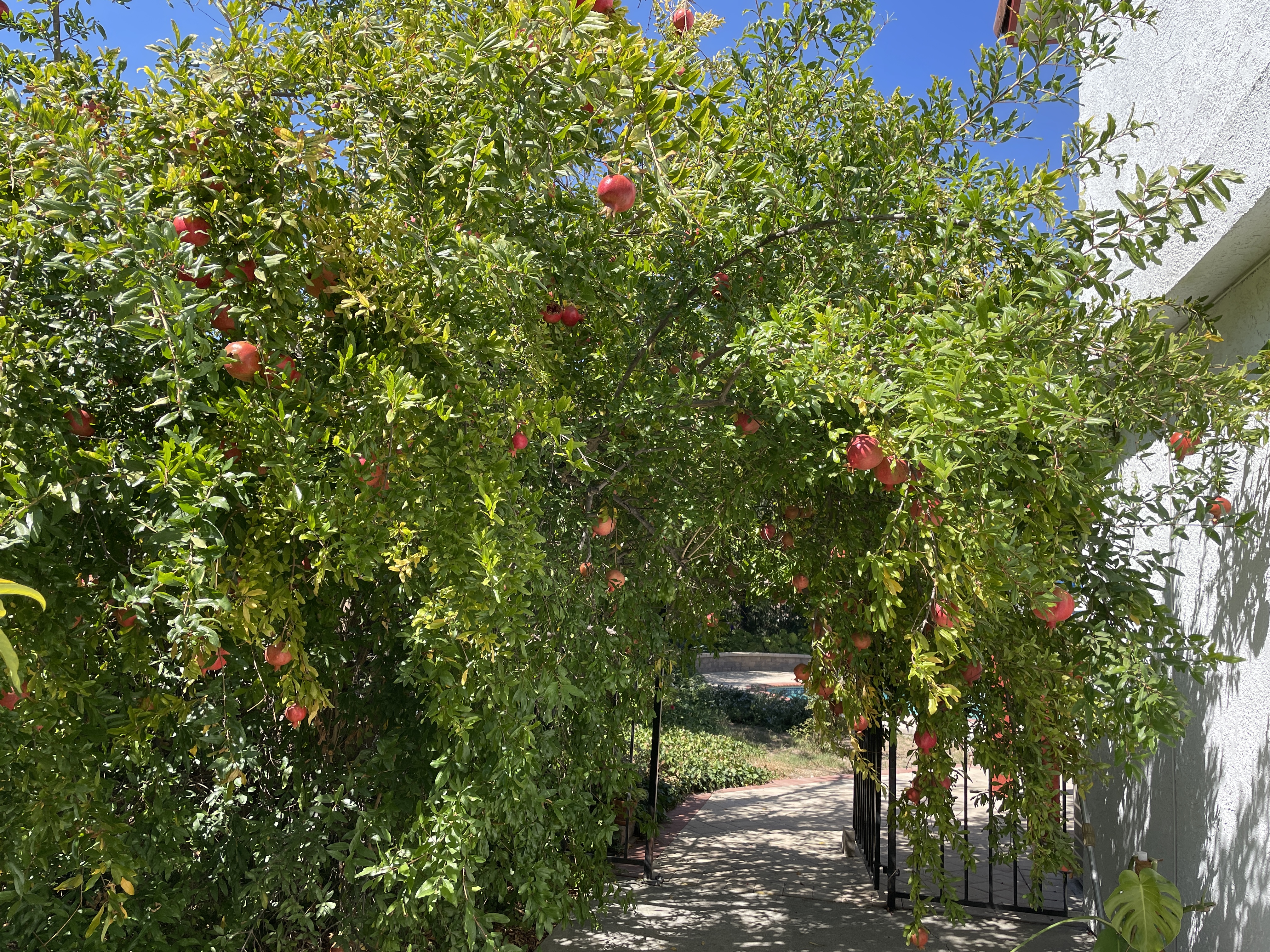
deep red pomegranates, two brown

eggs and three delicate pastries

filled with pineapple, cinnamon, and

guava, her favorite. She felt lucky.

Her mother sent her to the market, her mother

ill with ague, shivering, fevered,

jaundiced, too young to be dying, her father

killed in the endless wars which had

leveled so many cities and villages.

Men filled with the desire for revenge, for power,

never thinking how forgiveness and love could

overcome the endless devastation.

People plagued by angry men, men so

quick to condemn all not their tribe, their own,

retribution driving them week after week.

Some lay dying on the streets or dead as

the girl walked around their bodies

under the relentless, tropical sun.

Void of relief, fearful but determined, she

walked on toward the remains of her home.

Xenophobia once again stalked the streets,

young men brandishing assault rifles. Animals in the

zoo seem kinder, more caring.

Book 28 for 2024: “Gun Island”, Amitav Ghosh


A tale based on a Bengali legend about a merchant called the Gun Merchant, Bonduki Sadagar, this novel not only takes place in the mangrove swamps of the Sundarbans but also in Venice. It has nothing to do with guns but demonstrates how differences in language use among languages and translations can lead to total mistranslation. The narrator is an older, male, Bengali, rare book dealer who grew up in Kolkata but now lives in Brooklyn most of the year and goes back “home” occasionally. When he meets a distant relative by chance at a party, he finds himself enmeshed in the Gun Merchant tale and finds himself in search of a remote shrine where a king cobra lives. His adventure leads him to meet two young men and reconnect with an old friend, an Italian woman who is a famous historian.

What fascinated me most about this novel was learning all about the immense number of historical connections between the Bengali part of India and Venice especially related to trade and persons of Jewish descent. It is also filled with lessons in relationships among languages and history. For example, I learned the origin of the word ghetto. During the 17th century a part of Venice, Getto, was where their large and prosperous Jewish population was forced to live, Venice being one of few European cities where Jews were safe. Thus the word designating a part of the city became the word ghetto.

It is also a story about the risks and dangers of immigrants trying to get to Europe. I learned many Bengalis, mostly from Bangladesh, live in Venice and the numerous historical connections between the Bengali speaking areas of the world and Venice.

An Abecedarian Poem for the Fourth of July


As many celebrate this day

because they see it as a joyous

cry in praise of the

day the United States declared

emancipation from English tyranny,

free to be its own country, self

governed, no longer ruled by kings,

humans, Black, enslaved,

indigenous, find celebration difficult.

Jefferson, in The Declaration of Independence,

knowingly called Native People

lacking in worth,

“merciless Indian Savages,”

never considering the contradictions, the

overt irony when compared to his view that

people are created equal.

Qualified, white male landowners, the

rich, voted, prospered.

Slaves, counted as only 2/3 a person, were

told to obey, work til death, be Christian.

Until all, regardless of race, gender, religion, are

valued as worthy humans, are free to prosper, can

walk proud throughout the United States,

xenophobia will destroy our founding ideals.

Yearn for, work toward, equity, kindness, be

zealous in our quest for a better country.