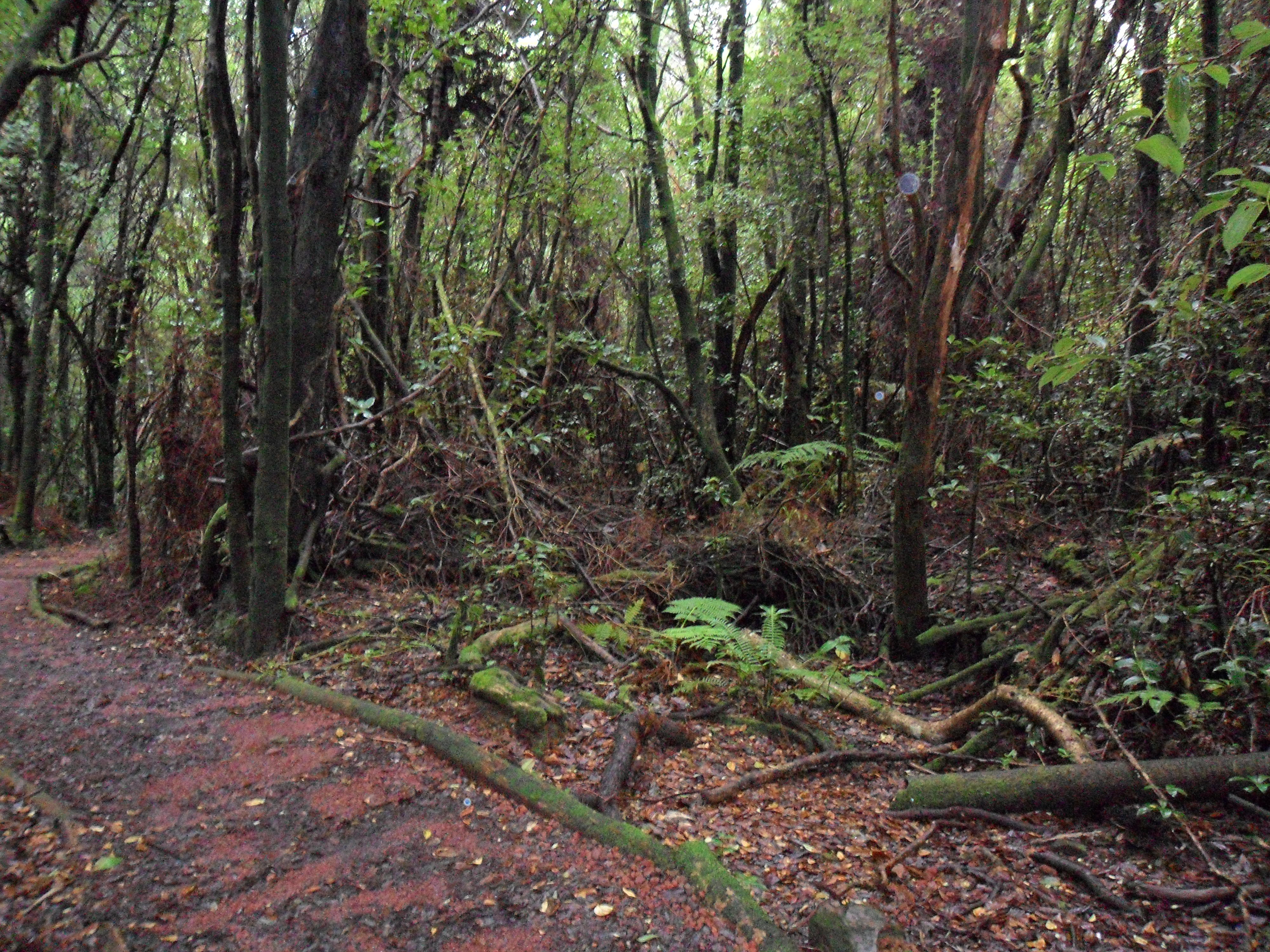
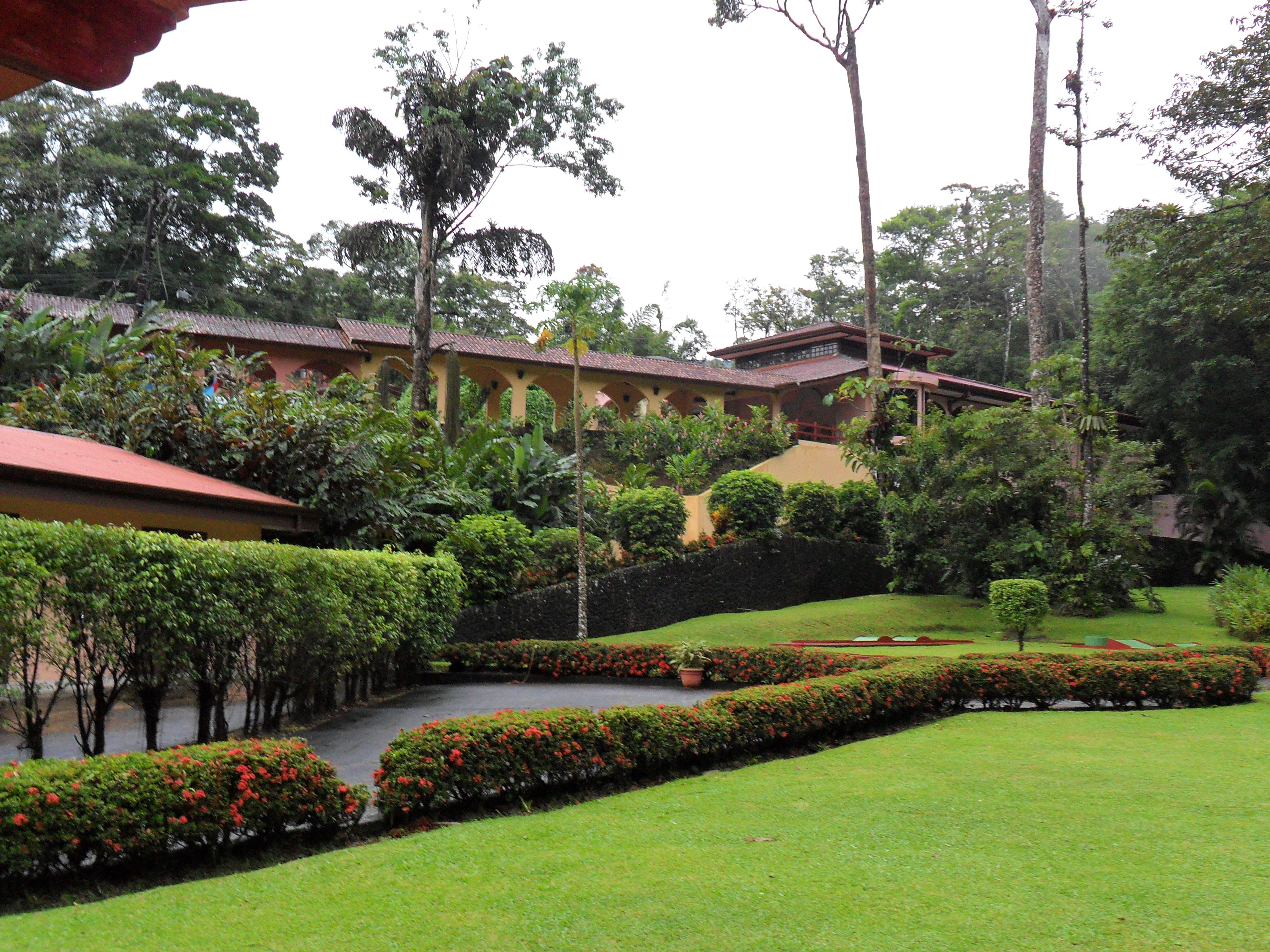
Without a doubt Costa Rica holds my vote for most photogenic and greenest country. From the Caribbean and Pacific rain forests to the high mountain town of Monteverde, the words lush, exotic, verdant do not even begin to describe how incredibly rich the landscape is. One of the first spectacular views lay before me across the parking lot from a combination restaurant and souvenir shop where we stopped for snacks.

I did not expect to see multiple mountain streams like in the Rockies, but it seemed we were crossing one nearly constantly. This abundance of water explains their nearly total dependence on hydroelectric power with a little help from wind and thermal energy.

Several of my traveling companions decided to raft this river with class 4 rapids. Something told me I should not do this. After flipping over several times, banged up and bruised, they decided to hike out. In the meantime, I experienced my own adventure, eating a raw turtle egg in salsa at a family restaurant on the top of a nearby mountain.
Beautiful mountain scenery seems endless. I kept 00hing and awing.

This view shows the Bay of Nicoya in the distance from my hotel room in Monteverde. The following photos all show views in the mountains near this little remote town. There is only one road in and out and it is not paved and it is narrow. The town was originally settled by Quakers from Canada who still believe a paved road will ruin the peaceful lifestyle. Both the Quakers and the town are famous for their cheese which was served both plain and fried for breakfast.

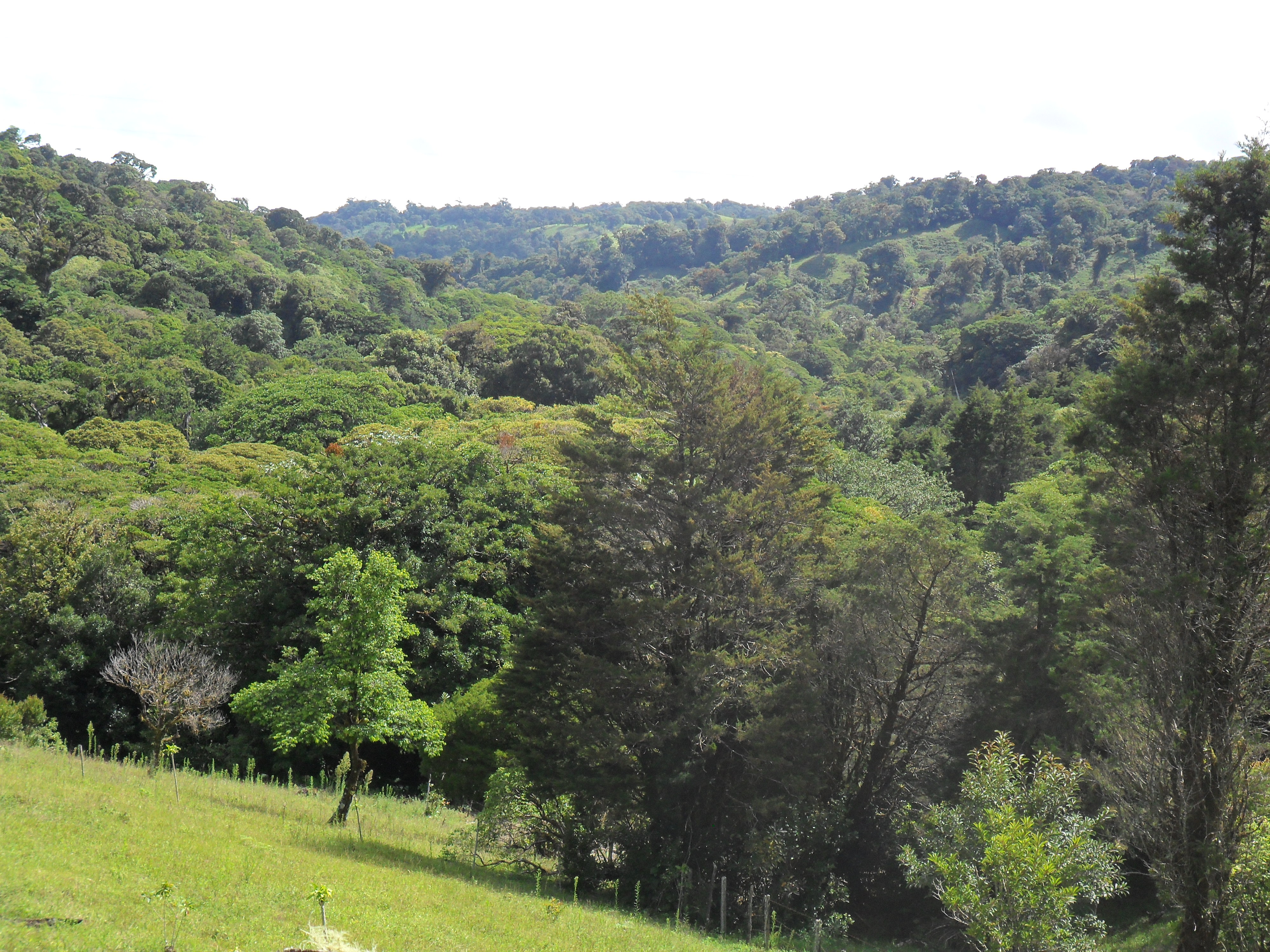
This area provides both zip lining and horseback riding for tourists. I elected to ride. However, these horses did not seem well fed and certainly did not want to go very fast. Although I saw a lot of horses in Costa Rica, these were by far the thinest.

The guy who lead us did not ride one of these. He was riding a fancy, prancing, grey Paso Fino.

Look closely and you can see someone zip lining across the forested canyon hundreds of feet below.
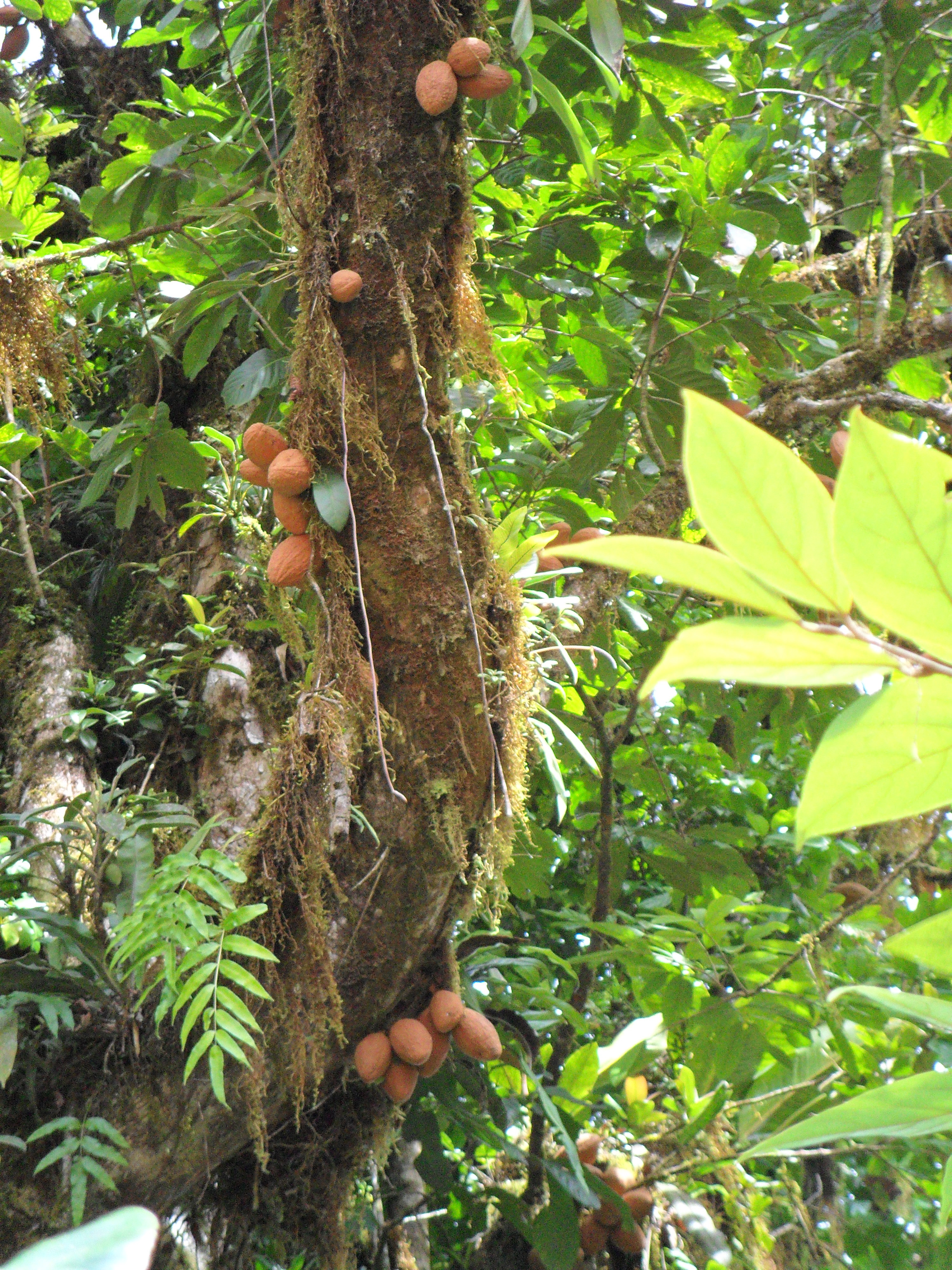
When I asked about this tree, I was told it is related to cacao, but not eaten, not by humans anyway.
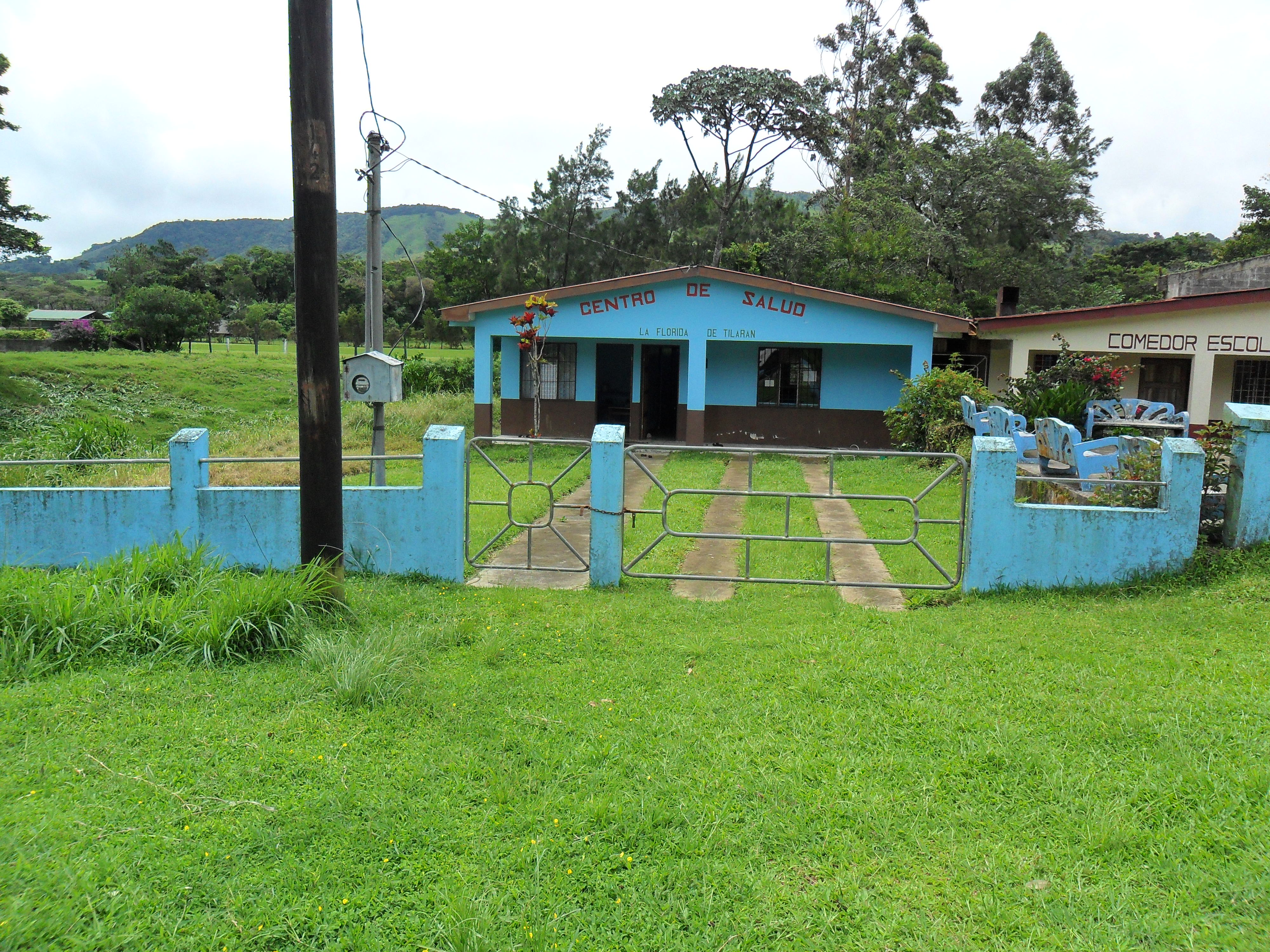
We traveled down the mountain on another dirt road to visit this elementary school. It housed grades 1-6 with one teacher who is also the principal. The literacy rate in Costa Rica is 98.5.
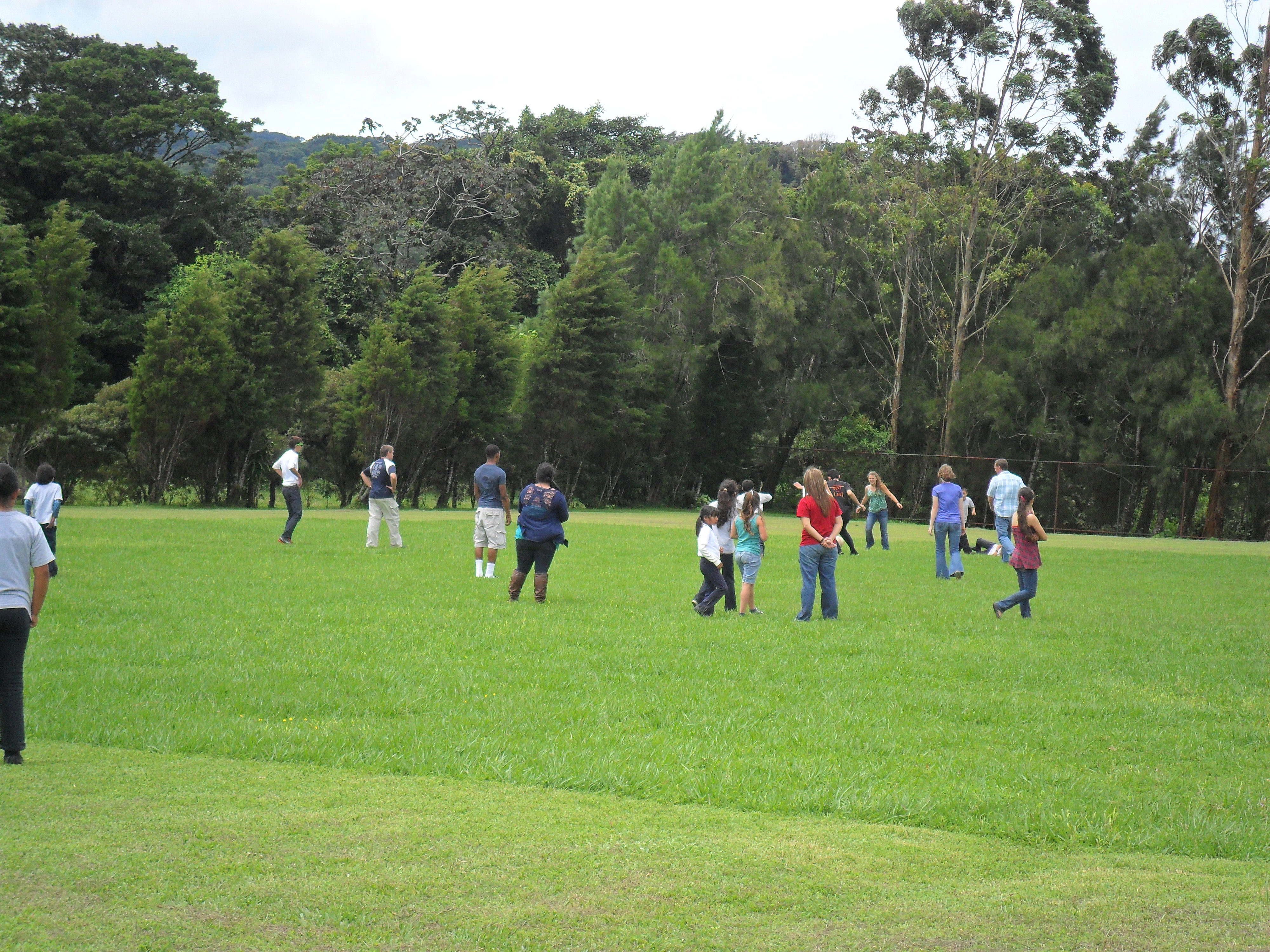
Playing soccer with the students.

A port on the Pacific on the way to the surfing town of Jaco. Costa Rica exports many agricultural products from both its Pacific and Caribbean ports. This includes bananas, pineapples, hearts of palms, and many tropical flowers.

While many beaches remain unsafe for swimming due to a strong undertow, the beaches at Manuel Antonio National Park are perfect.


To get into Manuel Antonio you have to walk and no parking exists really close. Hiking out we crossed an area where the water rushed around our knees and the sign said, “No Swimming, Crocodiles”.
As a farmer, I like to look at and photograph crops. With all the rain and heat, Costa Rica is the perfect climate for many tropical fruits and rice. On the way back from Manuel Antonio we passed miles of rice fields and Aftican palms which produce palm oil.

Rice.

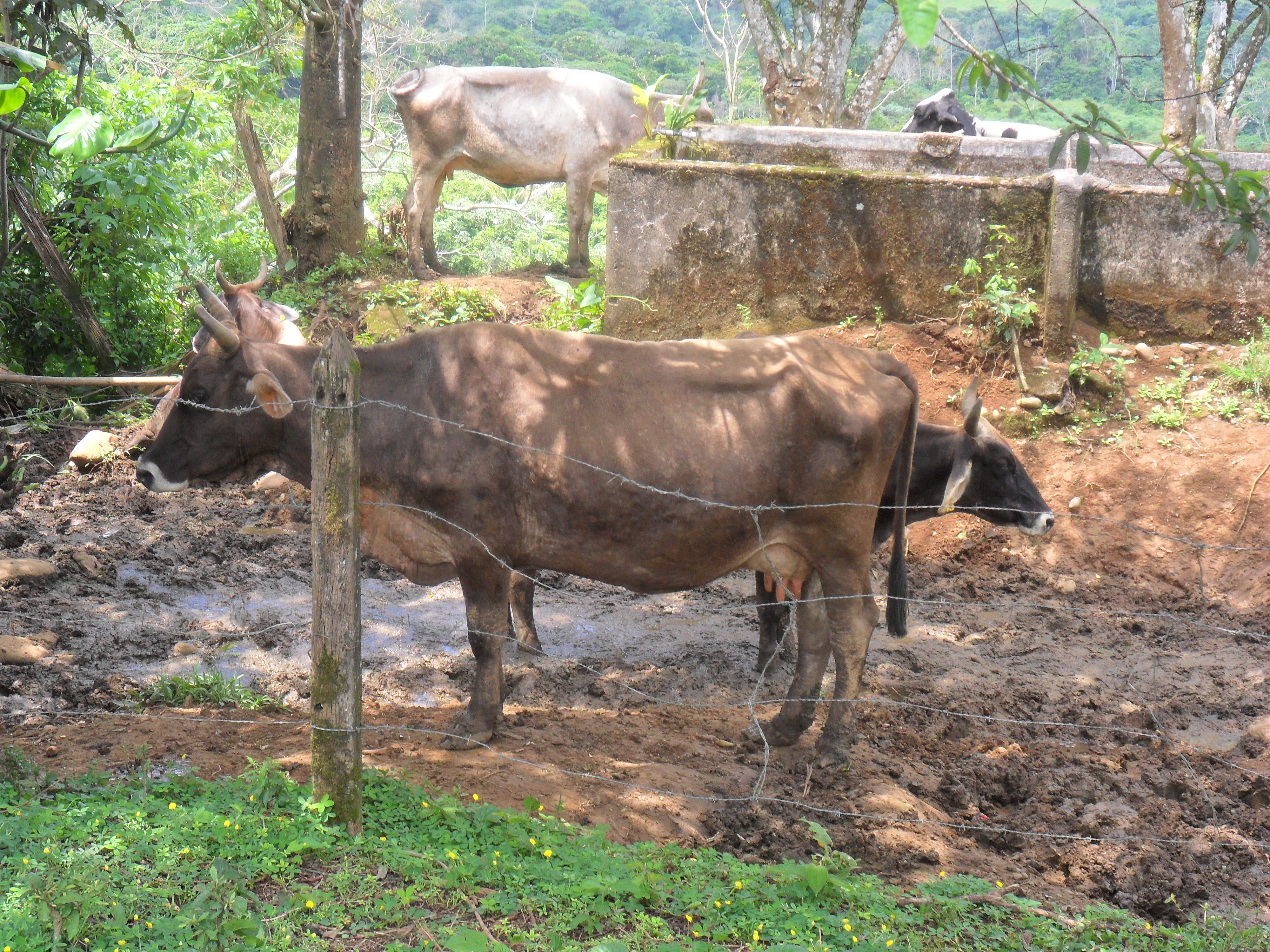
Coffee, the main export of Costa Rica. In the highlands, coffee grows everywhere even along the berms in places so steep I wondered how the person picking the beans did not fall over. Of course, I wondered the same thing about the dairy cattle grazing on the mountain slopes.
We did stop in Sarchi, the town famous for its furniture and oxcart industry. Oxcarts remain the national symbol of Costa Rica. Because of the mountainous terrain, when Costa Rican coffee initially became famous and its most successful crop, the only way to get the coffee to the coasts for export was to use oxcarts.


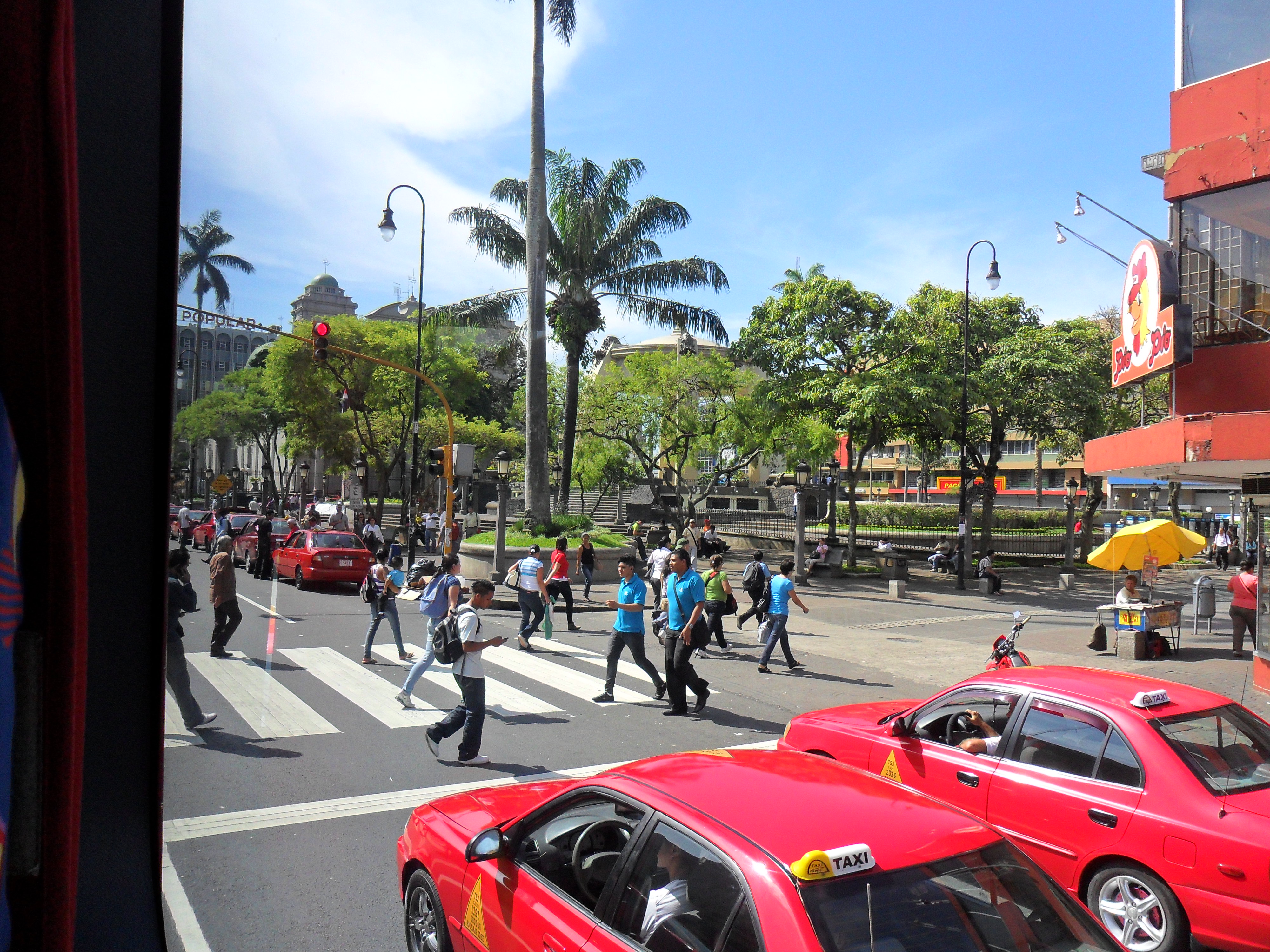
We spent very little time in cities. However, as we left San Jose near the end of the trip and headed for the Caribbean side, I took some hurried photographs out the window.

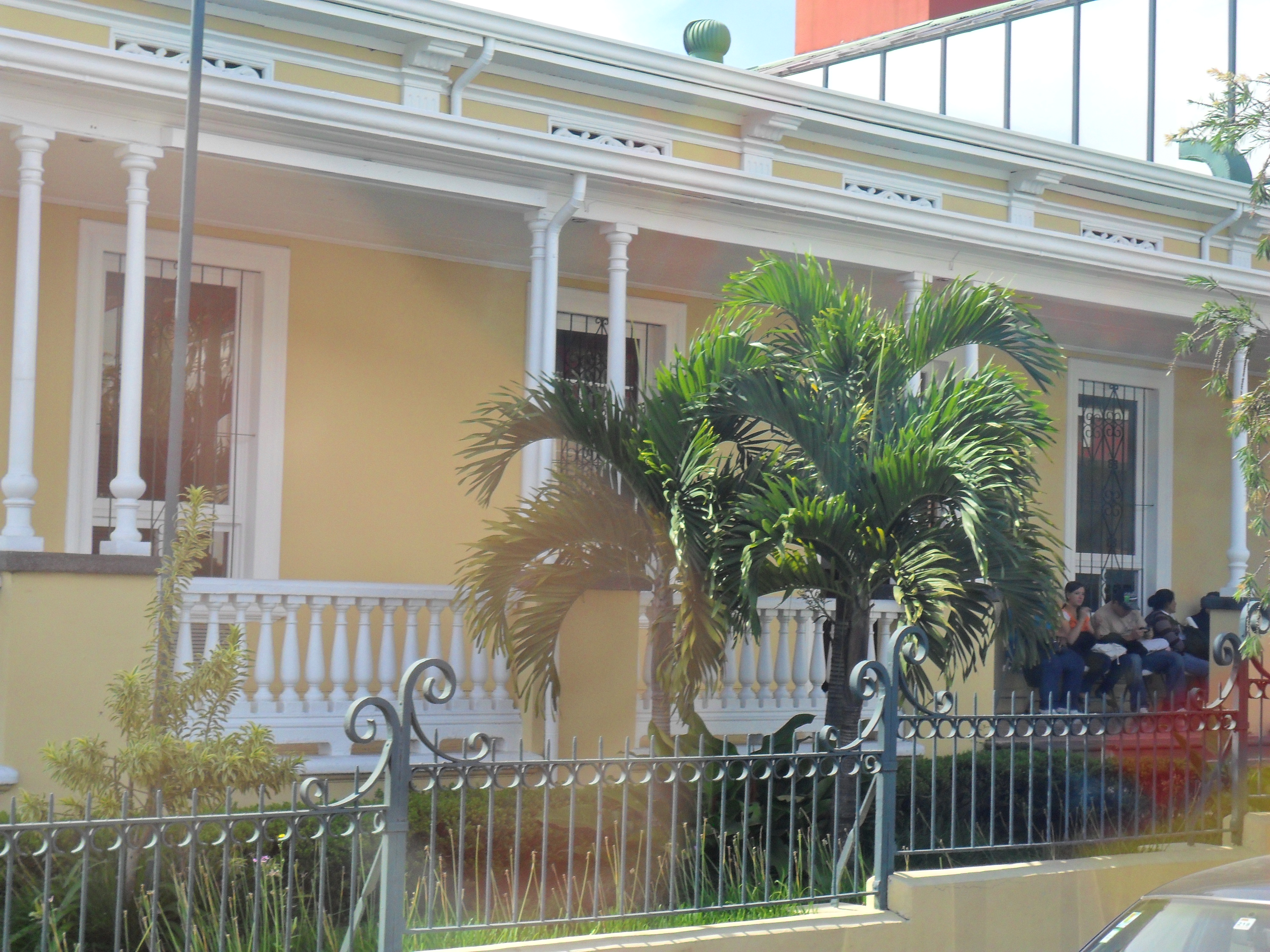

My first and last hotel window view in San Jose included these stately coconut palms.

PURA VIDA