Book 38 for 2025: “Beyond the Door of No Return”, David Diop


Translated from French and written by a Senegalese author, this novel takes place during the time of colonialism and the slave trade. In Paris of 1806, a famous botanist, Michel Adanson, is dying. He never has finished the botanical work to which he dedicated his life, and as he lays dying, his last words are the woman’s name “Maram”.

His daughter finds an unpublished memoir hidden in a cabinet. It is the story of his younger life, what happened to him in Africa, all addressed to his daughter so she can understand his story and the meaning of his last word. It is a tale both strange and sad, filled with healers and magic and tragedy. Maram, a fabled revenant, a woman of noble birth from the kingdom of Waalo, was captured and sold into slavery but managed to escape. While working on his quest to find new plants, Adanson hears about this woman and becomes obsessed with finding her. His guide, Ndiak, the son of a chief, accompanies him everywhere and they become friends. This is a story of adventure, romance, and the horrors and cruelty of the slave trade.

Note: The author won the International Booker Prize for his other novel, “At Night All Blood Is Black”. Readers of this will miss several books I am reading because I am a judge for a literary context and cannot discuss what I am reading for the next several weeks.

Book 18 for 2025: “The Great Hippopotamus Hotel”, Alexander McCall Smith


After reading 17 serious books to date this year, I decided it was time to read something lighter and found this latest in the No. 1 Ladies Detective Agency series at the library. If you are looking for lighter reading, sort of mystery stories without murders, and insights into a different culture, Botswana, this series is for you. Start with at least several near the beginning of the series so you get to know all the main characters to fully appreciate what occurs and who’s who.

This novel gets its name from a traditional hotel located way out in the countryside far from city. It is a relaxing place with a lovely veranda and native gardens full of flowers and succulents. Strange things begin to occur–food poisoning, scorpions in rooms, laundry disappearing from the clothes line–too many for it to be by accident. The hotel manager comes to see Mma Ramotswe and Mma Makutsi for help. At the same time Mr. J.L.B. Matekoni has a male client who asks him to find him a fancy, red, Italian sport car without his wife knowing anything about it. With their customary good humor and kindness, these characters set out to solve the problems of the hotel and deal with the sports car issue.

As usual in this series, one learns that quite often people accuse the wrong person, that things are often not as they seem, and that your own prejudices and inclinations can lead you totally astray.

Book Four for 2025: “The Shell Collector”, Anthony Doerr


After reading his other collection of short stories, I ordered this one which is an earlier collection. Once again, he does not disappoint. One of the stories, “The Hunter’s Wife” won the O’Henry Award and has to be one of those most touching and unusual stories I have ever read. One main character, the man who makes his living guiding hunting parties in Montana, becomes obsessed with a young woman he sees in a magic show and follows her everywhere. When he first meets her, she is underage and he does nothing. Later when she is older he relentlessly pursues and marries her. After years of enduring the hardships of living in a remote cabin in the mountains, she leaves. She has always possessed the ability to feel the emotions of both other humans and animals and begins to make her living using this ability to help people. After never seeing her for twenty years, the hunter comes to one of her events. The story details the years between their first meeting and what happens when the hunter attends this event.

The title story, “The Shell Collector”, details the life of a blind expert on certain kinds of sea shells and the marine life that inhabit them, some of which are poisonous. He moves to a remote Pacific island, becomes familiar to those who live there. After a local child becomes ill and her father thinks the shell collector saves her, his peaceful life as he has known it becomes totally upended.


All the stories are notable but another one I found fascinating is “Mkondo”. The main character, Ward Beach, works for a natural history museum and goes to Tanzania to study and collect specimens. While there, he becomes fascinated with a young woman he sees rapidly running through the forest. The rest of the story details his pursuit, their life together, their separate lives, and questions the meaning of what is considered success in life.

I generally am not a short story reader but Doerr’s stories are unique, insightful, touching, and carry a sort of magic not found in many novels or stories.

Book 29 for 2024: “The Covenant of Water”, Abraham Verghese


I waited for more than a year to get this book via the library. It stayed on the best seller lists for months and months and has been translated into more than twenty languages. It is the saga of one family from 1900 to 1977. The setting is the Kerala area of India (I have been to India but not this area). It is unique compared to much of India in that Christians, Muslims, and Hindus live in relative peace with each other. Unlike the more arid parts of India, this is a place dominated by water which is a major theme in the book. Several of the main characters in the book suffer from an inherited Condition, as they refer to it. In every generation, at least one person dies from drowning.

The book begins with a 12 year old girl being married off to a 40 some year old widower. She has to travel far from her family via water. He is kind and patient but unlike her, who loves the water, he will travel many extra miles to avoid even traveling by water. He is terrified of water because he has the Condition. Eventually, she becomes the family matriarch, Big Ammachi. This is her story and the story of her descendants, the Christian community in Kerala, and the fate of one British man who remained in India after independence. It is also the story of the progress of medicine (Big Ammachi’s granddaughter is determined to become a doctor and find what causes the Condition) and how one family experiences many hardships to further future generations.

The author, Vice Chair of the Department of Medicine at Stanford, details this fictional family’s history for several generations in 715 pages. It sounds daunting but I kept reading because I wanted to know what happens to all the people. At the same time, I found this to be one of the saddest books I have ever read. Due to the Condition and leprosy, for which there was no cure at the time, many people’s lives are horrendously affected. I did learn a lot about medicine and medical advances, how leprosy destroyed lives, Kerala and, much to my amazement, that many Christians in Kerala continued to follow the Hindu caste system.

Book 28 for 2024: “Gun Island”, Amitav Ghosh


A tale based on a Bengali legend about a merchant called the Gun Merchant, Bonduki Sadagar, this novel not only takes place in the mangrove swamps of the Sundarbans but also in Venice. It has nothing to do with guns but demonstrates how differences in language use among languages and translations can lead to total mistranslation. The narrator is an older, male, Bengali, rare book dealer who grew up in Kolkata but now lives in Brooklyn most of the year and goes back “home” occasionally. When he meets a distant relative by chance at a party, he finds himself enmeshed in the Gun Merchant tale and finds himself in search of a remote shrine where a king cobra lives. His adventure leads him to meet two young men and reconnect with an old friend, an Italian woman who is a famous historian.

What fascinated me most about this novel was learning all about the immense number of historical connections between the Bengali part of India and Venice especially related to trade and persons of Jewish descent. It is also filled with lessons in relationships among languages and history. For example, I learned the origin of the word ghetto. During the 17th century a part of Venice, Getto, was where their large and prosperous Jewish population was forced to live, Venice being one of few European cities where Jews were safe. Thus the word designating a part of the city became the word ghetto.

It is also a story about the risks and dangers of immigrants trying to get to Europe. I learned many Bengalis, mostly from Bangladesh, live in Venice and the numerous historical connections between the Bengali speaking areas of the world and Venice.

Book 11, 2024: ” Frida’s Fiestas: Recipes and Reminiscences of Life with Frida Kahlo”


The author of this book, Guadelupe Rivera, is the daughter of Diego Rivera by the woman to whom he was married before he married Frida. Diego went on a trip to Russia and his then wife, the author’s mother, became attached to her previous boyfriend, the poet Jorge Cuesta. She and Diego divorced and then he married Frida. Eventually, the two couples became friendly and at one point they all lived in the same house.

Thirteen years after Diego married Frida, the author moved in with them. This book details her life living with Frida and her father, how Frida learned to cook, how she decorated the Blue House in Coyoacan, the fiestas, the food, the adventures. The book includes photos and recipes of Frida and Diego’s favorite foods, photos of the house, and places the author visited with Frida. It is also a story of many of Mexico’s famous people at the time.

I own several books about Frida but this one is the most revealing and intimate in many ways. If you like Mexican food and find the life and art of Frida and Diego of interest, read this book.

Note: It was also written by the journalist Pierre Marie-Colle with photos by Ignacio Urquiza.

One Book a Week-46: “Road Fever”, Tim Cahill


After reading two intense, somewhat depressing novels, I decided to read a lighter non-fiction work. An article I read mentioned a tale of two guys, Tim Cahill and Garry Sowerby, who drove a GMC Sierra pickup truck from Tierra del Fuego, Argentina, to Prudhoe Bay, Alaska in less than 25 days. I like adventures and the best vehicle I ever owned was a Sierra 4 by 4 Off Road. I sold it to a former student when I moved. It was still going strong at over 300,000 miles.

In order to follow along on their adventure, I dug out my atlas and followed their trip through 13 countries, finding cities, little towns, rivers, mountains. When they traveled in 1987, the only place with no road was the Darien Gap on the border between Colombia and Panama–today still no road and now famous for all the migrants who labor through this dangerous, swampy, jungle area on foot on their way north. Since no road there, Tim and Garry had to load the truck onto a container ship in Cartagena and unload it in Panama. They also rode on the ship as passengers. This lead to their meeting some of the most colorful characters on their trip.

Along the way, they meet all sorts of people, e.g. sadistic police, kind employees of international GMC, a weird consulate employee, and helpful women, describe them and the landscape in detail. Procuring the right documents and proceeding across borders is sometimes easy and sometimes grueling, again described in detail. Of course, political leaders, ease of travel, etc. have changed in many places–I’ve been to or lived in five of the countries they traverse.

Want to explore new places, meet all sorts of folks?? Then this is the book for you and a fun read.

One Book A Week-28: “The Tea Girl of Hummingbird Lane”, Lisa See


My view of this book remains somewhat mixed. I know it was a best seller, but some parts of the storyline seem extremely contrived rags to riches stories without evidence to back them up. Nevertheless, it is a powerful novel about the ritualistic Akha tribal people of the southern Chinese region of Yunnan who were viewed as backward and remained mostly unknown until their superior Pu’er tea was discovered. Additionally, the novel explores Chinese adoptions, issues Chinese children experience when adopted by white people, and how so-called primitive practices, e.g. killing twins and banishing their parents, can change over time even in remote areas.

I prefer to read books that provide me the opportunity to learn something new. This book definitely provided that. Before reading this novel, I knew nothing about the Akha people, even though I have visited tribal areas not too distant, nothing about Pu’er tea or tea processing and how tea can be as valuable a commodity as gold. Pu’er tea is different from other teas because of the types of trees from which it is harvested and its unique fermentation process which makes it a probiotic.

An Afternoon Stroll at The Huntington


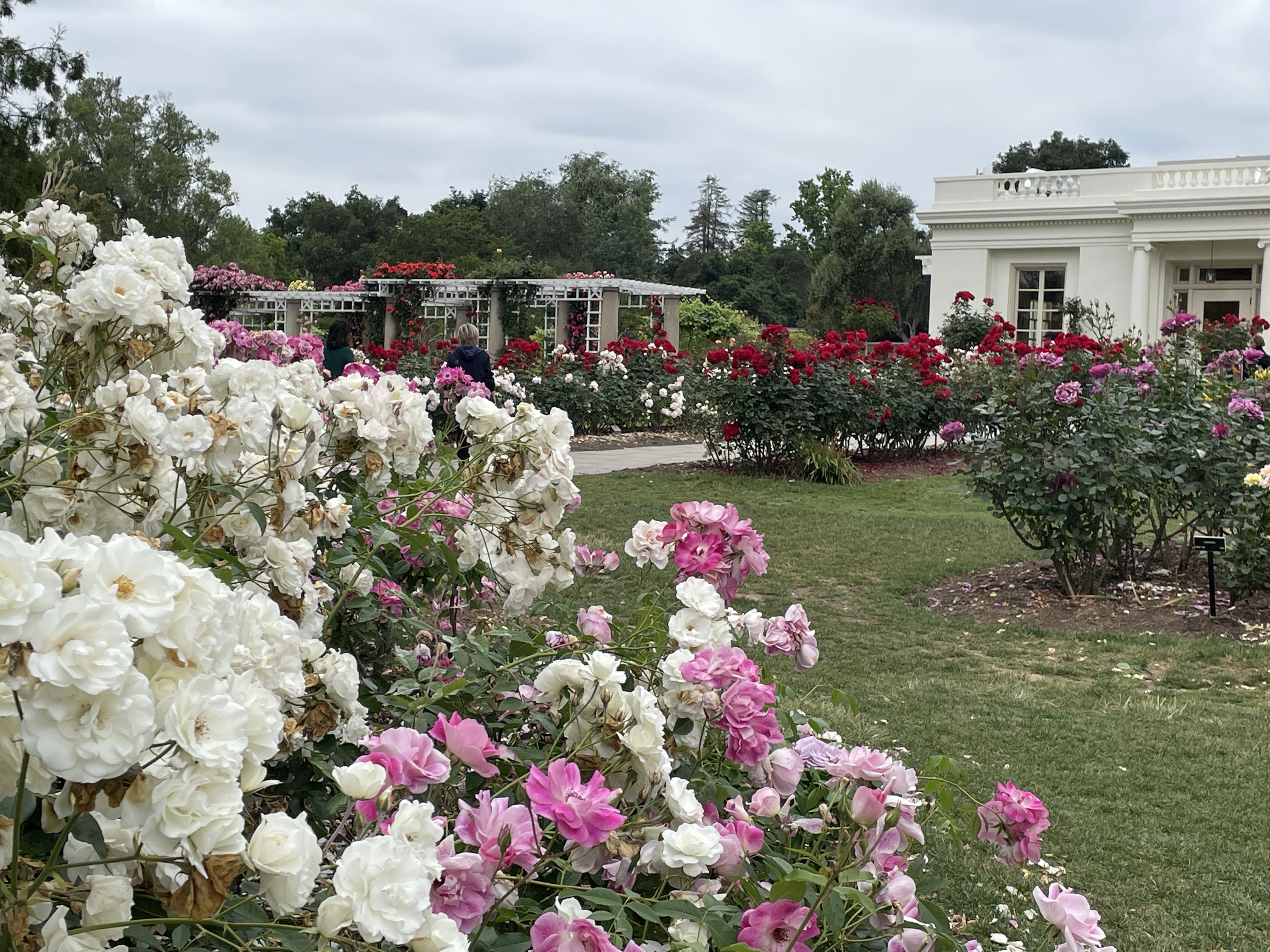
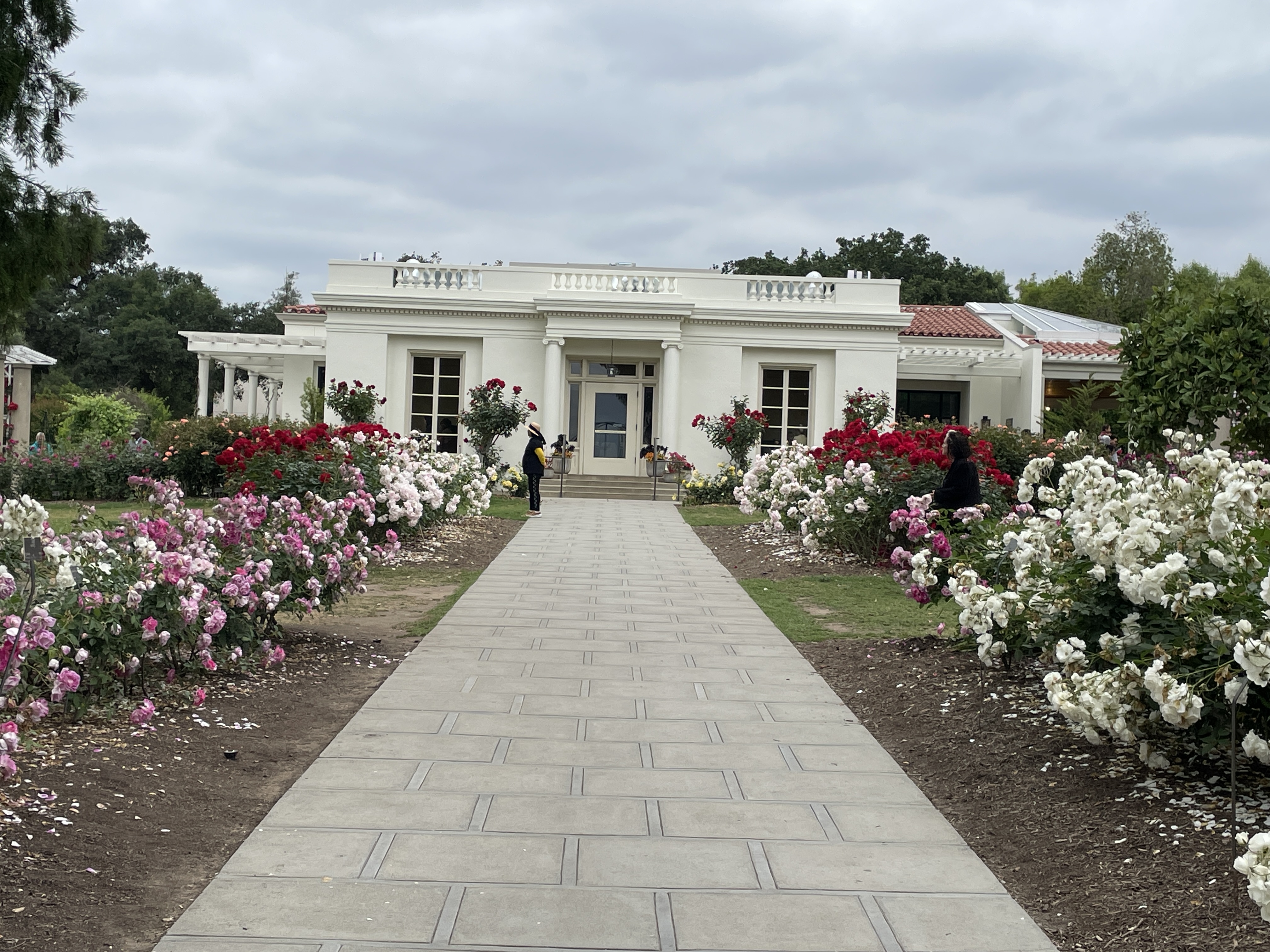
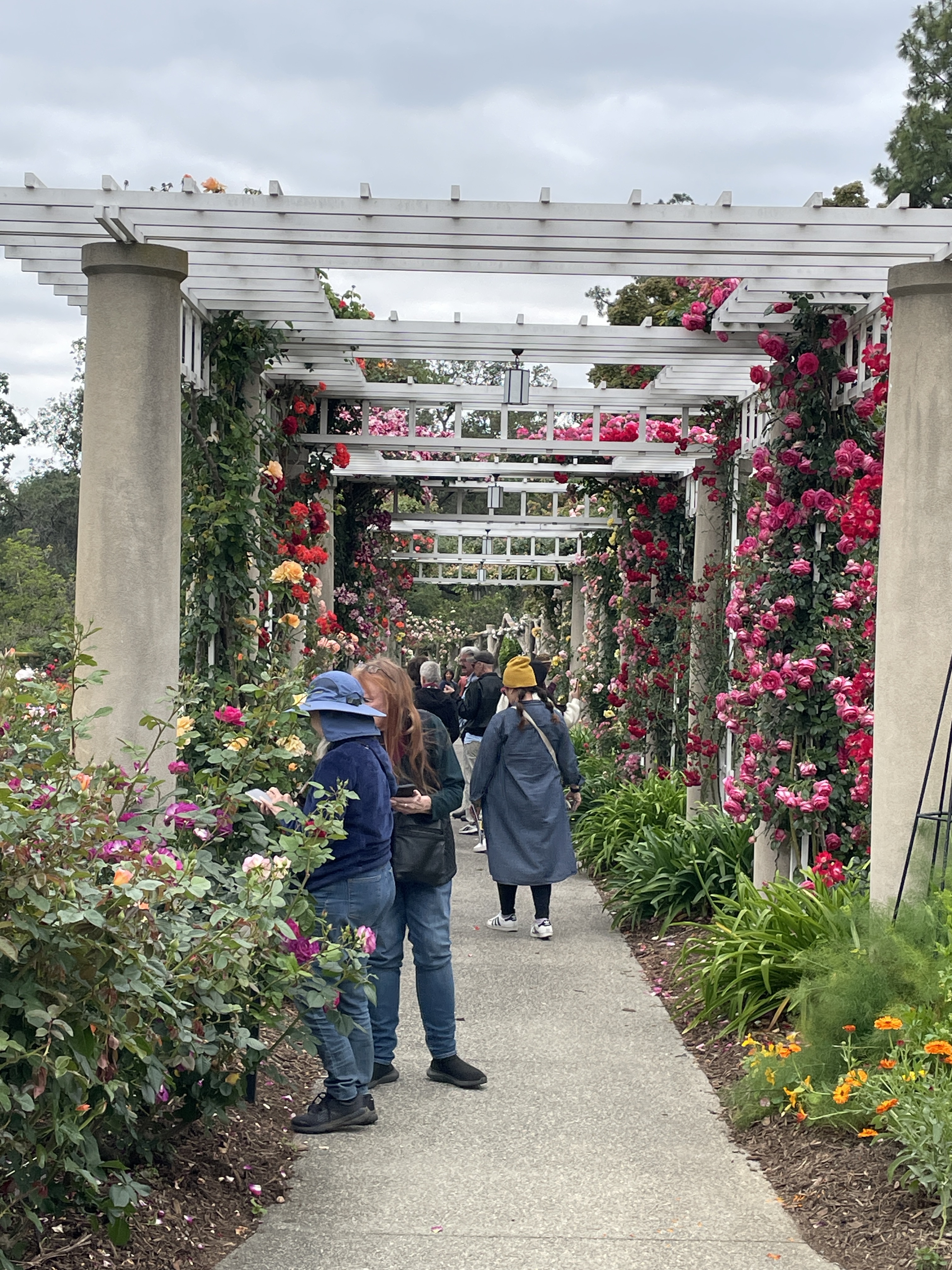
Friday, I decided to look around at parts of The Huntington since I had not been there in a while. For one thing, I knew the roses would be in full bloom, and even though I had been there a number of times, I had never looked around the rose garden. They did not disappoint.

Find the bird among the roses.

The building is the newly reopened Tea Room.

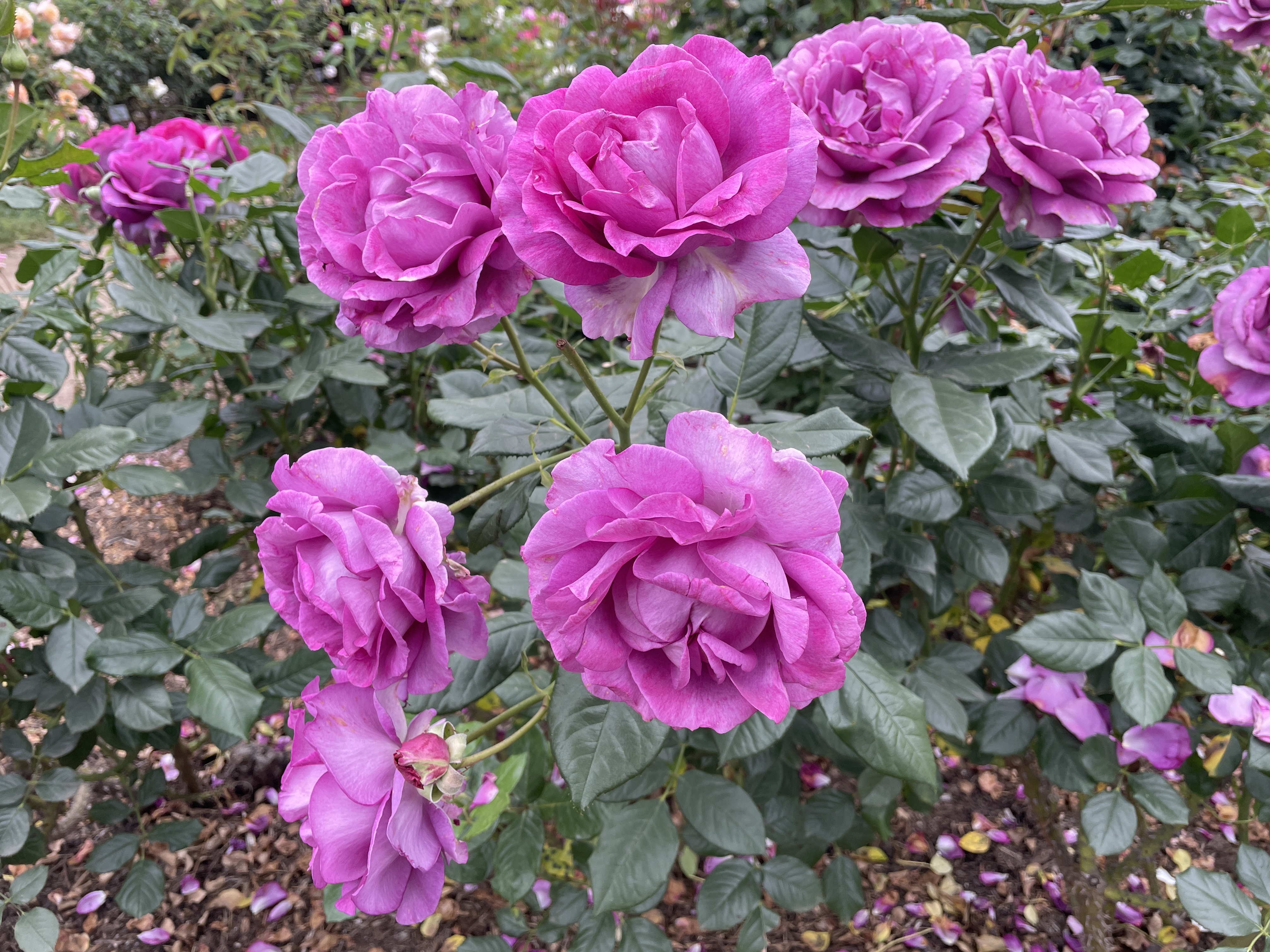
This rose has perfume as part of its name and smells divine.

I left the rose area and strolled in the herb garden seen above. Then I found a new kind of artichoke, Opera Artichoke. See below.

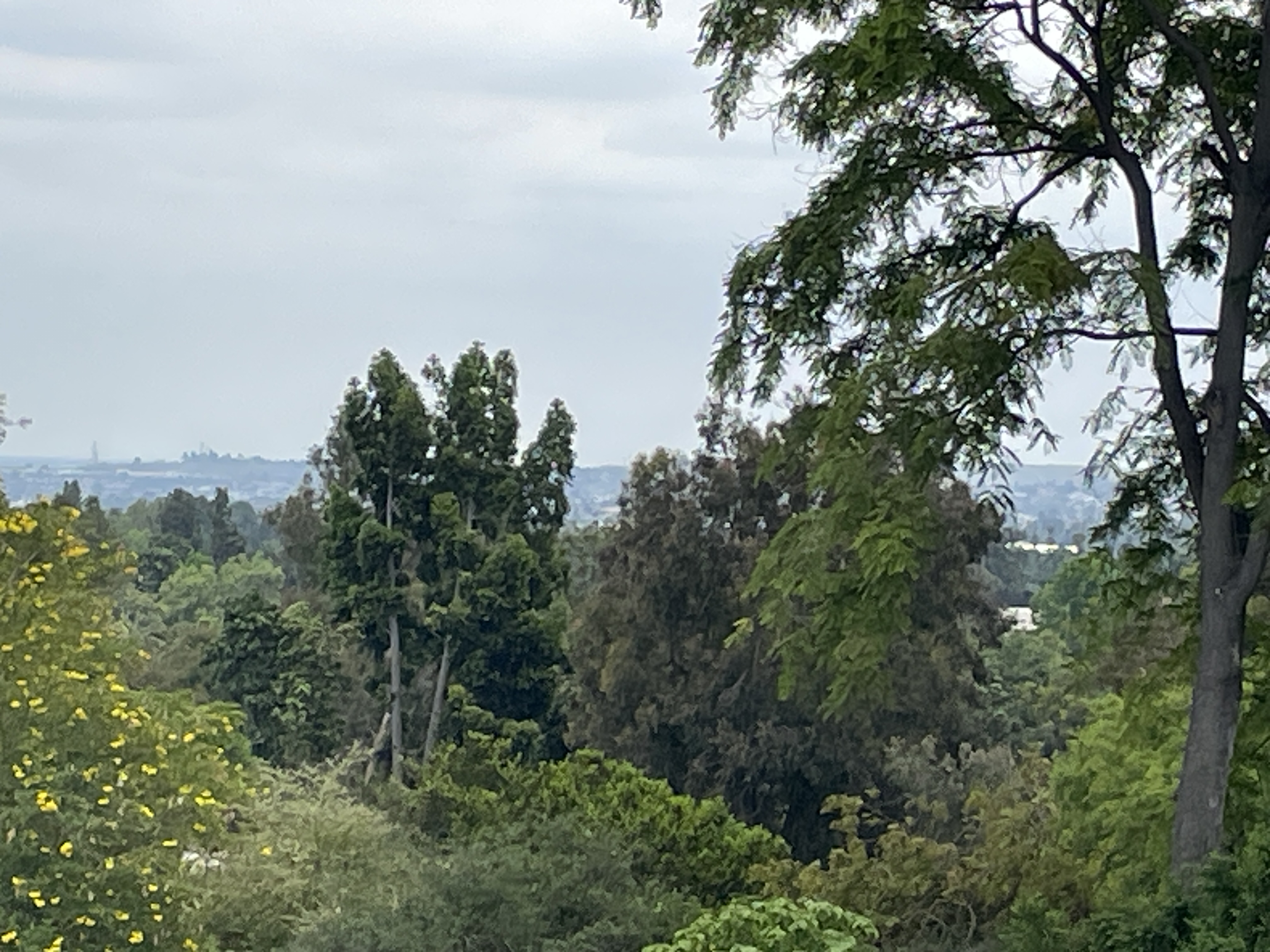
Facing away from the rose garden I could see all the way to downtown Los Angeles.

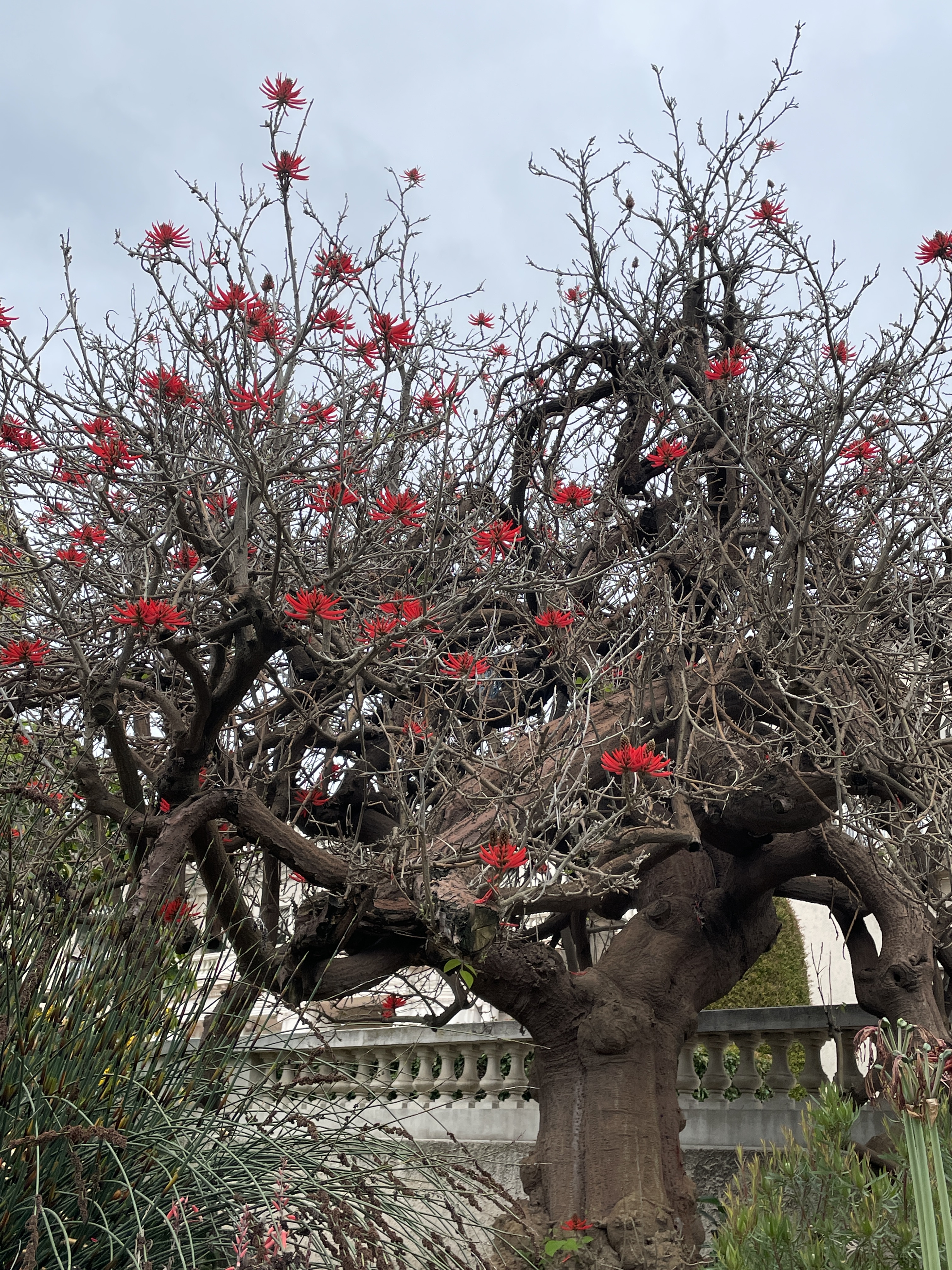
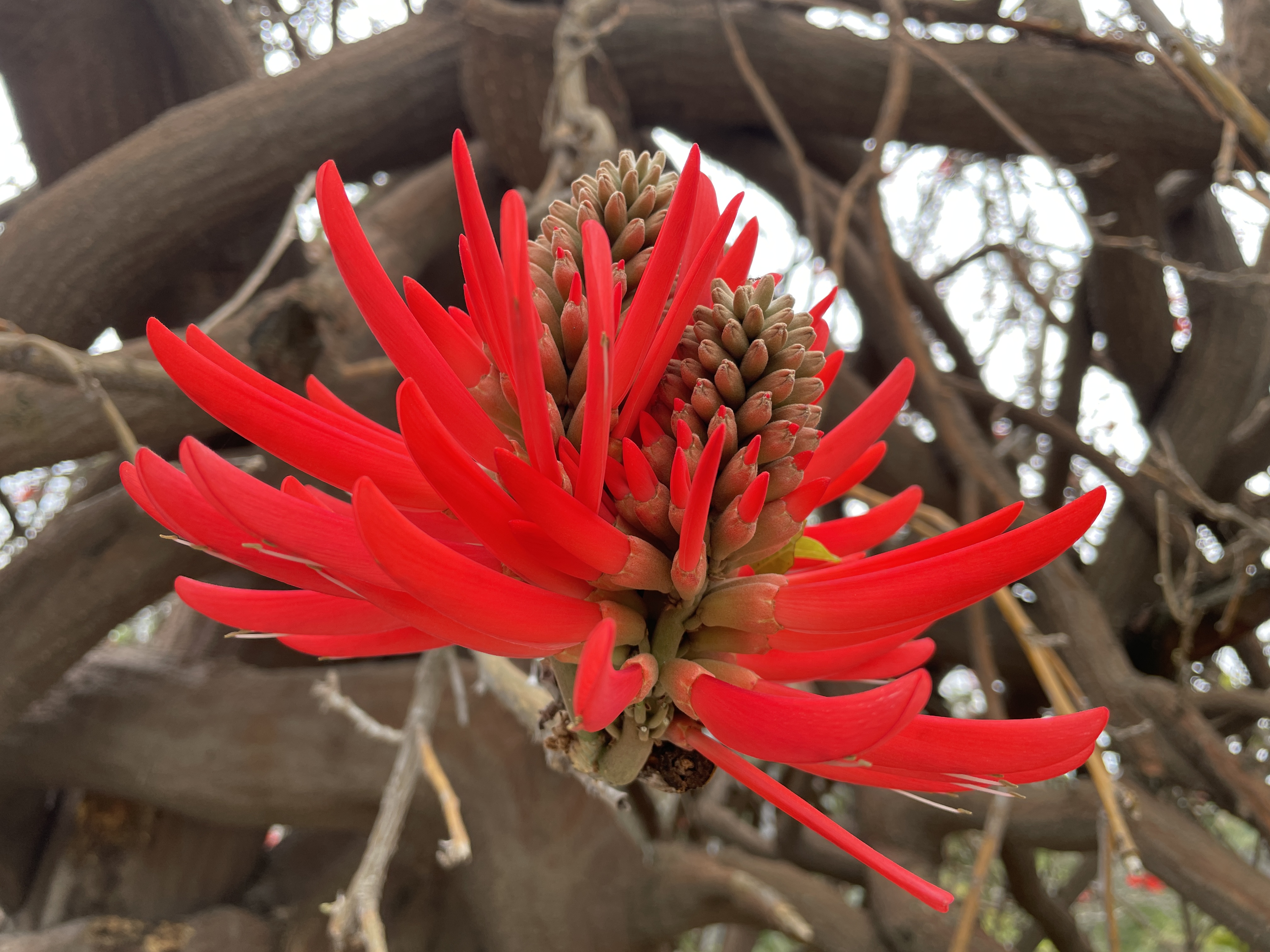
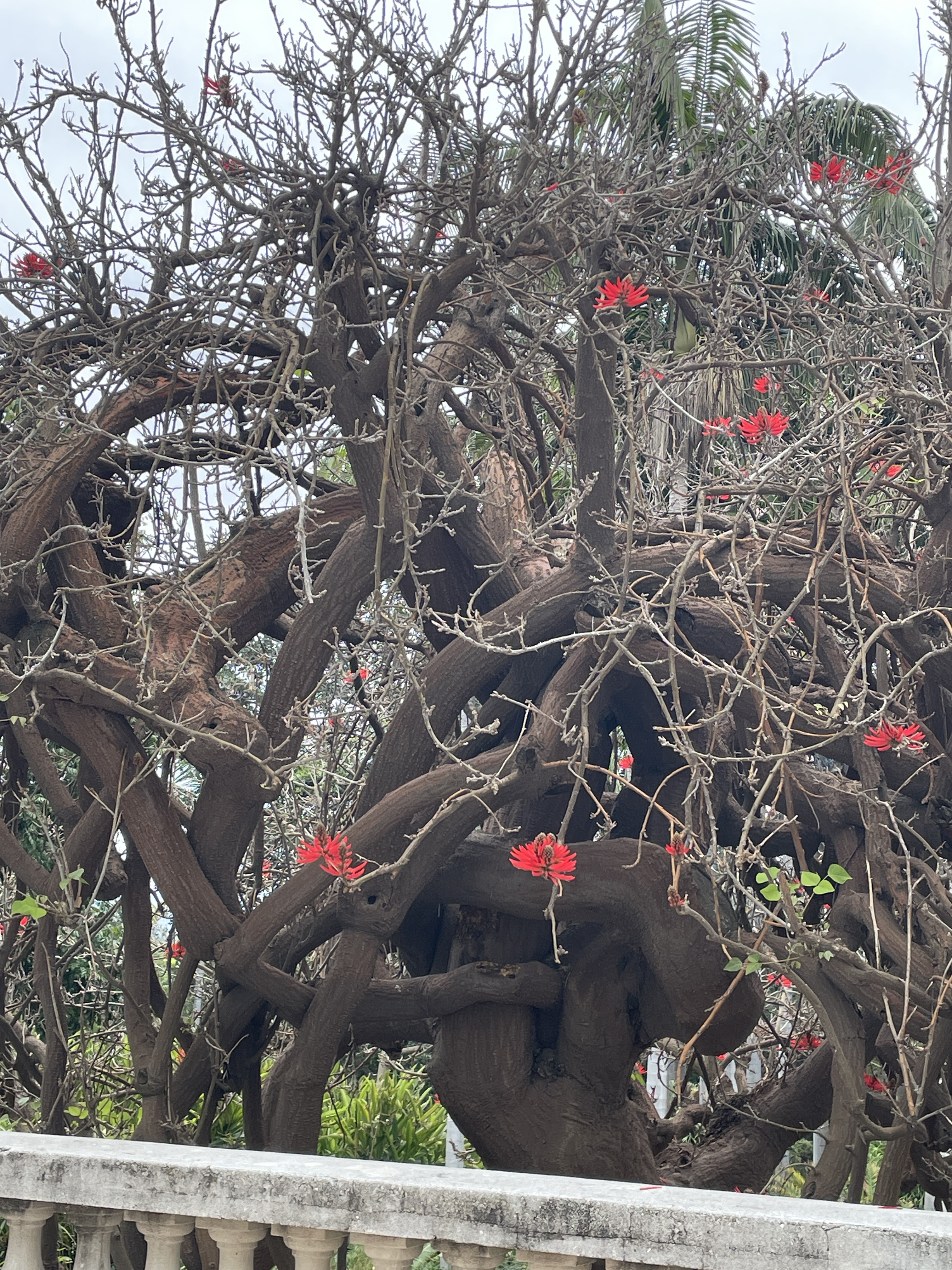
This tree is labeled Naked Coral.

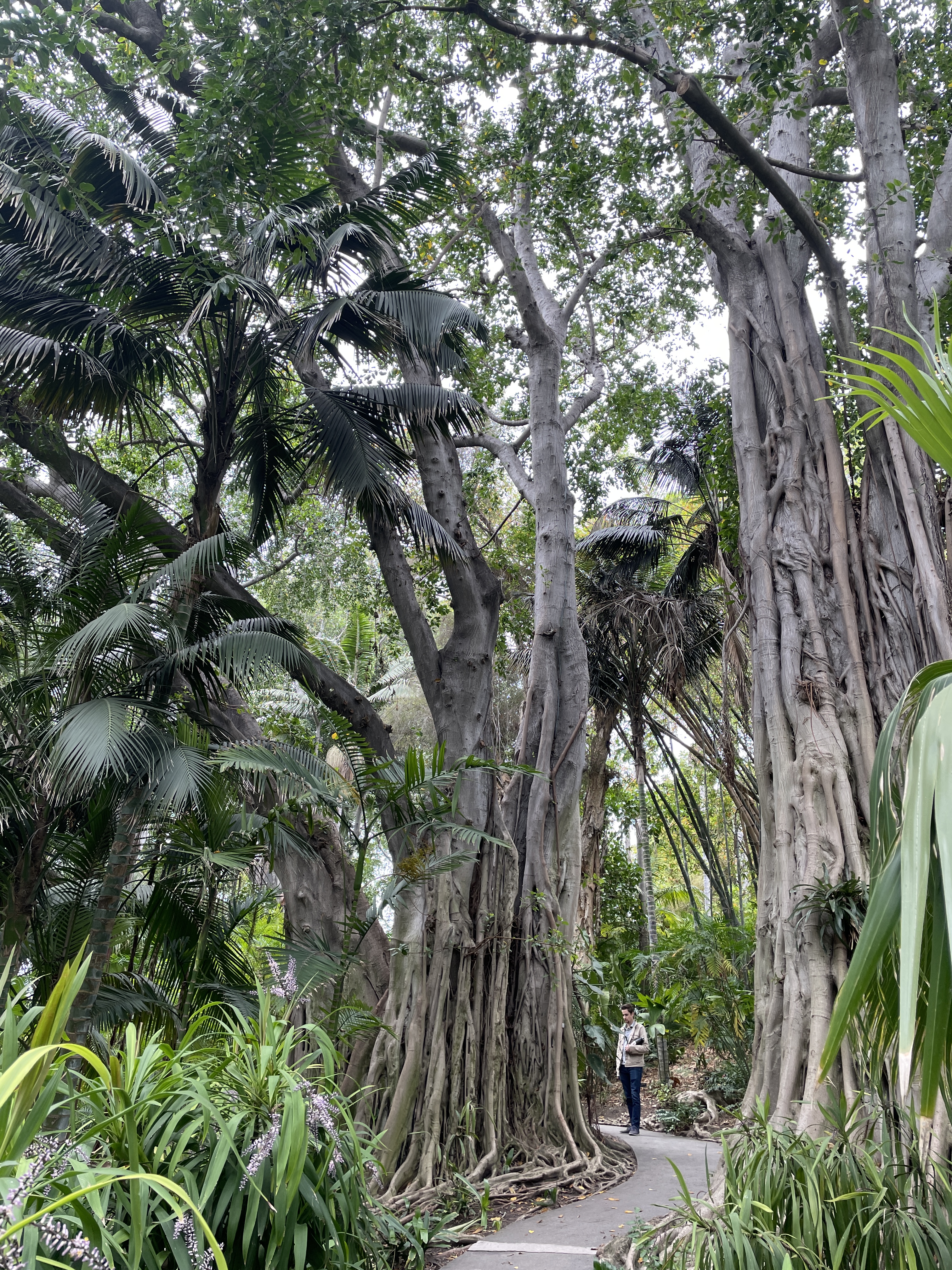
Then I strolled through the tropical garden area.

Fig trees.

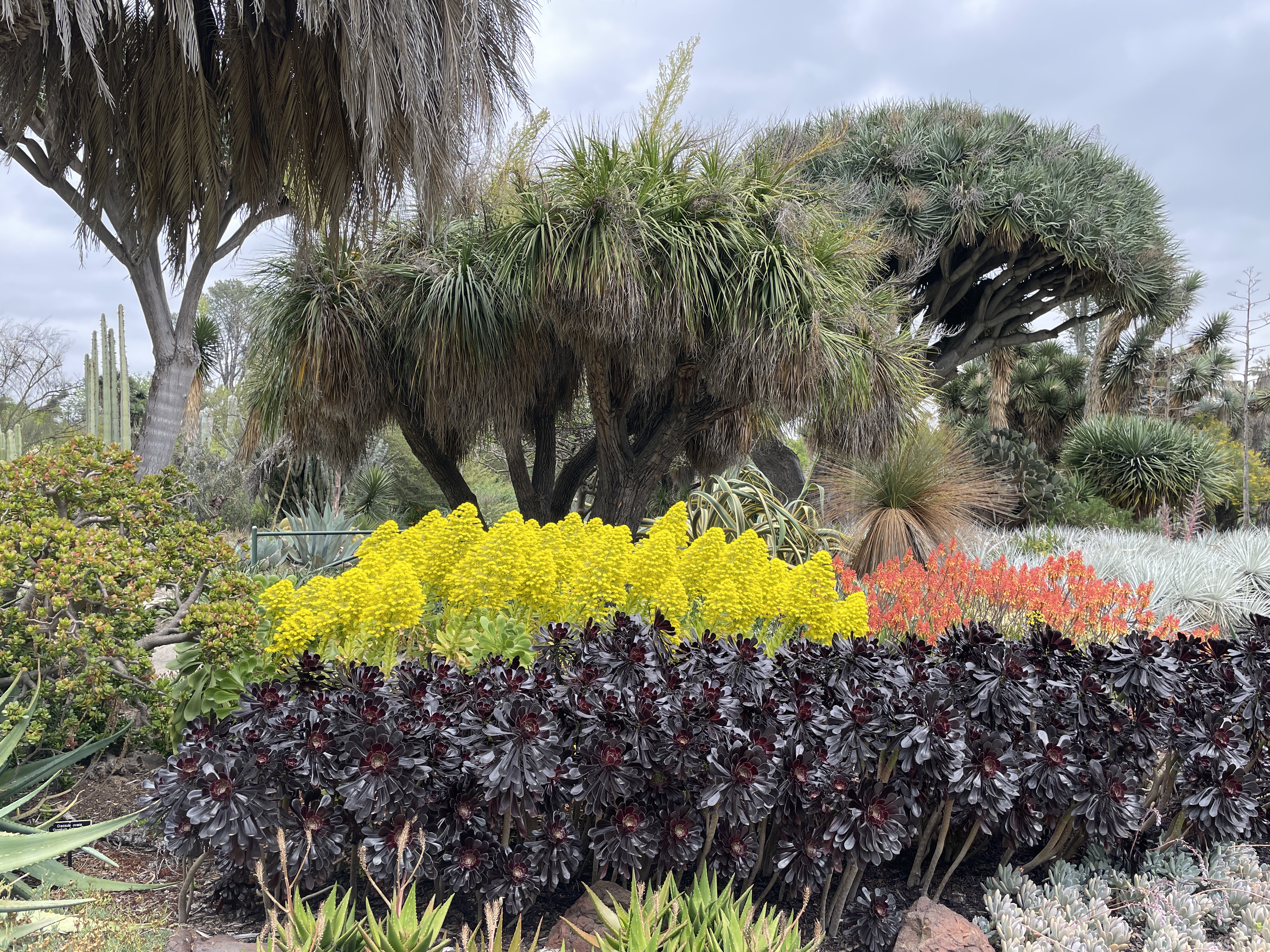
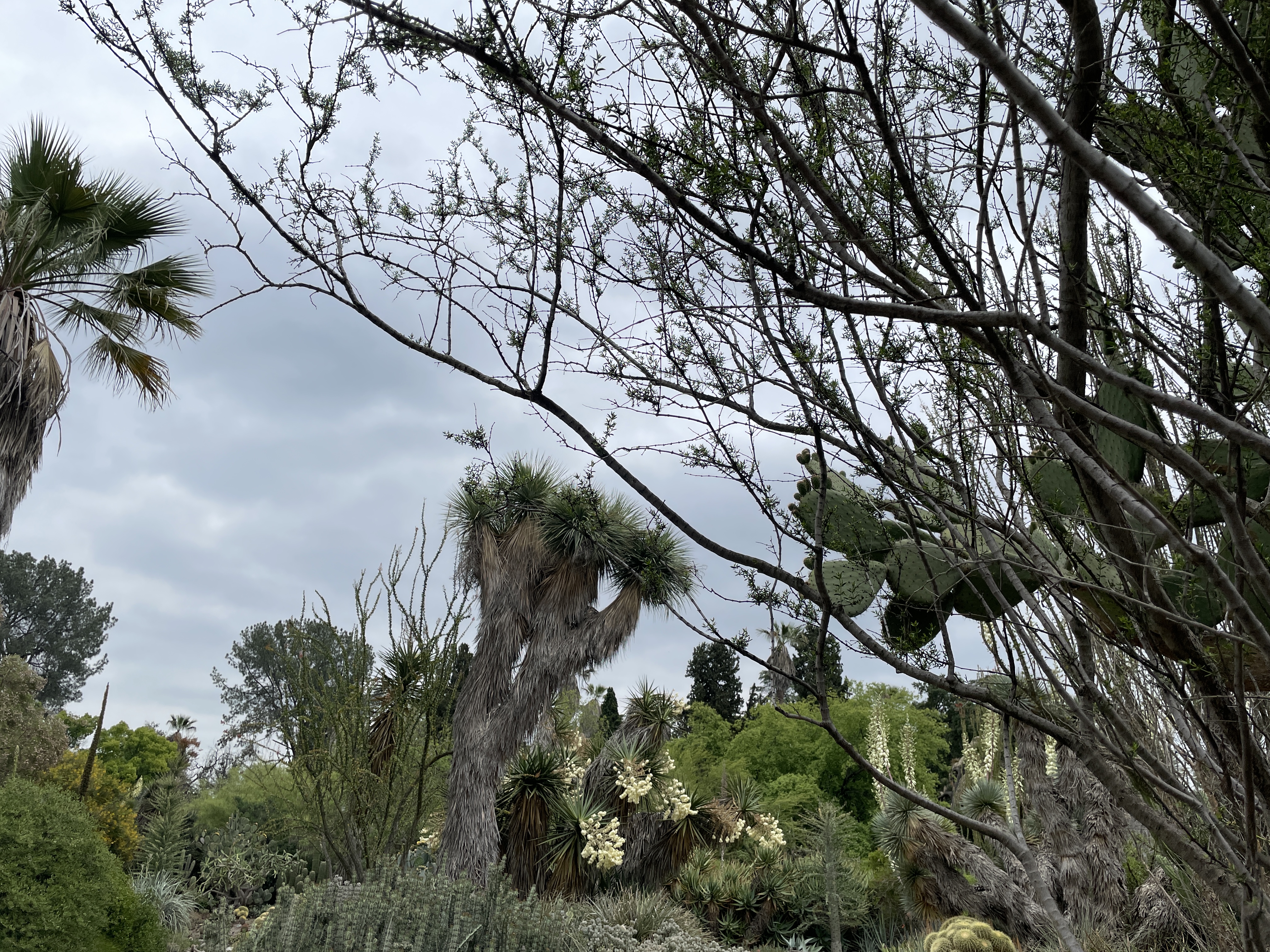
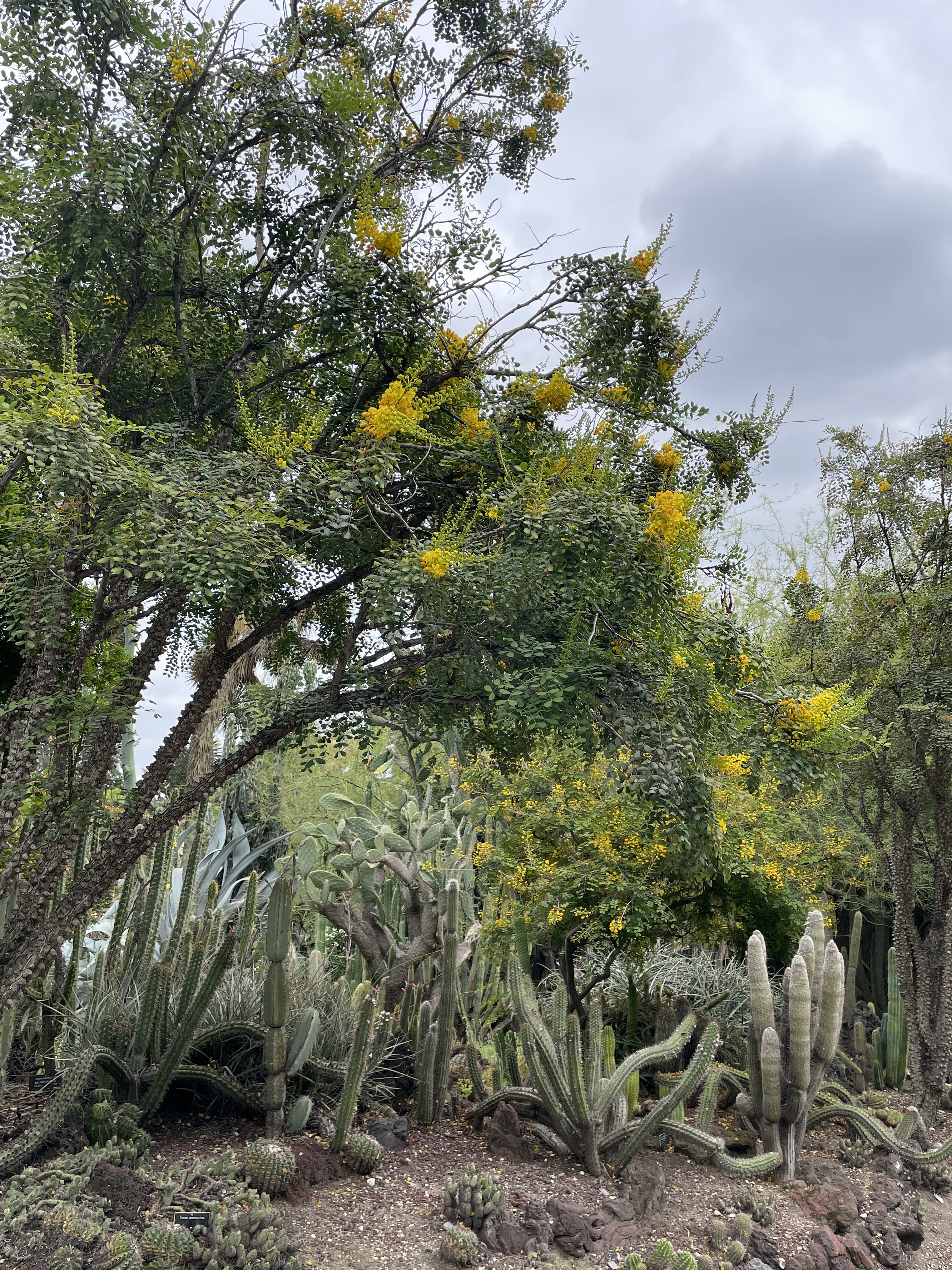
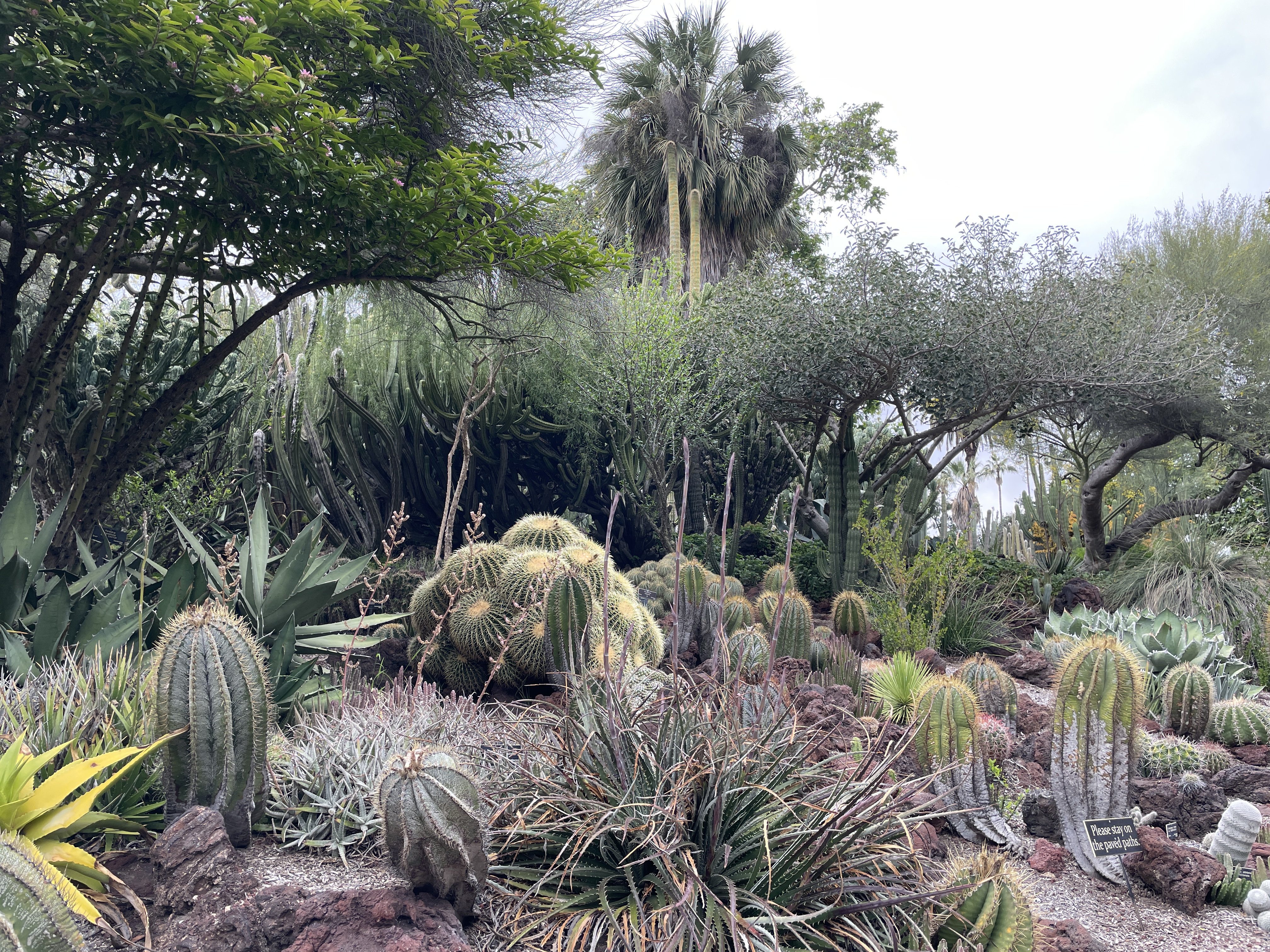
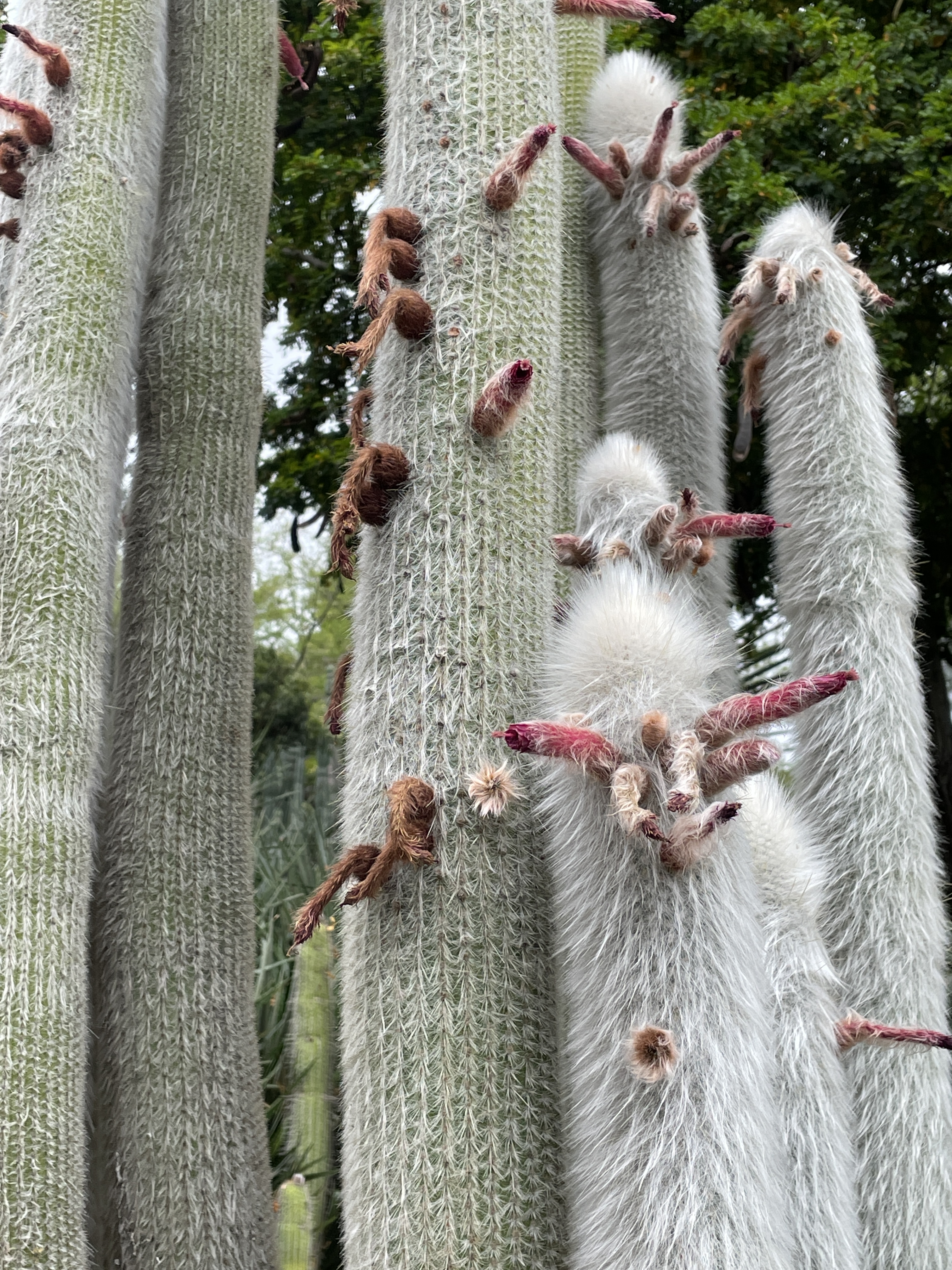
After leaving the tropical area, I wandered around cactus and succulent gardens.

Gallo Pinto


Last eve a friend came over.  Both of us have been careful during this difficult time and felt it was safe to see each other. I cooked a dish I ate every day when I visited Costa Rica, gallo pinto.  Usually it is served with platanos fritos.  I did not have platanos so served it with a mixed salad.

IMG_4694

Poblano, red and yellow bell peppers, finely chopped, and  ready to cook.

IMG_4695

Finely chopped onions already sautéed and now the peppers are cooking.

IMG_4696

The finished dish–left over rice, black beans, the pepper and onion mixture, and a little cumin–served with fresh salad. The recipe for this dish and the salad are in my upcoming book.  As soon as I know the date to preorder, I will let everyone know. The book will also be available at Burrowing Owl in Canyon and Amarillo, Texas.