Rim Rider


I ride the rim on Rosie,

writing stories in my mind.

The neighbor’s husky howls.

Rosie listens, watches,

moves away from the canyon rim.

I write of long lost lovers,

names forgotten,

smiling brown faces,

drifting through my dreams.

I ride the rim on Rosie,

writing stories in my mind.

The bobcat climbs the canyon wall.

Rosie’s ears move,

her body tenses.

I write of childhood memories,

places loved and lost,

of family joys and sorrows,

Mom’s singing while she worked,

Dad’s napping on the blue linoleum  floor.

I ride the rim on Rosie,

writing stories in my mind.

Isabella runs past, bunny hunting, barking.

Rosie wants to run, to race, is held.

I write of fragrant fields of saffron,

endless Thai seas of blue and green,

of lands I’ve loved , the Navaho Nation, the Llano Estacado.

I ride the rim on Rosie,

writing stories in my mind.

I Have Lived


Depression, sad days, melancholy.

Gone!!

At 26, I said, “To hell with this!

You control your life; live it!!


I tried forbidden liaisons, trained horses,

Went around the world, a cobra wrapped around my neck,

Walked the Shalimar Gardens in Kashmir,

Watched the Taj Mahal reflected in still waters,

Stood before the Jama Masjid in Old Delhi,

Strolled the streets of Katmandu,

Talked with monks at the Shwedagon Pagoda,

Bargained with sticks in dirt, math our only common language,

Downed raw turtle eggs in Costa Rica,

Danced on table tops, sang “Adonai”,

Roamed empty roads across the Navaho Nation,

Raised two charming children,

Married, divorced four times.


I have lived, running on the rim of wonder.


This poem is a response to another Mary Oliver assignment for the SCN poetry class.  The prompt was to write about how we might have lived differently or made different choices.  On the whole I possess few to no regrets, have been to places never dreamed of, met astonishing people all over the world, and live exactly as I want to live.  I feel blessed.


Costa Rica 6: Adventures and Views


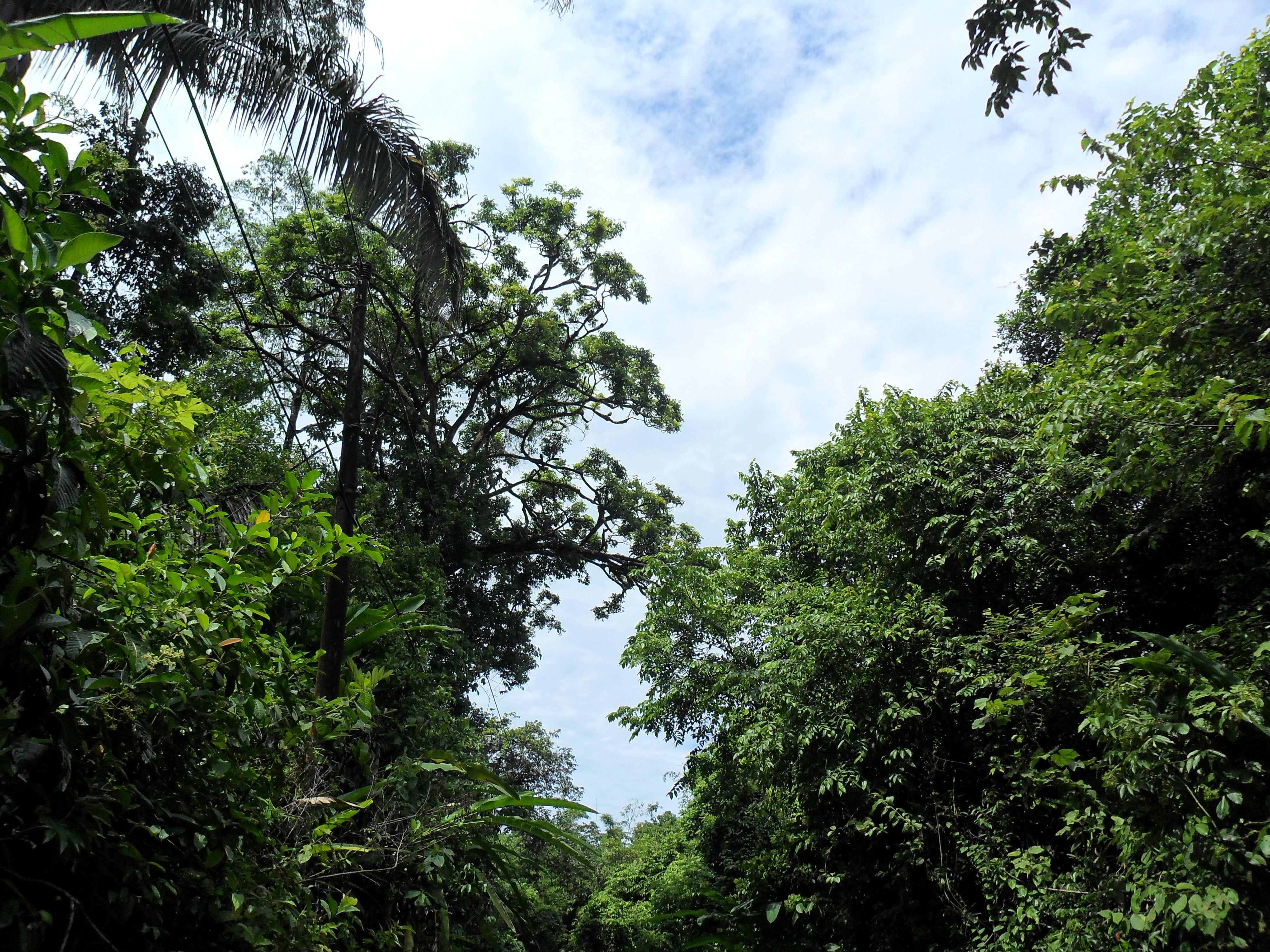
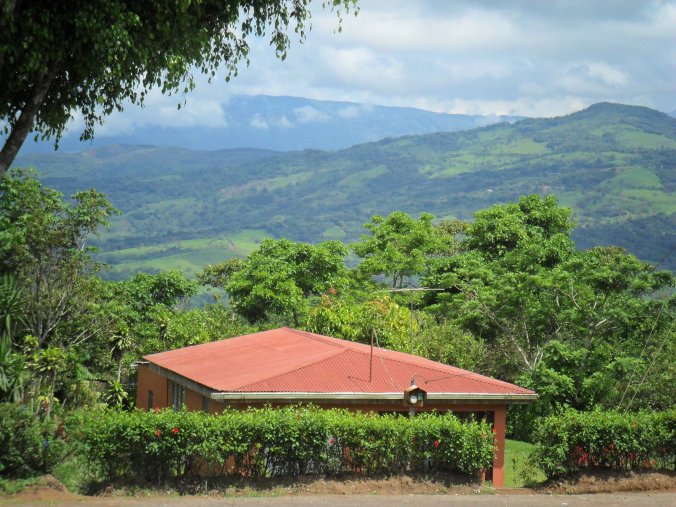
Without a doubt Costa Rica holds my vote for most photogenic and greenest country.  From the Caribbean and Pacific rain forests to the high mountain town of Monteverde, the words lush, exotic, verdant do not even begin to describe how incredibly rich the landscape is.  One of the first spectacular views lay before me across the parking lot from a combination restaurant and souvenir shop where we stopped for snacks.
I did not expect to see multiple mountain streams like in the Rockies, but it seemed we were crossing one nearly constantly.  This abundance of water explains their nearly total dependence on hydroelectric power with a little help from wind and thermal energy.

Several of my traveling companions decided to raft this river with class 4 rapids. Something told me I should not do this.  After flipping over several times, banged up and bruised, they decided to hike out.  In  the meantime, I experienced my own adventure, eating a raw turtle egg in salsa at a family restaurant on the top of a nearby mountain.

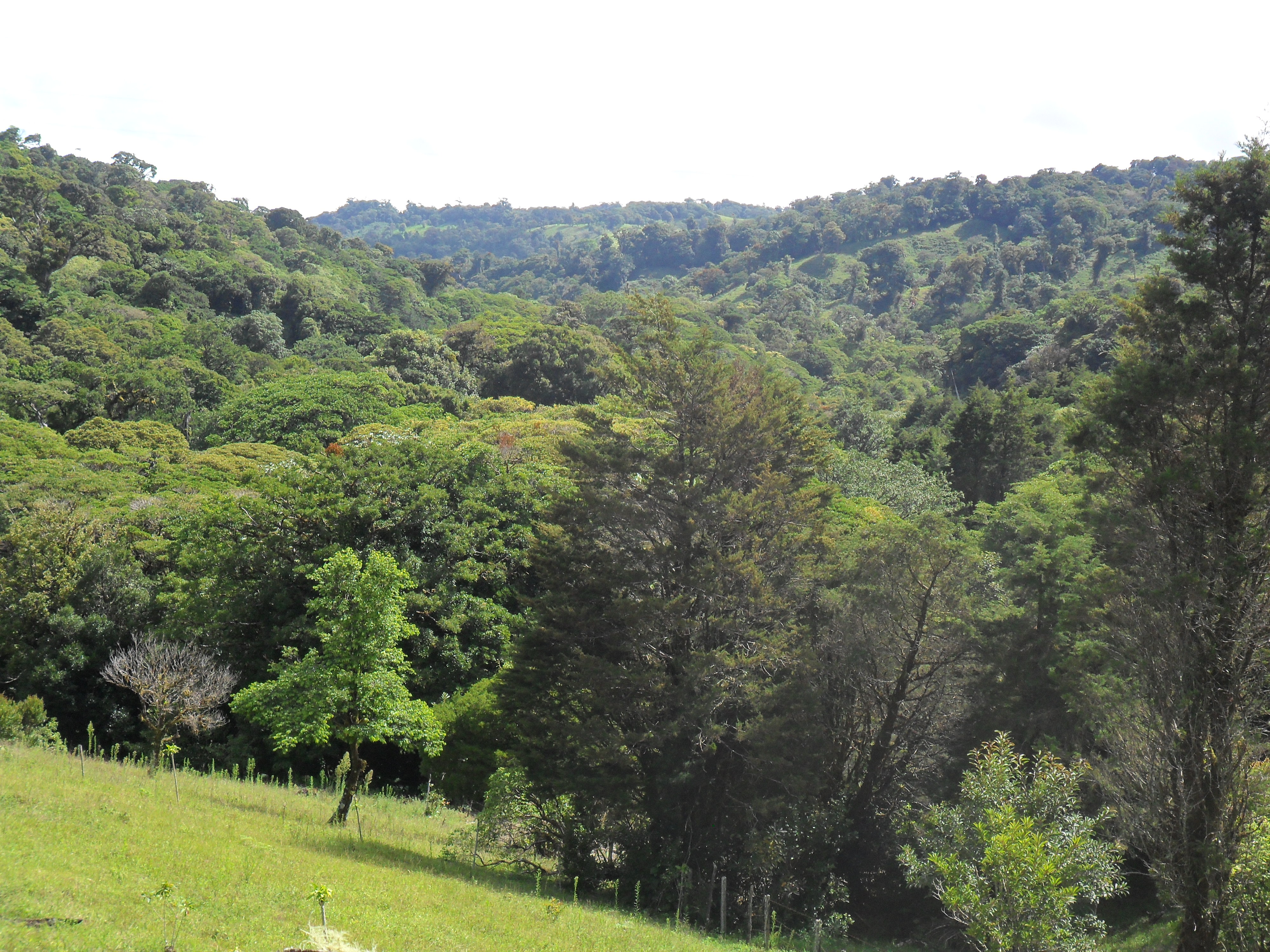
Beautiful mountain scenery seems endless.  I kept 00hing and awing.
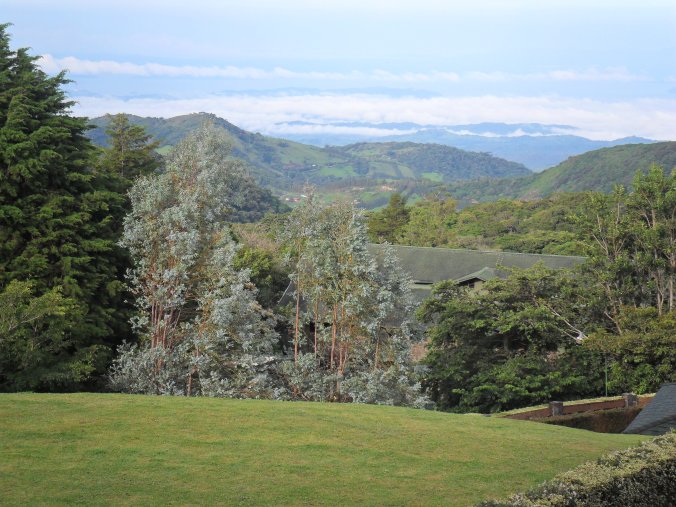
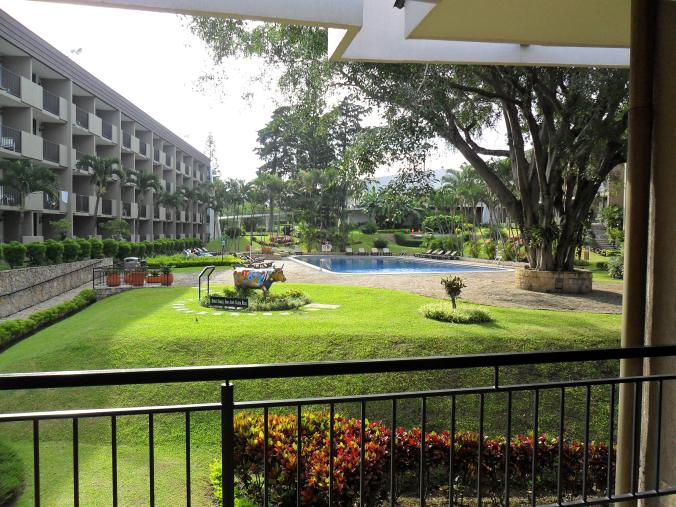
This view shows the Bay of Nicoya in the distance from my hotel room in Monteverde.  The following photos all show views in the mountains near this little remote town.  There is only one road in and out and it is not paved and it is narrow.  The town was originally settled by Quakers from Canada who still believe a paved road will ruin the peaceful lifestyle.  Both the Quakers and the town are famous for their cheese which was served both plain and fried for breakfast.

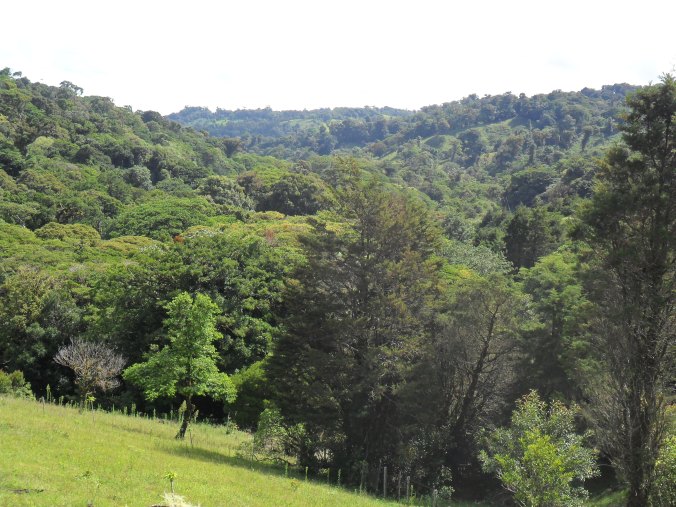
This area provides both zip lining and horseback riding for tourists.  I elected to ride.  However, these horses did not seem well fed and certainly did not want to go very fast.  Although I saw a lot of horses in Costa Rica, these were by far the thinest.
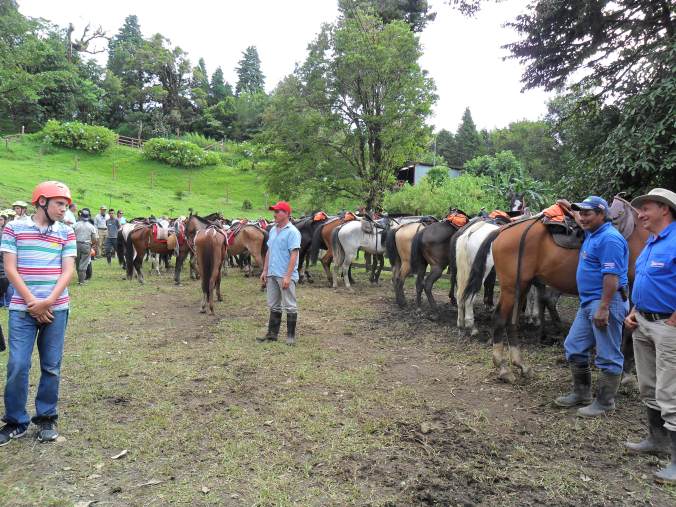
The guy who lead us did not ride one of these.  He was riding a fancy, prancing, grey Paso Fino.

Look closely and you can see someone zip lining across the forested canyon hundreds of feet below.
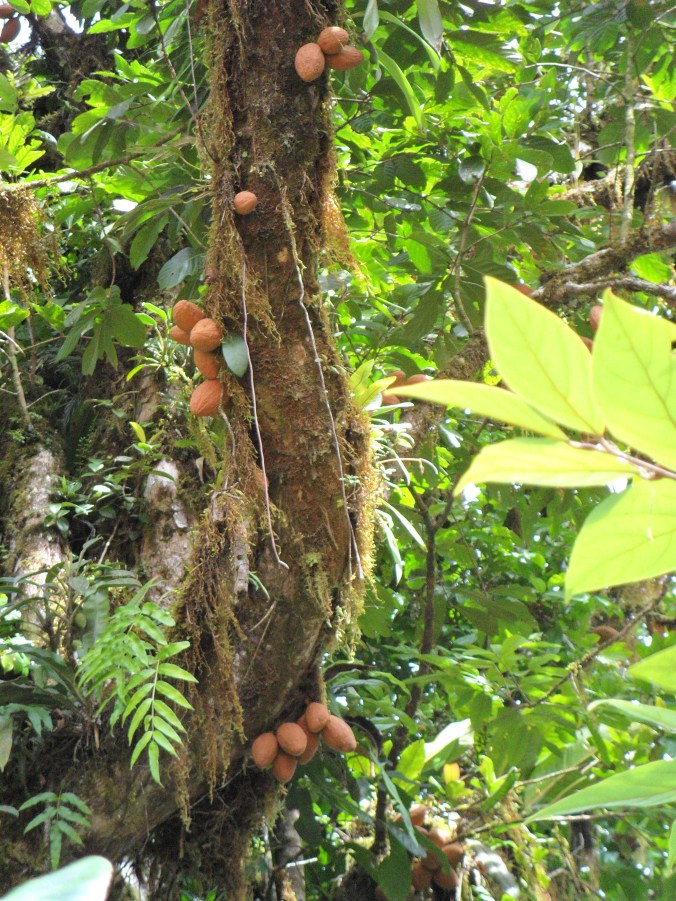
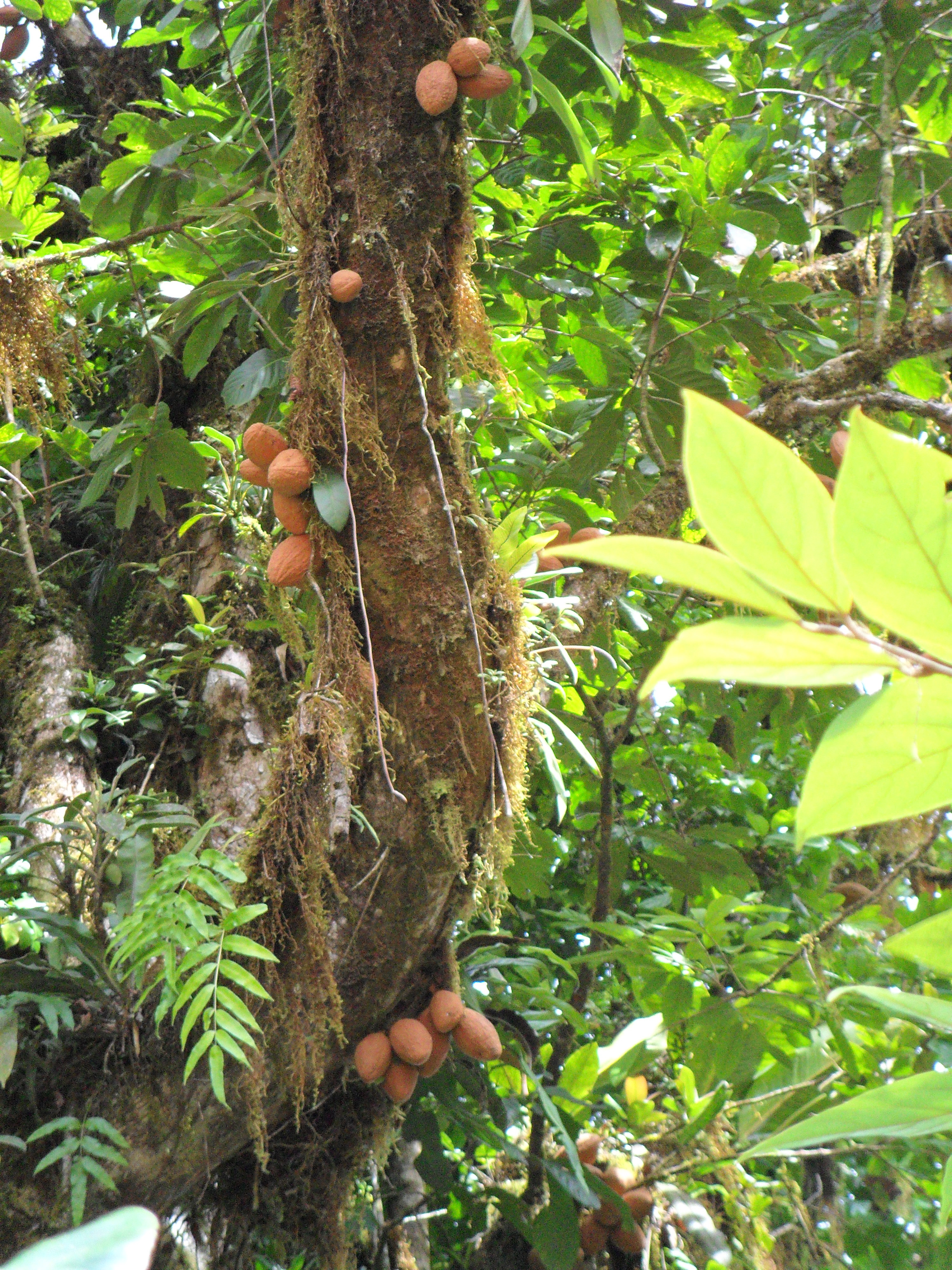
When I asked about this tree, I was told it is related to cacao, but not eaten, not by humans anyway.
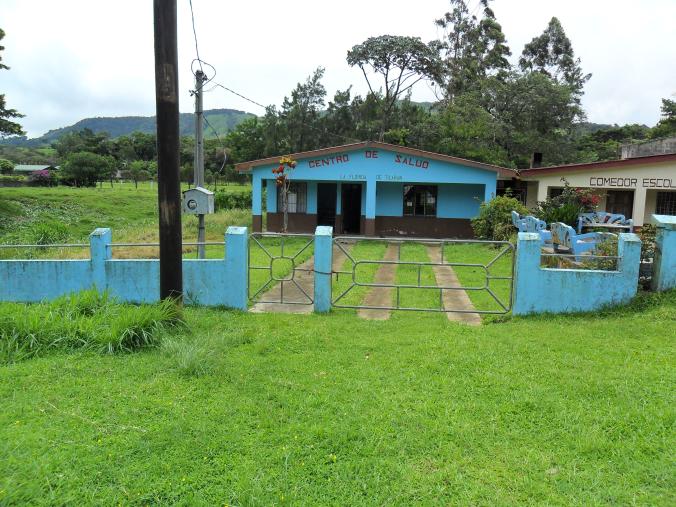
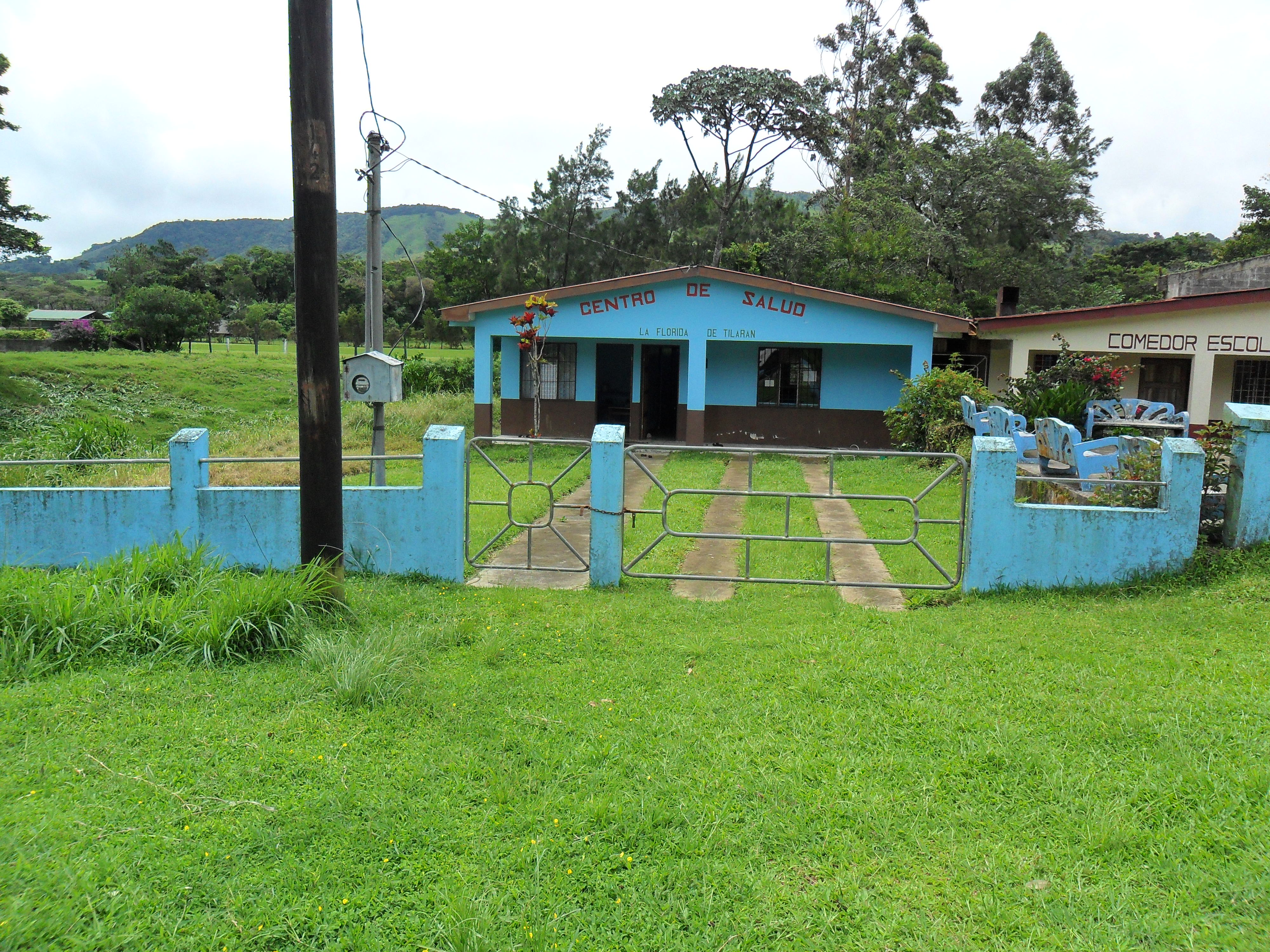
We traveled down the mountain on another dirt road to visit this elementary school.  It housed grades 1-6 with one teacher who is also the principal.  The literacy rate in Costa Rica is 98.5.
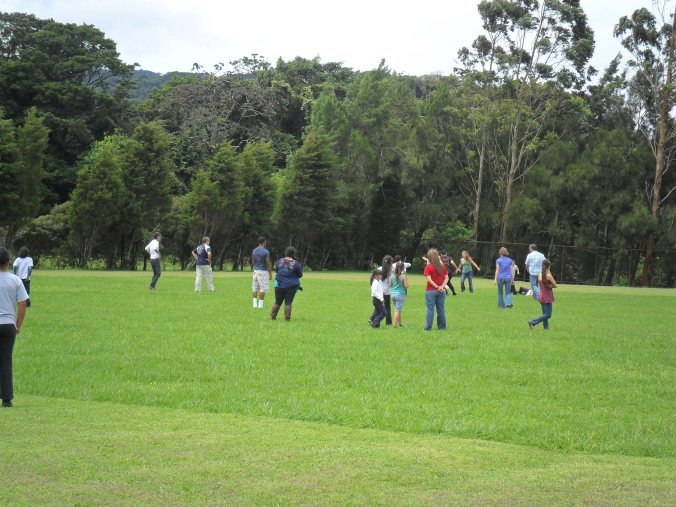
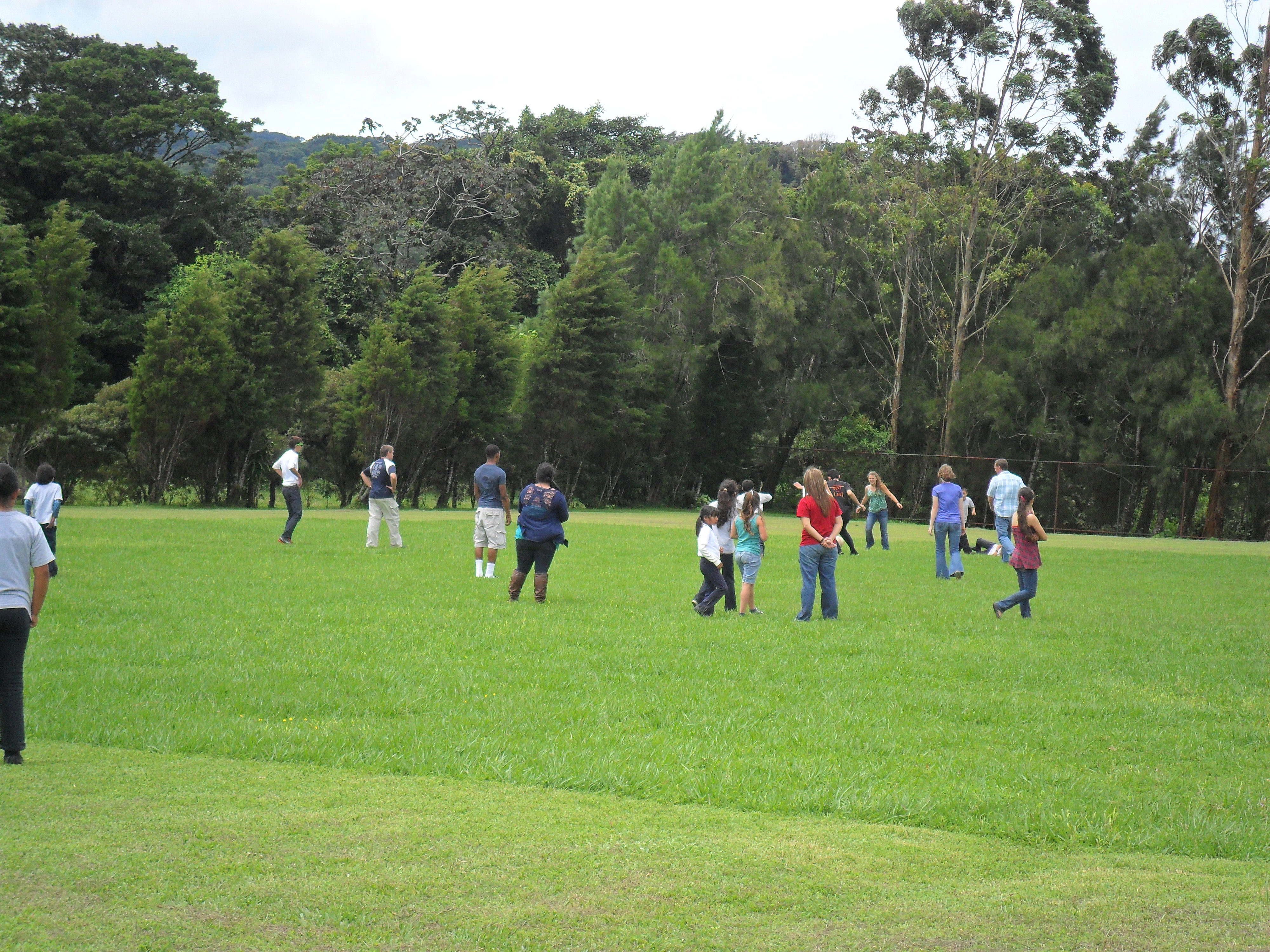
Playing soccer with the students.

A port on the Pacific on the way to the surfing town of Jaco.  Costa Rica exports many agricultural products from both its Pacific and Caribbean ports.  This includes bananas, pineapples, hearts of palms, and many tropical flowers.

While many beaches remain unsafe for swimming due to a strong undertow, the beaches at Manuel Antonio National Park are perfect.
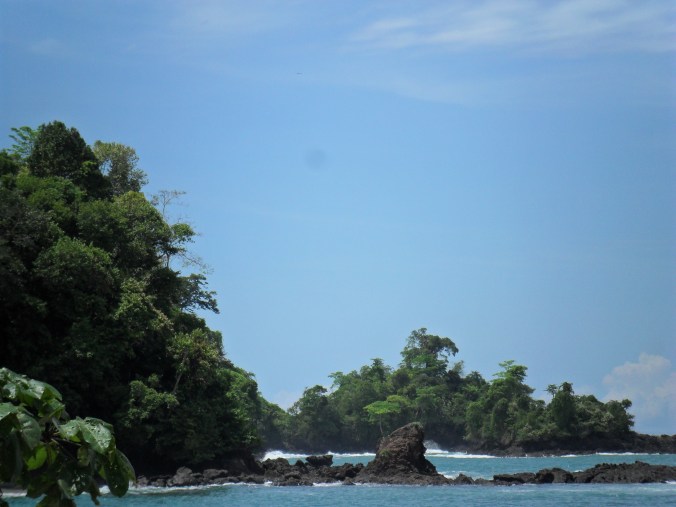
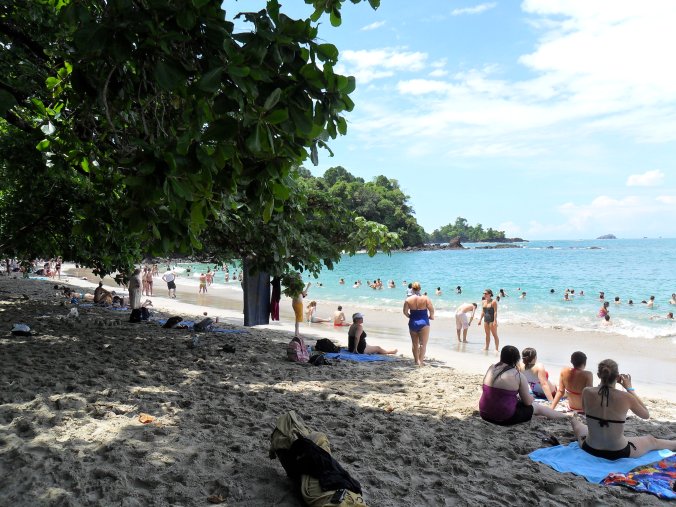
To get into Manuel Antonio you have to walk and no parking exists really close.  Hiking out we crossed an area where the water rushed around our knees and the sign said, “No Swimming, Crocodiles”.

As a farmer, I like to look at and photograph crops.  With all the rain and heat, Costa Rica is the perfect climate for many tropical fruits and rice.  On the way back from Manuel Antonio we passed miles of rice fields and Aftican palms which produce palm oil.
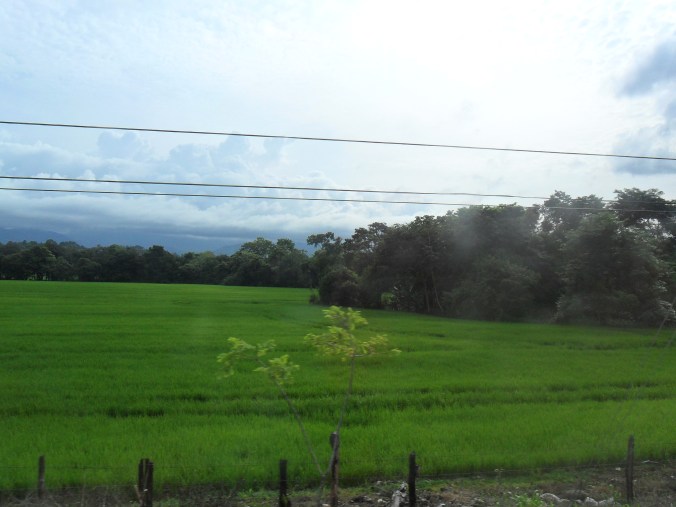
Rice.
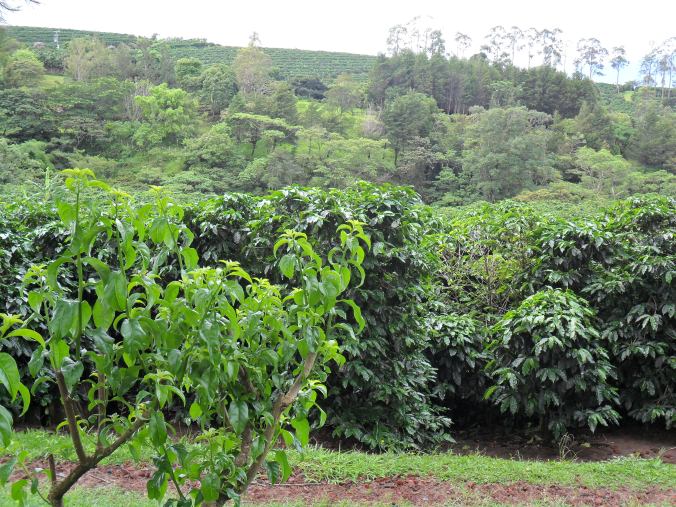
Coffee, the main export of Costa Rica.  In the highlands, coffee grows everywhere even along the berms in places so steep I wondered how the person picking the beans did not fall over.  Of course, I wondered the same thing about the dairy cattle grazing on the mountain slopes.

We did stop in Sarchi, the town famous for its furniture and oxcart industry.  Oxcarts remain the national symbol of Costa Rica.  Because of the mountainous terrain, when Costa Rican coffee initially became famous and its most successful crop, the only way to get the coffee to the coasts for export was to use oxcarts.

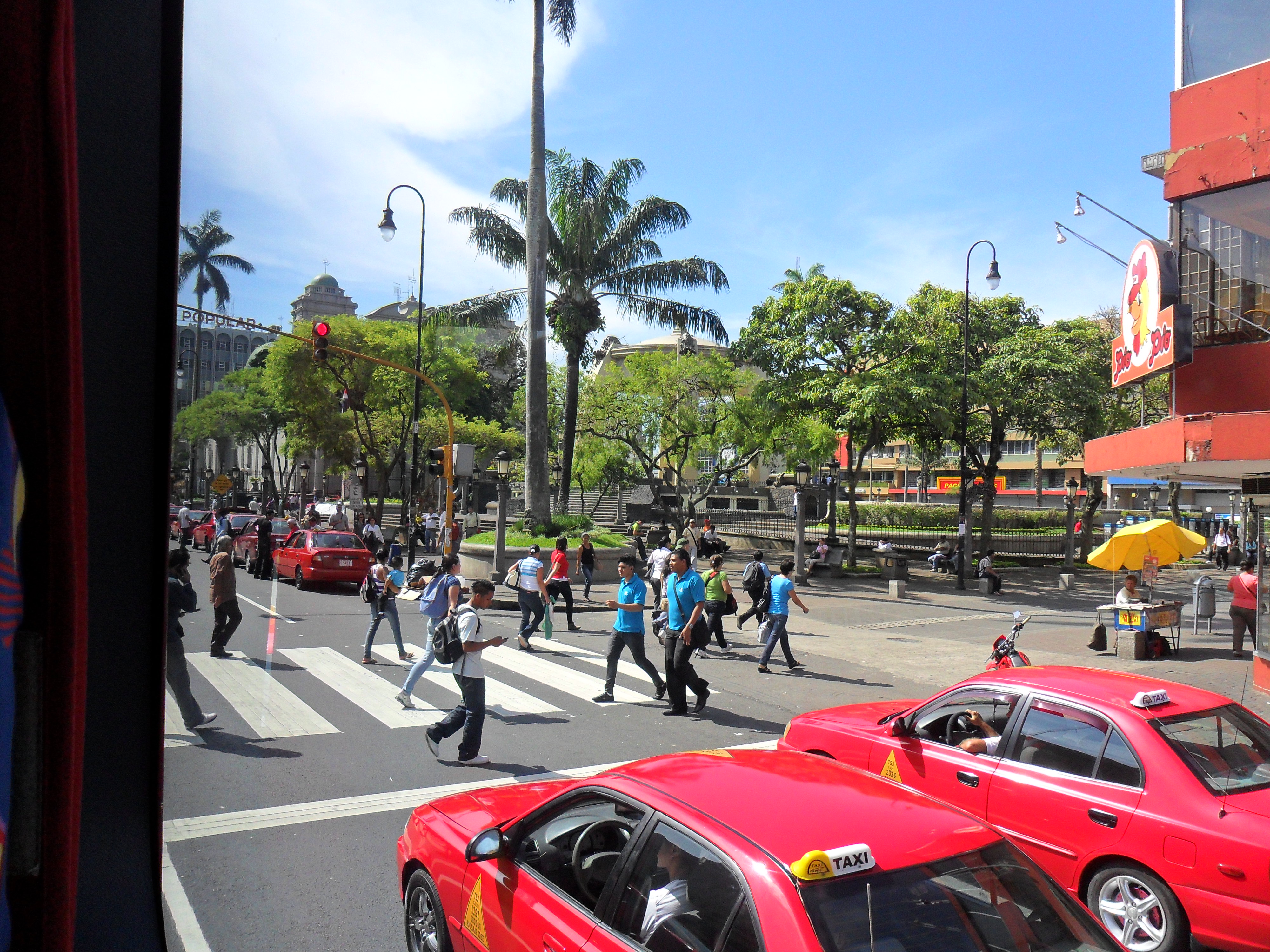
We spent very little time in cities.  However, as we left San Jose near the end of the trip and headed for the Caribbean side, I took some hurried photographs out the window.

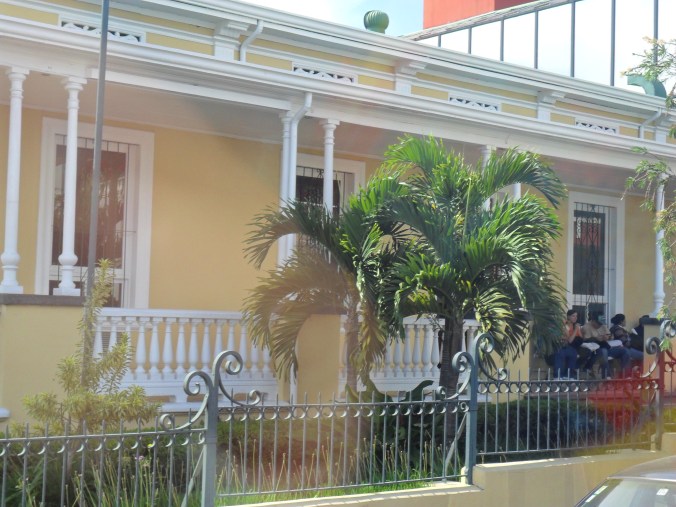
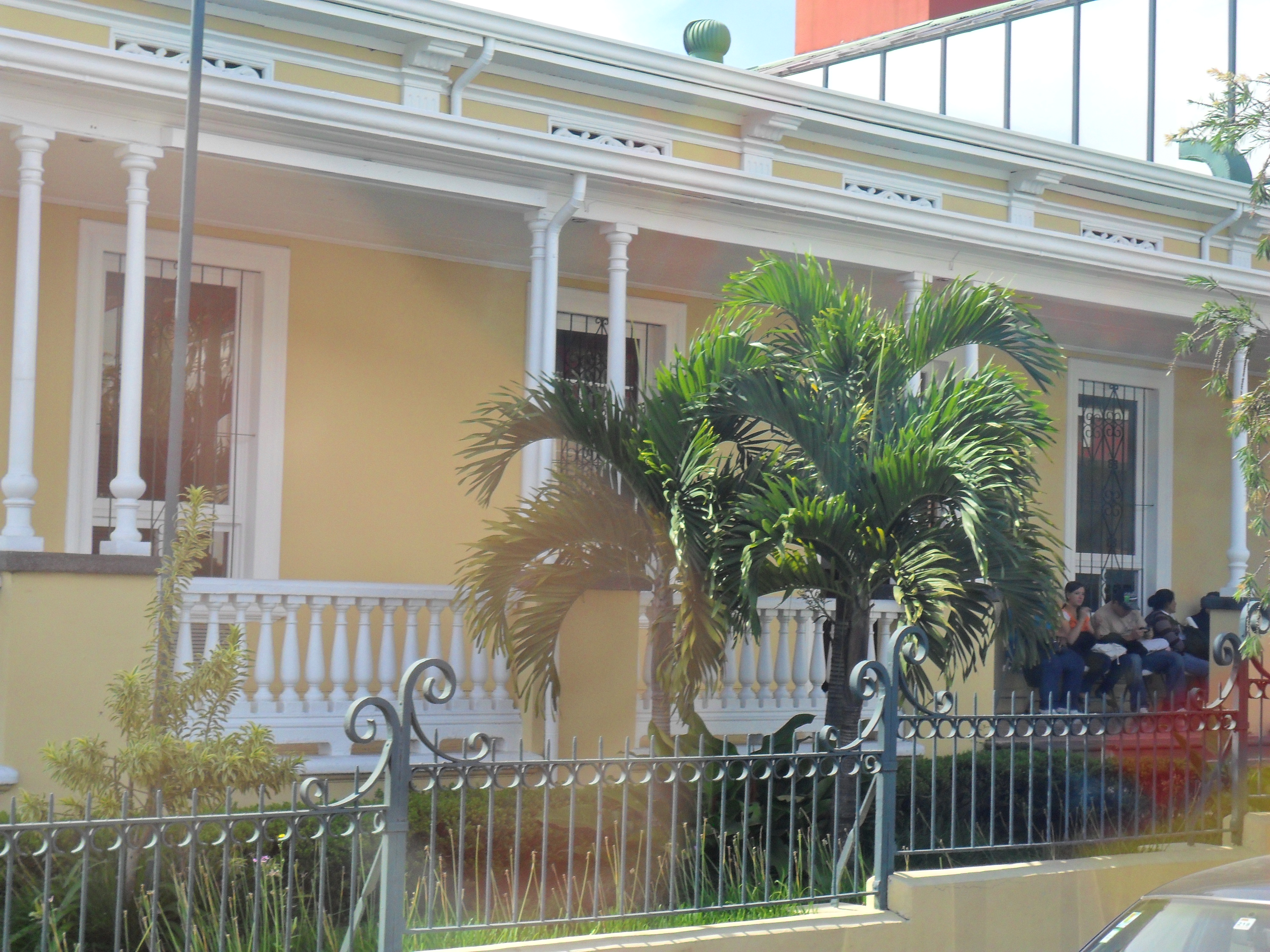
My first and last hotel window view in San Jose included these stately coconut palms.

PURA VIDA

Costa Rica 5, Fauna


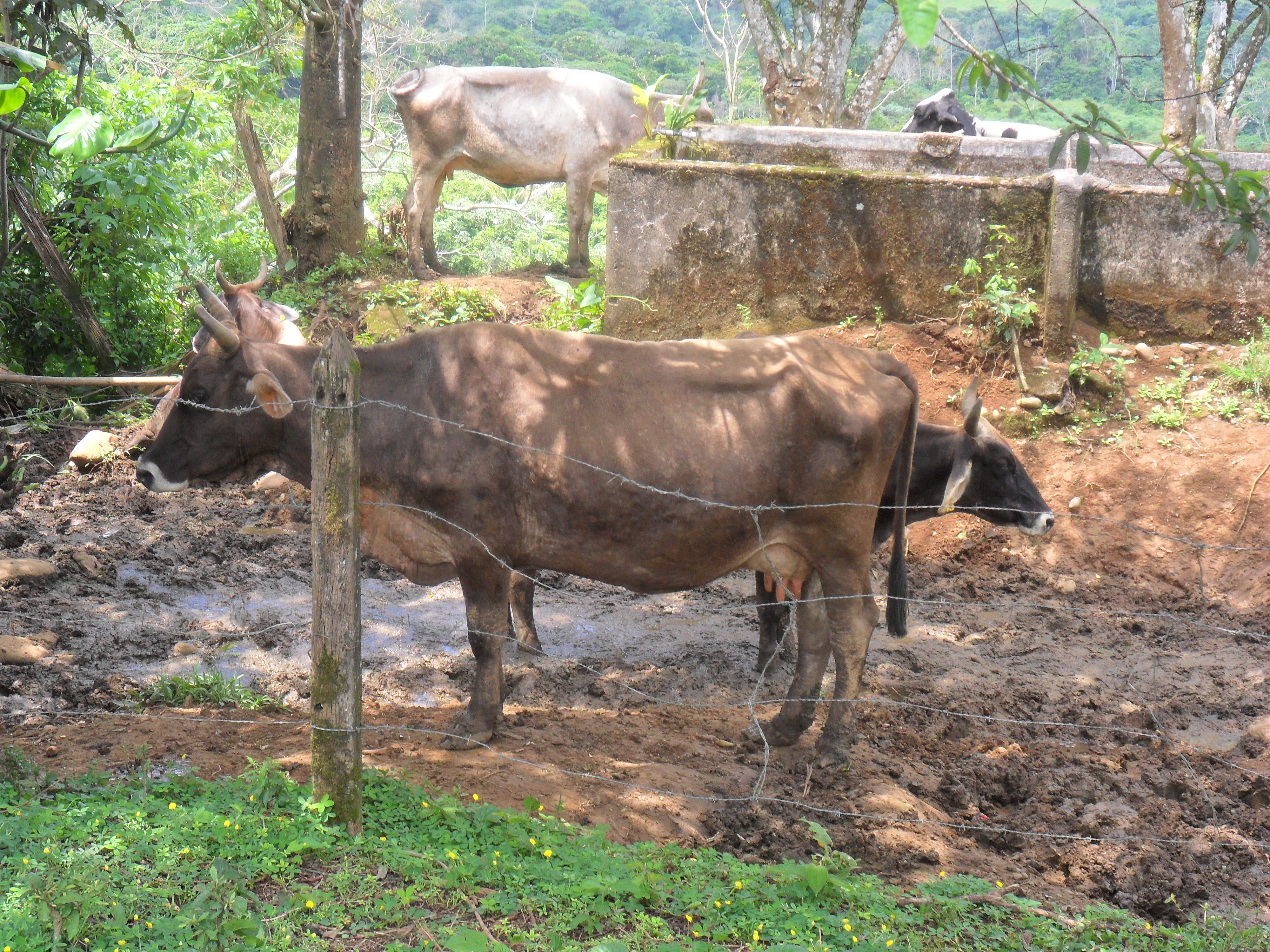
Costa Rica continued to surprise me.  I did expect some of the animals, photos of which are posted below,  but did not expect so many cattle, especially the dairy cattle, including Jerseys, Guernseys, and Holsteins,  that populated the steep mountain slopes.  They grazed everywhere up to their tummies in grass on even the steepest mountainsides.  I kept wondering how they learned to balance themselves and why they did not fall over, catapulting down the mountain.  Everyone in the group commented on the fat, happy cows.  Such abundance resulted in fabulous steaming milk for morning coffee, rich cheeses, and the creamiest ice cream imaginable.

A cow pen near the top of a mountain on the Caribbean side next to the restaurant that sold cheese and where I ate the raw turtle egg.  Most of the cows roamed free up and down the mountainsides.

In the lowlands on both the Pacific and Caribbean sides of the country, Brahma cattle relaxed or grazed in the lush grass.  It reminded me of the landscape near Veracruz, Mexico, where I lived many years ago.

The most common meat besides fish, most of which is talapia, is chicken.  Near the mountain top where the Jersey cow above was photographed, I saw a huge shed and when I asked about it, was told it was a chicken farm. However, pork is frequently served as well and occasionally beef.  I took the following photograph at a small place on a dirt road.  We stopped there to drink coconut water.  The spotted, pregnant pig was due soon.  However, the fate of the black pig remained less lovely–food.  Their girth resulted from eating coconuts; they constantly gorged themselves.

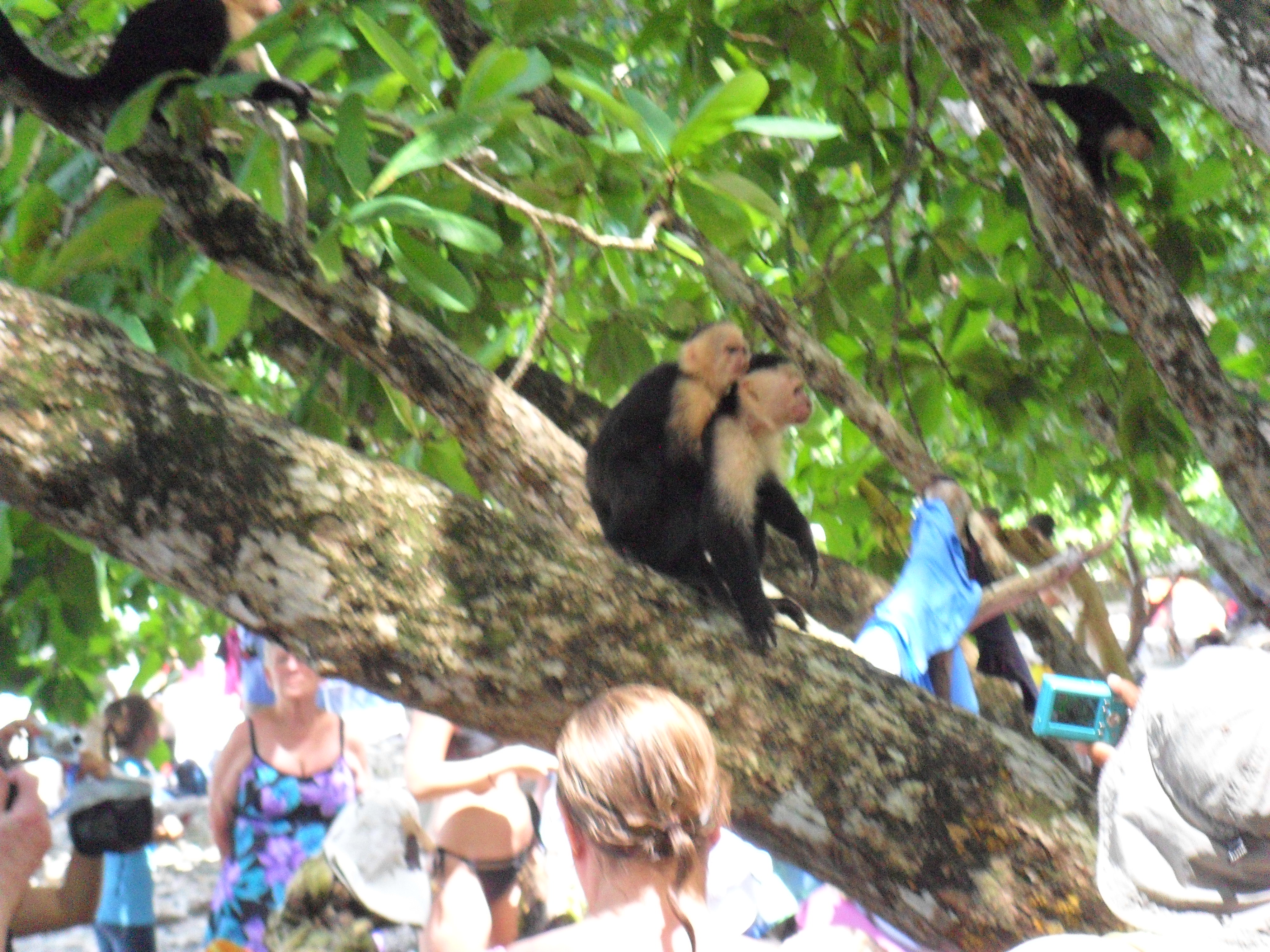
Birds abound, from the protected scarlet macaws on the Pacific Coast to tiny hummingbirds.  Hundreds of species I had never seen before and many I had seen rather often like various egrets and herons. And then there were the monkeys which I did expect to see but found difficult to photograph with my ordinary camera.

These white faced monkeys roamed everywhere near the beaches at Manual Antonio National Park, begging for food and if that did not work, actually stealing it.

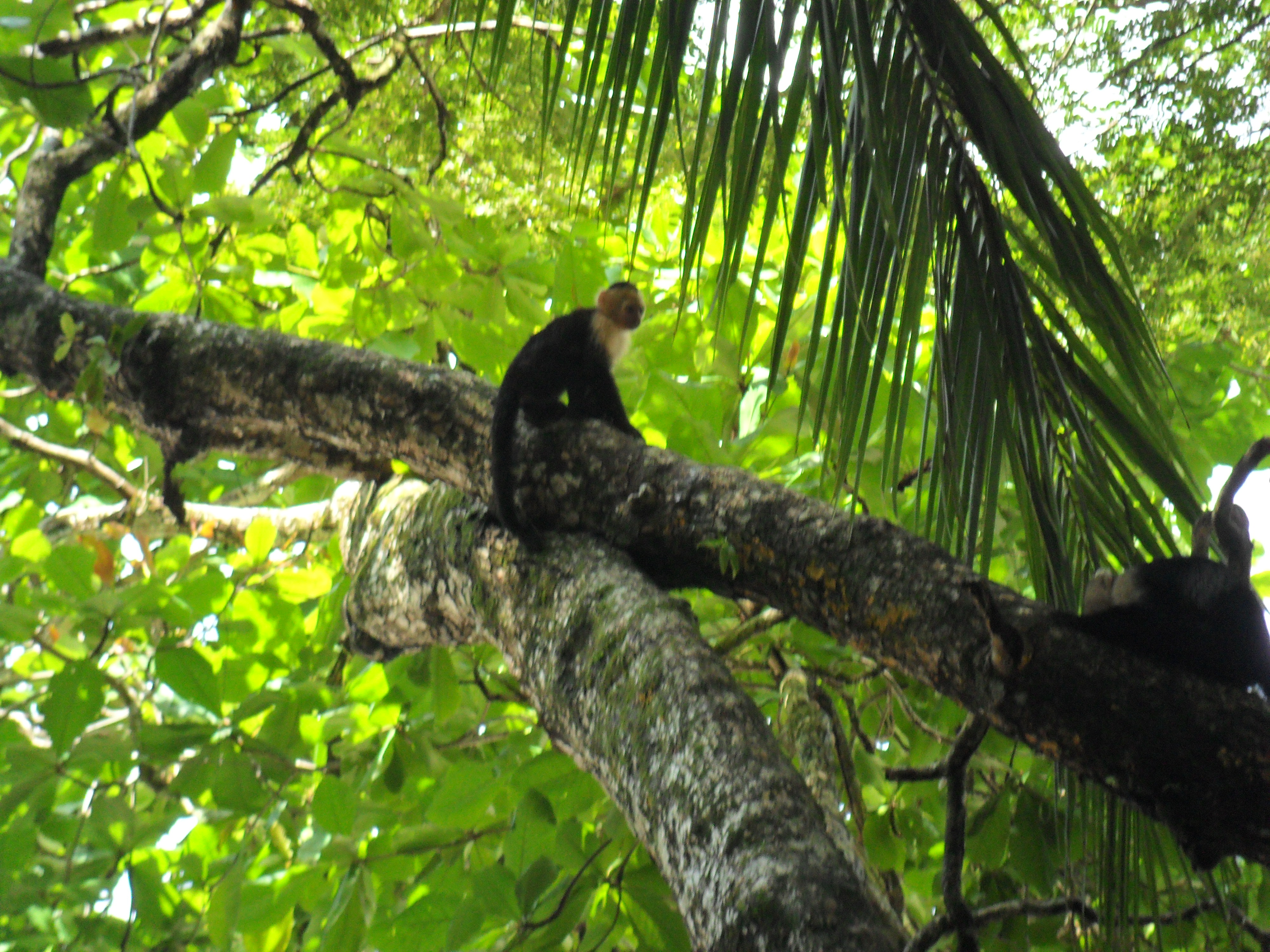
While the white face monkeys remained highly visible, the howler monkeys could be heard easily but were much harder to locate because they tend to stay high in the tallest trees.  Without a good telescoping lens, this was the best I could do.

Look for the dark blob in the middle of the photo.  They also move fast so hard to locate and follow and even harder to photograph under those conditions.

Just as we arrived, walking, at the entrance to Manuel Antonio, a downpour began.  Not fond of drenchings, I stayed back, hoping it would stop, and suddenly saw a small sloth, the grey spot in the nearly leafless tree in the middle of this photo.

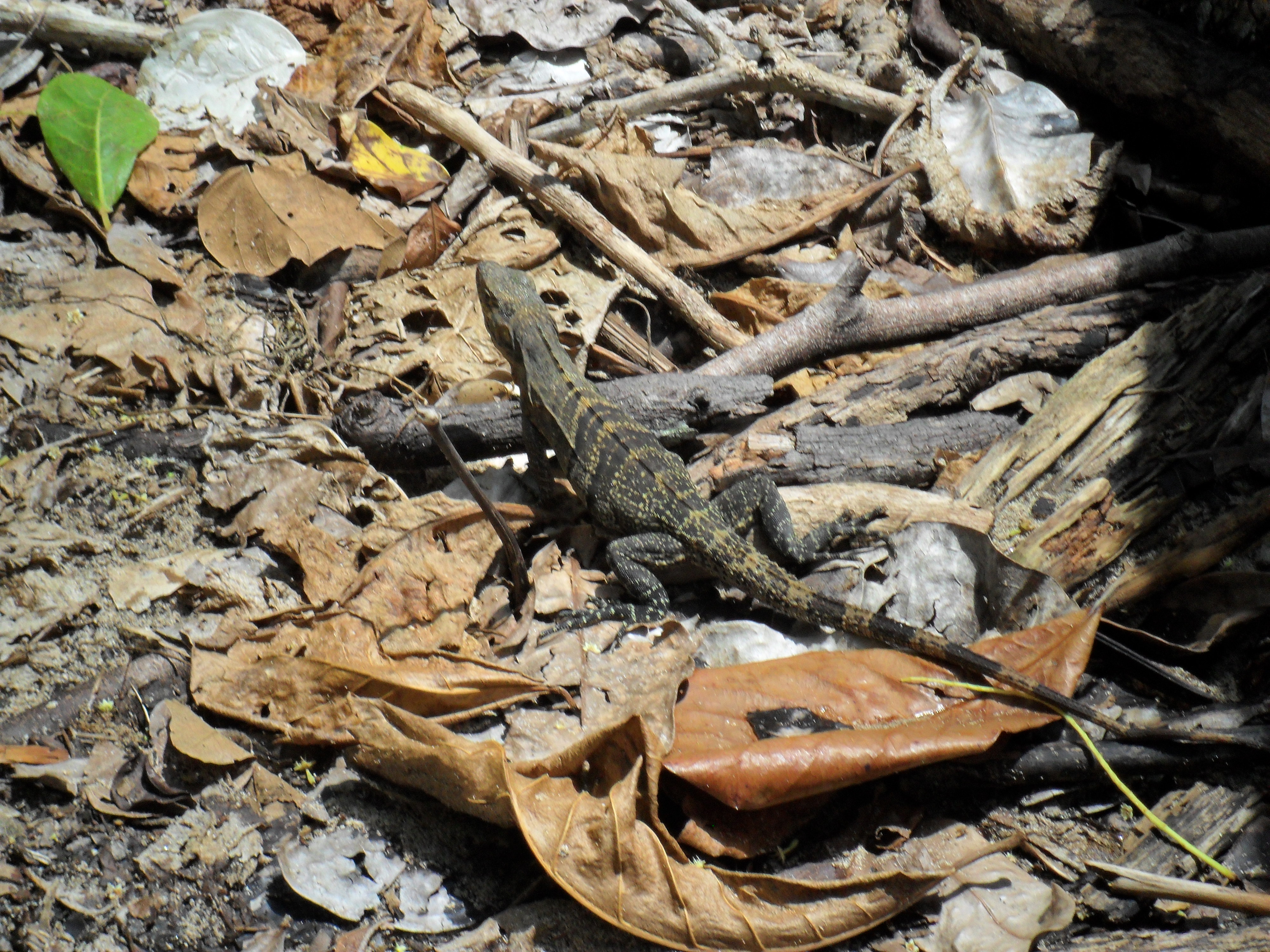
Lizards of many varieties abound.  The tree near my hotel room in Jaco contained four iguanas that appeared nearly lifeless since they never seemed to move.  Again, without a better lens I could not really photograph them.  However, at Manuel Antonio many other kinds of lizards ran here and there only slightly afraid and relatively easy to photograph.

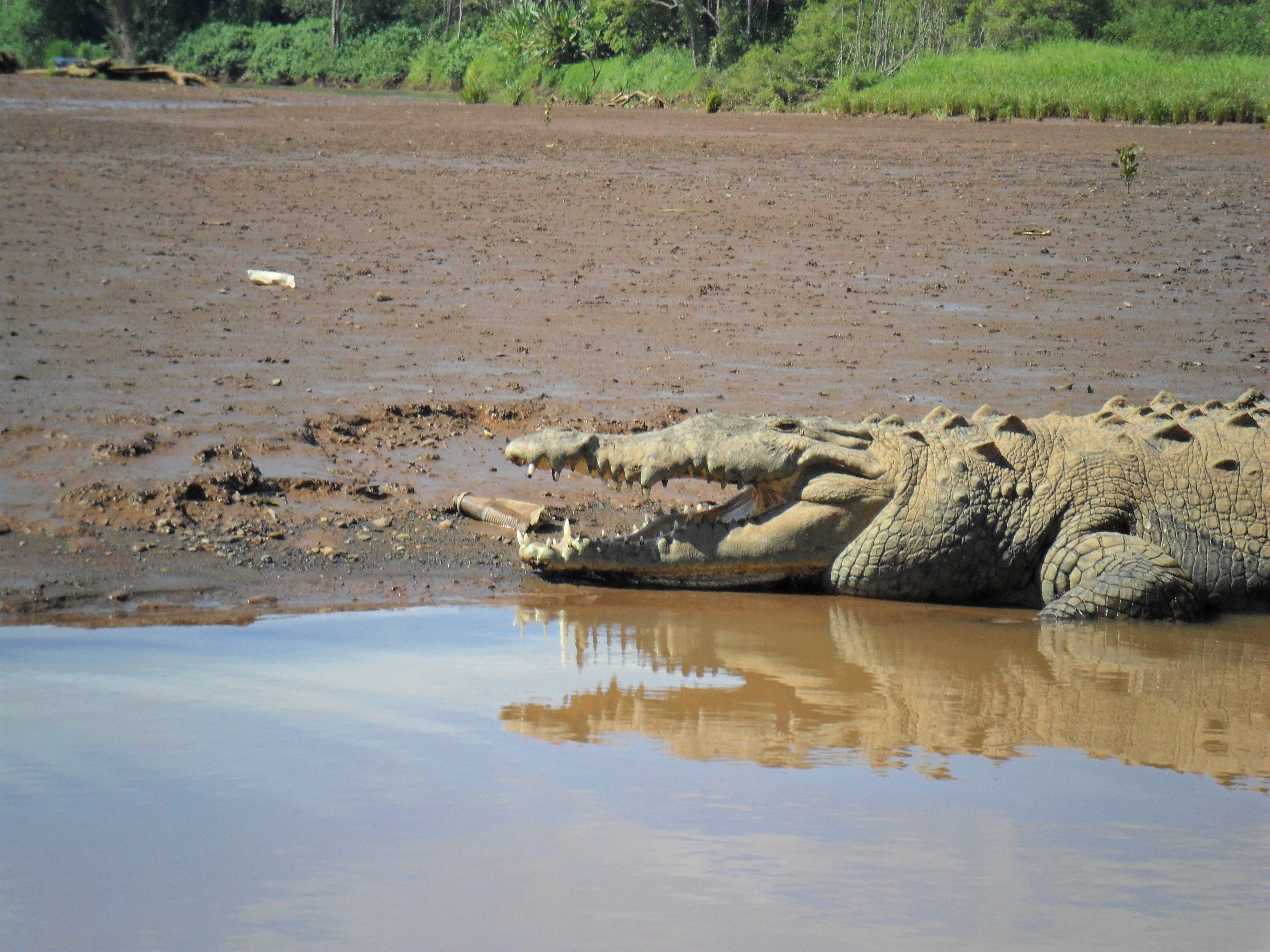
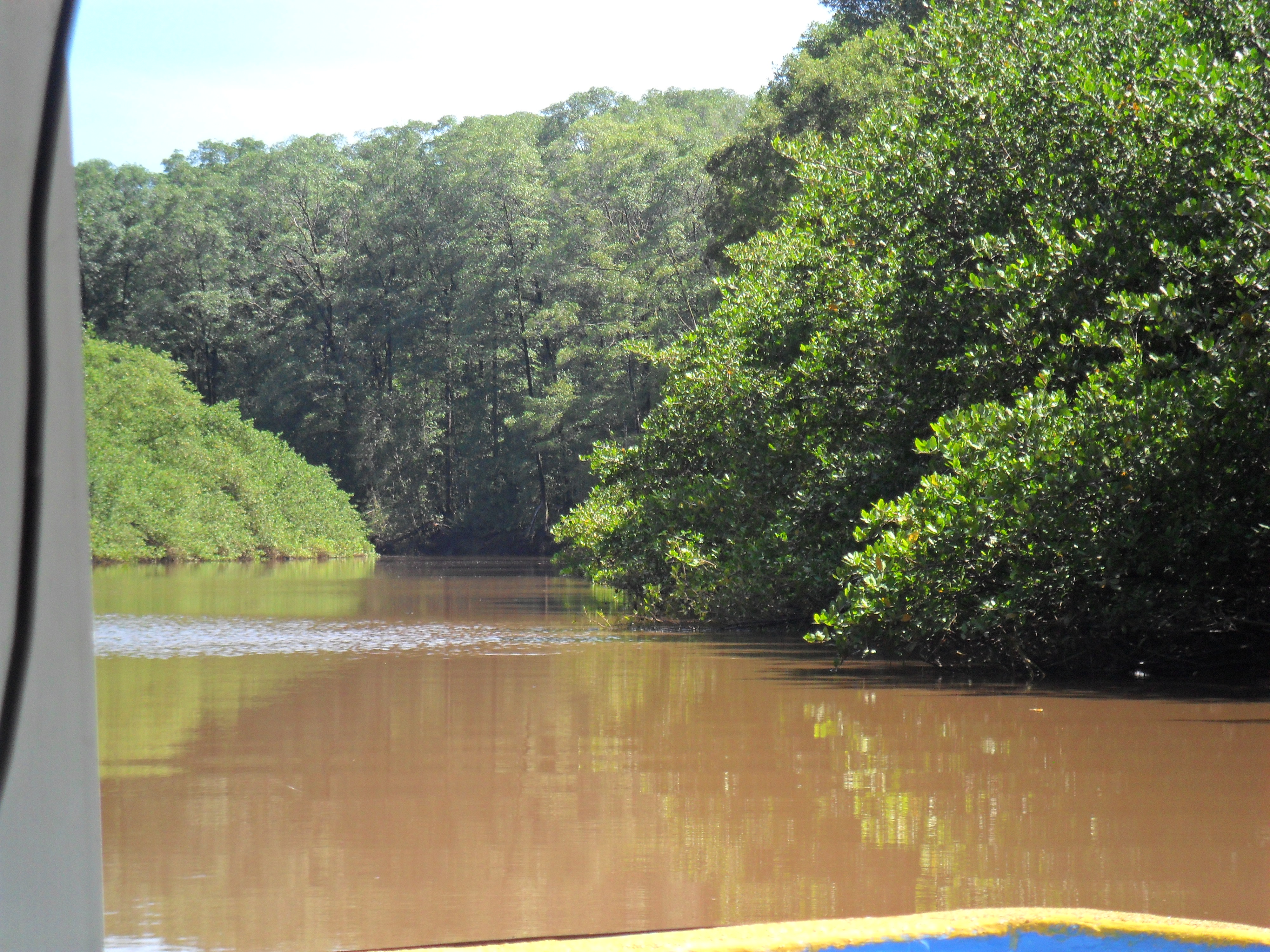
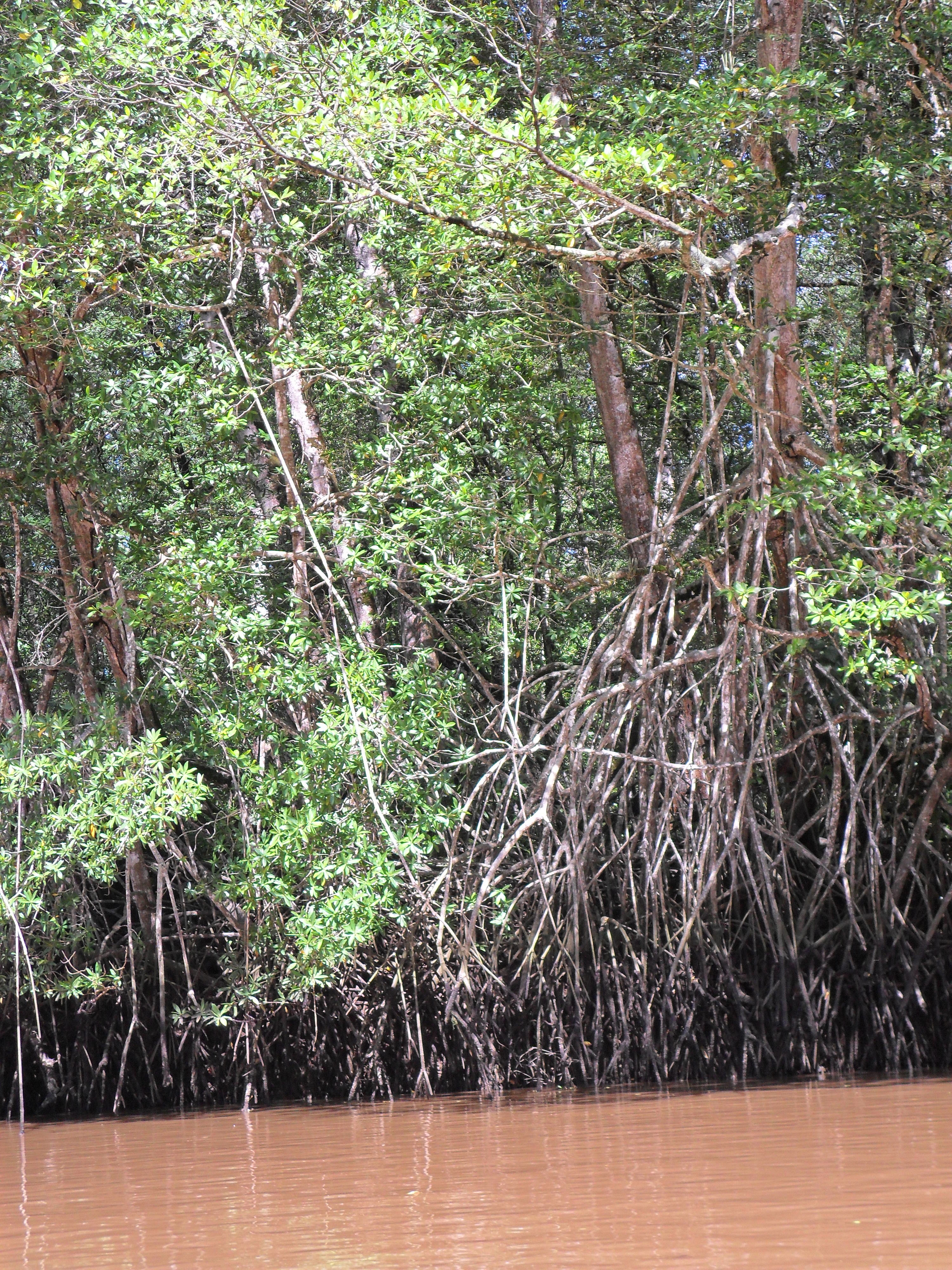
When I think back as to what I expected, it never occurred to me that huge, brackish (salt) water crocodiles existed in such abundance or even existed there at all.  Near Jaco, on the Rio Grande Tarcoles the Costa Ricans created a preserve to protect the endangered scarlet macaws and crocodiles.  We arrived early in the morning and floated around the river, into a mangrove swamp, watching birds and crocodiles.  The list of common birds included 58 species and we saw others that the guide referred to as “bonus birds”.  The following photos come from this lovely, relaxing river ride.  Truly, I loved this part of the trip.

Entering the mangrove swamp.

Two months old.

Where the Rio Grande Tarcoles enters the Pacific Ocean.

The boat captain feeding the crocodile in the mud barefoot.  I thought about touching this one he was so close until I was told they could swim as fast as 55 miles per hour.  It occurred to me that he could turn around really quickly and snap off my hand so…

Costa Rica: 4, Flora


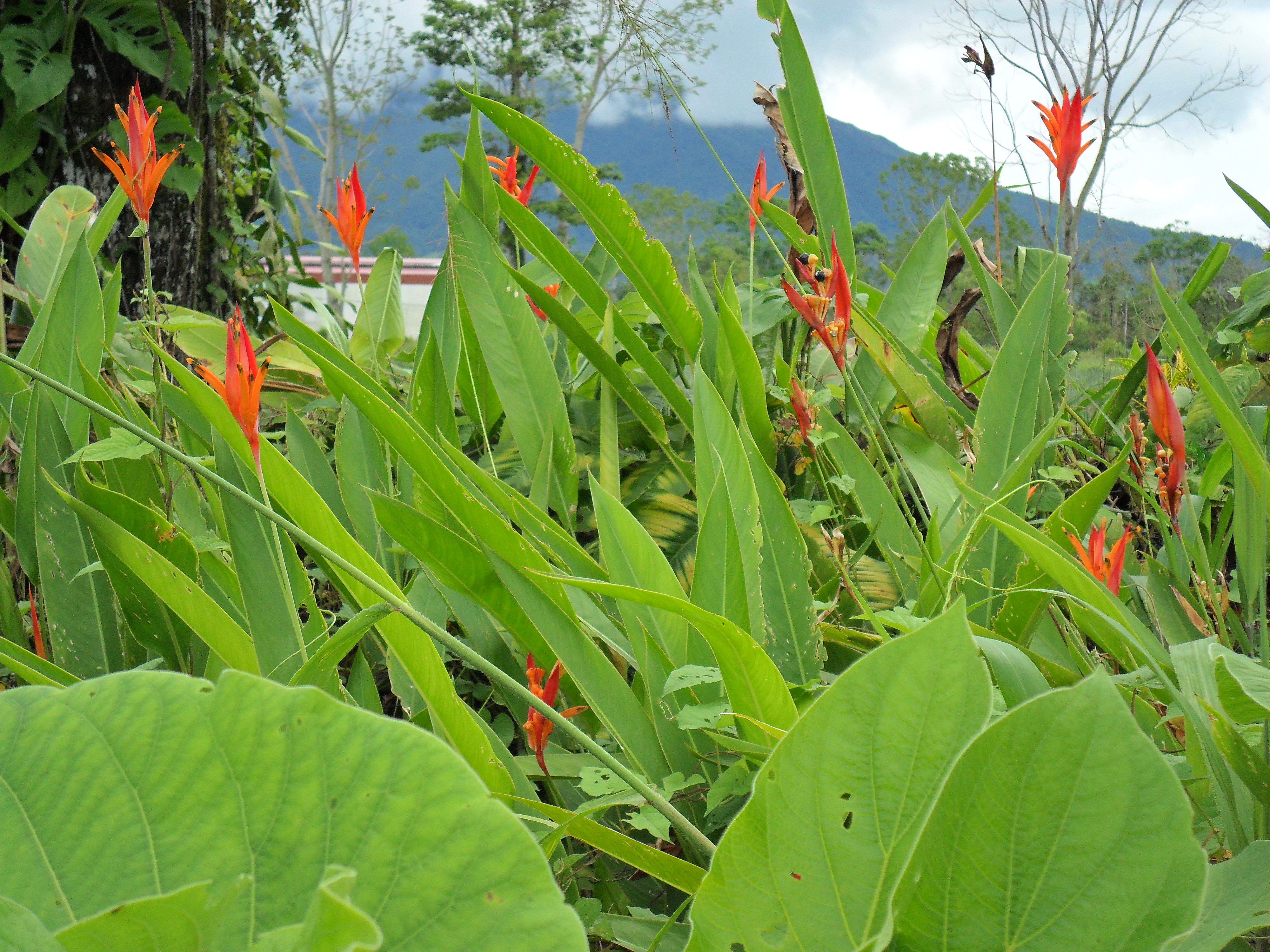
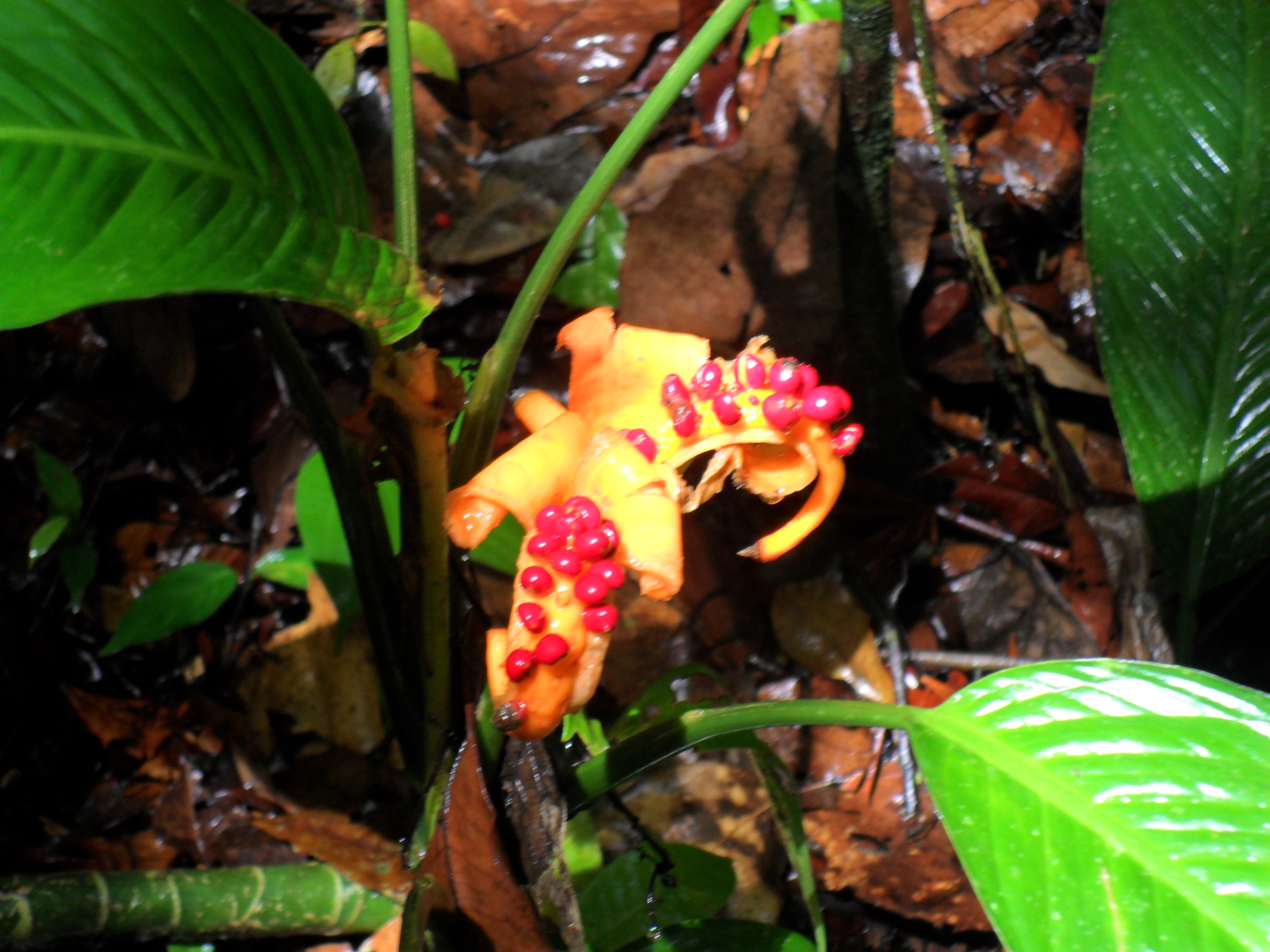
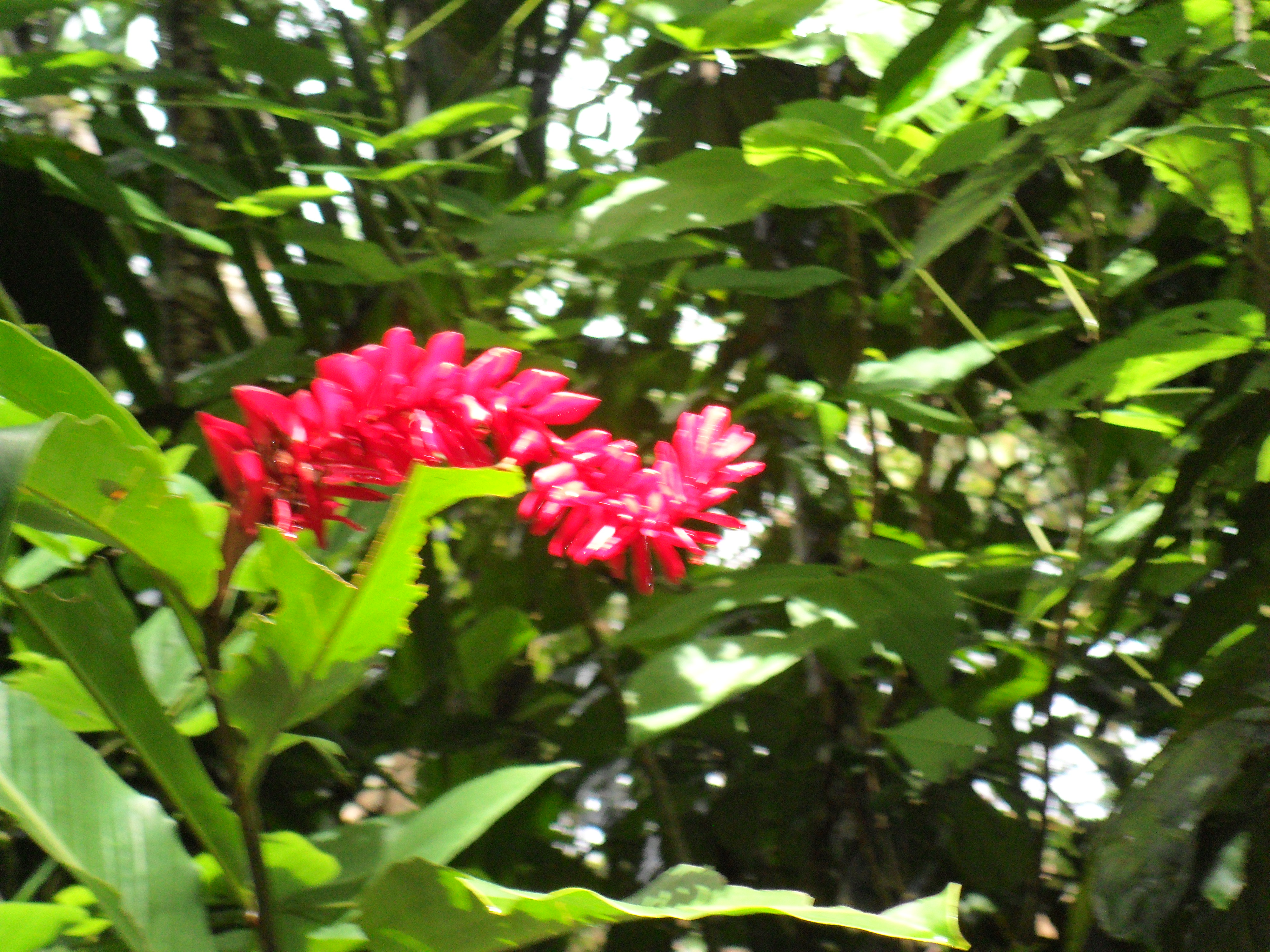
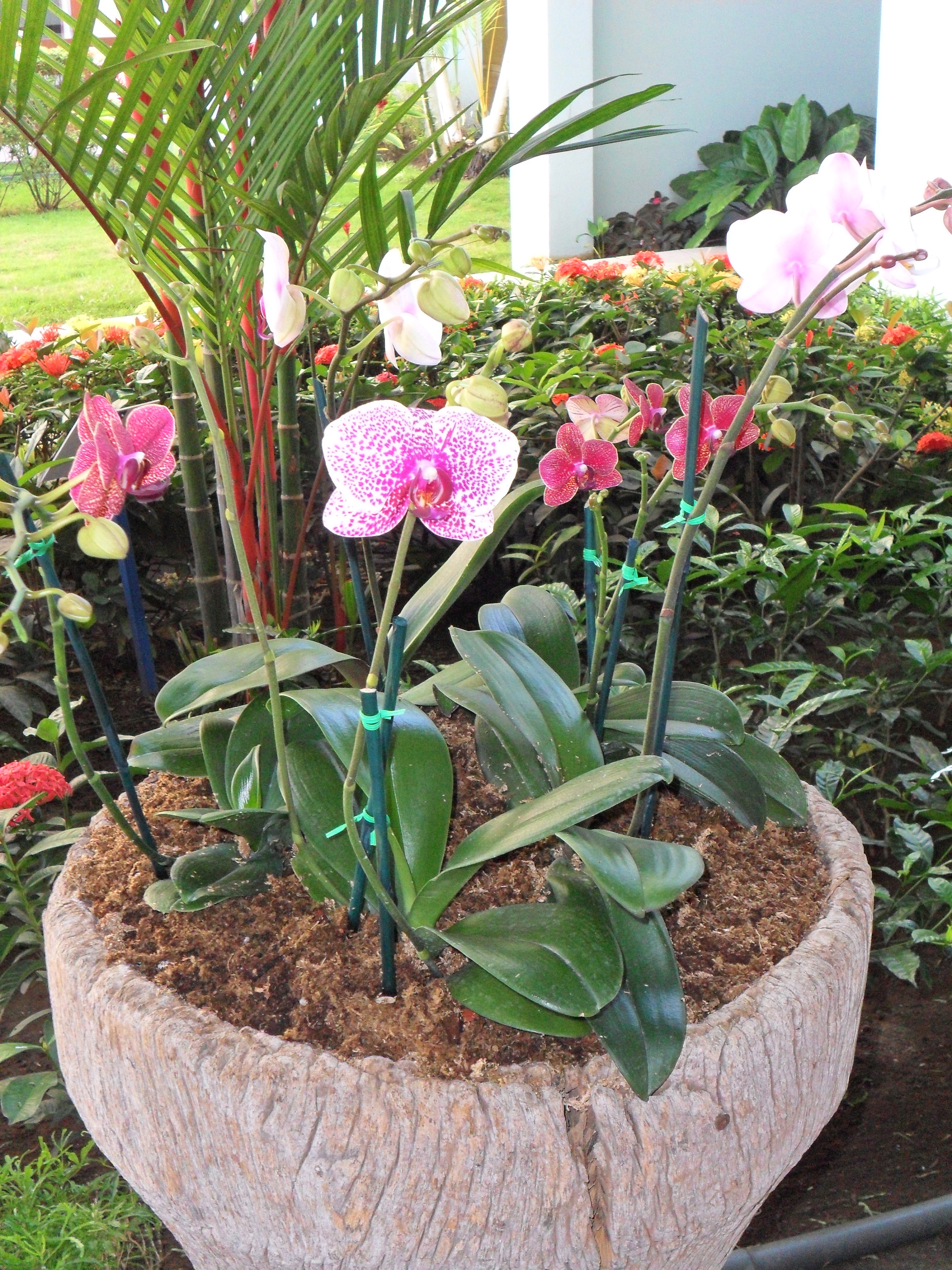
For a person who loves flowers (and I do), Costa Rica exemplifies a lush, green heaven.  This intense green makes the flowers show up more than they would in a duller landscape.  Whether in the high mountains near Monteverde or down in the coastal lowland jungles, flowers abound.  So many flowers everywhere made me want to photograph them all, but there are too many; I photographed a few.

My friend, Anabel McMillen, the professional photographer, just about went nuts there were so many spectacular things to photograph.  Last count I think she hit over 1000 photographs.

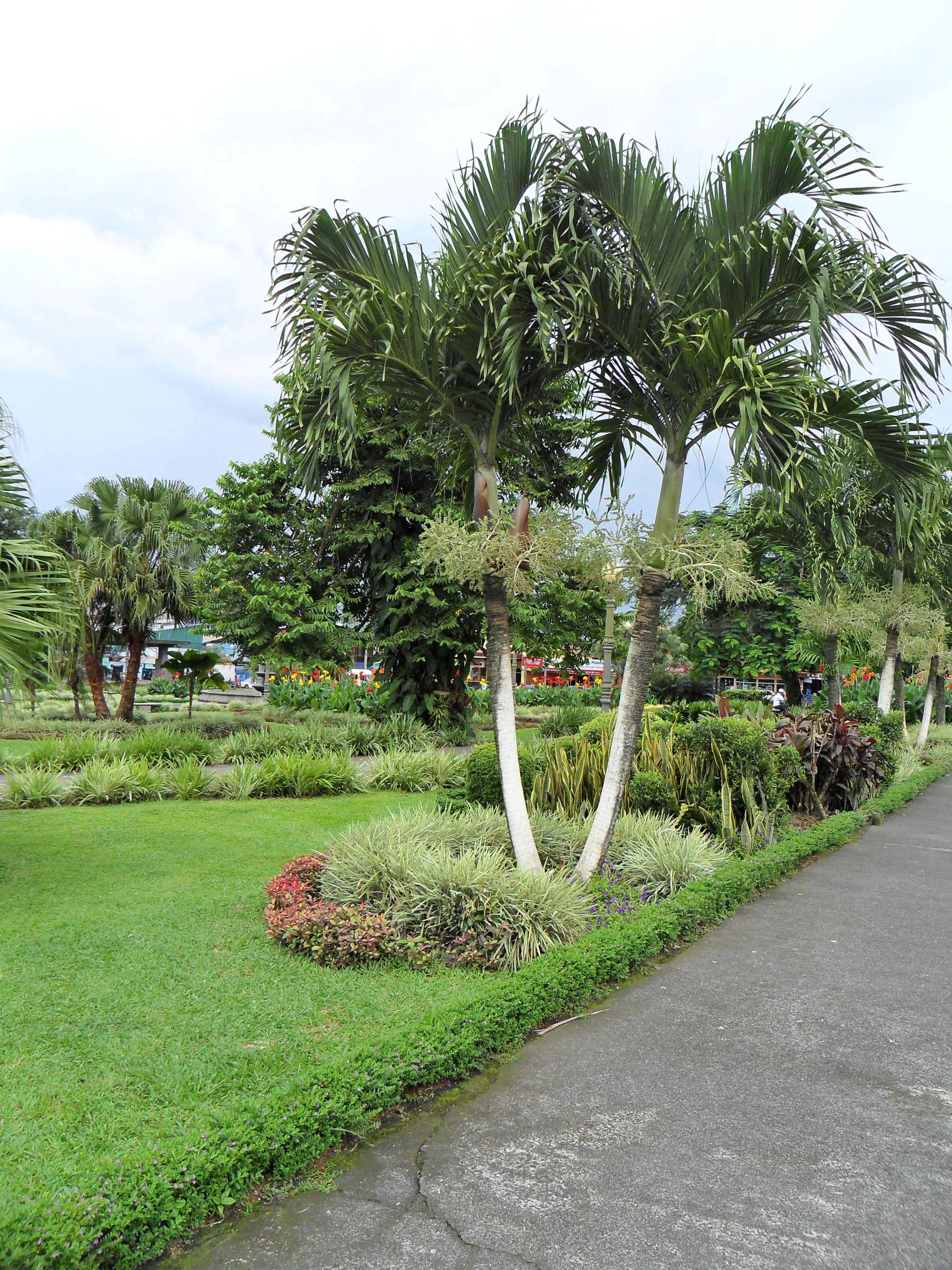
While wild flowers grow everywhere, the people also take great pride in both their personal and public gardens.  Even at the simplest country house, flowers and other plants could be found growing in profusion.  Almost all towns, like La Fortuna in the photo above and the one below near Arenal Volcano, create a public square with a church and gardens.

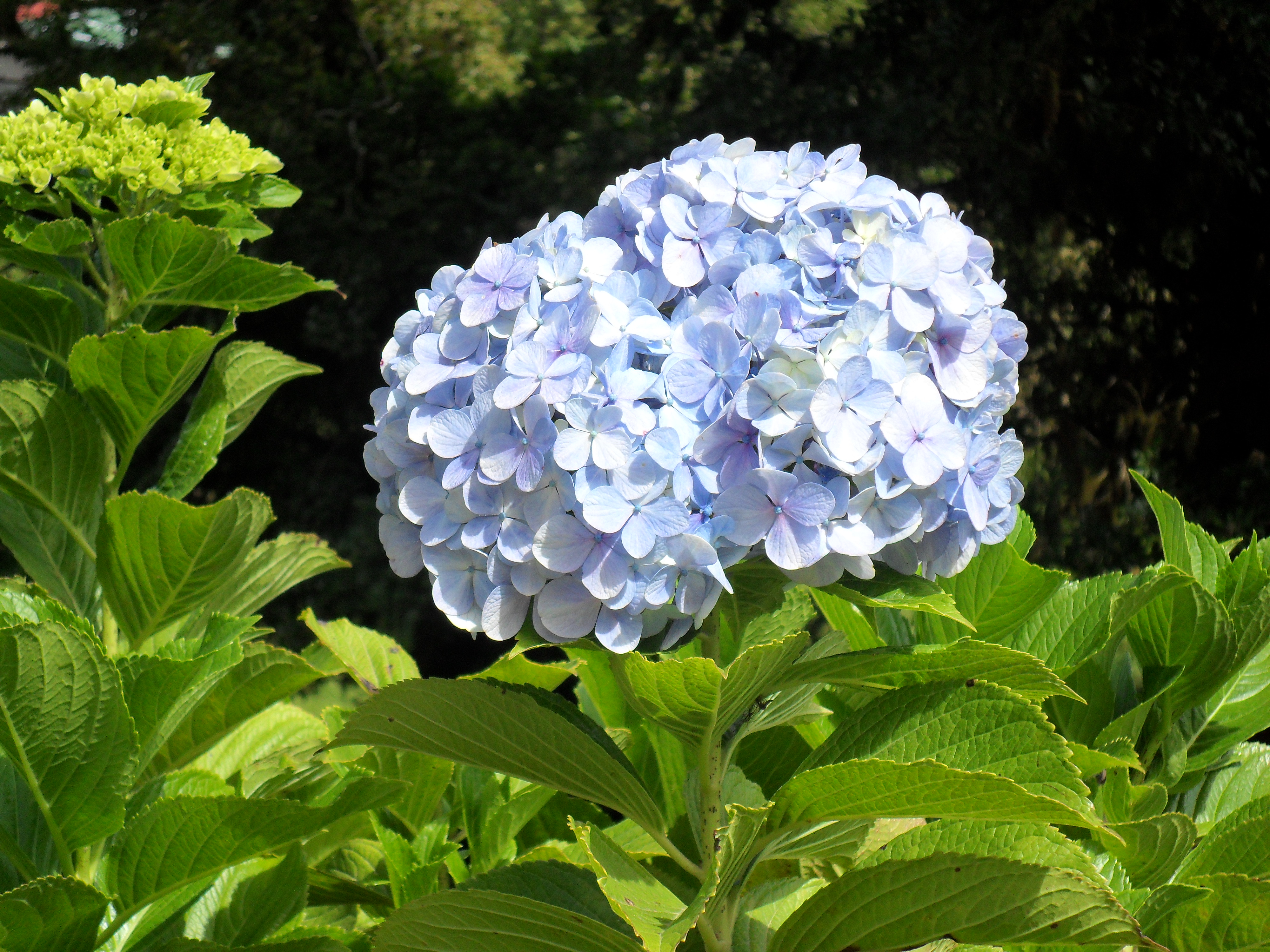
Hydrangeas like this one above grow along the roads everywhere near Monteverde.

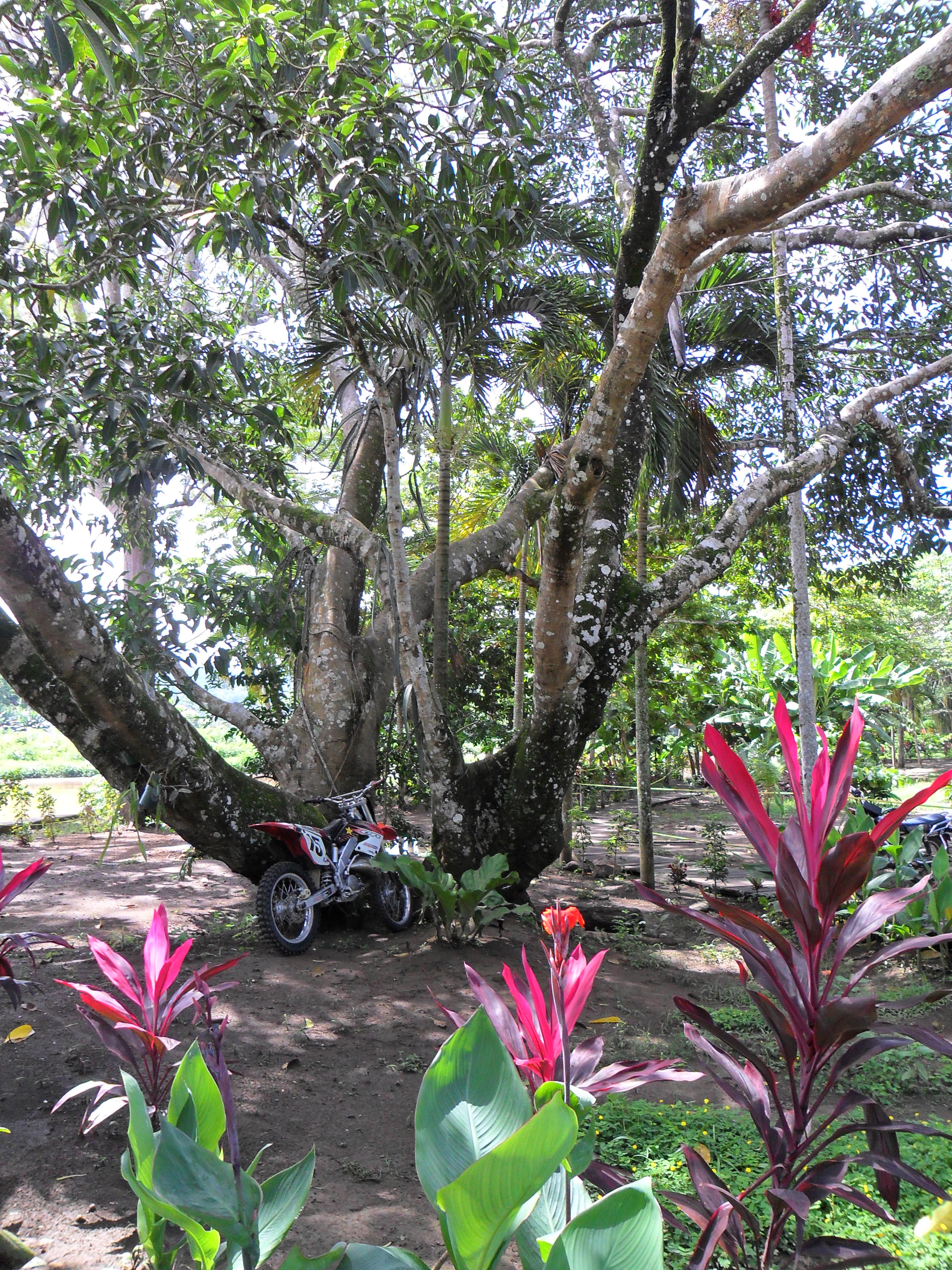
Not only are the flowers frequently much larger than the same flowers grown here, but in the lowlands, in particular, many of the trees seem huge.  Costa Rica also cultivates flowers for export.  Net covered fields of ferns grow all over the steep mountain slopes.

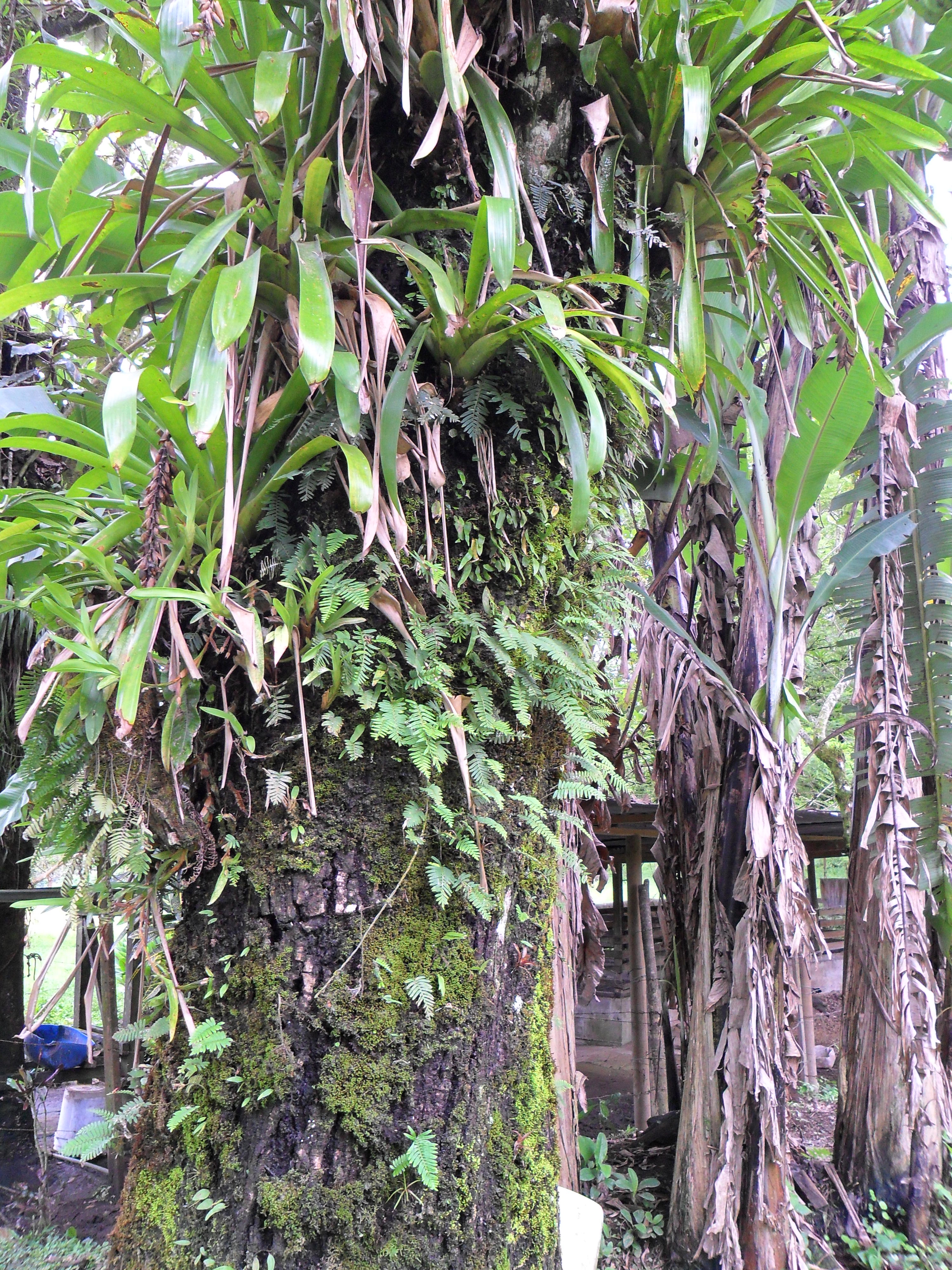
In the highlands near Monteverde more than one hundred species of plants can be found growing on the surface of one tree as shown in the photos below.

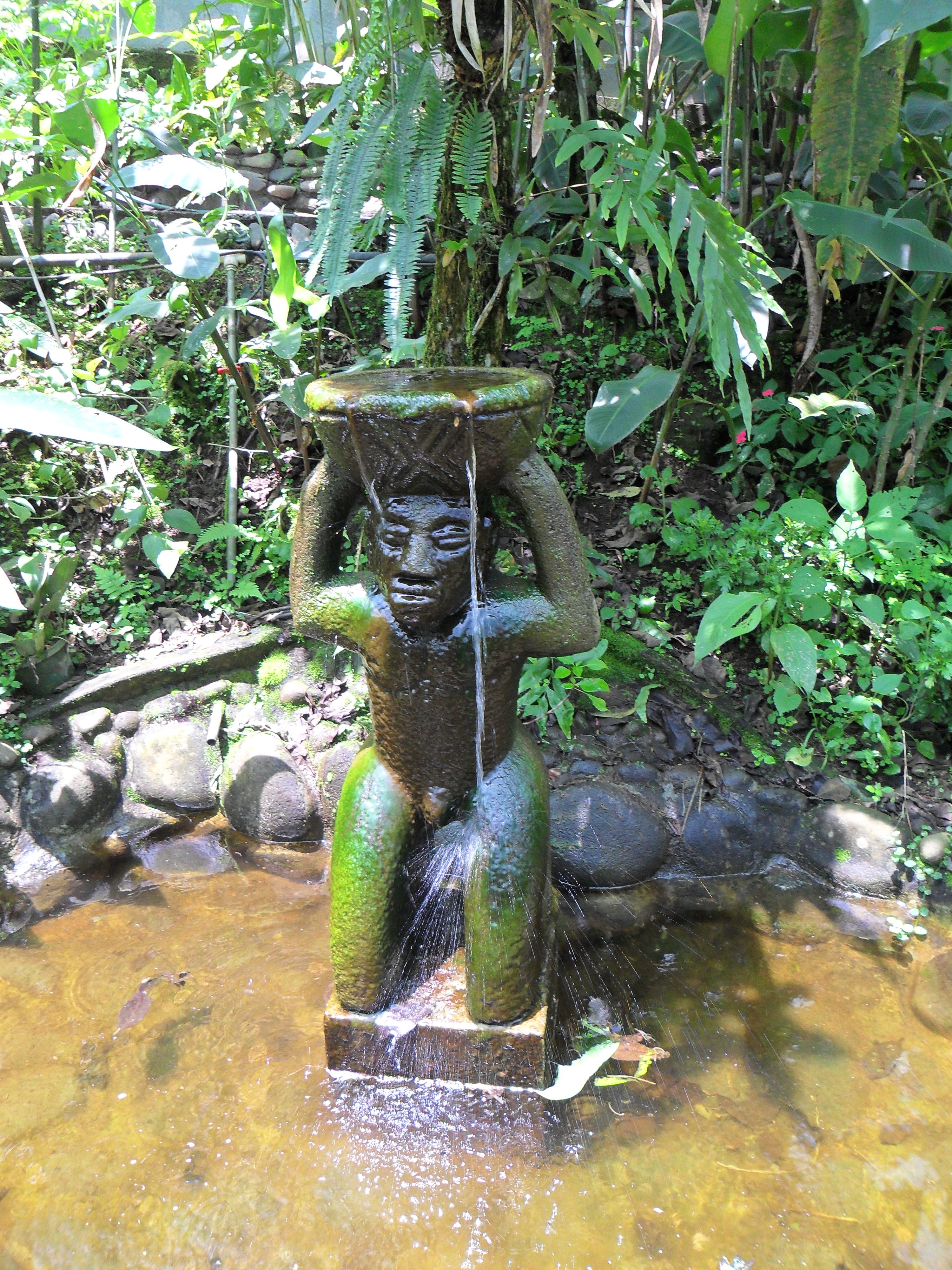
Twice we stopped at a place called El Jardin, once on the way to Monteverde and another on the way back to San Jose from the Pacific Coast town of Jaco.  In addition to their beautifully landscaped outdoor gardens, they possessed a small greenhouse filled with butterflies and a sculpture water fountain in an indigenous style seen throughout the country.

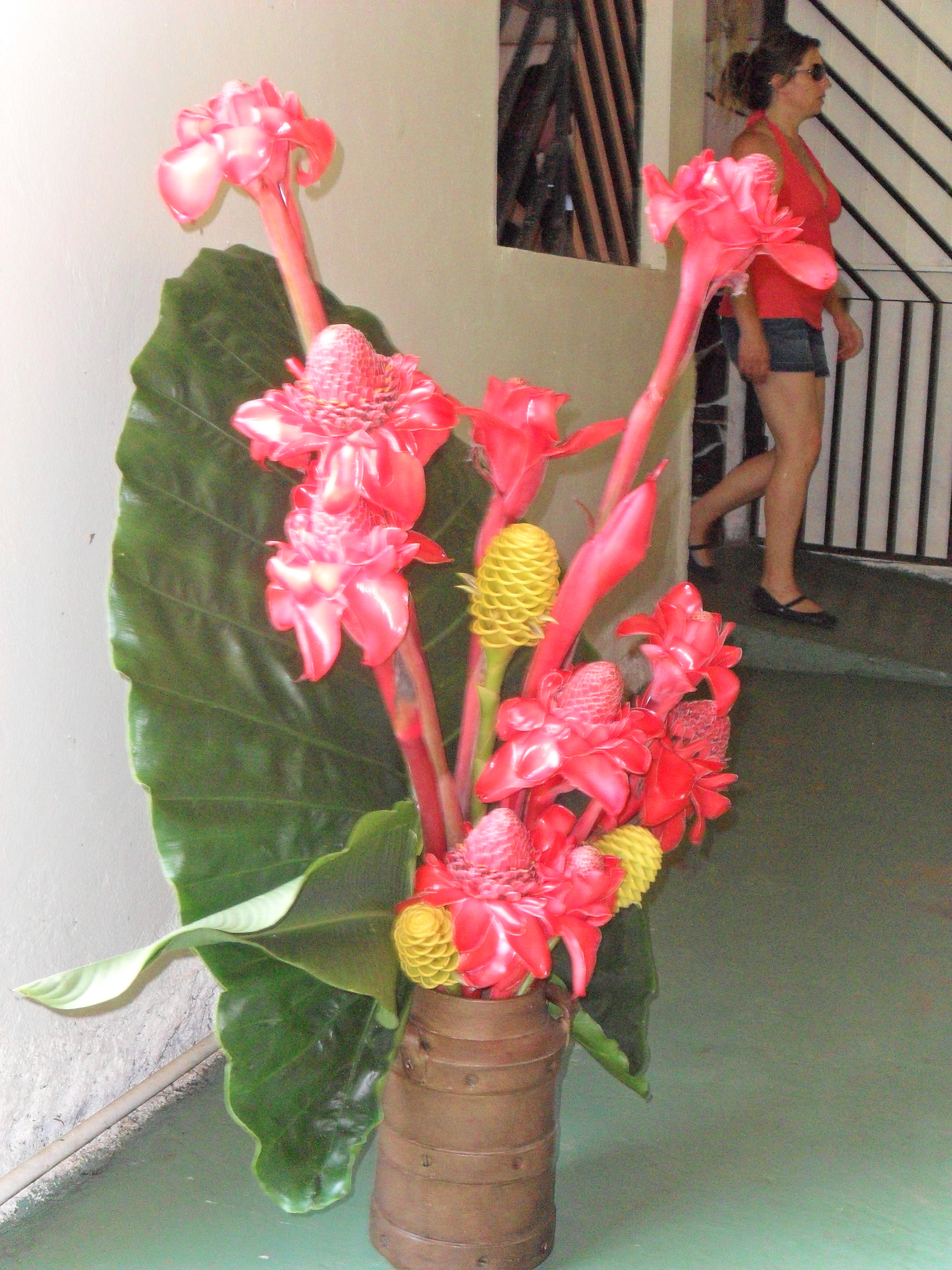
As I looked at the following bouquet where we ate lunch near the Sarapiqui River on the Caribbean side, I touched it because I remained unsure as to whether it could be real.  It was.

PURA VIDA!!

Pura Vida: 2, Comida (Costa Rican food)


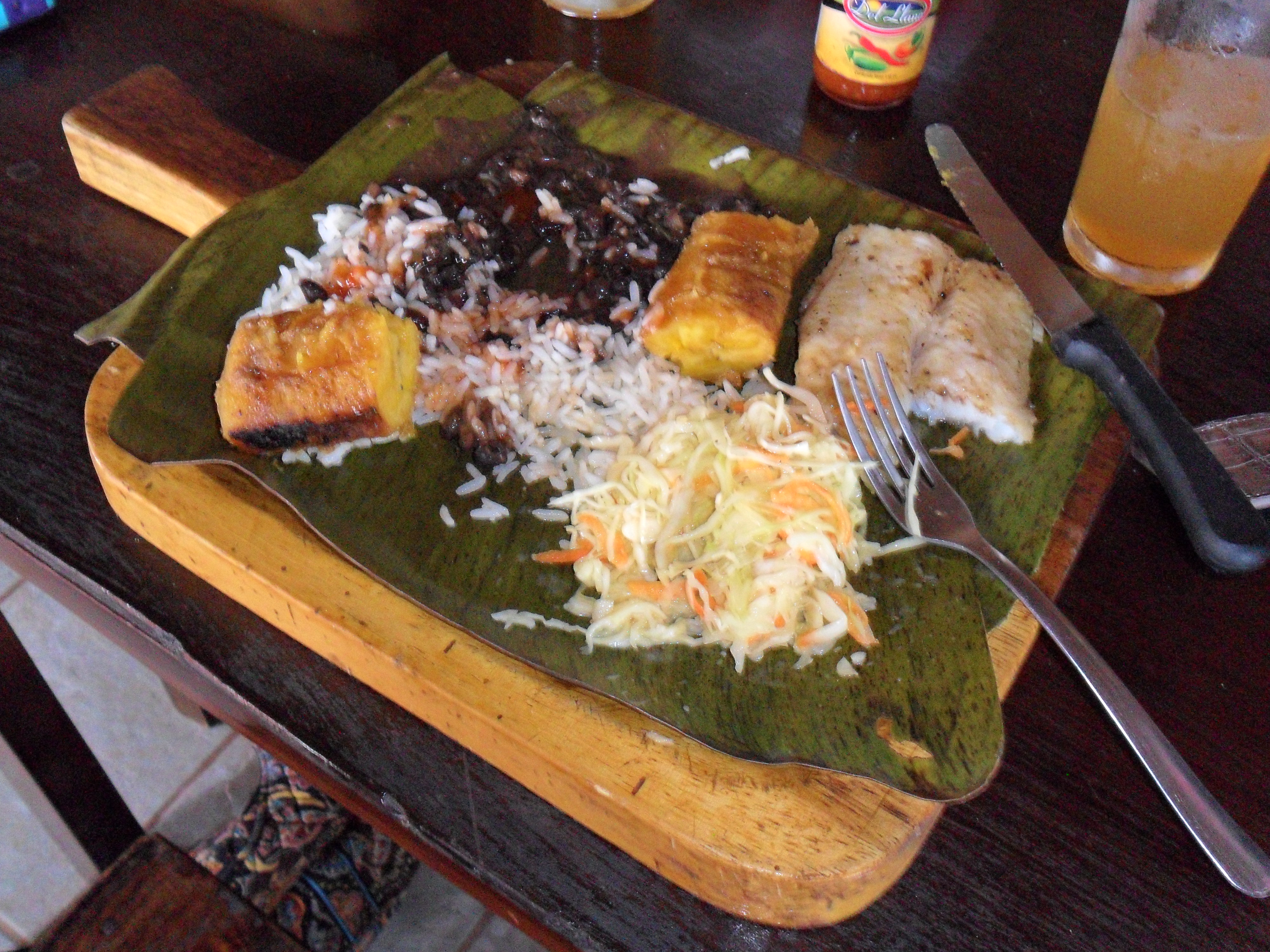
Costa Ricans appear to be very, very healthy.  Their food mainly consists of rice, black beans, salad, cooked vegetables, chicken or fish, fruit (usually pineapple, papaya, mangoes) and sometimes fried plantain.  In fact fried plantain was the only fried food, except occasionally cheese.  The food is plain with few spices, even though hot sauce, especially their version of tobasco,  is often available if you want it.  The national dish is gallo pinto:  left over white rice mixed nearly equally with black beans and sometimes a little chopped onion and bell peppers sautéed in oil.  This is a breakfast staple, but frequently served three times a day.  Sometimes, although black beans and rice are usually served at lunch and dinner, they are not mixed together then.  Often salad is their version of cole slaw, but tastes nothing like cole slaw here.  Usually both cabbage and carrots are very finely shredded and mixed together.  I never did quite figure out the dressing, in part because it varied greatly.  When the salad was with lettuce, it was also more finely chopped than we usually do here in the US and served with various dressings including olive oil.  The freshness of the salads stood out–no little bits of brown edges in Costa Rica.

The coffee, well, just lets say, I miss it.  Pitchers of steaming, strong, mountain grown coffee served with pitchers of steaming, rich milk.  In the mountains everywhere Jersey, Guernsey, and Holstein cows roamed up to their tummies in grass.  Happy cows for sure, producing rich milk for coffee and rich white cheese, which is served for breakfast.  Yes, breakfast, sometimes plain and sometimes fried.  Oh, and I cannot forget the ice cream.  Beyond creamy and smooth and rich.

There are sweets, usually made as snacks with coconut especially.  This was my favorite.

Obesity appeared to be non-existent.  I did see a few chubby people but no one really excessively over weight.  Perhaps diet is one reason, but they walk a lot even though most have cars.  They appear to drive them only if going some distance.  In the mountains I saw a lot of people riding horses.

The biggest food adventure for me occurred while waiting around near a little family owned restaurant at the top of a mountain.  All but four of us and the bus driver had gone river rafting.  We disembarked from the bus and walked around to kill time, chit chatting about this and that in Spanish.  Suddenly the restaurant owner came out with his grandson, unlocked the fence gate, and invited us in.  While sitting at the bar conversing with him and Hector, the bus driver, I noticed the menu posted on the wall.  It included huevo de tortuga.  Previous information given to us indicated that Costa Rican law protected turtles (tortugas).  I asked how he could serve this.  He told me it depended on the species of turtle and that he could acquire only a limited amount of them.  Suddenly, in front of me, Lisa, the other woman who did not go rafting and is pregnant, and Hector appeared three glasses that looked like giant, triple sized, shot glasses.  Each one contained a raw turtle egg immersed in red hot sauce the consistency of tobasco sauce.  Instructions and gestures indicated this was to be downed like a shot of tequila.  Lisa stuck her tongue in the sauce and said it was ok.  She downed hers first and said, “This is not all that bad.”  The restaurant owner told her it held great nutrition for her unborn baby.  I translated.  It became very clear to me that I had no choice but to down mine as well.  Hector downed his; then I mine.  Lisa’s assessment was correct; it was ok inspite of the turtle egg feeling like a rather solid but squishy mass as it slid down my throat.  The hot sauce made it possible.  Lisa downed a second one; Hector and I declined.  This experience remains one of the highlights of my trip:  relaxing in the middle of nowhere with a local family in their little restaurant.  Pura vida!!!!