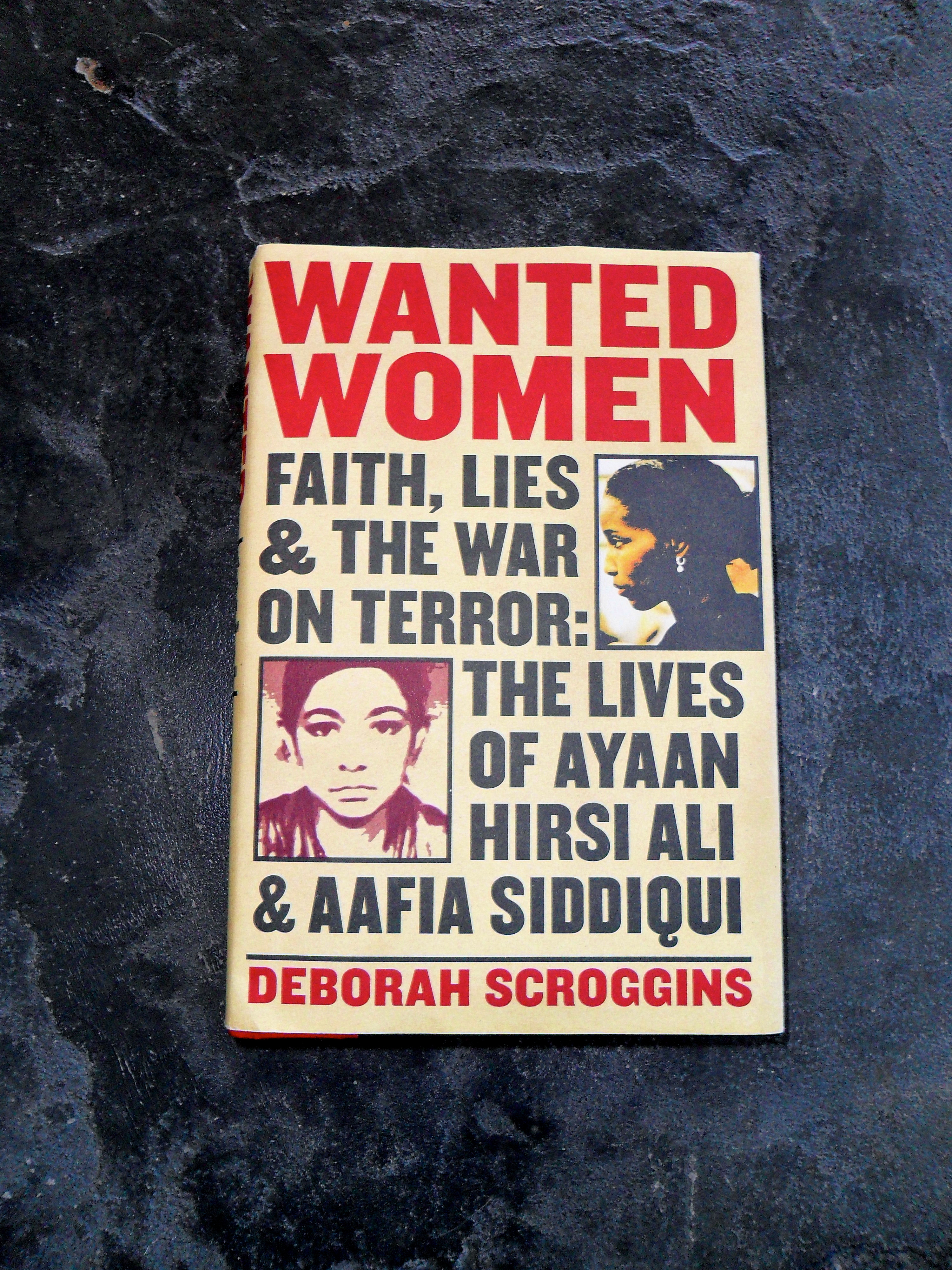
 This blog began as a vehicle to “make” me write more and share my writings, e.g. poetry, flash memoir, essays, with others and to learn from reader responses. Along the way, it morphed into my recipes—starting with friends requesting them, my travels and adventures, inspirations, and thoughts. This post will morph me into something I fear may be far more controversial, but also feel I must explore. Several years ago, a couple of friends and I enrolled as continuing education students in a course about Islamic thought and literature. Our hope was to learn more about exactly what the title indicated. Although I had already read quite a lot of Middle Eastern literature, especially Iranian, and also some Turkish novels as well as memoirs and nonfiction books, I had no one with whom to discuss my readings and thoughts. This presented an ideal opportunity. After a couple of weeks, it became quite clear that the teacher had a definite agenda. Although she never overtly discussed her own religious beliefs, she generally chose parts of readings to discuss to promote a certain, anti-Islamic bias. We read the Quran (in translation because none of us spoke or read Arabic—mine was a Pakistani translation), Ayaan Hirsi Ali—various works including Infidel, Benazir Bhutto’s autobiography, and short stories by Iranian, Palestinian, and other Middle Eastern authors. None were from Southeast Asia where the majority of the world’s Muslims live. None were from India. When we discussed the Quran, she chose very specific passages that zeroed in on what she perceived to be Islam’s oppression of women and promotion of violence and war. When the rest of us tried to also discuss passages about ones duty to the oppressed, the orphans, the poor, she would channel the discussion back to her chosen agenda. Some dropped out. The rest of us decided to stay because we wanted to read and discuss the writings in spite of the situation. Over time, our insistence on a broader based view seemed to affect her strong bias slightly. In the end, she even showed the Iranian movie, “Children of Heaven”, which presents the plight of a poor Iranian family in a very sympathetic light. The father overtly loves his wife and struggles valiantly to help her and his family in any way he can. This class has led me to further pursue my readings of literature from Iran, Egypt, Turkey, Pakistan, India, etc., both fiction and non-fiction and to learn as much as I can about the past and present as it relates to issues in these parts of the world. Since then, I have also experienced the privilege of hosting exchange students from Thailand, Brazil, and Argentina. One of my closest friends grew up Muslim in Indonesia. I also have Christian, Jewish, Muslim, Buddhist, Pagan and atheist friends from many parts of the world, and some who have little interest in religion. Recently, the librarian where I teach asked me to read Wanted Women, Faith, Lies, and the War on Terror: The Lives of Ayaan Hirsi Ali and Aafia Siddiqui. I finished it recently and highly recommend reading this book. The author, Deborah Scroggins, spent six years following the lives of these two women, including interviewing their colleagues, family members, self proclaimed jihadists, and government officials from several countries. She delineates an incredible amount of information and data. If you care about the political and spiritual future of this planet and the ongoing controversies surrounding Islam, Christianity, and Judaism, this book provides an excellent opportunity to explore history and the events of the last 20-30 years, and then to develop your own insights. My hope is that this post will encourage others to explore new avenues of knowledge and open wider venues of thought that encourage a better, kinder world in which we respect and value each others’ differences.
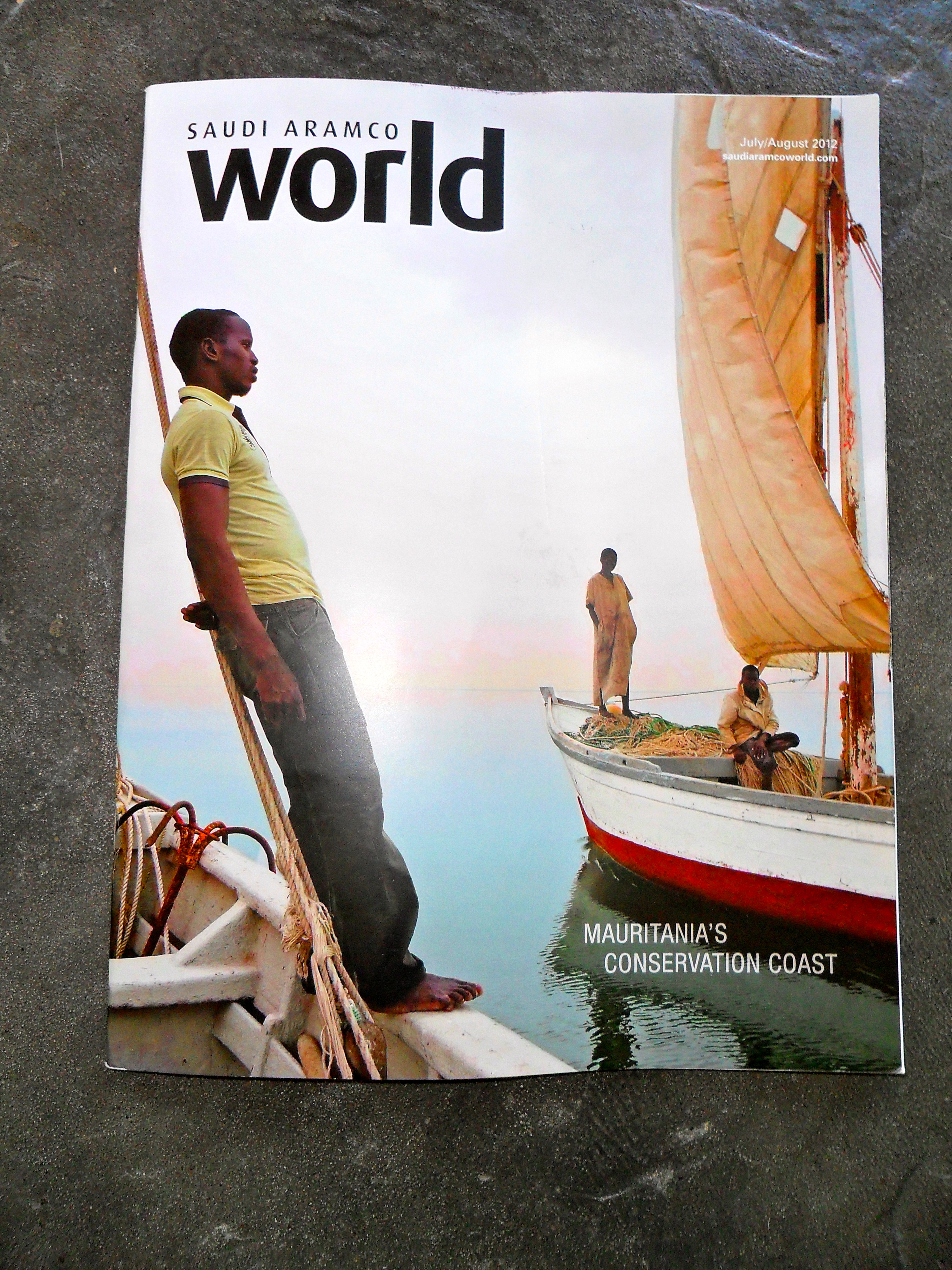
Recommended additional readings:  This is one of my favorite magazines. It is free and covers art, cuisine, nature, history, literature, geography, just about everything imaginable. For teachers, they have suggested uses and additional materials at the back. It comes out six times per year.

If you are unfamiliar with literature from the Arab world, this is a good place to start. Mahfouz won the Nobel prize for literature. Although his novels take place in Egypt, the themes are universal.
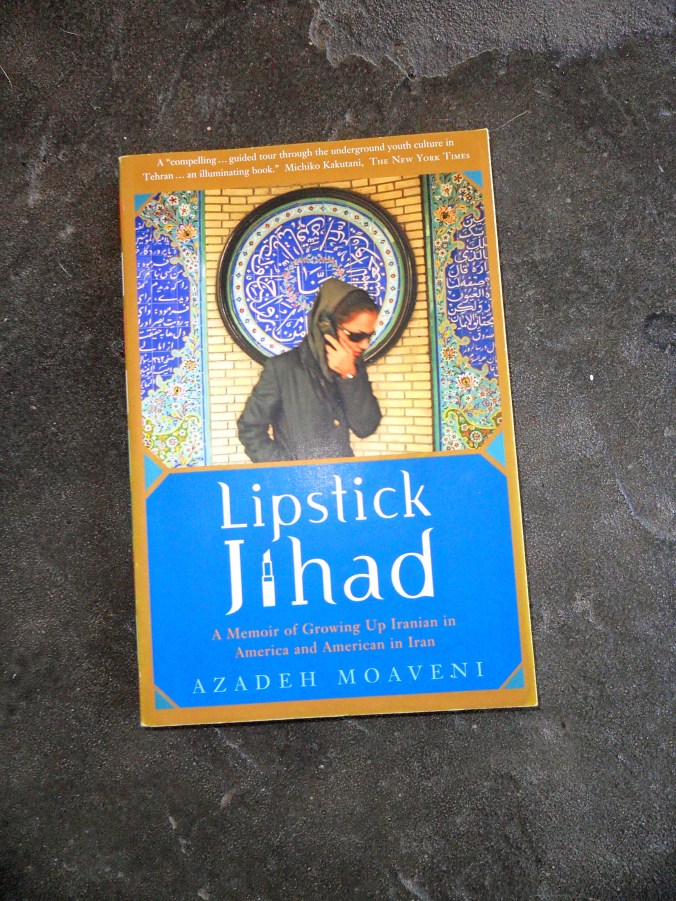
In spite of the word jihad in the title, this is more of a “fun” read. The Iranian American author, a journalist, decided to go to the Iran of her roots and work and live there for a while. This book describes her adventures as a journalist in Iran.
Other books I recommend are Moonlight on the Avenue of Faith by Gina B. Nahai (this is one of my all time favorite books), No God but God by Reza Aslan, another Iranian journalist, The Forty Rules of Love by Elif Shafak (this book is a novel about Rumi, whose beliefs Islamists do not find acceptable), and Shattering the Stereotypes: Muslim Women Speak Out edited by Afzal-Khan.
Another source of information about events, literature, art, etc. in the Middle East is a blog entitled “Sugar Street Review”. One of their latest blog posts, Top Five Female Arab Writers provides a list of these women with photos, brief bios, and some critique.


 writingontherim