Apocalyptic Planet-Part Two: Hadley Cells, Weather and Drought


Hadley cells, the wind systems in each hemisphere , form patterns of atmospheric circulation in which warm air rises near the equator, cools as it travels poleward at high altitudes, sinks as cold air, and then warms as it travels back to the equator.  They are named after George Hadley, an English scientific writer.  Tropical regions receive more heat from solar radiation than they radiate back to space and such areas have constant temperatures.  More simply, warm air rises (heat rises) and then flows poleward at high altitudes, cools, drops, and flows back toward the equator at lower altitudes.   Then the process repeats itself.  When the air rises and leaves these tropical areas, it loses moisture as it heads to subtropical areas.  The majority of the worlds large deserts lay in these subtropical areas.

Hadley cells are expanding.  Precipitation has declined in tropical areas since 1970.  As I mentioned in yesterday’s post, Southern Asia, the Sahel, Southern Africa, the Mediterranean, and the US Southwest are getting drier and drier.  Even wetter areas now experience long dry spells between extreme events of rain and snow.  Examples in the US include the cold and snowfalls in the Midwest and Eastern Seaboard this past winter.  Texas and New Mexico continue to experience a prolonged drought.  In the next thirty years scientists predict a 30 per cent decline in water resources.

In some places both governments and individuals create innovative and sometimes simple measures to counteract desertification.  In India near the Thar Desert, the government mandated the dispersal of grass seed to hold the ground.  Studies indicate that the grass seed grew better when planted by hand than when dispersed from airplanes.  Also in India orans, small sacred groves, have helped preserve shrubs and grasses and even trees, a genetic bank that would otherwise have been lost.  Childs describes how his friends who live on the outskirts of Tuscon have coaxed their water table fifteen feet higher, using ordinary shovels and hard work.  They built contour traps and “massaged” the ground.  Hardly worth noticing except when it rained, the rain sank into underground catches.  Their properties now look like small areas of refuge in the vast desert.  In some areas of the Sahel people have been able to plant and nurture trees in such a way that areas of green exist where they had disappeared.

Archeologists and geologists know that periods of drought occurred repeatedly for millions of years.  For humans and the animals we know, drought has never been easy.  Large areas of civilization cannot exist without water.  We can affect our future in positive ways and prepare ourselves if we choose.

Snowbound


This prose poem recently appeared in the latest “Story Circle Journal”.

419367_2650520196146_2132320757_n

They’re young; they’re handsome; they’re mine for six months.

Two seventeen year old South Americans.  The Brazilian has never

seen snow.  It snows two feet in less than twenty-four hours, wind

shrieking along the canyon rim, drifts piling four feet high, roads

closed.  Even the snow plows give up.  We’re house and barn bound.

Horses need food.  We all pitch in, climb through drifts, shovel.

Schools never closed are closed; offices closed.  No lights on the road.

Two days later it takes us an hour rocking back and forth in the green

Off Road 4X4 truck to go the one eighth  mile to the main road.  After school

and work we leave the truck near the road  and trudge down the long hill

to the house.  By flashlight we struggle  back up the next morning, trying

not to fall.  Even boots fill with snow.  That evening, the boys insist

we drive all the way down to the barn.  I start to fix dinner.  They tell me,

“We’ll be back in an hour.  We aren’t going through that again!”

They shovel tracks for the truck all the way from the barn to the main road.

I miss them, especially in winter.

The Blizzard


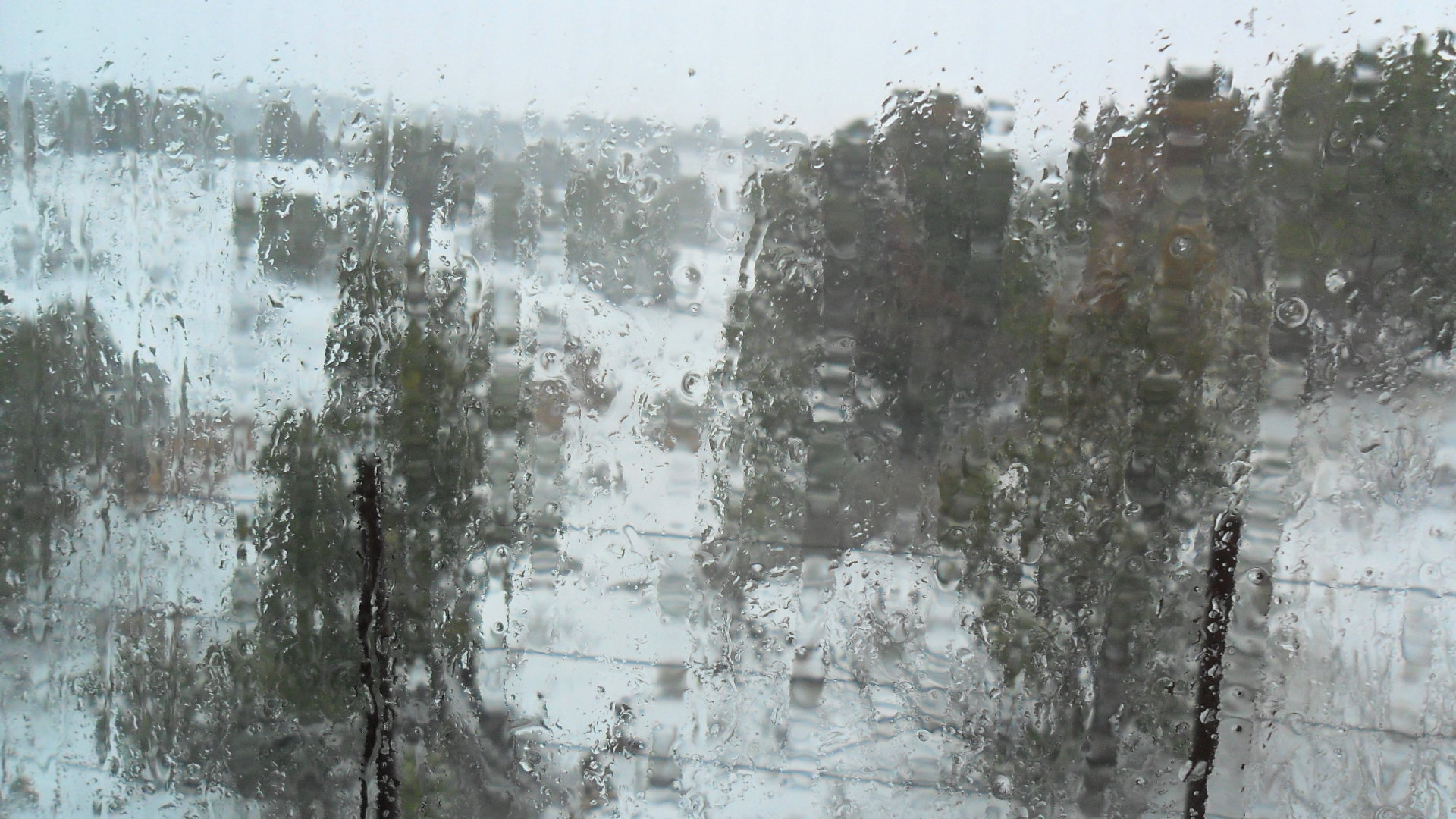
Looking through the window.

Looking through the window.

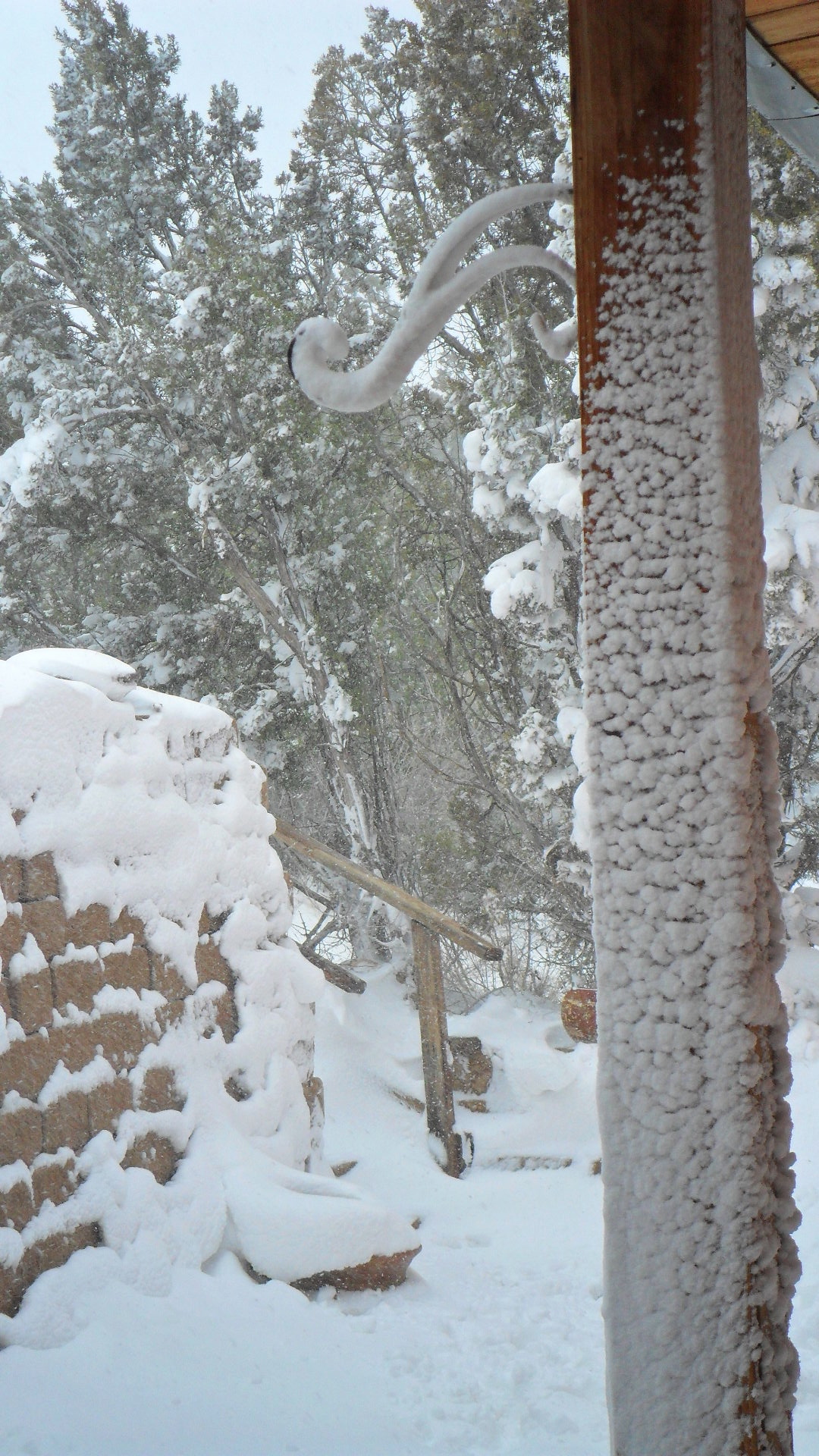
The steps climbing up the hill to the barn.

The steps climbing up the hill to the barn.

Outside the office window.

Outside the office window.

SAM_1025

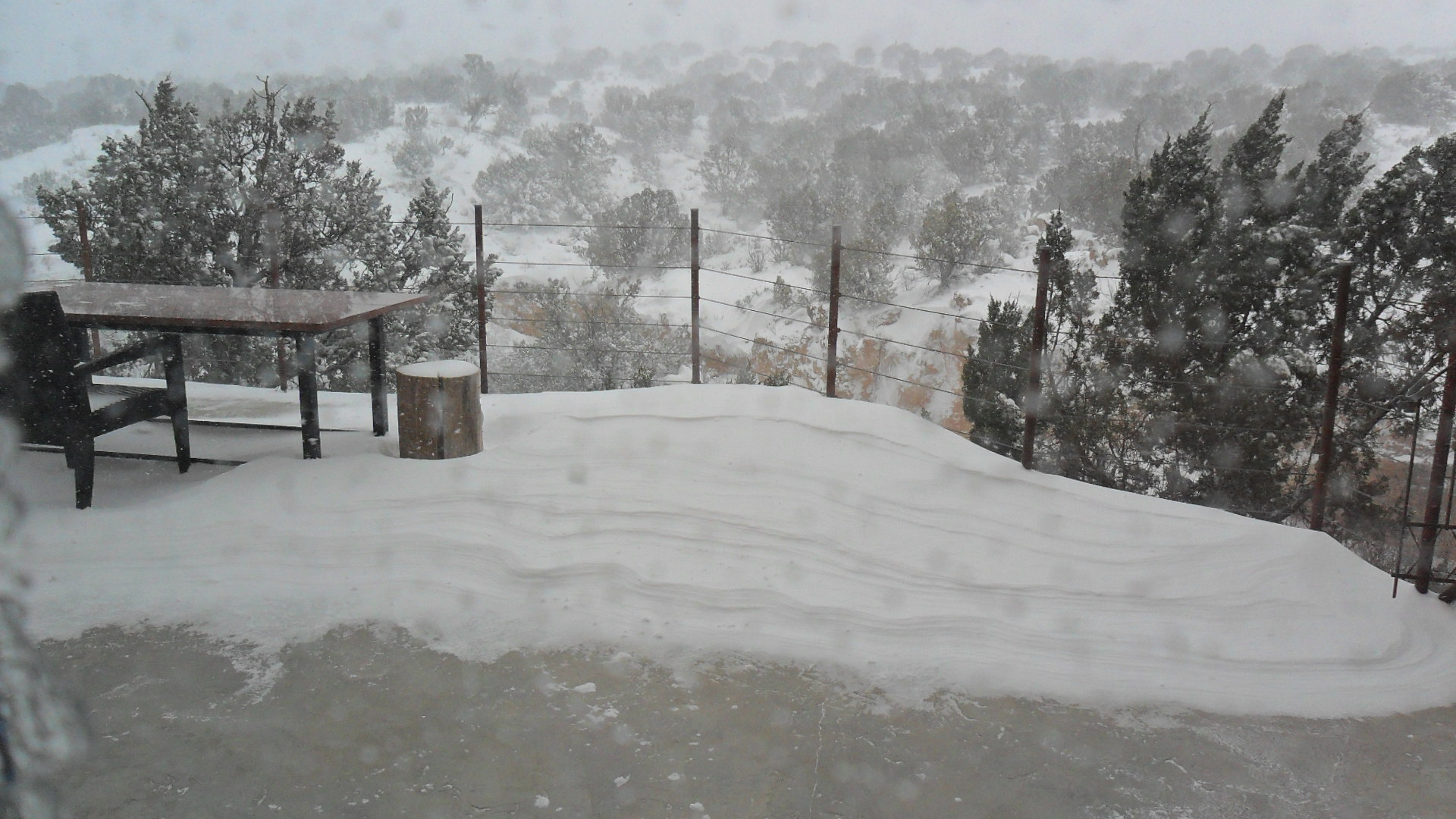
My patio which I will have to eventually shovel--afraid to do so today because the wind is so strong.

My patio which I will have to eventually shovel–afraid to do so today because the wind is so strong.

The barn door before I shoveled my way in.

The barn door before I shoveled my way in.

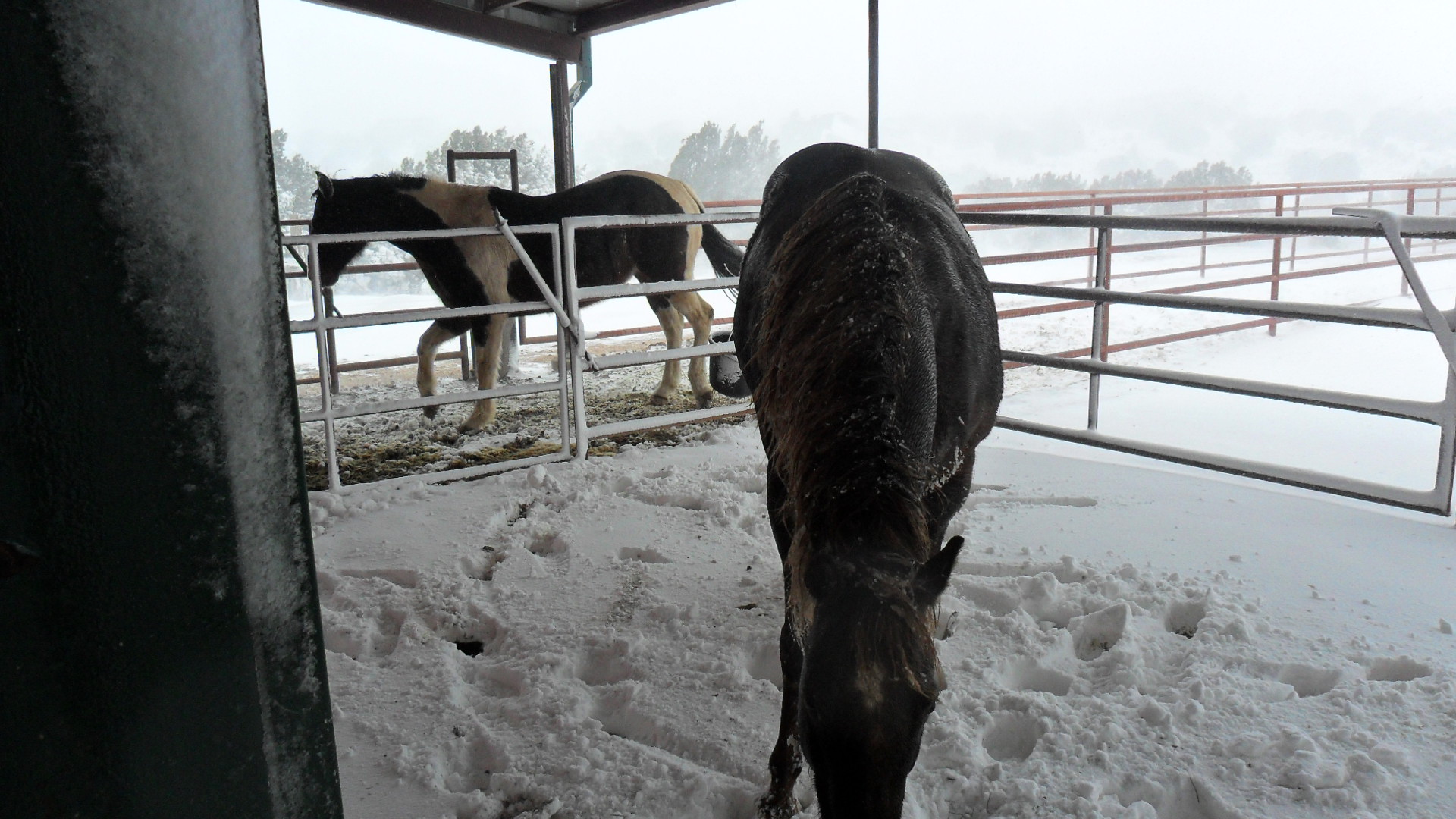
The view out the double barn door.  All this is actually under a roof.  The wind is blowing the snow everywhere.

The view out the double barn door. All this is actually under a roof. The wind is blowing the snow everywhere.

SAM_1020

The view from the front door after digging it out twice from reoccurring drifts.

The view from the front door after digging it out twice from reoccurring drifts.

The new assignment arrived for my prose poetry class.  In the last couple of hours I have read poems by Baudelaire and Rimbaud as examples of some of the first prose poems.  While I read them, I listened to “The Unicorn, the Gorgan, and the Manticore” by Menotti, a piece I am supposed to be singing in 1 1/2 months.  Work shut down today because of a massive blizzard.  The wind literally shrieks down the canyon where I live–gusts they say to 70 mph.  It piles up drifts four to six feet high.  Twice today I have donned my boots, gloves, heavy coat, and gone shoveling and to feed the horses.  For the first time since the barn has been there, snow is actually inside, driven by the wind, and the horses are standing in snow drifts that blew under the overhanging roof of the outside runs.  Even getting to the barn door necessitated shoveling through drifts taller than I.  The snow continues, predicted for another twelve hours or so, maybe as much as twenty inches.  Living alone fails to daunt me, but I cannot concentrate well today.  My drive is long and climbs up a steep hill.  Even my four wheel drive truck may not make it.  I keep thinking it may take days for me to shovel out even if, when the snow and wind cease, my neighbor brings over his tractor to help.  A friend, several miles away, remains without electricity.  I filled my wood burning stove with wood and started a fire just in case.  It seems a perfect day to write and cook and practice music.  And here I sit unable to concentrate long enough.  The wind keeps rushing through my brain.