emerald hills
snow-capped mountains
Sunday sunshine

emerald hills
snow-capped mountains
Sunday sunshine
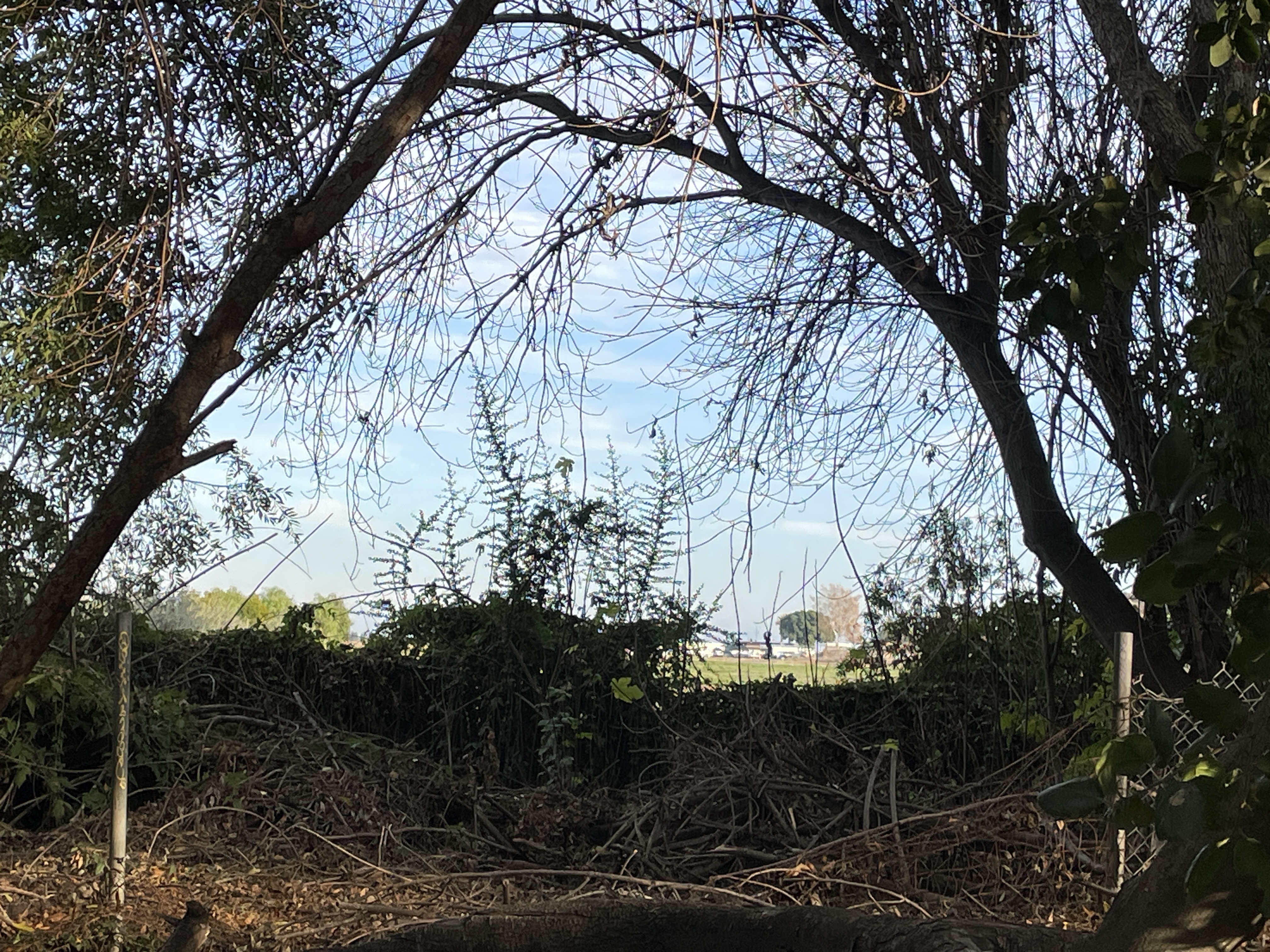
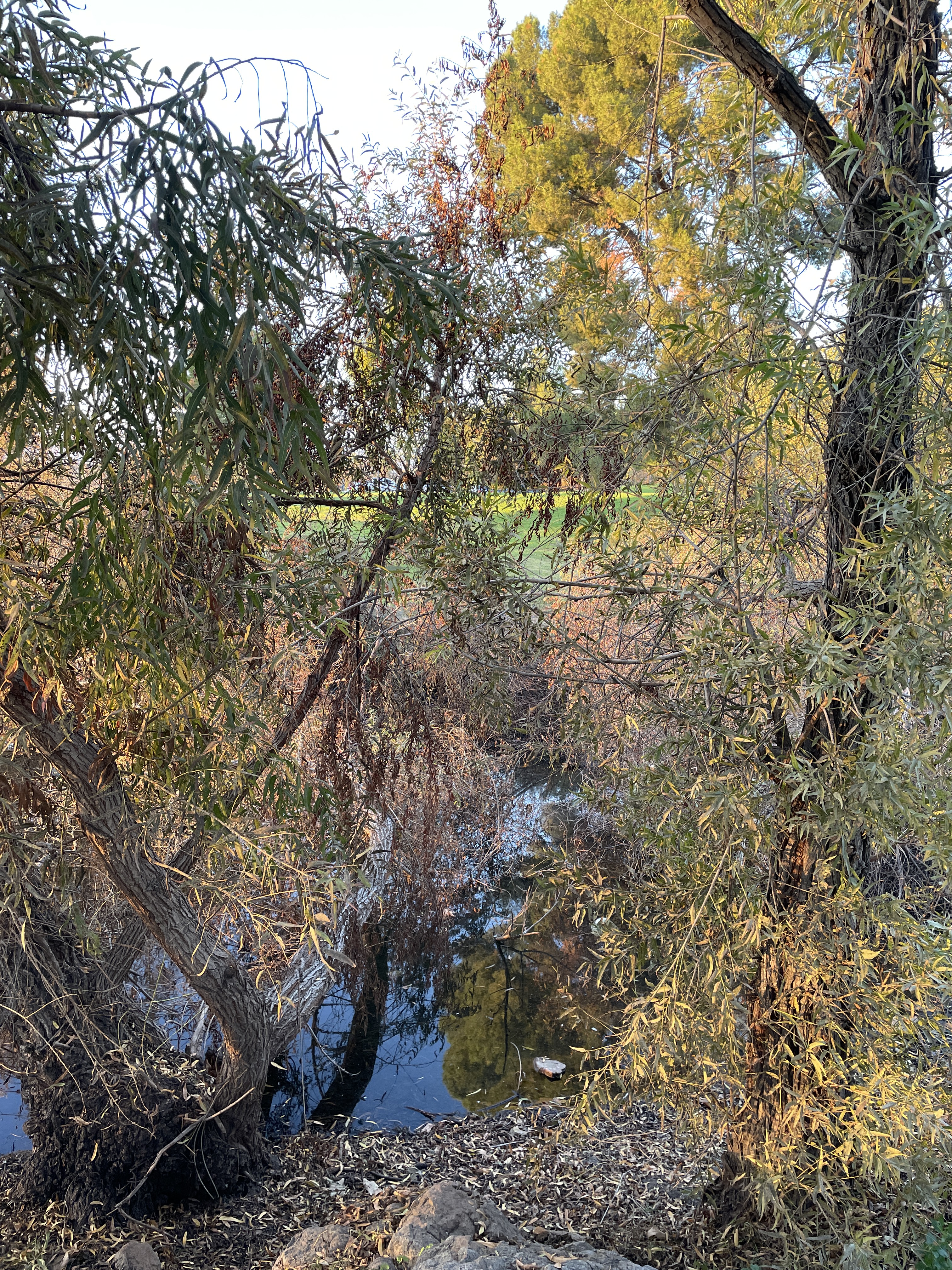
Today water level was low enough that I could cross into an area I had not previously explored. While many of these photos are in the areas I’ve walked before where the walker can see the lake and mountains, the other photos are from the heavily wooded area I found today.





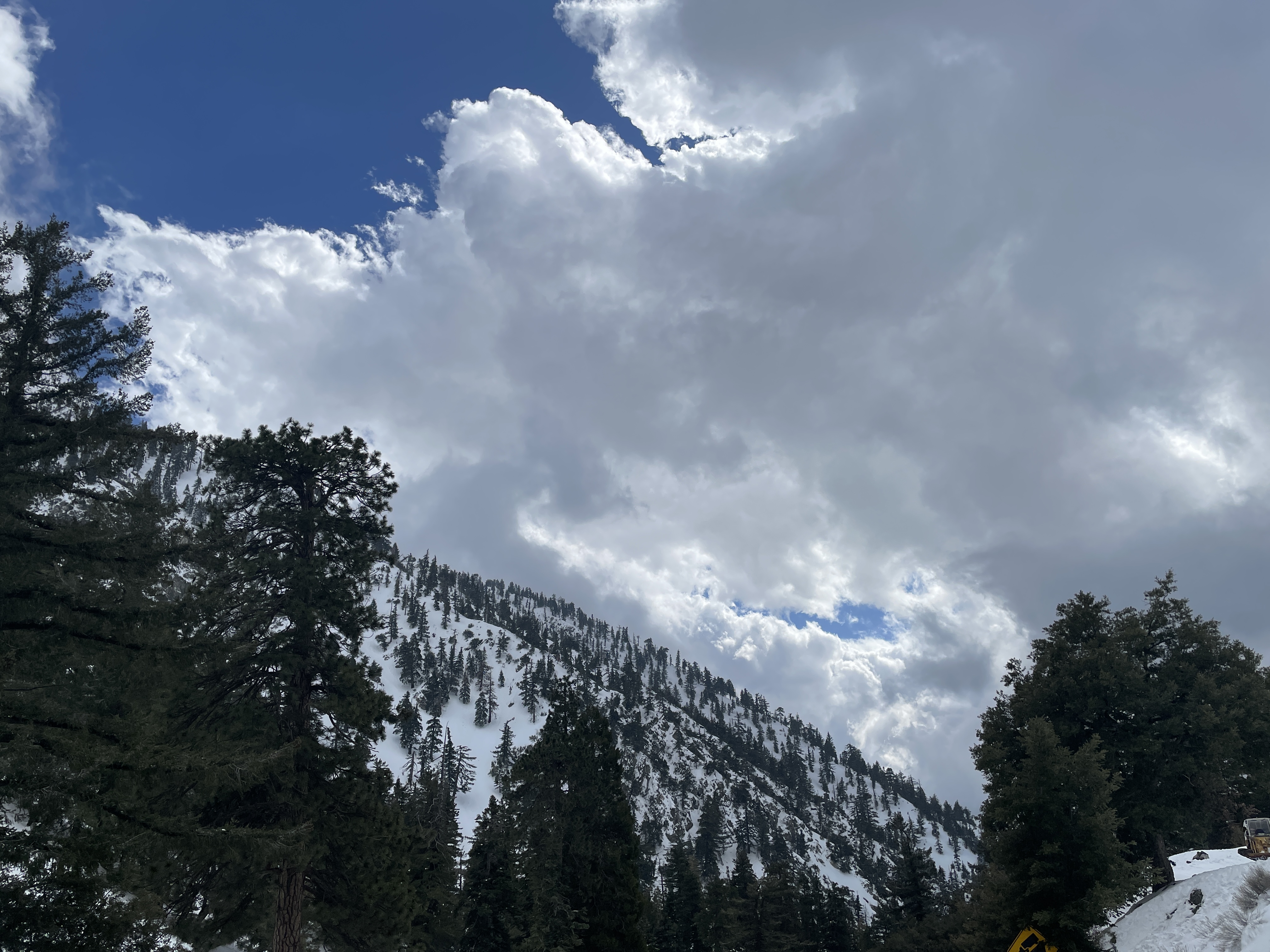
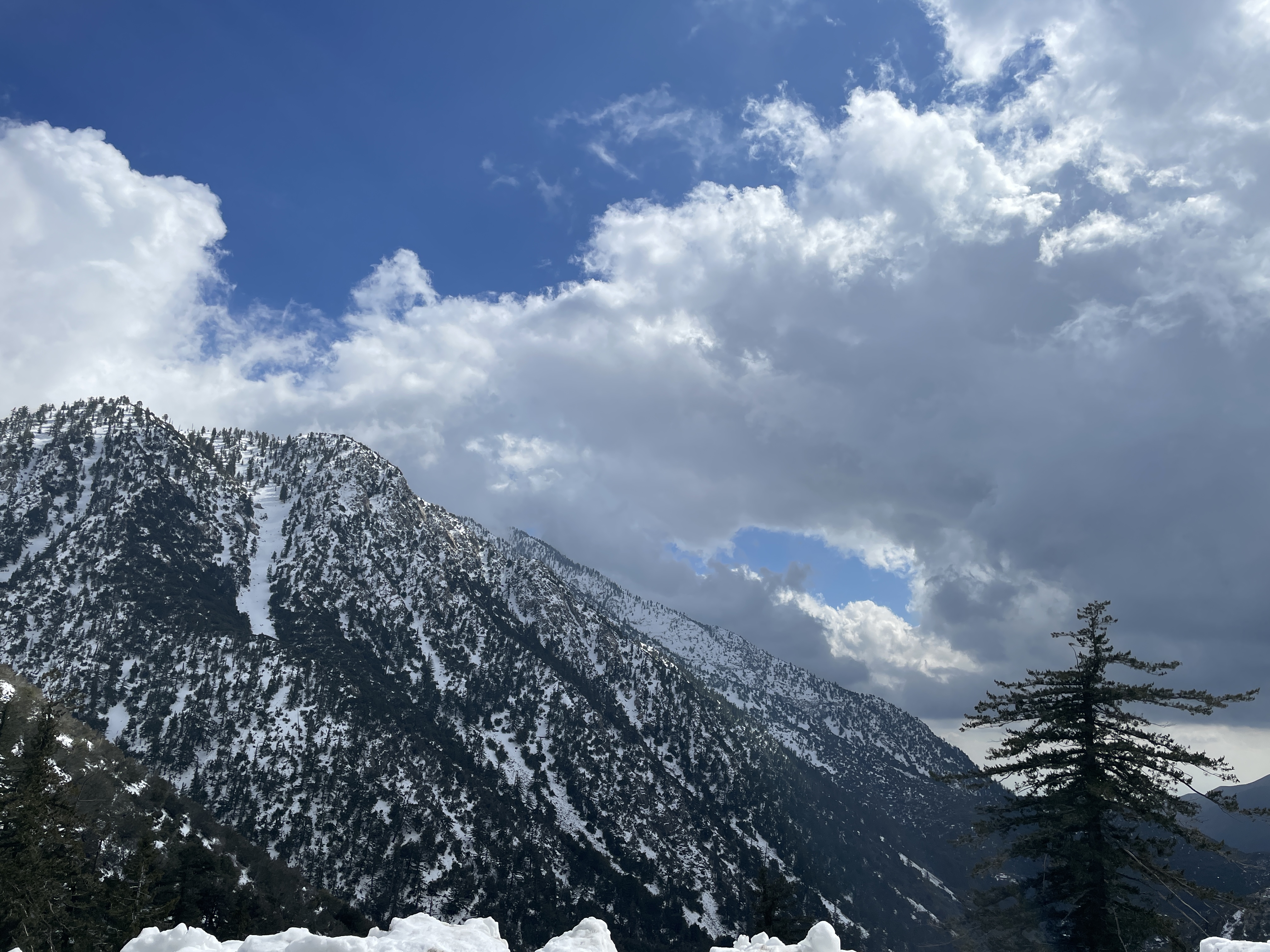
Plowed snow piled high
Families throwing snow, sledding
Mt. Baldy looms above LA


As high as you can go now unless parking to ski.



The perfect book for those who love suspense, Montana, wildlife, wildlife conservation, Alice Cooper, the protagonist, is a young, wildlife biologist who spends most of her life going from one remote research site to another. Here she’s located in a remote area of the high country in Montana, 26 miles from Bitterroot, studying wolverine populations for a wildlife conservancy/trust which now owns a defunct ski resort. While a few of the locals support her work and the conservancy, many more see the trust and her as endangering their way of life, and they are willing to kill anyone who gets in their way.
Filled with suspense, reading this page turner will also inform readers about wildlife biology and research, wolverine study, and life in the northern high country.
If you are looking for a fun read where you actually also learn something, this book is the perfect fit.

Note: This is one of three books I have read this month so far. I will post about the other two in the next few days.
Snow wonderland
Wind singing through pines
Walking in Bonelli
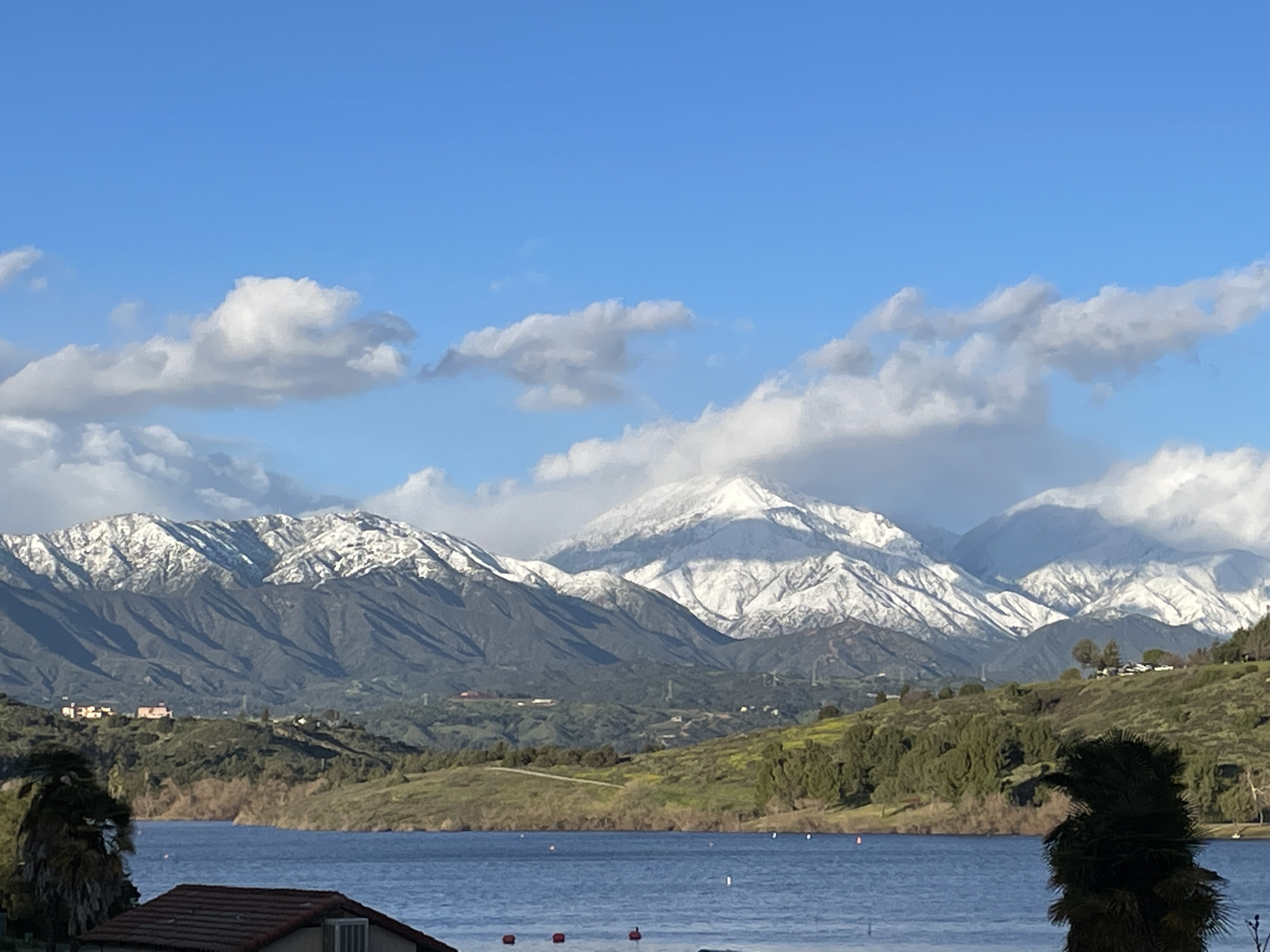


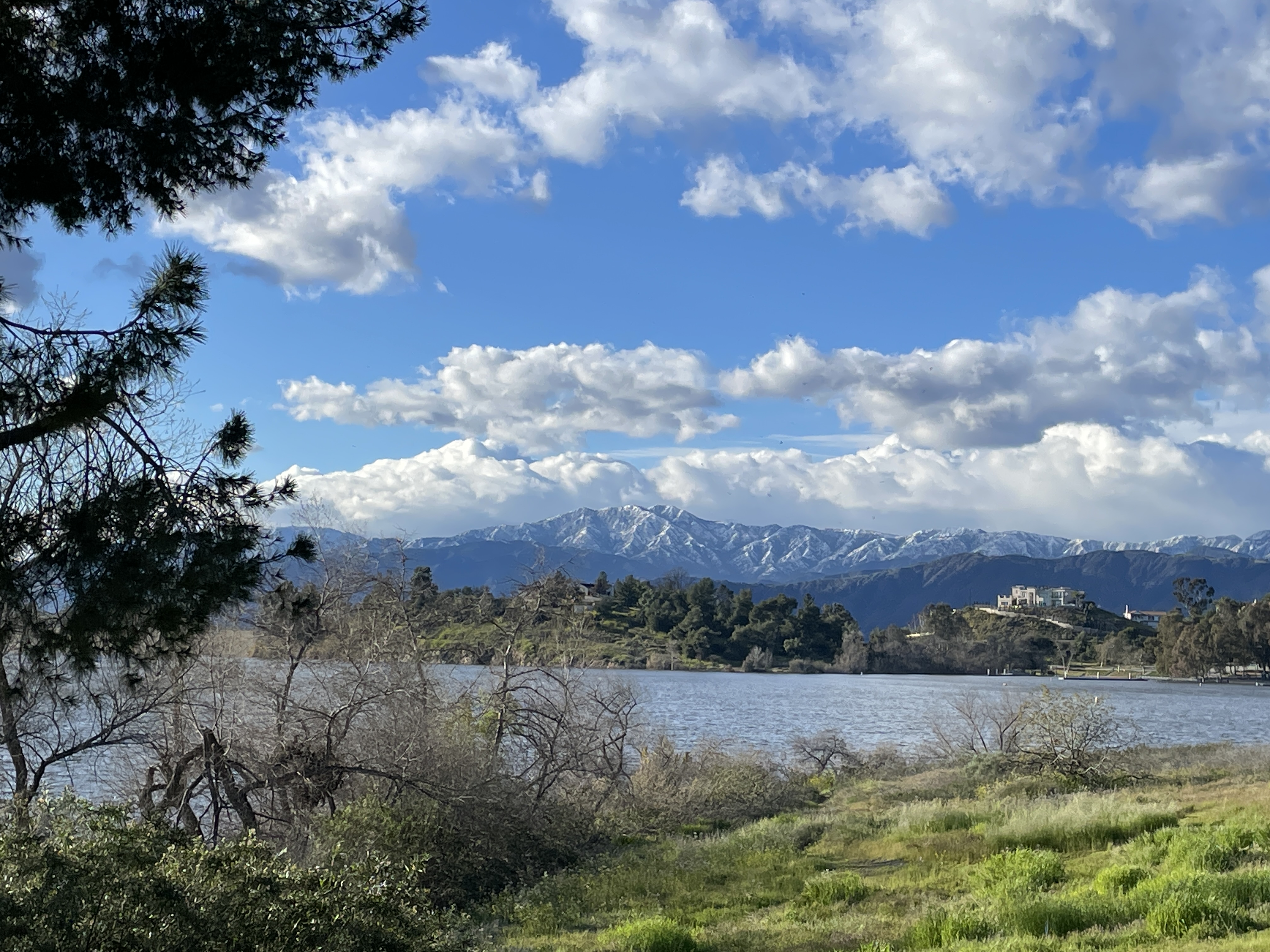
At 10,065 feet Mt. Baldy rises above the San Gabriel Valley, home to nearly 1.5 million of which I am one. The highest mountain in Los Angeles County, every day she looms in the distance quite visible from my front yard. For months last winter, she remained snow capped, sometimes with snow half way down the mountain.

People seemed shocked when they discovered I had not yet driven up the mountain. Yesterday, as I was driving up Monte Vista, I decided it’s time and continued past Baseline where Monte Vista becomes Padua. At the traffic light, I turned right onto Mount Baldy Road. Up I went. You know it’s going to get steep when signs telling slow traffic to turn off ahead show up regularly.
I pulled off about half way up and took these two photos.


A bit farther up, signs appear saying they will tow your car if parked in the way of snow plows. It is about the same time that super sharp switchbacks start. I have driven all over the mountain West and this road has some of the most extreme switchbacks I’ve ever experienced. I kept thinking, “This would not be much fun in the snow.” Keep going and the road ends at a parking lot of the ski resort so they must do a good job keeping the road clear in winter. I stopped off and on to take photos. Up this high there are ponderosa pines and fir trees.

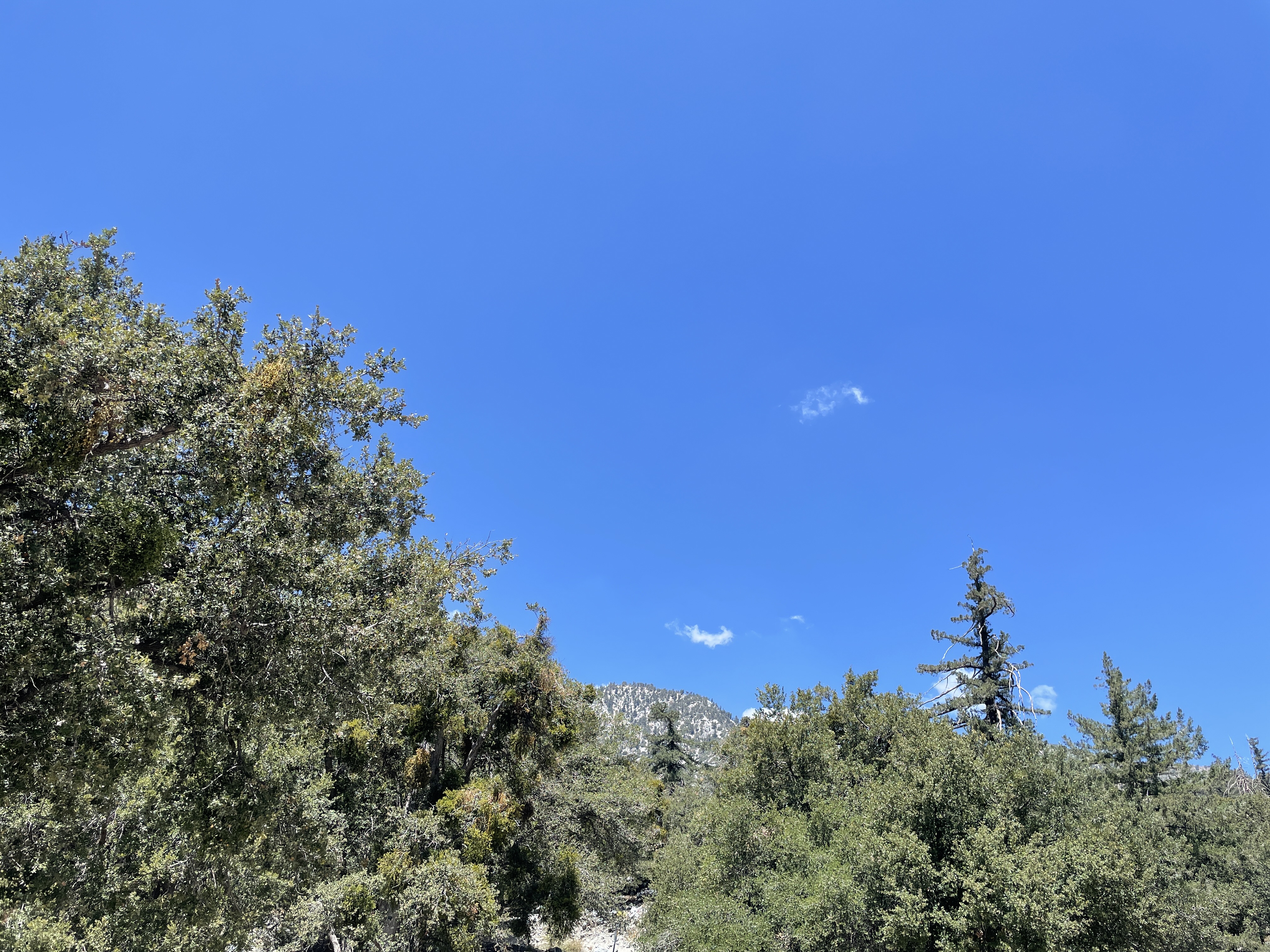
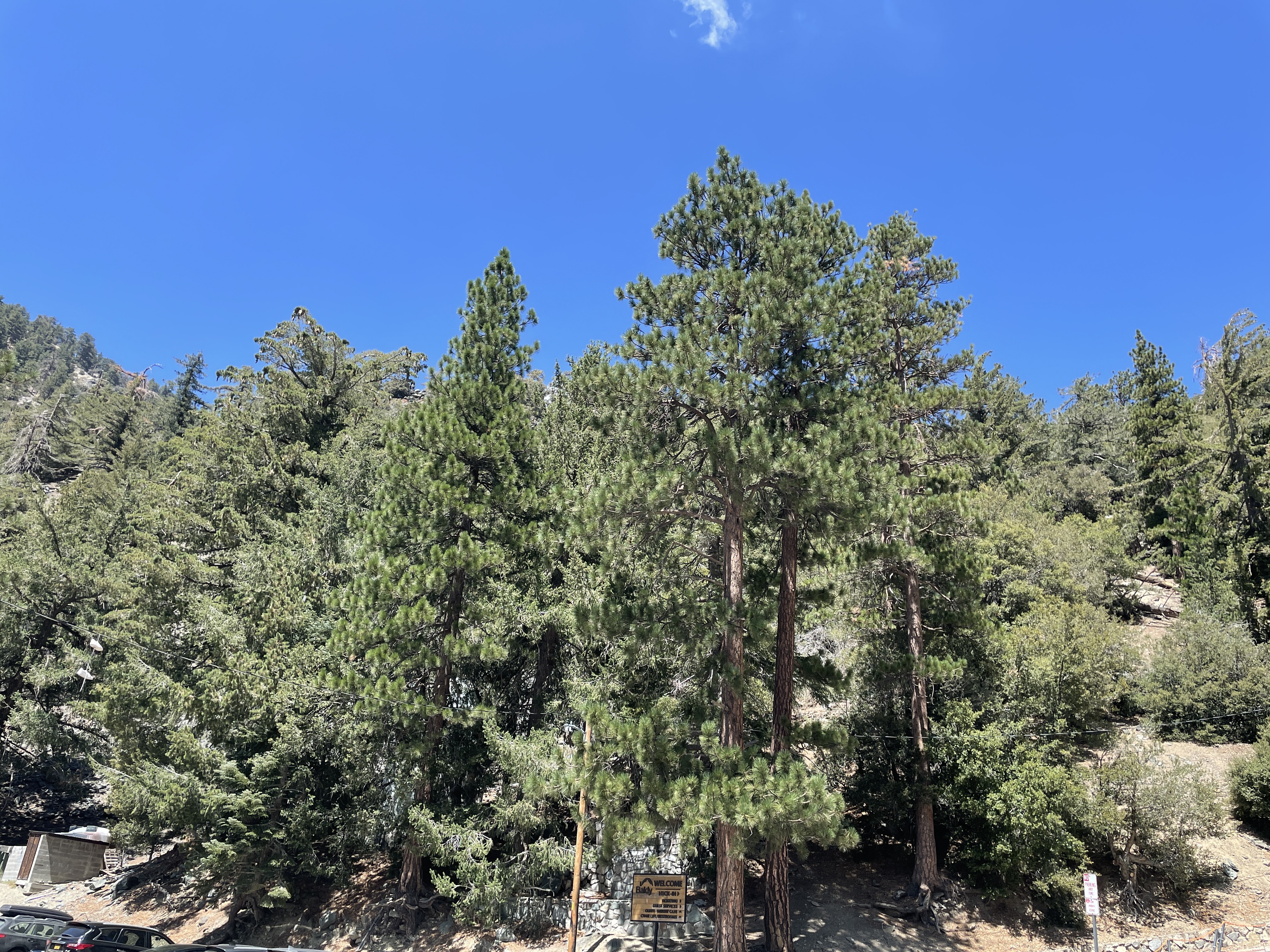
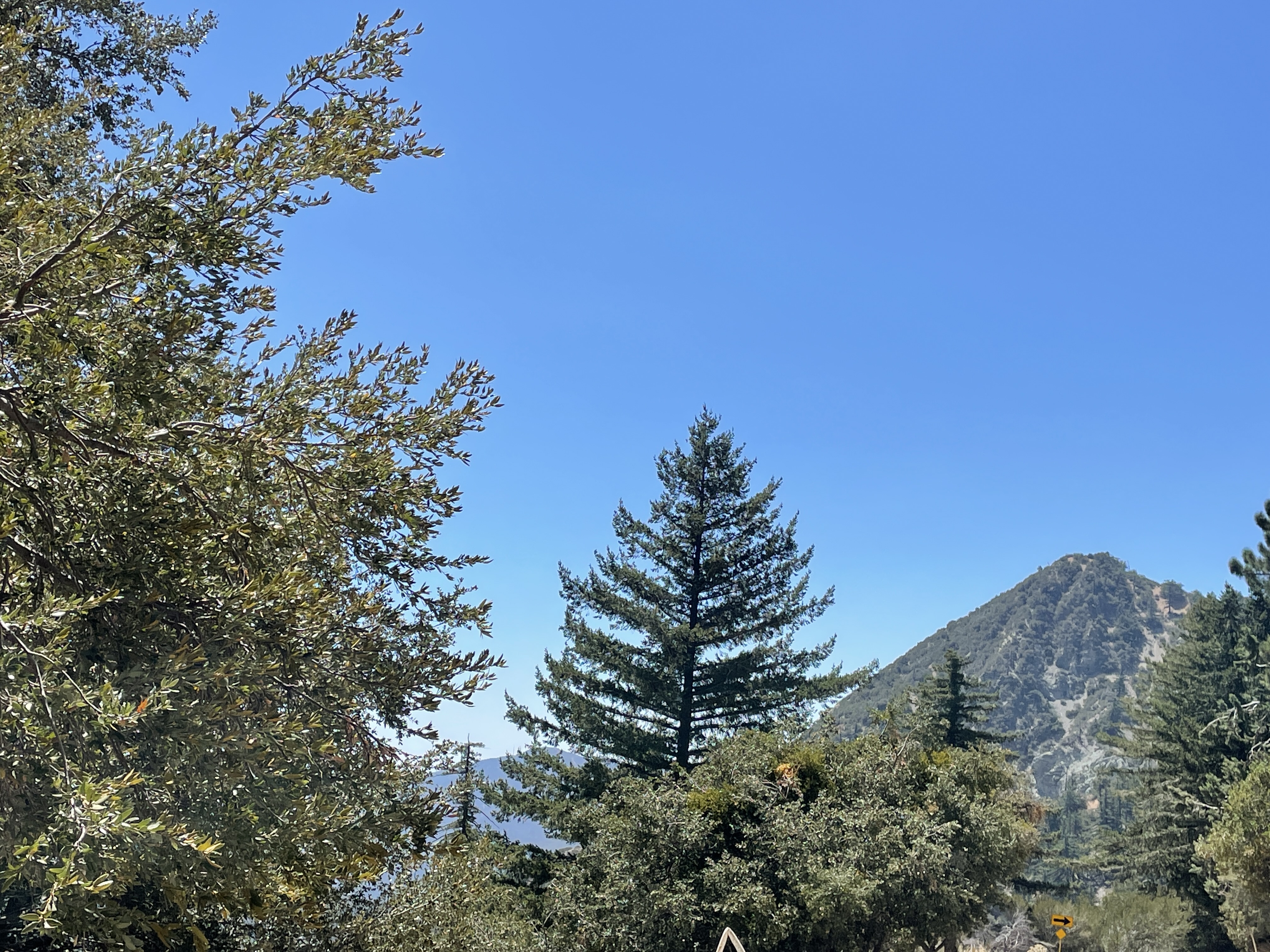
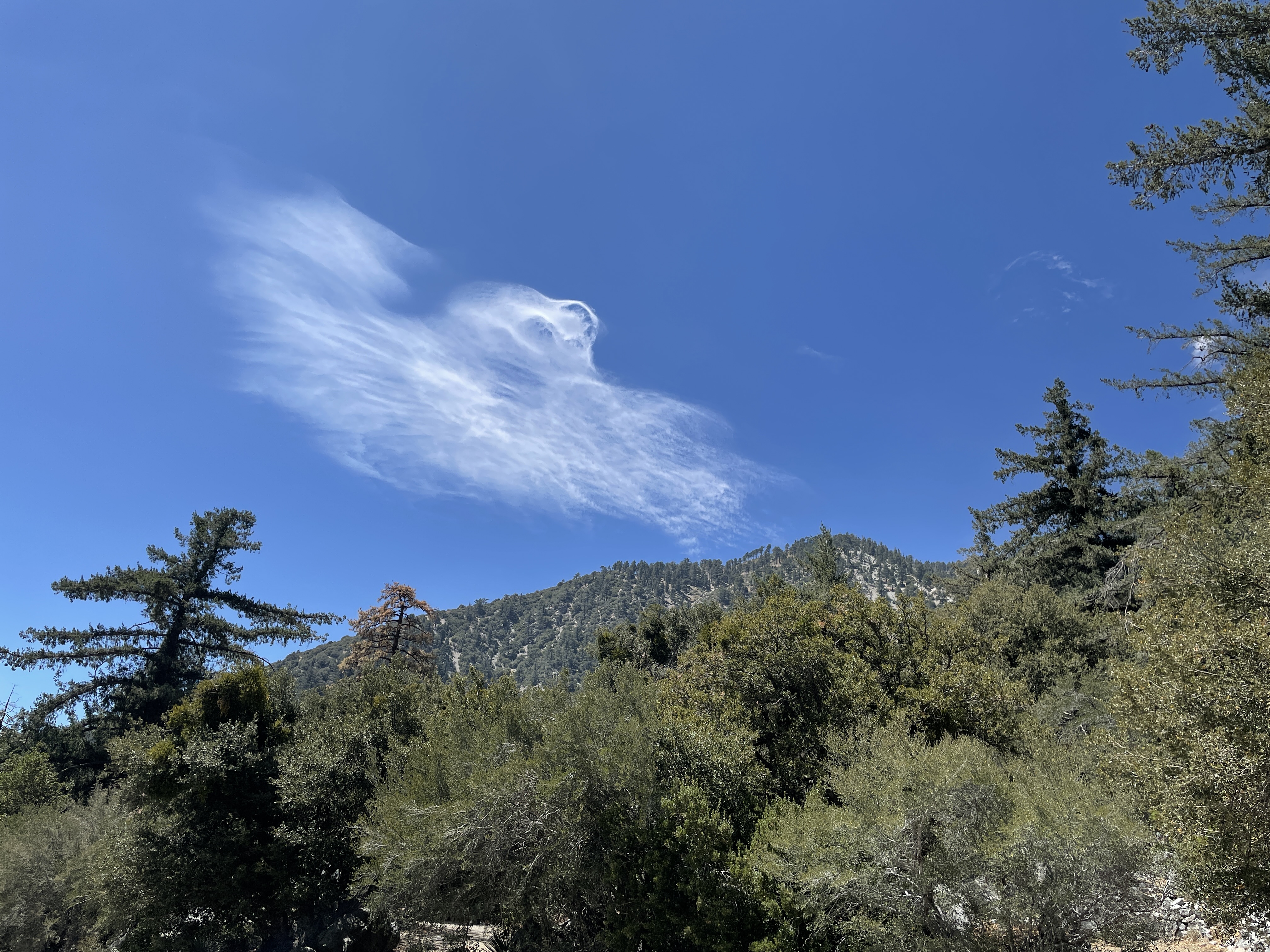
I drove as far as cars can go, to the ski resort parking lot, adjacent to the ski lift which goes to a restaurant farther up the mountain. I’ll try that another day.
After all this driving, I decided to stop at a restaurant by the side of the road in Mt. Baldy Village. I wanted to eat on the patio but no eating outside yesterday–yellow jackets.
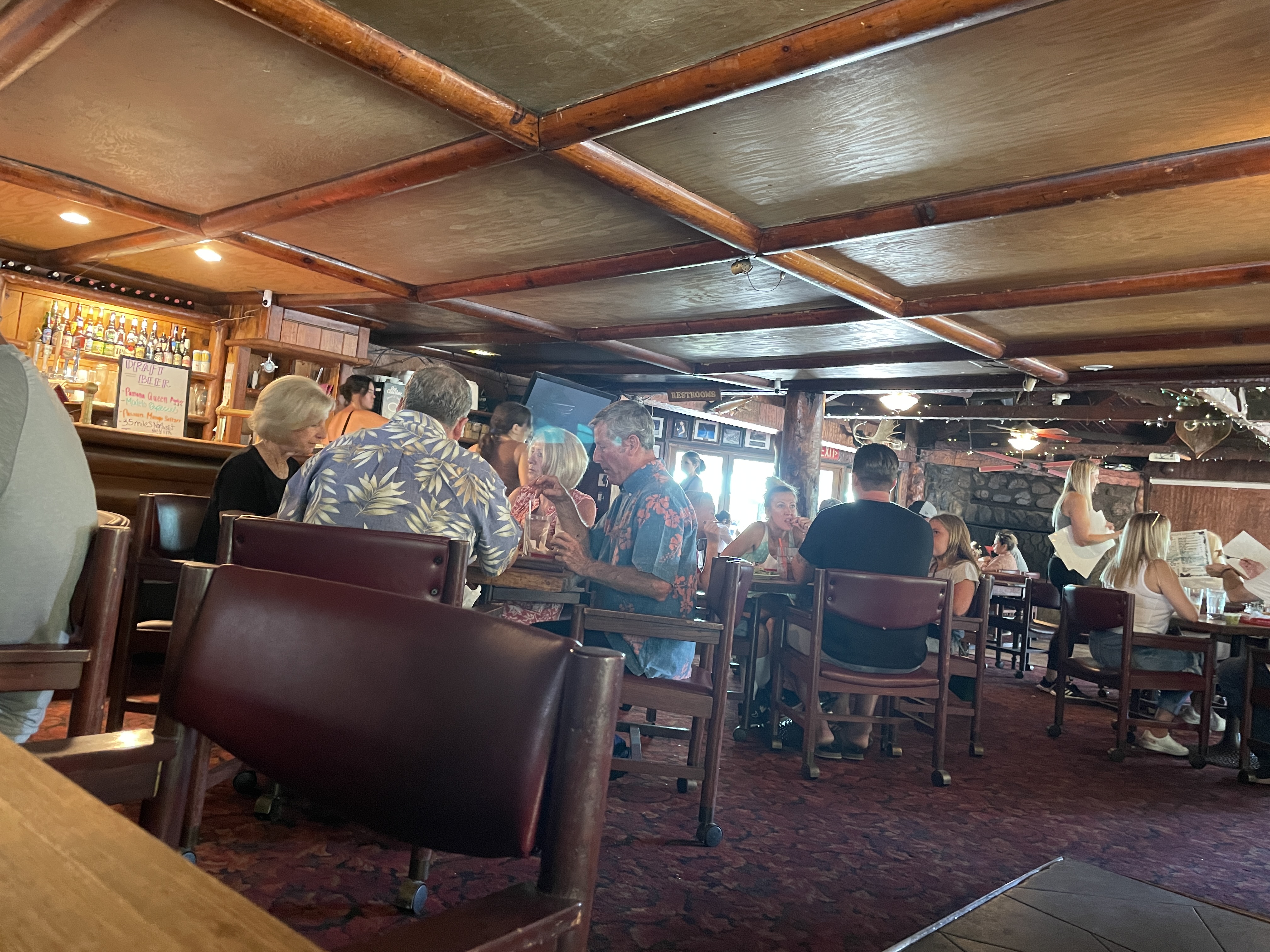

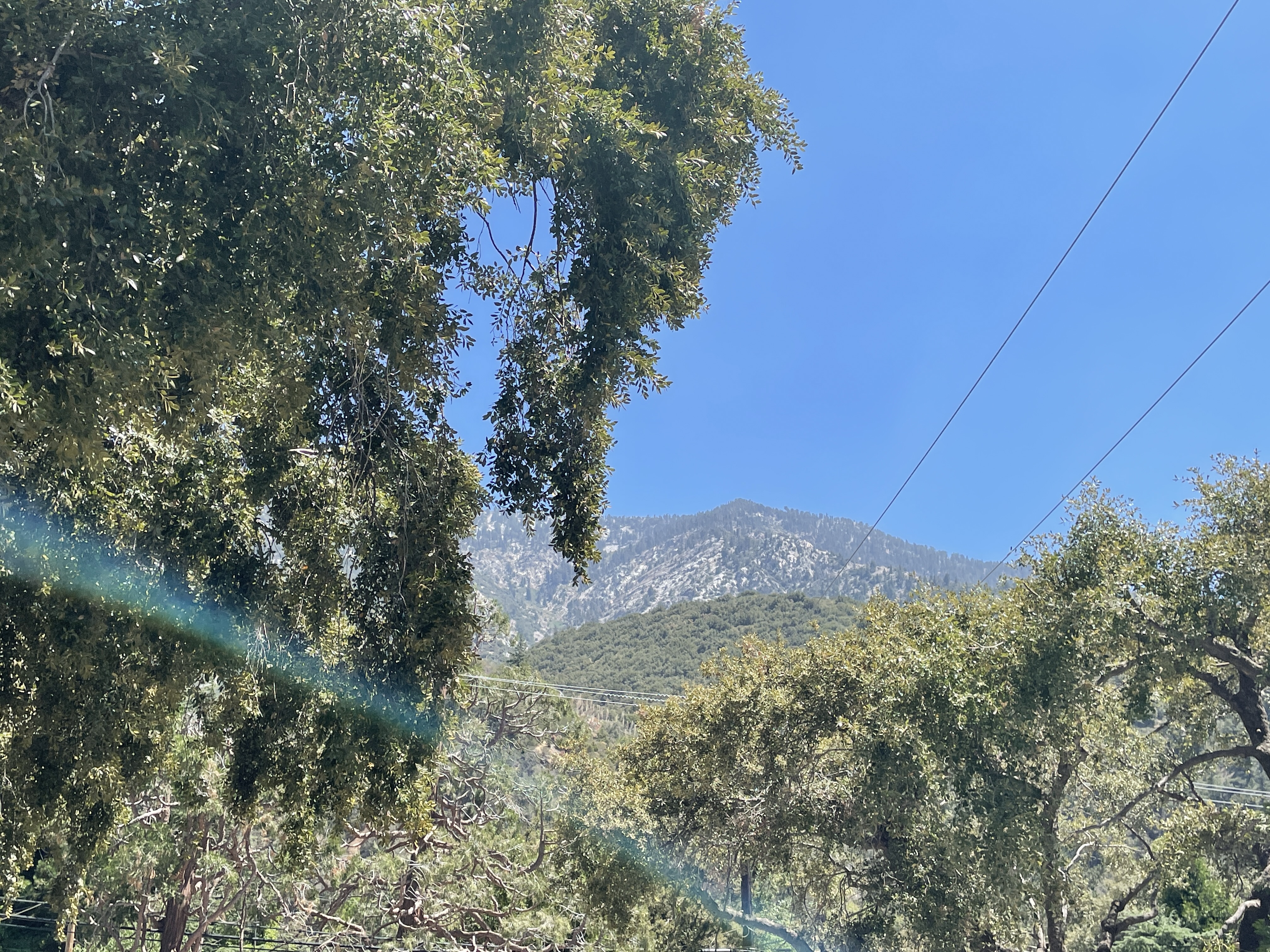

Hunkered down with two pillows–“Safe Place”??
Check TV to track tornadoes
It quits
Try to read, can’t
TV returns, tells me maybe safe
Tornados went east a few miles
Next day tan fog–dust
Wind, can’t stand up
Then spring, 76 degrees, birds sing,
sit on patio, sip tea.
Next morning, blizzard, wind roars,
no electricity, white out,
read by flashlight.
Electricity returns.
Thankful!

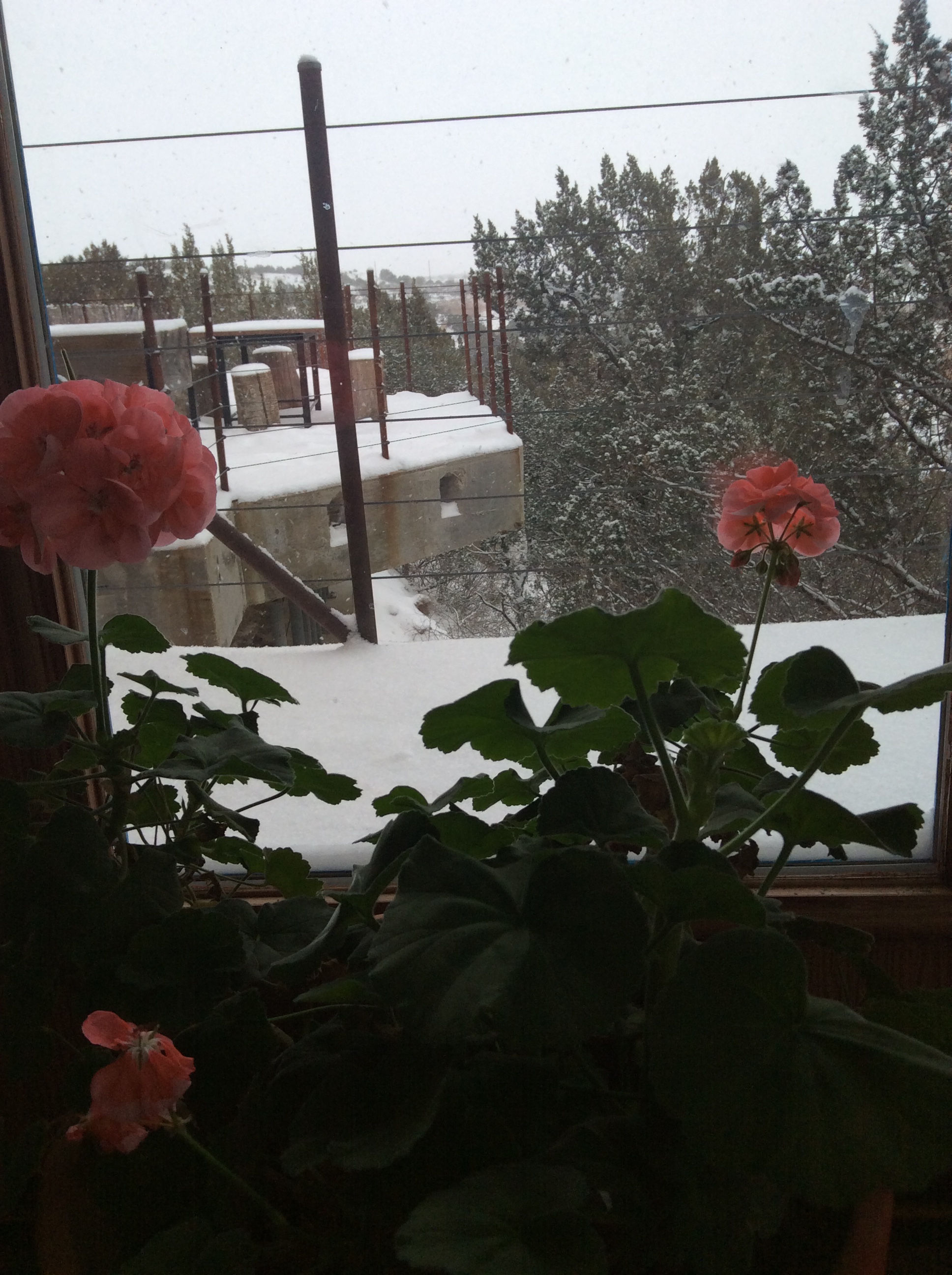
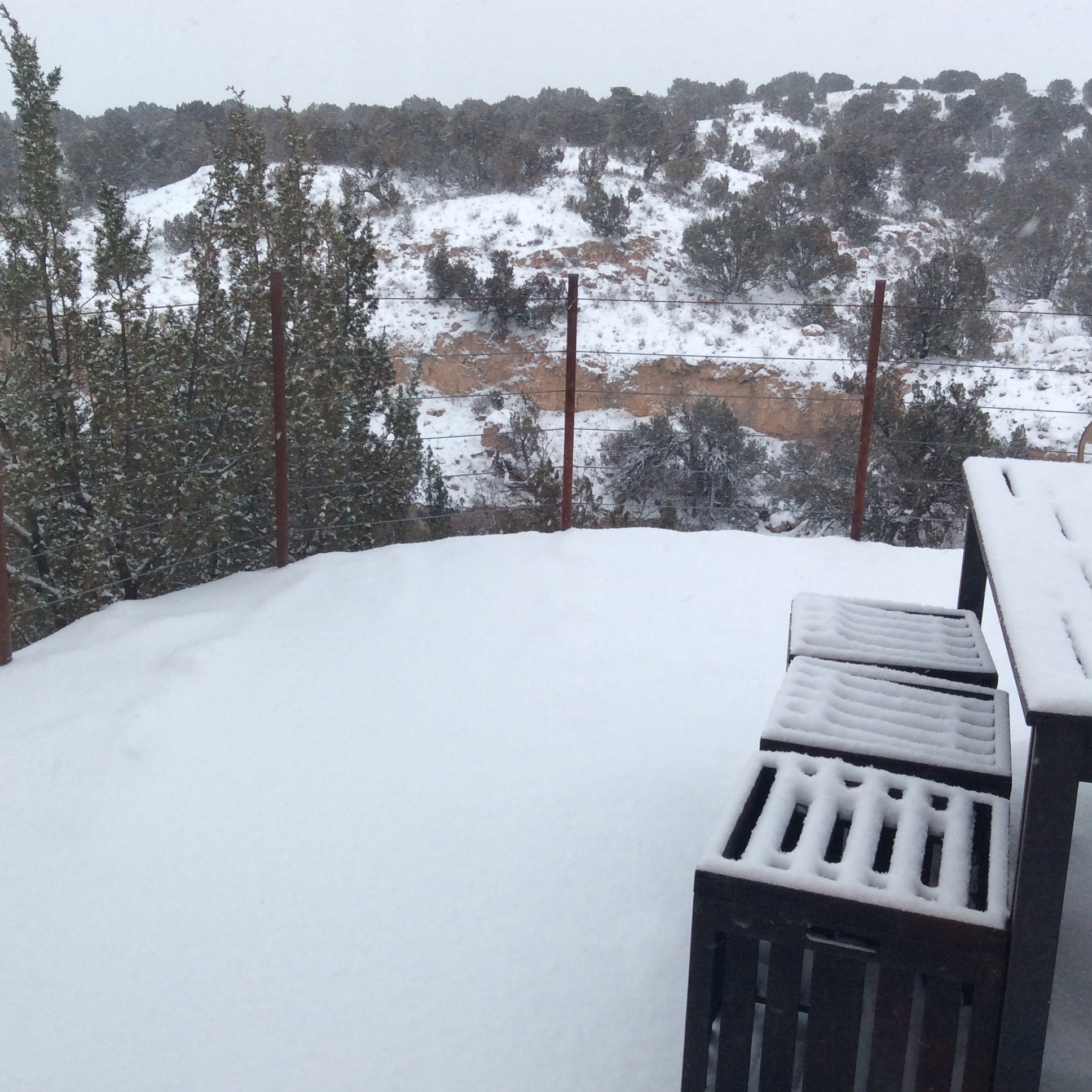
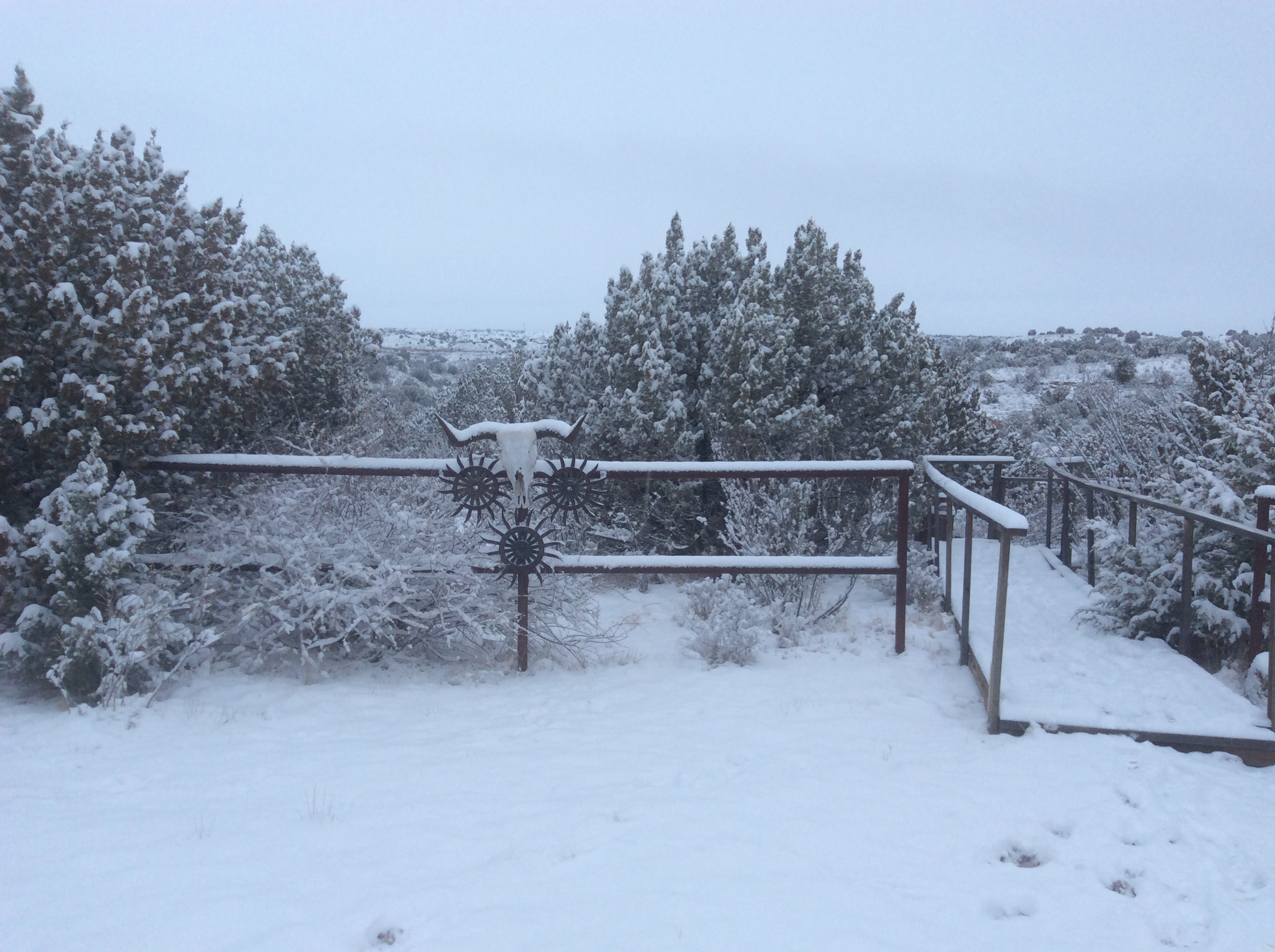
It has not reached a temperature above freezing for six days. One night it broke the low recored set in 1895. It dropped to minus 11. The old recored was minus 6. While a lot of the rest of Texas had no power, where I lived had only rotating short blackouts occasionally. At my house, there has been no outage. Not only has it been cold but also snowing. The last two says shout out winter beauty. The first few photos I took yesterday. Then it snowed another 3-4 inches and I took more photos this morning.



16 degrees, windchill 2, flurries.
Keep warm, reflect, remember, don’t relive,
forgive, move on.
Work hard to become the change you want to see worldwide:
-Empathy
-Kindness
-Love
-Patience
-Understanding
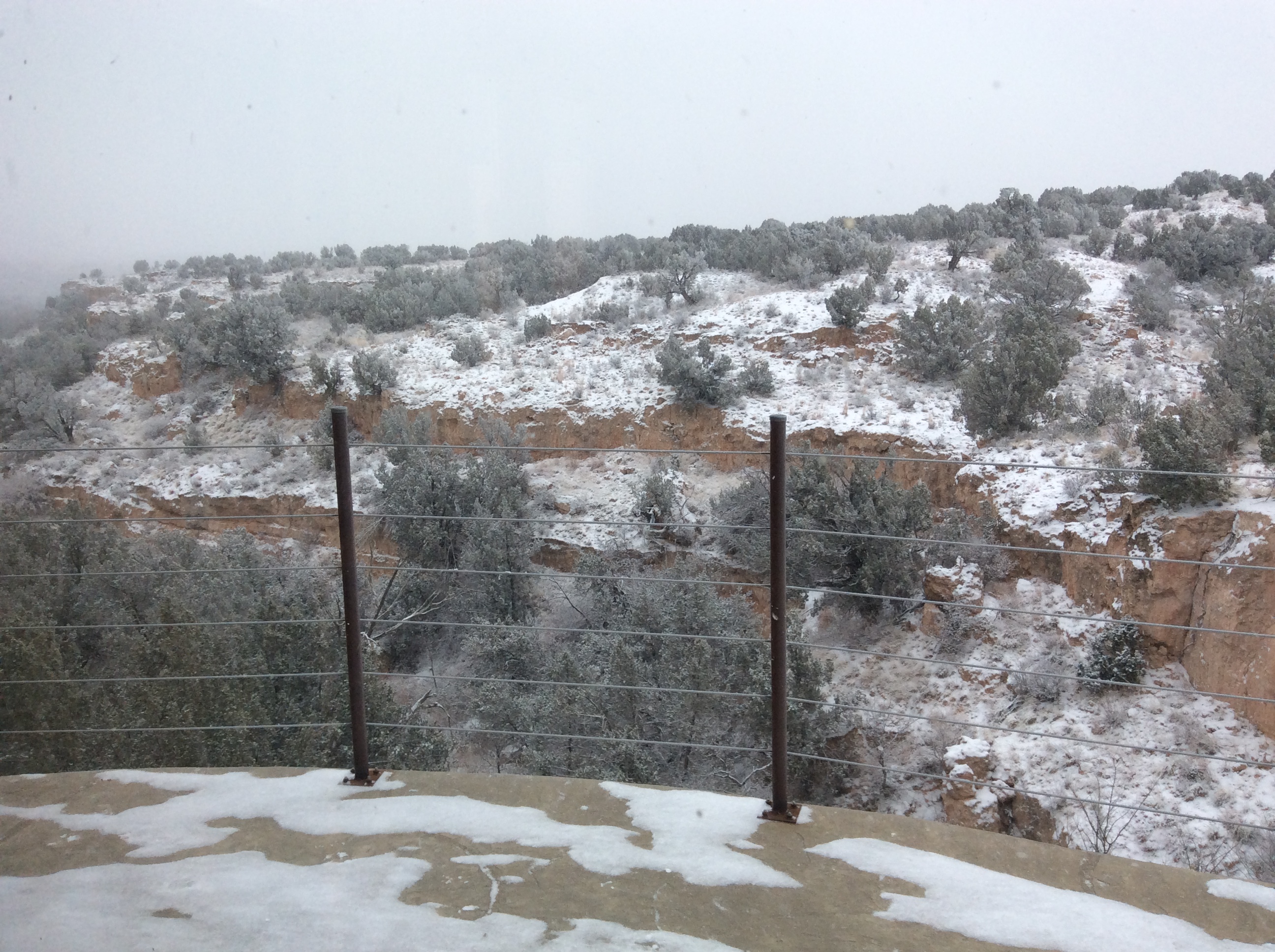
In spite the current global warming, Earth’s past and perhaps distant future is ice. This past winter, much of the Midwestern and Eastern United States thought it had already returned. A friend, forced to attend a mandatory training session, reported that the trainer from Minnesota made fun of those who claim we are warming. Even though it was March, Minnesota remained a frozen land. I kept thinking to myself, wait until the heatwave hits this summer. Then what will he think.
Craig Childs likes adventures most of us would avoid even if we feel rather adventurous. He flies into a camp in Greenland where scientists, all men, study ice. Ice does not encourage a lot of life. No animals, no plants, nothing here–the Greenland Ice Sheet. The weather remains dreadful most of the year. On the few days when they can leave camp, these scientists go out to take readings on remote sensors stuck in the ice. These sensors enable them to determine how the ice changes. They get to the camp by ski plane during the windows of clear weather which sometimes do not occur for days. What kind of scientists go here? Physicists, chaos researchers–yes there is such a thing as chaos research, climate change scholars, ice climate researchers, and an occasional adventurer. The chaos guy’s interests focus on what cannot be predicted. He records creaks, snaps, ice sounds. These giant glaciers emit considerable noise.
This Greenland Ice Sheet is nothing like the ordinary ice we think of. It’s dry and hard. Shovels do not work very well. They use chisels to break off big chunks. The wind shrieks over the ice, sometimes at 80 miles per hour. It is twenty below in the summer. Not twenty below Fahrenheit, twenty below Celsius. To urinate, a guy has to wear parka, mittens, the works, and goes out to the pee pole far enough from camp not to contaminate the drinking water made from melted ice. Now and then some poor bird gets lost or blown off course. They don’t last long usually. Here holes drilled find bedrock thousands of feet below the ice sheet. One drill came up with spruce tree needles. Once this very same location was a forest. Greenland was green!
What happened? One driver is solar radiation changes caused by the earth’s tilt. Over tens of thousands of years, Earth swings away from the sun and then back. These are nearly imperceptible changes. It takes only a little. The opening and closing of the Bering Strait also affects climate change. Current warming aside, Earth’s recent past (the last 60 million years) is an ice age, partly caused by teutonic plates moving and mountain building which reduced carbon dioxide in the atmosphere, making it colder. All this points to human behavior as a factor in the current change to warmer. When Childs asked these scientist if they thought another ice age was on the way, they all laughed. One noted that change in and of itself is unpredictable. As one of my students might say, “Duh!” On its own Earth makes quick climate jumps. They did make a point to say , “We are tinkering to the point we could initiate a jump on our own.” Some computer models say global warming can lead to another ice age by disrupting climates. One scientist indicated that humans may be preventing or delaying the next ice age by warming the earth.
Who knows what the future may bring even one thousand years from now. In the long distant past the entire Earth was covered with ice. At other times the poles were forests. Maureen Raymo, a paleoclimatologist at Columbia University says, “My feeling is that there is never going to be another ice age as long as there are humans on the planet.” Some scientists think we will develop a technology to control the level of carbon dioxide in the atmosphere. Raymo notes, “If they (meaning humans) were smart, they’d get their act together.”
Travel the World 4 Less
A Glimpse into My Life & Passions
Ceto-Magoism, the Whale-guided Way of WE in S/HE
Exploring the F-word in religion at the intersection of scholarship, activism, and community.
ANCESTRAL FOOD. HERBAL WISDOM. MAGICAL COOKERY. SEASONAL CELEBRATION.
inesemjphotography
politics, engineering, parenting, relevant things over coffee.
Food is the best expression of every emotion. Explore through my reviews, recipes, events and more.
Smile! A Site for Friends Wherever You Are!
inspiring personal growth through poetry and writing
Combining atheism with whimsy. This is a Fair and Balanced blog based on opinion unencumbered by fact.
Odds and ends ~ My Life
Original poetry, commentary, and fiction. All copyrights reserved.
bripike@gmail.com
A wildlife filmmaker in Africa
A Geeky Feminist's Musings On Pop Culture
"5 minute walks"
 writingontherim