Book 37 for 2025: “Black Sea: Dispatches and Recipes”, Caroline Eden


This is a sort of travelogue, memoir, and recipe book. The author begins in Odessa and travels south from there to the port of Constanza in Romania as well as various other seaside towns in Bulgaria, then to Istanbul. After spending more time there she heads east to all the ports and some inland cities near
Turkey’s Black Sea coast.

I hope to learn new information and become a little more enlightened when I read–especially when reading non-fiction. This book did not disappoint. Here are a few of the things I learned:

-Odessa is a very old and once a very international city. At one point it had the second largest Jewish population in Europe. Now only about 1/3 of the residents are Jewish. Many of the restaurants serve traditional Jewish food even if not Jewish. Once in the past, Mark Twain visited there and made it famous for its ice cream.

-In Constanza, Romania, she witnessed a huge Navy Day celebration with booming gun salutes. Once upon a time, this city was famous for its Casino which now is just a glorious ruin. Here a breakfast mainstay is polenta with a mushroom topping. The author apparently liked the food because this section contains more recipes.

-Varna is the main seaport city in Bulgaria. The author’s main quest here was to see the gold, yes, gold. Once upon a time, this city was a major Roman port. Now the Museum of Archeology houses a spectacular collection of ancient gold. “Breastplates, bracelets, burial gifts, regal-looking head pieces, figurines, and pendants–all gold–shone for attention. The silent Midas room was deafening, ringing out with finery, treasure and opulence. And the loudest, biggest treasure of all, was the smallest. Tiny pendant earrings, almost inconceivably old, dating back 6000 years….these earring are the oldest ‘worked gold’ in the world. They belonged to the first known culture to craft golden artifacts, and they lived here, on Bulgaria’s section of the Black Sea in what some archeologists consider the oldest prehistoric town. But it was not gold that made this area wealthy; it was salt which was mined nearby. The world salary comes from the Latin word ‘salarium’–a Roman soldier’s stipend to buy salt.

-She goes to Istanbul and then on to Turkey’s Black Sea towns, Amasra, several a bit inland, Sinop, Trabzon, and Rize. Sinop has a particularly good harbor. There is a saying that the Black Sea has three safe harbors, July, August, and Sinop. This is in an area often targeted by Cossacks who crossed the Black Sea to raid these more prosperous areas. The town also houses an infamous prison where Russian convicts taught Turkish cellmates how to make model ships for which the town is now famous.-More than 3/4 of the world’s hazelnuts are grown in this area of Turkey. However, that did surprise me as much as the tea, yes, tea. When I think of Turkey, I think of that thick, strong Turkish coffee. However, Turkey is the fifth largest grower and exporter of tea in the world. The tea grows in the fog and mist on steep slopes that end at the sea. Several photos in the book illustrate the lush green mountains covered in tea bushes.

-When I think of Hagia Sophia, I think of the spectacular building in Istanbul, the one that has withstood invasions and earthquakes. But there is another one. On the western edges of the city of Trabzon, there is a smaller, more tranquil Hagia Sophia, one of the Black Sea area’s most spectacular monuments. It was built as a church in the 13th century, converted to a mosque, then to a cholera hospital, then a museum and finally back to a mosque in 2013. The ceiling and walls are covered with frescoes that for a long time no one knew existed until they were restored.

In addition to all the tales of her adventures and the ordinary people she meets, the book is filled with recipes that are specialties of the areas she visited. I’ve taken some ideas from several to experiment with new dishes like combining Swiss chard and sultanas (golden raisins) with chopped onions and garlic sautéed in olive oil and served over Basmati rice.

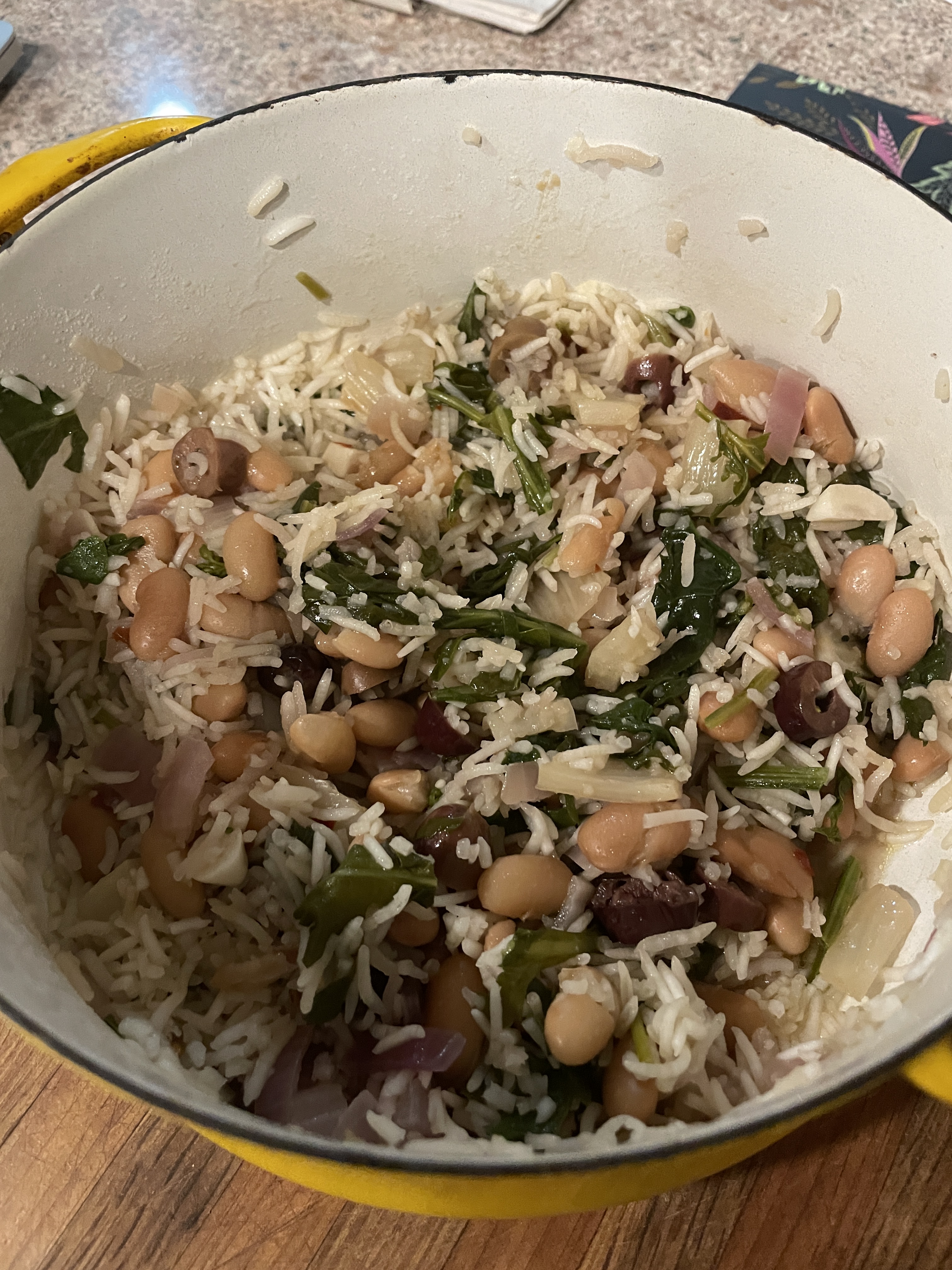
Vegetarian Plov with Greens


Plov is a common dish throughout Central Asia and is the national dish of Uzbekistan. All plov contains rice and usually meat like lamb or beef. Here is a vegetarian version. I found a vegetarian recipe and modified it using the ingredients I already had. The original recipe used chickpeas but I had already cooked Peruano beans so used them.

1/2 large purple onion, coarsely chopped

1/2 fennel bulb, coarsely chopped

3 cloves garlic, chopped

1/4 cup kalamata olives, chopped

1 drop coriander essential oil

1 drop cumin essential oil

1 drop cilantro essential oil

Chili flakes (optional and amount to taste)

1 cup cooked Peruano beans

2 cups greens (I used spinach and arugula), coarsely chopped

1 heaping half cup of basmati rice, rinsed

butter or olive oil for sautéing

Heat the oil or butter in a heavy casserole dish. Add onions, garlic, and fennel. Saute until tender. Stir in the spices. Scatter the beans and olives on top of the onion mixture. Do not stir! Add about 1/4 to 1/3 cup water. Layer the greens on top of the beans and olives. Flatten the greens with a spoon. Do not stir! Let greens wilt then layer the drained rice on top. Pour in enough boiling water to just cover the rice. Cook on high heat until the liquid has boiled off. Poke holes in the rice to allow steam to escape. Cover pan with lid and turn off heat but leave pan on the burner. Let the rice steam for 20-30 minutes.

To serve, stir the contents and serve in large bowls. You can add extra fresh herbs and lemon if desired. I just served as is and found it delicious. You do not have to use essential oil but can use ground herbs or fresh. If using essential oil, use a safe brand for cooking. I used Edens Garden but have used others, e.g. Doterra.

Book 34 for 2025: “Samarkand”, Caroline Eden and Eleanor Ford


I enjoyed the previous book by Caroline Eden so much I searched for this one. I doubt I will ever make it to Samarkand or Tashkent, places sort of on my bucket list, so what I do is read everything I find about these fabled cities on the Silk Road. The sub-title of this one is “Recipes and Stories From Central Asia and The Caucasus”. It starts with Samarkand and the story of Tamerlane, the legendary hero who conquered a lot of this area and a large portion of surrounding areas in 1370. He was a military genius who loved chess and made up his own chess game with twice the number of pieces.

What foods show up in both the stories and recipes? Beets, fruit–dried and fresh for which the area is famous, tomatoes, cucumber, pomegranates, cabbage, lentils, rice, lamb and mutton, and all sorts of kebabs and flatbreads. I learned there is a huge beach on Lake Issyk-Kul in Kyrgyzstan. It is one of the world’s largest alpine lakes and in summer people from Russia and all over Central Asia flock to its shores. People who own guest houses there make all their money for the entire year in the brief summer between mid-July and mid-August.

In the remote mountains of Azerbaijan lies the small town of Gyrmyzy Gasaba above the Qudiyaleay River, a town where all the people are Jewish. Even though Azerbaijan is a predominantly Shia Muslim country, the people in this town have peacefully lived here for hundreds of years. This town is considered the last surviving pre-Holocaust Jewish town untouched by WWII.

If you are a lover of apples, then consider this country, Kazakhstan, the place where apples originated. All apples in the world today come from the original apples here. The name of the largest city, Almaty, whose older name was Alma-Ata means fatherland of apples. In Ile-Altalan National Park on the northern slopes of the Tien Shan mountain chain thousands of acres of wild apples flourish.

Even though this book was published less than ten years ago in 2016, a lot of people must have been interested in reading the stories and recipes because the copy the library found for me is not in the best condition. Before I return it, I will copy some of the recipes to try.

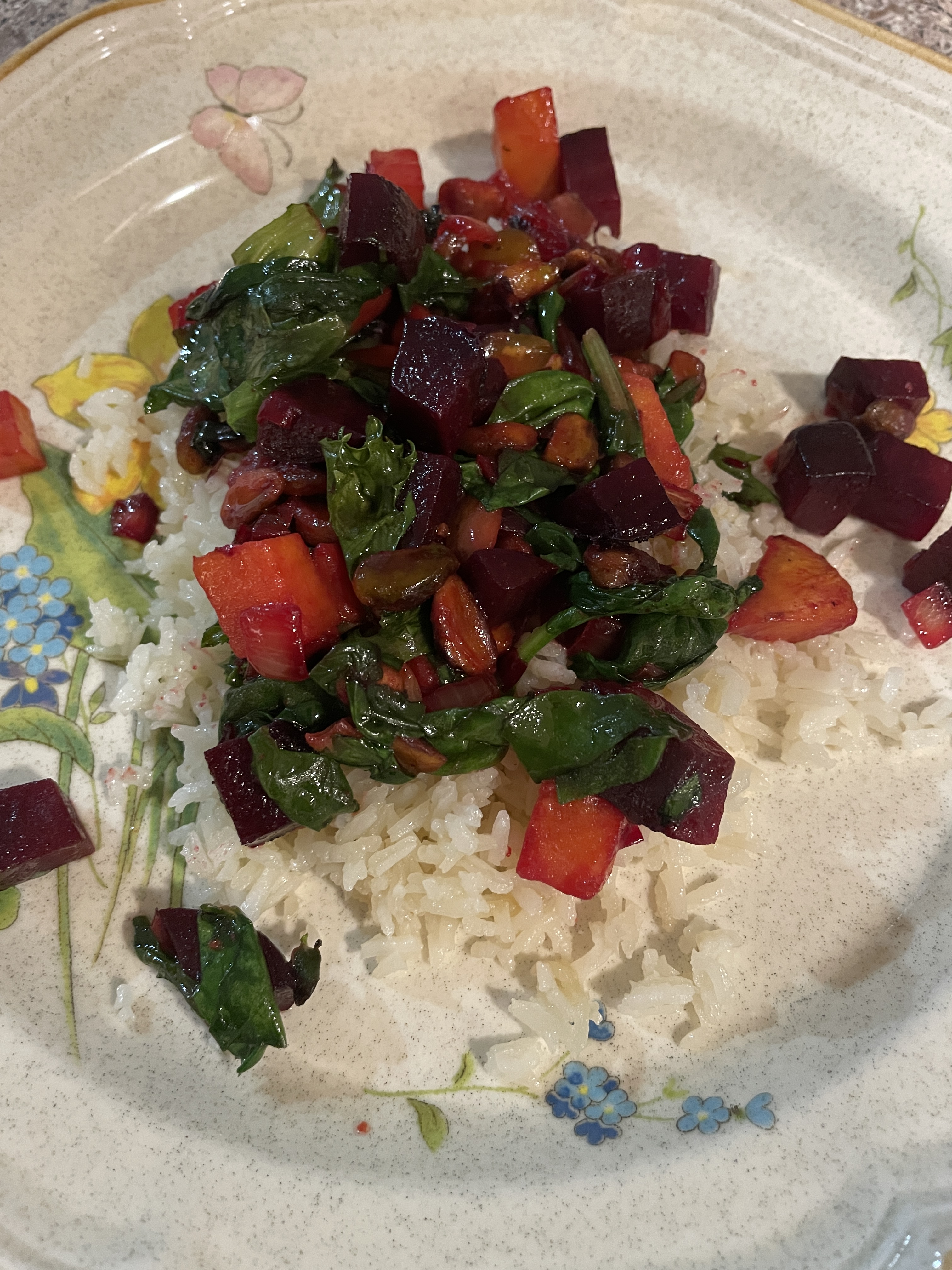
Vegetarian (Vegan) Delight


This recipe is vegan if you do not sprinkle grated cheese on top. It serves two. I used it as a main dish but it would also make an excellent side dish.

1/2 large beet, cut in small cubes

1/2 large sweet potato, peeled and cut into cubes

1/2 sweet onion, coarsely chopped

1/4 cup pistachios

2 cups greens

Sauté onion and beets in olive oil until tender. Add sweet potatoes and cook until soft. Stir in pistachios and 2 cups mixed greens. Stir until greens wilt. Serve over rice. Due to the flavors in the ingredients, I did not add any spices, but you could use your favorite spices.

Easy Vegan Dishes for Summer


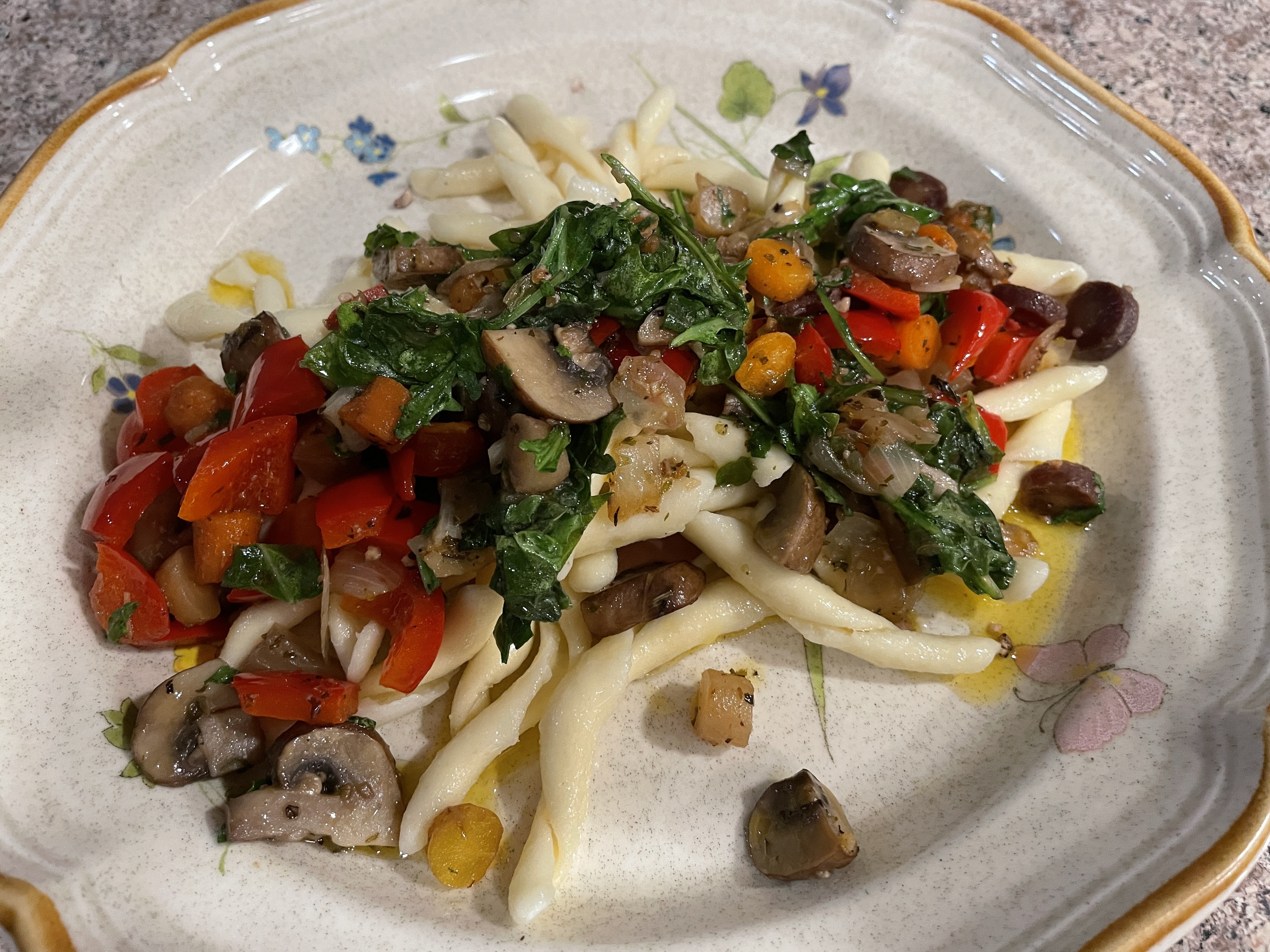
It is too hot to do a lot of cooking in many parts of the US these days. Salads are a good alternative. However, if you get tired of just salads, here are two easy vegan dishes to enjoy that require little cooking time. If you are not vegan or vegetarian, you can add some cubed meat as you are sautéing the veggies.

Sauté coarsely chopped onion and garlic in olive oil. I have not specified amounts because amounts can be adjusted to your taste. Coarsely chop 1/2 medium sized beet and add to the onion and garlic. Cook this mixture until tender. Add 1/2 seeded and coarsely chopped red bell pepper. Add 2 Tablespoons of Thai red curry paste and mix well. Finally, add 1/2 cup coarsely chopped Thai basil and 2 cups arugula. Sauté until wilted stirring constantly. Serve over rice.

Sauté 1/3 coarsely chopped medium sized sweet onion, six small carrots cut into coins, and 5 coarsely chopped garlic cloves in olive oil. When nearly tender add five sliced mushrooms. When these are tender, add 1/3 coarsely chopped red bell pepper and sauté until tender. Finally, add 2 cups arugula and stir until the arugula is wilted. For spices add basil essential oil or World Market Greek Mediterranean Seasoning Blend. Serve over pasta of your choice. If you like cheese, grate fresh parmesan or asiago, my favorite, over the top.

Note: these recipes can be adapted by using your favorite vegetables, e.g. spinach in place of arugula.

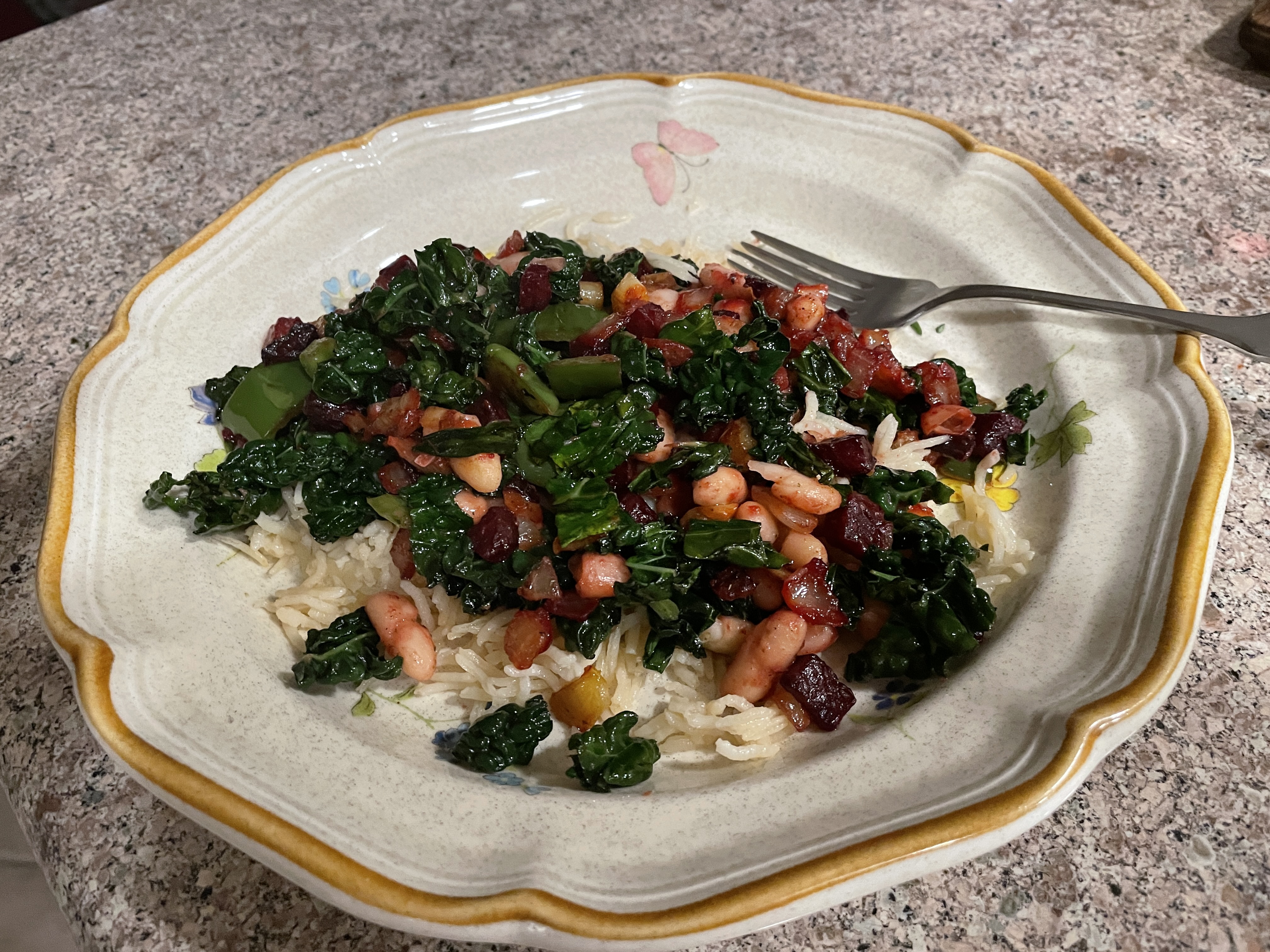
Kale with Cannelloni Beans


1/2 medium sized sweet yellow onion, coarsely chopped

1 jalapeño pepper, deseeded, cut in half lengthwise and cut in 1/2 inch pieces

2-3 garlic cloves, coarsely chopped

1/4 large, red, bell pepper, deseeded and coarsely chopped

3 cups lacinato kale–see directions below

1 cup cannelloni beans

Olive oil

Spices–for this recipe I used World Market Mediterranean Greek

Before measuring the kale, cut out the central stem, discard, and finely chop the remainder of the leaves. Sauté the onion and garlic in enough olive oil to cover the bottom of the pan or skillet until the onion is translucent. Add jalapeño and red bell pepper. Cook until tender but the color is still bright. Sprinkle spices over this mixture and stir–amount of spices to suit your taste. Add kale. Stir and cook until the kale it totally wilted. Add cannoli beans and serve over rice.

Note: Other spices I use include basil, thyme, and fennel essential oils. Be careful when using essential oils to cook. A little goes a long way.

Persian Rice with Chicken and Saffron


Per request from a friend who actually has recently harvested saffron and wanted recipes. No photos because I have not made this recently.

2 cups rice

4 cups water or enough to allow the rice to roll around freely in a large pot

salt to taste

1 large flour tortilla or chapati or a similar sort of flat bread

melted butter

onion and chicken breast

saffron

Rinse the rice until the water runs clear. Add rice to boiling water and boil until the rice grains easily break between your thumb and forefinger but not done. Rice should still be firm. Drain the rice in a colander. While rice is boiling, saute one finely chopped, medium sized onion in oil or butter. Add one large diced chicken breast to the onion and saute until tender. Do not overcook the chicken. After rice is drained, add the onion and chicken mixture to the rice. In the bottom of a large pot pour enough oil or butter to cover the bottom and place the tortilla/chapati on top of the oil. Scoop the rice and chicken mixture onto the tortilla forming a cone. Do not let the rice touch the sides of the pot. With the handle of a wooden spoon, punch several holes through the rice mixture all the way down to the tortilla/chapati. Add strands of saffron to the melted butter and pour over the rice cone. Place several layers of paper towels or a thick tea towel over the pot. Place lid firmly on top. Cook at medium low heat for 30 to 40 minutes. To test, place a small amount of water on your index finger and touch side of the pot. If it sizzles, the rice mixture is done. Turn onto a platter and serve. You will have this heavenly crunchy rice and tortilla/chapati mixture at the bottom of the pot. Serve with the rest of the rice and chicken mixture.

You must use long grain rice like Basmati for this dish. Do not use short grain or Jasmine rice. The goal is to have every rice grain totally separate when the dish is done.

Healthy and Fast Food–1


Since I like to know the source of food and never get take out when I am home, I create quick, easy, food that fits my personal health goals for food. Here is an easy recipe for one person. Just double, triple, etc. the proportions to fit the number of people for whom you are cooking.

Saute several chopped garlic cloves and cubed delicata squash–I used one half of the squash–in olive oil until almost tender. Add I filet fish (I used barramundi on which I had squeezed fresh lemon juice). When fish is 1/2 done, add 1/2 chopped poblano pepper and 1/2 bell pepper chopped. Saute until fish is done and peppers tender but still bright colored. Add whatever seasonings you prefer. I used basil essential oil. Serve over pasta or rice. I also grated asiago over the dish when I plated it. I prefer asiago over parmesan.

Note: You can also use butternut squash. Delicata has the advantage in that you do not have to peel it.

Moving 3–More Cooking with Paneer


As I mentioned in the previous post, I am left with one wok and one skillet. The wok seems to work better than the skillet for the sort of dishes I have been making. My previous Cooking with Paneer has been one of my most popular posts. Here is another edition of Cooking with Paneer.

For those who did not read the previous Cooking with Paneer post, paneer is a traditionally East Indian white cheese that does not melt when heated. It is a good source of protein for a vegetarian dish. I use it when a dish calls for tofu because I prefer it to tofu.

Here is a photo of my latest paneer dish.

The paneer in this photo is the white cubes. I sautéed chopped garlic, chopped onions, and purple potatoes in olive oil. Add whatever spices you prefer. Sometimes I use basil essential oil, sometimes the Ethiopian spice berbere. When these were tender, I added the broccoli and coarsely chopped poblano peppers. Saute just until these vegetables are tender but still bight green. Finally, add the paneer and saute just long enough so the paneer is heated through. Serve over rice or farro.

By the way, I did try the rice in a bag since I did not have a normal saucepan. I do not recommend it unless you are desperate for rice. It is extremely bland and boring.

Wandering the World–Food


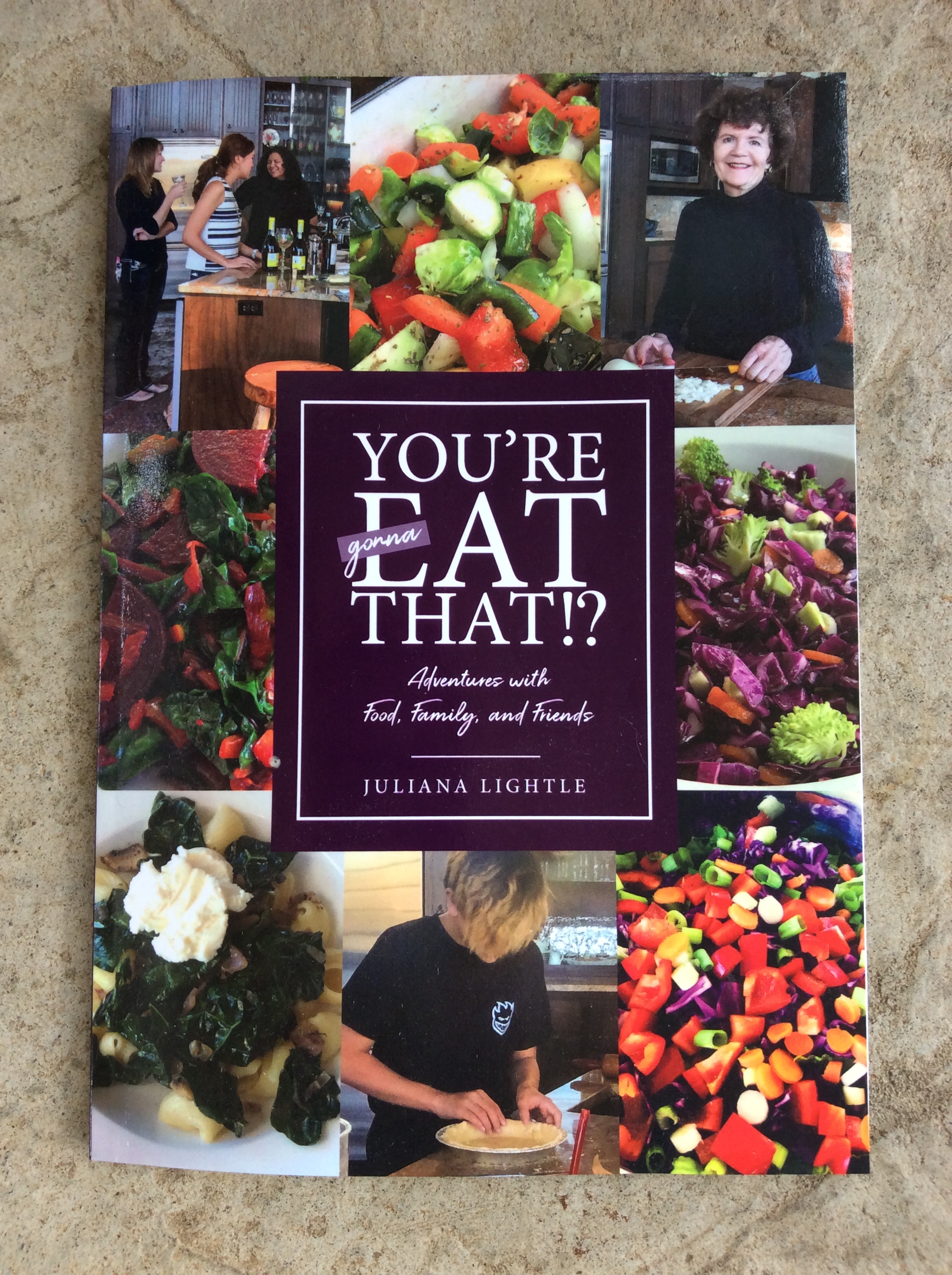
My travels have not only enlightened me personally, but also enabled me to create recipes from my food adventures around the world. Due to the recommendations of friends and family worldwide, I created a cookbook/memoir with stories and recipes. Len Leatherwood, new President of the Story Circle Network, says, “This is a cookbook after my own heart, filled with a wide range of healthy recipes from several cultures that will add flavor, color, and variety to any table.” Jennifer Archer, award winning writer and editor elaborated further, “A feast for the senses…combines colorful stories, poems, and mouth-watering recipes that inspire readers to experience new places, new tastes…from Asia, Africa, Latin America, Scandinavia, and America.”

This would make a great Christmas present for foodies and people who want worldwide food adventures. It can be ordered online from: http://www.dreamcatcherbooks.com and go to Angel Books.

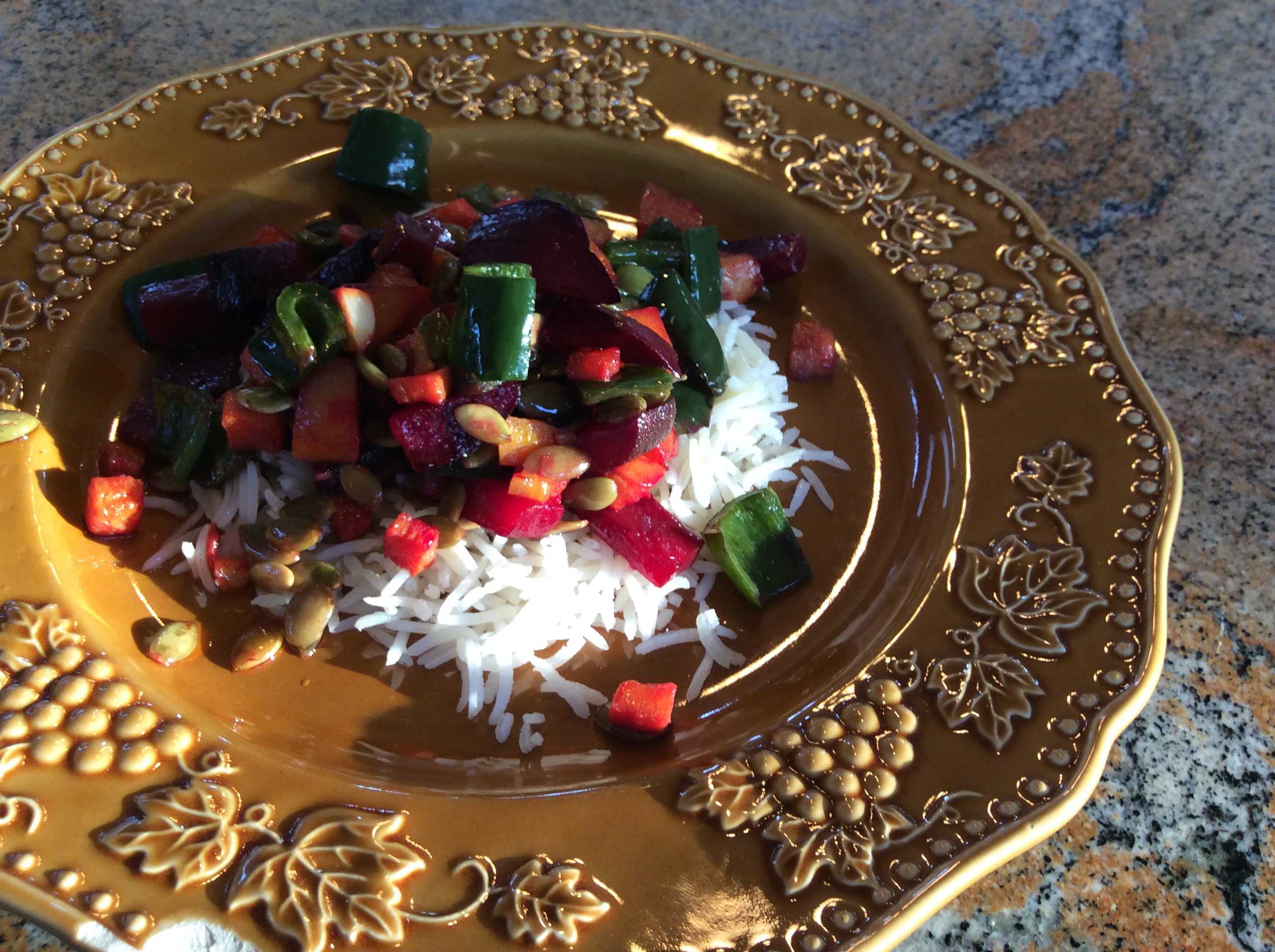
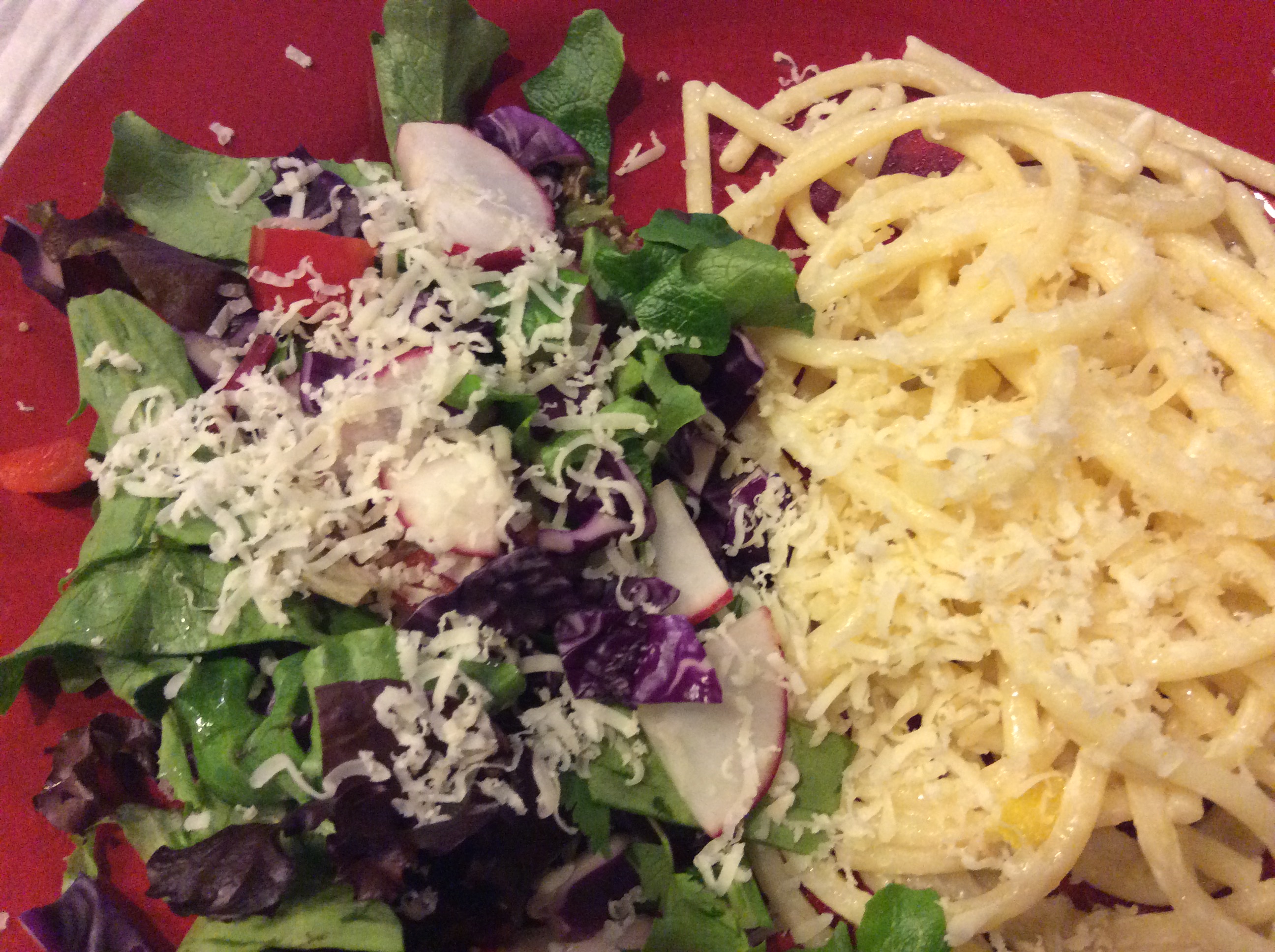
Recipes for the food in the photos above are included in the book. More food photos follow:

Lemon pasta with mixed salad topped with grated asiago cheese.

Many of the recipes feature berbere, a spice used in Ethiopian cooking. The book also includes four different recipes for salmon and many vegetarian and vegan recipes using spices from around the world.