Book 27 for 2025: “Violeta”, Isabel Allende


Although technically not a sequel, “Violeta” seems to be a sort of sequel to “A Long Petal of the Sea”. If you are interested in Chilean history just before, during, and after the demise of Chilean president Salvador Allende and the horrors of Pinochet’s rule which the CIA helped to implement, this novel is for you.

This is the story of one woman, Violeta, told from her viewpoint via a long memoir written for and to her grandson. She begins life as the youngest child of a wealthy businessman whose poor and risky decisions lead to the family’s downfall, forcing them to escape to the remote, far southern regions of the country. It is the tale of a strong, passionate, determined woman who lived a lifestyle far ahead of her time, other family members, the far right Hitler sympathizing German farmers who immigrated to the far south, and others she knew including a renegade pilot who flew contraband and “prisoners” for various nefarious groups. Although not a murder mystery or a work of fiction that could be called adventurous, the story of Violeta’s life is so fascinating that I kept wanting to read on and on.

Book 26 for 2025: “How the World Eats”, Julian Baggini


Although the subtitle says “A Global Food Philosophy”, most of it is an analysis of actually how the world does eat, including some rather remote tribal people, rarities in this contemporary world. This how also includes an analysis of how food affects health in different parts of the world, noting that although contemporary recommendations push vegetables and the Mediterranean diet, some people have no access to vegetables and eat mainly meat and fat and remain healthy. In other cases, like the Masai, cattle provide everything in their diet. The reader gets a broad based view of the best and the worse of diets and food practices worldwide.

A substantial portion of this tome–it is nearly 400 pages long with notes and index of more than 50 pages, looks at industrialized nations and world food supply, including the monopoly large food producing corporations maintain over what is available at grocery stores. Food is big business. The different definitions of food processing is covered as well as the good and bad. He debunks some common beliefs about food and health and notes that while people go hungry in some parts of the world, there is a surplus of food in others.

After all the analyzing and discussions, the last chapter covers “A Global Food Philosophy”. This includes recommendations for what we can do to create a healthier and more equitable worldwide food system while also saving the environment. He lists seven principles one of which is that our food management should be compassionate toward animals if we are going to eat them.

Book 17 for 2025: “Songs for the Flames”, Juan Gabriel Vasquez


The characters in the eight stories of this collection are people touched by violence of one sort or another, reflective of the violence that has occurred in Colombia’s history. A photographer’s obsession for a woman with a traumatic past, a writer’s fascination with the history of a woman whose grave is outside the official cemetery, two people whose own personal shared histories meet at a grandiose ceremony pretending they do not know each other–are examples of all the tales of complexity found in life and how morals change over time. These are not stories for the faint of heart. They do reveal how traditions of the past harmed people in ways that do not occur today, how lies can catch up with the liar, and how often pretending to be someone you are not often fails.

Book One for 2024: “Rain of Gold”, Victor Villaseñor


The lady in charge of the College Center at Mendez Learning Center told me about this book, one of her favorites. I received it for Christmas from my grandson. It is the first book I read this year.

Although it reads like an epic novel, it is non-fiction, the story of Victor Villaseñor’s family tracing back to his four grandparents in Mexico, one set from Jalisco and the other from the rugged mountains closer to the US border. All left Mexico to escape the violence of the Mexican Revolution and eventually settled in Southern California.

Some of the events in this story are heart wrenching incidents of violence, even death, blatant prejudice, and economic poverty. On the other hand, I often found myself laughing out loud, it was so funny. The author’s parents remain perfect examples of strong people who never give up, whose persistence and determination lead to prosperous lives as successful business owners. The author continues to live on the ranch where he grew up in northern San Diego County. Now 83, he has authored many books including a sequel to this one. His website not only talks about his life and writing, but also struggles with dyslexia.

One Book a Week-46: “Road Fever”, Tim Cahill


After reading two intense, somewhat depressing novels, I decided to read a lighter non-fiction work. An article I read mentioned a tale of two guys, Tim Cahill and Garry Sowerby, who drove a GMC Sierra pickup truck from Tierra del Fuego, Argentina, to Prudhoe Bay, Alaska in less than 25 days. I like adventures and the best vehicle I ever owned was a Sierra 4 by 4 Off Road. I sold it to a former student when I moved. It was still going strong at over 300,000 miles.

In order to follow along on their adventure, I dug out my atlas and followed their trip through 13 countries, finding cities, little towns, rivers, mountains. When they traveled in 1987, the only place with no road was the Darien Gap on the border between Colombia and Panama–today still no road and now famous for all the migrants who labor through this dangerous, swampy, jungle area on foot on their way north. Since no road there, Tim and Garry had to load the truck onto a container ship in Cartagena and unload it in Panama. They also rode on the ship as passengers. This lead to their meeting some of the most colorful characters on their trip.

Along the way, they meet all sorts of people, e.g. sadistic police, kind employees of international GMC, a weird consulate employee, and helpful women, describe them and the landscape in detail. Procuring the right documents and proceeding across borders is sometimes easy and sometimes grueling, again described in detail. Of course, political leaders, ease of travel, etc. have changed in many places–I’ve been to or lived in five of the countries they traverse.

Want to explore new places, meet all sorts of folks?? Then this is the book for you and a fun read.

One Book a Week-26: “Holding Fire: A Reckoning With The American West”, Bryce Andrews


If you LOVE the West, but sometimes struggle with its violent history, this is the memoir for you. Here is a quote from page 178: “I’m embarrassed at how long it has taken me to notice that a rancher’s view of the natural world is blindered in comparison to the hunter’s perspective; that driving livestock from one field to another is nothing like stalking free-ranging herds; that finding, gathering, and preparing a hundred different wild plants bears no resemblance to growing alfalfa or oats…”

Andrews also discusses the difference between sustainability and reciprocity. Before reading the book, I had never thought about this. He notes that sustainability is taking without damaging. Reciprocity entails giving back, e.g. nature, asking, “What can I give back? What can I do to take care of this place that feeds and shelters me?” This is quite different from “How much can I sustainably take?”

Andrews grew up in the West. However, after cowboying on several ranches in Montana, hunting annually, and later inheriting his grandfather’s Smith and Wesson revolver, he begins to question the gun violence and destructiveness of Western culture. This book details his journey. He continues to live on a farm in the Montana mountains, slowly transforming the land to make it profitable but also a place for nature, for wildlife to prosper.

Trip to Lucky 5 Ranch, near Julian, CA


Yesterday I drove to this place about six miles south of Julian, CA, a small, touristy, mountain town east of San Diego. Owned by the Nature Conservancy, the ranch abuts Anza-Borrega Desert Park, but this area is not desert. On the way, I drove through at least four Indian Reservations on Highway 76. California has more Native American residents than any other state.

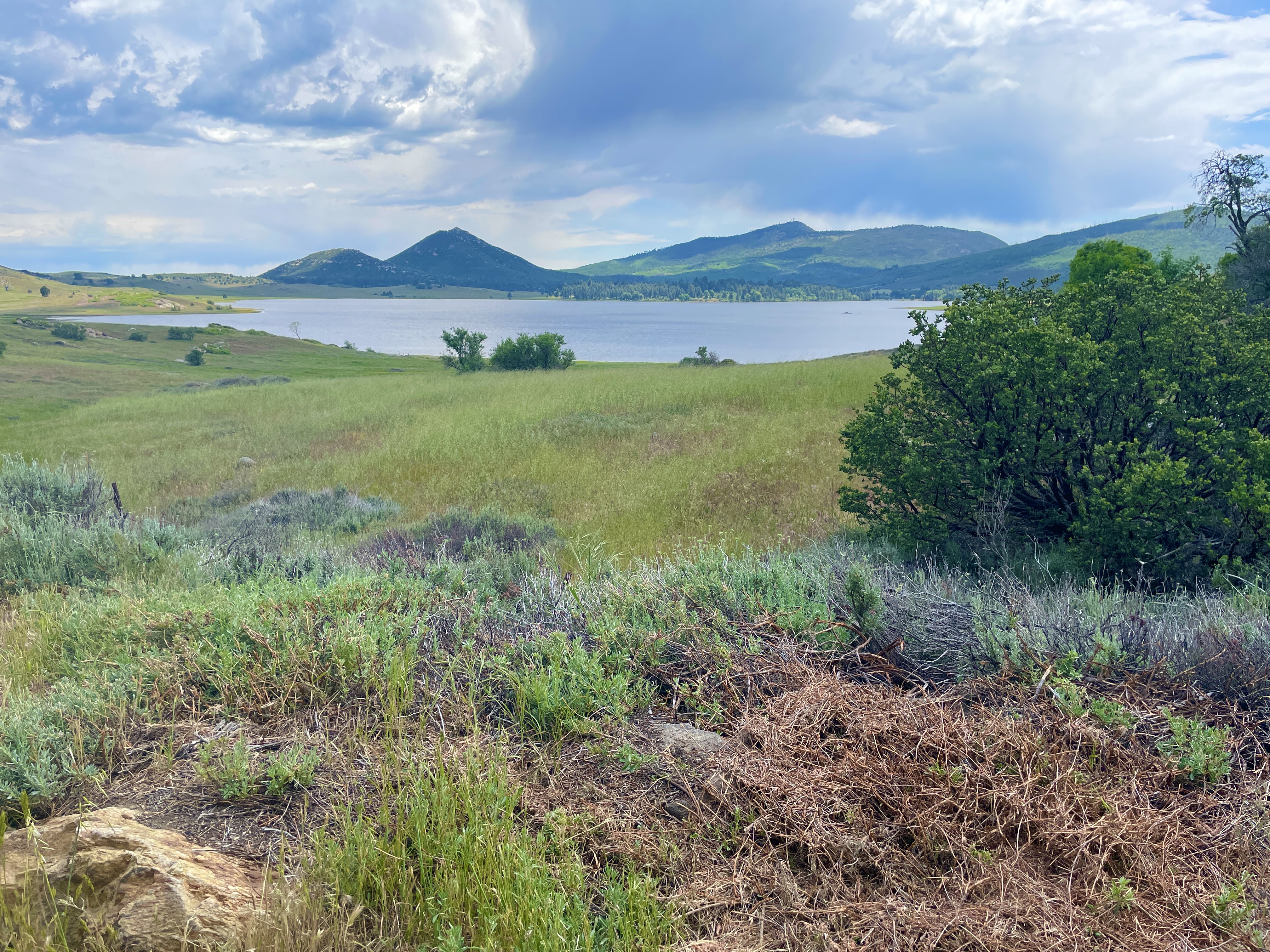
This is Lake Henshaw on Highway 76 on the way to Julian. It is so full now that tops of trees stick out of the water. People told me that last year it was more like a big puddle.

The three mile hike was not long but quite strenuous as we climbed approximately 800 – 1000 ft. in altitude on the hike.

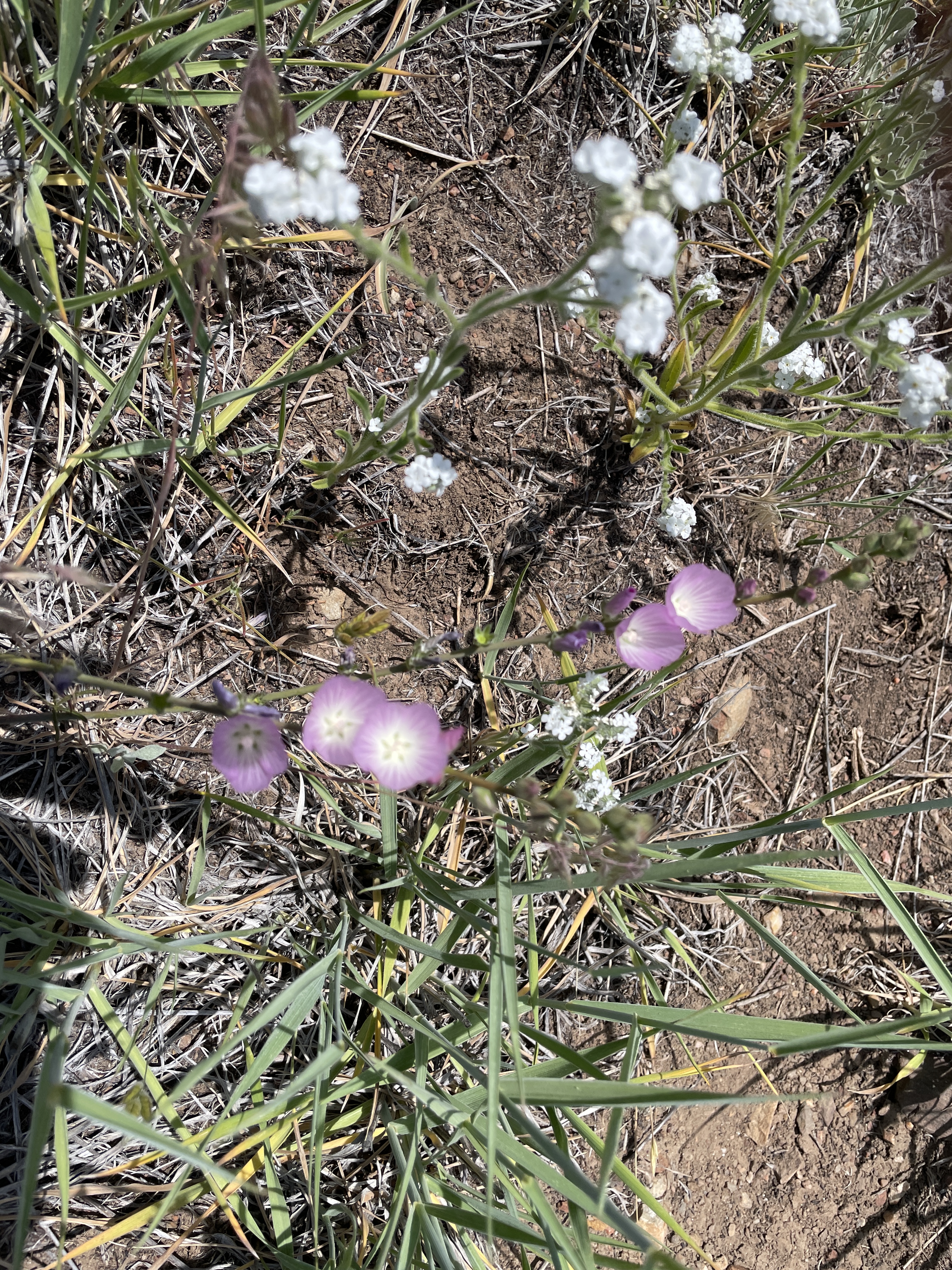
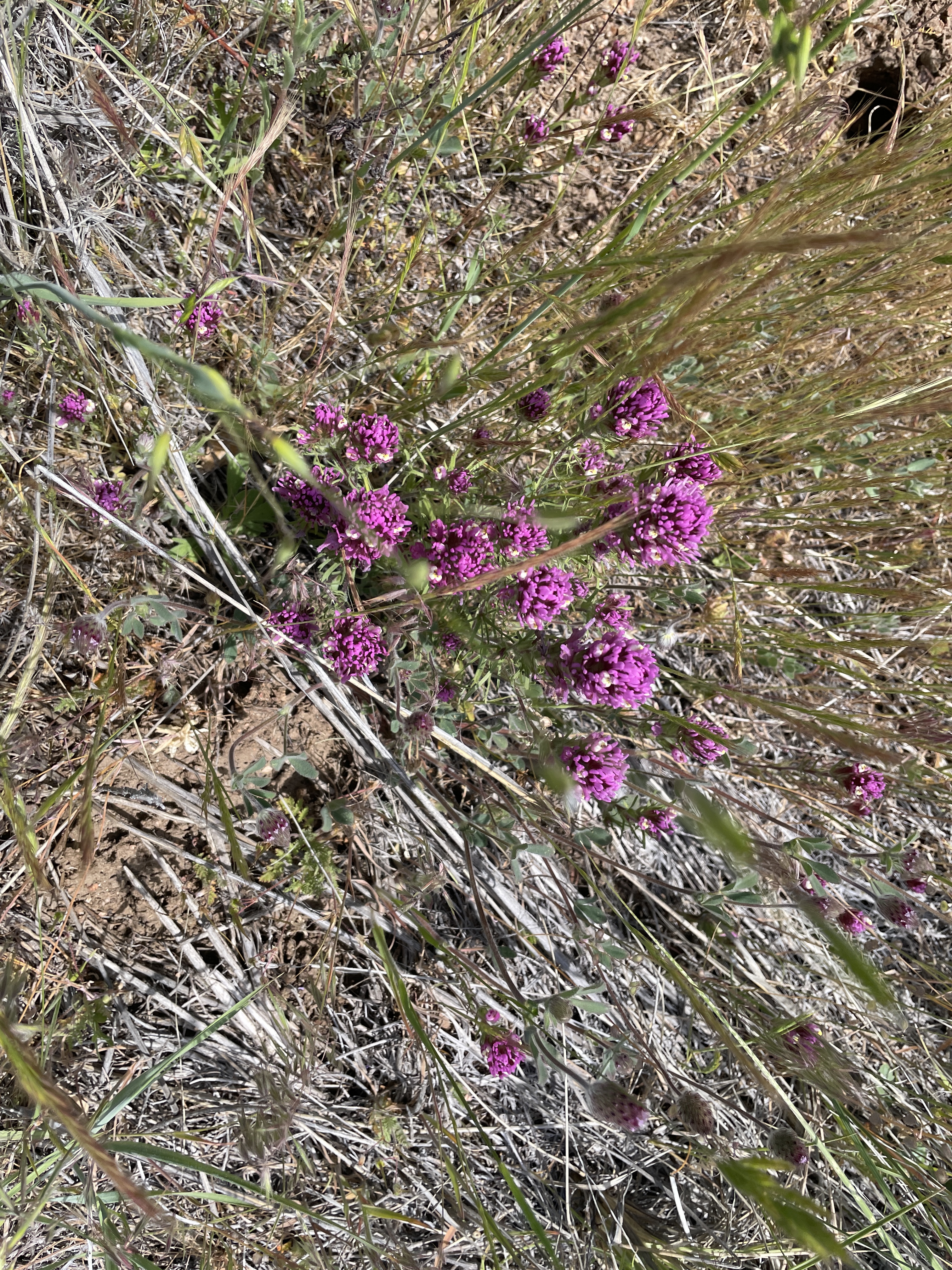
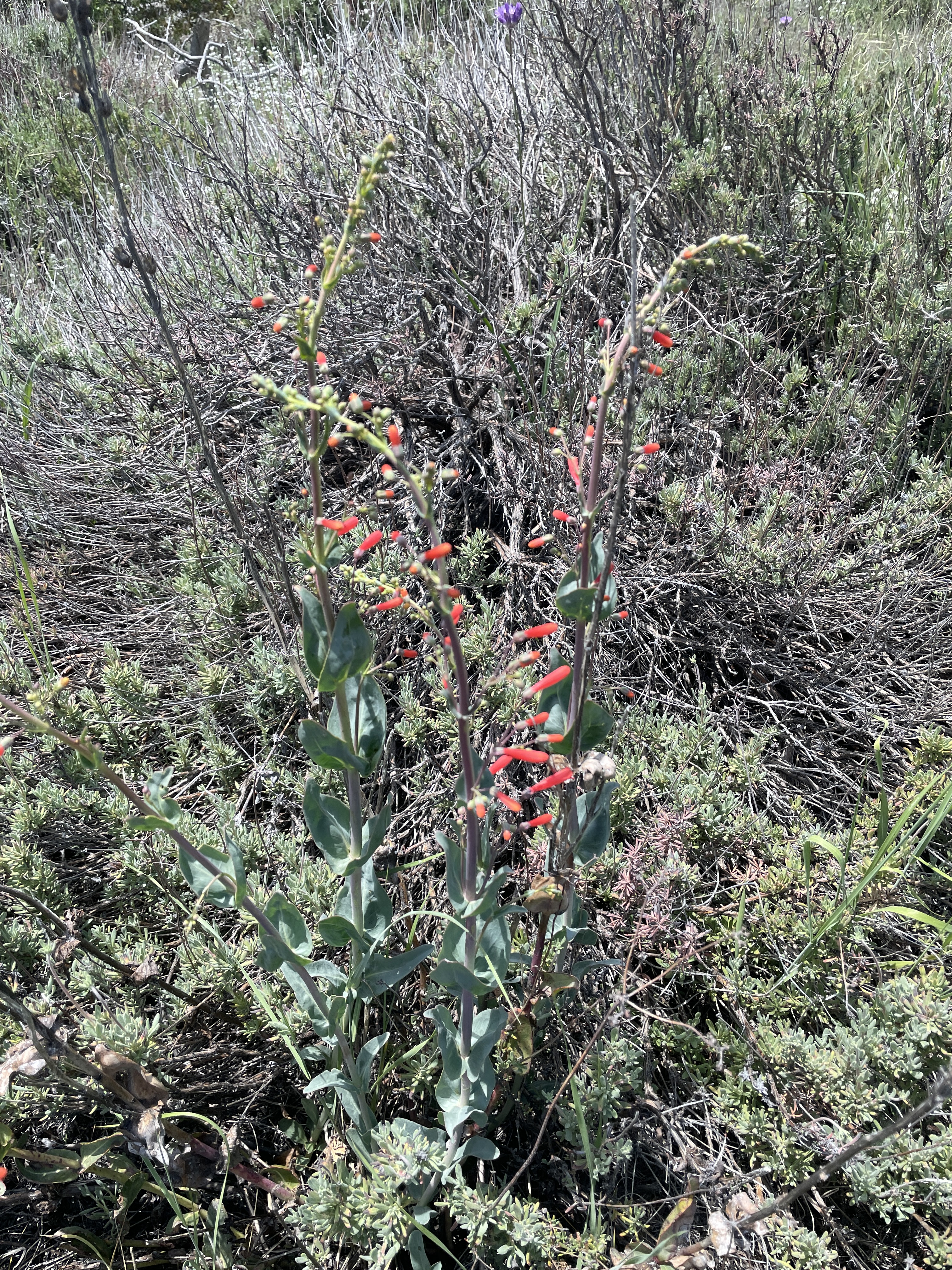
Lots of wild flowers everywhere due to abundant rain this year. We had to find parts of the trail because it had not been used since before Covid and was overgrown.

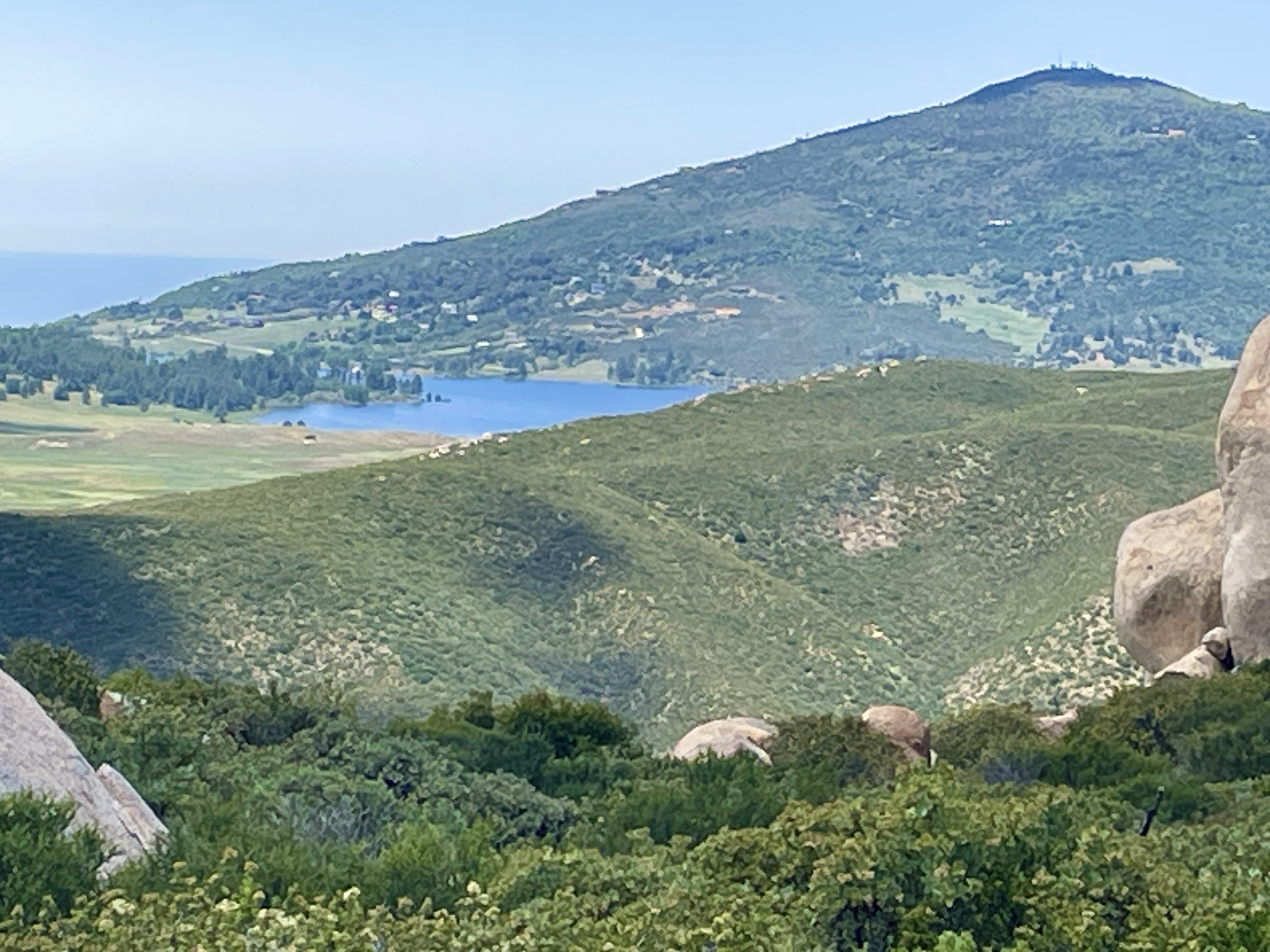
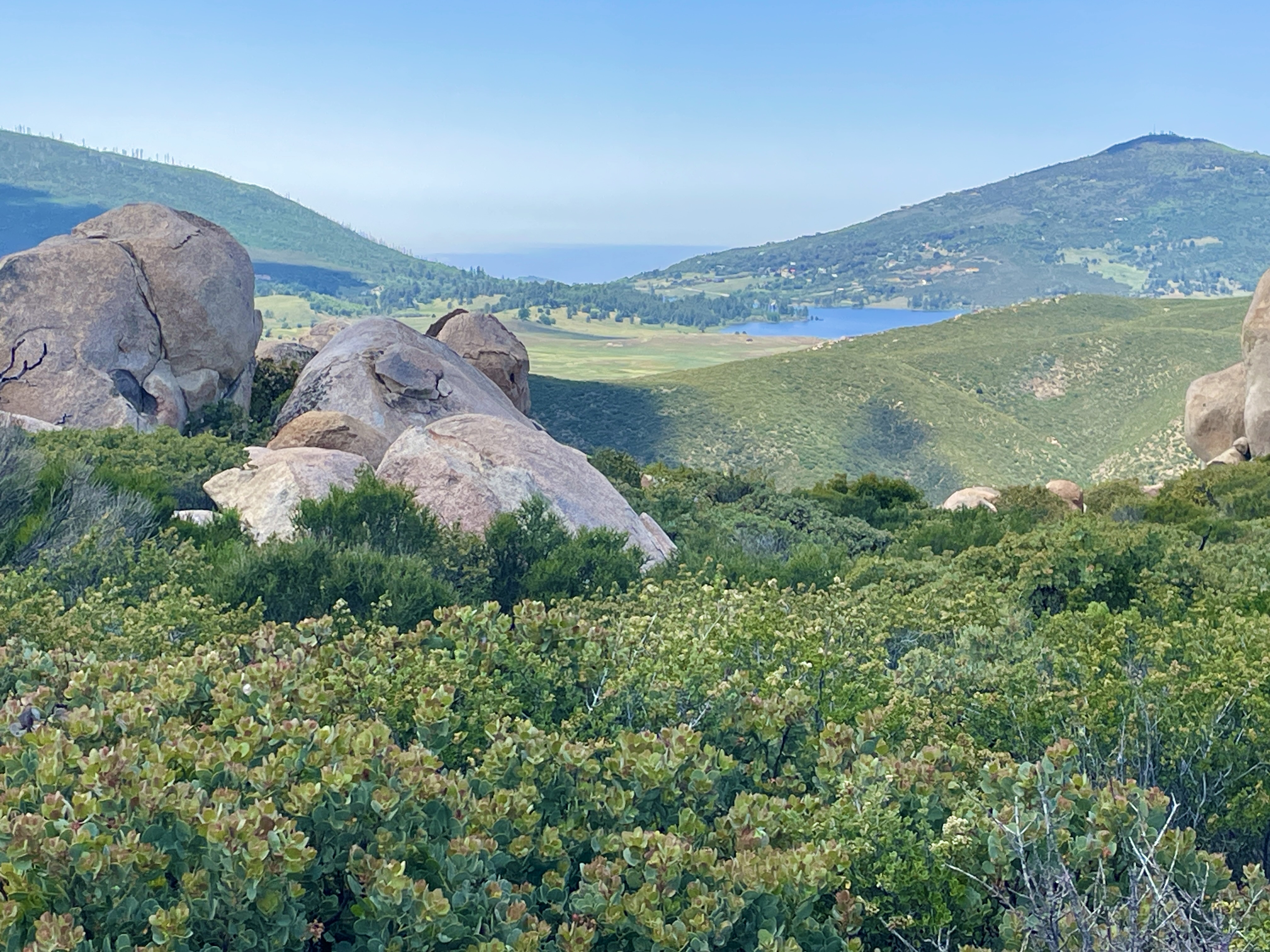
Views of Lake Cuyamaca which we could see in the distance as we climbed up and down.

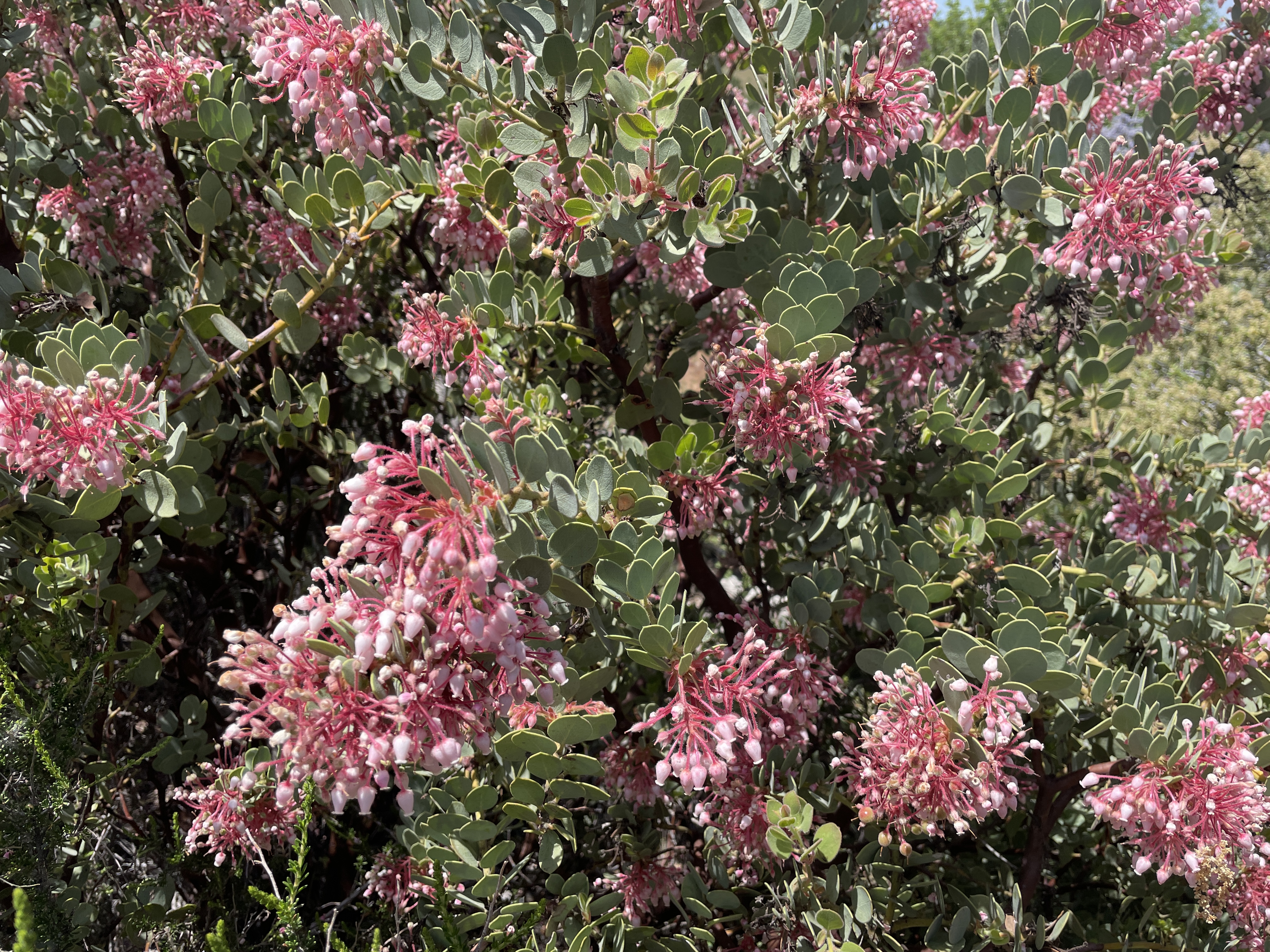
The manzanita are in full bloom and luxurious this year. There were other flower the names none of us knew.

Lupine.

We kept climbing up steep slopes higher and higher. The climb was more difficult because lots of loose, little rocks and gravel in many places.

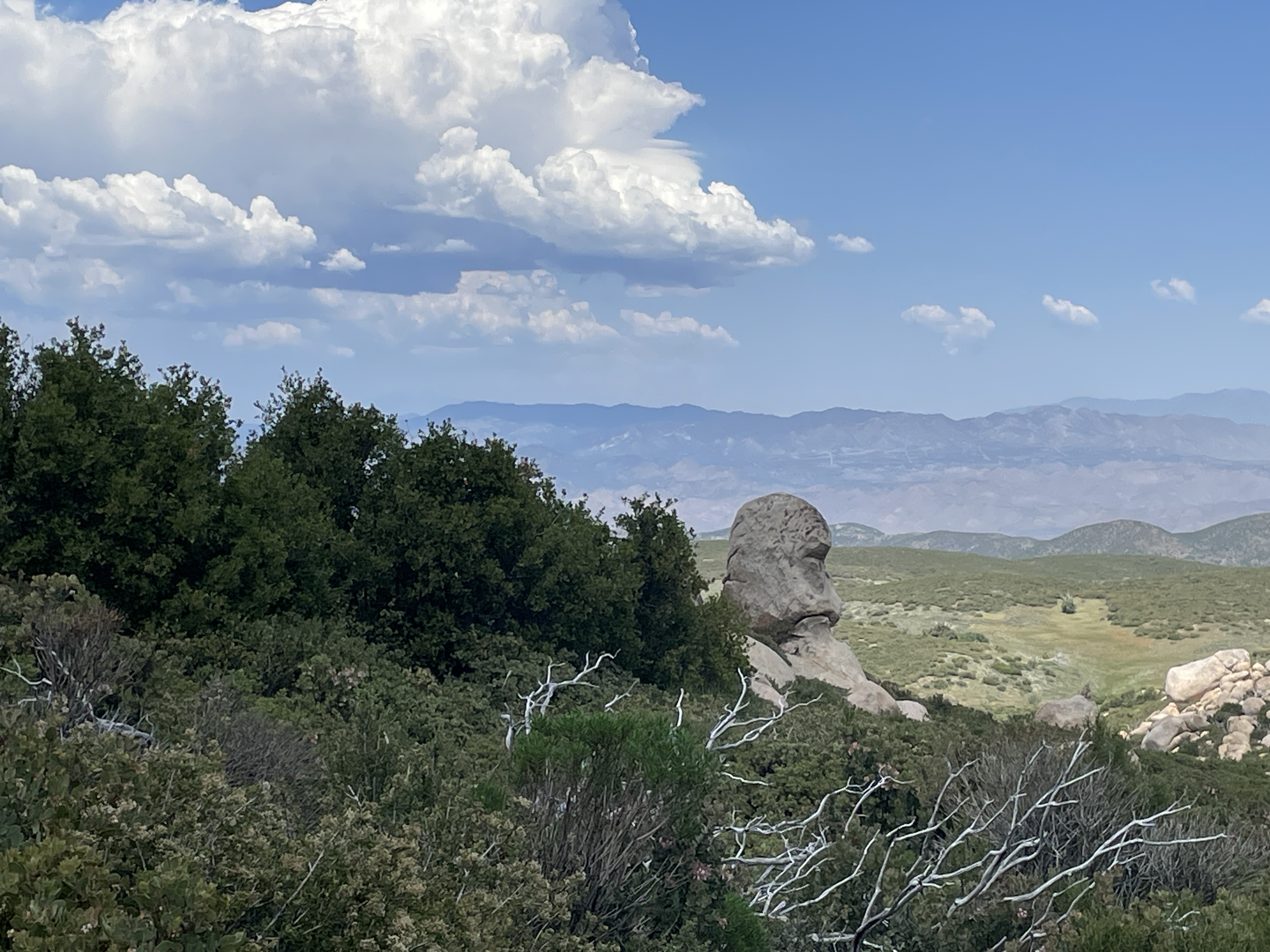
Where we ate lunch at the top which is slightly over a mile high. There are these dead, bleached out branches everywhere, the result of a big fire in 2003 which killed a lot of plants and some of it has never recovered.

Lunch up high among the rocks.

A different type of yucca than grows everywhere in the many other places where I have previously lived.

On the way down from the top. Everything is still quite green here and there were storm clouds in the distance.

Some people call this California lilac. It grows everywhere here and is in full bloom glory.

Saturday at the Wildorado Cattle Company Bull Sale


Yes, no kidding, I took my Italian exchange student to something so typical of where I live, a livestock auction.  However, this was not just any livestock auction.  With the guidance and support of the Ag Teacher, the students at Wildorado ISD, where I teach, have created their own cattle company.  They did the advertising, contacted potential buyers and consignors, marketed, everything.  Top bulls from various ranches and producers were in the sale.  A few brought over 4000 dollars and many brought over 3000.  Mostly these were top of the line registered bulls. Several were bred and raised by the students themselves. The freshmen and sophomores spent most of the week washing (no kidding) and moving bulls to Amarillo Livestock Auction where the sale was held.

IMG_3543

B329785A-35E3-4801-B1B0-A7A3D99B6AE0

2974CC8A-DBF2-46C7-8161-C777F0B9C47A

Although there were two other breeds of bulls in the sale, The Wildorado Cattle Company raises purebred Angus cattle.  The students have learned to AI, doctor, maintain records, and every thing it takes to maintain a superior quality cattle herd.  I was especially impressed with several students the night before the sale at the pre-sale dinner.  The students introduced the speakers and top consignors, introduced the Cattle Company program, waited on tables.  Kudos to all my students who worked so hard to make this sale such a big success.

Rita Blanca National Grassland


Today, three of us drove up into the northwest corner of the Panhandle of Texas to visit this national grassland which adjoins the Kiowa National Grassland in New Mexico.  The two grasslands together equal more than 200,000 acres.  Originally, created after the Dust Bowl in an attempt by the government to mediate the destruction caused by the giant Dust Bowl storms, the grasslands are now managed by the US Forest Service.  The US acquired much of the land when its owners gave up and left the land owing money to banks.  As a consequence these national grasslands are interspersed with privately owned grassland.  Ranchers, some of whom refer to themselves as grass farmers, can lease this land and graze it along with their adjoining property.  Moderately grazed land often supports a more diverse wildlife and plant population than overgrazed or ungrazed land.

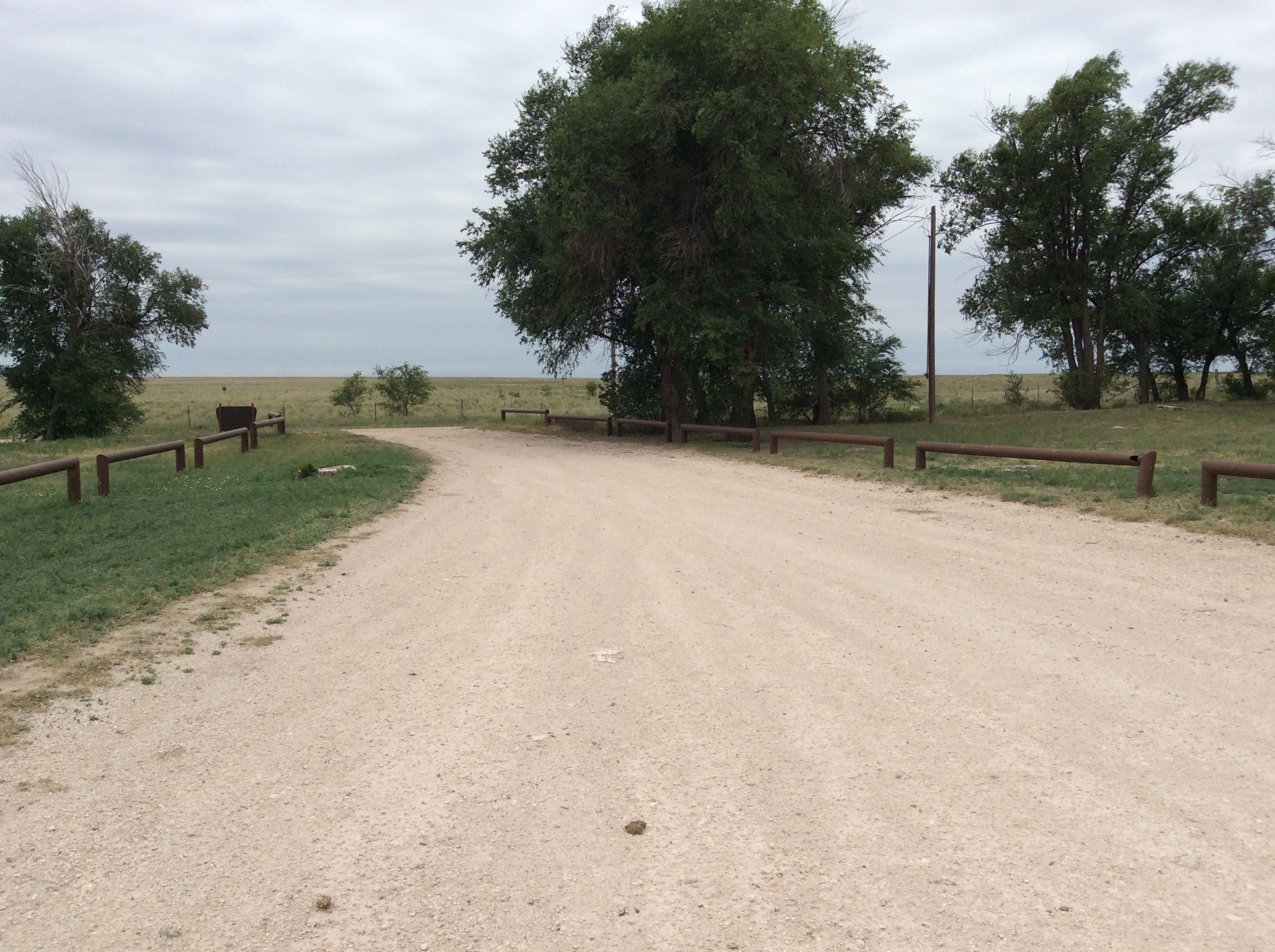
To reach the Rita Blanca we drove past Dalhart, Texas, and turned on a Farm to Market road which led to an area with camping and picnic tables plus restrooms.  Campers and picnickers must bring their own water.  The only trees are those deliberately planted in days long past.  We saw or heard many birds there, including orioles.  Below is the entrance to the Thompson Grove camping and picnic area.

IMG_2719

After a comprehensive briefing from the park ranger, a wildlife biologist, and a range specialist, we took a hike across the grassland.

IMG_2721

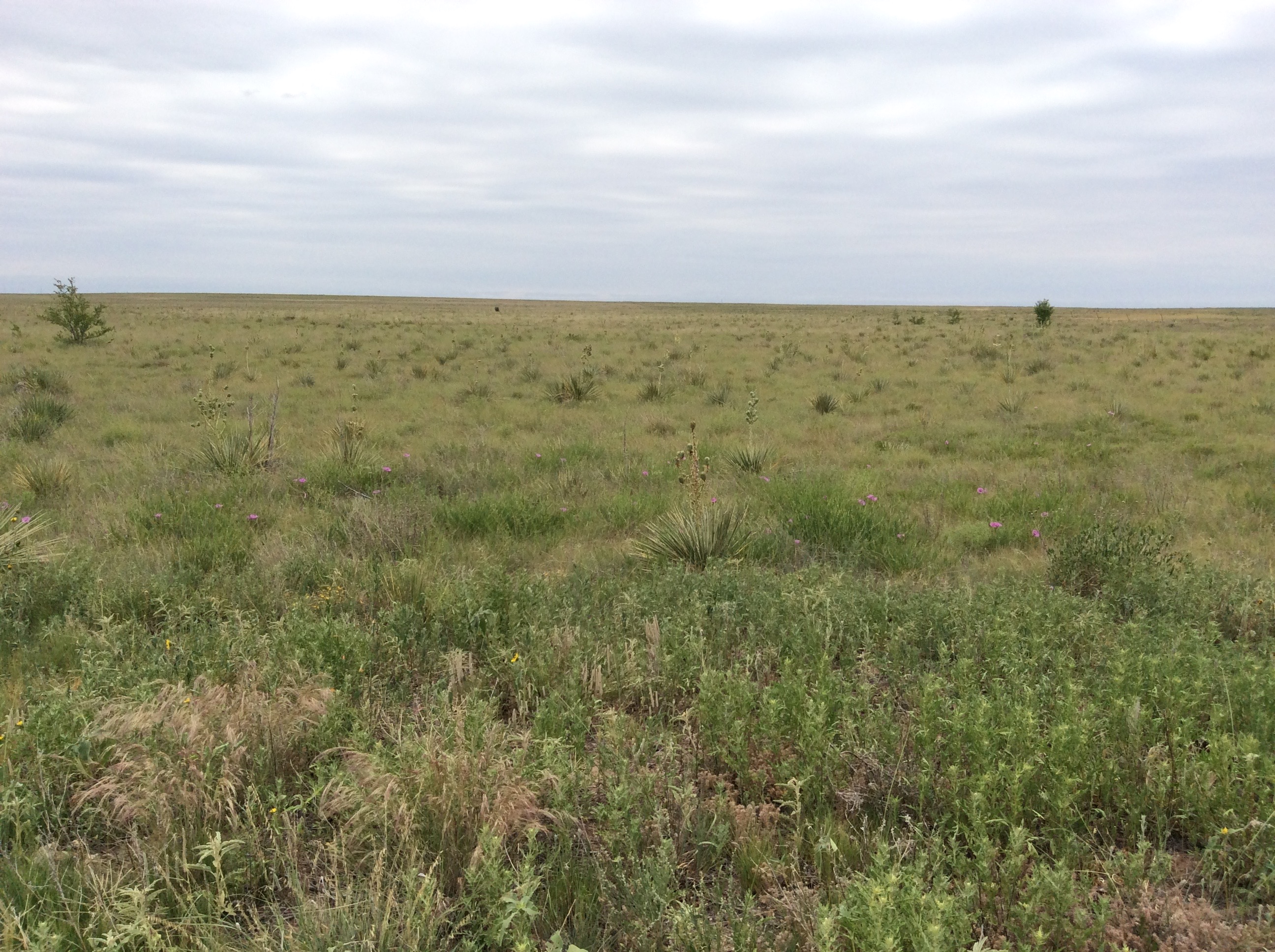
While this may look like a boring green sea to some, upon close inspection, this land teams with many species of grasses and flowers.  Flowers I saw today include Fineleaf Woolly-White, which is not white but bright yellow, Prairie Zinnia, Broomweed, Sundrops, Engelmann Daisy, Mexican Hat, Winecup, Tansey Aster, all of which I have at my own place an hour and 1/2 away.  However, I saw two flowers I have never seen before, White Pricklepoppy and a native Morning Glory which has huge hot pink flowers. While the Pricklepoppy has spectacular, large white flowers with gold centers, the plant looks like a very prickly grayish thistle.

Although I knew some of the species of grasses there, I could not identify the others.  However, the park ranger knew them all.  I might remember some with the help of a book.  Many I have around my land but still cannot identify all of them.  I do know blue grama, side oats grama, buffalo grass, and a few others.

Many grassland and wildlife research projects done there produce useful information.  One current project deals with seismic activity.

If you are driving cross country anywhere near Dalhart, Texas, or Clayton, New Mexico, take a short break and head to these grasslands.

IMG_2720