Book 38 for 2025: “Beyond the Door of No Return”, David Diop


Translated from French and written by a Senegalese author, this novel takes place during the time of colonialism and the slave trade. In Paris of 1806, a famous botanist, Michel Adanson, is dying. He never has finished the botanical work to which he dedicated his life, and as he lays dying, his last words are the woman’s name “Maram”.

His daughter finds an unpublished memoir hidden in a cabinet. It is the story of his younger life, what happened to him in Africa, all addressed to his daughter so she can understand his story and the meaning of his last word. It is a tale both strange and sad, filled with healers and magic and tragedy. Maram, a fabled revenant, a woman of noble birth from the kingdom of Waalo, was captured and sold into slavery but managed to escape. While working on his quest to find new plants, Adanson hears about this woman and becomes obsessed with finding her. His guide, Ndiak, the son of a chief, accompanies him everywhere and they become friends. This is a story of adventure, romance, and the horrors and cruelty of the slave trade.

Note: The author won the International Booker Prize for his other novel, “At Night All Blood Is Black”. Readers of this will miss several books I am reading because I am a judge for a literary context and cannot discuss what I am reading for the next several weeks.

Book 14 for 2025: “About Grace”, Anthony Doerr


This is one of the most heart wrenching books I have ever read. As a child, the main character, David Winkler, discovers he possesses the ability of premonition via dreams that come true. Only his mother understands him; unfortunately she dies while he is still young, leaving him with father who is only physically there. He becomes an hydrologist, specializing in the structure of snowflakes, leading a rather lonely life as a weatherman in Alaska. While at the grocery store, he meets a woman. He knows what she is going to do before she does it. Eventually, they develop a relationship. The remainder of the novel details the consequences of their relationship and their having a child, Grace. David dreams that he will not be able to save Grace from flood waters, his wife thinks he is crazy, and then to avoid what he perceives will be Grace’s fate if he stays, he disappears. Eventually, he arrives hungry and destitute on a Caribbean island where he is taken in by a kind family who have escaped imprisonment in Chili during the military dictatorship there. He agonizes over whether his running away saved Grace and is unable to find out what happened to her. Eventually he saves up enough money to search even though he has no idea where she might be or how she will react of he finds her alive. Will her mother forgive him, will Grace if he finds her? He is driven to find out no matter the consequences.
This novel’s main themes include love, longing, forgiveness, the meaning of friendship, and the human search for grace.

Note: I have now read everything published by Anthony Doerr. His works contain beautiful prose and detailed descriptions. One of the most impressive things about his work is the amount of research required to write in such great detail about so many subjects, e.g. structure of snow flakes, the anatomy of different types of shells, the history of the city now called Istanbul and its ancient neighborhoods.

One Book a Week-46: “Road Fever”, Tim Cahill


After reading two intense, somewhat depressing novels, I decided to read a lighter non-fiction work. An article I read mentioned a tale of two guys, Tim Cahill and Garry Sowerby, who drove a GMC Sierra pickup truck from Tierra del Fuego, Argentina, to Prudhoe Bay, Alaska in less than 25 days. I like adventures and the best vehicle I ever owned was a Sierra 4 by 4 Off Road. I sold it to a former student when I moved. It was still going strong at over 300,000 miles.

In order to follow along on their adventure, I dug out my atlas and followed their trip through 13 countries, finding cities, little towns, rivers, mountains. When they traveled in 1987, the only place with no road was the Darien Gap on the border between Colombia and Panama–today still no road and now famous for all the migrants who labor through this dangerous, swampy, jungle area on foot on their way north. Since no road there, Tim and Garry had to load the truck onto a container ship in Cartagena and unload it in Panama. They also rode on the ship as passengers. This lead to their meeting some of the most colorful characters on their trip.
Along the way, they meet all sorts of people, e.g. sadistic police, kind employees of international GMC, a weird consulate employee, and helpful women, describe them and the landscape in detail. Procuring the right documents and proceeding across borders is sometimes easy and sometimes grueling, again described in detail. Of course, political leaders, ease of travel, etc. have changed in many places–I’ve been to or lived in five of the countries they traverse.

Want to explore new places, meet all sorts of folks?? Then this is the book for you and a fun read.

One Book a Week-42: “Where There Is Fire”, John Manuel Arias


Before and since my two trips to Costa Rica, I thought Costa Rica had miraculously escaped the Banana Republic fate of many other Central American countries. This historical novel enlightened me to just how wrong I’ve been and how some of this continues today–huge US agricultural corporations controlling much of the agriculture.

In the 1960s, large US corporations invaded Costa Rica and controlled large blocks of land to raise bananas and cause havoc among large segments of the population. To increase yields the American Fruit Company doused their giant, lucrative, banana plantations with Nemagon, a pesticide that causes cancer and sterility. The novel includes letters indicating that both this company and Dow, the producer of the pesticide, knew this, did nothing about it, did not inform workers (until they had no choice), and continued its use.

The novel contains the story of one family’s history who lived near the largest plantation, the father and grandfather who worked there, a devastating fire, and the effects of this company’s policies on several generations.

Note: As recently as last year, the BBC reported on the use of this pesticide and its effects on workers and people living near plantations where it is still being used. Online you can find numerous articles about how these practices (the American Fruit Company is now Chiquita) fueled neocolonial exploitation and drug cartels.

An Afternoon Stroll at The Huntington


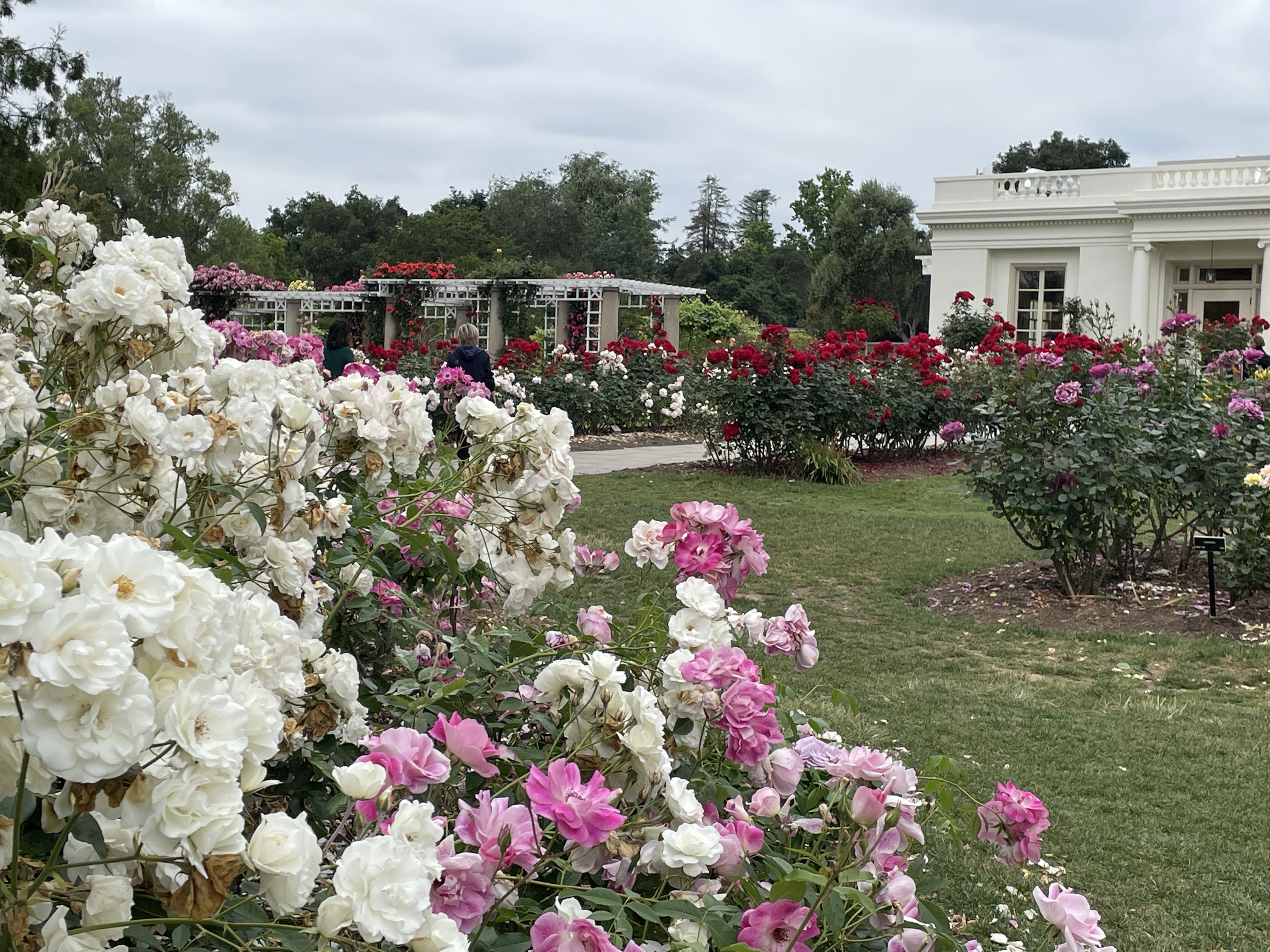
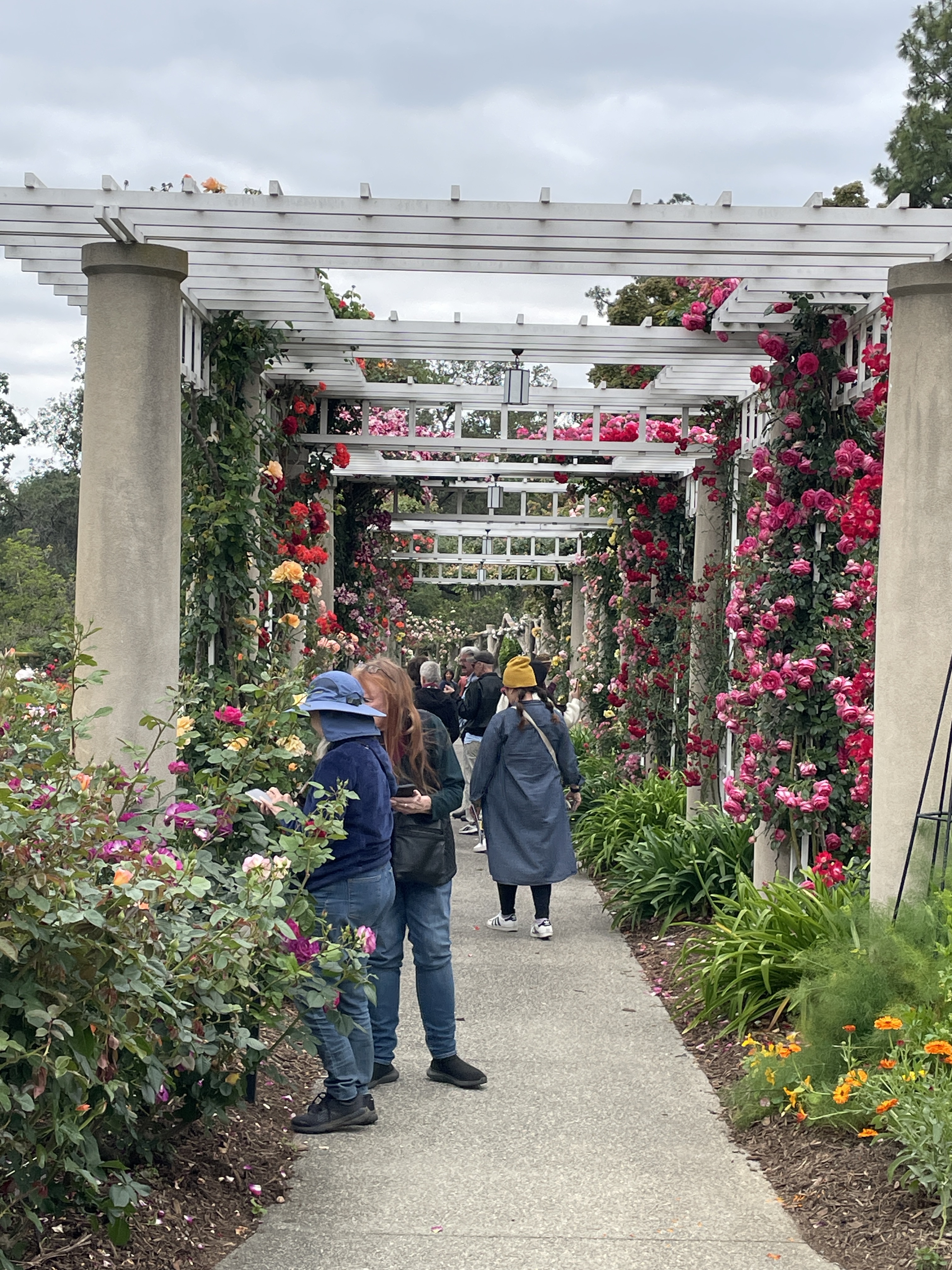
Friday, I decided to look around at parts of The Huntington since I had not been there in a while. For one thing, I knew the roses would be in full bloom, and even though I had been there a number of times, I had never looked around the rose garden. They did not disappoint.

Find the bird among the roses.

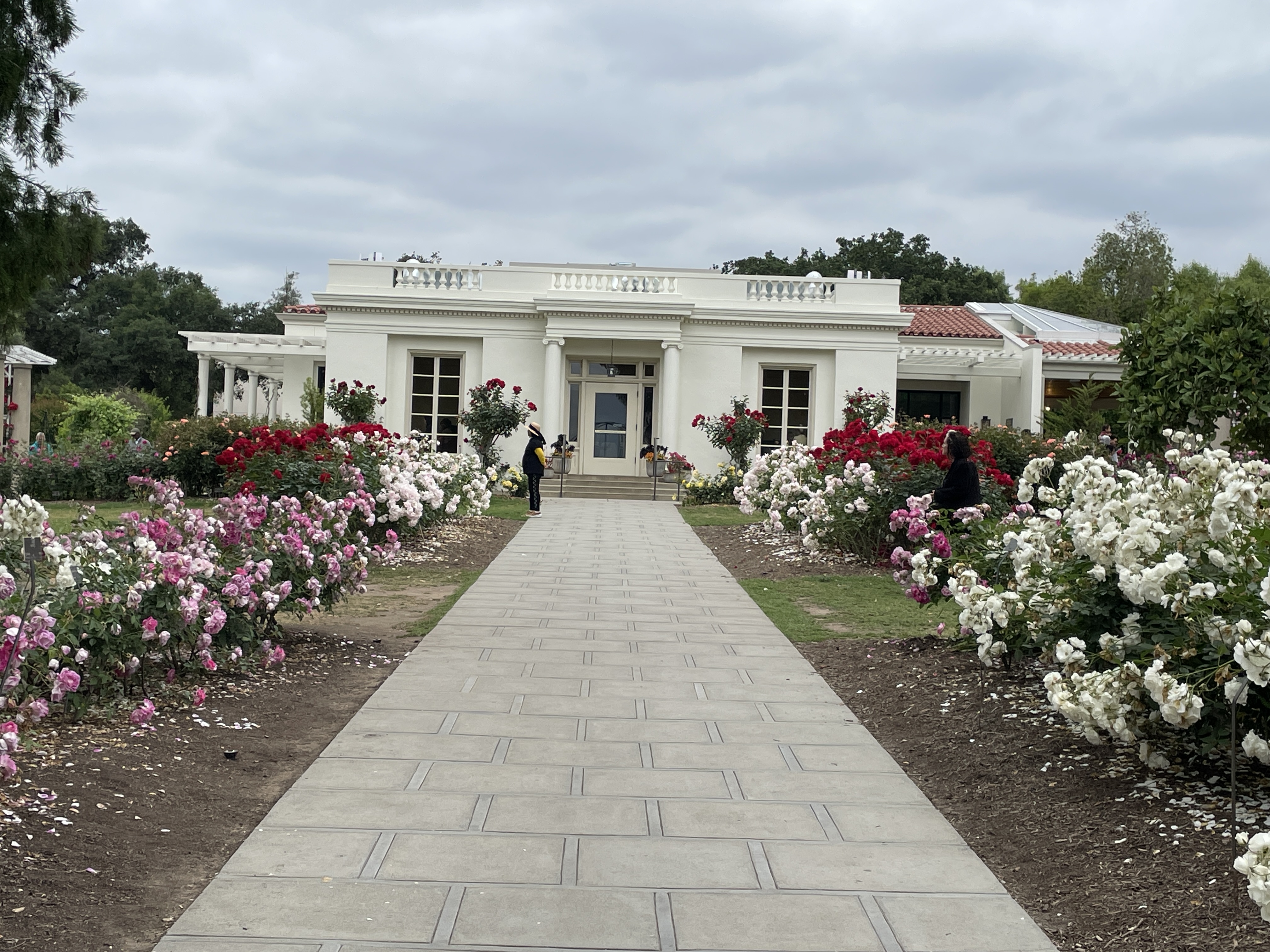
The building is the newly reopened Tea Room.

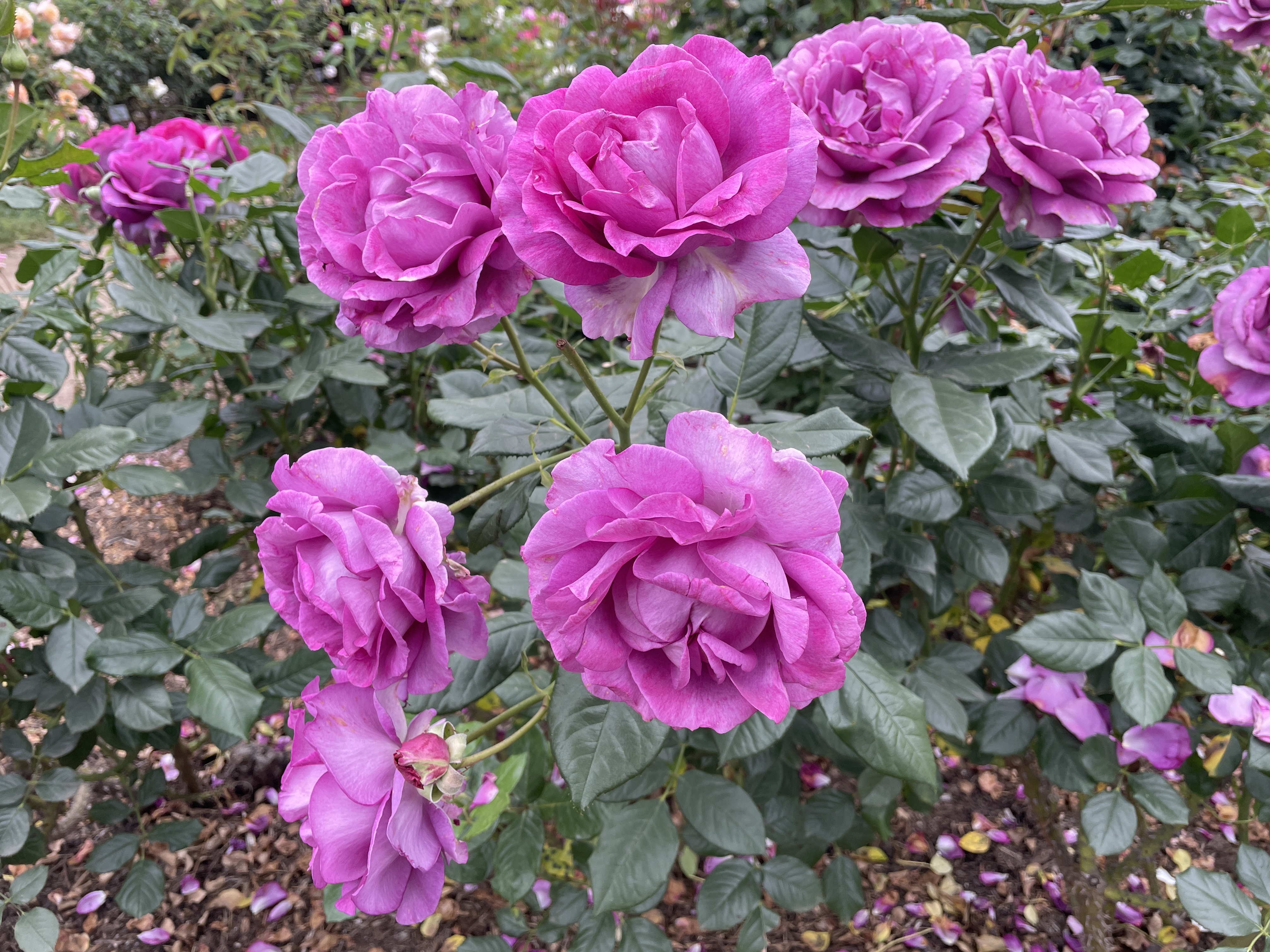
This rose has perfume as part of its name and smells divine.

I left the rose area and strolled in the herb garden seen above. Then I found a new kind of artichoke, Opera Artichoke. See below.

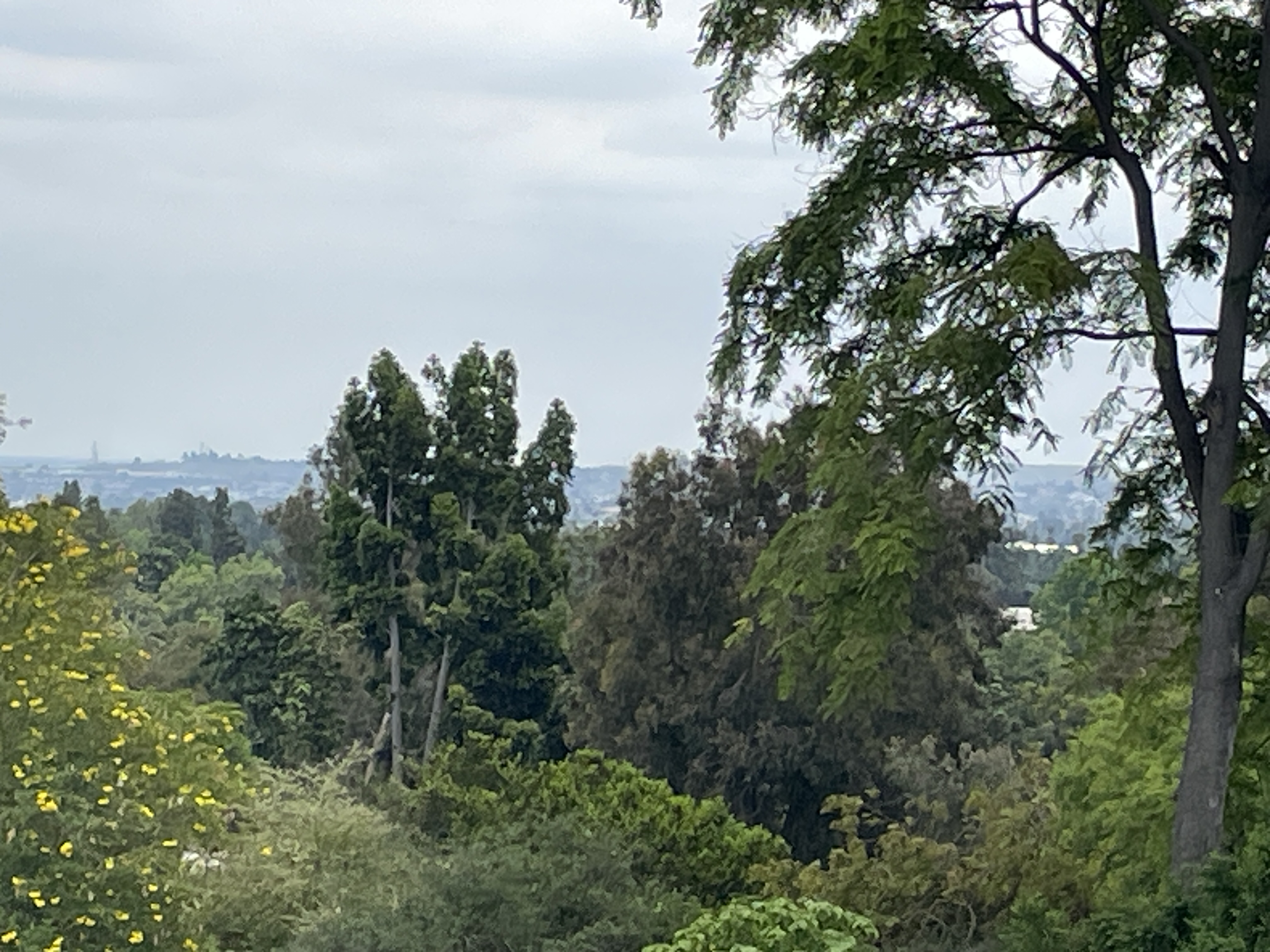
Facing away from the rose garden I could see all the way to downtown Los Angeles.

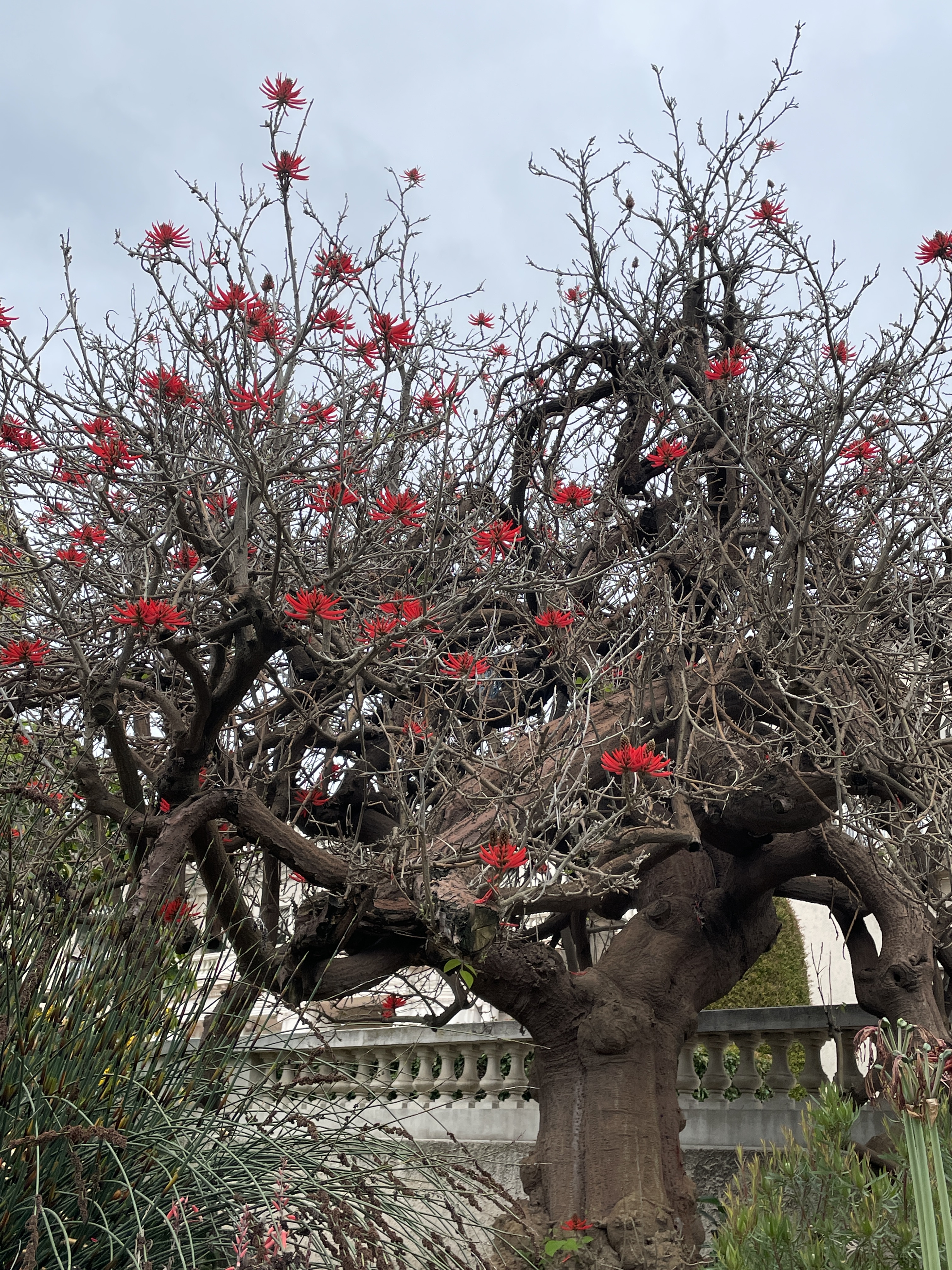
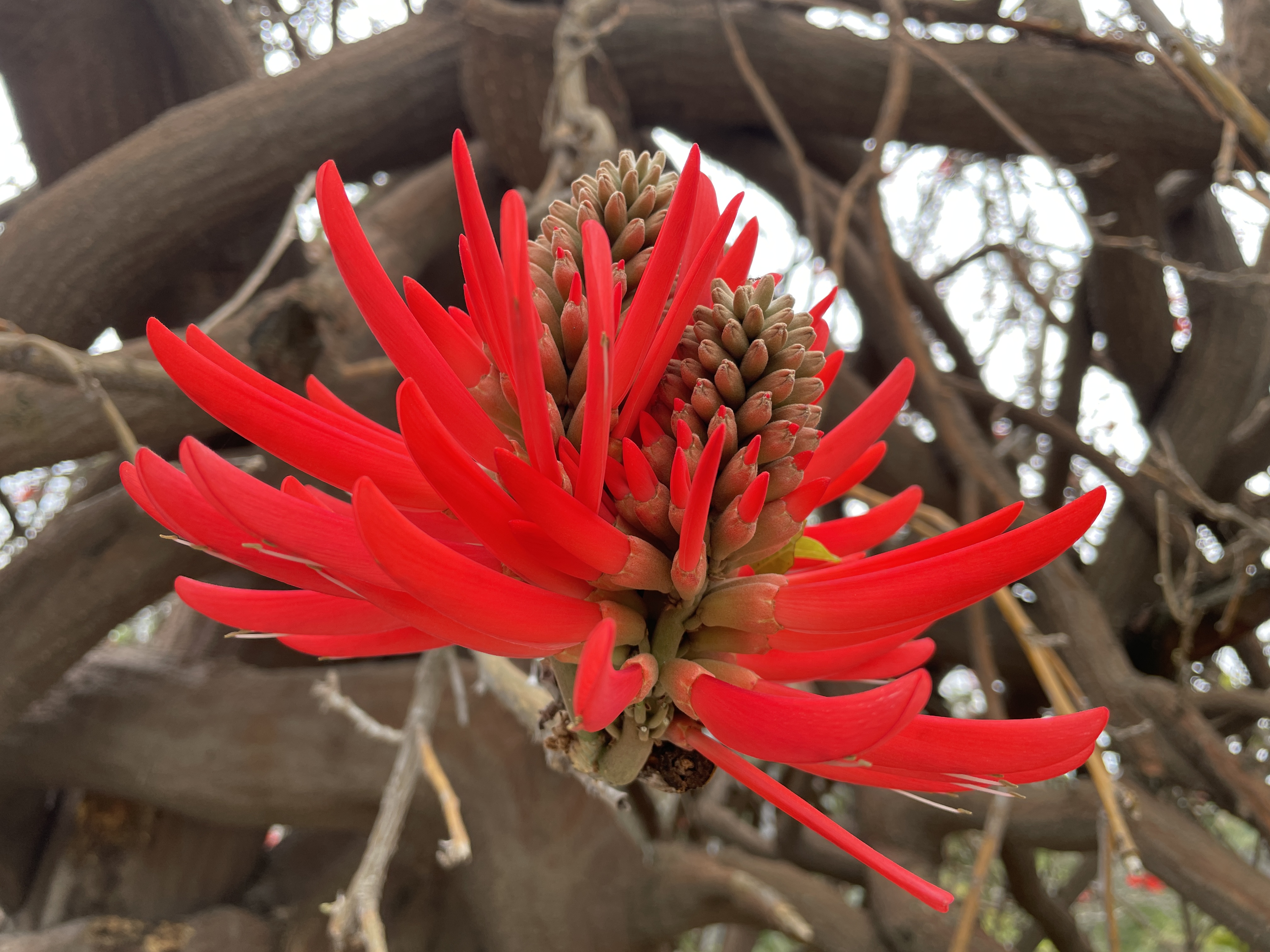
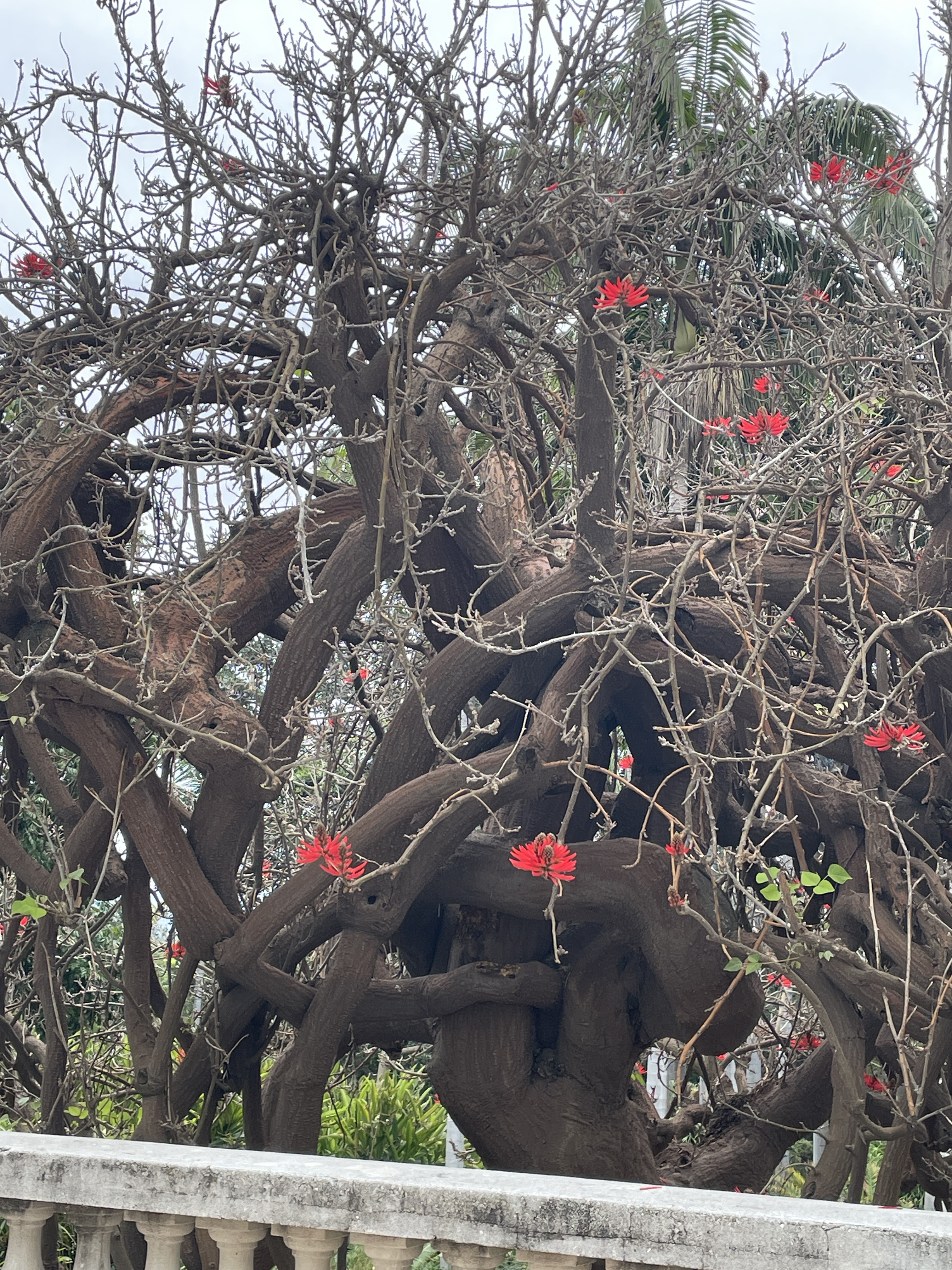
This tree is labeled Naked Coral.

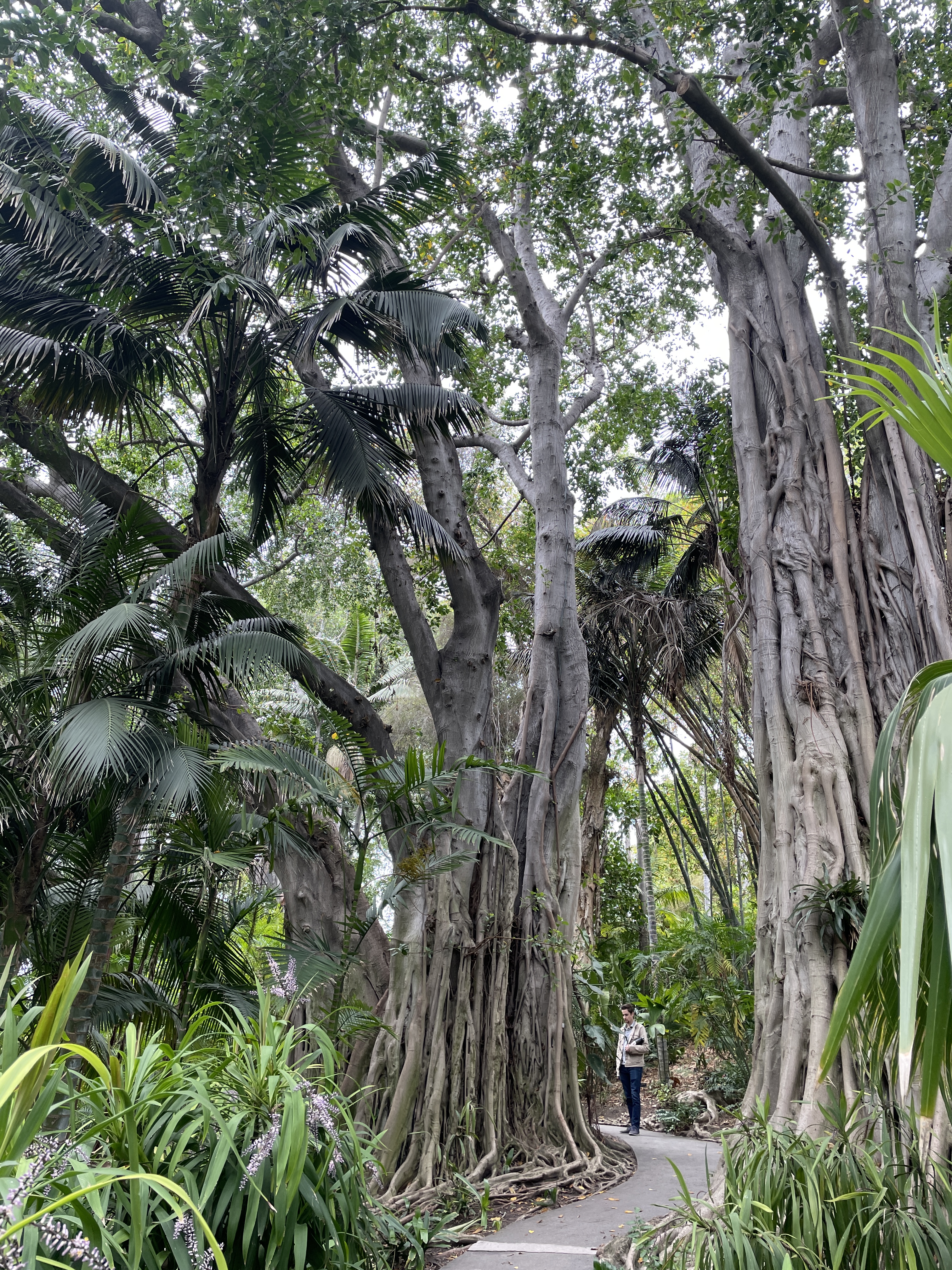
Then I strolled through the tropical garden area.

Fig trees.

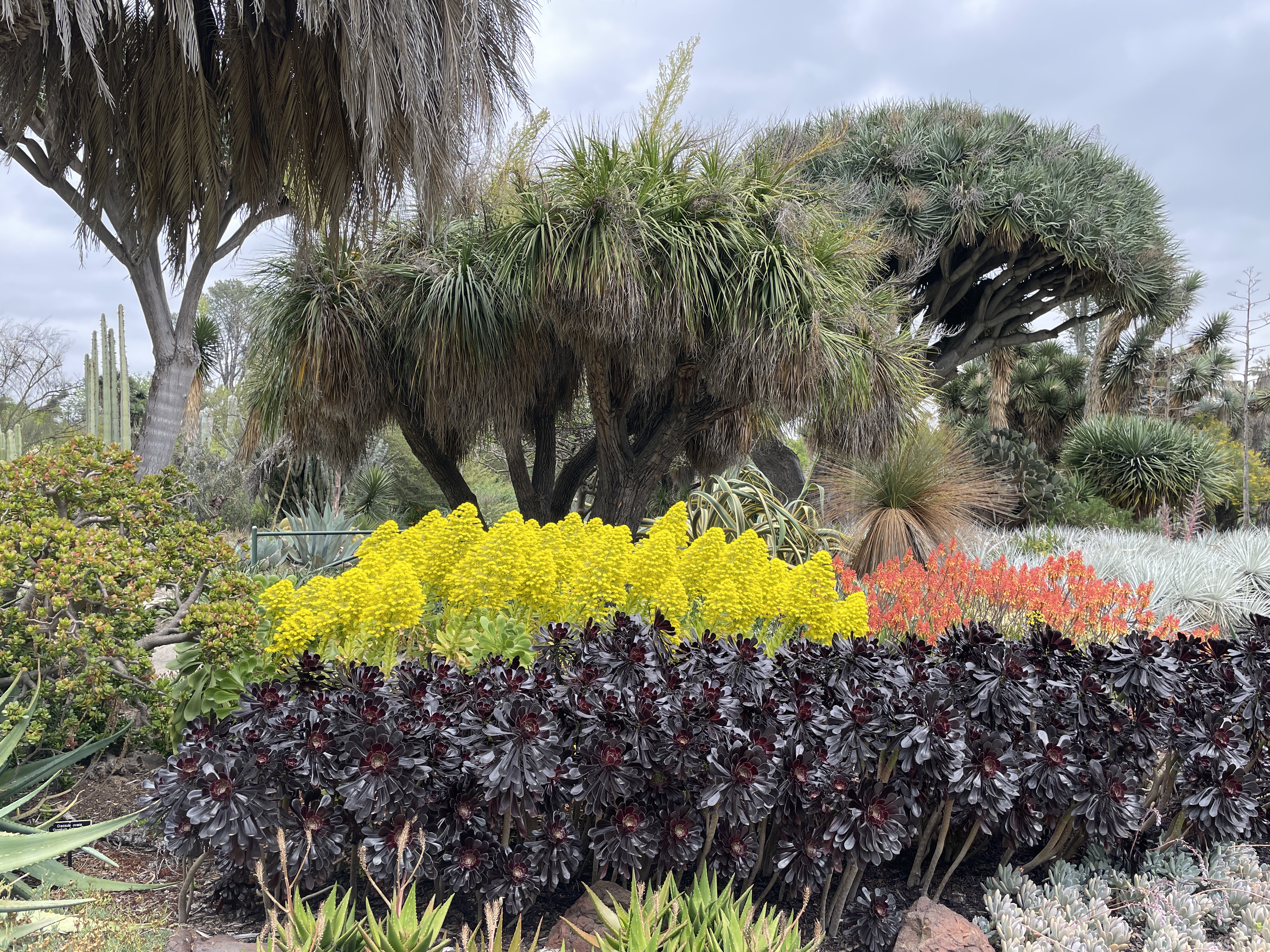
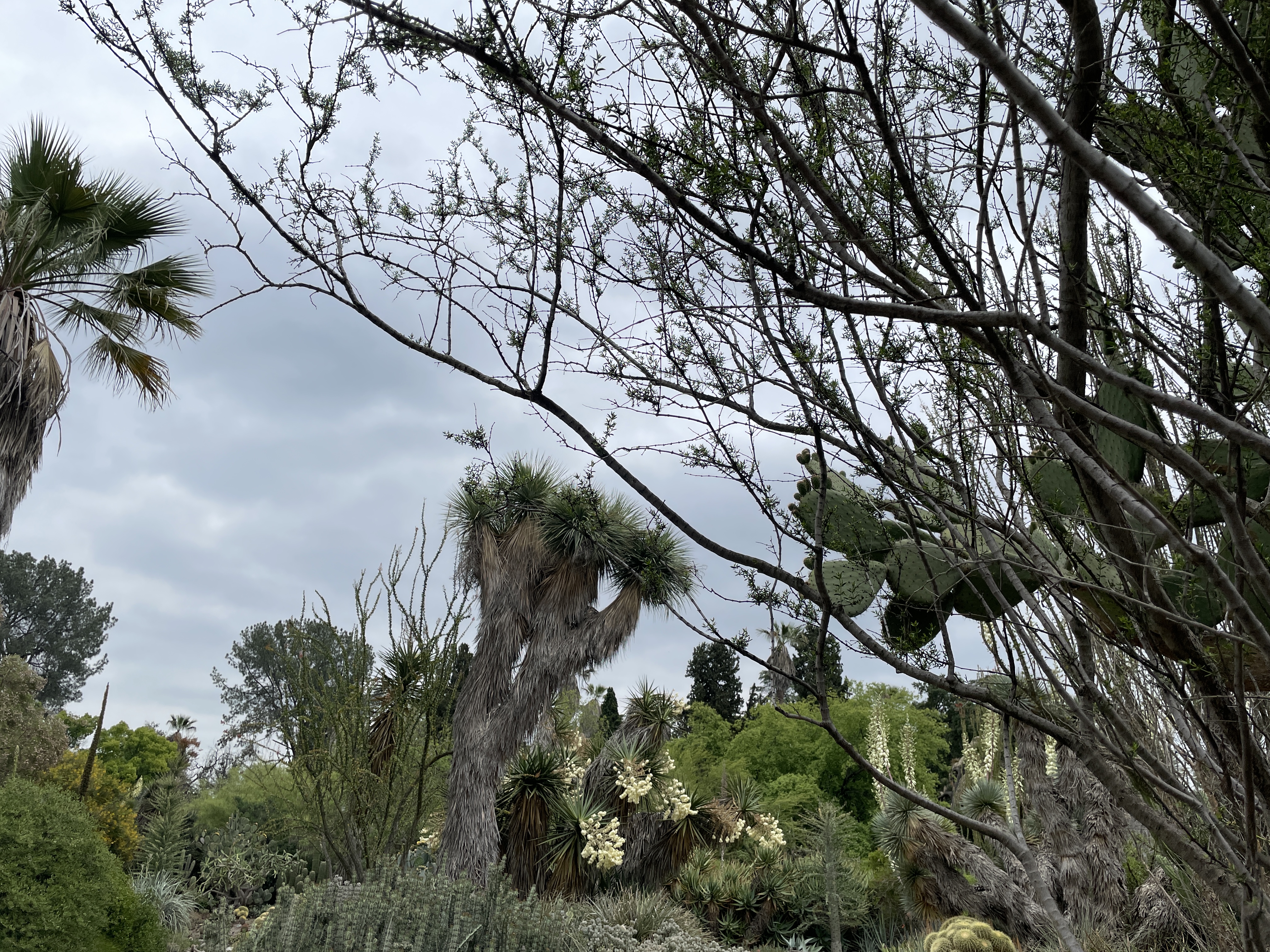
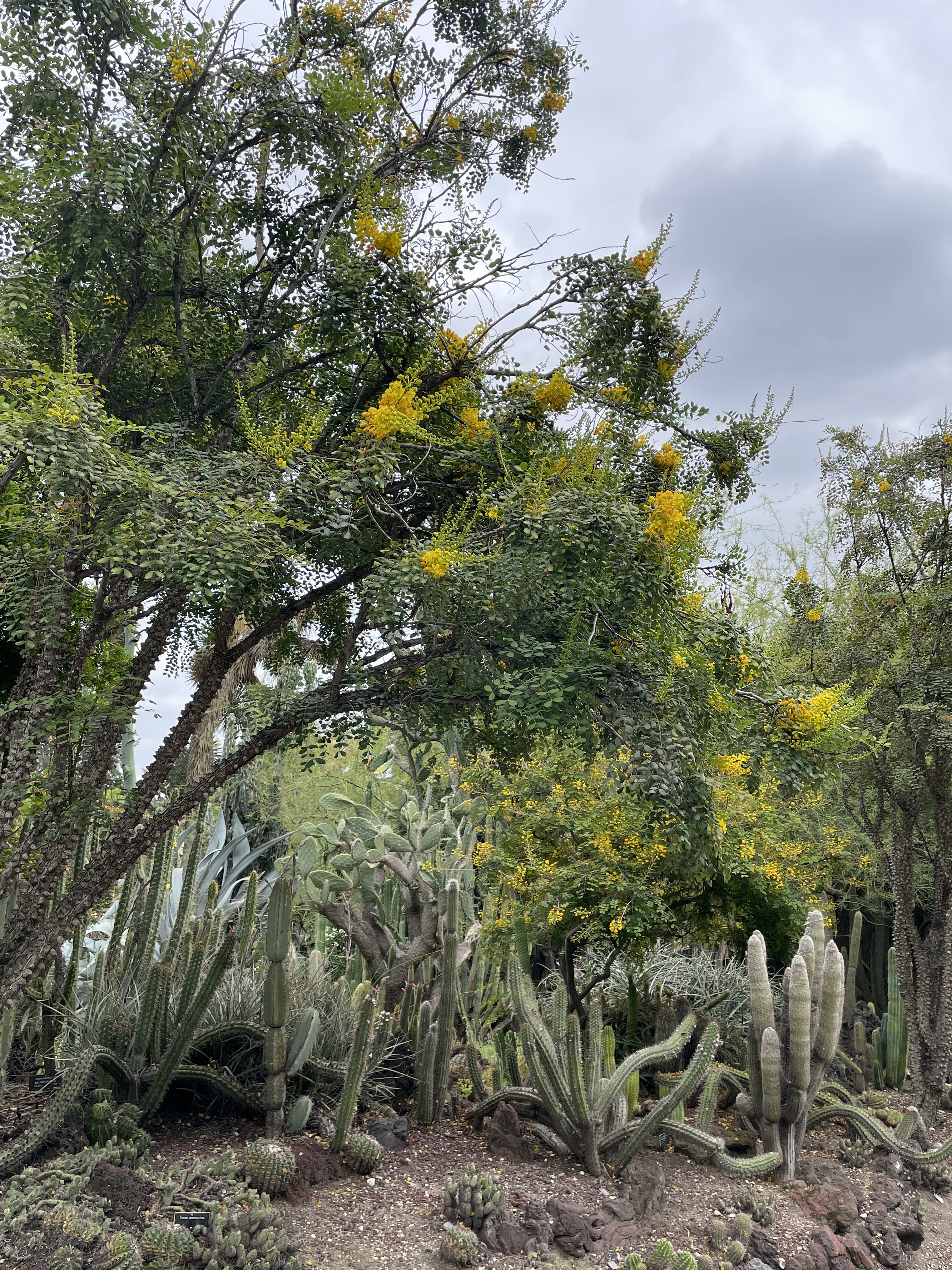
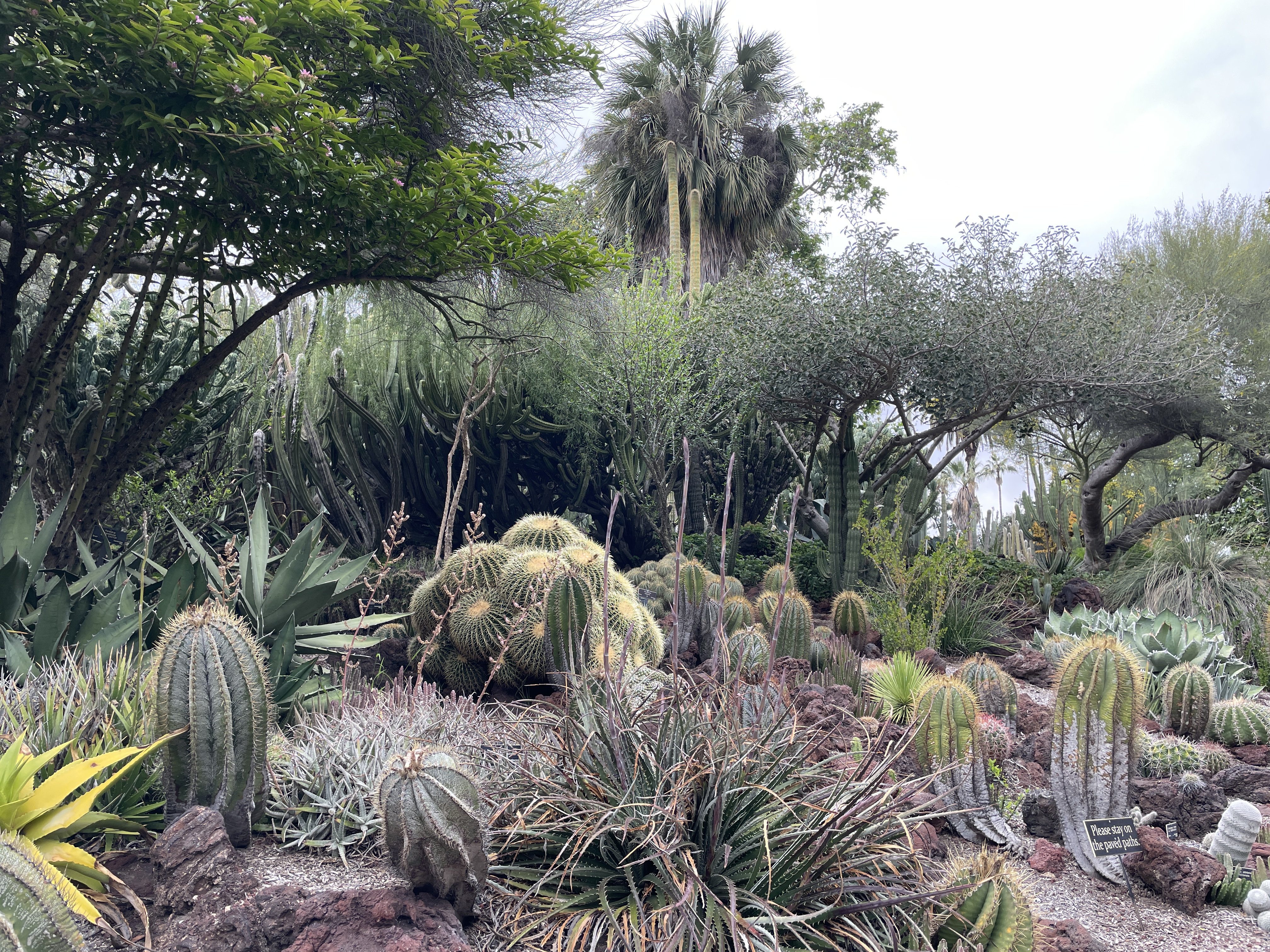
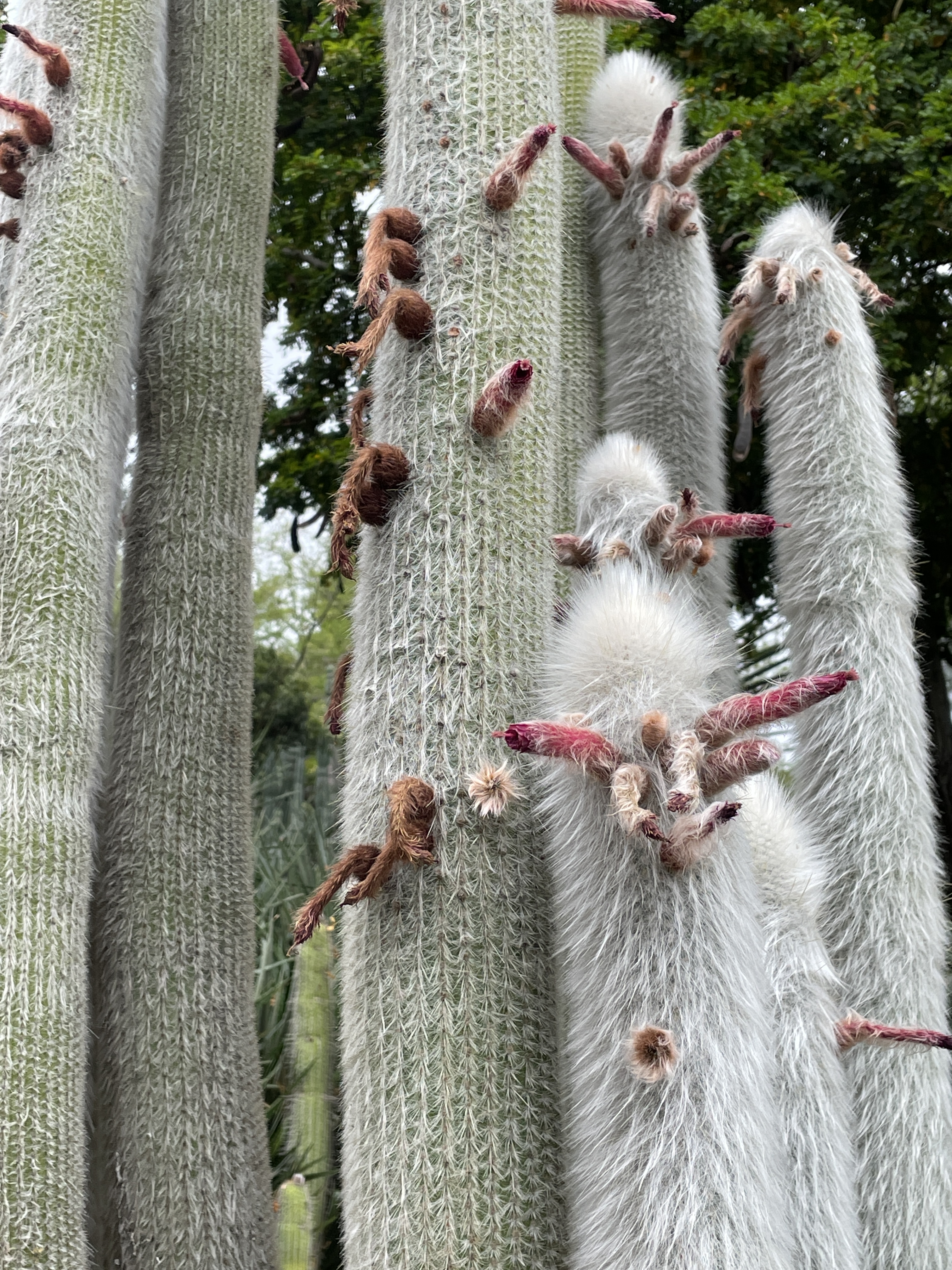
After leaving the tropical area, I wandered around cactus and succulent gardens.

One Book a Week-4: FINDING THE MOTHER TREE: Discovering the Wisdom of the Forest


When it first came out in 2018, I read The Overstory by Richard Powell. Finding the Mother Tree: Discovering the Wisdom of the Forest by Suzanne Simard appears to contain the endless years of detailed research and life story behind one of the characters in Powell’s novel. In fact, in her Acknowledgements, Simard thanks Powell for helping to make her life’s research more accessible to the general populace.

Simard’s book is part memoir, part detailed scientific explanations of her research and how a forest works and lives, and part how difficult it is to be taken seriously in the science world if you are female and your research contradicts the norm. She grew up in Canada. Her family made a living cutting down trees. Her family and life was and is intricately interwoven with nature. Even as a child, she was obsessed with tree roots, crawled around on the forest floor to see what lived there. A specific fascination was all the types and colors of fungi that grew just under the surface. Why were they there? What purpose did they serve? Later this became her life’s work, leading her to discover how trees of varying species use these fungi to communicate with and nurture each other. Of special significance are the “mother trees”, older, larger trees who provide nurturance to all the younger trees around them, recognize their kin, favoring them as they nurture all the other trees as well.

Traditionally, loggers and timber companies clear cut, then replanted with seedlings of all the same species of evergreen. It took Simard decades of research to convince them that it was not only the poorest way to grow new trees but also the least economical. For decades they saw her as some nutty woman, laughed at her research, laughed at her, even using epithets to her face. Ultimately, however, her work led to changes in how forestry is practiced.

This book relates her long struggle to save the forests. For those who are science minded, the final pages of the book contain 32 pages of Critical Sources. If you are interest in learning more about “mother trees”, go to http://mothertreeproject.org. It defines the term “mother tree” and explains how trees communicate. It also contains videos.

Adventures in Argentina–Flora and Fauna Near Iguazu Falls


Across the highway from the helicopter business, we visited a surprisedly large bird sanctuary, recommended by our taxi driver/guide.  We did not expect anything as lovely as what we found. Most of the birds and flowers there are native to the area.  However, a few rarer species from other parts of the world exist there as well.

IMG_3052

IMG_3084

Surprised, I recalled seeing these exact same flowers on my two trips to Costa Rica.  In fact, I found another photo on an older blog post from one of my Costa Rica trips.

IMG_3082

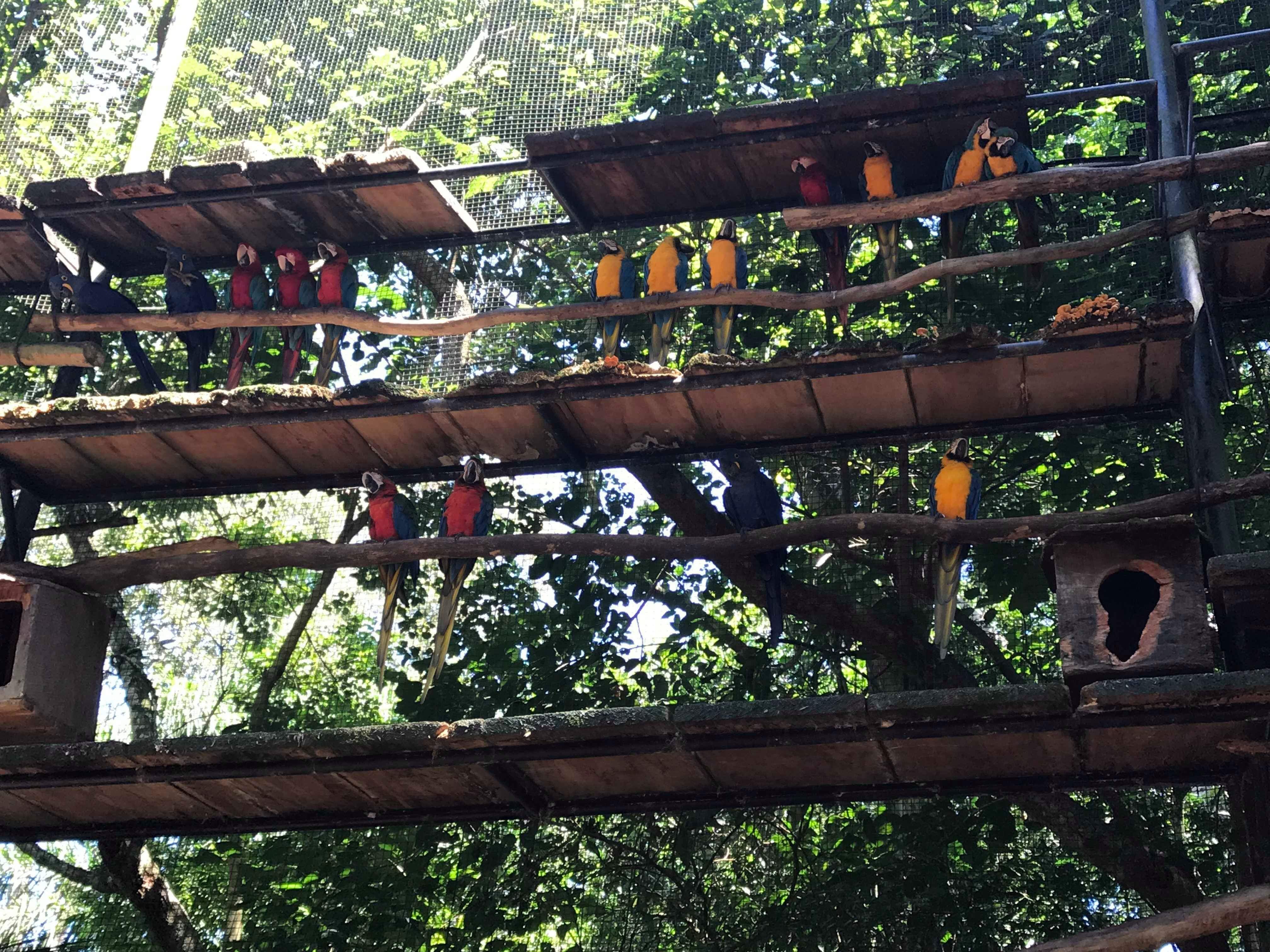
Endangered, many countries where these wonderful parrots live do everything they can to save them.  They pair for life–we found the evidence amusing and enchanting.

IMG_3081

Whenever we saw an uneven number together, we looked elsewhere and found the mate drinking or feeding.

IMG_3053

IMG_3088

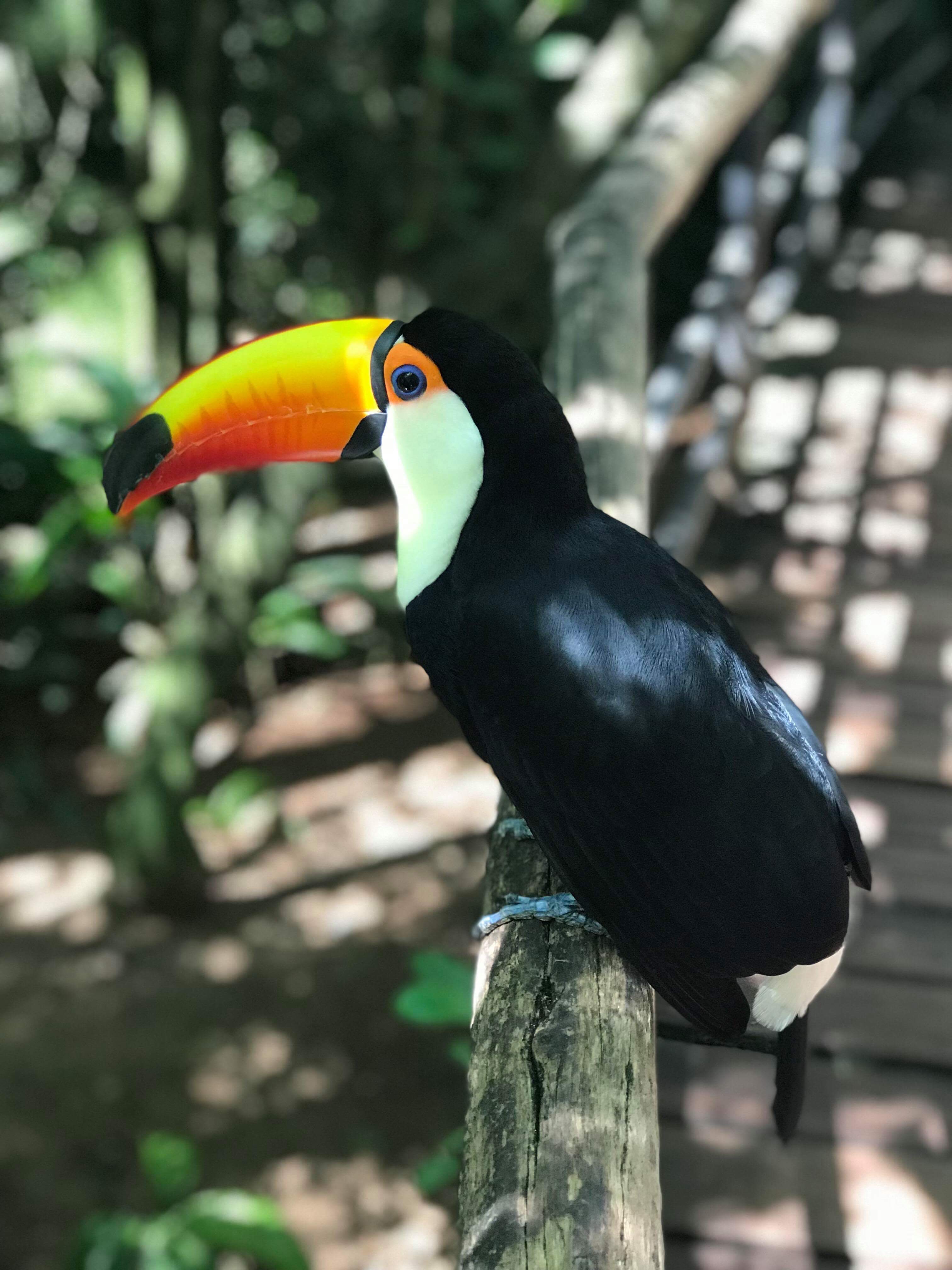
Of course, there has to be toucans.  Some even clowned for the tourists.  People clustered all around to watch their antics.

IMG_3085

IMG_3050

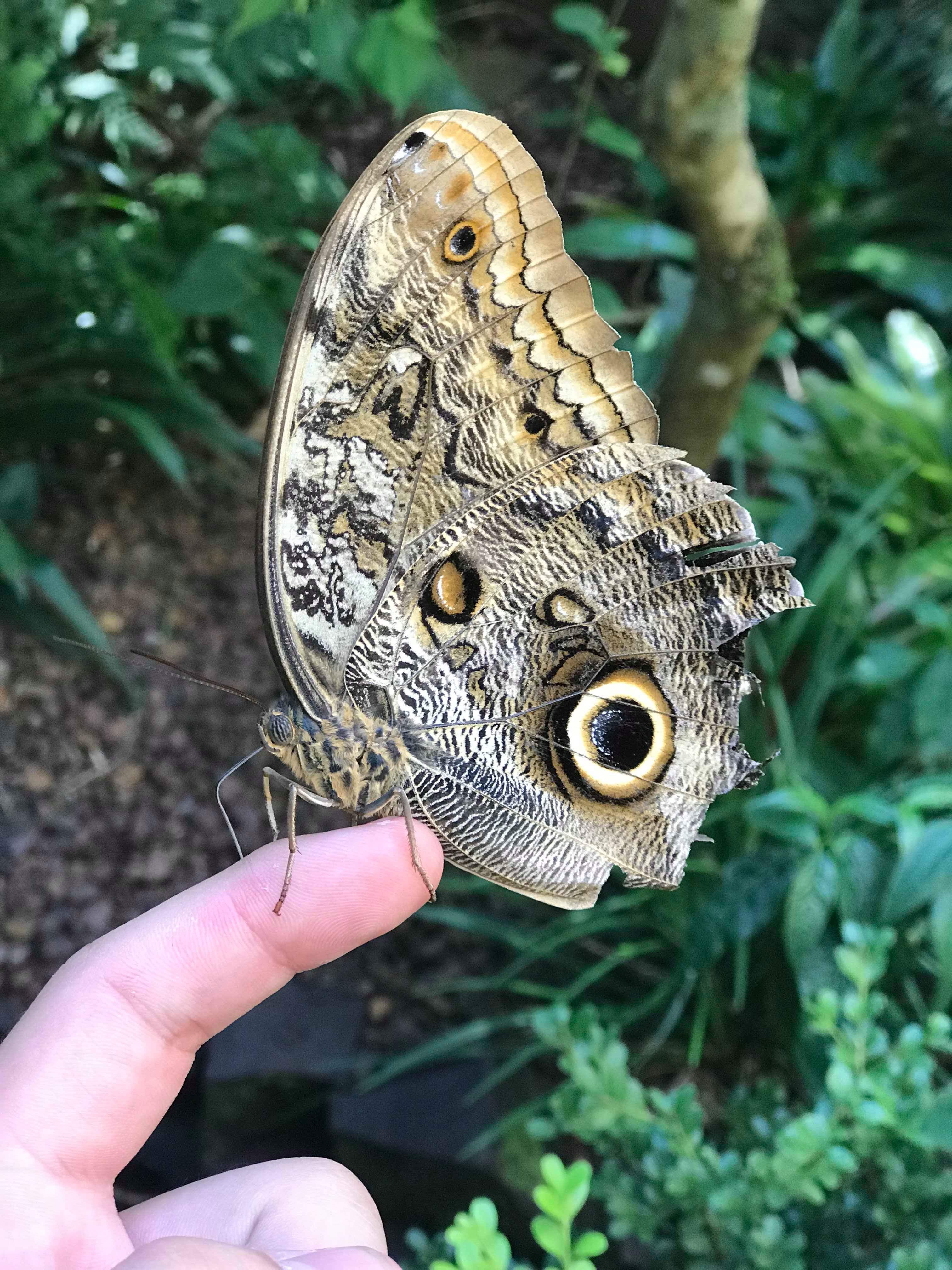
Where you have flowers you have butterflies.

IMG_3078

Butterflies love Gaston.

IMG_3031

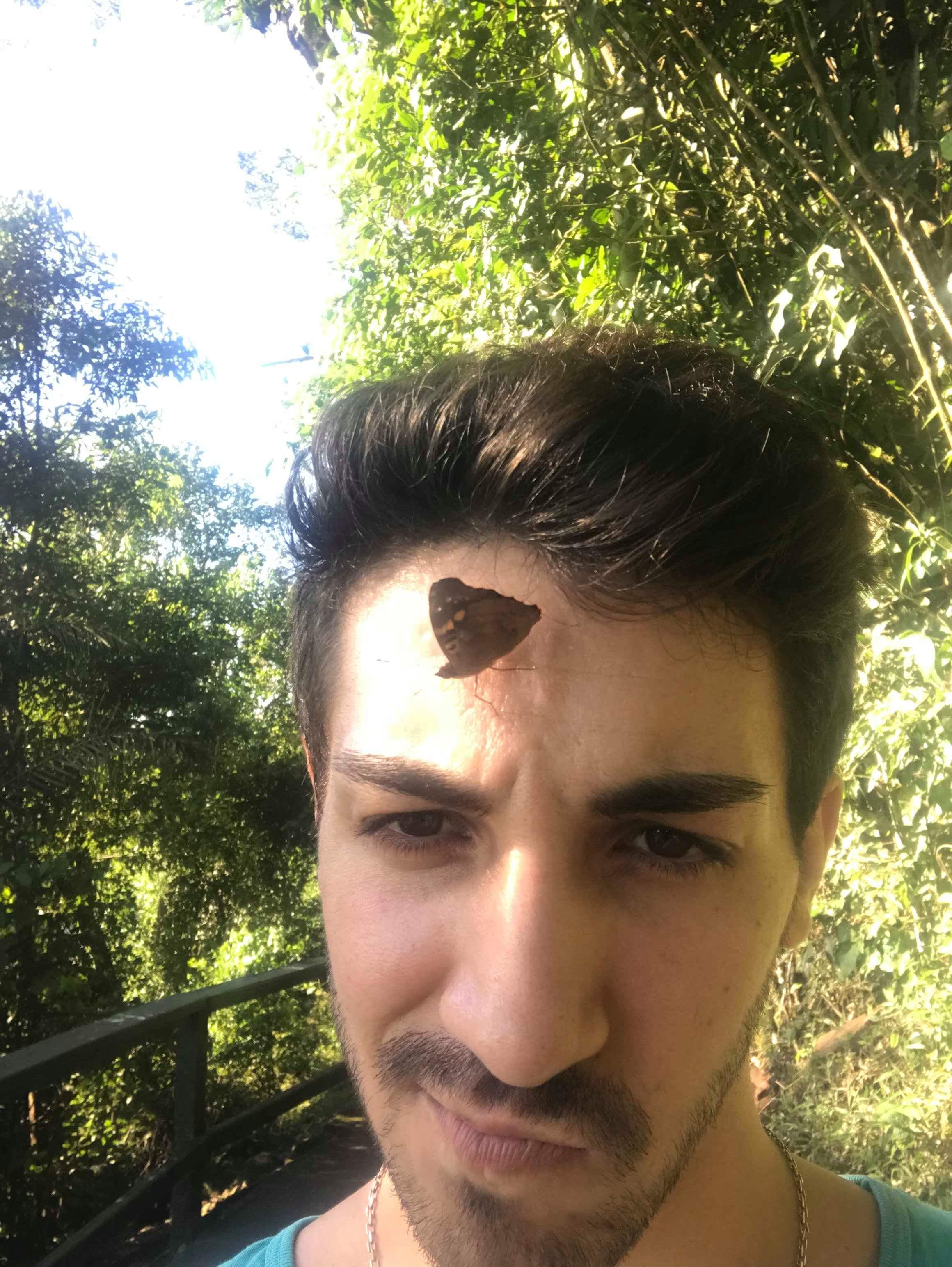
They landed on him, flew to his fingers, let him pick them up without flying away.  I tried, but no luck.

IMG_3079

IMG_3048

A fabulous morning on the Brazilian side, starting with the helicopter ride and ending here with flowers, birds, and butterflies.


Adventure in Argentina–Iguazu Falls, Day One


IMG_3006

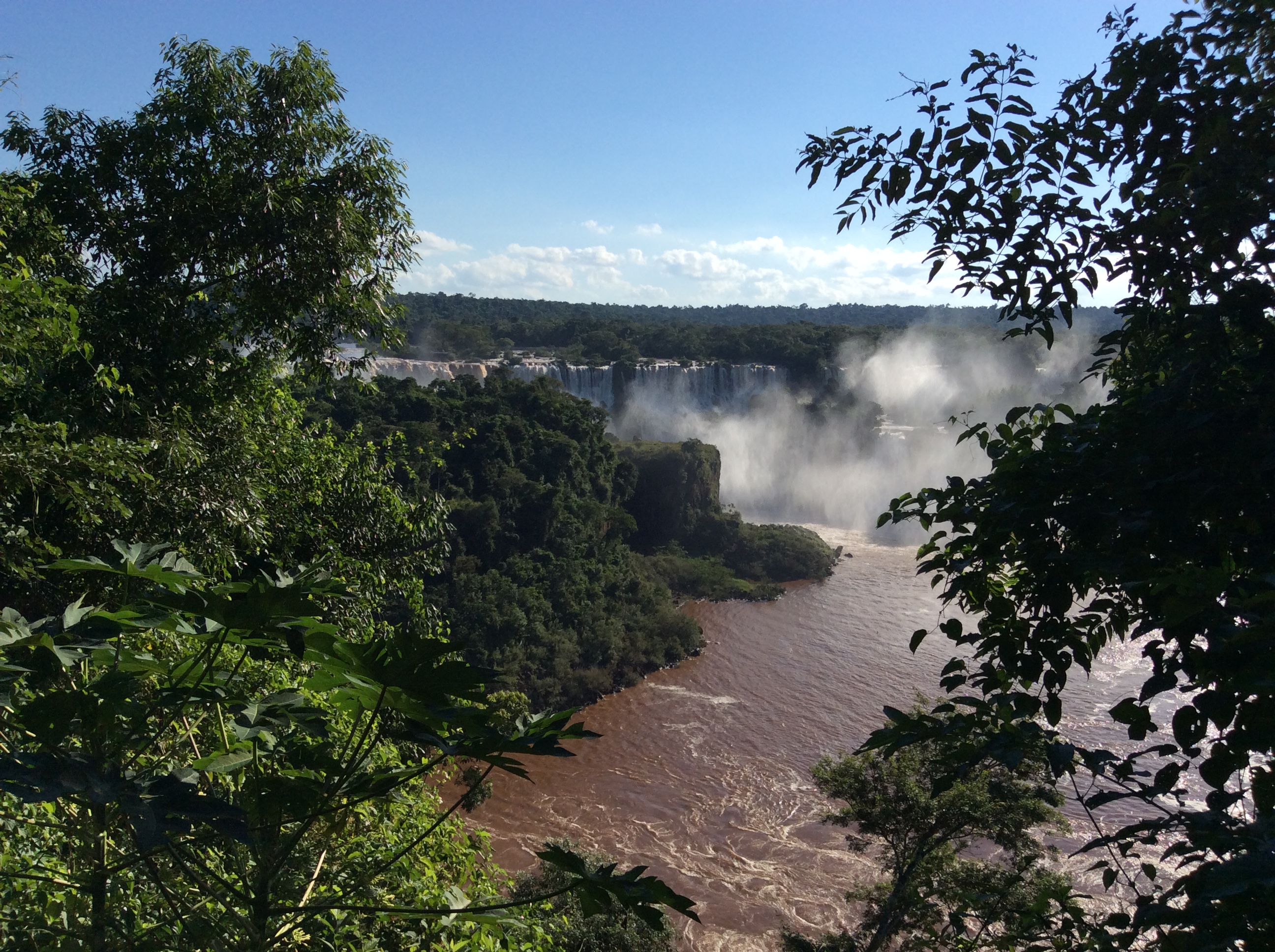
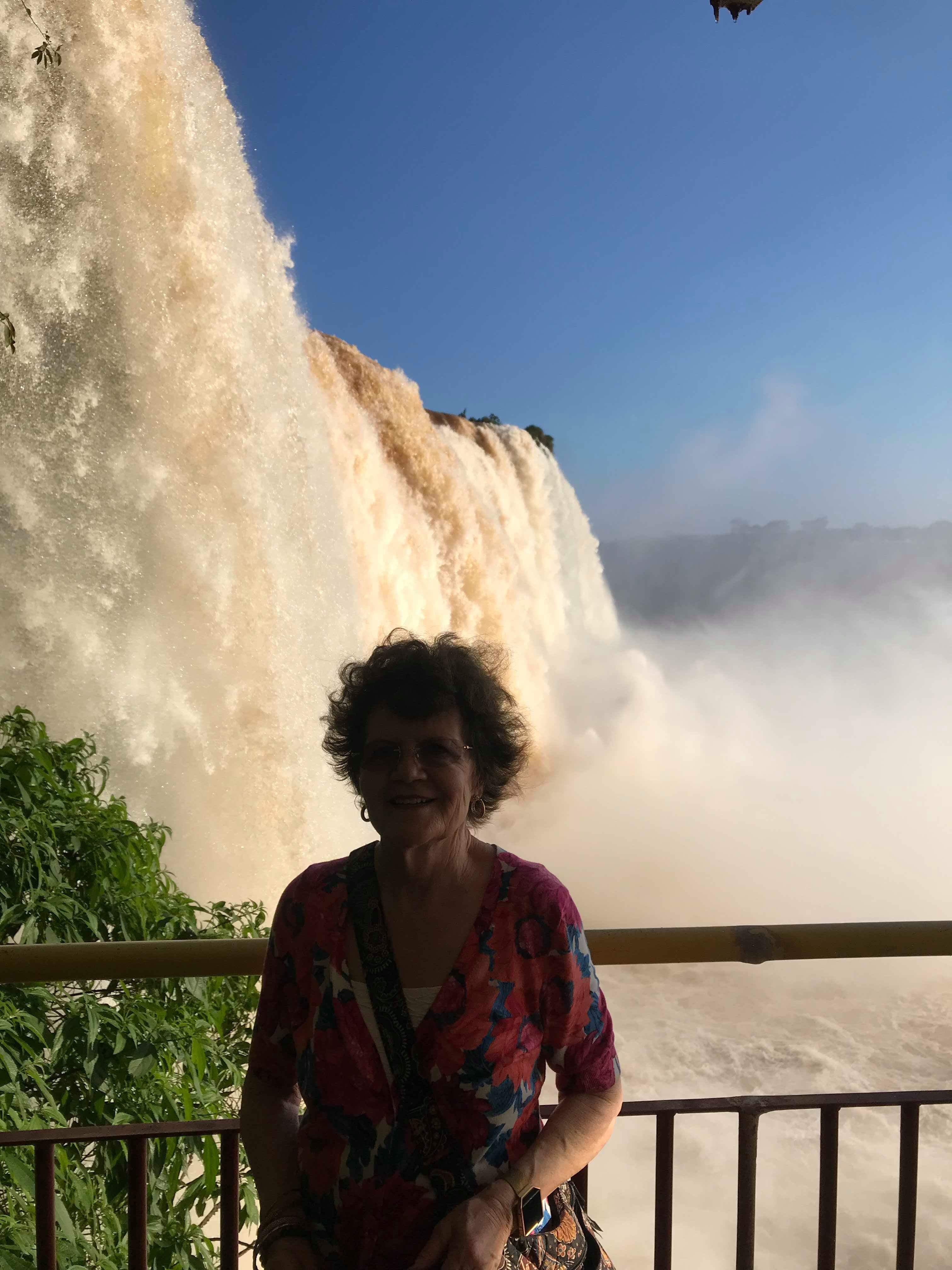
We landed at the jungle airport near the down of Iguazu, found a taxi (the taxi to our hotel was only 5 dollars more than the bus), and continued our adventure.  Gaston and I felt lucky; the lady taxi driver gave us excellent service and advice for our three day sojourn at Iguazu.  She suggested we head to the Brazilian side of the falls first because the trails are fewer and it was later in the day.  All you have to do is provide your passport, roll down your window so they can look at your face, and proceed.  At the Brazilian park headquarters everyone has to wait for a bus, which can drop visitors off at various points along hiking trails.  The above was one of my first views of the falls.

IMG_3005

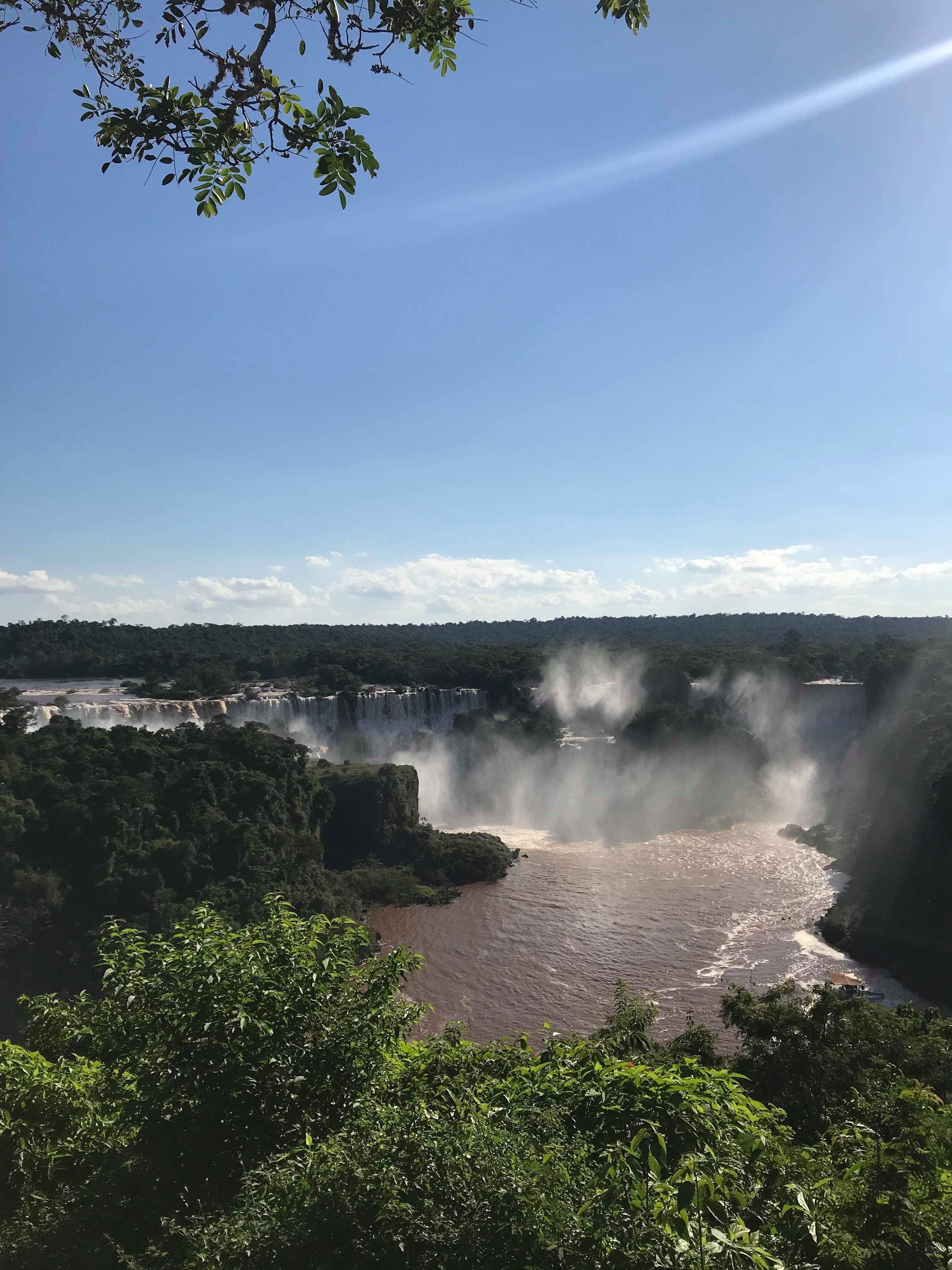
It became clear almost immediately that it would be impossible to see all the falls from any single place; they are immense to the point of unbelievable, overwhelming.  You hear the roar long before you see the cause. At this vantage point, I am standing on Brazilian soil looking across to the Argentinian side.  The center of river which causes the falls provides the boundary between Brazil and Argentina.

IMG_3011

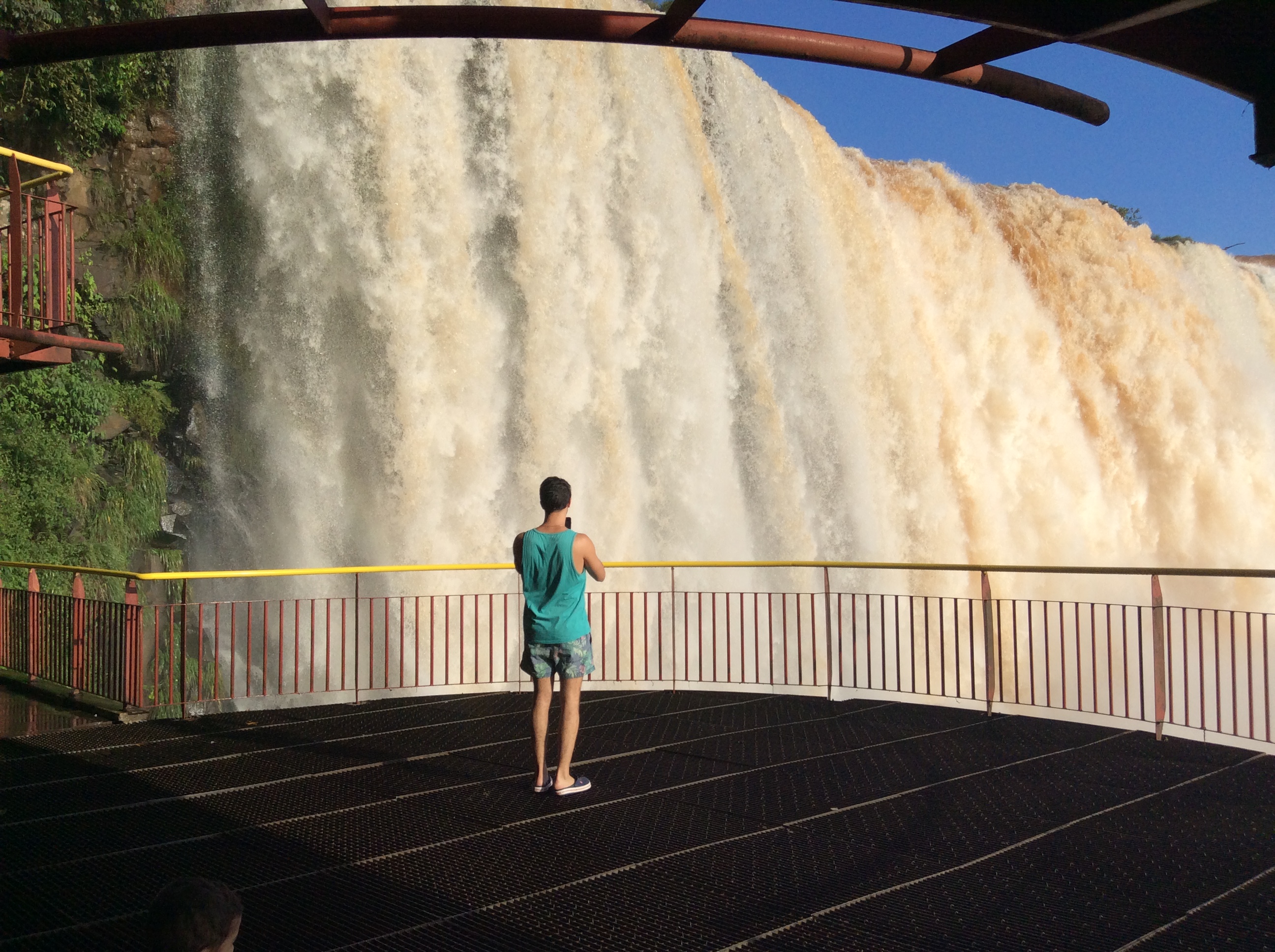
To reach this vantage point, the trail winds down a rather steep incline.  Everything is wet from the mist which is so extensive, it is impossible to be anywhere near and not become somewhat wet. A trail proceeds from here below the falls out over a part of the river where it is like being in your bathroom shower. Gaston took many photos here. The roar of the falls is so loud it is impossible to carry on a conversation.

IMG_3008

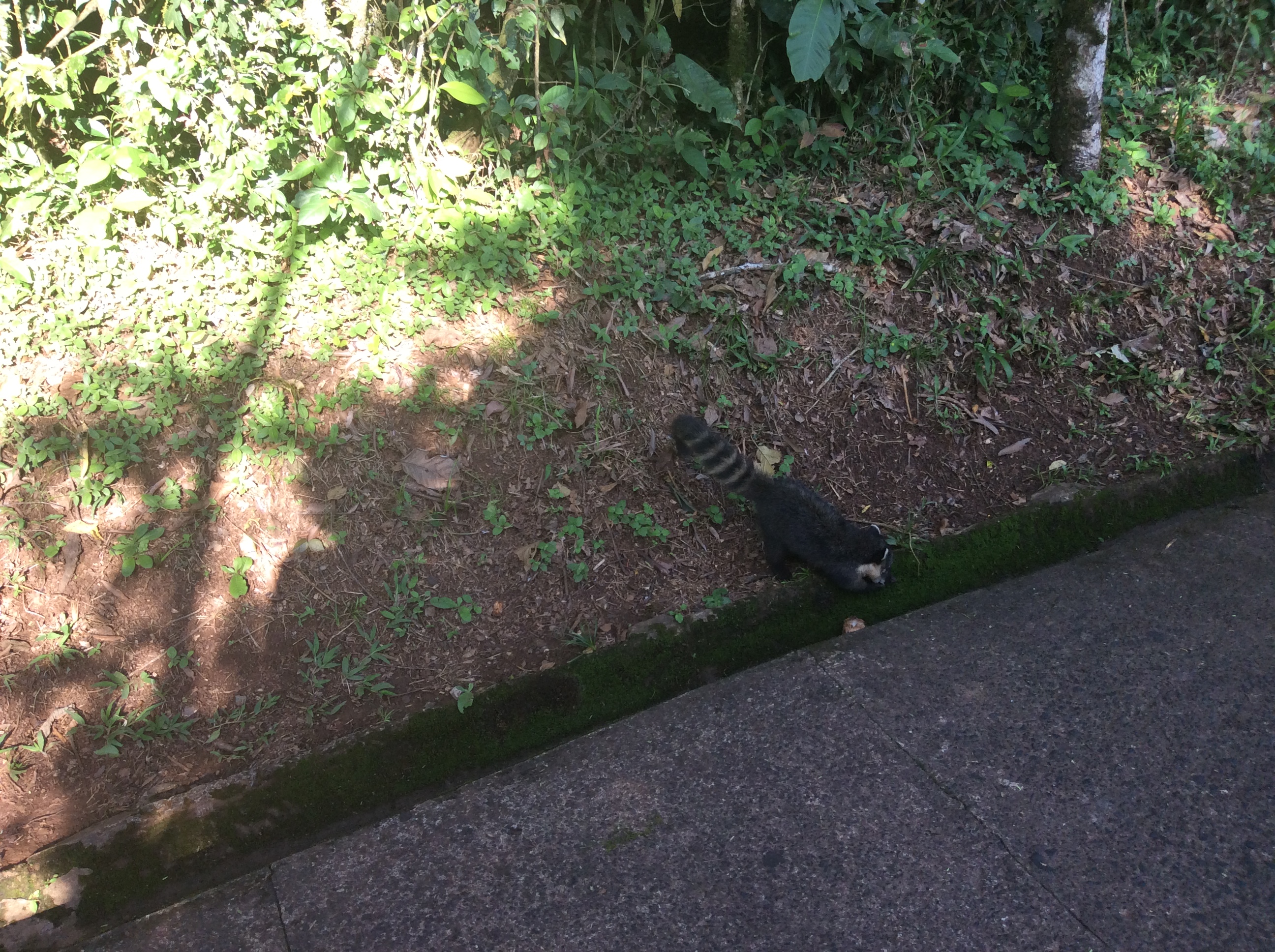
Coatimundis are everywhere. On the Brazil side in particular huge signs are posted with a person displaying bleeding, serious injuries inflicted by these seemingly harmless creatures.  The instructions tell visitors not to feed them, try to pet them, anything.  The result may not be good if you do.

IMG_3013

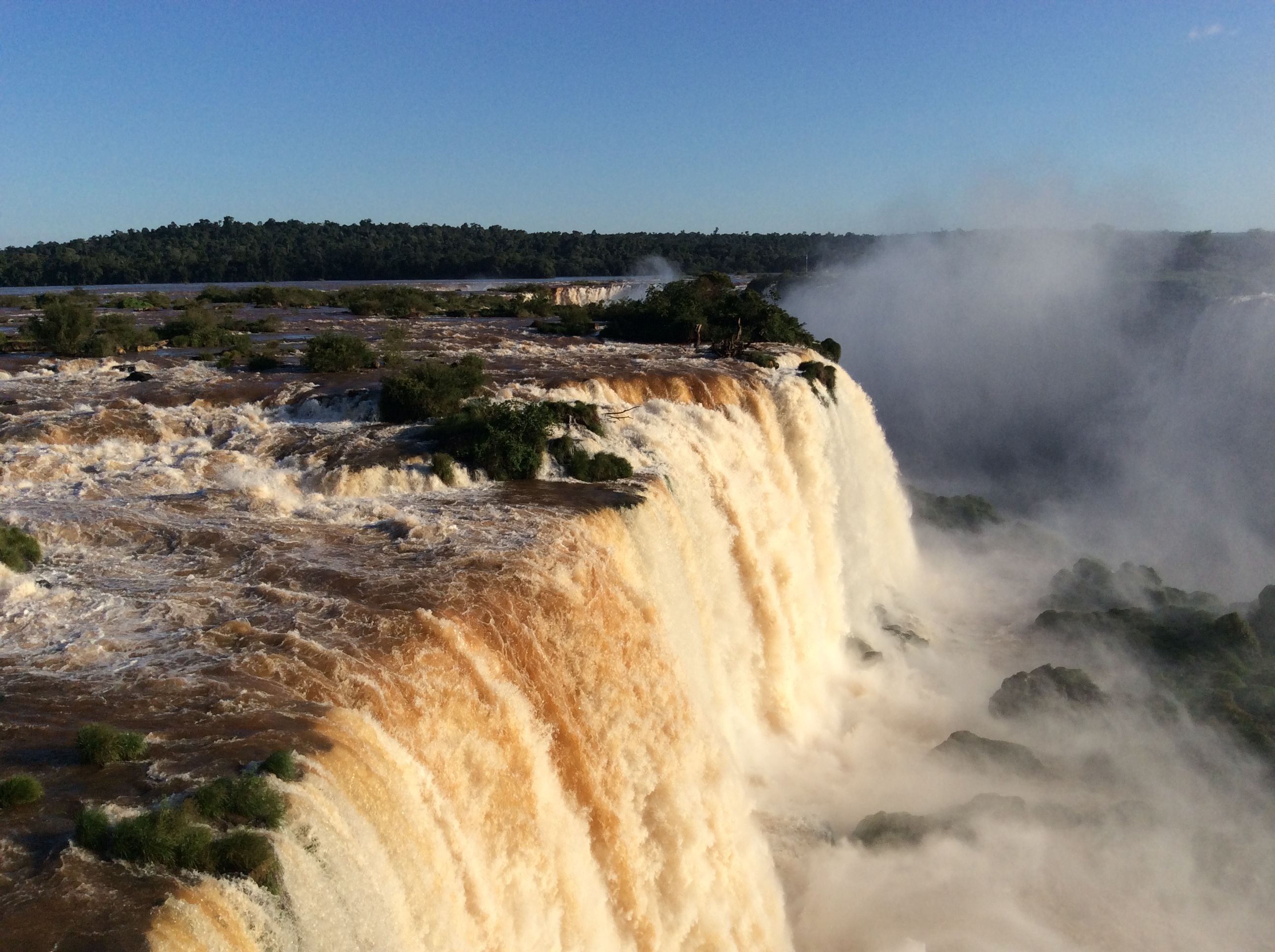
The roar, the immensity, overtakes ones emotions.  The power of water a millionfold, displayed in all its grandeur overwhelms.

IMG_3015

IMG_3033

In Brazil looking across to Argentina.


Celebrating Earth Day–Photos


I decided the best way I should share my reverence and love for nature and this precious planet on which we live is to share photos from various countries, states, and my own little piece of wonder.

IMG_2641

img_2445

img_2454

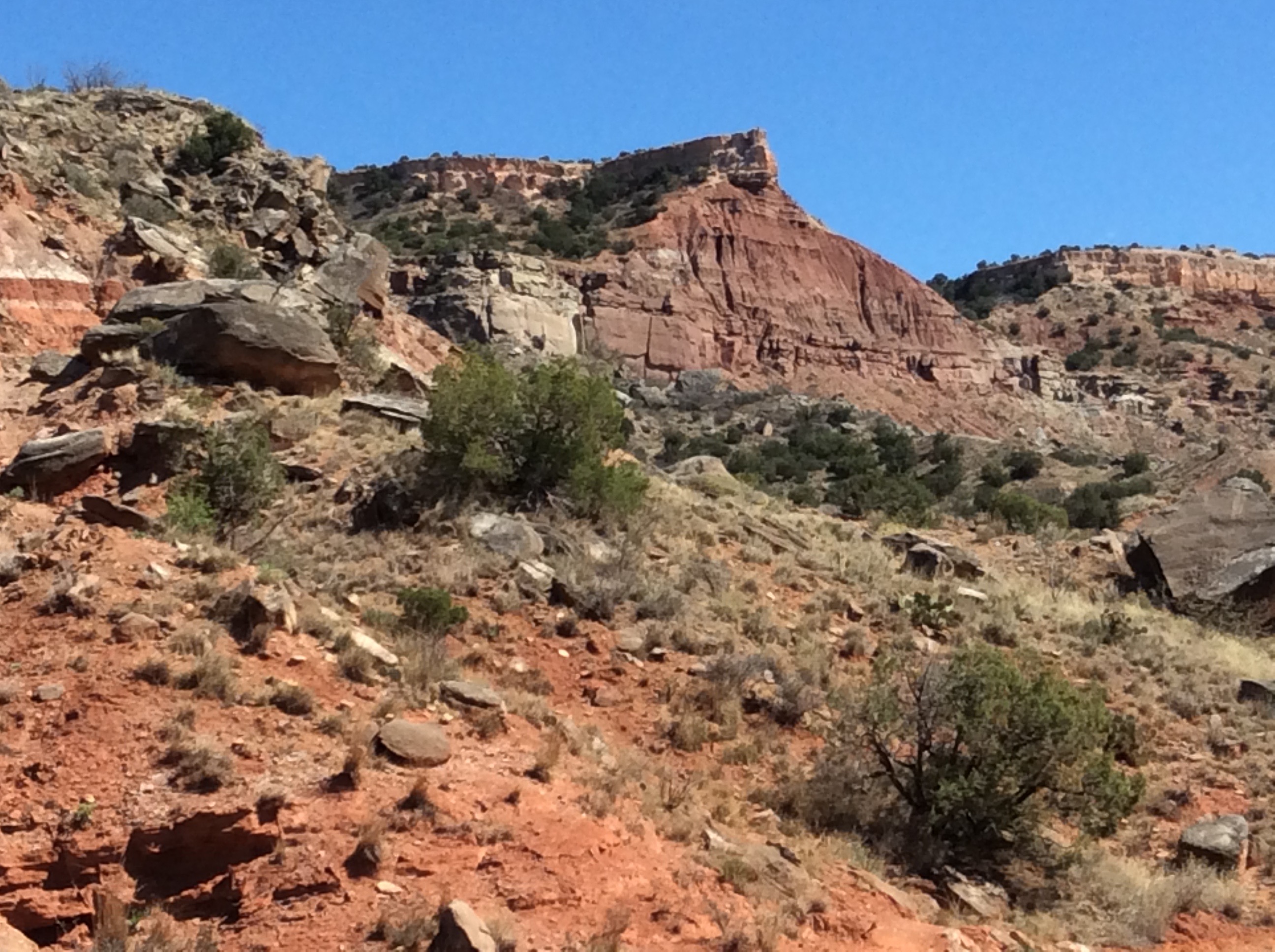
The three photos above were taken at Palo Duro Canyon State Park in Texas about ten minutes from where I live.

IMG_2617

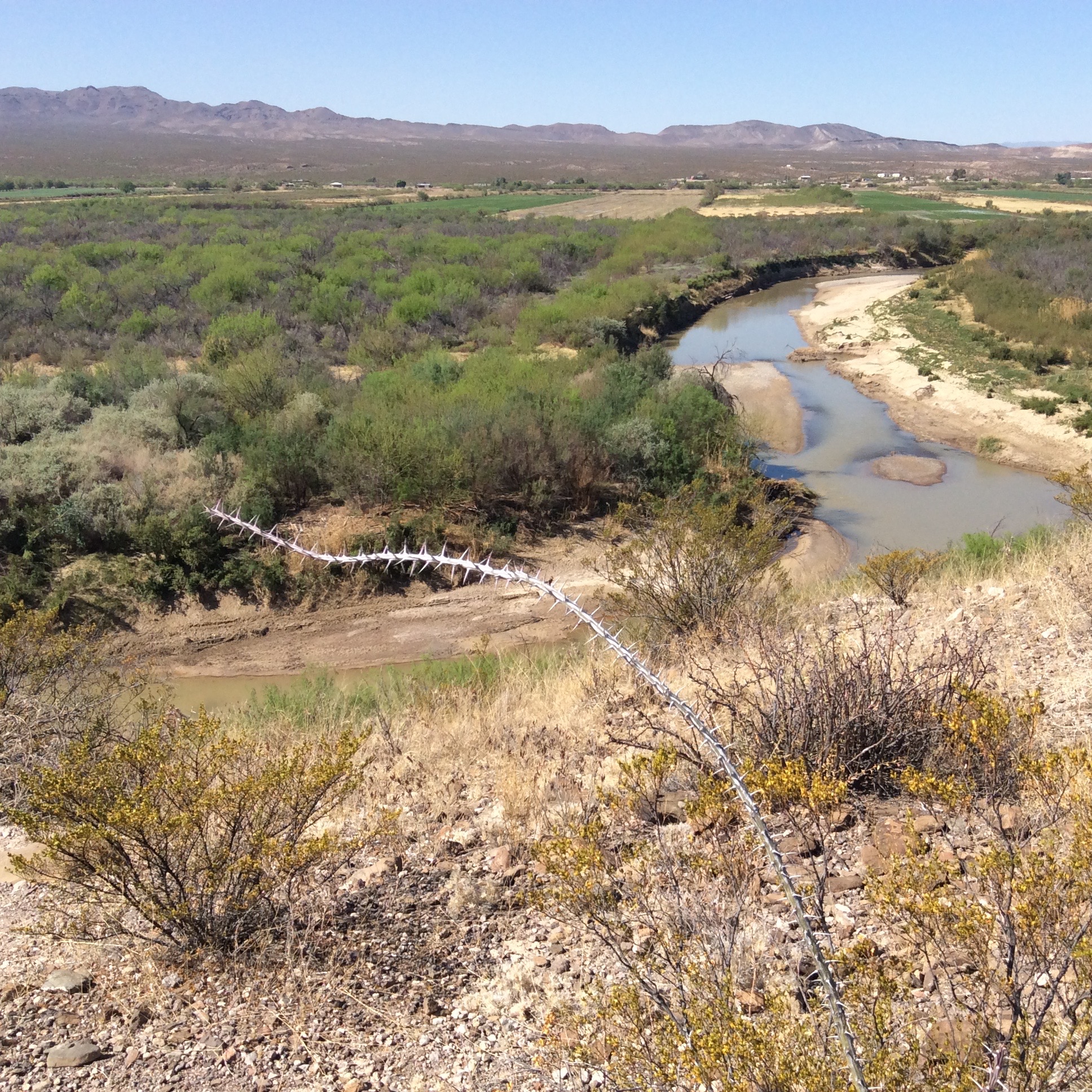
Above and below the Rio Grande looking into Mexico.

IMG_2607

image

image

image

image

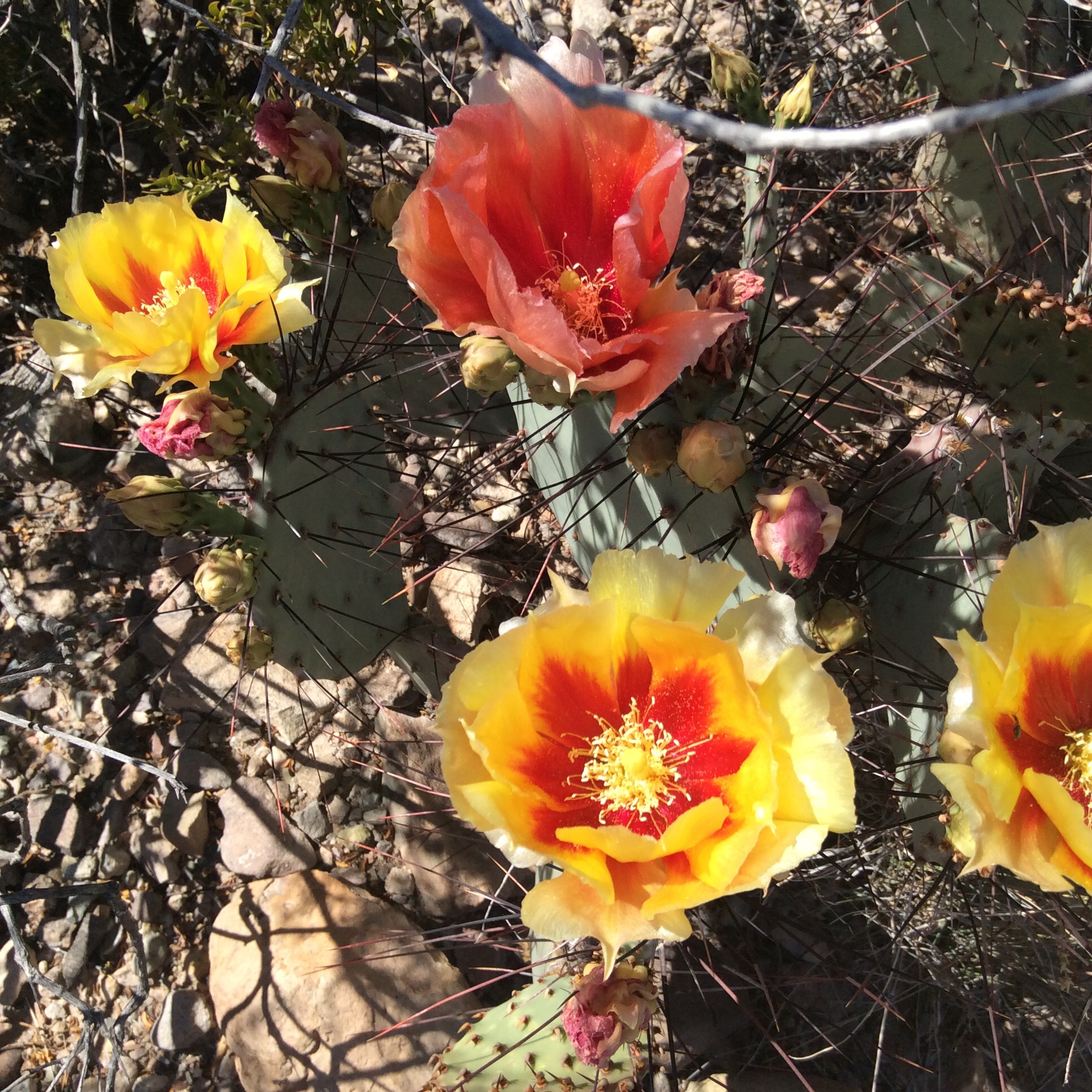
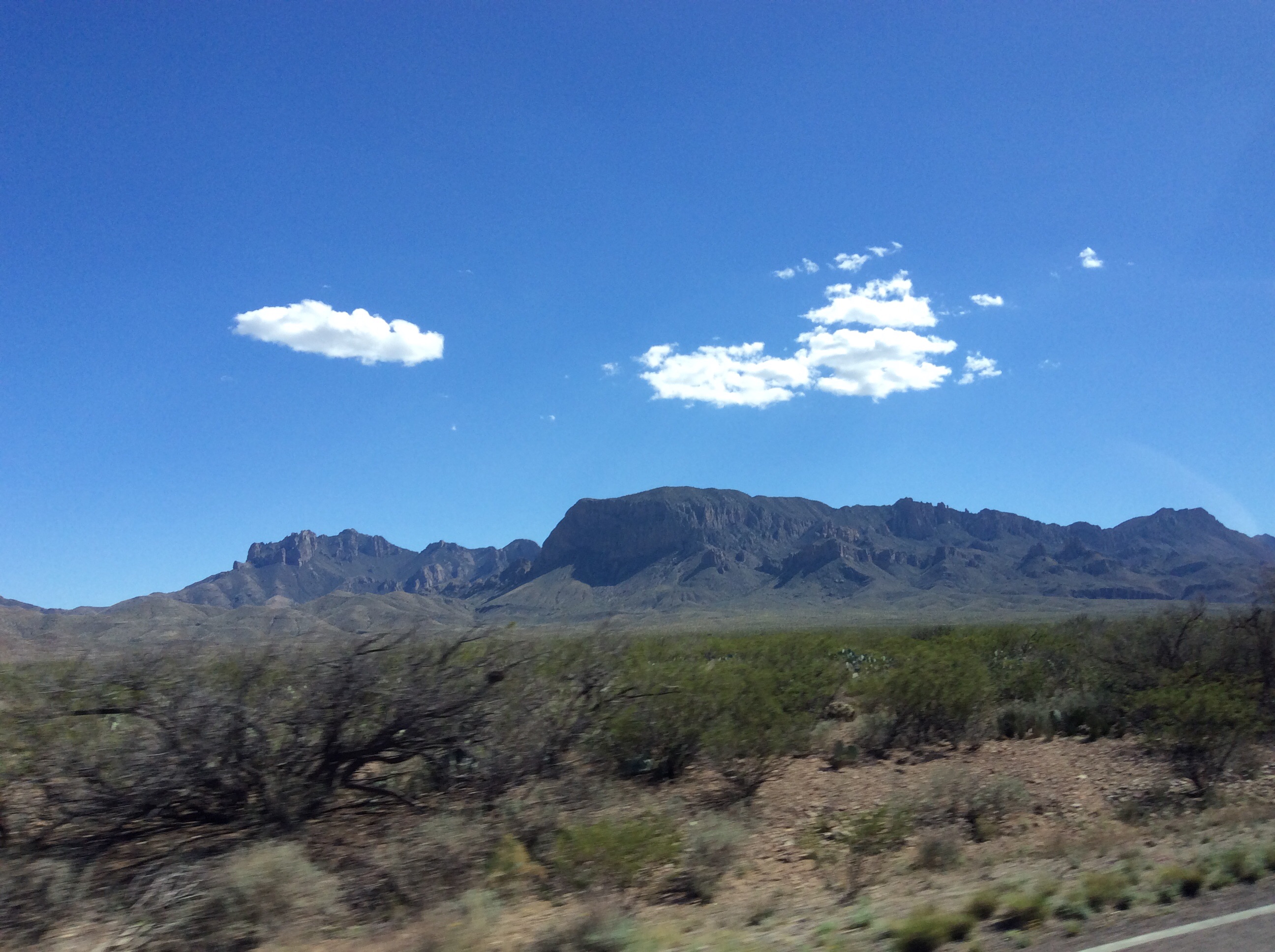
Four photos above — Big Bend National Park.

IMG_2604

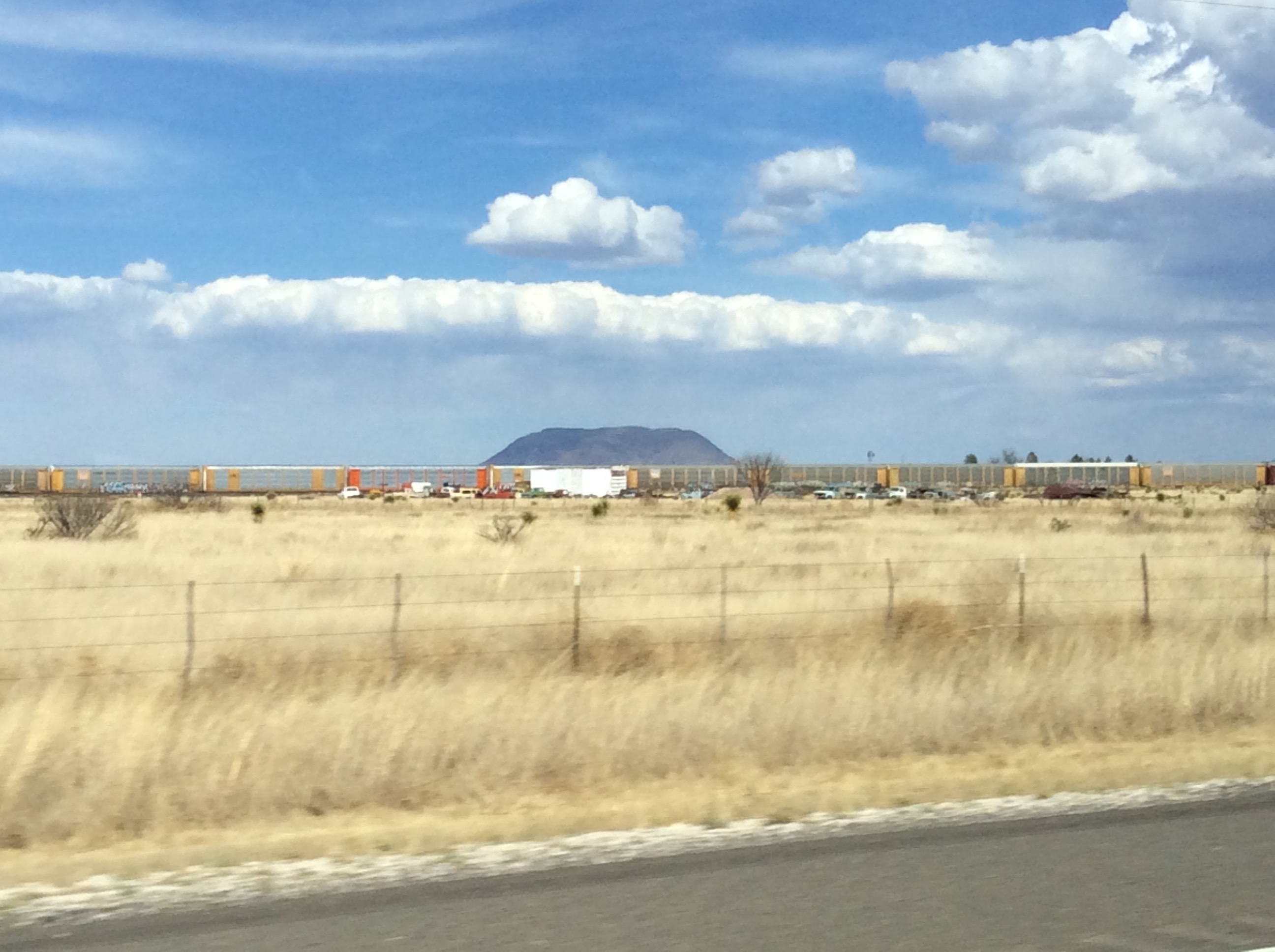
Between Marfa and Alpine, Texas.

IMG_2359

The Rio Grande north of Albuquerque on the Santa Ana Pueblo Nation.

IMG_0577

IMG_0592

IMG_0635IMG_0633

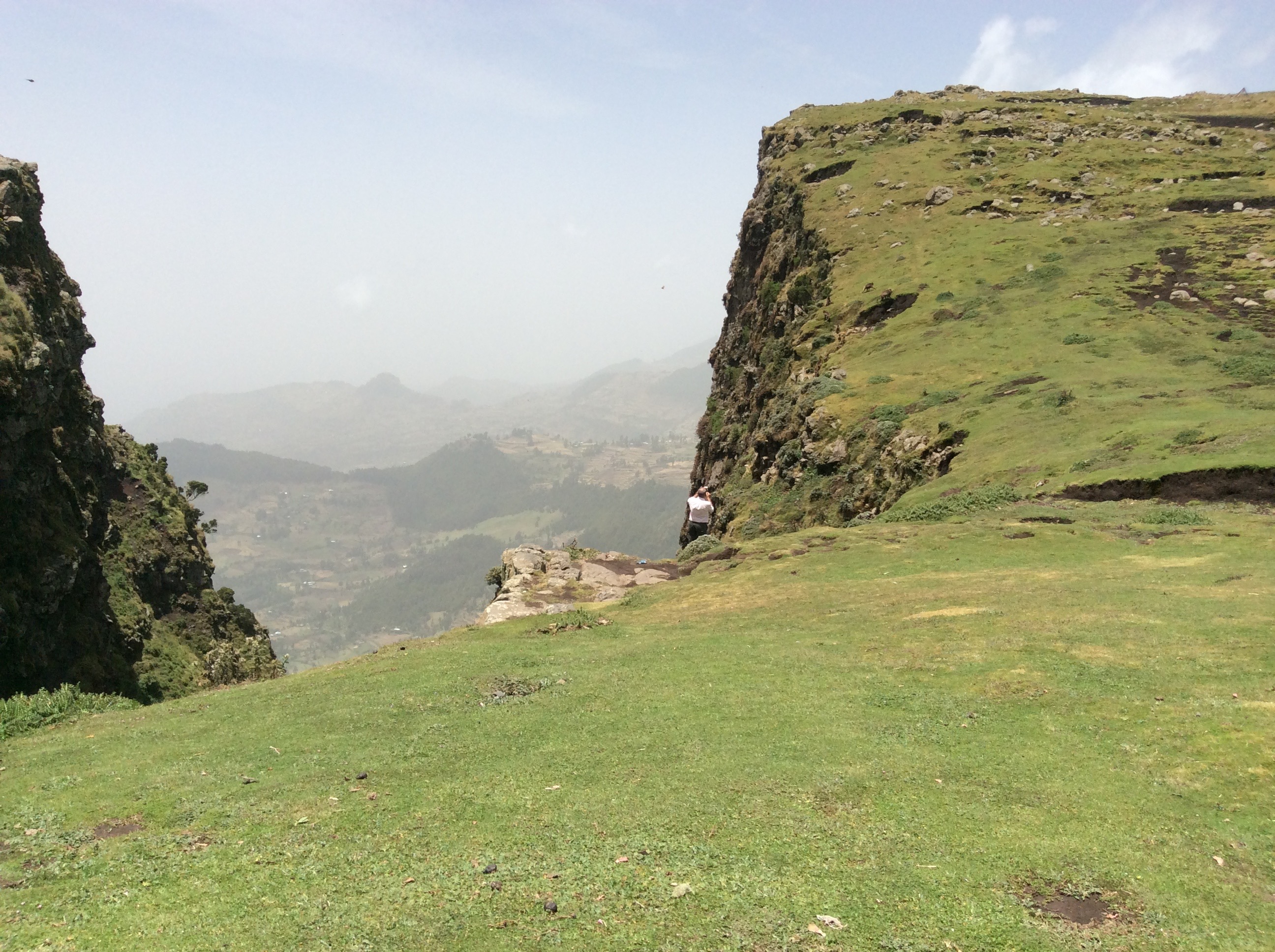
The above four photos taken in Simien Mountain National Park, Ethiopia.  The animals are gelada–the only surviving grass eating primates found solely in Ethiopia.  They actually “talk” to each other.

IMG_0266

Menelik’s Window, Ethiopia

IMG_1144

Awash Falls, Ethiopia

IMG_0849

Where the Blue Nile begins draining from Lake Tana, Ethiopia

IMG_2024

IMG_2052

IMG_2070

IMG_1971

IMG_1927

The photos above were taken at various places in Costa Rica.

IMG_1730

IMG_1711

IMG_1718

Northern New Mexico

SAM_1195

Grand Canyon North Rim

SAM_1139

The Missouri River running full.

SAM_1218

California dropping down from Sequoia National Monument

SAM_1342

Near Lake Marvin, Texas

Sunday Sunrise ©Dawn Wink

IMG_1589

IMG_1419

SAM_0483

IMG_2304

IMG_2337

IMG_2323

The above photos were all taken within the last year on my little rim of wonder.

And finally below, my favorite animal.

CA_Cougar24

Costa Rica Adventure, Day Five–Part Two: Santa Anita Rainforest Ranch


After visiting the Tony’s gallery, we headed north on mostly non-paved, narrow roads.  The clouds increased; the landscape became greener if that is possible.  We crossed to the Caribbean side near the Nicaraguan border.

IMG_2001

IMG_2007

IMG_2008

IMG_2014

The previous photos were taken from the bus window on the way to La Anita which is located more or less just above where the a is located in the word Cordillera at the top of the map.  It lies near Rincon de la Vieja National Park (Volcano Vieja) past Volcano Miravalles–the volcano covered in clouds in the previous Costa Rica post.

IMG_2010

As soon as we arrived, we came to the veranda of the building where they process cacao.  This view overlooks the road in and a small pond.

IMG_2012

Ginger plants in front of the pond, bouquets of ginger flowers, and rain clouds greeted us.

IMG_2011

I had no idea that the ginger roots we eat come from plants that look like this.  We later ate lunch in the building in the distance.  First, seated on picnic tables on the veranda, we drank pure chocolate grown on the ranch and coffee grown on another property at higher altitudes.  Cacao requires lots of rain and tropical heat.  This coffee is shade grown at much higher altitudes, e.g. 1500-2000 meters, by 700 families who belong to the cooperative which produces the coffee.  The coffee from here (Finca la Anita, Costa Rican Dota Mountain Coffee) requires much less sugar even for those who love lots of sugar in their coffee.

The couple who own and run La Anita primarily grow organic cacao.  Originally, they sold what they grew and did not process it there.  They decided to accomplish what they wanted, to grow and sell the most sustainable quality chocolate in the world, they would have to control the entire process themselves.  One of their specialties is a healthy replacement for Nutella, La Anita Chocolate Spread.  We bought four little containers and carried them around the rest of the trip.  Rather than spreading it on something, I keep it in the refrigerator and spoon out a tiny sco0p when I want a super treat.


IMG_2015

Nearly constant rain and heat produce a botanical heaven.

IMG_2016

A tractor pulled wagon took us through the lushness to the area with the cacao trees grow.

IMG_2017

IMG_2018

We finally arrived where the cacao grows.

IMG_2019

In addition to cacao, they grow other crops because cacao takes a long time to grow and the chocolate market worldwide is very unstable.

IMG_2020

Open up cacao and you find all this fuzzy stuff inside.  Yes, it is actually tasty.  Like with coffee, you eat–actually mostly just suck on it–the outside.  The bean is the seed inside.

IMG_2021

If you want to walk around here, sandals are not a good idea–too many snakes, many of which are poisonous like the fer-de-lance.  Yes, they live here.  Like where I live, this requires looking at the ground and paying attention where you are walking. This is the owner.  The name La Anita comes from his wife.IMG_2023

IMG_2024

The view of the lake from the building where we ate lunch.

IMG_2025

This is the hearts of palm plant which shortly after this photo was taken became the main ingredient of ceviche of hearts of palm which we ate for lunch.

IMG_2026

Making ceviche of hearts of palm in the white square bowl.

IMG_2028

After lunch I walked down the road to the pasture with the horses.  In the background are cabins they rent.  From here the traveler can tour several national parks including Rincon de la Vieja National Park which is quite close.

This is one of the rainiest parts of Costa Rica, located on the northern Caribbean side.  It rained several times while we were here.  The rain stops for a while, a downpours arrives, it stops.  This process continually repeats.