DNA


Several months ago I decided to participate in the Human Genome Project through National Geographic.   When I called to order the kit, the young man reminded me that as a woman, I would receive only one half of my ancestry, the female half.  Since women do not have a Y chromosome, a woman can only trace her female family line through her mitochondrial DNA.  He suggested I use my grandson’s DNA so I would receive complete results.  Of course, that meant that in the end, I would have to factor in what I knew about his father’s family and deduct that to determine my own.  After the Geno 2.0 kit arrived, we took his cheek swabs and mailed them off.  This week when we returned from an 11 day family road trip, the results arrived.  With the results came detailed explanations of human migratory history and even comparisons of populations with DNA most like his.  Although none were close, the top two groups were people in Bermuda and Mexican Americans.  Luckily, the information contained a detailed explanation of the people of Bermuda.  The Native American results I expected since his great grandfather was Navaho.  Other parts came as somewhat a surprise. Once again I am taking a poetry class and now working on publishing a book of my poetry so I decided to write a poem about this experience.

The results loom before me on

the computer, percentages:

Northern European, Mediterranean,

Native American, Neanderthal,

sub Sahara African, South African–

as in the Bushmen in the Kalahari,

Northeast Asian, Southwest Asian.

Suddenly, calculations move through

my brain.  I look again, add, subtract,

recalculate, stare, ponder. Is there

a family secret I missed?  How will

I know, from whom?

Everyone I could ask is dead.

SAM_1183

Gaston Luis Zulaica del Sueldo


Gaston Luis Zulaica del Sueldo walks toward me after disembarking from the plane.  Although I have never met him, I know exactly who he is.  Tallish, thin body; long, handsome, light tan face; smiling, perfect teeth; arms open.  A teenage Latin Lover, bouncing on the balls of his feet, rushing to me.  Those arms wrap around and squeeze me tight.  My new son has arrived from Argentina.

Every night while I fix dinner, he sits at the brown Kanabe piano my parents gave me thirty years ago and plays and plays:  Beethoven, the theme from Twilight, Chopin…I look up from chopping onions and see the short, dark ringlets on the back of his neck and watch his gliding, long-fingered hands.  He plays until salad making time arrives.  He tells me he makes salads for his grandmother back home.  Now he makes them for us:  layers of emerald lettuce, red peppers, black olives, orange carrots, green onions, a kaleidosope of appetizing color.

Gaston Luis Zulaica del Sueldo.  It curls around my tongue when I introduce him.  Images of tango dancers, gauchos–he is a champion rider, malbec wine–at seventeen he brought me some in his luggage, snow capped mountains where he skis, and cattle grazing on the endless grass his family owns.  We speak Spanlish at home, we laugh, we cook.  On my birthday he insists on paying for everyone.  When I tell him I did not expect that, he looks at me as if to say, “What kind of man do you think I am?”

Gaston Luis Zulaica del Sueldo.

Note:  One of the assignments in the prose poetry class was to write about a name, real or imagined.  This one is real.  Gaston lived with me a couple of years ago and I still keep in touch with him and his family.

Destino


Week two of the prose poetry class:

“It is a blessing to live out your destino.”  Julia Alvarez

Long ago, in the hot summer, I could hear the corn grow at night with the windows open in northwest Missouri.  Rolling hills of corn and soybeans still clad the dark brown earth left by glaciers thousands of years ago.  So much time has gone without my returning to this land:  colleges in different states, marriages, jobs in cities.

My father lived ninety years on this farm his Swiss grandfather homesteaded.  He yearned for distant lands, to explore, to learn.  He loved the West, endless space, rugged mountains, canyonlands, wildness.  When it snowed too much for school, he loaded us in the car, turned wheelies, and headed for Kansas City.  His yearning to be a doctor died when very young–the only child left at home, caring for a diabetic mother, recovering from a failed youthful marriage before he met Mom.

He gave me his love of questioning, traveling, reading, trying the untried, a pride in the land and work, and a sense of wonder.  This night, after shoveling out from a dangerous blizzard, I sit in front of a fire, write on a Western canyon rim, look at his parade saddle and the photo of the farm for which he felt so much pride, and cry:  my destino.

The Blizzard


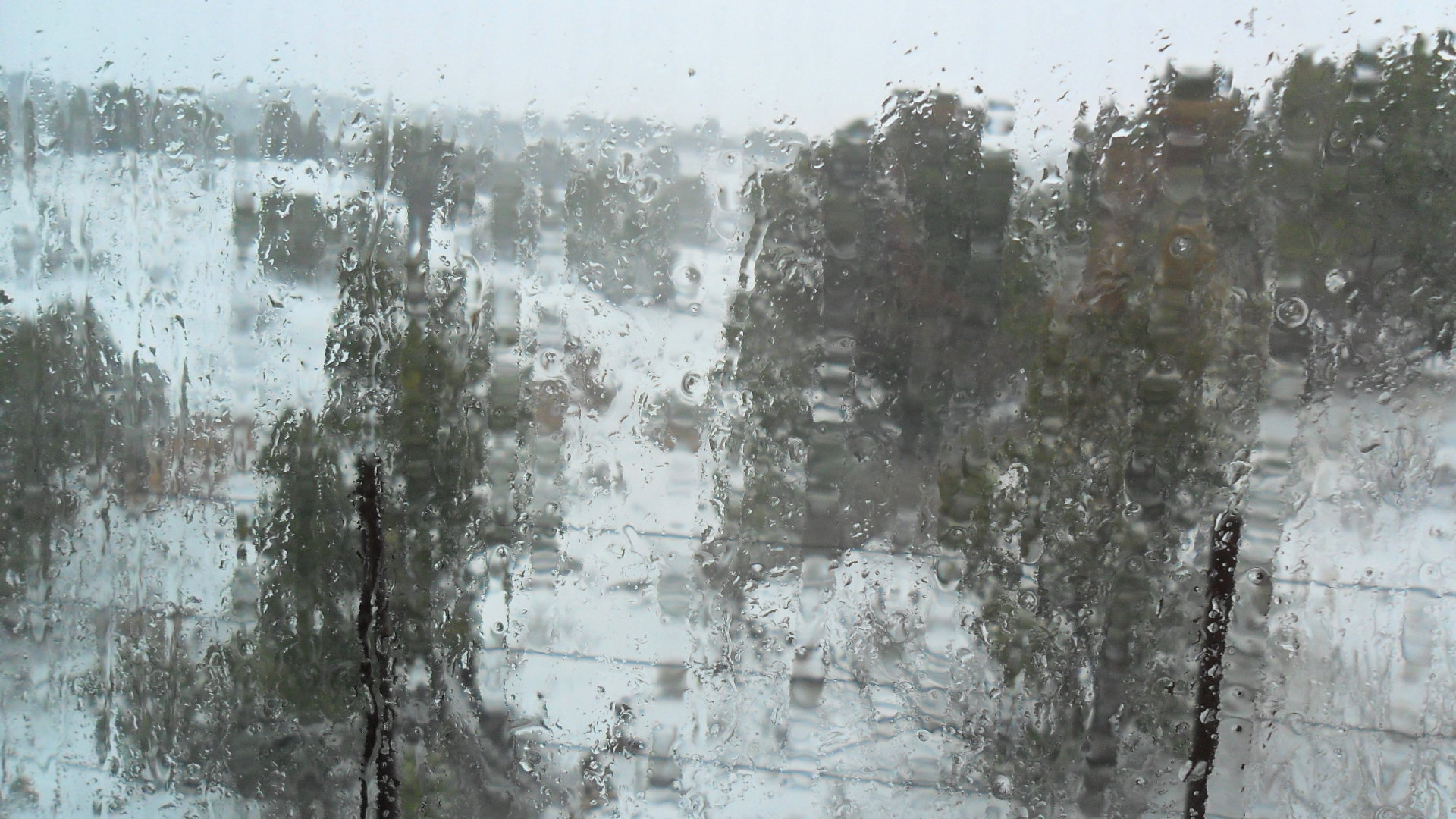
Looking through the window.

Looking through the window.

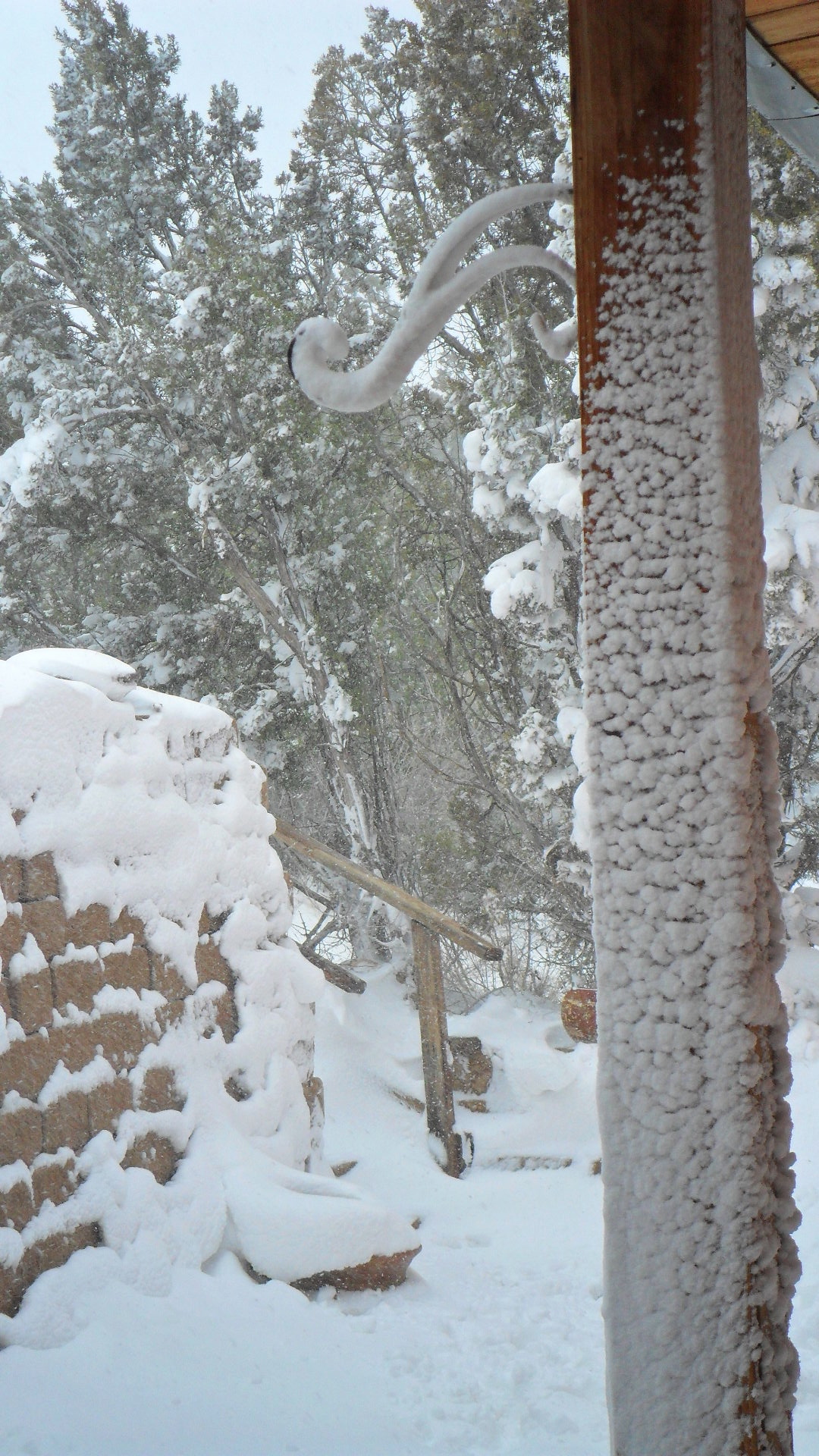
The steps climbing up the hill to the barn.

The steps climbing up the hill to the barn.

Outside the office window.

Outside the office window.

SAM_1025

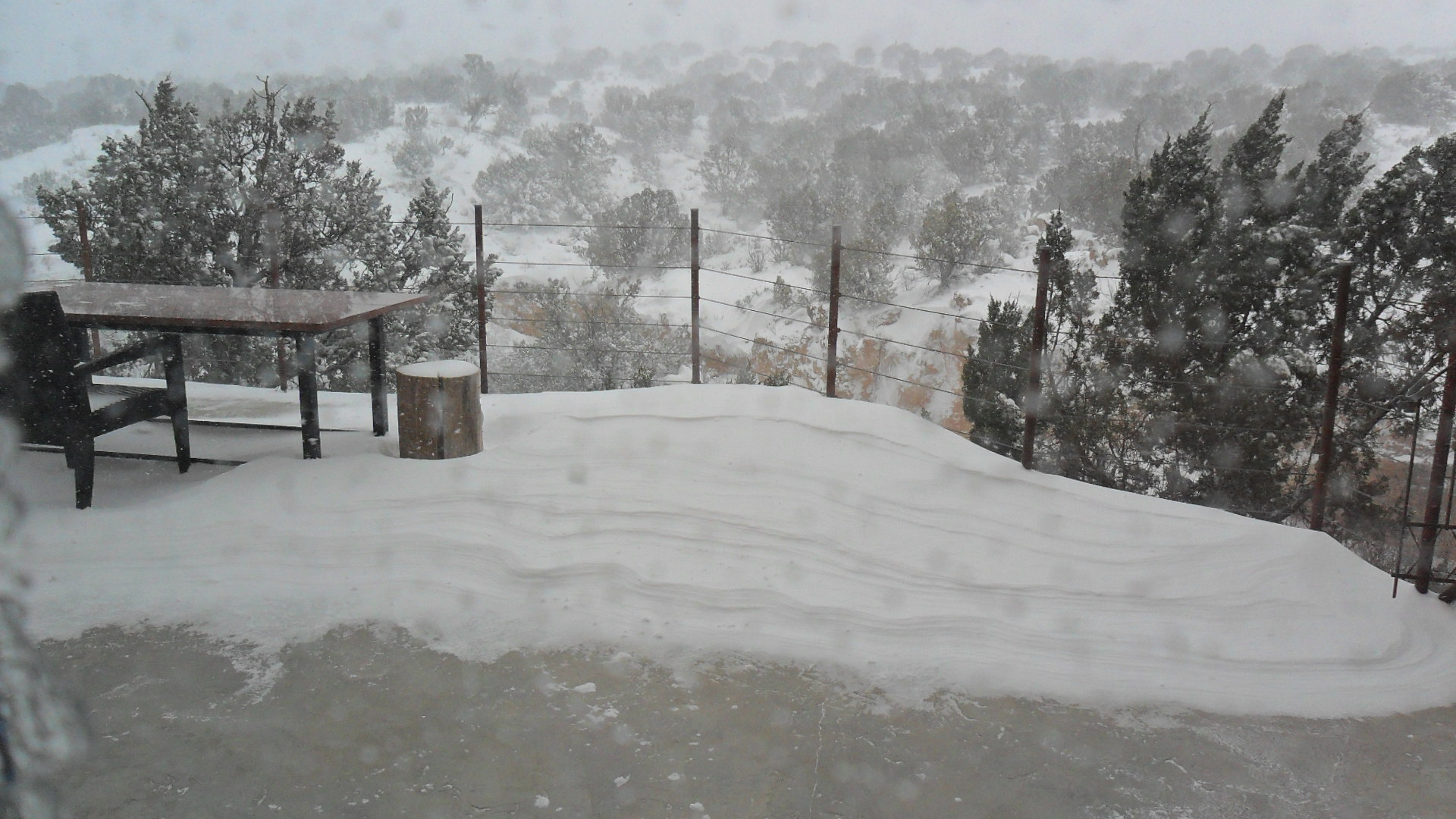
My patio which I will have to eventually shovel--afraid to do so today because the wind is so strong.

My patio which I will have to eventually shovel–afraid to do so today because the wind is so strong.

The barn door before I shoveled my way in.

The barn door before I shoveled my way in.

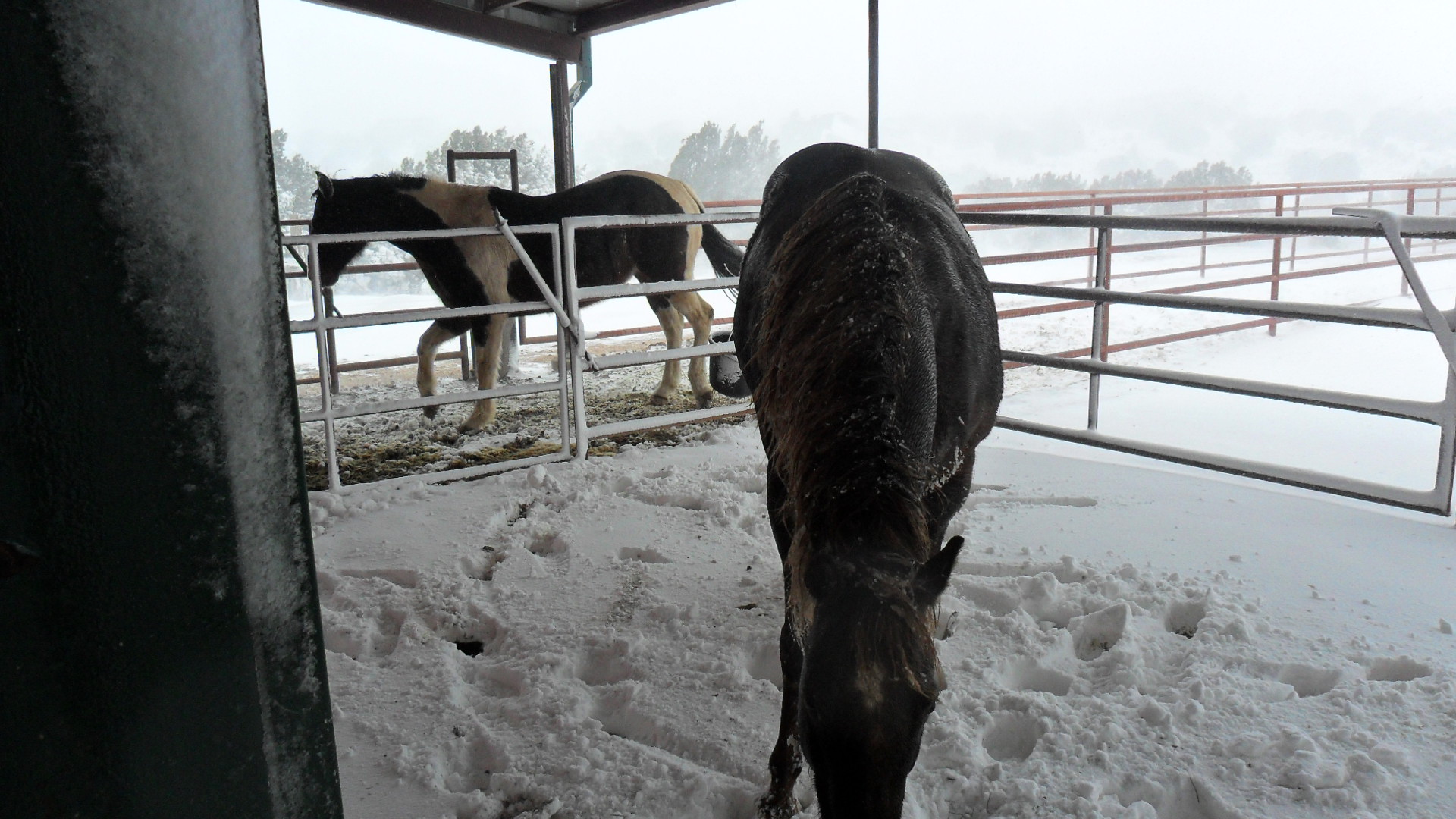
The view out the double barn door.  All this is actually under a roof.  The wind is blowing the snow everywhere.

The view out the double barn door. All this is actually under a roof. The wind is blowing the snow everywhere.

SAM_1020

The view from the front door after digging it out twice from reoccurring drifts.

The view from the front door after digging it out twice from reoccurring drifts.

The new assignment arrived for my prose poetry class.  In the last couple of hours I have read poems by Baudelaire and Rimbaud as examples of some of the first prose poems.  While I read them, I listened to “The Unicorn, the Gorgan, and the Manticore” by Menotti, a piece I am supposed to be singing in 1 1/2 months.  Work shut down today because of a massive blizzard.  The wind literally shrieks down the canyon where I live–gusts they say to 70 mph.  It piles up drifts four to six feet high.  Twice today I have donned my boots, gloves, heavy coat, and gone shoveling and to feed the horses.  For the first time since the barn has been there, snow is actually inside, driven by the wind, and the horses are standing in snow drifts that blew under the overhanging roof of the outside runs.  Even getting to the barn door necessitated shoveling through drifts taller than I.  The snow continues, predicted for another twelve hours or so, maybe as much as twenty inches.  Living alone fails to daunt me, but I cannot concentrate well today.  My drive is long and climbs up a steep hill.  Even my four wheel drive truck may not make it.  I keep thinking it may take days for me to shovel out even if, when the snow and wind cease, my neighbor brings over his tractor to help.  A friend, several miles away, remains without electricity.  I filled my wood burning stove with wood and started a fire just in case.  It seems a perfect day to write and cook and practice music.  And here I sit unable to concentrate long enough.  The wind keeps rushing through my brain.