National Poetry Month-2: Butter Love


Is it inherited?

Six year old me watched Grandmother

look around, take silver knife, cut into pale

yellow rectangular prism, plop a chunk into

her mouth, close her eyes,

smile.

In Aunt Julia’s presence, this never occurred,

Was it our shared secret,

Grandmother and me?

Yesterday, I told the cafeteria lady,

“Please bring me biscuits, extra butter.”

Less courageous than Grandmother,

I use blue corn pancakes, homemade bread, pasta,

excuses to eat butter, lots of golden, melted

butter.

Who eats butter on conchiglie?

I do, scooping out a tablespoon

from the butter bowl, watch it melt

in hot, drained Italian pasta from a

six-hundred-year-old monastery,

sprinkle on some sea salt, plop

a spoonful in my mouth, close my eyes,

smile.

Note: This poem is published in my book “You’re Gonna Eat That? Adventures with Food, Family, and Friends”. My grandmother, Mom’s mom, rarely smiled. When Mom went to the hospital to have my sister, the family story is that Grandmother fed me so many bread, butter, and sugar sandwiches, I became fat. I was two. I remember a mint patch in her backyard. She’d gather mint, boil water, and make mint tea with cream and sugar. I liked it. When Aunt Julia traveled out of town, I remember seeing Grandmother eat butter and smile. This is Grandmother’s wedding photo.

National Poetry Month: 1: The Kingdom of Trees


An essence within the heart of trees

allows them to communicate

with other trees to

-aid each other when disturbed

-send secret signals, warnings to other trees

-express pain, sympathy.

The kingdom of trees now cries

worldwide in pain,

watching each other’s murders.

land laid naked, nature destroyed.

Note: I wrote this poem last year. It is published in the anthology, “Writing Through The Apocalypse, Pandemic Poetry and Prose”,

Editor: Marcia Meier

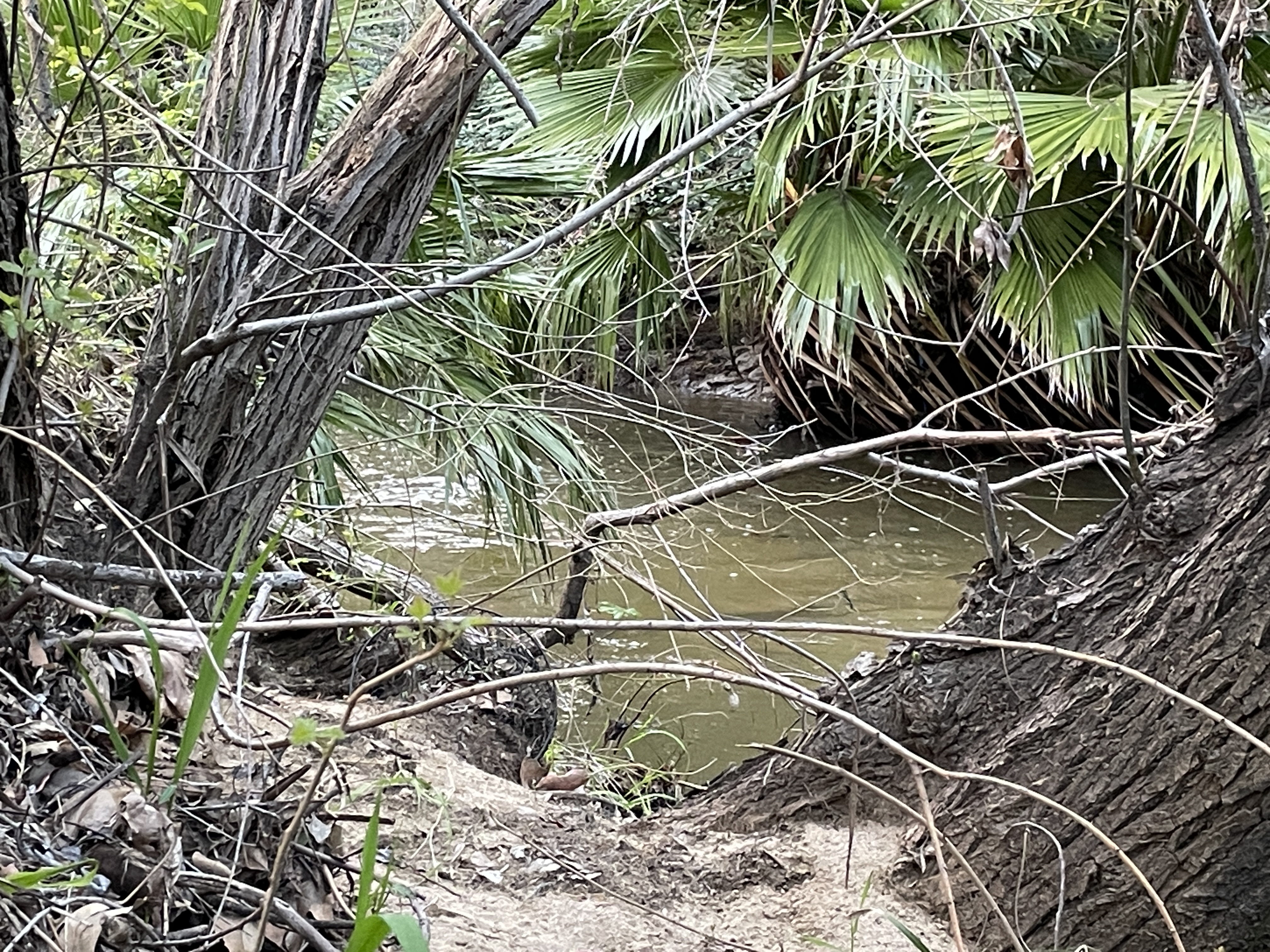
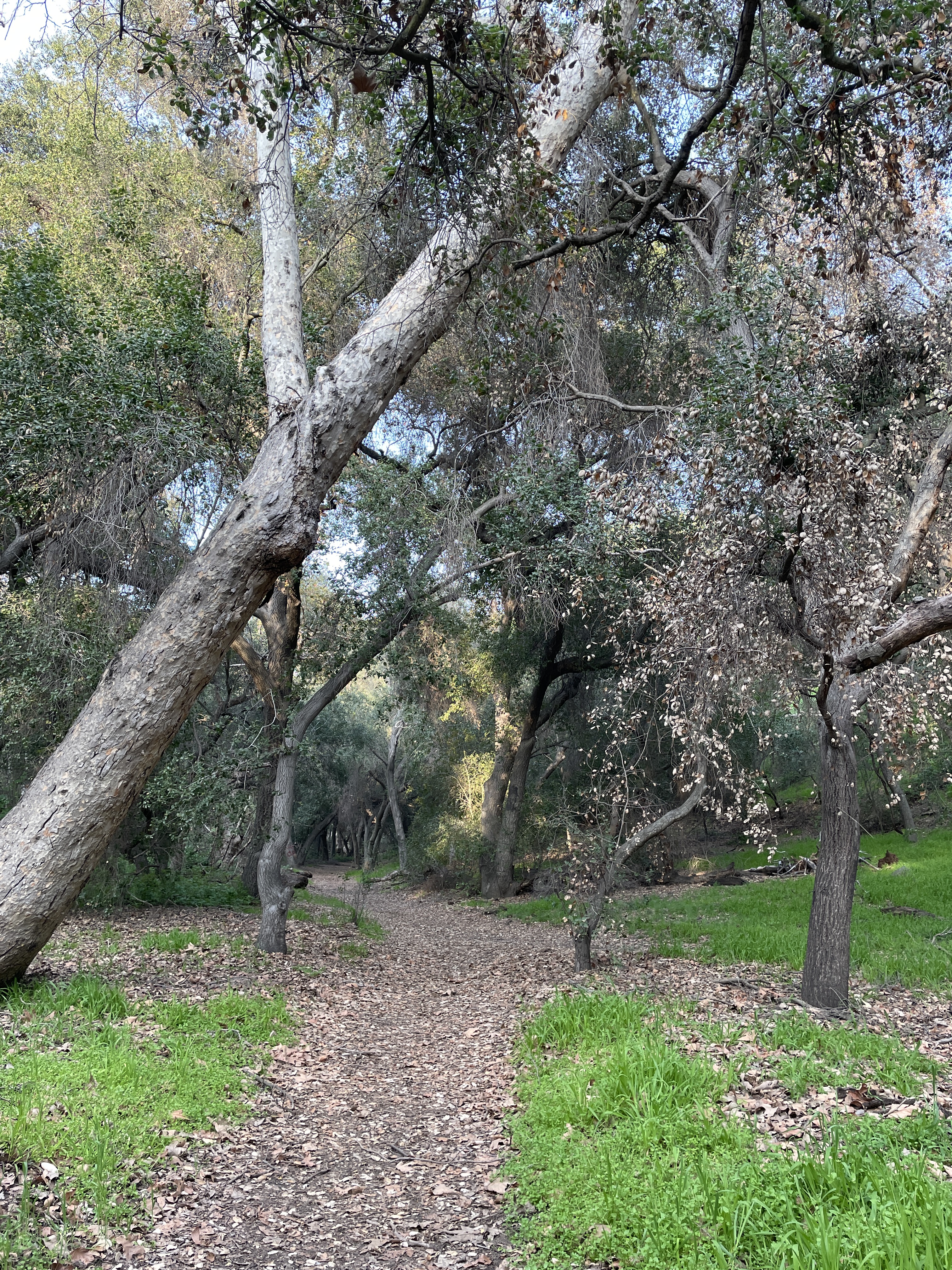
Walnut Creek


emerald surrounds

rushing waters

wandering pathways

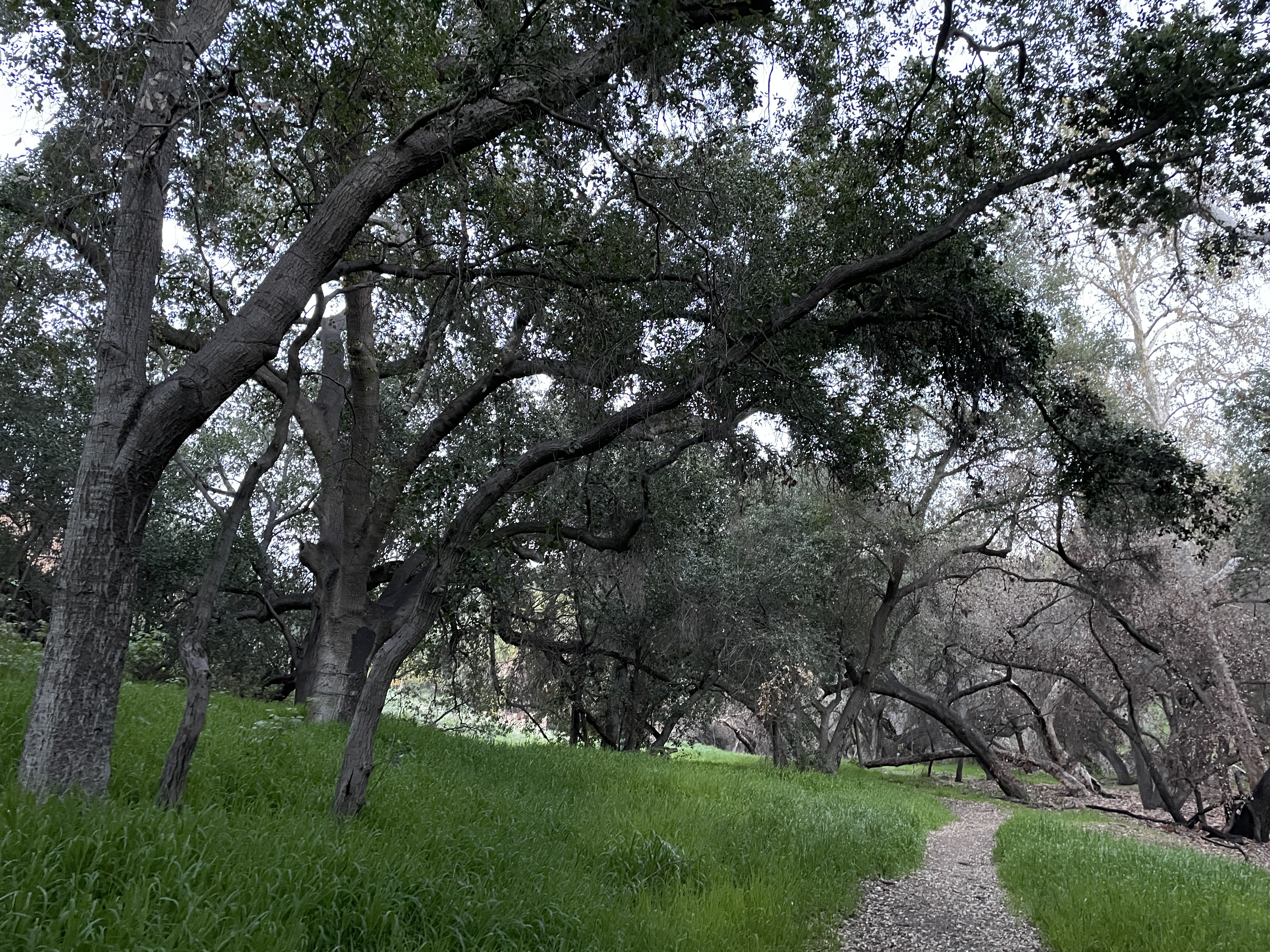
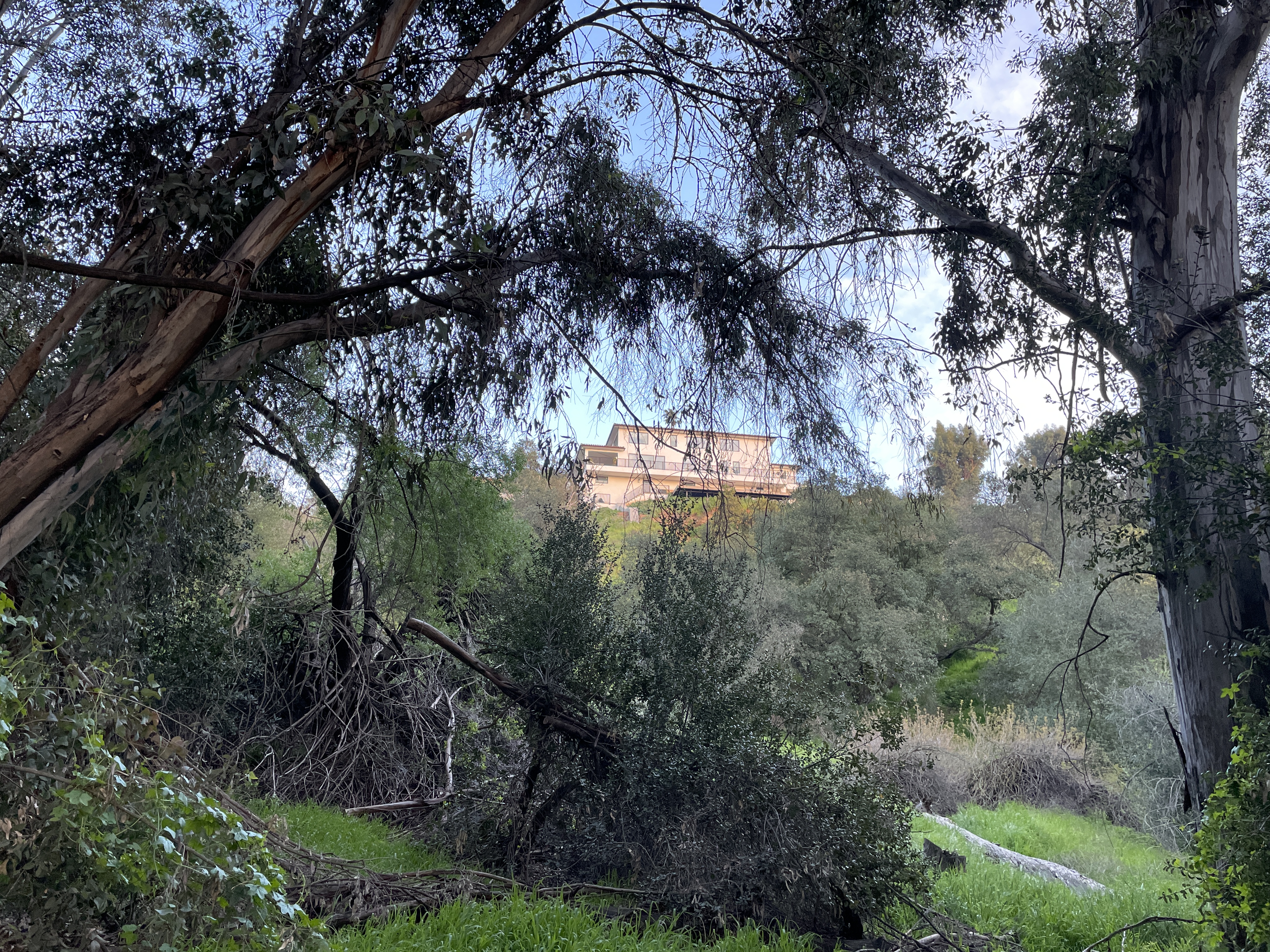
Los Angeles County contains many well maintained trails. This one includes Walnut Creek along which a hiker can walk many miles when water is low and easily cross the water crossings. Not this spring. Unless you are on horseback or have tall waders, it is impossible to cross the meandering creek crossings. Along the train in one area is a bridge and a round pen for horses.

Near this area are picnic tables and a meadow.

One Book a Week-7: “Memorial Drive, A Daughter’s Memoir” by Natasha Trethewey


Published in 2020, and a must read for anyone who cares about abused women, their rights, and how law enforcement often fails them, this book by Trethewey, 2007 Pulitzer Poetry Price winner for “Native Guard”, voices her struggle to deal with her mother’s untimely death. When Trethewey was nineteen and in college, her mother was shot and killed by her step-father after the police officer assigned to protect her mother left his post early. Additionally, the memoir details the effects of the racism she experienced as the child of a white father and black mother (married when it was illegal where they lived) in Mississippi and later in Atlanta in the 1970s and 80s before her mother’s murder in 1985. The book gets its title from the street on which her mother lived when she was murdered. Through this memoir Trethewey discusses how her parent’s divorce, her mother’s remarriage to an angry, abusive man, and her mother’s murder has informed her life and affected the enduring love she holds for her mother.

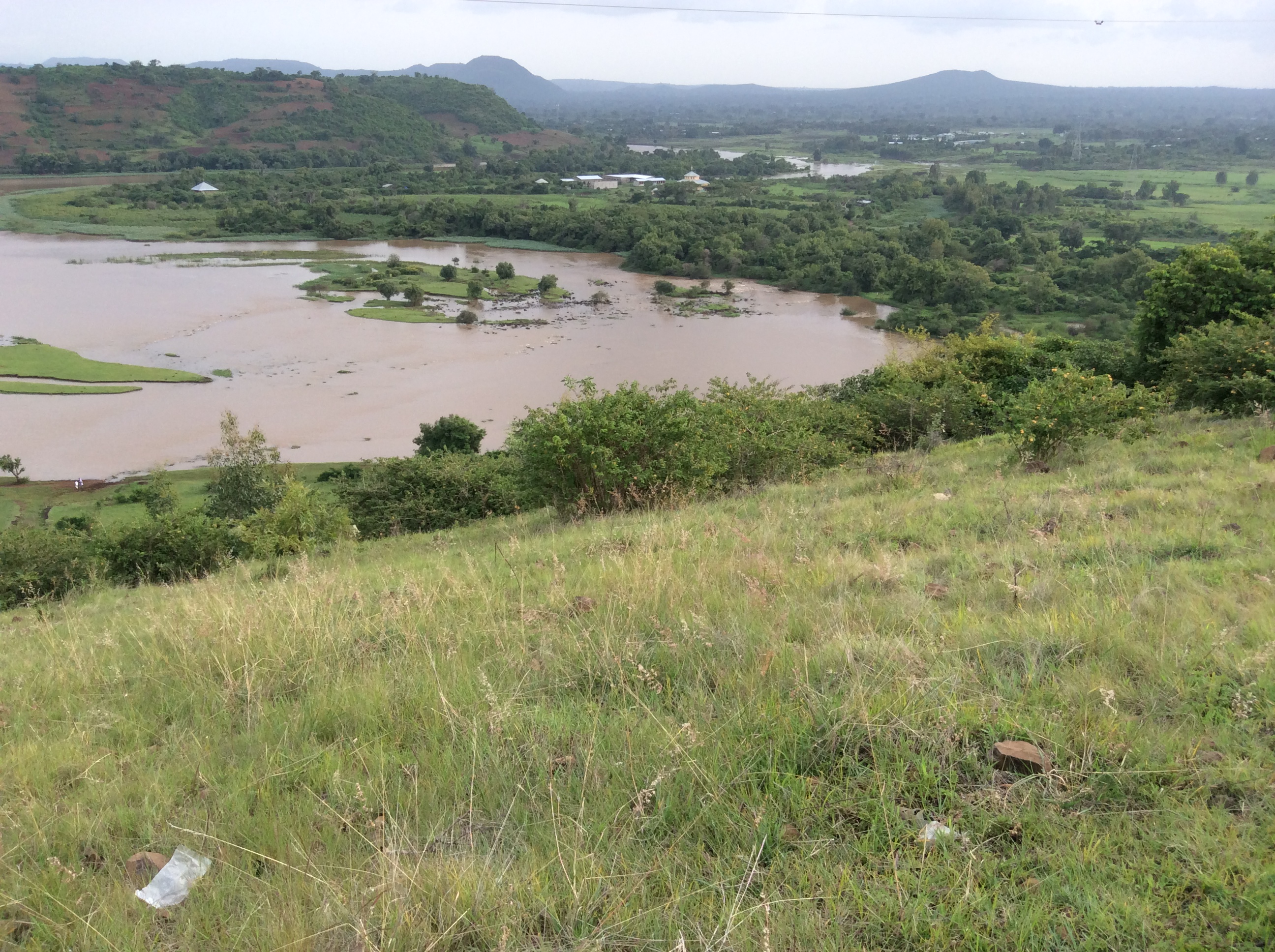
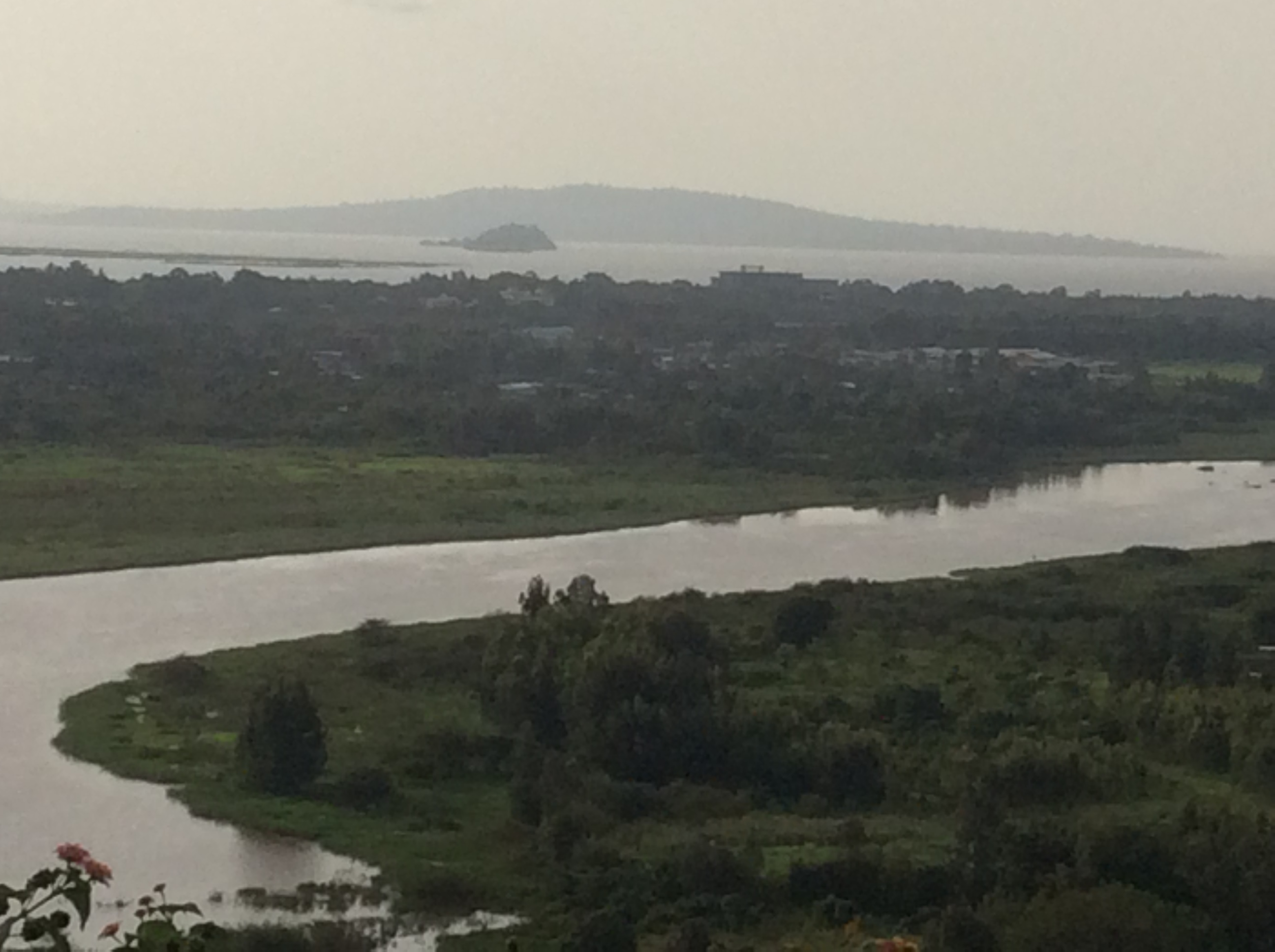
The First Time I Saw the Nile


Riding hours through emerald mountains

to Bahir Dar.

We drove up a steep road,

monkeys begging near the roadside.

Car parked, we climbed a steep hill.

There she was

The NILE

a silver ribbon far below

grassy fields

two white robed people

walked, hippos barely visible.

The NILE

I cried,

a life’s longing fulfilled.

The NILE

Flowing from Lake Tana,

she lay below me,

the legendary river,

ancient people, ancient stories,

builder of civilizations,

of life.

The NILE.