April Is Poetry Month–3 poems for the first three days


I am a bit behind so decided to share three poems I wrote more than ten years ago about my favorite animal obsession, pumas. These poems were first published in my poetry memoir, On the Rim of Wonder, which is available on Amazon and Barnes and Noble.

I

My neighbor walked out her door

found a puma lying in the lawn.

Puma rose, stretched, disappeared.

At night when I open my gate

I wonder if she lurks

behind the cedar trees,

Pounce ready.

My daughter dreams puma dreams:

a puma chases her up a tree.

There are no trees here big enough to climb.

A Zuni puma fetish guards my sleep.

I run with puma

Night wild

Free.

I scream and howl

Moonstruck

Bloodborn.

I hike the canyon,

stroll around my house,

look for puma tracks.

I see none.

I would rather die by puma

than in a car wreck.

II

I watch for eyes, blue changing to amber and back.

I put my palm, fingers stretched to measure, into the footprint.

Too small, bobcat.

No puma.

My thin body squeezes between the rocks,

climbing quietly down the cliff.

Watching, listening, searching.

No puma.

Pale amber rushes across my vision line.

My heart quakes.

I watch; I wait.

It is Isabella, a golden whir chasing rabbits.

No puma.

At sunrise, I walk the rim,

watching.

At sunset, I walk the rim,

waiting.

At night, I walk the rim,

dreaming.

No puma, not yet.

III

I want

to walk

with you

in my dreams

scream your screams

feel your blood

rushing

your heartbeat

mine

soft golden fur

wound in my hair

your amber eyes

glowing

through my brown

death defying

together walking

moonlit

wild

free

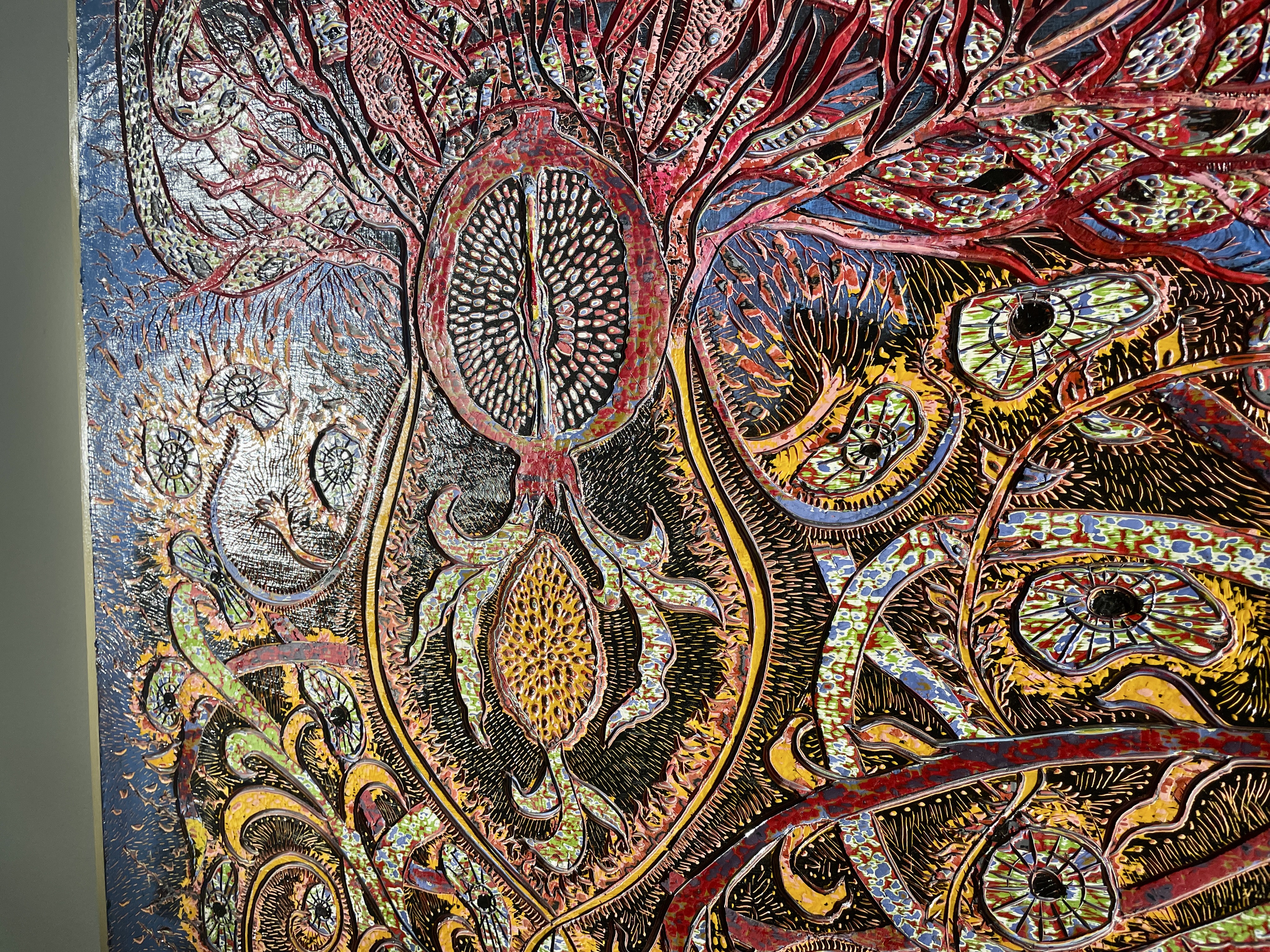
Note: My puma obsession continues. This painting and several others of pumas hang in my house. I now have two puma Zuni fetishes. I hike in the mountains hoping to see one in the wild.

The Angel


Can you call yourself a creative writer if you have not written a word in months? I have a friend who promotes 20 minutes of writing per day, telling people to just write, forget quality, just write. Really?! I care about quality. Perhaps too much? I make sure to read quality writing 99.99% of the time. Is this just words I am writing here or is it quality or garbage? You tell me!

One thing I can do is read. I’m good at reading. And singing. And gardening. I talk to plants; that’s why they grow for me. I truly care. They bring me peace and joy.

In the last two months, I’ve read three collections of short stories, two by Anthony Doerr and one by Gayle Jones. Normally, I am not a short story reader, but here I am reading these. Talk about different. It’s almost like these two famous writers inhabit different planets. Doerr’s stories seem intensely emotional, often a bit fantastical and heart wrenching with a lush, descriptive, poetic style even though Doerr is not a published poet. Jones is a published poet, yet her stories are blunt, conversational, often first person and sometimes short–one page short.

In many, a character is telling his or her (most of the stories are her) story about where they are, some experience, somebody they knew, what they did or said. In one story the narrator says she’s an angel, explains where she’s been, whom she’s known, and ends up by asking readers if they’ve seen her near the Seine. I doubt anyone mistakes me for an angel.

Note: Book 13 for 2025 is “Butter”, Gayle Jones. A collection of short stories.

Book 11 for 2025: “The Serviceberry”, Robin Wall Kimmerer


A tiny book by the author of “Braiding Sweetgrass” envisions a totally different economy than the kind we have now. She uses a plant, the serviceberry, as a symbol for what she calls the “gift” economy. Instead of everything being focused on maximizing profit, it focuses on sharing and exchange and the idea that natural resources are gifts from Earth, from nature, rather than commodities to be exploited for profit.

She notes that capitalist economies hinge on the concept of scarcity and personal accumulation of wealth often at the expense of others. Gift economies, which occur in many indigenous cultures, focus on the mutual benefit of all which encourages gratitude and trust. Later in the book, she discusses how gift economies can be implemented and flourish alongside the current capitalist economy.

There must be considerable appeal for her concepts because this book has been on the non-fiction best seller list for weeks.

Book Ten for 2025: “Four Seasons in Rome”, Anthony Doerr


If you have ever felt enchanted by a trip to Rome, you will find this memoir delightful and informative. It made me want to return just to stay a while, wander around, visit the more obscure places Doerr describes, people watch, eat, and drink local wine.

In 2007, Anthony Doerr, the 2015 Pulitzer Price Winner, won the Rome Prize to become a fellow at the American Academy in Rome. He and his wife, Shauna, moved to Rome with their newborn twins, Owen and Henry. This memoir memorializes the four seasons they spent living there. They learn to care for babies; wander throughout Rome visiting tourist sites, local restaurants, the butcher, the baker, the toy store; learn enough Italian to acknowledge all the Italians who stop to admire the babies; and attend the vigil for the dying Pope John Paul II.

While there intending to write his later novel (the one that eventually won the Pulitzer) and failing to do so, he does manage to write a short story which I have read in one of his collections and to read everything by Pliny the Elder. His discussions about his readings makes me want to read some of Pliny the Elder myself. As in his short stories and novels, Doerr’s descriptions, language, and observations delight and enchant. This is a wondrous book about one of the world’s oldest and most fascinating cities which he calls, “a Metropolitan Museum of Art the size of Manhattan with no roof, no display cases…

Two Poems for International Women’s Day


I.

Why

and

What

draws me

to

witches

herbal secrets

moonlight

night riding

ancient ruins

and

archaic codes.

It is the Goddess blood I carry,

remembrance of a past

when women ruled

when peace reigned

and ALL were healed.

II.

Woman, wondrous, wild

daughter of the moon,

mysterious, magnificent

fierce secret keeper

guardian of the universal key.

Note: These poems were originally published in my book of poetry, “On the Rim of Wonder”, available online at Barnes and Noble and Amazon.

Book Eight for 2025: ” The Thirty Names of Night”, Zeyn Joukhadar


While his previous novel, Book Seven for the year, focused on map making, what it is like to be a refugee, and the stories of two, strong girls centuries apart, one of this novel’s main focus is birds. One narrator, at first no name and then later Nadir, relates part of the novel. His mother was an ornithologist who died in a tragic fire. Her ghost often speaks to him. The other main character, Laila, was a famous artist, an illustrator and painter of birds who mysteriously disappeared decades ago. She and a Black ornithologist insisted they had seen a new species of ibis, and she is supposed to have made drawings and paintings of this rare bird but all evidence disappeared with her.

This is also the story of various non-cisgender characters, some of whom hid their true identities from even those closest to them. Additionally, it is the tale of the lives of Syrian Americans in a NYC neighborhood, plus its destruction and renewal. As in his previous novel, the language and descriptions are poetic, often haunting, and sometimes heartbreaking. It also illustrates how our lives are often interrelated even when we are unaware, only to be discovered after years of searching.

I am guessing that the novel is at least somewhat autobiographical given that Nadir, born a girl, knows inside that he is really a boy. Between this novel and the first one, the author transitions from female to male.

Both books are beautifully written and I highly recommend reading them.

Sunday Poem


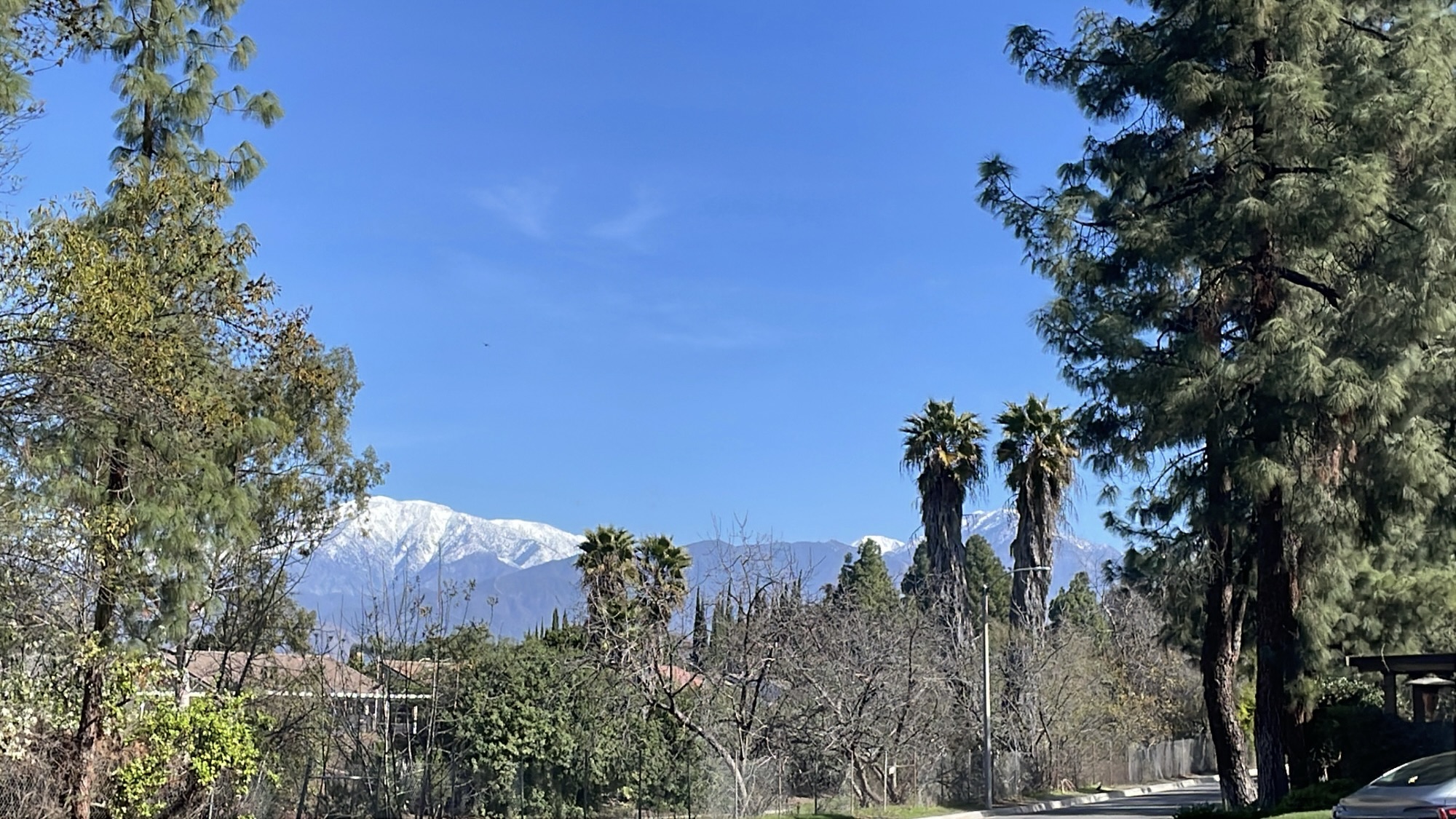
This morning snow capped mountains

brought me joy.

In afternoon I

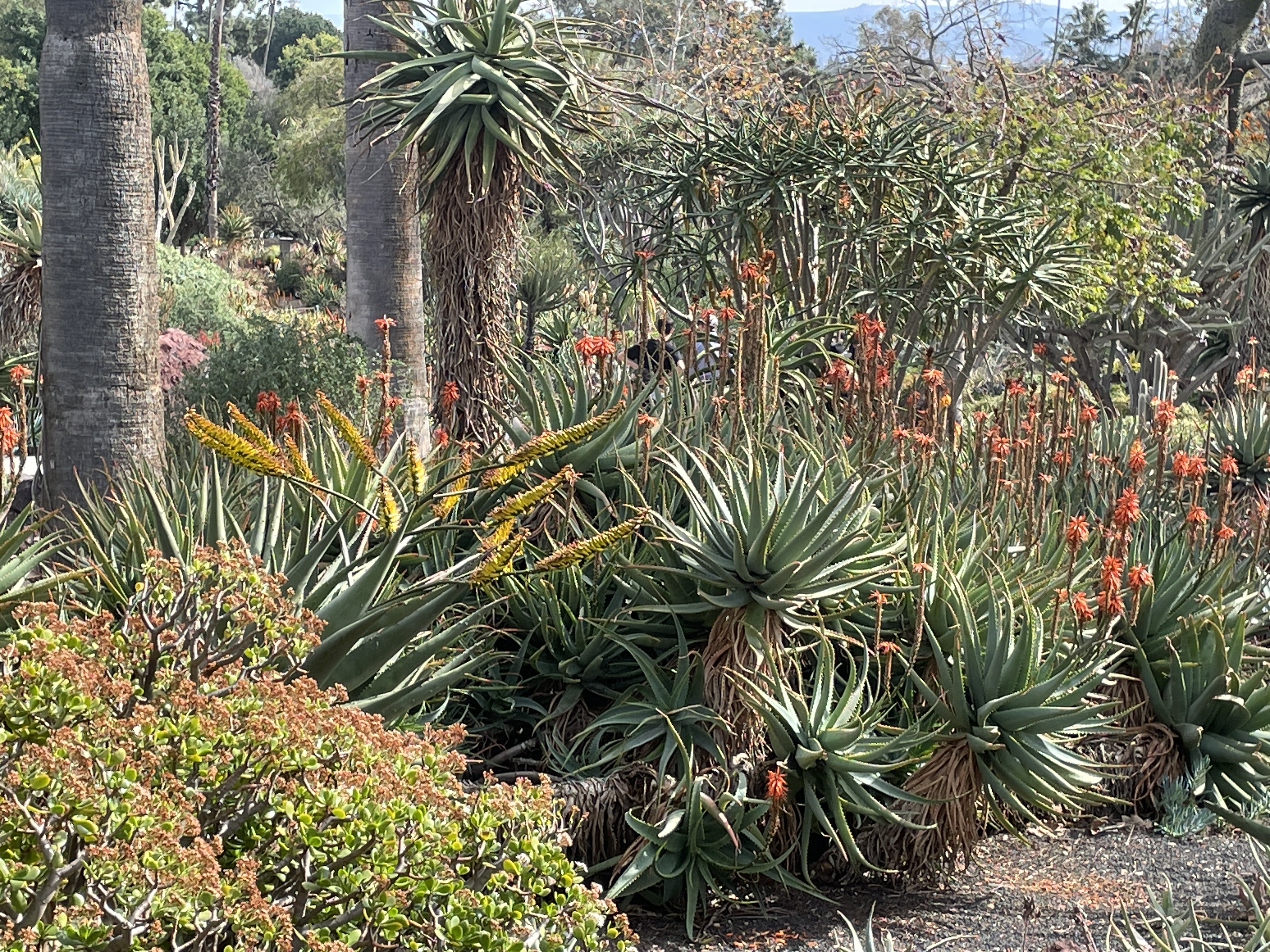
strolled through gardens,

lunched with daughter near gurgling streams.

Flowers smiled at me,

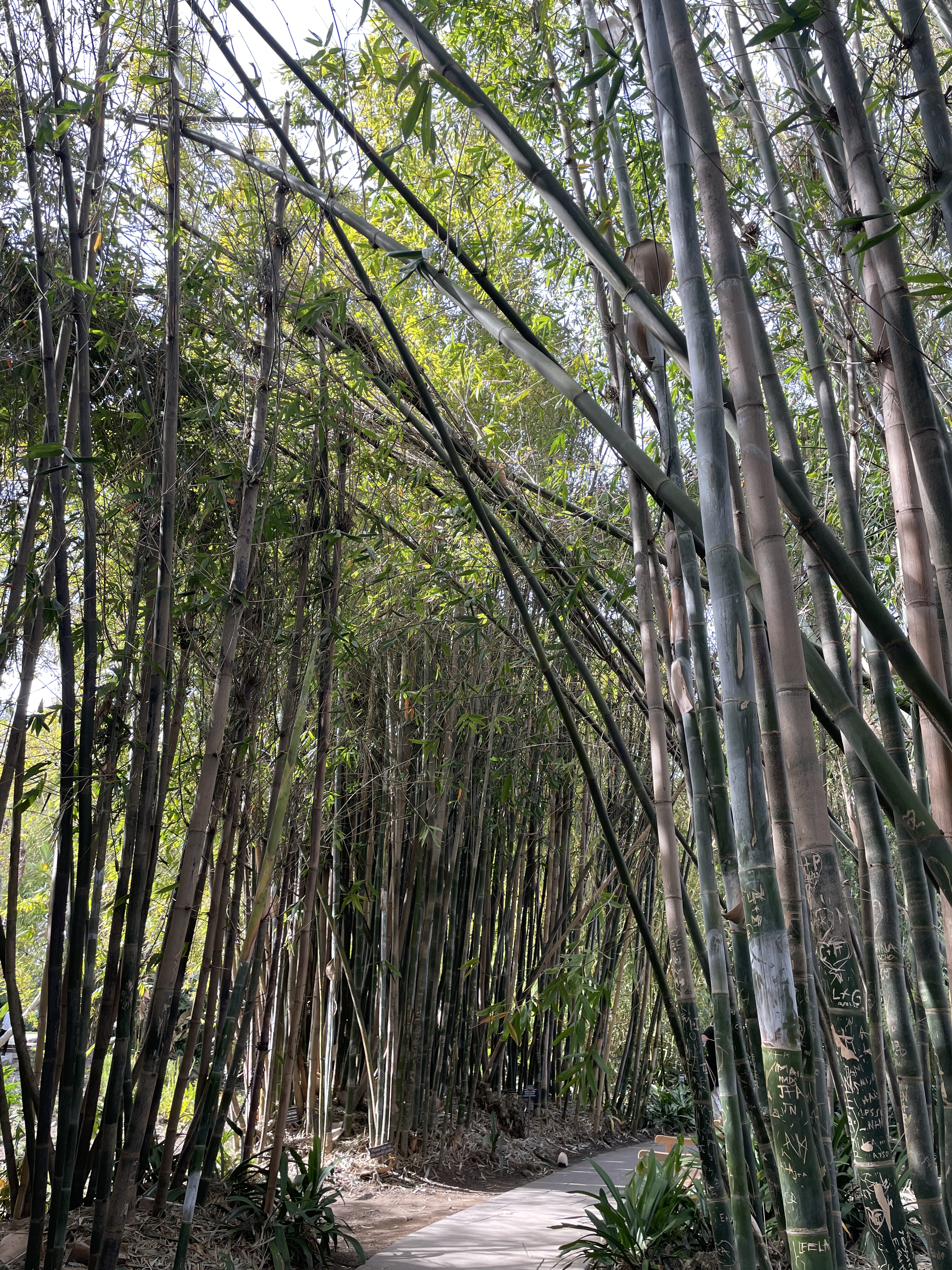
A bamboo forest beckoned.

Nature’s beauty overcame negativity, despair.

We will

Endure

Overcome.

Book Four for 2025: “The Shell Collector”, Anthony Doerr


After reading his other collection of short stories, I ordered this one which is an earlier collection. Once again, he does not disappoint. One of the stories, “The Hunter’s Wife” won the O’Henry Award and has to be one of those most touching and unusual stories I have ever read. One main character, the man who makes his living guiding hunting parties in Montana, becomes obsessed with a young woman he sees in a magic show and follows her everywhere. When he first meets her, she is underage and he does nothing. Later when she is older he relentlessly pursues and marries her. After years of enduring the hardships of living in a remote cabin in the mountains, she leaves. She has always possessed the ability to feel the emotions of both other humans and animals and begins to make her living using this ability to help people. After never seeing her for twenty years, the hunter comes to one of her events. The story details the years between their first meeting and what happens when the hunter attends this event.

The title story, “The Shell Collector”, details the life of a blind expert on certain kinds of sea shells and the marine life that inhabit them, some of which are poisonous. He moves to a remote Pacific island, becomes familiar to those who live there. After a local child becomes ill and her father thinks the shell collector saves her, his peaceful life as he has known it becomes totally upended.


All the stories are notable but another one I found fascinating is “Mkondo”. The main character, Ward Beach, works for a natural history museum and goes to Tanzania to study and collect specimens. While there, he becomes fascinated with a young woman he sees rapidly running through the forest. The rest of the story details his pursuit, their life together, their separate lives, and questions the meaning of what is considered success in life.

I generally am not a short story reader but Doerr’s stories are unique, insightful, touching, and carry a sort of magic not found in many novels or stories.

Book Three for 2025: “”A Psalm for the Wild-Built”, Becky Chambers


This book is part of a group read at the church where I sing. Classified as science fiction because it occurs in a society on the moon of a different planet far into the future, it is the cheeriest science fiction I have ever read. One of the main characters, Sibling Dex, is a tea monk who travels from town to town, village to village, dispensing the right herbal tea and “advice” to the people who come to see him. He becomes frustrated and bored with this life and decides to head out into the countryside, out into the untouched nature where all the old roads are overgrown or now non-existent.

Due to past experiences, these humans have freed all the robots after they became sentient, and they have an agreement as to where each lives. In addition, humans have decided to live very differently, leave a lot of nature to nature and so live only in certain areas, in bigger towns and small villages with some nature here and there, but most of nature is now untouched and left to do whatever nature does.

Dex heads out in his tea house wagon which he pedals to generate electricity. It is self containing and he has everything he needs for at least two weeks. At one campsite not too far into the wilderness, a robot named Mosscap appears. Mosscap has volunteered to go into human territory per the ancient agreement between humans and robots and learn about humans. Dex finds this a mixture of frightening, intriguing, and confusing. Yet he agrees to allow Mosscap to accompany him on his adventure. The rest of the book is about what they discover, what they learn from each other, and the future they plan.

Book Two for 2025: “Memory Wall Stories”, Anthony Doerr


While wandering around in the library, I found this book. His two more recent novels, ” All the Light We Cannot See” and “Cloud Cuckoo Land” remain two of the most touching and fascinating novels I have ever read so decided to try what he started with, short stories. These stories do not disappoint.

The title of the book comes from the first of the stories. It is a combination of science fiction and paleontology. Via an operation to his head a young boy in South Africa possesses the memories of an old woman. Through her memories he learns of a her deceased husband’s interest in rocks and fossils. This allows him to make a discovery that changes lives. In the next story, due to the death of her parents, a young girl in Kansas has to move to Lithuania to live with her grandfather and makes a myth come true. The following story, “Village 113”, won the O. Henry Prize. It details what happens to one woman, a keeper of seeds for an entire village, when the Three Gorges Dam was built in China. Another story tells what happens to a couple in Wyoming when they desperately want a child but cannot conceive. The shortest of the stories, “The Demilitarized Zone”, is well about that–sort of. The final story, like several others, is about memory, in this case the memories of a Holocaust survivor, who like many who survive horrible events when others they know do not, wonders why her.

I liked these stories so much that I ordered his earlier collection of short stories, “The Shell Collector.” He has won the O. Henry Prize for short stories five times and the Pulitzer for “Cloud Cuckoo Land” in 2015. I keep wondering how he knows so much about so many places. His short stories and novels are set in countries all over the world. The research must never end.