One Book A Week-27: “Lucy By The Sea”, Elizabeth Strout


A short, honest, realistic view of life, this book by Strout, written from the viewpoint of Lucy
Barton, continues the story started in her book, “Oh, William”, where Lucy and her ex, William, go to Maine to seek out his long lost sister whom he did not know existed until he took a DNA test. Once again they head to Maine, but for a much more stressful reason, the Covid pandemic. They both live separately in NYC where Covid hit early and hard. After accurately assessing the danger, William finds a large, old house to rent on the Maine coast and convinces Lucy to go with him there to save their lives. He convinces one daughter to leave NYC but the other insists on staying.

The book addresses the issues of isolation brought on by the pandemic and how people deal with stress and isolation differently and with the difficulties which arise when once close families can no longer see each other. It also shows that isolation can bring the positives that can be found in a more quiet life. Strout’s uniquely simple style emphasizes the emotions and stresses as well as the joys life can bring to all of us.

One Book A Week-25: “The Daughters of Madurai”, Rajasree Variyar


The first sentence of the book reads: “A girl is a burden. A girl is a curse.”

In India in early 1990s, Janani lives with her abusive mother-in-law and an alcoholic husband who is often absent, chauffeuring people here and there. Although she is allowed to keep daughter number one, the fate of the next daughters is death. She, who is Tamil lower caste, is lucky enough to work for the same higher caste family for whom her mother worked and with whom she spent most of her childhood. They treat her much better than her husband and mother-in-law who hate her for not bearing a boy baby.

The book goes back and forth between this time period and 2019 Australia where the fate of Indian girls and women is far different. The family returns to India for the funeral when the family patriarch dies. Those who know little about their family history learn some shocking revelations.

In the Afterward, the author discusses female infanticide. Although many educated families oppose it and national laws prohibit the practice, it remains so common in parts of rural India that in those places there is a shortage of women for marriage. As a consequence, men resort to kidnapping women from other areas.

I thought it would take me a while to read this 326 page novel. However, I became so engrossed, I finished it in two days while also engaging in several other activities.

Book a Week-21: “Boy, Snow, Bird”, Helen Oyeyemi


A unique and sometimes frightening story with a surprising ending, this is another tale of the lengths to which people of color will go to pass for white to gain the benefits of whiteness. For one New England family this has succeeded quite well by sending a too dark daughter back South to live with relatives and never allowing her to come to the town where the rest of the family lives. It fails when a too dark child is born and the parents keep her with them. It is also a tale of gender identity and how rape and abuse can destroy and deform and of resilience in the face of endless obstacles. This is not an ordinary novel.

One Book a Week-16, “The Promise”, Damon Galgut


Winner of the 2021 Booker Prize, this novel illustrates the dismal consequences of colonialism and racism. South Africa before and after apartheid comes alive in this story about an Afrikaner family whose matriarch dies young enough to leave her husband with three children, only one of whom is old enough to be on his own. In her dying, she returns to her Jewish roots much to the horror of her husband and many others. Her youngest daughter overhears her dying wish which her husband promises to fulfill even though he has no intention of doing so. This remains an underlying thread, the promise which this daughter never forgets.

The difficult, often prejudiced and unequal, relations between the races underpins the actions of most of the characters, leading a few to greater humanity and kindness, but most into lives of loss, disappointment, and anger.

An Afternoon at Laguna Beach


Every year Laguna Beach has a Garden Tour. We decided to take a look and celebrate Mother’s Day one day early–my daughter, grandson, his girlfriend, and I. To be honest the tour was a bit disappointing but Laguna Beach itself definitely was not. We enjoyed ourselves immensely and will return.

We decided to do the cardio tour–yes, that is what they called it. The shuttle drops everyone off at Garden 1, you follow a map, and walk the rest of the tour. The option is to take the shuttle just about everywhere. We did not do that. Here are a few photos I took along the way.


The rest of my family in front of me walking one of the cardio sections.

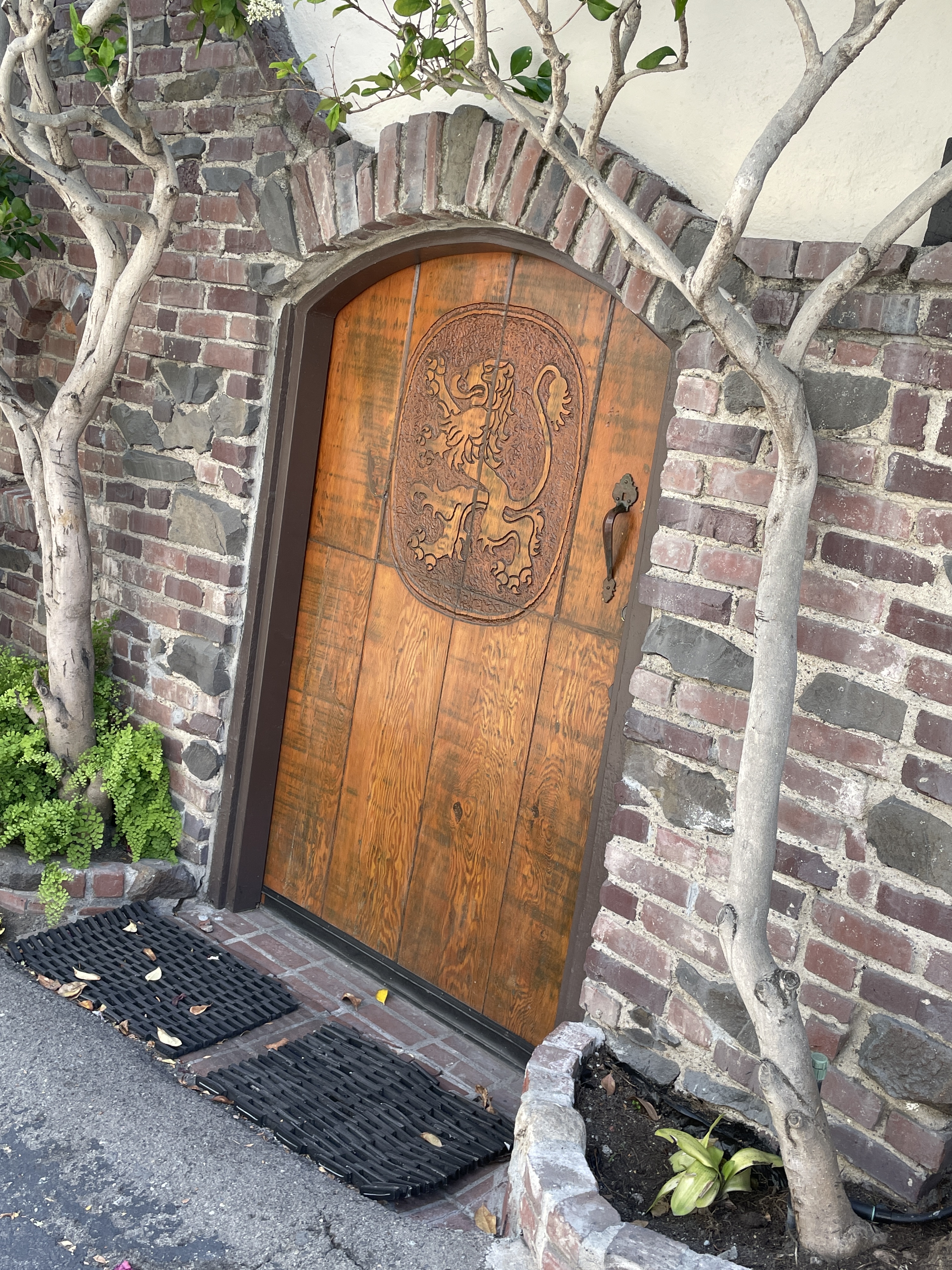
A door I loved in an alley along the way.

Laguna Beach is very hilly. Many houses are not only like those above but perched at the top of the hills.

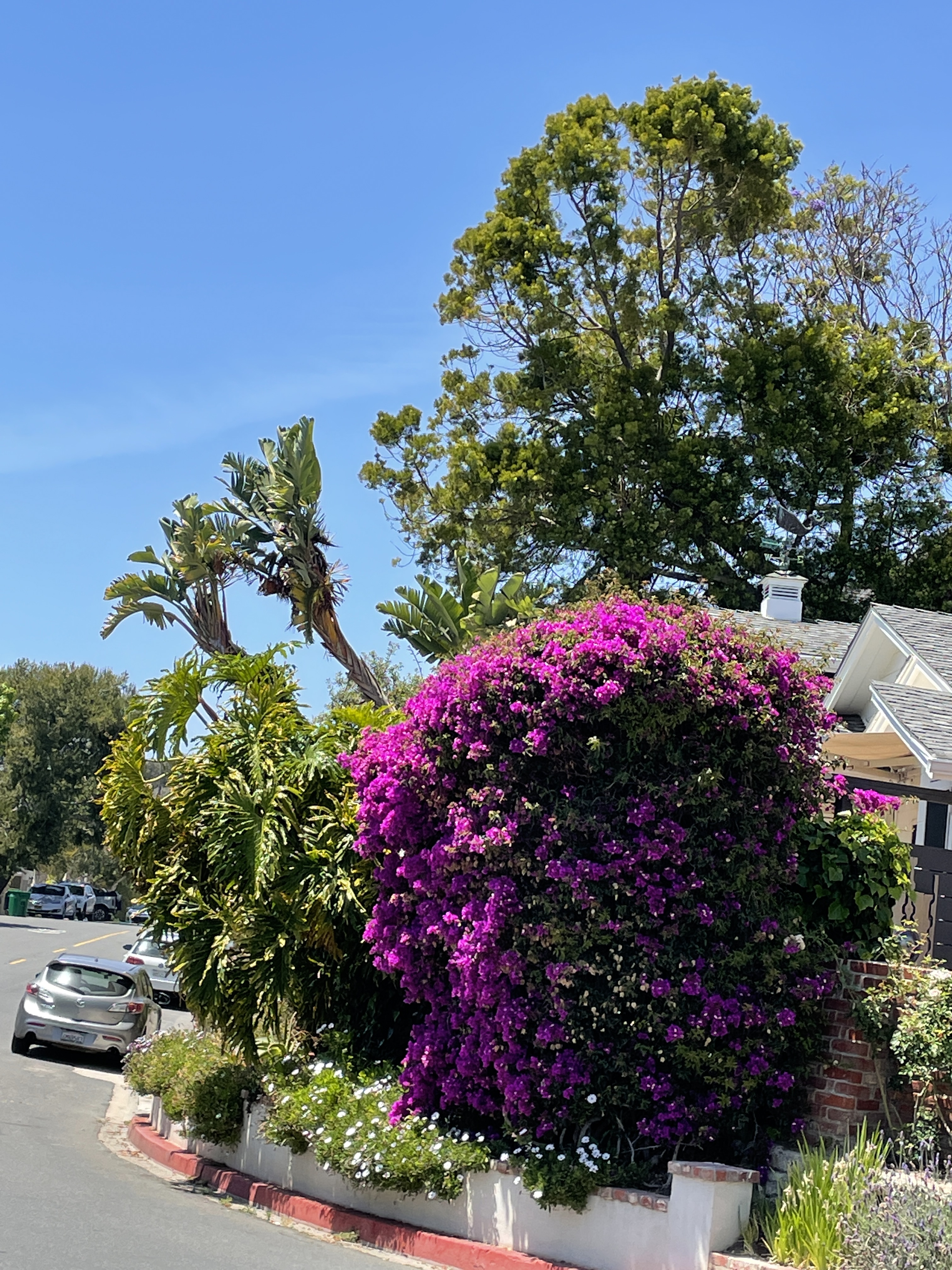
Some interesting flowers along the way.

The final street of the tour was the street closet to the ocean.

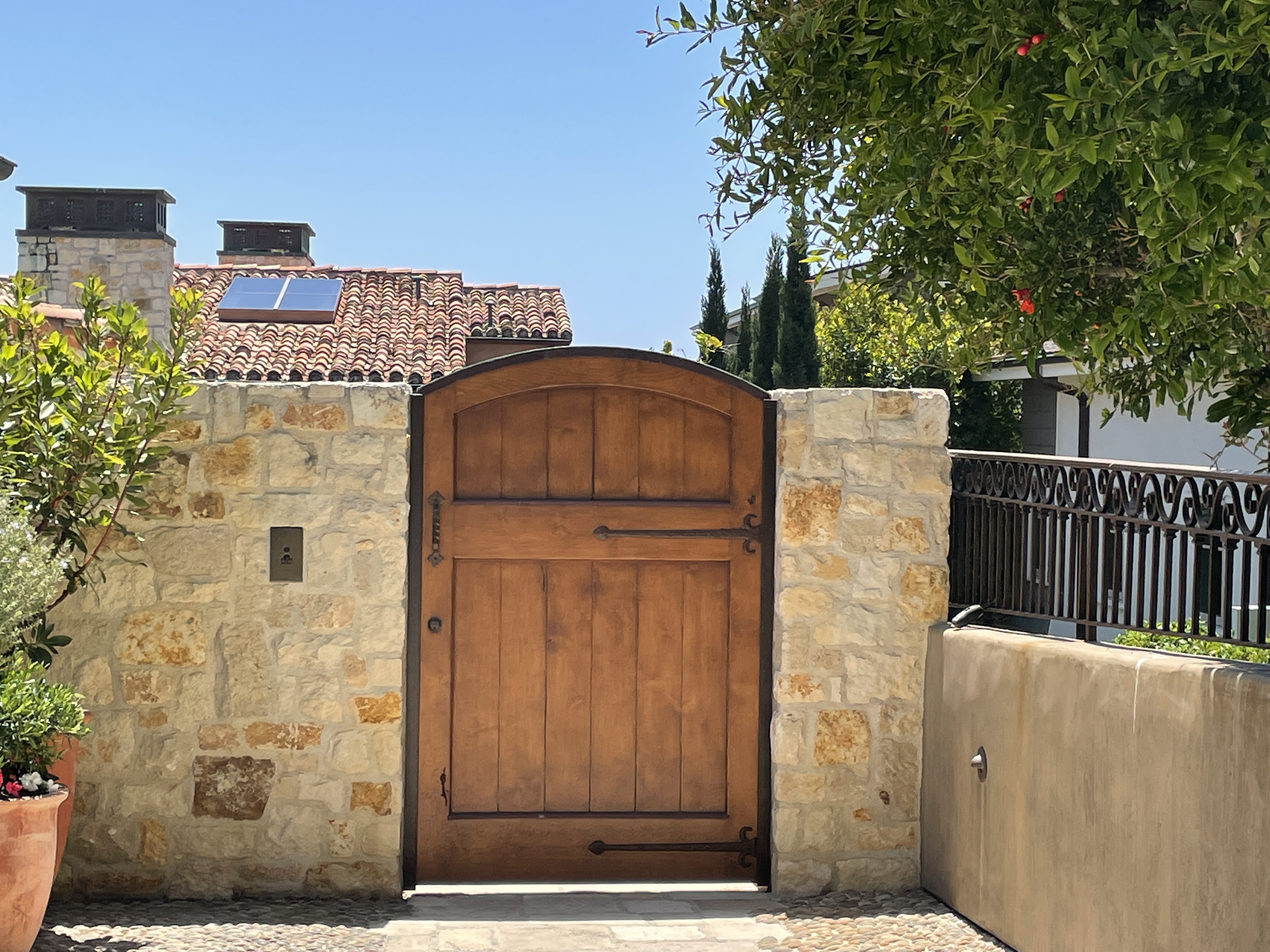
Looking through the gate at the side of one the elegant houses along the sea.

Some people apparently prefer more privacy.

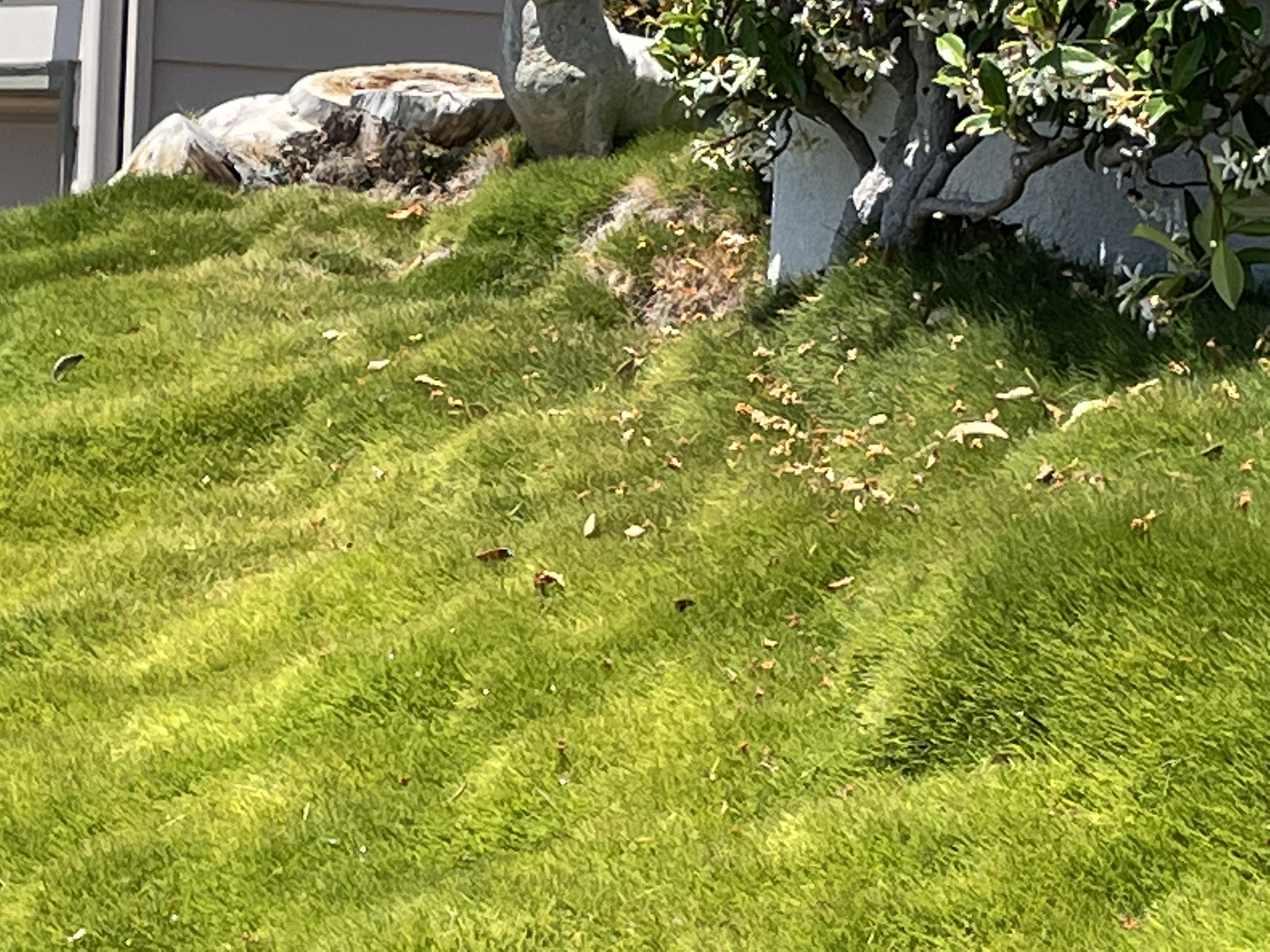
I found this undulating grass quite fascinating.

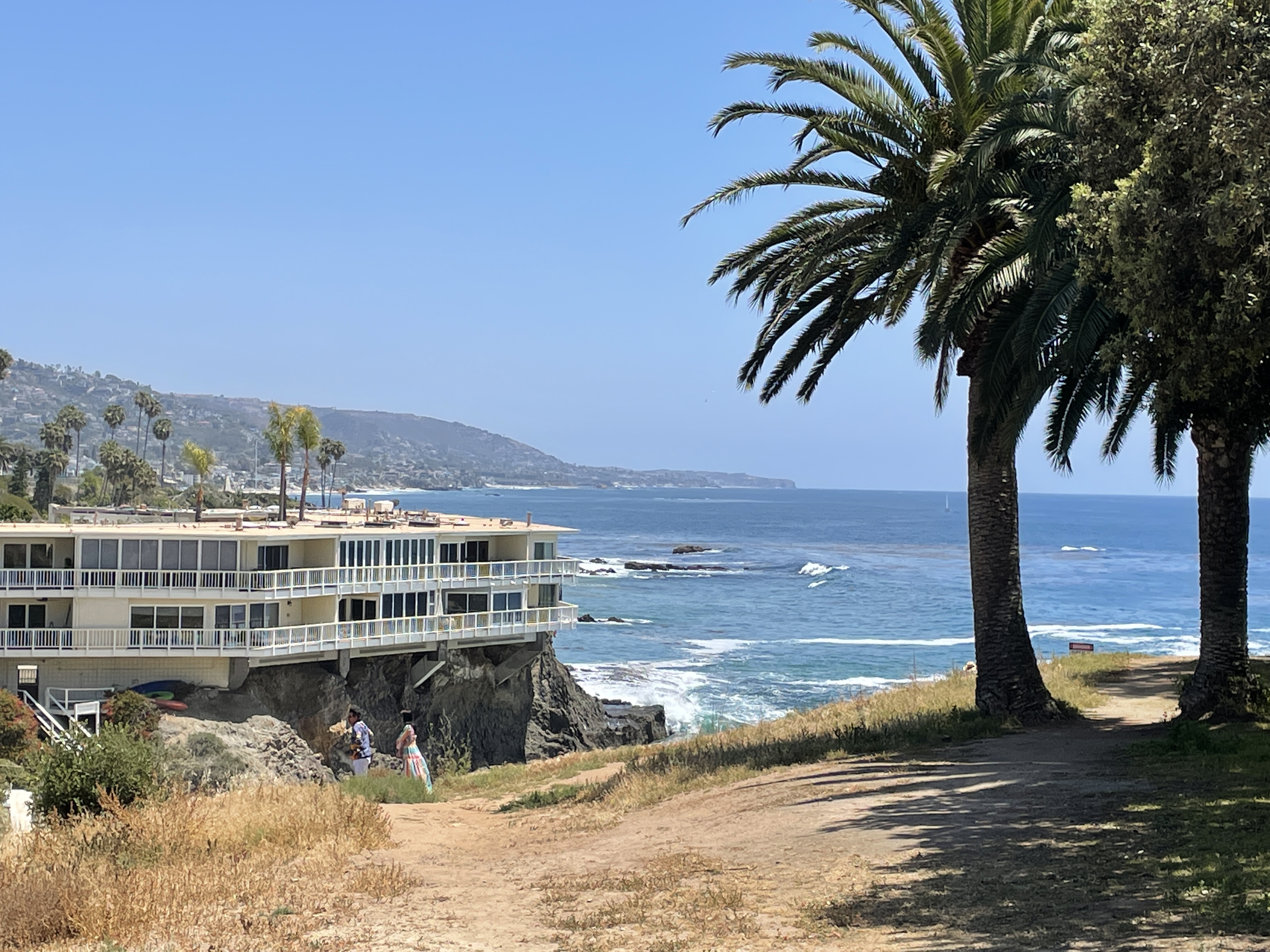
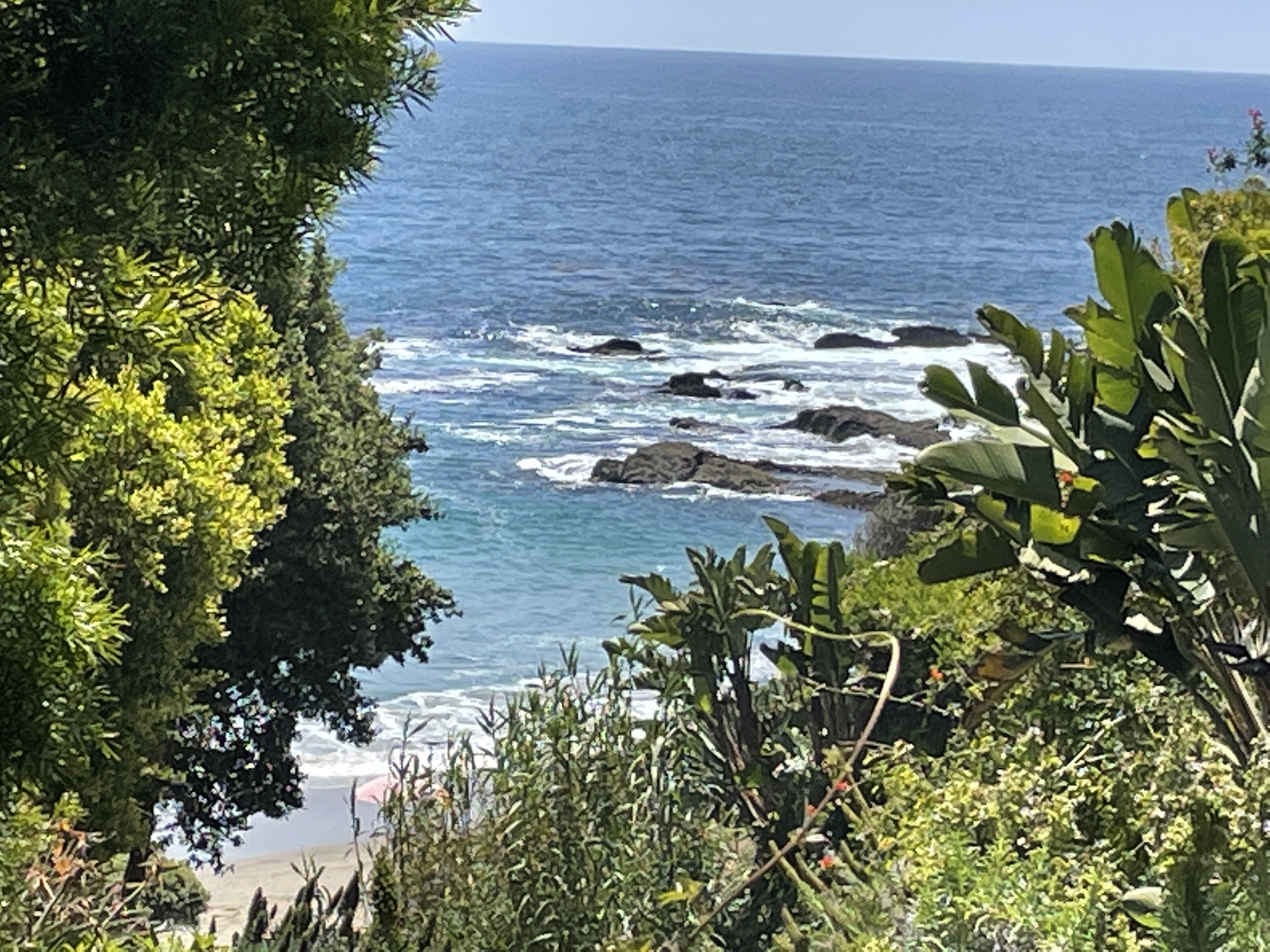
This and the following photo are of Shaw’s Cove, a rather hidden public beach with waves crashing against rocks and only a few locals. There is a series of steps that lead down to the Cove.

Barbie Doll– a poem about my mother


Barbara Lewis Duke, pretty, petite, blue-eyed and blond, my

mother, one fearless, controlling woman. Long after Mom’s

death, Dad said, “Barbara was afraid of absolutely no one

and nothing.” They married late, 34 and 38. He adored her

unconditionally. She filled my life with horses, music, love,

cornfields, hayrides, ambition. Whatever she felt she

had missed, my sister and I were going to possess: books,

piano lessons, a college education. Her father, who died long

before I was born, loved fancy, fast horses. So did she. During

my preschool, croupy years, she quieted my hysterical night

coughing with stories of runaway horses pulling her in a wagon.

With less than one hundred pounds and lots of determination,

she stopped them, a tiny Barbie Doll flying across the Missouri

River Bottom, strong, willful, free.

My mother many, many years later with Dad. I took a photo of a photo I have hanging in the hall–the sun reflecting in the windows.

Flowers for Mother’s Day


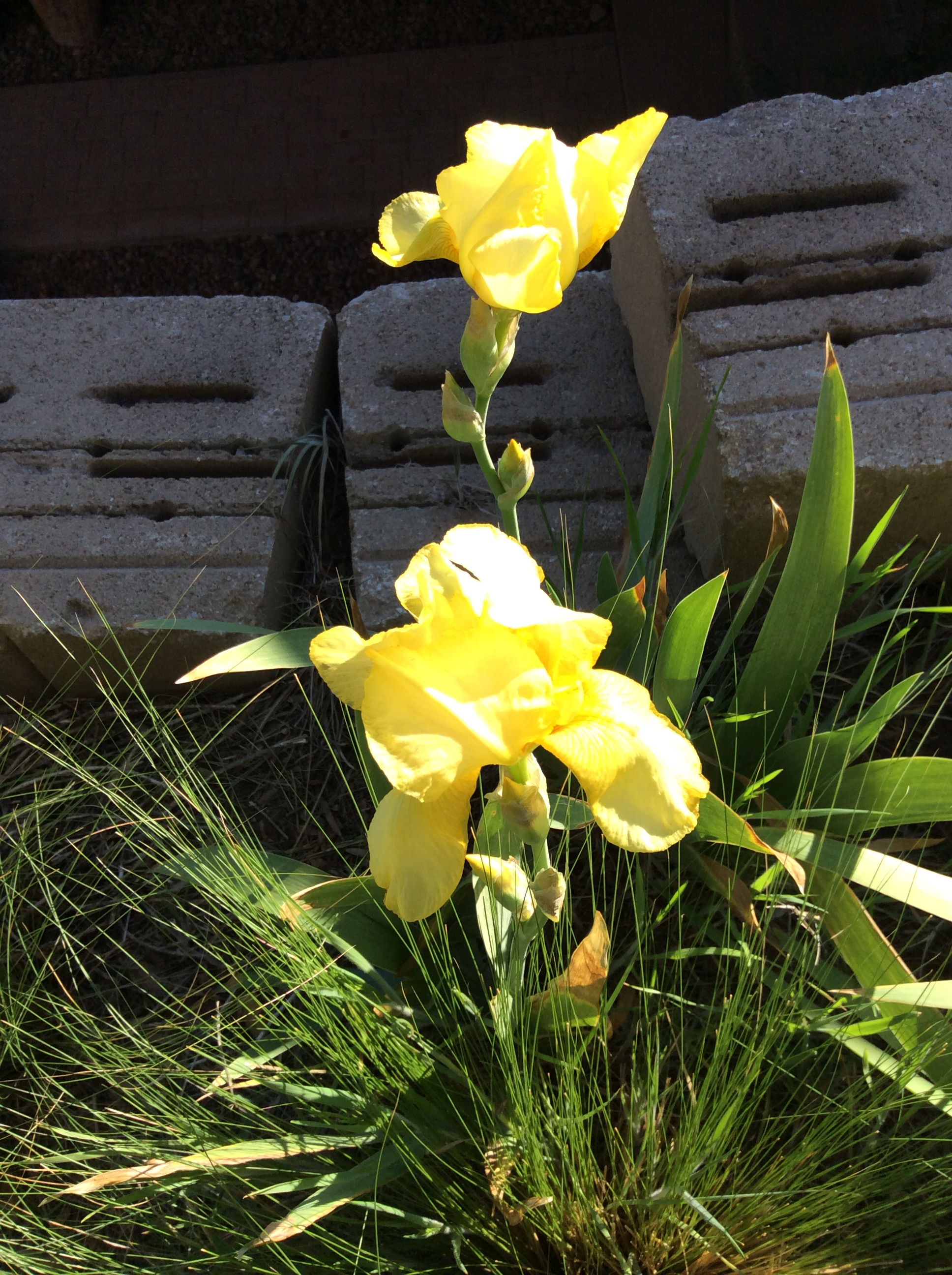
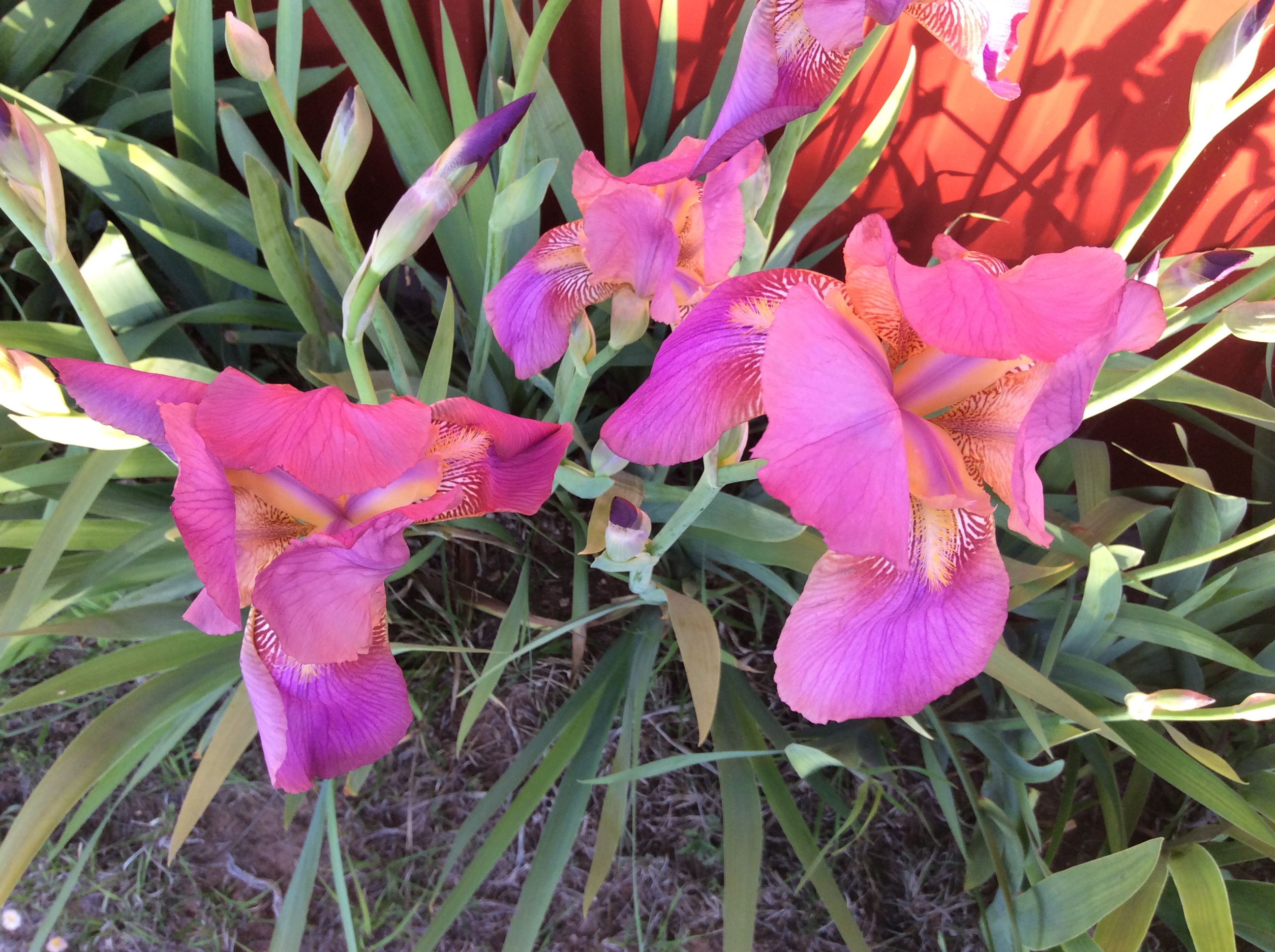
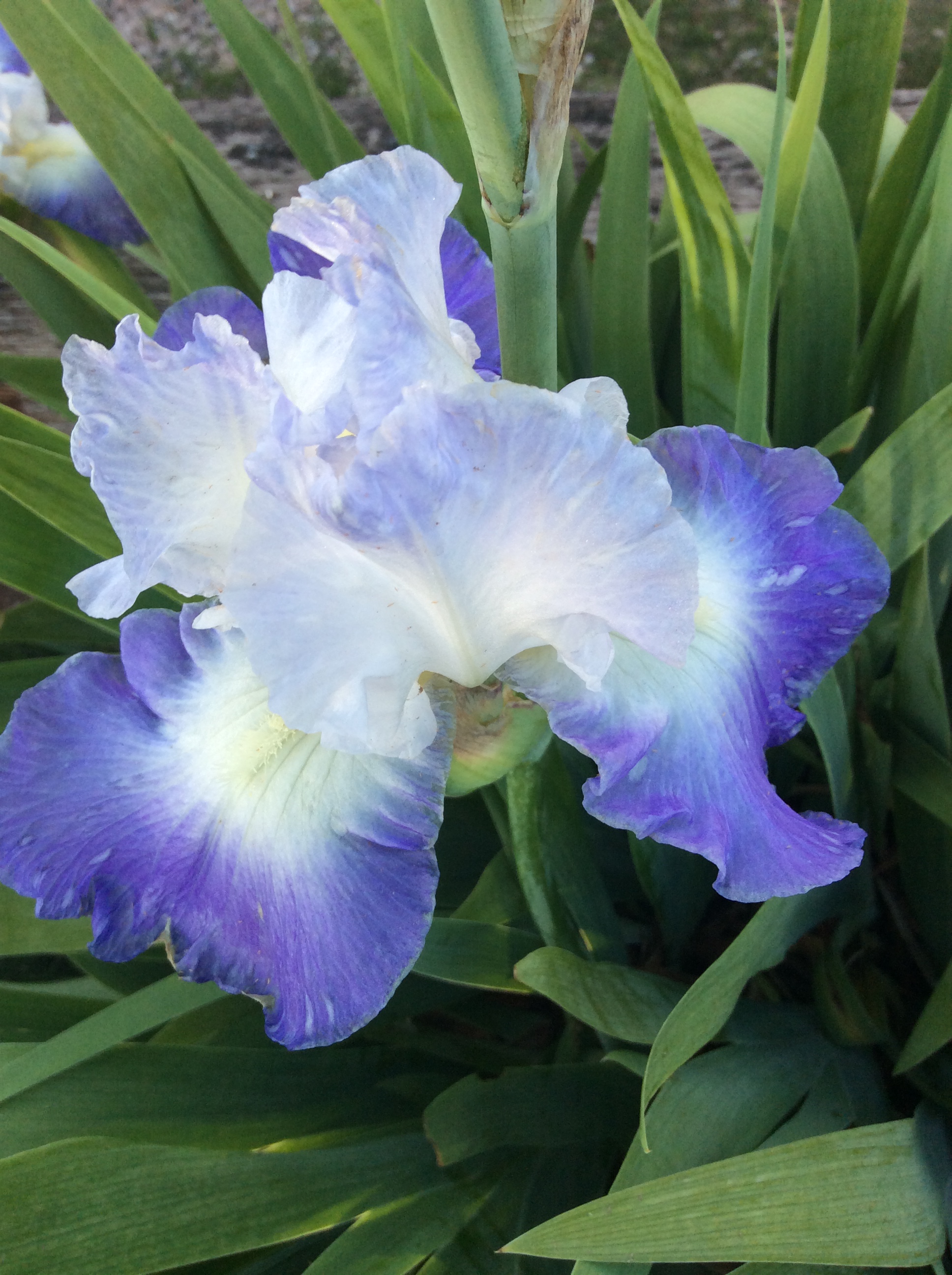
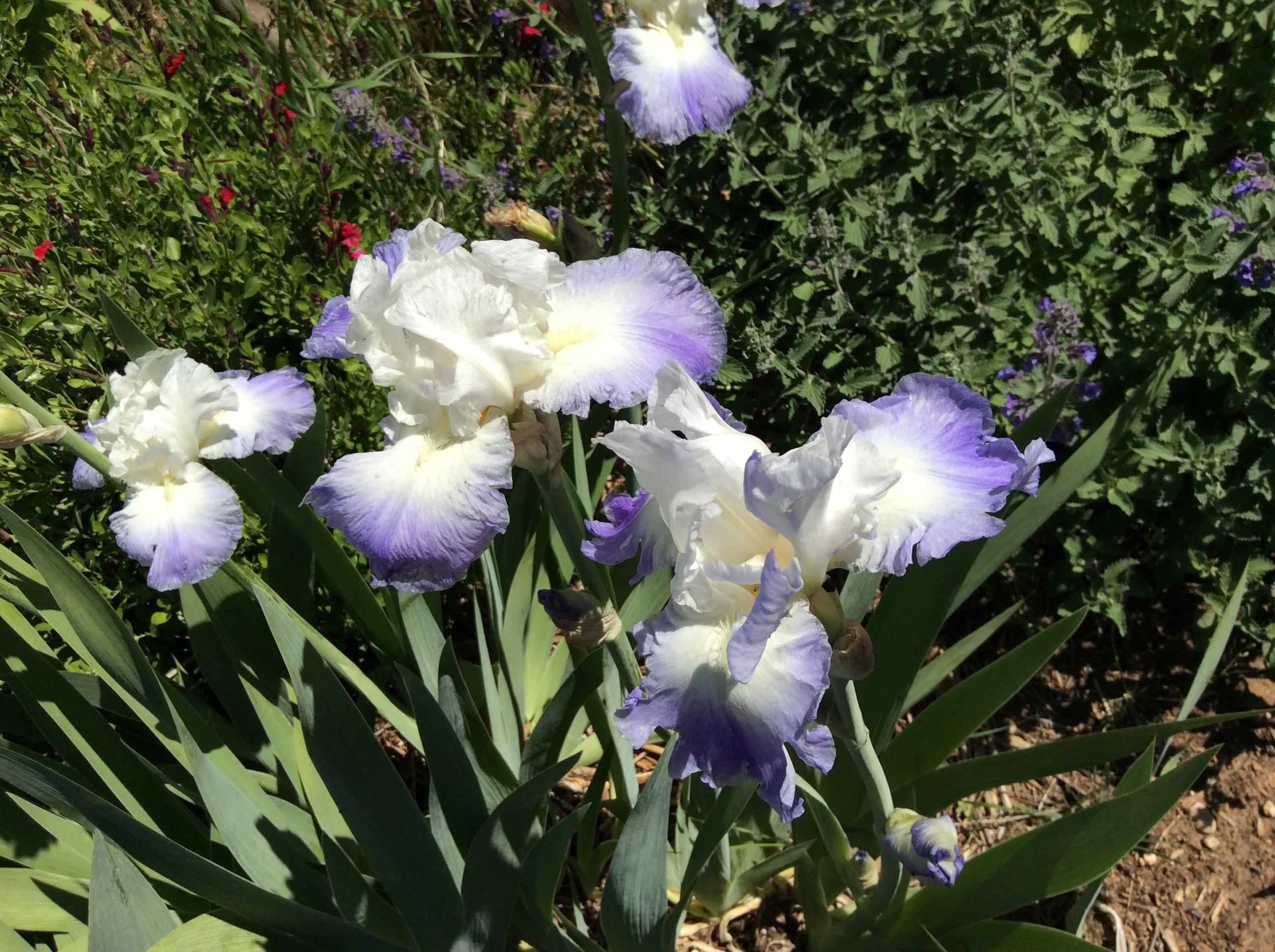
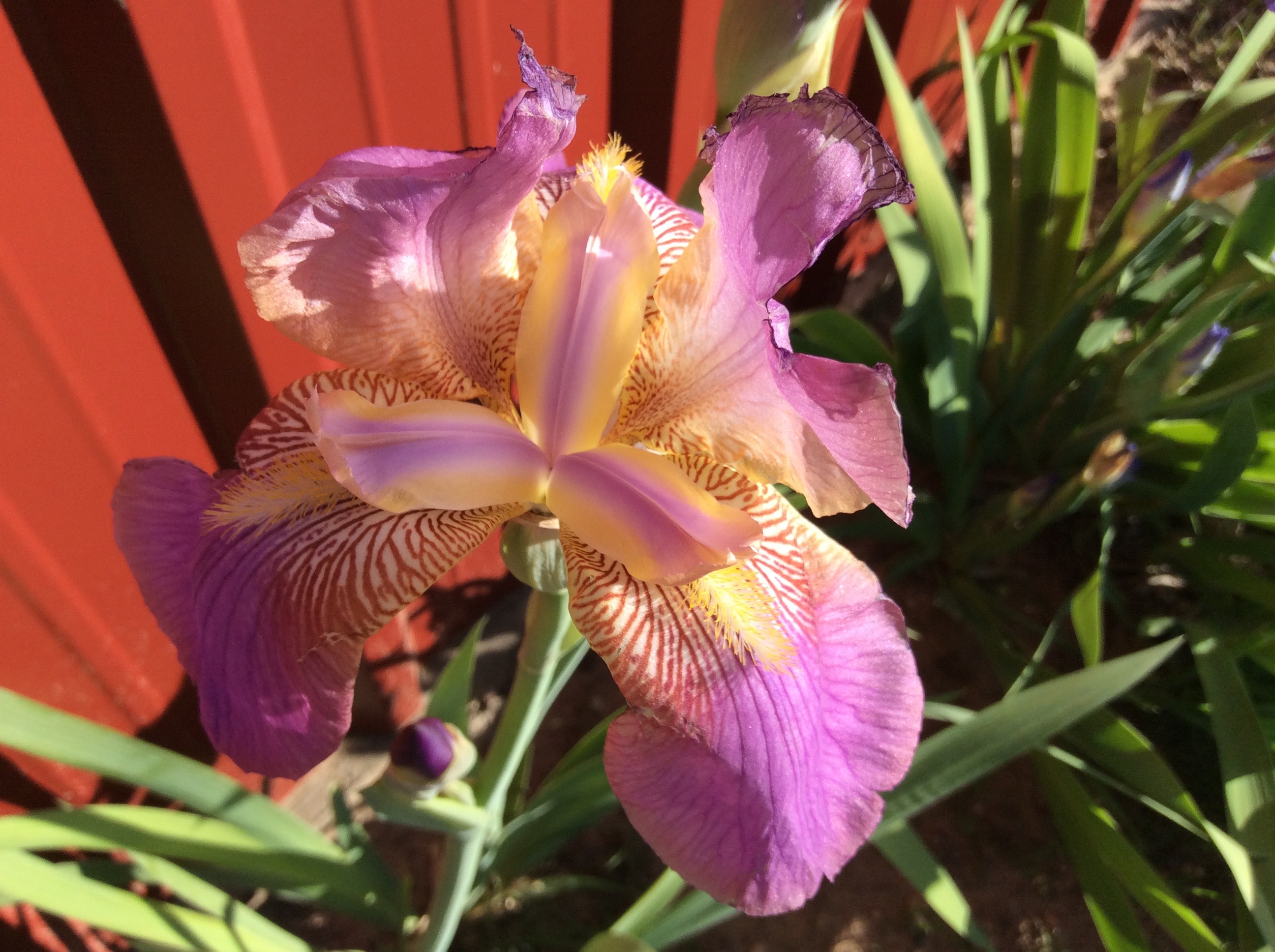
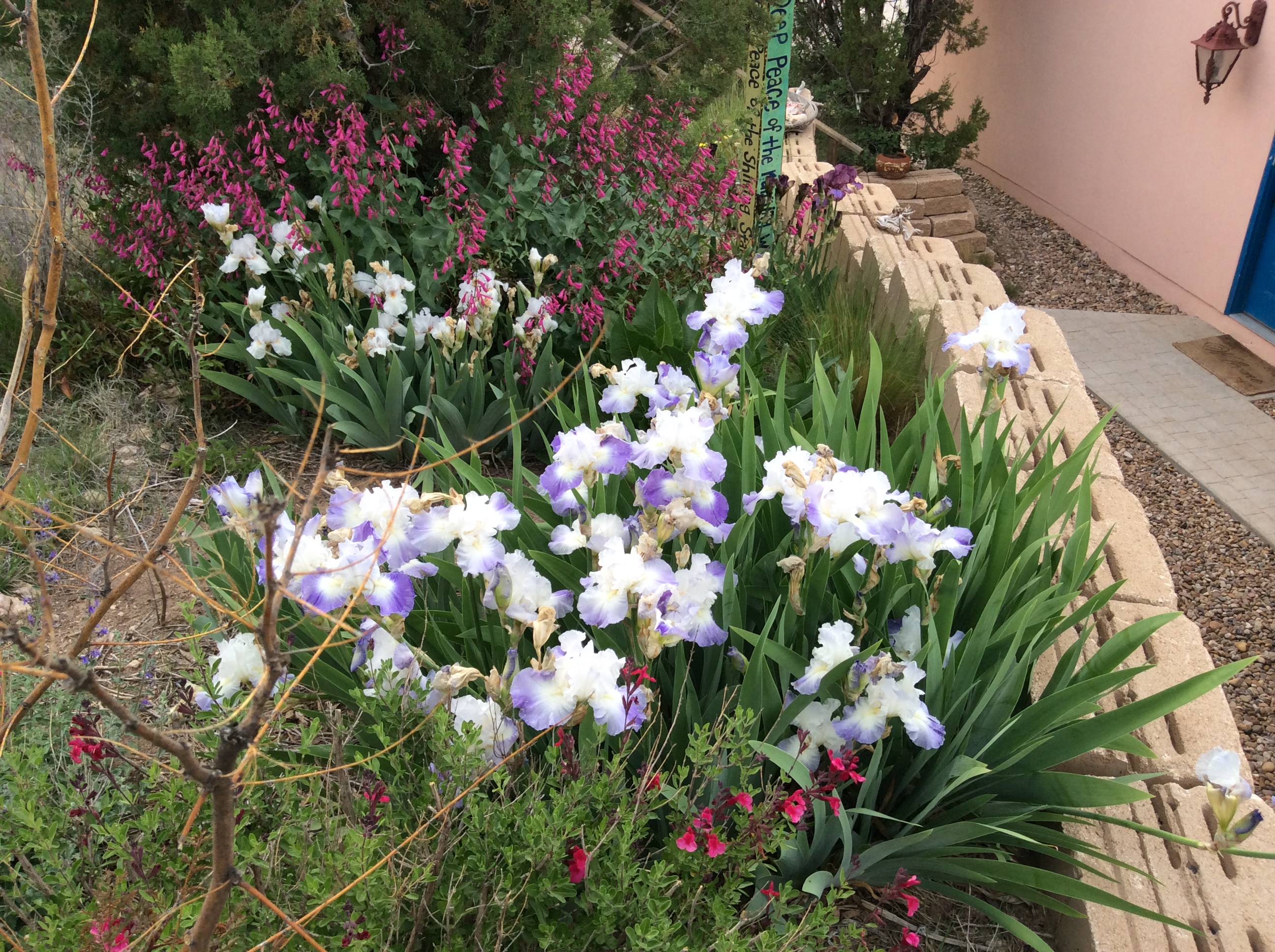
Usually, my son sends me flowers for Mother’s Day even though he lives far away.  He sometimes sends his sister in Amarillo flowers as well. Since none of us are participating in the flower rituals this year due to quarantining, I offer all of you mothers out there photos of my iris this year.

Happy Mother’s Day.  Stay safe, be thankful, take a walk.  Enjoy!

IMG_4643

IMG_4646

IMG_3632

IMG_3629

IMG_4651

Blood Quantum: A Poem for Our Time


My grandson cuts himself into 16 equal pieces:

4/16 Urhobo from Africa

3/16 Spanish from Spain

4/16 European–two Swiss German great, great-grandfathers

(Werth and Kaiser), Irish, English and who knows what

3/16 Mexican–whatever mixtures that may be

2/16 Navaho


Who am I? What am I?

Who are you? What are you?

Do we really know?

Who sets the rules?

white men

black

Indian

Native American

Irish

English

German

from where and for whom?


He looks Navaho:

-blue black straight hair

-pale brown skin

-obsidian eyes.

One four year old girl asks him,

“Are you American Indian?”

His six year old self says nothing.

She repeats,

“Are you American Indian?”

He says, “It’s complicated.”


The Navaho won’t claim him, too little blood.

He needs 1/4, not 1/8.

Caddy and Fort Sill Apache allow 1/16, not Navahos.

1/4 blood is for

-Sioux

-Cheyenne

-Kiowa

-Navaho

1/8 works for Comanche and Pawnee.

Some Cherokees only want a Cherokee ancestor.


But he is none of those.

Is he Navaho?

Is he white?

The old South goes by the one drop rule:

one drop of Negro…

Is a person with 99/100 per cent white

and 1/100 black, black?

Who says?

Kids at school ask, “What are you?”

He tells them.

They say, “You’re lying.”


I only know specifically about two ancestors,

the Swiss Germans.

Another great grandfather disappeared during the Civil War.

I don’t even know his name.

Who am I?

Who are you?

I think I’ll get a DNA test.

Then I’ll know how many pieces I need to cut myself into.


Note:  This was originally published in my book “On the Rim of Wonder”.  I had a cousin send me 75 pages of ancestry information.  I looked up more myself.  That one great grandfather remains a mystery.  I had my DNA done.  It did not match what I expected from the ancestry work.

Blood quantum is the term the US government used to determine whether a person would be qualified as an Indian.  Now many Indian Nations use it to decide who can be on the tribal rolls and who cannot.


Unconditional Love


IMG_2222

IMG_2300

IMG_2238

IMG_2180

IMG_1548

img_2385

IMG_2318

All the beautiful flowers I see today, Mother’s Day 2017, make me think of my mother.  She loved flowers, especially roses, horses, music, beauty.  When I think of her, I also think of unconditional love.  Even when young and I sometimes thought she expected too much of me, I still knew she loved me no matter what the circumstances and always would.  For this I feel unending gratitude.  As a teacher, it has become very clear to me that many children do not experience the kind of love my mother gave me.  She died suddenly many years ago.  Her love will never leave me.  Thank you, Mom, wherever you are!!

Barbie Doll


This poem praises my mother.  It is page 17 of my memoir in poems, “On the Rim of Wonder”.  It seems appropriate to republish it here for Mother’s Day.


Barbara Lewis Duke, pretty, petite, blue-eyed, and blond, my mother,

one fearless, controlling woman.  Long after Mom’s death, Dad said,

“Barbara was afraid of absolutely no one and nothing.”  They married

late:  34 and 38.  He adored her unconditionally.  She filled my life

with horses, music, love, cornfields, hay rides, books, ambition.  Whatever

she felt she had missed, I was going to possess:  books, piano lessons, a

college education.  Her father, who died long before I was born, loved fancy,

fast horses.  So did she.  During my preschool, croupy years, she quieted my

hysterical night coughing with stories of run away horses pulling her

in a wagon.  With less than 100 pounds and lots of determination, she

stopped them, a tiny Barbie Doll flying across the Missouri River Bottom,

strong, willful, free.