roses, lush
pink, red, coral
roses floating in crystal bowls
remind me of my mother
her rose garden by the barn
summer roses on her kitchen table
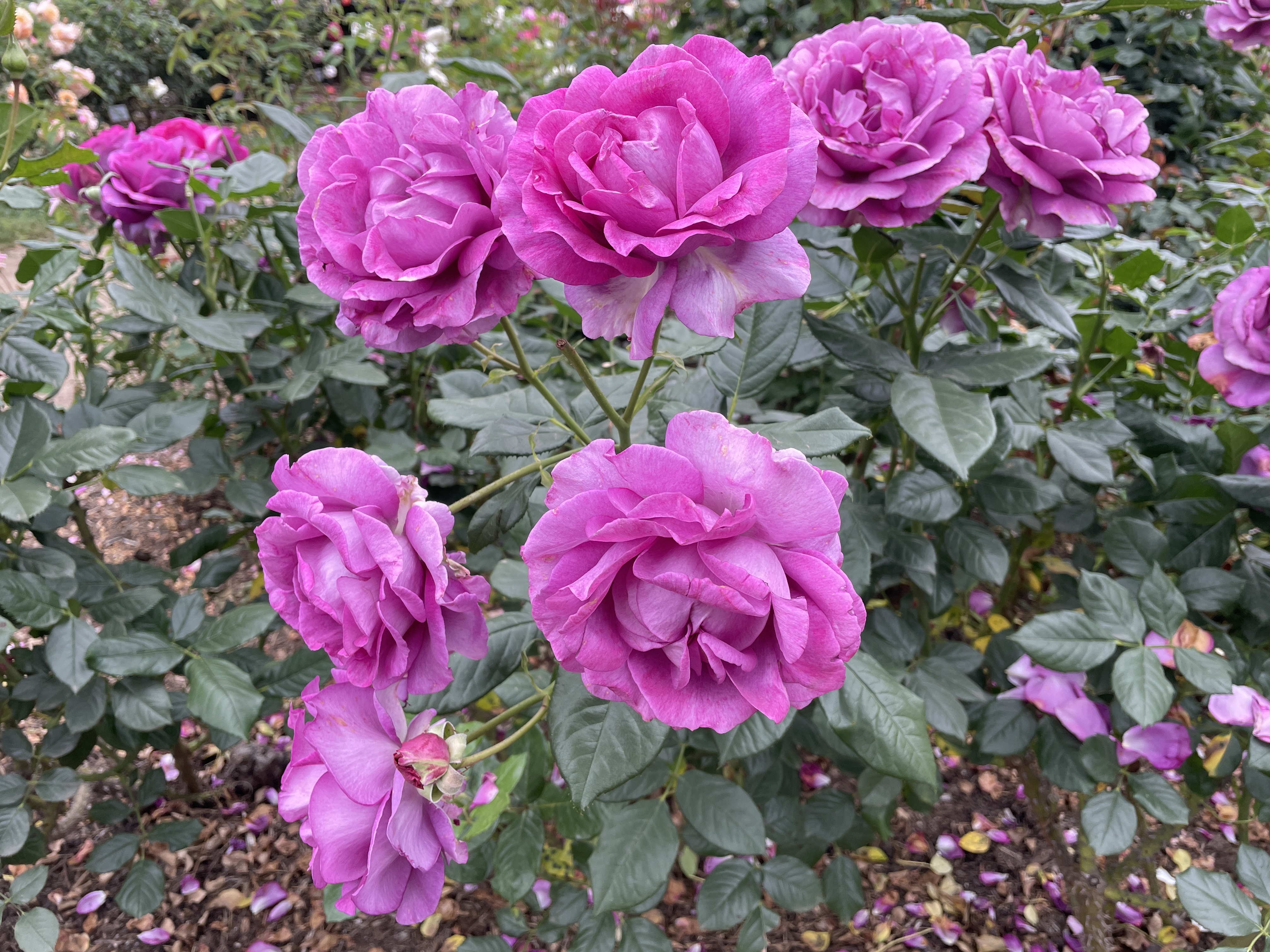


roses, lush
pink, red, coral
roses floating in crystal bowls
remind me of my mother
her rose garden by the barn
summer roses on her kitchen table
Anyone who thinks slavery was useful to slaves needs to read this personal account. By the time Frederick Douglas was in his mid-20s, he had worked for several different people as a slave. Some of these people were decent given the circumstances and helped him learn to read. Others performed acts of abject cruelty. The latter far outnumbered the former. In the past I have read a number of slave narratives. However, he so eloquently describes the beatings, shootings, and other atrocities that it is horrifying to read. The fact that he endured so much at such an early age and became the famous abolitionist, orator, and writer later in life speaks to his remarkable intellectual abilities and emotional strength.

If you LOVE the West, but sometimes struggle with its violent history, this is the memoir for you. Here is a quote from page 178: “I’m embarrassed at how long it has taken me to notice that a rancher’s view of the natural world is blindered in comparison to the hunter’s perspective; that driving livestock from one field to another is nothing like stalking free-ranging herds; that finding, gathering, and preparing a hundred different wild plants bears no resemblance to growing alfalfa or oats…”
Andrews also discusses the difference between sustainability and reciprocity. Before reading the book, I had never thought about this. He notes that sustainability is taking without damaging. Reciprocity entails giving back, e.g. nature, asking, “What can I give back? What can I do to take care of this place that feeds and shelters me?” This is quite different from “How much can I sustainably take?”
Andrews grew up in the West. However, after cowboying on several ranches in Montana, hunting annually, and later inheriting his grandfather’s Smith and Wesson revolver, he begins to question the gun violence and destructiveness of Western culture. This book details his journey. He continues to live on a farm in the Montana mountains, slowly transforming the land to make it profitable but also a place for nature, for wildlife to prosper.

Is it inherited?
Six year old me watched Grandmother
look around, take silver knife, cut into pale
yellow rectangular prism, plop a chunk into
her mouth, close her eyes,
smile.
In Aunt Julia’s presence, this never occurred,
Was it our shared secret,
Grandmother and me?
Yesterday, I told the cafeteria lady,
“Please bring me biscuits, extra butter.”
Less courageous than Grandmother,
I use blue corn pancakes, homemade bread, pasta,
excuses to eat butter, lots of golden, melted
butter.
Who eats butter on conchiglie?
I do, scooping out a tablespoon
from the butter bowl, watch it melt
in hot, drained Italian pasta from a
six-hundred-year-old monastery,
sprinkle on some sea salt, plop
a spoonful in my mouth, close my eyes,
smile.
Note: This poem is published in my book “You’re Gonna Eat That? Adventures with Food, Family, and Friends”. My grandmother, Mom’s mom, rarely smiled. When Mom went to the hospital to have my sister, the family story is that Grandmother fed me so many bread, butter, and sugar sandwiches, I became fat. I was two. I remember a mint patch in her backyard. She’d gather mint, boil water, and make mint tea with cream and sugar. I liked it. When Aunt Julia traveled out of town, I remember seeing Grandmother eat butter and smile. This is Grandmother’s wedding photo.

The first half annoyed me. I kept asking, “What? Why? What is wrong with these greedy, despicable people?” I almost quit reading it (I never quit reading a book) but plunged on. Then, about halfway through “A Memoir, Remembered” section entranced me. Aha. Now I “get” it. I became so engaged I read the last half almost straight through without stopping.
The title should be Truth. This novel deftly explores these questions:
-What is true?
-Whose truth is true?
It does this via competing narratives involved with financial markets, how investors have and can manipulate the stock market, and relationships. It also quietly addresses the issue of how men take credit for the acumen of the women with whom they are involved and the destructive power of wealth and influence.
Published in 2020, and a must read for anyone who cares about abused women, their rights, and how law enforcement often fails them, this book by Trethewey, 2007 Pulitzer Poetry Price winner for “Native Guard”, voices her struggle to deal with her mother’s untimely death. When Trethewey was nineteen and in college, her mother was shot and killed by her step-father after the police officer assigned to protect her mother left his post early. Additionally, the memoir details the effects of the racism she experienced as the child of a white father and black mother (married when it was illegal where they lived) in Mississippi and later in Atlanta in the 1970s and 80s before her mother’s murder in 1985. The book gets its title from the street on which her mother lived when she was murdered. Through this memoir Trethewey discusses how her parent’s divorce, her mother’s remarriage to an angry, abusive man, and her mother’s murder has informed her life and affected the enduring love she holds for her mother.
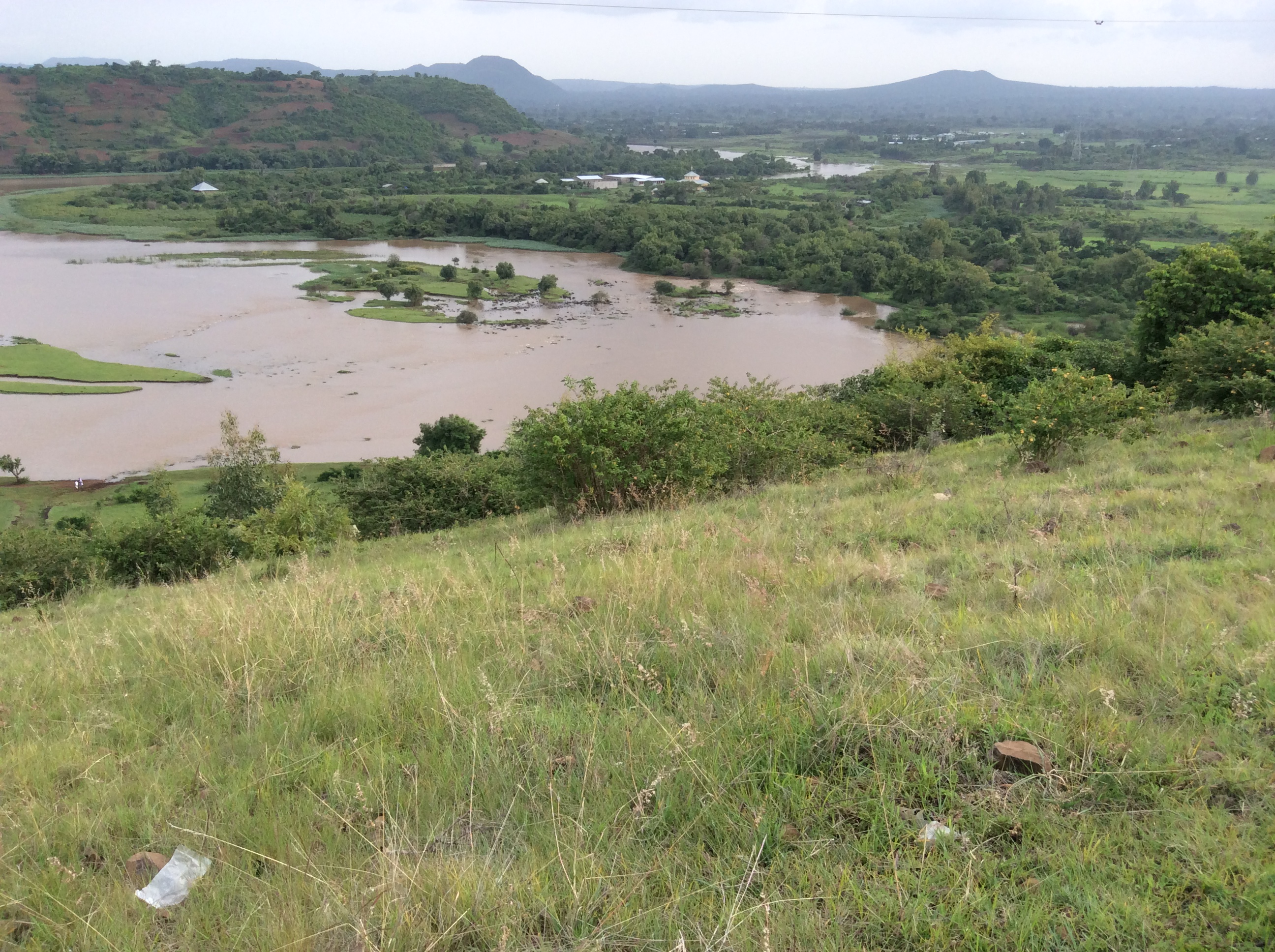
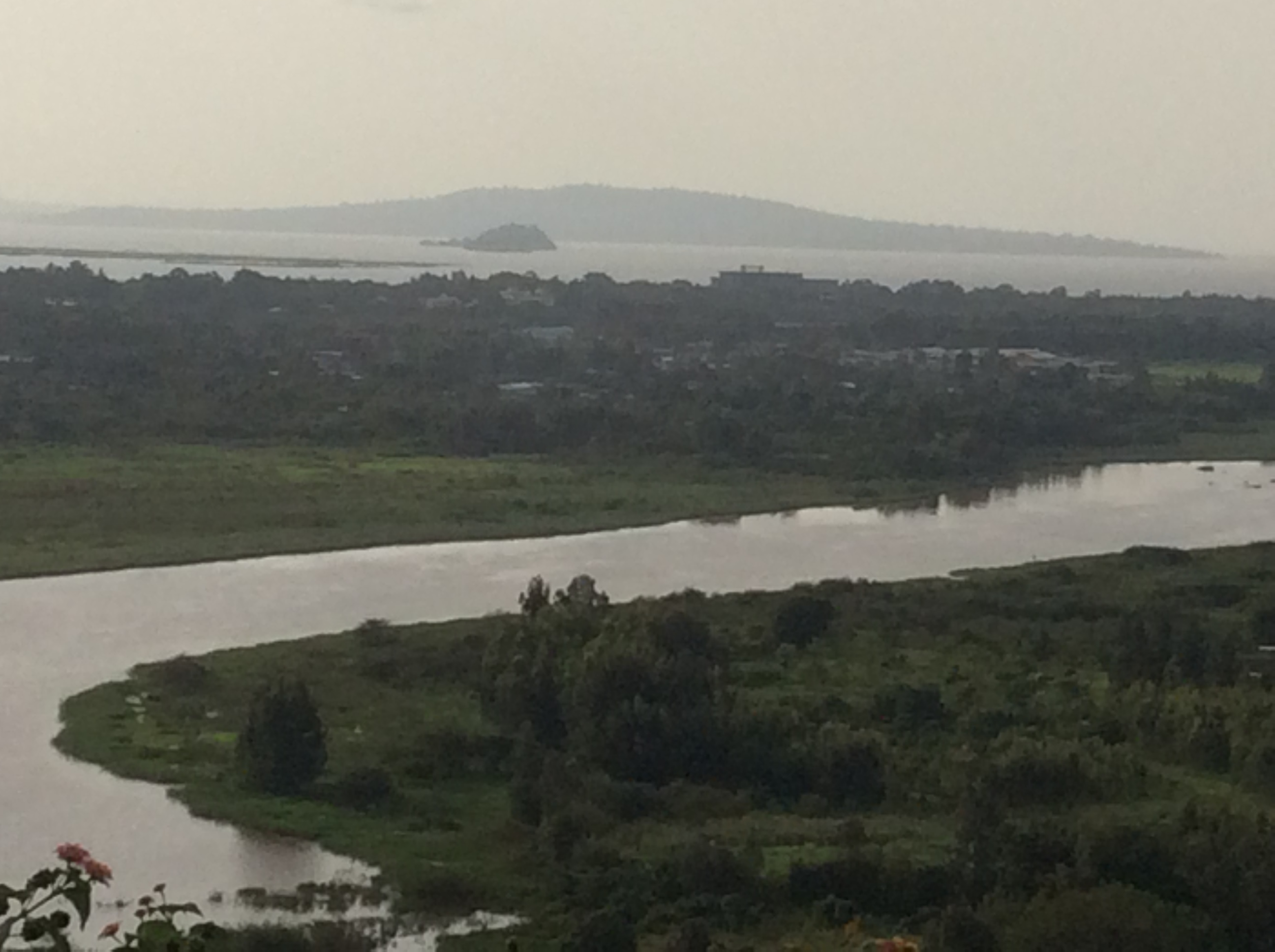
Riding hours through emerald mountains
to Bahir Dar.
We drove up a steep road,
monkeys begging near the roadside.
Car parked, we climbed a steep hill.
There she was
The NILE
a silver ribbon far below
grassy fields
two white robed people
walked, hippos barely visible.
The NILE
I cried,
a life’s longing fulfilled.
The NILE
Flowing from Lake Tana,
she lay below me,
the legendary river,
ancient people, ancient stories,
builder of civilizations,
of life.
The NILE.

When it first came out in 2018, I read The Overstory by Richard Powell. Finding the Mother Tree: Discovering the Wisdom of the Forest by Suzanne Simard appears to contain the endless years of detailed research and life story behind one of the characters in Powell’s novel. In fact, in her Acknowledgements, Simard thanks Powell for helping to make her life’s research more accessible to the general populace.
Simard’s book is part memoir, part detailed scientific explanations of her research and how a forest works and lives, and part how difficult it is to be taken seriously in the science world if you are female and your research contradicts the norm. She grew up in Canada. Her family made a living cutting down trees. Her family and life was and is intricately interwoven with nature. Even as a child, she was obsessed with tree roots, crawled around on the forest floor to see what lived there. A specific fascination was all the types and colors of fungi that grew just under the surface. Why were they there? What purpose did they serve? Later this became her life’s work, leading her to discover how trees of varying species use these fungi to communicate with and nurture each other. Of special significance are the “mother trees”, older, larger trees who provide nurturance to all the younger trees around them, recognize their kin, favoring them as they nurture all the other trees as well.
Traditionally, loggers and timber companies clear cut, then replanted with seedlings of all the same species of evergreen. It took Simard decades of research to convince them that it was not only the poorest way to grow new trees but also the least economical. For decades they saw her as some nutty woman, laughed at her research, laughed at her, even using epithets to her face. Ultimately, however, her work led to changes in how forestry is practiced.
This book relates her long struggle to save the forests. For those who are science minded, the final pages of the book contain 32 pages of Critical Sources. If you are interest in learning more about “mother trees”, go to http://mothertreeproject.org. It defines the term “mother tree” and explains how trees communicate. It also contains videos.

Years ago while visiting Albuquerque or Santa Fe, I acquired a Zuni puma fetish. It is the only fetish I own. I bought it because it is a puma, the Directional Guardian and prey god of the North, representing independence, personal power, intensity, and loyalty, carried by travelers to protect their journey. It resides on a dresser in my bedroom, watching over me, protecting my life journey.
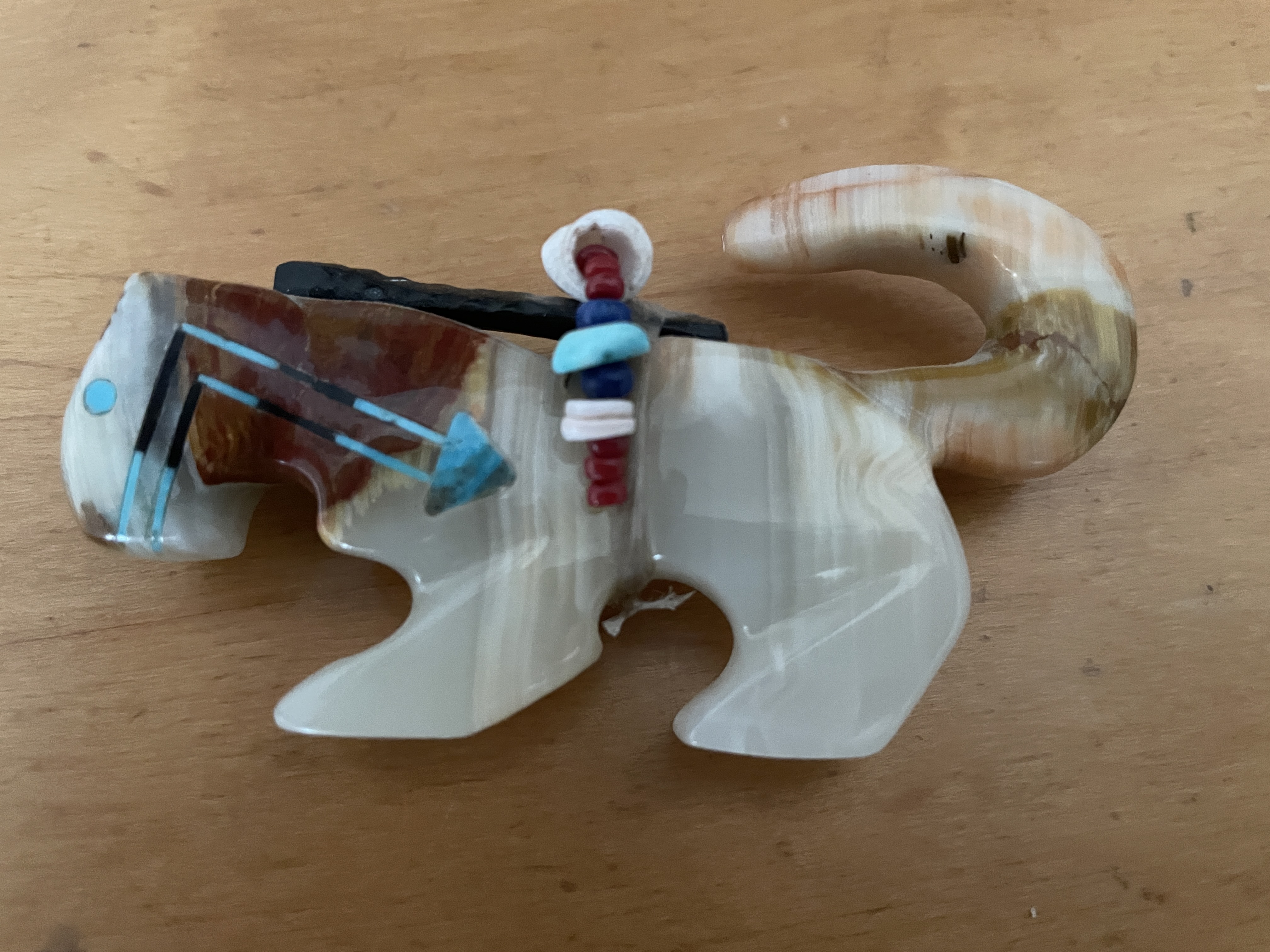
As I mentioned in a previous post, my puma obsession extends to researching them and writing poems about them. The following poem was originally published in my book, “On the Rim of Wonder”.
My neighbor walked out her door
found a puma lying on the lawn.
Puma rose, stretched, disappeared.
At night when I open my gate
I wonder if she lurks
behind the cedar trees,
Pounce ready.
A Zuni puma fetish guards my sleep.
I run with puma
Night wild
Free.
I scream and howl
Moonstruck
Bloodborn.
I hike the canyon
stroll around my house
look for puma tracks.
I see none.
I would rather die by puma
than in a car wreck.
Some people possess obsessions. For me only one really exists–pumas. I kept hoping I might see one when I lived at the edge of a canyon in the Panhandle of Texas even though I knew where I lived was probably too populated. Now, living in LA Country, I realize pumas can be anywhere. Have not seen one yet, but I keep hoping. I’ve considered driving 1/2 hour up into the Los Angeles National Forest to hike and hope. Since one of my walking partners refused to go any farther when the sign said “Watch for Bears”, I would have to take the hike alone. The bear sign did not deter me, but she could not go home since I drove so I went back to the car with her. People see bears in town all the time, but rarely pumas or if they are around, they hide. My puma obsession includes dreaming about them and writing poetry where they star. Here is one of the puma poems I wrote while I still lived in Texas.
I watch for eyes, blue changing to amber and back.
I put my palm, fingers stretched to measure, into the footprint.
Too small, bobcat
No puma.
My thin body squeezes between the rocks,
climbing quietly down the cliff.
Watching, listening, searching.
No puma,
Pale amber rushes across my vision line.
My hearth quakes.
I watch; I wait.
It is Isabella, a golden whir chasing rabbits.
No puma.
At sunrise, I walk the rim,
watching.
At sunset, I walk the rim,
waiting.
At night, I walk the rim,
dreaming.
No puma; not yet.

I’ve had this photo, taken by a famous wildlife photographer, for at least a decade. She, yes, it is a she, watches over me daily. In my bedroom is a puma Zuni fetish and a painting. I have a couple of others here and there in addition to books about pumas. Someday before I die, hopefully.
Travel the World 4 Less
A Glimpse into My Life & Passions
Ceto-Magoism, the Whale-guided Way of WE in S/HE
Exploring the F-word in religion at the intersection of scholarship, activism, and community.
ANCESTRAL FOOD. HERBAL WISDOM. MAGICAL COOKERY. SEASONAL CELEBRATION.
inesemjphotography
politics, engineering, parenting, relevant things over coffee.
Food is the best expression of every emotion. Explore through my reviews, recipes, events and more.
Smile! A Site for Friends Wherever You Are!
inspiring personal growth through poetry and writing
Combining atheism with whimsy. This is a Fair and Balanced blog based on opinion unencumbered by fact.
Odds and ends ~ My Life
Original poetry, commentary, and fiction. All copyrights reserved.
bripike@gmail.com
A wildlife filmmaker in Africa
A Geeky Feminist's Musings On Pop Culture
"5 minute walks"

