Baja Trip-6: The Art of Beliz Iristay


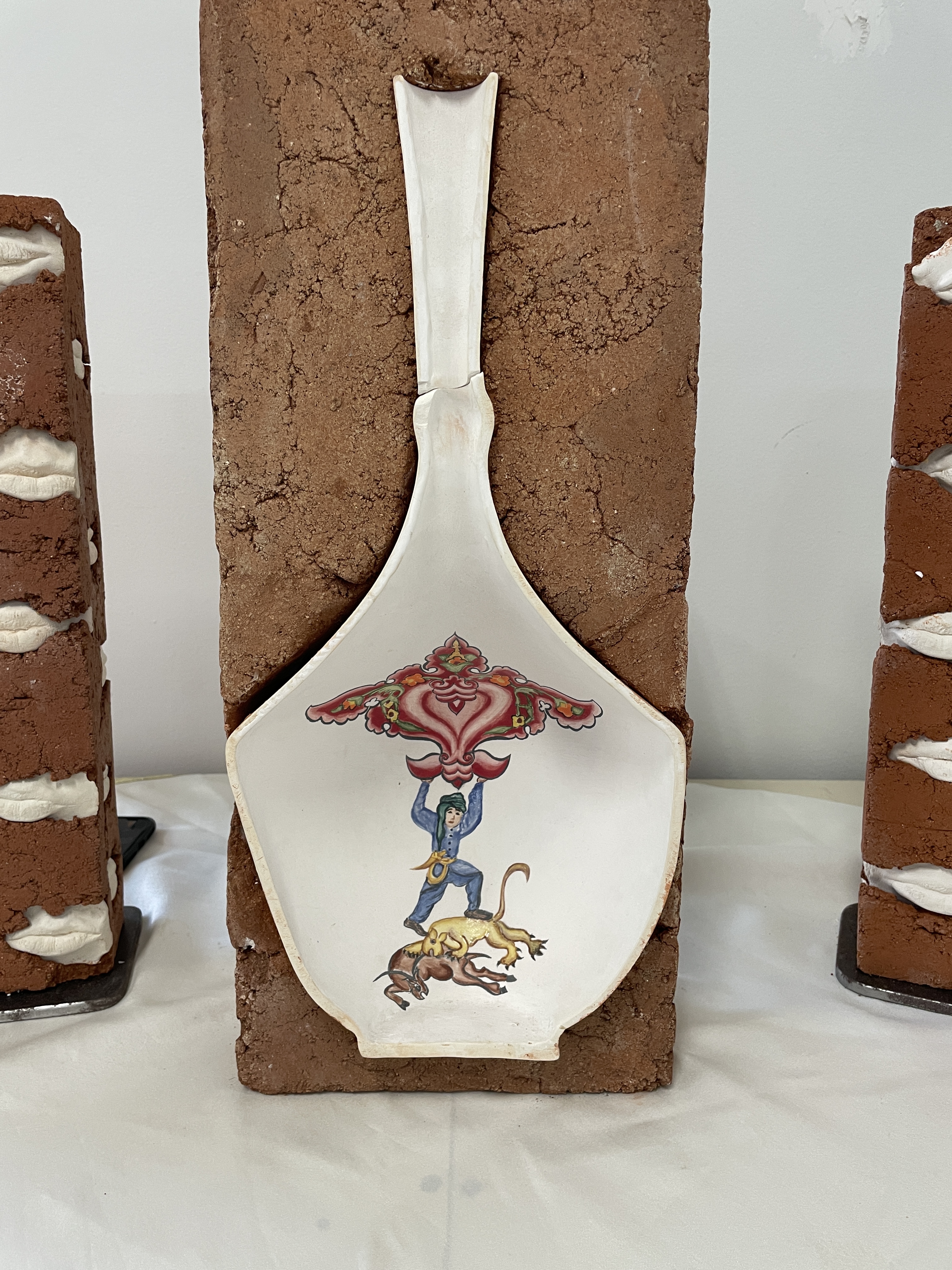
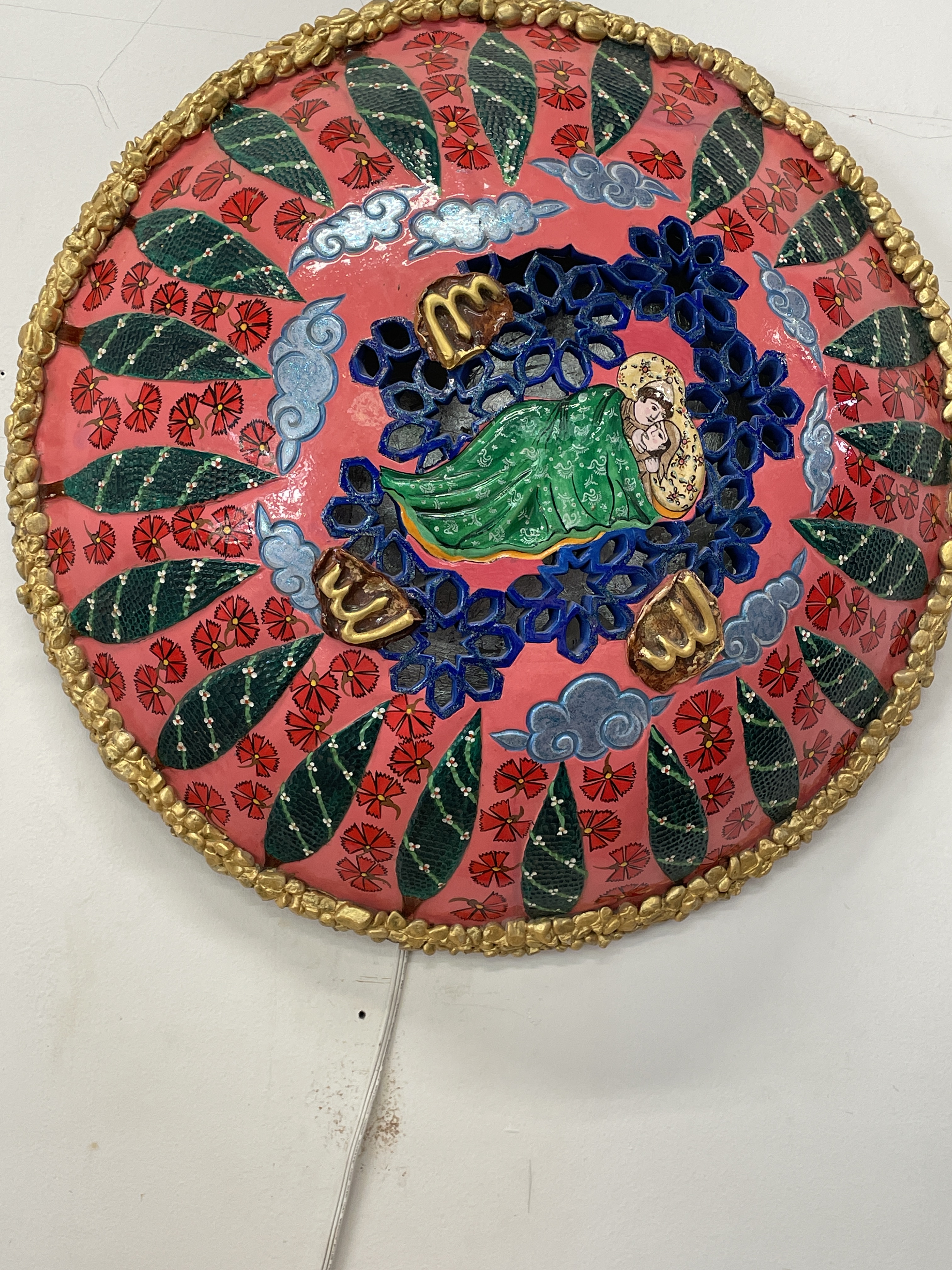
The first place we visited after breakfast was the art gallery/studio and home of Beliz Iristay. Although she does other things, her main medium is ceramics. I had first seen her art on display at the Riverside Museum back in December and posted some of that art in a previous blog. Originally from Turkey, she is married to a Mexican artist. The two met while both were teaching in Istanbul. She has lived also in the US and her artwork has been displayed in many places in the US. She and her husband live in the Valle de Guadelupe near Ensenada, Mexico.

Here are a few of the pieces I photographed in her gallery in Mexico.

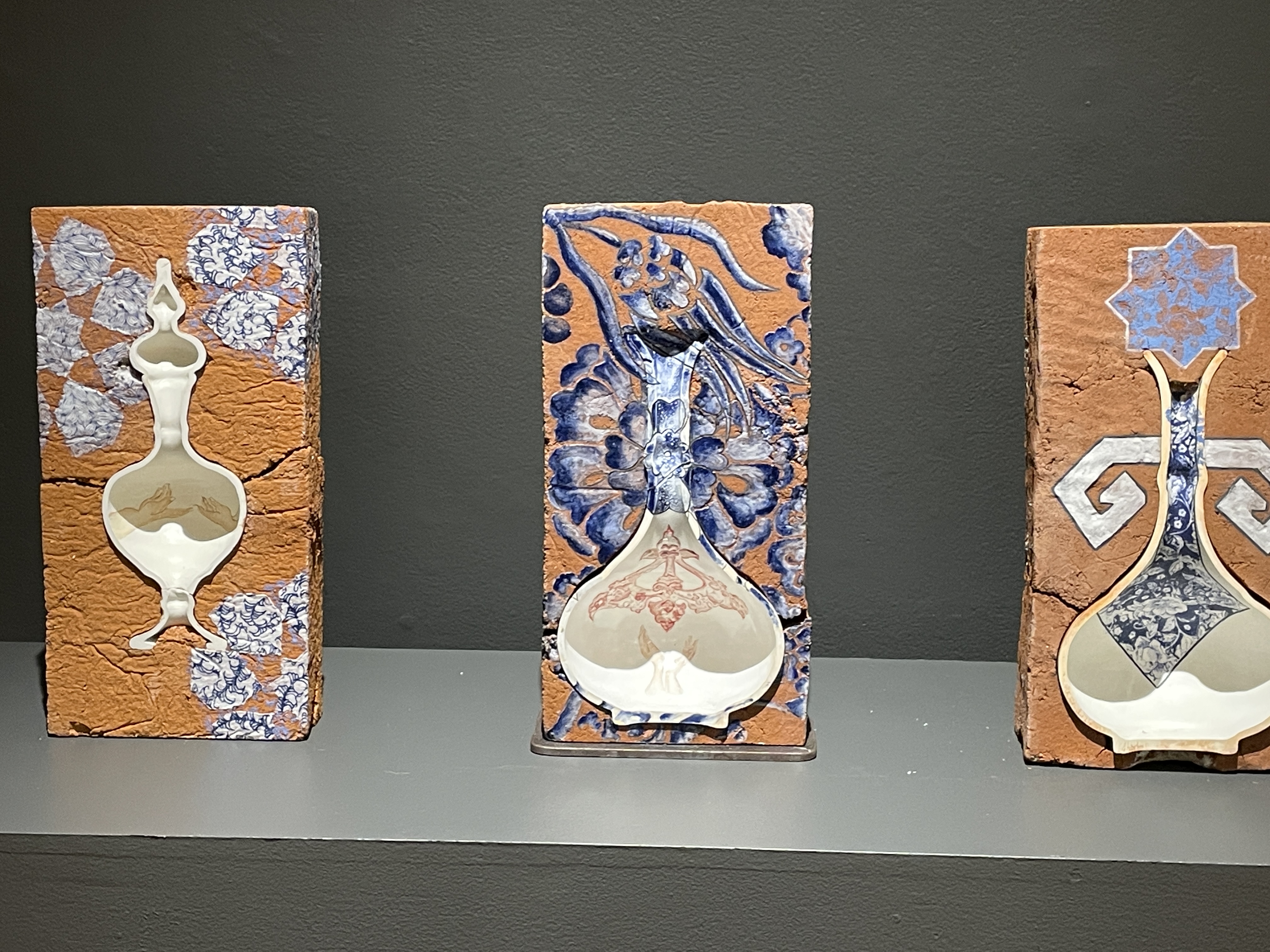
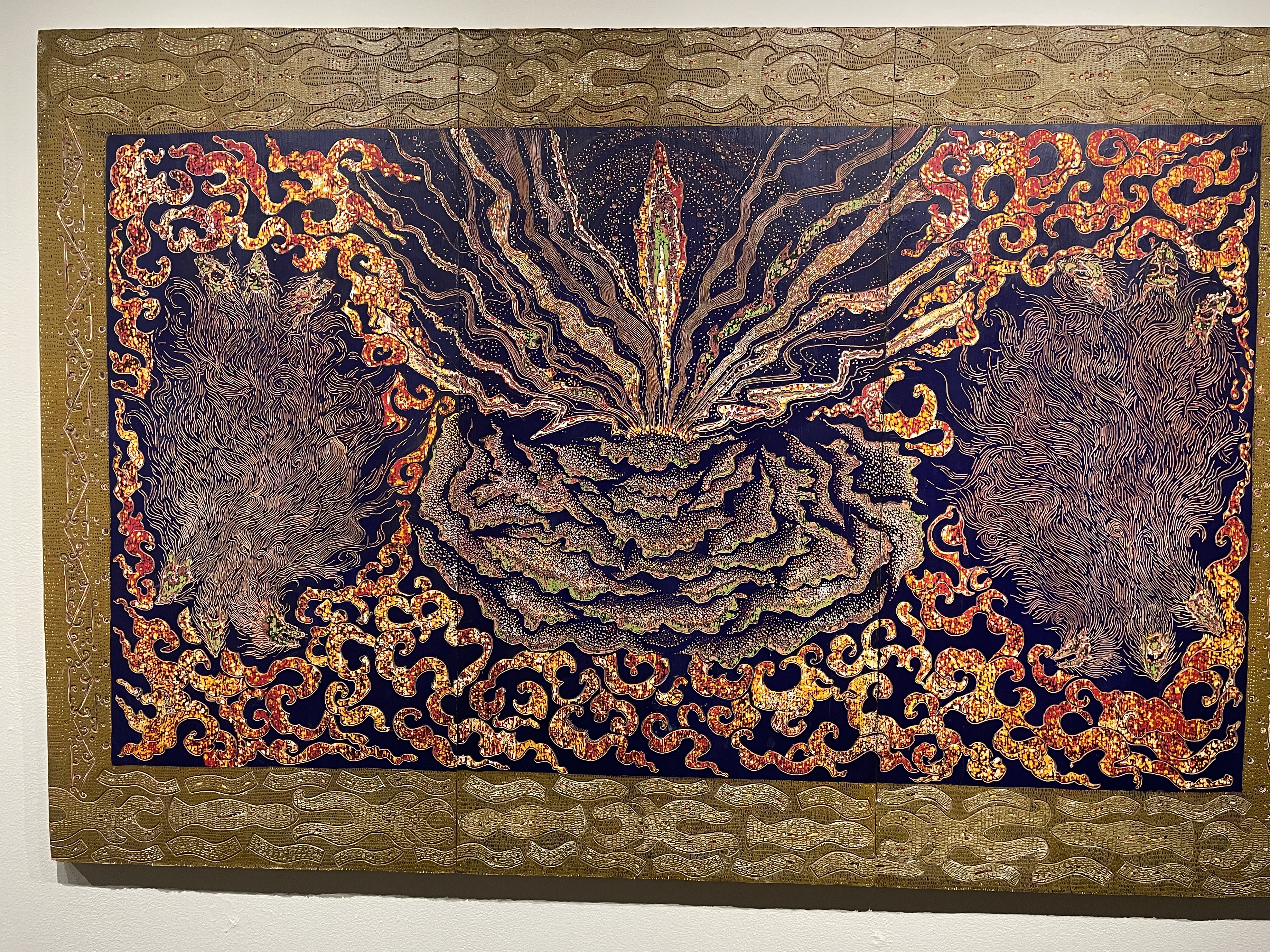
Following is work that was on display at the Riverside, CA Art Museum until last week. The first tells a bit about her and why she produces the type of art she creates. At her studio she repeatedly emphasized that she sees herself as creating feminist art that makes statements about the plight of women throughout the world. At her studio she was creating some large pieces for a new commissioned display that supports what she sees as her feminist goals.

She frequently uses traditional adobe bricks from Mexico made locally where she lives and then transforms them into various works of art often combining the Mexican and the Turkish cultures.

One Book a Week-18: “If An Egyptian Cannot Speak English”, Noor Naga


Identity politics remains at the heart of this unusual novel. Written in three parts, One portrays a “love” affair between an Egyptian American woman who has gone to Cairo to find her Egyptian self and an unemployed, revolution (as in Arab Spring) photographer who alternates between living in a rooftop shack and homelessness. Each vignette starts with a question and alternates between the voice of the woman and the man, expressing their viewpoints on life, love, and their situation. Part Two is the same except without the “headline” question. Part Three is a big surprise–a discussion, written as a play, a critique of the rest of the novel among the author, an instructor, and several “students”.

I loved this book in part because it enabled me to learn a lot about Egyptian cultures, but also because I found it thought provoking and intriguing.

Baja Trip-1


Day one we drove across border to Tijuana where we visited the incredible La Caja Art Gallery. We viewed a variety of art works, drank delicious Mexican chocolate, and had a sensory experience blind-folded.

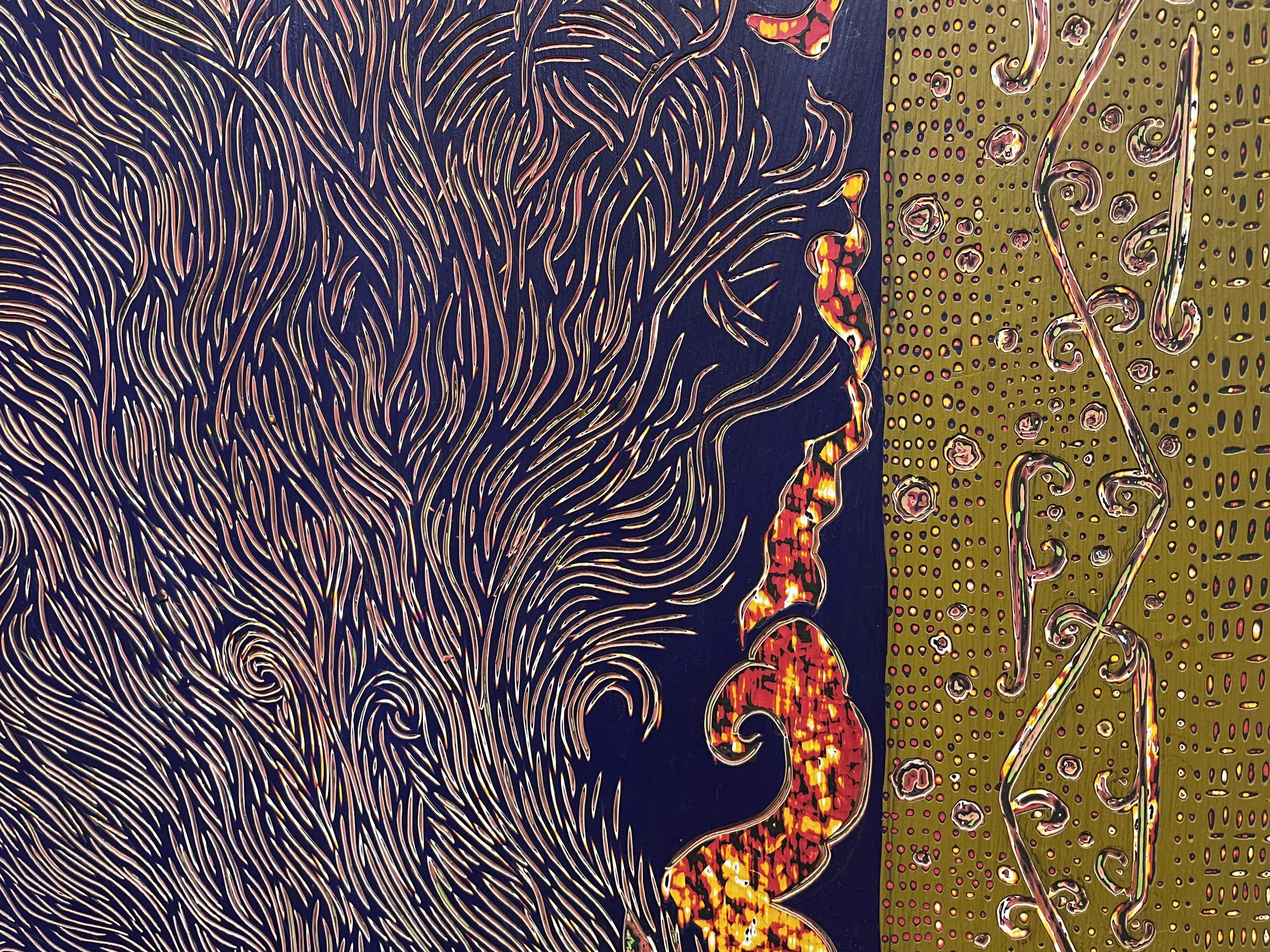
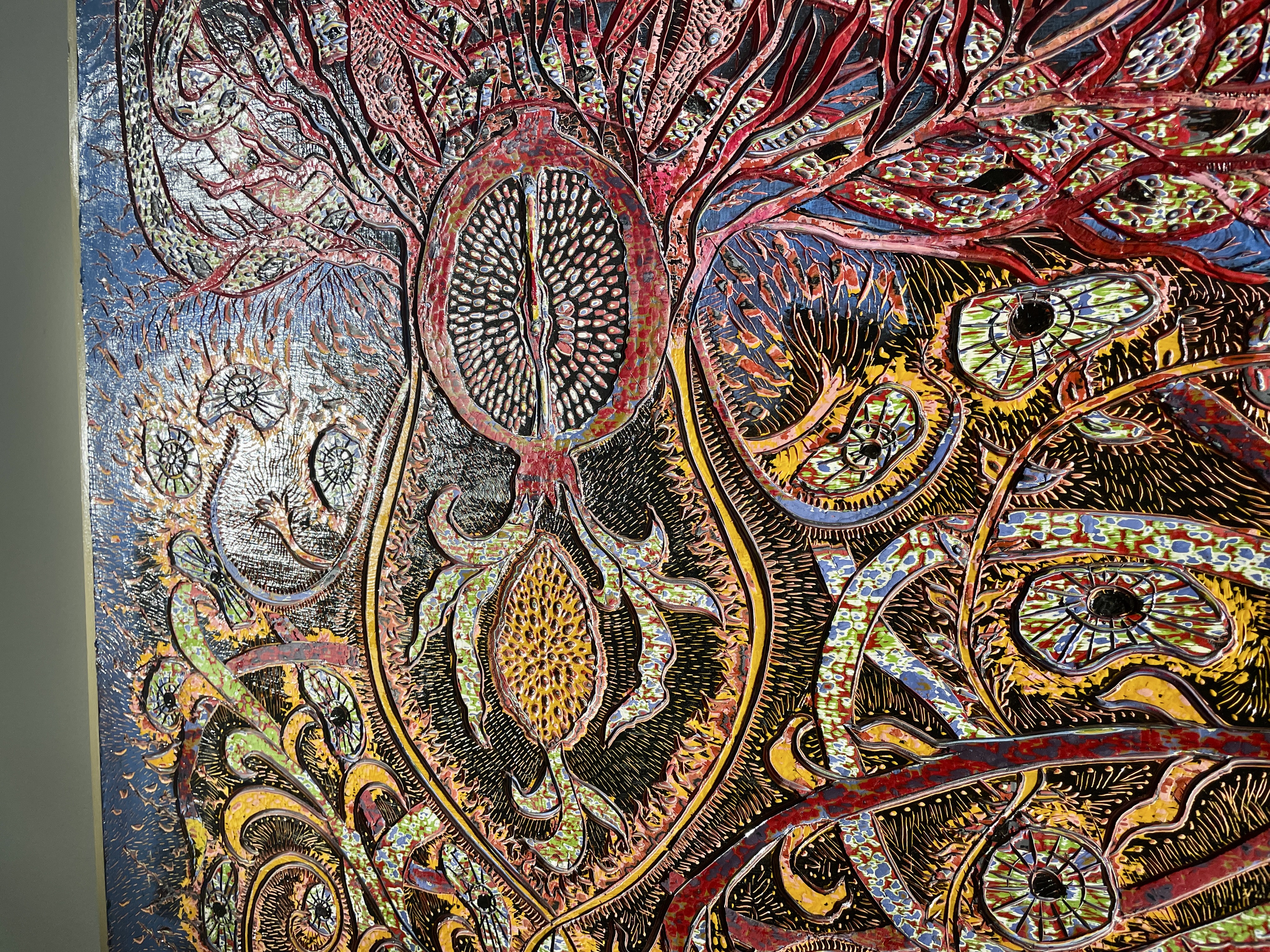
A close up of the previous painting. It consists of not only layers of paint but also carving into the surface.

Food for thought.

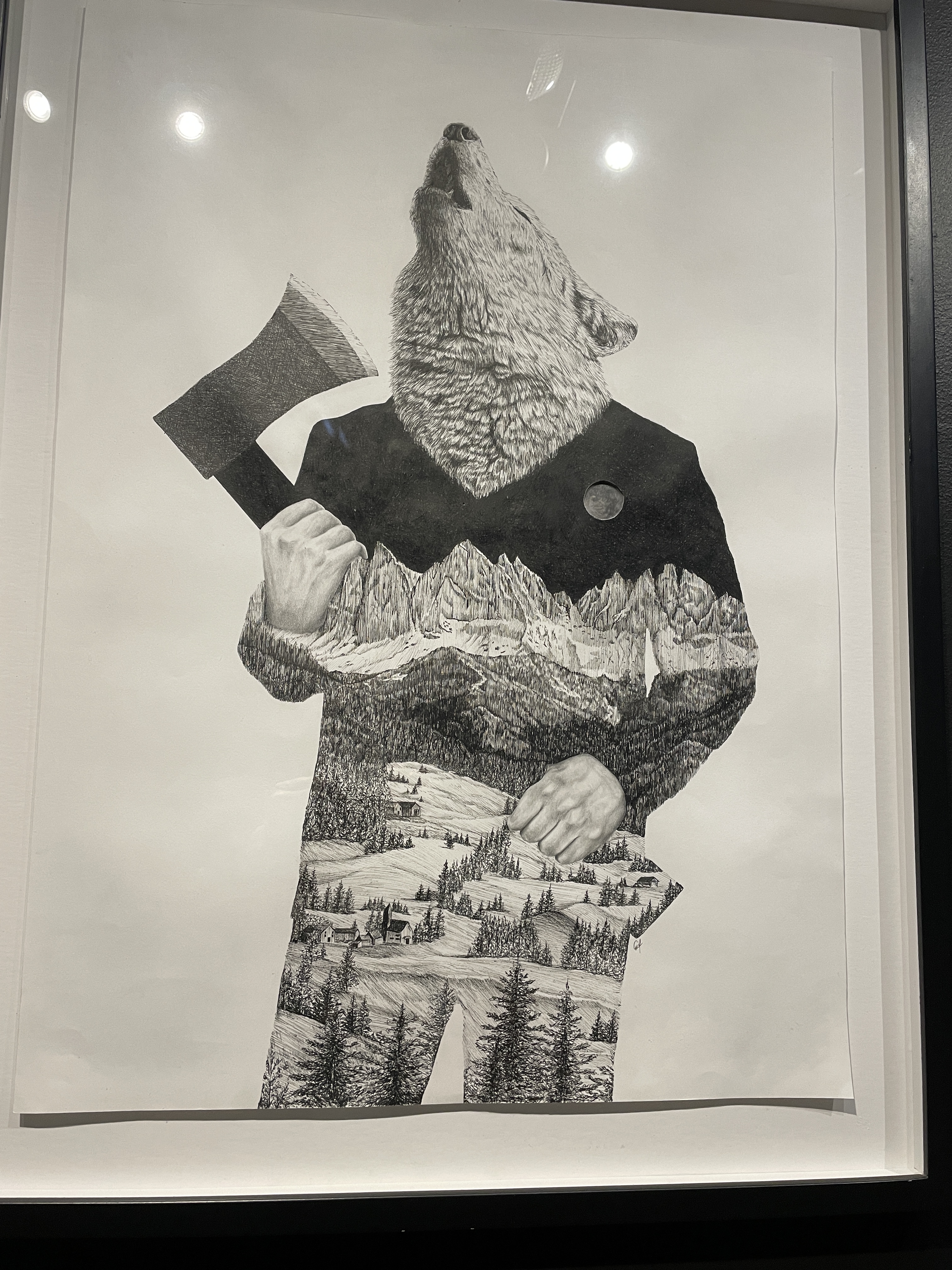
A different artist for the above and the following.

This one was painted directly onto the wall.

Later we experienced lunch at Caesar’s where supposedly (this is contested by some other places in Mexico) the original Caesar Salad was created.

One Book a Week-16, “The Promise”, Damon Galgut


Winner of the 2021 Booker Prize, this novel illustrates the dismal consequences of colonialism and racism. South Africa before and after apartheid comes alive in this story about an Afrikaner family whose matriarch dies young enough to leave her husband with three children, only one of whom is old enough to be on his own. In her dying, she returns to her Jewish roots much to the horror of her husband and many others. Her youngest daughter overhears her dying wish which her husband promises to fulfill even though he has no intention of doing so. This remains an underlying thread, the promise which this daughter never forgets.

The difficult, often prejudiced and unequal, relations between the races underpins the actions of most of the characters, leading a few to greater humanity and kindness, but most into lives of loss, disappointment, and anger.

One Book a Week-15: “Oh, William”, Elizabeth Strout


Told from the point of view of the main character, Lucy, in first person, the simple language the author uses as Lucy tells her story, reflections, and anecdotes belies the deep knowledge of marriage, parenthood, the entire human condition underlying this novel. Two once married individuals go on a trip to Maine to learn about a relative one did not even know he had until he received the results of a casual DNA test, a gift he did not originally take all that seriously. They’ve been married and then divorced for years and have two daughters together. In spite of their best efforts to the contrary, they remain connected even when they find each other a mystery.

A rather simple story, written in plain language, holds the following piece of wisdom–Lucy’s words which end the novel:

“Everybody in this whole wide world, we do not know anybody, not even ourselves!

Except a little tiny bit we do. But we are all mythologies, mysterious. We are all mysteries, is what I mean.

This may be the only thing in the world I know to be true.”

National Poetry Month: 1: The Kingdom of Trees


An essence within the heart of trees

allows them to communicate

with other trees to

-aid each other when disturbed

-send secret signals, warnings to other trees

-express pain, sympathy.

The kingdom of trees now cries

worldwide in pain,

watching each other’s murders.

land laid naked, nature destroyed.

Note: I wrote this poem last year. It is published in the anthology, “Writing Through The Apocalypse, Pandemic Poetry and Prose”,

Editor: Marcia Meier

One Book a Week-14: Trust, Hernan Diaz


The first half annoyed me. I kept asking, “What? Why? What is wrong with these greedy, despicable people?” I almost quit reading it (I never quit reading a book) but plunged on. Then, about halfway through “A Memoir, Remembered” section entranced me. Aha. Now I “get” it. I became so engaged I read the last half almost straight through without stopping.

The title should be Truth. This novel deftly explores these questions:

-What is true?

-Whose truth is true?

It does this via competing narratives involved with financial markets, how investors have and can manipulate the stock market, and relationships. It also quietly addresses the issue of how men take credit for the acumen of the women with whom they are involved and the destructive power of wealth and influence.

One Book a Week-13: Blue Desert, Celia Jeffries


As an ardent reader who prefers what are usually referred to as literary novels and serious non-fiction, few books impact me deeply and emotionally like this one has. As soon as I finished it, I reread parts of it several times, then sat silently stunned.

After her family moves to North Africa for her father’s work, an 18 year old British girl, rescued by a Taureg leader, is believed dead by her family until she resurfaces years later at a Catholic “home” run by nuns in North Africa. She re-enters British society, marries, leads a relatively “normal” life while keeping a secret for decades. When she receives a telegram, “Abu is dead”, everything changes. Her past comes rushing back in unexpected ways.

One Book a Week-12: The Sweetness of Water, Nathan Harris


The immeasurable horrors of slavery and the immediate years after come excruciatingly alive in this novel. Decent white people help recently freed brothers but at a terrible price. A “forbidden” romance between two Confederate soldiers highlights the destructiveness of class and hatred. Yet, in spite of the despair and cruelty, resilience, decency, and tenderness prevail in the end. Long listed for the Booker Prize, this detailed and beautifully written novel remains true to some of the most painful parts of US history.

One Book a Week-11: The Vanishing Half, Brit Bennett


This unusual novel features identical twin sisters, inseparable as children, living in a small town in rural Louisiana. The town’s founder, a light skinned Black man, insisted on maintaining a certain character for the town–only light skinned Black people should live there. At sixteen the sisters run away to New Orleans where they ultimately choose diametrically opposed lives, one passing as white, marrying a wealthy white man who knows nothing of her true past. In spite of the deception and lies, years later their lives become intertwined in unexpected ways. The novel not only addresses themes of race but also sexual identity and who we are as individuals and a country.