Weekend Trip to Northern Baja


This past weekend I headed to Mexicali in Northern Baja to visit the town of San Felipe and see a new development about an hour south of there. San Felipe is a small fishing town of approximately 20,000 people where there are no fast food restaurants and no Starbucks. Excellent restaurants and good coffee can be found but not at the places mentioned above. They do not exist there. The town of San Felipe has a long boardwalk right along the Sea of Cortez with restaurants across the street. This past weekend they were holding a ceviche contest and fiesta on a cross street. This is shrimp season and the city is known for its shrimp. Unlike the Pacific side of Baja, there is no large commercial fishing allowed in this part of the Sea of Cortez because it contains many endangered fish and the place where whales come to mate. Locals can fish and you see smaller fishing and shrimp boats in the sea. Not only is the Sea of Cortez protected but so are the plants and animals in the desert. Certain plants, like ironwood trees, are ancient and rare. If you want to build a road, it has to be around them. Many other species are also protected.

Unlike the Pacific side of Baja, the water in San Felipe is safe to drink from the tap. It comes from an aquifer up in the mountains to the west.

We spent most of Sunday at the new green development (it is totally off grid) called Rancho Costa Verde. Solar is used for power and each house has a large underground water tank where water comes from an aquifer up in the mountains. This is a newer development so although many of the lots are already sold, except for beachfront, many houses are just now under construction.

This is a very modern beachfront property with marble floors and a glass wall facing the Sea of Cortez.
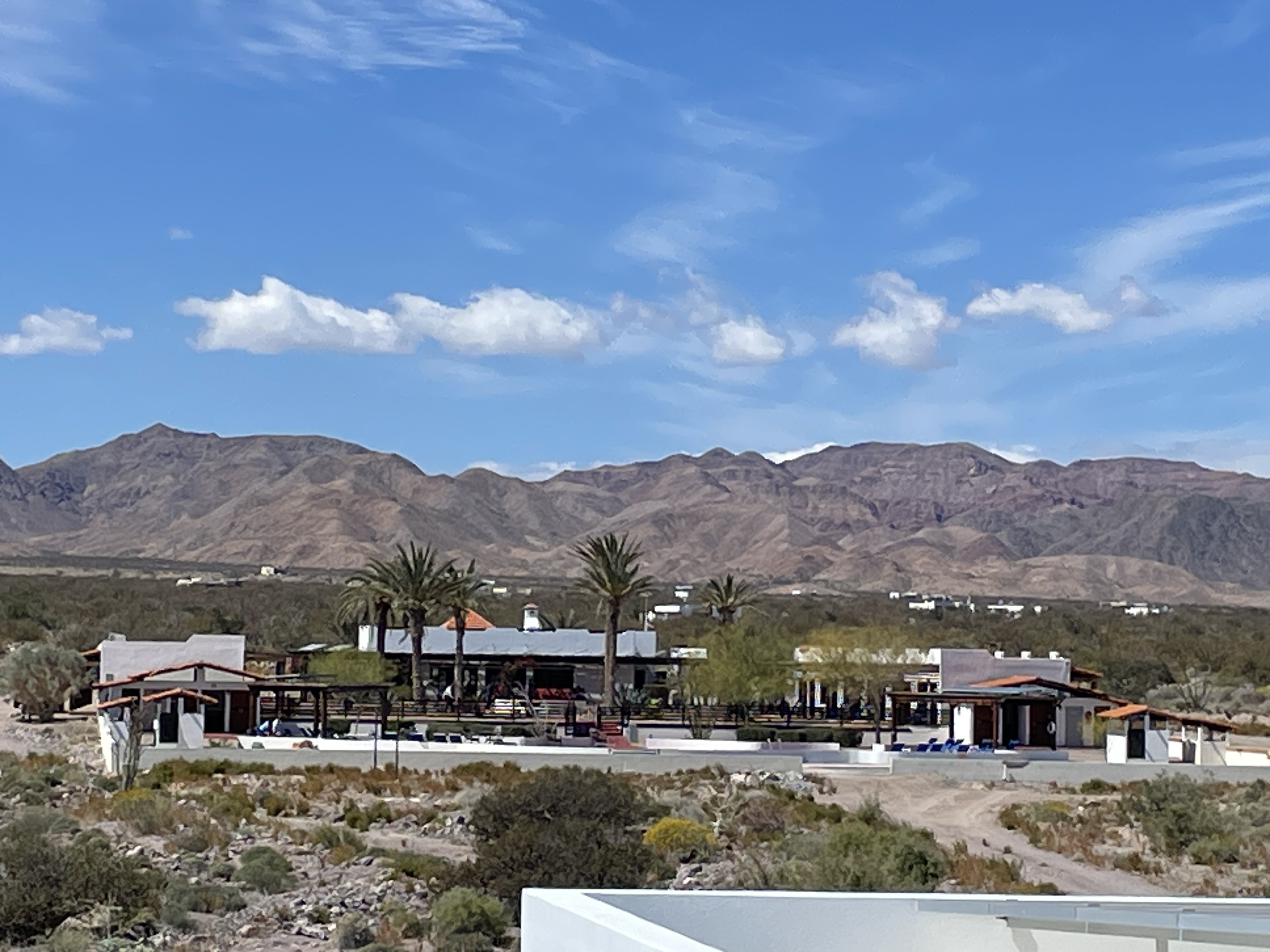
This photo is of the clubhouse and looking the opposite direction toward the mountains. Here I am standing on the roof of the house in the previous photo.

Here I am in front of the pool in front of the clubhouse facing the Sea of Cortez. The house in the first picture is on the left in the distance.

This is desert land where even though it can get hot in summer, the sea breeze keeps it relatively cool.
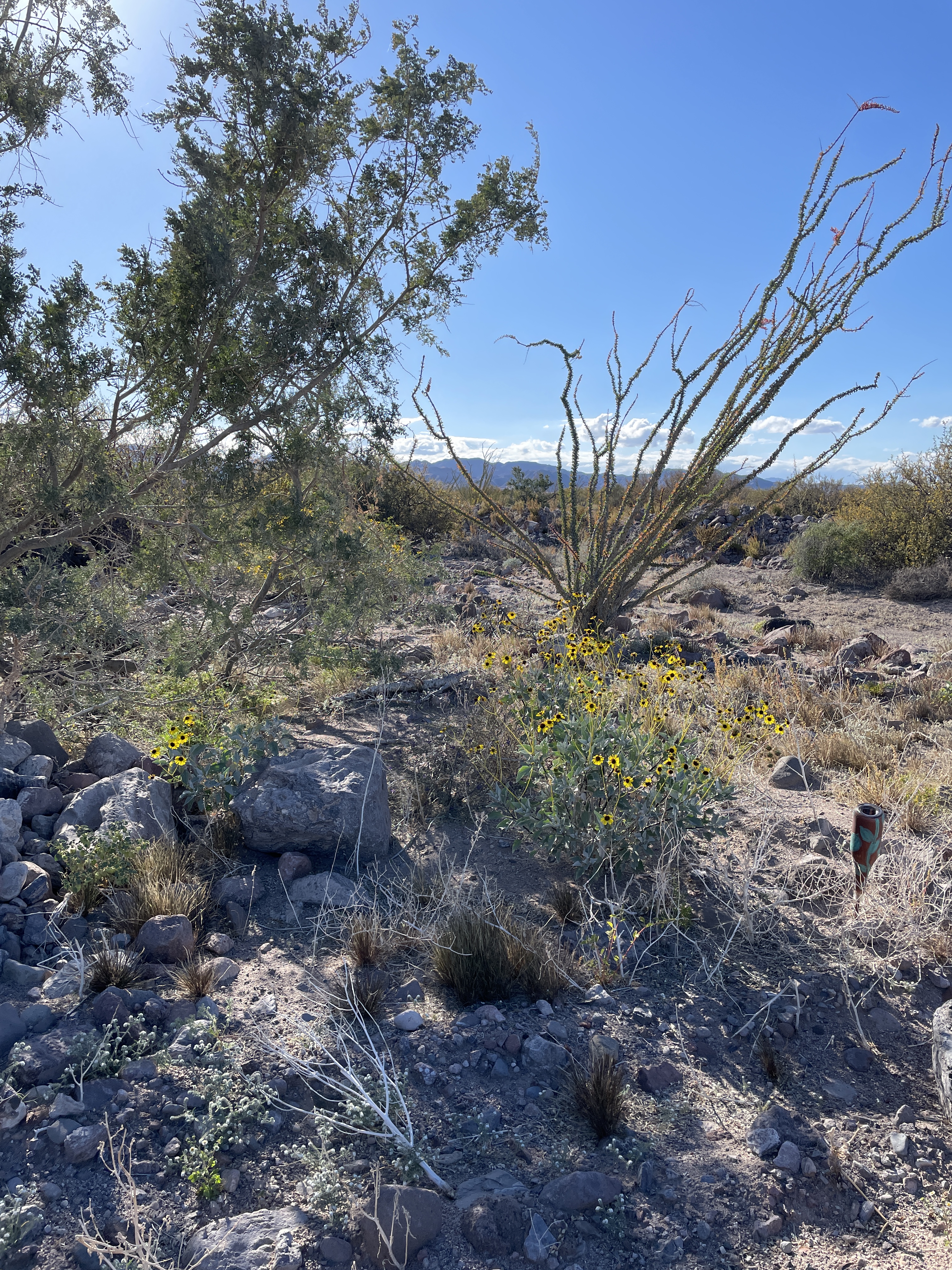
The plant on the right is ocotillo which is protected. If you are building a house and it is in the way, you have to move it elsewhere. You cannot just get rid of it.

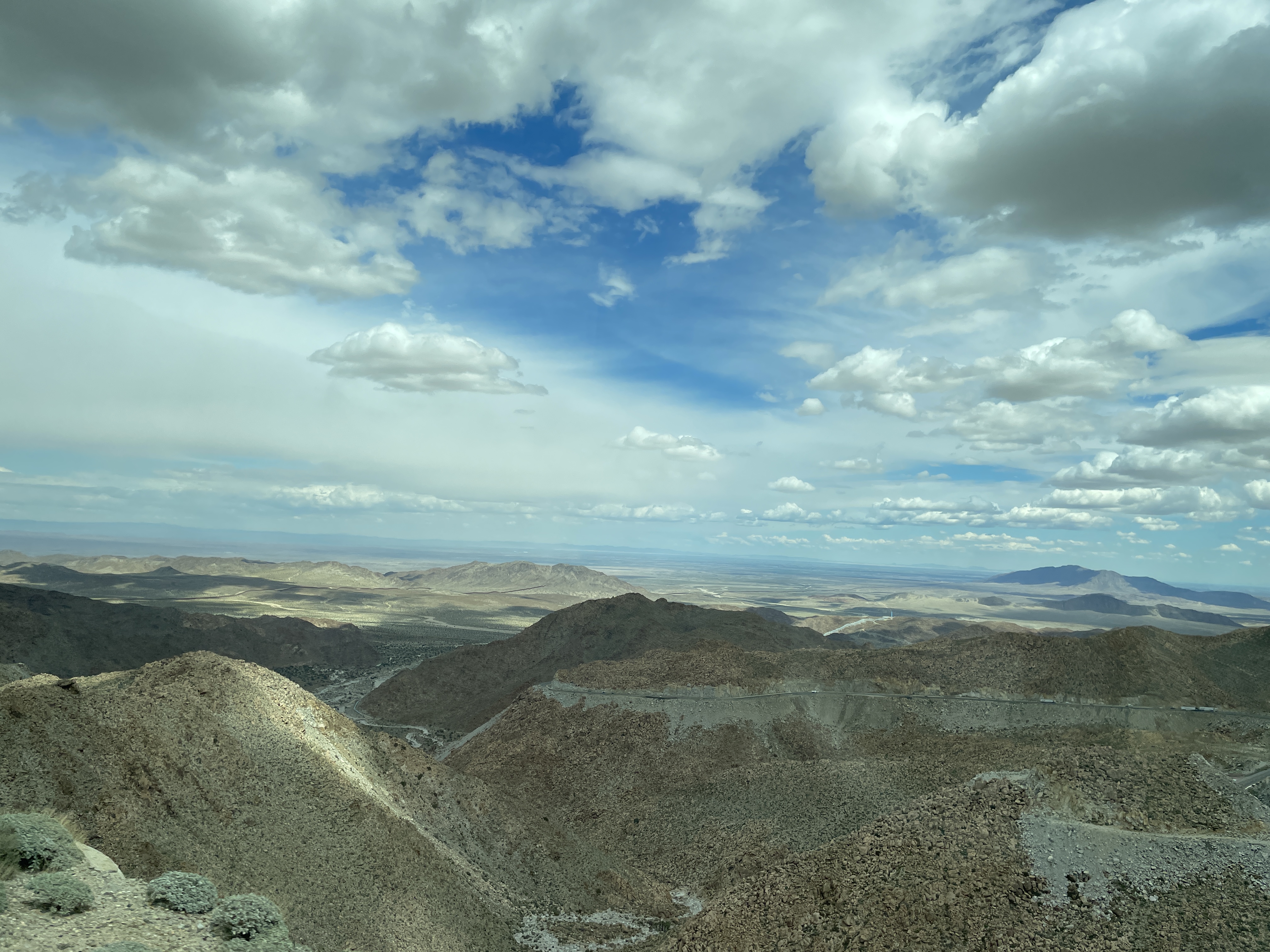
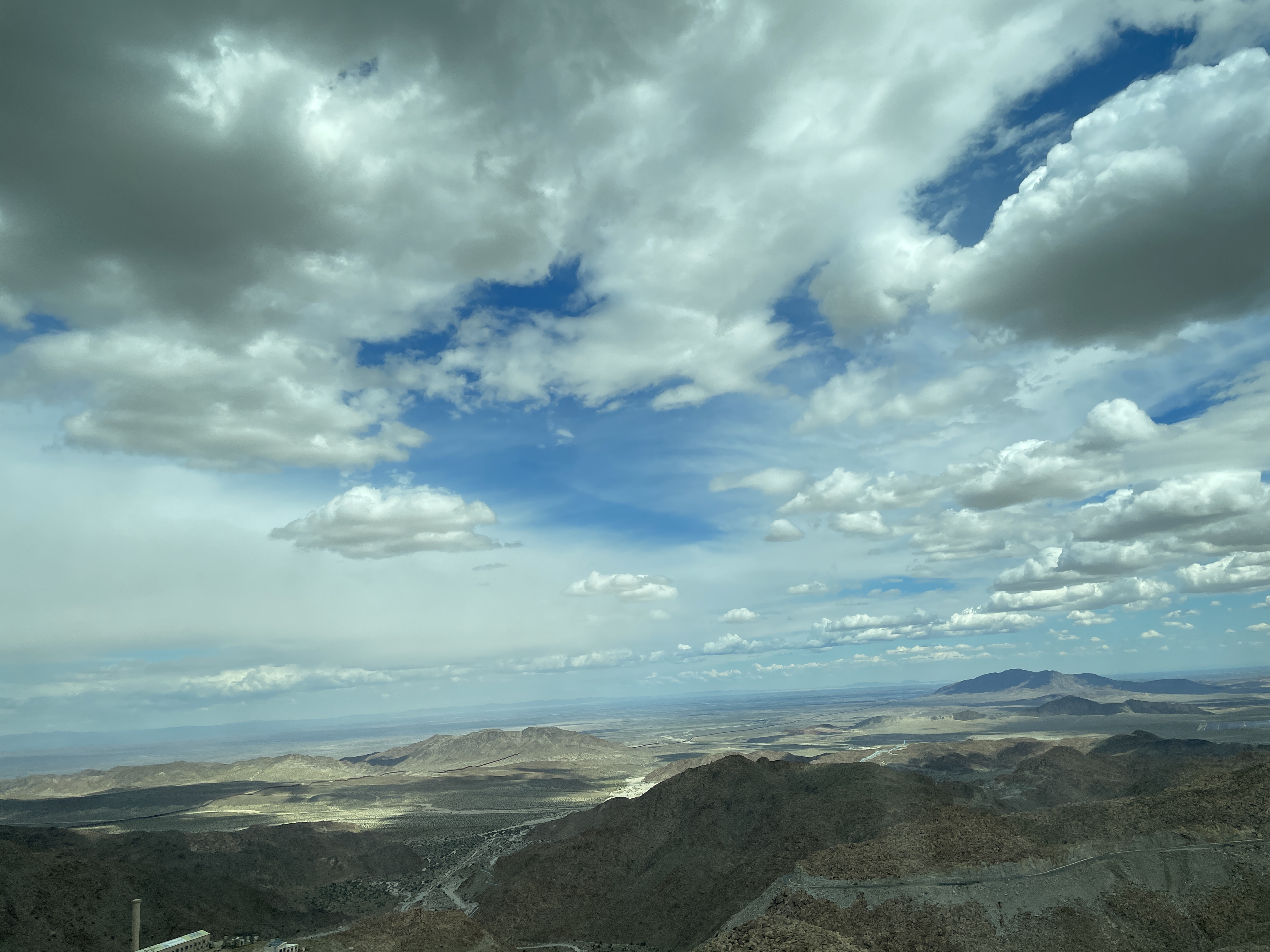
Monday was a big adventure trying to cross the border. We arrived in Mexicali only to discover no busses could cross the border there so we had to take the highway to Tijuana and cross there. To do this you must cross a mountain pass. What a feat of engineering building this road must have been. It is quite incredible and as you climb higher and higher the views go on forever into the far distance. The following are photos I took from the bus window as we drove higher and higher.
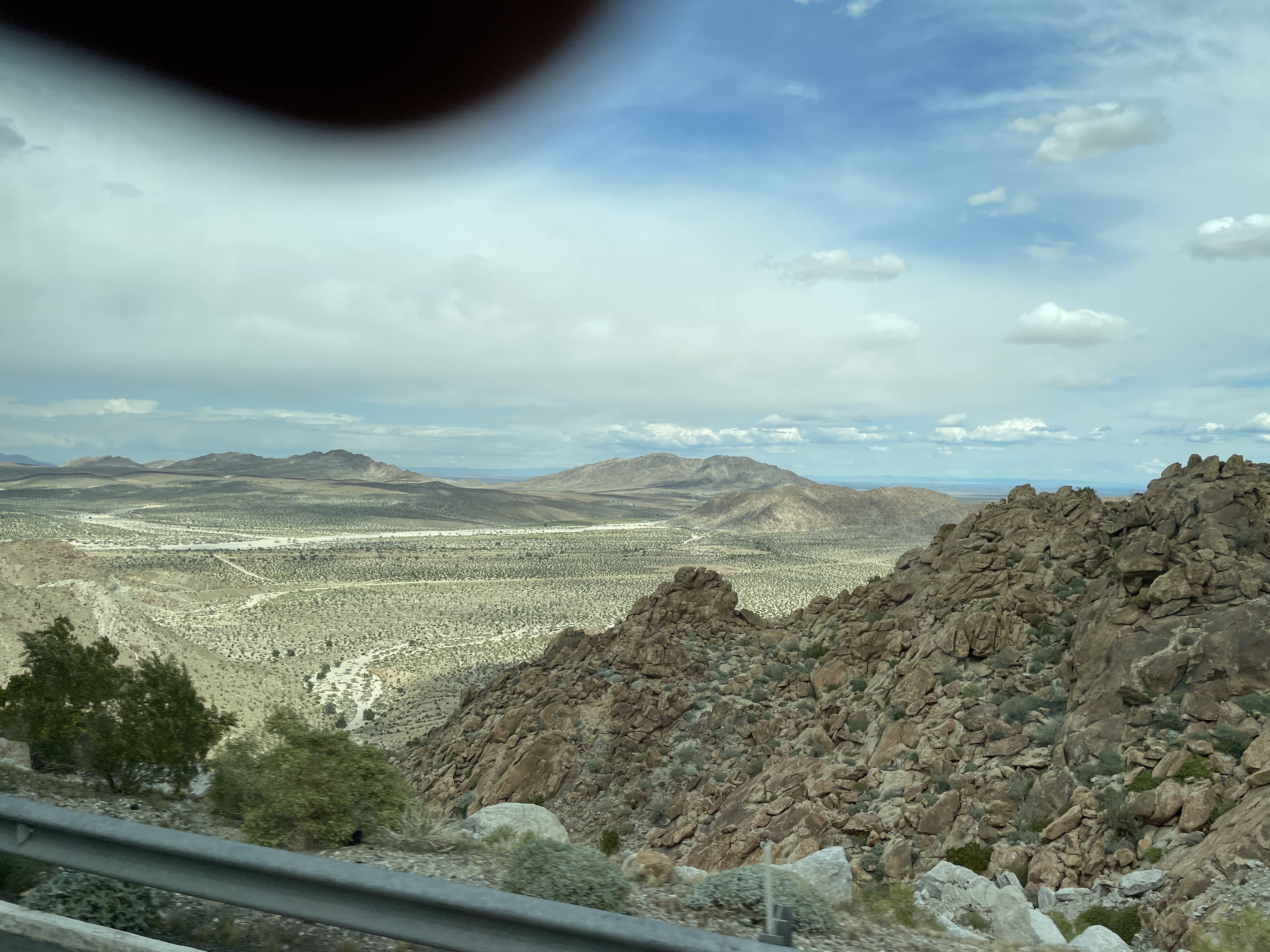
These mountains are made of rocks of all sizes that are just stacked on top of each other. Here only these small blue-green plants seem to thrive.

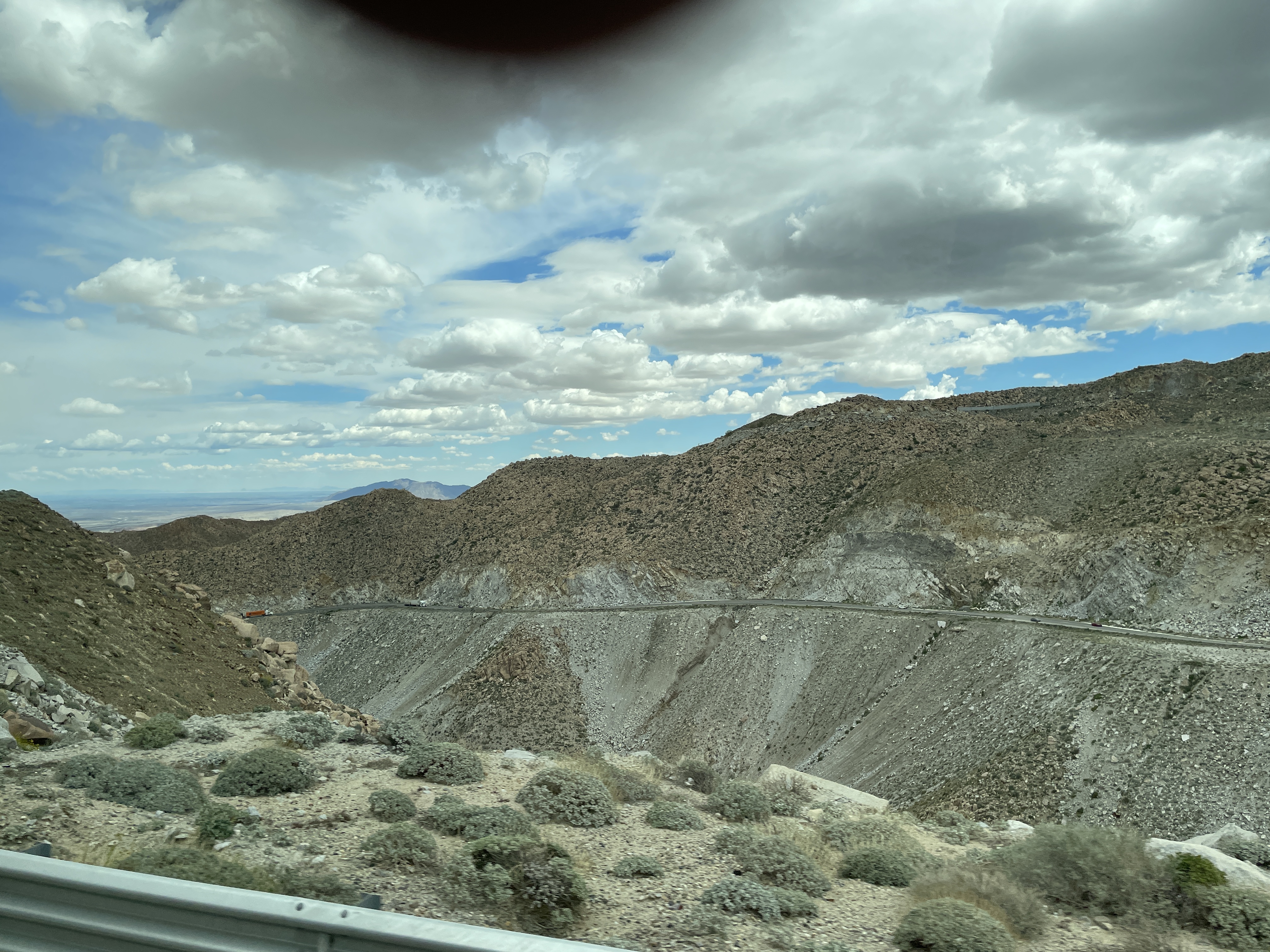
In this photo you can see the highway where we had just traversed.
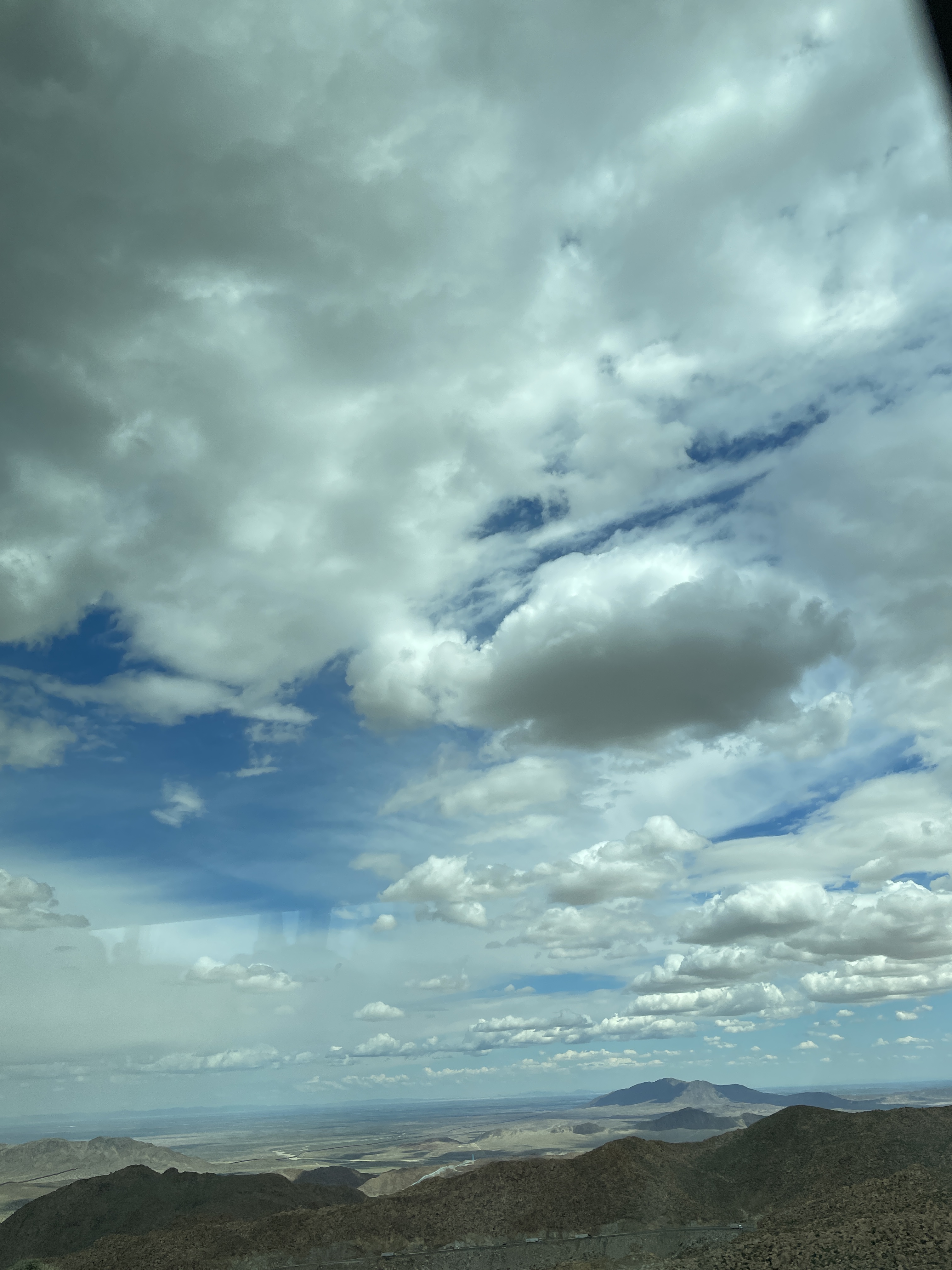
Here you can see how at this height the mountains are nothing but stacked rocks of all sizes.

After the summit as we went down toward the town of Tecate, it started to rain and it rained most of the way to Tijuana. The Pacific side of this part of Baja gets rain and it was lush green this time of year while the Sea of Cortex side is desert.

I do not recommend crossing at Tijuana in a large bus. Even though we had sent all our passport information in advance, they made the bus sit there for nearly an hour and wait. Meanwhile those on foot and in cars were just zooming along at a rather rapid pace. Then we had to get out of the bus with all our luggage and everything and wait more. I crossed the border (not in a bus) last April and it did not take long at all. I have heard that Tijuana is the busiest port of entry from one country to another in the world but have not verified that. It certainly was busy yesterday.

Book 11, 2024: ” Frida’s Fiestas: Recipes and Reminiscences of Life with Frida Kahlo”


The author of this book, Guadelupe Rivera, is the daughter of Diego Rivera by the woman to whom he was married before he married Frida. Diego went on a trip to Russia and his then wife, the author’s mother, became attached to her previous boyfriend, the poet Jorge Cuesta. She and Diego divorced and then he married Frida. Eventually, the two couples became friendly and at one point they all lived in the same house.

Thirteen years after Diego married Frida, the author moved in with them. This book details her life living with Frida and her father, how Frida learned to cook, how she decorated the Blue House in Coyoacan, the fiestas, the food, the adventures. The book includes photos and recipes of Frida and Diego’s favorite foods, photos of the house, and places the author visited with Frida. It is also a story of many of Mexico’s famous people at the time.

I own several books about Frida but this one is the most revealing and intimate in many ways. If you like Mexican food and find the life and art of Frida and Diego of interest, read this book.

Note: It was also written by the journalist Pierre Marie-Colle with photos by Ignacio Urquiza.

Exploring in Bonelli Regional Park


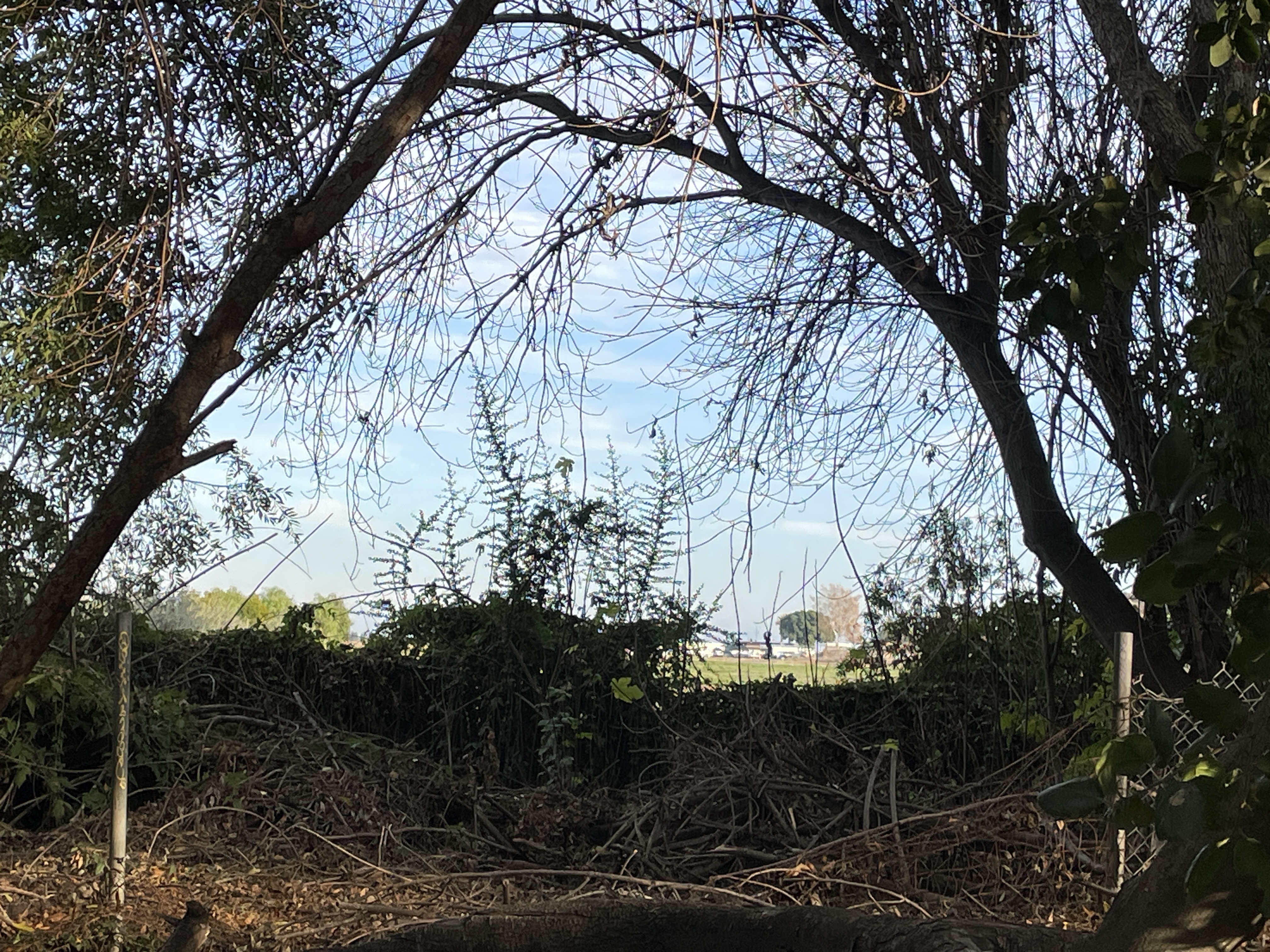
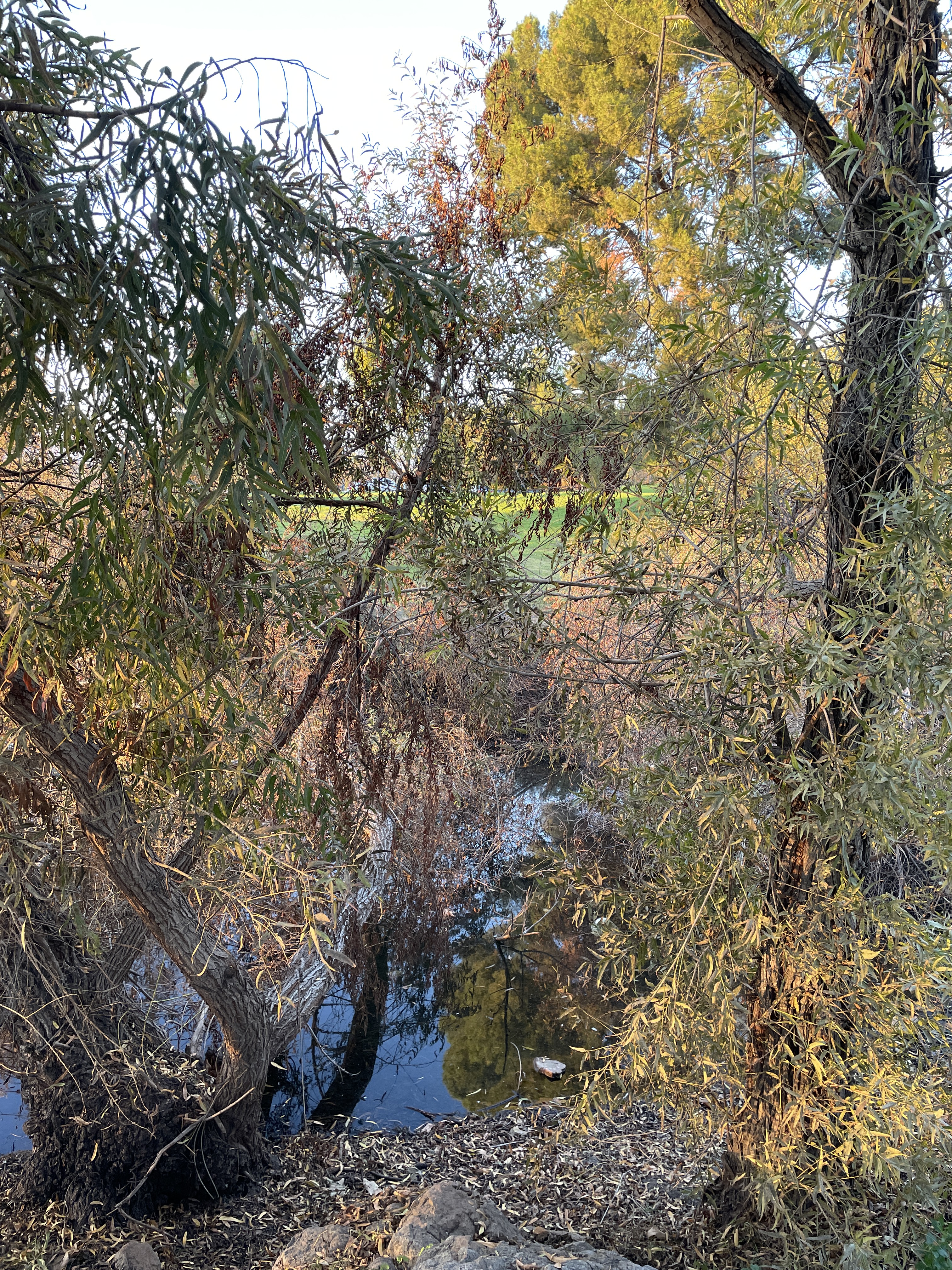
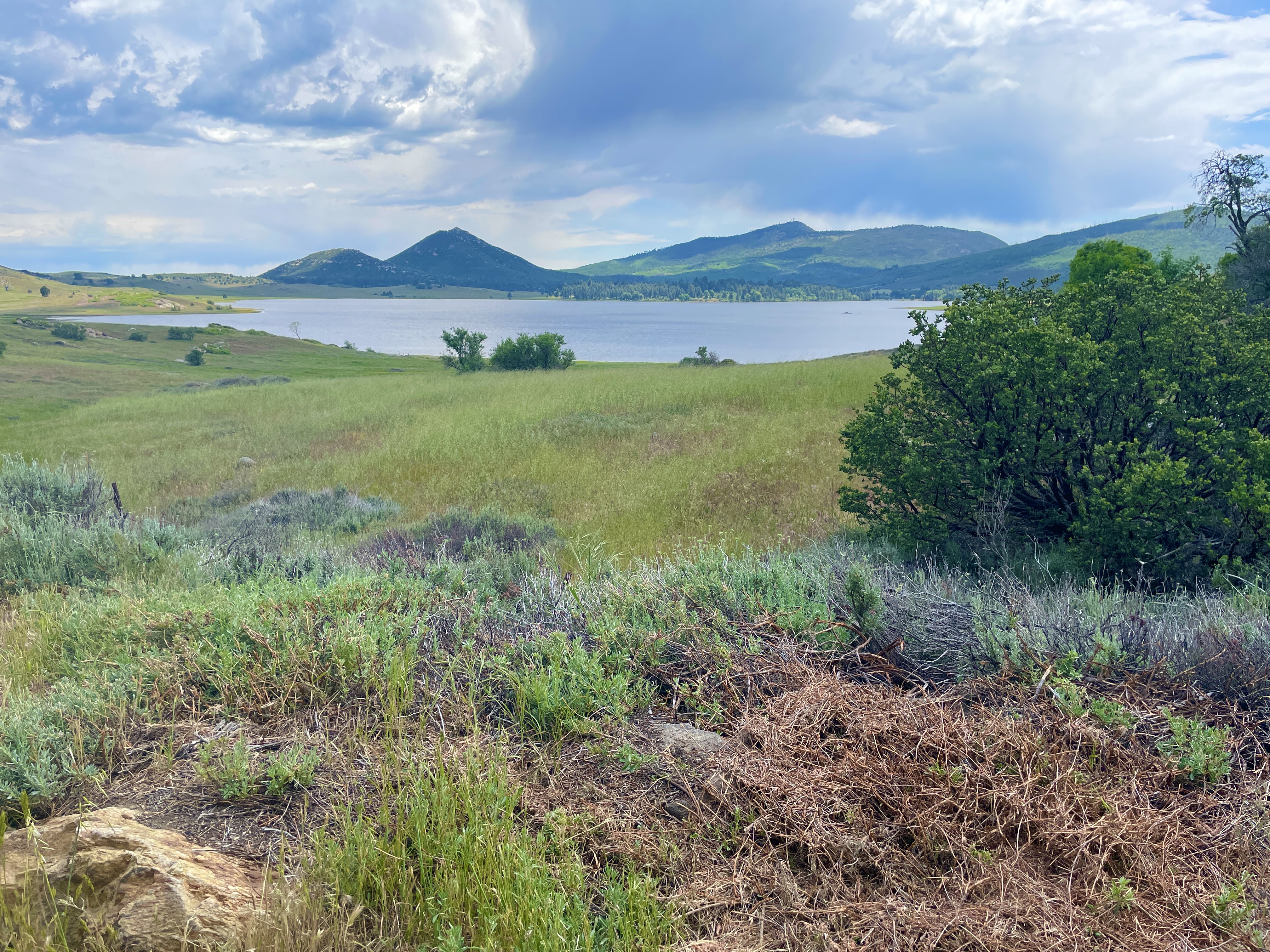
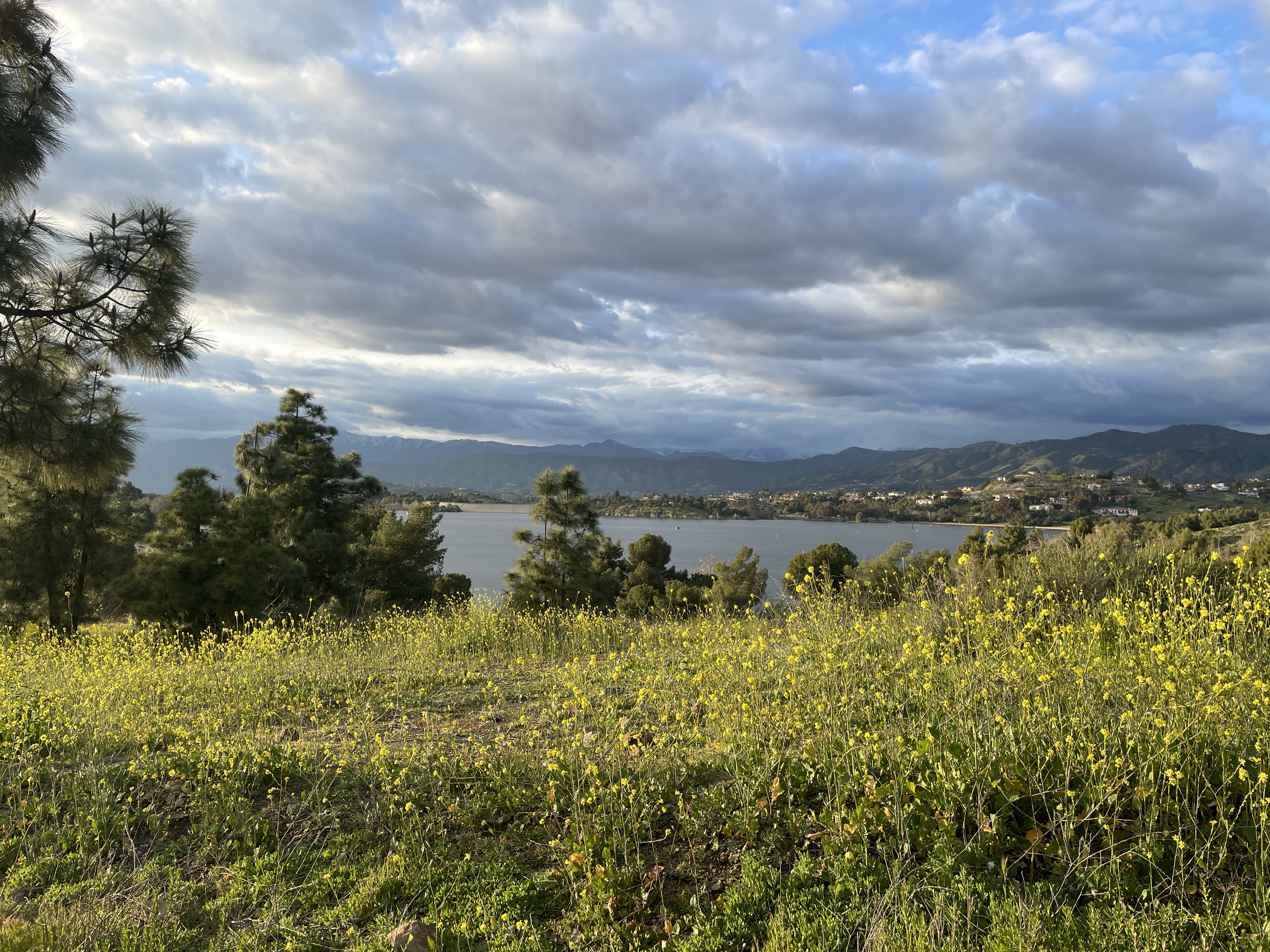
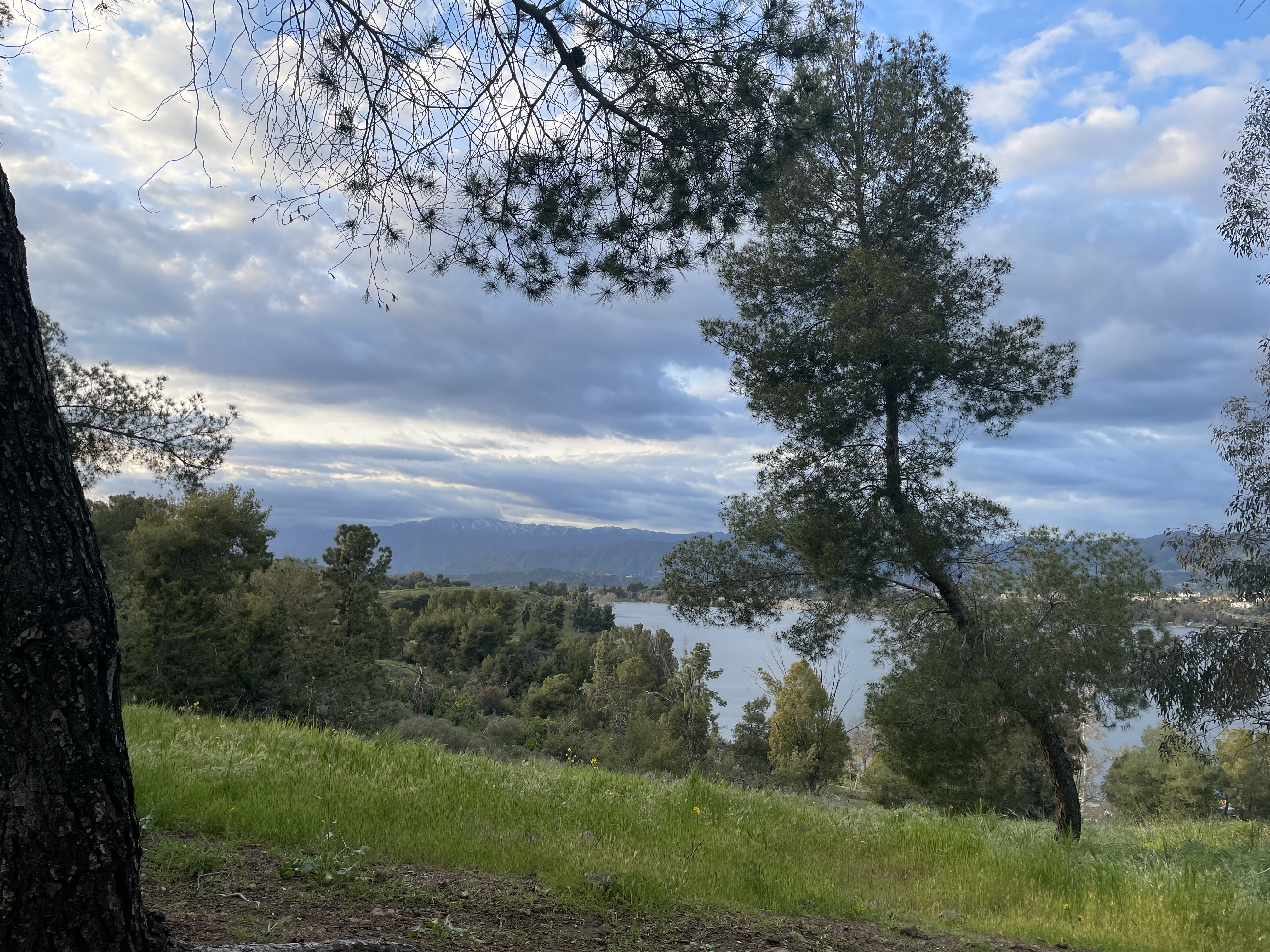
Today water level was low enough that I could cross into an area I had not previously explored. While many of these photos are in the areas I’ve walked before where the walker can see the lake and mountains, the other photos are from the heavily wooded area I found today.
One Book a Week-30: “Deacon King Kong”, James McBride


It takes genius to write a novel about serious topics, e.g. racism, poverty, addiction, drug dealing, crime, which is also very funny. This is the first book I’ve read this year where I found myself frequently laughing out loud. In the projects of South Brooklyn in 1969, an elderly church deacon shoots a young drug dealer, who is also a star local baseball pitcher. Thus begins a saga about the Black and Hispanic residents who live there, the cops who patrol the area, the Italian mobsters who control the docks, and the church where the shooter is a deacon. The “New York Times” listed this as one of the ten best books of 2020. Indeed it is. This is the third book I have read by this author, and I will soon progress to another one.

An Afternoon Stroll at The Huntington


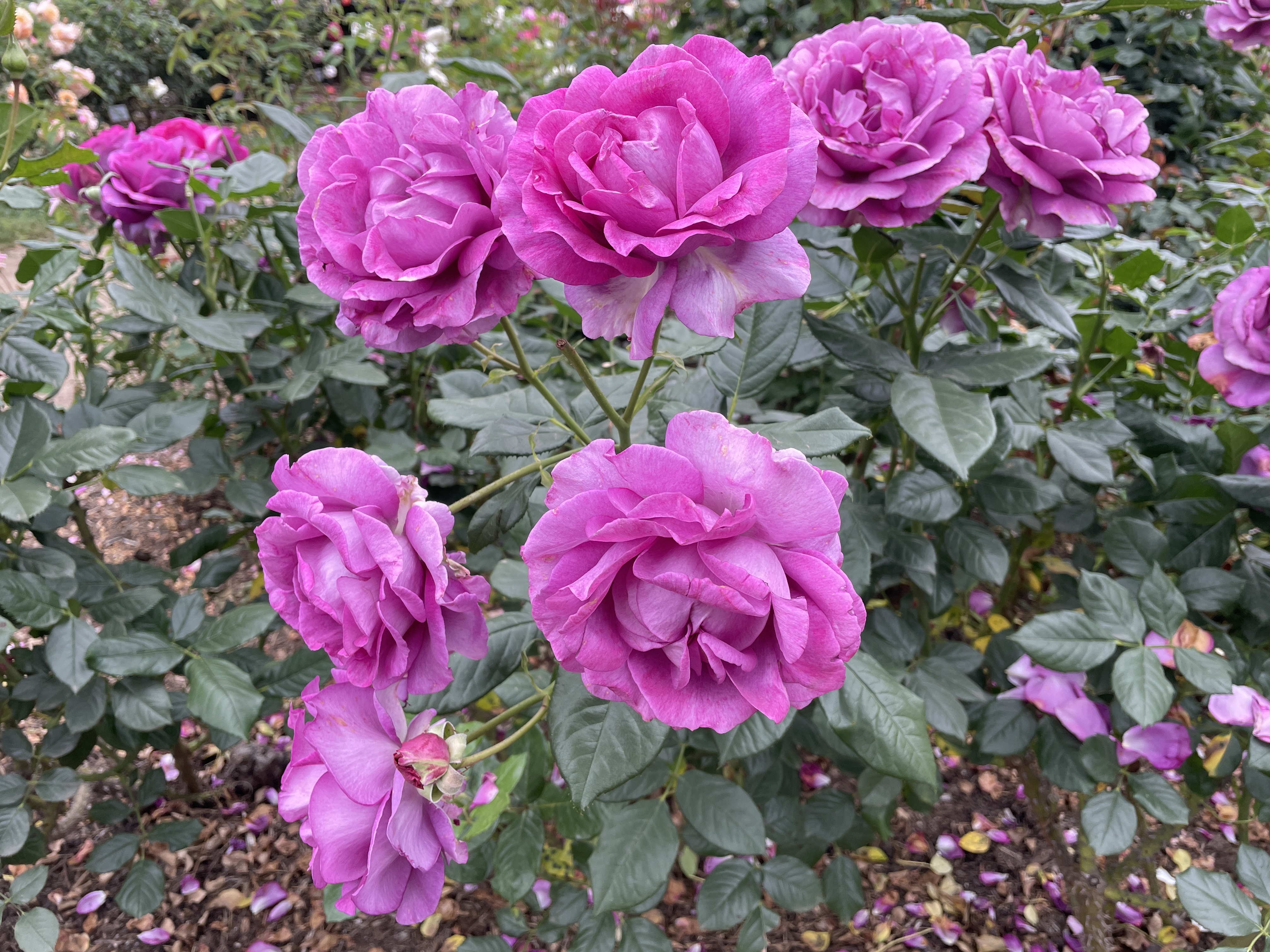
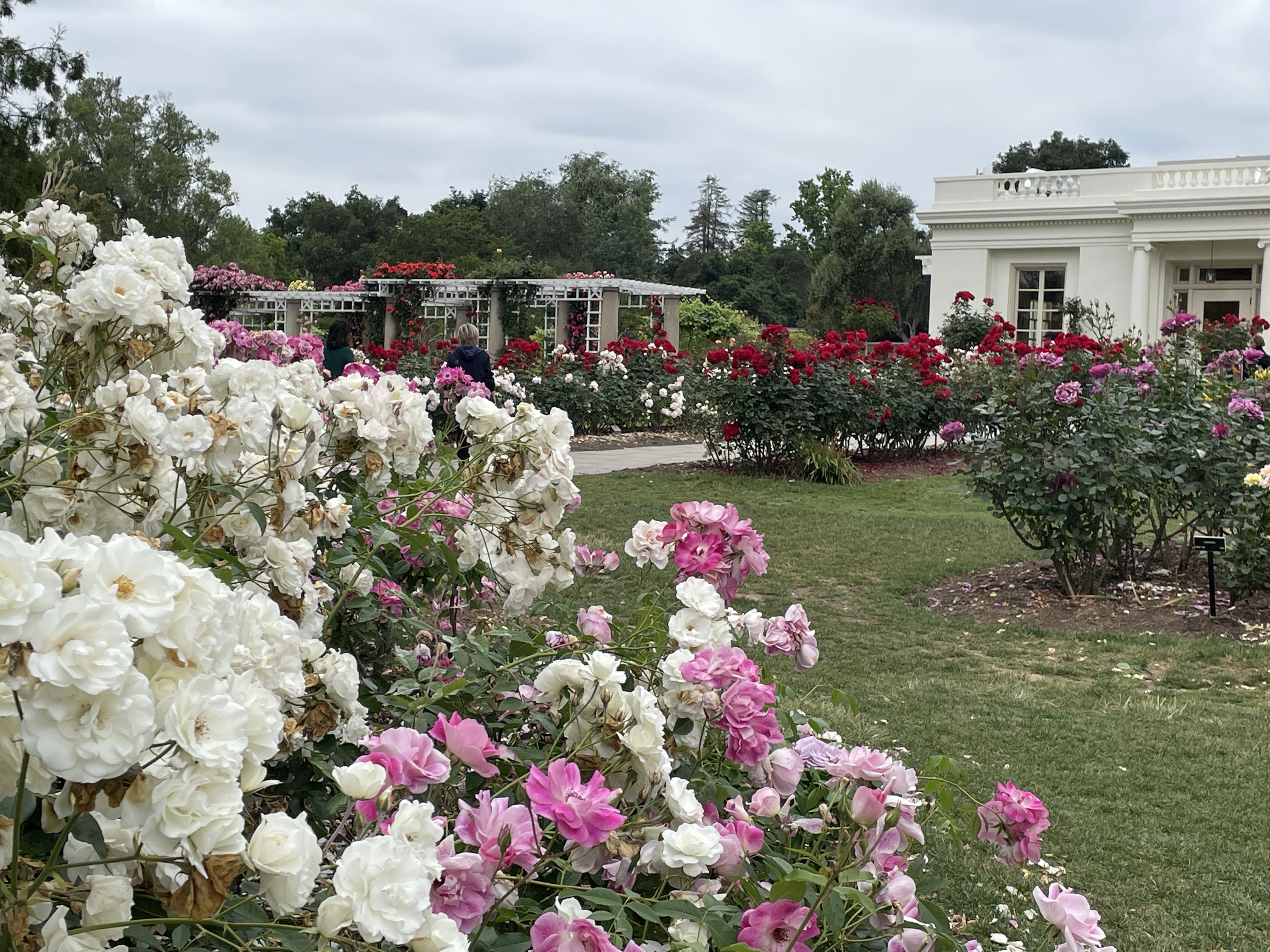
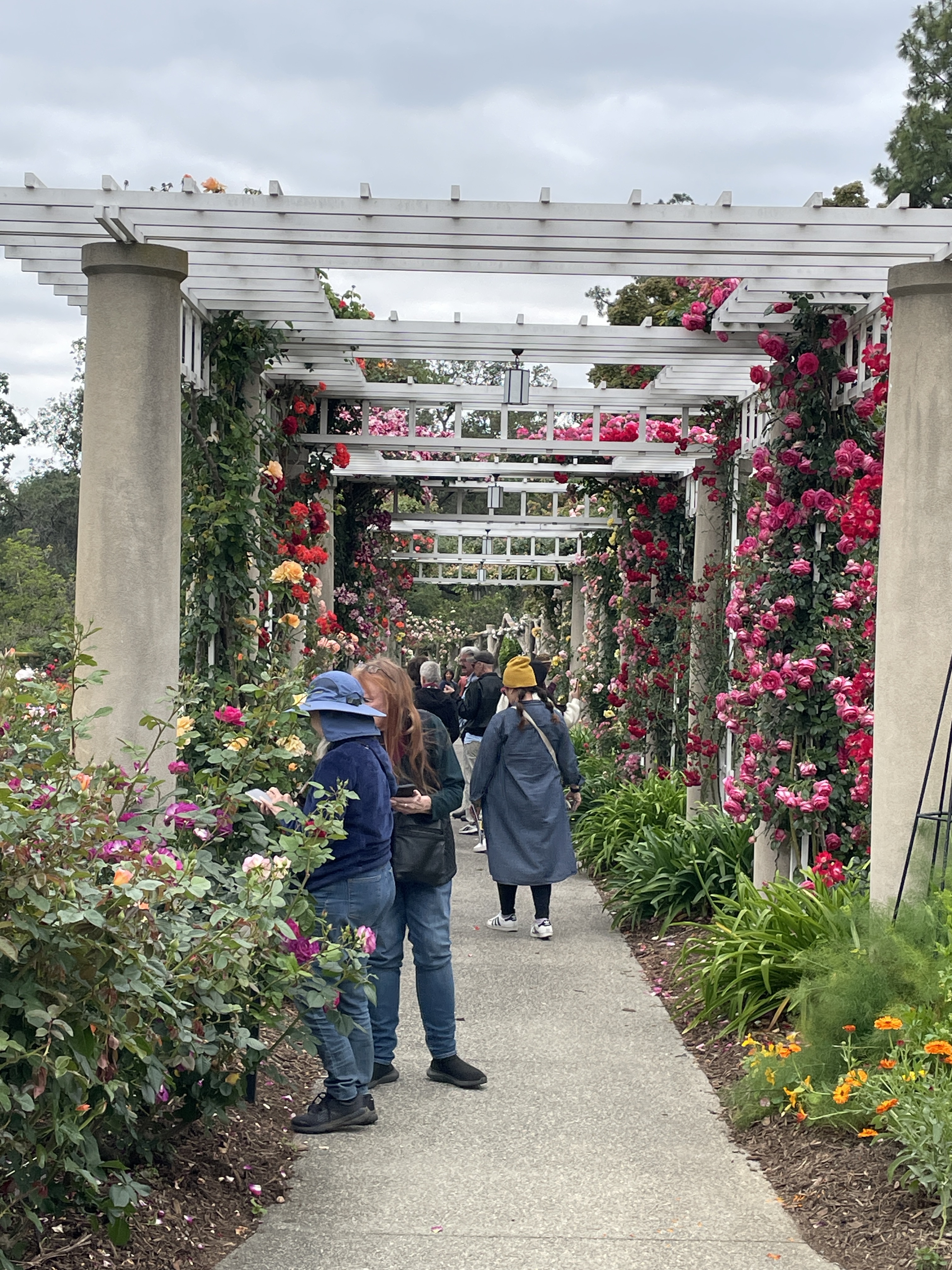
Friday, I decided to look around at parts of The Huntington since I had not been there in a while. For one thing, I knew the roses would be in full bloom, and even though I had been there a number of times, I had never looked around the rose garden. They did not disappoint.

Find the bird among the roses.

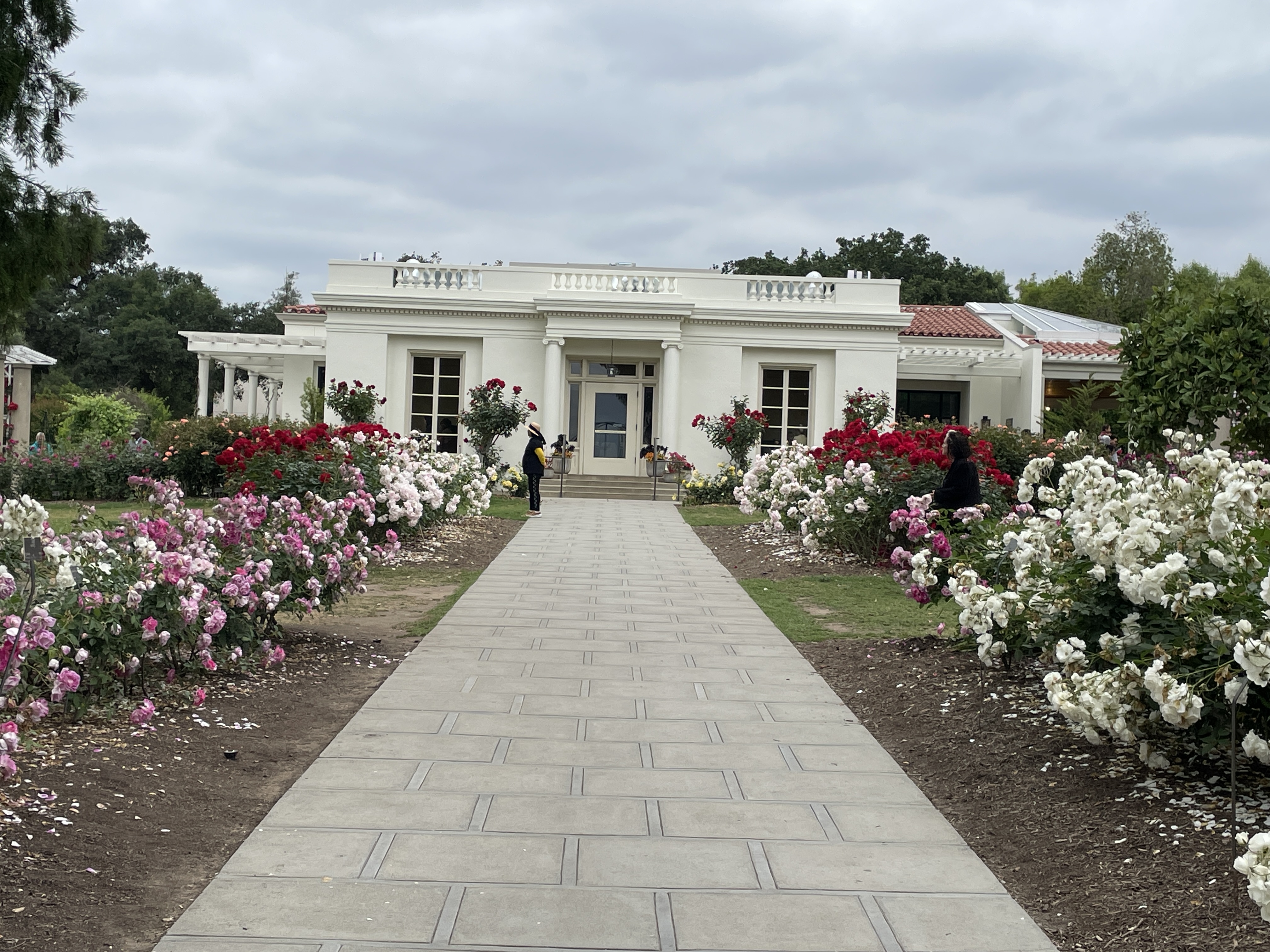
The building is the newly reopened Tea Room.

This rose has perfume as part of its name and smells divine.

I left the rose area and strolled in the herb garden seen above. Then I found a new kind of artichoke, Opera Artichoke. See below.

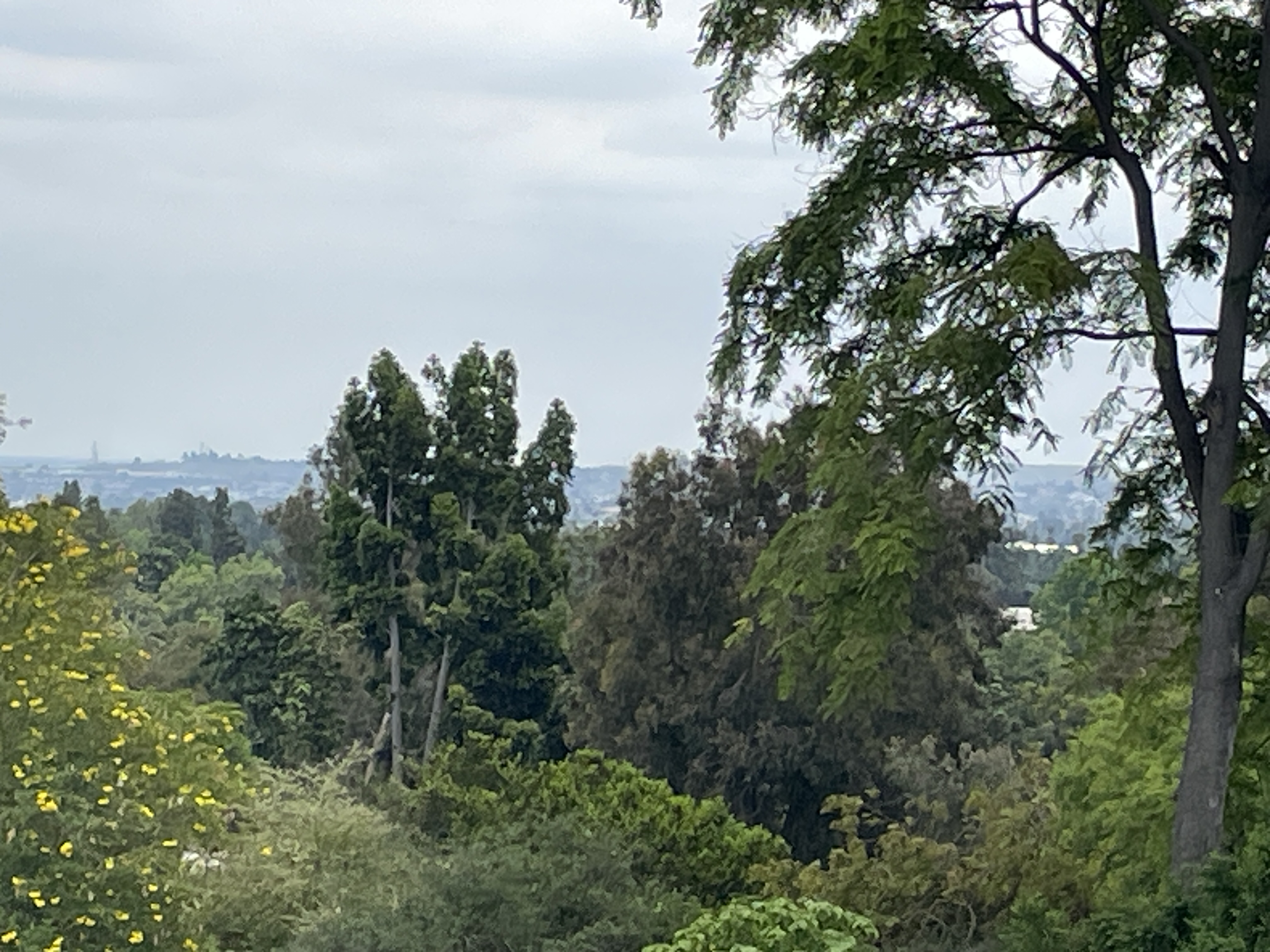
Facing away from the rose garden I could see all the way to downtown Los Angeles.

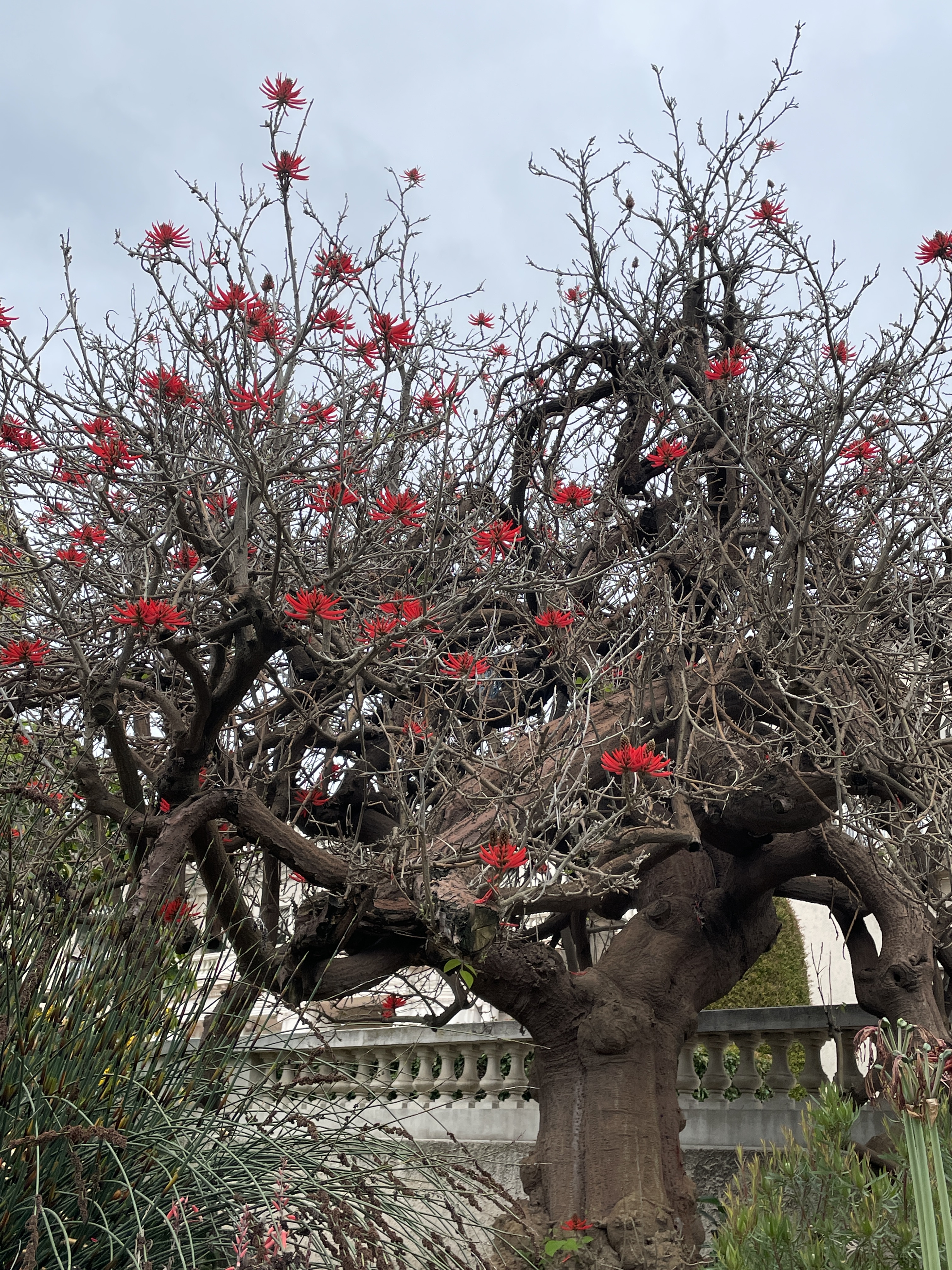
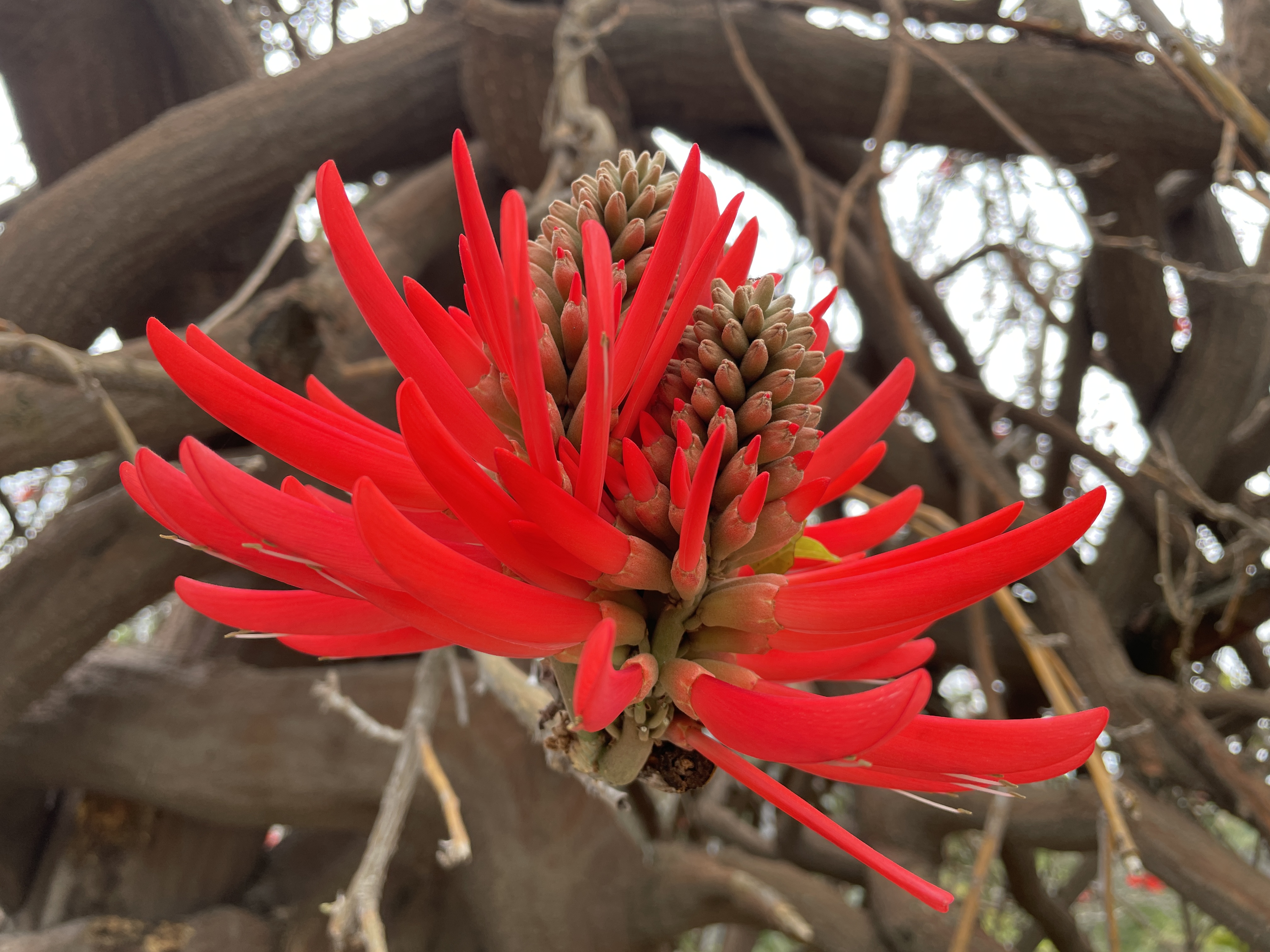
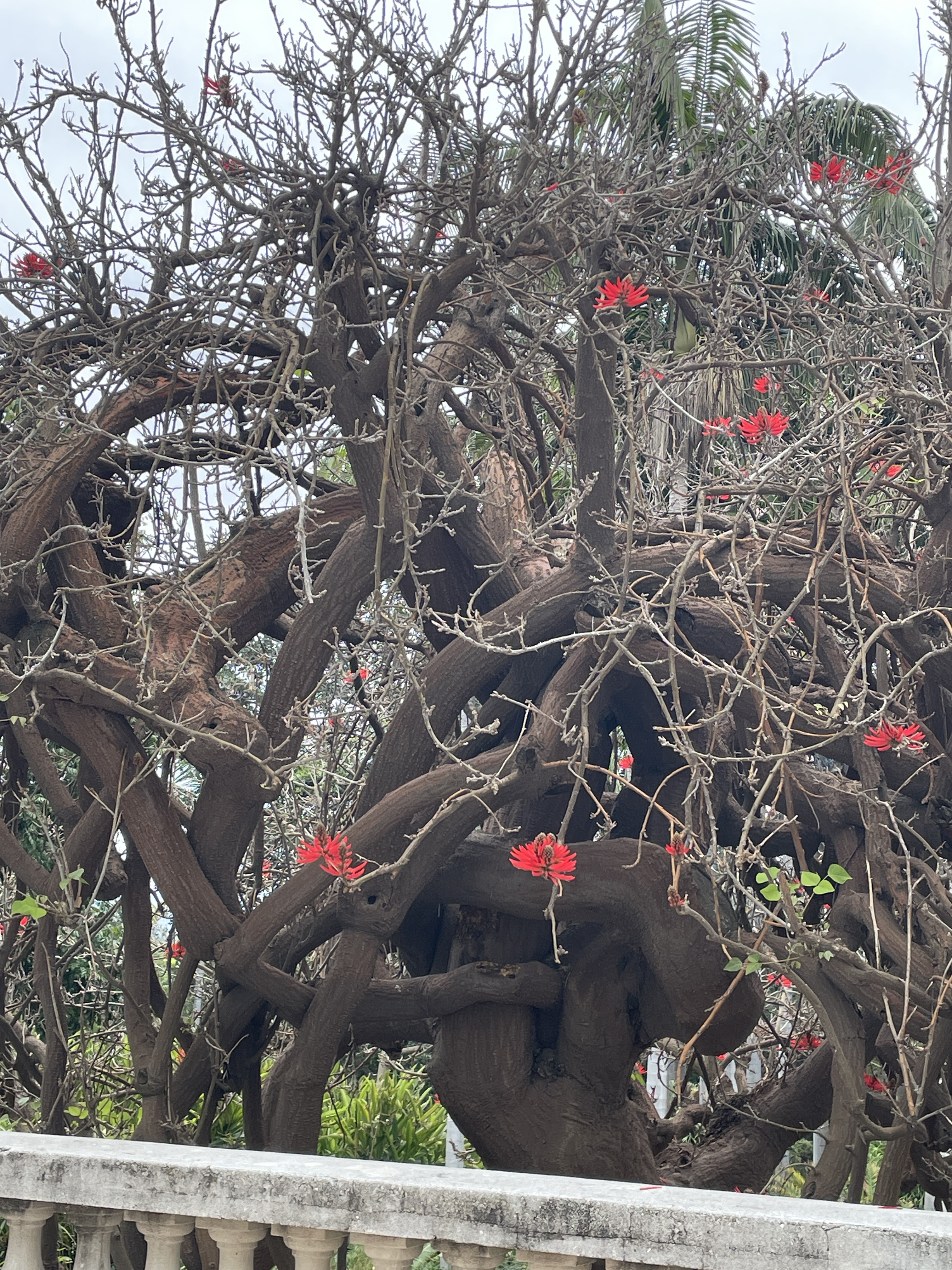
This tree is labeled Naked Coral.

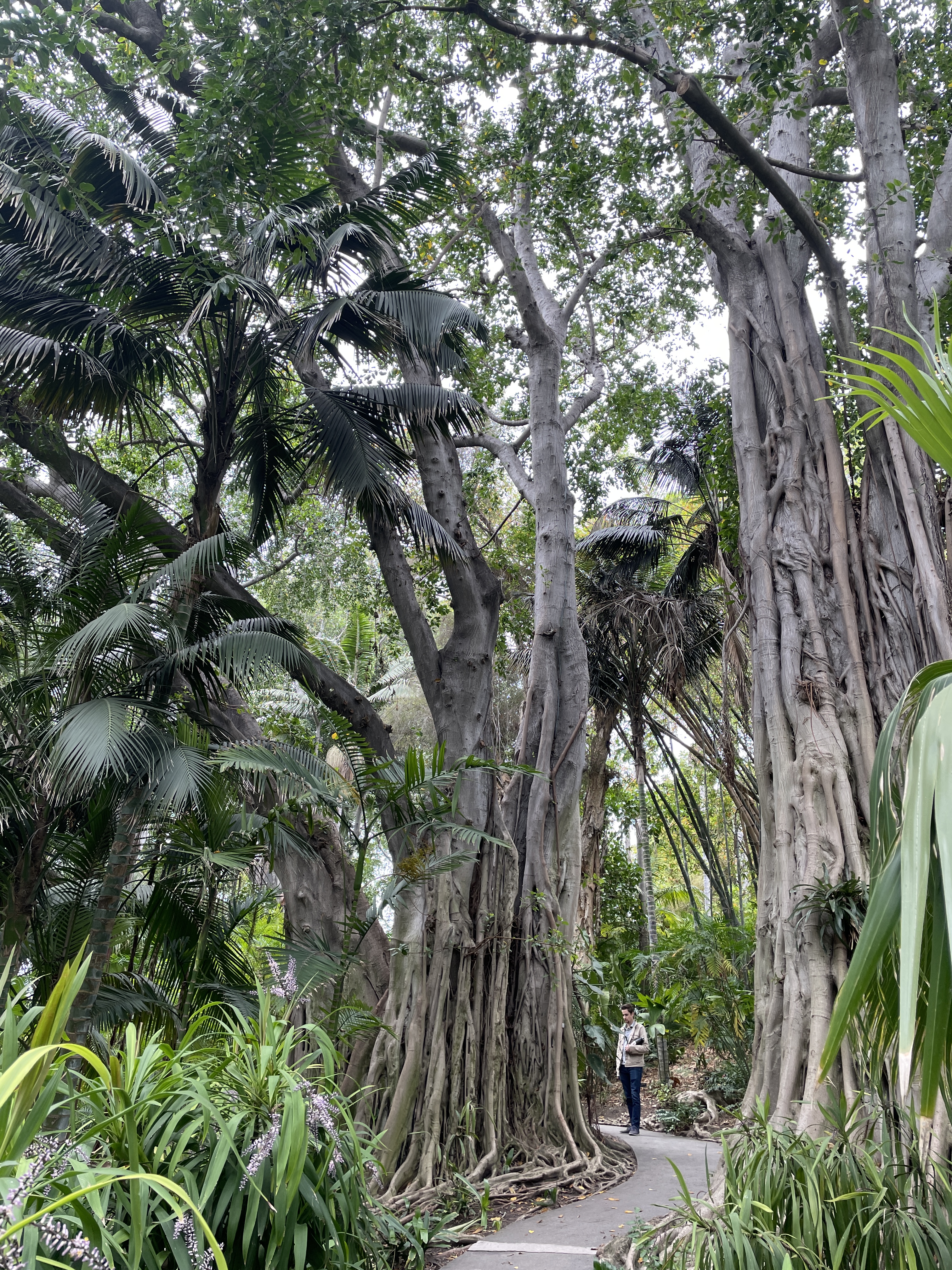
Then I strolled through the tropical garden area.

Fig trees.

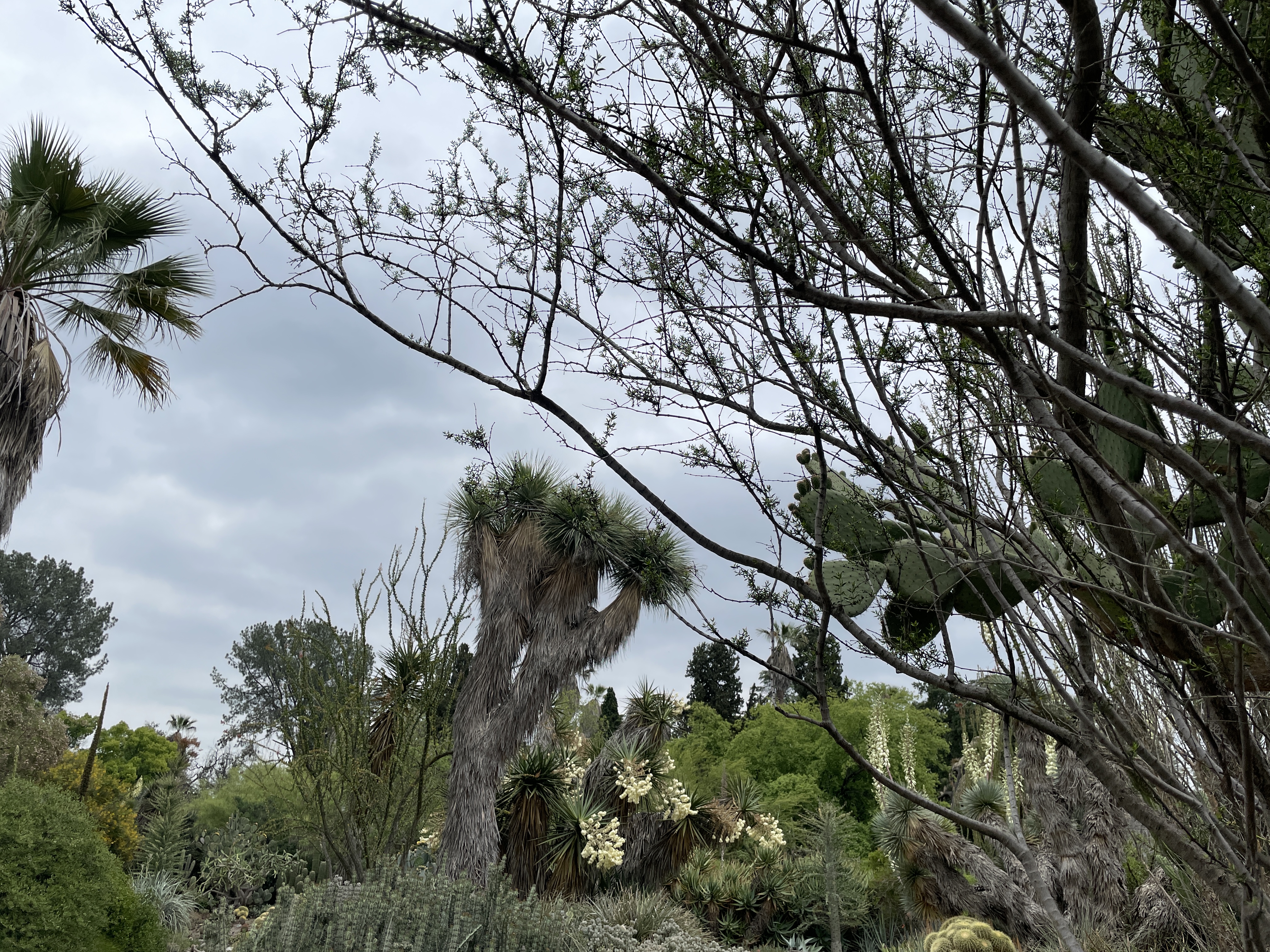
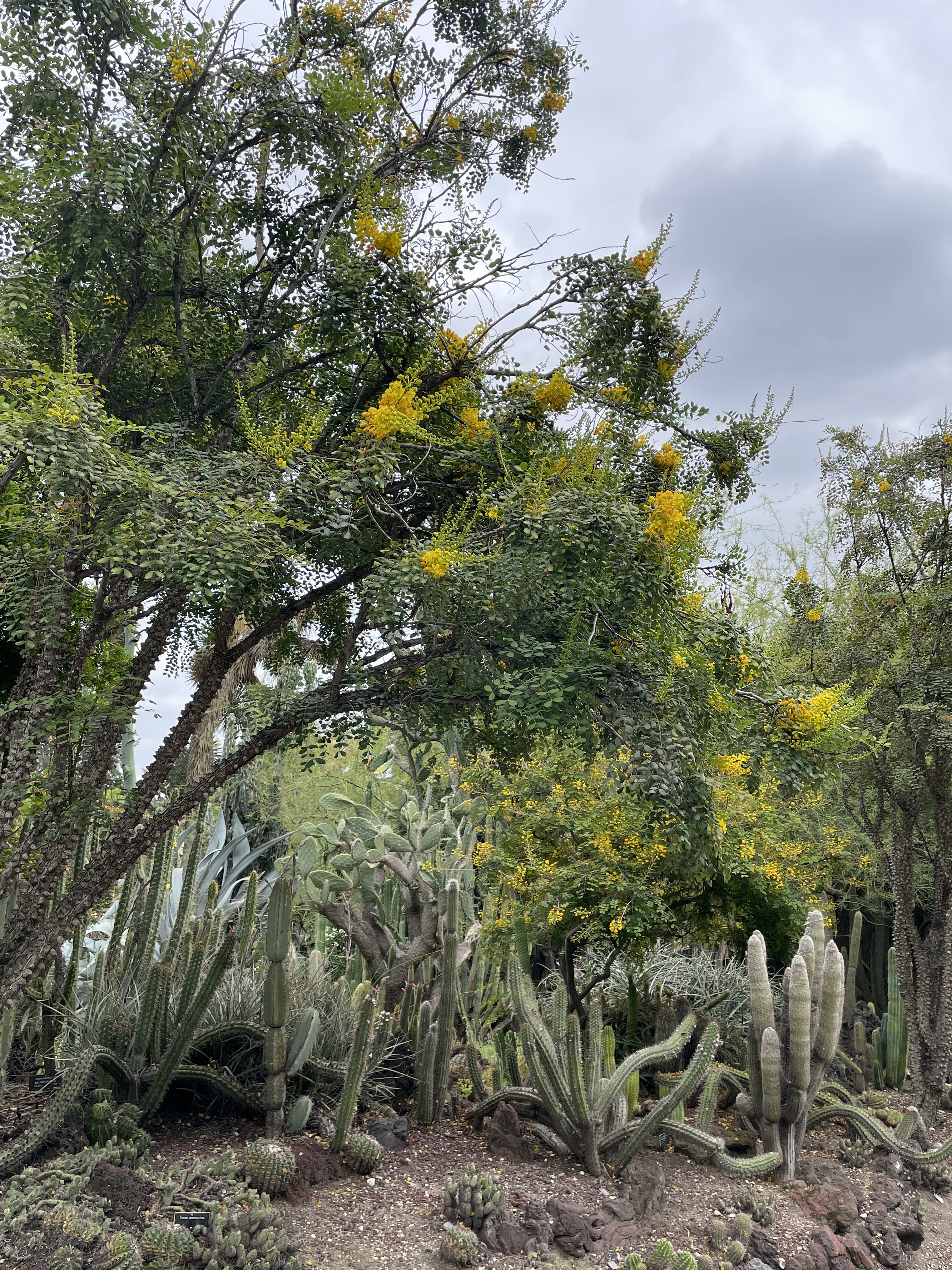
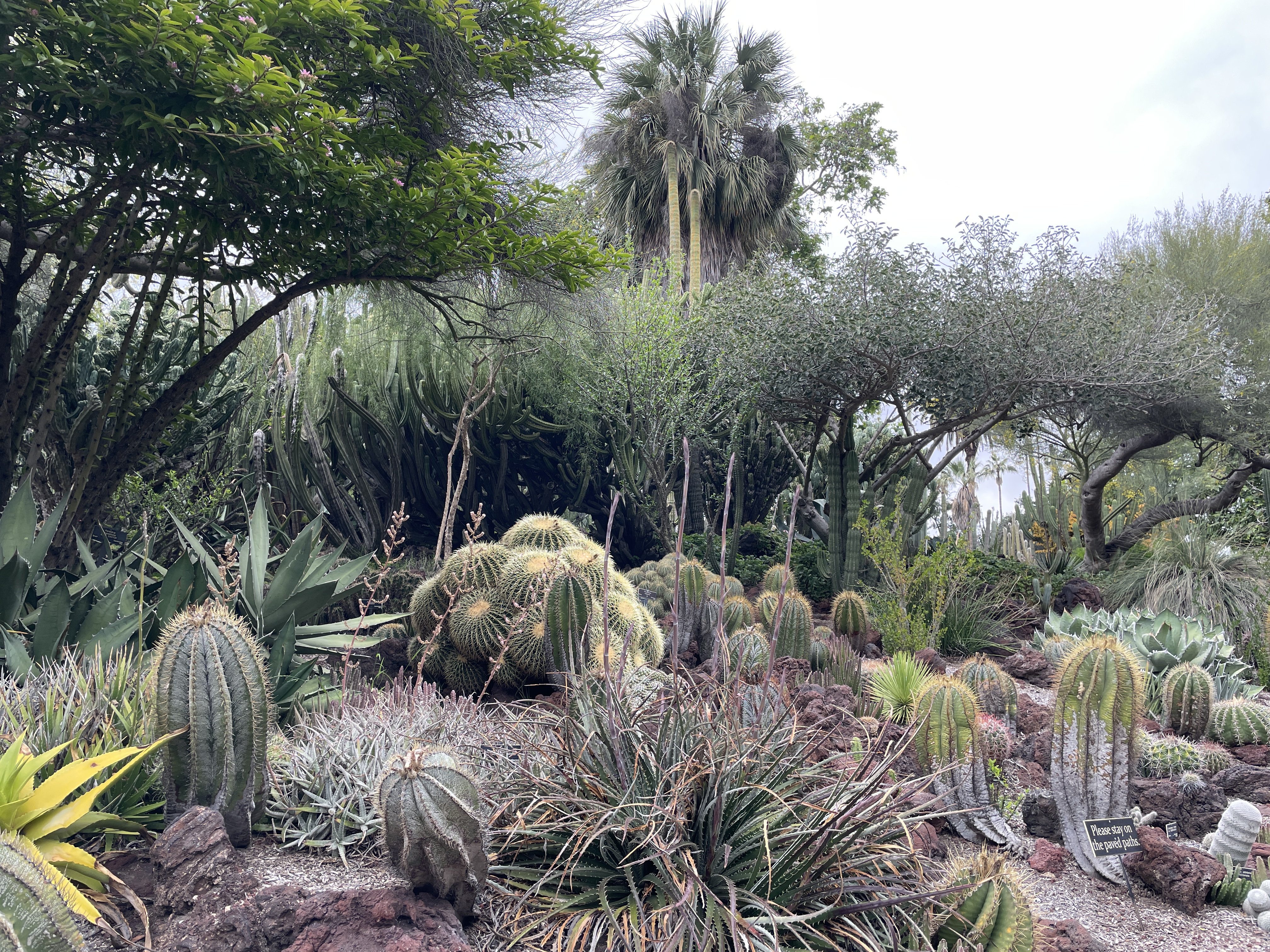
After leaving the tropical area, I wandered around cactus and succulent gardens.

Trip to Lucky 5 Ranch, near Julian, CA


Yesterday I drove to this place about six miles south of Julian, CA, a small, touristy, mountain town east of San Diego. Owned by the Nature Conservancy, the ranch abuts Anza-Borrega Desert Park, but this area is not desert. On the way, I drove through at least four Indian Reservations on Highway 76. California has more Native American residents than any other state.

This is Lake Henshaw on Highway 76 on the way to Julian. It is so full now that tops of trees stick out of the water. People told me that last year it was more like a big puddle.

The three mile hike was not long but quite strenuous as we climbed approximately 800 – 1000 ft. in altitude on the hike.

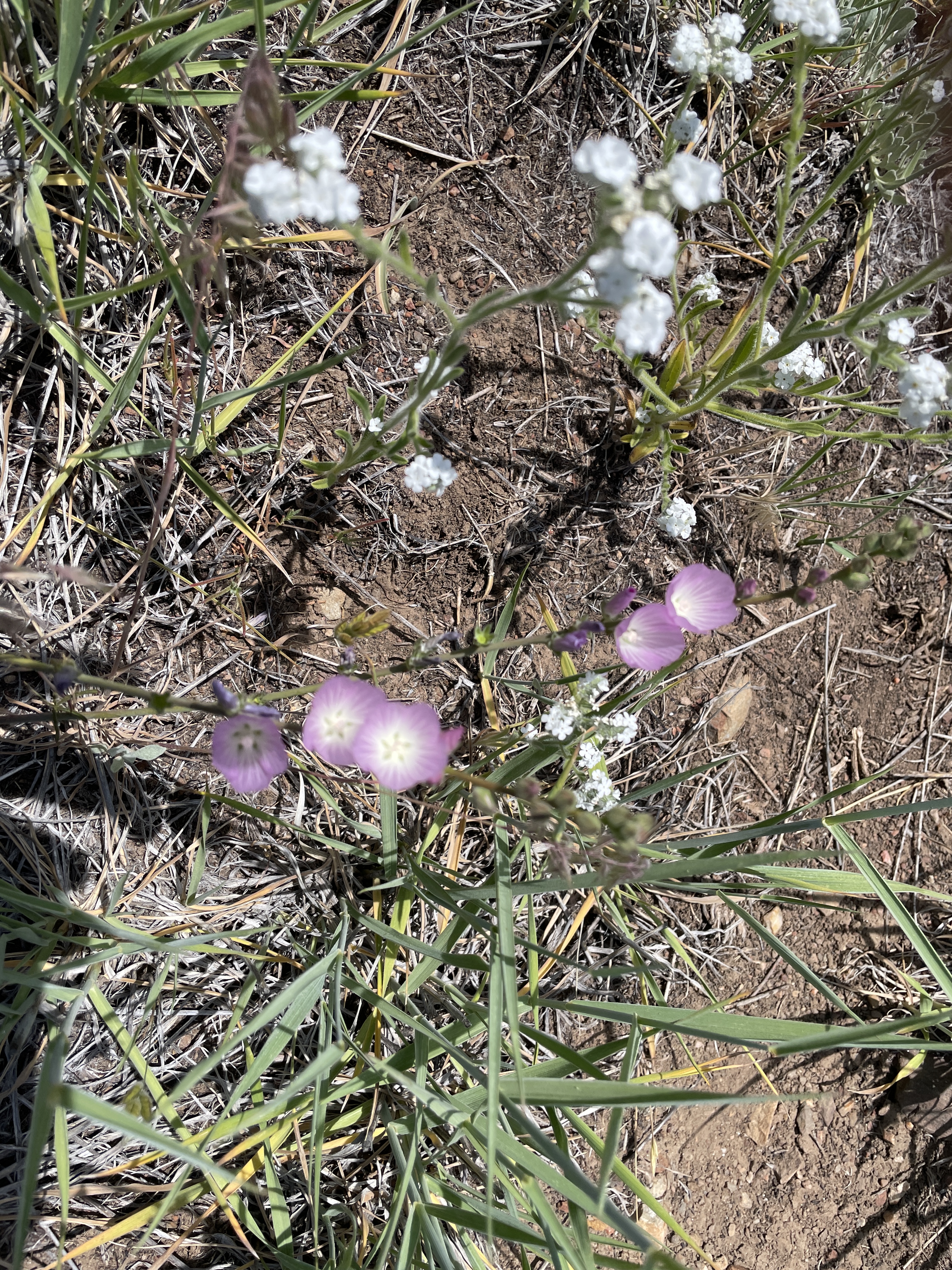
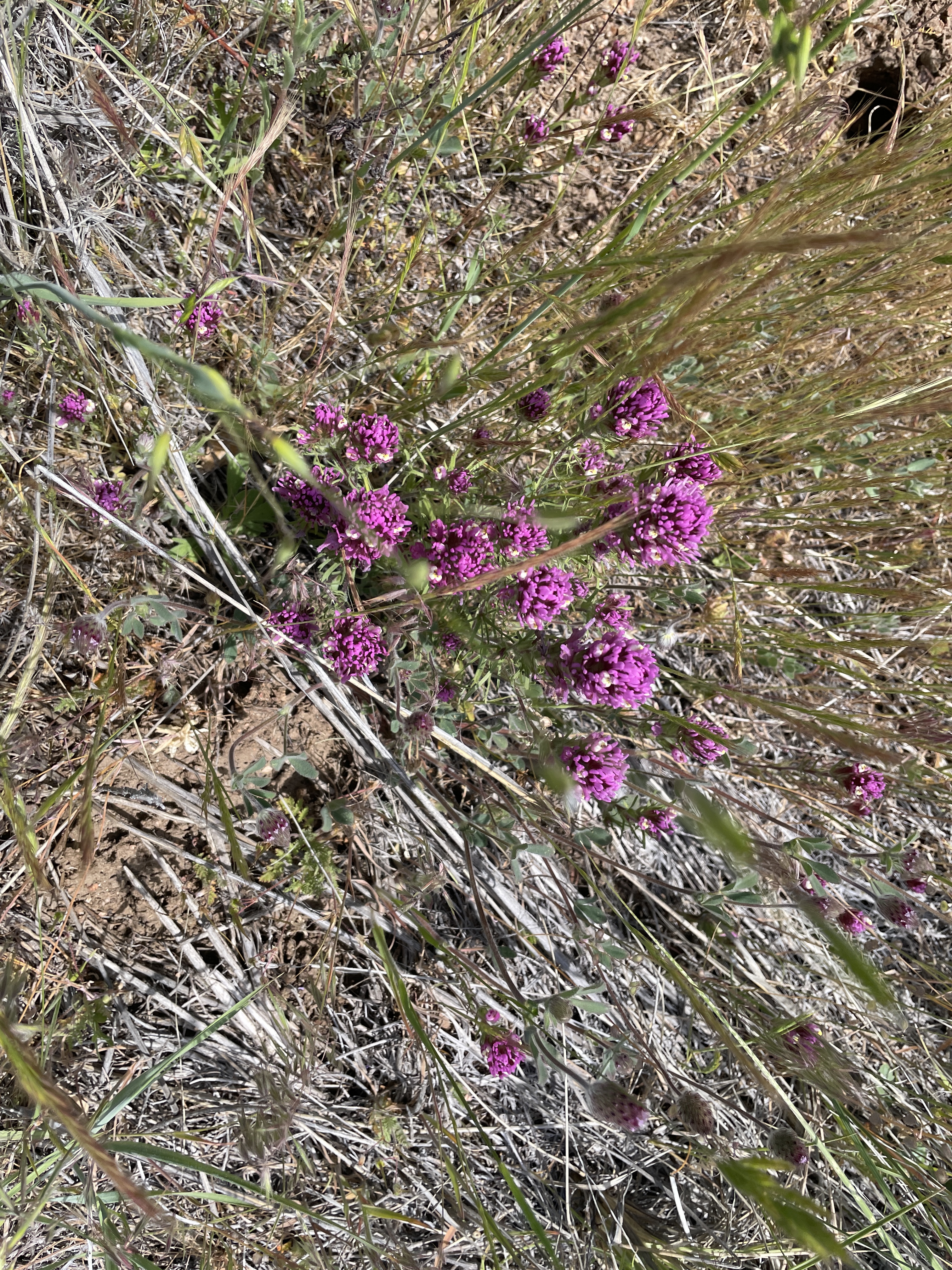
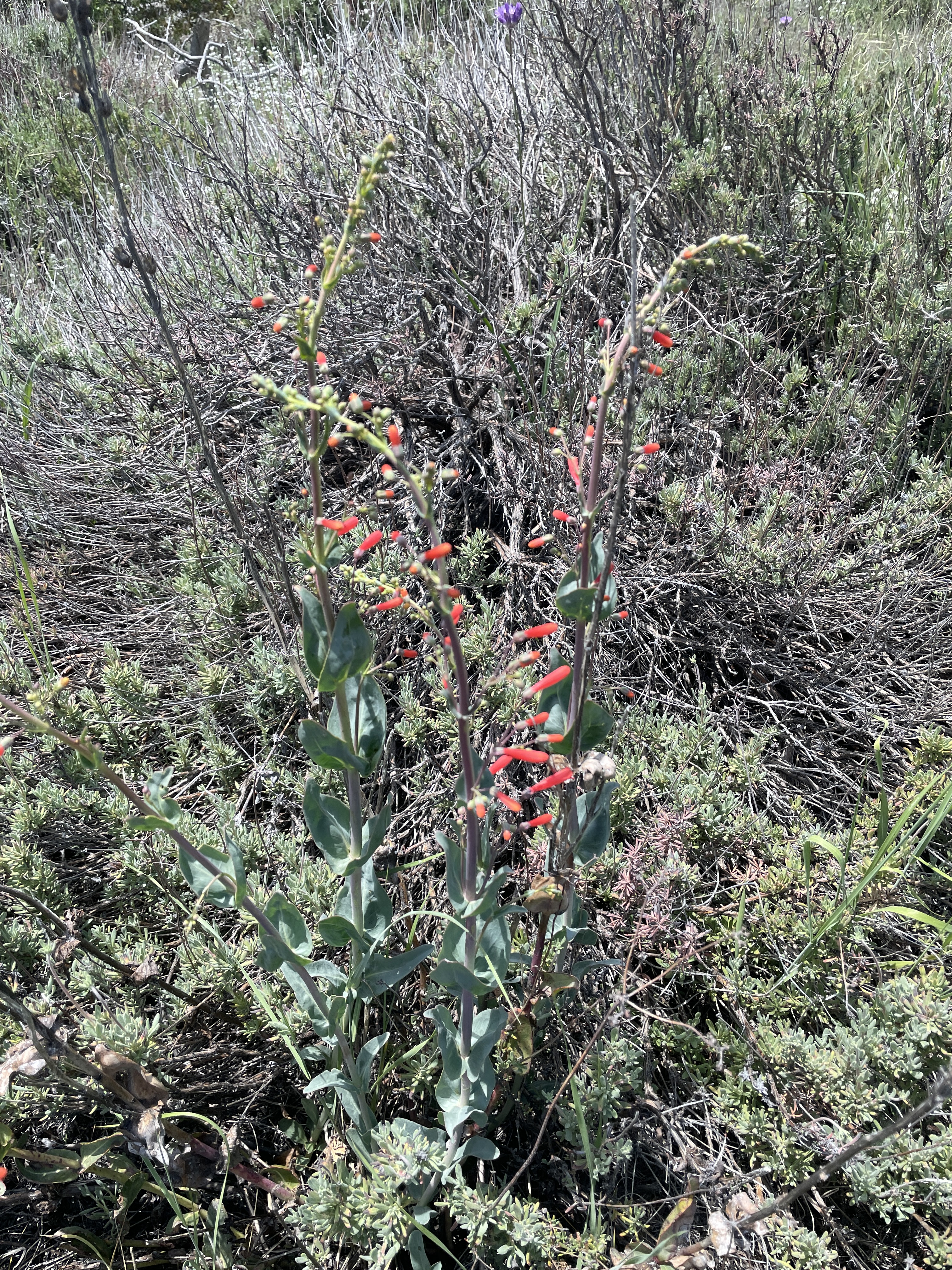
Lots of wild flowers everywhere due to abundant rain this year. We had to find parts of the trail because it had not been used since before Covid and was overgrown.

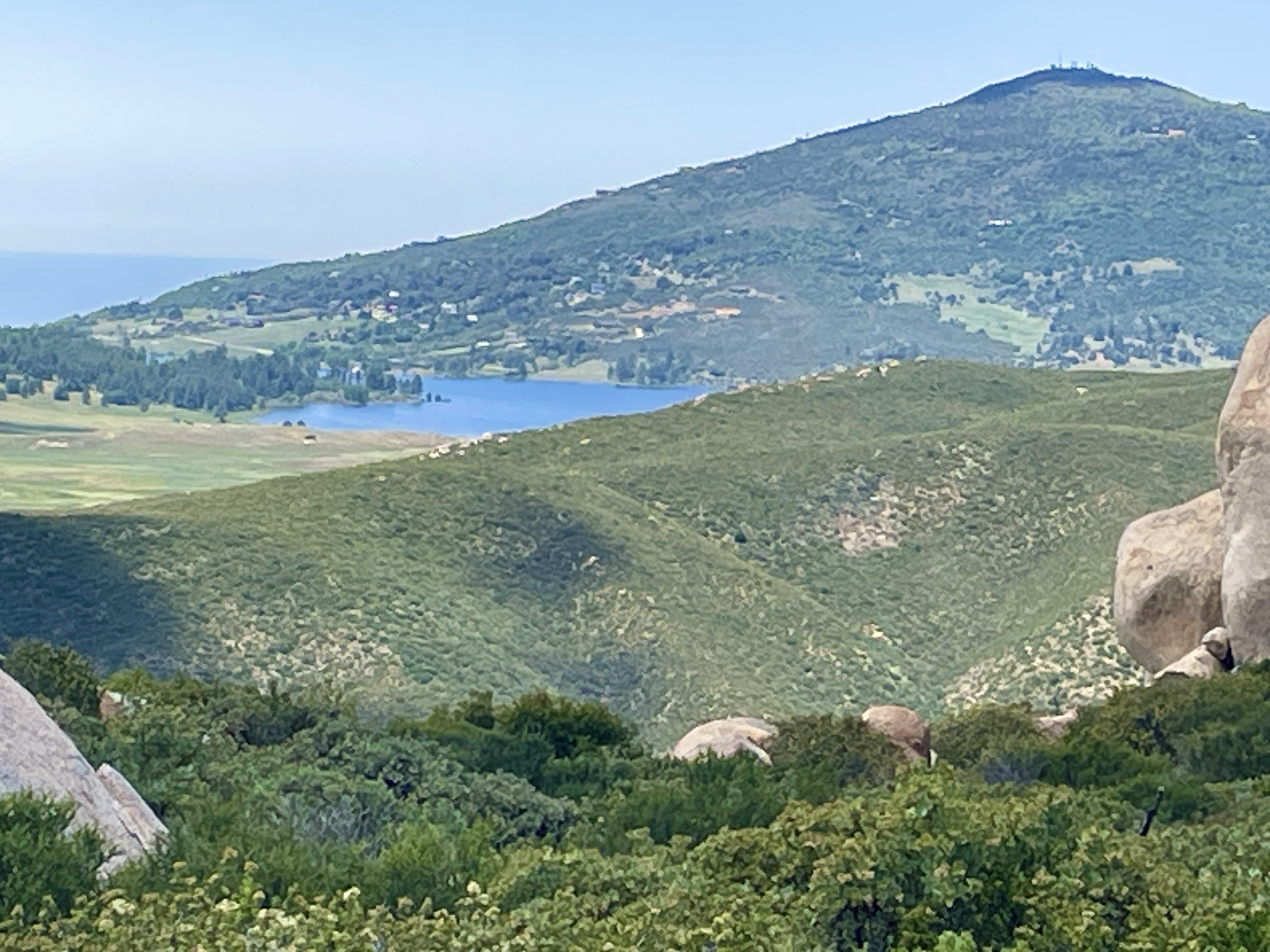
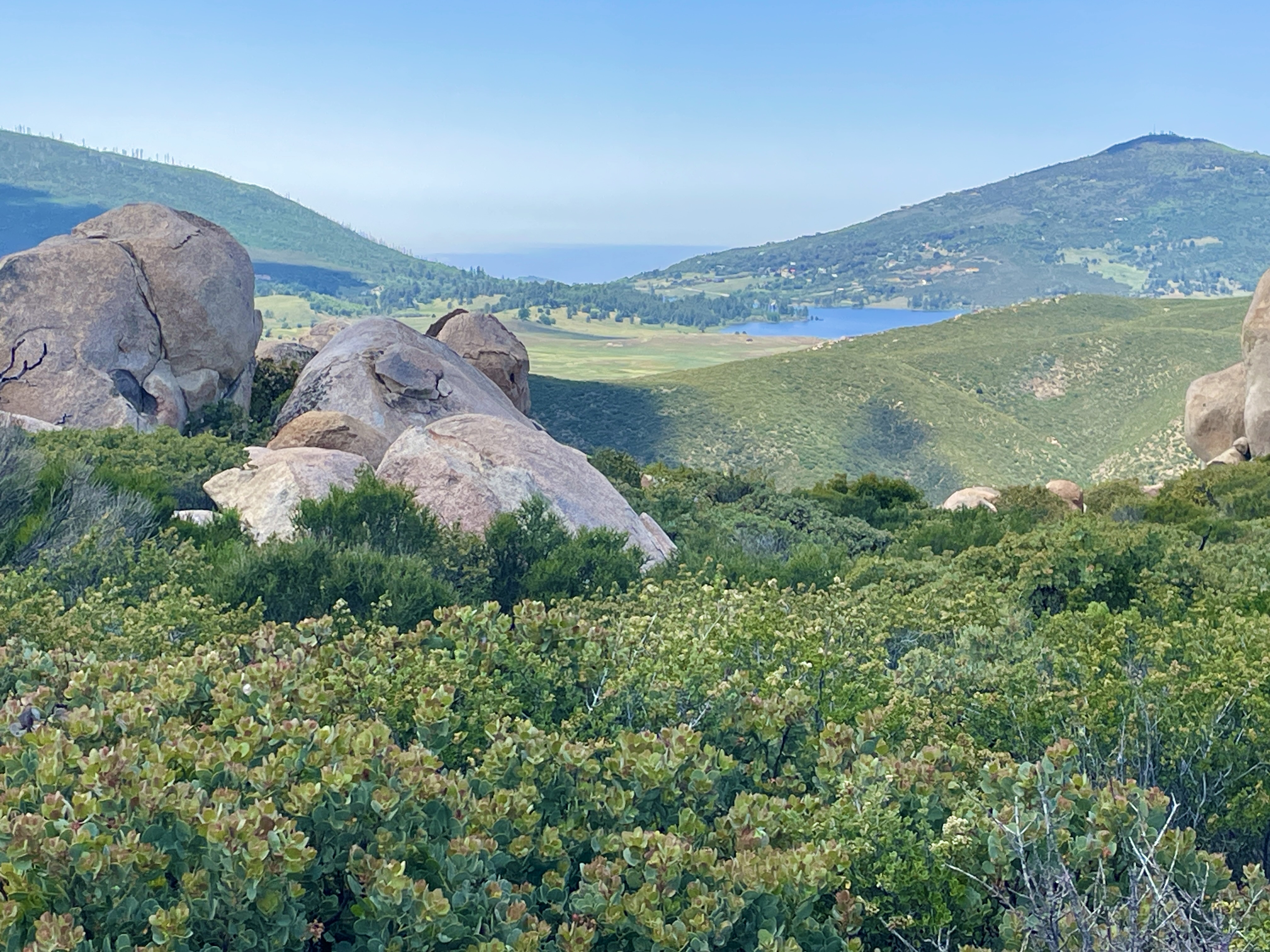
Views of Lake Cuyamaca which we could see in the distance as we climbed up and down.

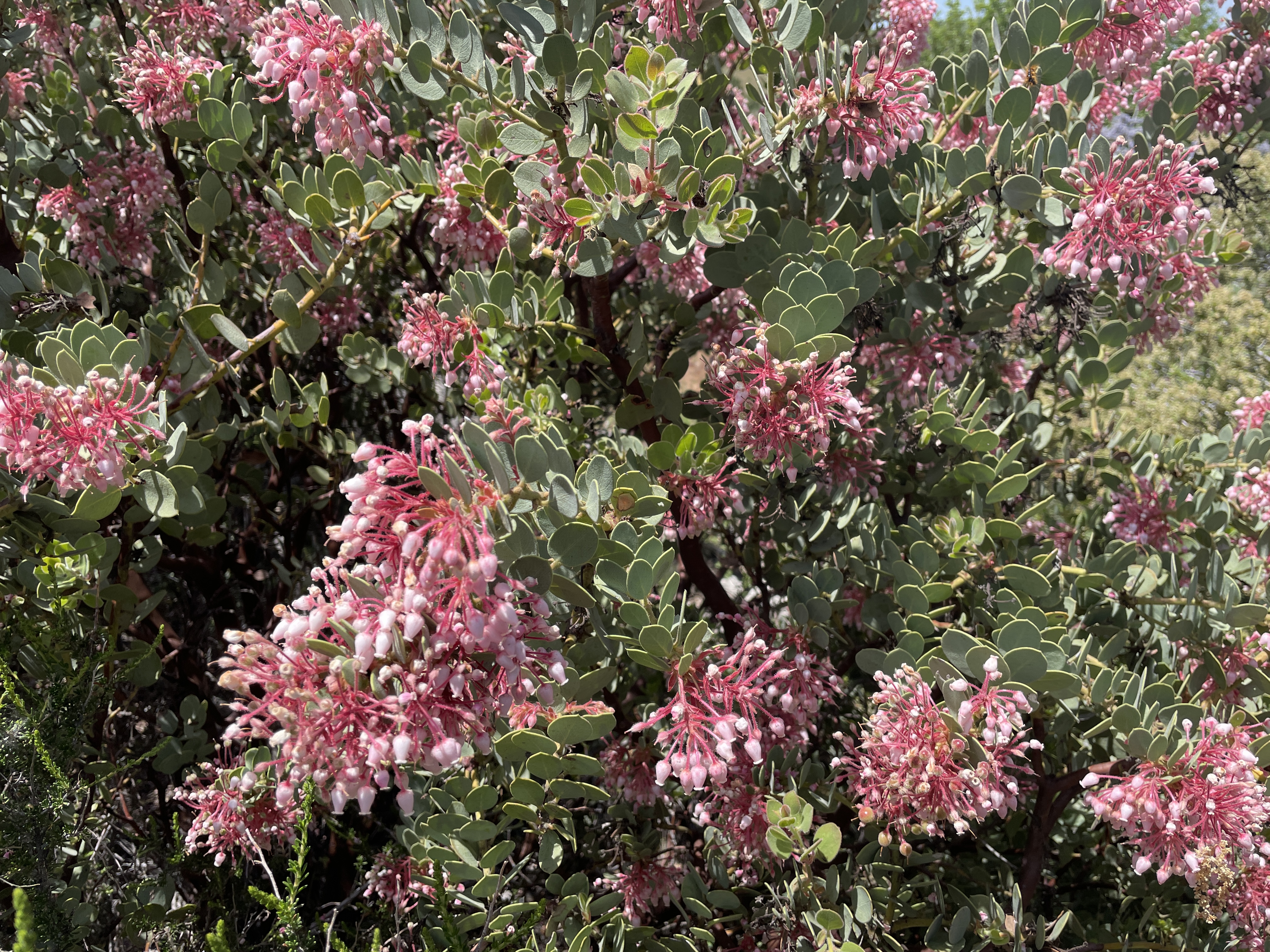
The manzanita are in full bloom and luxurious this year. There were other flower the names none of us knew.

Lupine.

We kept climbing up steep slopes higher and higher. The climb was more difficult because lots of loose, little rocks and gravel in many places.

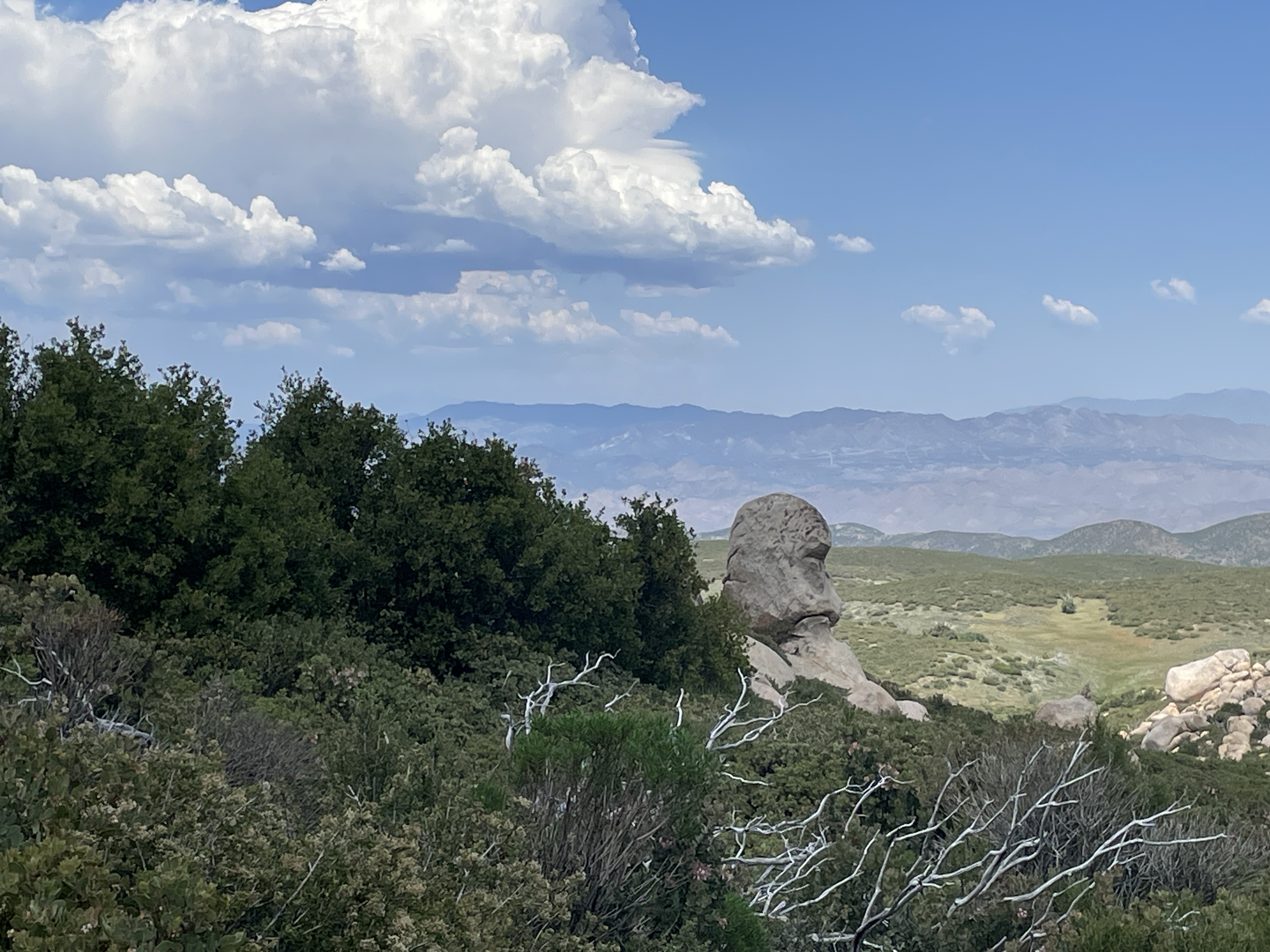
Where we ate lunch at the top which is slightly over a mile high. There are these dead, bleached out branches everywhere, the result of a big fire in 2003 which killed a lot of plants and some of it has never recovered.

Lunch up high among the rocks.

A different type of yucca than grows everywhere in the many other places where I have previously lived.

On the way down from the top. Everything is still quite green here and there were storm clouds in the distance.

Some people call this California lilac. It grows everywhere here and is in full bloom glory.

Baja Trip-7: Tres Mujeres Winery


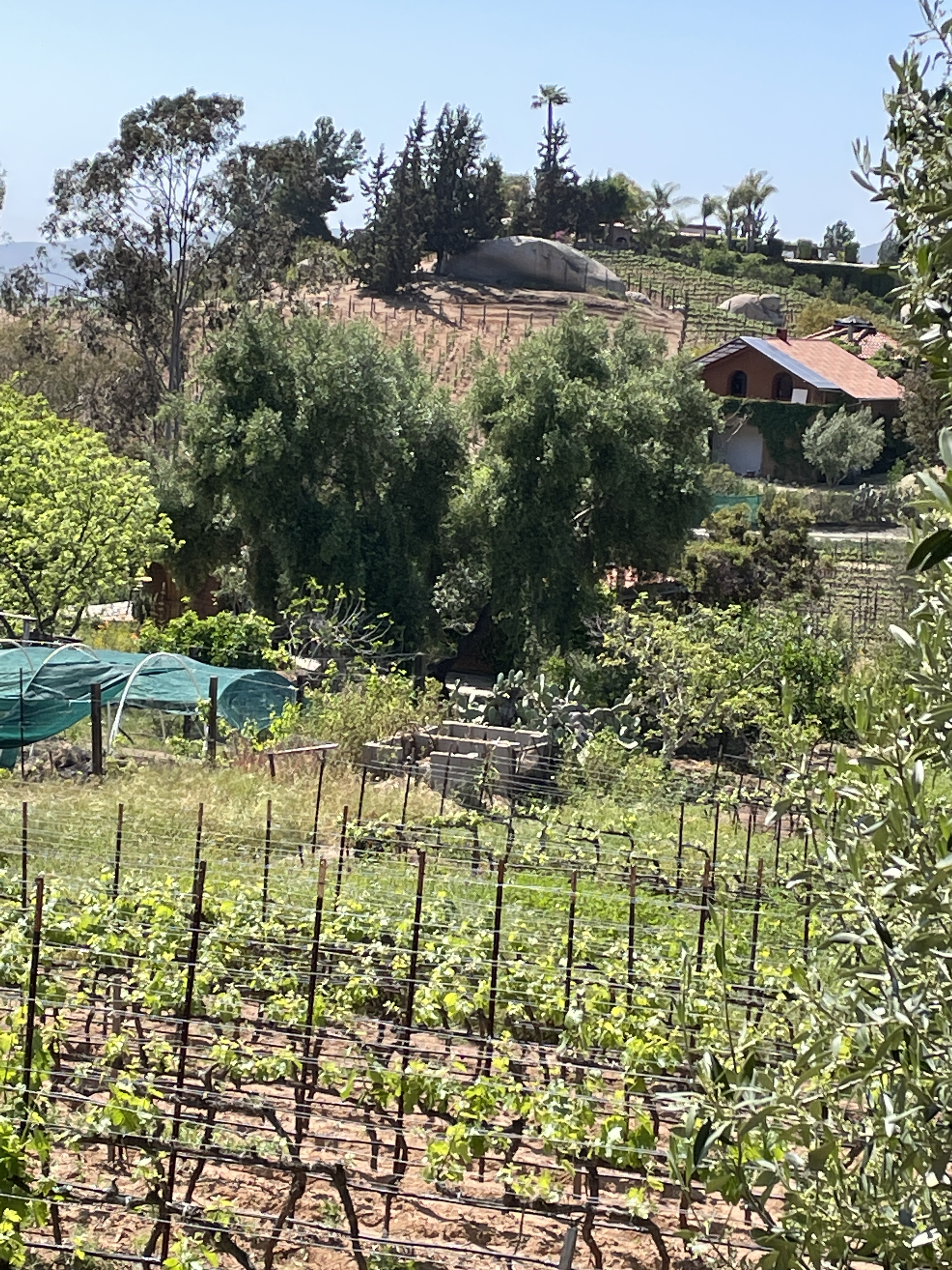
Originally started by three women–see the name, this woman is the only one of the three left as owner. She said she has been doing this for 20 years. The vineyards keep healthy without the use of toxic herbicides or pesticides. She says the breezes from the ocean help with keeping the vines healthy. She also has olive trees and gardens and a small restaurant–outside. The vegetables, flowers, etc. used in the restaurant are grown there. Below is the salad we had for lunch.

Lunch under the trees.

Wine tasting underground. What you notice when you drink all natural wines is that at the bottom of the bottle there is usually a residue.

The path in and out of the tasting room.

Buildings and fences made of local stone and flowers everywhere.

Stones, some quite large, show up everywhere in this part of Valle de Guadalupe. Some buildings, restaurants, other wineries, houses are build around the rocks with rocks as part of the architecture. I took the following photos from Tres Mujeres.

A lot of Valle de Guadalupe reminded me of parts of New Mexico and also the rocky hills around Temecula, California.

Not only are there over 100 vineyards in this valley but also endless olive groves. Locally pressed olive oil can also be purchased at many of the wineries. The other specialty is cheese. We stopped at one shop, the Cremeria Los Globos where they specialized in many cheeses filled with chipotle, black pepper, you name it. Honey is also produced locally and for sale at many wineries. For the most part, everything is all natural.