Sunday Poem


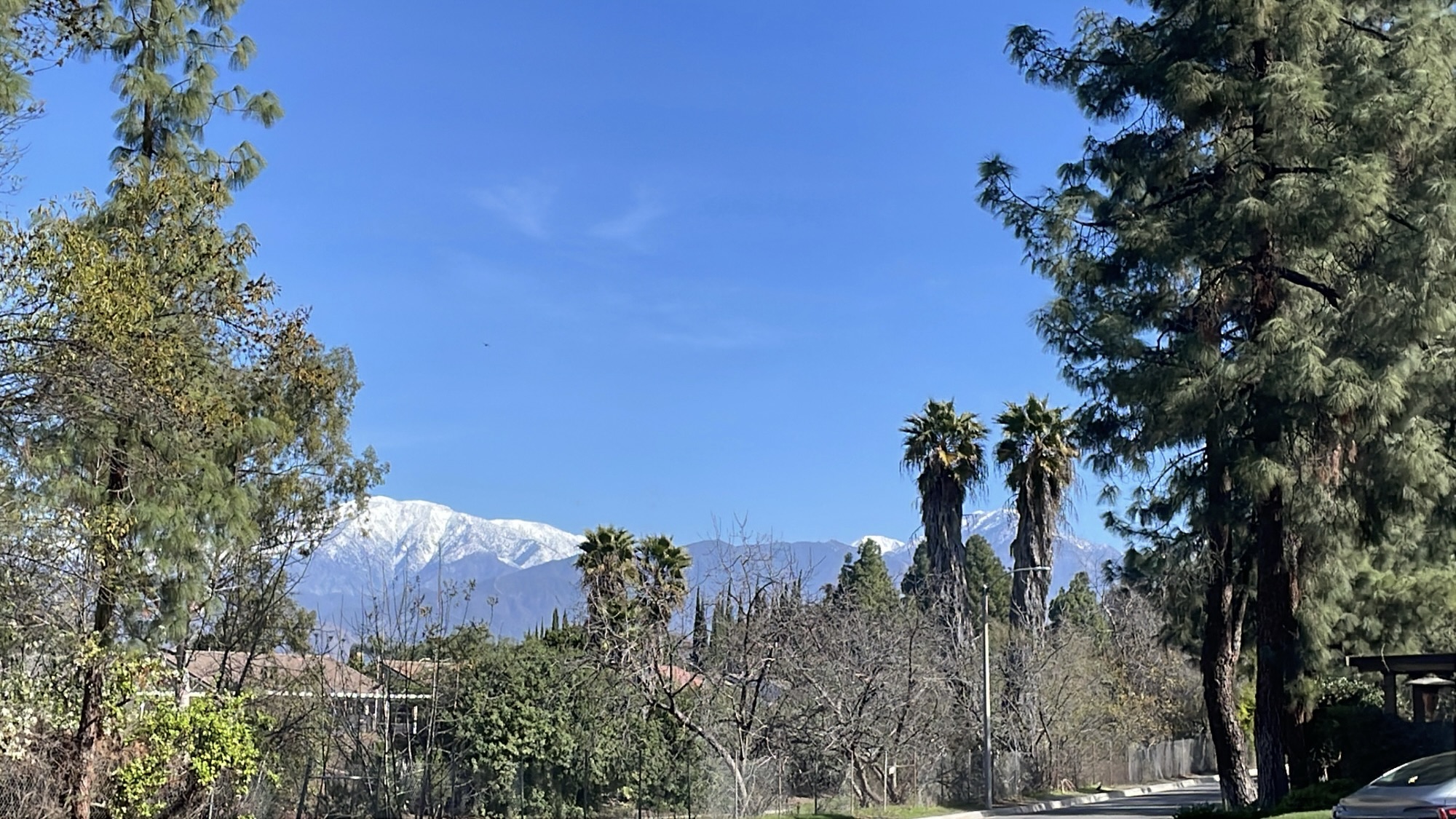
This morning snow capped mountains

brought me joy.

In afternoon I

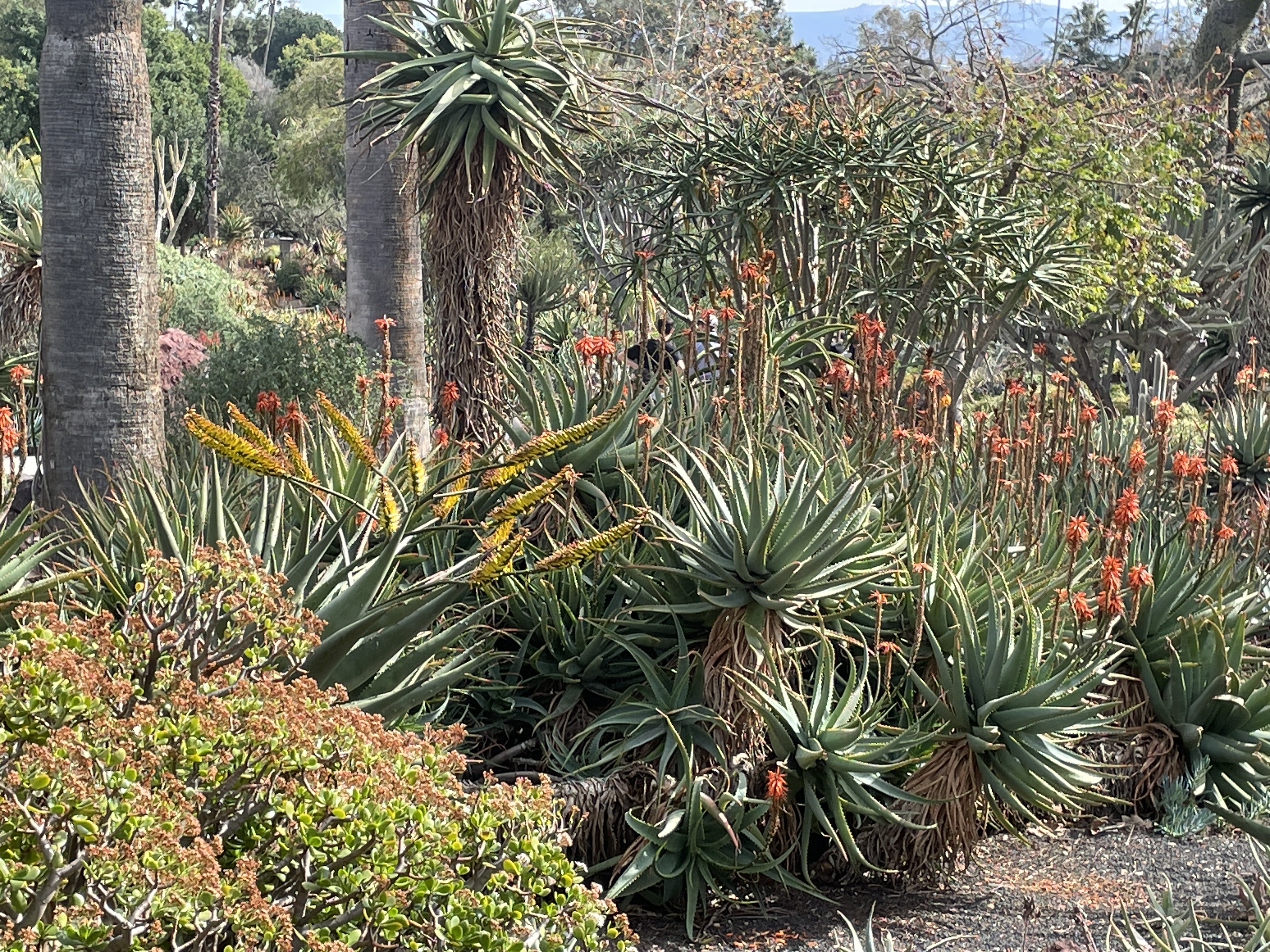
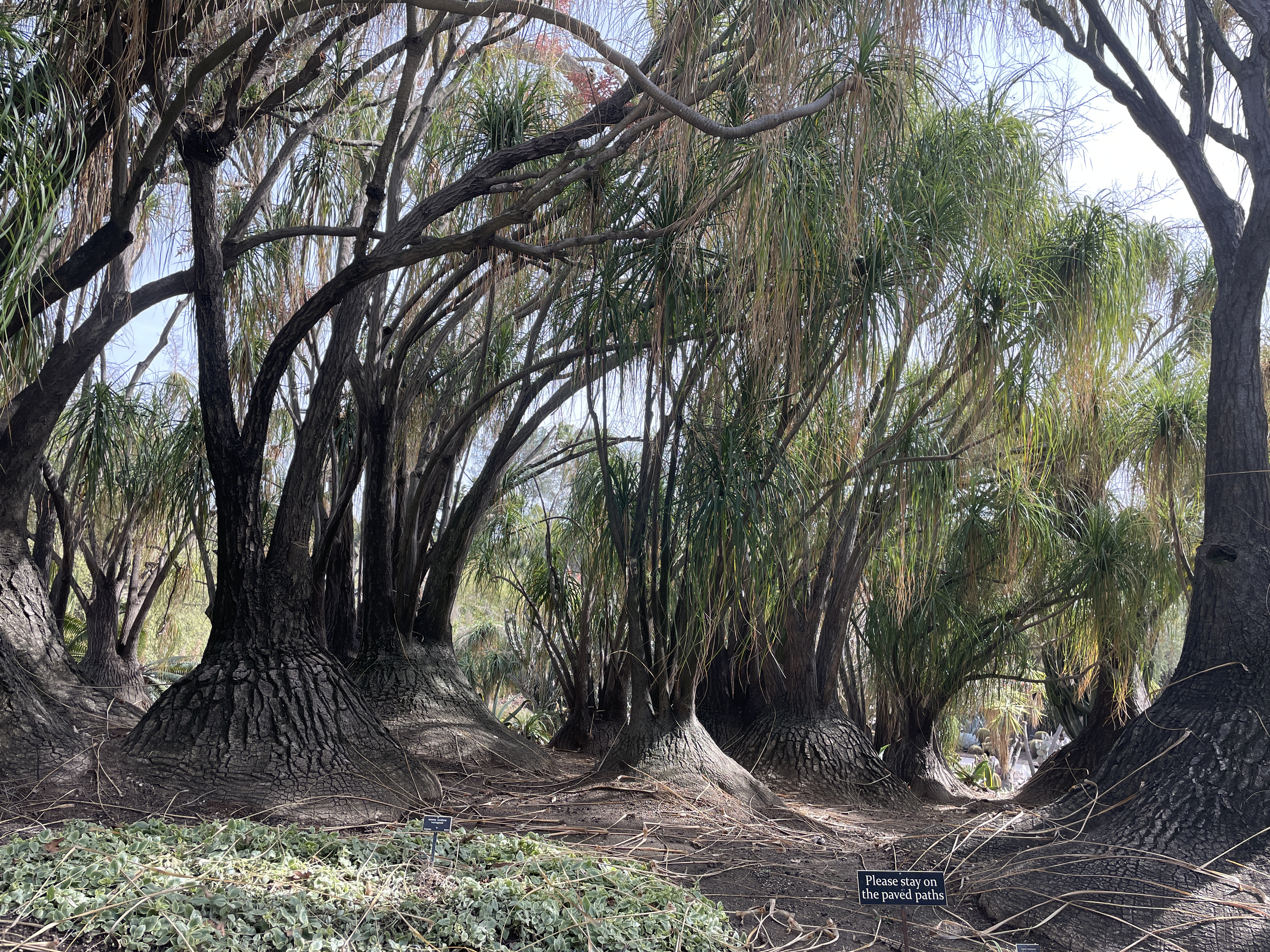
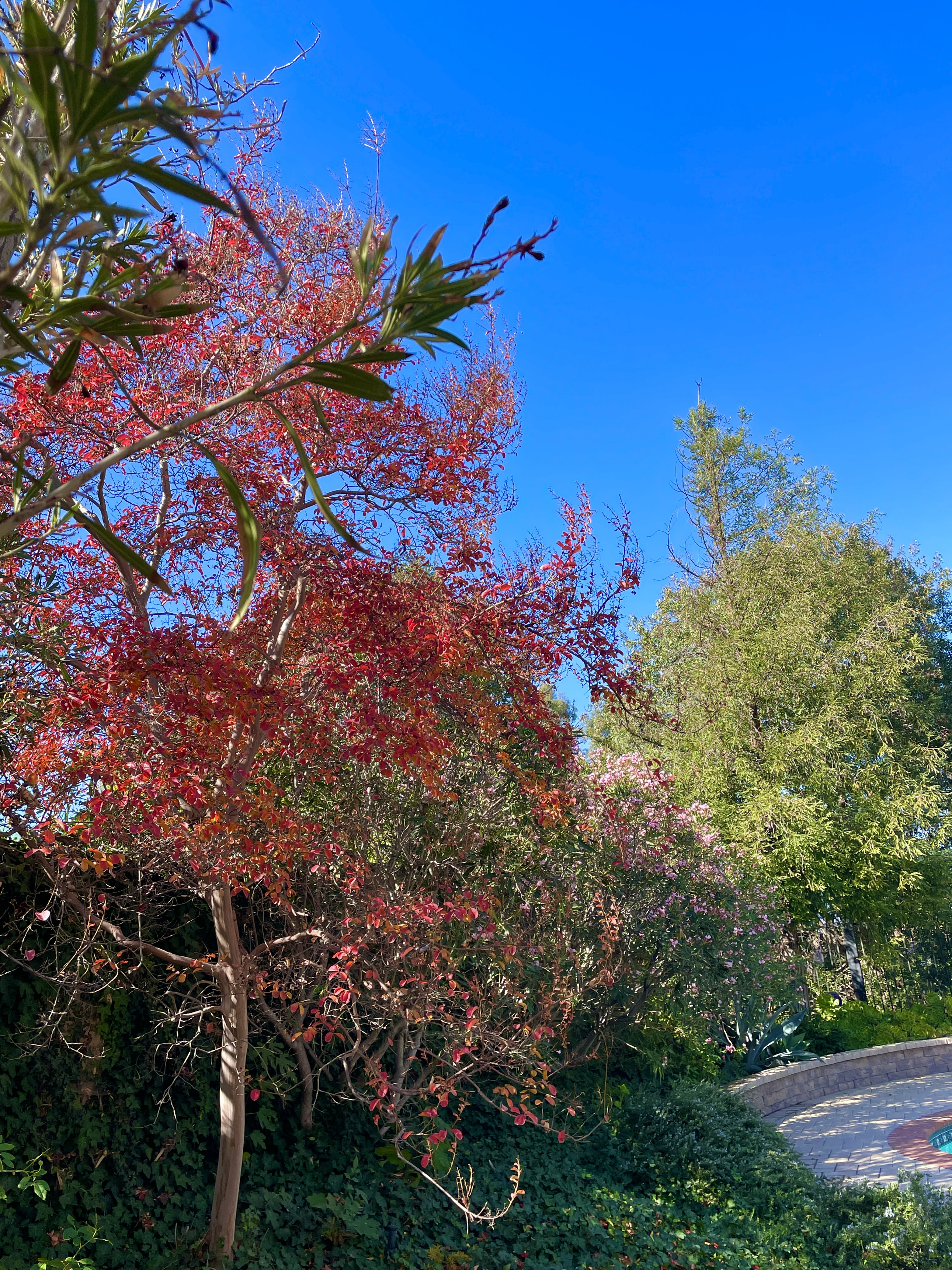
strolled through gardens,

lunched with daughter near gurgling streams.

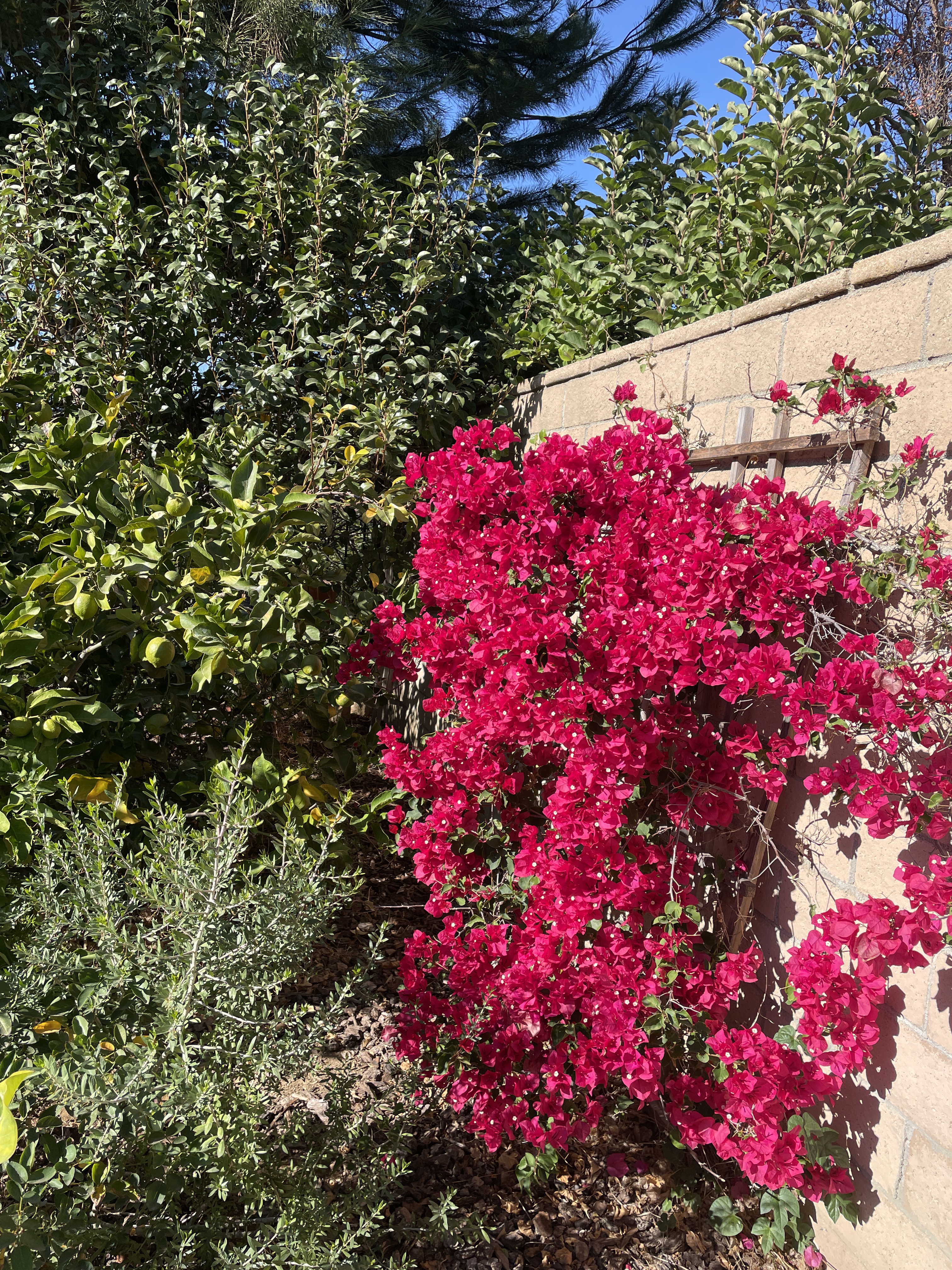
Flowers smiled at me,

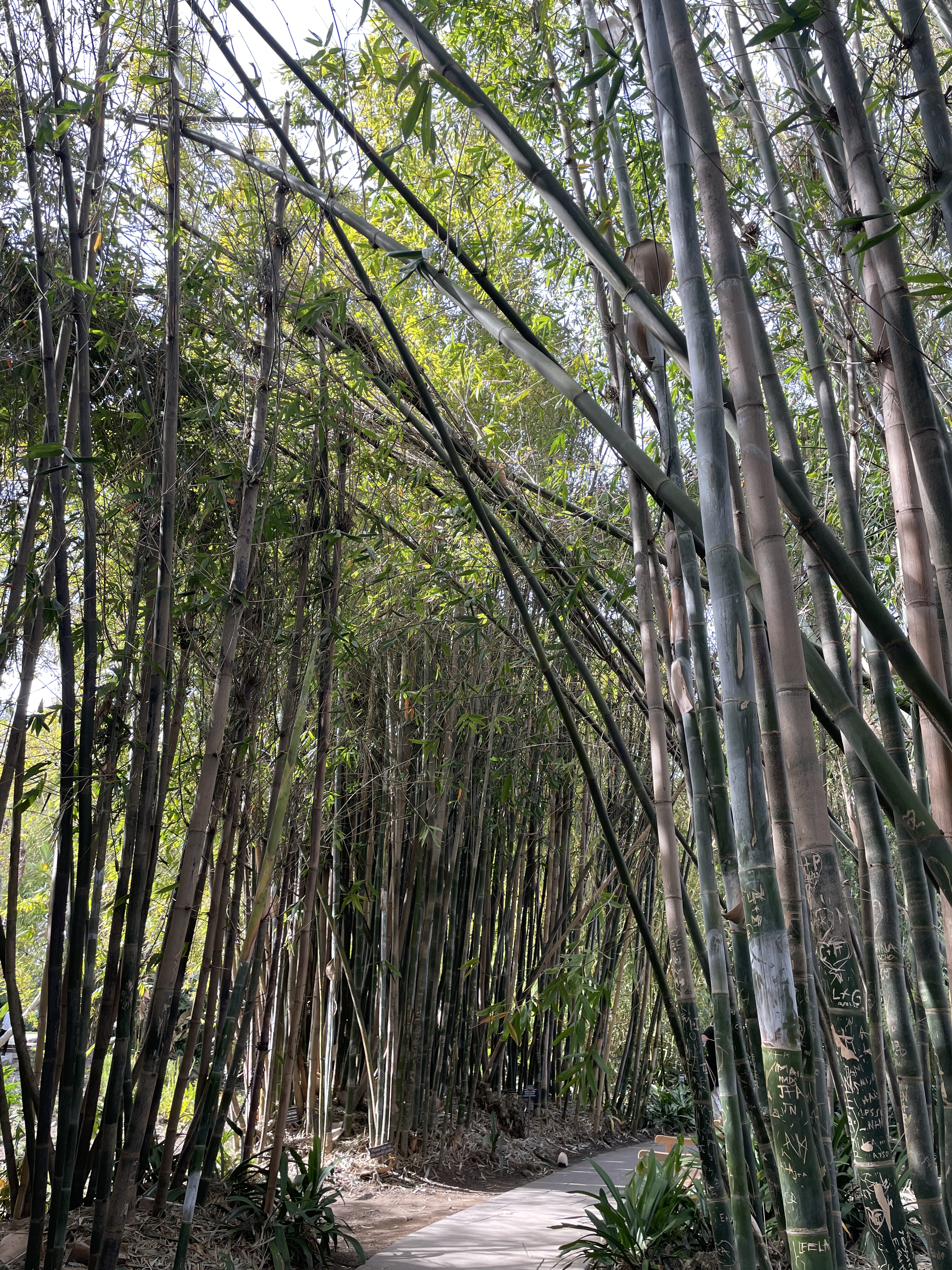
A bamboo forest beckoned.

Nature’s beauty overcame negativity, despair.

We will

Endure

Overcome.

A New Year


On this new day in a new year

I want you to promise yourself to

-laugh when you see the sunrise

-dance in the moonlight even if you

think you cannot dance

-remember your best day ever, then

make a new best day

-hug your loved ones, tell them you

love them

-walk in nature, touch a flower.

A new year brings no promises.

The world contains too much violence, hate.

Yet you, yes, you your precious self

can transform the world,

project joy where you think there is none,

bring laughter somewhere, sometime,

reach out to others,

send positive vibrations into the universe.

You can make a difference,

make the world a better place.

Tis The Season


Tis the season to…

Feel joy when the morning

sun caresses your face;

Laugh when you hear

children playing in the

street;

Give thanks for being alive,

having friends and family;

Walk down your street or

take a hike, touch a flower,

a tree and appreciate nature’s

simple bounties;

Remember the time your

loved one took your face

in gentle hands and smiled;

Give the gift of kindness,

peace, and compassion to everyone,

strangers, friends, family,

the unknown;

Promise yourself to live your

best self in the year to come,

to never forget that life

is a gift.

El Barrio Bonito


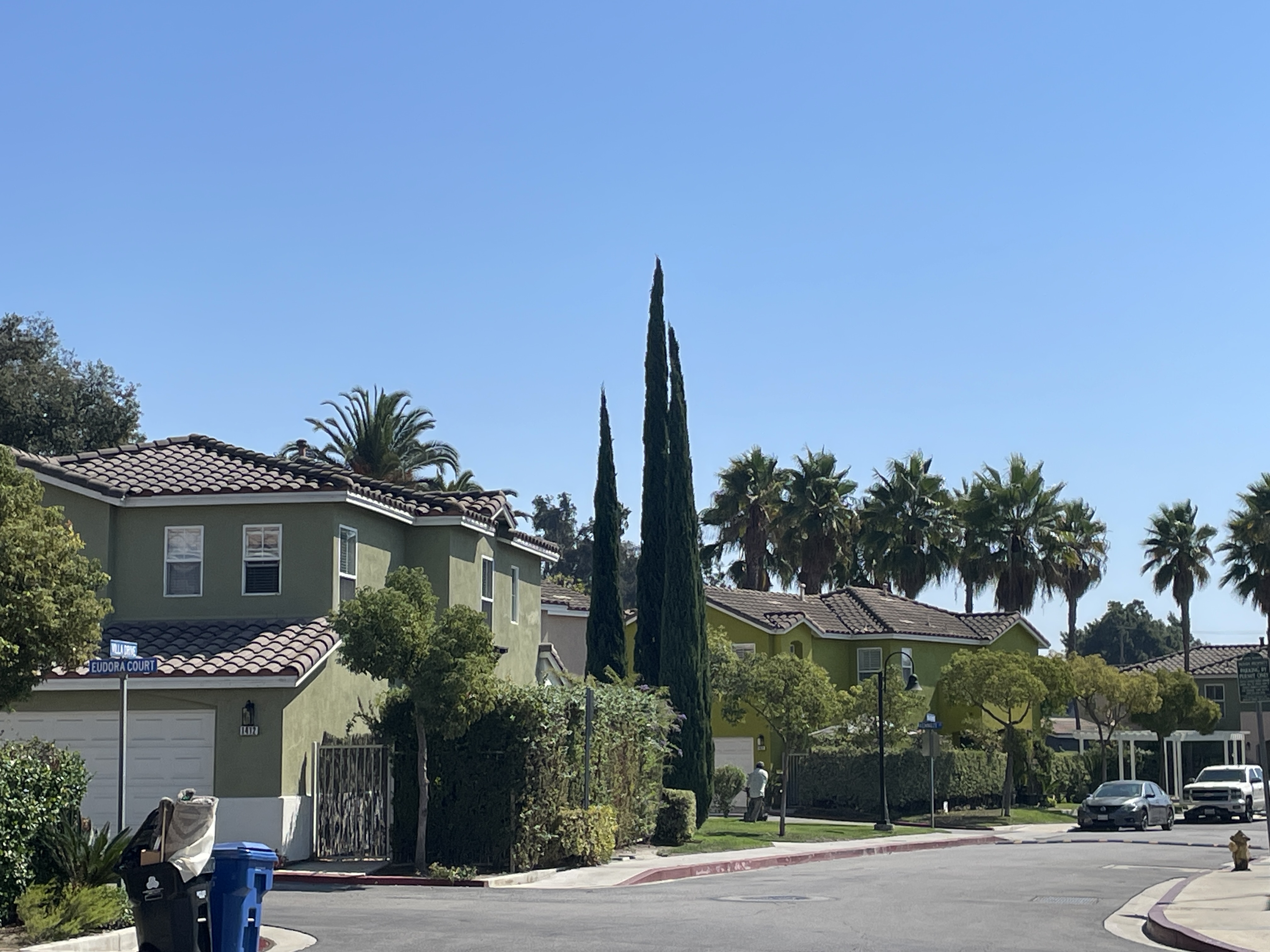
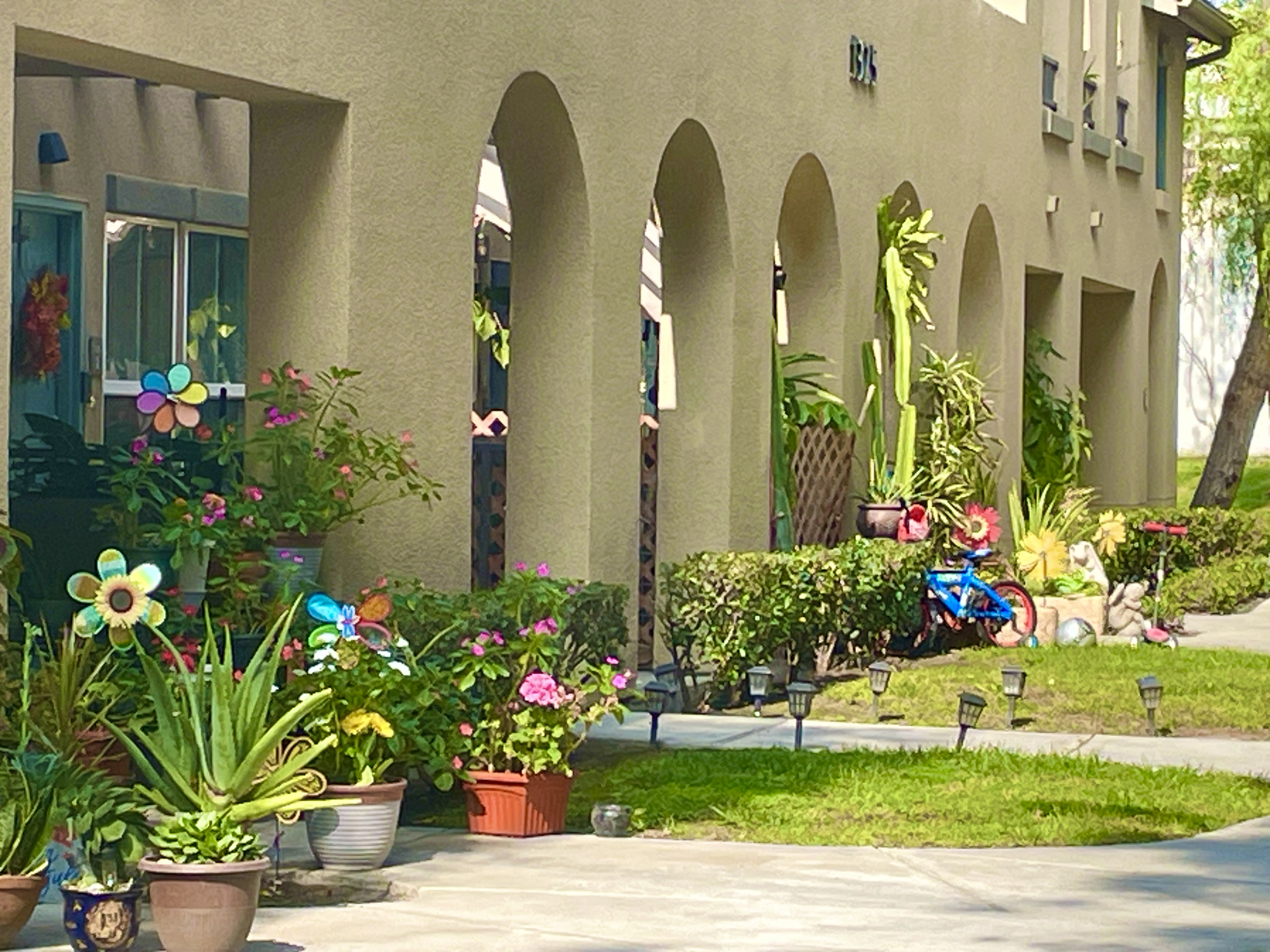
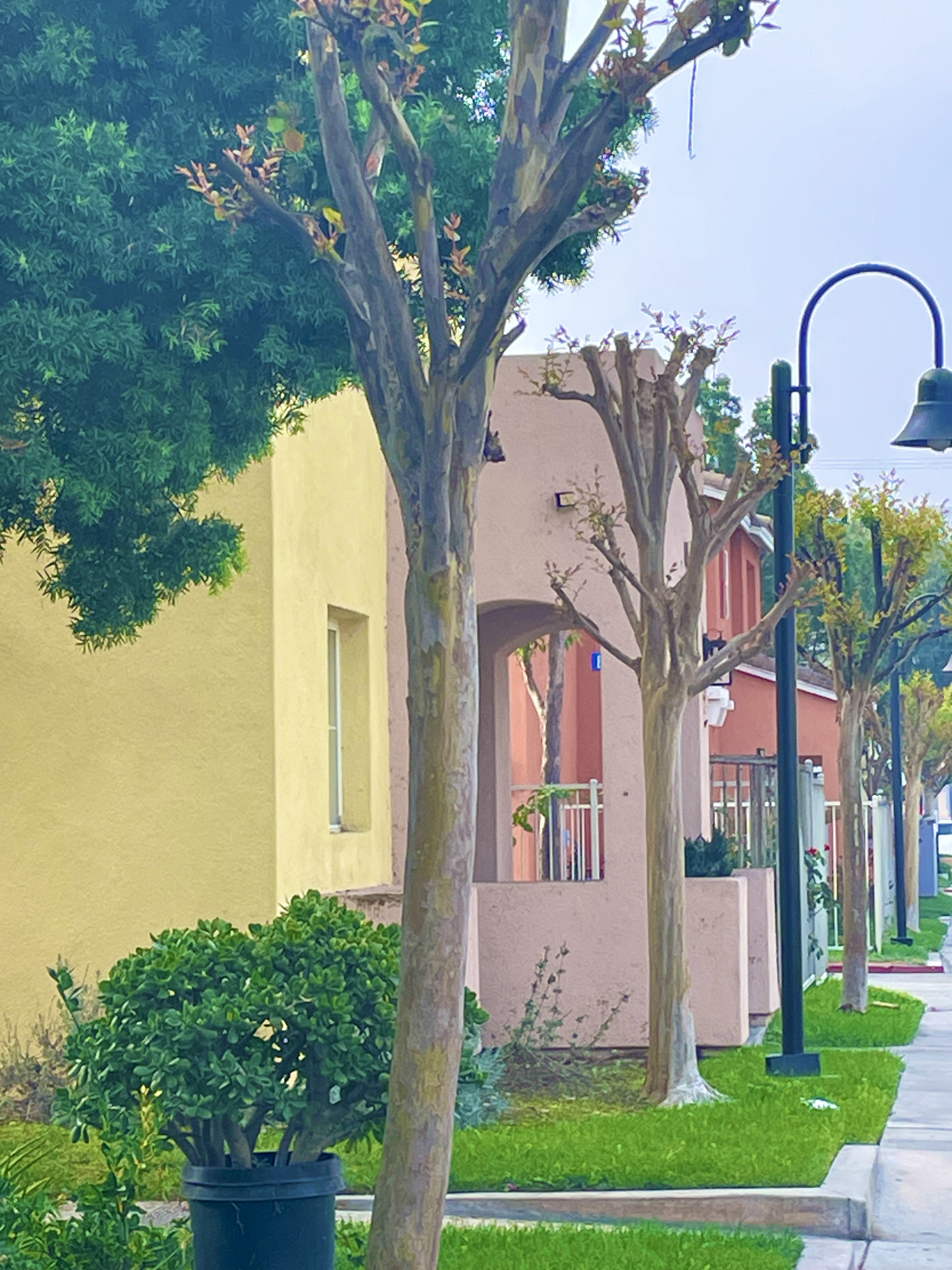
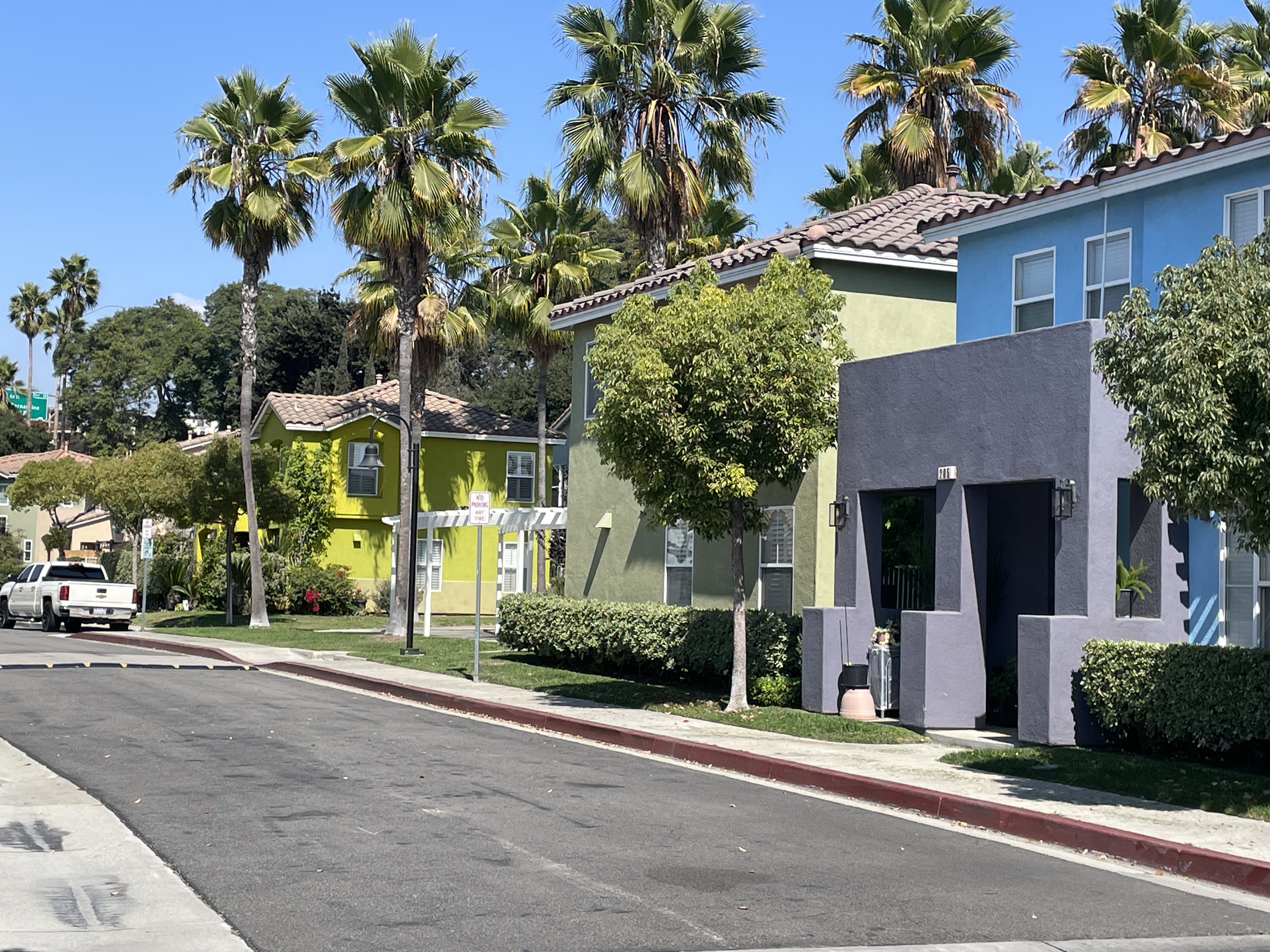
Every week I go to Mendez High School in Boyle Hts., CA. Between meetings with my students, I take a walk in one of my favorite neighborhoods. Frequently when a person mentions low income housing, a negative image comes to their minds. Wrong. The neighborhood where I walk is beautiful, lovely places full of flowers. In one area the buildings are painted in joyous colors that make me smile every time I walk there. Here are photos for you to see for yourself.

Downtown LA in the background.

Visiting Chaco Canyon


Several weeks ago, I spent a day wandering around the ancient sites where native peoples gathered over a thousand years ago.

This explains the extensive influence this place, located in the northwestern New Mexico desert, held for people from as far away as Central America. To reach this park, you have to drive on a dirt/gravel, rough road for more than 25 miles north of Crownpoint, NM. It is definitely worth the effort. However, it is impassable in rainy or snowy weather. The rangers who care for the park live there.

One of the first things you see as you get closer to the park is this rock tower, Fajada Butte.

Archeologists climbed to the top and discovered petroglyphs, “Sun Daggers”. Created between rock slabs, they align with each solstice and equinox and at these events the light projects to other sites, e.g. Pueblo Bonito. Other petroglyphs on a section of the canyon wall represent a supernova that occurred in 1054 CE.

The following depicts an overview of the site as it would have been in the past. In the 1940s part of the wall of rock behind the site collapsed onto it and destroyed some of the buildings.

Here is how it looks today. Many of the doors and windows align with astronomical events, e.g. solstices, the two equinox, and astronomical events that occur only every 17 years.

All sites here contain many kivas, many of which are very large. It is speculated that these were used for various sorts of ceremonies, including religious events.

In this view you can see how the rocks that fell from the cliff have destroyed parts of the structures.

Many of the buildings were several stories high. In their heyday, they did not look like this. They were covered with something like stucco and painted white. What an impressive site they must have been–large white structures in the middle of the brown desert. Archeologists think few people lived here. It was a place for gathering, for ceremonies, for trade, for people from long distances to meet.

Across from Pueblo Bonito is the largest kiva found in the area.

Behind the bars on the far side of the photo is an area that was used for ceremonial dancers to don their costumes. At the bottom you can see a depression with a small door. Before centuries of sand filled it in, this place would have be large enough for the ceremonial dancers to enter through it.

If you follow a trail along the cliff from Pueblo Bonito, you will find another area built at different times hundreds of years ago.

Another large kiva and many smaller ones are located at this site, including this famous long wall built at two different times.

The following shows where at some point the wall stopped, then later it was continued using somewhat different building material and techniques.

The top photo is considered the newer part of the wall.

The wood used for tops of windows and doors was brought from forests hundreds of miles away. The desert air has enable it to be preserved.

When you walk the trails, you see wild flowers and native plants. This is desert rhubarb and it is edible.

While these are photos of the more impressive structures at Chaco Canyon, more than two hundred ceremonial and meeting sites can be found in this area of NM and AZ.

A Tribute to My Mother


Barbie Doll

Barbara Lewis Duke, pretty, petite, blue eyed and blond, my

mother, one fearless, controlling woman. Long after Mom’s

death, Dad said, “Barbara was afraid of absolutely no one

and nothing.” They married late, 34 and 38. He adored her

unconditionally. She filled my life with horses, music, love,

cornfields, hay rides, books, ambition. Whatever she felt she

had missed, my sister and I were going to possess: books,

piano lessons, a college education. Her father, who died long

before I was born, loved fancy, fast horses. So did she. During

my preschool, croupy years, she quieted my hysterical night

coughing with stories of run away horses pulling her in a wagon.

With less than one hundred pounds and lots of determination,

she stopped them, a tiny Barbie Doll flying across the Missouri

River Bottom, strong, willful, free.

Note: This poem about my mother has been published in at least one anthology and my book of poetry. My mother loved roses, had a rose garden. I now grow roses too.

Book 19 for 2024: “Unearthing”, Kyo Maclear


Several months after Maclear’s father (who was a famous journalist) dies, she decides to take a DNA test to find out more about her family health and personality history, mainly because of the stories about a particular grandmother. She wonders if certain traits she and her sons have might possibly be inherited. The results of the test are a shock. Her father, the father she adored, who raised her and adored her, is not her biological father. At first, she thinks perhaps it was a sperm donor, but then she discovers this is not the case. Through the DNA test and her detective work, she finds two biological half-brothers (she was an only child before this discovery) who are willing to communicate with her, send her photos, etc. She tries relentlessly to acquire more information from her mother, who is often unforthcoming or tells her contradictory information. Then her mother gets dementia.

This is also a story of plants, of gardening. Both she and her mother are amateur botanists and expert gardeners. When nothing else works in their mother-daughter relationship, their love of plants and gardening holds them together. Even with dementia, her mother knows plants. Their other joint endeavor is ink drawings and love of art.

Additionally, this is the story of family, family secrets, inter-racial marriage, and challenging relationships. Kyo’s mother is Japanese living originally in England and later in Canada who often struggled with her status as a Japanese immigrant. Her “real” father, the one who raised her, was of British and Irish descent; her biological father was a Jewish formula one race car driver.