reading,
listening to birds
the gurgling of water,
looking up to watch
four hummingbirds challenge
each other at the feeder, and
I notice I’m surrounded by flowers
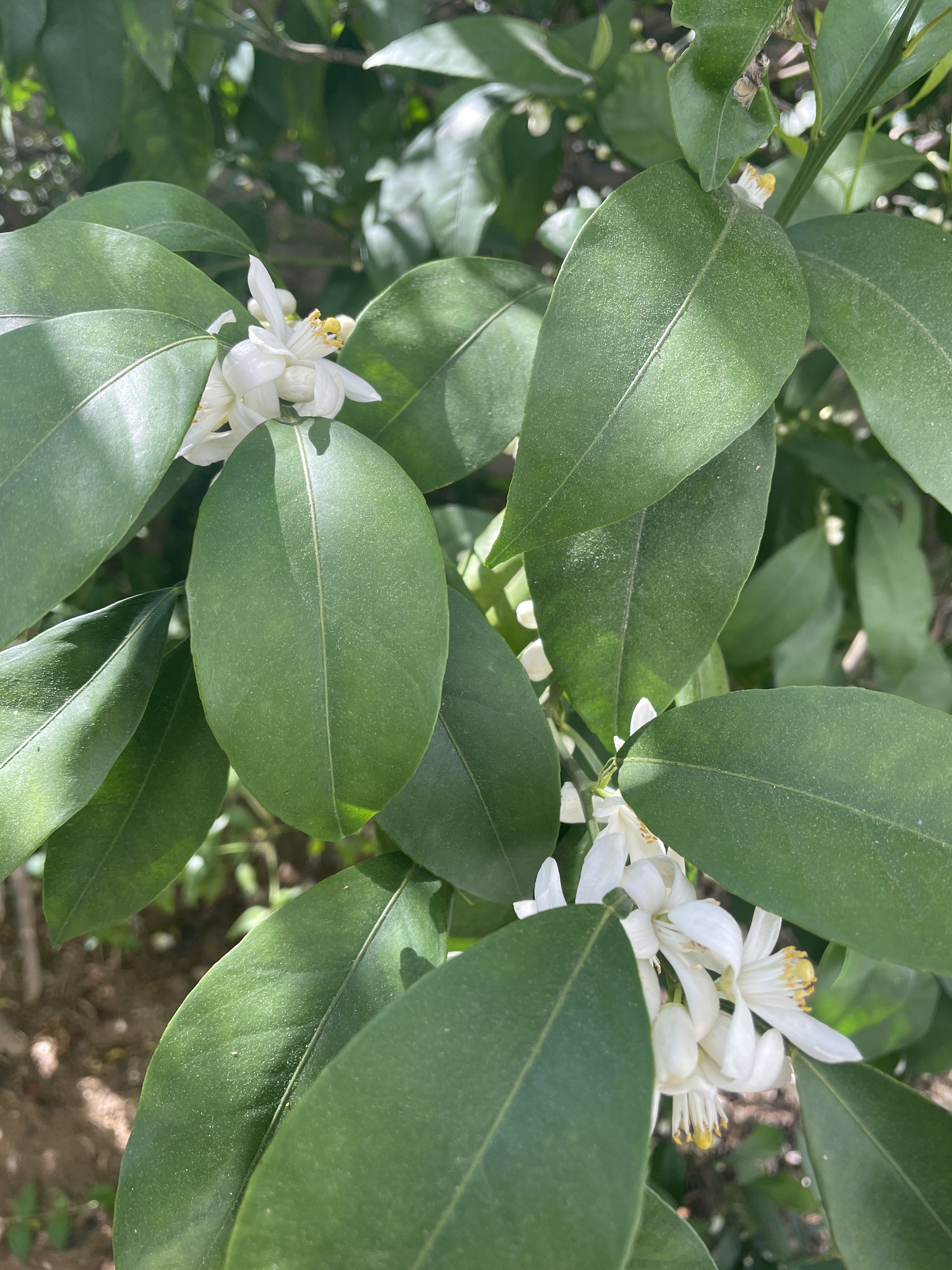
and the scent of orange blossoms.


reading,
listening to birds
the gurgling of water,
looking up to watch
four hummingbirds challenge
each other at the feeder, and
I notice I’m surrounded by flowers
and the scent of orange blossoms.
Spring
Bird songs
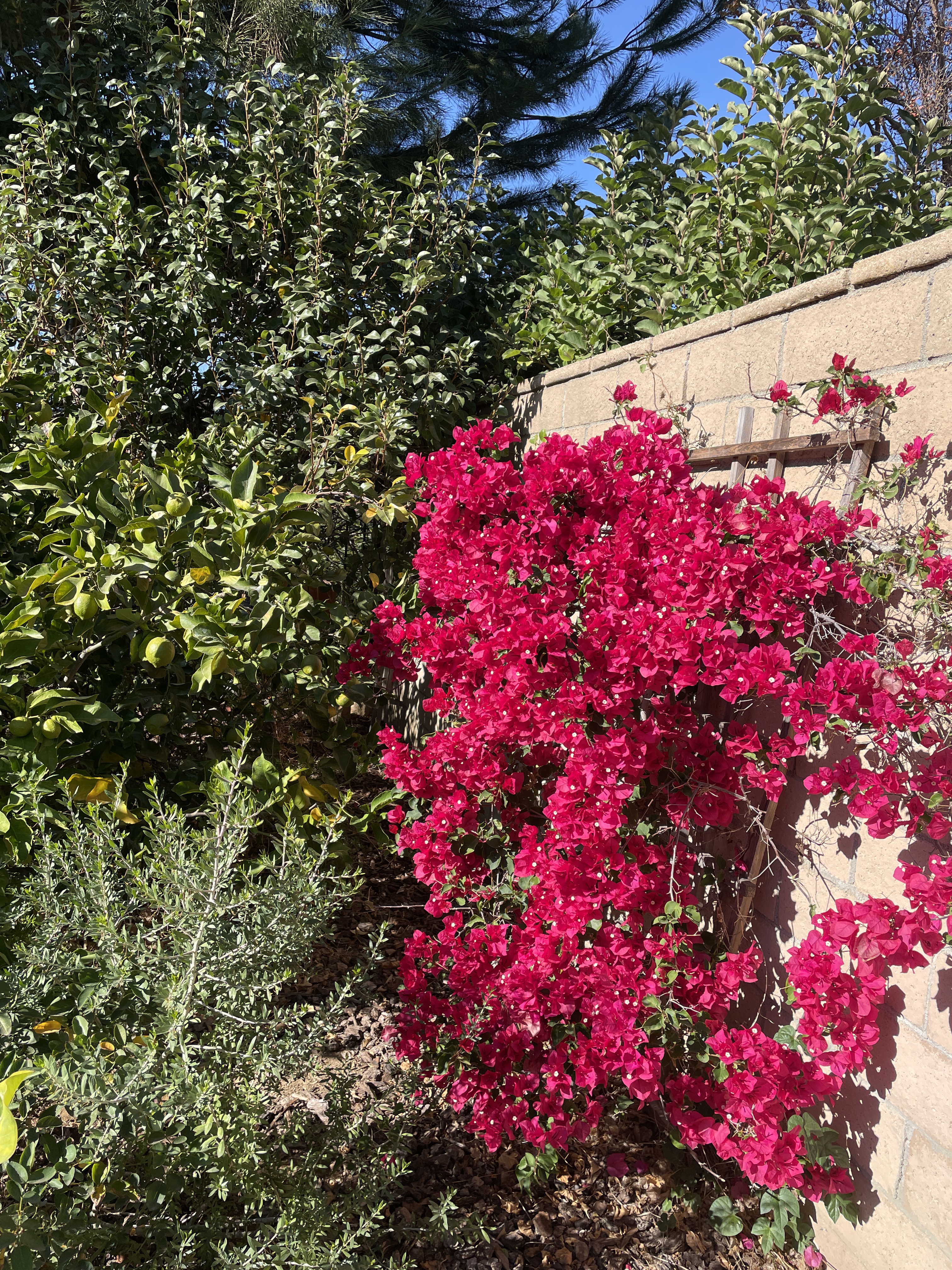
Bougainvillea wall climbing
Essence of orange
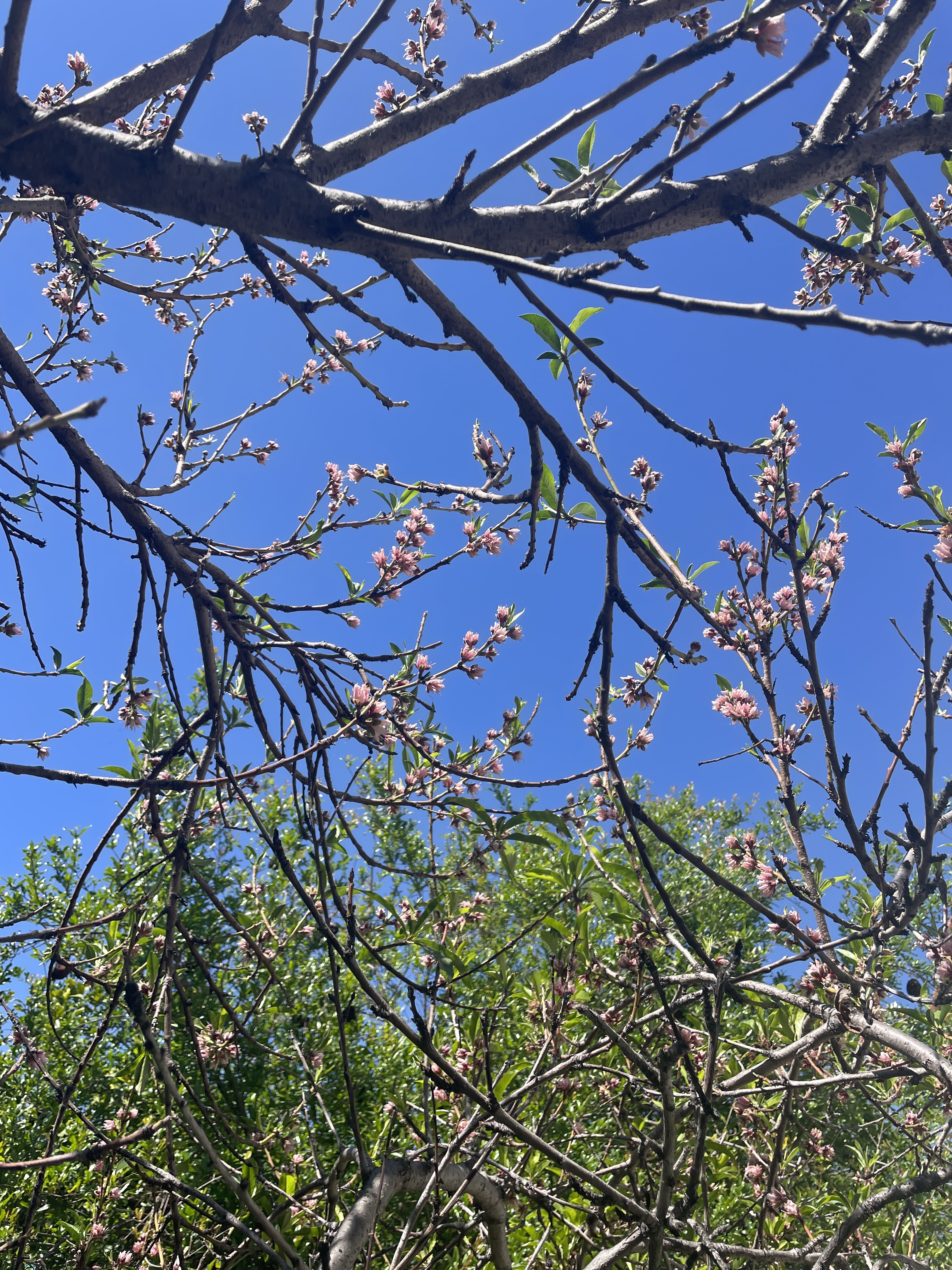
Peach blossoms
Beauty
Joy
There is nothing like meeting a goal while enjoying it to bring a sense of delight as well as accomplishment. I walk daily–today I arrived at day 707 without ever missing a day–looking at the flowers, visiting with all the other walkers. I live in a walking neighborhood with friendly walkers who at a minimum wave. Some stop to chat and some check on me if they have not seen me out walking in a while because of the different routes we take or different times we walk. One particular person who checks on me taught me how to make some of her native food–India. Another lady several blocks away prefers to walk with others, not alone, so if she sees me out, we join together in the company of her little dog, June, whom I have never seen actually walking. June rides in a baby carriage.
Now, as I write this, I’m enjoying another late afternoon of delight in my backyard. The hibiscus is full of ruby flowers. Freeway daisies, bright white and purple, pop up everywhere. Four different colors of bougainvillea sport their joy. One nasturtium–they are popping in places I never even planted–is sporting the same color of ruby as the hibiscus. The lemon tree is full of almost ripe lemons some of which I have promised to friends and neighbors. One woman cannot eat all these lemons. Meanwhile, I listen to different birds singing their varied songs and to the gurgle of the water fountain by the Nile Blue French doors and watch the hummingbird who is watching me.
I feel grateful to be surrounded in beauty and quiet joy.
As a person who works with high school students mostly non-white, many of whom have family members who are undocumented, I worry and need to find daily delights to stay sane. I decided to make a list of some of the past week’s delights:
-afternoons 70 degrees, sunny, no wind
-hummingbirds sipping nectar from both flowers and the two feeders
-singing a song the lyrics of which come from a poem by Langston Hughes where he dreams a world with no racism
-sitting on the back patio, listening to birdsong while I read a book about delights
-learning that all the rains have eliminated drought in California
-appreciating all the colors of the flowers blooming in my yard

A garden of delights
my my new goal.
Why do I/we need
such a garden?
Sanity, yours and mine.
Genocide in Gaza, Sudan,
eastern Congo, probably
even in other places where
there’s no news.
Poverty here in the richest
nation on Earth.
Poverty my neighbor seems
shocked when I tell her.
People living in condemned
trailers, no heat, no water–
It’s freezing inside.
People surviving, barely.
Malnourished children, big
hungry eyes, staring.
A garden of delights
my new goal.
Why do I/we need
such a garden?
Masked men and some women
attacking people in the streets,
in their homes,
knocking down doors.
smashing windows.
You’d think I’m describing
Russia, Nazi Germany
but no, I’m describing
happenings in my own
county and
across the US.
A garden of delights
my new goal.
Sanity = Delights
I look out my window
purple mountains loom
in crystalline air.
Recent rains create
emerald hills,
blooming freeway daisies,
roses in my garden,
pink, sunset colors, snow.
Bougainvillea the color of blood
climbs my garden wall.
The turquoise fountain gurgles.
Photo of daughter and grandson
make me smile.
Symbols, sacred corn grace
walls and make me
remember cornfields in summer
when on a hot day
I could hear corn grow.
Three different pine trees whisper,
the Soleri bell rings in wind.
Ah, yes, I live in a garden,
a garden of delights.
And I remain sane
for at least one
more day.
In a hurting, damaged world
where greed and hatred often reign
I wish for
the beauty of flowers to flow into hearts
kindness toward those different from self
to permeate hearts and mines
the light of joy create compassion
toward each other
the knowledge that we are all one race,
one people flow through humanity
Hold friends and family close
Smile, greet strangers
Release hatred, anger into air
Promise yourself to love more,
let others be themselves,
be grateful, find joy
gurgling water
redwoods sighing
peace

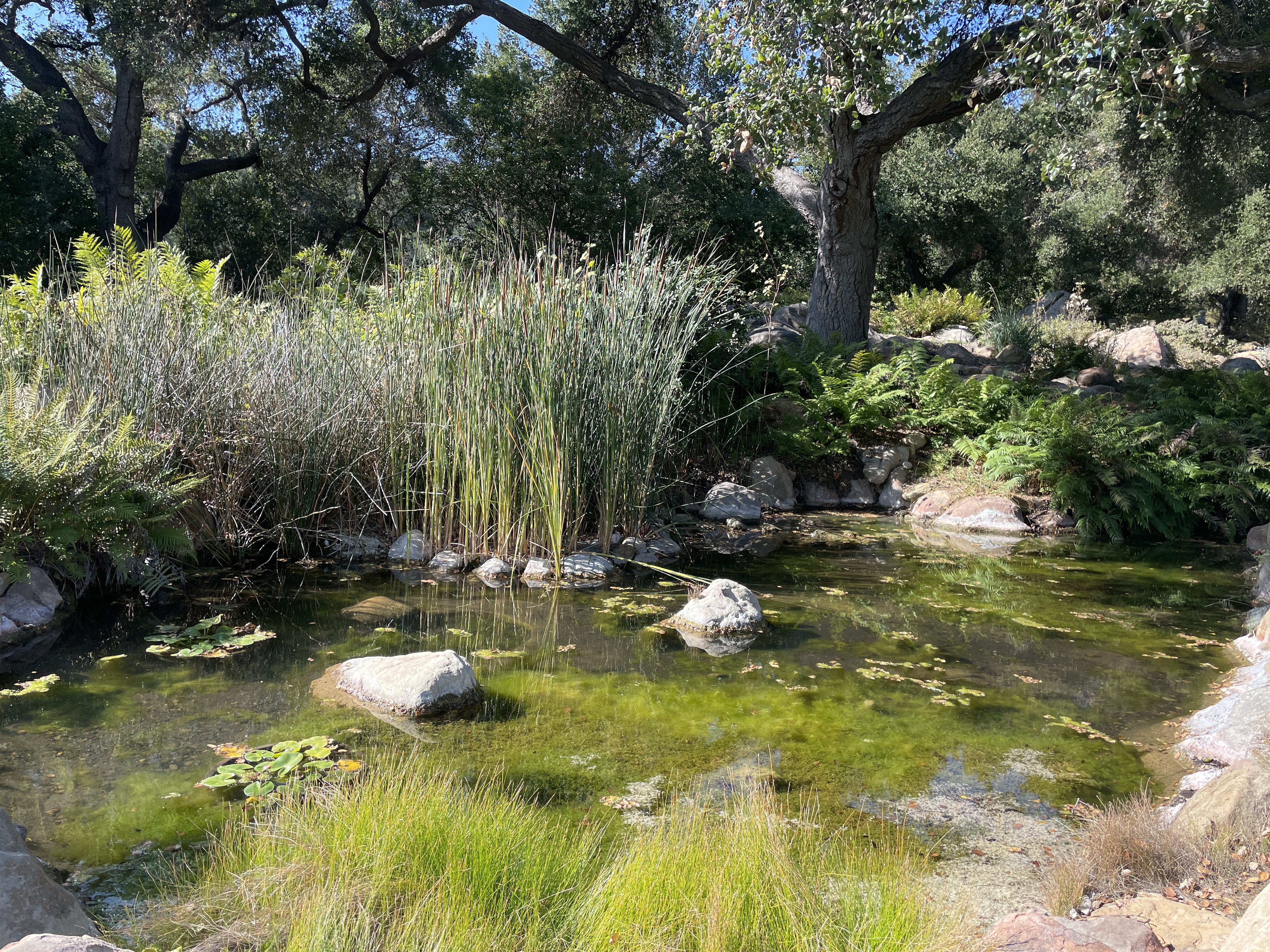

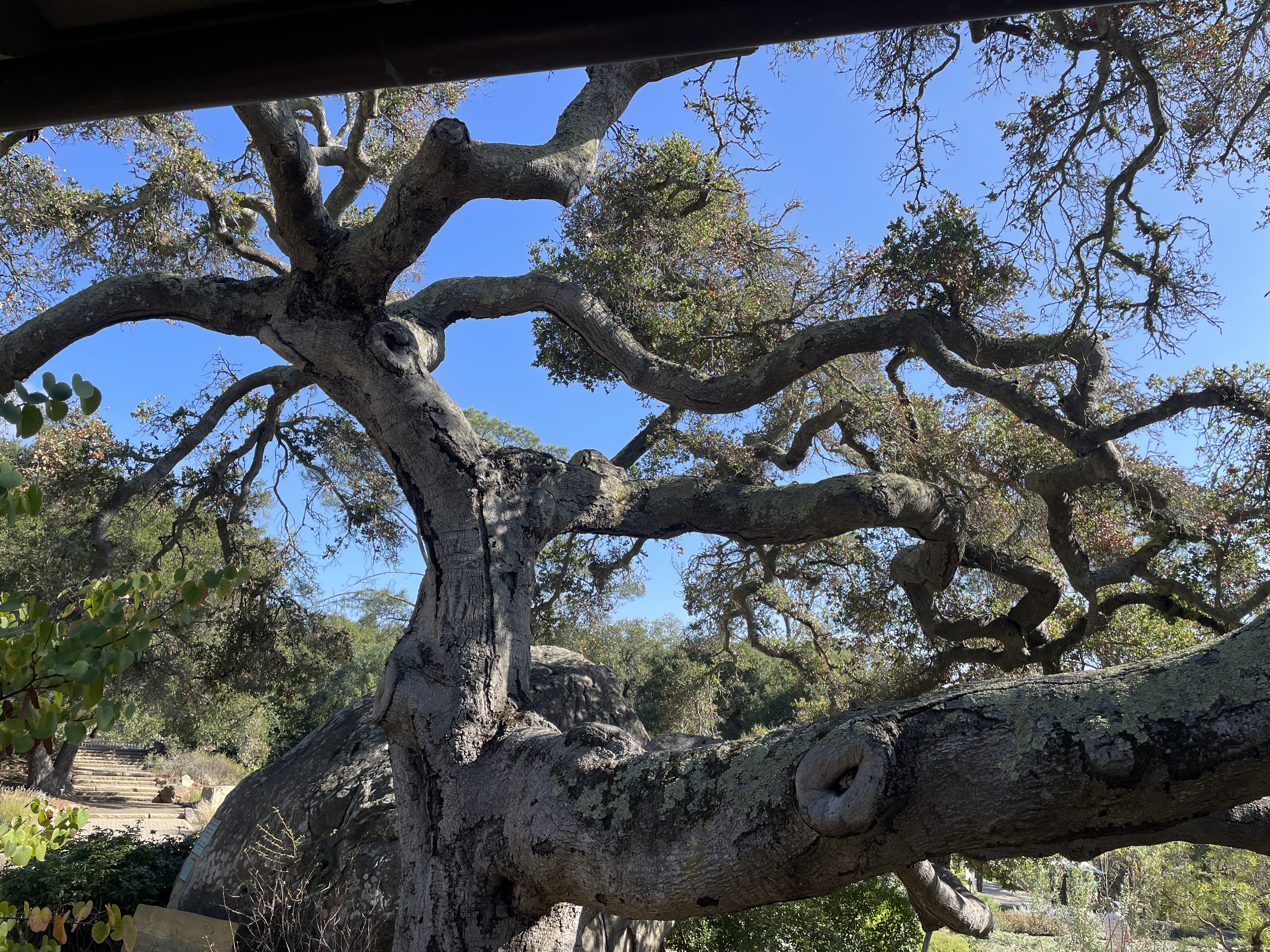
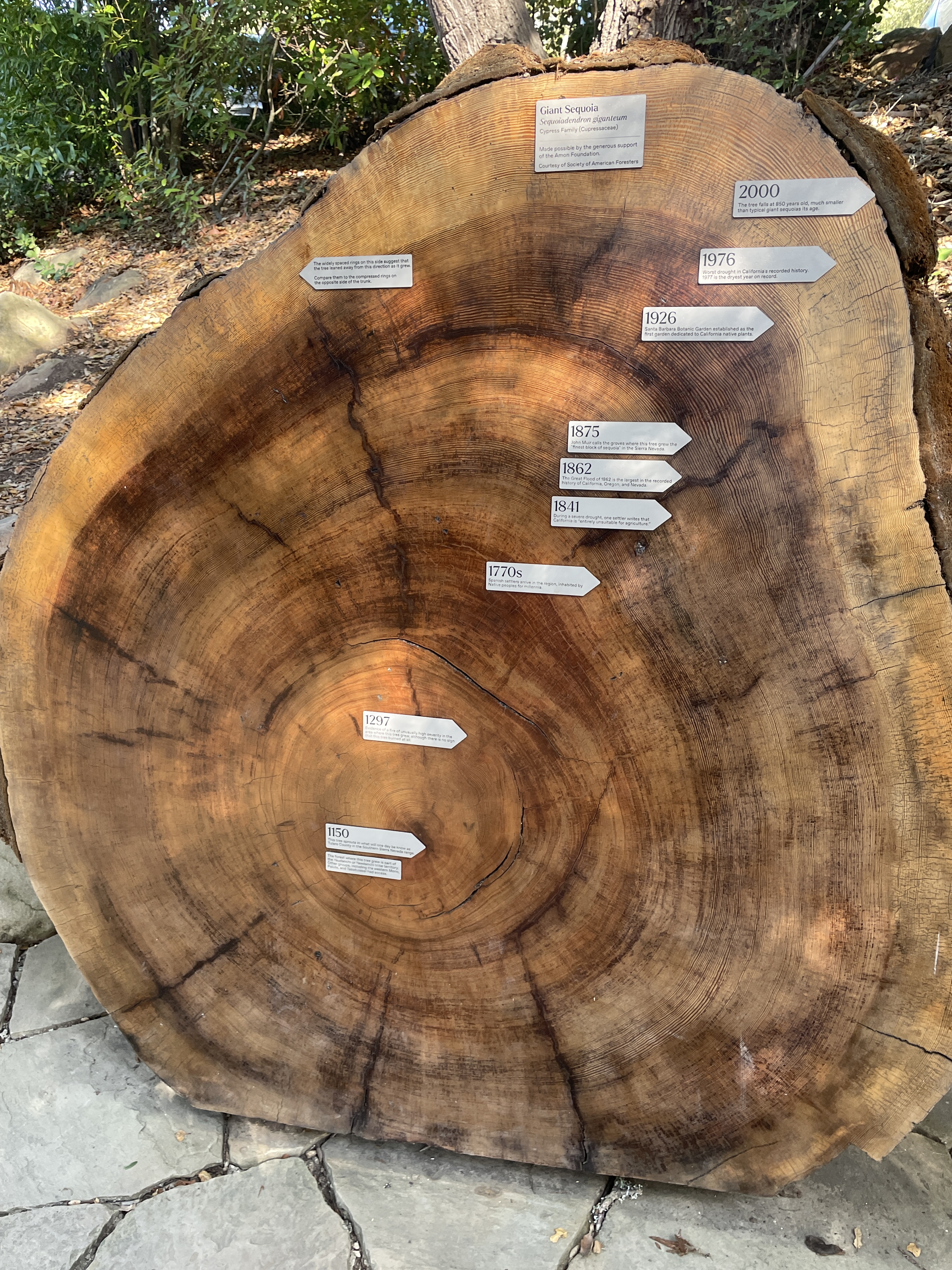


Note: All the plants in this 78 acre garden are native to the area including the coastal redwoods.
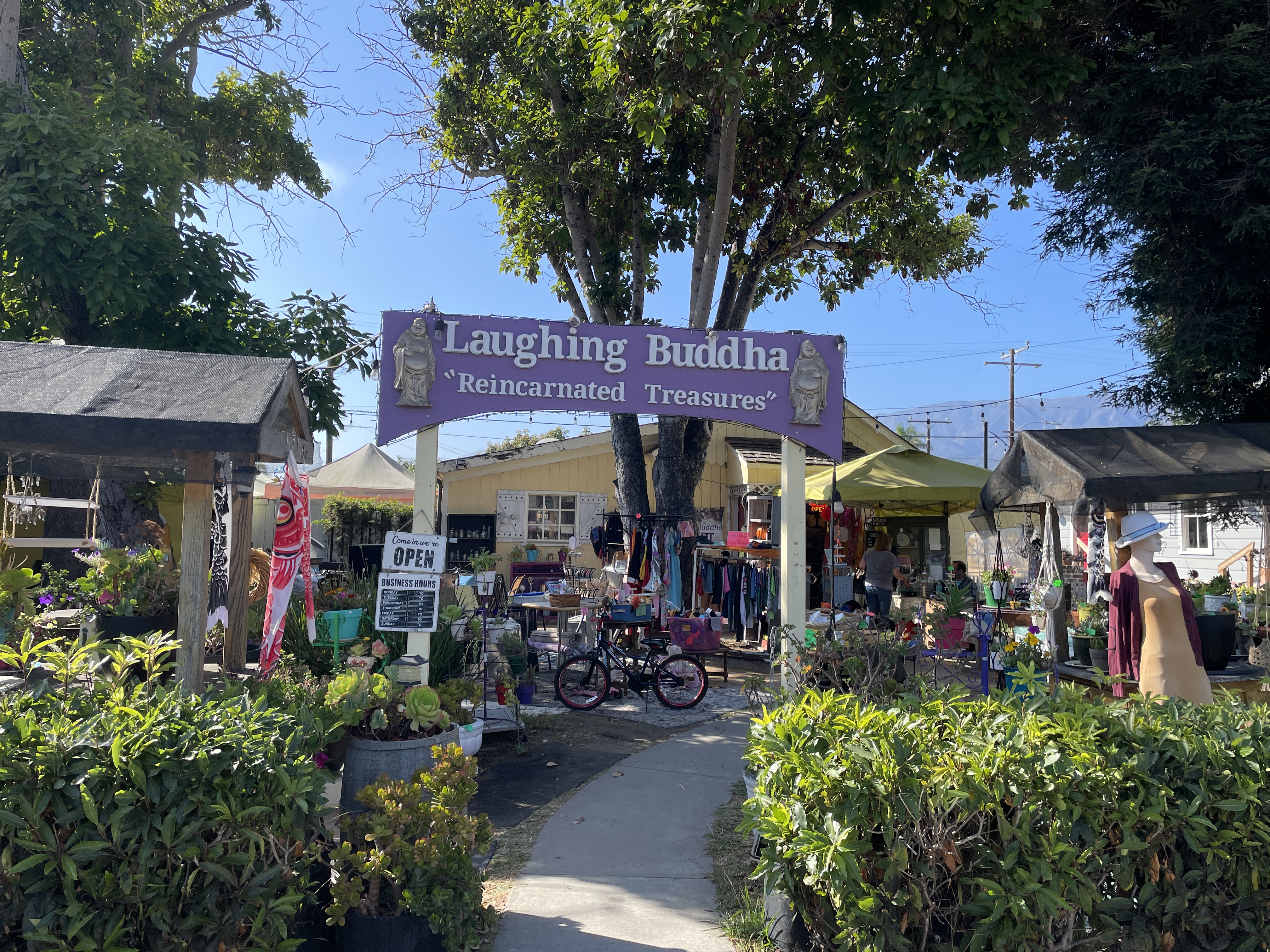
Laid back beach town
Families eating ice cream
Main street organic market
Ocean breezes ruffling hair




While reading the novel “Landscapes” this afternoon, this passage struck me: a man, recently blind, explains, “I rely on my other senses. I get by. But in another way I’m not sure I ever knew where I was headed, not even when I had eyesight, you know what I mean? I doubt anyone really knows where they’re going. But you walk ahead anyways, no?”
This caused me to reflect on a video I saw earlier in the day at Mendez High School where I work for College Match LA. The purpose of the video was to help students address what they will write about in their college essays, how they will write about themselves. It’s called “Essence Objects”. The task is to think about various objects you would put in a box, objects that represent how you see certain things or people, how you think. Here are some examples:
The list goes on and on, thought provoking questions. I don’t have to write a college essay but I’m going to go over the whole list and think and think and think.
Note: I picked this photo because the objects that make me think of my mother are roses. She had a rose garden in front of the barn on our Missouri farm. All summer when the roses were blooming, she floated roses in a glass bowl on the kitchen table where we ate.
Breezes caress
Scents of jasmine, roses
Rainbow colors
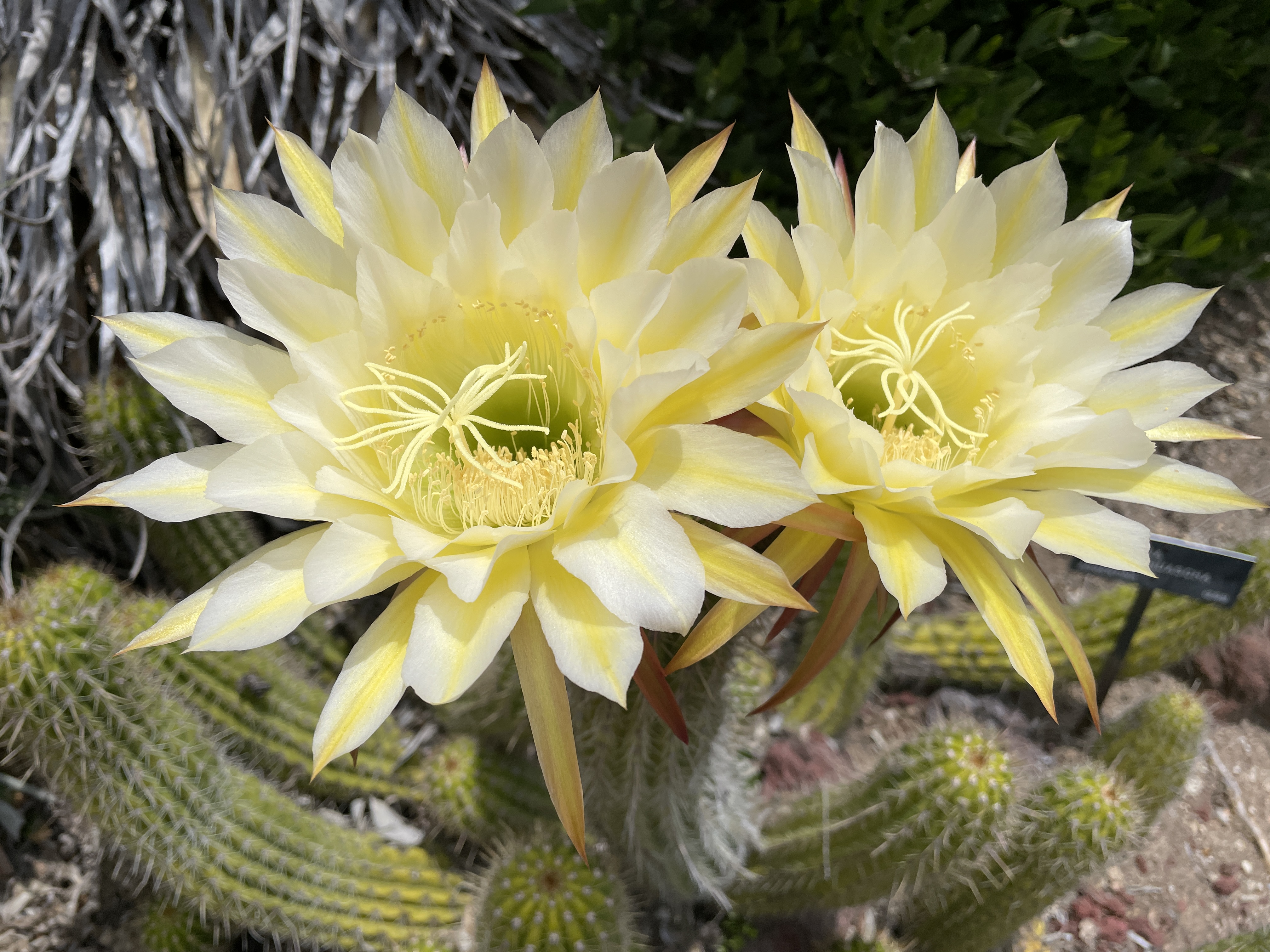



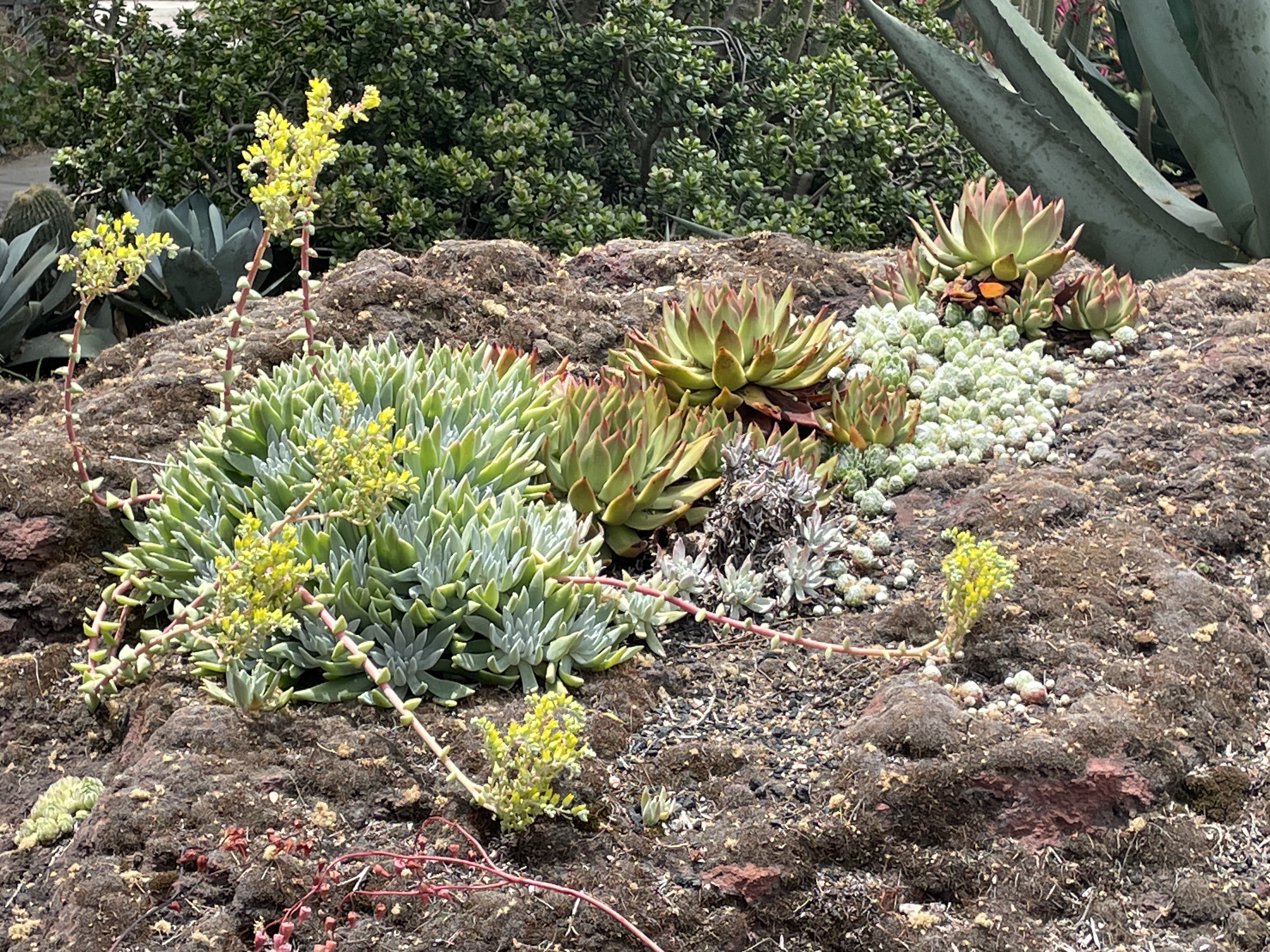
These are growing on a large rock.


Travel the World 4 Less
A Glimpse into My Life & Passions
Ceto-Magoism, the Whale-guided Way of WE in S/HE
Exploring the F-word in religion at the intersection of scholarship, activism, and community.
ANCESTRAL FOOD. HERBAL WISDOM. MAGICAL COOKERY. SEASONAL CELEBRATION.
inesemjphotography
politics, engineering, parenting, relevant things over coffee.
Food is the best expression of every emotion. Explore through my reviews, recipes, events and more.
Smile! A Site for Friends Wherever You Are!
inspiring personal growth through poetry and writing
Combining atheism with whimsy. This is a Fair and Balanced blog based on opinion unencumbered by fact.
Odds and ends ~ My Life
Original poetry, commentary, and fiction. All copyrights reserved.
bripike@gmail.com
A wildlife filmmaker in Africa
A Geeky Feminist's Musings On Pop Culture
"5 minute walks"
 writingontherim