This past weekend I headed to Mexicali in Northern Baja to visit the town of San Felipe and see a new development about an hour south of there. San Felipe is a small fishing town of approximately 20,000 people where there are no fast food restaurants and no Starbucks. Excellent restaurants and good coffee can be found but not at the places mentioned above. They do not exist there. The town of San Felipe has a long boardwalk right along the Sea of Cortez with restaurants across the street. This past weekend they were holding a ceviche contest and fiesta on a cross street. This is shrimp season and the city is known for its shrimp. Unlike the Pacific side of Baja, there is no large commercial fishing allowed in this part of the Sea of Cortez because it contains many endangered fish and the place where whales come to mate. Locals can fish and you see smaller fishing and shrimp boats in the sea. Not only is the Sea of Cortez protected but so are the plants and animals in the desert. Certain plants, like ironwood trees, are ancient and rare. If you want to build a road, it has to be around them. Many other species are also protected.
Unlike the Pacific side of Baja, the water in San Felipe is safe to drink from the tap. It comes from an aquifer up in the mountains to the west.
We spent most of Sunday at the new green development (it is totally off grid) called Rancho Costa Verde. Solar is used for power and each house has a large underground water tank where water comes from an aquifer up in the mountains. This is a newer development so although many of the lots are already sold, except for beachfront, many houses are just now under construction.
This is a very modern beachfront property with marble floors and a glass wall facing the Sea of Cortez.
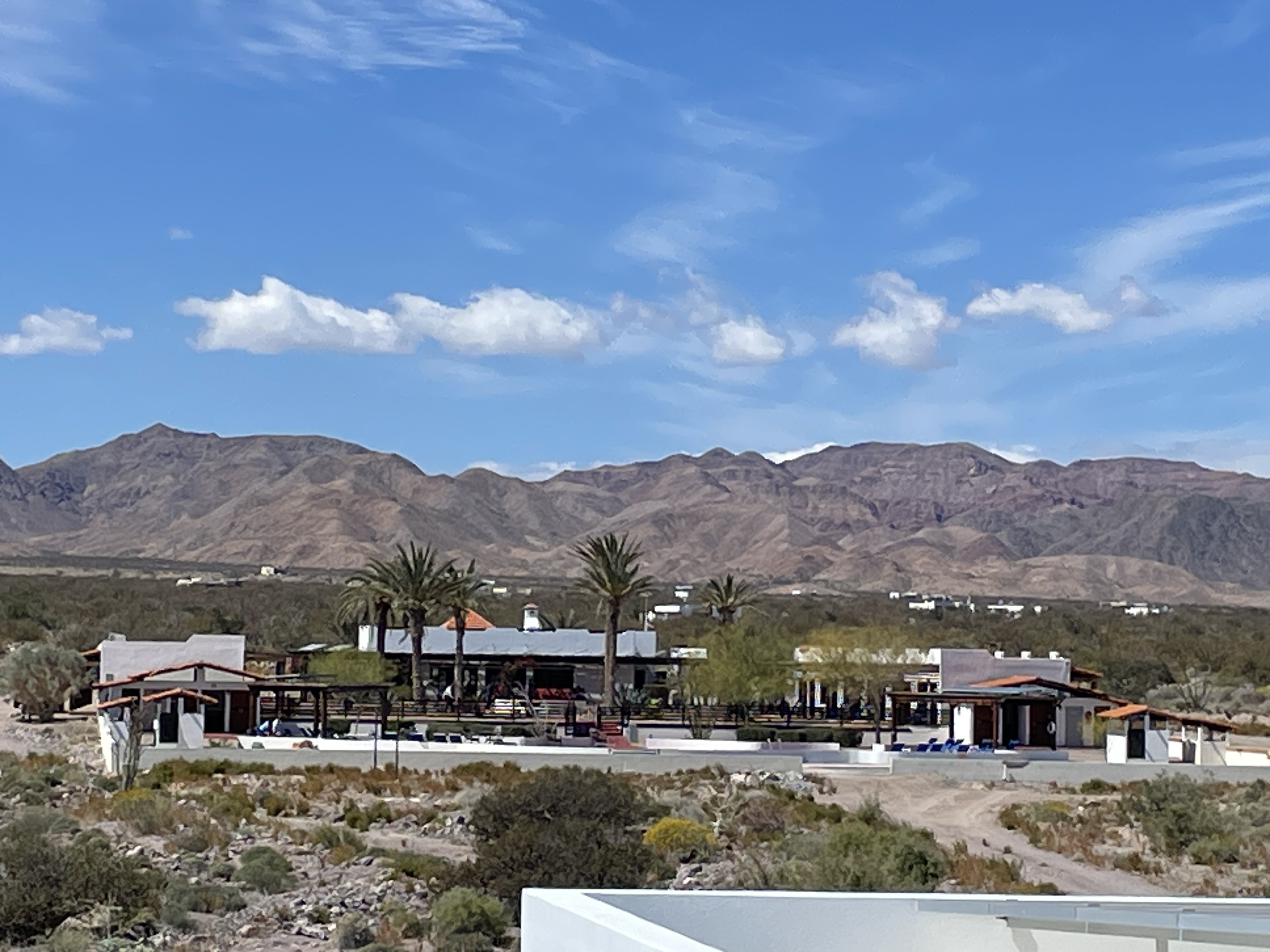
This photo is of the clubhouse and looking the opposite direction toward the mountains. Here I am standing on the roof of the house in the previous photo.
Here I am in front of the pool in front of the clubhouse facing the Sea of Cortez. The house in the first picture is on the left in the distance.
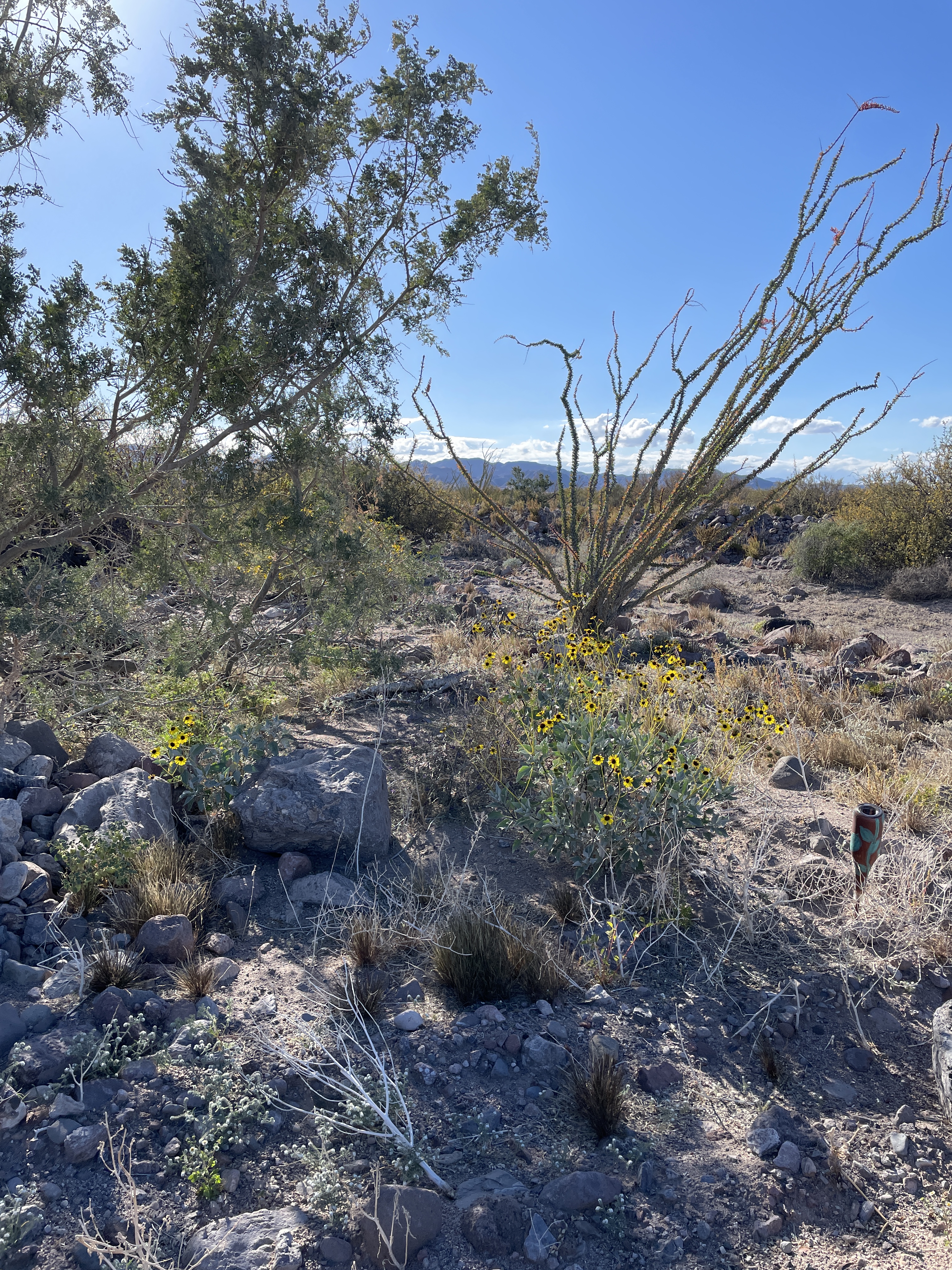
This is desert land where even though it can get hot in summer, the sea breeze keeps it relatively cool.
The plant on the right is ocotillo which is protected. If you are building a house and it is in the way, you have to move it elsewhere. You cannot just get rid of it.
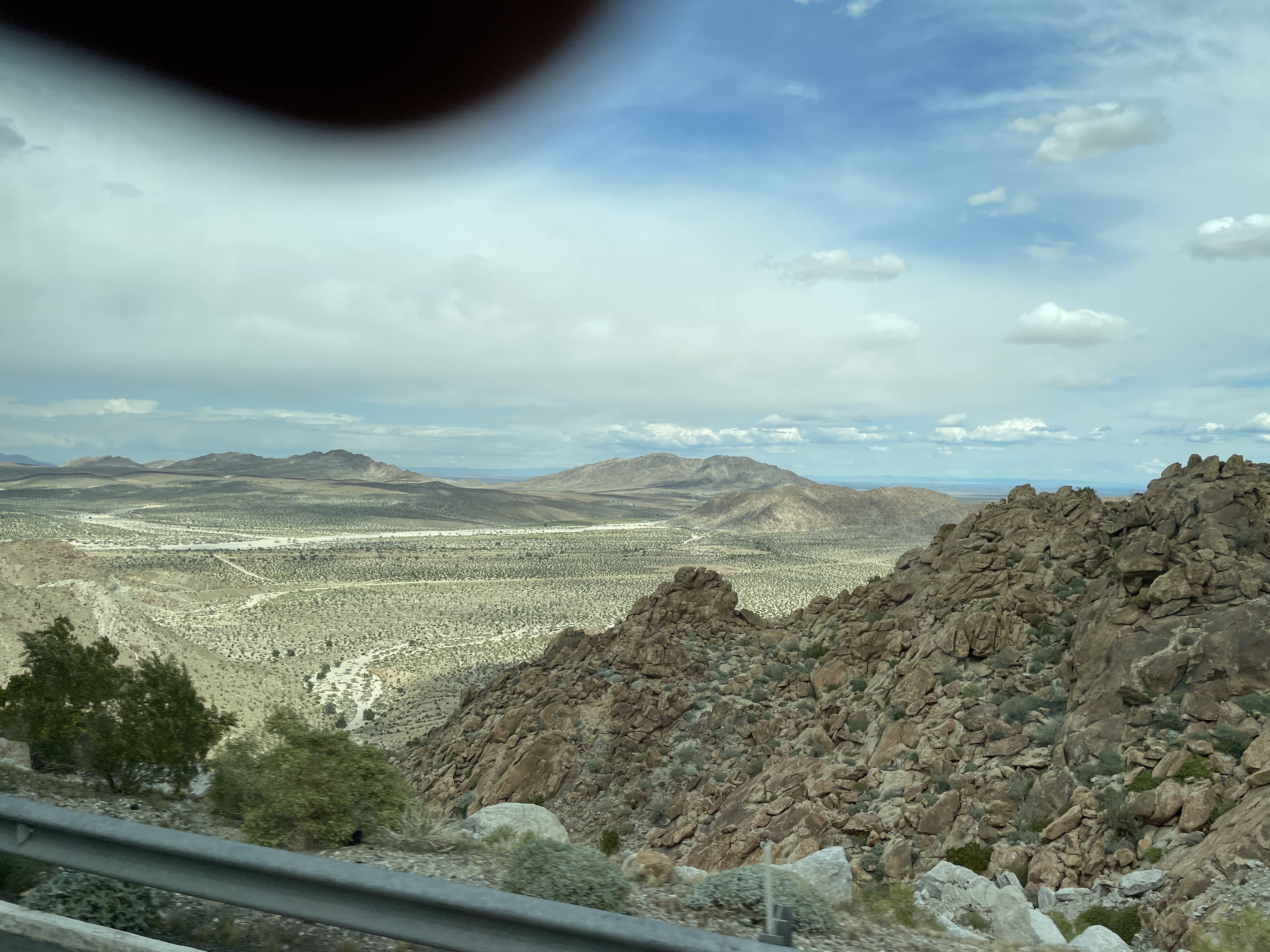
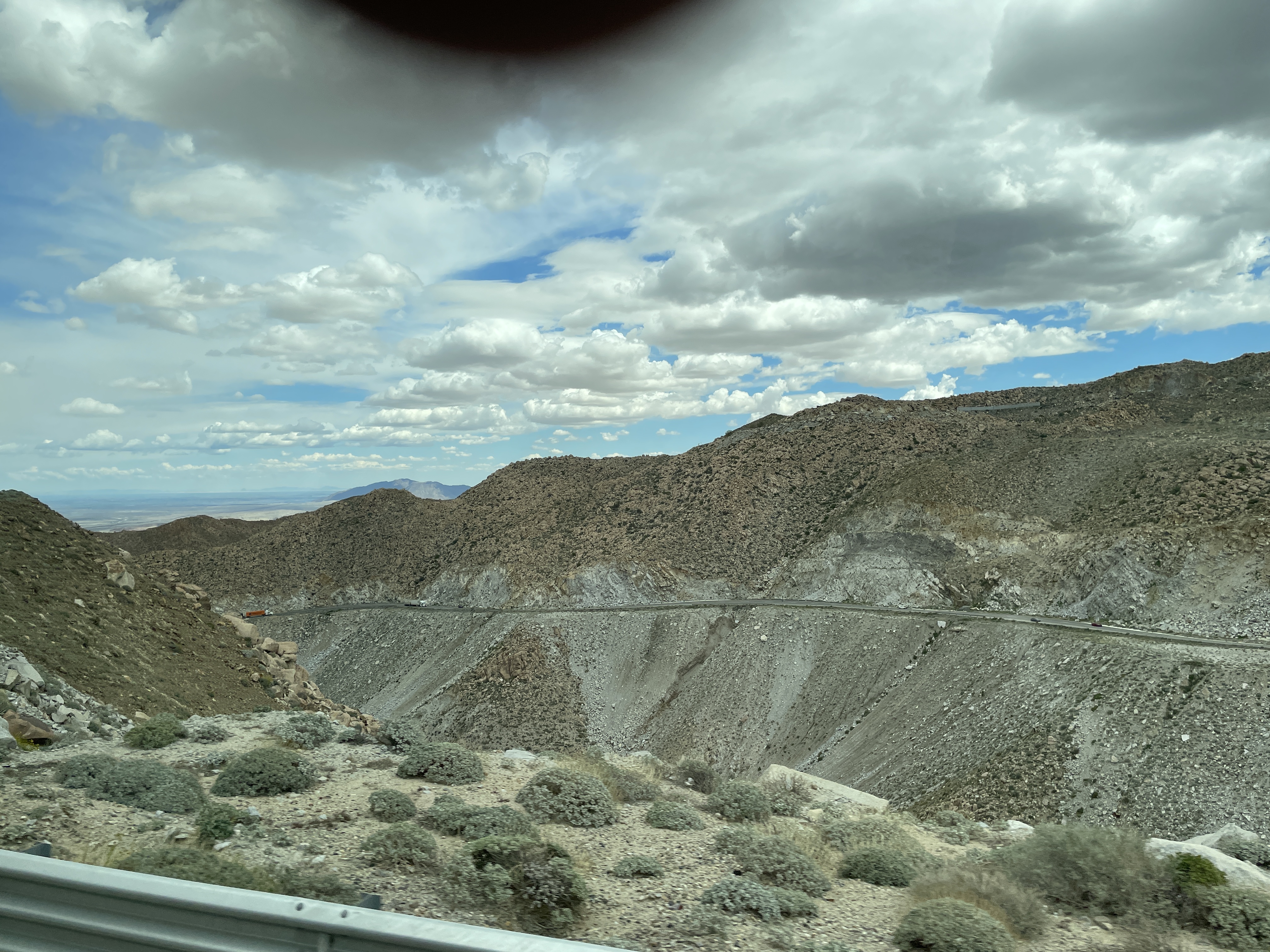
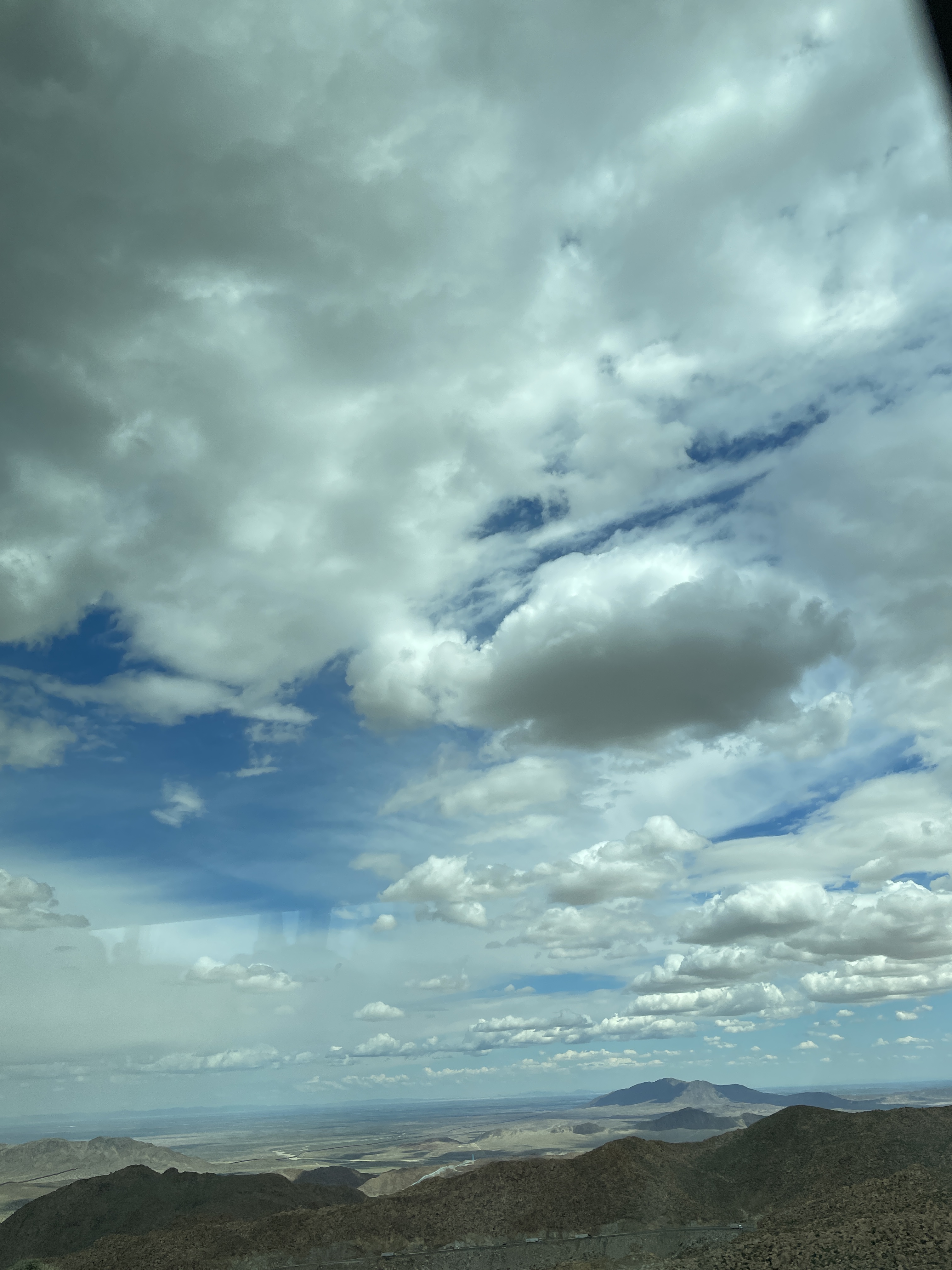
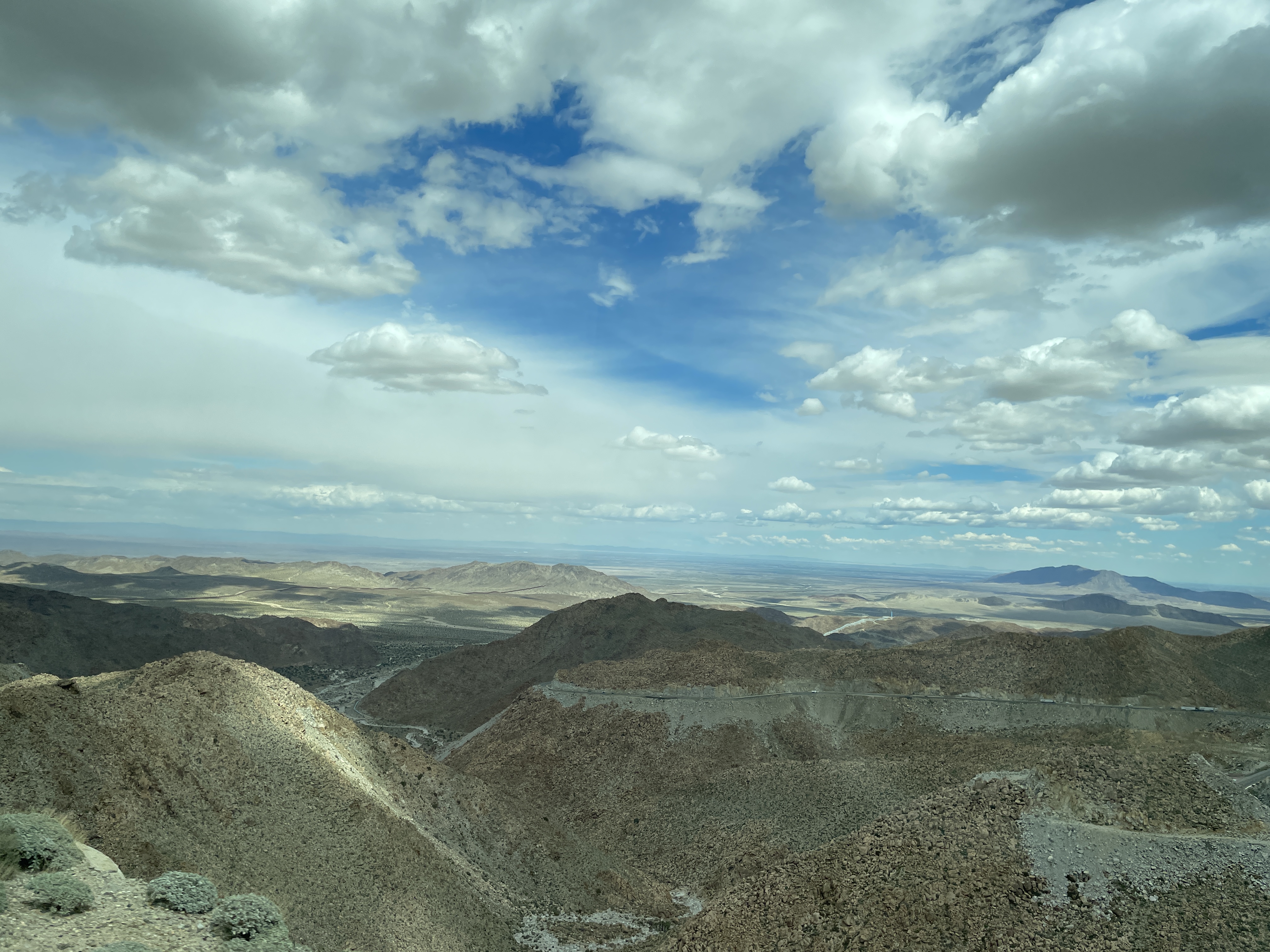
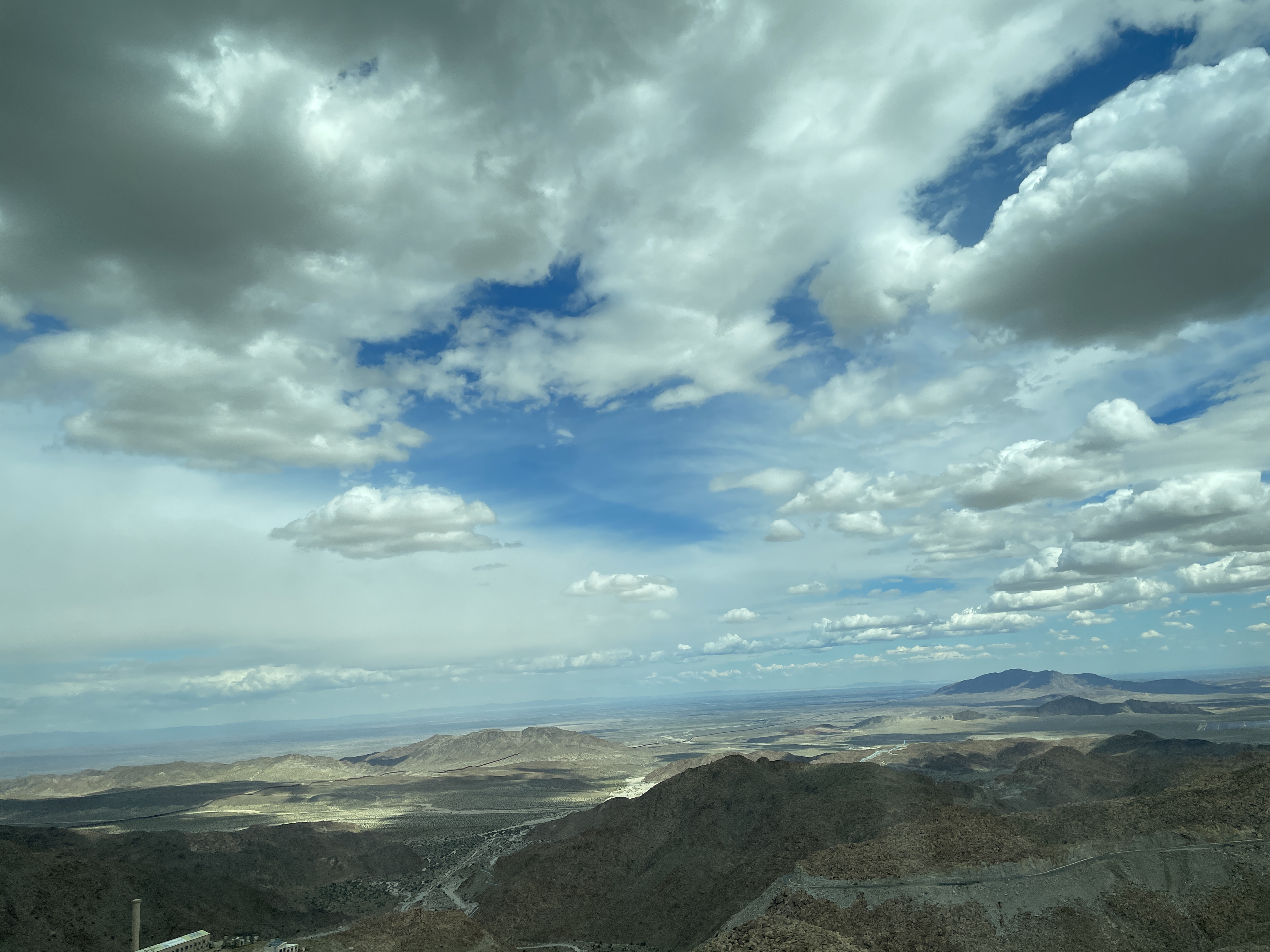
Monday was a big adventure trying to cross the border. We arrived in Mexicali only to discover no busses could cross the border there so we had to take the highway to Tijuana and cross there. To do this you must cross a mountain pass. What a feat of engineering building this road must have been. It is quite incredible and as you climb higher and higher the views go on forever into the far distance. The following are photos I took from the bus window as we drove higher and higher.
These mountains are made of rocks of all sizes that are just stacked on top of each other. Here only these small blue-green plants seem to thrive.
In this photo you can see the highway where we had just traversed.
Here you can see how at this height the mountains are nothing but stacked rocks of all sizes.
After the summit as we went down toward the town of Tecate, it started to rain and it rained most of the way to Tijuana. The Pacific side of this part of Baja gets rain and it was lush green this time of year while the Sea of Cortex side is desert.
I do not recommend crossing at Tijuana in a large bus. Even though we had sent all our passport information in advance, they made the bus sit there for nearly an hour and wait. Meanwhile those on foot and in cars were just zooming along at a rather rapid pace. Then we had to get out of the bus with all our luggage and everything and wait more. I crossed the border (not in a bus) last April and it did not take long at all. I have heard that Tijuana is the busiest port of entry from one country to another in the world but have not verified that. It certainly was busy yesterday.
The author of this book, Guadelupe Rivera, is the daughter of Diego Rivera by the woman to whom he was married before he married Frida. Diego went on a trip to Russia and his then wife, the author’s mother, became attached to her previous boyfriend, the poet Jorge Cuesta. She and Diego divorced and then he married Frida. Eventually, the two couples became friendly and at one point they all lived in the same house.
Thirteen years after Diego married Frida, the author moved in with them. This book details her life living with Frida and her father, how Frida learned to cook, how she decorated the Blue House in Coyoacan, the fiestas, the food, the adventures. The book includes photos and recipes of Frida and Diego’s favorite foods, photos of the house, and places the author visited with Frida. It is also a story of many of Mexico’s famous people at the time.
I own several books about Frida but this one is the most revealing and intimate in many ways. If you like Mexican food and find the life and art of Frida and Diego of interest, read this book.
Note: It was also written by the journalist Pierre Marie-Colle with photos by Ignacio Urquiza.
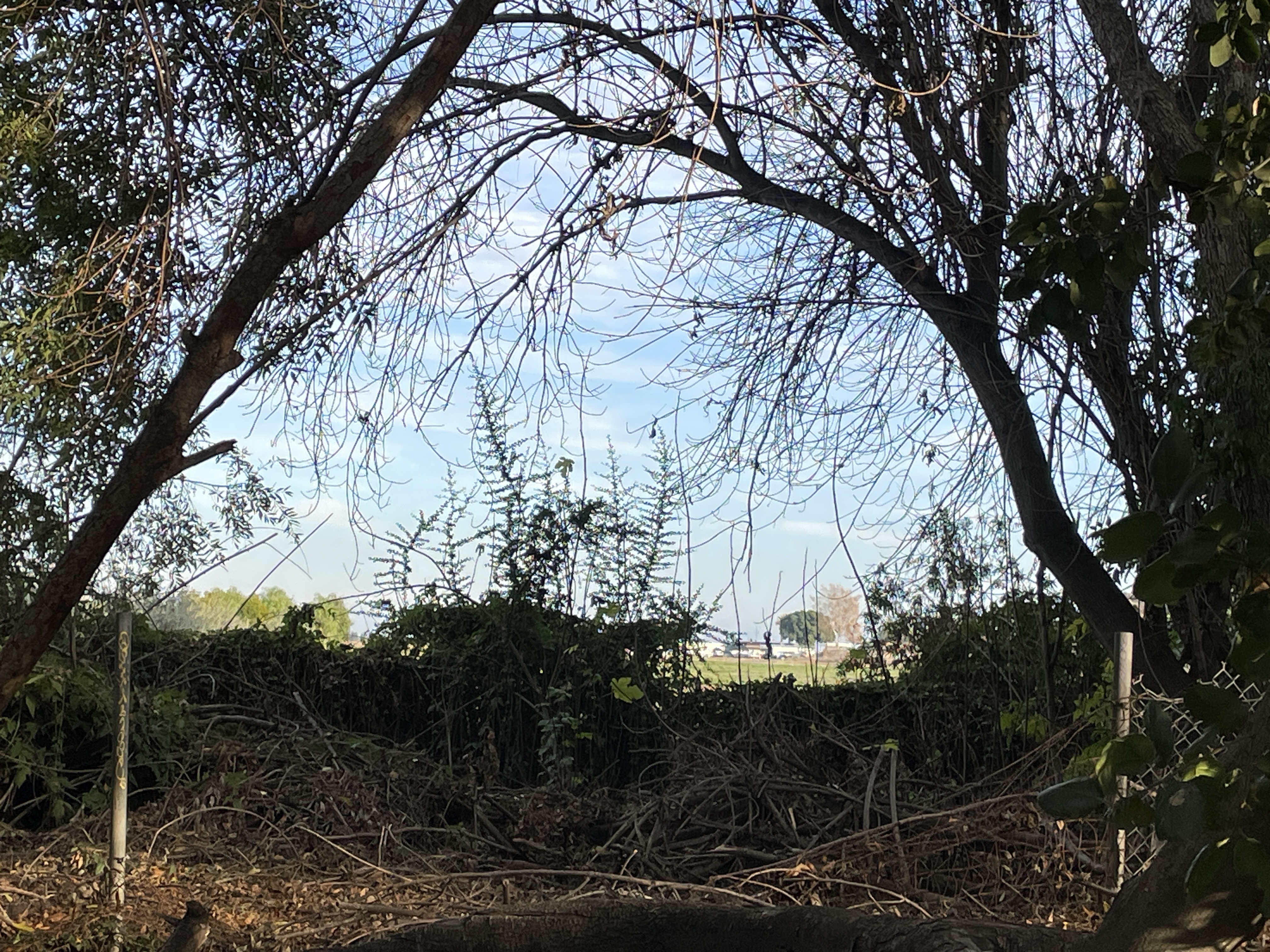
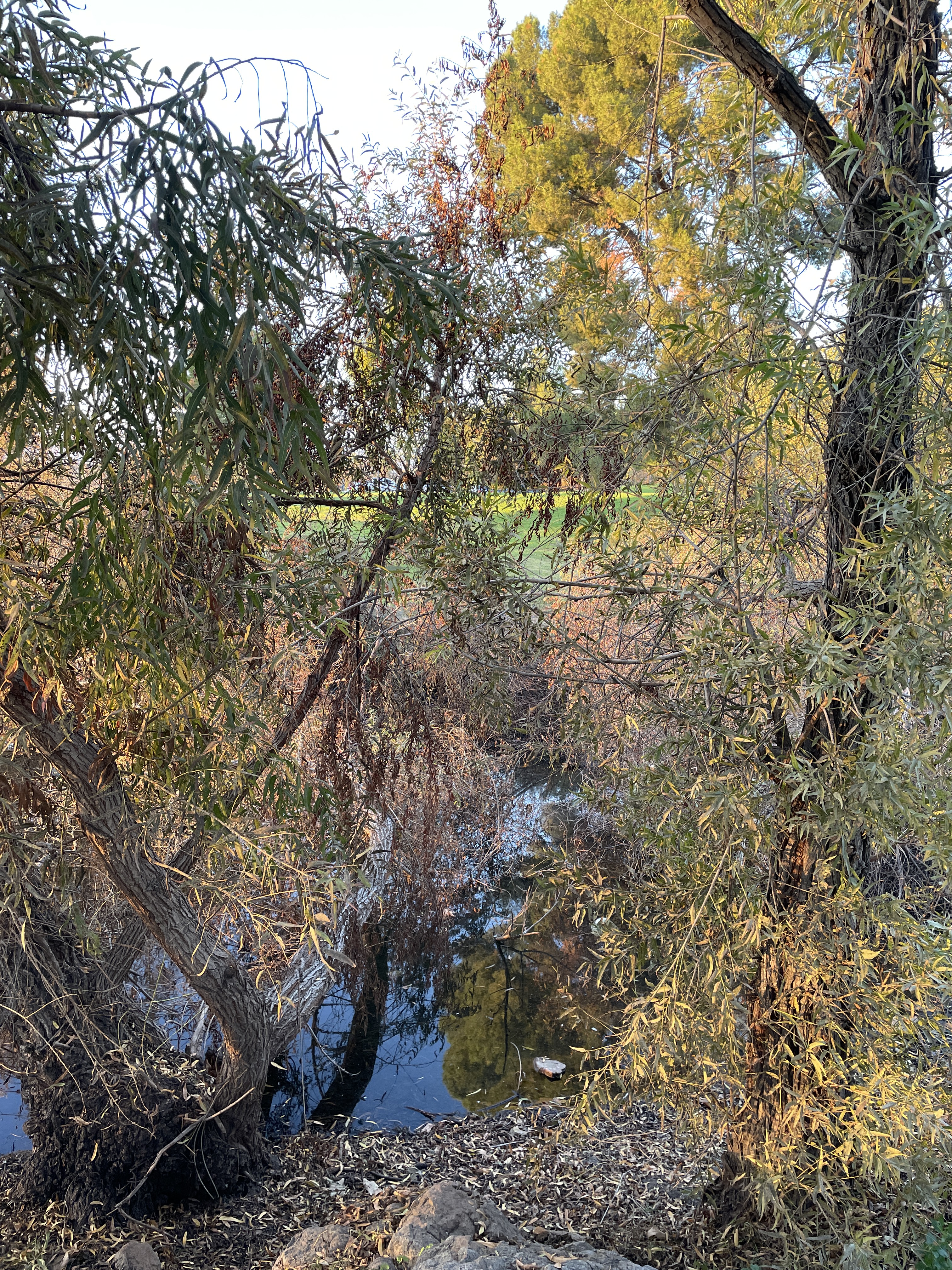
Today water level was low enough that I could cross into an area I had not previously explored. While many of these photos are in the areas I’ve walked before where the walker can see the lake and mountains, the other photos are from the heavily wooded area I found today.
After reading two intense, somewhat depressing novels, I decided to read a lighter non-fiction work. An article I read mentioned a tale of two guys, Tim Cahill and Garry Sowerby, who drove a GMC Sierra pickup truck from Tierra del Fuego, Argentina, to Prudhoe Bay, Alaska in less than 25 days. I like adventures and the best vehicle I ever owned was a Sierra 4 by 4 Off Road. I sold it to a former student when I moved. It was still going strong at over 300,000 miles.
In order to follow along on their adventure, I dug out my atlas and followed their trip through 13 countries, finding cities, little towns, rivers, mountains. When they traveled in 1987, the only place with no road was the Darien Gap on the border between Colombia and Panama–today still no road and now famous for all the migrants who labor through this dangerous, swampy, jungle area on foot on their way north. Since no road there, Tim and Garry had to load the truck onto a container ship in Cartagena and unload it in Panama. They also rode on the ship as passengers. This lead to their meeting some of the most colorful characters on their trip.
Along the way, they meet all sorts of people, e.g. sadistic police, kind employees of international GMC, a weird consulate employee, and helpful women, describe them and the landscape in detail. Procuring the right documents and proceeding across borders is sometimes easy and sometimes grueling, again described in detail. Of course, political leaders, ease of travel, etc. have changed in many places–I’ve been to or lived in five of the countries they traverse.
Want to explore new places, meet all sorts of folks?? Then this is the book for you and a fun read.
If you LOVE the West, but sometimes struggle with its violent history, this is the memoir for you. Here is a quote from page 178: “I’m embarrassed at how long it has taken me to notice that a rancher’s view of the natural world is blindered in comparison to the hunter’s perspective; that driving livestock from one field to another is nothing like stalking free-ranging herds; that finding, gathering, and preparing a hundred different wild plants bears no resemblance to growing alfalfa or oats…”
Andrews also discusses the difference between sustainability and reciprocity. Before reading the book, I had never thought about this. He notes that sustainability is taking without damaging. Reciprocity entails giving back, e.g. nature, asking, “What can I give back? What can I do to take care of this place that feeds and shelters me?” This is quite different from “How much can I sustainably take?”
Andrews grew up in the West. However, after cowboying on several ranches in Montana, hunting annually, and later inheriting his grandfather’s Smith and Wesson revolver, he begins to question the gun violence and destructiveness of Western culture. This book details his journey. He continues to live on a farm in the Montana mountains, slowly transforming the land to make it profitable but also a place for nature, for wildlife to prosper.
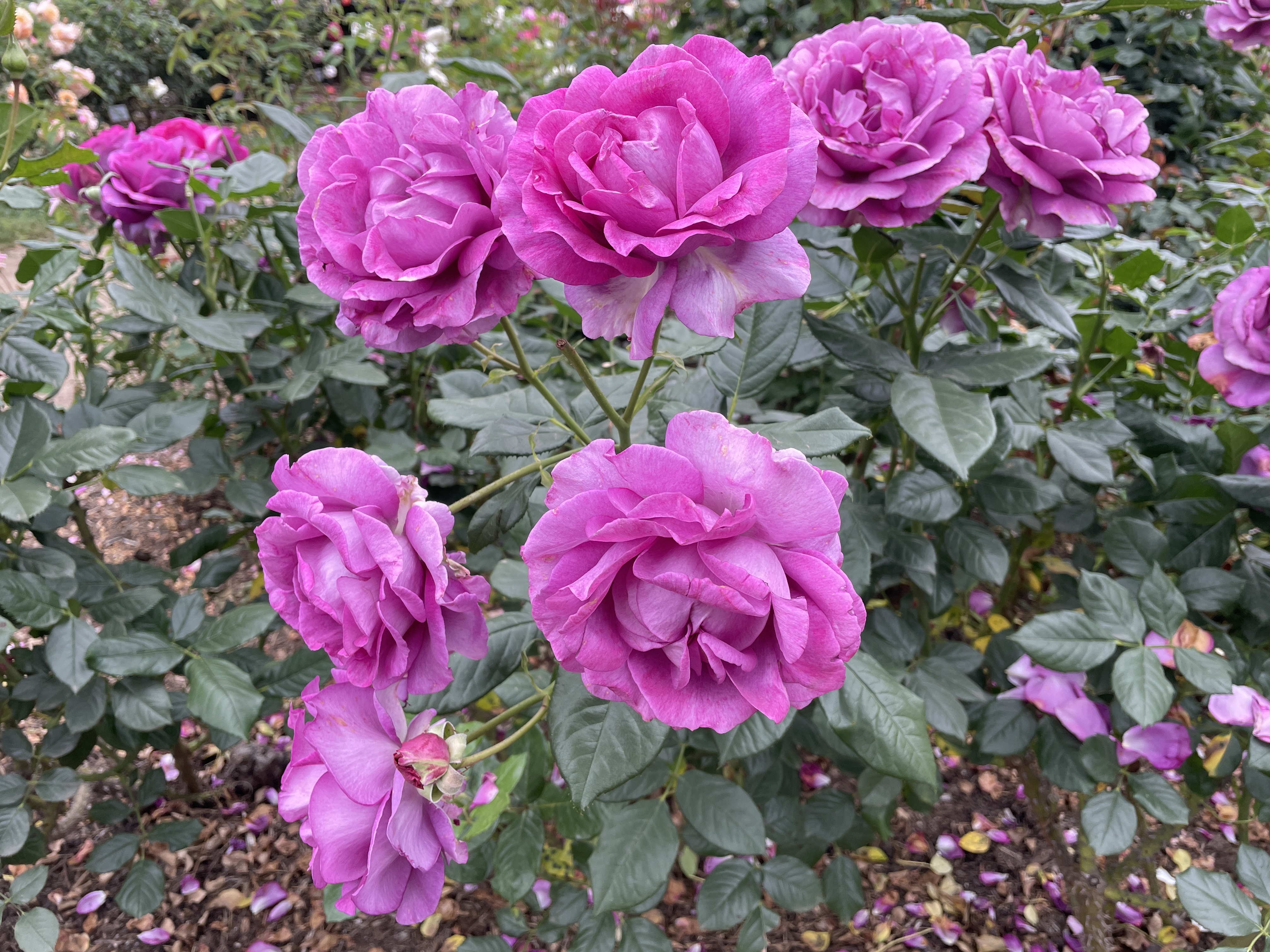
Friday, I decided to look around at parts of The Huntington since I had not been there in a while. For one thing, I knew the roses would be in full bloom, and even though I had been there a number of times, I had never looked around the rose garden. They did not disappoint.
Find the bird among the roses.
The building is the newly reopened Tea Room.
This rose has perfume as part of its name and smells divine.
I left the rose area and strolled in the herb garden seen above. Then I found a new kind of artichoke, Opera Artichoke. See below.
Facing away from the rose garden I could see all the way to downtown Los Angeles.
This tree is labeled Naked Coral.
Then I strolled through the tropical garden area.
Fig trees.
After leaving the tropical area, I wandered around cactus and succulent gardens.