One Book a Week, 36-39: See notes below plus “Mrs. Caliban”, Rachel Ingalls


“Mrs. Caliban”, once called “The Perfect Novel” by the New York Times, was a book ahead of its time. A sort of magical realism story, its message remains relevant over the decades. Mrs. Caliban’s husband just lives with her and only returns home to eat, and after going out for the evening, to sleep. He’s polite and indifferent. One day a green, sort of humanlike, highly intelligent monster shows up. He is hiding from the authorities who found him and experimented on him. She listens to his relating the horrible things done to him and hides him in the guest room where her husband never goes. He transforms her life. In the meantime, she goes to visit a close friend and listens to the friend’s stories of multiple simultaneous affairs she is having with multiple men friends. They give each other advice, exchange stories about various people they know. Mrs. Caliban tells no one about her house guest. Then a shocking accident and astonishing information she never guessed occur.

This short novel reveals so much about life, human behavior, and the status of men and women. I highly recommend it.

Note: The other three books I read for a project and cannot discuss them at this time.

Baja Trip-6: The Art of Beliz Iristay


The first place we visited after breakfast was the art gallery/studio and home of Beliz Iristay. Although she does other things, her main medium is ceramics. I had first seen her art on display at the Riverside Museum back in December and posted some of that art in a previous blog. Originally from Turkey, she is married to a Mexican artist. The two met while both were teaching in Istanbul. She has lived also in the US and her artwork has been displayed in many places in the US. She and her husband live in the Valle de Guadelupe near Ensenada, Mexico.

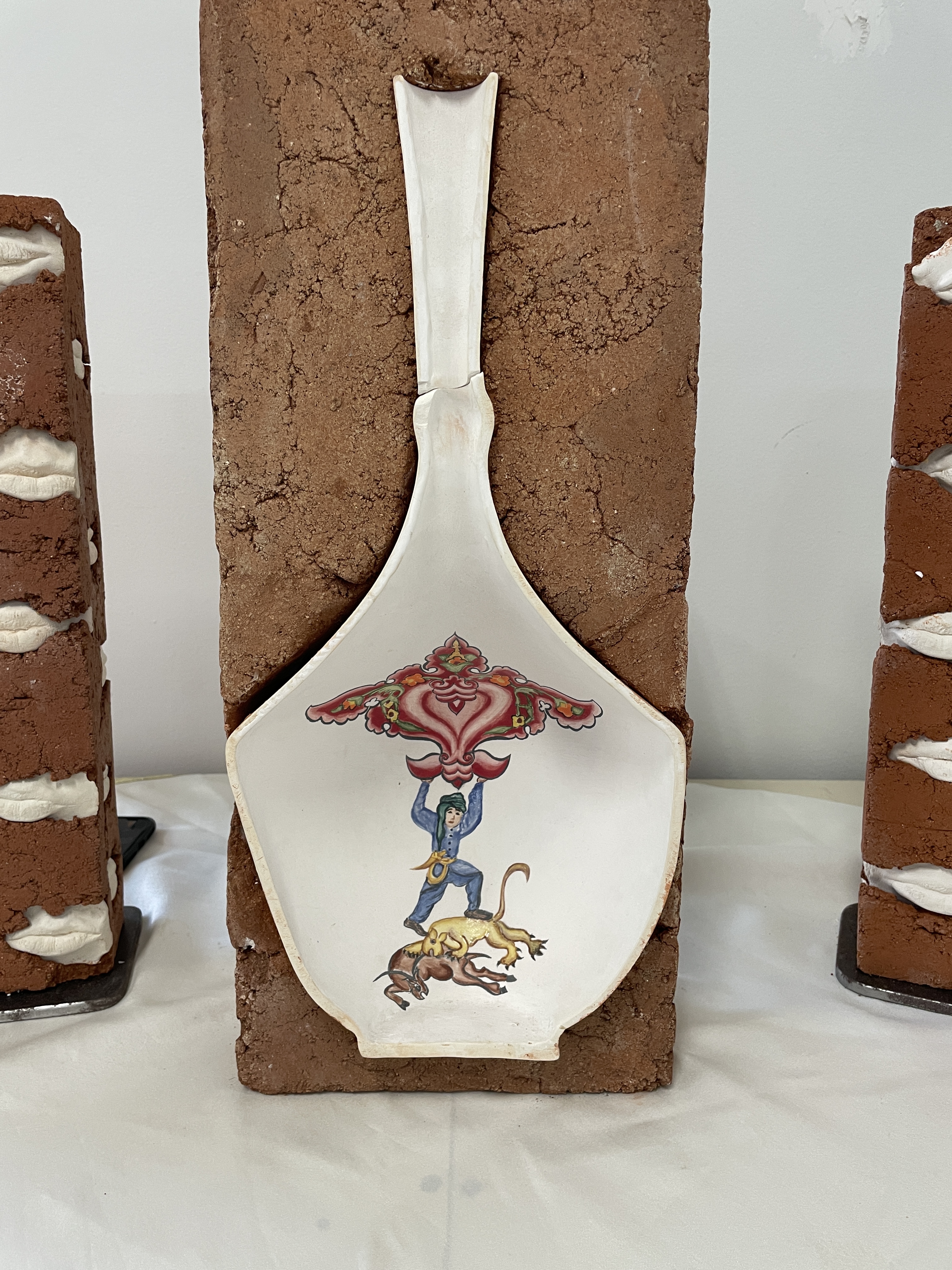
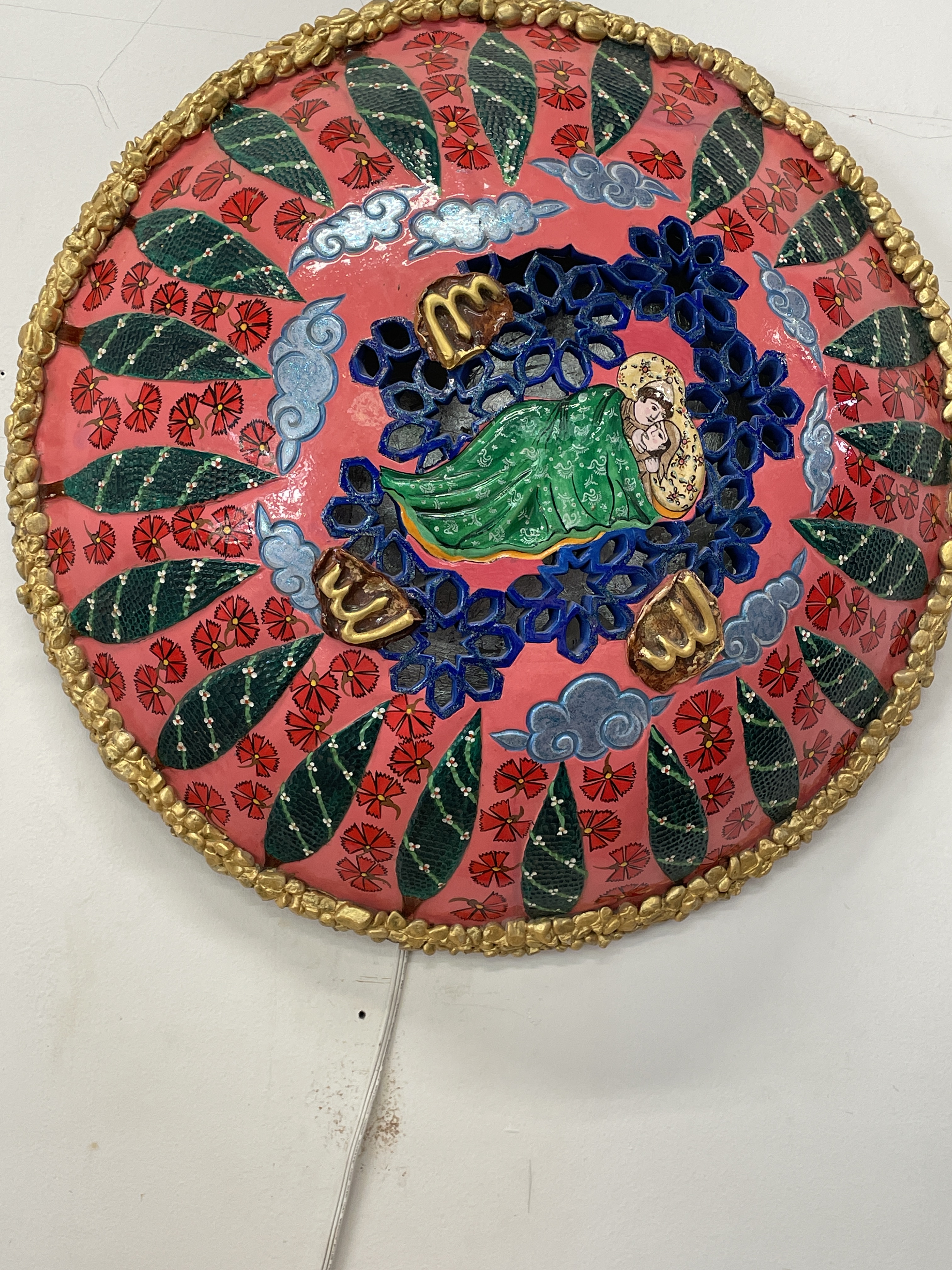
Here are a few of the pieces I photographed in her gallery in Mexico.

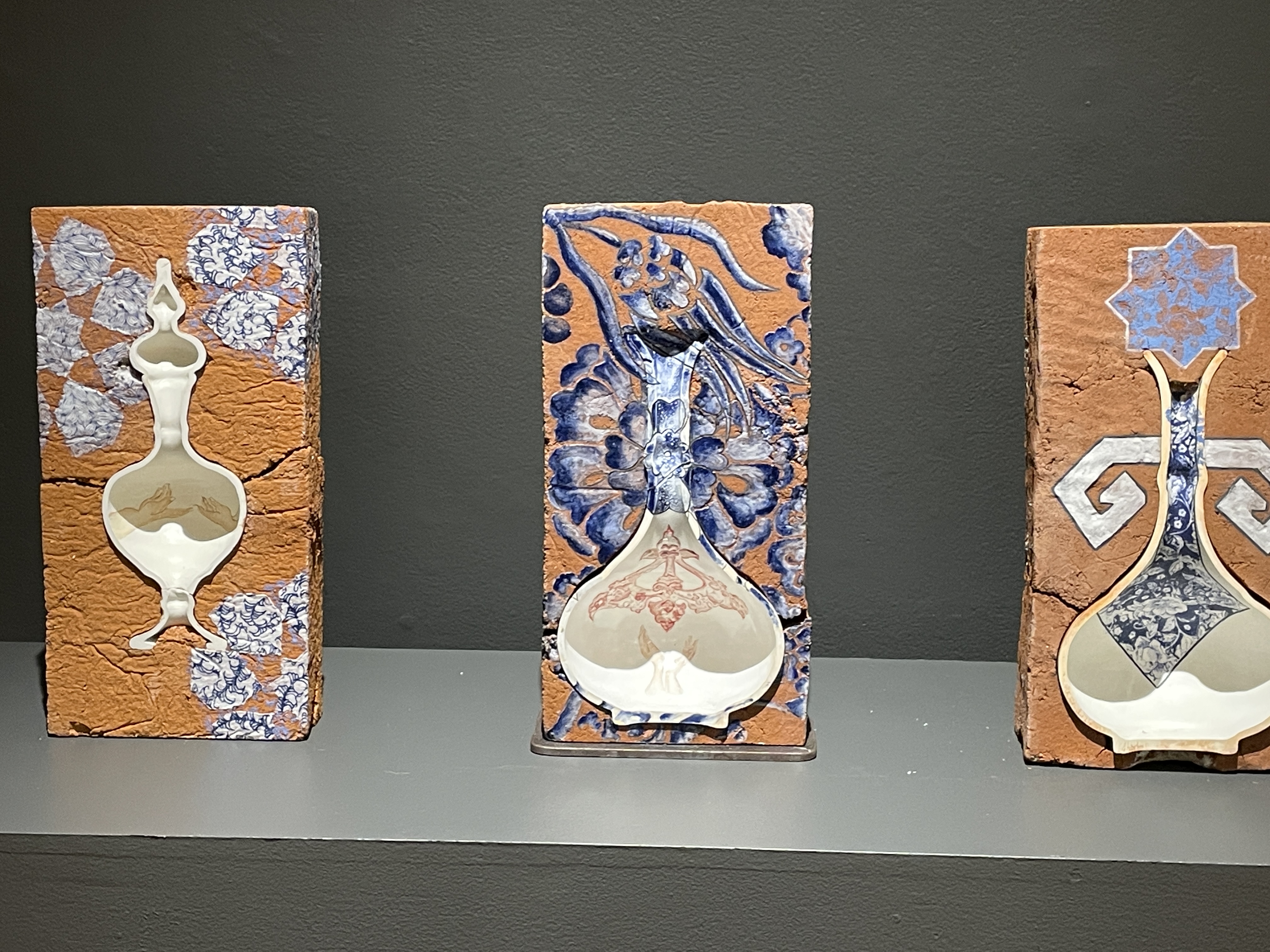
Following is work that was on display at the Riverside, CA Art Museum until last week. The first tells a bit about her and why she produces the type of art she creates. At her studio she repeatedly emphasized that she sees herself as creating feminist art that makes statements about the plight of women throughout the world. At her studio she was creating some large pieces for a new commissioned display that supports what she sees as her feminist goals.

She frequently uses traditional adobe bricks from Mexico made locally where she lives and then transforms them into various works of art often combining the Mexican and the Turkish cultures.

One Book a Week-14: Trust, Hernan Diaz


The first half annoyed me. I kept asking, “What? Why? What is wrong with these greedy, despicable people?” I almost quit reading it (I never quit reading a book) but plunged on. Then, about halfway through “A Memoir, Remembered” section entranced me. Aha. Now I “get” it. I became so engaged I read the last half almost straight through without stopping.

The title should be Truth. This novel deftly explores these questions:

-What is true?

-Whose truth is true?

It does this via competing narratives involved with financial markets, how investors have and can manipulate the stock market, and relationships. It also quietly addresses the issue of how men take credit for the acumen of the women with whom they are involved and the destructive power of wealth and influence.

One Book a Week-9: “Flights”, Olga Tokarczuk


How to describe this unusual novel? Here’s a possible list:

-No over all plot.

-Several stories about individuals scattered throughout, e.g. read about a person and event, then many pages later back to that person and the consequences of the event(s).

-Short philosophical musings/vignettes interspersed here and there. One reviewer counted 116.

-One common theme relates to the title, Flights, in that in most of the “stories” people are traveling or have traveled on quests for “meaning” or escape from a cumbersome reality.

I learned the following from reading this book:

-Per his request Chopin’s heart was taken from his body. His body was buried in Paris but his sister secretly transported his heart in a jar of special preservation liquid back to Poland, the land of his birth.

-A Dutch anatomist discovered the Achilles tendon after dissecting his own amputated leg.

-Plastination is the method used in anatomy to preserve bodies and body parts. Several characters in the book make their living or are obsessed with this process.

This is not a book for those who prefer relaxing reading or for the “faint of heart”.

Note: The author won the Nobel Prize in literature in 2018. This book won the Mann Booker for translated literature from all over earth in 2018. I plan to read another of her books–have now read two of them–but since the other one in English is 1000 pages long rather guess it might take more than a week for me to read it. This is actually the 11th book I have read to date in 2023 but did not start blogging about them so two are missing in the blog posts,

One Book a Week-2


One book a week? To date this year it has been more like 3-4, depending on the book and week. I wrote reviews for four books today on Goodreads including The Sea of Tranquility, Little Fires Everywhere, An Imaginary Life, The Woman They Could Not Silence. I mentioned the first one in my last post.

I noticed that Little Fires Everywhere is now a series, streaming. I will not watch it because it is one of the few books that made me cry. I rarely cry. Is it worth reading? Yes. I view it as recommended reading for parents. How do you treat your child who is different, the child who is not how you want your child to be? Is conforming the best way to live? And at what cost? Is a poor minority child better off with wealthy parents from a different ethnicity who can provide everything?

Next I read a non-fiction book, The Woman They Could Not Silence, The Shocking Story Of A Woman Who Dared To Fight Back, by Kate Moore. Apparently I did not know as much about women’s history in the US as I had thought. This is the true story of the life of Elizabeth Packard. Here are some of the things I learned:

  1. In the mid 1800s if a woman was married, her husband could place her in a mental asylum as insane and she could do nothing about it even if she was sane. She could not get out even if relatives and friends tried to come to her rescue.
  2. Her husband could confiscate all her property and do with it whatever he pleased. She and everything she owned now belonged to him.
  3. People in mental asylums were terrorized and treated with methods now considered even illegal treatment for actual terrorists, e.g. water boarding.
  4. A common, accepted treatment for “difficult” and “emotional” women was clitoridectomies, female genital mutilation. Prominent psychiatrists viewed female genitalia as the cause of female insanity. Dr. Isaac Brown, a prominent London surgeon, stated that it was easy to cure female insanity, just cut off her clitoris. This was practiced in both the US and England.

Elizabeth Packard’s husband placed her in an asylum because she disagreed with his religious views and her outgoing nature. This book details her life in the decades she struggled to be released from the asylum and her struggles to make life better for those who were placed in asylums. It is a must read for anyone interested in the history of women in the 1800s and the treatment of those deemed insane.

Reception for the New Exhibit at The Getty


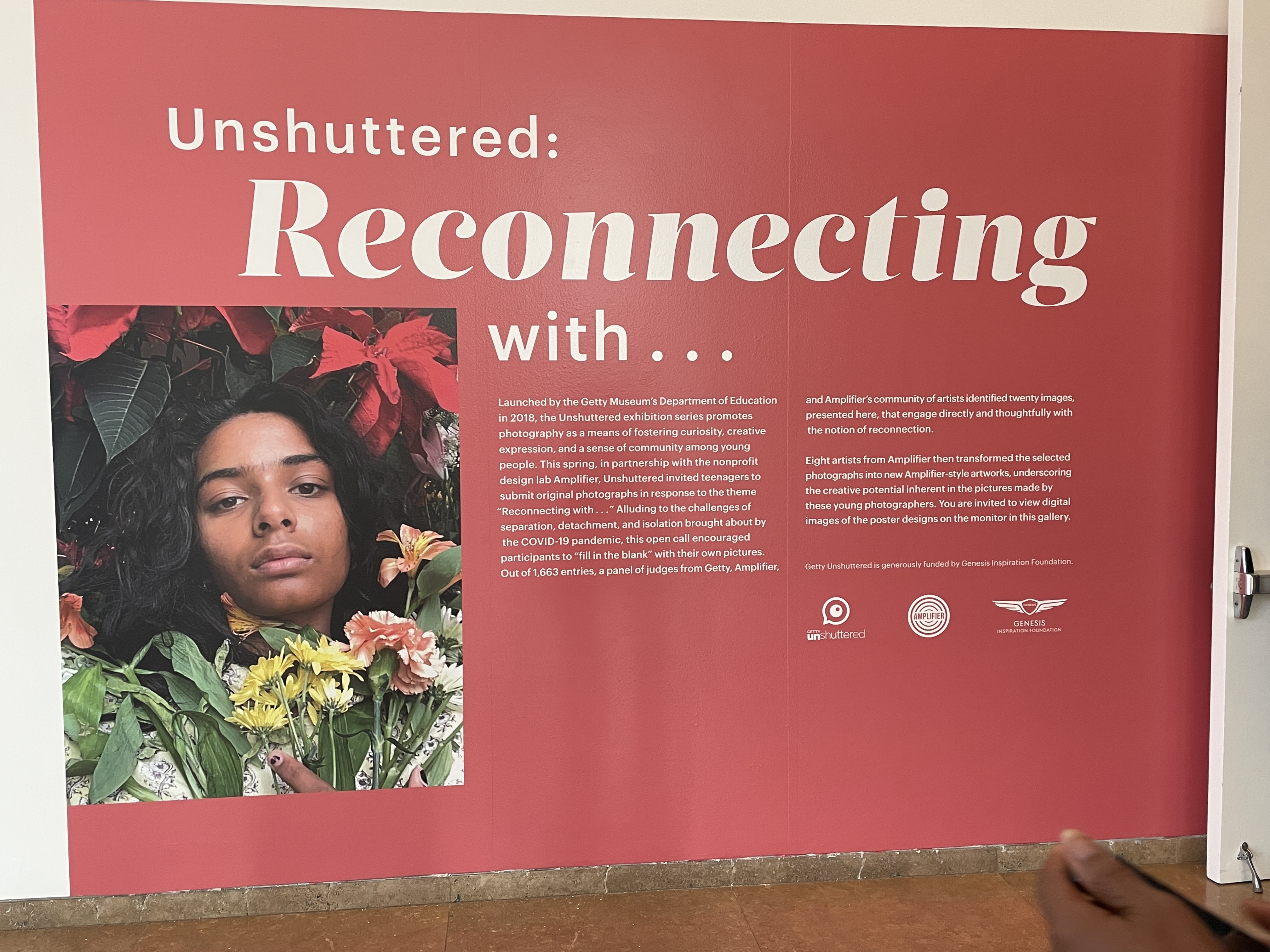
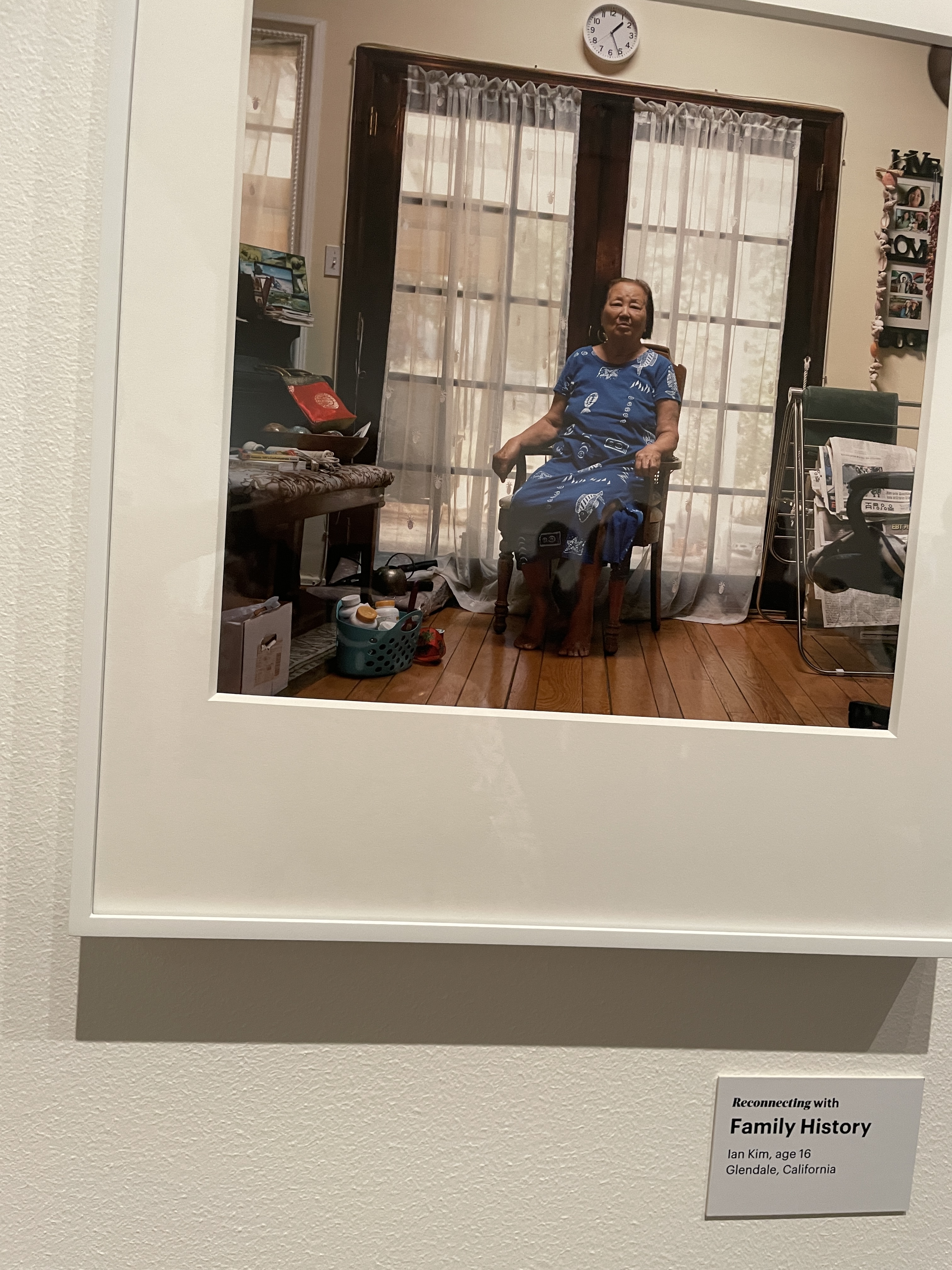
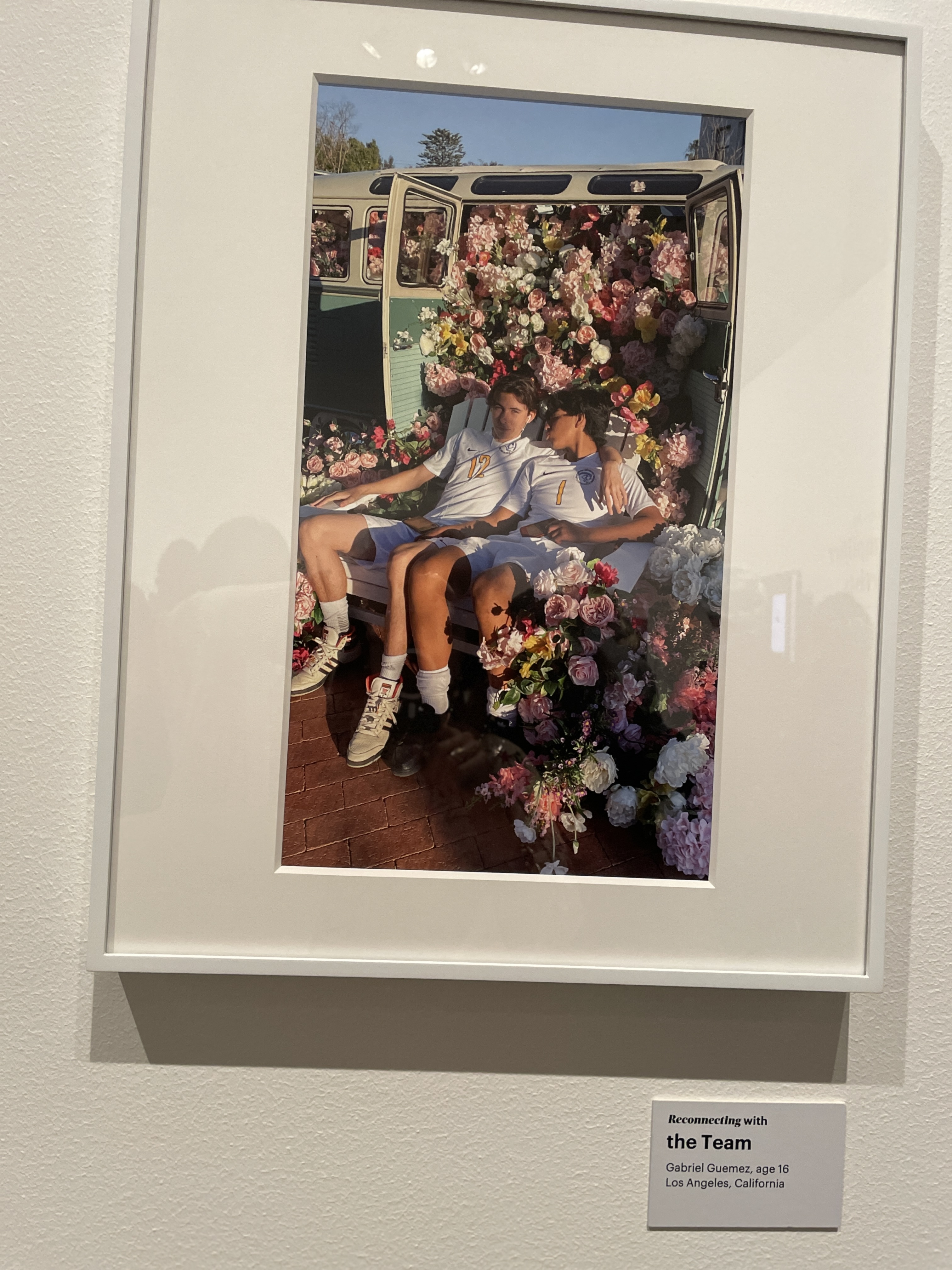
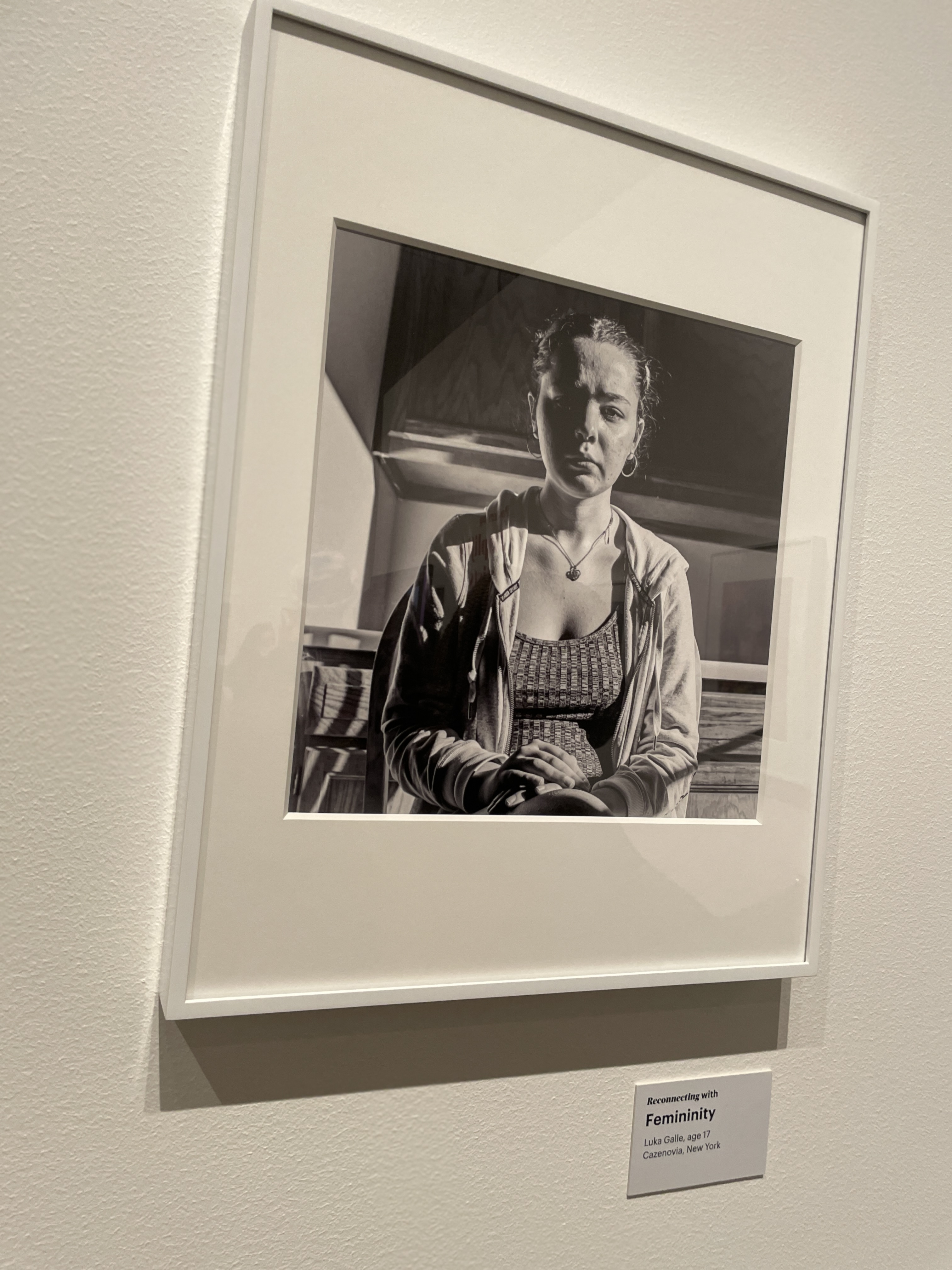
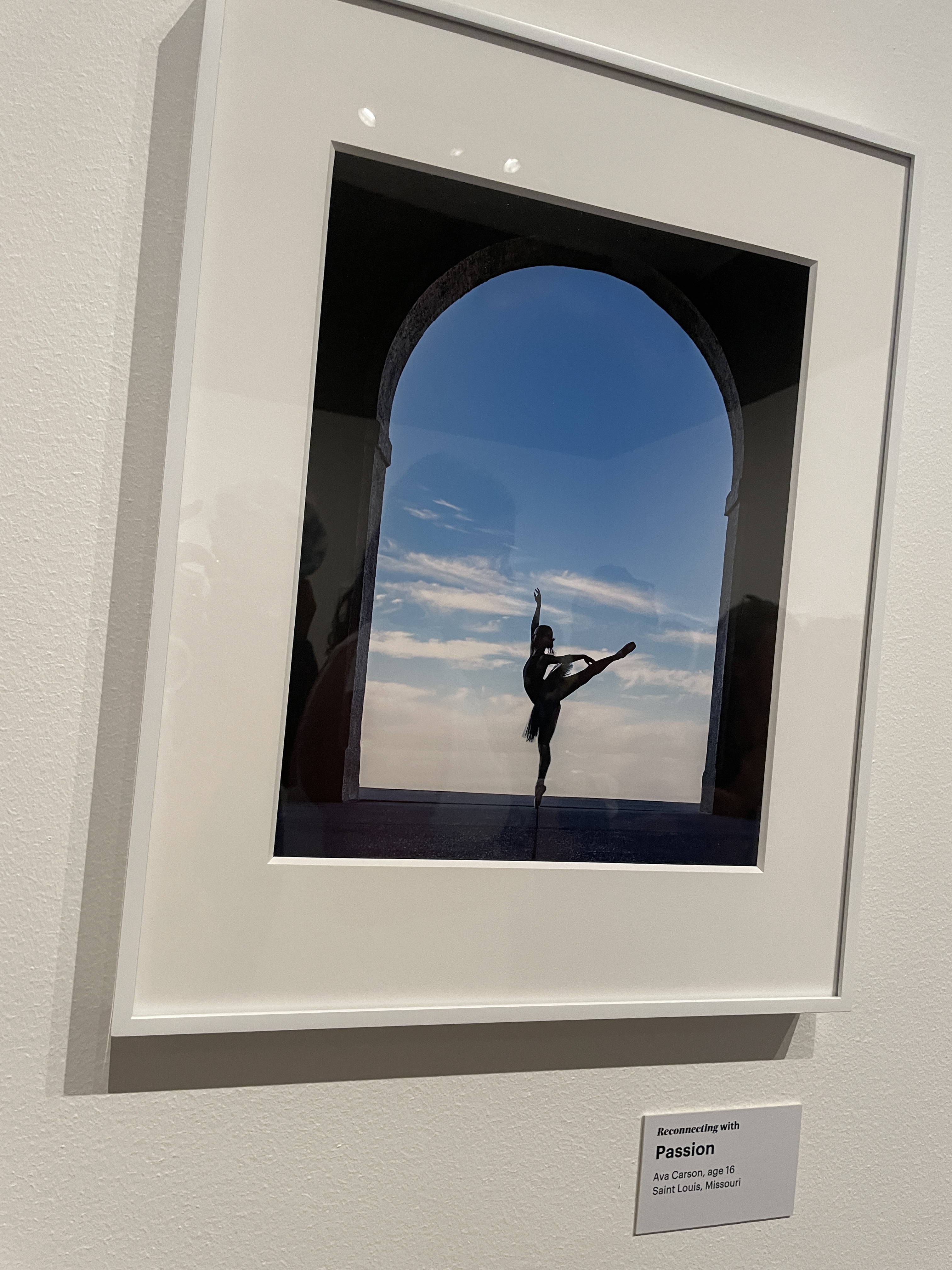
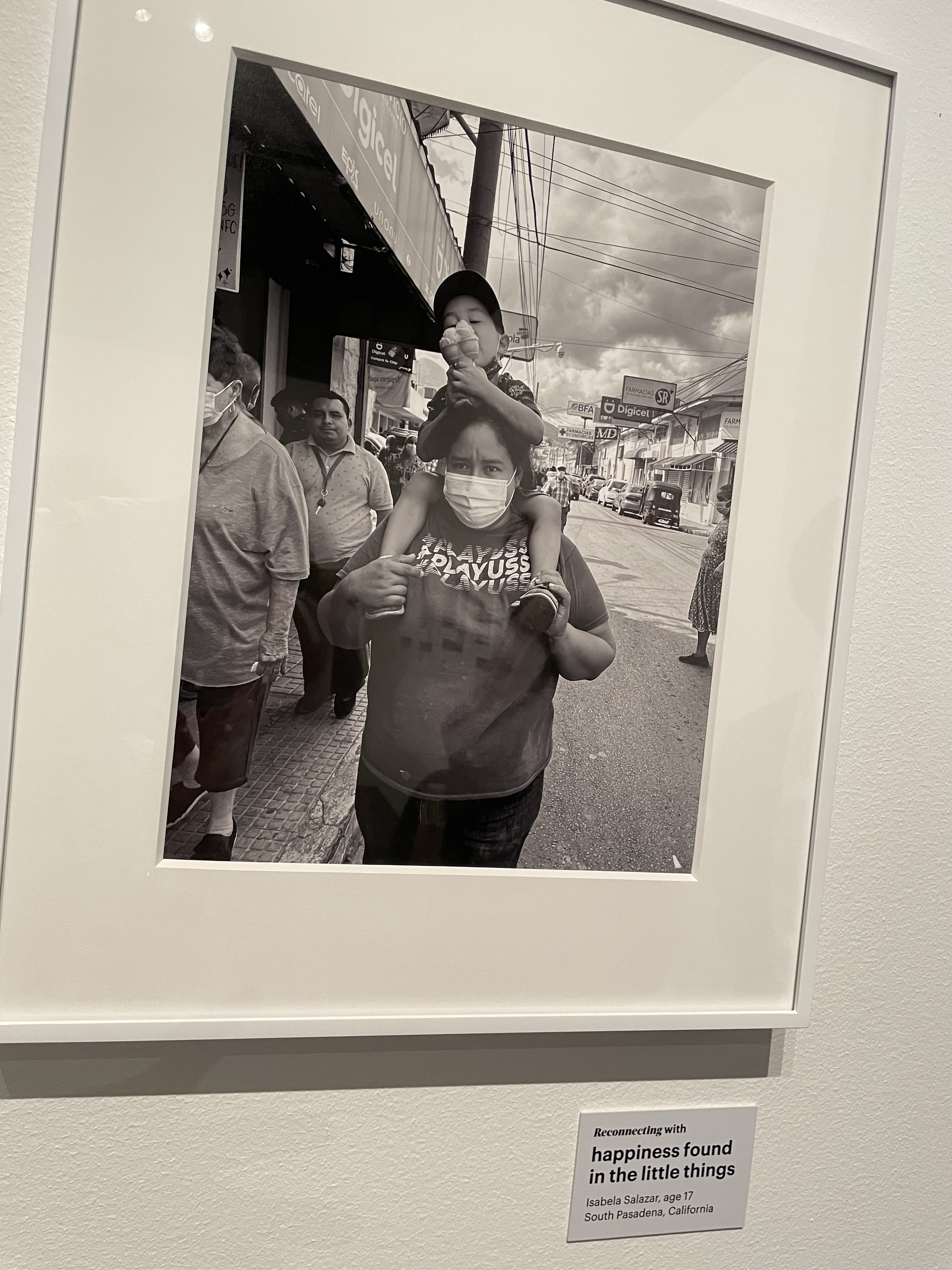
Monday evening I attended a private reception at The Getty for photographs taken by teens to reflect their reactions to the pandemic and the shut downs. This first photo explains the exhibit.

I was able to attend because Faith Mowoe invited me. She is my daughter’s cousin and teaches English at a high school here in California. Usually The Getty is closed on Monday. We arrived early hoping to be able to walk around a bit, but they did not allow anyone to enter until 5:30 so we strolled around the gardens near the parking lot. You cannot drive up to The Getty. You have to park in the parking area which costs 20 dollars and take a shuttle to The Getty which is otherwise free.

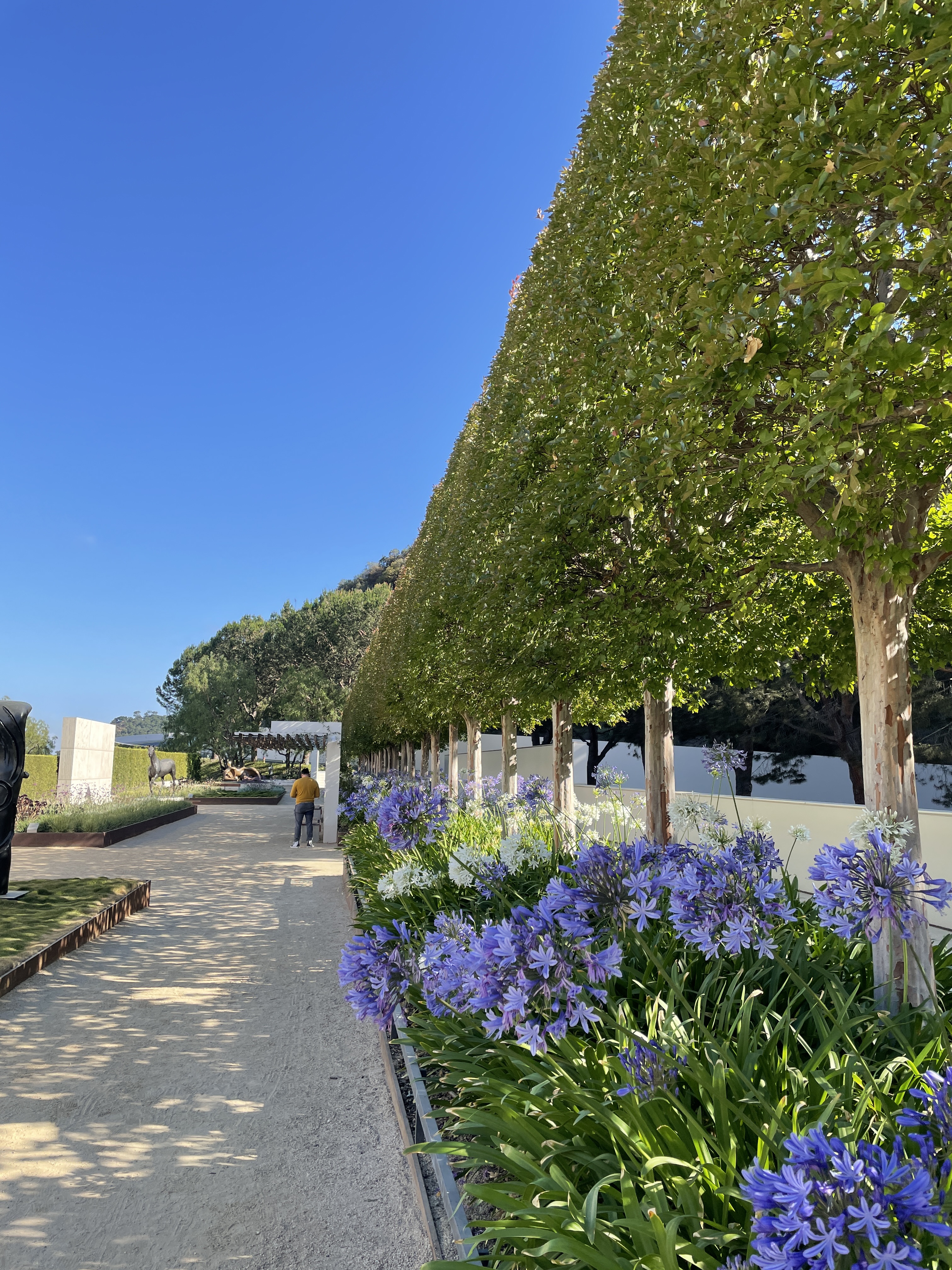
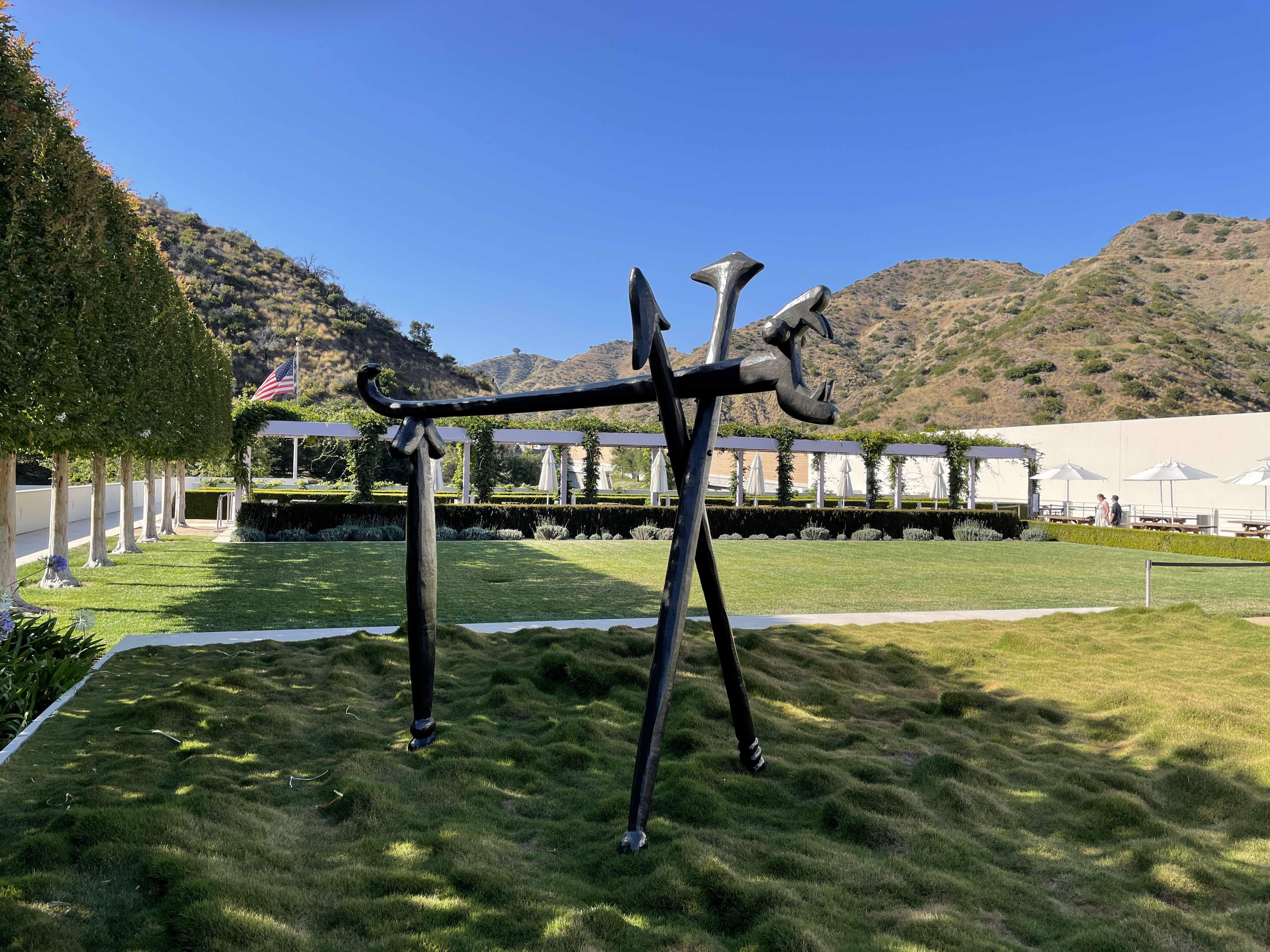
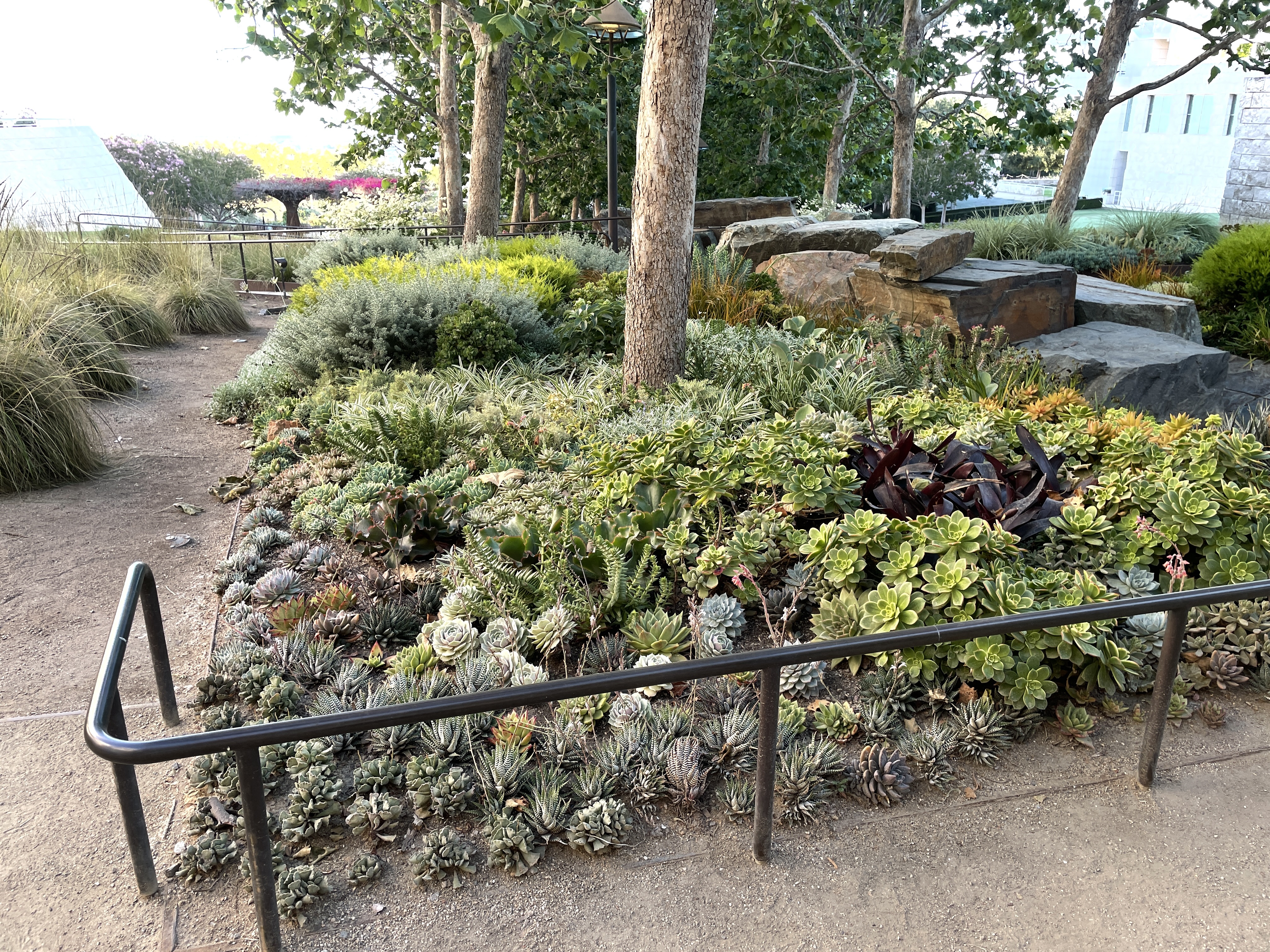
This and the next few photos were taken at the gardens near the parking lot.

The Getty sets on a hill overlooking portions of LA in all directions. The red on top of the mushroom like pillars in the this photo is bougainvillea.

The amount of stone in the buildings is huge. The Getty comprises several different buildings including several filled with art, others for research, and a theatre.

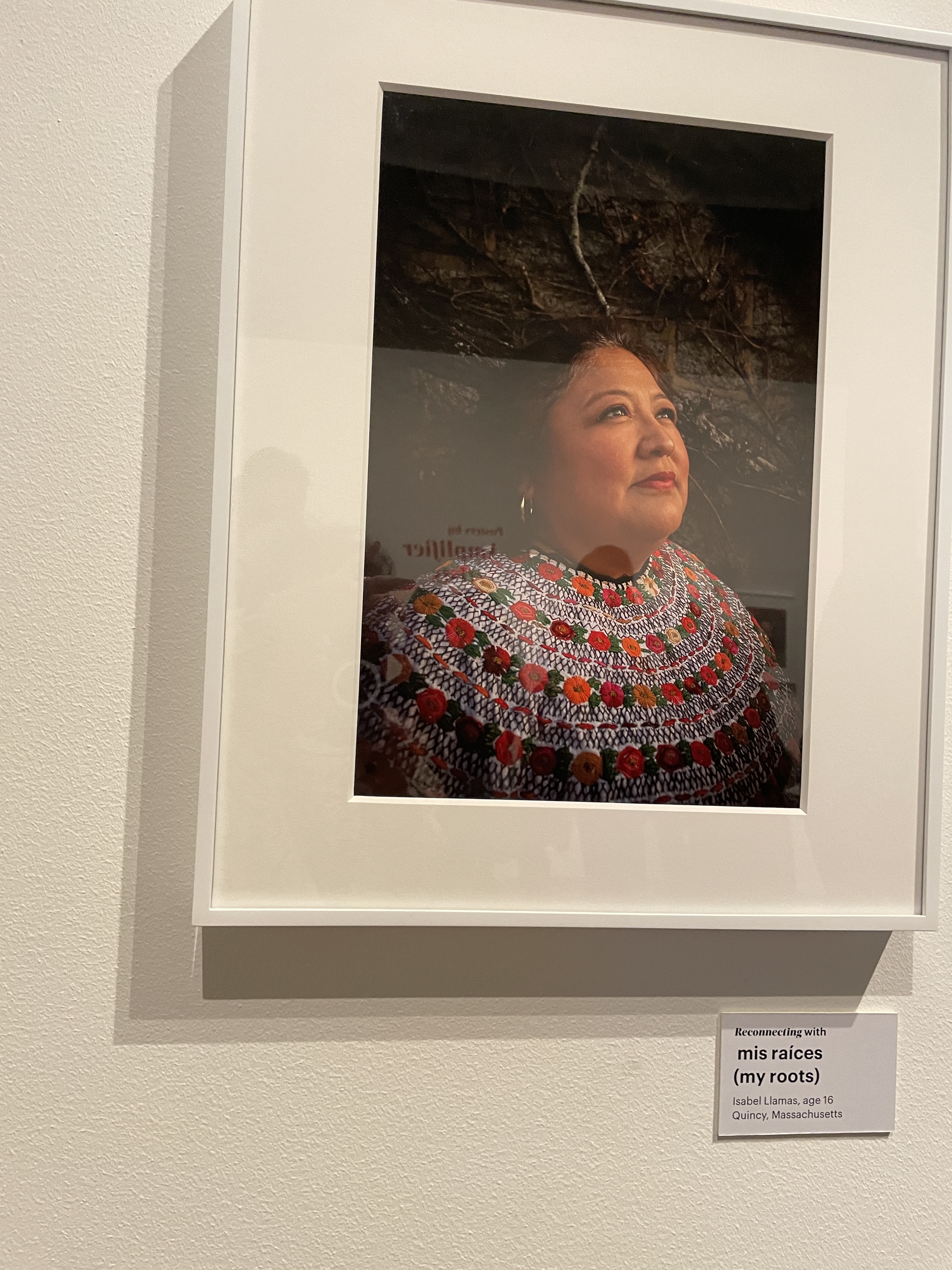
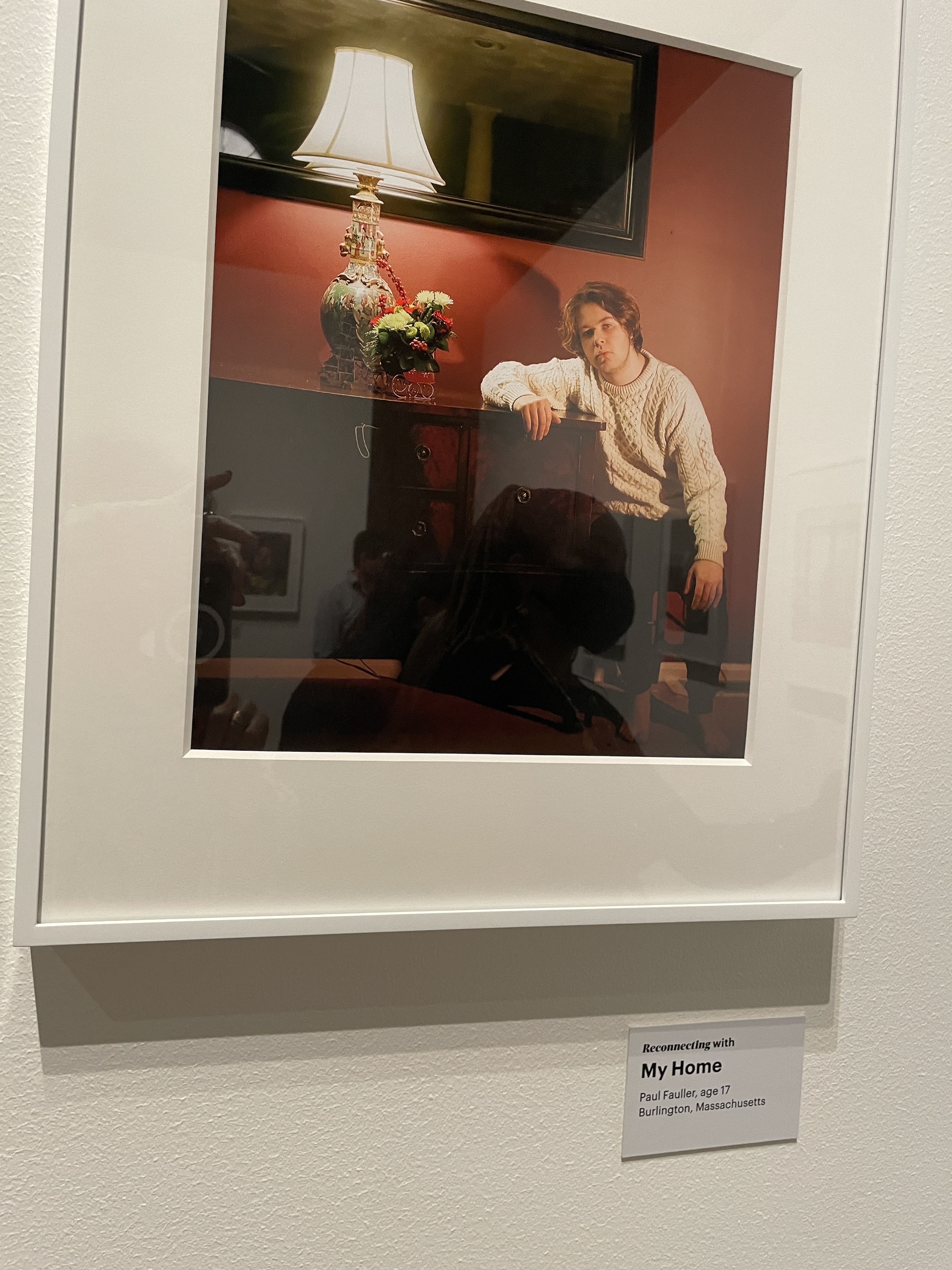
This photos shows one of the teen photographers. This one is from Ohio. The following photos illustrate the teens who were chosen out of the more than 1600 entries.

We briefly met the young lady in this photo. Many of the students who took the photos were present and honored by the sponsors of the exhibit.

After eating–the reception provided all sorts of delicious treats, wine, beer, water, and various others drinks–we strolled into the gardens.

Posters have been made from the teen photographs and will be available for purchase.

The Getty is astonishing. I was able to see only a tiny portion of it. Definitely a place to see if you come to Los Angeles.

A Letter for International Women’s Day


Dear Fellow Females:

Celebrate yourselves today,

tomorrow, every day!

Stand strong, be brave, promote persistence, purpose.

Without you, your will, your abilities, your strength

humanity cannot continue to exist.

I salute you!

In the footprints of Machig Lapdron by Mary Sharratt


Reblogged because I found this to be a fascinating adventure plus love the art.

Mary Sharratt's avatarFeminism and Religion

Machig Labdrön with PadampasangyeMachig Lapdron, female Tantric Buddhist mystic and lineage founder

I’ve just returned from an illuminating trip to Bhutan, high in the Himalayas. Bhutan is a Buddhist kingdom and the world’s youngest democracy.

On our last full day in this enchanting land, my husband and I drove with our guide over the nearly 4000 meter pass of Chelela and into the Haa Valley which doesn’t see that many tourists. Our goal was the Hermitage of Juneydrak, where Machig Lapdron (1055-1145 CE), the famous female Tantric mystic, master, and lineage founder, once meditated.

View original post 910 more words

Sunday Poem–“Hair”


No females in my family had long hair.

Dad did not like it,

said it showed male domination

over women.

Once when grown and gone

from home, I began to grow mine

out, experiment.

When he saw it, he told me

he thought it unbecoming.

I cut it.

Mom said she had long hair

when she was young.

Her dad forbade her to cut it.

In her twenties she chopped her golden locks

off, flapper style, then hid her head

in a scarf, afraid.


Note:  This poem is from the family section of my book, “On the Rim of Wonder”.


The Motherhood of God by Mary Sharratt


The first woman to write a book in English–in the 1300s.

Mary Sharratt's avatarFeminism and Religion

Doing a recent talk on pioneering woman writers, I like to do the Before Jane Austen test with my audience. Who can name a single woman writer in the English language before Jane Austen? Alas, because woman have been written out of history to such a large extent, most people come up blank. Then we talk about pioneering Renaissance authors, such as Aemilia Bassano Lanier, the subject of my recent novel, THE DARK LADY’S MASK, or her mentor, Anne Locke, the first person of either sex to write a sonnet sequence in the English language.

But my next question takes us even further back into history. Who was the first woman to write a book in English?

The answer is Julian of Norwich, who wrote Revelations of Divine Love.

View original post 679 more words