Book a Week-21: “Boy, Snow, Bird”, Helen Oyeyemi


A unique and sometimes frightening story with a surprising ending, this is another tale of the lengths to which people of color will go to pass for white to gain the benefits of whiteness. For one New England family this has succeeded quite well by sending a too dark daughter back South to live with relatives and never allowing her to come to the town where the rest of the family lives. It fails when a too dark child is born and the parents keep her with them. It is also a tale of gender identity and how rape and abuse can destroy and deform and of resilience in the face of endless obstacles. This is not an ordinary novel.

Book a Week-20: “Sankofa”, Chibundu Onuzo


After her mother dies, Anna searches through her mother’s belongings and discovers a hidden diary written by the African father she never knew and about whom her white mother, who never married, told her nearly nothing. She travels to Scotland to have the diary authenticated by an expert, researches, and discovers her father had to return to Africa, became a revolutionary, and then president (or dictator, depending on the source) of a small African nation. She also learns that he is still alive.

Leaving behind a daughter and white husband from whom she is separated, Anna decides to travel to Africa to find her father. Treated unequally as a biracial child in England, in Africa she is seen as “obroni”, white. Thus, the book addresses issues of racial identity, family acceptance (she does find her father) and belonging, and tells a tale of the adventures of a middle-aged woman in search of self.

One Book a Week-19: “The Round House”, Louise Erdrich


Winner of the National Book Award in 2012, and narrated by the 12-13 year old son of a tribal judge and a professional, tribal woman, this novel details the story of a family nearly destroyed by the brutal attack on the boy’s mother. Even after the identity of the attacker is known, he is set free because she will not tell or cannot recall where the attack occurred, whether on tribal land or just outside its boundary. This leads to the boy’s determined quest to obtain justice for his mother. This page turner perfectly illustrates the continual problem of justice for indigenous women who are 2-3 times more likely to be raped (and often killed in the process) than white women and with no one ever charged.

Given the seriousness of the novel, it is surprisingly funny at times with the antics of teen boys and other characters, including some colorful and interesting older tribal members and an ex-Marine priest. The reader will also learn a lot about Ojibwa culture. Once you start, you have to keep going in hopes that somehow justice will prevail in the end.

One Book a Week-17: “Olive, Again”, Elizabeth Strout


Never having read the first book about Olive, the book that won the Pulitzer for Strout, I did not know what to expect. As I read, I often laughed out loud and then later thought, “What!” Olive is quite the character, sometimes almost blunt to the point of cruelty, sometimes unexpectedly considerate and kind, and always strongly opinionated about things I did not expect. She also has the ability to sometimes look at herself accurately and question herself, which would seem to be a good characteristic. Olive goes on in spite of numerous setbacks, mishaps, and illnesses, including the realities of old age. Strout’s portrayal of some of these realities seems stark, almost brutal. Yes, it’s accurate and she’s good at it, but I kept thinking, “Do I really want to read this?” If I get like this, they can just shoot me. But they won’t.

One Book a Week-16, “The Promise”, Damon Galgut


Winner of the 2021 Booker Prize, this novel illustrates the dismal consequences of colonialism and racism. South Africa before and after apartheid comes alive in this story about an Afrikaner family whose matriarch dies young enough to leave her husband with three children, only one of whom is old enough to be on his own. In her dying, she returns to her Jewish roots much to the horror of her husband and many others. Her youngest daughter overhears her dying wish which her husband promises to fulfill even though he has no intention of doing so. This remains an underlying thread, the promise which this daughter never forgets.

The difficult, often prejudiced and unequal, relations between the races underpins the actions of most of the characters, leading a few to greater humanity and kindness, but most into lives of loss, disappointment, and anger.

One Book a Week-15: “Oh, William”, Elizabeth Strout


Told from the point of view of the main character, Lucy, in first person, the simple language the author uses as Lucy tells her story, reflections, and anecdotes belies the deep knowledge of marriage, parenthood, the entire human condition underlying this novel. Two once married individuals go on a trip to Maine to learn about a relative one did not even know he had until he received the results of a casual DNA test, a gift he did not originally take all that seriously. They’ve been married and then divorced for years and have two daughters together. In spite of their best efforts to the contrary, they remain connected even when they find each other a mystery.

A rather simple story, written in plain language, holds the following piece of wisdom–Lucy’s words which end the novel:

“Everybody in this whole wide world, we do not know anybody, not even ourselves!

Except a little tiny bit we do. But we are all mythologies, mysterious. We are all mysteries, is what I mean.

This may be the only thing in the world I know to be true.”

One Book a Week-14: Trust, Hernan Diaz


The first half annoyed me. I kept asking, “What? Why? What is wrong with these greedy, despicable people?” I almost quit reading it (I never quit reading a book) but plunged on. Then, about halfway through “A Memoir, Remembered” section entranced me. Aha. Now I “get” it. I became so engaged I read the last half almost straight through without stopping.

The title should be Truth. This novel deftly explores these questions:

-What is true?

-Whose truth is true?

It does this via competing narratives involved with financial markets, how investors have and can manipulate the stock market, and relationships. It also quietly addresses the issue of how men take credit for the acumen of the women with whom they are involved and the destructive power of wealth and influence.

Reception for the New Exhibit at The Getty


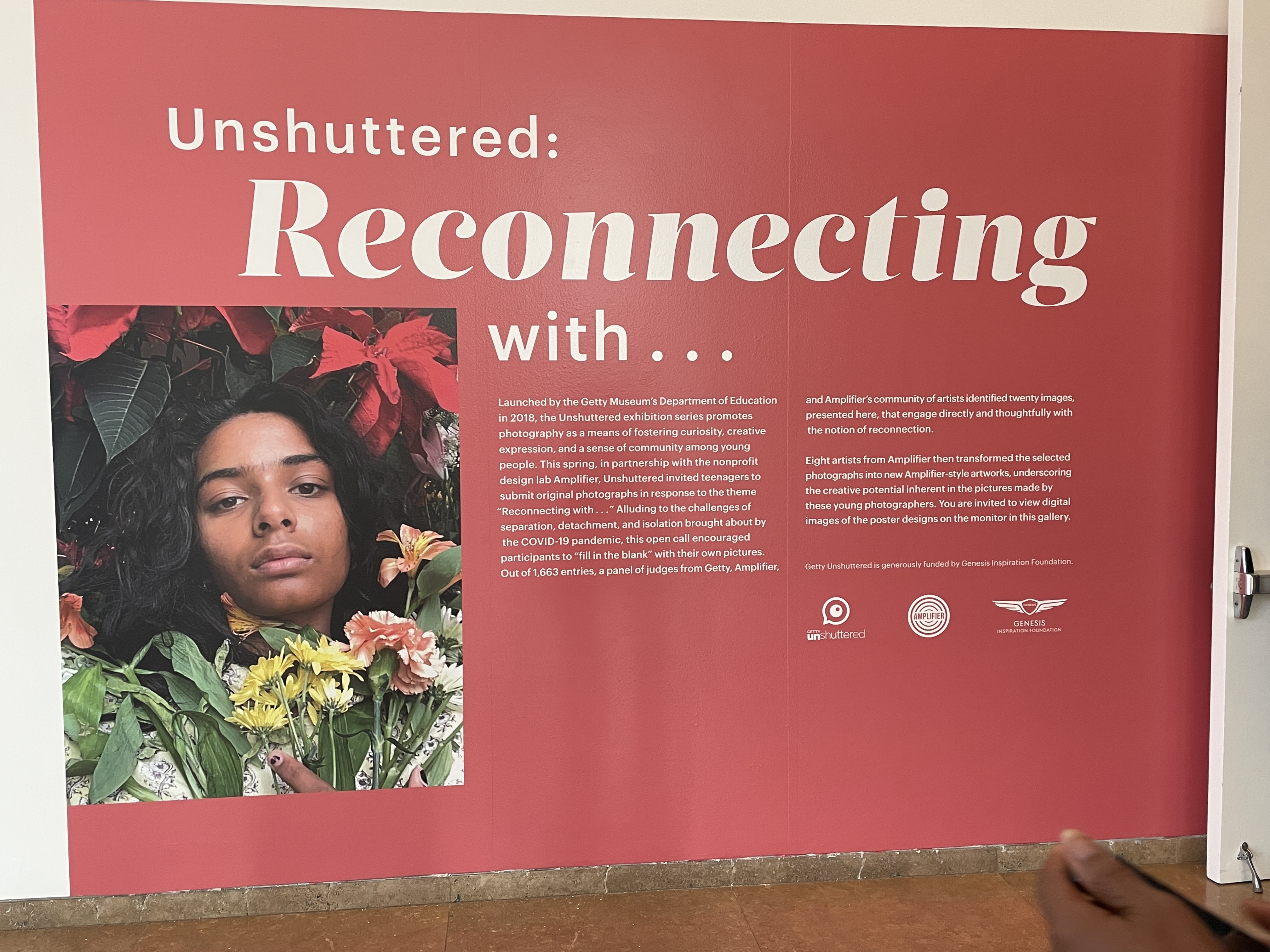
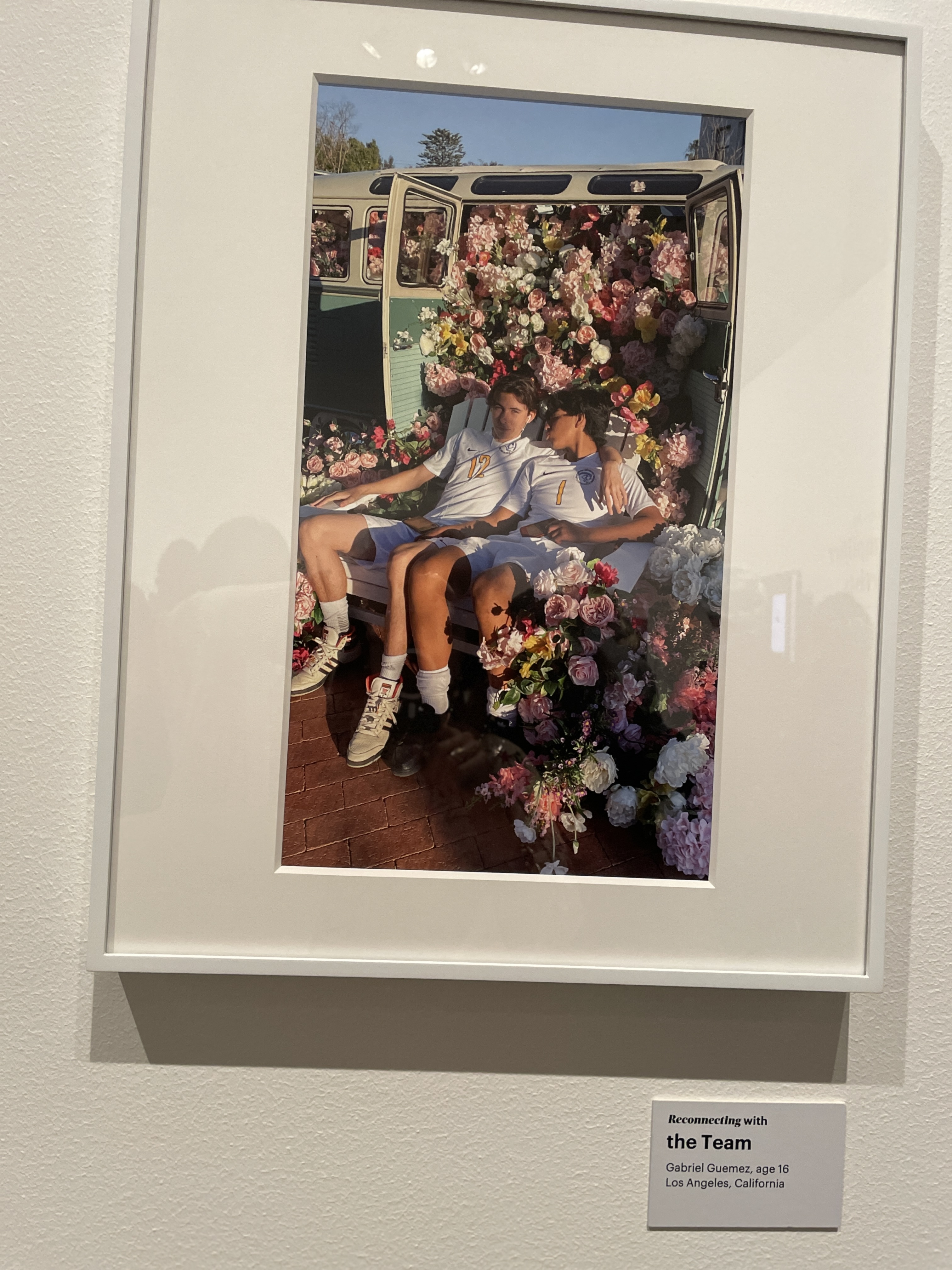
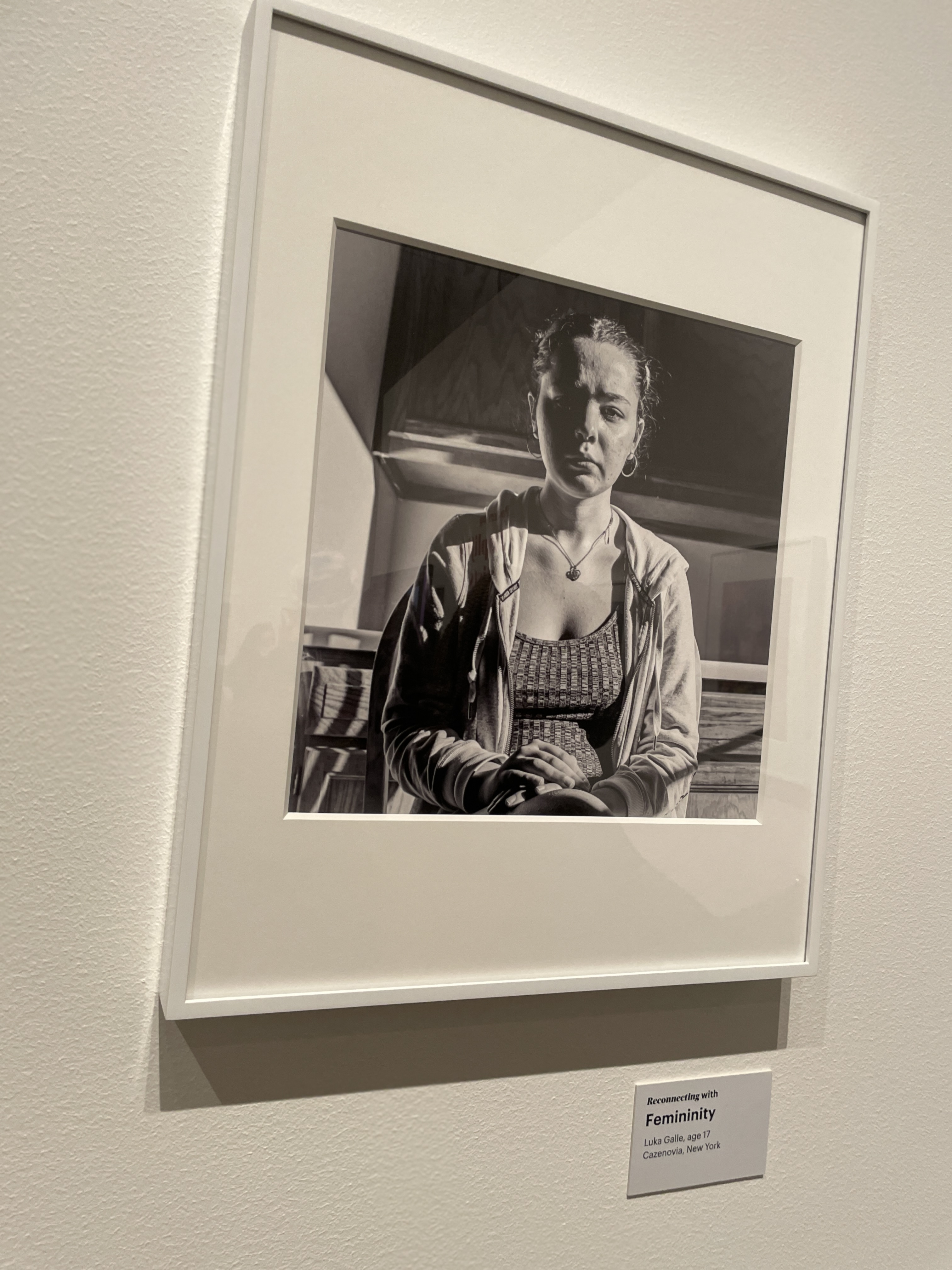
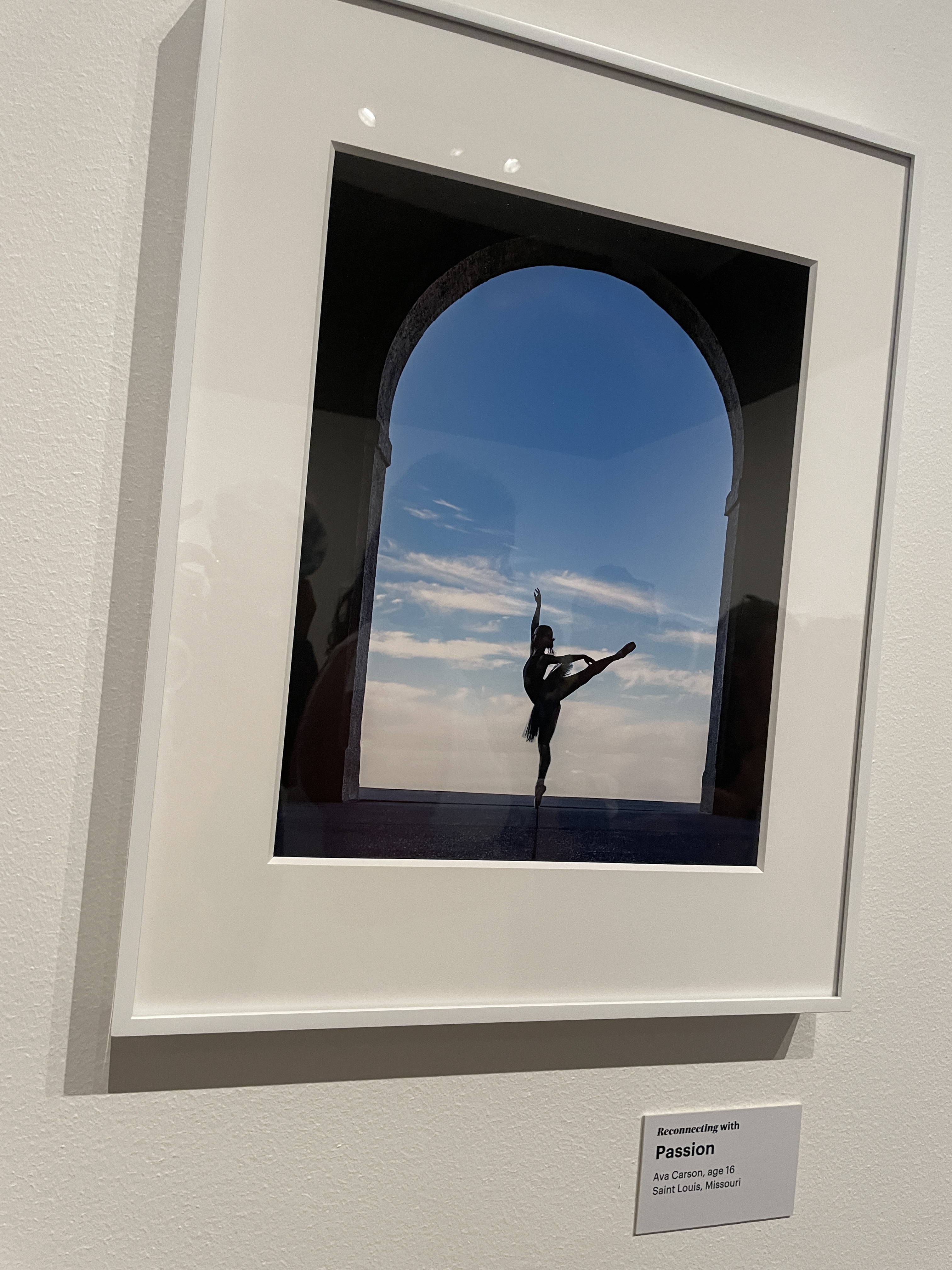
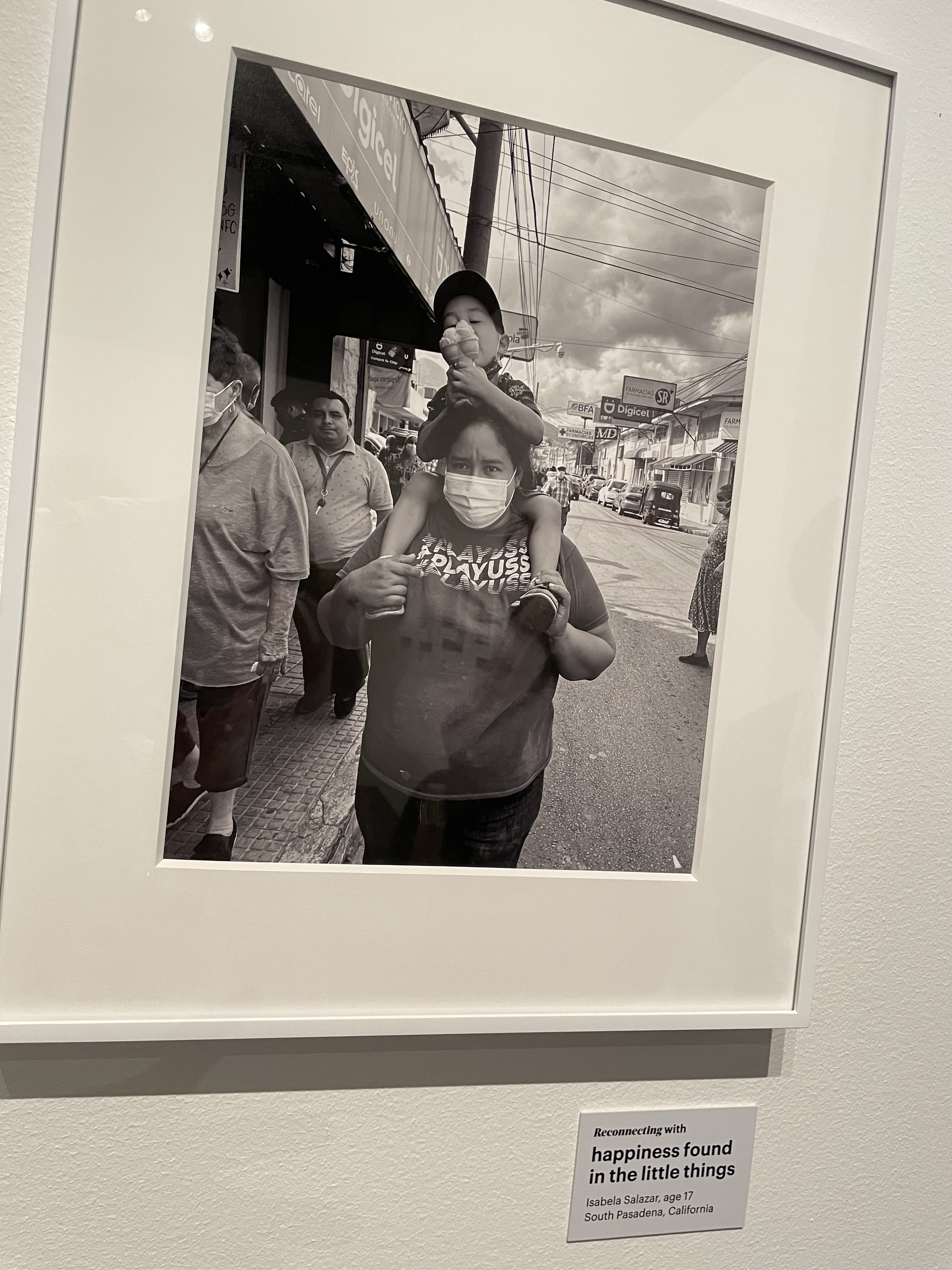
Monday evening I attended a private reception at The Getty for photographs taken by teens to reflect their reactions to the pandemic and the shut downs. This first photo explains the exhibit.

I was able to attend because Faith Mowoe invited me. She is my daughter’s cousin and teaches English at a high school here in California. Usually The Getty is closed on Monday. We arrived early hoping to be able to walk around a bit, but they did not allow anyone to enter until 5:30 so we strolled around the gardens near the parking lot. You cannot drive up to The Getty. You have to park in the parking area which costs 20 dollars and take a shuttle to The Getty which is otherwise free.

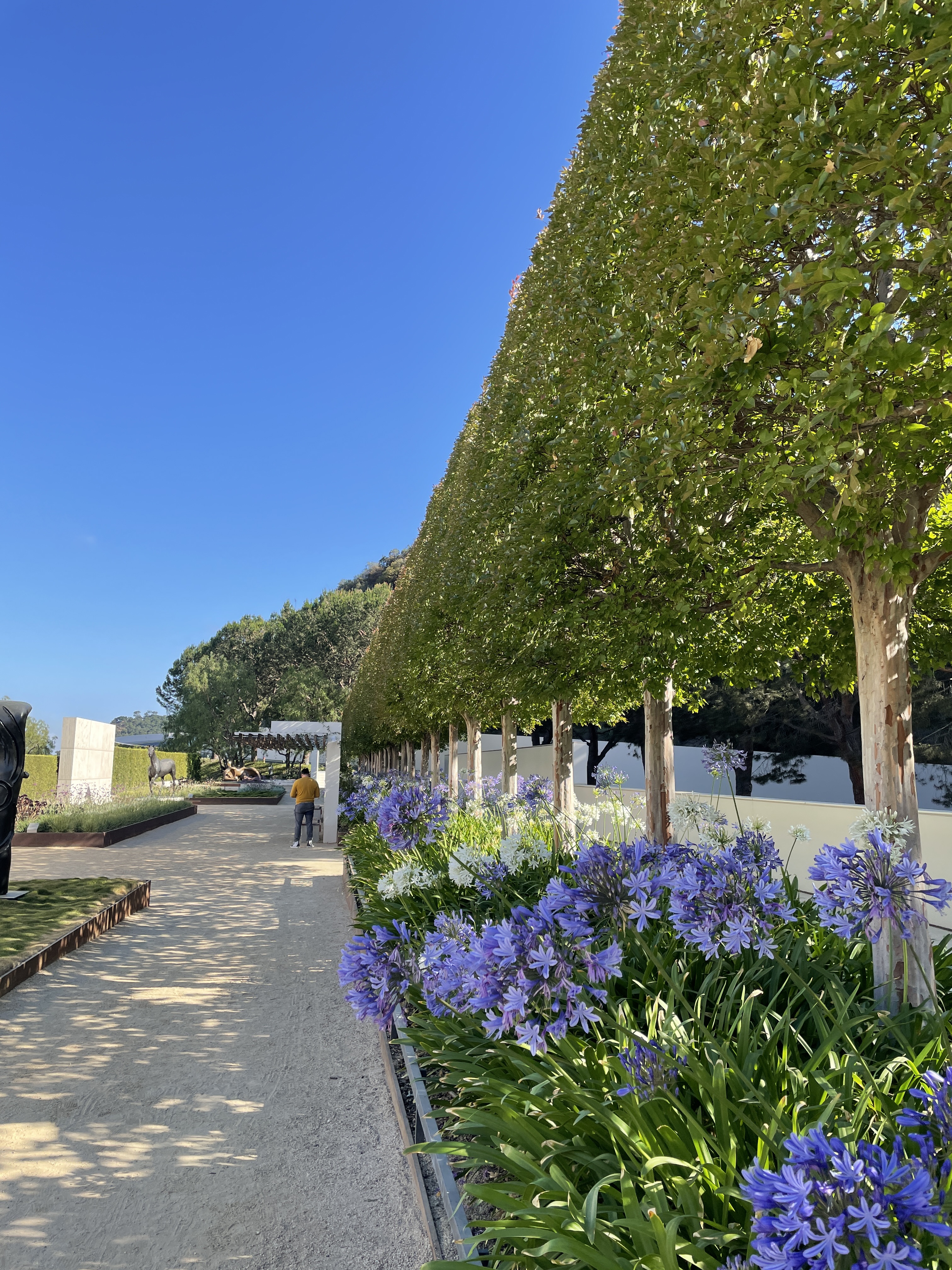
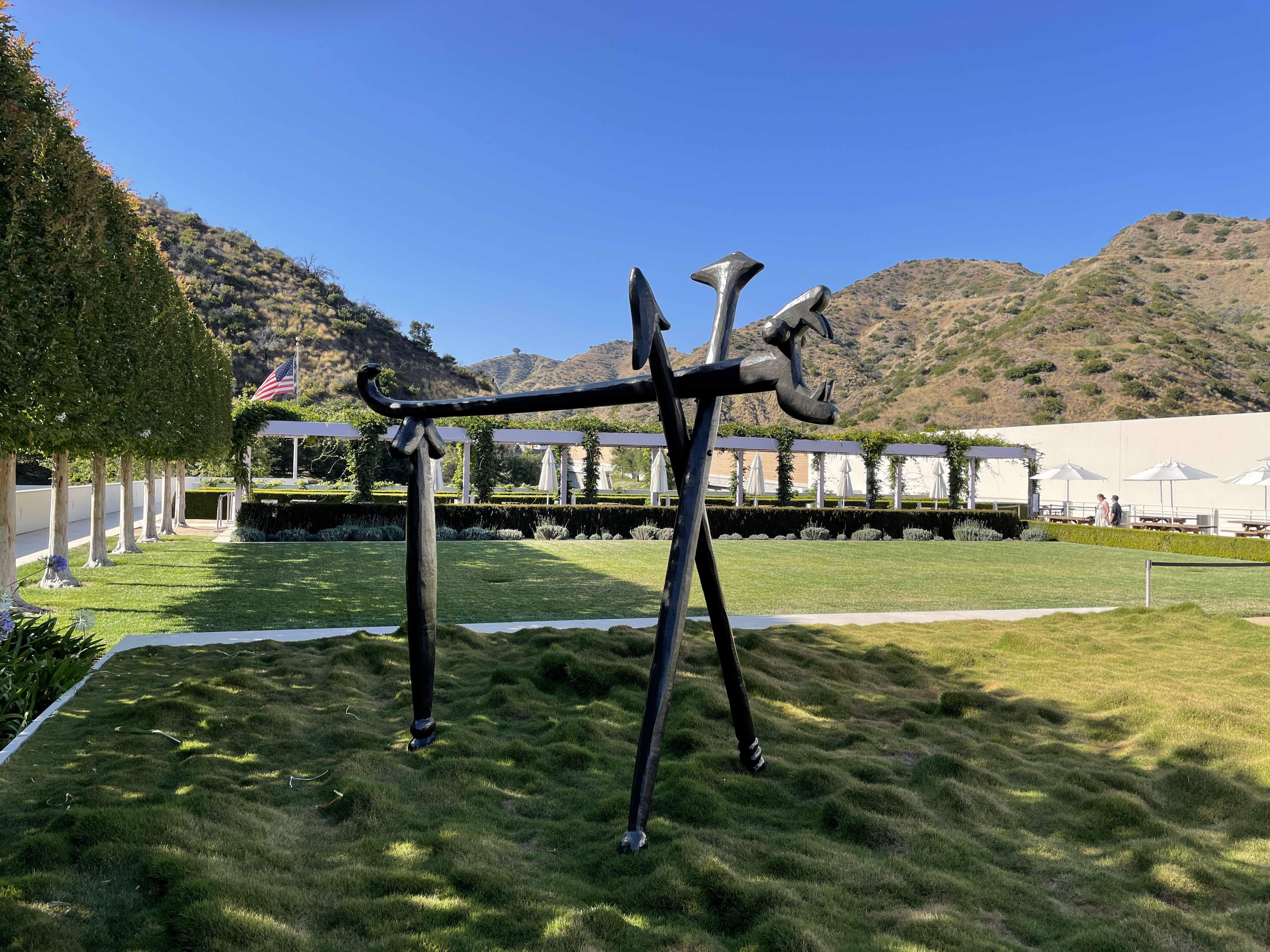
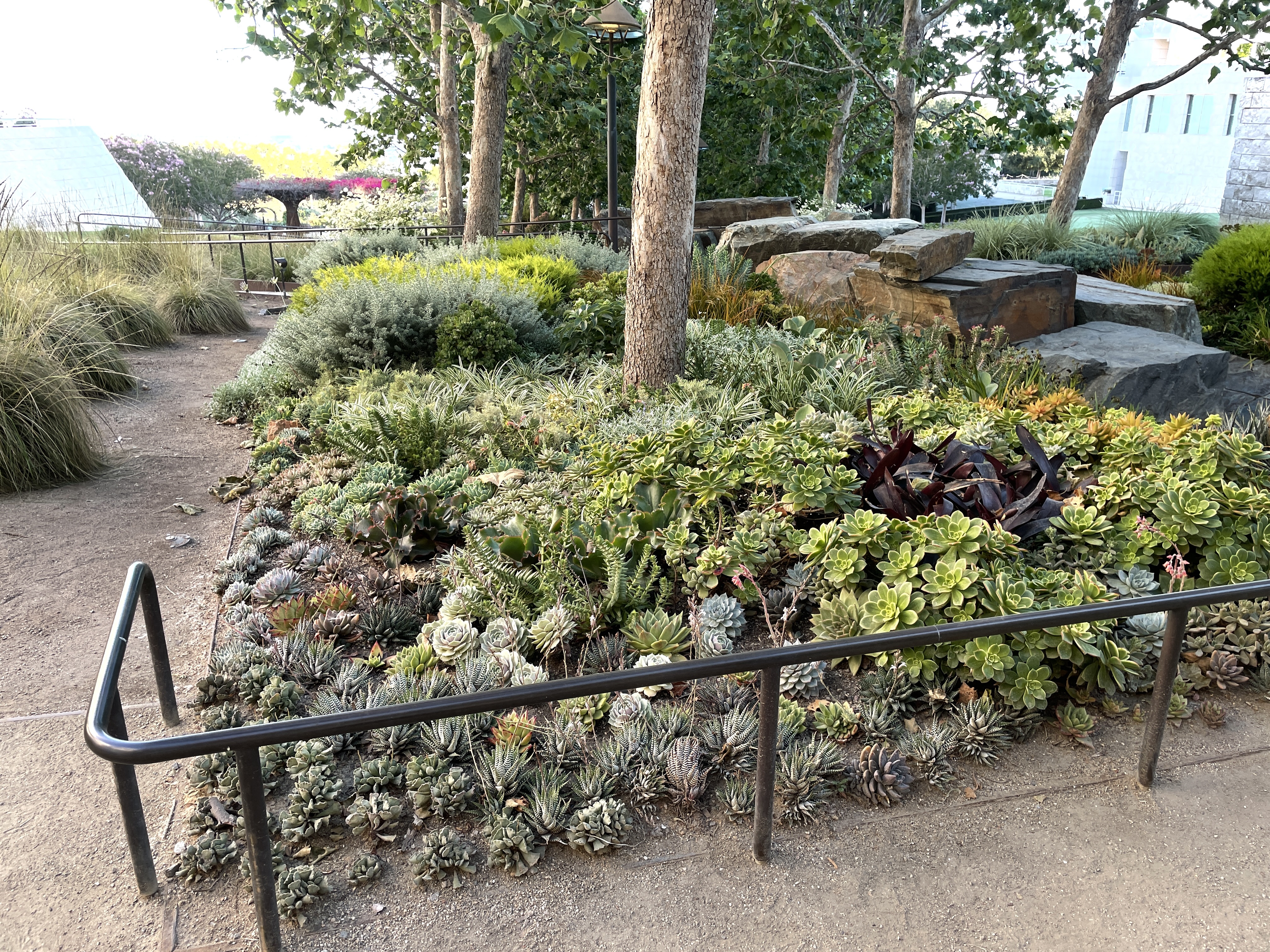
This and the next few photos were taken at the gardens near the parking lot.

The Getty sets on a hill overlooking portions of LA in all directions. The red on top of the mushroom like pillars in the this photo is bougainvillea.

The amount of stone in the buildings is huge. The Getty comprises several different buildings including several filled with art, others for research, and a theatre.

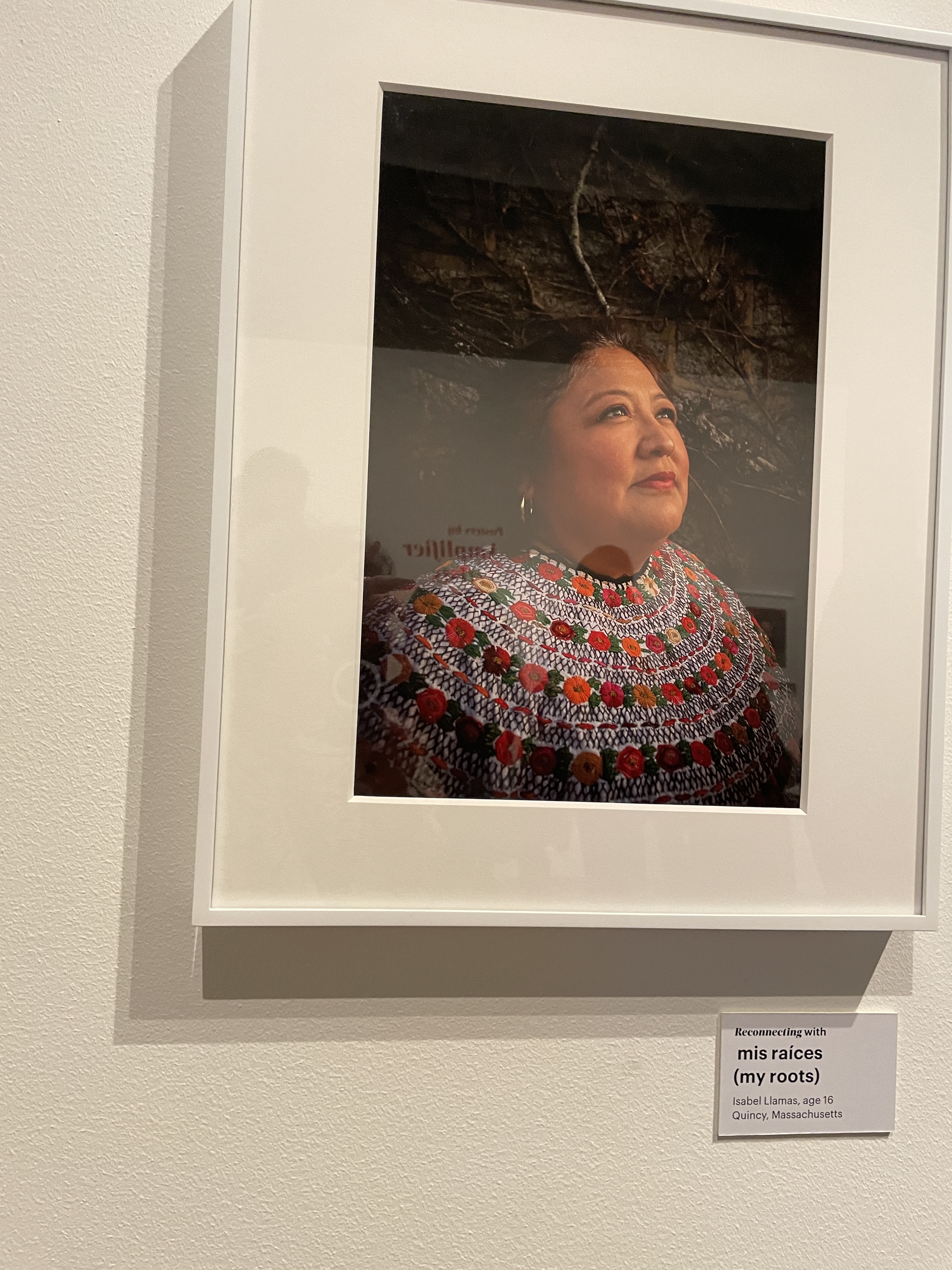
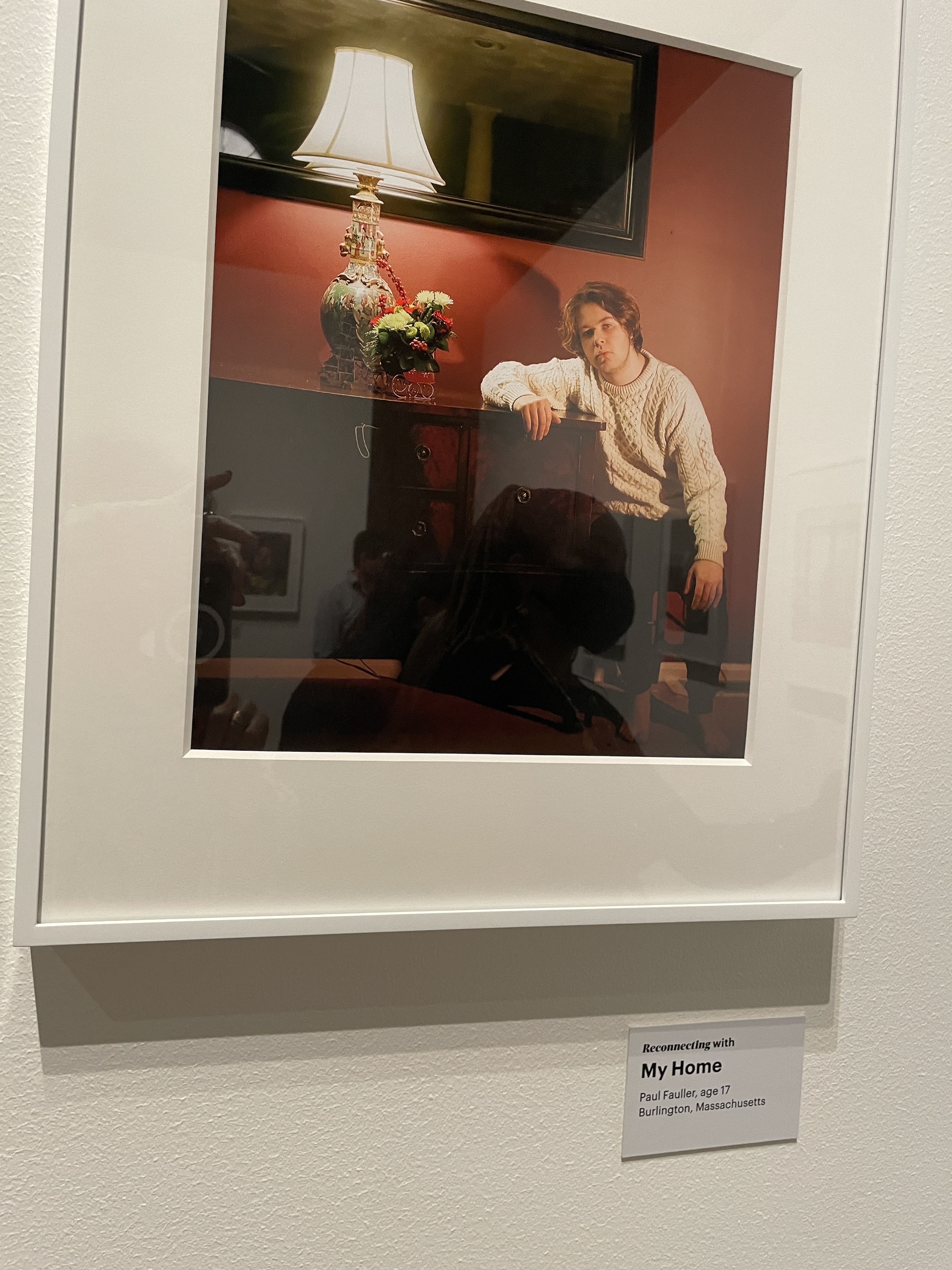
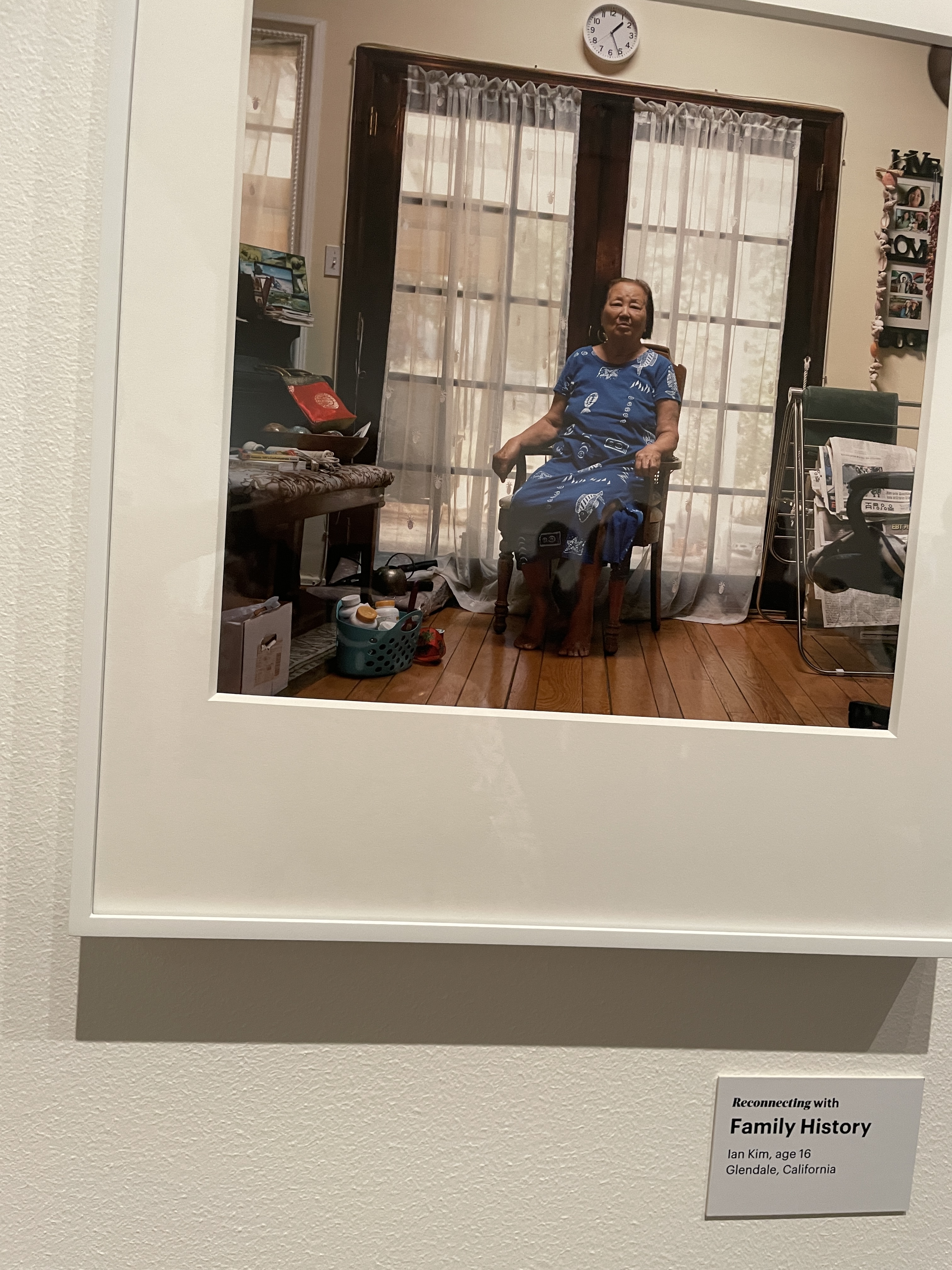
This photos shows one of the teen photographers. This one is from Ohio. The following photos illustrate the teens who were chosen out of the more than 1600 entries.

We briefly met the young lady in this photo. Many of the students who took the photos were present and honored by the sponsors of the exhibit.

After eating–the reception provided all sorts of delicious treats, wine, beer, water, and various others drinks–we strolled into the gardens.

Posters have been made from the teen photographs and will be available for purchase.

The Getty is astonishing. I was able to see only a tiny portion of it. Definitely a place to see if you come to Los Angeles.

One Million Dead–We Must Remember


I see you, the dead, the too often forgotten,

you who lost your lives to Covid,

1,000,000 gone.

This is like wiping out the entire population of

Columbus, Ohio,

wiping out all the people who live in

Montana.

More of you died than live in the entire

states of

Wyoming or

North Dakota or

South Dakota or

Alaska.

This is like wiping out 1/2 the people in

New Mexico.

Lest you who read this forget,

pretend all are dead in Columbus,

no one is left in Montana.

All dead.

Envision the magnitude of

our loss.


Grieve for them, their friends,

their families.

Do Not Forget.

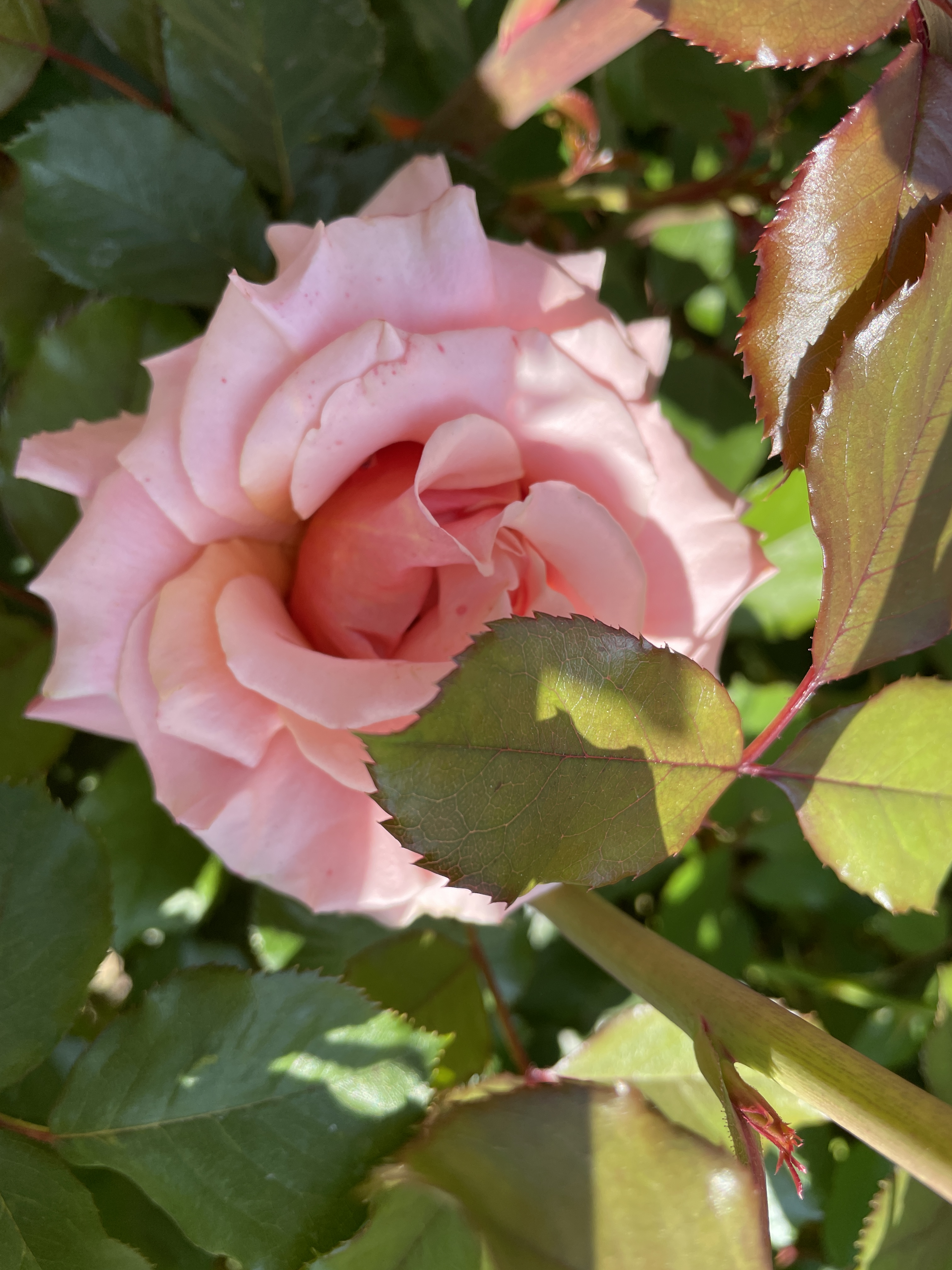
I post these flowers in remembrance.