Wandering the World–Italy, Part Two


It is an hour or so boat ride from Sorrento to Capri. Although not very crowded in November, apparently it is tourist heaven in the summer. The lower town contains many of the world’s major high end stores. This time of year most remained closed. Even though I am not a big fan of touristy destinations, I thoroughly enjoyed our day on Capri. I doubt I would like it so much in high season.

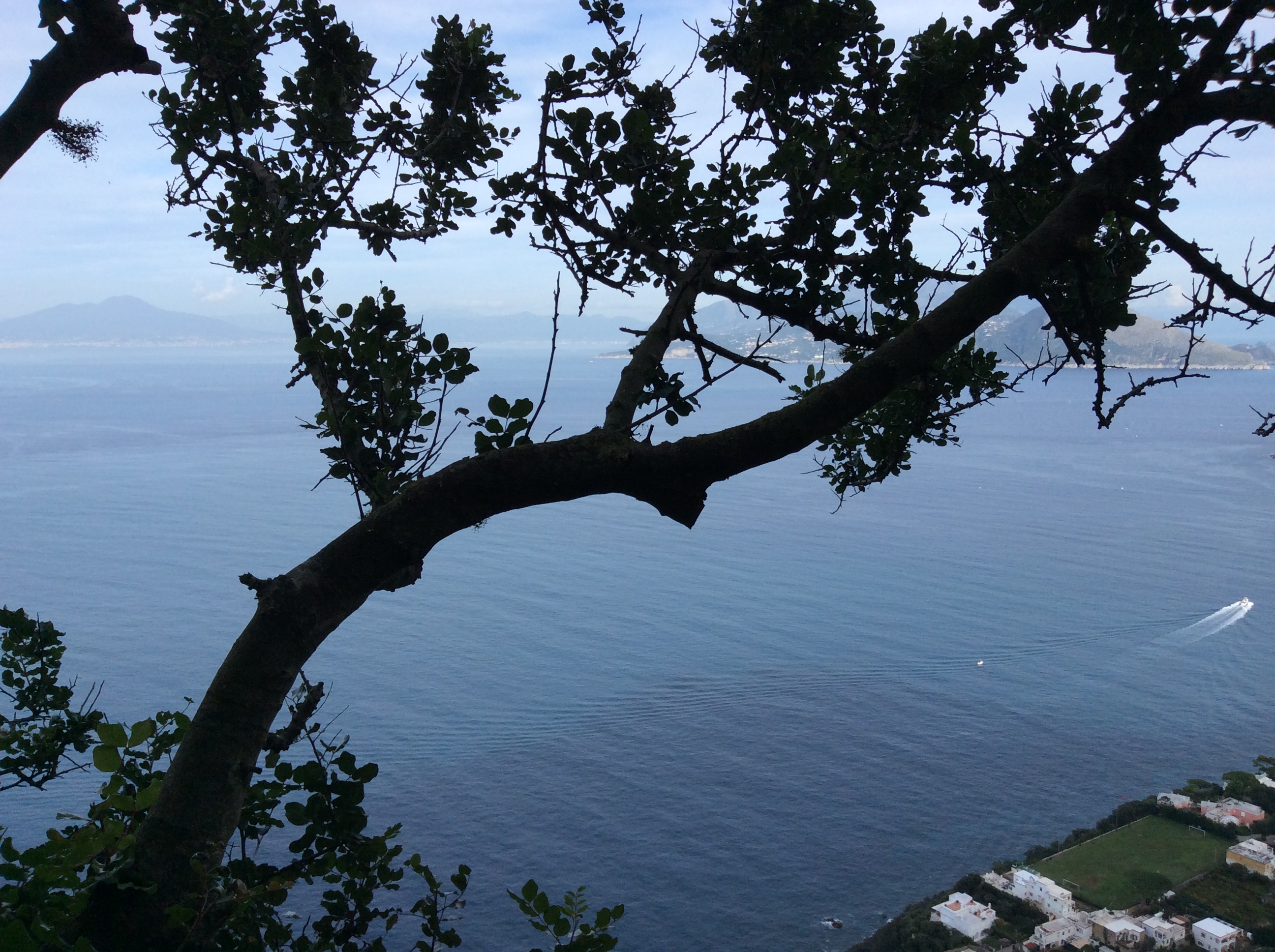
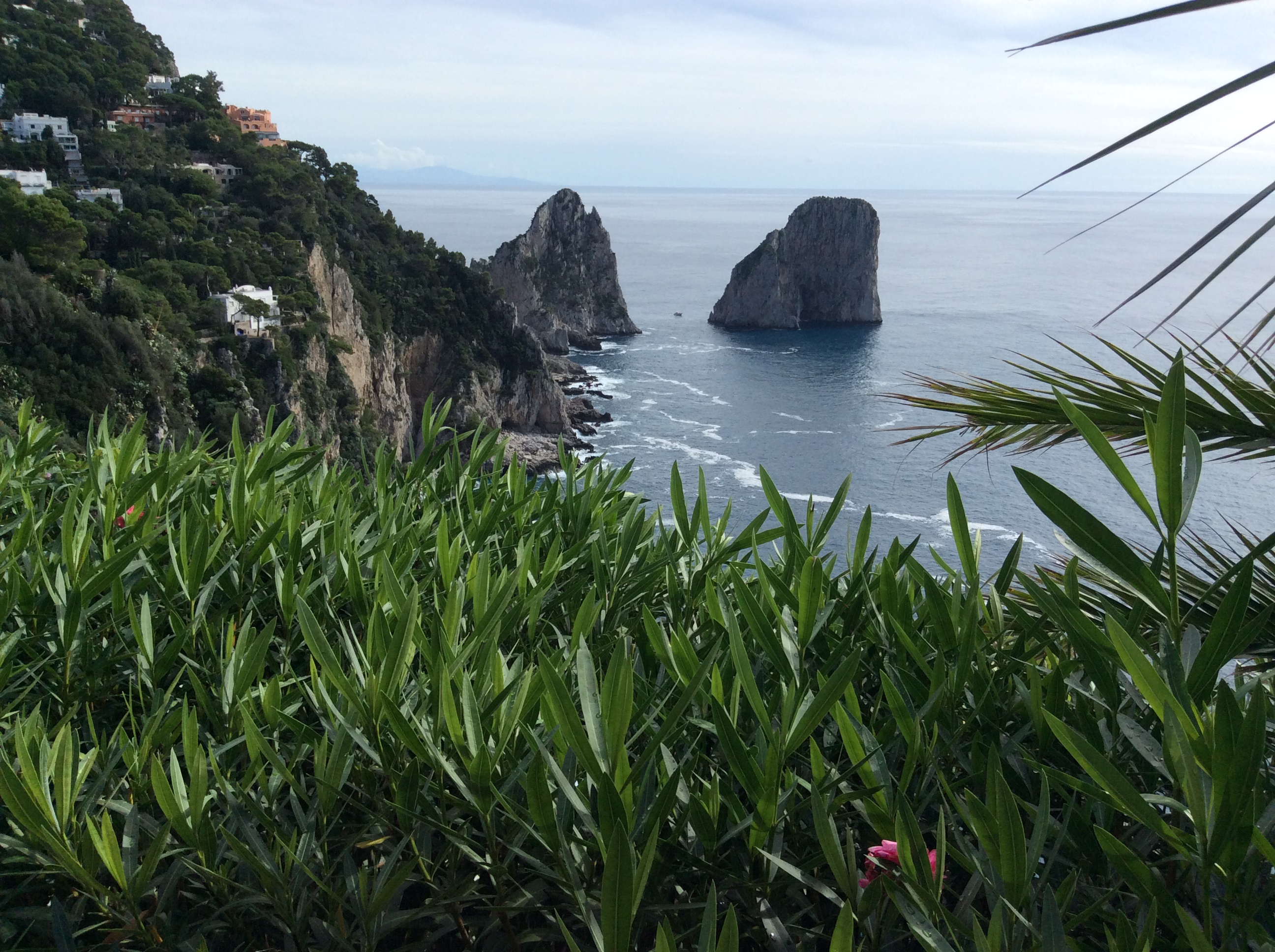
Looking down on the lower, main town from the town high on the island, Ana Capri. At the far point one can hike to the remains of Tiberius’ villa, where he hid the last ten years of his reign as Emperor of Rome. If he did not like you, off the cliff you went. I was standing on a trail with over 900 steps, carved by the Greeks even before the Roman times, that lead down to the lower town.
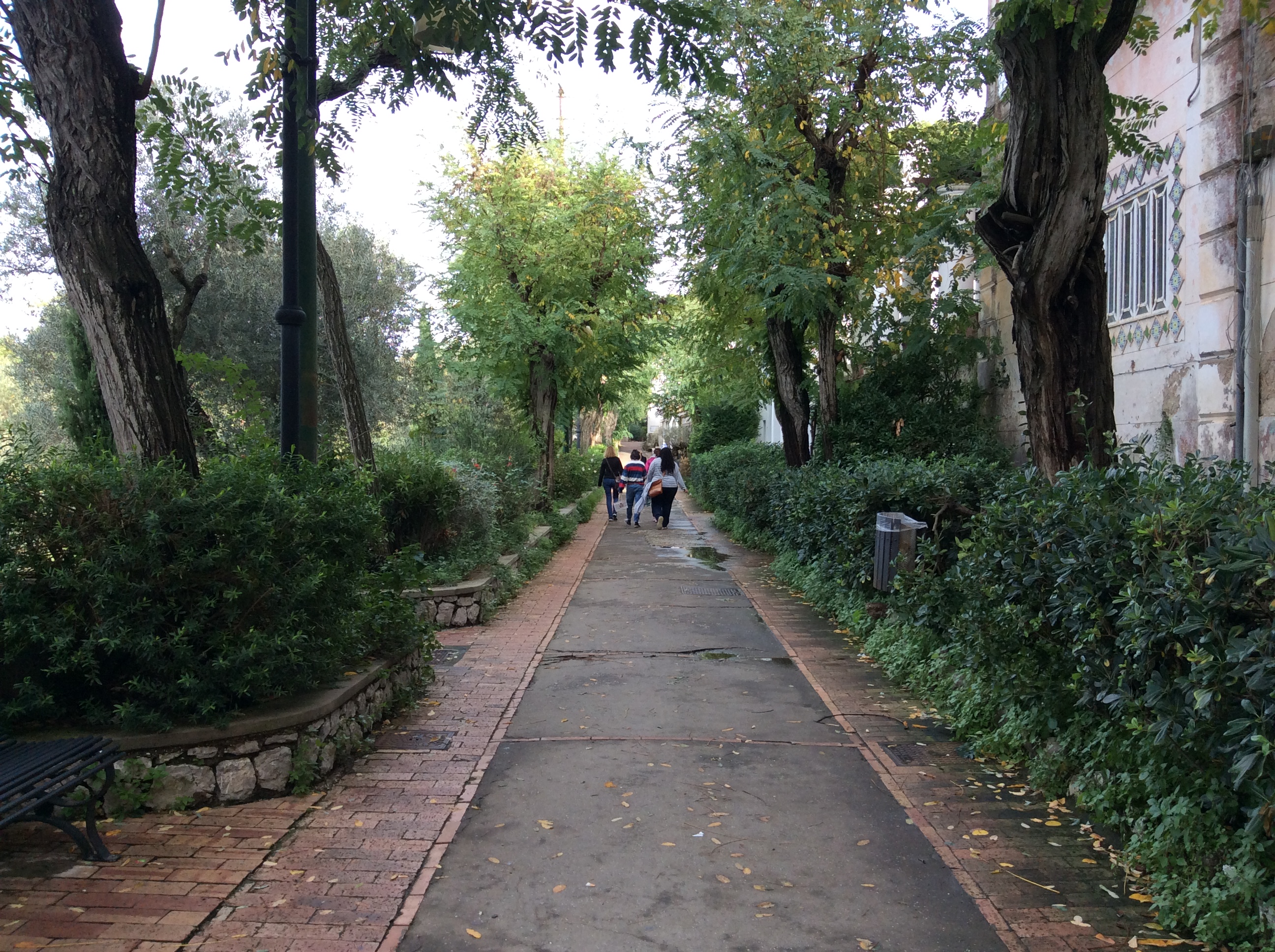
This walkway leads to the path mentioned in the previous photo. This time of year Capri is lush, relaxing, and peaceful.
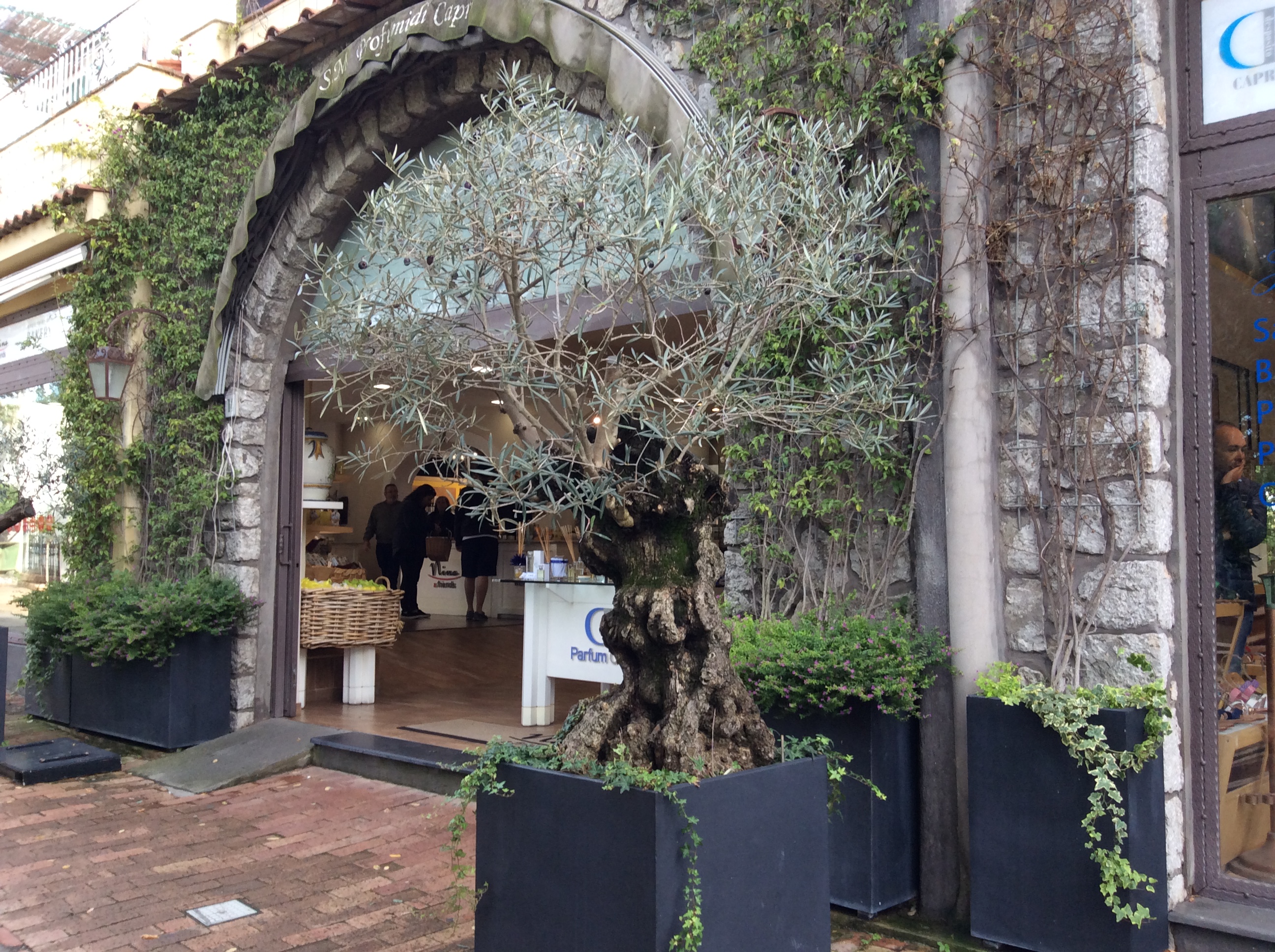
This shop, among the few that were open, sold all sorts of chocolates with various limoncello products. The combination of chocolate, limoncello, and almonds is a taste of heaven.

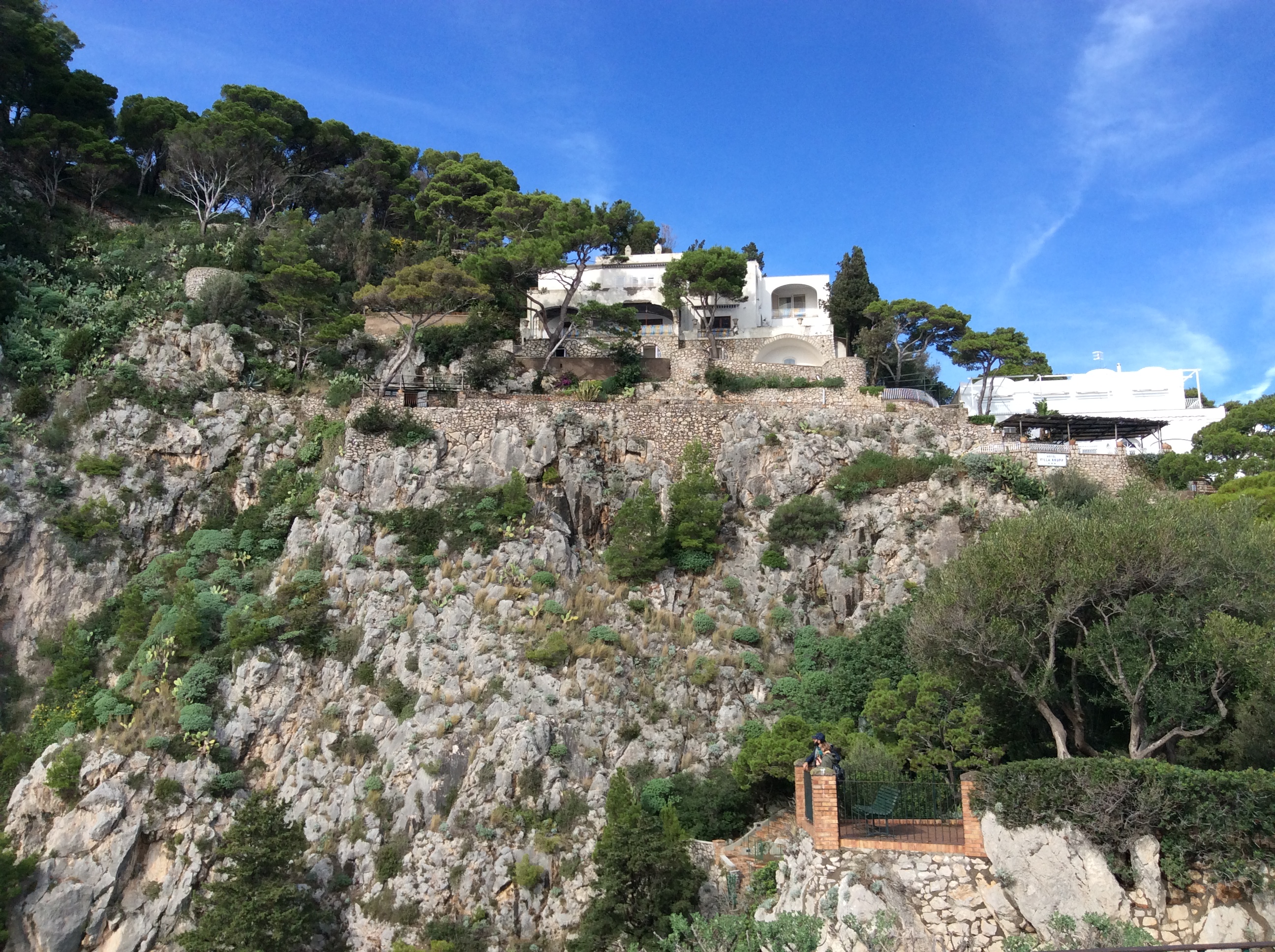
I took all the above photos while strolling along the walkway shown in the third photo. Beauty lay everywhere I looked.

Capri is rugged. Houses hang off cliff edges, steep roads climb up and down near the sea’s edge. We strolled, went to a garden, found a little place to sit on steps and drink cappuccino .

Wandering the World–Italy, Part One


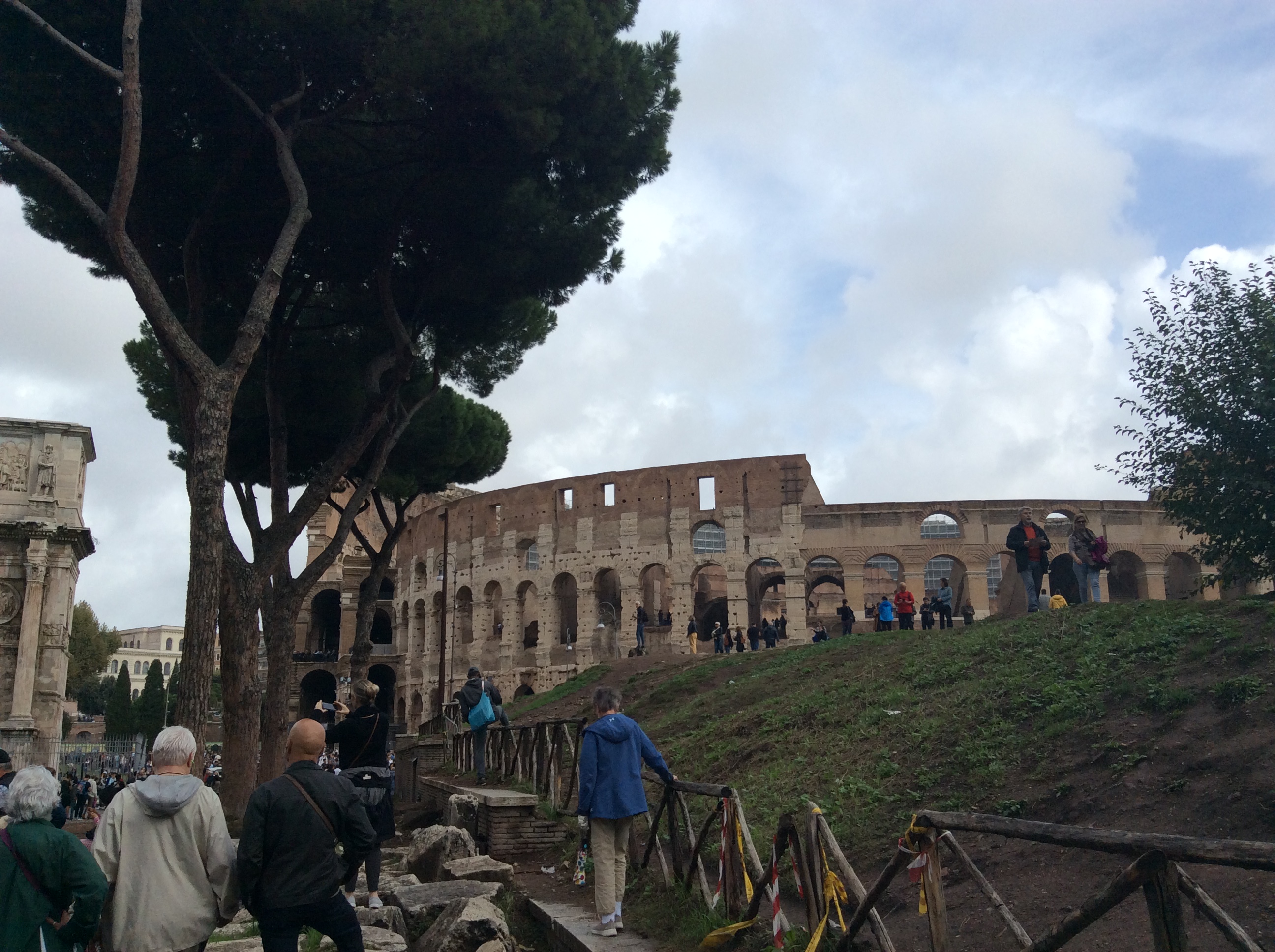
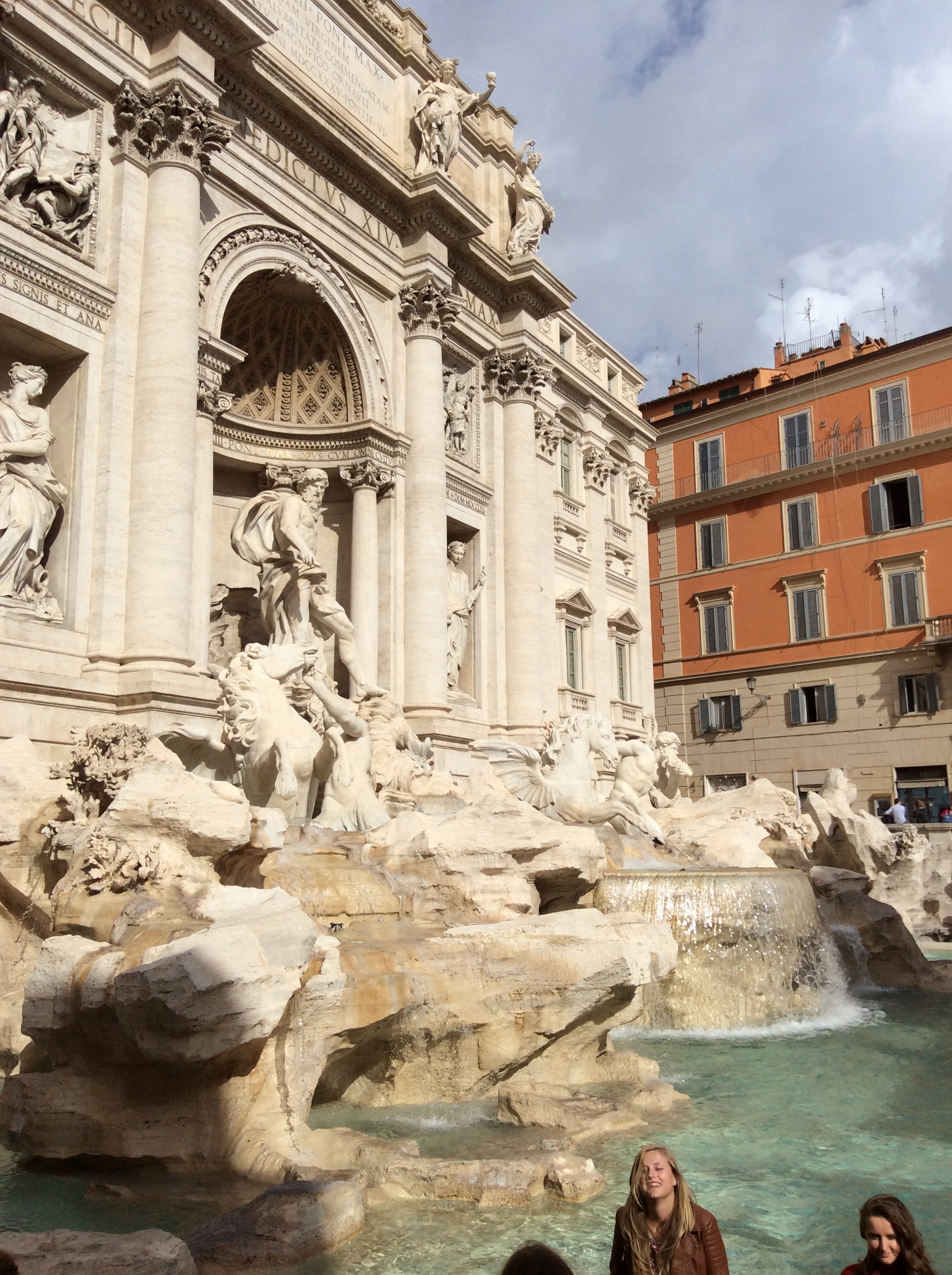
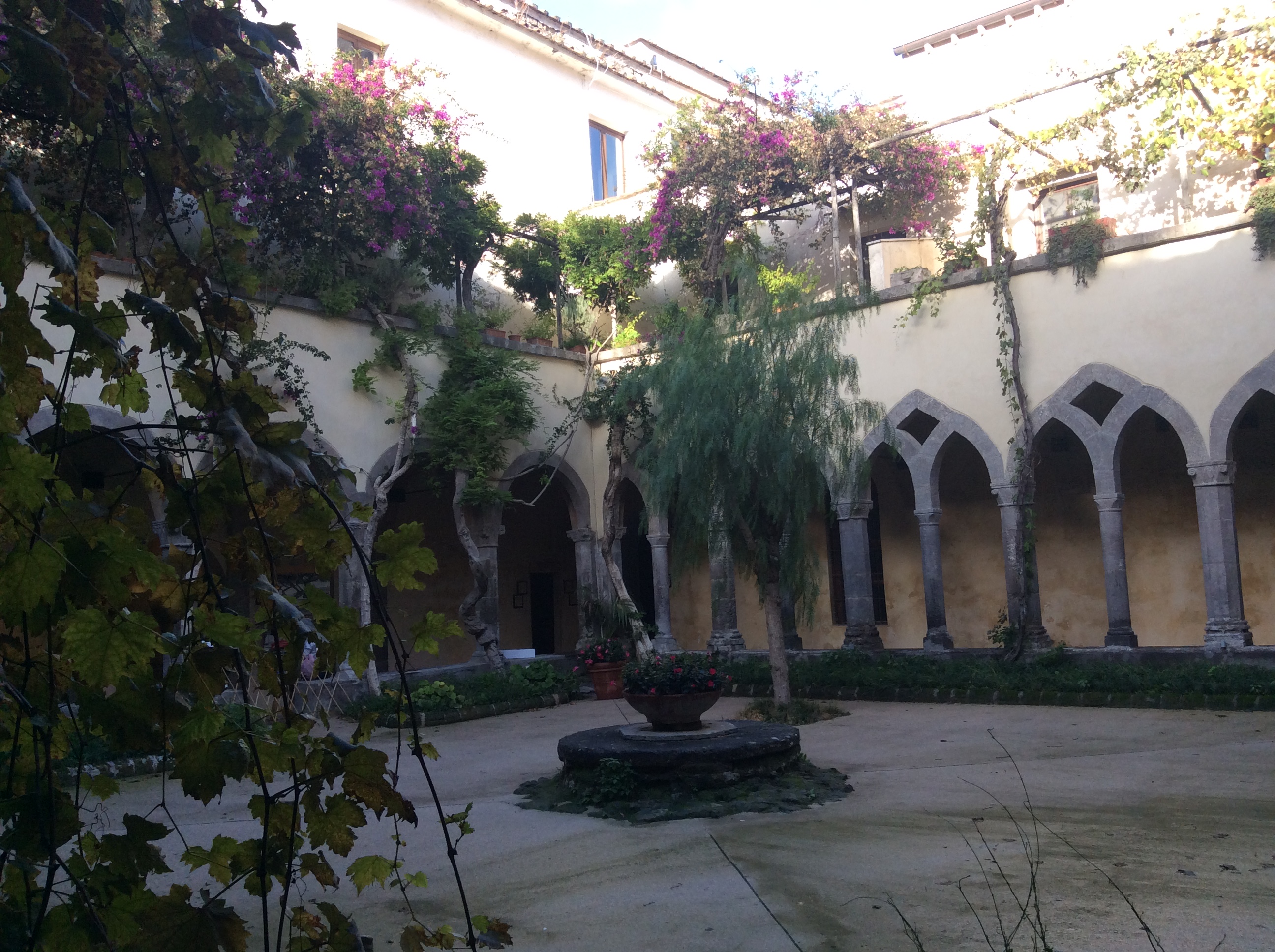
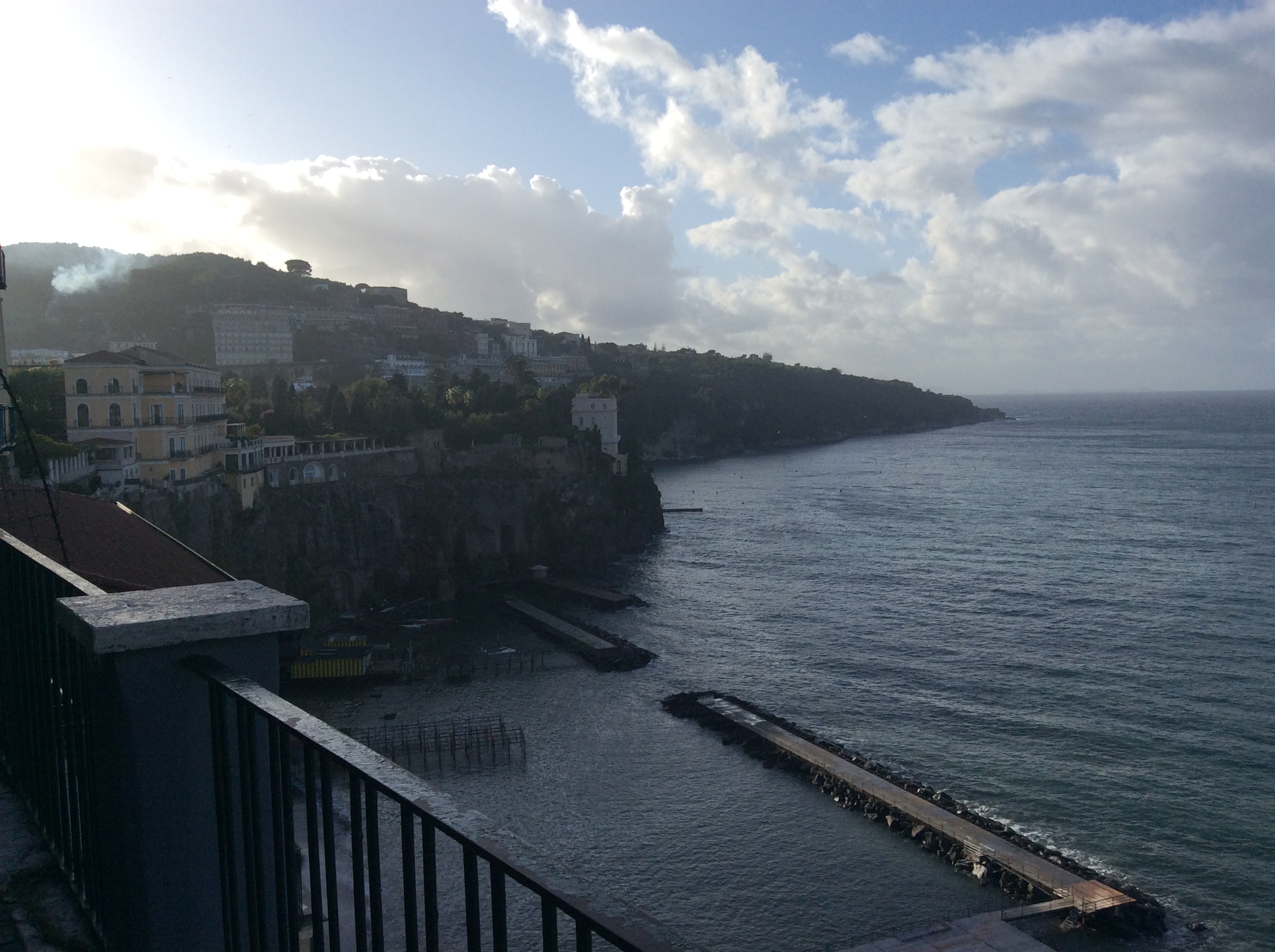
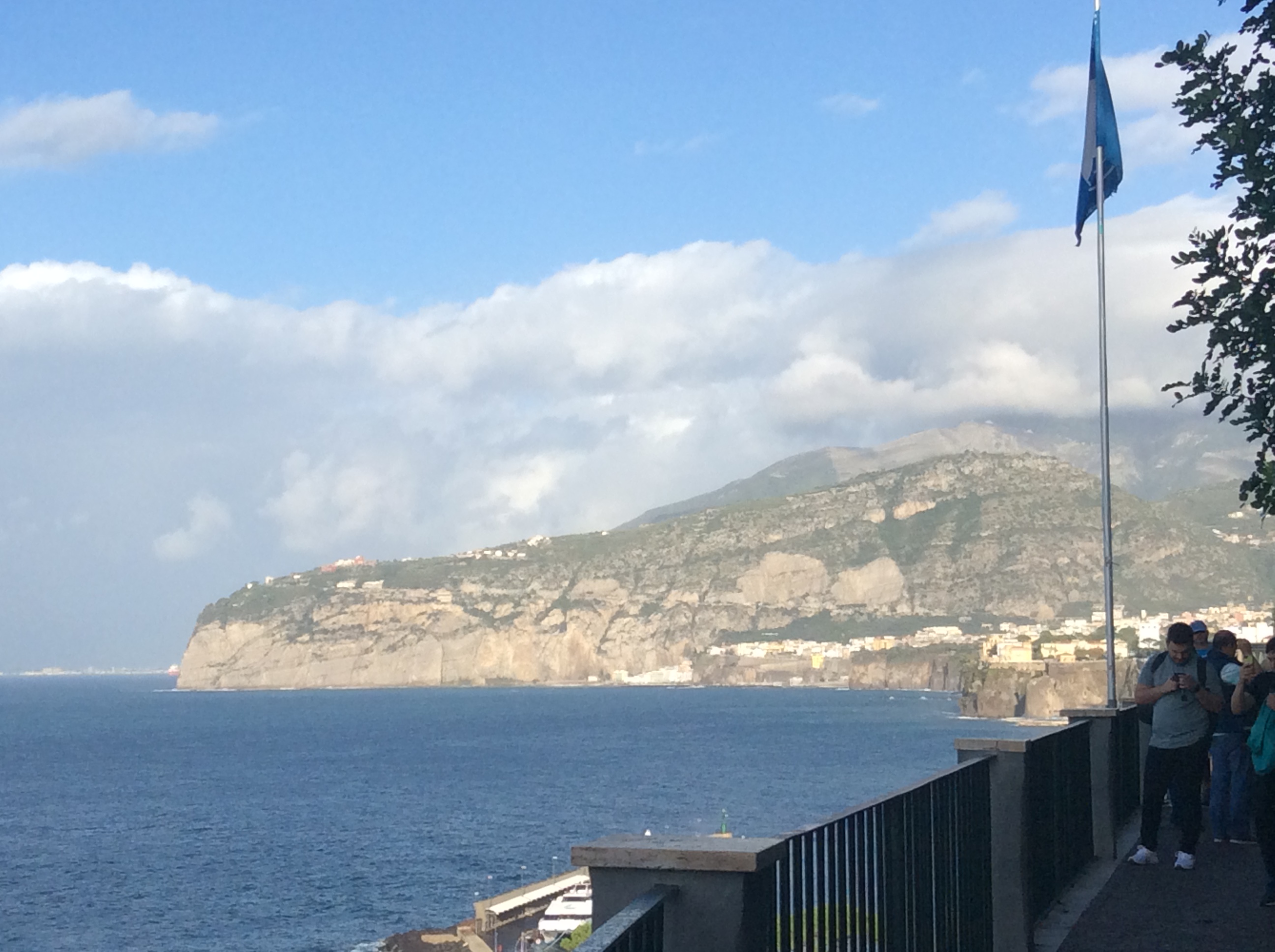
Last November I spent a little over a week in Italy. We spent only 1/2 day in Rome then drove to Sorrento where we stayed for a week. From there we wandered down the Amalfi Coast, over to Naples, Pompeii, and Capri. Want to avoid the summer heat and crowds? Go in November. Yes, it is chilly and sometimes rainy with big storms at night. Nevertheless, you can really see what people do who live there and avoid masses of tourists. Here are some of my favorite photos:

The above photos taken in Rome. The following were taken in Sorrento.

Vesuvius. I think I saw it nearly every day.

Hiking in the Heat


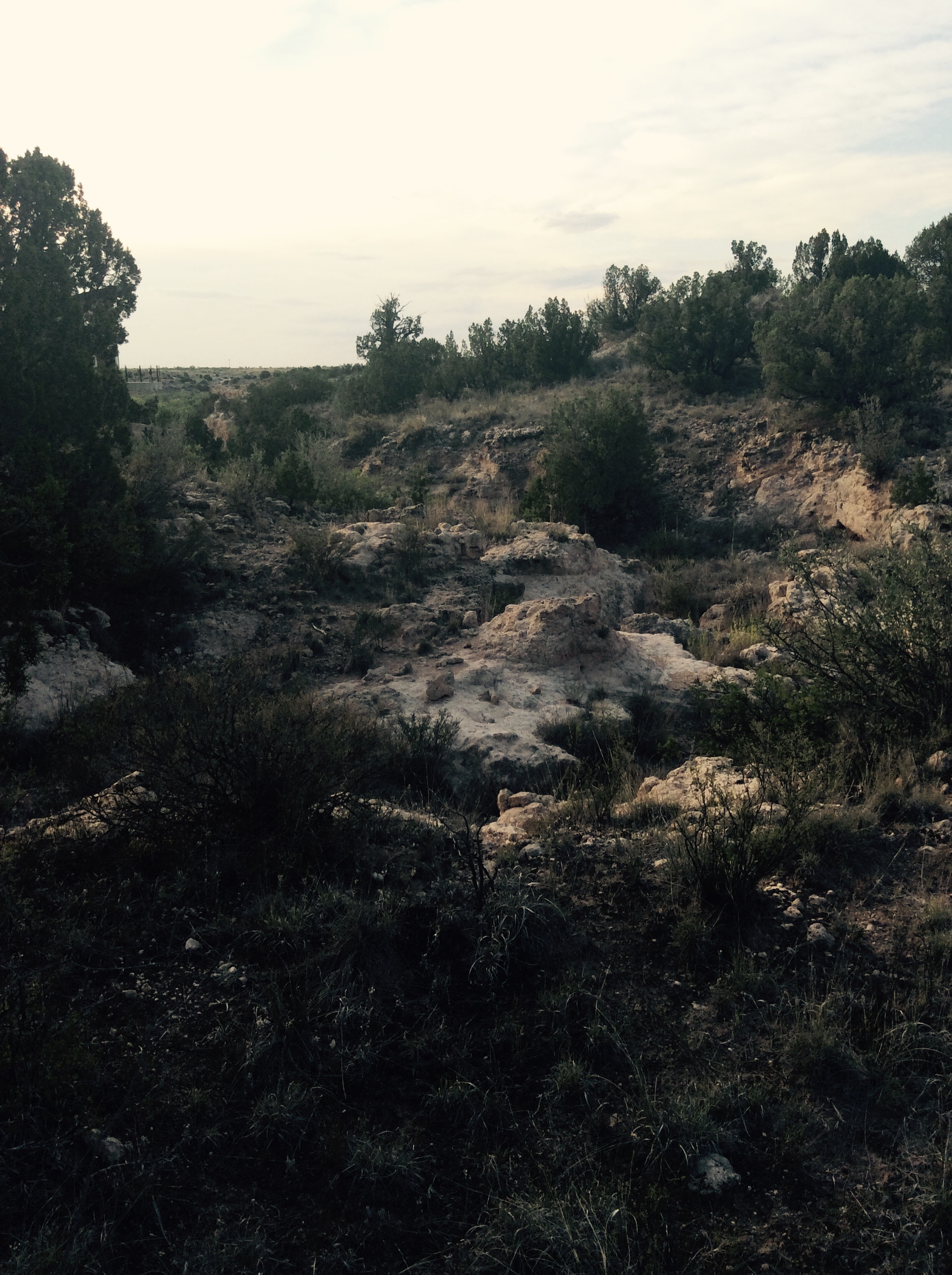
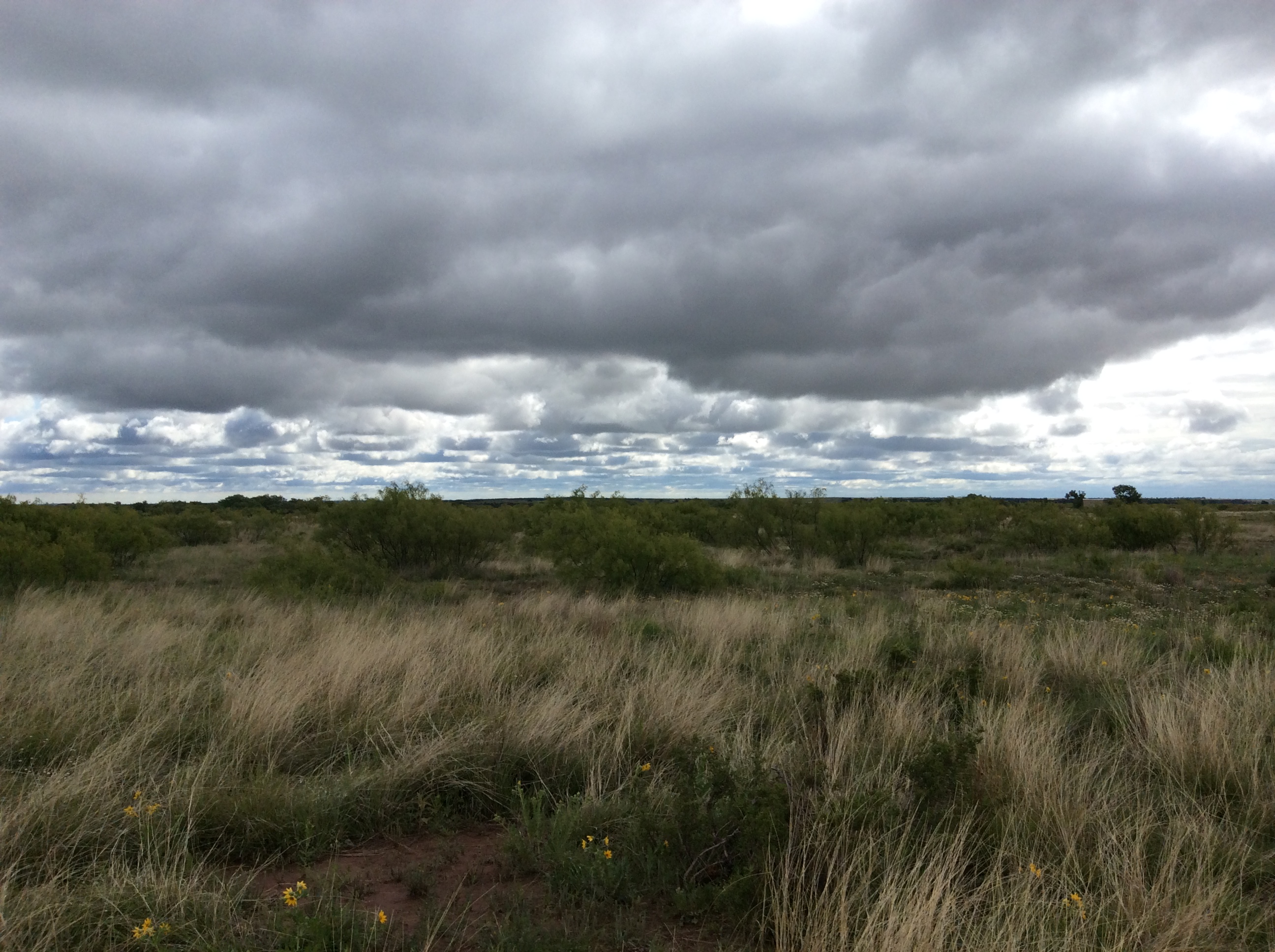
For several weeks I noticed big bright white blossoms on tall stalks as I looked across the canyon in the evenings just before dusk. While it was still hot even at 8 during this latest heat wave, I hiked across the canyon for a look, taking various photos as I strolled along.

IMG_4711

When it rains, water drains into this arroyo and crashes over the cliff near my bedroom.

IMG_4712

IMG_4715

Never bulldozed or cleared, this land allows ancient junipers to continue to thrive.

IMG_4718

No water dropping off the cliff on these hot, dry days.

IMG_4720

The flowers I could see from my house across the canyon.  My wildflower book tells me these are a type of Stickleaf. To take a photo of the other flower, I had to climb up an incline covered with gypsum.

IMG_4724

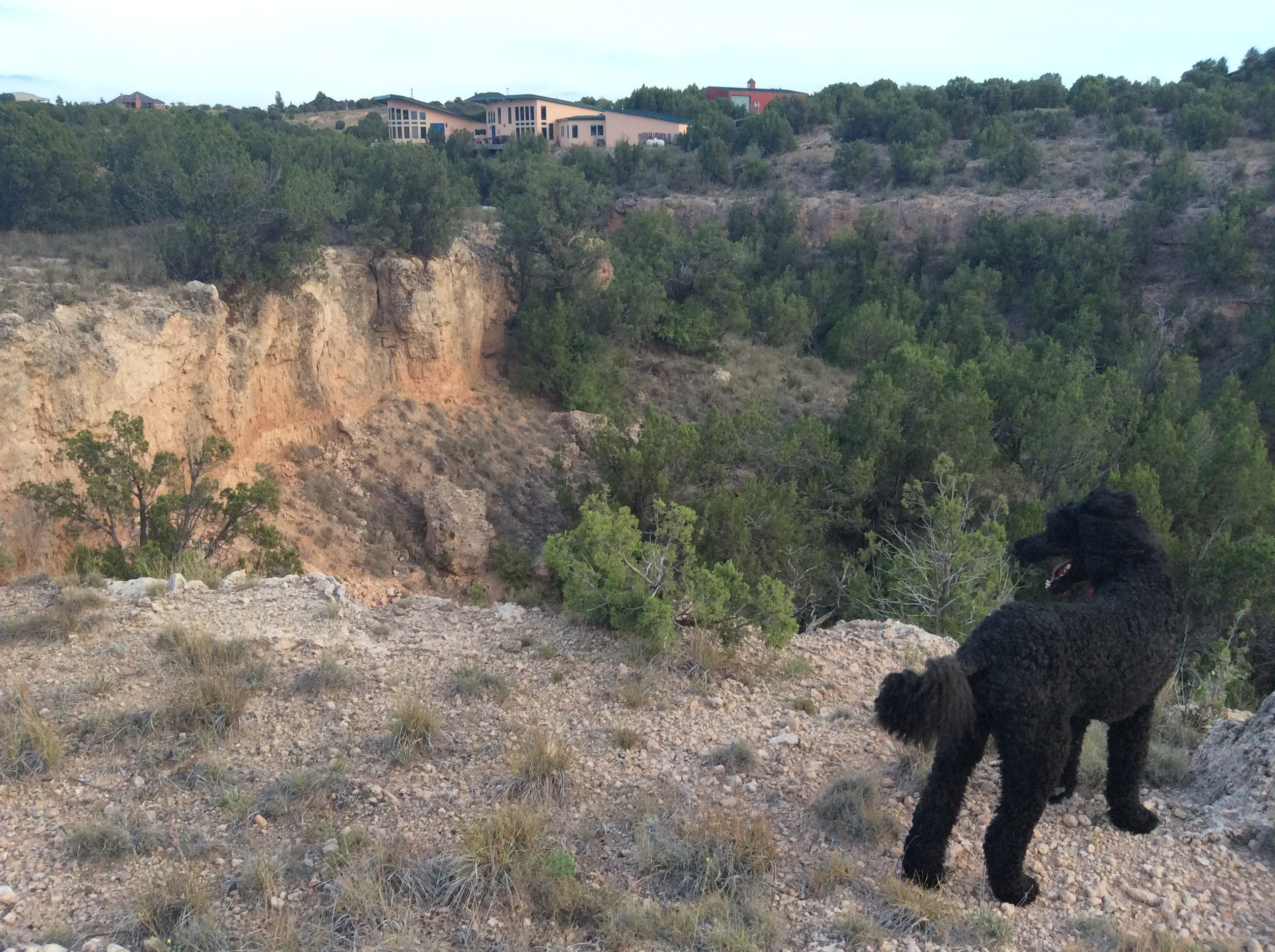
My dog, Athena, and I continued our hike along the canyon edge.

IMG_4722

IMG_4727

It was beginning to get dark as we headed back to the house.

IMG_4726

I can also see this bush from across the canyon.  I see no others like it and do not know what it is.

IMG_4728

Headed back home along the canyon’s rocky edge.


The Churches of Lalibela


Last night part of 60 Minutes featured these churches.  Several years ago I went with friends from Ethiopia to see them.  We spent almost an entire day hiking through around and up and down all eleven of them. I decided to travel back a few years and relive my experiences there and share it here.

IMG_0397

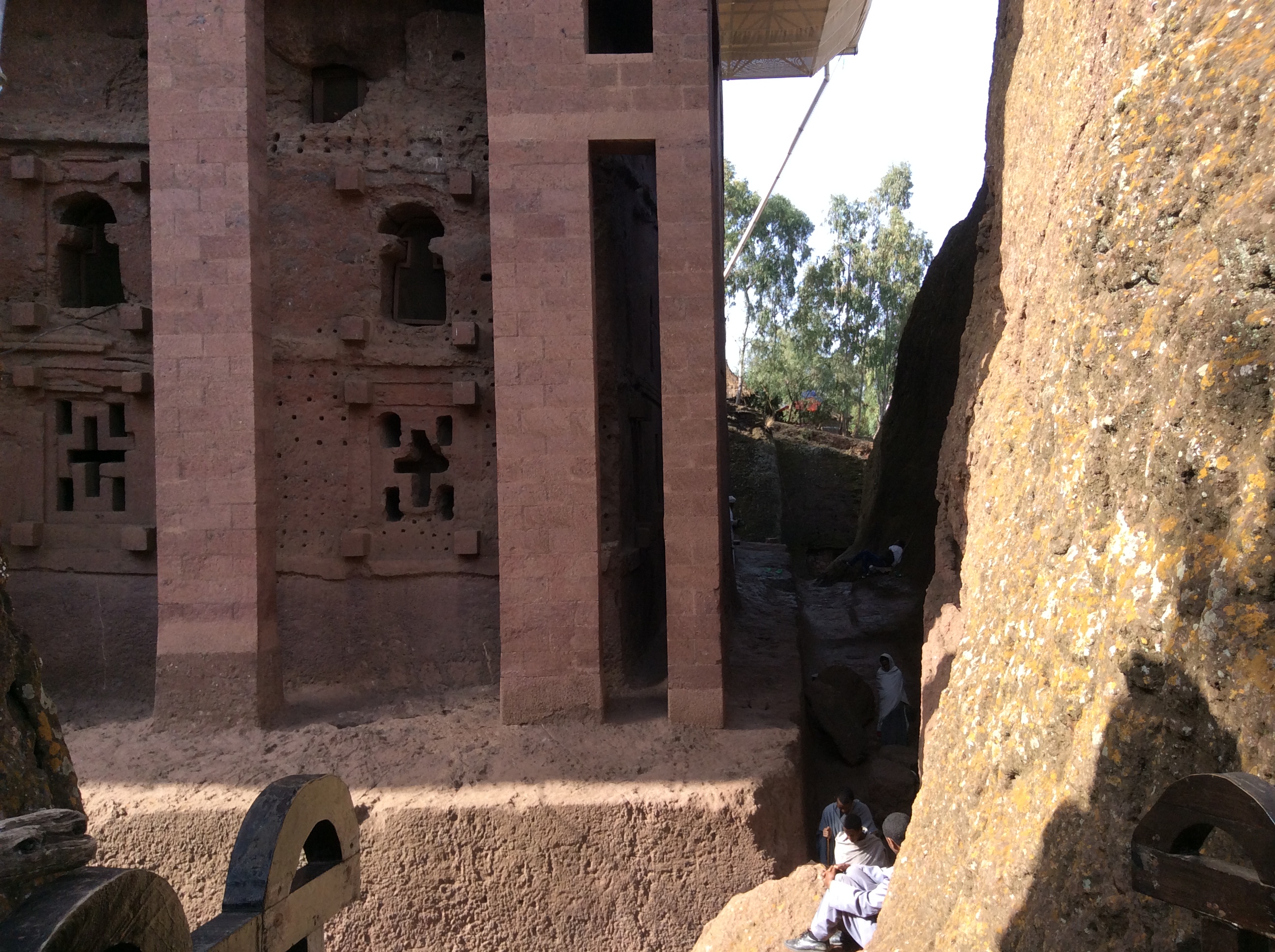
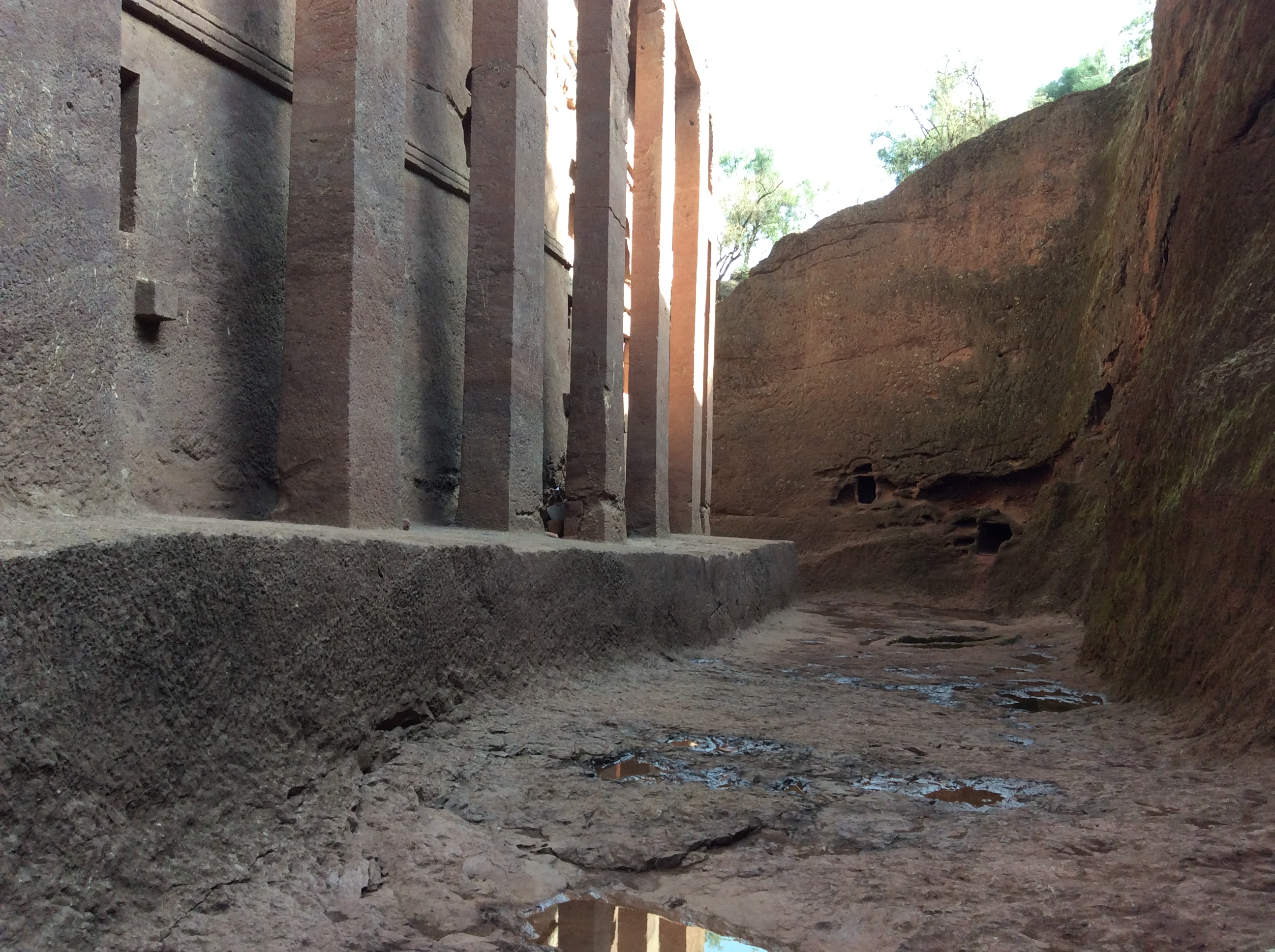
800 years ago these churches were carved from the top down out of solid stone. They dug a trench deep all around what is now each church and then worked from there.  Everything is stone, including the interior columns and spaces.

IMG_0400

There are areas around all the churches and drainage canals so they do not flood in the rainy season.

IMG_0412

The inside of each church is decorated with carvings, frescoes, and wall hangings.

IMG_0417

Because 800 years of wear and tear and especially rain was beginning to take its toll, they covered them several years ago.  Now, according the the architect on 60 Minutes, they are experiencing the opposite problem.  The stone is getting too dry and contracting. They are teaching local people how to preserve the stone so it will last hundreds more years.

IMG_0420

Dino, my Ethiopia friend, and the guide, in white.

IMG_0442

IMG_0444

Why the ridiculous looking socks?  Fleas are a problem.  Many of the churches have old carpet on the floors, thousands of people still workshop in them regularly.  We were told to spray our ankles, tuck our pants inside out socks, spray our socks. It worked.

IMG_0448

IMG_0427

And here is probably the most photographed of them from up above. Yes, you do get to climb all the way down there if you want to go inside.  We did. The story goes that the king went to Jerusalem and wanted to create an Ethiopian Jerusalem.  There is a river nearby which they call the River Jordan. As you tour, they explain every detail and how they match passages and stories from the Biblical Jerusalem.  How did they build all of these out of solid stone?  With the help of angels.


You’re Gonna Eat That!? Adventures with Food, Family, and Friends


This is my new book, published last month.  It is filled with stories, poems, and recipes–healthy food for vegans, vegetarians, pescatarians, and meat eaters with photos and detailed instructions. Currently, it can be purchased at Burrowing Owl bookstores in Canyon and Amarillo, Texas, and online at http://www.dreamcatcherbooks.com, Angel editions.

IMG_4660

Heat


110

I look at the weather station.

watch hot wind bend juniper, mesquite.

Off and on clicks electricity, then off.

15 minutes, 20 minutes, 25,30,35.

Slowly, interior temperature rises.

I find the coolest place, read, worry

about refrigerated food.

40 minutes, 45.

Switch flips, ceiling fans whir.

I think:  how could anyone live

in this heat without air conditioning.

One happy plant resides outside,

from somewhere in East Africa.

Everything else–wilted.

IMG_4701

Reflections on Independence Day


IMG_3636

When I was a child, we lived on a farm where it rains around 40 inches annually.  On the Fourth of July, Dad always shot off a few Roman candles, and we had small firecrackers and sparklers, nothing fancy, just fun.  Even then I knew about the Declaration of Independence, revered its message.  Still do.

Now I live where it is hot and dry.  The neighbor’s fireworks display rivaled those found in cities–beautiful but dangerous in brown grass country.  I wonder if they give any thought to the history, to why anyone celebrates this day.

For the first time in the decades of my life, I did not celebrate Independence Day.  Why?

Born decades ago, I originally went to college in Virginia where I experienced the shock of real segregation; I had not grown up where it was like that. I was horrified, lasted only one semester, then transferred.  Later I attended a college which shut down in protest over the Viet Nam War, I supported The Civil Rights Movement, I helped create one of the first intercollegiate groups to advocate for abused women, and with an ethnically diverse group I taught diversity classes for teachers.

Now in 2020, I feel that even with all that hard, determined work, progress has been too limited.  It is as if I have been transported back to 40 years ago.  People need to learn from the history most do not even know:

-Cotton Mather, the leading intellectual and Puritan minister in the colonial era, actually helped butcher King Phillip (Metacomet) like an animal.  What did he do to deserve this?  He tried to save his Native people.  Cotton Mather later writes about tearing Metacomet’s jaw from his skull.

-In 1676, when poor whites joined enslaved Africans to rebel for a better life and decent living conditions, fighting for justice against the wealthy planters, those rich planters realized they had to get poor whites to hate Blacks.  They took land owned by Blacks and gave it to poor white people and then paid them to hunt down and abuse, even kill, people of African descent.

-Later, the same Cotton Mather mentioned above, learned from his slave that in Africa, Africans had been taking pus from a smallpox infected person and inoculating others with it to prevent smallpox from spreading.  He refused to believe any African  could be so smart even though he inoculated himself and his family after learning this.  Later, he wrote this about his African slave who had told him the story that may have saved his life: “…brokenly and blunderingly and like Idiots they tell the Story.”

-Of course, we all know that the intellectual giant, Thomas Jefferson, held the deed to the woman who would later bear him numerous children while he proclaimed those famous words that all people are created equal.

The history of racial and ethnic hatred goes back to the inception of this country.  It continues to poison progress and hope.  It never seems to end.  I am tired of it.  Enough is enough.


Gallo Pinto


Last eve a friend came over.  Both of us have been careful during this difficult time and felt it was safe to see each other. I cooked a dish I ate every day when I visited Costa Rica, gallo pinto.  Usually it is served with platanos fritos.  I did not have platanos so served it with a mixed salad.

IMG_4694

Poblano, red and yellow bell peppers, finely chopped, and  ready to cook.

IMG_4695

Finely chopped onions already sautéed and now the peppers are cooking.

IMG_4696

The finished dish–left over rice, black beans, the pepper and onion mixture, and a little cumin–served with fresh salad. The recipe for this dish and the salad are in my upcoming book.  As soon as I know the date to preorder, I will let everyone know. The book will also be available at Burrowing Owl in Canyon and Amarillo, Texas.


In Honor of My Father


The Nap

He lays on his back on the cold, hard, blue linoleum floor after

the midday dinner of homegrown roast beef, potatoes, wilted

lettuce salad, hot coffee, coconut topped cake.  His left arm

forms a right angle at the elbow as the back of his wrist rests

on his forehead, touching the slight curliness of his not quite

black hair.  His left leg stretched out straight, right one drawn

up, knee jutting out.  The sleeves of his worn, pale blue dress

shirt rolled up; his overalls show signs of wear and washing.

Every day after dinner he naps in the same spot in this same

position for exactly fifteen minutes before returning to the field.


My father.


Seventeen years after his death, one day as I napped, slowly

driving off, astonishment stuck.  There I lay exactly as my

father used to so many years ago, my left arm forming a right

angle, wrist on my forehead, left leg stretched out straight, right

one drawn up, knee jutting out.  I remember not just in heart

and mind.


The body always knows.


10010469_10201104950059786_1020986835_o

Taken at the top of Mt. Evans in Colorado when I was a child.


Covid19–Creative Cooking


This is post number six as I continue to quarantine.  I’ve lost tract of exactly when I last went to the grocery–not for at least three weeks.  In an effort to avoid going unnecessarily, I’ve come up with all sorts of creative cooking by looking to see what I can find in the pantry and refrigerator and inventing recipes, using what I already have.  Here are three of my inventions.

IMG_4592

When I was in Italy last November, I ate pasta with lemon creme sauce in two different restaurants in two different cities.  I have managed to duplicate it using bucatini from Italy, lemons, and heavy cream.  For two servings, cook about 1/2 pound of pasta.  While pasta is cooking, use a potato peeler to peel of strips of rind from one lemon.  Chop these strips into smaller pieces.  Cut the lemon into quarters.  When pasta is al dente, drain.  Turn down the heat and melt 1/4 stick butter in the pan, add drained pasta and lemon rind.  Take the lemon quarters and squeeze the juice into the pasta, add cream to taste–do not add too much. If you do not have cream–this time I had none in the refrigerator, do not worry.  It is yummy without it.

I was out of most salad ingredients so the above salad is chopped cilantro topped with feta cheese, various kinds of olives, and olive oil.

IMG_4597

While scrounging around in the freezer compartment, I found half pound of hamburger. I defrosted that and found a can of kidney beans in the pantry. I sautéed the lean hamburger in olive oil, then added the kidney beans.  I did not have any tomatoes or tomato sauce so I dumped in a little organic ketchup.  After stirring this together, I added berbere, a complex and a little hot spice from Ethiopia.  I served this on top of basmati rice from Pakistan–I buy this in ten pound bags at an international grocery.

The salad ingredients were a gift from a friend who had to harvest all his arugula and lettuce because of freezing weather. While both of us were outside, he handed me a bagful of these goodies.  I added some red cabbage I already had.  Finally, I grated asiago cheese all over the top of everything.  Cheese is a favorite food so I always have lots on hand.

IMG_4599

The other food I always keep in the freezer is fish, usually salmon and cod loins.  For this recipe, I defrosted the salmon and marinated it in teriyaki sauce and chopped up some onions and crystallized ginger.  I sautéed the onions in olive oil, then added the salmon and crystallized ginger.  When the salmon was almost done, I added some chopped, frozen,  poblano peppers (when I knew this stay-at-home order was likely, I bought a lot of poblano peppers and froze them) and arugula.  I served the finished dish over basmati rice.

Sometime in the next month or so–no definite date yet–my memoir/cookbook will come out, “You’re Gonna Eat That!? Adventures with Food, Family, and Friends.” It is filled with recipes using ingredients and methods I have learned in travels and growing up with my mom. Many of the recipes are vegetarian and could be vegan with minor adjustments.