One Book a Week-19: “The Round House”, Louise Erdrich


Winner of the National Book Award in 2012, and narrated by the 12-13 year old son of a tribal judge and a professional, tribal woman, this novel details the story of a family nearly destroyed by the brutal attack on the boy’s mother. Even after the identity of the attacker is known, he is set free because she will not tell or cannot recall where the attack occurred, whether on tribal land or just outside its boundary. This leads to the boy’s determined quest to obtain justice for his mother. This page turner perfectly illustrates the continual problem of justice for indigenous women who are 2-3 times more likely to be raped (and often killed in the process) than white women and with no one ever charged.

Given the seriousness of the novel, it is surprisingly funny at times with the antics of teen boys and other characters, including some colorful and interesting older tribal members and an ex-Marine priest. The reader will also learn a lot about Ojibwa culture. Once you start, you have to keep going in hopes that somehow justice will prevail in the end.

One Book a Week-18: “If An Egyptian Cannot Speak English”, Noor Naga


Identity politics remains at the heart of this unusual novel. Written in three parts, One portrays a “love” affair between an Egyptian American woman who has gone to Cairo to find her Egyptian self and an unemployed, revolution (as in Arab Spring) photographer who alternates between living in a rooftop shack and homelessness. Each vignette starts with a question and alternates between the voice of the woman and the man, expressing their viewpoints on life, love, and their situation. Part Two is the same except without the “headline” question. Part Three is a big surprise–a discussion, written as a play, a critique of the rest of the novel among the author, an instructor, and several “students”.

I loved this book in part because it enabled me to learn a lot about Egyptian cultures, but also because I found it thought provoking and intriguing.

Baja Trip-5: Wandering Around Ensenada


First, we went to the fish market where I saw fish I could not even begin to identify. Then we strolled along the wharf.

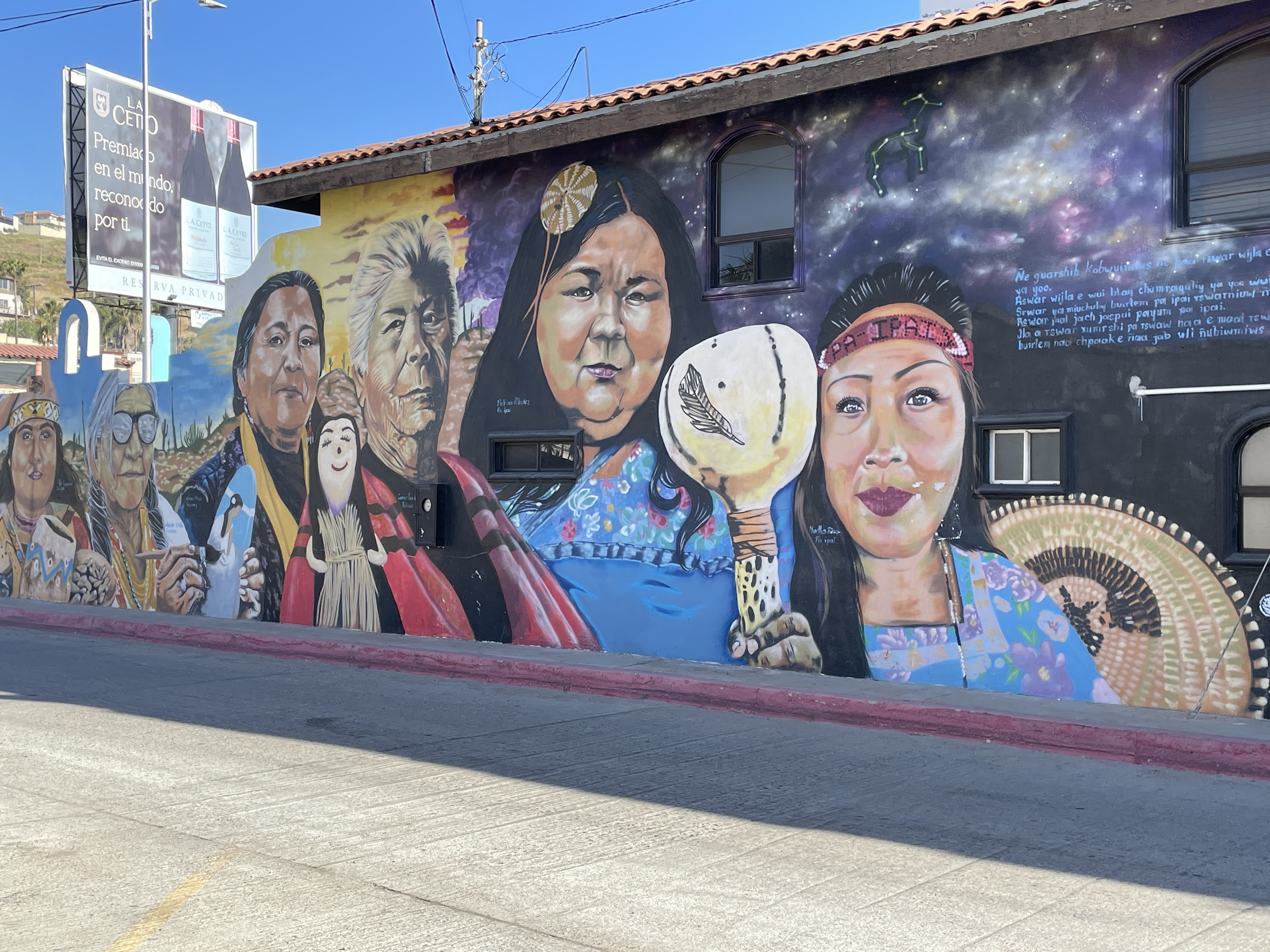
This mural portrays the matriarchs of the northern Baja area. each from a different indigenous tribe who lived there before others arrived.
Cruise ships dock here several times a week.
Built when alcohol and gambling were illegal in the United States, this was once a famous casino where the rich and famous came to gamble and drink. Now it belongs to the city and is used for weddings, retirement parties, etc.

Back in the 30s, the water came up to the edge of the casino property so people could come in their luxury yachts, dock, and walk right inside.

The original bar still exists and is well stocked. Here we heard the story of the invention of the margarita. Many claim to have invented it in various places in Mexico. It seems to trace back to a bartender who moved from place to place and brought the drink with him. Who knows?

Baja Trip-4


Off to another winery, Santo Tomas, after visiting the fish market where I glanced at all the fish and saw fish I could not begin to identify. This winery is in a different valley, Santo Tomas Valley, and the second oldest winery in Mexico. Although their official sign says it is 130 years old, it is actually older and originated years before that to produce wine for communion and the Catholic Church.

Rather than have the wine tasting in a building or patio, here they put us on a wagon pulled by an old tractor and transported us to the vineyards where they drove around then stopped to give us various wines to try while we sat on the wagon. Our guides brought along cheese and other goodies for snacks as we tasted the wine.

The main building for production.

Vineyards for miles. They have 800 acres of vineyards mostly in this valley but a few in another area we did not visit.

Baja Trip-3


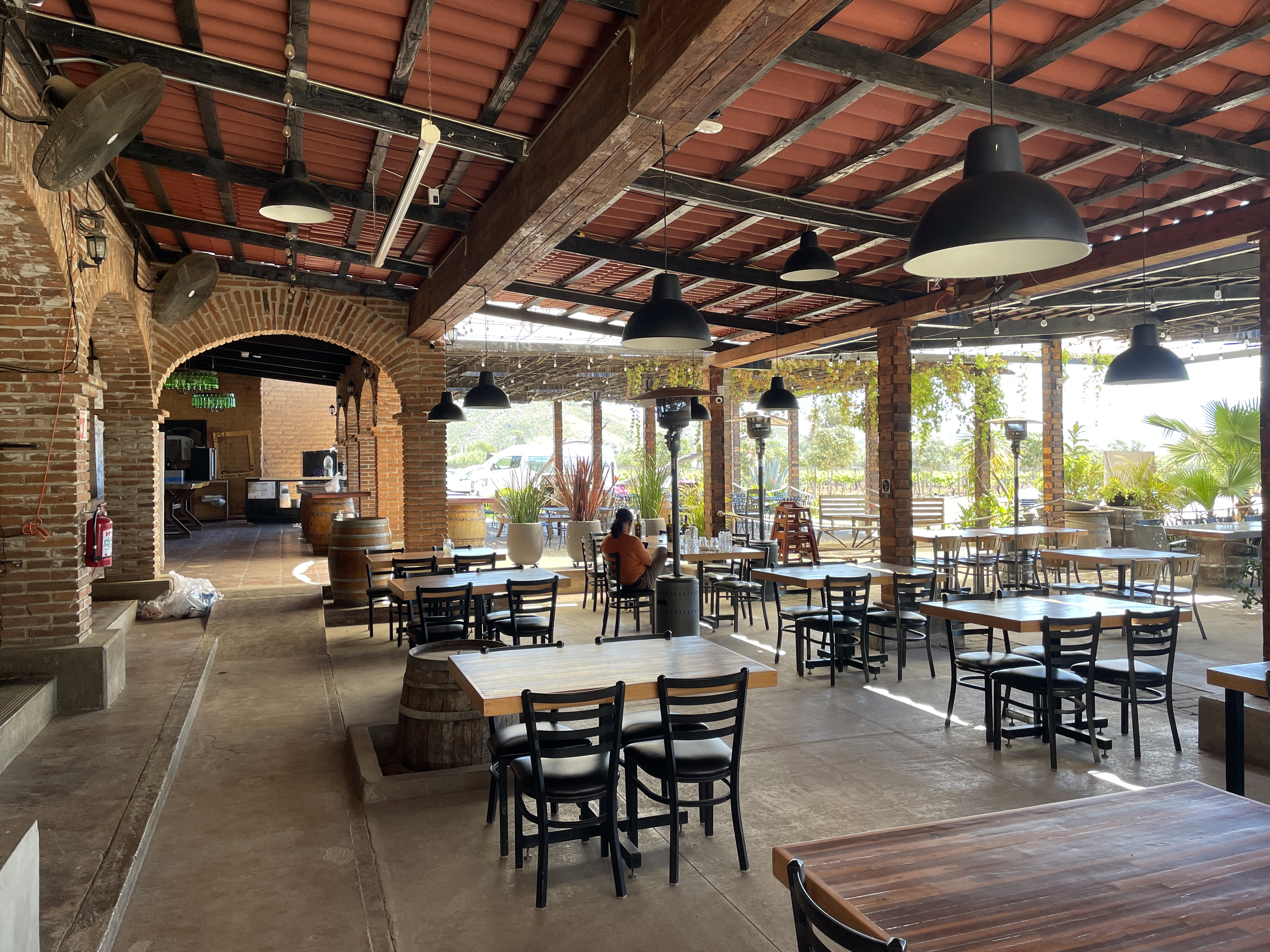
After visiting the winery in the previous trip post, we headed to another winery, Las Nubes (The Clouds), for more tasting and lunch. We did not visit the cellars here but the lunch view was spectacular as were the sandwiches. Like many other buildings at other wineries, a lot of the building material is local stone.

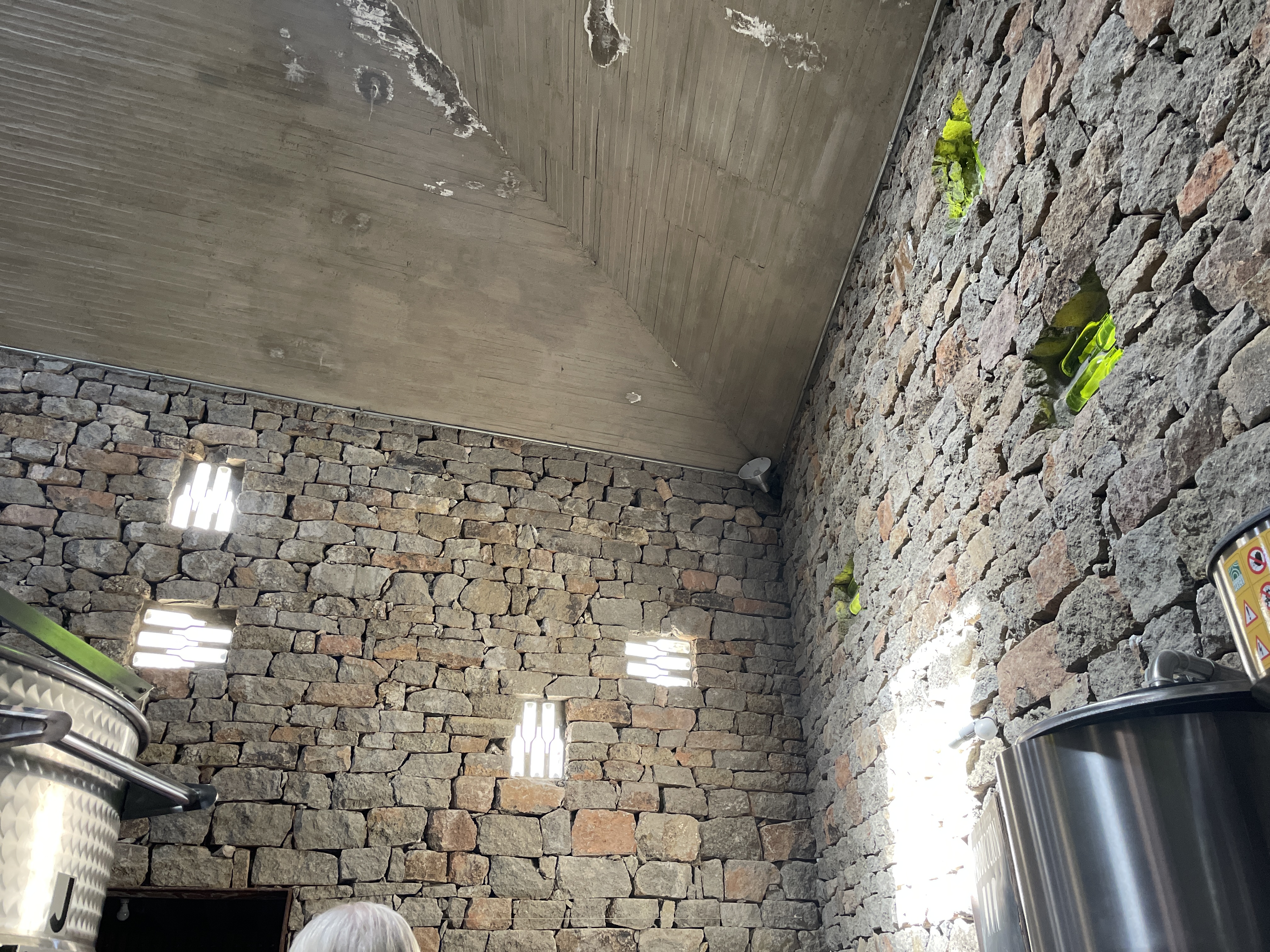
Taken from below the winery and restaurant area. Then off we went to winery three for the day, Clos de Tres Cantos. This winery is created with a philosophy dedicated to making natural wine, caring for Earth, and blending into nature. They also have deliberately grown varietals that can best withstand climate change. All the buildings are made from local materials and designed by a local architect.

A wall made from wine bottles.

A shrine to the Virgen de Guadalupe with wine aging to the side.

A natural roof of soil and flowers.

From here we drove through the countryside to La Laja restaurant for dinner. It is located way out in the country where they grow what they serve except for the fish which is locally caught in Ensenada area. It is rated as one of the top 50 restaurants in Latin America. We experienced a six course meal including two desserts, one of which was a slice of mango steeped in mescal.

Baja Trip-2


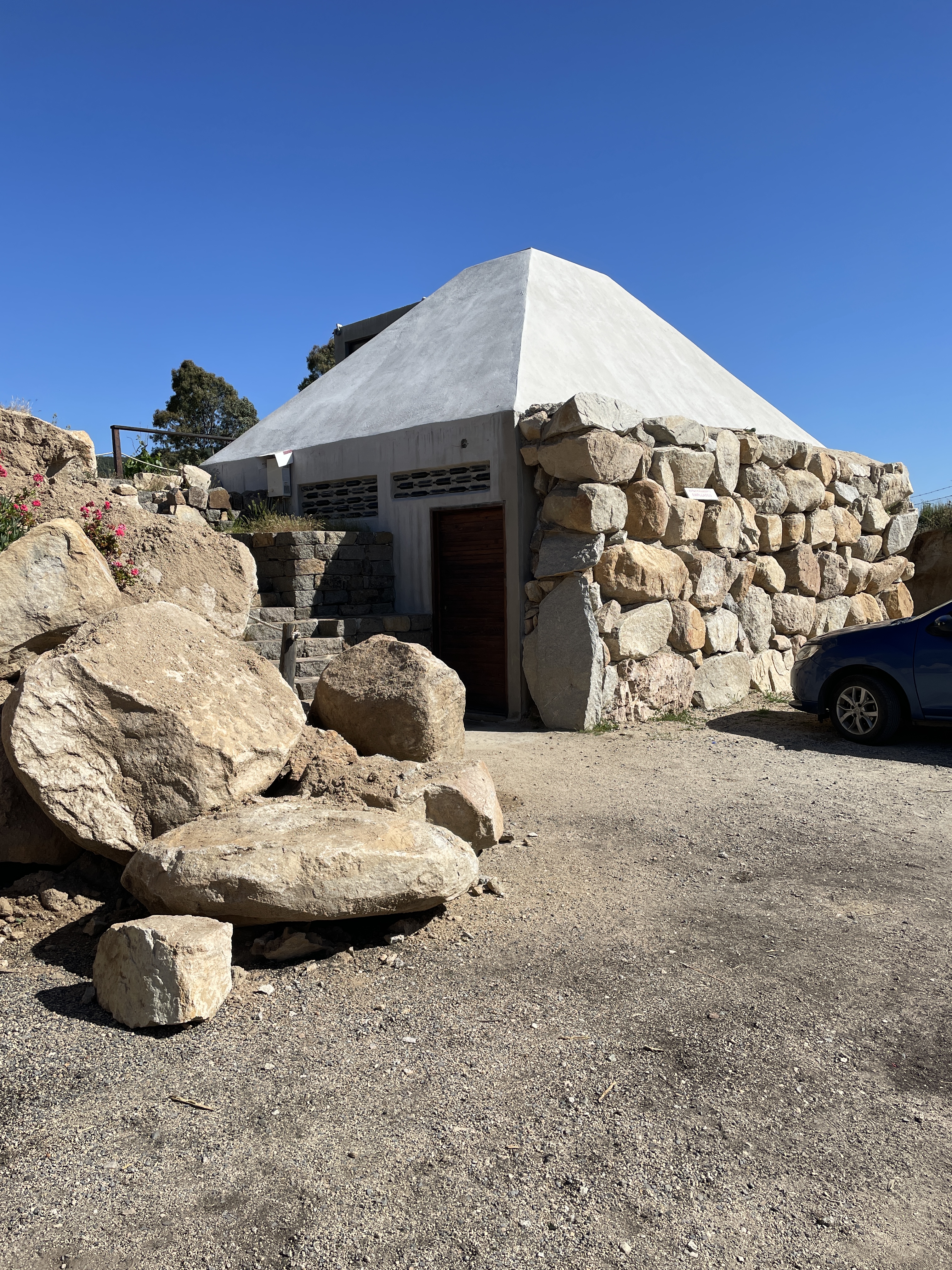
Day Two we visited several wineries and went to dinner at one of the top 50 restaurants in Latin America, La Laja. The following photos are from the first winery where we not only tasted various wines but also took a tour of their remarkable wine cellar dug deep into solid rock.

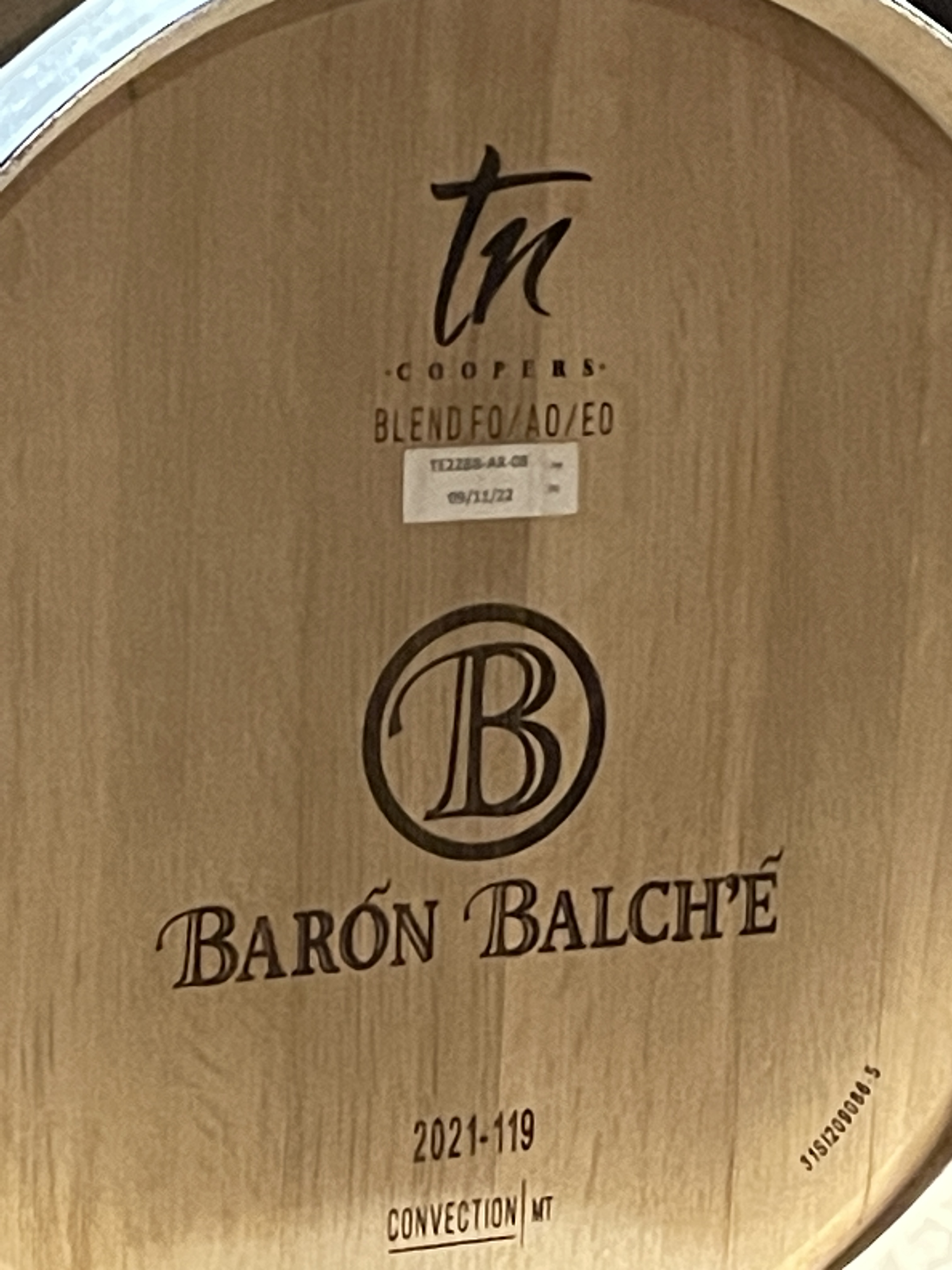
This is the name of the winery and each barrel is marked with varietal, date, etc.

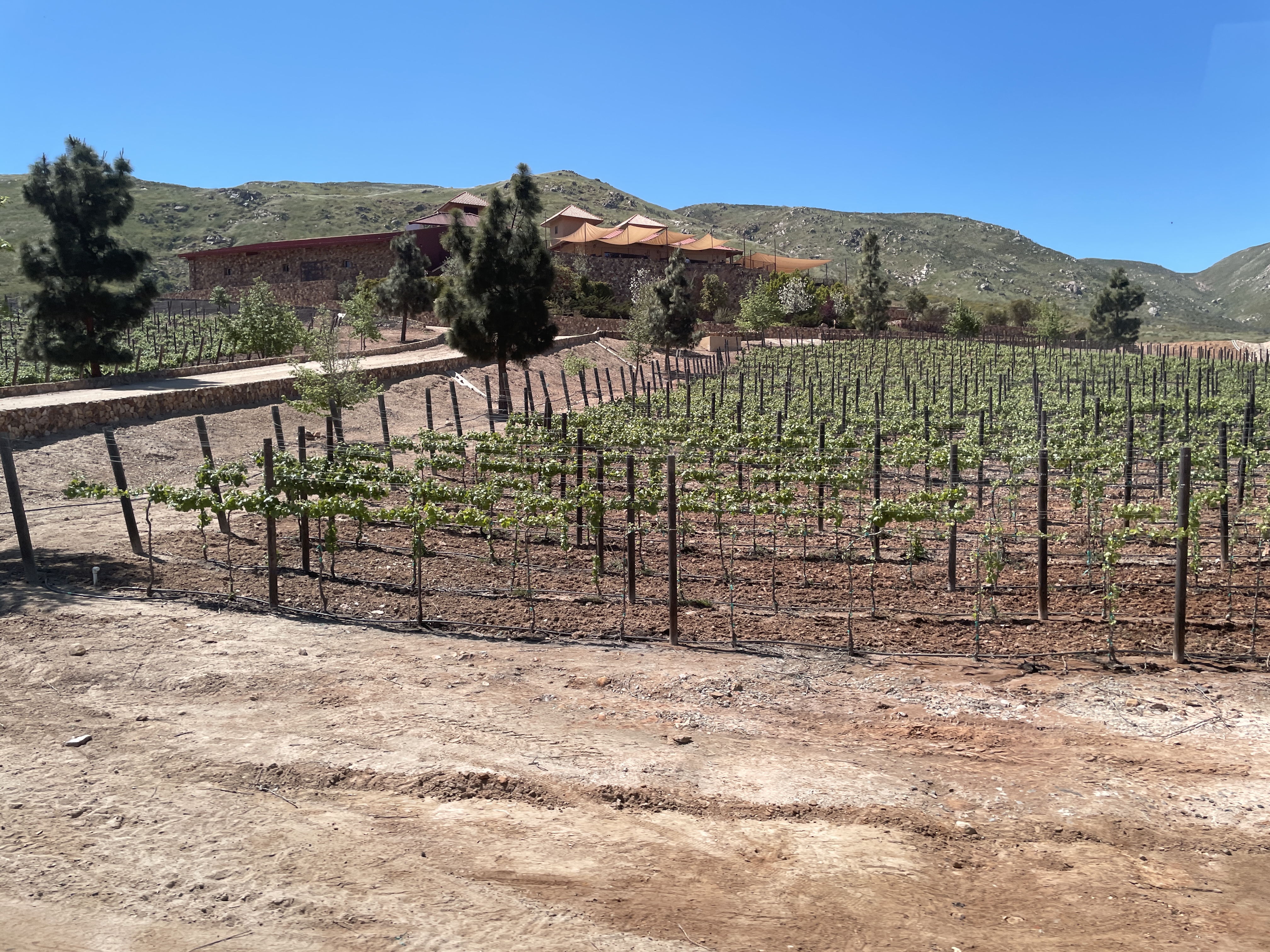
The hills in some part of Valle de Guadalupe reminded me of the hills near Temecula, CA.

Here you can see how the cellar is dug out of the rock. The rock was oozing moisture due to the unusual amount of rain they received this winter.

I loved this message so much I had to take a photo of it.

I wish I could find a duplicate to hang outside on one of the empty sides of my house.

The wines here are all natural. Many of the wineries we visited do not use pesticides or herbicides.The sophistication of many of the wineries in Baja is very impressive.

Baja Trip-1


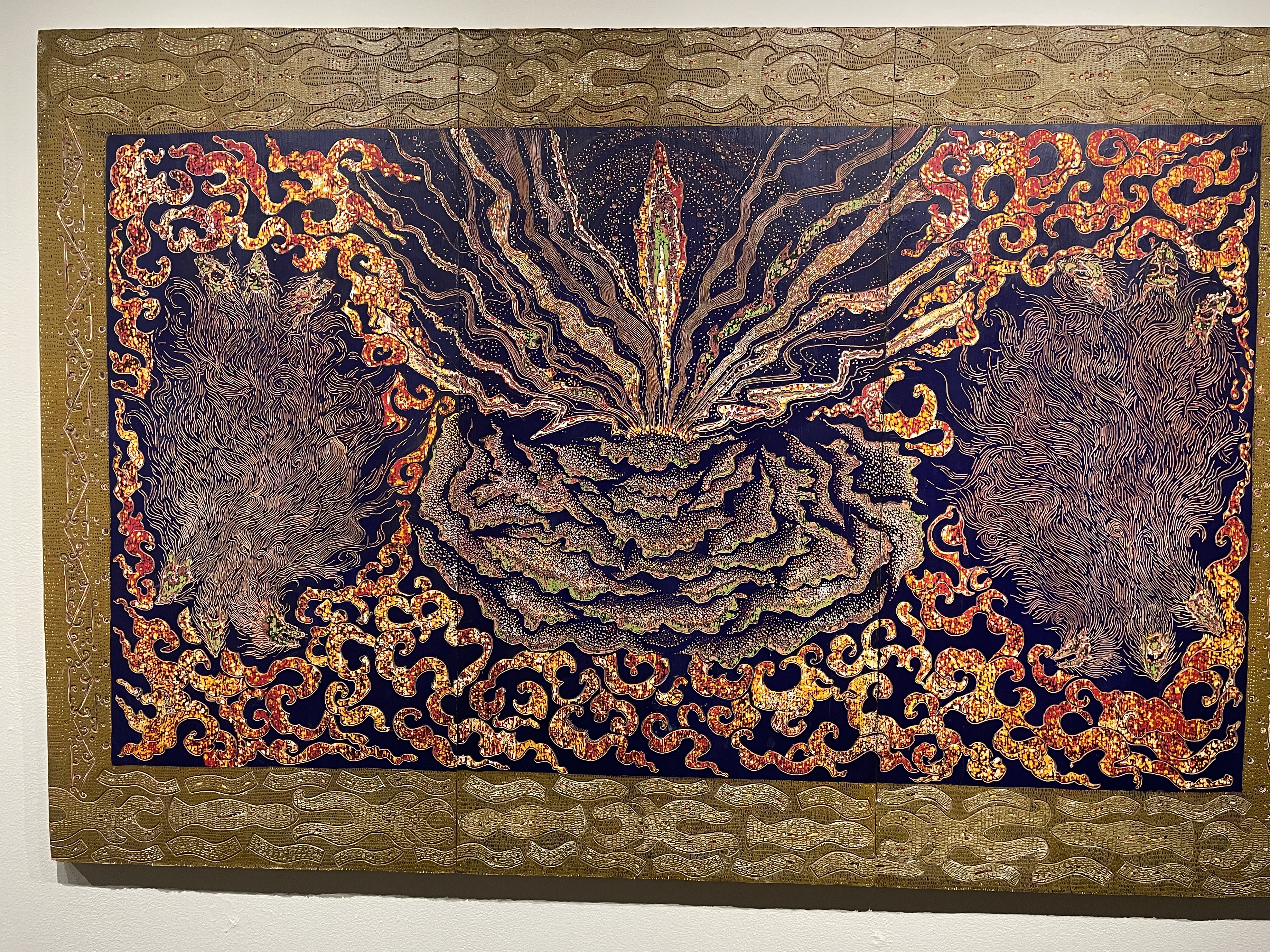
Day one we drove across border to Tijuana where we visited the incredible La Caja Art Gallery. We viewed a variety of art works, drank delicious Mexican chocolate, and had a sensory experience blind-folded.

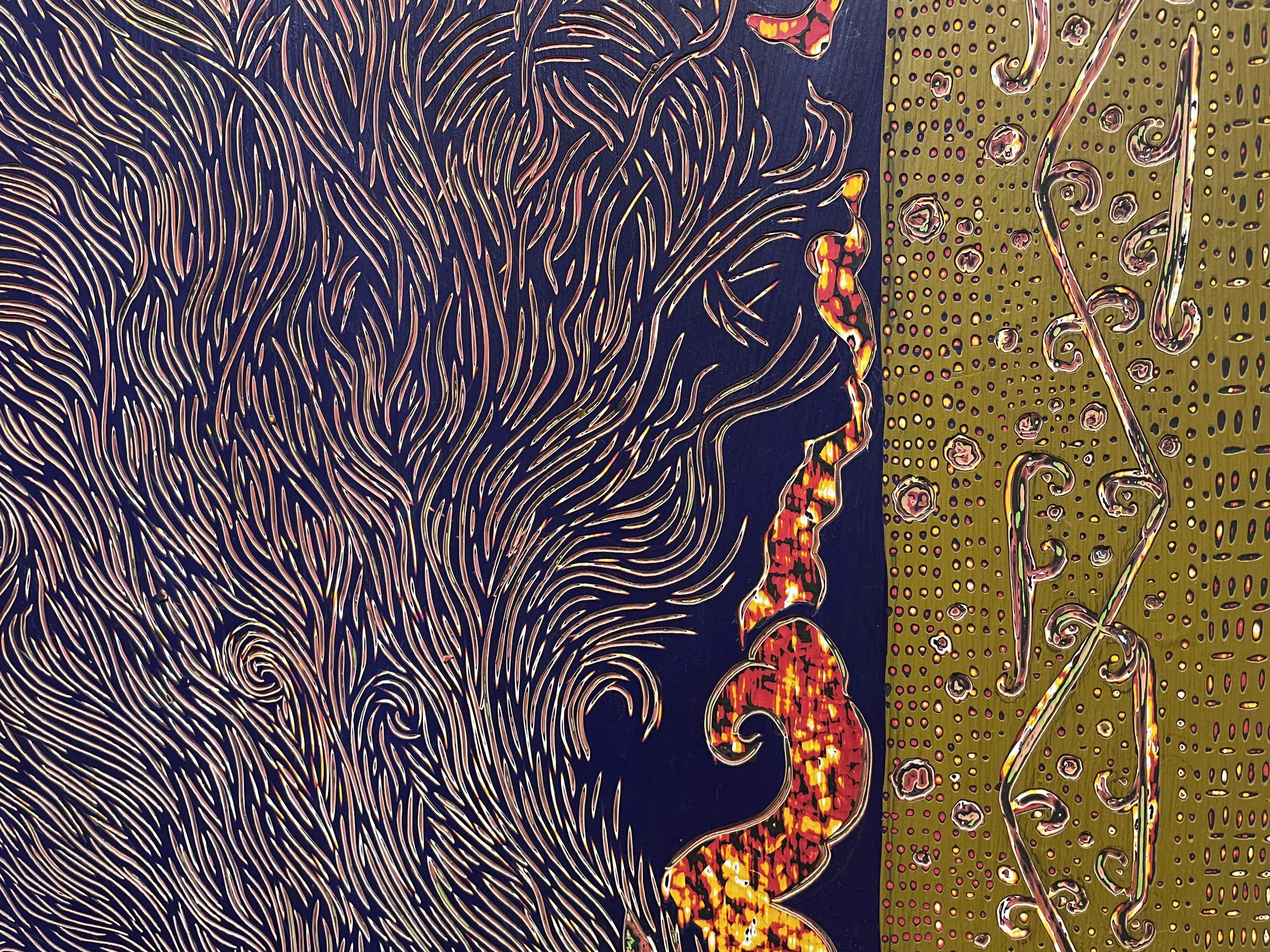
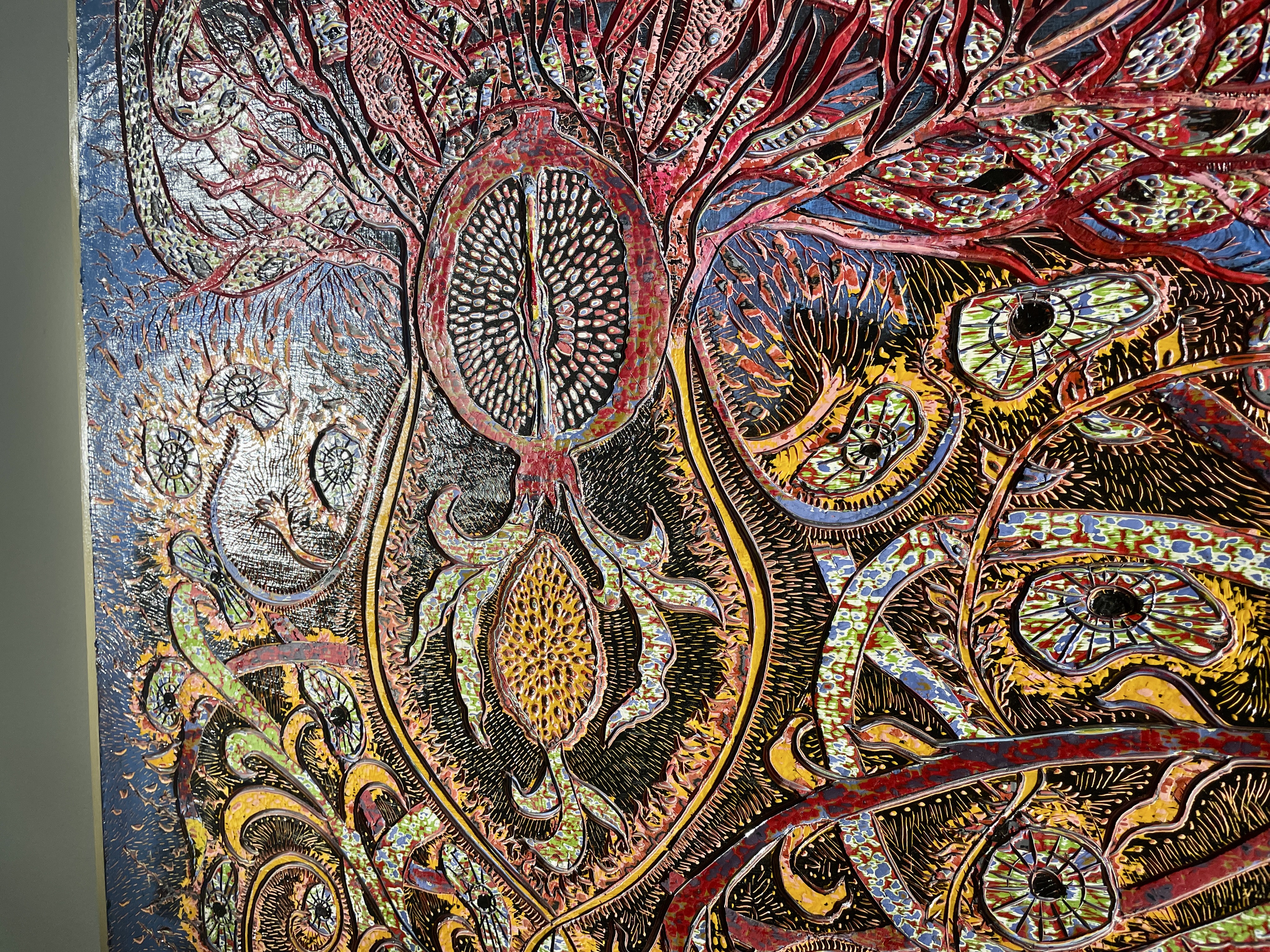
A close up of the previous painting. It consists of not only layers of paint but also carving into the surface.

Food for thought.

A different artist for the above and the following.

This one was painted directly onto the wall.

Later we experienced lunch at Caesar’s where supposedly (this is contested by some other places in Mexico) the original Caesar Salad was created.

One Book a Week-15: “Oh, William”, Elizabeth Strout


Told from the point of view of the main character, Lucy, in first person, the simple language the author uses as Lucy tells her story, reflections, and anecdotes belies the deep knowledge of marriage, parenthood, the entire human condition underlying this novel. Two once married individuals go on a trip to Maine to learn about a relative one did not even know he had until he received the results of a casual DNA test, a gift he did not originally take all that seriously. They’ve been married and then divorced for years and have two daughters together. In spite of their best efforts to the contrary, they remain connected even when they find each other a mystery.

A rather simple story, written in plain language, holds the following piece of wisdom–Lucy’s words which end the novel:

“Everybody in this whole wide world, we do not know anybody, not even ourselves!

Except a little tiny bit we do. But we are all mythologies, mysterious. We are all mysteries, is what I mean.

This may be the only thing in the world I know to be true.”

National Poetry Month-2: Butter Love


Is it inherited?

Six year old me watched Grandmother

look around, take silver knife, cut into pale

yellow rectangular prism, plop a chunk into

her mouth, close her eyes,

smile.

In Aunt Julia’s presence, this never occurred,

Was it our shared secret,

Grandmother and me?

Yesterday, I told the cafeteria lady,

“Please bring me biscuits, extra butter.”

Less courageous than Grandmother,

I use blue corn pancakes, homemade bread, pasta,

excuses to eat butter, lots of golden, melted

butter.

Who eats butter on conchiglie?

I do, scooping out a tablespoon

from the butter bowl, watch it melt

in hot, drained Italian pasta from a

six-hundred-year-old monastery,

sprinkle on some sea salt, plop

a spoonful in my mouth, close my eyes,

smile.

Note: This poem is published in my book “You’re Gonna Eat That? Adventures with Food, Family, and Friends”. My grandmother, Mom’s mom, rarely smiled. When Mom went to the hospital to have my sister, the family story is that Grandmother fed me so many bread, butter, and sugar sandwiches, I became fat. I was two. I remember a mint patch in her backyard. She’d gather mint, boil water, and make mint tea with cream and sugar. I liked it. When Aunt Julia traveled out of town, I remember seeing Grandmother eat butter and smile. This is Grandmother’s wedding photo.

One Book a Week-13: Blue Desert, Celia Jeffries


As an ardent reader who prefers what are usually referred to as literary novels and serious non-fiction, few books impact me deeply and emotionally like this one has. As soon as I finished it, I reread parts of it several times, then sat silently stunned.

After her family moves to North Africa for her father’s work, an 18 year old British girl, rescued by a Taureg leader, is believed dead by her family until she resurfaces years later at a Catholic “home” run by nuns in North Africa. She re-enters British society, marries, leads a relatively “normal” life while keeping a secret for decades. When she receives a telegram, “Abu is dead”, everything changes. Her past comes rushing back in unexpected ways.