Costa Rica: 4, Flora


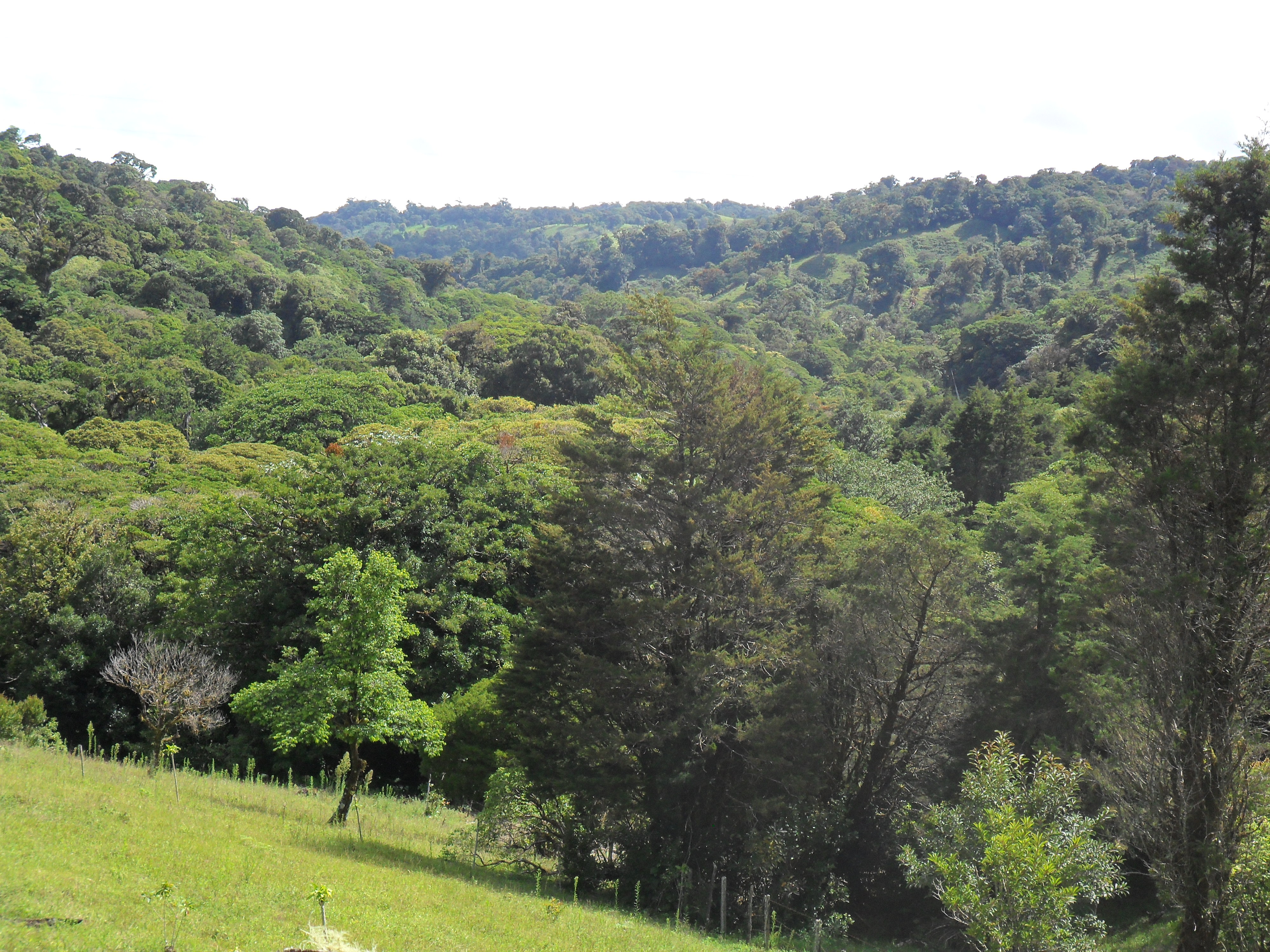
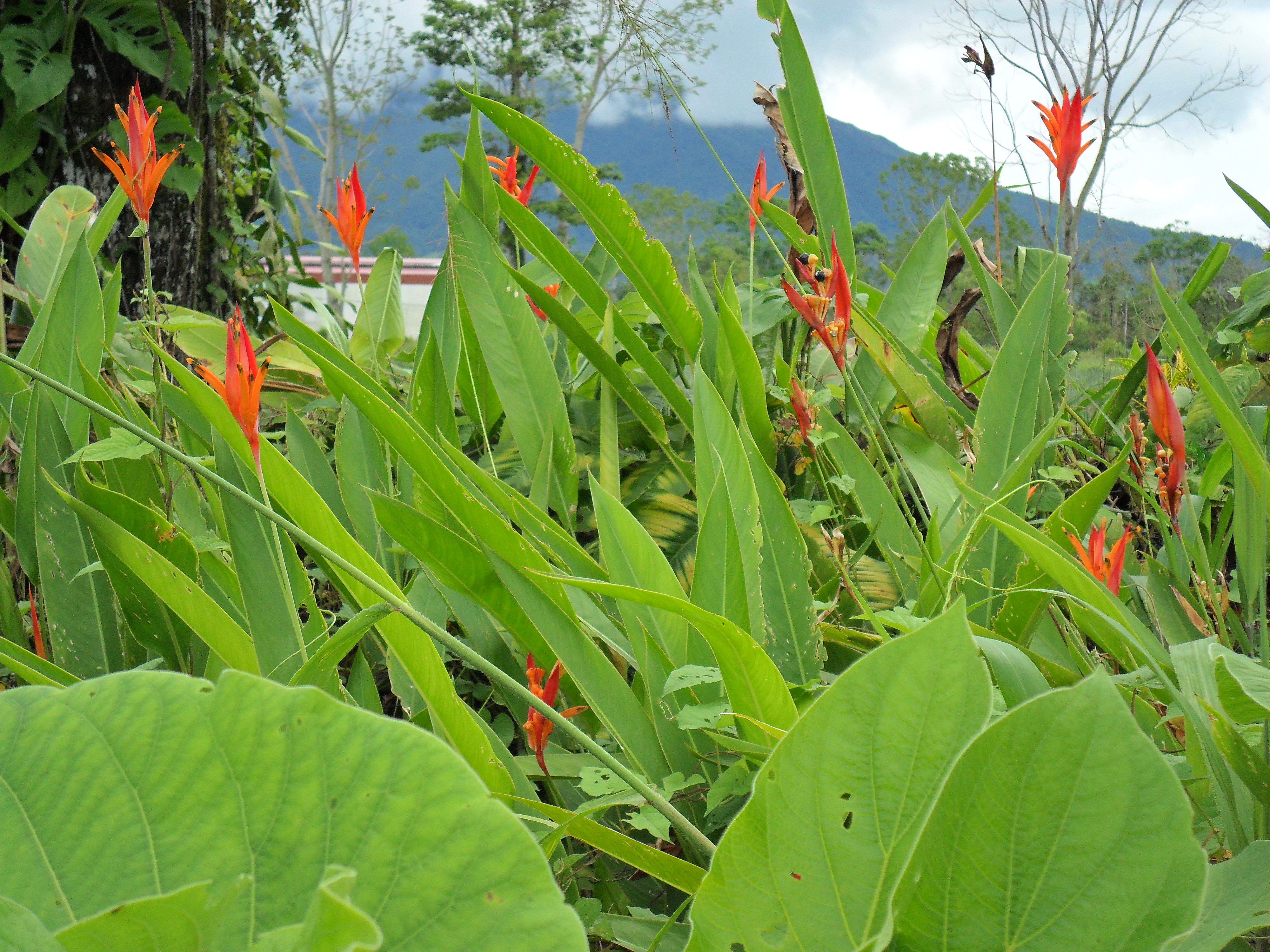
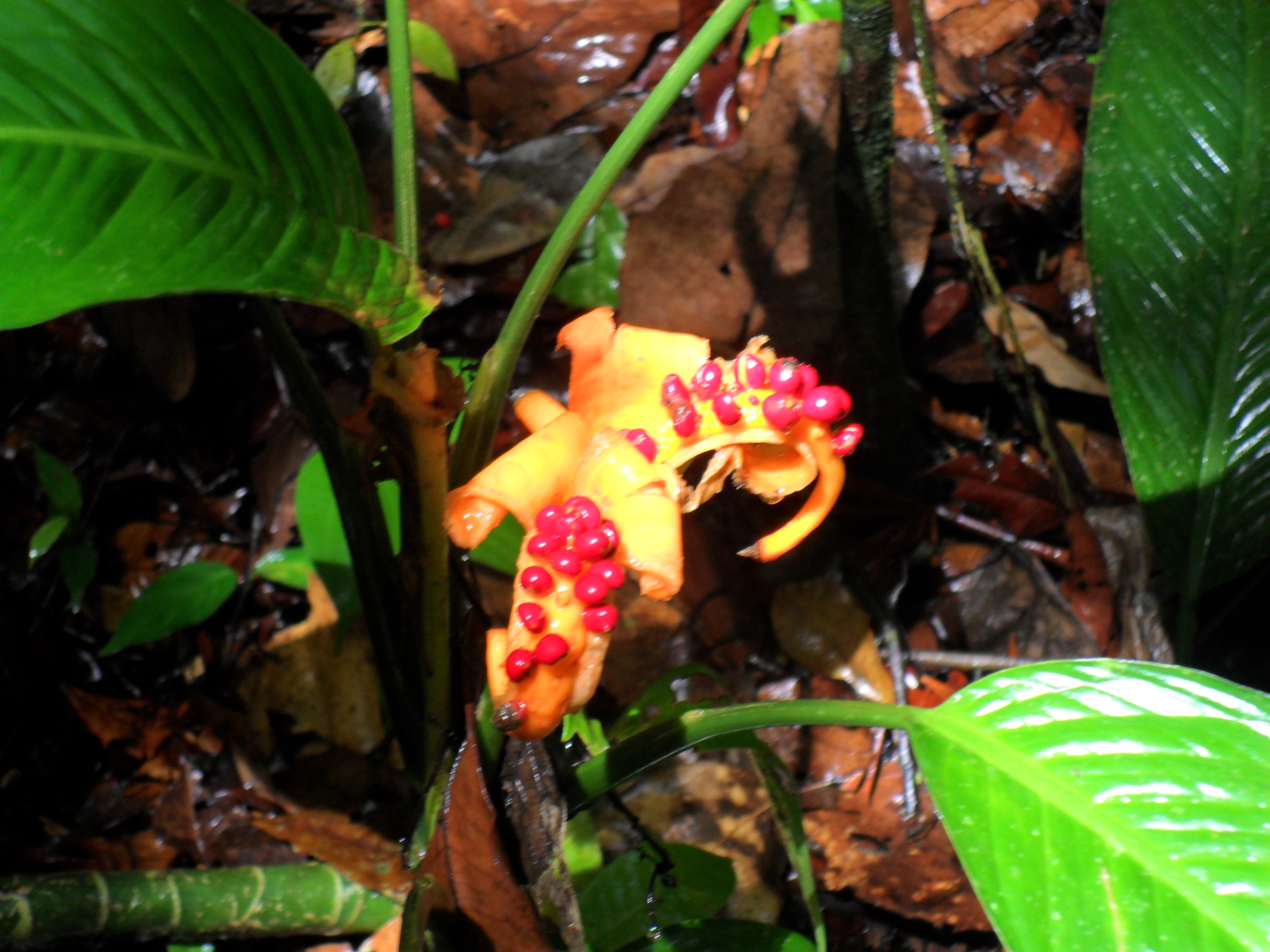
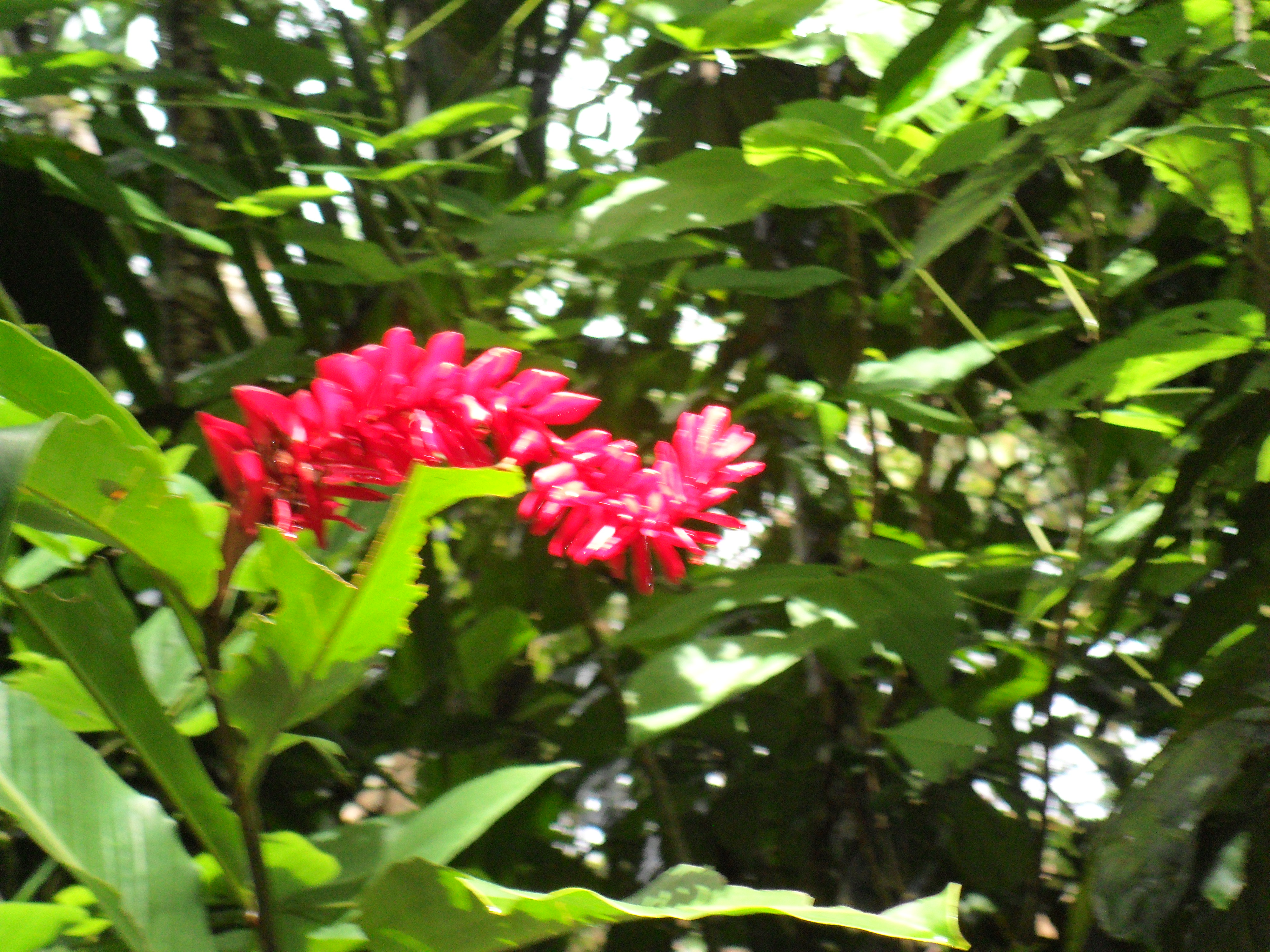
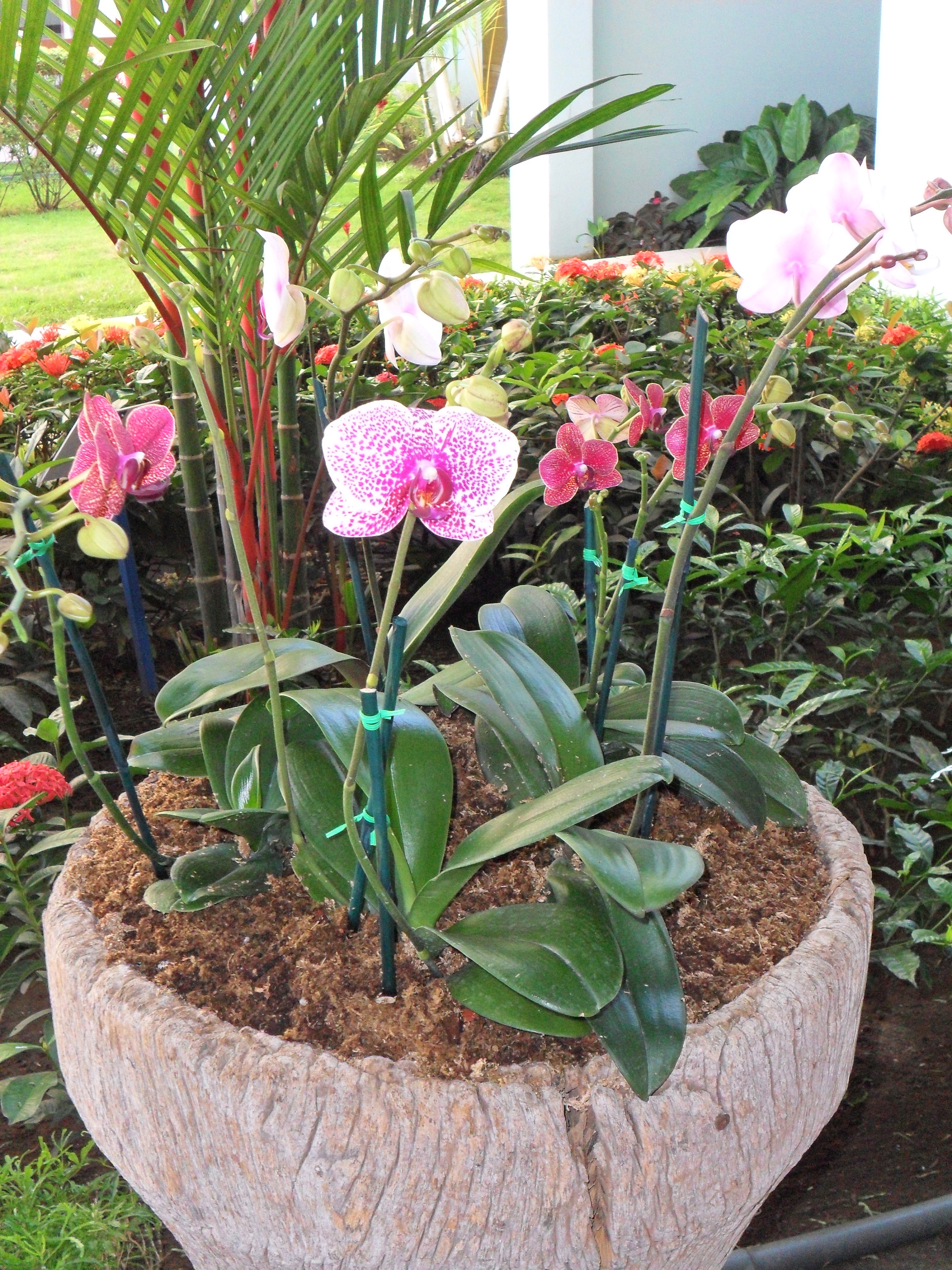
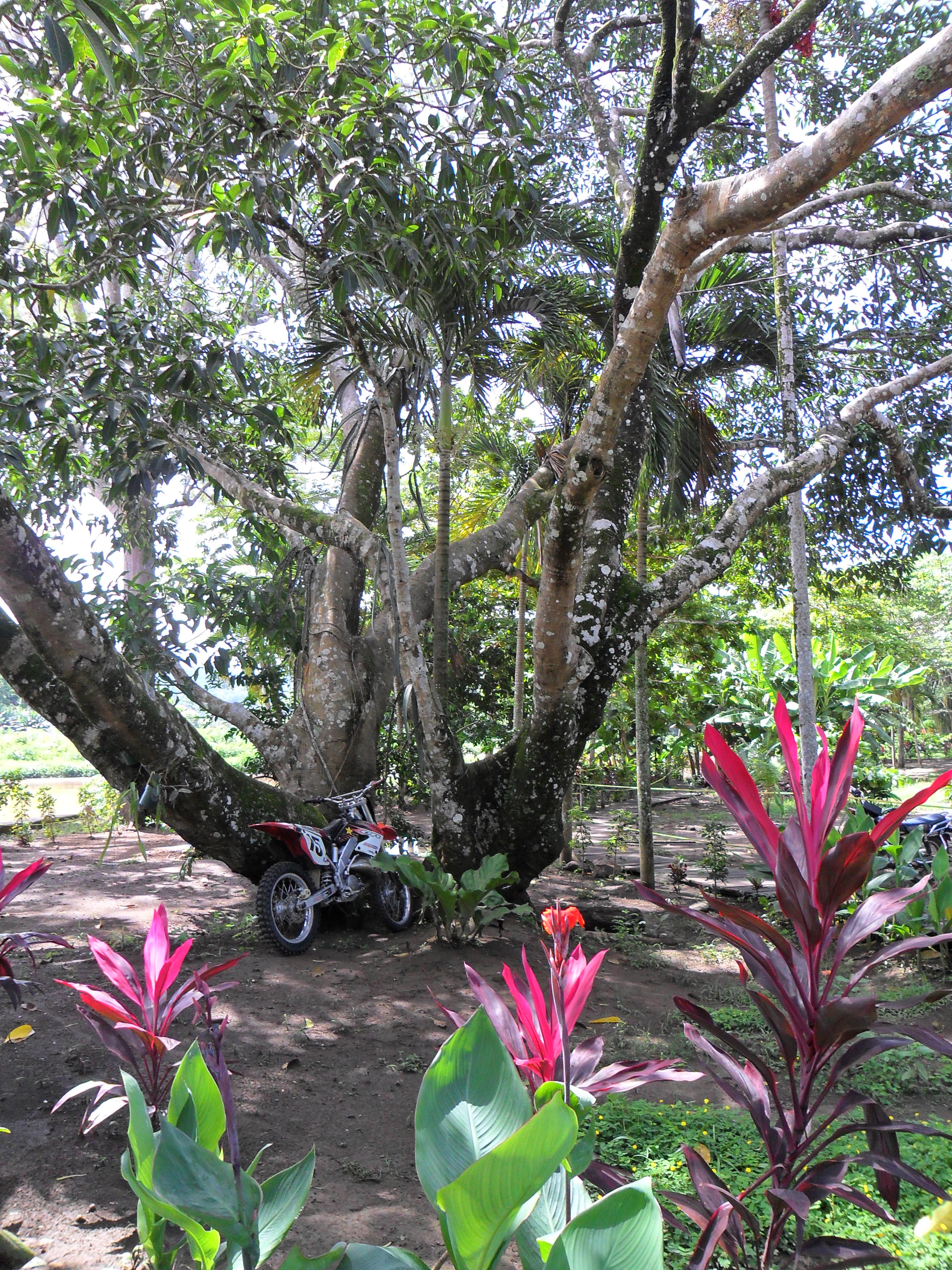
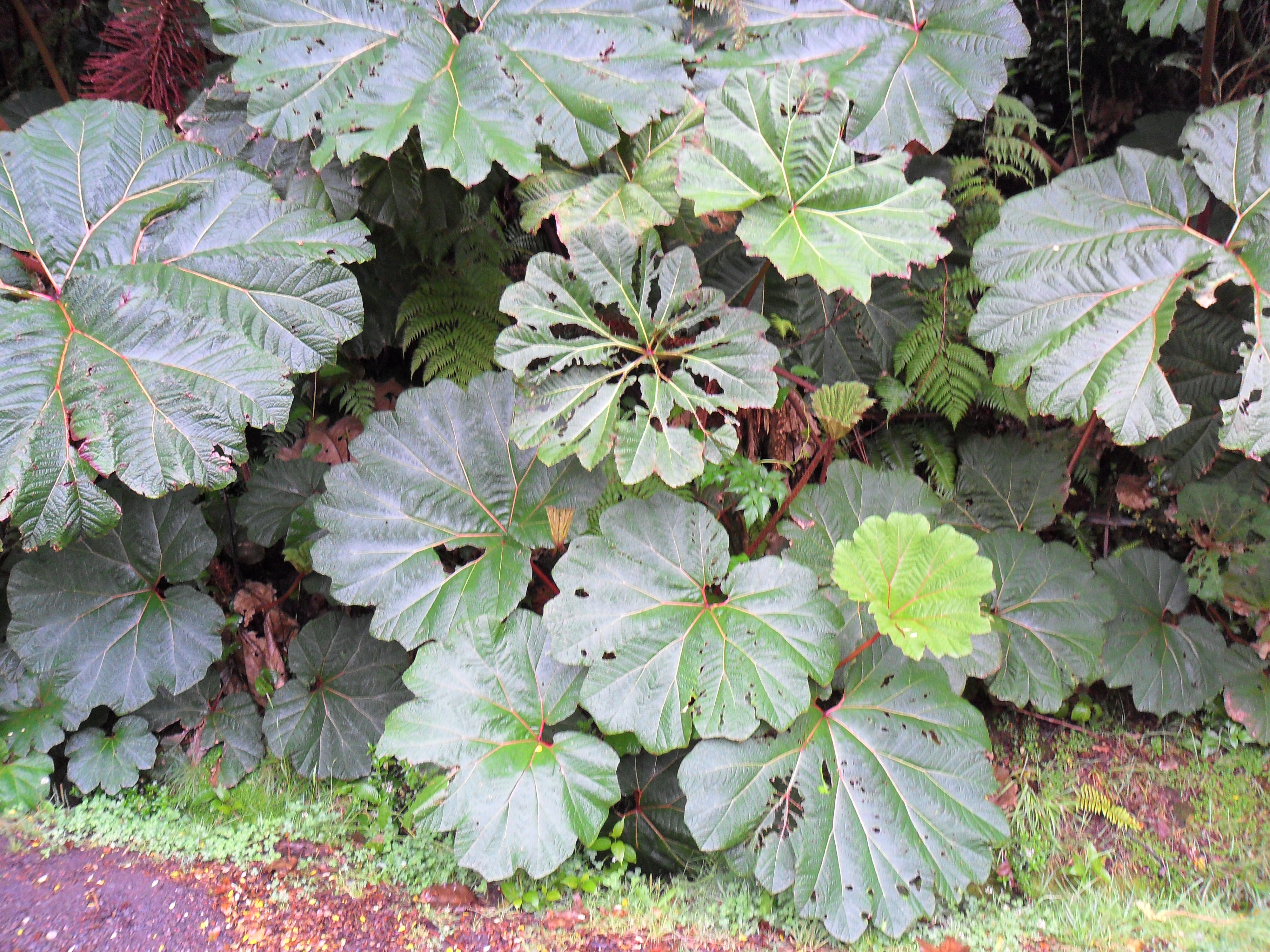
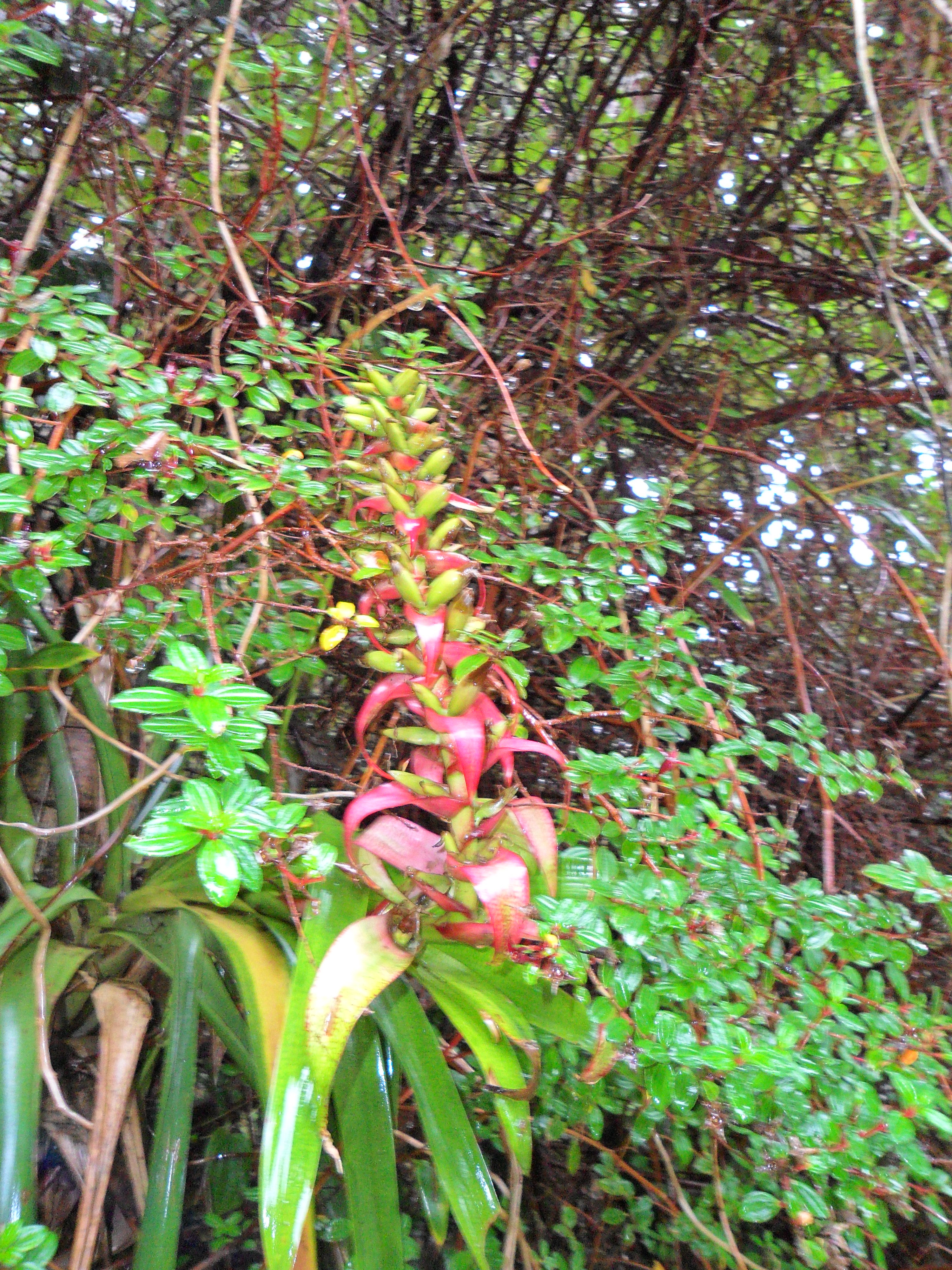
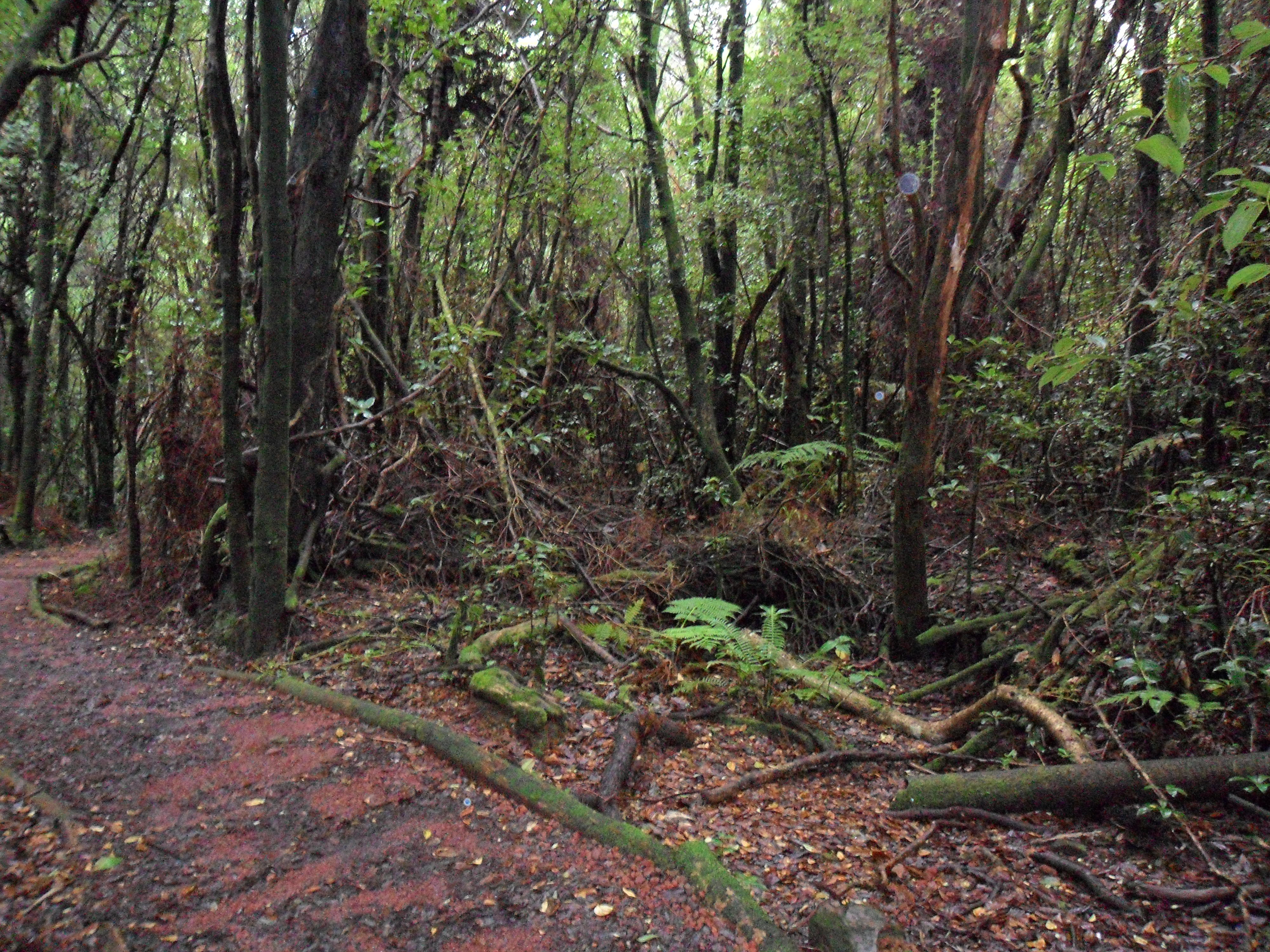
For a person who loves flowers (and I do), Costa Rica exemplifies a lush, green heaven.  This intense green makes the flowers show up more than they would in a duller landscape.  Whether in the high mountains near Monteverde or down in the coastal lowland jungles, flowers abound.  So many flowers everywhere made me want to photograph them all, but there are too many; I photographed a few.

My friend, Anabel McMillen, the professional photographer, just about went nuts there were so many spectacular things to photograph.  Last count I think she hit over 1000 photographs.

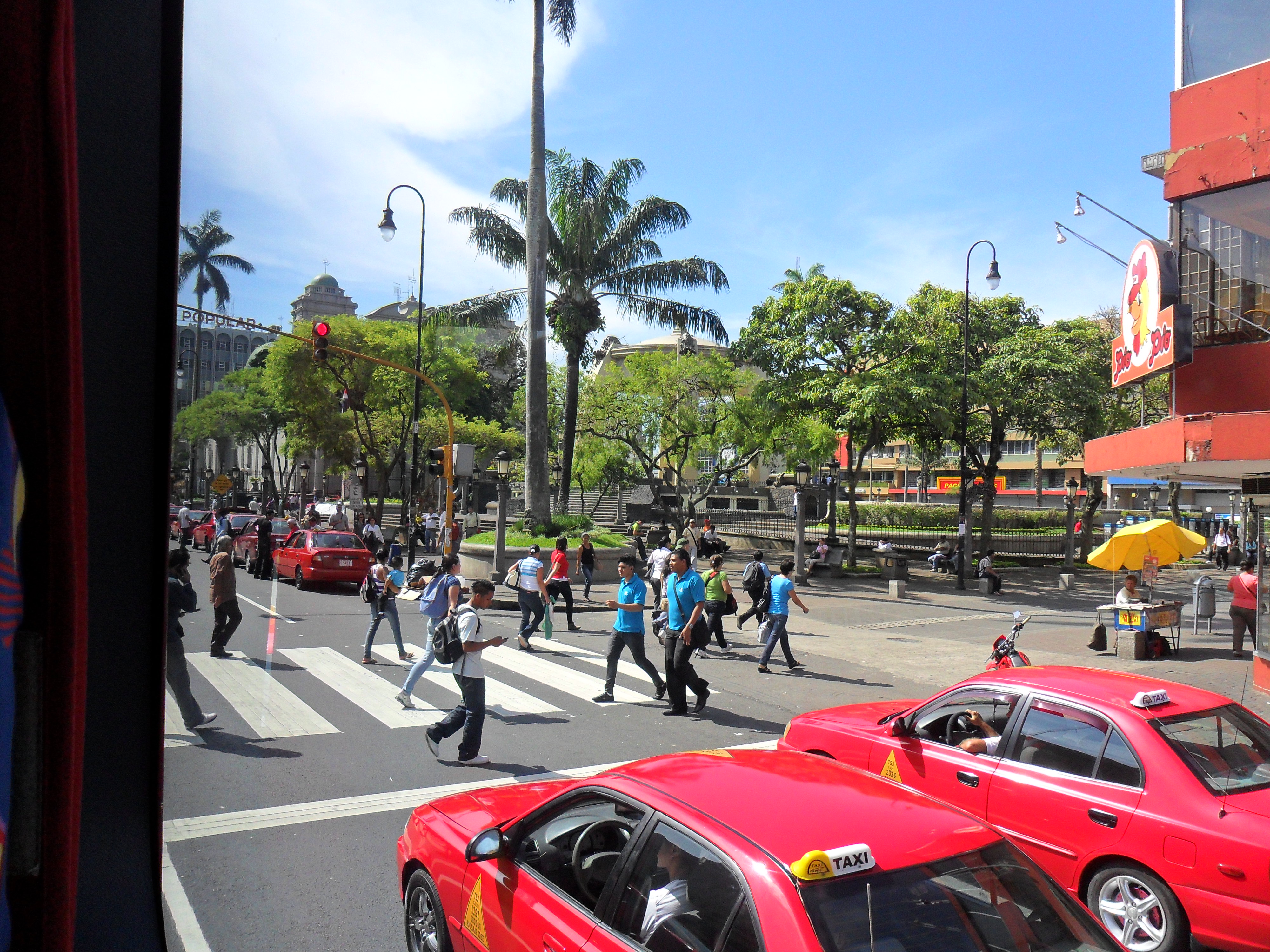
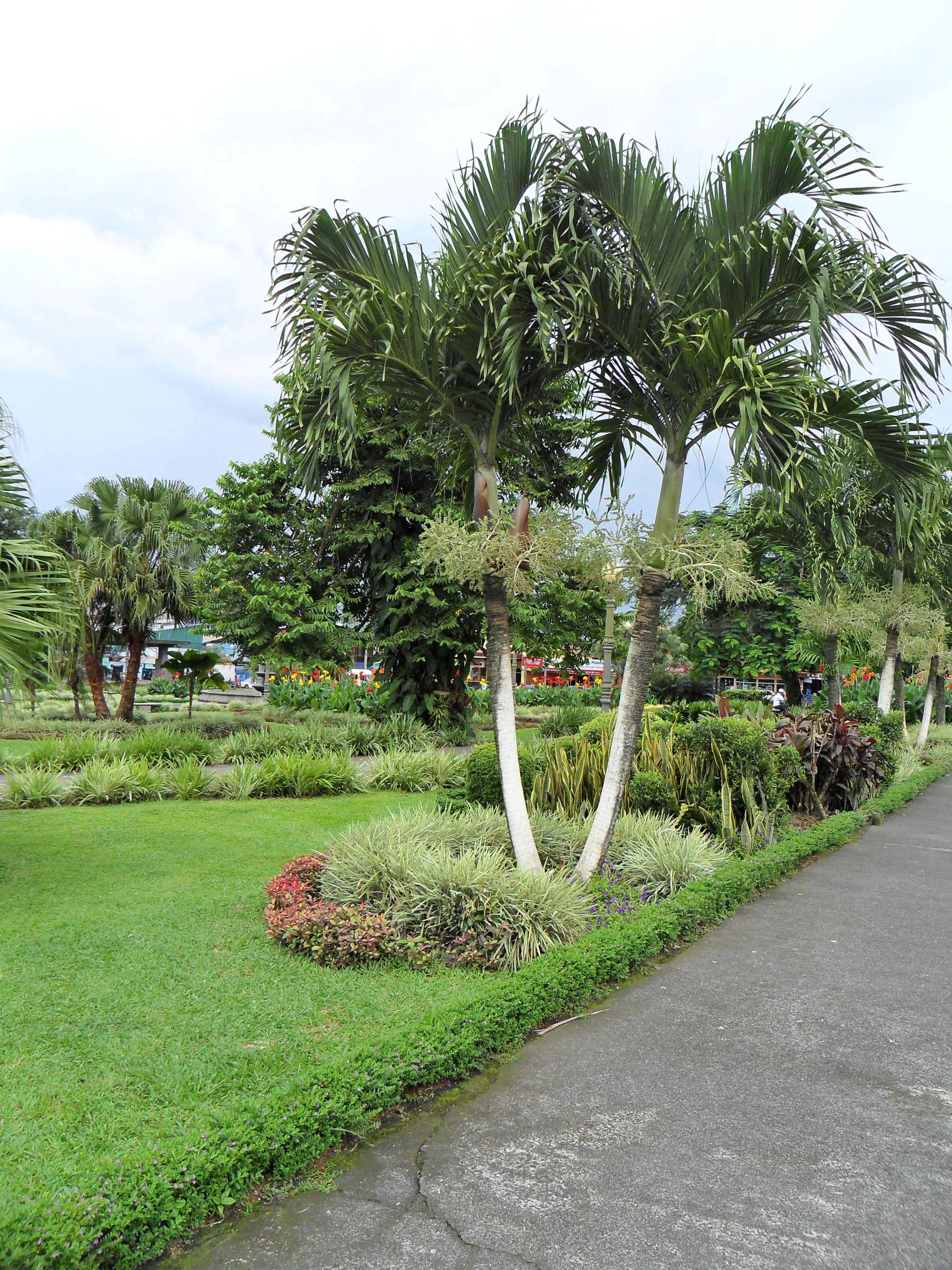
While wild flowers grow everywhere, the people also take great pride in both their personal and public gardens.  Even at the simplest country house, flowers and other plants could be found growing in profusion.  Almost all towns, like La Fortuna in the photo above and the one below near Arenal Volcano, create a public square with a church and gardens.

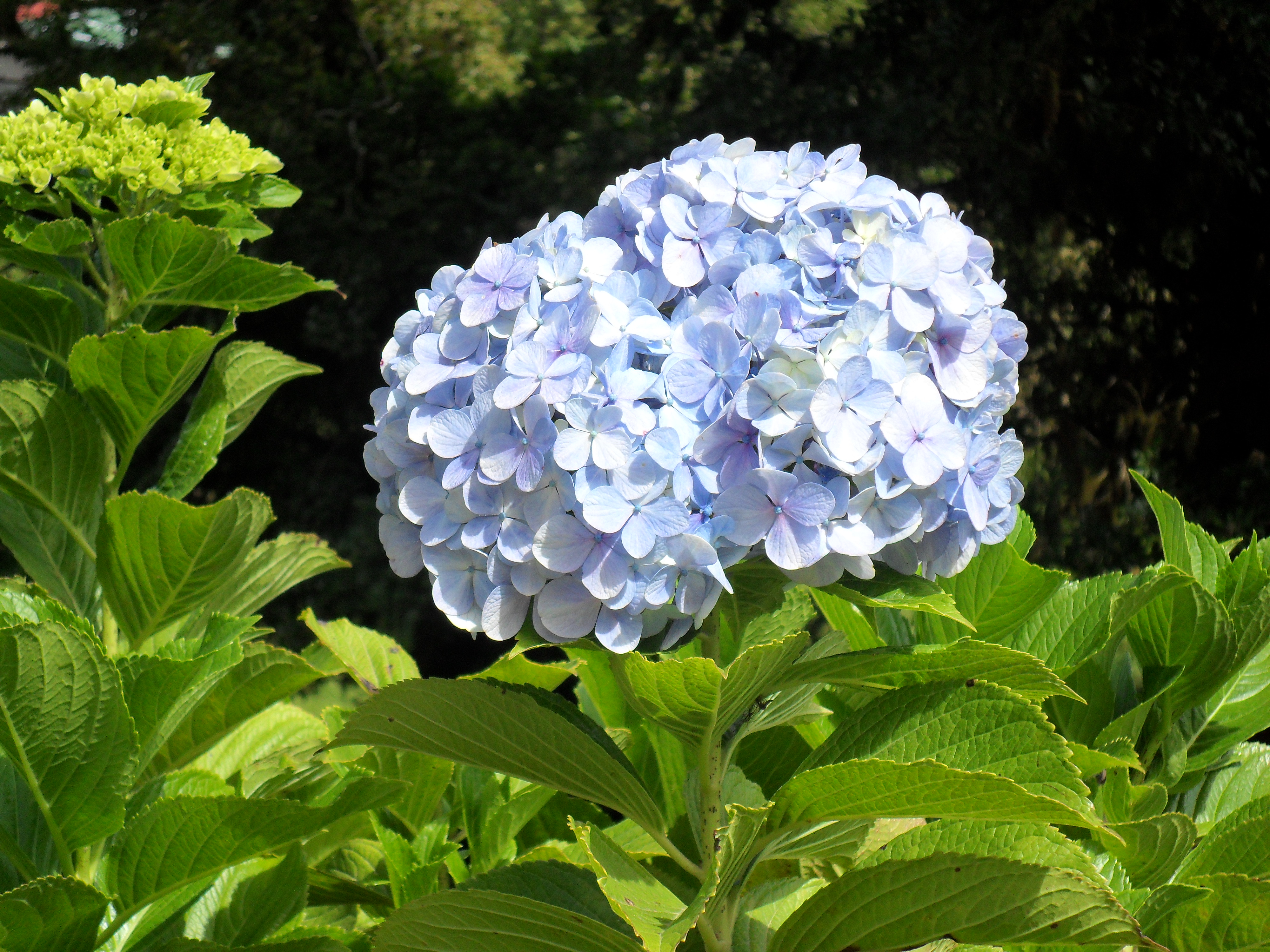
Hydrangeas like this one above grow along the roads everywhere near Monteverde.

Not only are the flowers frequently much larger than the same flowers grown here, but in the lowlands, in particular, many of the trees seem huge.  Costa Rica also cultivates flowers for export.  Net covered fields of ferns grow all over the steep mountain slopes.

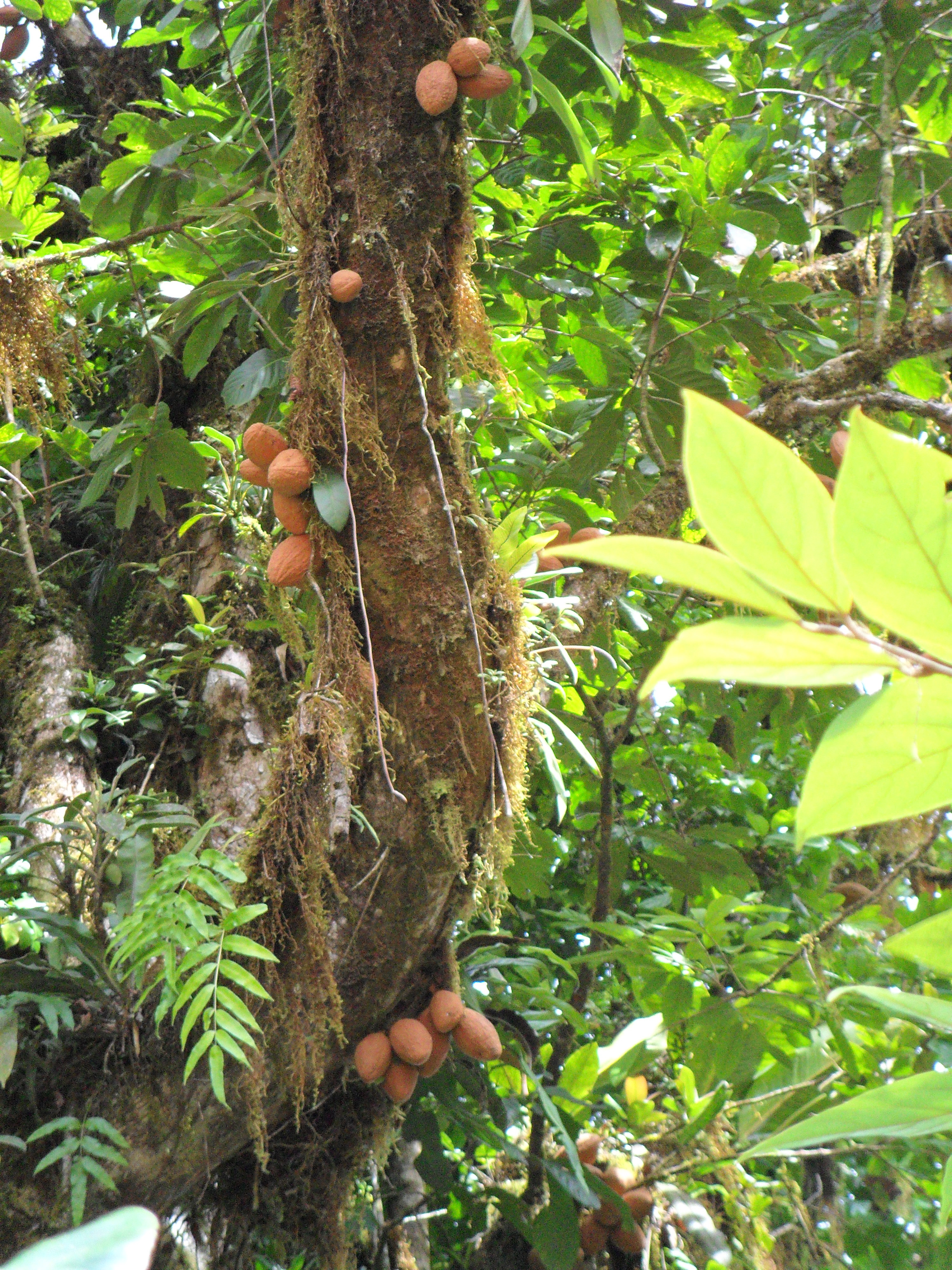
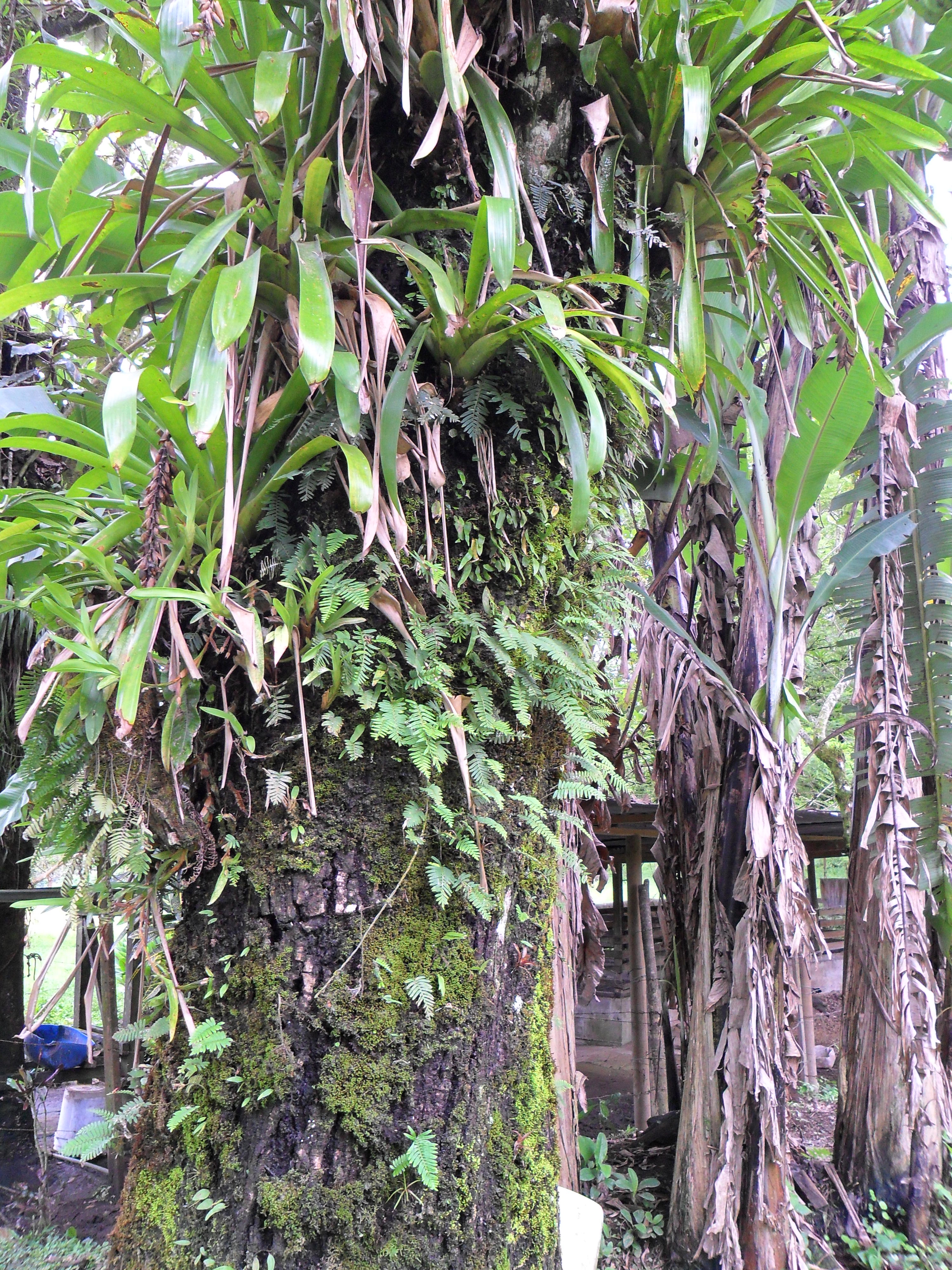
In the highlands near Monteverde more than one hundred species of plants can be found growing on the surface of one tree as shown in the photos below.

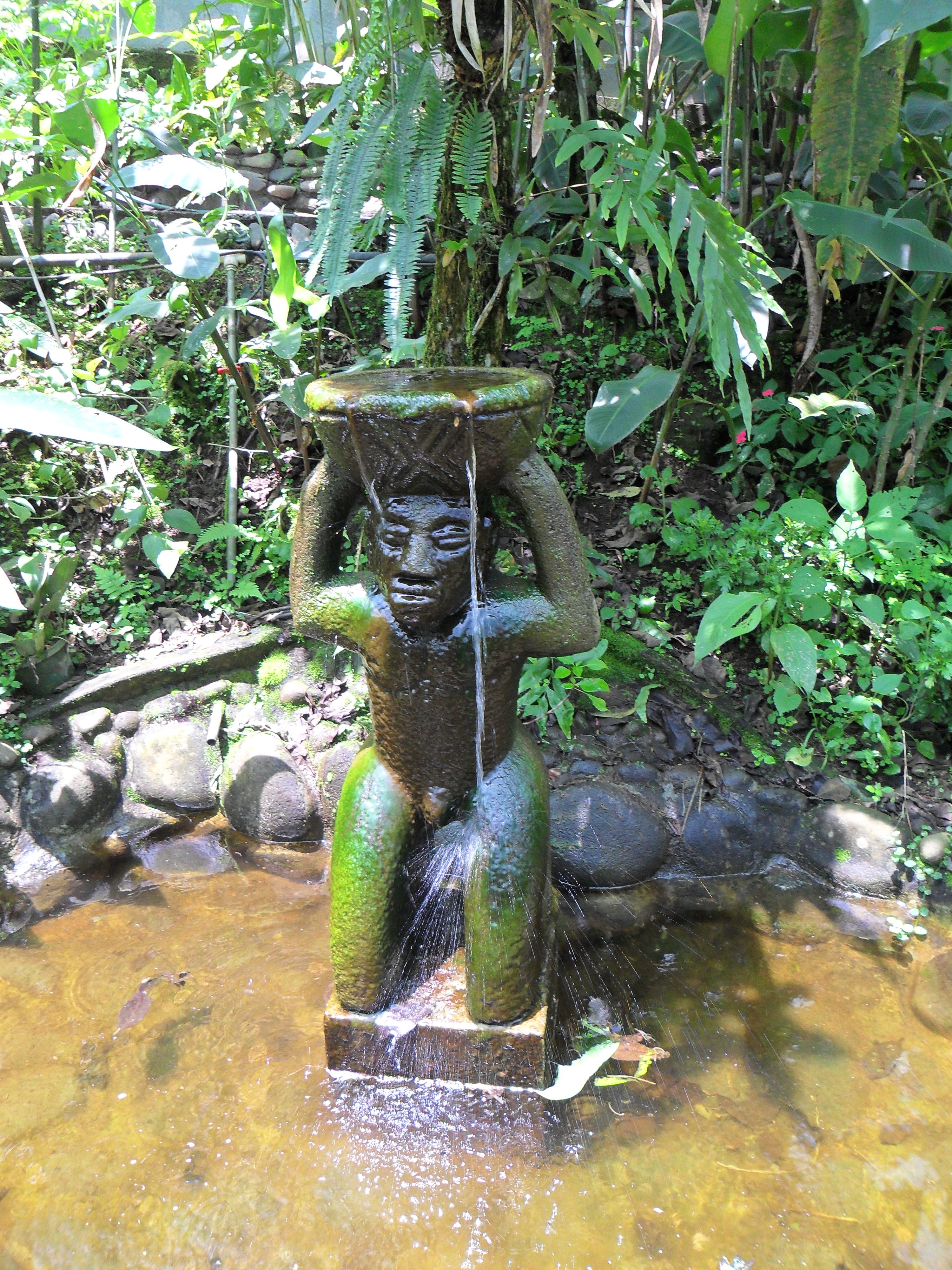
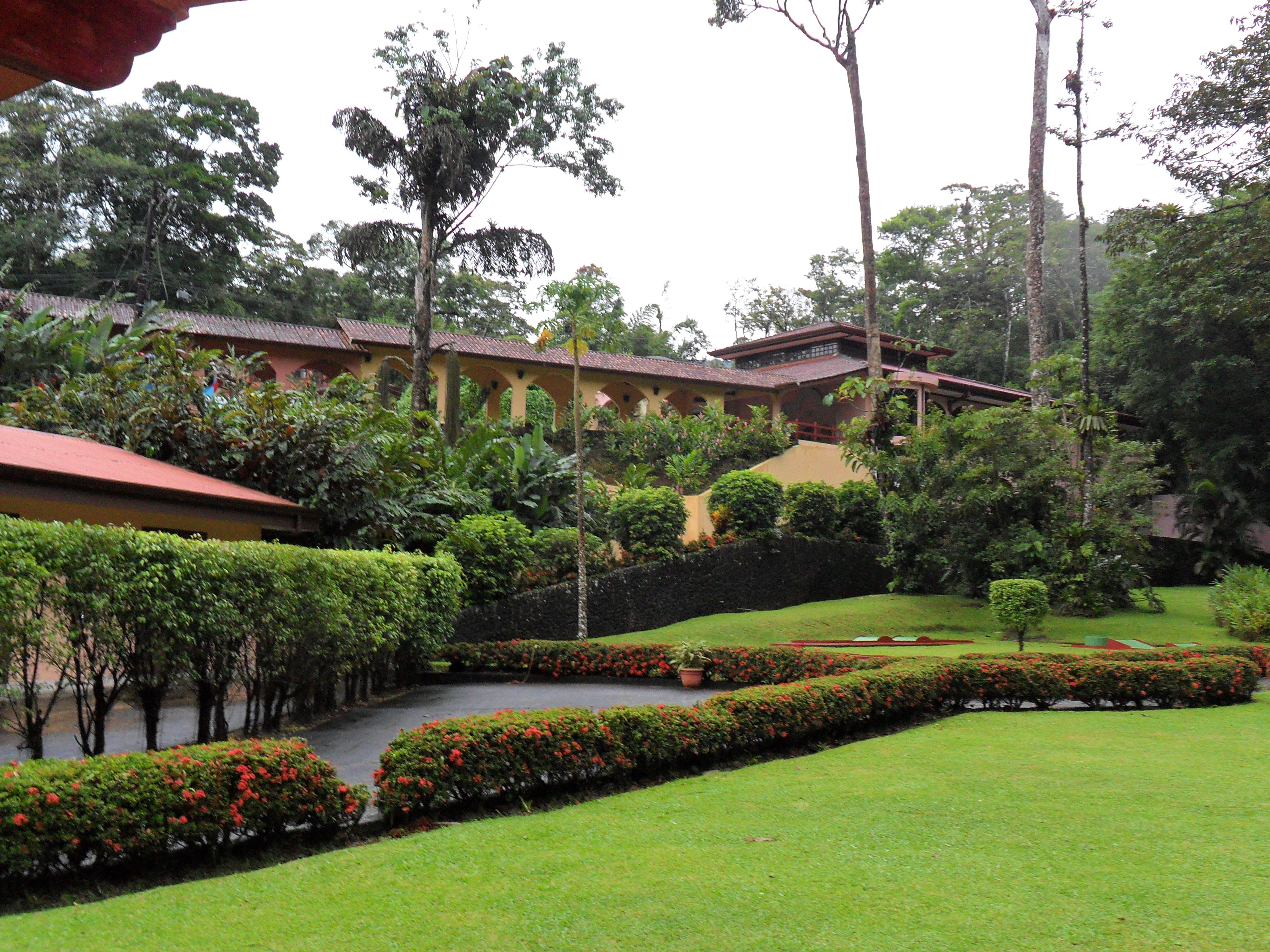
Twice we stopped at a place called El Jardin, once on the way to Monteverde and another on the way back to San Jose from the Pacific Coast town of Jaco.  In addition to their beautifully landscaped outdoor gardens, they possessed a small greenhouse filled with butterflies and a sculpture water fountain in an indigenous style seen throughout the country.

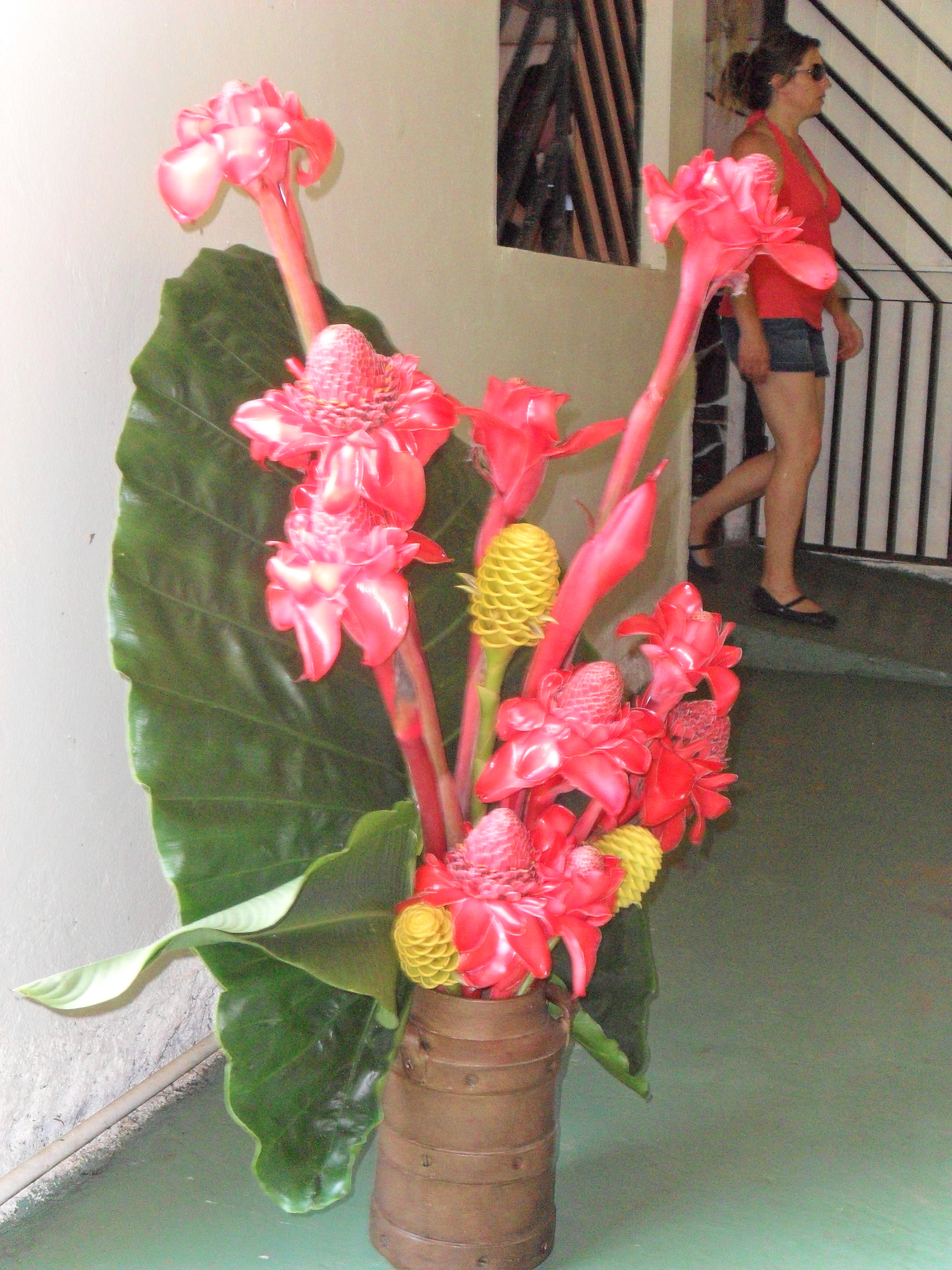
As I looked at the following bouquet where we ate lunch near the Sarapiqui River on the Caribbean side, I touched it because I remained unsure as to whether it could be real.  It was.

PURA VIDA!!

Pura Vida: 3, The Volcanos of Costa Rica


Of the six active volcanos in Costa Rica (61 are dormant), this month I visited two.  Poas, a caldera volcano about 1 1/2 hours from San Jose in the Central Highlands, rises  8, 885 feet and is one of the largest and most active.  Its crater contains water and rising steam. Lush rain forests surround the volcano.  It rained the entire time I was there.

Arenal rises 5, 437 feet above the surrounding forests and verdant hills.  It has been the country’s most active volcano for more than 40 years.  In 1968, a large explosion buried three villages and killed 87 people.  More recent eruptions have been much less severe.  Smoke drifts skyward daily.  Arenal is a strat0 volcano, tall and symmetrical.  The lake near Arenal is manmade and an excellent place for kayaking in relatively serene waters.  The lake provides 12 per cent of Costa Rica’s electric energy.

Due to Arenal’s geothermal activity, the surrounding area contains a number of hot spring resorts, one of which is El Tocano, where we stayed two nights.

This place is delightful and relaxing.  The bar tender made yummy margaritas.  If you want to drink wine, Costa Rica is not the place.  However, the national beer, Imperial, tastes quite good and I do not usually like beer.

Pura Vida: 2, Comida (Costa Rican food)


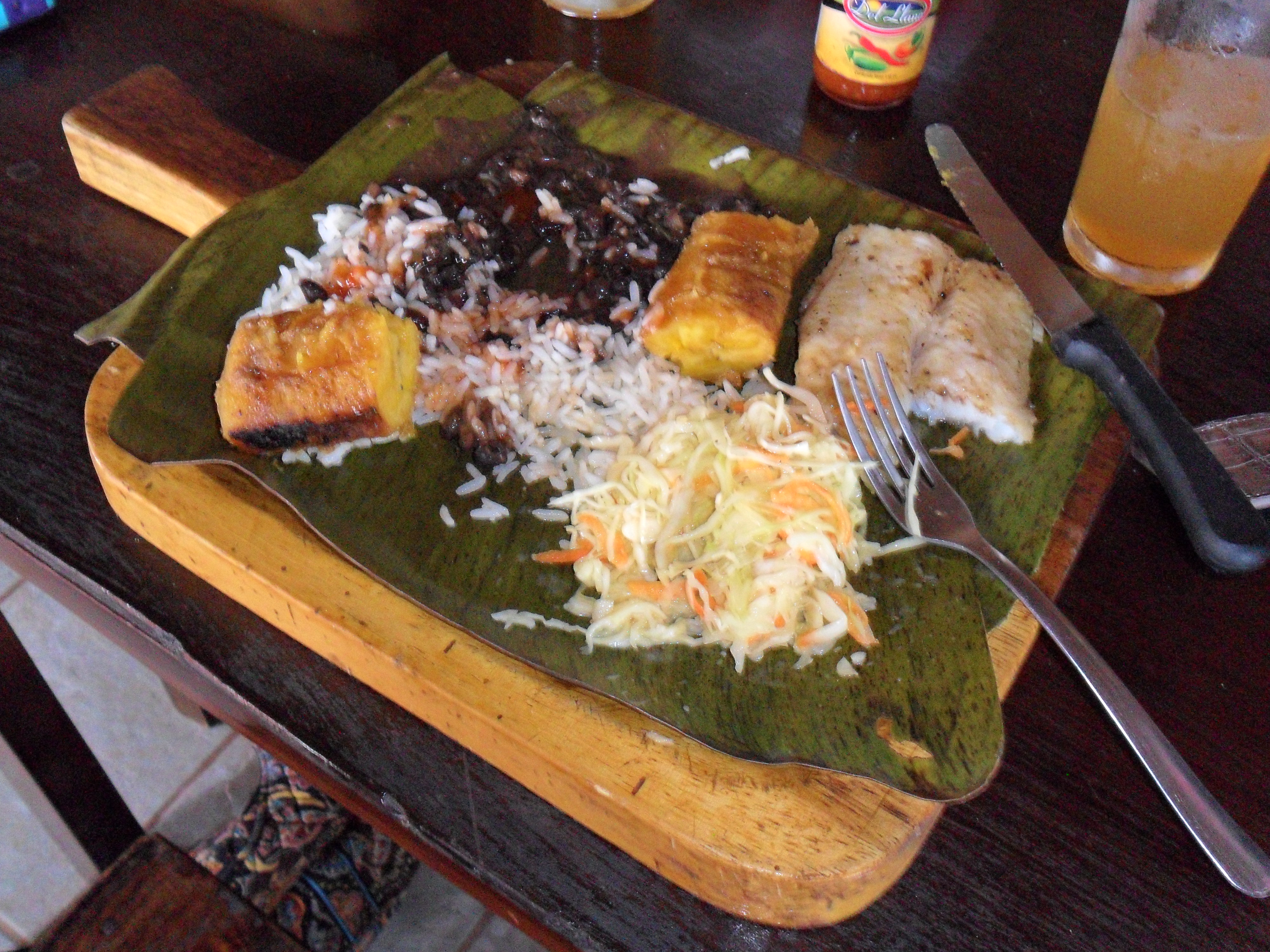
Costa Ricans appear to be very, very healthy.  Their food mainly consists of rice, black beans, salad, cooked vegetables, chicken or fish, fruit (usually pineapple, papaya, mangoes) and sometimes fried plantain.  In fact fried plantain was the only fried food, except occasionally cheese.  The food is plain with few spices, even though hot sauce, especially their version of tobasco,  is often available if you want it.  The national dish is gallo pinto:  left over white rice mixed nearly equally with black beans and sometimes a little chopped onion and bell peppers sautéed in oil.  This is a breakfast staple, but frequently served three times a day.  Sometimes, although black beans and rice are usually served at lunch and dinner, they are not mixed together then.  Often salad is their version of cole slaw, but tastes nothing like cole slaw here.  Usually both cabbage and carrots are very finely shredded and mixed together.  I never did quite figure out the dressing, in part because it varied greatly.  When the salad was with lettuce, it was also more finely chopped than we usually do here in the US and served with various dressings including olive oil.  The freshness of the salads stood out–no little bits of brown edges in Costa Rica.

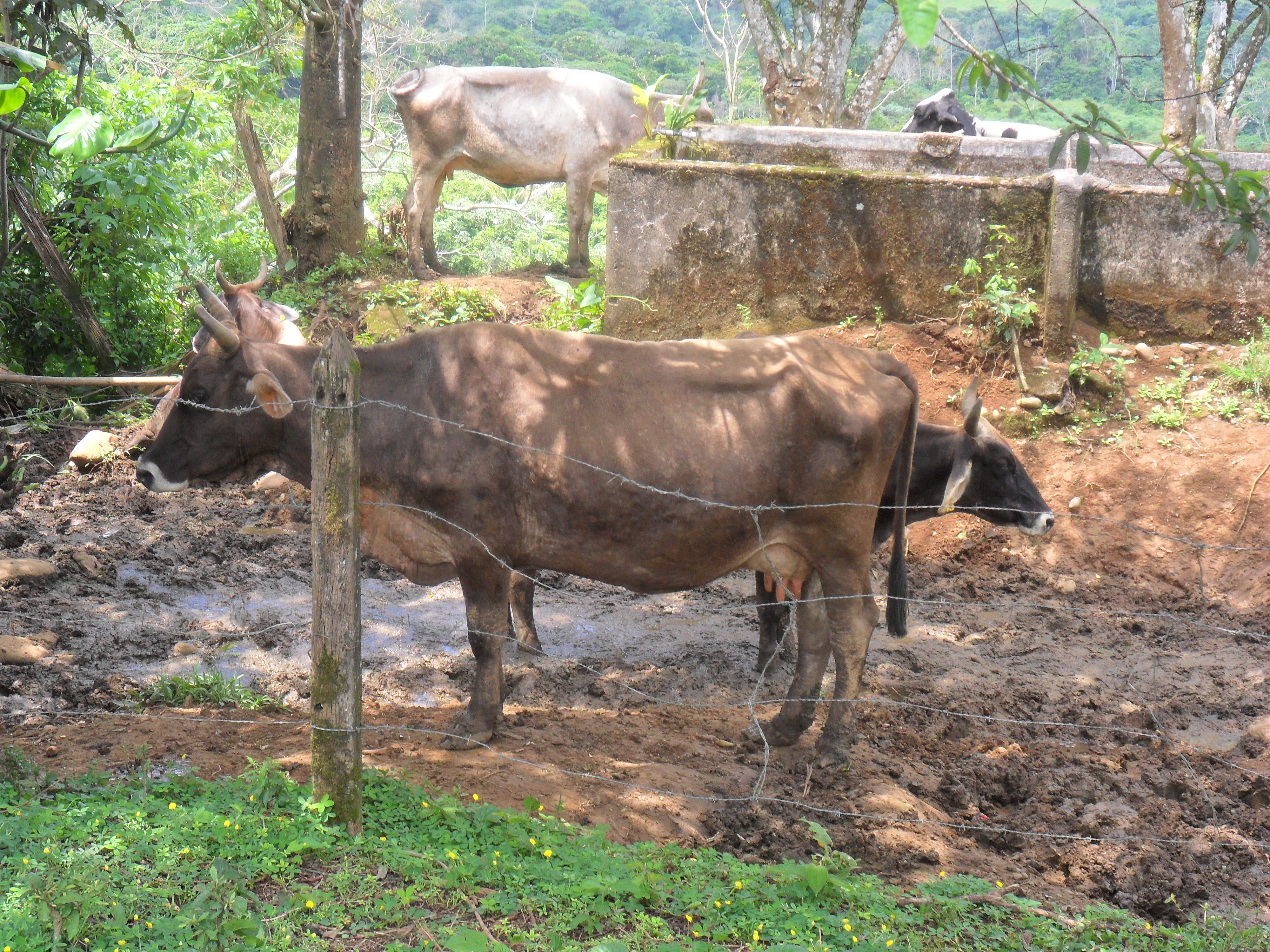
The coffee, well, just lets say, I miss it.  Pitchers of steaming, strong, mountain grown coffee served with pitchers of steaming, rich milk.  In the mountains everywhere Jersey, Guernsey, and Holstein cows roamed up to their tummies in grass.  Happy cows for sure, producing rich milk for coffee and rich white cheese, which is served for breakfast.  Yes, breakfast, sometimes plain and sometimes fried.  Oh, and I cannot forget the ice cream.  Beyond creamy and smooth and rich.

There are sweets, usually made as snacks with coconut especially.  This was my favorite.

Obesity appeared to be non-existent.  I did see a few chubby people but no one really excessively over weight.  Perhaps diet is one reason, but they walk a lot even though most have cars.  They appear to drive them only if going some distance.  In the mountains I saw a lot of people riding horses.

The biggest food adventure for me occurred while waiting around near a little family owned restaurant at the top of a mountain.  All but four of us and the bus driver had gone river rafting.  We disembarked from the bus and walked around to kill time, chit chatting about this and that in Spanish.  Suddenly the restaurant owner came out with his grandson, unlocked the fence gate, and invited us in.  While sitting at the bar conversing with him and Hector, the bus driver, I noticed the menu posted on the wall.  It included huevo de tortuga.  Previous information given to us indicated that Costa Rican law protected turtles (tortugas).  I asked how he could serve this.  He told me it depended on the species of turtle and that he could acquire only a limited amount of them.  Suddenly, in front of me, Lisa, the other woman who did not go rafting and is pregnant, and Hector appeared three glasses that looked like giant, triple sized, shot glasses.  Each one contained a raw turtle egg immersed in red hot sauce the consistency of tobasco sauce.  Instructions and gestures indicated this was to be downed like a shot of tequila.  Lisa stuck her tongue in the sauce and said it was ok.  She downed hers first and said, “This is not all that bad.”  The restaurant owner told her it held great nutrition for her unborn baby.  I translated.  It became very clear to me that I had no choice but to down mine as well.  Hector downed his; then I mine.  Lisa’s assessment was correct; it was ok inspite of the turtle egg feeling like a rather solid but squishy mass as it slid down my throat.  The hot sauce made it possible.  Lisa downed a second one; Hector and I declined.  This experience remains one of the highlights of my trip:  relaxing in the middle of nowhere with a local family in their little restaurant.  Pura vida!!!!

Pura Vida


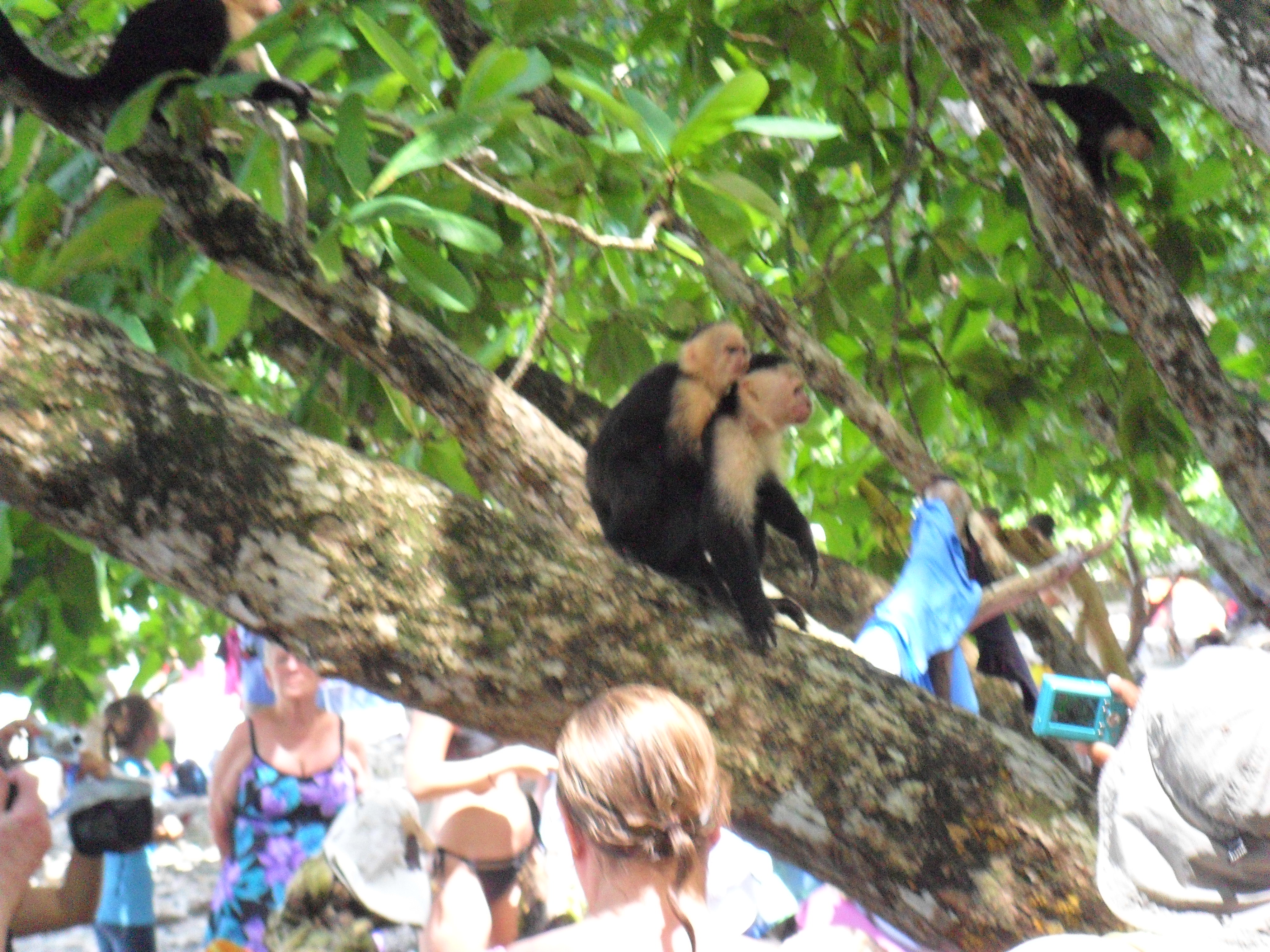
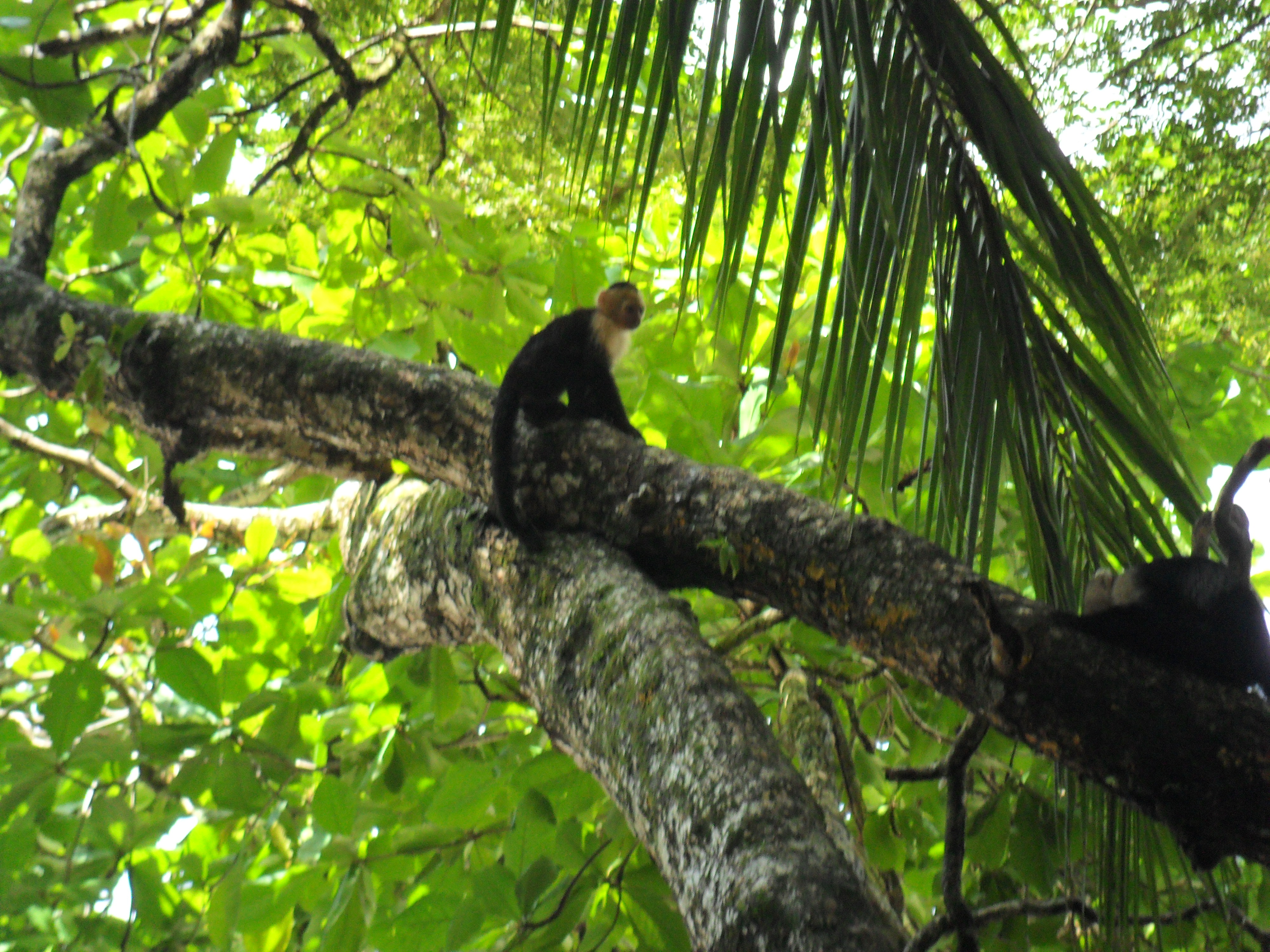
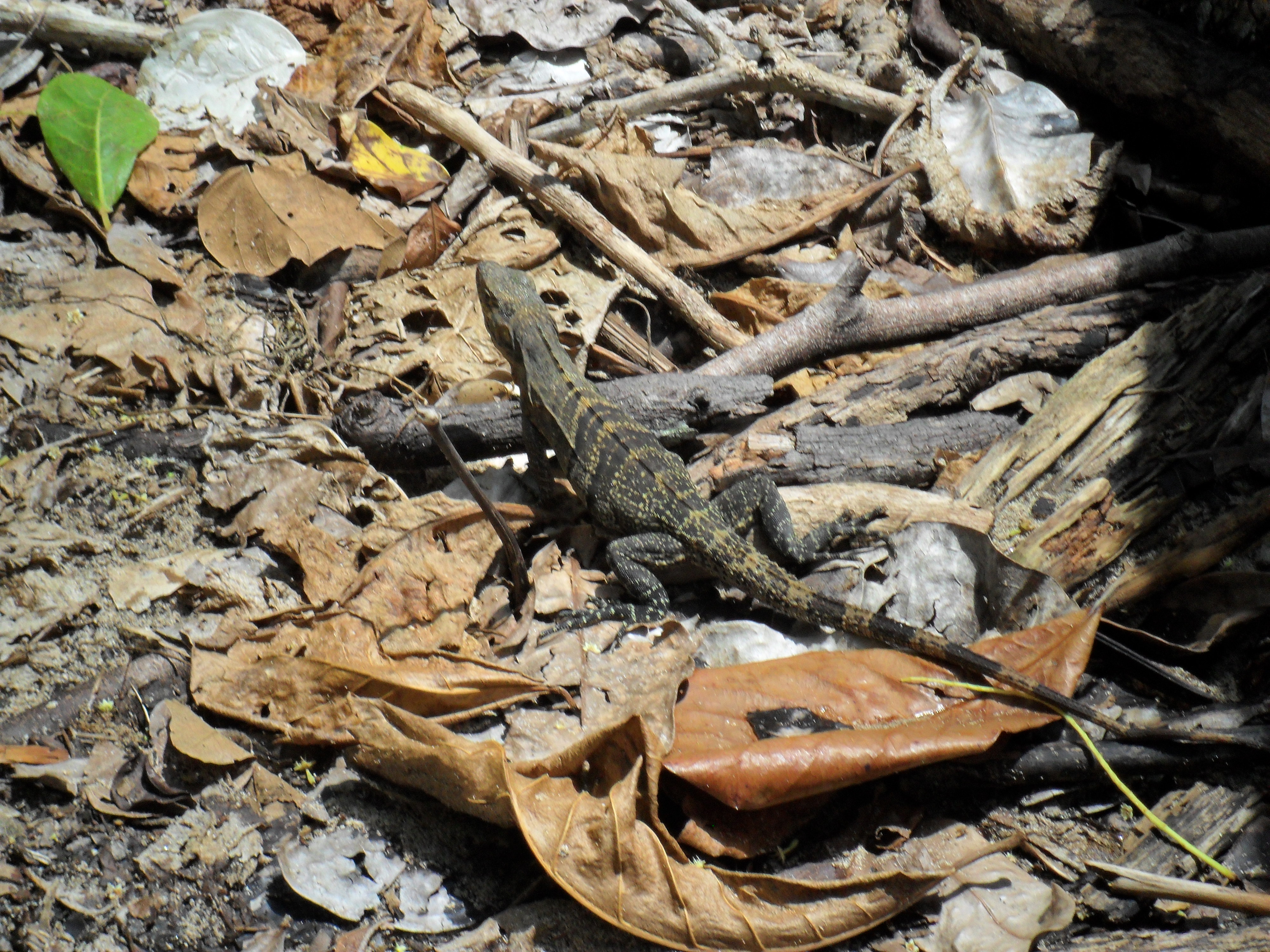
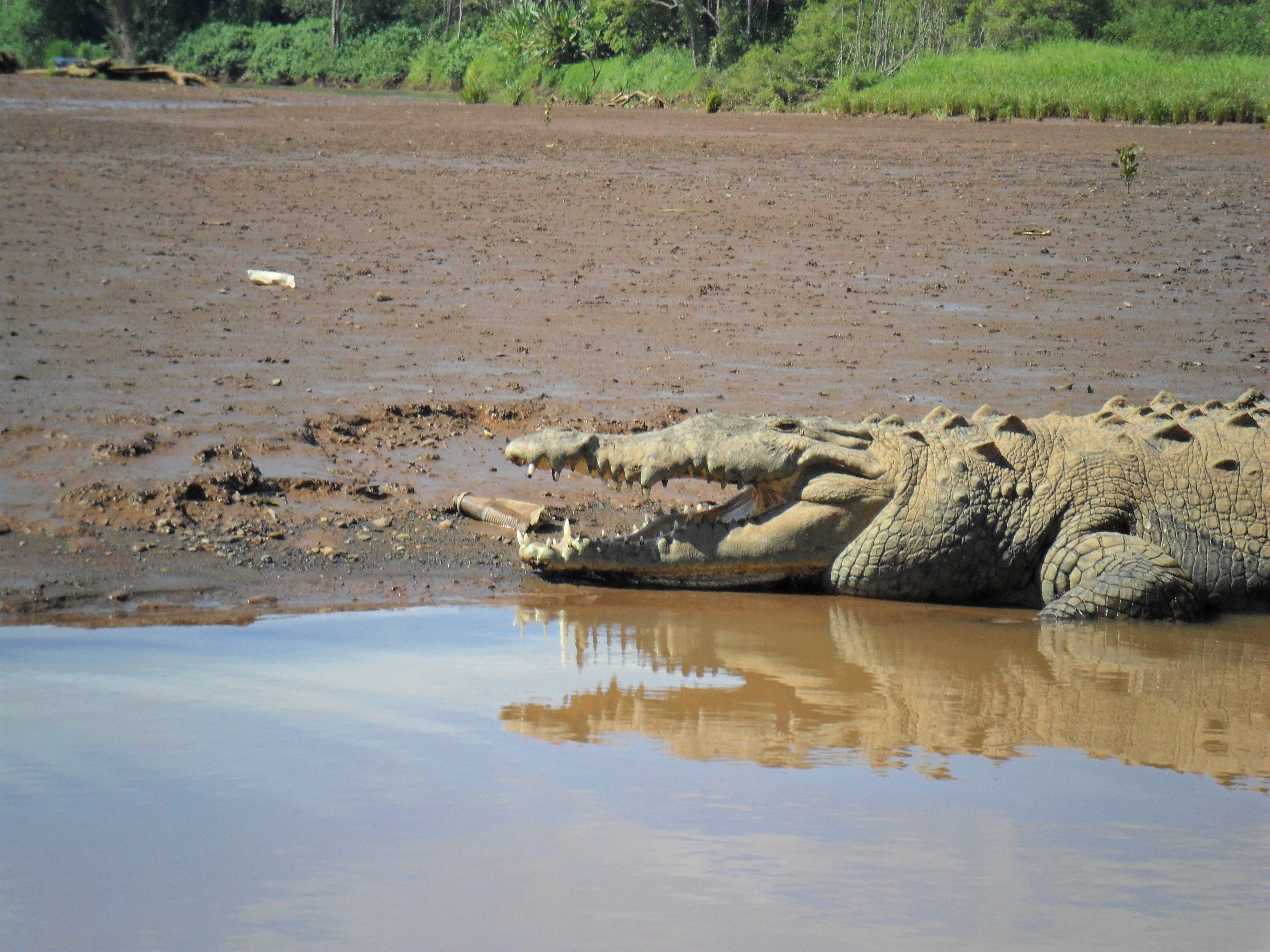
Everywhere in Costa Rica one hears Pura Vida.  It seems to be the national motto.  I have been here for a week.  This is the greenist, healthiest, cleanist, enviromentally conscious, most mountainous place I have ever been.  Few people smoke, there is no salt on the table anywhere, the food is mostly rice, black beans, fruit, and vegetables.  No hot peppers here unless they are on the Caribbean side where I have not gone yet.  When I return home later this week, I will post photos with written details, including some food photos and explanations.  Today I saw howler monkeys, iguanas, other lizards, numerous birds, white faced monkeys, sloths, and agoutis.  Tomorrow will start out by going to a place with lots of crocodiles and scarlet macaws.  This time of year it rains incessantly.  I have been soaked several times and nothing dries out. Even though I am not a lover of rain or being wet, it is impossible not to love this place.  Pura Vida.

DEATH


I was afraid of revealing me, the essence of me.  Who even, indeed, was I?  My mother told me, when I started dating, to hide the essence of me, boys wouldn’t like it.  Too smart; too aggressive; too full of myself; too intense; too serious; too burning inside strong; too adventuresome; too nasty a temper; too full of desire to feel, taste, see, learn; too much in love with a world of possibility.  I took her advice, married a genius scientist, safe, timid, disadventurous.  He liked me because I could shoot a bird off a wire hundreds of feet away.  I time, we all died, him, me, the bird.


This piece was a finalist in a flash memoir contest.

Horses in Heaven


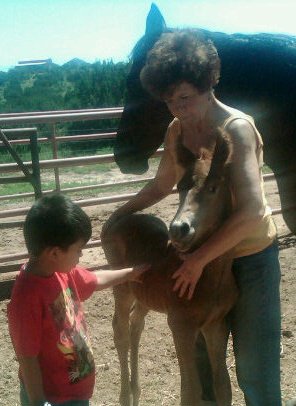
Heaven for horses seems a bit far fetched, especially for someone who lacks certainty about heaven  even for people.  Nevertheless, it remains a comforting concept.  Yesterday, I buried Starry Miracle, less than two, an orphan I bottle fed every 3-4 hours day and night when his  mother, Miracle, died.  He not only survived, he thrived.

Around 4:30 Wednesday, friends went to my place to ride Rosie, a chunky, red roan mare.  They found Star dead.  It appeared he had been playing, jumping, and rearing, and freakily caught his ankle in a space between the pipe gate and fence, broke it and ruptured his femoral artery, then bled to death.  When they called to tell me, disbelief set in.  As a horse owner for many years, I know the common causes of horse deaths, colic mainly, from which Miracle died three days after his birth.  I have inspected fences and corrals for safety many times.  The possibility of such an accident never even entered my mind.

His body stiff, distorted,  his coat, lusterless, bore no resemblance to his burnished copper body, glinting in the sun, following me, nipping if I ignored him.  Often, I thought he thought I was a horse or he a human.

The two surviving horses spent hours standing in the spot where he died, licking the pipe fence from which I had hosed off his blood, smelling the ground, neighing.  They even failed to rush to their hay when I fed them.  Eventually, I opened their gates.  They ran across the rugged canyon land constantly for fifteen minutes, dream horses running in the wind.


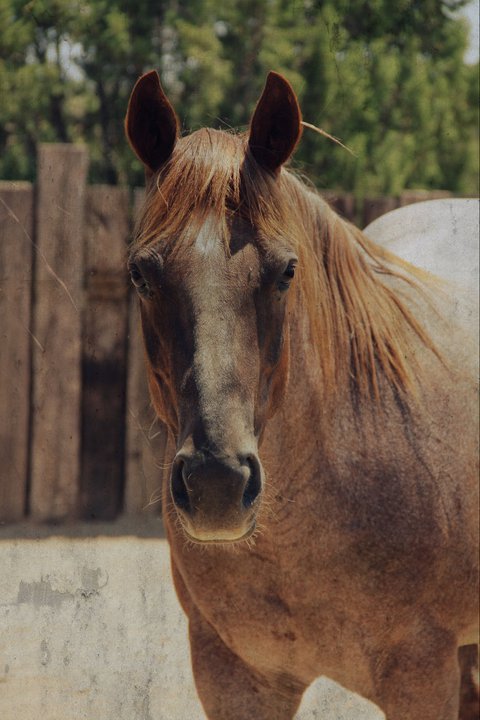
Miracle, Star’s mother, deceased, July 2010.  Rosie who “adopted” Star after Miracle died, and Cool, the other orphaned horse I raised.

Miracle and Star as a newbornRosie, who "adopted" Star after Miracle died.

Blood Quantum


This poem is dedicated to Sherman Alexie whose poem, “13/16” begins with:

“I cut my self into sixteen equal pieces…”

My grandson cuts himself into 16 equal pieces:

4/16 Urhobo from Africa

4/16 Spanish from Spain

4/16 other European—two Swiss

German great great-grandfathers

(Werth and Kaiser), Irish, English

and who knows what

3/16 Mexican—whatever  mixtures that may be

1/16 Navaho


Who am I?  What am I?

Who are you? What are you?

Do we really know?

Who sets the rules?

-white men

-black

-Indian

-Native American

-Irish

-English

-German

from where and for whom?

He looks Navaho:

-blue black straight hair,

-pale brown skin,

-obsidian eyes.

One four year old girl asks him,

“Are you an American Indian?”

His six your old self says nothing.

She repeats,

“Are you an American Indian?”

He says, “It’s complicated.

The Navaho won’t claim him, too little blood.

He needs ¼ , not 1/16.

Caddo and Fort Sill Apache allow 1/16, not Navahos.

¼ blood is for

-Sioux

-Cheyenne

-Kiowa

-Navaho

1/8 works for Comanche and Pawnee.

Some Cherokees only want a Cherokee ancestor.


But he is none of those.

Is he Navaho?

Is he white?

The Old South goes by the one drop rule:

one drop of Negro…

Is a person with 99/100 percent white

and 1/100 black , black?

Who says?

Kids at school ask, What are you?”

He tells them.

They say, “You’re lying!”


I only know specifically about two ancestors,

the Swiss Germans.

Another great grandfather disappeared during the Civil War.

I don’t even know his name.

Who am I?

Who are you?

I think I’ll get a DNA test.

Then I’ll know how many pieces I need to cut myself into.


Pie: A Story of Mothers and Daughters


My mother usually viewed the world from a black and white perspective.  She had a lot of guidelines for how to live a productive and “good” life.   Neighbors and friends saw her as a “good” woman who cared for and did “good” in the rural community in which we lived.  Above all she was a good cook!!

I rarely think about her “rules” for life.  Suddenly I realize I actually “follow” a substantial number of these rules and have passed many on to my own daughter:

This is how you make butter with an electric mixer.

This is how you make a cake:

-grease and flour the cake pan(s)

-cut our circles of waxed paper to put on top of the greased and floured surface–you

do not want the cake to stick

-sift the flour

-soften the butter

-mix the ingredients in exactly this order.

This is what you wear.  You want to look presentable!!

-clean underwear in case you are in a car wreck

-matched clothes

-polished shoes

-purse and shoes that match

-no white anything before May 1 or after September 1.

This is how you present yourself to the world:

-well groomed

-clean fingernails

-self assured

-nice, but not too nice

-polite

-brushed teeth

-lotioned body

-clean hair.

This is how you wash your clothes:

-separate whites and colored items–you want the whites to stay white.

This is how you ride your pony:

-keep your heels down

-don’t lean too far back.

This is how you neck rein.

This is how you hold the reins.

This is how you get your pony to trot.

This is how you get your pony to canter.

This is how you get your pony to stop.

This is how you clean the house:

-vacuum first, dust second

-if you don’t do it right the first time, you will have to do it over.

This is how you work:

-hard

-persistent–never ever give up

-smart.

This is how you breathe to sing

This is how you practice well.

My mom could barely sew and only could play the piano by ear–two lifelong regrets.  I had to learn these things no matter what.  I do not like to sew much, but still play the piano and I love, love, love to sing!

She could cook, especially pie.  Her crusts were tasty works of art.  At potlucks people would get her pie first to make sure they got some.  At potlucks now, people get my pie first to make sure they get some.  My daughter does not even eat pie, but people love her pie and get a piece to make sure they get some.

Raisin Walnut Pie

This is not my mother’s recipe.  She mostly made black raspberry and other fruit pies and coconut chiffon pies.  This is the pie I make every time there is a potluck.  If I do not make it, people ask me about it so I gave up and just usually bring this pie.

3 eggs

3/4 cup corn syrup

1/2 cup brown sugar

1/4 cup butter or margarine, melted

1 tsp. vanilla

3/4 cup raisins, golden or dark

3/4 cup walnuts, broken

1 unbaked pie shell

Stir corn syrup and brown sugar into melted butter.  Beat eggs slightly and stir into the butter/sugar mixture.  Add vanilla.  Mix raisins and walnuts and sprinkle into the pie shell.  Pour the butter/sugar mixture over the walnuts and raisins.  Bake at 350 degrees for 45 minutes or until pie crust is golden and mixture is set.  Cool.

If you goof and do not have vanilla, stir in 1 tsp. of cinnamon instead.

Enjoy!!

The Journey versus the Destination


Until yesterday, I always thought I was a destination person.  Set goals, act, get it all done quickly and efficiently, achieve!!  Suddenly, while driving home from Austin, realization struck in  the form  of wild flowers.  Traveling to Austin, I oohed and awed so much over the blue bonnets, daisies, gaillardia, and others I did not recognize that my daughter finally exclaimed, “Mom, you have said that over and over, really!”  I asked, “Don’t you think they are beautiful?!”  I could hardly believe her response, “Yes, but they’re just flowers,”  Just flowers!!!!  I wanted to stop and look closely at them, to take photos, to touch them.  Instead I said to myself, “You can do that on then way home.” But I didn’t. From Austin to Marble Falls, the road was too winding with no adequate place to stop.  Besides my daughter slept blissfully beside me on the passenger side; I didn’t want to awaken her.  Furthermore, she had previously emphasized the point that we needed to get home buy a certain tine.  Tomorrow, my grandson had school and I had to go to work.  It was a nine hour drive. For hours from just east of Llano past San Angelo, I kept thinking I’d stop.  The flower species and colors changed.  I saw other people stopped, taking photos and touching the flowers.  As I drove it hit me:  my personally preferred form of travel involves wandering.  Yes, I know the destination, but I want to see the places, the people along the way, to stop, to explore what holds my interests.  It is the journey, the process, that truly enthralls me.  This is the reason, too, why without a lot of thought, I chose one route to Austin and another back.  Curiosity, a love of differences, of change, of variety. I never stopped. I kept driving until my daughter awakened just before Sterling City and we switched drivers.  By then the flowers were fewer and farther between. And it hit me that this too was my father’s preferred form of travel.  He lived on the same farm for 90 years and in the same house for 80, but he loved trips.  Every year we took at least one.  We always had a destination, well, sort of, but we stopped whenever and wherever we found something fascinating and wonderful.  As he would have put it, “You never know.  You might find something in an expected place and want to stay there longer.” Since I took no photos on this trip, I decided to share photos of the flowers I found blooming in my xeroscape garden at home when I arrived.  Yes, they are lovely and I love them, but I will wonder for weeks what I missed along the road.

Recipe for Life


Yesterday, I attended the memorial service for an extraordinary woman, Paula Porterfield.  As a young woman she exhibited remarkable intelligence and leadership skills.  She attended college and became a nurse.  Then without warming, schizophrenia struck. She kept on going and attained a second degree.  She never gave up.  Her generosity and kindness remain legendary.  She both loved and wrote poetry, created hand made gifts for friends, and gave endlessly, never complaining no matter how bad her health, how distressing her living conditions, or how badly her hands shook.  She never spoke ill of others. She modeled how to live life well in spite of awful odds.  Here is her recipe for life:

3 c. Love

1 c. Understanding

2 tbsp. Concern

2 tsp. Emotional Security

2 tbsp. Joy

4 tbsp. Hope

1 c. Loyalty

3/4 c. Committment

Pinch of Support

Cream Love and Understanding.   Mix Concern and Emotional Security.  Fold in Joy and Hope.  Sift Loyalty and then blend in pinch of Support and Commitment.  Sprinkle with Humor and cover with Dreams.

Put into a beautiful Being and share with the world.

Paula will be missed.