Wickeder and Wickeder by Barbara Ardinger


A tale for our times.

Barbara Ardinger's avatarFeminism and Religion

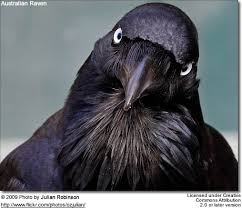
The raven was standing on the little table in the wicked witch’s private room. Expecting a new kind of feast, he dipped his beak into a bowl of wiggly white worms. And spat them clear across the room. “Great Suffering Succotash!” he exclaimed. “What is this stuff?’

“It’s ramen noodles,” the witch replied calmly. ”They’re cheap. And you know we need to save money. El Presidente’s got men cruising around the country doing whatever they want to obstruct justice. We’re all trying to save money and build up the resistance.”

View original post 1,260 more words

Springing Forward with the Wicked Witch by Barbara Ardinger


A story for our time!!!

Barbara Ardinger's avatarFeminism and Religion

Barbara ArdingerEl Presidente was enlarging his war against his citizens. This meant the roads were more crowded than before with refugees fleeing the capital city for safety among the farmers on the plains and up in the hills. Some of these refugees arrived, of course, at the farm of the wicked witch.

Refugees

Whenever a family arrived, the witch would put on her wickedest face and voice (she’d been practicing) and tell the children she was going to roast them and eat them with mashed potatoes and baby gravy. The children believed her for about a minute and a half, whereas their parents just smiled as each family was taken in hand by the senior refugees and led to rooms where there were new beds. The tenured refugees had (with the witch’s permission) taken charge and somehow found enough lumber to build two new rooms (lean-tos) at the side of the house…

View original post 988 more words

Publication!


A writing colleague posted this on her blog today. It expresses so much of what I feel about so many things that I just had to reblog it. As soon as I finish this reblog, I am going to look for one of these statues for myself. Here’s to a fabulous today and a creative, adventurous future.

lenleatherwood's avatar20 Minutes a Day

I am pleased to report that my flash fiction piece, “A Brother’s Gift” has been accepted for publication at the Provo Canyon Review, a print literary journal. I am especially pleased about this because I rather impulsively submitted it when I saw the Provo Canyon Review’s Call for Submissions. This is a very short piece, but the editors said they liked the tone and also thought it was “A refreshing and moving look at grief and the true emotional impact of such a loss.”

I am happy. Here it is in case you missed it first time round.

A Brother’s Gift

Mary Lou Holder sank down next to her brother, the one who was dying of cancer, and started pulling on the bright red bow of the gift he had just handed her. “This is sweet, Jake, that you’ve gotten me a present. You know you didn’t have to…”

Jacob…

View original post 491 more words

My Father


Recently I decided to try writing poems about a few family members.  Months ago on this blog I published a poem about my Grandmother along with the marriage photo of her and my grandfather, who was so much older than she  (22 years) that I never knew him at all.  In June I posted photos of the trip I took back to Missouri where I grew up.  While a few things remained the same, I felt very sad about some changes and kept thinking how my dad must feel if he were watching.  He died in 1996, lived in the same house for 80 years and on the same farm all his life.  He labored long and hard to make the homeplace beautiful.

He watches:

The house where he was born

gone

Only the old carriage house stands.

The young man who farms the land cannot bear to tear it down.

He watches:

The ancient burr oaks and black walnuts

gone

bulldozed into waste piles or sold for greed.

He watches:

The house he lived and loved in for eighty years

still stands on land his family owned for more than 100.

Strangers live there:

He sees the well trimmed lawn,

new picket fence,

children playing.

He watches:

The pond he proudly built and stocked with fish reflects the summer sun.

The tree filled park between the pond and house

gone

He wonders why someone would destroy such beauty.

He watches:

The walnut grove where he ran cattle

gone

The pond where his grandson caught the giant turtle

gone

plowed over and planted to corn and soybeans.

He watches.

SAM_1165

Do you like to eat? Bees and the Food Supply


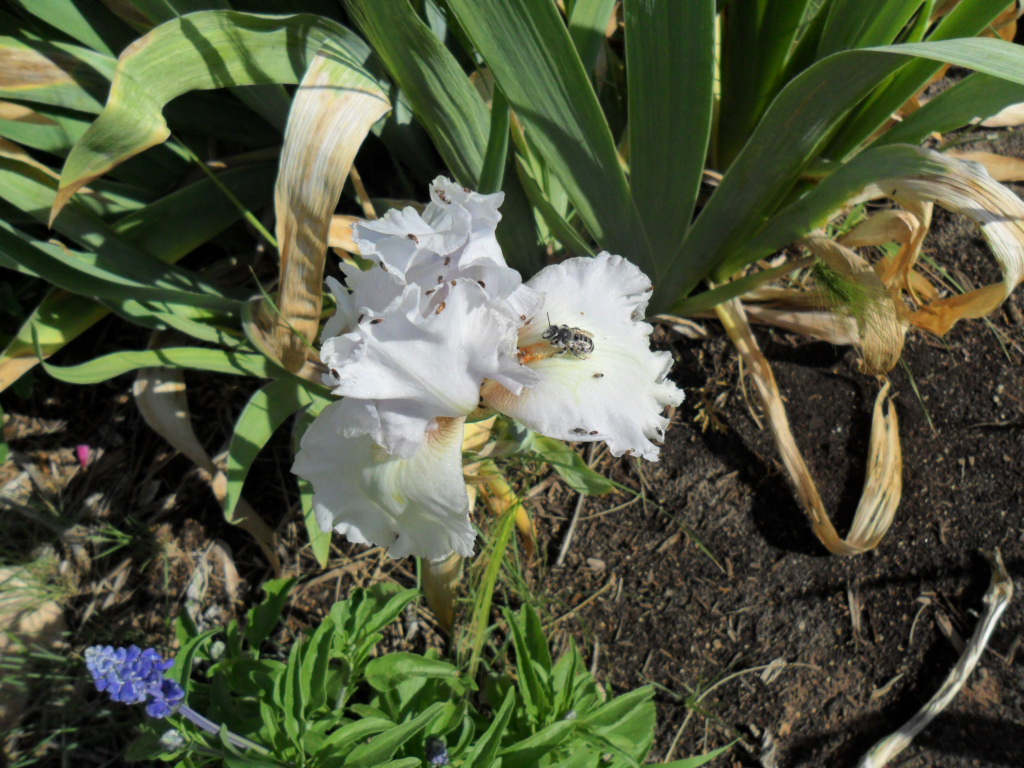
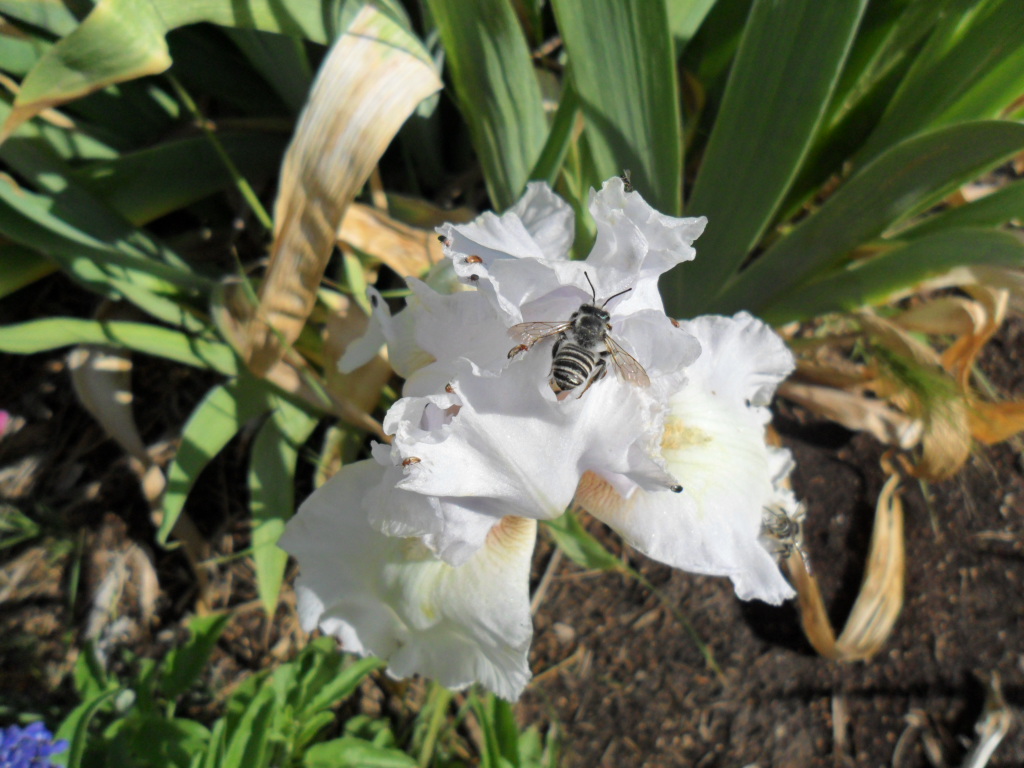
SAM_1074Do you like to eat?  Do you eat almonds, apples, cherries, watermelon, blueberries, or cantaloupe?  In fact, the biggest factor limiting the world’s food supply is not war, drought, or any of the factors you commonly hear about.  The world’s food supply is limited by the amount of bees available for pollination.  In the last five years in the United States alone, approximately one million honey bee colonies died each year, about one third of our national bee herd.  Bees are in danger of extinction.  Native to Southeast Asia, honey bees were domesticated long before written history, before the building of the Egyptian pyramids.  Thousands of species of bees exist, but honey bees carry the main load of pollination for cultivated crops.

More than 740,000 acres of almonds, California’s leading agricultural export,  remain in cultivation in the Central Valley of California.  Pollination depends on bumble bees, honey bees, and wild bees.  Sadly, the wild bees are mostly extinct, killed by pesticides and habitat loss.  Now pollination depends on traveling bee keepers and their honey bees.  Today, commercial bee keepers number one fourth of what they did in 1980.  To get enough bees the almond (and cherry and apple, etc.) growers hire these bee keepers to install approximately 2 million bee hives to work the pollination.  Almonds alone require at least 1.5 million hives.  Each almond tree’s blossoms number 25,000 and at 135 or so trees per acre, that adds up to 3.5 million flowers to pollinate.  The difference between a poor harvest and a great one depends on bees.  After the bees finish their work in the Central Valley and other warmer climates, the commercial keepers take them to places like Idaho and North Dakota for the summer where they sip alfalfa, buckwheat, goldenrod, and sweet clover blossoms and produce the honey sold in groceries.

Where have all the bees gone?  What leads them toward extinction?  In 2006-2008, beehives across the world from Europe to here to Indian and Brazil nearly collapsed.  Causes vary:  foulbrood–a bacterial fungus, wasps, ants, mice, a host of viruses, nosema–bee diarrhea, and certain pesticides.  What can we do?  First, we can ban certain pesticides that are known to harm bees.  Second, we need to grow more flowers and blooming weeds (yes, I said weeds) to encourage a broader spectrum of healthy bees for pollination.  Honey bees cannot do it all alone.  The lack of sufficient flowers is the result of not only pesticides, but also the increase in lawns.  If you personally want to make a difference for bees and ultimately our food supply, let the wild flowers grow, plant more flowers and less lawn, limit pesticide use.

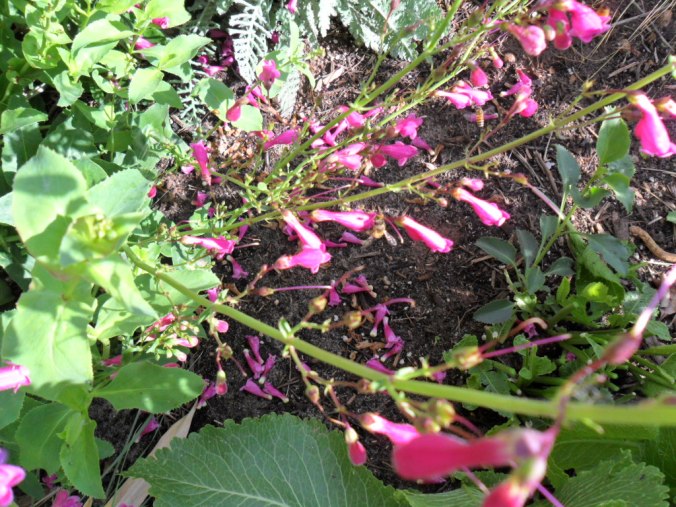
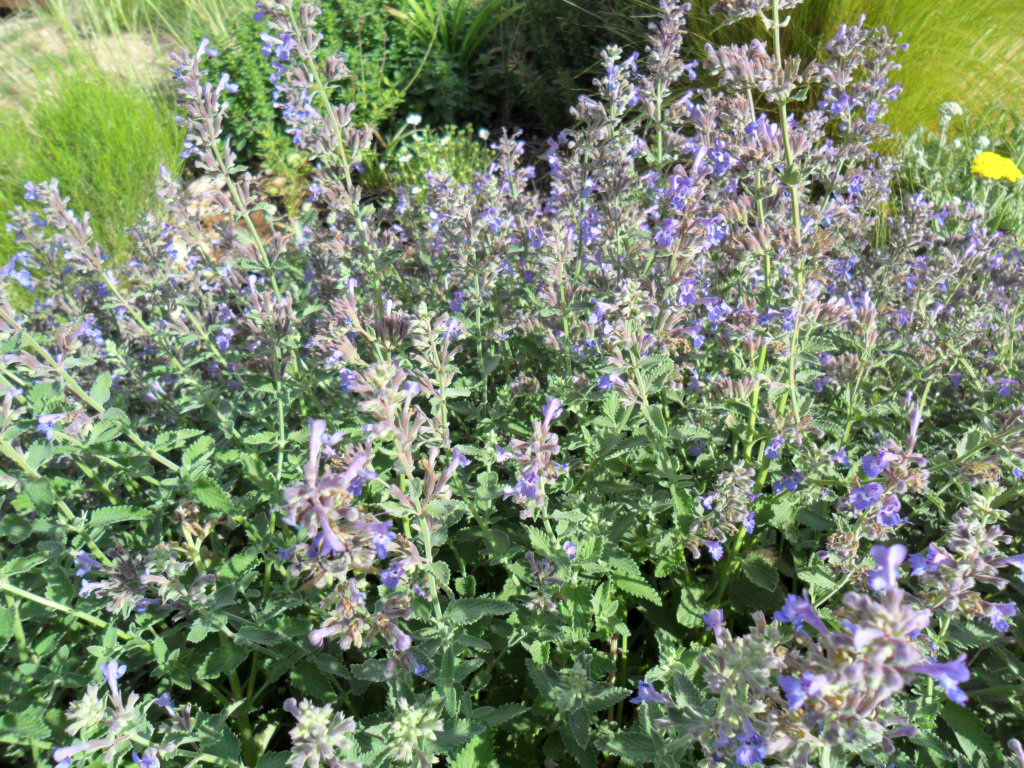
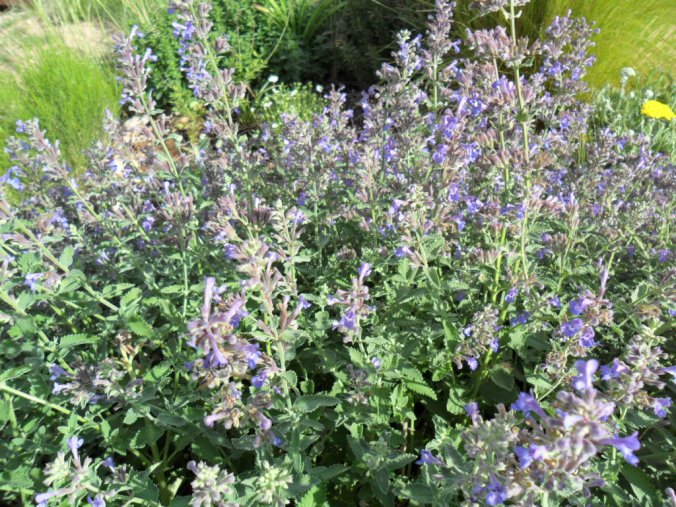
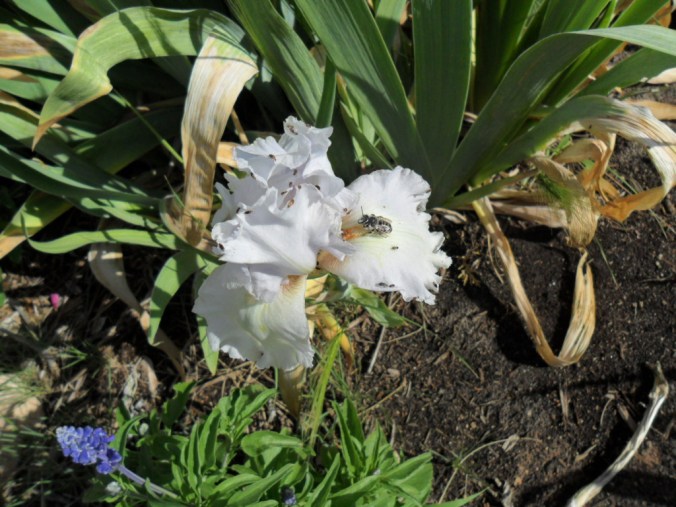
This morning I went out to my xeroscape garden–I have no lawn–and photographed bees.  At one catmint plant, so many busy bees made a clearly audible buzzing sound.  I witnessed at least four different kinds–species–of bees.  These SAM_1076
SAM_1081

SAM_1077

SAM_1078photographs illustrate at least several different types of flowers bees love.

For All the Lonely, Lost Young Men


At first, I planned to simply post a poem by this title, a response to the bombing in Boston and the young men who orchestrated it.  Then I decided that a few comments seemed more appropriate.  These comments come from a realization and conversations with a couple of colleagues at work noticing that all the perpetrators of the bombings and mass killings have been young males.  These young men cite various causes from the anger of being disenfranchised and bullied to religious fervor of a certain type to insanity.  All acknowledged anger over something, a rage so profound they felt driven to act, at least for those to whom authorities could talk.  Most appeared to be alienated from their culture, friends, or family, young men who failed to fit in.  Although we must condemn their horrific acts, perhaps it would also prove more productive to ask, “Why?” Unless we know why and address the causes, these events will be repeated somewhere at some totally unforeseen time.  And many innocents will die again and again.  Perhaps equally disturbing is the fact that we are not alone.  These types of events repeat themselves in one way or another in many other countries in the world.  Additionally, I realize that many people feel the solution lies in revenge, punishment, justice as they see it.  For those, many of the sentiments I express in this poem may seem too simplistic, too kind, too naive.  I teach high school.  I work with all types of young men daily.  I see their fear, anger, loneliness even if fleeting and only momentarily.  We can make a difference; we can reach out.

Look at yourselves

filled with

fear,

anger,

hatred.

This world may not embody

the perfect place

of which you dream;

do not despair.

We care.

Do not shoot me.

I care.

Do not throw bombs at the innocent;

They care.

Do not hate the different.

They care.

Do not despair.

Puma IV


SAM_0912In the poetry class this week we read Louise Erdrich.  I’ve read most of her novels but did not realize she also wrote poetry.  In particular I liked “Captivity” which made me think of Quanah Parker and his mother.  We are supposed to be inspired by whatever author’s poems we are reading on any given week.  Sometimes that occurs; sometimes not.  The following poem follows the previous three puma poems I published on this blog last September.  This one is different; it comes from an actual dream last week.  Its unique beginnings contradict the fact that I rarely recall dreams and care nothing about dream interpretation.

Stars shining through sleep

Dreaming dark.

A white, luminescent lion

comes nuzzling arms, legs.

Should fear engulf or

a quiet peace dominate?

Tawny lions encircle:

affectionate

smiling lion smiles.

Fear slides in slightly,

logically.

These lions bring love,

a natural peace.

Fear dissipates,

the lions and I locked

in an eternal, primal dance.

Variety is the Spice of Life


Here I go again taking classes.  This one is Part III of the series on modern women poets taught by Lorraine Mejia-Green through the Story Circle Network.  We read poems by a variety of women and use their works and related assignments for inspiration.  This week features Julia Alvarez and even though I have already read all her novels, etc. and a book of prose poetry, the selected poems are new to me.  It seems I always take a different route from a lot of the others enrolled in the class.  The following show cases draft two of my first assignment:

I keep coming to this part

where I’m happy

95 per cent of the time.

It’s my story

dictated by

ME.

“Variety is the Spice of Life.”

Cliche?

Yes, but true.

Four marriages

Lovers-I lost count

Activist in “love” with

Che and other South American

Revolutionaries.

Feminist for forty years

Up to maybe four careers.

Big city apartments

Ranches

Old houses by the bay

Bricks with arched windows

A tree lined street.

Can I settle?

For what, with whom, where?

Variety is the Spice of Life.

Destino


Week two of the prose poetry class:

“It is a blessing to live out your destino.”  Julia Alvarez

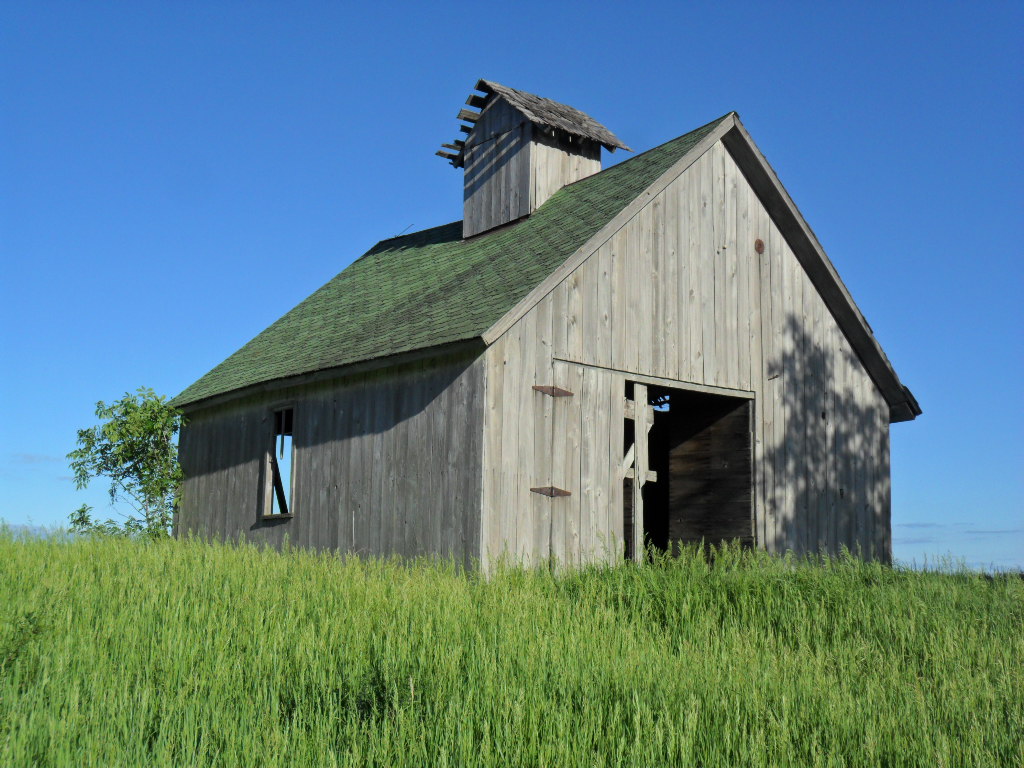
Long ago, in the hot summer, I could hear the corn grow at night with the windows open in northwest Missouri.  Rolling hills of corn and soybeans still clad the dark brown earth left by glaciers thousands of years ago.  So much time has gone without my returning to this land:  colleges in different states, marriages, jobs in cities.

My father lived ninety years on this farm his Swiss grandfather homesteaded.  He yearned for distant lands, to explore, to learn.  He loved the West, endless space, rugged mountains, canyonlands, wildness.  When it snowed too much for school, he loaded us in the car, turned wheelies, and headed for Kansas City.  His yearning to be a doctor died when very young–the only child left at home, caring for a diabetic mother, recovering from a failed youthful marriage before he met Mom.

He gave me his love of questioning, traveling, reading, trying the untried, a pride in the land and work, and a sense of wonder.  This night, after shoveling out from a dangerous blizzard, I sit in front of a fire, write on a Western canyon rim, look at his parade saddle and the photo of the farm for which he felt so much pride, and cry:  my destino.