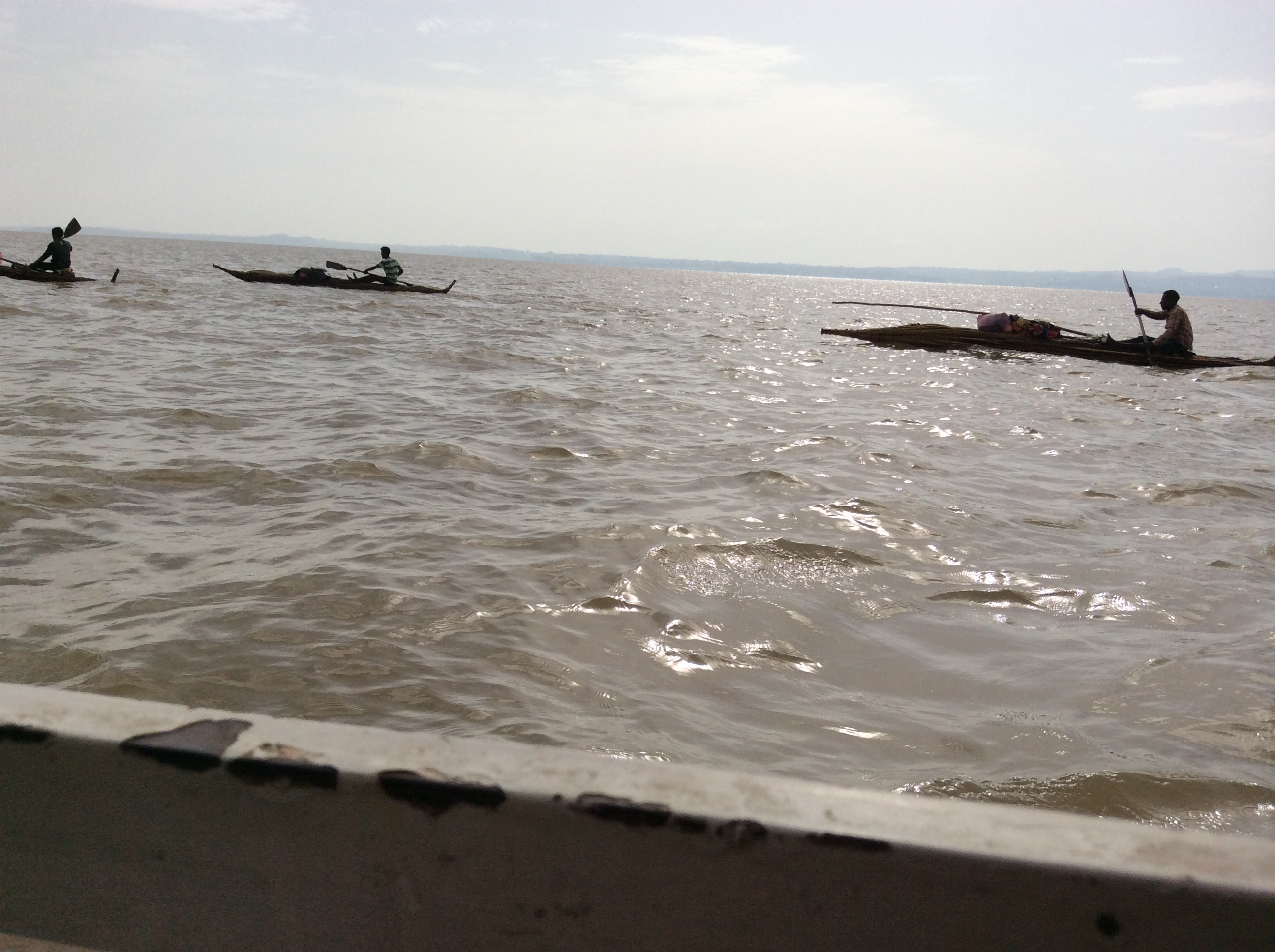
Of the 37 islands on Lake Tana, 20 shelter churches and monasteries, very old monasteries, many of which remain in use today. While some are closed totally to women, we visited Ura Kidane Mihret with no problem. It is part of a larger complex, the Convent of Mercy founded in the 14th century. Various buildings date from that era to more recent times. To reach the monastery you have to climb in a boat and ride across Lake Tana to the Zege Penisula. We boarded our small boat at the far end of this garden at the hotel–there were four of us and the helmsman–and headed across the lake.  On the way we passed a number of fishermen paddling their papyrus boats.
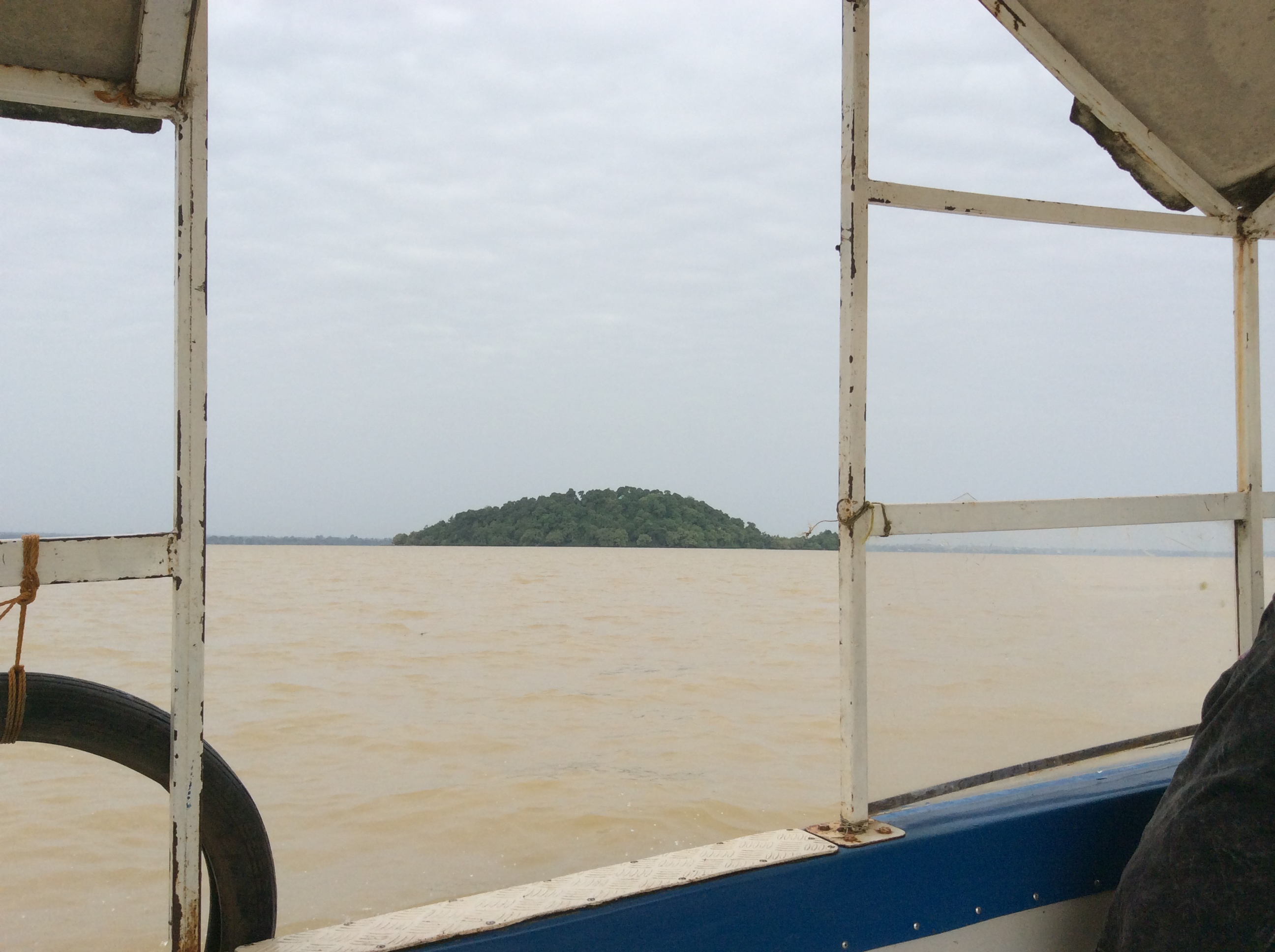
  We also sailed past a couple of islands like this one where one monk lives alone. On another island lives a priest. Women are not allowed except on one, just at the edge near the dock. We did not go there.
  Once you arrive at the dock you hike up a hill past various vendors selling everything from religious paintings to hand woven scarves.
  This young man used all natural materials to paint small replicas of the paintings found in the monastery itself. In retrospect I wish I had purchased at least one; I never saw anything quite like them again. Like most religious buildings in Ethiopia, all the buildings in this complex are round. The only place in Ethiopia where I saw rectangular churches was in Lalibela.
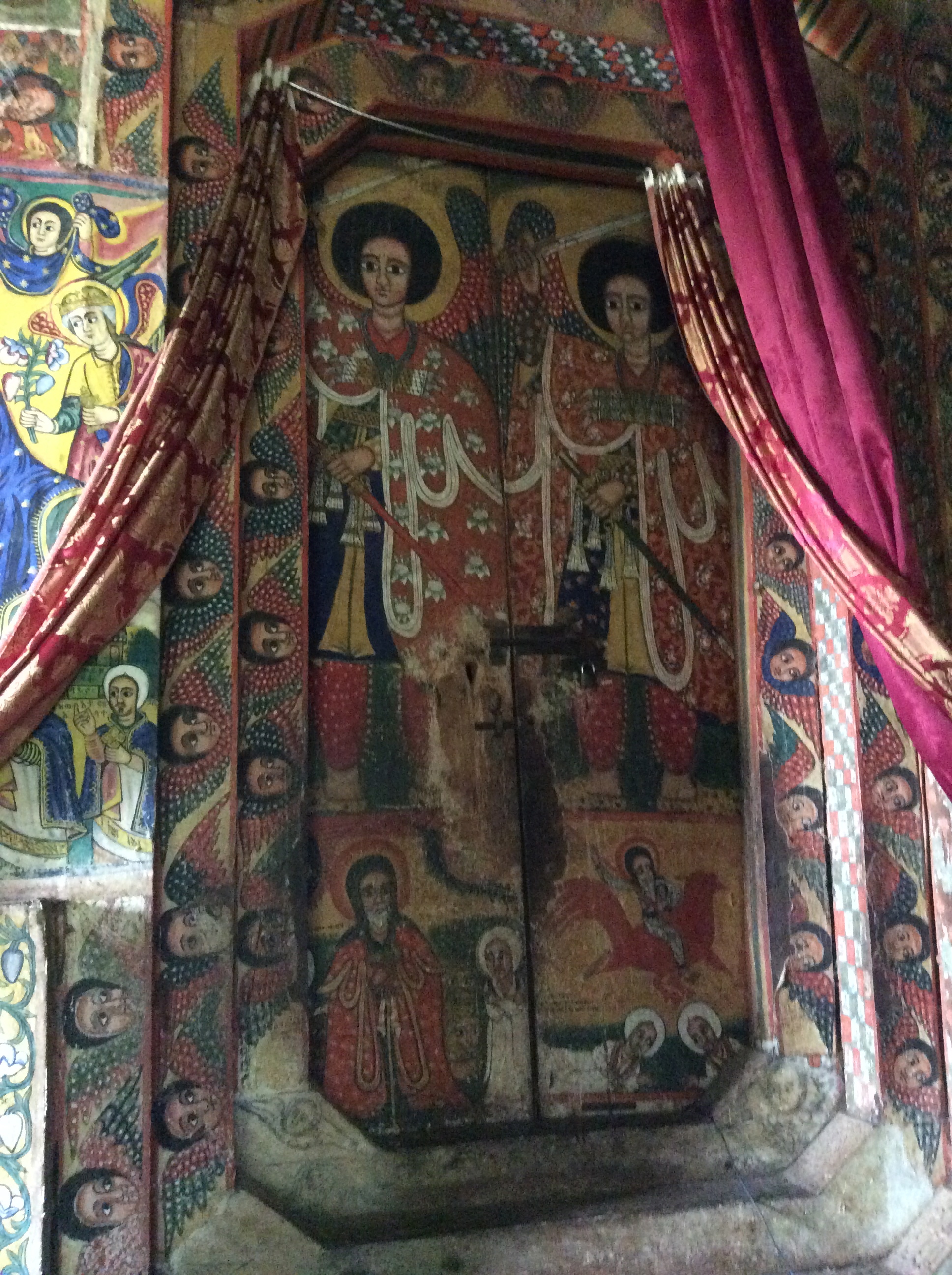
  Every piece of space on the interior walls is painted with religious scenes from the Bible and Ethiopian religious history. The current paintings date from 100-250 years ago when, as the paint began to deteriorate, they used a special process to repaint them. This particular monastery is noted for these incredible paintings.

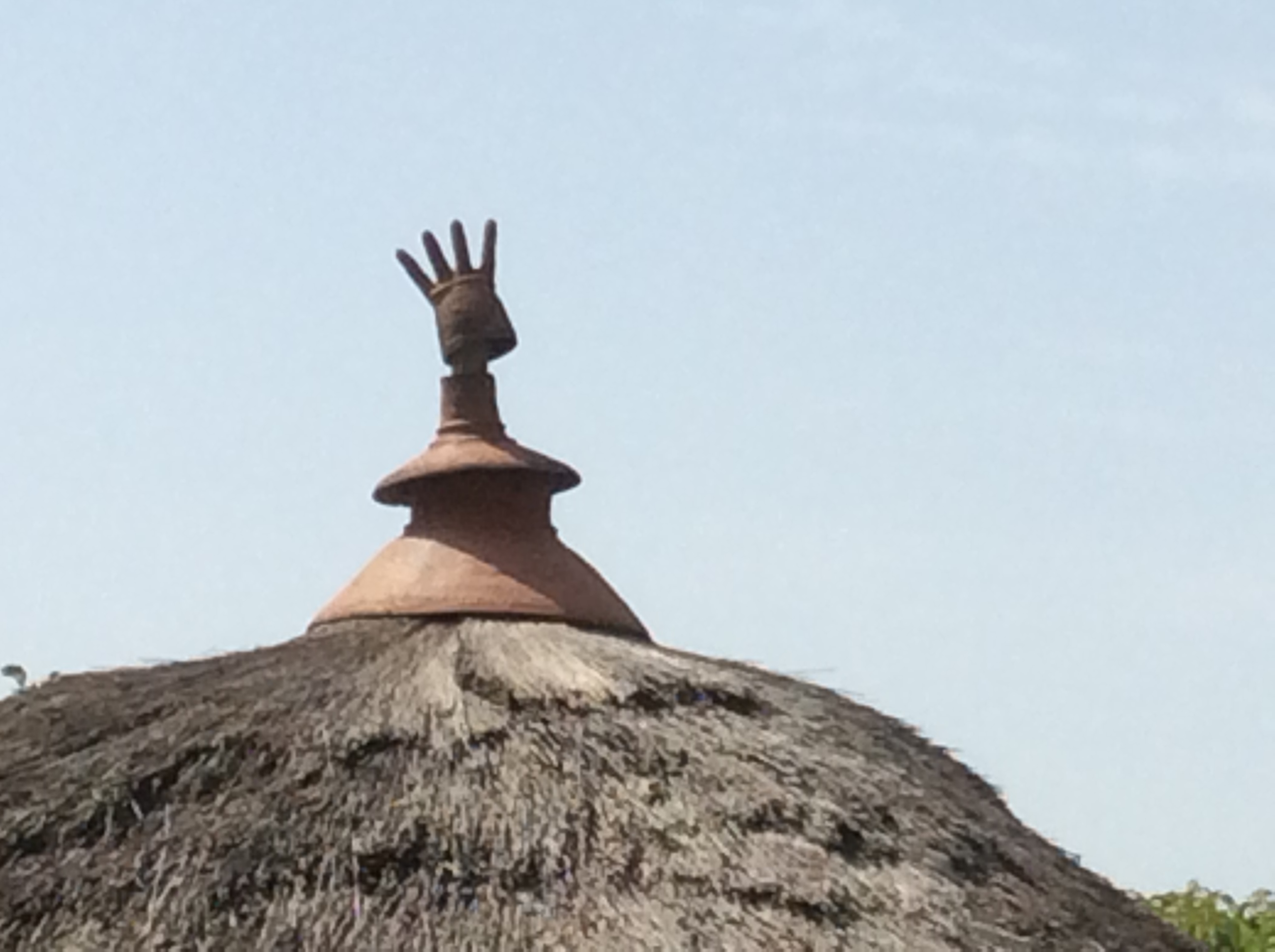
 The tops of all the buildings are adorned with different symbols for peace. Sometimes they also represent the disciples of Jesus as well or other religious symbolism.
 A new visitor center remains under construction; it seemed nearly complete.
 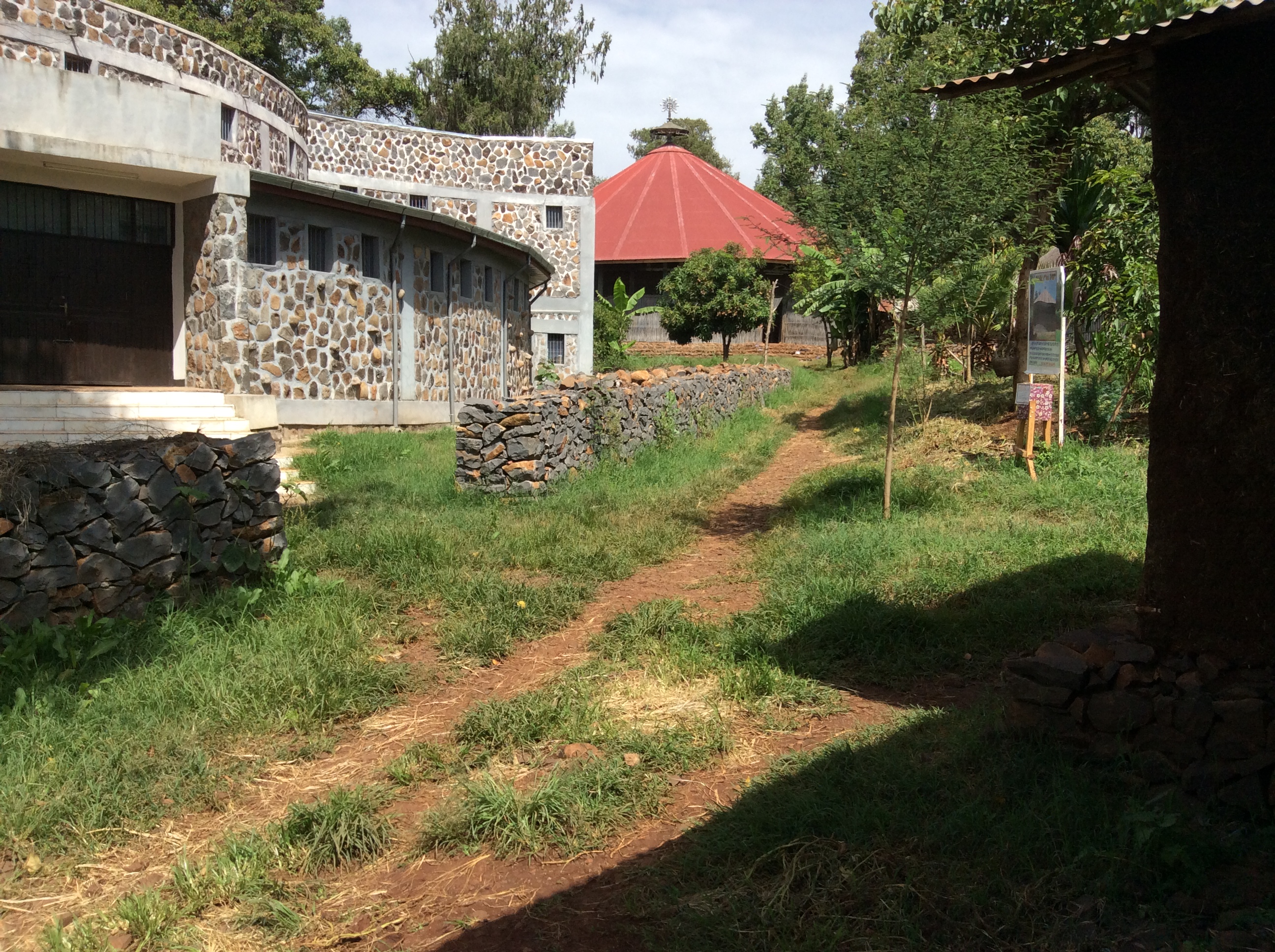 The visitor center is the rock building on the left, the monastery the building in the rear.
  On the path back to the boat dock vendors sell scarves and jewelry. I bought several scarves, one of which was totally different from any I saw anywhere else. If I had only known just how unique it would be, I would have bought the other one–she had only two. These scarves are hand loomed and in some cases the yarn is also hand spun.
  Finally, back near the dock we stopped for coffee, indulging ourselves in the totally Ethiopian experience of their coffee ceremony. You have not truly sipped coffee until you participate in one of these. There is nothing anywhere quite like it.
coffee
Rescue Horses and Book Signing–the Real Deal
Started the day with coffee, make-up, inside plant watering and then off to see the rescue horses at Dove Creek Ranch near Canyon, Texas. I spent about two hours there talking to the owner, the ranch manager, and others. The following horse is Jazzy. They gave a demonstration in the round pen and this was her fourth ride ever. For a young horse she was really, really calm.
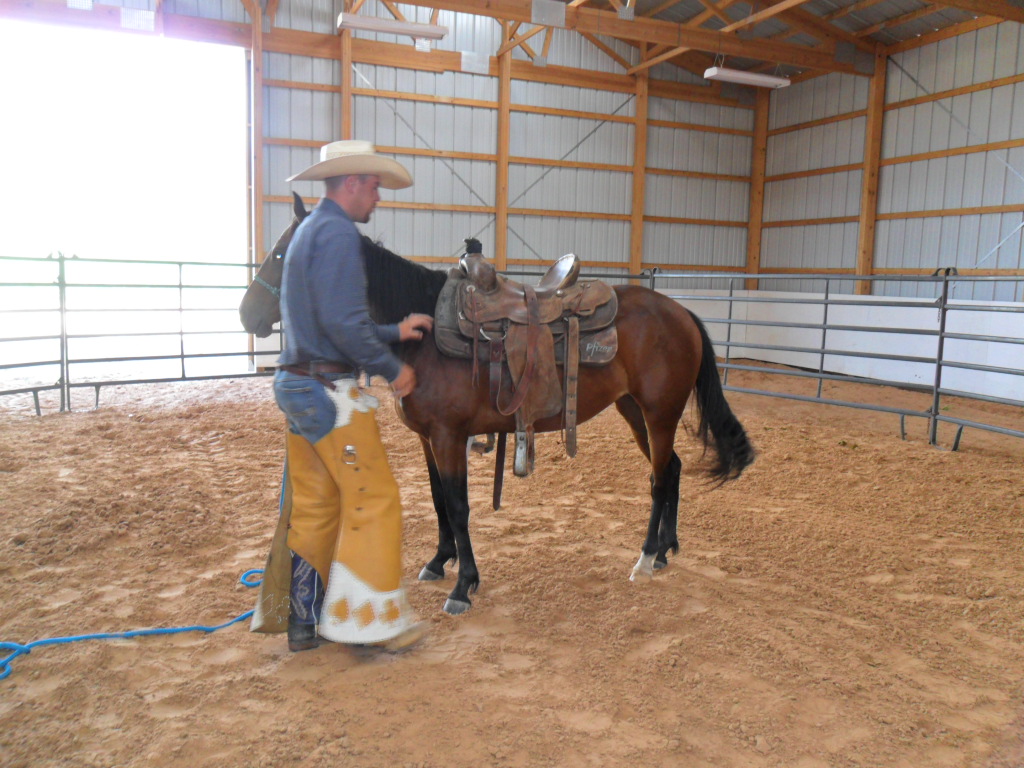
Their technique includes a lot of ground work and desensitization to motions and sounds.

He put the saddle on and off repeatedly before riding her. Then I went outside to a large corral to look at this flashy paint. She is so beautiful but might not be adoptable.
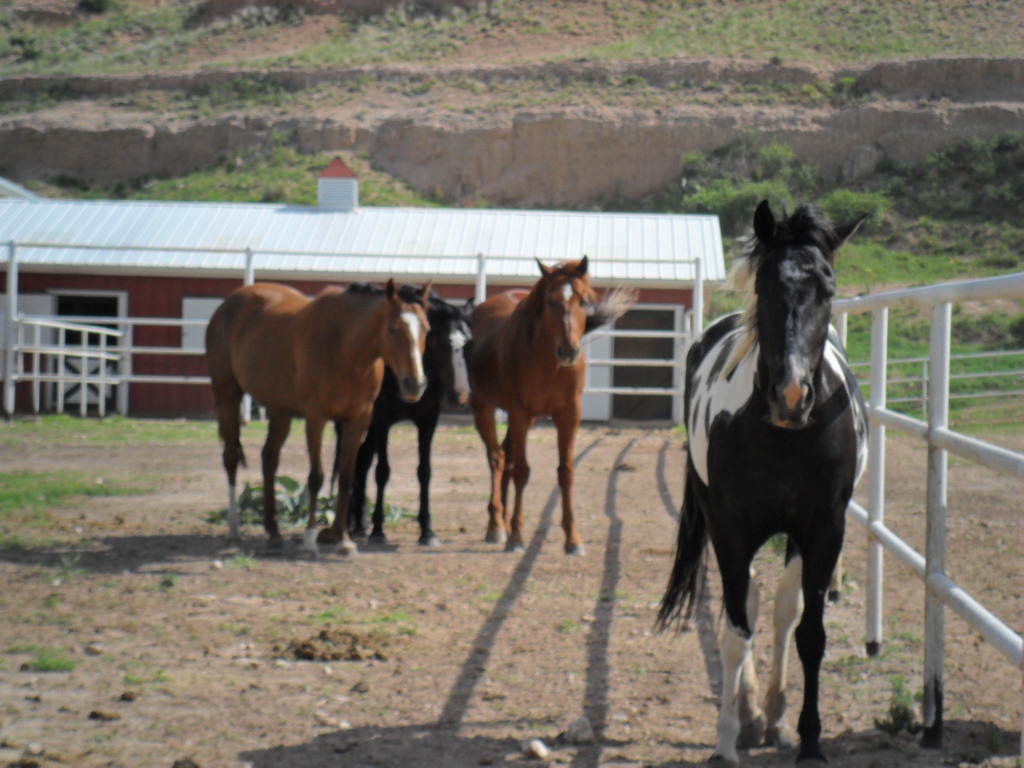

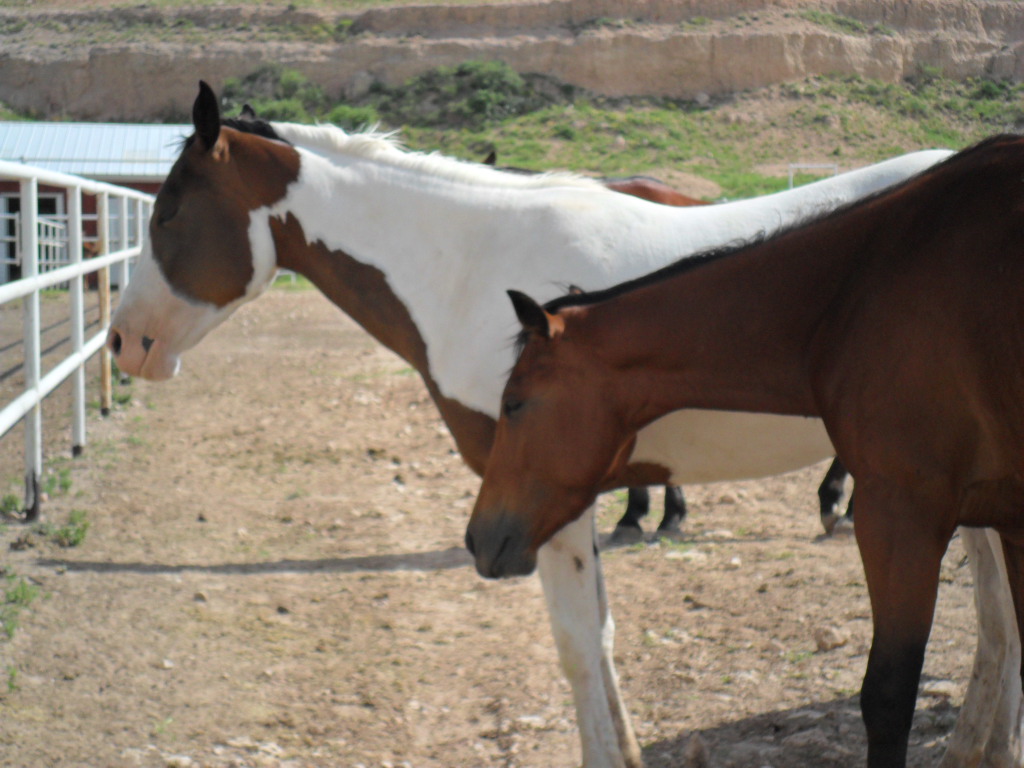
Although they once had her mother and siblings who have already been adopted, her behavior is very inconsistent. They told me that one day she does fine, but the next day she may not remember anything from the day before, or act a bit crazy like running into things. The more we discussed this behavior and possible causes, the more it made me think of a horse I once knew who had eaten loco weed. Loco weed is toxic and affects a horse so that it suddenly behaves basically crazy and unpredictable. Made me sad; she is so beautiful. I saw another paint filly, but she belongs to the ranch manager. Yes, she is nice, but not the looker the above one is.
Then I ran home for a couple of hours, checked to see where Rosie had disappeared–she was off grazing, and headed to my book signing. It went well. I was especially thrilled to see a few people I had not seen in a long time. One, Kira Satterfield, used to teach with me years ago. She said it had been seven. My grandson passed out fliers, Hastings made coffee for the guests, and my daughter helped.


Costa Rica 6: Adventures and Views
Without a doubt Costa Rica holds my vote for most photogenic and greenest country. From the Caribbean and Pacific rain forests to the high mountain town of Monteverde, the words lush, exotic, verdant do not even begin to describe how incredibly rich the landscape is. One of the first spectacular views lay before me across the parking lot from a combination restaurant and souvenir shop where we stopped for snacks.

I did not expect to see multiple mountain streams like in the Rockies, but it seemed we were crossing one nearly constantly. This abundance of water explains their nearly total dependence on hydroelectric power with a little help from wind and thermal energy.

Several of my traveling companions decided to raft this river with class 4 rapids. Something told me I should not do this. After flipping over several times, banged up and bruised, they decided to hike out. In the meantime, I experienced my own adventure, eating a raw turtle egg in salsa at a family restaurant on the top of a nearby mountain.
Beautiful mountain scenery seems endless. I kept 00hing and awing.

This view shows the Bay of Nicoya in the distance from my hotel room in Monteverde. The following photos all show views in the mountains near this little remote town. There is only one road in and out and it is not paved and it is narrow. The town was originally settled by Quakers from Canada who still believe a paved road will ruin the peaceful lifestyle. Both the Quakers and the town are famous for their cheese which was served both plain and fried for breakfast.

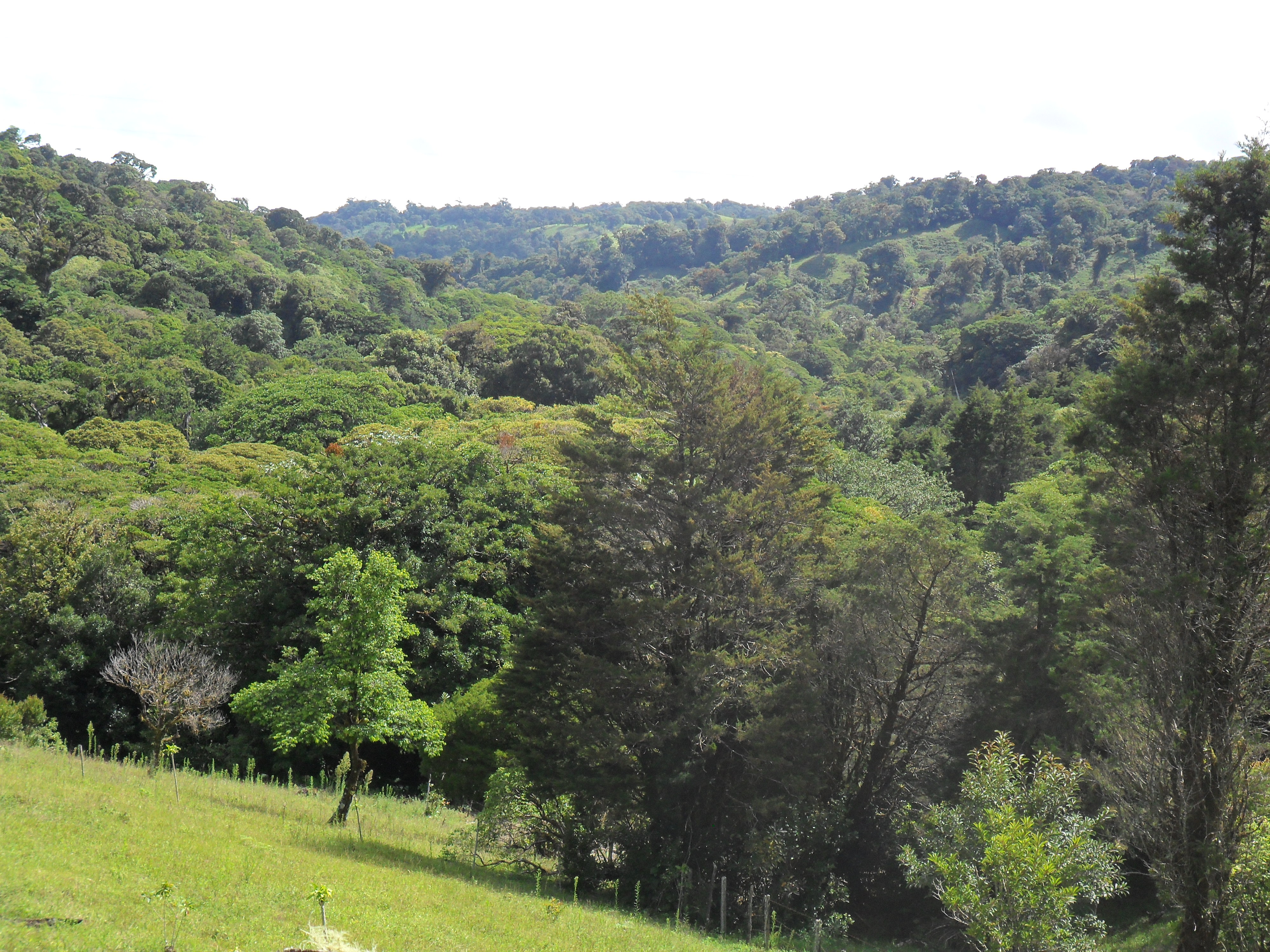
This area provides both zip lining and horseback riding for tourists. I elected to ride. However, these horses did not seem well fed and certainly did not want to go very fast. Although I saw a lot of horses in Costa Rica, these were by far the thinest.

The guy who lead us did not ride one of these. He was riding a fancy, prancing, grey Paso Fino.

Look closely and you can see someone zip lining across the forested canyon hundreds of feet below.
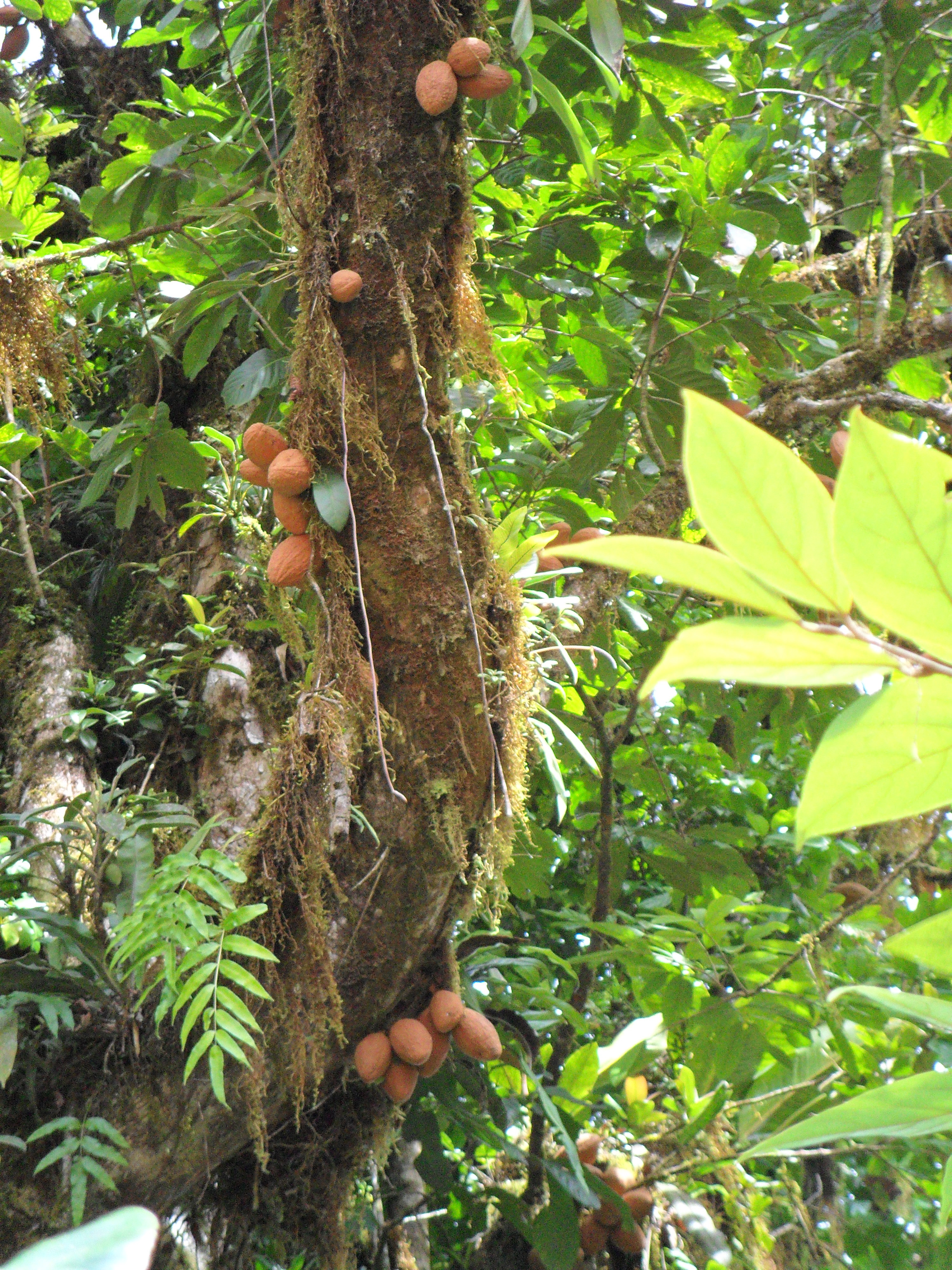
When I asked about this tree, I was told it is related to cacao, but not eaten, not by humans anyway.
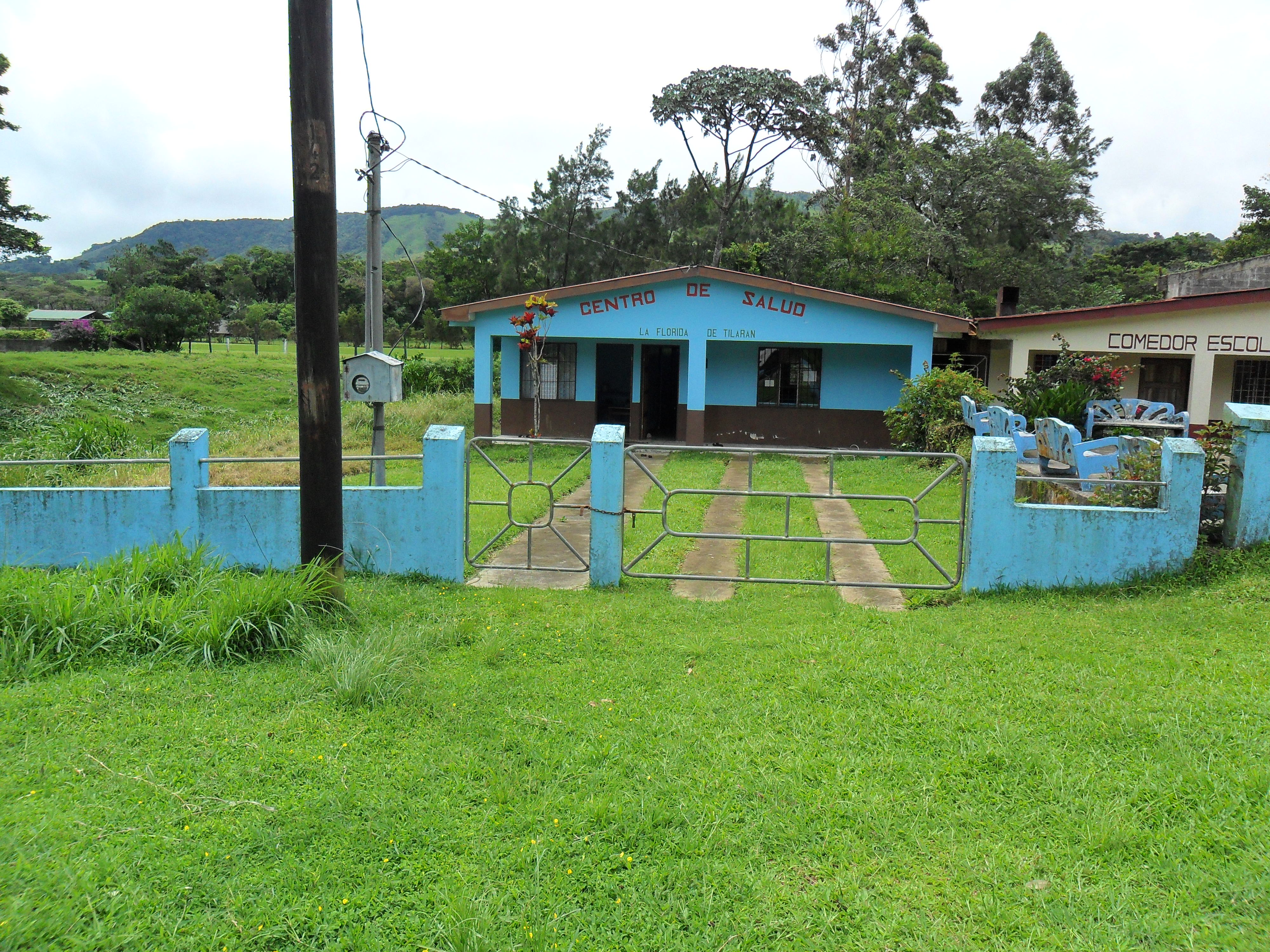
We traveled down the mountain on another dirt road to visit this elementary school. It housed grades 1-6 with one teacher who is also the principal. The literacy rate in Costa Rica is 98.5.
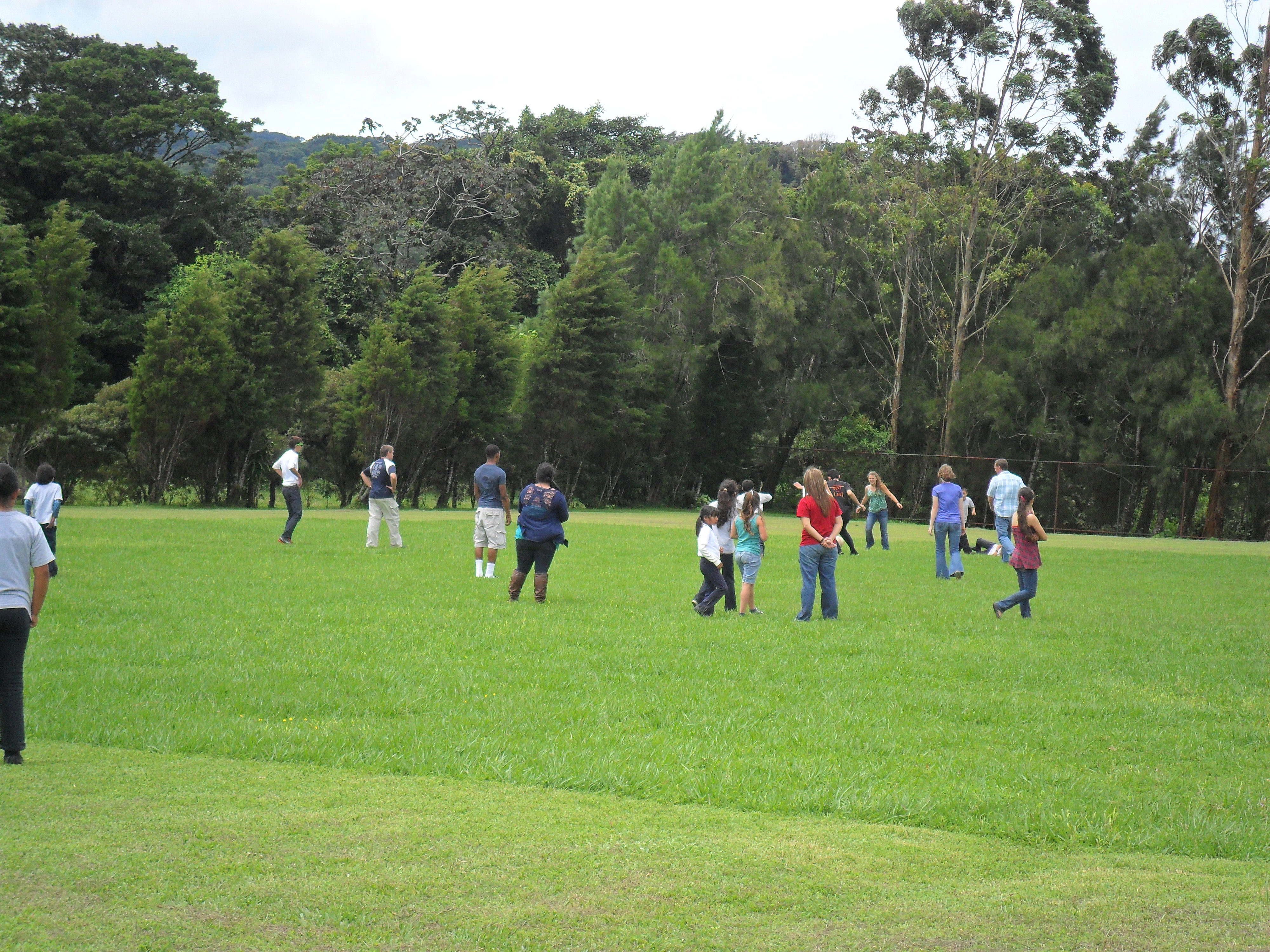
Playing soccer with the students.

A port on the Pacific on the way to the surfing town of Jaco. Costa Rica exports many agricultural products from both its Pacific and Caribbean ports. This includes bananas, pineapples, hearts of palms, and many tropical flowers.

While many beaches remain unsafe for swimming due to a strong undertow, the beaches at Manuel Antonio National Park are perfect.


To get into Manuel Antonio you have to walk and no parking exists really close. Hiking out we crossed an area where the water rushed around our knees and the sign said, “No Swimming, Crocodiles”.
As a farmer, I like to look at and photograph crops. With all the rain and heat, Costa Rica is the perfect climate for many tropical fruits and rice. On the way back from Manuel Antonio we passed miles of rice fields and Aftican palms which produce palm oil.

Rice.

Coffee, the main export of Costa Rica. In the highlands, coffee grows everywhere even along the berms in places so steep I wondered how the person picking the beans did not fall over. Of course, I wondered the same thing about the dairy cattle grazing on the mountain slopes.
We did stop in Sarchi, the town famous for its furniture and oxcart industry. Oxcarts remain the national symbol of Costa Rica. Because of the mountainous terrain, when Costa Rican coffee initially became famous and its most successful crop, the only way to get the coffee to the coasts for export was to use oxcarts.


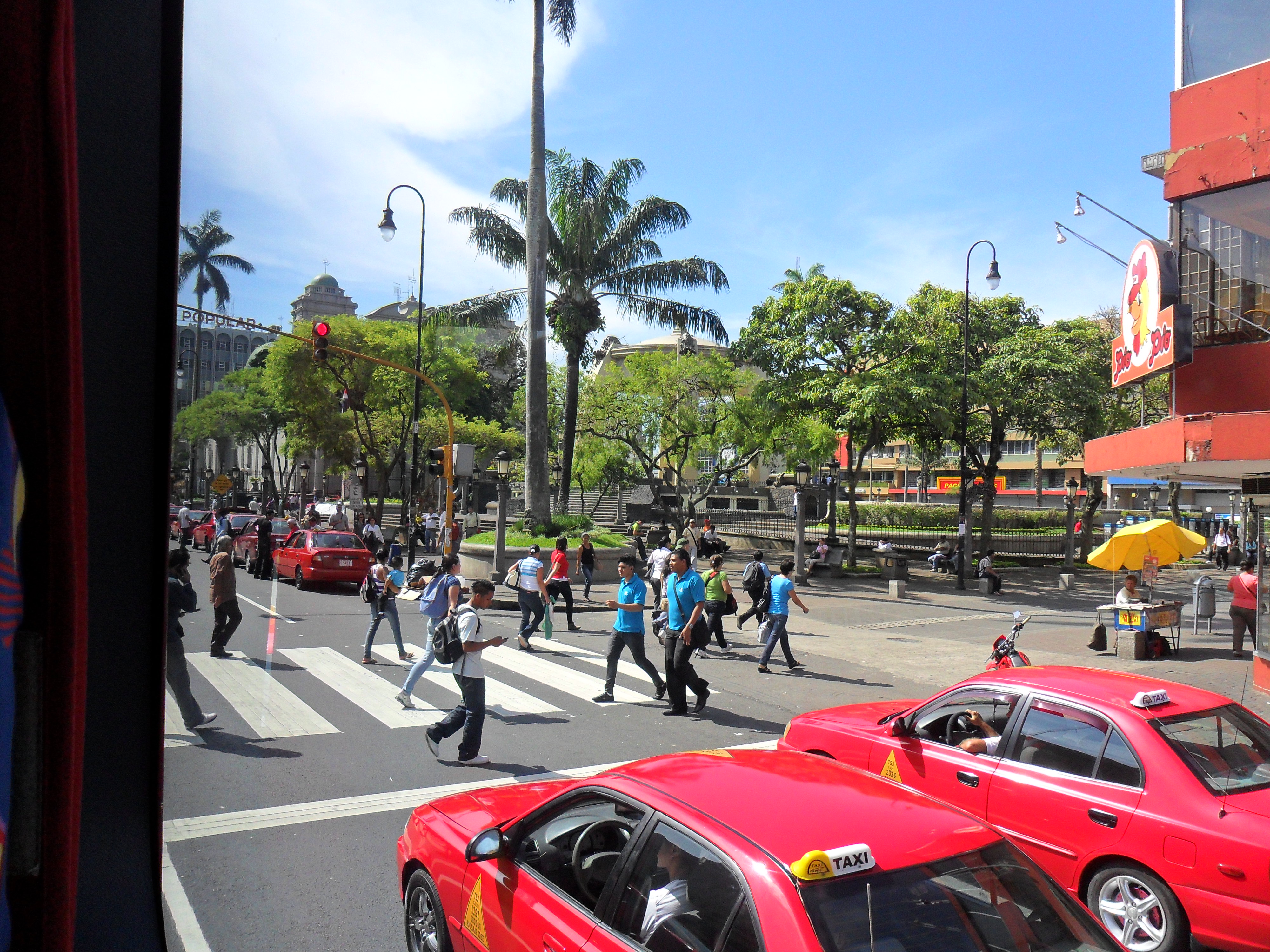
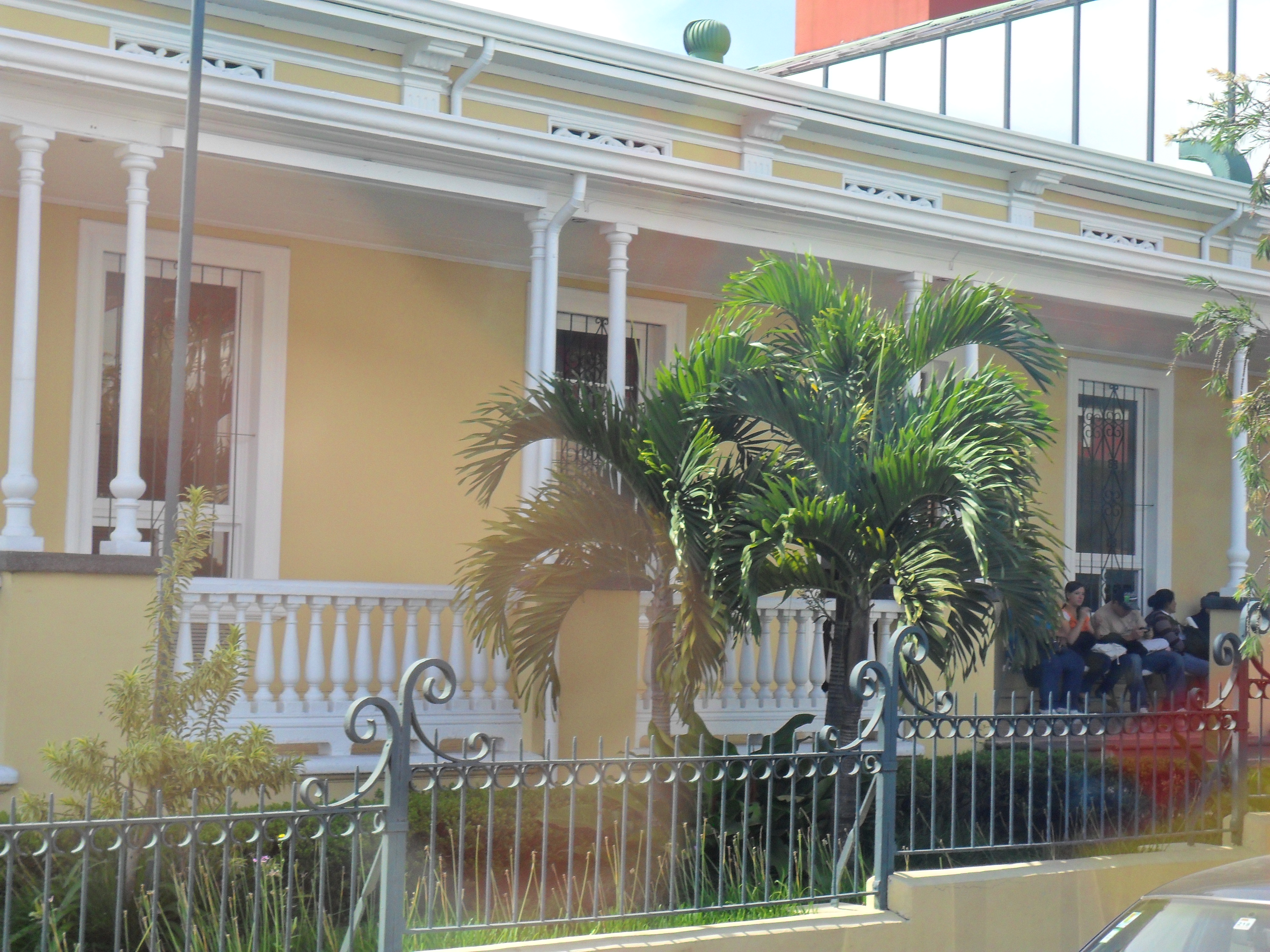
We spent very little time in cities. However, as we left San Jose near the end of the trip and headed for the Caribbean side, I took some hurried photographs out the window.


My first and last hotel window view in San Jose included these stately coconut palms.

PURA VIDA
 writingontherim