Book 13 for 2025: “Honey Hunger”, Zahran Alqasmi


This Omani author has won prizes for his fiction. Only a few of his books have been translated into English. This one takes the reader into the remote villages and mountain regions of the interior of Oman. Azzan, the main character, had received highest honors as a child and teen for his academic excellence but fails to win a coveted scholarship to travel abroad for college. His father, who is mainly absent during his growing up, berates him, and Azzan turns to alcohol and addiction. Eventually, he saves himself by becoming a beekeeper. He finds solace in the more remote, wild regions rather than the narrow confines of village life which is controlled by gossip and tradition.

In these wild areas he meets two other men. Although they do not keep domestic bees, they go camping together in the far mountain areas hunting for the prized honey from wild bees. One of these men is a Bedouin who trains prized racing camels. Through him and his wife and friends, he learns how much freer Bedouin culture is compared to that of the settled villages. He learns to dance and talk more freely with women. While in one remote area, he meets a woman, Thamna, who too has escaped the traditional village life and roams the wadis and mountains with her herd of goats always looking for better pasture. He becomes obsessed with her, always on the outlook as he keeps his bees and roams the interior of Oman hunting bees.

This story is not only about Azzan, but also his friends, traditional Omani village life, bee culture, and Bedouin life. For those interested in bee keeping, the author provides detailed descriptions of bee keeping. The language is poetic and infinitely descriptive. I could feel the wind, smell the different wild flowers and the taste of the honey created from them, see the Bedouin dancing, and feel Azzan’s heartbreak when disaster hits.

Although this novel describes a culture far different from that of the US and Europe, I found some things not all that dissimilar: the strict rules of small town life, the greater freedom found in nature, how people develop and lose interpersonal relationships. The language used makes the reader feel there in the moment being described. Plus I learned that bee keeping is very labor intensive and wrought with many things that can go wrong. I eat honey daily and now will have a greater appreciation of what goes into its production and harvesting.

April Is Poetry Month–3 poems for the first three days


I am a bit behind so decided to share three poems I wrote more than ten years ago about my favorite animal obsession, pumas. These poems were first published in my poetry memoir, On the Rim of Wonder, which is available on Amazon and Barnes and Noble.

I

My neighbor walked out her door

found a puma lying in the lawn.

Puma rose, stretched, disappeared.

At night when I open my gate

I wonder if she lurks

behind the cedar trees,

Pounce ready.

My daughter dreams puma dreams:

a puma chases her up a tree.

There are no trees here big enough to climb.

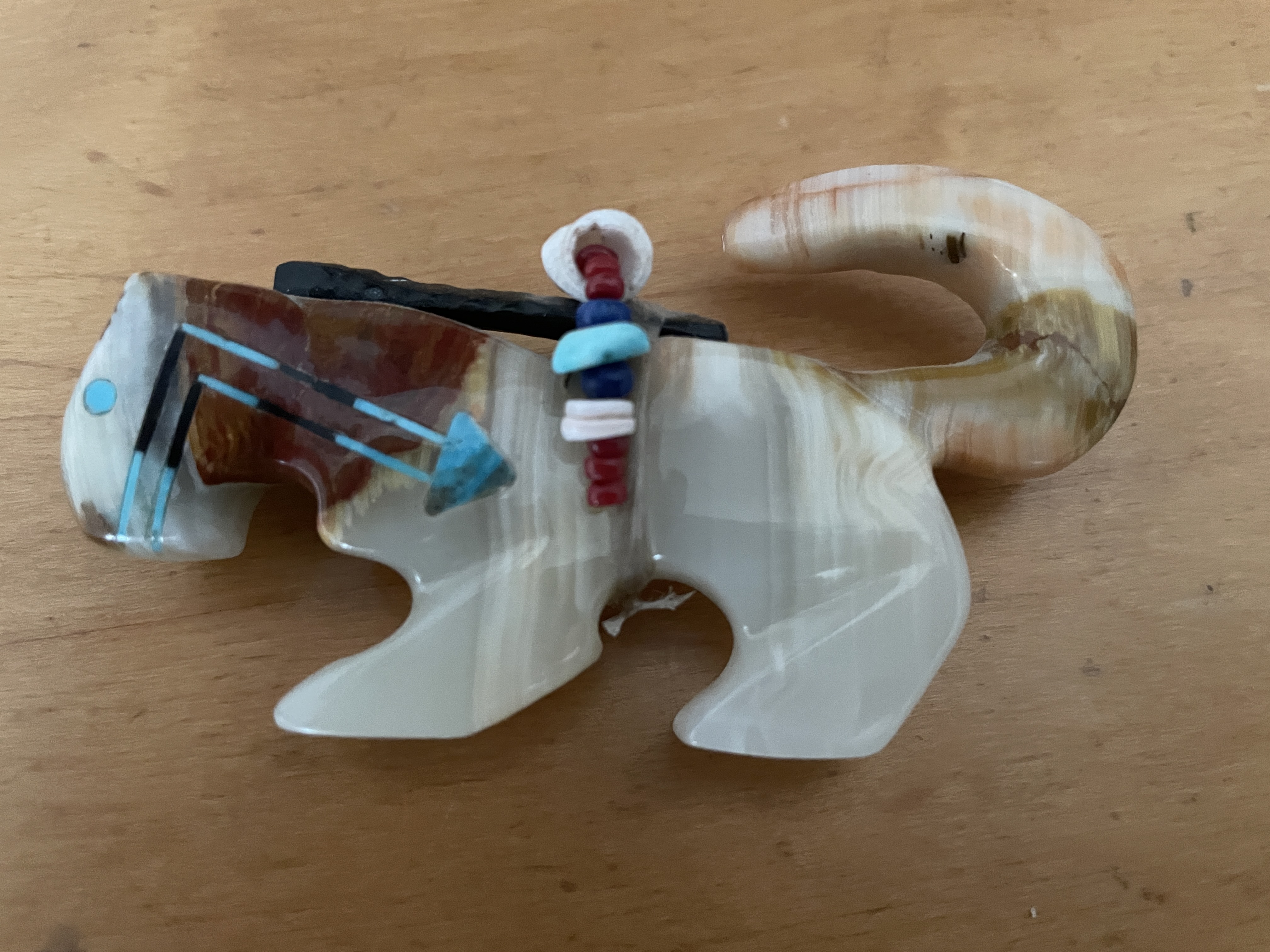
A Zuni puma fetish guards my sleep.

I run with puma

Night wild

Free.

I scream and howl

Moonstruck

Bloodborn.

I hike the canyon,

stroll around my house,

look for puma tracks.

I see none.

I would rather die by puma

than in a car wreck.

II

I watch for eyes, blue changing to amber and back.

I put my palm, fingers stretched to measure, into the footprint.

Too small, bobcat.

No puma.

My thin body squeezes between the rocks,

climbing quietly down the cliff.

Watching, listening, searching.

No puma.

Pale amber rushes across my vision line.

My heart quakes.

I watch; I wait.

It is Isabella, a golden whir chasing rabbits.

No puma.

At sunrise, I walk the rim,

watching.

At sunset, I walk the rim,

waiting.

At night, I walk the rim,

dreaming.

No puma, not yet.

III

I want

to walk

with you

in my dreams

scream your screams

feel your blood

rushing

your heartbeat

mine

soft golden fur

wound in my hair

your amber eyes

glowing

through my brown

death defying

together walking

moonlit

wild

free

Note: My puma obsession continues. This painting and several others of pumas hang in my house. I now have two puma Zuni fetishes. I hike in the mountains hoping to see one in the wild.

Visiting Chaco Canyon


Several weeks ago, I spent a day wandering around the ancient sites where native peoples gathered over a thousand years ago.

This explains the extensive influence this place, located in the northwestern New Mexico desert, held for people from as far away as Central America. To reach this park, you have to drive on a dirt/gravel, rough road for more than 25 miles north of Crownpoint, NM. It is definitely worth the effort. However, it is impassable in rainy or snowy weather. The rangers who care for the park live there.

One of the first things you see as you get closer to the park is this rock tower, Fajada Butte.

Archeologists climbed to the top and discovered petroglyphs, “Sun Daggers”. Created between rock slabs, they align with each solstice and equinox and at these events the light projects to other sites, e.g. Pueblo Bonito. Other petroglyphs on a section of the canyon wall represent a supernova that occurred in 1054 CE.

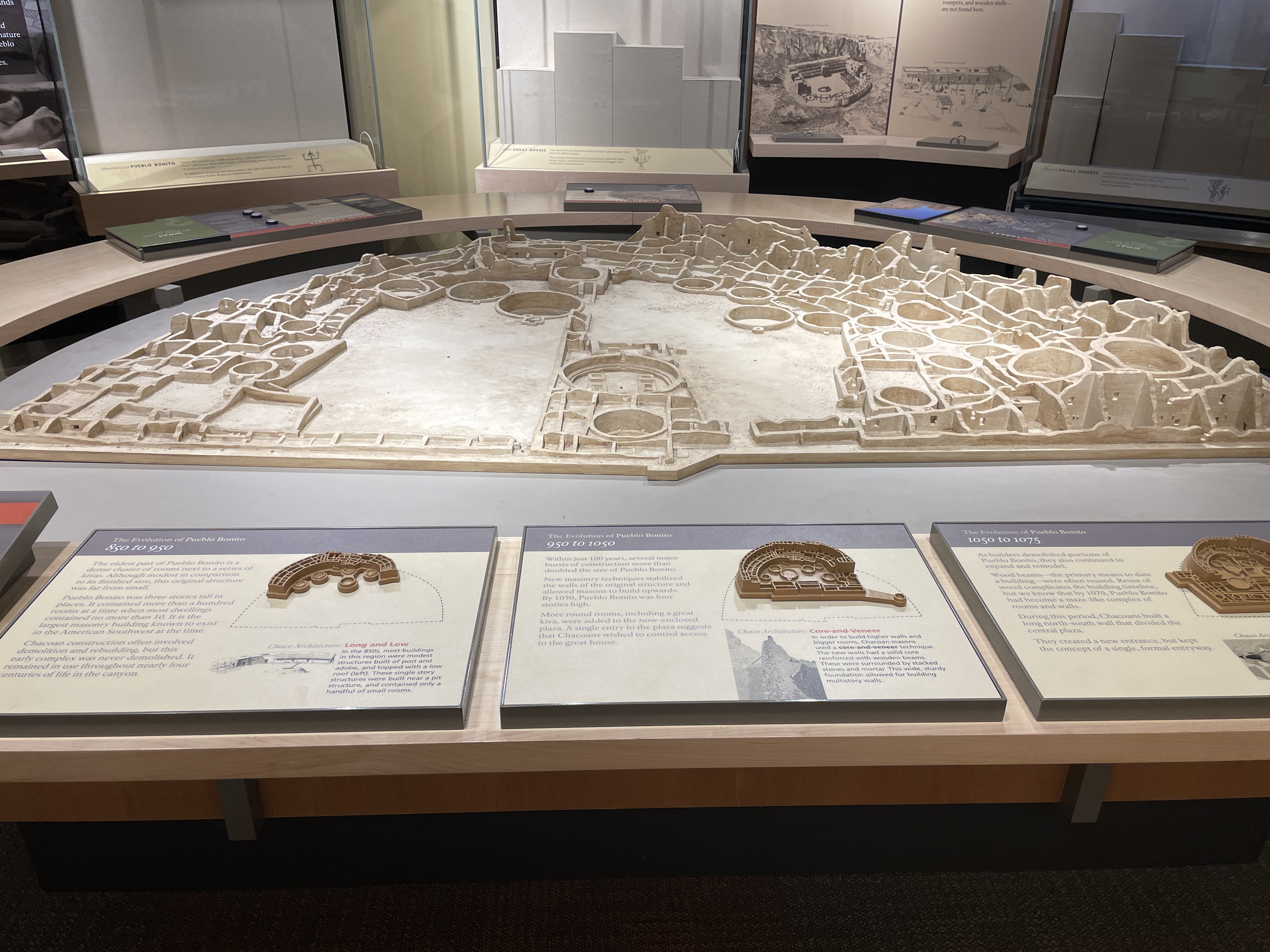
The following depicts an overview of the site as it would have been in the past. In the 1940s part of the wall of rock behind the site collapsed onto it and destroyed some of the buildings.

Here is how it looks today. Many of the doors and windows align with astronomical events, e.g. solstices, the two equinox, and astronomical events that occur only every 17 years.

All sites here contain many kivas, many of which are very large. It is speculated that these were used for various sorts of ceremonies, including religious events.

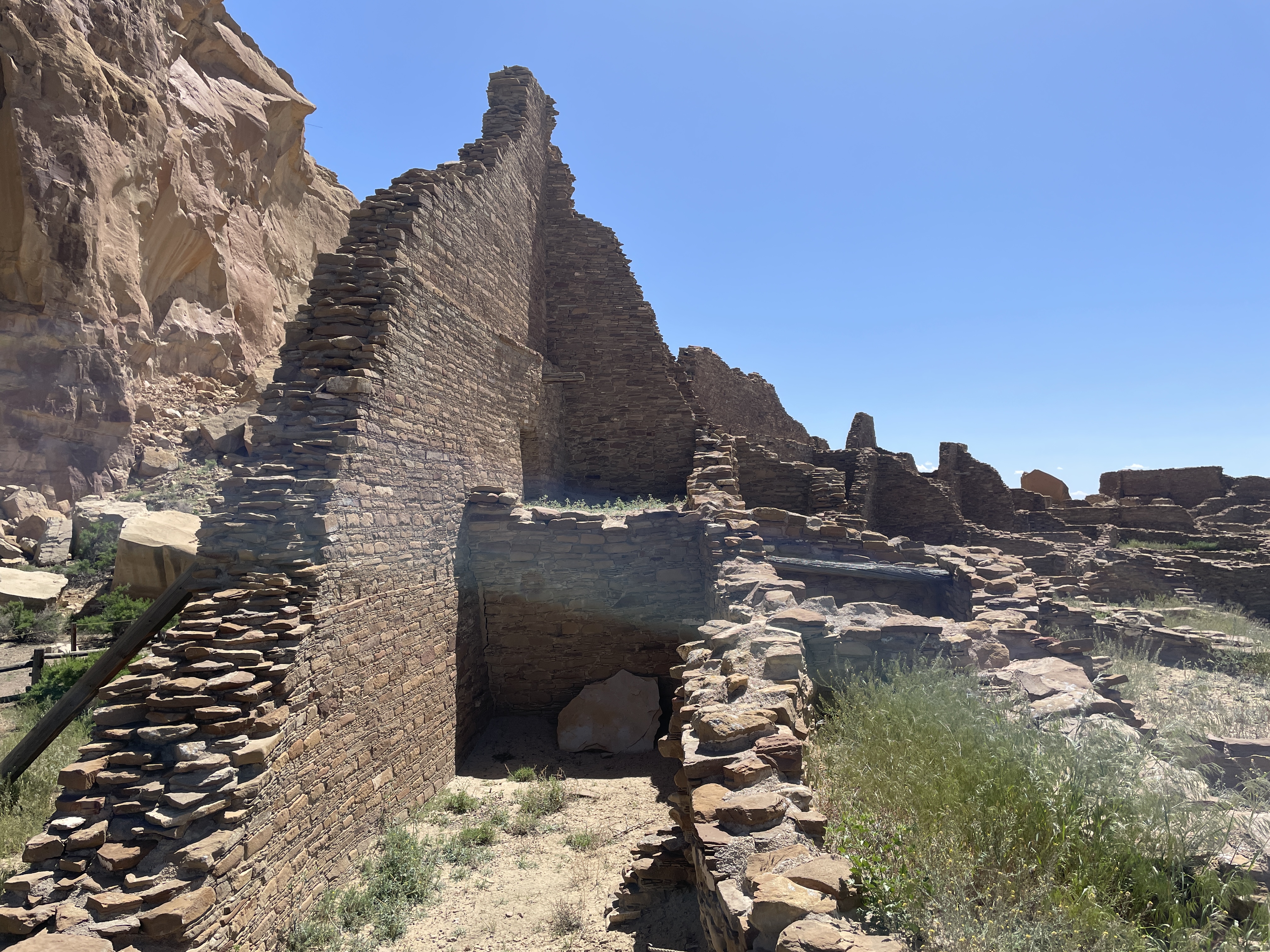
In this view you can see how the rocks that fell from the cliff have destroyed parts of the structures.

Many of the buildings were several stories high. In their heyday, they did not look like this. They were covered with something like stucco and painted white. What an impressive site they must have been–large white structures in the middle of the brown desert. Archeologists think few people lived here. It was a place for gathering, for ceremonies, for trade, for people from long distances to meet.

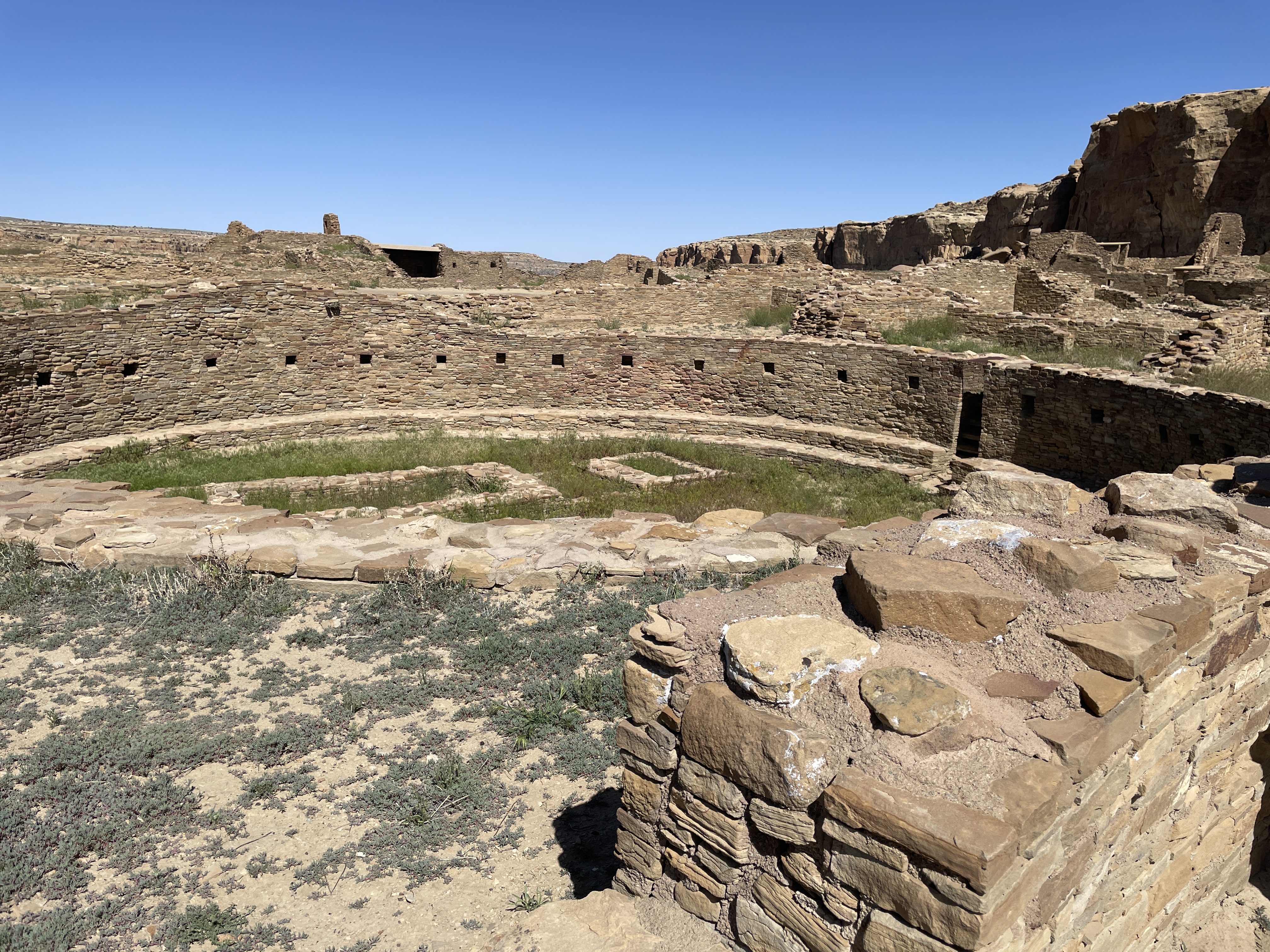
Across from Pueblo Bonito is the largest kiva found in the area.

Behind the bars on the far side of the photo is an area that was used for ceremonial dancers to don their costumes. At the bottom you can see a depression with a small door. Before centuries of sand filled it in, this place would have be large enough for the ceremonial dancers to enter through it.

If you follow a trail along the cliff from Pueblo Bonito, you will find another area built at different times hundreds of years ago.

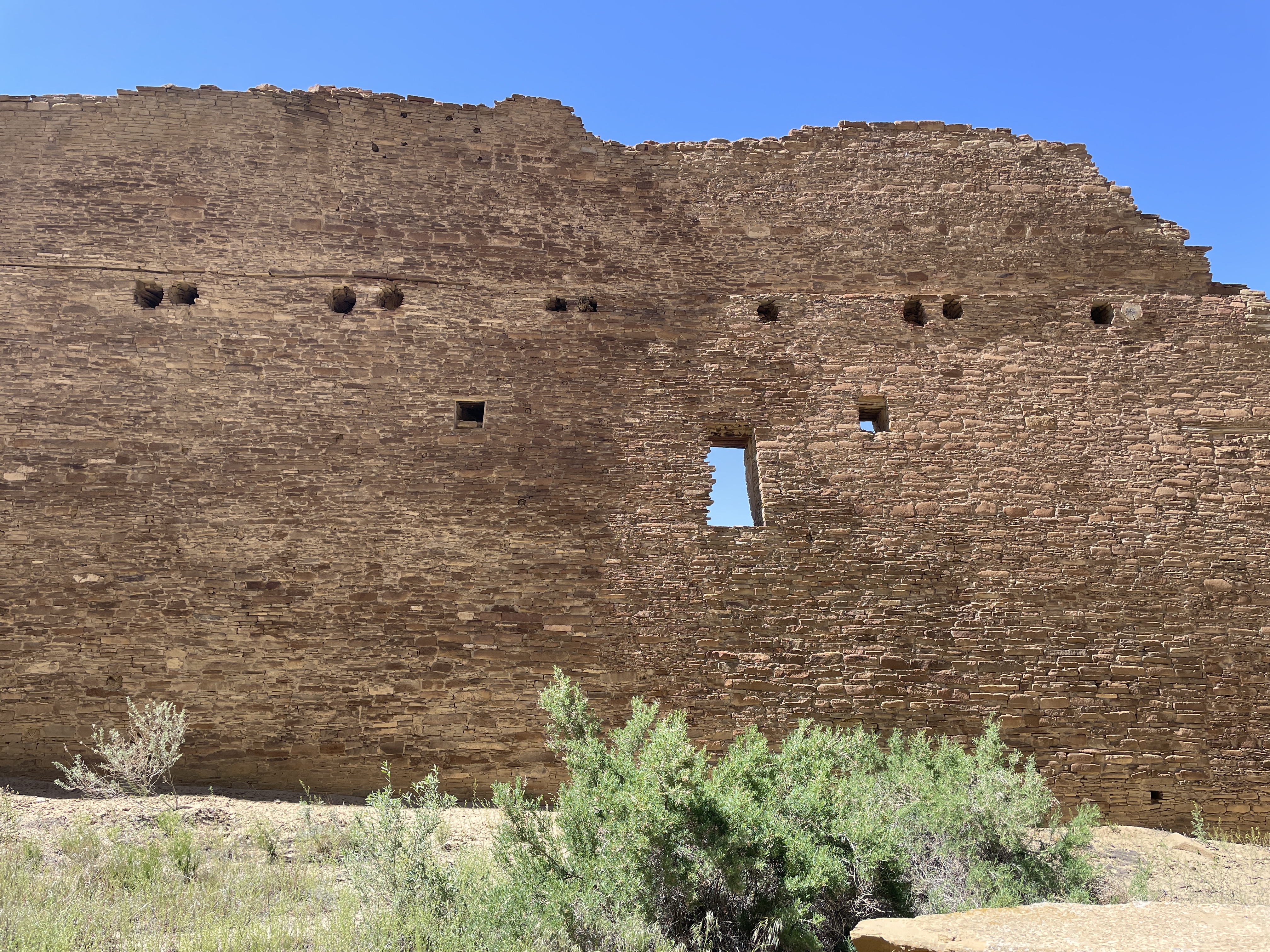
Another large kiva and many smaller ones are located at this site, including this famous long wall built at two different times.

The following shows where at some point the wall stopped, then later it was continued using somewhat different building material and techniques.

The top photo is considered the newer part of the wall.

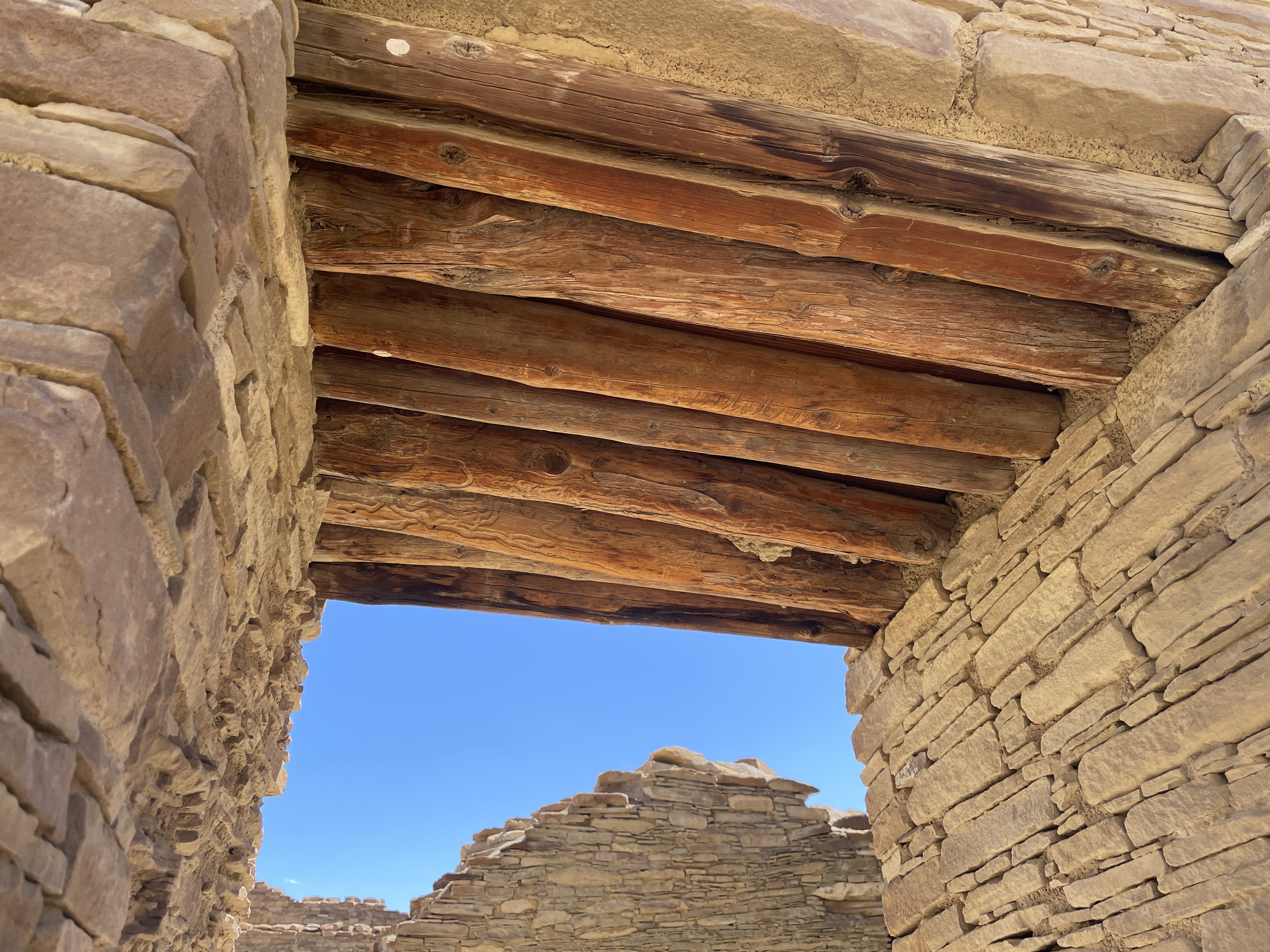
The wood used for tops of windows and doors was brought from forests hundreds of miles away. The desert air has enable it to be preserved.

When you walk the trails, you see wild flowers and native plants. This is desert rhubarb and it is edible.

While these are photos of the more impressive structures at Chaco Canyon, more than two hundred ceremonial and meeting sites can be found in this area of NM and AZ.

Canyon de Chelley–Part Two: Driving into The Bottom


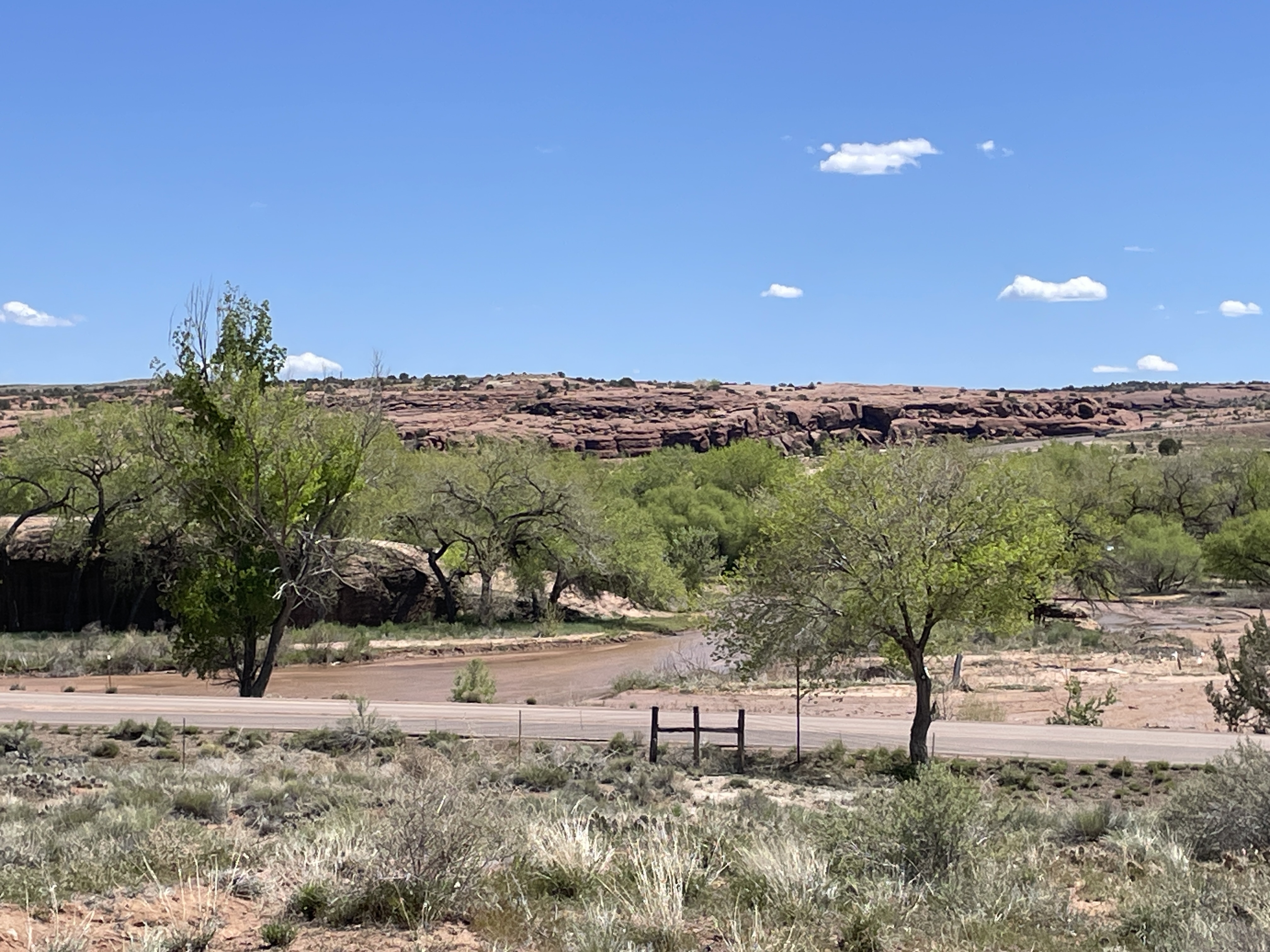
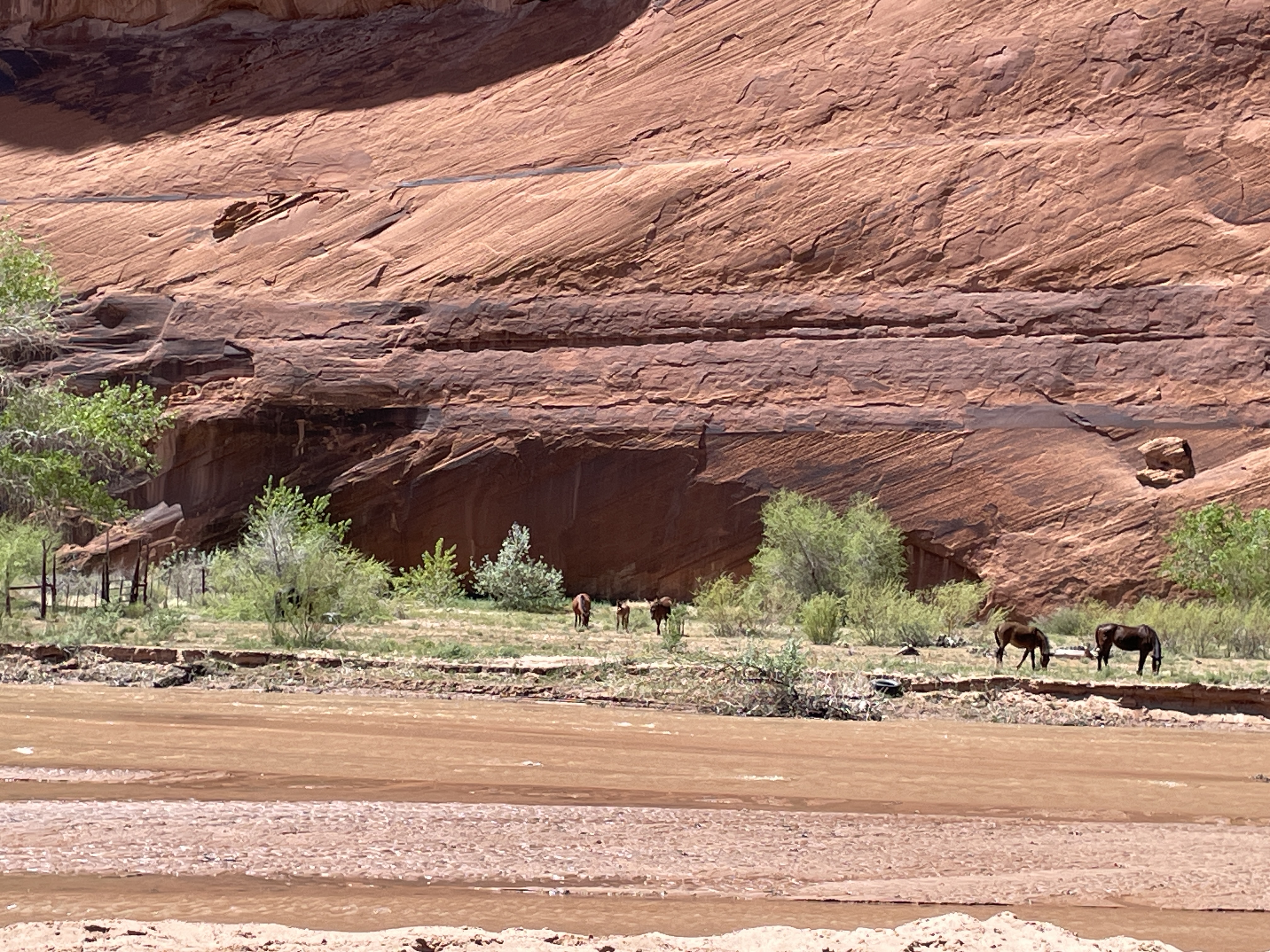
Canyon de Chelley was named by the Spanish who could not quite pronounce the Diné (Navaho) word for it and hence this name which is pronounced like de shay. It is more than 30 miles long and has a river running through it at least a substantial part of the year. In summer native people live there with sheep, horses, etc. even though fewer and fewer of the younger generation choose to do so. To enter the bottom of the canyon, you must acquire a permit and hire a Navaho driver. This is to protect it from the vandalism that occurred in the past. Canyon de Chelley is jointly managed by the National Park Service and the Navaho Nation.

Canyon de Chelley begins at the edge of Chinle, AZ, near the Holiday Inn which, by the way, serves traditional food such as mutton stew and blue corn fry bread. Yes, I ate both. This photo shows the beginning.
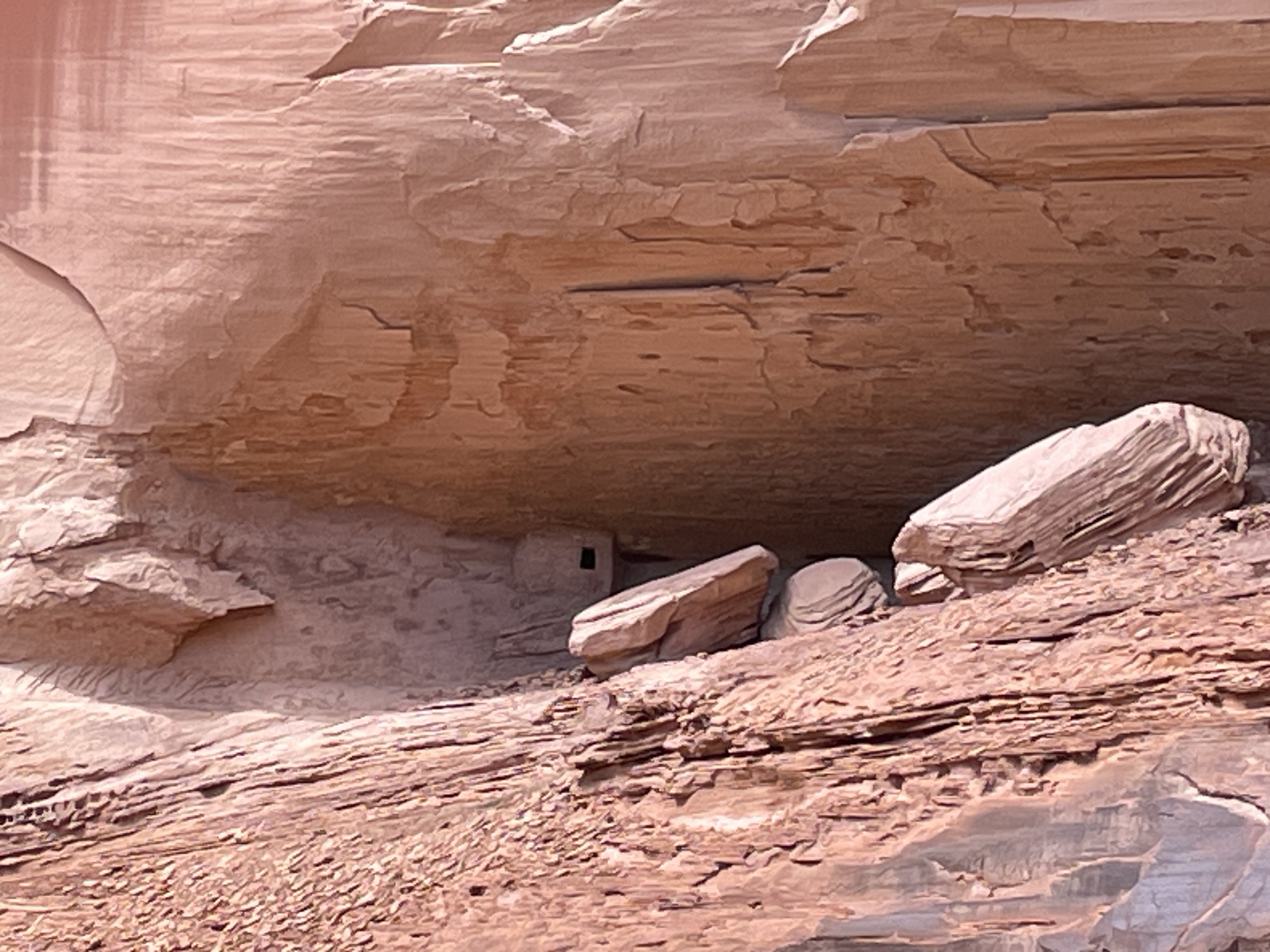
It was quite a trip; I sat between two women in the back of a Jeep with a perfect view of everything right in front of me. Oscar, the driver, knew exactly how to traverse the water, the wash (what they call this stream), run up and down the banks.

Driving right up the middle of the wash.

Petroglyphs can be seen in so many places we stopped that I lost count. Oscar said they are nearly endless and can be found throughout the canyon walls.

A few days previous to our arrival it had snowed so everything was green and lush from snow melt.

In addition to petroglyphs, there are etchings in the rock walls.

In this case an etching/rock carving of horses.

Yes, we drove under this overhanging tree limb.

Sometimes the wash was narrower and deeper and we drove up and down steep banks and through deeper water.

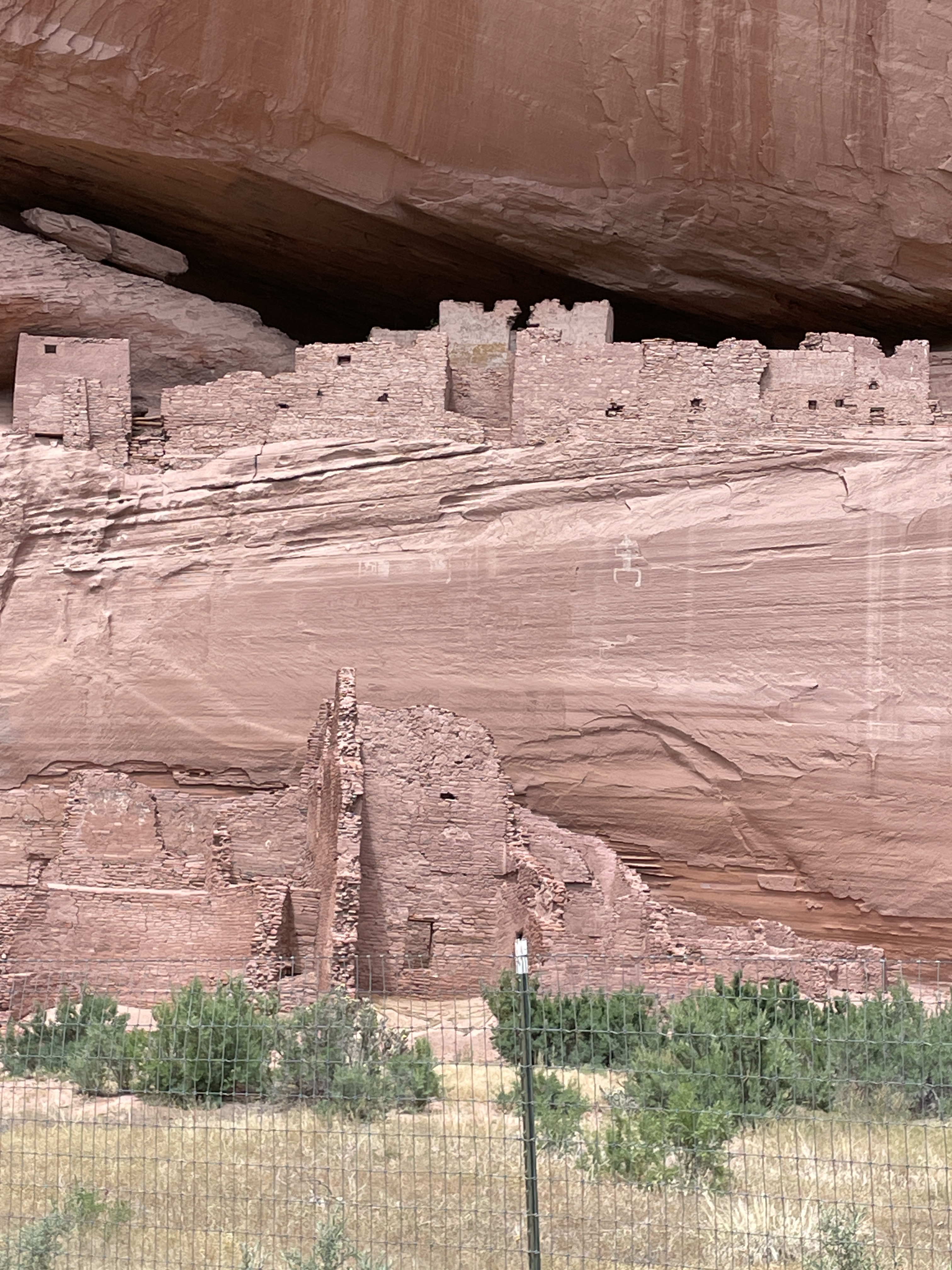
Ancient pueblo people lived here for centuries, some more than 5,000 years ago. This is one of the largest pueblo structures in the canyon (The White House–due to a white washed wall which you cannot see from this vantage point). The fence was built to protect it from vandals. We saw many smaller dwelling places and Oscar said there are hundreds in the canyon.

Headed back down the wash. This was a half day trip so only saw less than half of the canyon. You can hire for an all day trip complete with picnic lunch and go all the way to some of the famous formations that can be seen from the road at the edge of the top. There is also a side canyon called Muerto–due to a massacre of the natives that occurred after the Navaho forced long march.

The Jeep needs a bath after this trip.

Note: With a permit and guides, there is camping and horseback riding trips up the canyon in addition to this type of tour.

Canyon de Chelley–Part One


One of the most famous canyons in the country resides inside the Dine (Navaho) Nation. While administered by the National Park service, it is also the home of several Dine families. You can drive through the roads on the top freely, stop at various viewpoints, take photos, etc. Here are the various views I saw last week while there. The bottom of the canyon is restricted. To go there, you need a permit and a Dine (Navaho) guide. More about that in the next post.

Several families live in the bottom of the canyon, especially during the summer months. You cannot go into the bottom of the canyon without a permit and a Navaho guide.

Puma–2


Years ago while visiting Albuquerque or Santa Fe, I acquired a Zuni puma fetish. It is the only fetish I own. I bought it because it is a puma, the Directional Guardian and prey god of the North, representing independence, personal power, intensity, and loyalty, carried by travelers to protect their journey. It resides on a dresser in my bedroom, watching over me, protecting my life journey.

As I mentioned in a previous post, my puma obsession extends to researching them and writing poems about them. The following poem was originally published in my book, “On the Rim of Wonder”.

My neighbor walked out her door

found a puma lying on the lawn.

Puma rose, stretched, disappeared.

At night when I open my gate

I wonder if she lurks

behind the cedar trees,

Pounce ready.

A Zuni puma fetish guards my sleep.

I run with puma

Night wild

Free.

I scream and howl

Moonstruck

Bloodborn.

I hike the canyon

stroll around my house

look for puma tracks.

I see none.

I would rather die by puma

than in a car wreck.

Pumas — 1


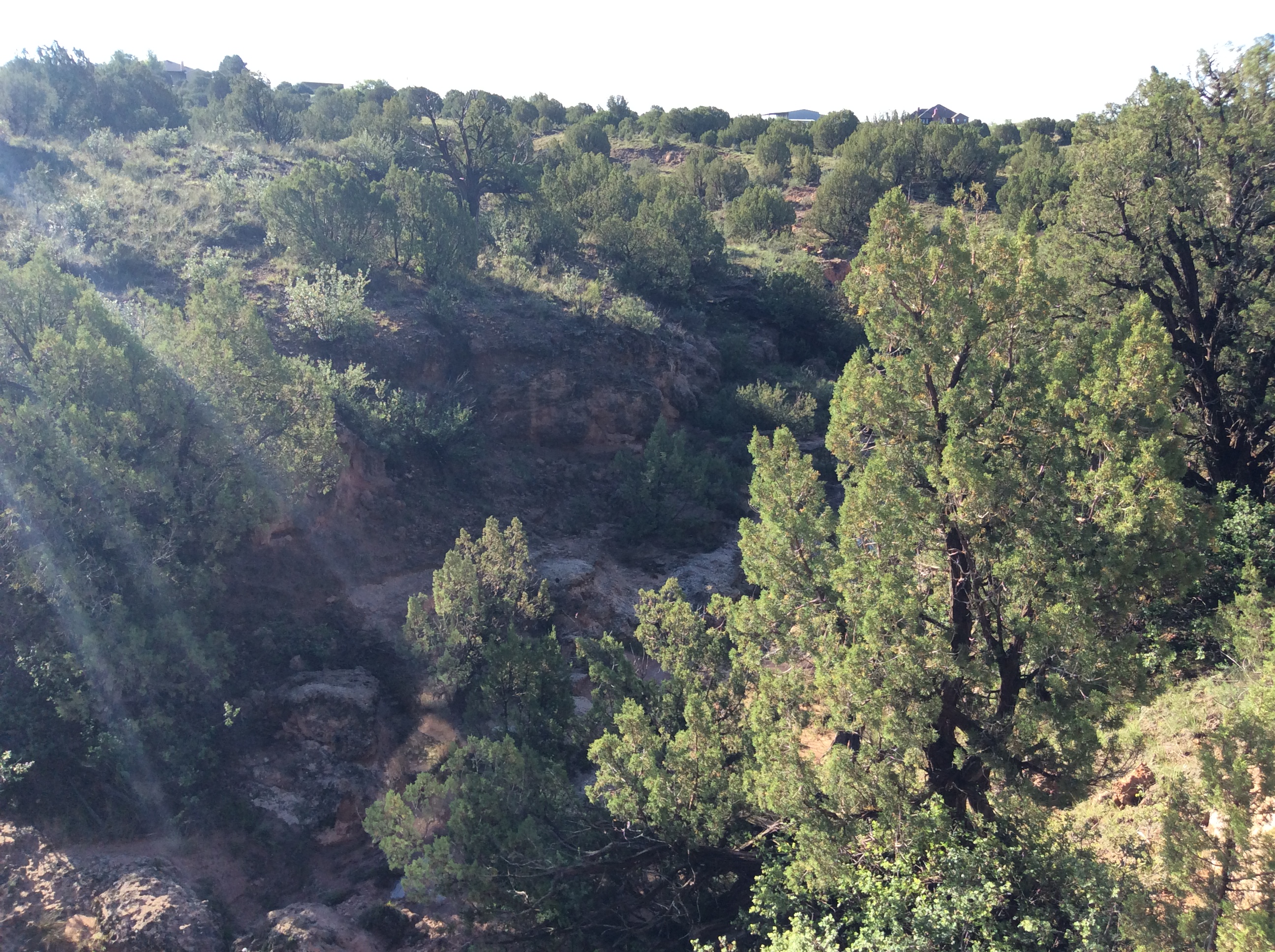
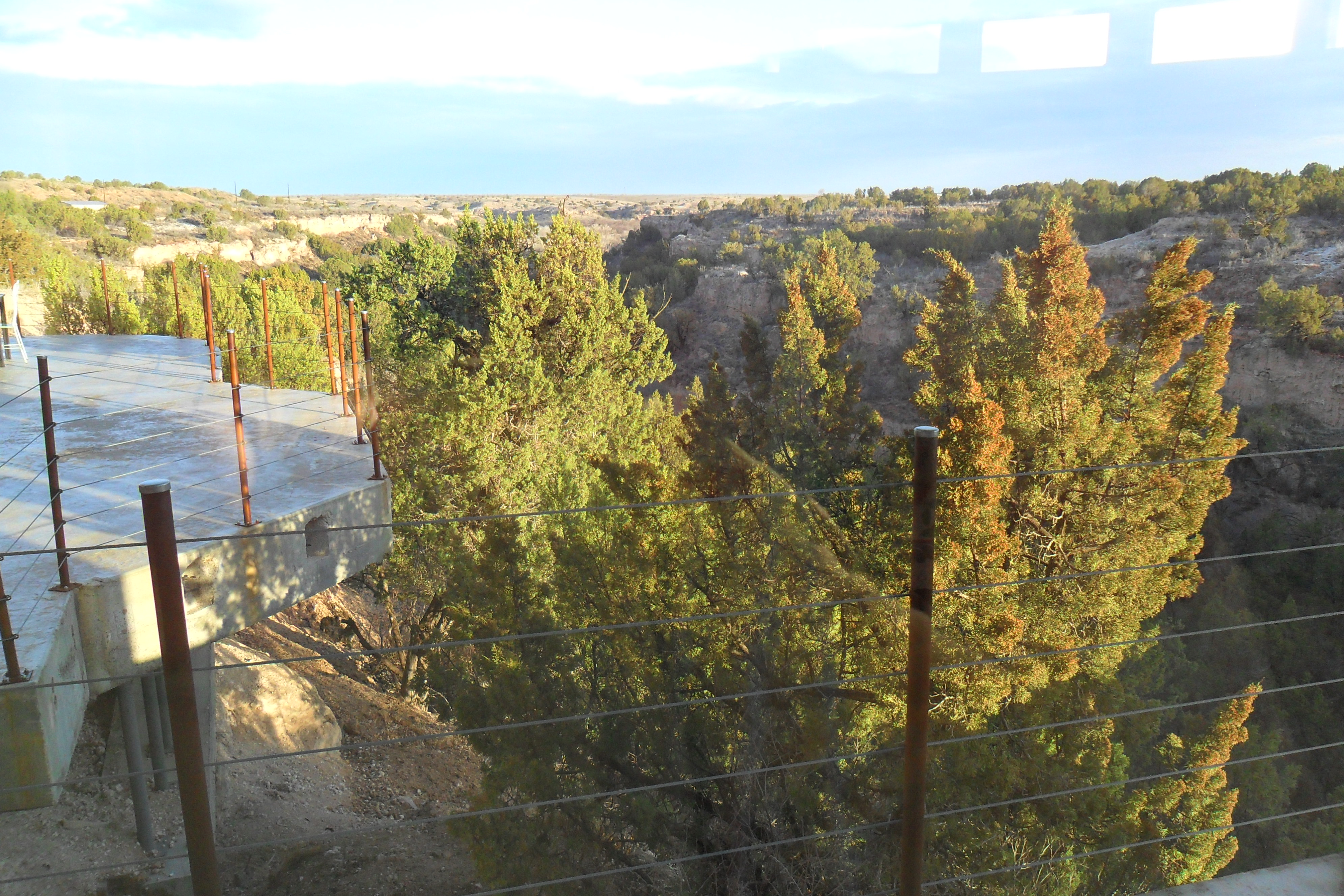
Some people possess obsessions. For me only one really exists–pumas. I kept hoping I might see one when I lived at the edge of a canyon in the Panhandle of Texas even though I knew where I lived was probably too populated. Now, living in LA Country, I realize pumas can be anywhere. Have not seen one yet, but I keep hoping. I’ve considered driving 1/2 hour up into the Los Angeles National Forest to hike and hope. Since one of my walking partners refused to go any farther when the sign said “Watch for Bears”, I would have to take the hike alone. The bear sign did not deter me, but she could not go home since I drove so I went back to the car with her. People see bears in town all the time, but rarely pumas or if they are around, they hide. My puma obsession includes dreaming about them and writing poetry where they star. Here is one of the puma poems I wrote while I still lived in Texas.

I watch for eyes, blue changing to amber and back.

I put my palm, fingers stretched to measure, into the footprint.

Too small, bobcat

No puma.

My thin body squeezes between the rocks,

climbing quietly down the cliff.

Watching, listening, searching.

No puma,

Pale amber rushes across my vision line.

My hearth quakes.

I watch; I wait.

It is Isabella, a golden whir chasing rabbits.

No puma.

At sunrise, I walk the rim,

watching.

At sunset, I walk the rim,

waiting.

At night, I walk the rim,

dreaming.

No puma; not yet.

I’ve had this photo, taken by a famous wildlife photographer, for at least a decade. She, yes, it is a she, watches over me daily. In my bedroom is a puma Zuni fetish and a painting. I have a couple of others here and there in addition to books about pumas. Someday before I die, hopefully.

Bittersweet


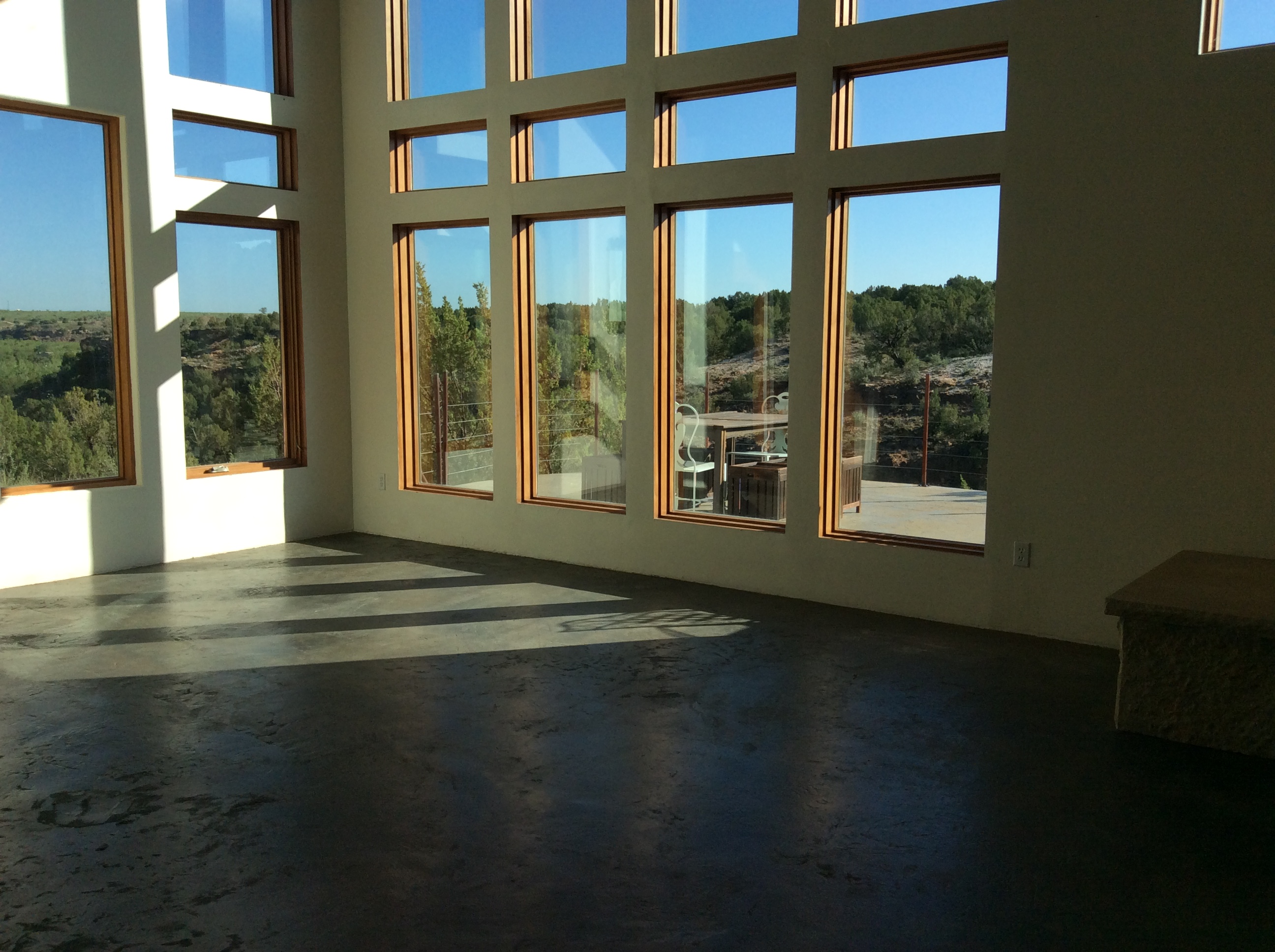
Ten days ago I took the final photos of the house I originally built as my dream home. Events occur, life changes, new adventures await. Final photos taken from the patio, great room, and walkway to the barn of the house where I lived the last 13 years.

Now I am in The San Gabriel Valley in northeastern LA County house hunting. The trees here, the flowers, the succulents astonish. Purple jacaranda trees in full bloom line many streets. Yesterday evening while out strolling around the hotel grounds for some exercise, I saw the largest humming bird I have ever seen. I feel excited to start this new adventure.

Boxes and Handprints


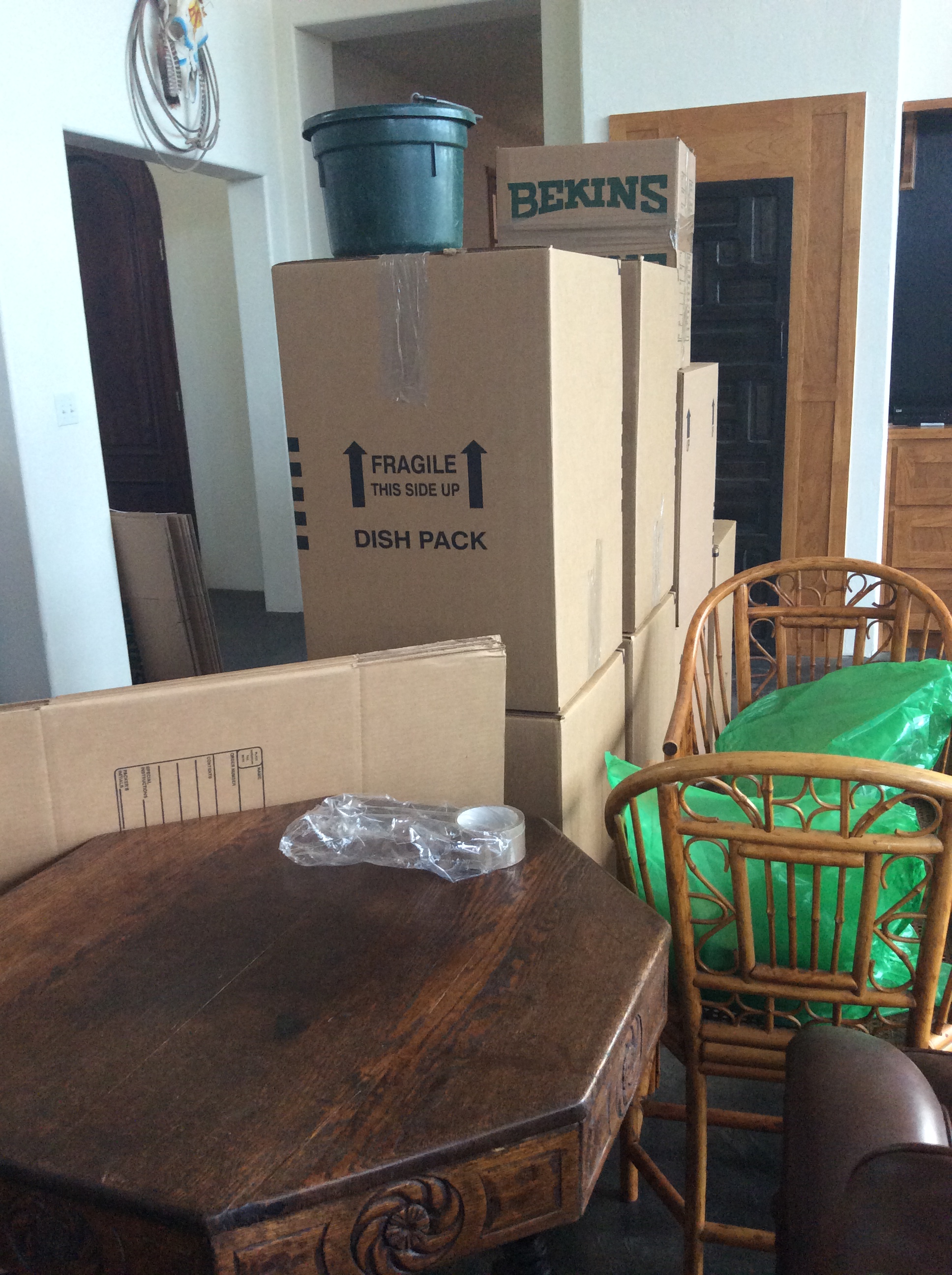
This morning my house looked close to normal in spite of all the packing I had already done. I began with meditation, made coffee same as always, completed my yoga routine, ate some yogurt with walnuts. Normal ended there. I moved the car out of the garage, hiked to the gate and opened it, waited for the professional packers, figured it would take them two days. These two guys–twins probably in their 50s–are speedy. Even after getting lost and finally arriving close to ten and taking a lunch break, they have packed a lot of my life today.

Mom’s crystal, hand-painted dishes, Grandmother’s (whom I never knew) dishes, the silverware Dad gave mom on their first wedding anniversary, all the little painted china pieceds D’mitri made for me reside somewhere in these boxes.

These hold CDs and movies collected over a couple of decades, corn maiden Kachina dolls, a Navaho hoop dancer, Talavera pots, a Thai spirit house–so much of me.

I thought last night would be my last here, but I am staying tonight. All they have left to pack now are clothes, the TV, and this computer. They said they would leave this to last so I could still use it. It is a lovely evening looking down the canyon, a golden light hard to capture with an iPAD.

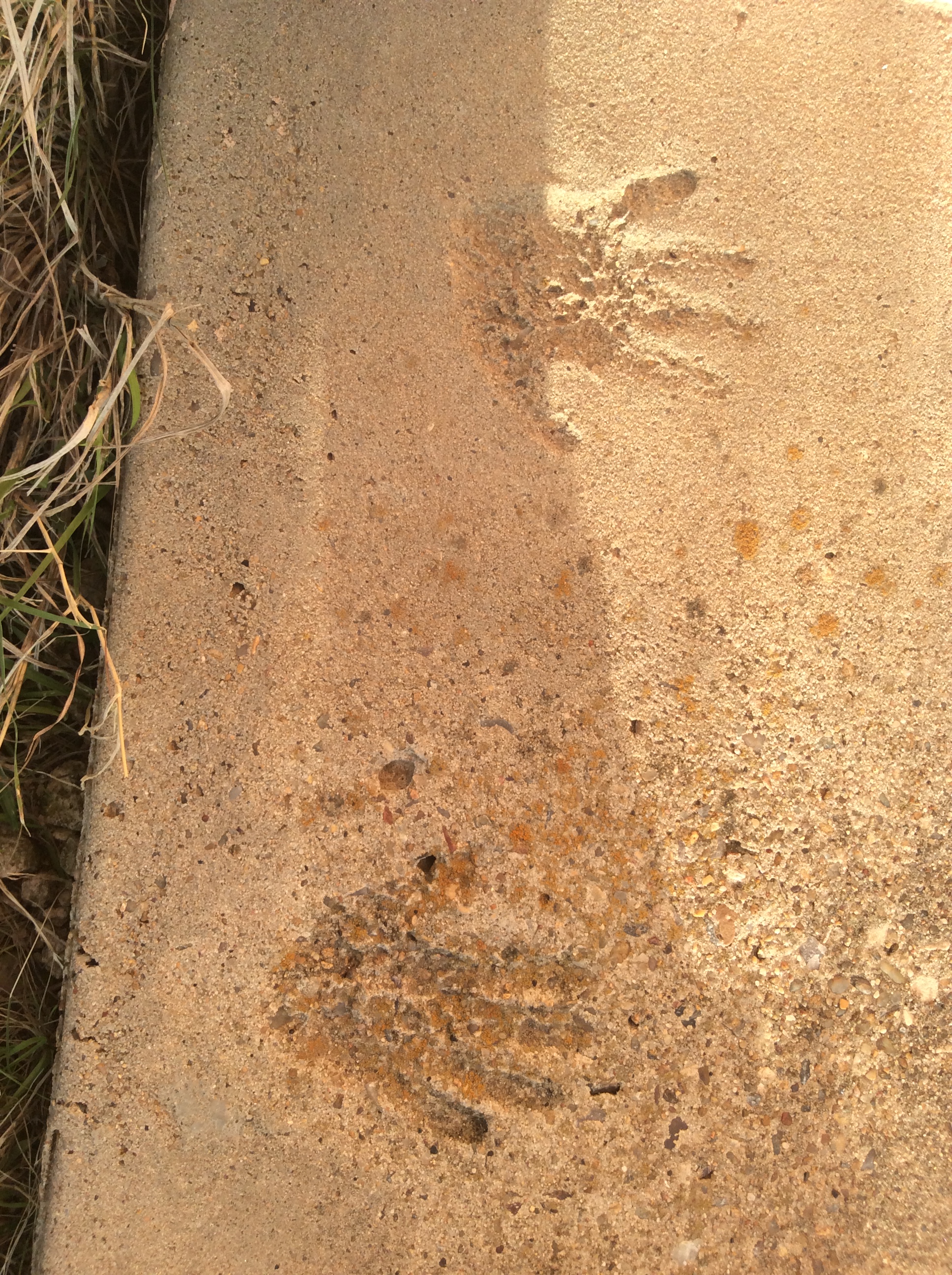
One of the hardest things to leave is D’mitri’s four year old handprints in the cement by the garage. He graduates from high school one year early on Friday. Yes, I will miss this beautiful setting, what I thought was my dream house, the canyon, the wildlife. Nevertheless, I am looking onward to new adventures in a new setting, making new friends, and seeing old ones more often whom I rarely see now.

Five Days: Tornadoes, Dust, Wind, 76, Blizzard


Hunkered down with two pillows–“Safe Place”??

Check TV to track tornadoes

It quits

Try to read, can’t

TV returns, tells me maybe safe

Tornados went east a few miles

Next day tan fog–dust

Wind, can’t stand up

Then spring, 76 degrees, birds sing,

sit on patio, sip tea.

Next morning, blizzard, wind roars,

no electricity, white out,

read by flashlight.

Electricity returns.

Thankful!