Volunteering at Palo Duro Canyon


424908_2650517636082_1731467384_n

In front of the Visitor’s Center with Eduardo and Gaston, exchange students who lived with me several years ago.


Occasionally, I volunteer in the gift shop at Palo Duro Canyon, the second largest canyon in the United States.  If  individuals drove through Amarillo on I-40 through the endless flat prairie land and never ventured far, they would not even be able to dream up this canyon only twenty miles away.  To get there, you have to drive through more flat land, covered in wheat pasture, corn, milo, and the few remaining pastures of native grass.  You can see for miles; you can even see the taller buildings in Amarillo which are not all that tall.  Then, unexpectedly the land opens up, cliffs appear.  The first time you see it, you feel astonishment.  Nothing you see on the way there prepares you.  Years ago Battelle Memorial Institute sent me on a business trip to Amarillo.  People told me I should go see the big canyon.  I laughed to myself, thinking they must be just talking about a large arroyo.  When I finally did drive down, my mouth gaped in shock.  How could this be?

Palo Duro Canyon is still being created by water erosion.  The Prairie Dog Town Fork of the Red River (no I did not make this name up) runs through it.  Barely a running stream now with the drought, when a big summer thunderstorm blasts it fury, this river can rise ten feet almost immediately.  When it does this, campers remain stranded inside the park until the river calms down because to get into the park, depending how far in you go,  you have to literally cross the river repeatedly.  Because of this, they have decided to build bridges across the five water crossings.  Some of us who love driving through the water find this innovation unacceptable.

Today, I volunteered from 1-5.  People came in from Indiana, Minnesota, Ecuador, south Florida–on a trip to Californian and back, Ohio, Germany–a young woman working as a nanny here.  Usually, I meet even more people from other countries, especially European countries.  When I ask the Germans in particular how they know about this place, they tell me Palo Duro Canyon and its history is featured on the Internet there.  Here come all these people from far away and I have students who live a mere 25 miles away and have never seen it.  The family from Indiana came because their daughter wants to attend West Texas A & M University in Canyon, Texas–named after the canyon of course.  She told me she wants to bring her horse and WT is one of the few universities in the country where you can major in agriculture and participate in an extensive horse program.  She exuded excitement and enthusiasm.

In the midst of chatting with all these visitors, I noticed the unusual behavior of one woman in particular.  She had medium grey hair pulled back in a ponytail with hair a lighter shade of grey framing her face. All her clothes were dark grey.  She walked to the book area–we sell a lot of books, and started flipping slowly through several of them.  She picked them up as if they were delicate flowers or fragile glass.  She held them as if she thought they might break if she held them tight.  When she put one up to look at another, it appeared as if she barely touched them.   She never smiled, just looked and looked and looked.  She did not buy a book.

Myanmar Then and Now-Part One


More than twenty years ago, I went to Myanmar when it was still called Burma.  I flew there from Katmandu.  Compared to the cool, crystalline mountain air of Nepal, the hot, moist, Burmese air felt stifling, thick.  Day one, we left the Inya Lake Hotel and traveled to downtown Yangon to purchase tickets to Pagan.  We never left Yangon because the first of many revolts against the military government started.  Everyone strongly opposed going there by the night train and the last plane headed that way had been shot down.  Personally, I was willing to take the risk but could find no one else willing to go with me.  Everyone was under a 6 pm to 6 am curfew.  Unexpectedly, hundreds of hotel guests were confined to the hotel and its grounds, thankfully rather expansive.  This unusual circumstances provided unexpected opportunities.   To accommodate feeding everyone dinner, the hotel staff asked guests to share tables.  I shared a table with a man from South Korea there to build a sport shoe factory, two women from Germany headed to a medication retreat, and a gentleman with an English accent.  We shared life stories except the “Englishman”.  His sharing seemed a little “off”.  Later, when the rest of us chatted and put together what little he shared, we decided perhaps he was an arms dealer.  One evening guests experienced the privilege of watching the guests for an elaborate Burmese wedding, complete with traditional wedding clothing.

Although clean and orderly, this “one of the best hotels in Burma” looked more like photos of Russian army barracks than the hotels to which most of the guests were accustomed and absolutely nothing like anything else near Yangon.  Few cars roamed the streets.  The most common vehicles were small pickup trucks in which the bed had been transformed into an open air van complete with seats and a cloth roof.  The populace exuded an air of dejection.  Those who bothered to save money saw it devalued to nearly nothing.  The once elegant, ornate buildings showed signs of disrepair and decay.  A country which was once the world’s largest exporter of rice was rationing it as well as gasoline.

Unless you sleep twelve hours a day, curfews present challenges.  What do you do with yourself for all those evening hours after 6 pm hits besides eat a leisurely dinner.  I walked the glorious hotel gardens repeatedly and became acquainted with the hotel gardener who spoke perfect English and whose father had attended Columbia University.  His roses were as tall as I am.  He asked me repeatedly, ” How does my garden measure up to modern standards?”  When I offered tp send him horticulture magazines, he told me they would be confiscated as evil, foreign influences.  Paddle boats lined the lake’s edges.  Guests could use them free but  guests were told not to go far out because we might get shot at.  The luxurious villas of the ruling military elite lay readily visible on the distant opposite shoreline.

During the day, everyone rushed out to make the most possible out of the 12 free hours.  Mainly, I recall an overwhelming sense of gold, glitter, and glass tiles reflecting the tropical light.  At first, it induced a feeling of slight nausea, so much sensory input I felt slightly sick.  But I adjusted.  As if scattered, glittery golden temples were not enough, there rose the Shwedagon Pagoda, 99 meters covered in gold, real gold.  I spent an entire day there, wandering its environs and still missed some of it. Saffron clad monks, vendors selling “sacred” items and snacks, nearly a city within itself,  old, originally  built in 1372 and 344 feet high, repeatedly rebuilt after earthquakes and foreign raids.  Impressive is an understatement.

If Burmese history and culture interest you, I recommend three fascinating novels:

To Save Fish From Drowning by Amy Tan

The Piano Tuner by Daniel Mason

The Glass Palace by Amitov Ghosh

All three focus on one or more of the ethnic groups that inhabit Myanmar and on their relationships with each other.  The latter two are historical novels and in particular Ghosh’s book provides a fascinating history of that part of Asia.


On a cold winter evening


This post displays my occasional propensity for pensiveness and reflection.  The highest temperature today was 8 degrees.  The weather forecaster predicted a low of zero, very cold for here with more snow.  In  a few months, it is likely we will hit 100.  Who would want to live in such a place?  Yet people do, worldwide.  Some in places much colder and hotter.  How and why did they all get to wherever they are?  Millennia ago we all migrated from Africa and look at us now.  We think we are smarter, better, but are we?  Perhaps technologically, but psychologically??  War rages over differences in ethnicity and religion.  Clashes for thousands of years change little, just the nature of the weapons, the use of advanced technology.  The intent remains the same.

Sunday, I finished a book by the Turkish writer, Elif Shafak.  I have read all her books translated into English.  This, her latest, Honor, details the effects of the belief in honor of above all else.  To paraphrase one of the main characters, a poor man:  rich men possess money, fancy cars, lavish houses, travel, but poor men have nothing but their honor.  Acting on this belief leaves one family devastated.  For those who desire to learn about other cultures and to understand the behavior of the individuals in them, I highly recommend this novel.

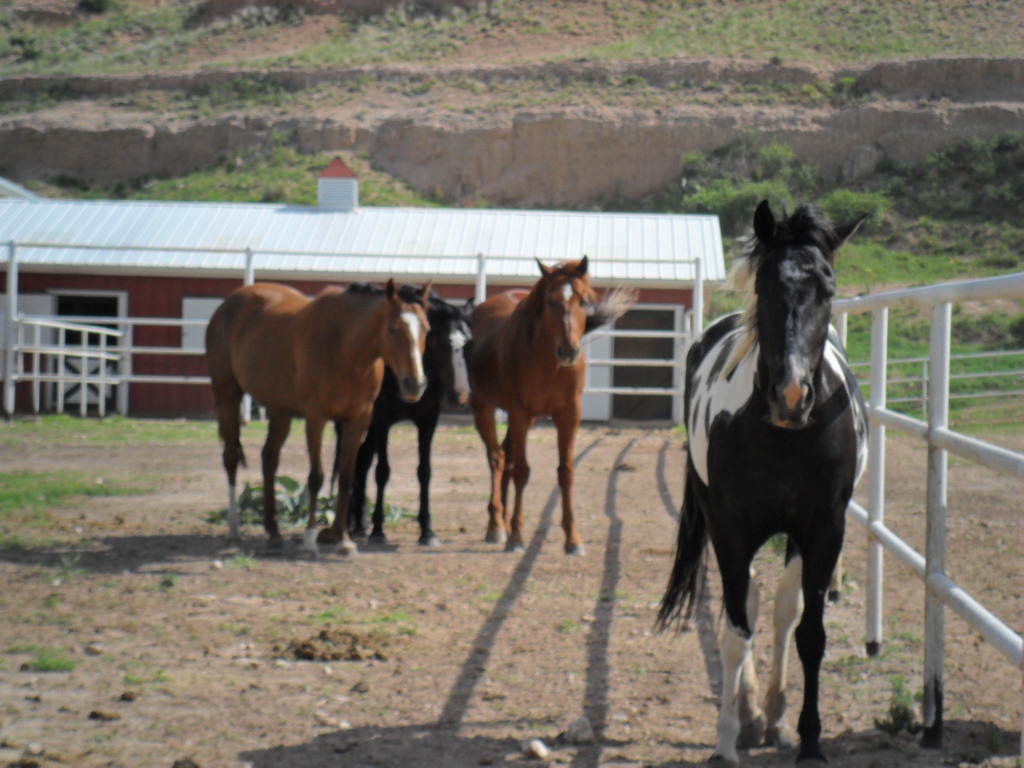
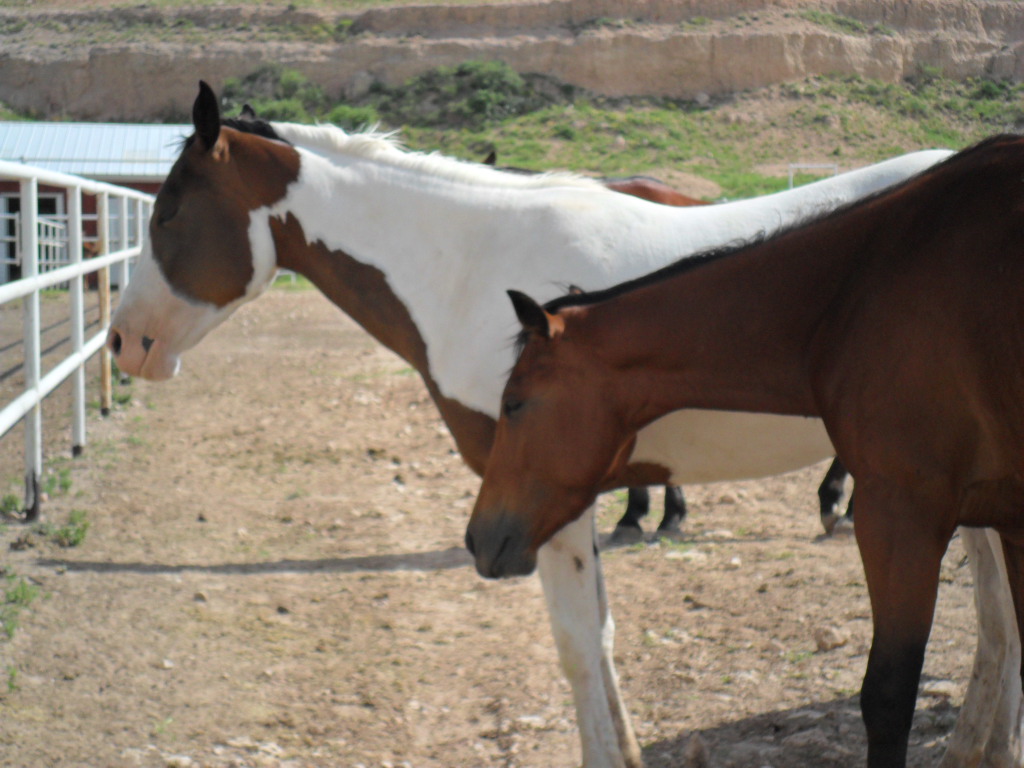
Earlier, I donned two pairs of gloves and socks, four layers of clothes, and ventured out.  If you own horses, you have to feed them regardless of the weather.  Unlike me, my dog, Isabella, fares well in this weather.  Her part wolf blood gives her an undercoat perfect for winter extremes.  Inside, I viewed my larder–what to cook on a frigid winter night?  A simple chicken curry with onions, brussels spouts, jalapeño peppers, and chicken with Jasmine rice, red, white, and black.  And a glass of red wine, cabernet franc, from a local winery, the only wine I have ever seen from only this one grape.  It is usually added to blends.  Definitely haram–still thinking about that book.

SAM_1428

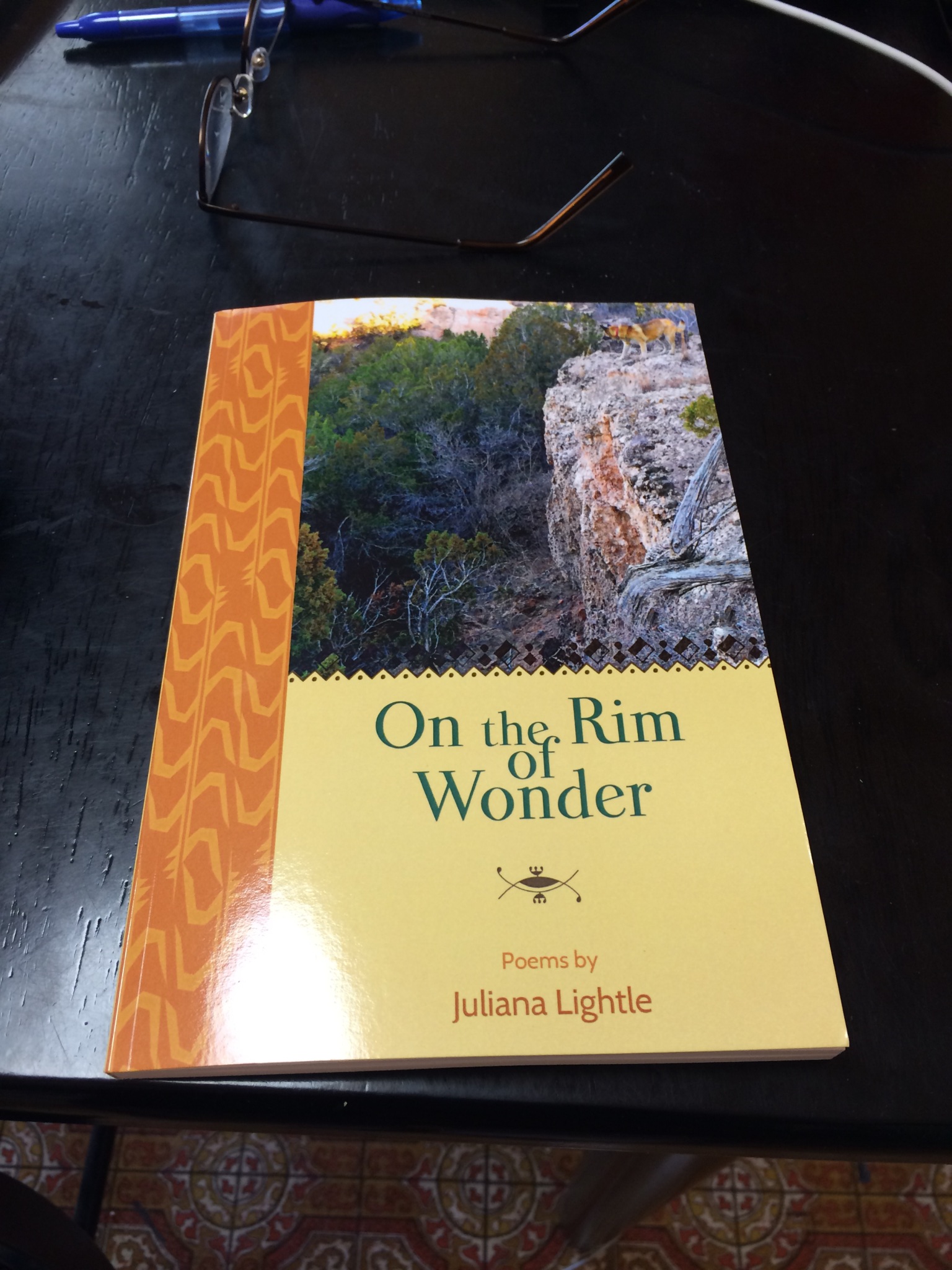
As the temperature drops, building a fire in the wood stove seems like a reasonable endeavor.  I love fires but hate to build them.  Nevertheless, sitting in front of the fire reading brings a silent joy, a paradise.  I feel at peace:  chores done, warm house on a frigid winter night, satisfying dinner homemade, and the knowledge that my book of poetry lays in its final stages with the editors and photoshoppers who will make it publication ready.  I feel extremely grateful, looking forward to dazzling dreams on the rim of wonder.

sam_0303.jpg

The Story Circle Network


This month, January 2014, is the anniversary of my becoming a STAR BLOGGER with the Story Circle Network, an organization of women writers from all over the world headquartered in Austin, Texas.  This month, I became a member of their board.  Every other year they hold a conference in Austin, Texas.  This year the conference will be April 11-13 at the Wyndham Hotel in Austin.  You do not have to be a writer to attend the conference.  I attended for the first time nearly two years ago and it changed my life.  Yes, I had published a book previously, a book about preventing sexual harassment, co-authored with an attorney–written years ago when sexual harassment was a particularly “hot” topic in corporate America.  It was even translated into Spanish.  I had been paid to write technical manuals, paid to speak at a technical conference, that sort of thing.  I wanted to write something different, something creative.  This conference lead me to a new writing path for which I am very grateful.

The Story Circle Network provides all sorts of classes as well, memoir writing, travel writing, poetry, flash fiction, blogging, as well as editing services and advertising.  First, I took a blogging course and started this blog–that anniversary will be next month–two years blogging.

Now to the big news:  within the next couple of months my book of poetry, On the Rim of Wonder, will be published.  Some of the poems or versions thereof were first published right here on this blog.  Do you want to become inspired, change your life, meet fantastic women writers, visit Austin?  Attend this conference!!!  You will not regret it.

ad_scnconf

Bedtime Reading or Not–the Hazara


A lifelong habit that helps me settle down to sleep remains reading.  However, occasionally I delve into a book that turns out not to be so wonderful to read just before going to bed.  The topic turns to the disturbing and then, suddenly, my mind churns.  By that time, it is too late to go back.  Or, like the book I am reading now, parts of it consist of stories inspiring, amusing, enlightening, parables for life.  Then there are the other parts:  the abuse of an entire people by the other ethnicities surrounding them, genocide, turmoil, invasion.  I remain a lifelong lover of libraries.  Recently, while browsing through new books, I found this one:  The Honey Thief  by Najaf Mazari and Robert Hillman.  Mazari grew up in a Hazara village in the northern part of Afghanistan, the area known as Hazarajat, became a master rug maker and fled from the Taliban to Australia in 2000 where he met his now close friend and coauthor.  For several days now, it has been my bedtime reading.

The Hazara people speak a dialect of Farci, the language of Iran.  Data varies, but they number approximately seven million in Afghanistan and remain one of the largest ethnic groups there.  Nevertheless, in spite of this, other groups discriminate against them for various reasons, including the fact that most Hazara are Shia Muslims surrounded by Sunnis.  Until 1893, they were the majority when half were massacred and many fled to live in Iran, Pakistan, and India.  Some believe the Hazara are the descendants of Genghis Khan’s warriors.  Many resemble the people who live in Mongolia today and in many ways parts of their culture resemble that of Mongolia, e.g. their tents look like yurts; no one knows for sure.  They have lived in what is now known as Afghanistan for hundreds of years.  They are people of the mountains who have learned to cultivate beauty and farm in high, inaccessible places.  They are famous for poetry and story telling.  Unlike other women in Afghanistan, they shunned burkas, fought along side men as soldiers, and believed in education for women.  These attributes fueled discrimination by other groups there.

Now back to bedtime reading.  Several stories in particular contain what I consider the necessary qualities for bedtime perusal:  entertaining and instructive without gore, controversy.  They also hold an unusual quality of something you cannot quite quantify, a hint of the mystery of life, of a particular kind of not quite describable beauty.  Hoping that at least some of you will find the book and actually read it, I will first list the stories to read without dread or worry if you want to read at bedtime:  “The Wolf Is the Most Intelligent of Creatures”, “The Music School”, and the “Snow Leopard”.  Under no circumstances read “The Life of Abdul Khaliq” and “The Death of Abdul Khaliq”.  You will, indeed, learn a considerable amount of Afghan history, but unless you are quite heartless and insensitive, you probably will not be able to drift off to a pleasant dreamland for hours.

If all this stokes your curiosity, here are two websites to learn more about the Hazara:  www.joshuaproject.net and http://www.hazarapeople.com.