Book 13 for 2025: “Honey Hunger”, Zahran Alqasmi


This Omani author has won prizes for his fiction. Only a few of his books have been translated into English. This one takes the reader into the remote villages and mountain regions of the interior of Oman. Azzan, the main character, had received highest honors as a child and teen for his academic excellence but fails to win a coveted scholarship to travel abroad for college. His father, who is mainly absent during his growing up, berates him, and Azzan turns to alcohol and addiction. Eventually, he saves himself by becoming a beekeeper. He finds solace in the more remote, wild regions rather than the narrow confines of village life which is controlled by gossip and tradition.

In these wild areas he meets two other men. Although they do not keep domestic bees, they go camping together in the far mountain areas hunting for the prized honey from wild bees. One of these men is a Bedouin who trains prized racing camels. Through him and his wife and friends, he learns how much freer Bedouin culture is compared to that of the settled villages. He learns to dance and talk more freely with women. While in one remote area, he meets a woman, Thamna, who too has escaped the traditional village life and roams the wadis and mountains with her herd of goats always looking for better pasture. He becomes obsessed with her, always on the outlook as he keeps his bees and roams the interior of Oman hunting bees.

This story is not only about Azzan, but also his friends, traditional Omani village life, bee culture, and Bedouin life. For those interested in bee keeping, the author provides detailed descriptions of bee keeping. The language is poetic and infinitely descriptive. I could feel the wind, smell the different wild flowers and the taste of the honey created from them, see the Bedouin dancing, and feel Azzan’s heartbreak when disaster hits.

Although this novel describes a culture far different from that of the US and Europe, I found some things not all that dissimilar: the strict rules of small town life, the greater freedom found in nature, how people develop and lose interpersonal relationships. The language used makes the reader feel there in the moment being described. Plus I learned that bee keeping is very labor intensive and wrought with many things that can go wrong. I eat honey daily and now will have a greater appreciation of what goes into its production and harvesting.

Simple Pleasures


Taste the honey on your tongue

avocado, dark brown

clover, golden

so many shades, textures

sweetness

pleasure

Feel the breeze caress your cheeks

bringing scents

honeysuckle

lilacs

peach blossoms

pleasure

Touch the silken fabric of your scarf

wind softness around you

midnight and snow

rainbows

desert sunsets

pleasure

Listen to the birds outside your window

mockingbird love songs

a rapture’s scream

the whir of hummingbird wings

emerald, indigo, grey

pleasure

Look at flowers blooming everywhere

crimson bougainvillea

roses, sunshine colors

pale pink, vermillion

beauty

pleasure

Sing a song of Gratitude

Baja Trip-7: Tres Mujeres Winery


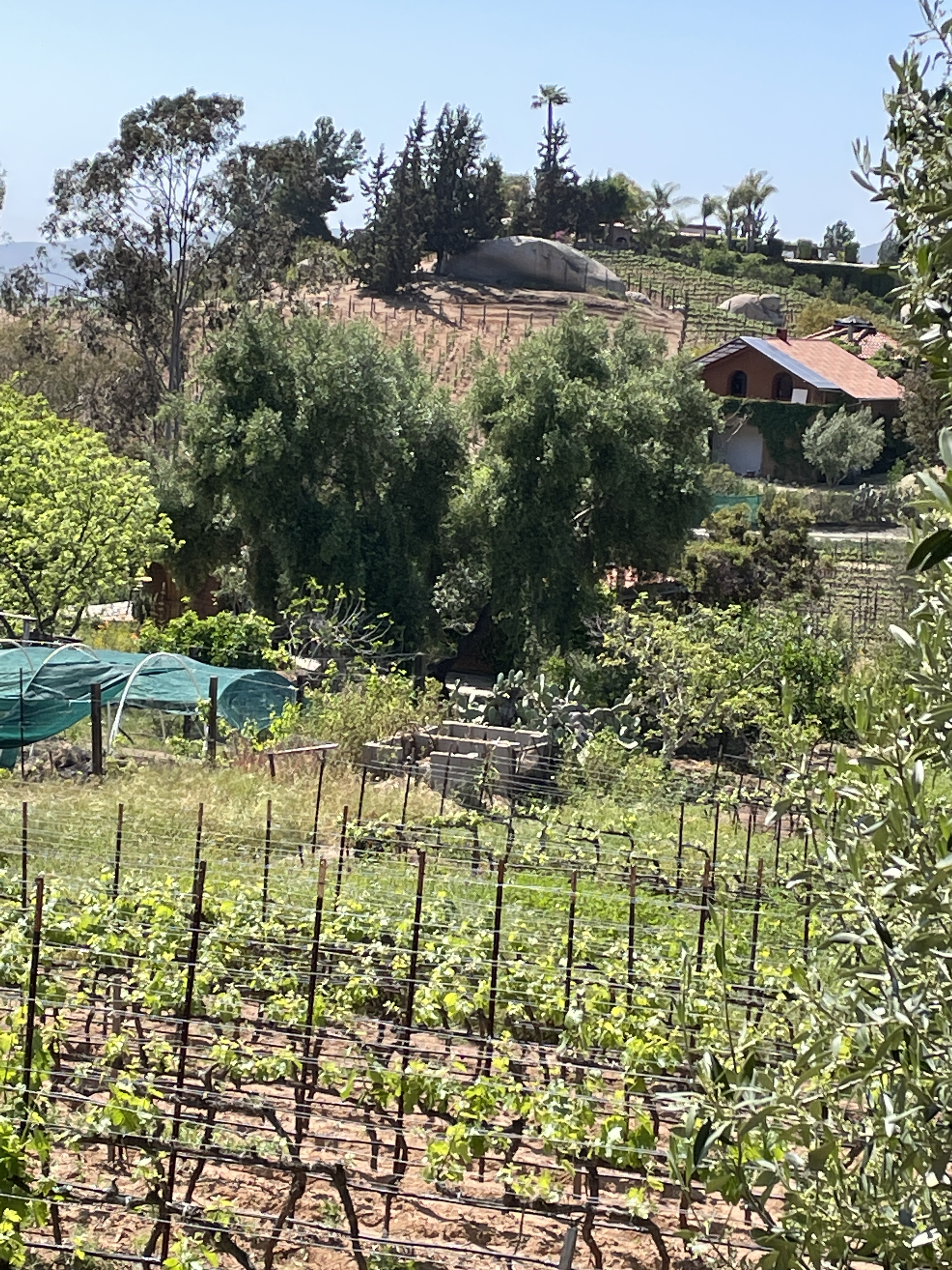
Originally started by three women–see the name, this woman is the only one of the three left as owner. She said she has been doing this for 20 years. The vineyards keep healthy without the use of toxic herbicides or pesticides. She says the breezes from the ocean help with keeping the vines healthy. She also has olive trees and gardens and a small restaurant–outside. The vegetables, flowers, etc. used in the restaurant are grown there. Below is the salad we had for lunch.

Lunch under the trees.

Wine tasting underground. What you notice when you drink all natural wines is that at the bottom of the bottle there is usually a residue.

The path in and out of the tasting room.

Buildings and fences made of local stone and flowers everywhere.

Stones, some quite large, show up everywhere in this part of Valle de Guadalupe. Some buildings, restaurants, other wineries, houses are build around the rocks with rocks as part of the architecture. I took the following photos from Tres Mujeres.

A lot of Valle de Guadalupe reminded me of parts of New Mexico and also the rocky hills around Temecula, California.

Not only are there over 100 vineyards in this valley but also endless olive groves. Locally pressed olive oil can also be purchased at many of the wineries. The other specialty is cheese. We stopped at one shop, the Cremeria Los Globos where they specialized in many cheeses filled with chipotle, black pepper, you name it. Honey is also produced locally and for sale at many wineries. For the most part, everything is all natural.

Spring–Wild Flowers in Canyon Country


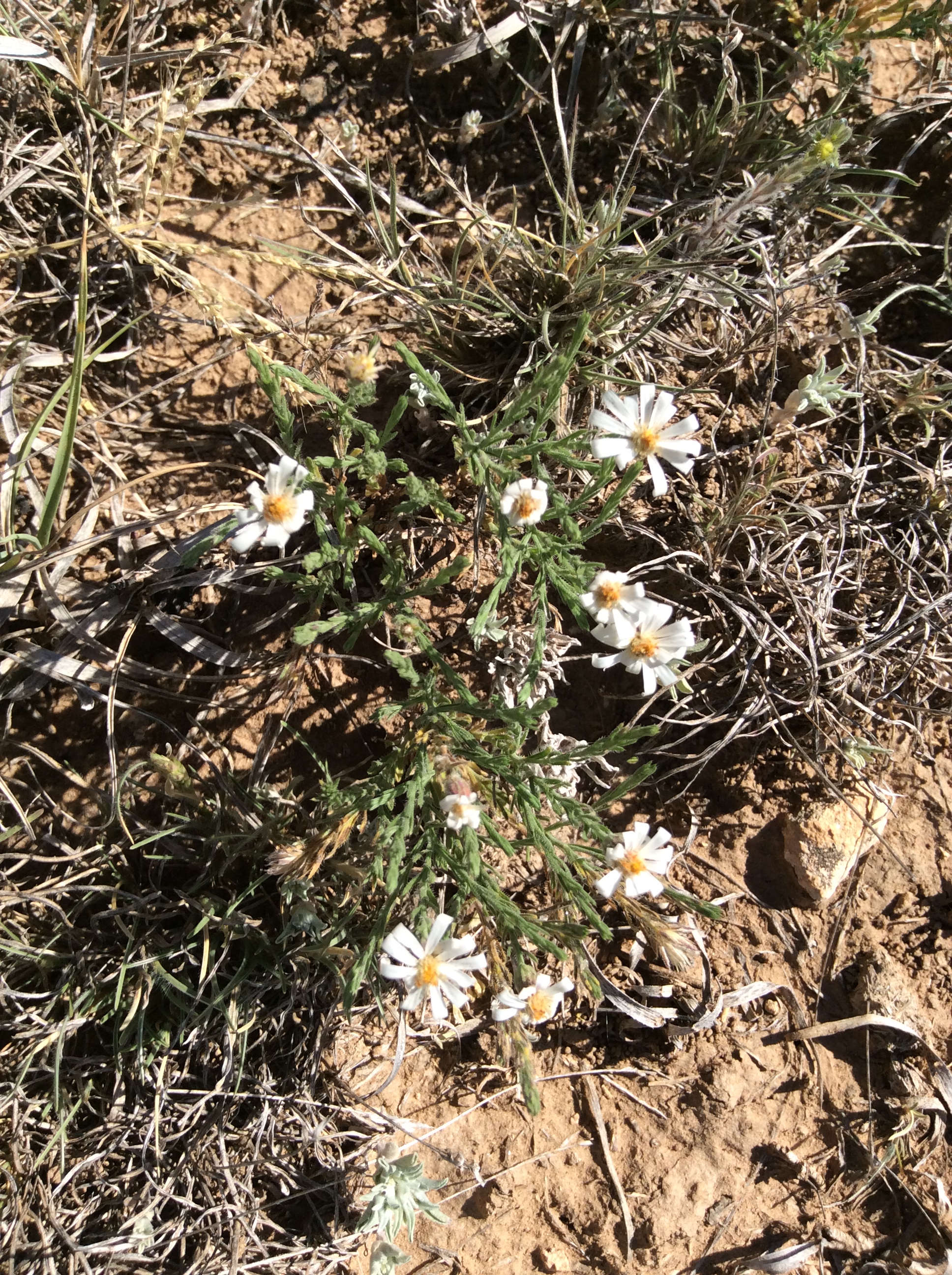
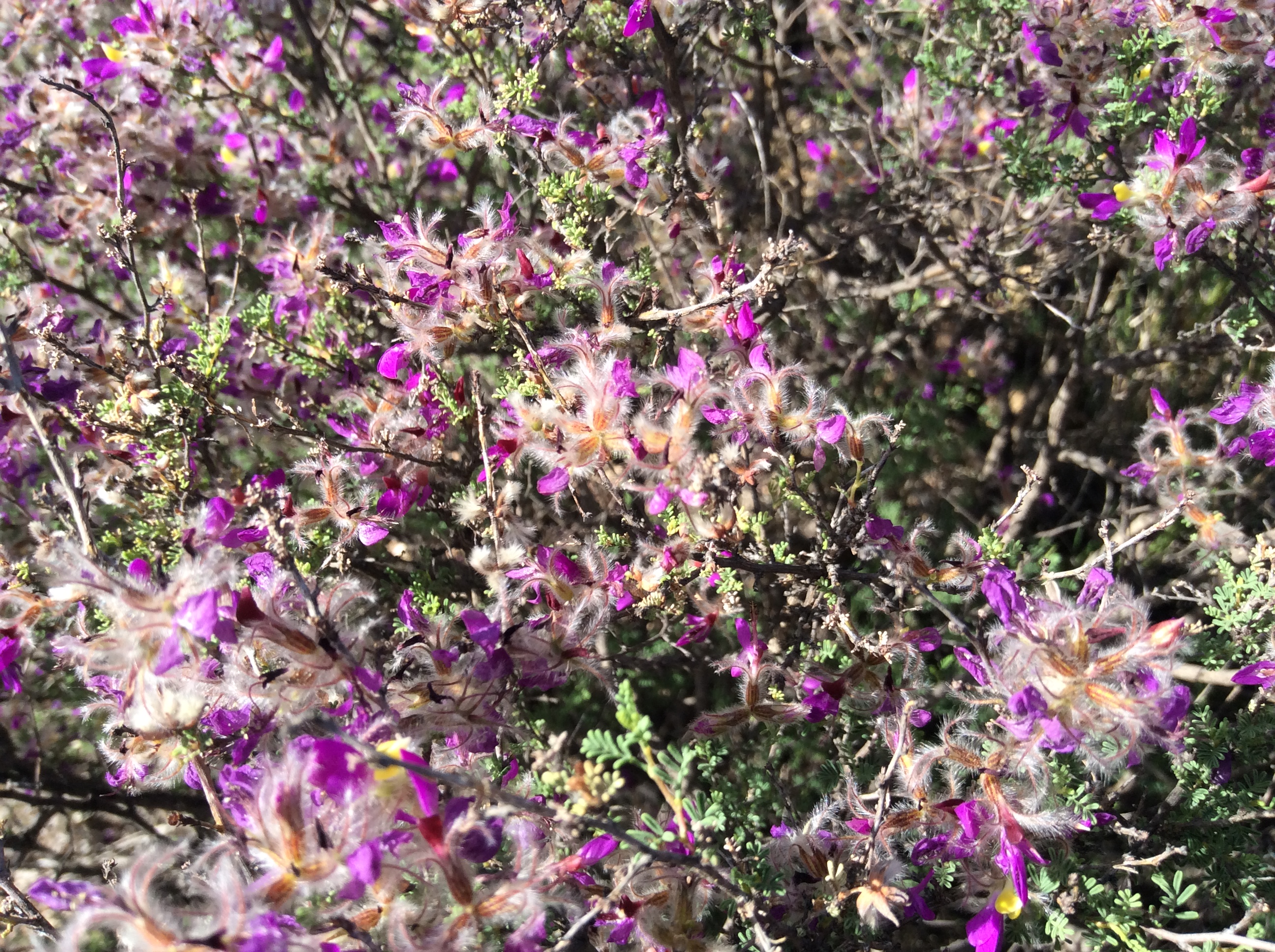
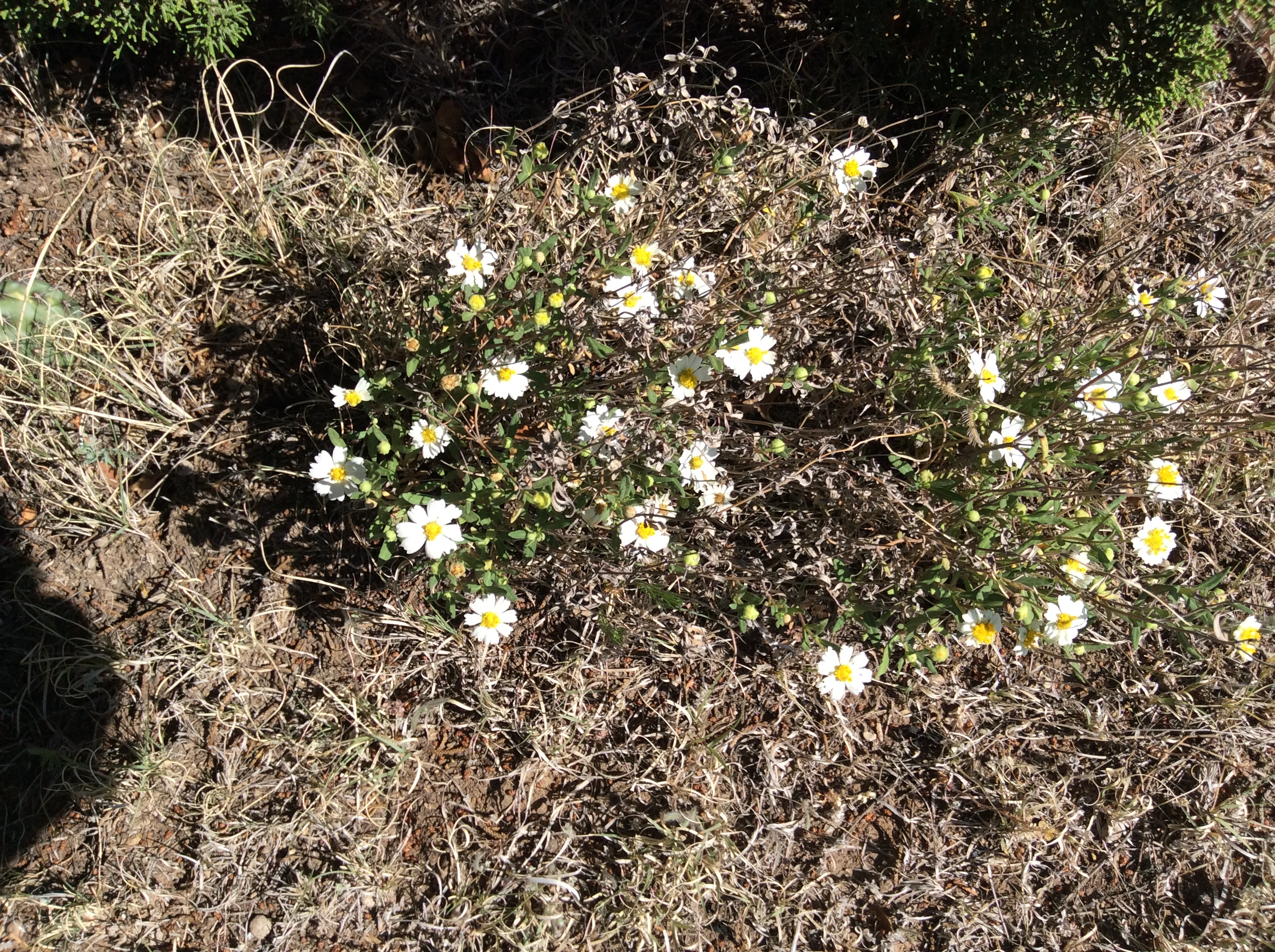
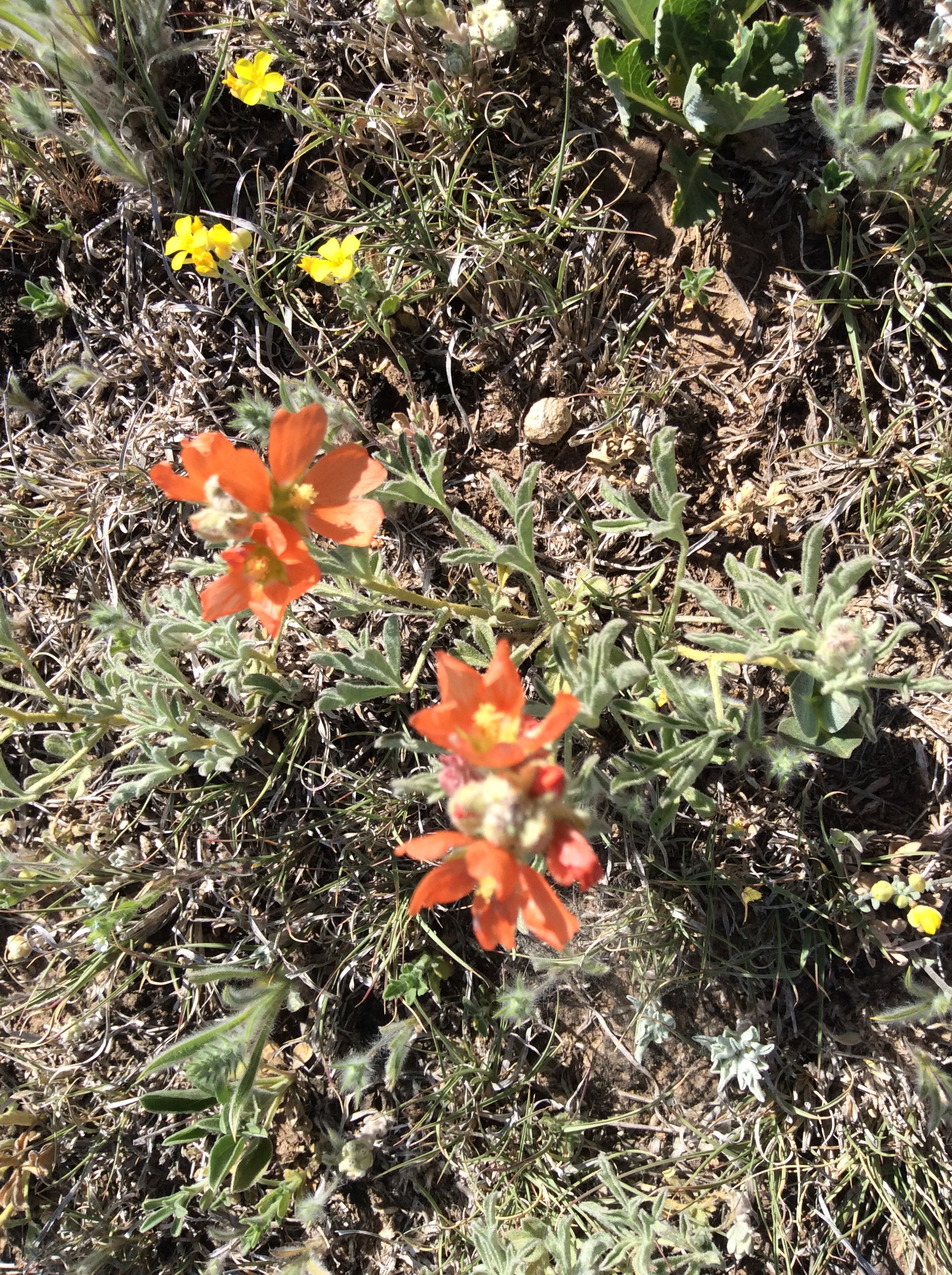
Nature ignores the stresses humans suffer these days, renews, brings beauty, joy.  Luckily, I live in the country, can work online, and take walks to escape and renew. Recently, after feeding the horses in the morning, I took a walk and captured photos of all the wild flowers in bloom and some photos of the canyon where I live.  Relax, observe, breathe deep, enjoy.

IMG_4611

IMG_4612

IMG_4613

IMG_4615

See if you can find the bee.

IMG_4616

IMG_4618

Chocolate flowers.

IMG_4623

IMG_4621

IMG_4629


Student Poems-Two


Here is the next set:


The Beauty of Nature


Nature is everywhere

It teaches you how to share,

God created nature

With beauty you can always capture,

Without it there will be no peace

Everywhere will soon cease,

Nature includes some of the biggest animals

Like the awesome looking camel,

Nature has everything from Willow Trees

All the way down to bumblebees,

Nature is everywhere.


Jaci Allen


life vs. nature


spring, summer

winter, fall

these are the seasons of the year

nature’s crazy

nature’s fun

nature has something for everyone

it can be scary

not so sweet

life’s like nature scary and fun

when times are tough rivers run

we may cry laugh and smile

life’s emotions drive me wild


Jordin Arnaud

UT_Cougar05


8 Creative Ways to Reduce Human-Wildlife Conflict


For those of you who want all our wonderful wildlife to survive…

orionsmcc's avatarConserve

By Orion McCarthy 

THE TIGER is an iconic endangered species, with as few as 3,200 leftin the forests of India and Southeast Asia. Conservationists have invested millions of dollars into saving the species, and recent population surveys have showed a promising uptick in the number of tigers in the wild.

A new population survey in India shows tigers making a modest comeback. Photo credit: WWF. A new population survey in India shows tigers making a modest comeback. Photo credit: WWF.

This is good news for tigers. But is it good news for people living with tigers?

The answer is a mixed bag. Tigers keep forest ecosystems across Asia in balanceas the dominant top predator, and sustain ecotourism and conservation funding as a flagship species.

But living in close proximity to tigers can be dangerous.

The historic range of tigers is shown in beige, while the current range is Orange.  The region is now home to 3 billion people, with tigers occupying the few forests and national parks between the growing sprawl.  Photo credit: WWF. The historic range of tigers is shown in beige, while the current range is orange. The region is now home to 3 billion people, with tigers occupying…

View original post 1,241 more words

Apocalyptic Planet-Part Seven: Species Vanish


We all know extinction occurs.  Nearly everyone knows different species of dinosaurs at varied times roamed the earth for millennia.  Bones of all sorts of animals and various hominids are dug up off and on.  Scientists study them, determine their age, where and how they lived.  Scientists and sometimes even average persons develop theories about why they went extinct.  Regardless of which theory a person decides is accurate, these ancient extinctions generally took thousands of years. Recent extinctions are different, e.g. carrier pigeons.  Millions existed a couple of hundreds of years ago; now they are gone.  Why?  Humans.

Various causes exist for the extinctions of ancient species.  A major cause is the climate change caused my the changing tilt of the earth’s axis.  These changes occur over thousands and thousands of years.  What is different now?  Let’s take corn.  Native Americans cultivated rainbow colors of corn in small, frequently irrigated fields.  Where is most corn grown now?  Giant fields of GMO corn grow from horizon to horizon in the Midwest.  And if Monsanto had its way, no other corn would continue to exist for long.   Iowa is a good example.  Wherever this corn is grown, native grasses and other native plants totally disappear, in part due to cultivation.  A bigger issue is herbicides–to have clean fields, nothing and I mean nothing but corn must grow there.  A farmer’s expertise as a farmer is measured my just how super clean his fields are.  The only way to get these totally weedless fields is to use herbicides.  Biodiversity is a key to environmental health.  Little biodiversity exists in giant fields of crops like corn and soybeans.  Fertilizers to obtain huge yields wash downstream and in the Midwest eventually end in the Gulf of Mexico and cause giant marine algae blooms which pulls oxygen from the water to create a dead zone where no marine animals or fish can live.

Perhaps readers have heard of the plight of monarch butterflies.  Compared to just ten years ago, the population has dropped dramatically.  What happened to them?  Roundup.  Over 100,000 tons of Roundup and other brands of glyphosate herbicides are annually applied to crops in the US.  What do monarchs eat?  Milkweed.  Since 1999, 58 per cent of the milkweed has disappeared.  Recently, monarchs experienced a 30 per cent reduction in their numbers in one year.  Are we headed toward a mass extinction?  Some scientists think so.  These scientists are not talking about tigers, elephants, and rhinos being killed at an ever increasing rate for their body parts, but rather about the less noticeable extinctions of various plants and less obvious animals like frogs.  And then there is the problem with bees.  Bees are disappearing at an ever increasing rate due to not only diseases but due to herbicides and pesticides.  Without bees to pollinate the giant fields of almonds and various fruits in California, for example, those foods won’t exist.  See a previous post for more discussion on the importance of bees.  So why care about frogs?  Scientists consider frogs and amphibians in general an indicator of the health of an ecosystem.  Certain more tropical species of frogs are especially subject to the effects of climate change and they are disappearing.

Where I live big bluestem, blue grama, buffalo grass, and other native species grew from horizon to horizon.  This is the high plains.  Root systems of some plants grow twelve feet deep.  It has not rained in over a month.  Where the native grass once grew, crops are now grown.  This time of year finds open fields. Without rain, with the recent endless high winds, dust fills the sky.  To safely return home from town Sunday, I had to turn on the car lights to see.  The dryness fuels wildfires.  Earlier this week, over one hundred homes burned down in a wildfire north of Amarillo.  Drought.

Many human inventions are wonderful and make many lives better, but for some of them, I cannot help but wonder at what cost.


Earth Day


Sometimes when you love nature, the environment, wildlife, wild places, it is easy to become extremely discouraged.  News about the dramatic increase in poaching in Africa condoned by some governments there does little to help.  Data illustrating how the United States is a hub for wildlife trafficking, the push to kill wolves, big oil’s persistence to explore and open fields in the Arctic and other more delicate environments, water waste, climate change denial, a seemingly endless lists of negatives, can make one think about giving up.  The Colorado River is under siege.  The drought ridden Southwest of which I am a part has too many people fighting over too little water. The EPA just approved a new pesticide known to kill bees which are already disappearing, posing a huge threat to our food supply (see a previous blog highlighting how our food supply depends on these same rapidly disappearing bees).  Another mountain top removal coal mine is being proposed in Kentucky and it is next to a school.  The US Army Corps of Engineers issued the permit.  I could probably spend this entire evening adding to this list of negatives.  I could give up, but I never do.  I keep looking for positives and for changes created by people who care.


In honor and praise for those who care and for the positives occurring, I am creating another list:

-Ralph Maughan, an Idaho native, continues to work on the saving the pristine wilderness of the River of No Return Country.  He wants to save wolves in a state where politicians have proposed a law to kill 60 per cent of the state’s wolves.  The Idaho Department of Fish and Game plans to professionally exterminate them so there will be more elk for hunters.  No, I did not make this up.  Maughan says, “the wilderness is supposed to be a place where large carnivores, like wolves, grizzly bears, and mountain lions can exist as they did before humans arrived.”  Now the agency wants to come into a proclaimed wilderness to suit their own purposes. This fight continues.

-In Hawaii many housetops and businesses now glitter with solar panels.  Isaac Moriwake’s consumer advocacy efforts support consumers who want to generate their own electricity through clean energy.  Solar panels totally cover the roof of the new parking garage at the Kapl’olani Medical Center in Oahu.  Hawaii has been able to create a clean energy framework with considerable solar success in spite of traditional utilities’ efforts against it.

-In more remote places like Nepal the WWF helped locals replace wood burning stoves with biogas burners so they would not have to cut down their forests for fuel.

-As Myanmar develops economically and joins the international stage, huge areas of prime forests and native animals are at risk.  Conservationists work with the new government to create national parks and other areas to preserve Myanmar’s rich biodiversity and to listen to local wishes as to how to preserve their valuable natural heritage.

If I wanted to stay up half the night, obviously I could add more and more to each list.  And it is easy to wonder just what can one person do.  For starters, use less water, get rid of all the junk mail that arrives–a later post will describe methods to do this–so it will not add to the landfill and the demise of trees, do not buy furniture made from slow growing tropical wood, adjust your thermostat to warmer in summer and cooler in winter, carry your own bags so you won’t have to use the plastic ones at the store, become politically vocal about conservation.  If you wonder is all this effort worth it, take a walk in the woods, along a beach, through the jungle, on a desert path; fill yourself with wonder.


Do you like to eat? Bees and the Food Supply


SAM_1074Do you like to eat?  Do you eat almonds, apples, cherries, watermelon, blueberries, or cantaloupe?  In fact, the biggest factor limiting the world’s food supply is not war, drought, or any of the factors you commonly hear about.  The world’s food supply is limited by the amount of bees available for pollination.  In the last five years in the United States alone, approximately one million honey bee colonies died each year, about one third of our national bee herd.  Bees are in danger of extinction.  Native to Southeast Asia, honey bees were domesticated long before written history, before the building of the Egyptian pyramids.  Thousands of species of bees exist, but honey bees carry the main load of pollination for cultivated crops.

More than 740,000 acres of almonds, California’s leading agricultural export,  remain in cultivation in the Central Valley of California.  Pollination depends on bumble bees, honey bees, and wild bees.  Sadly, the wild bees are mostly extinct, killed by pesticides and habitat loss.  Now pollination depends on traveling bee keepers and their honey bees.  Today, commercial bee keepers number one fourth of what they did in 1980.  To get enough bees the almond (and cherry and apple, etc.) growers hire these bee keepers to install approximately 2 million bee hives to work the pollination.  Almonds alone require at least 1.5 million hives.  Each almond tree’s blossoms number 25,000 and at 135 or so trees per acre, that adds up to 3.5 million flowers to pollinate.  The difference between a poor harvest and a great one depends on bees.  After the bees finish their work in the Central Valley and other warmer climates, the commercial keepers take them to places like Idaho and North Dakota for the summer where they sip alfalfa, buckwheat, goldenrod, and sweet clover blossoms and produce the honey sold in groceries.

Where have all the bees gone?  What leads them toward extinction?  In 2006-2008, beehives across the world from Europe to here to Indian and Brazil nearly collapsed.  Causes vary:  foulbrood–a bacterial fungus, wasps, ants, mice, a host of viruses, nosema–bee diarrhea, and certain pesticides.  What can we do?  First, we can ban certain pesticides that are known to harm bees.  Second, we need to grow more flowers and blooming weeds (yes, I said weeds) to encourage a broader spectrum of healthy bees for pollination.  Honey bees cannot do it all alone.  The lack of sufficient flowers is the result of not only pesticides, but also the increase in lawns.  If you personally want to make a difference for bees and ultimately our food supply, let the wild flowers grow, plant more flowers and less lawn, limit pesticide use.

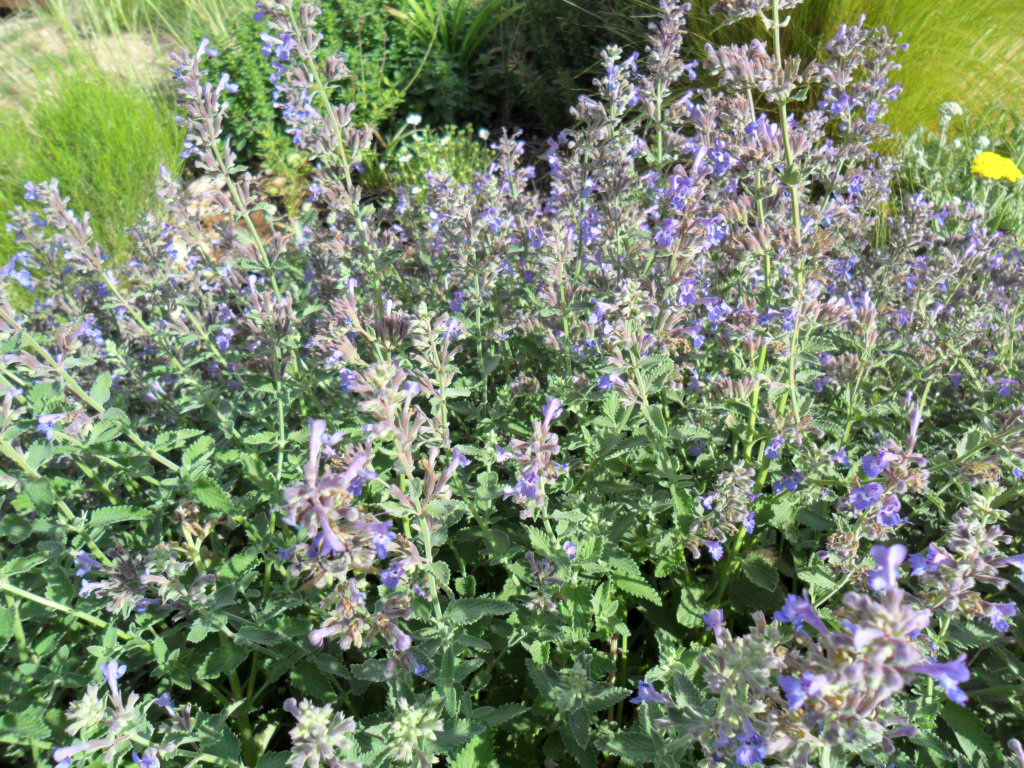
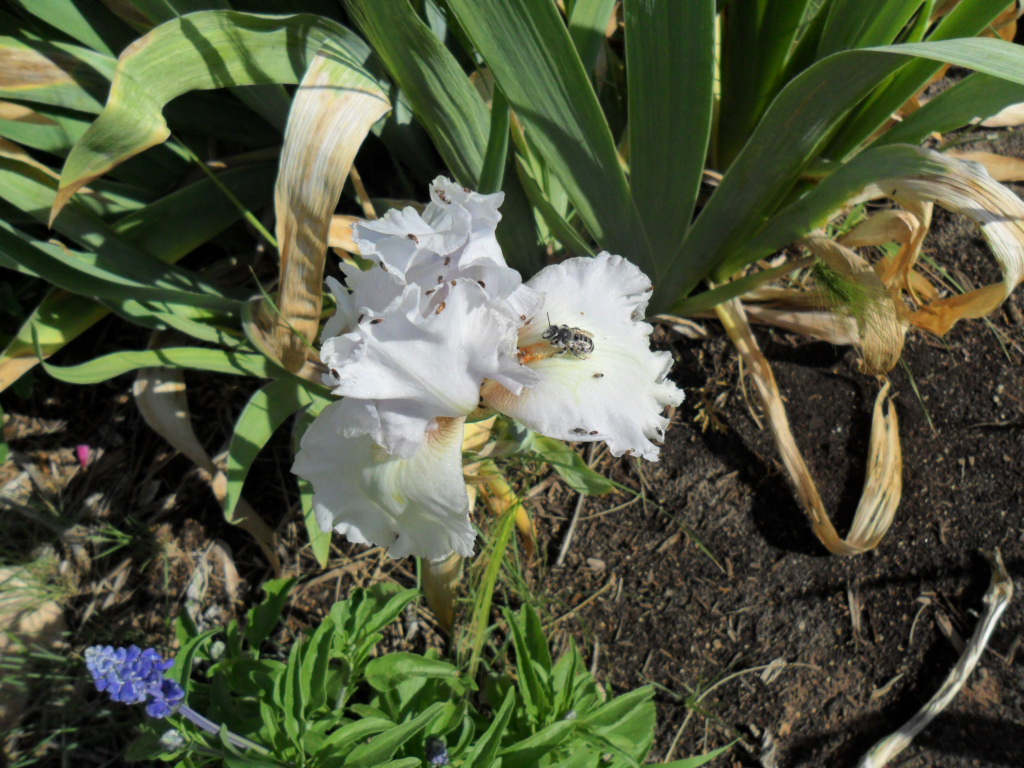
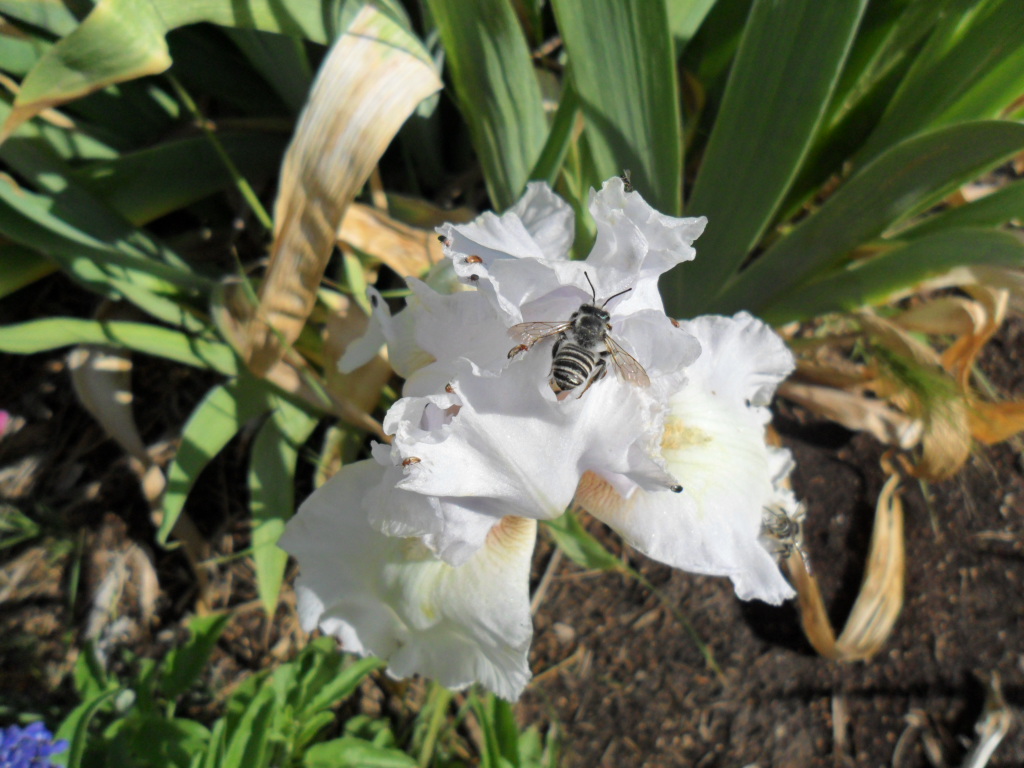
This morning I went out to my xeroscape garden–I have no lawn–and photographed bees.  At one catmint plant, so many busy bees made a clearly audible buzzing sound.  I witnessed at least four different kinds–species–of bees.  These SAM_1076

SAM_1081

SAM_1077

SAM_1078photographs illustrate at least several different types of flowers bees love.