Note: The above poem was inspired by my most recent read:
“Eyeliner A Cultural History”, Zahra Hankir. Hankir is a Lebanese journalist whose history of eyeliner throughout the world informs the reader about places and people and customs many never heard of or know about.
In the last few days, I’ve read three books by Annie Ernaux who won the Nobel Prize for literature in 2022. Although she is a major writer in France, I had never previously heard of her. Since the local library possessed none of her books, I drove to Claremont and checked out all of her books that were available. The publication dates range from 1974 to 2022.
Most of her books defy categorization. The librarian helped me find them because some were in fiction and some nonfiction. From just reading them, it is impossible to determine whether what I’m reading is real or imaginary or a combination. She writes about women’s lives mostly and issues that only women experience.
“The Young Man”, copyright 2022, tells a detailed account of a love affair between a young male student and a 50 something woman, thirty years older than he. They meet on weekends often at his apartment, make fervent love, visit sidewalk cafes, wander. The narrator notes that people sometimes look askance at them in a way they never view an older man and a younger woman. She finds love making helps her write, “Often I have made love to force myself to write.” At the end of the book are photos of Ernaux over the years (she was born in 1940) and a detailed biography.
Next I read “The Happening”, (2001) a detailed account of a young female student seeking an abortion when it was illegal in France. She manages to hide her state from most people including her parents. She finally finds an elderly nurse, but later experiences complications and ends up in the hospital where a young doctor, who thinks she is just some poor woman off the street, treats her badly. When he discovers she is a university student, he finds her and apologizes. It seems mistreating the poor is okay but not someone from his own class status.
Then I read “Simple Passion” (1991), a short (64 pages) detailed account an illicit love affair between a young, married man from Eastern Europe and the narrator. The telling part of this story is the narrator’s (the author?) obsession with this man she calls A. She waits for his calls 24/7. She thinks about him every waking moment and dreams about him at night. I kept thinking of myself and many women I know who have become obsessed with some man to their own detriment.
A a writer, I find her work totally fascinating in its extreme courage. She writes in detail about experiences few would dare to even talk about, but many experience and keep silent. Much of it is autobiographical, an even great demonstration of bravery. Who dares tell the truth of many of our own experiences? Very few of us.
The lady in charge of the College Center at Mendez Learning Center told me about this book, one of her favorites. I received it for Christmas from my grandson. It is the first book I read this year.
Although it reads like an epic novel, it is non-fiction, the story of Victor Villaseñor’s family tracing back to his four grandparents in Mexico, one set from Jalisco and the other from the rugged mountains closer to the US border. All left Mexico to escape the violence of the Mexican Revolution and eventually settled in Southern California.
Some of the events in this story are heart wrenching incidents of violence, even death, blatant prejudice, and economic poverty. On the other hand, I often found myself laughing out loud, it was so funny. The author’s parents remain perfect examples of strong people who never give up, whose persistence and determination lead to prosperous lives as successful business owners. The author continues to live on the ranch where he grew up in northern San Diego County. Now 83, he has authored many books including a sequel to this one. His website not only talks about his life and writing, but also struggles with dyslexia.
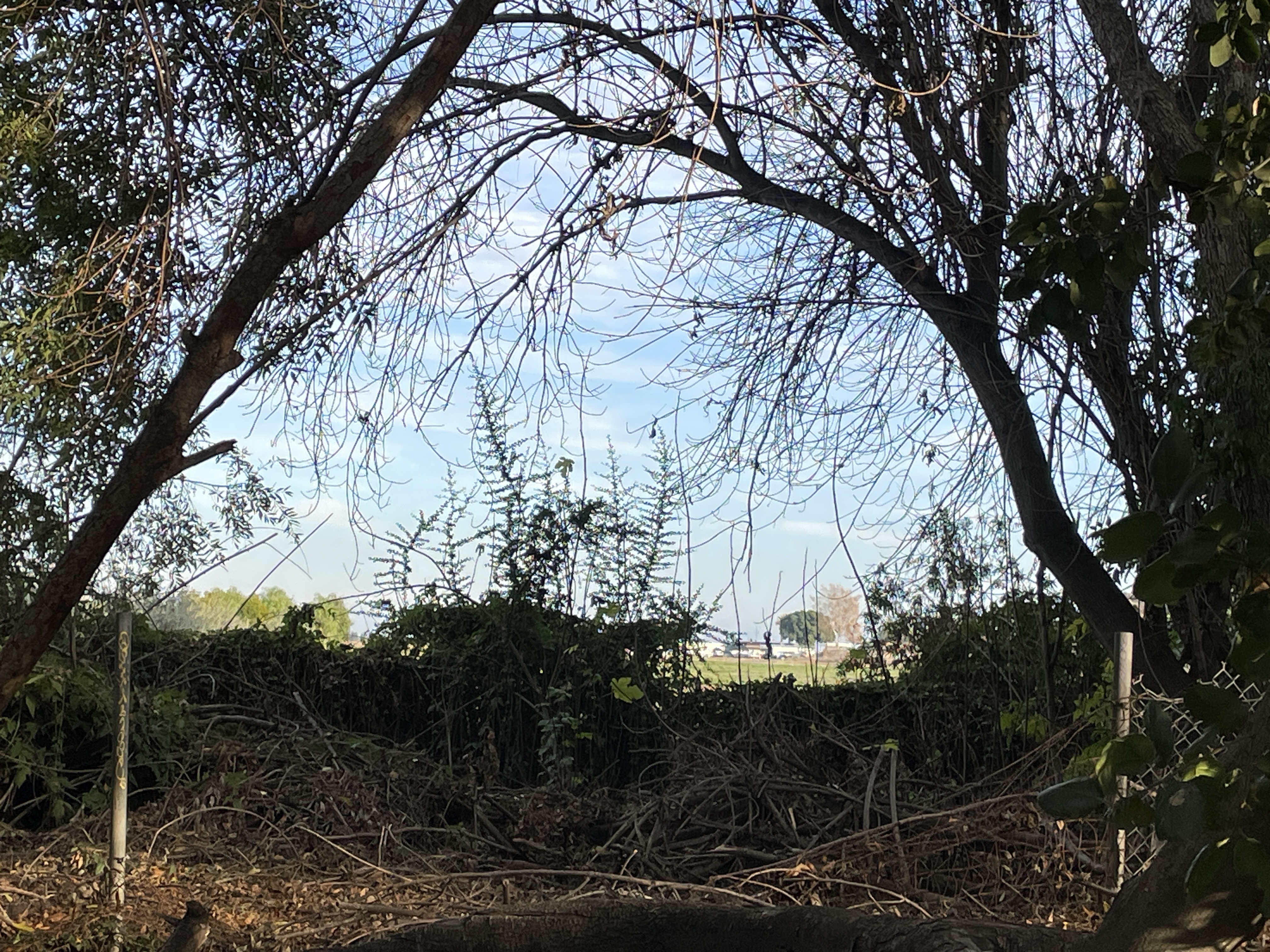
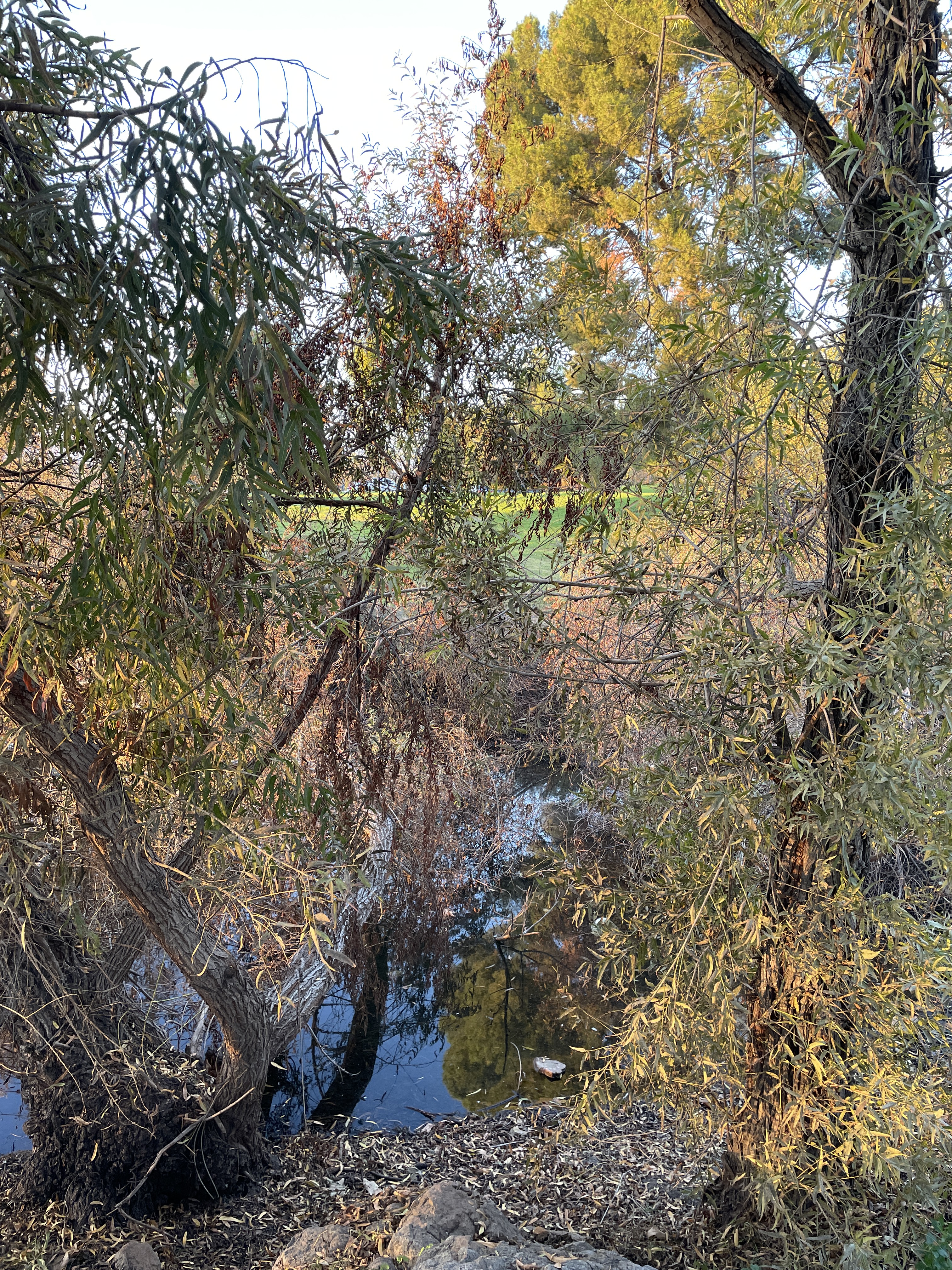
Today water level was low enough that I could cross into an area I had not previously explored. While many of these photos are in the areas I’ve walked before where the walker can see the lake and mountains, the other photos are from the heavily wooded area I found today.
At the beginning of 2023, my main resolution was to read at least one book a week on average. I exceeded the goal. Now I have to decide whether to continue. I discovered a lot of authors I had never read before and learned many new things.
This last book of the year is perfect for those who love Italy, the Italy of today and medieval Italy because it takes place in both time periods–mostly in the Siena of the 14th century but some in modern Siena as well. It begins in current day New York where Beatrice, the main character, works as a neurosurgeon. Years before, her older brother, a medieval scholar, moved to Siena to investigate the ancient rivalry between Florence and Siena. When her brother suddenly dies, Beatrice discovers she has inherited his house in Siena. When she goes there to settle his estate, she not only discovers his wonderful, centuries old house, but also a manuscript from a fresco artist, Gabriele Accorsi, and one of his paintings where there is an image of a woman who looks exactly like Beatrice herself. This magically leads her to 1347 Siena, a conspiracy over the rivalry between Florence and Siena, the Plague, romance, and so much more. This is a page turner sort of book where the reader also learns a lot about the Plague, medieval Italian customs and life, and Tuscan history.
I find it interesting that the author is a professor of neurology, fluent in several languages, and literate in Latin. This novel has also lead me to explore the actual medieval relationship between the cities of Florence and Siena.
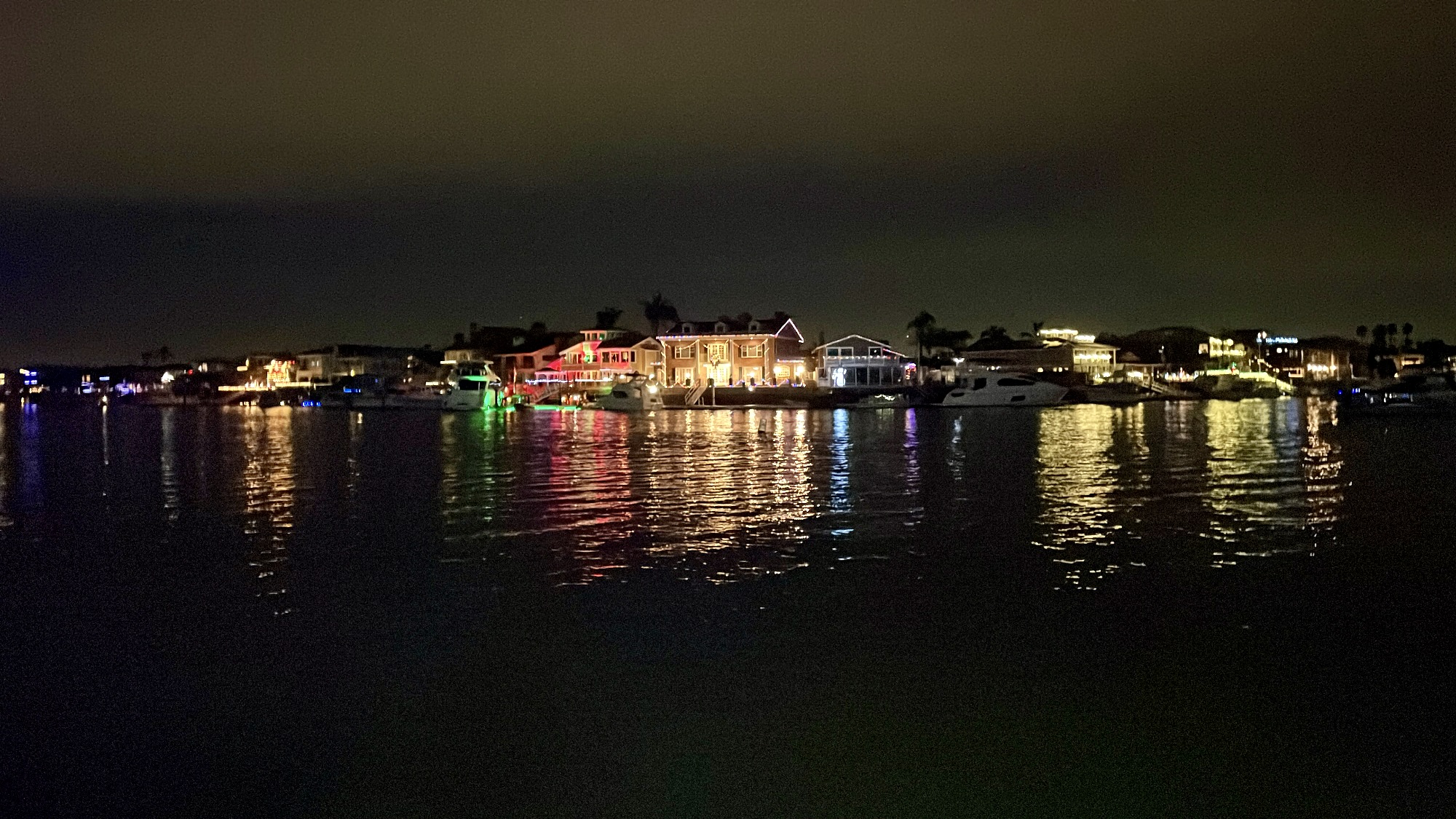
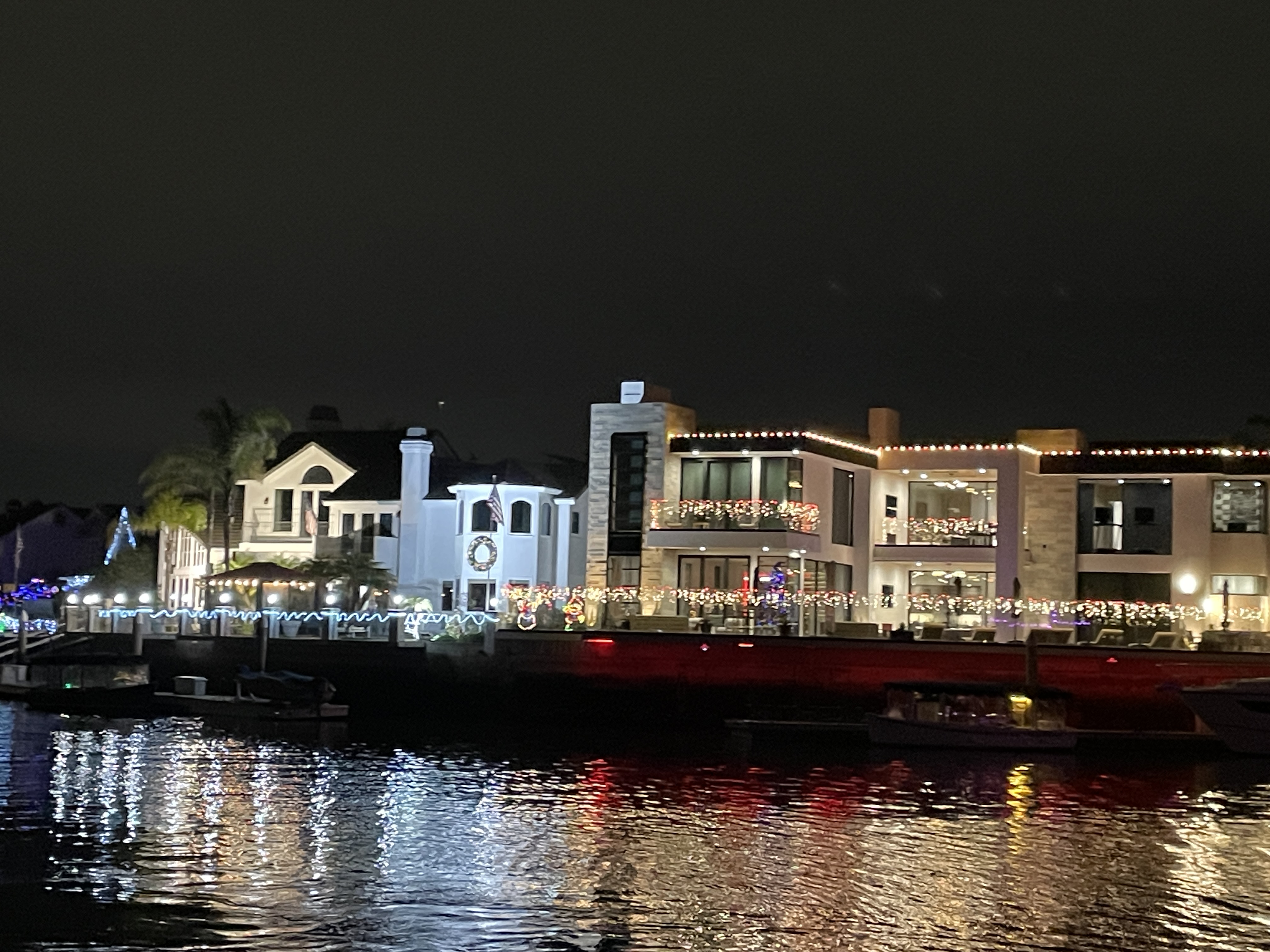
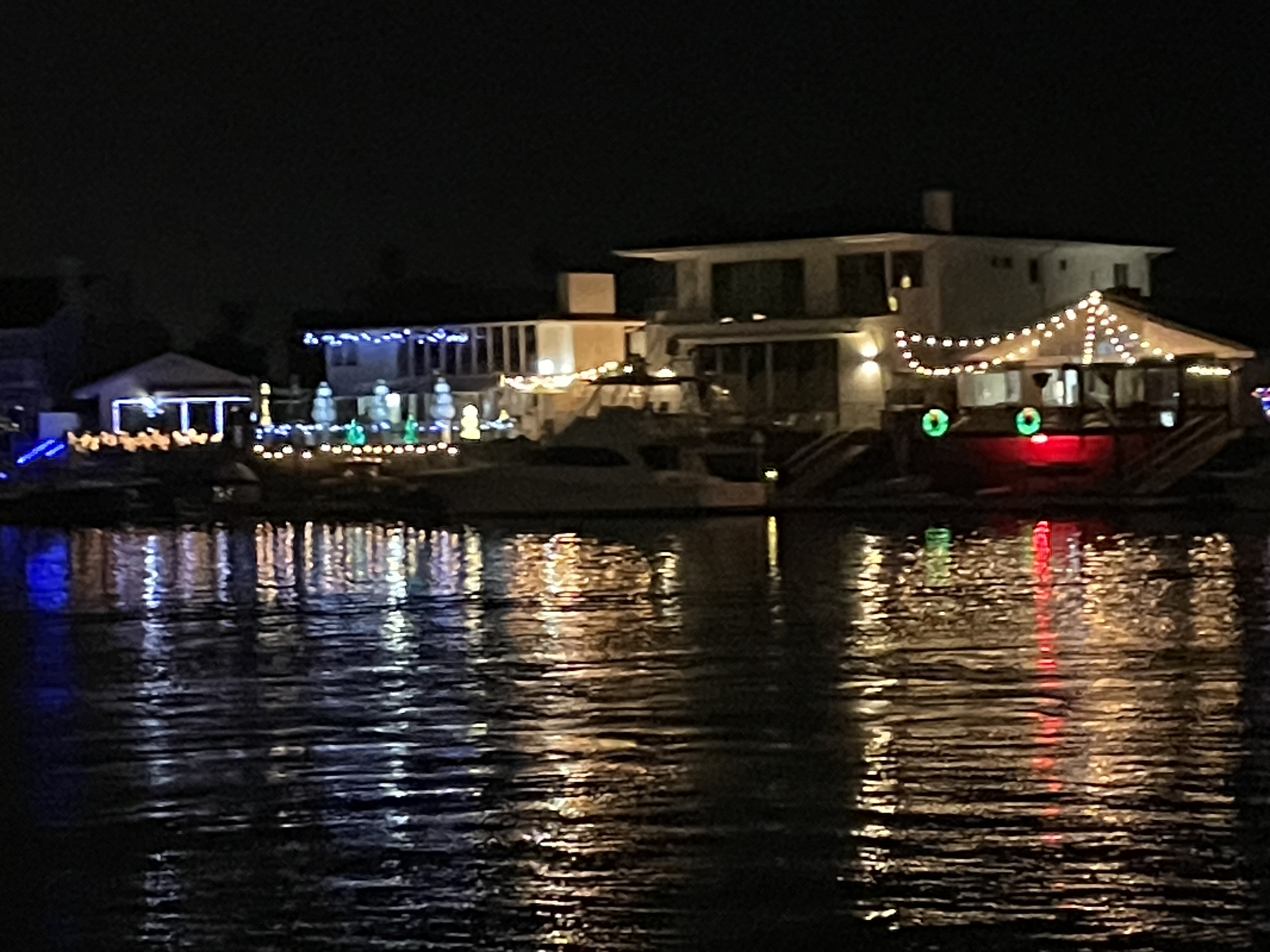
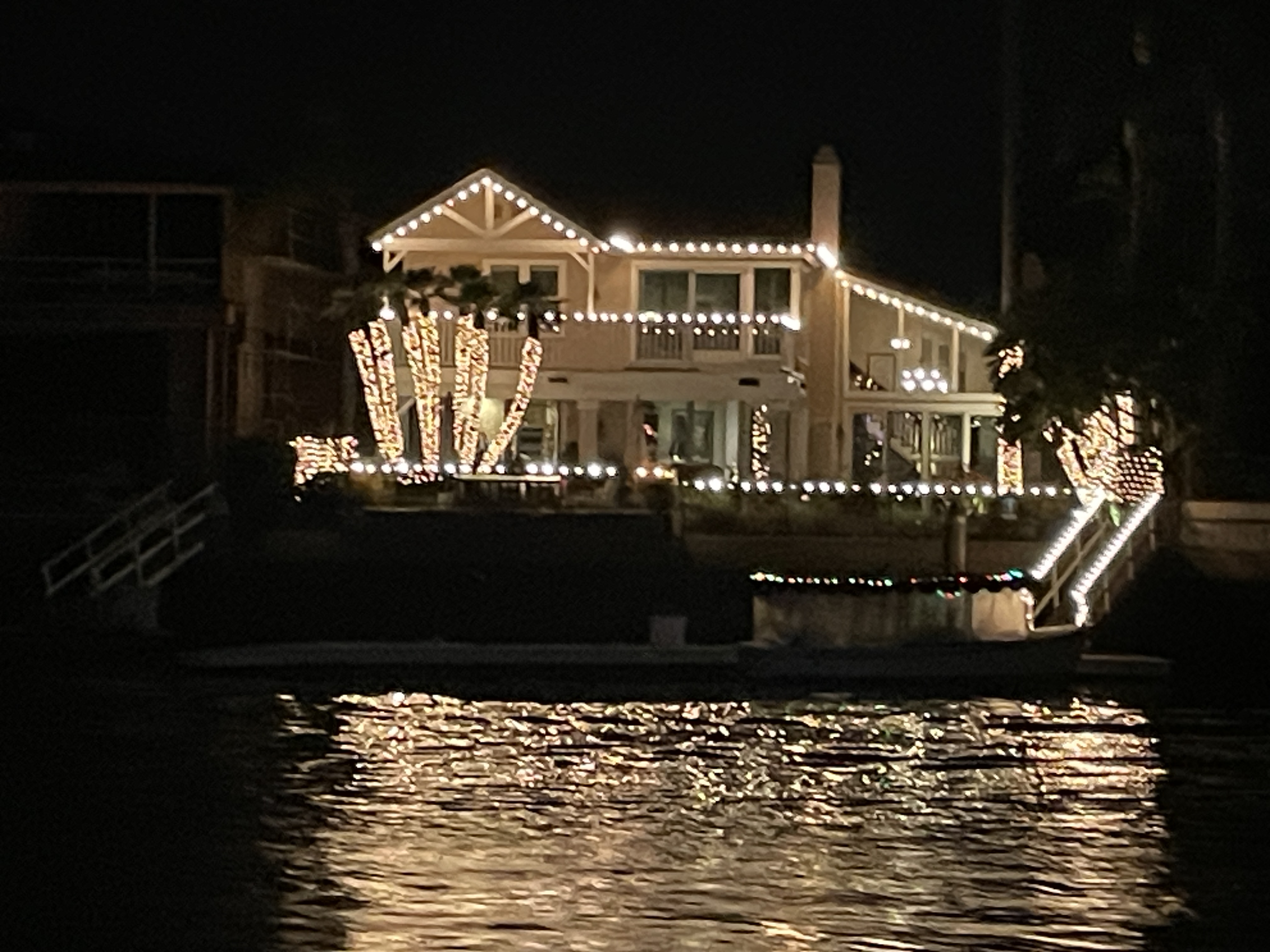
For more than sixty years this cruise has benefited their local orchestra. I signed up through a local tour, rode the bus to a shopping center at Huntington Beach, strolled around, and then later rode the bus to the actual harbor to board the boat that took us through all the canals that made up the harbor. The houses are close together and right on the water. Many are three story because no room to expand except upwards. While some are smaller, many of the houses are large with landings where they have large vessels docked. It was not easy to take photos because the boat was moving rather rapidly at times. It was a warm night and not very windy so perfect for this little adventure.
I could not stop reading this book. The setting is a US military outpost during the Afghan war in the middle of nowhere in the mountains of Kandahar. The weather is brutal–extremes of cold and heat, sand storms, heavy fog early in the mornings. Suddenly, after a brutal battle where they lose some soldiers, a young Afghan woman, Antigone, with stumps for legs shows up pulling a cart. Her brother, who the soldiers think was part of the Taliban, was killed in the battle; she wants her brother’s body for a proper Muslim burial. The soldiers do not know whether she is who she says she is or a suicide bomber. It confuses them even more when she plays hauntingly beautiful music on her rubab every night. All this leads to a lot of confusion over and raises many questions about morality and duty. Each chapter is from a different viewpoint, the young woman and various soldiers in the outpost.
Note: The rubab is a traditional Pashtun 12 string guitar-like instrument. You can find recordings on YouTube.
I purchased this book not long after it won the National Book Award, but never managed to get around to reading it until recently. I love this book. Yes, it won in the youth category, but since I have worked with teens for decades, I “get” it. It is a novel in poetry where the narrator, a 15 year old Dominican Latina, Xiomara, who lives in Harlem, keeps a poetry journal to stay sane. Her very religious Catholic die-hard Mom frequently drives her crazy with rules like she can never talk to a boy, much less date one. Her dad is a bit of a playboy and less strict. Her twin brother is a genius who won a scholarship to a fancy private school, and her best friend, Caridad, is hyper religious. Yet these young people all keep each other “together”. Her English teacher realizes Xiomara has a gift and encourages her to become involved in poetry slam events. She cannot see how this is possible given her mother’s attitude toward her poetry. You do not have to be a teenager to enjoy this book. In fact, if you think you do not understand teenagers, I suggest you read this book. It will enlighten you.
After reading two intense, somewhat depressing novels, I decided to read a lighter non-fiction work. An article I read mentioned a tale of two guys, Tim Cahill and Garry Sowerby, who drove a GMC Sierra pickup truck from Tierra del Fuego, Argentina, to Prudhoe Bay, Alaska in less than 25 days. I like adventures and the best vehicle I ever owned was a Sierra 4 by 4 Off Road. I sold it to a former student when I moved. It was still going strong at over 300,000 miles.
In order to follow along on their adventure, I dug out my atlas and followed their trip through 13 countries, finding cities, little towns, rivers, mountains. When they traveled in 1987, the only place with no road was the Darien Gap on the border between Colombia and Panama–today still no road and now famous for all the migrants who labor through this dangerous, swampy, jungle area on foot on their way north. Since no road there, Tim and Garry had to load the truck onto a container ship in Cartagena and unload it in Panama. They also rode on the ship as passengers. This lead to their meeting some of the most colorful characters on their trip.
Along the way, they meet all sorts of people, e.g. sadistic police, kind employees of international GMC, a weird consulate employee, and helpful women, describe them and the landscape in detail. Procuring the right documents and proceeding across borders is sometimes easy and sometimes grueling, again described in detail. Of course, political leaders, ease of travel, etc. have changed in many places–I’ve been to or lived in five of the countries they traverse.
Want to explore new places, meet all sorts of folks?? Then this is the book for you and a fun read.











 writingontherim