Canyon de Chelley–Part Two: Driving into The Bottom


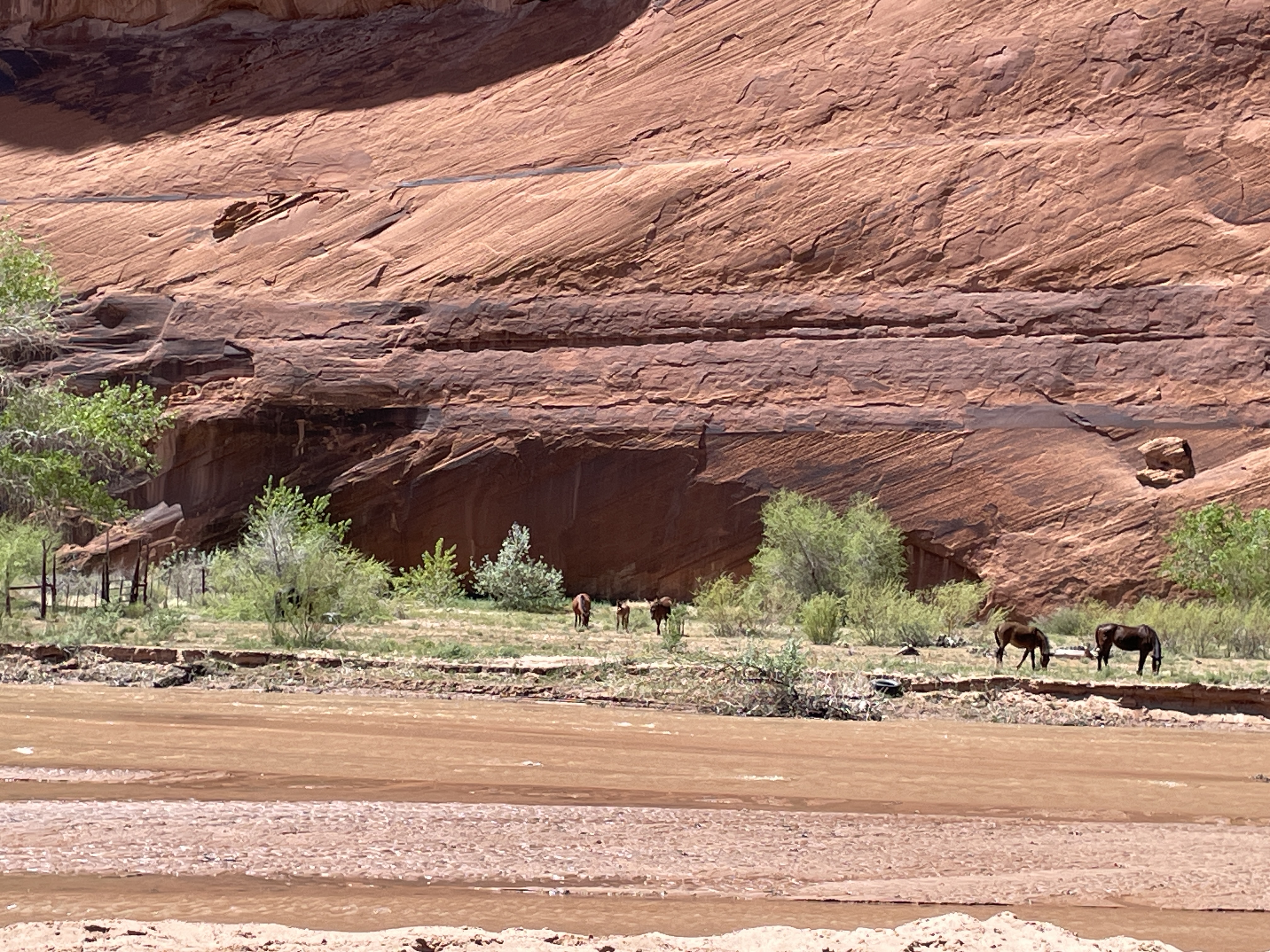
Canyon de Chelley was named by the Spanish who could not quite pronounce the Diné (Navaho) word for it and hence this name which is pronounced like de shay. It is more than 30 miles long and has a river running through it at least a substantial part of the year. In summer native people live there with sheep, horses, etc. even though fewer and fewer of the younger generation choose to do so. To enter the bottom of the canyon, you must acquire a permit and hire a Navaho driver. This is to protect it from the vandalism that occurred in the past. Canyon de Chelley is jointly managed by the National Park Service and the Navaho Nation.

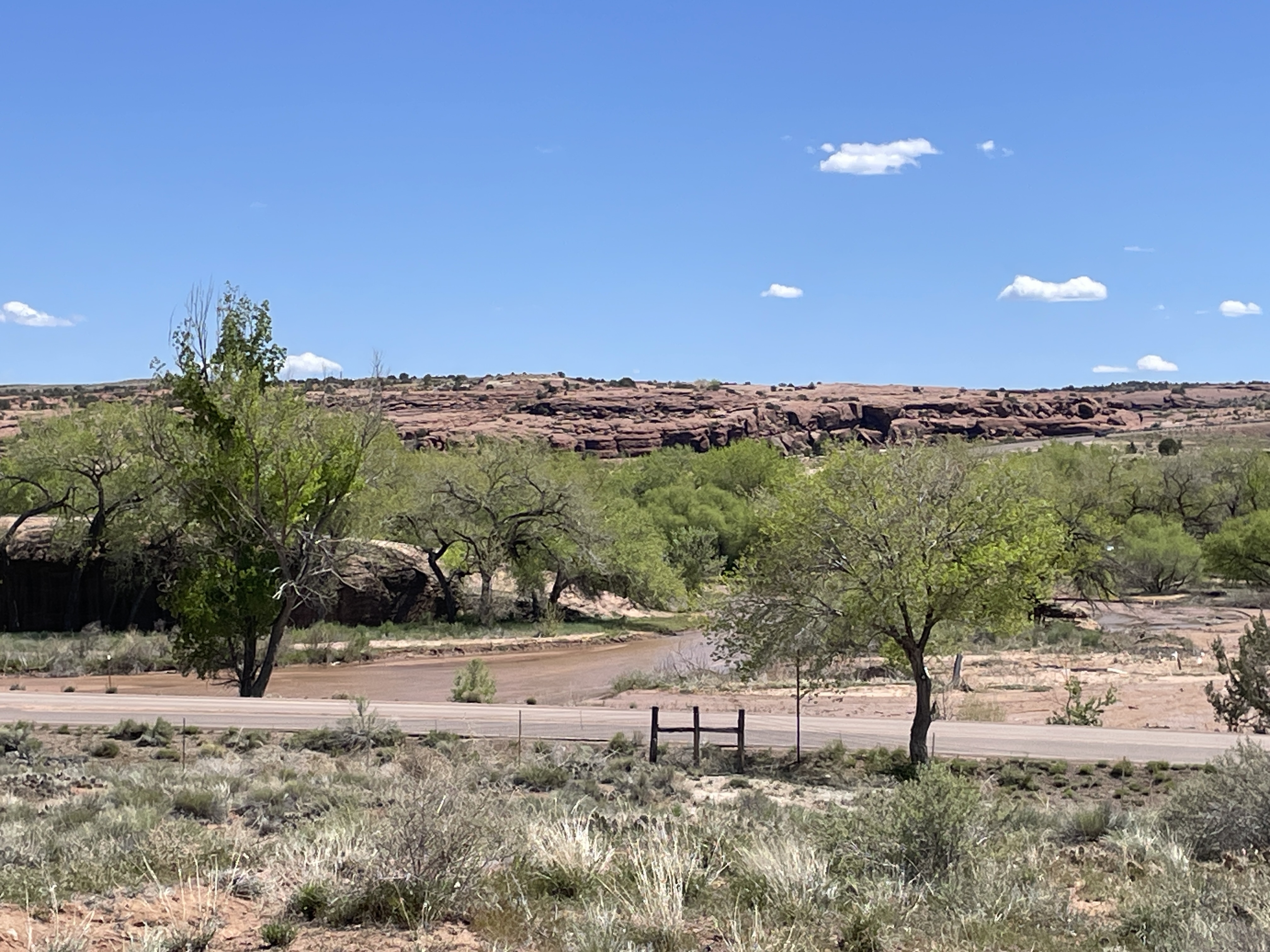
Canyon de Chelley begins at the edge of Chinle, AZ, near the Holiday Inn which, by the way, serves traditional food such as mutton stew and blue corn fry bread. Yes, I ate both. This photo shows the beginning.
It was quite a trip; I sat between two women in the back of a Jeep with a perfect view of everything right in front of me. Oscar, the driver, knew exactly how to traverse the water, the wash (what they call this stream), run up and down the banks.

Driving right up the middle of the wash.

Petroglyphs can be seen in so many places we stopped that I lost count. Oscar said they are nearly endless and can be found throughout the canyon walls.

A few days previous to our arrival it had snowed so everything was green and lush from snow melt.

In addition to petroglyphs, there are etchings in the rock walls.

In this case an etching/rock carving of horses.

Yes, we drove under this overhanging tree limb.
Sometimes the wash was narrower and deeper and we drove up and down steep banks and through deeper water.
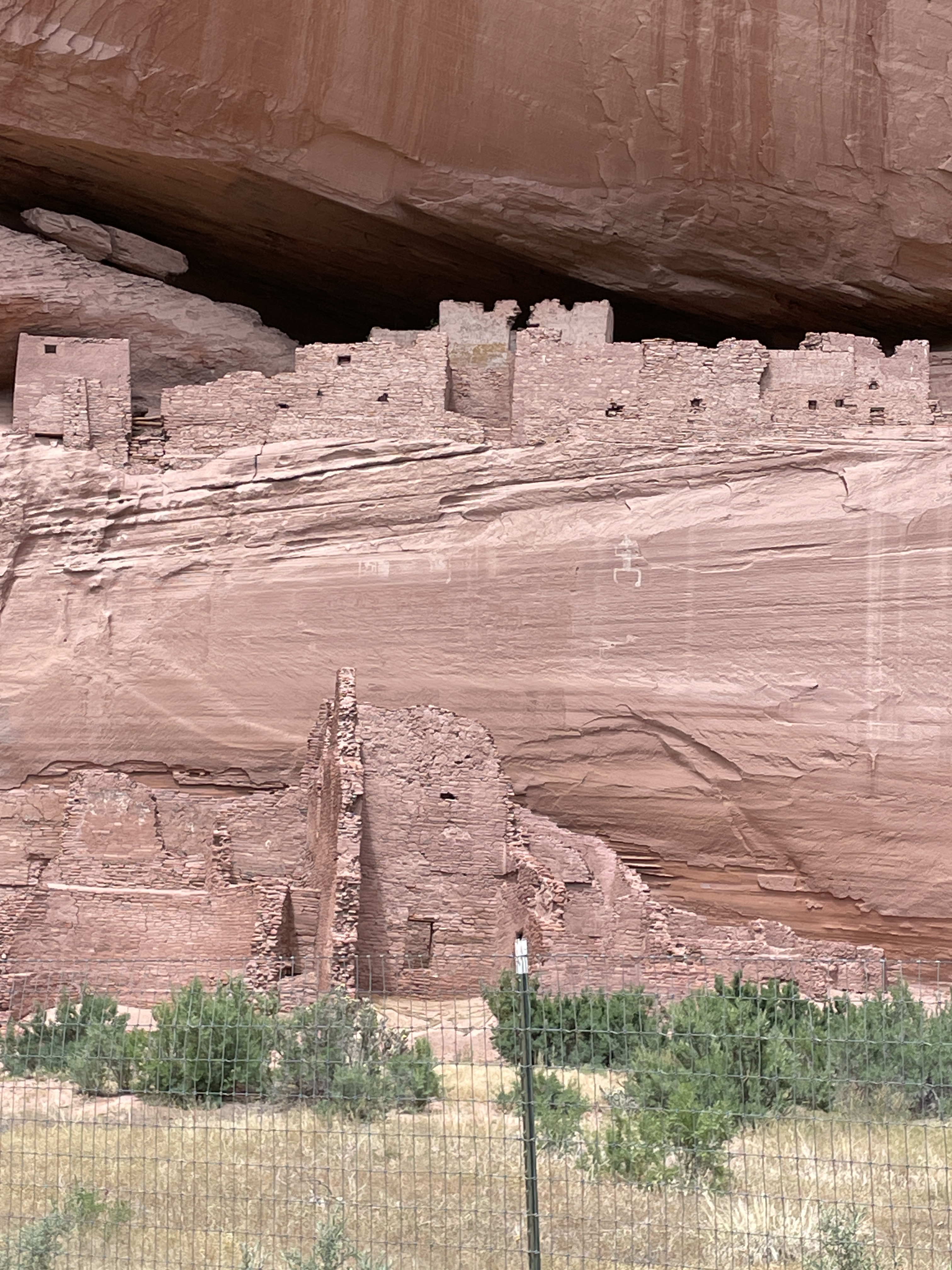
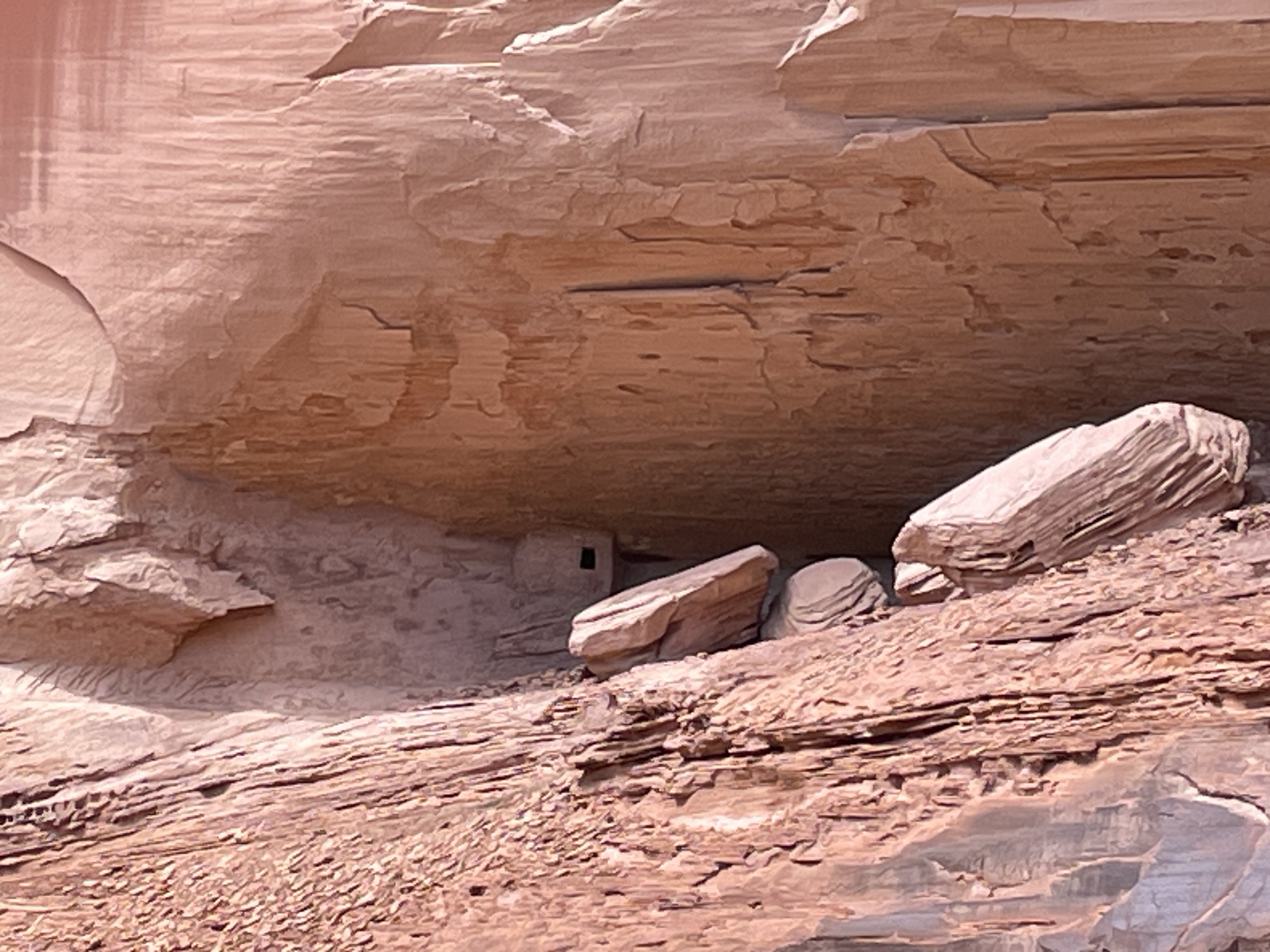
Ancient pueblo people lived here for centuries, some more than 5,000 years ago. This is one of the largest pueblo structures in the canyon (The White House–due to a white washed wall which you cannot see from this vantage point). The fence was built to protect it from vandals. We saw many smaller dwelling places and Oscar said there are hundreds in the canyon.

Headed back down the wash. This was a half day trip so only saw less than half of the canyon. You can hire for an all day trip complete with picnic lunch and go all the way to some of the famous formations that can be seen from the road at the edge of the top. There is also a side canyon called Muerto–due to a massacre of the natives that occurred after the Navaho forced long march.

The Jeep needs a bath after this trip.

Note: With a permit and guides, there is camping and horseback riding trips up the canyon in addition to this type of tour.

Canyon de Chelley–Part One


One of the most famous canyons in the country resides inside the Dine (Navaho) Nation. While administered by the National Park service, it is also the home of several Dine families. You can drive through the roads on the top freely, stop at various viewpoints, take photos, etc. Here are the various views I saw last week while there. The bottom of the canyon is restricted. To go there, you need a permit and a Dine (Navaho) guide. More about that in the next post.

Several families live in the bottom of the canyon, especially during the summer months. You cannot go into the bottom of the canyon without a permit and a Navaho guide.

Book 17 for 2024: “Cave of Bones”, Lee Berger and John Hawks


This is the perfect book for those interested in hominid evolution. I’ve been fascinated by Homo naledi ever since I first learned about them more than a decade ago. In 2013, paleoanthropologist Lee Berger first discovered them in a sizable cave system in South Africa. The initial discovery included the largest pile of hominid bones ever found.

In “Cave of Bones” Berger details his and his teams repeated visits to this cave system and their discoveries over time which allowed them to find evidence that naledi buried their dead, used fire, and drew designs on the walls near passages from one part of the cave system to another. Before their discovery, it was thought that only homo sapiens did any of these things with exception perhaps of neanderthal. The naledi walked upright, lived during the same time as early homo sapiens, and had a feet and body structure like homo sapiens (except they were smaller than most people today), but their fingers were somewhat curved indicating they used them for climbing. Their brains were smaller than homo sapiens. This has made some scientists question the validity of the findings since it has long been held than brain size relates to intelligence and many of the abilities that are distinctively human. The book contains photos of the cave system, of some of the skeletons, the drawings, and other relevant material as well as an extensive bibliography.
Book Seven for 2024: “After Eden, A Short History of the World”, John Charles Chasteen


Want to learn a lot in less than 400 pages? Read this book. Published this year, it is the most recent book by a prominent Latin American scholar and historian. After humans learned agriculture and built cities, most of the population of the world became increasingly patriarchal and warlike. The divide between rich and poor increased. Egalitarian foragers and wandering hunters existed only in more remote areas. A few still exist in those remote and less modern corners of the world, often places where few others want to even go. This quote says a lot about the current state of affairs:

“Our civilization has thousands of years practice making war. We have almost NO practice making global peace, but without it we are doomed. Today’s pervasive nationalism and rearmament is unlikely to help us make global peace.”

And a page later:

“Only a true unanimous global effort has any chance to preserve our common home.”

He notes that saving Earth will take huge social transformations, including curbing the excessive consumer capitalism that currently pervades plus overcoming a world wide history where half of humanity mistreated the other half, a practice that still continues.

One Book a Week-9: “Flights”, Olga Tokarczuk


How to describe this unusual novel? Here’s a possible list:

-No over all plot.

-Several stories about individuals scattered throughout, e.g. read about a person and event, then many pages later back to that person and the consequences of the event(s).

-Short philosophical musings/vignettes interspersed here and there. One reviewer counted 116.

-One common theme relates to the title, Flights, in that in most of the “stories” people are traveling or have traveled on quests for “meaning” or escape from a cumbersome reality.

I learned the following from reading this book:

-Per his request Chopin’s heart was taken from his body. His body was buried in Paris but his sister secretly transported his heart in a jar of special preservation liquid back to Poland, the land of his birth.

-A Dutch anatomist discovered the Achilles tendon after dissecting his own amputated leg.

-Plastination is the method used in anatomy to preserve bodies and body parts. Several characters in the book make their living or are obsessed with this process.

This is not a book for those who prefer relaxing reading or for the “faint of heart”.

Note: The author won the Nobel Prize in literature in 2018. This book won the Mann Booker for translated literature from all over earth in 2018. I plan to read another of her books–have now read two of them–but since the other one in English is 1000 pages long rather guess it might take more than a week for me to read it. This is actually the 11th book I have read to date in 2023 but did not start blogging about them so two are missing in the blog posts,

An Afternoon at the Cheech–1


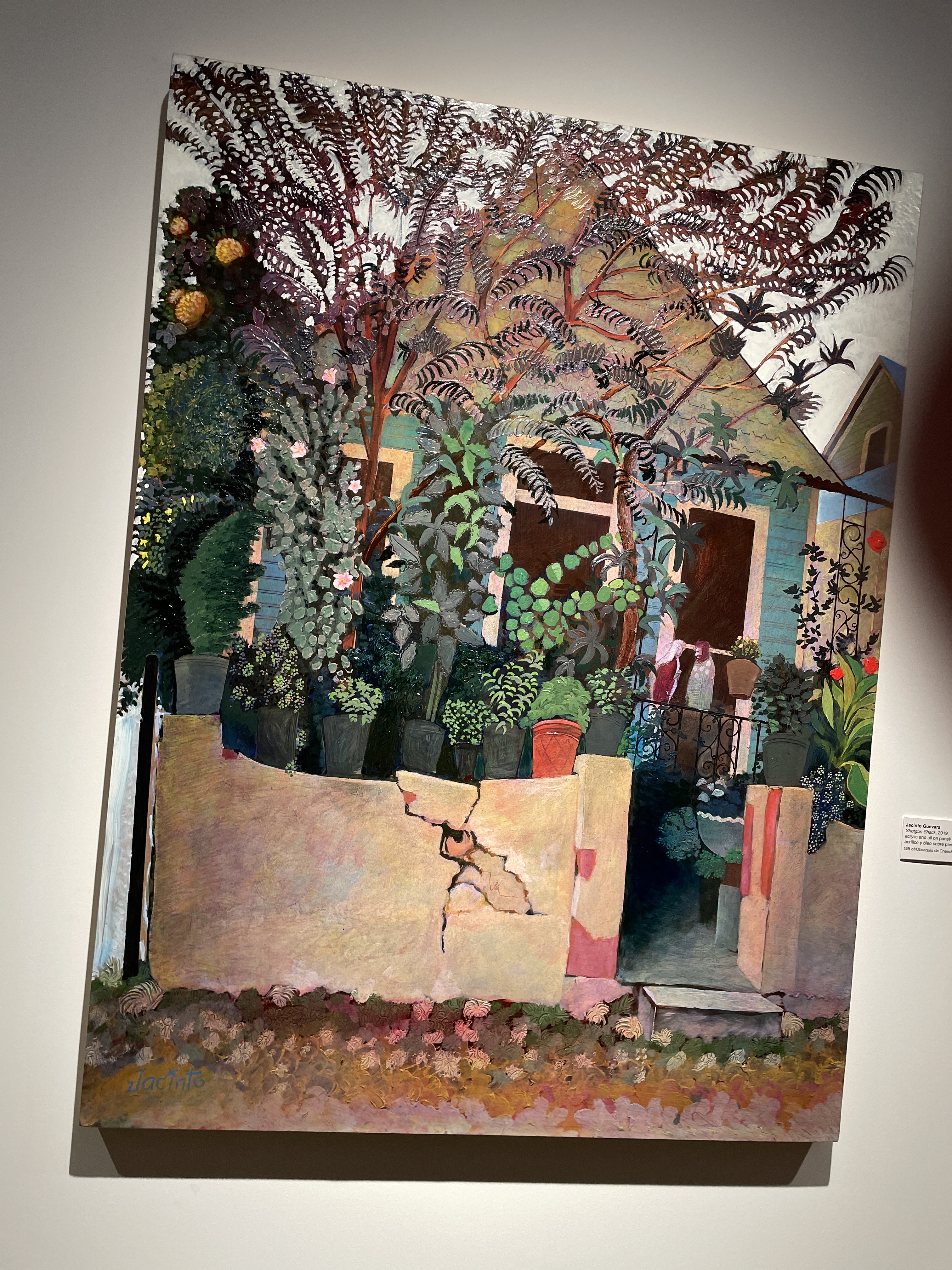
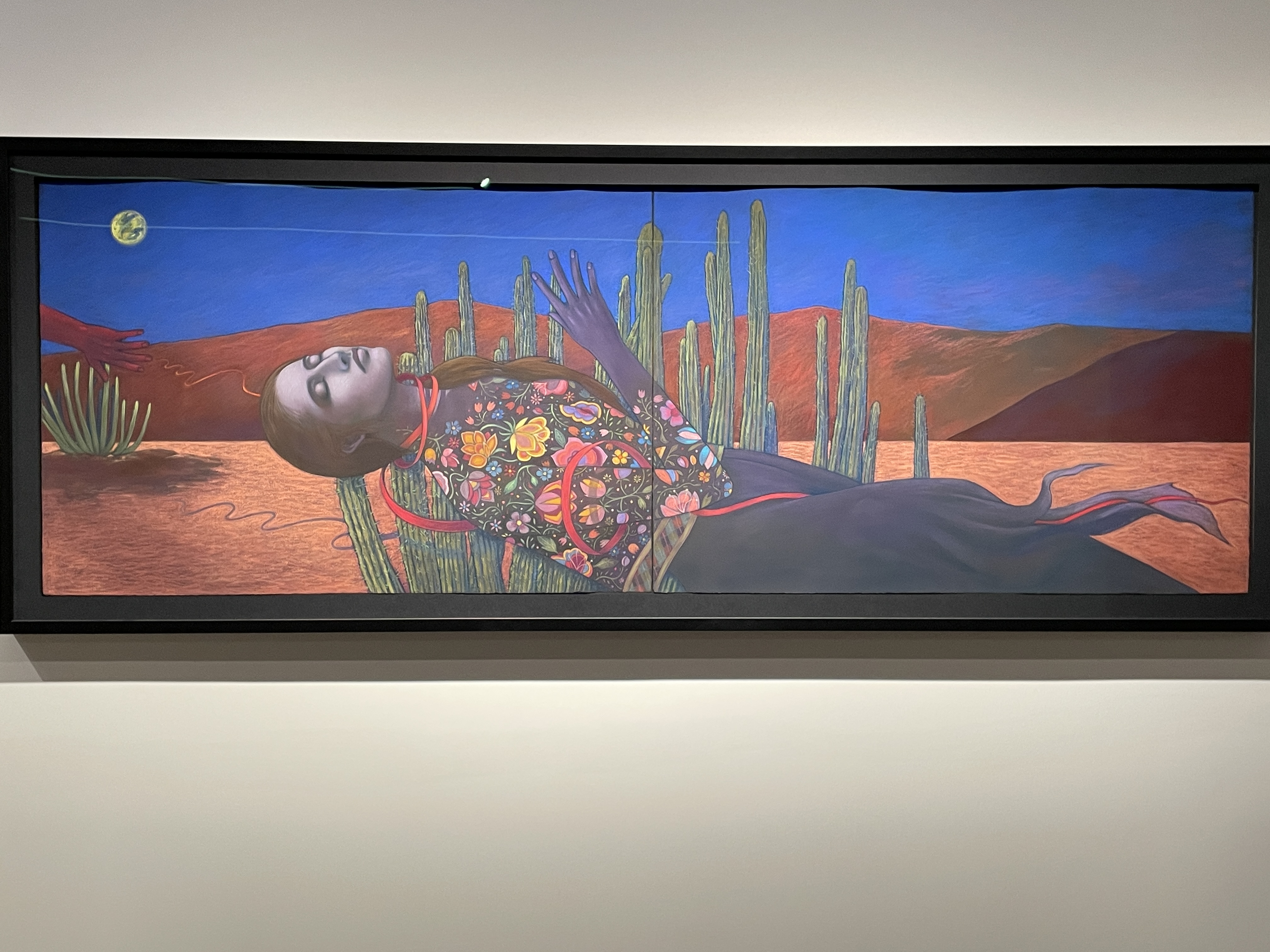
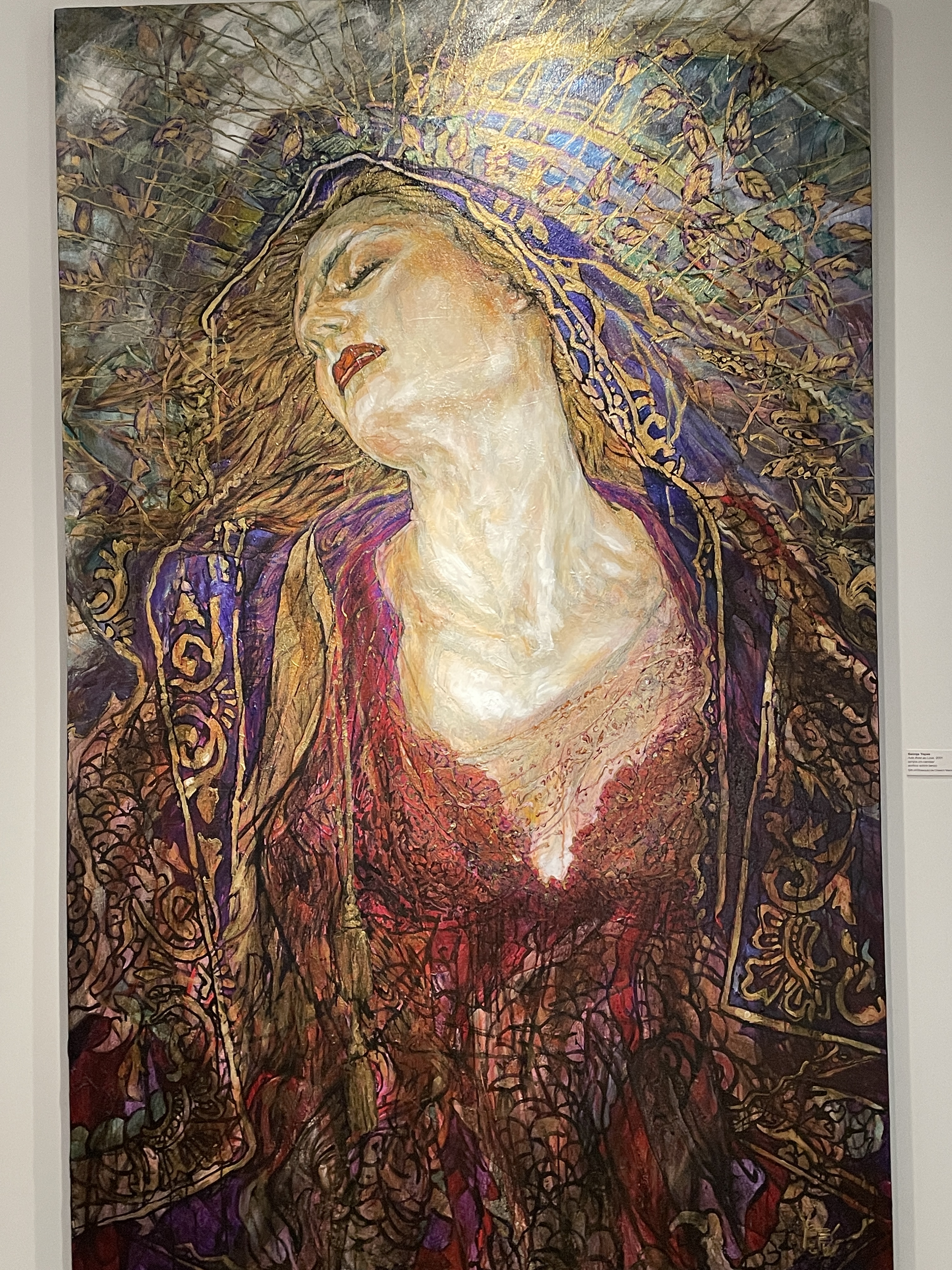
Some of you may remember the comedy duo Cheech and Chong way back in the day. Cheech has spent his life collecting Chicano and Chicana art. This year he gave a lot of his art collection to open a new museum in Riverside, California. Earlier this week my grandson, his girlfriend and I went to visit the museum. Photos and videos are allowed without flash. The following is the first set of photos I took. Please note that you need to see this art for yourself. Photos do not do it justice. Much of it is multidimensional and looks very different depending on where the viewer stands.

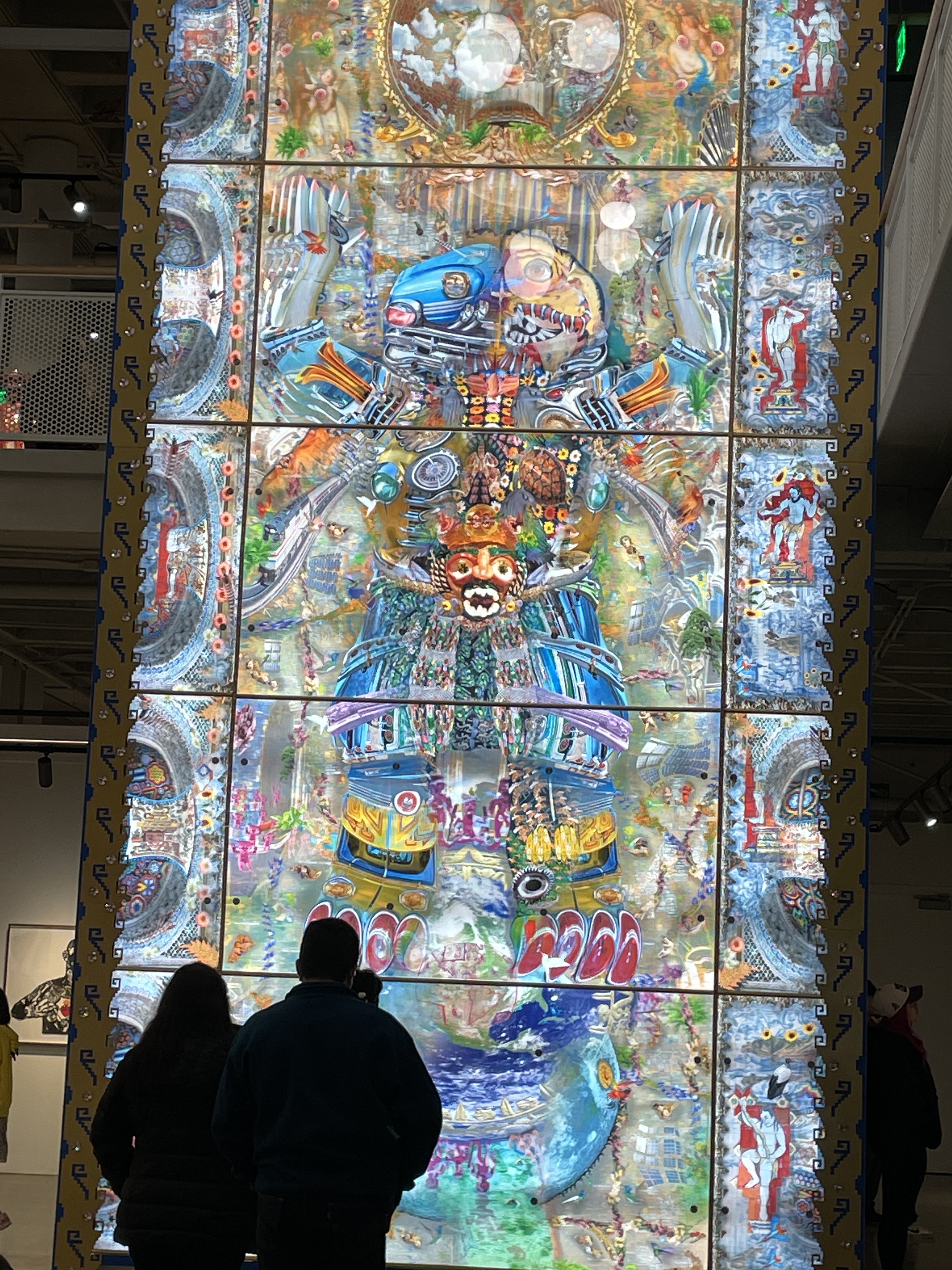
This is what you see when you enter the door; it is two stories high and multidimensional. Look how different the next photo of it looks from this one.

Walk farther to the side and it looks totally different again.

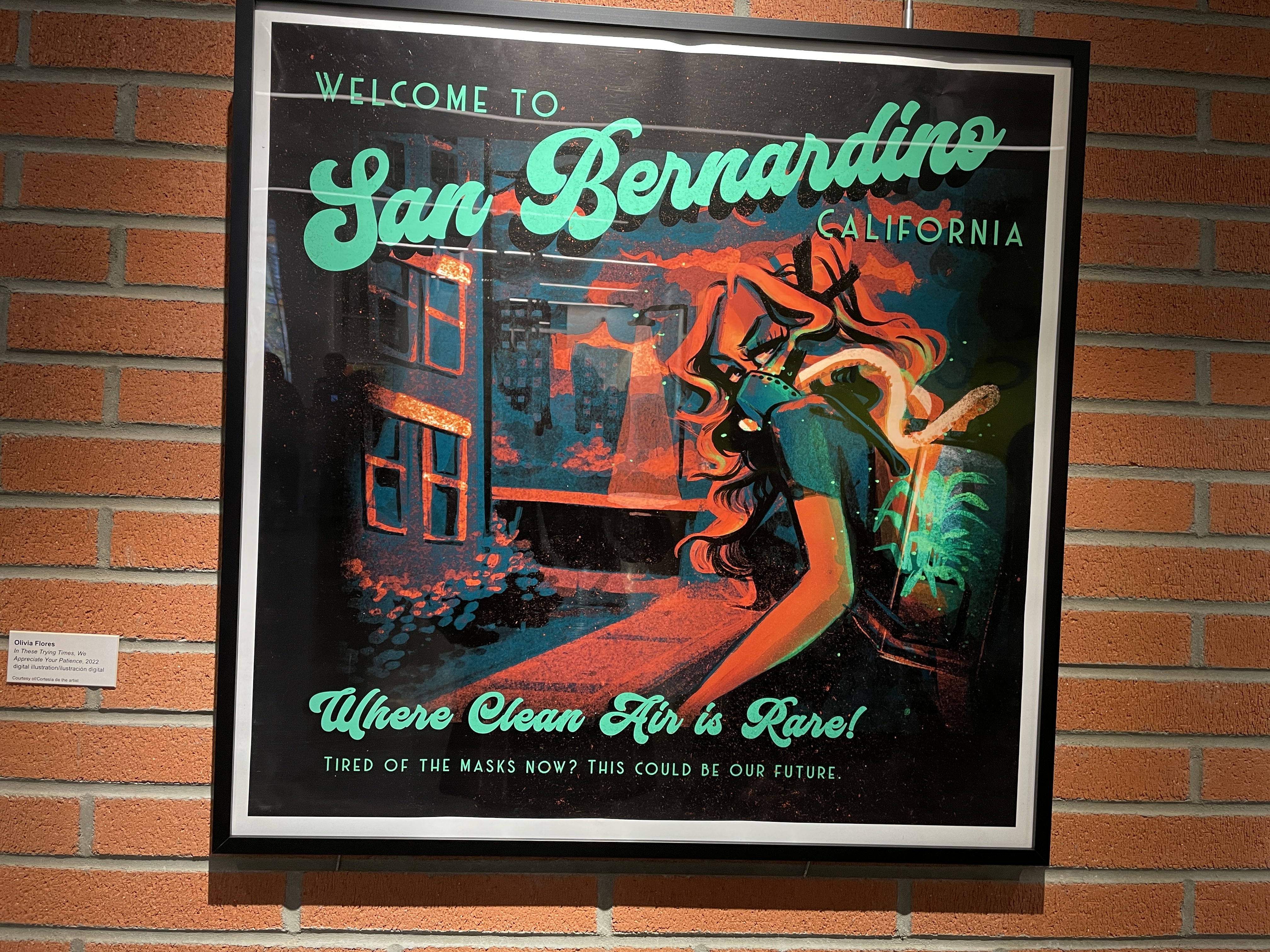
This speaks for itself. Right now where I live the air is clean enough that unless it is foggy, I can see all the way to downtown LA 30 plus miles away.

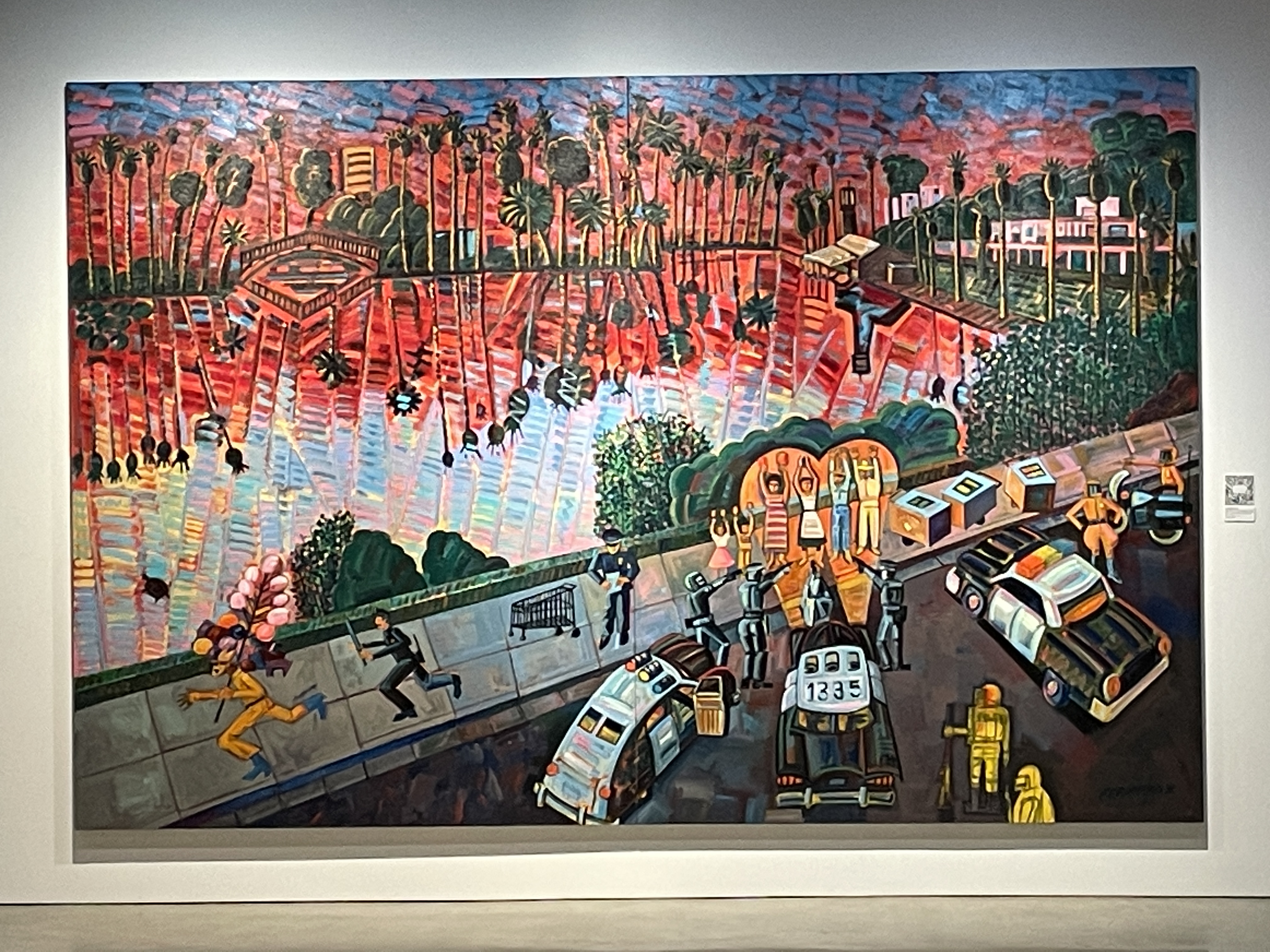
All the art at this museum has a message; much of it illustrates the ills of society.

The influence of indigenous art, e.g. Aztec, Mayan, can be seem in much of the art and the statements the art makes.

The woman above and the woman below hang next to each other.

An Afternoon at The Getty Center


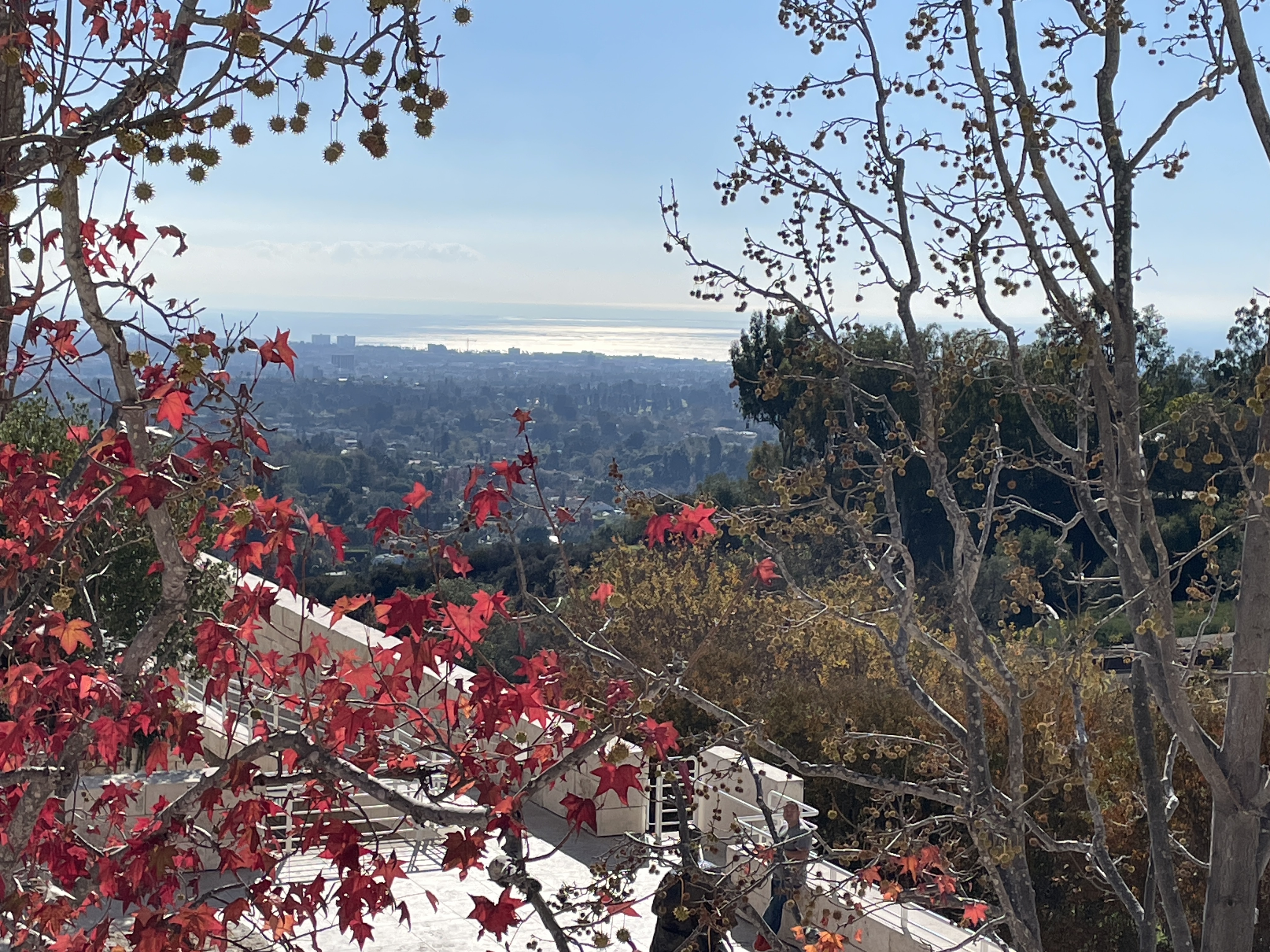
Yesterday my daughter and I drove to The Getty Center to wander around, look at the art, eat at the restaurant, enjoy the views which are quite spectacular.

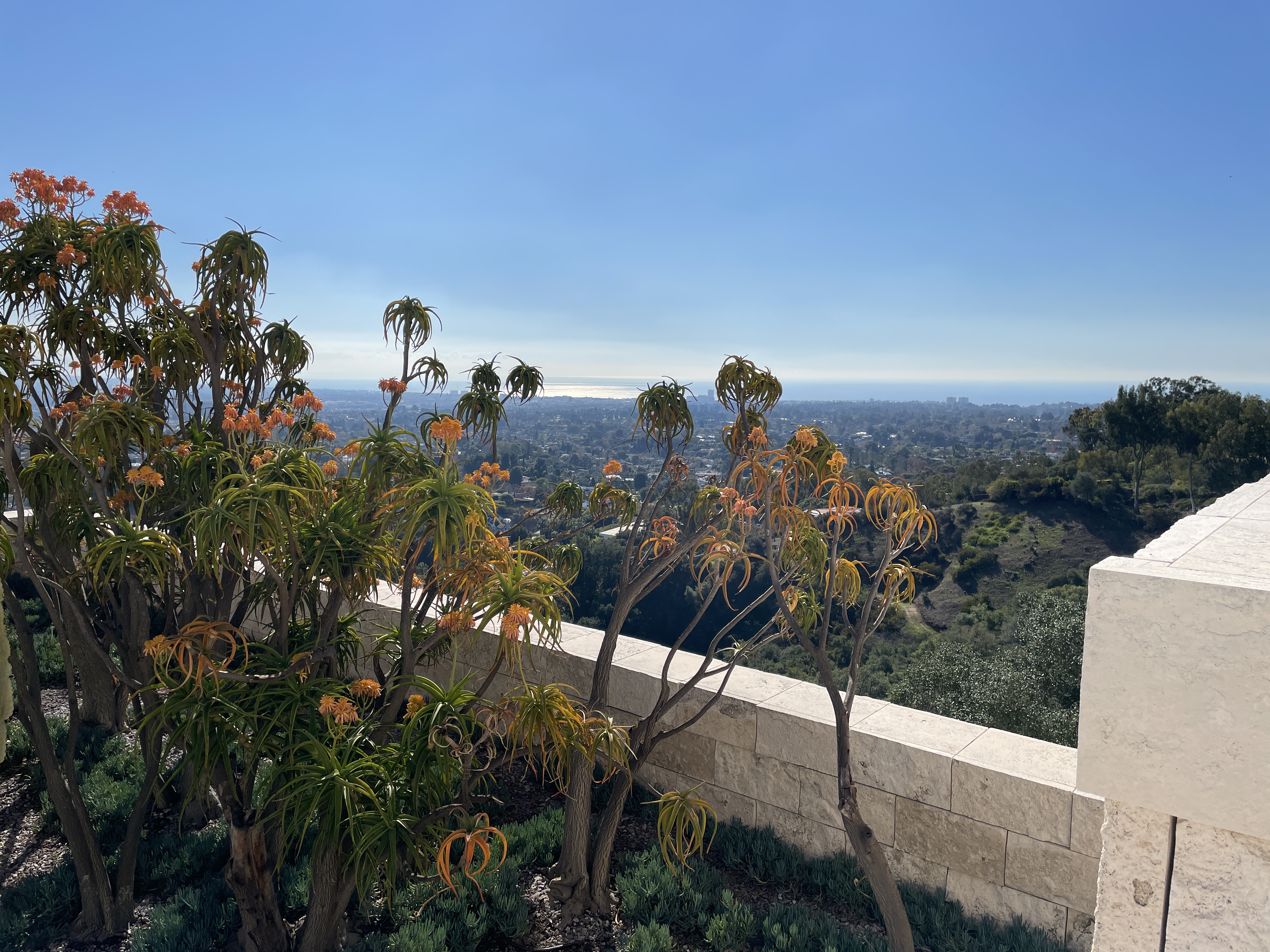
Two views of the Pacific Ocean from different vantage points. The Getty Center is on top of a hill with spectacular views in almost every direction.

Looking in the opposite direction is a view of a lot of Los Angeles.

In the distance loom the snow capped mountains close to where I live in the San Gabriel Valley.

Across the 405 freeway are large houses and vineyards.

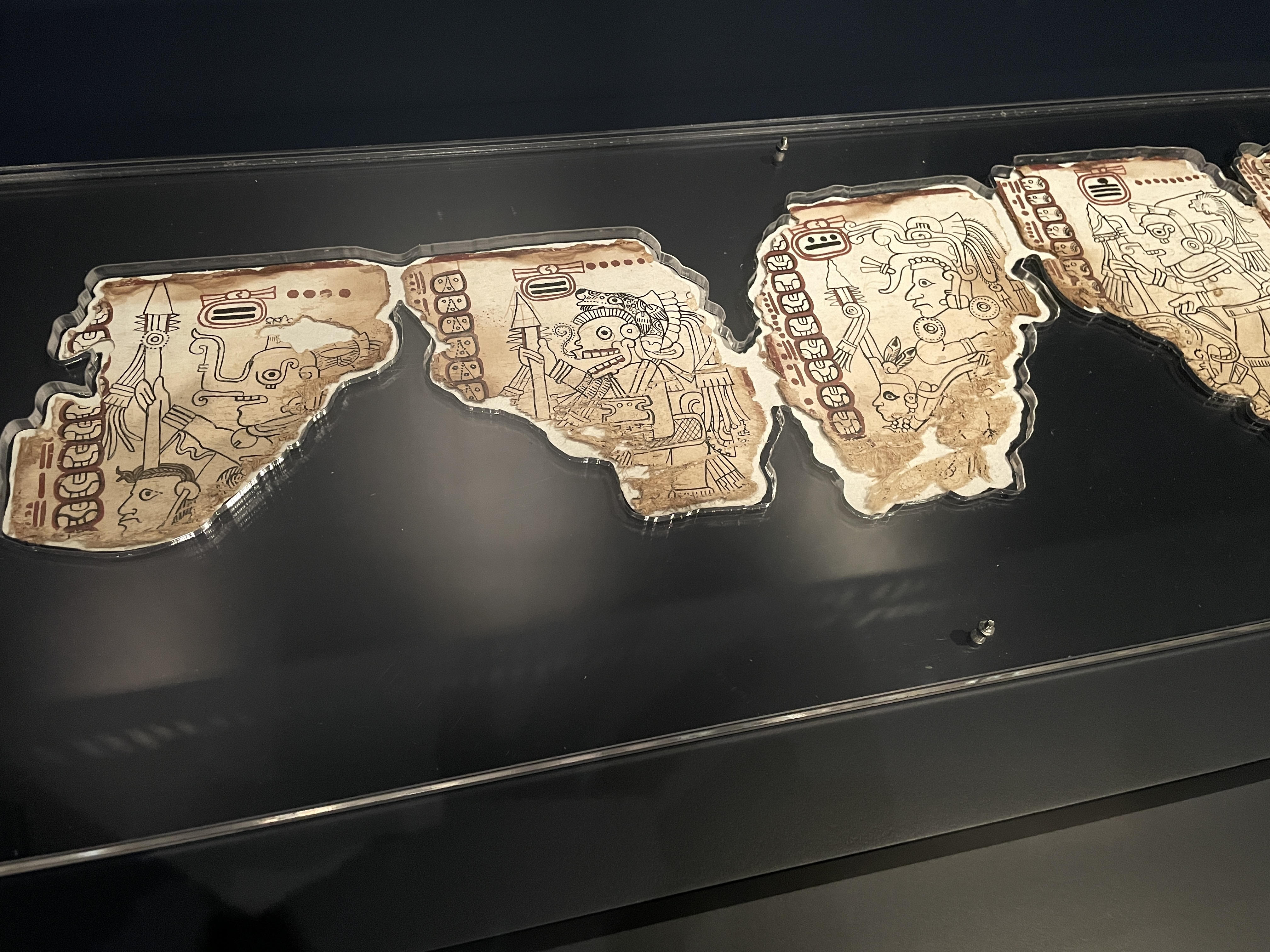
Currently, one entire section of The Getty Center features a Mayan codex, a few pages of one of the oldest ever found.

The view from where I took several photos back through an open area. The Getty Center is huge, made mostly out of limestone.

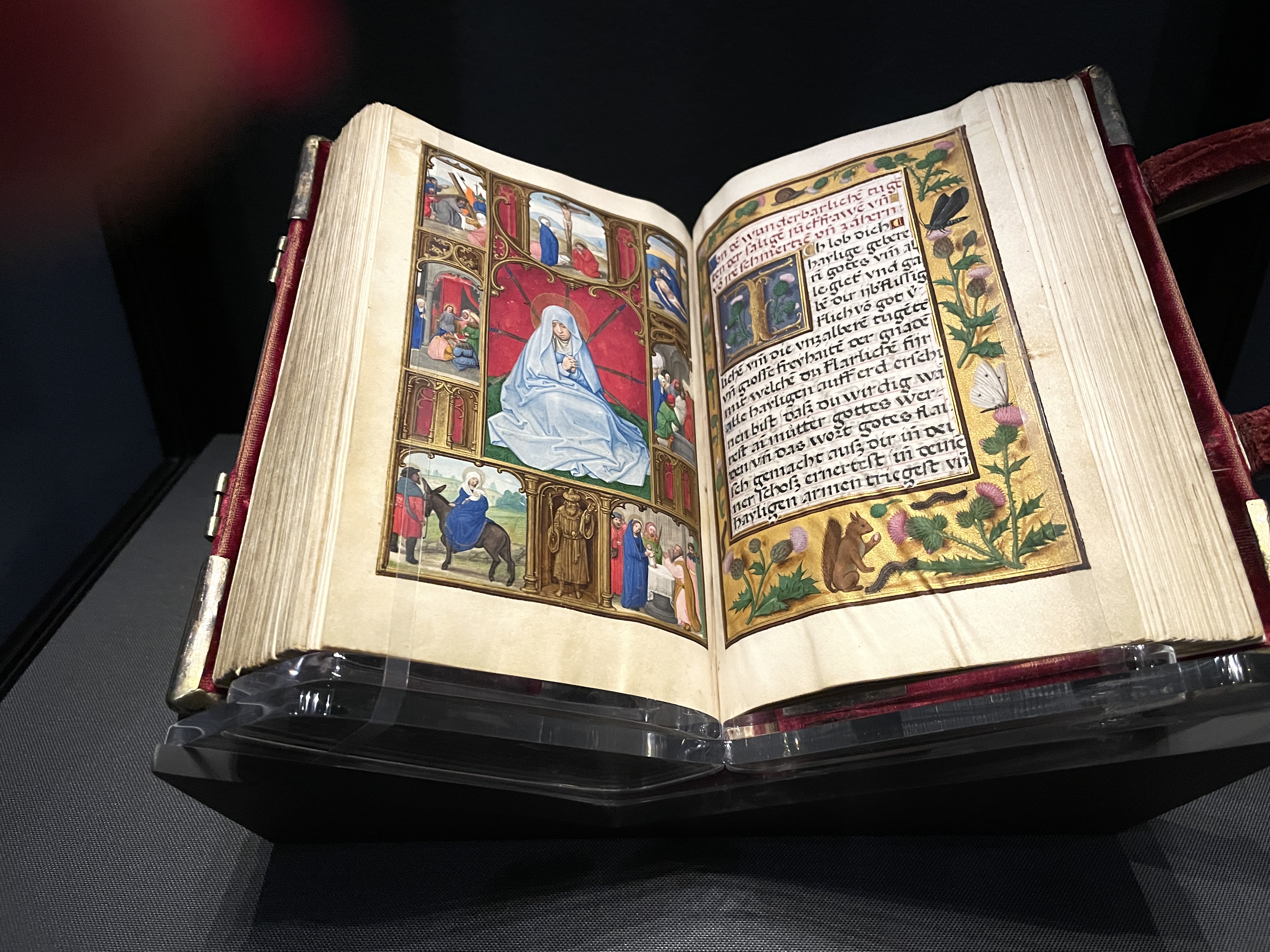
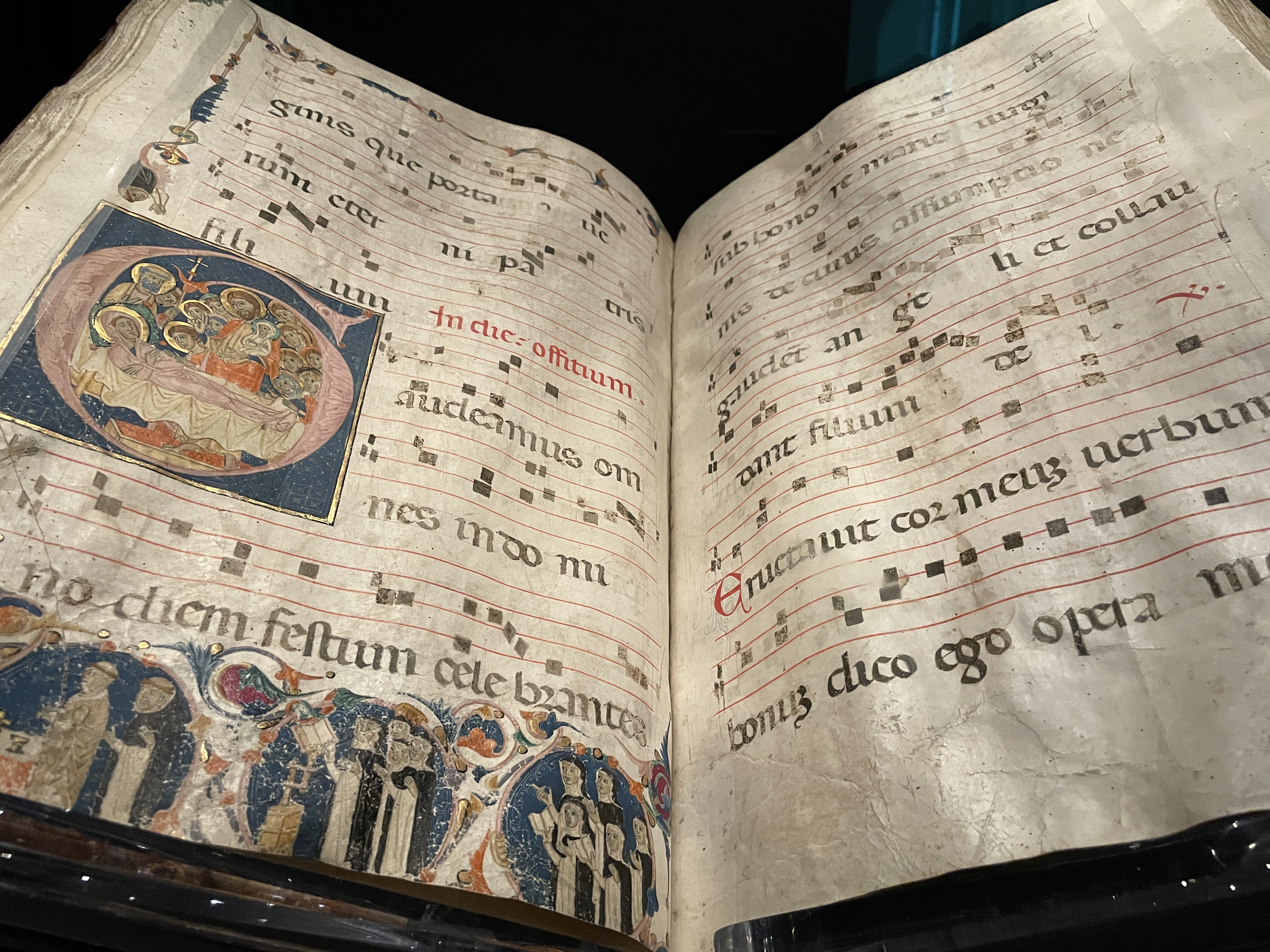
Much of the art currently on view is about the Virgin of Guadalupe and religious paintings related to the birth of Jesus.

Blackwater Draw


I walk the mile long trail down into the depths,

caliche, gravel, larger rocks strewn by millennia.

The ancients–Clovis, Folsom, Portales

Man–hunted here at the shores of a lake

nearly 12,000 years ago. In 1929, an amateur

archeologist discovered a spear point lodged in bone.

Scattered cottonwoods whisper in the wind,

timeless voices call me, beckoning.

Who were these people? What did they

look like? Where did they come

from? In whose gods, goddesses, did

they believe? Doubtless hunger

drove them to this place of water

and plenty. Columbia mammoths, giant

sloths, dire wolves, saber toothed cats.

I walk this long path, read signs

that tell what diggers found at specific

spots along the trail: bison horns

spanning seven feet, mammoths twice

the size of elephants. I stand in the shade

of the cottonwoods. They whisper to me.

They tell me ancient tales of hunger, strife,

beauty, love, endurance, woe, war, weaponry,

courage and community. How did they overcome

danger, fear? My skin tingles strangely

in the summer heat. Now this land is dry,

desert, the water that sustained teeming life

evaporated in the crystalline air.

Twelve thousand years from now who will stand here?

Will this place exist? Will someone wonder the meaning

of our bones, who we were, what we believed?

Wandering the World–Italy, Part One


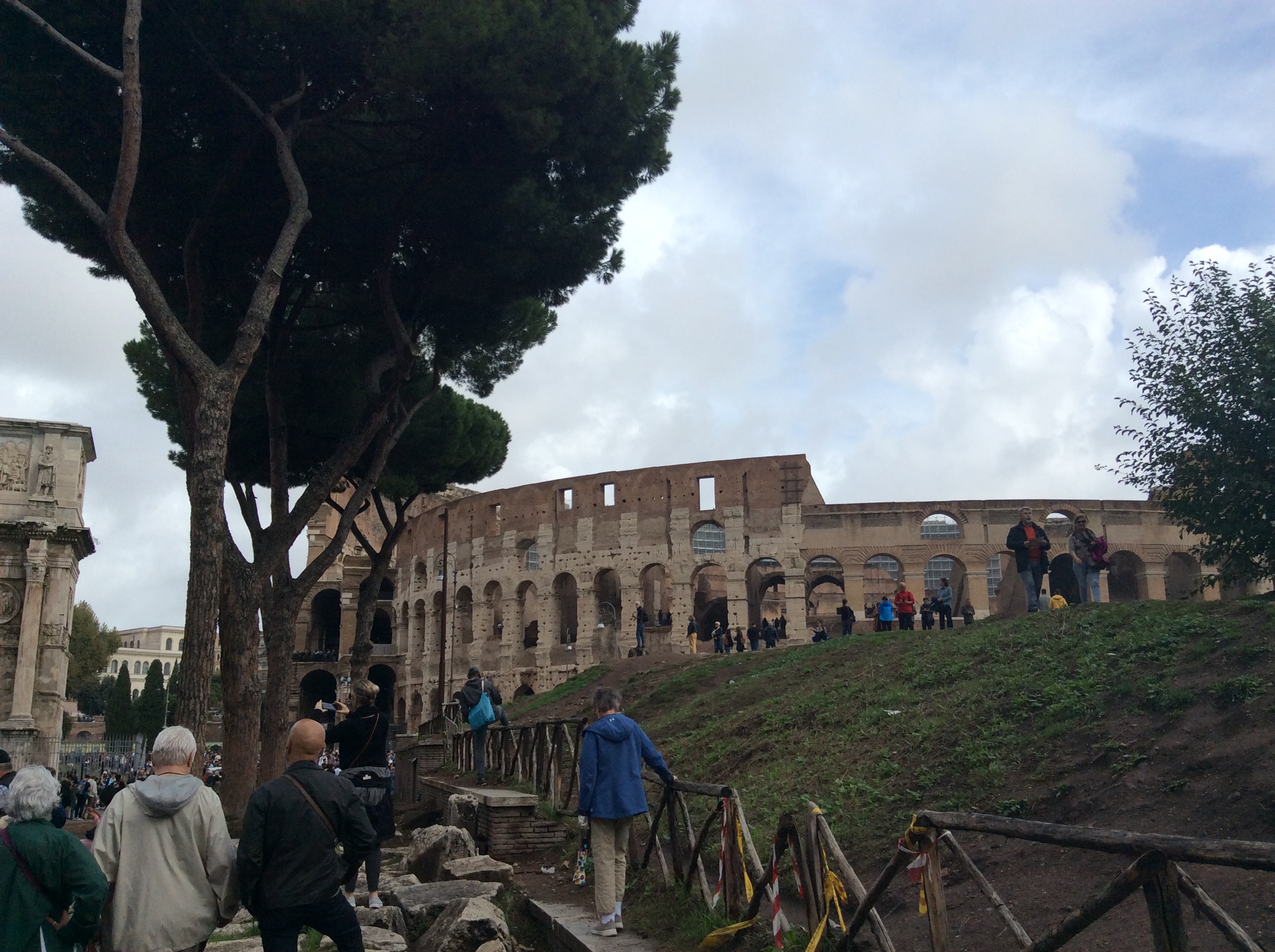
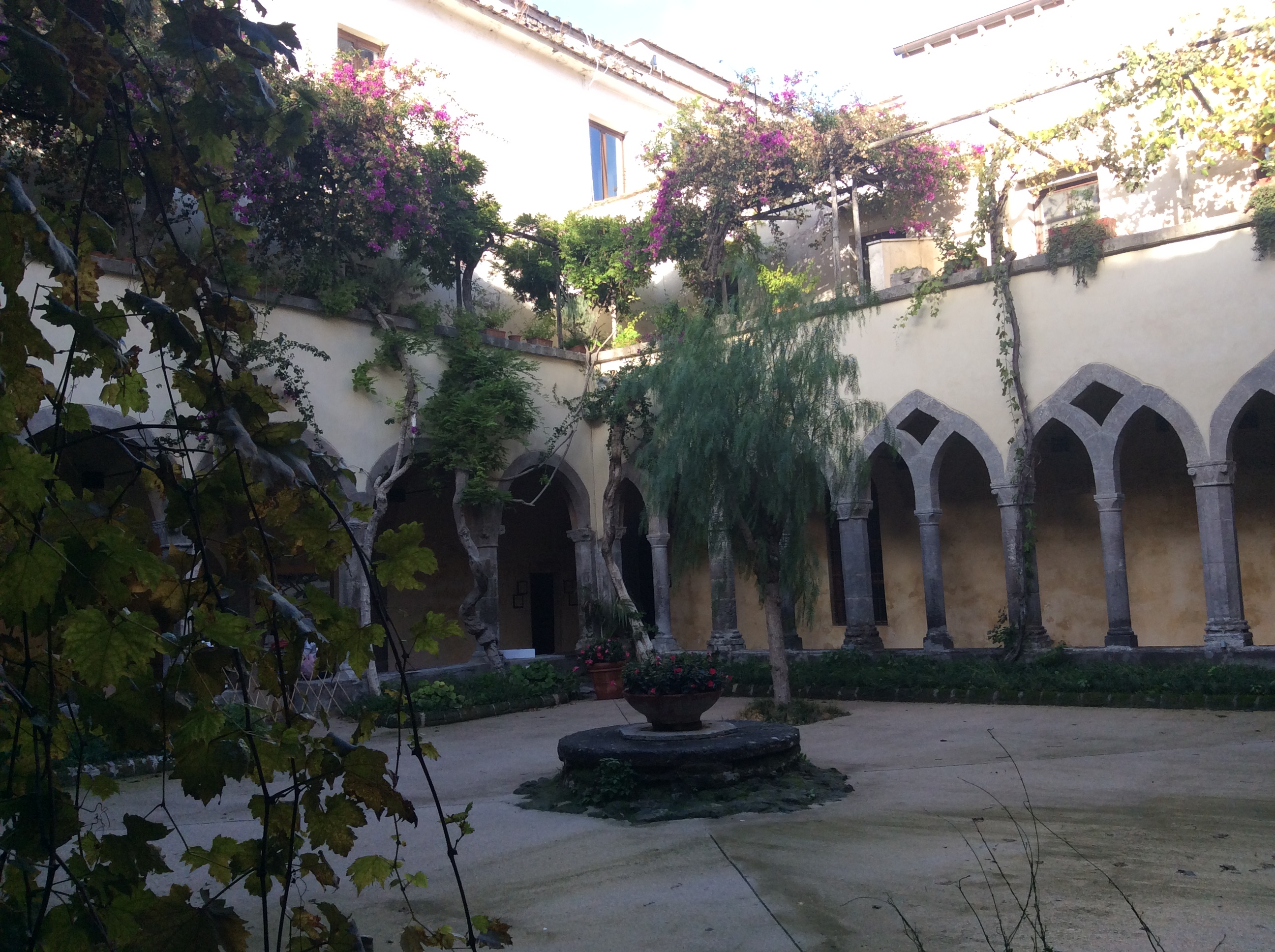
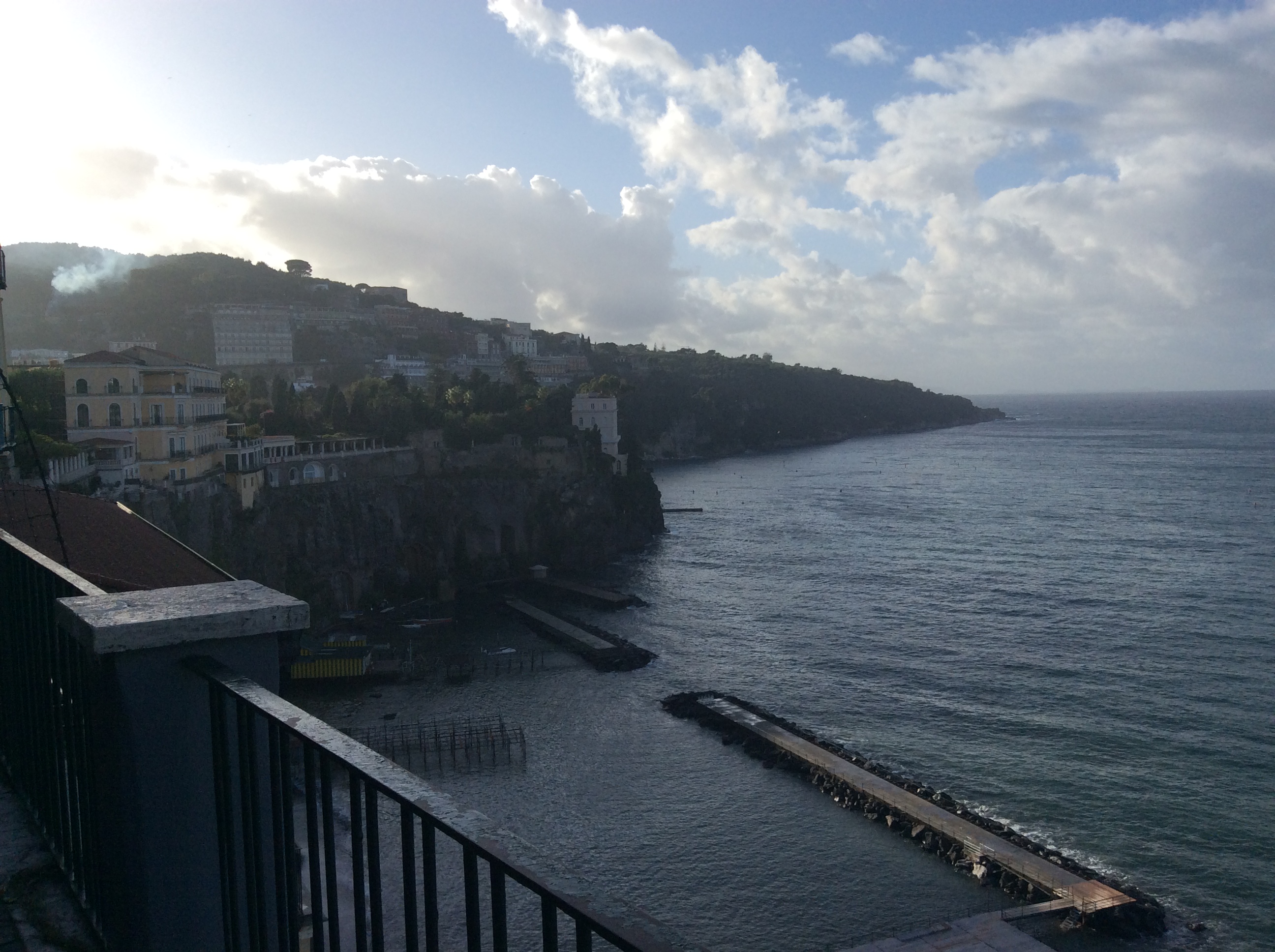
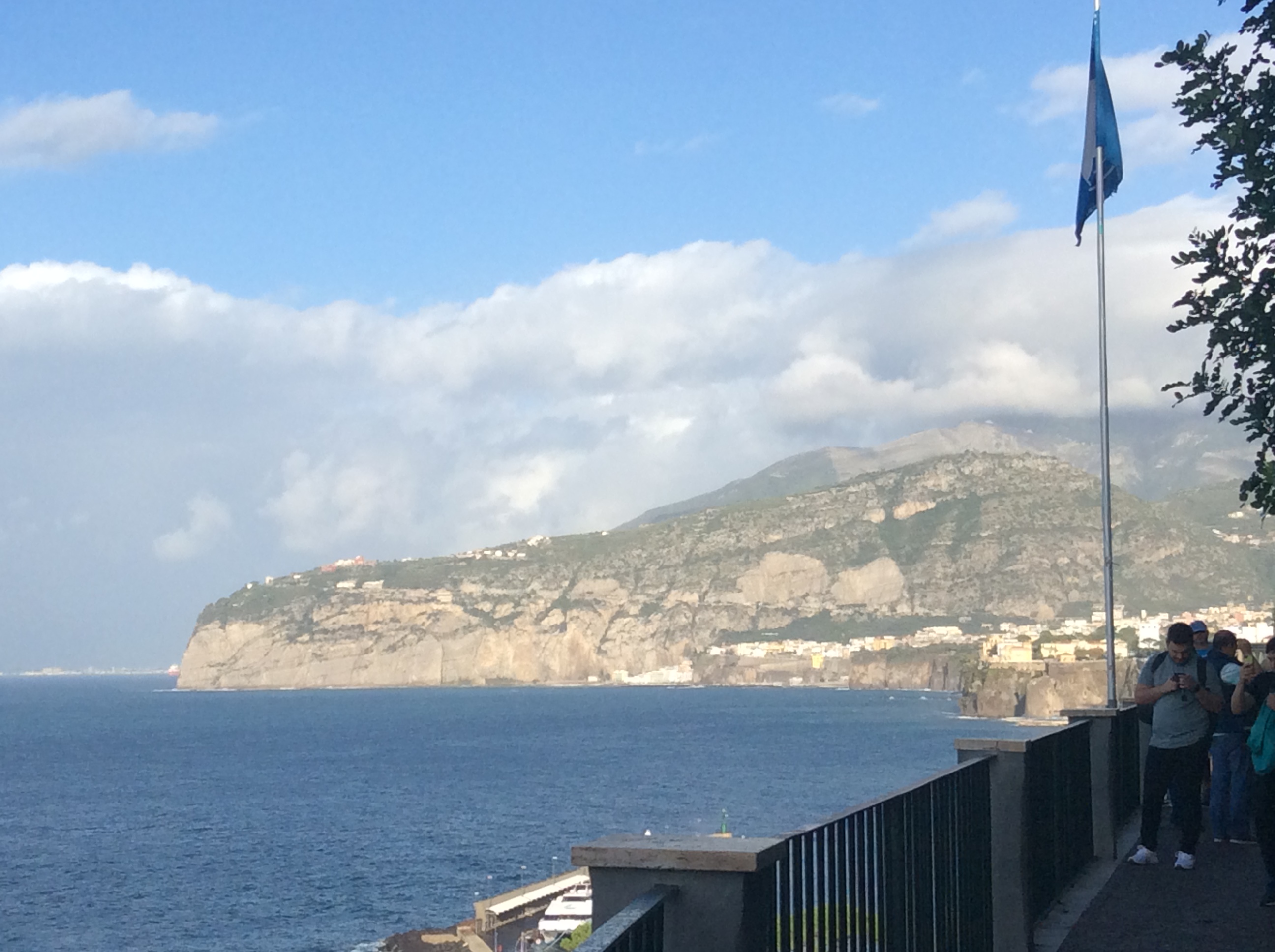
Last November I spent a little over a week in Italy. We spent only 1/2 day in Rome then drove to Sorrento where we stayed for a week. From there we wandered down the Amalfi Coast, over to Naples, Pompeii, and Capri. Want to avoid the summer heat and crowds? Go in November. Yes, it is chilly and sometimes rainy with big storms at night. Nevertheless, you can really see what people do who live there and avoid masses of tourists. Here are some of my favorite photos:

The above photos taken in Rome. The following were taken in Sorrento.

Vesuvius. I think I saw it nearly every day.

The Churches of Lalibela


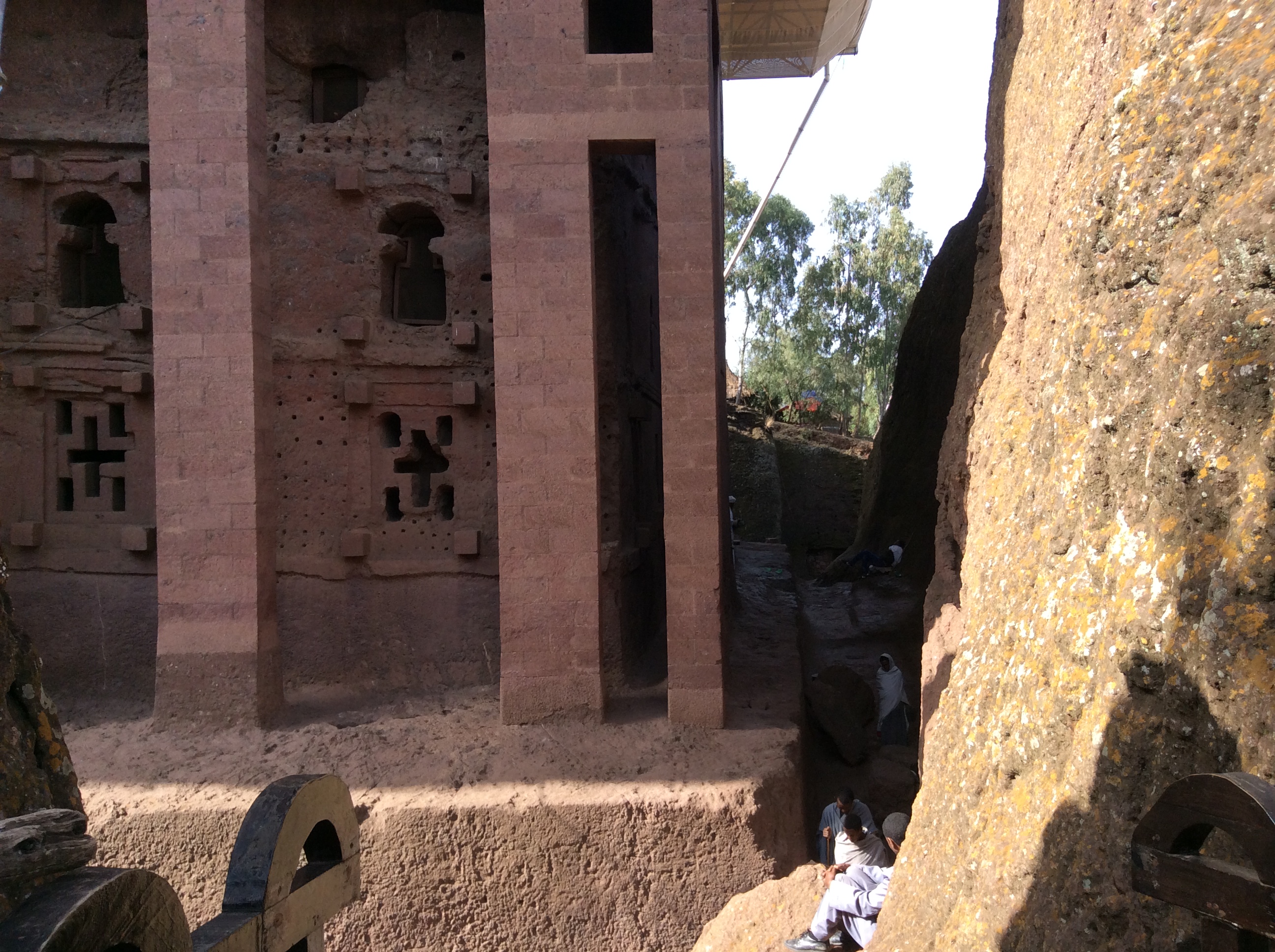
Last night part of 60 Minutes featured these churches.  Several years ago I went with friends from Ethiopia to see them.  We spent almost an entire day hiking through around and up and down all eleven of them. I decided to travel back a few years and relive my experiences there and share it here.

IMG_0397

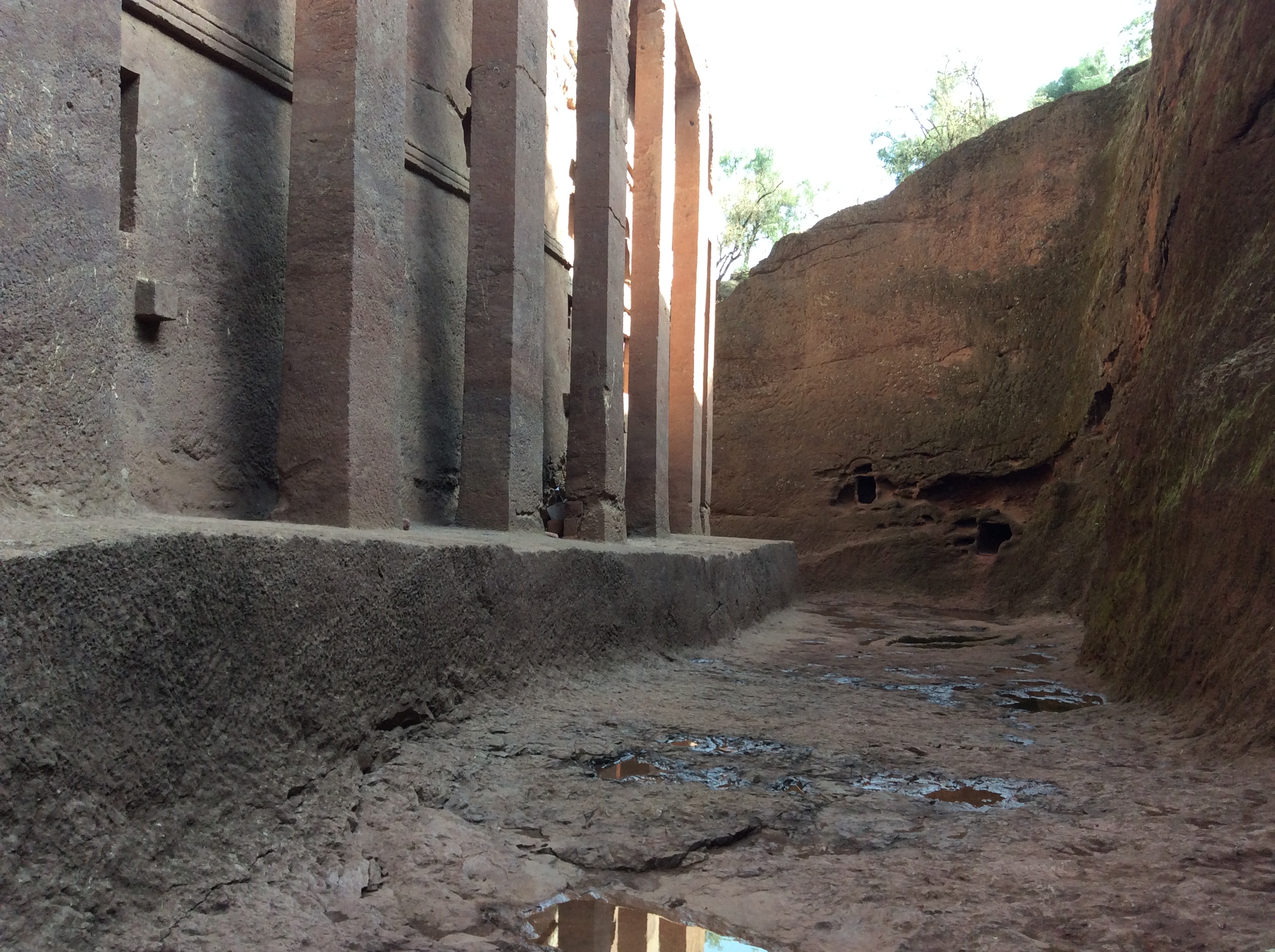
800 years ago these churches were carved from the top down out of solid stone. They dug a trench deep all around what is now each church and then worked from there.  Everything is stone, including the interior columns and spaces.

IMG_0400

There are areas around all the churches and drainage canals so they do not flood in the rainy season.

IMG_0412

The inside of each church is decorated with carvings, frescoes, and wall hangings.

IMG_0417

Because 800 years of wear and tear and especially rain was beginning to take its toll, they covered them several years ago.  Now, according the the architect on 60 Minutes, they are experiencing the opposite problem.  The stone is getting too dry and contracting. They are teaching local people how to preserve the stone so it will last hundreds more years.

IMG_0420

Dino, my Ethiopia friend, and the guide, in white.

IMG_0442

IMG_0444

Why the ridiculous looking socks?  Fleas are a problem.  Many of the churches have old carpet on the floors, thousands of people still workshop in them regularly.  We were told to spray our ankles, tuck our pants inside out socks, spray our socks. It worked.

IMG_0448

IMG_0427

And here is probably the most photographed of them from up above. Yes, you do get to climb all the way down there if you want to go inside.  We did. The story goes that the king went to Jerusalem and wanted to create an Ethiopian Jerusalem.  There is a river nearby which they call the River Jordan. As you tour, they explain every detail and how they match passages and stories from the Biblical Jerusalem.  How did they build all of these out of solid stone?  With the help of angels.