Baja Trip-5: Wandering Around Ensenada


First, we went to the fish market where I saw fish I could not even begin to identify. Then we strolled along the wharf.

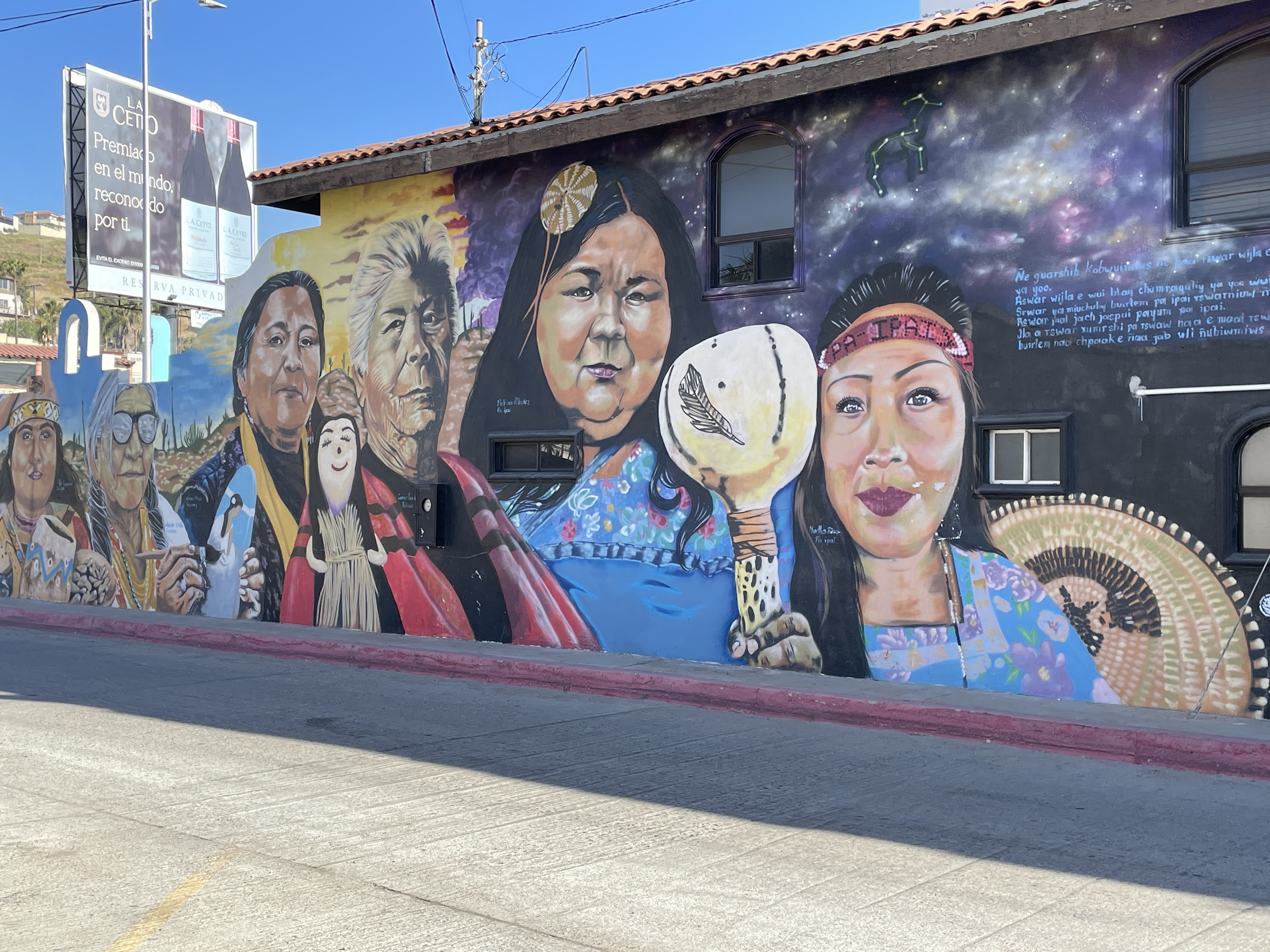
This mural portrays the matriarchs of the northern Baja area. each from a different indigenous tribe who lived there before others arrived.

Cruise ships dock here several times a week.

Built when alcohol and gambling were illegal in the United States, this was once a famous casino where the rich and famous came to gamble and drink. Now it belongs to the city and is used for weddings, retirement parties, etc.

Back in the 30s, the water came up to the edge of the casino property so people could come in their luxury yachts, dock, and walk right inside.

The original bar still exists and is well stocked. Here we heard the story of the invention of the margarita. Many claim to have invented it in various places in Mexico. It seems to trace back to a bartender who moved from place to place and brought the drink with him. Who knows?

One Book a Week-4: FINDING THE MOTHER TREE: Discovering the Wisdom of the Forest


When it first came out in 2018, I read The Overstory by Richard Powell. Finding the Mother Tree: Discovering the Wisdom of the Forest by Suzanne Simard appears to contain the endless years of detailed research and life story behind one of the characters in Powell’s novel. In fact, in her Acknowledgements, Simard thanks Powell for helping to make her life’s research more accessible to the general populace.

Simard’s book is part memoir, part detailed scientific explanations of her research and how a forest works and lives, and part how difficult it is to be taken seriously in the science world if you are female and your research contradicts the norm. She grew up in Canada. Her family made a living cutting down trees. Her family and life was and is intricately interwoven with nature. Even as a child, she was obsessed with tree roots, crawled around on the forest floor to see what lived there. A specific fascination was all the types and colors of fungi that grew just under the surface. Why were they there? What purpose did they serve? Later this became her life’s work, leading her to discover how trees of varying species use these fungi to communicate with and nurture each other. Of special significance are the “mother trees”, older, larger trees who provide nurturance to all the younger trees around them, recognize their kin, favoring them as they nurture all the other trees as well.

Traditionally, loggers and timber companies clear cut, then replanted with seedlings of all the same species of evergreen. It took Simard decades of research to convince them that it was not only the poorest way to grow new trees but also the least economical. For decades they saw her as some nutty woman, laughed at her research, laughed at her, even using epithets to her face. Ultimately, however, her work led to changes in how forestry is practiced.

This book relates her long struggle to save the forests. For those who are science minded, the final pages of the book contain 32 pages of Critical Sources. If you are interest in learning more about “mother trees”, go to http://mothertreeproject.org. It defines the term “mother tree” and explains how trees communicate. It also contains videos.

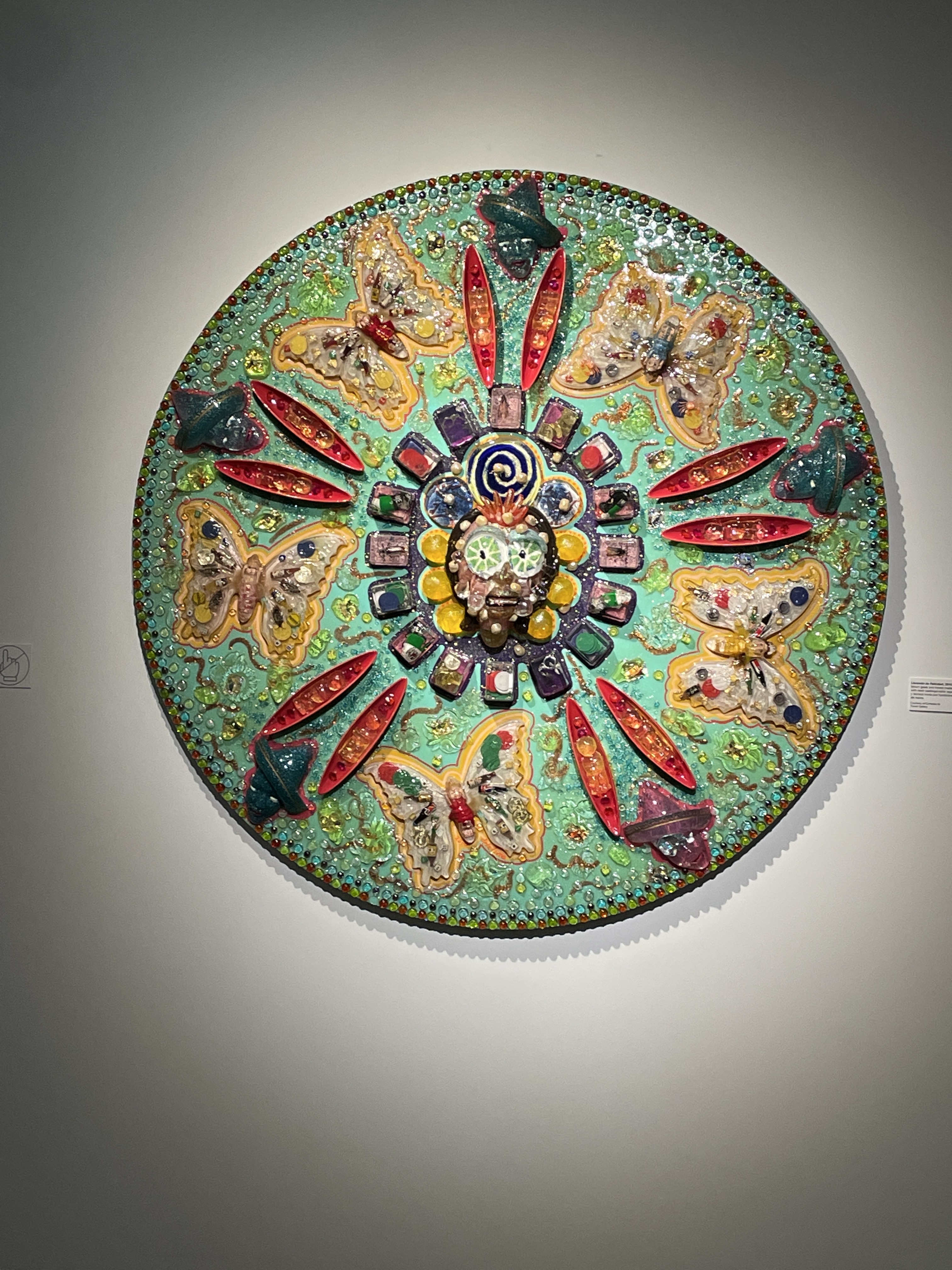
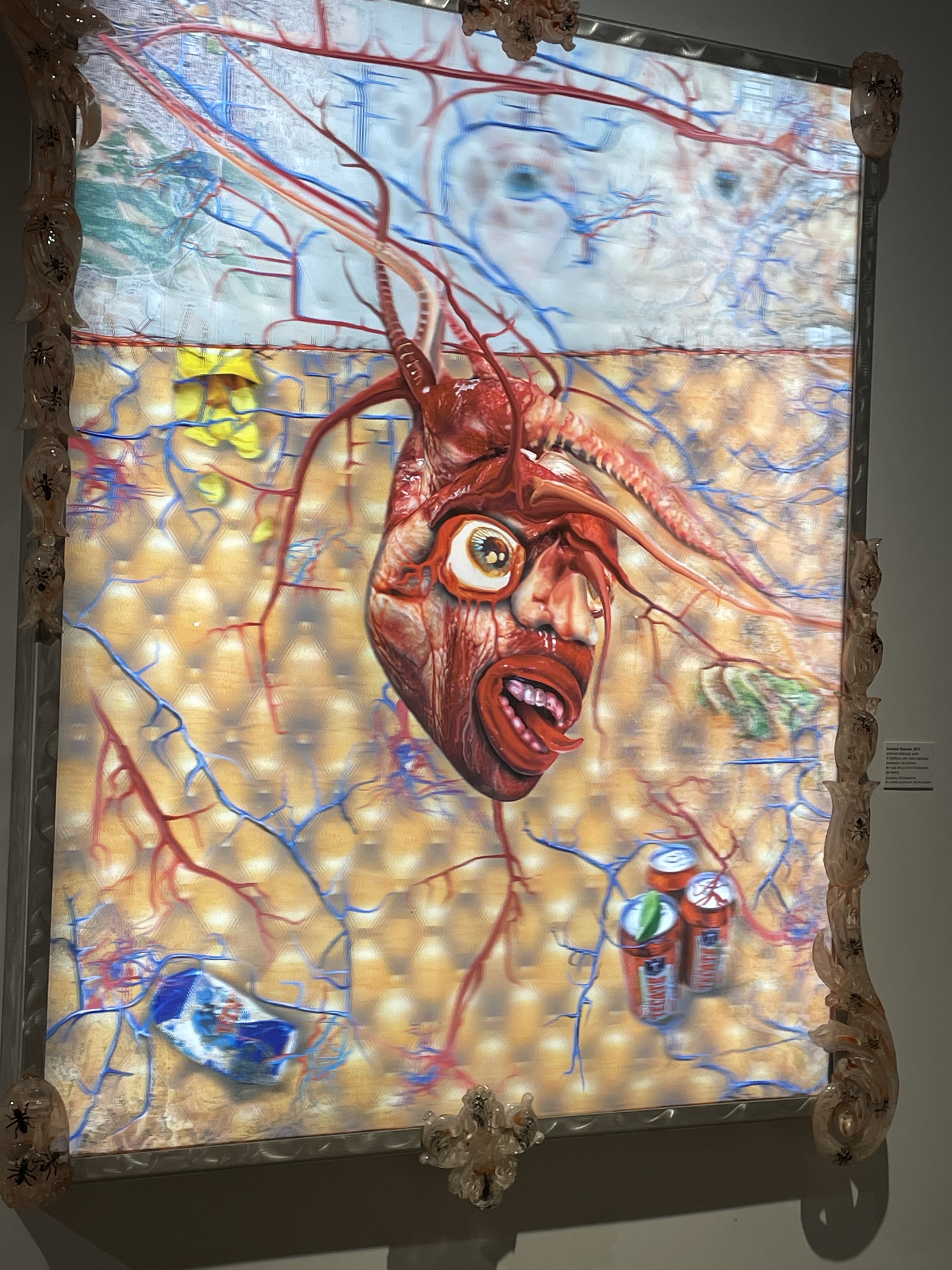
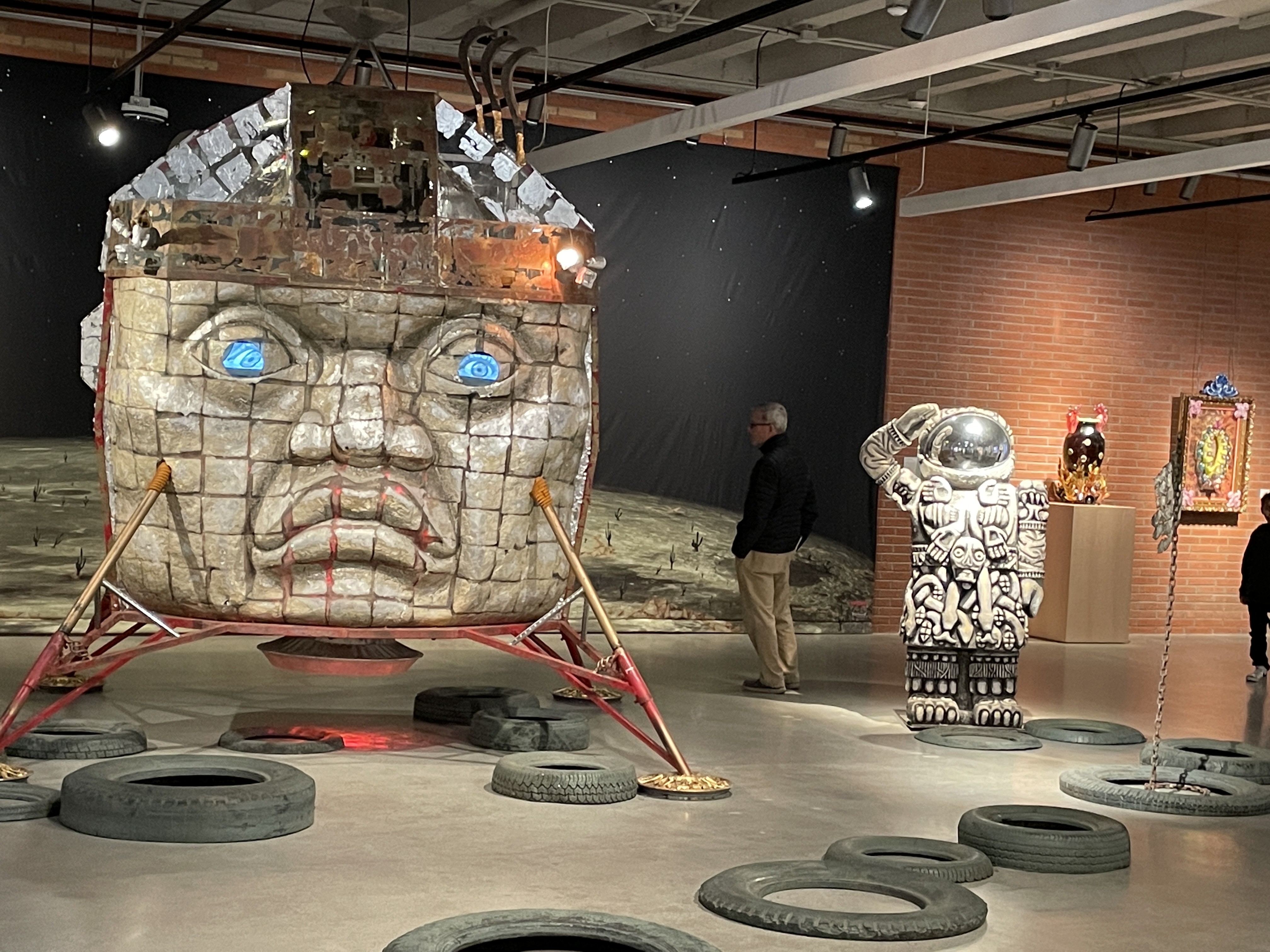
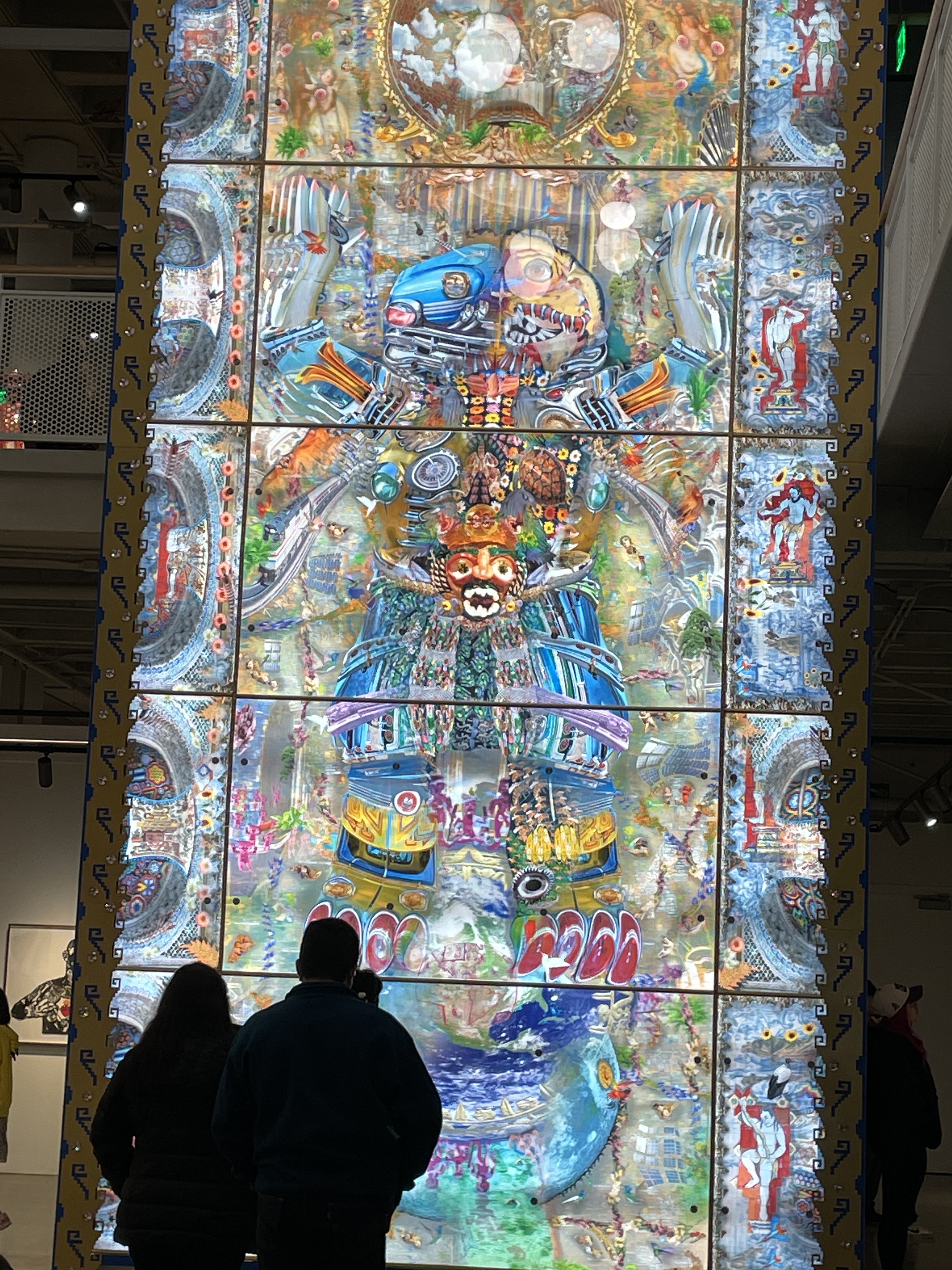
An Afternoon at the Cheech Museum – 2


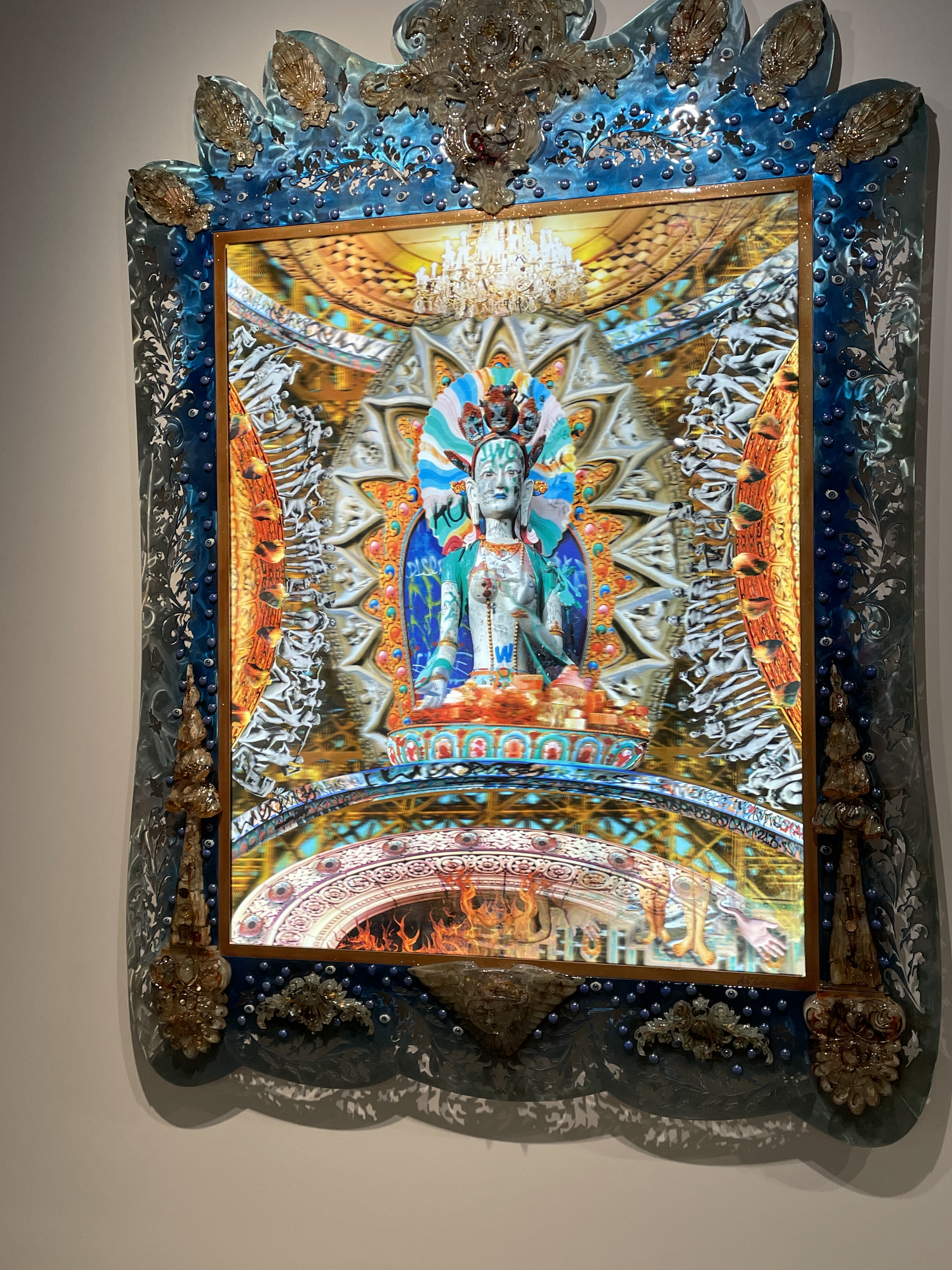
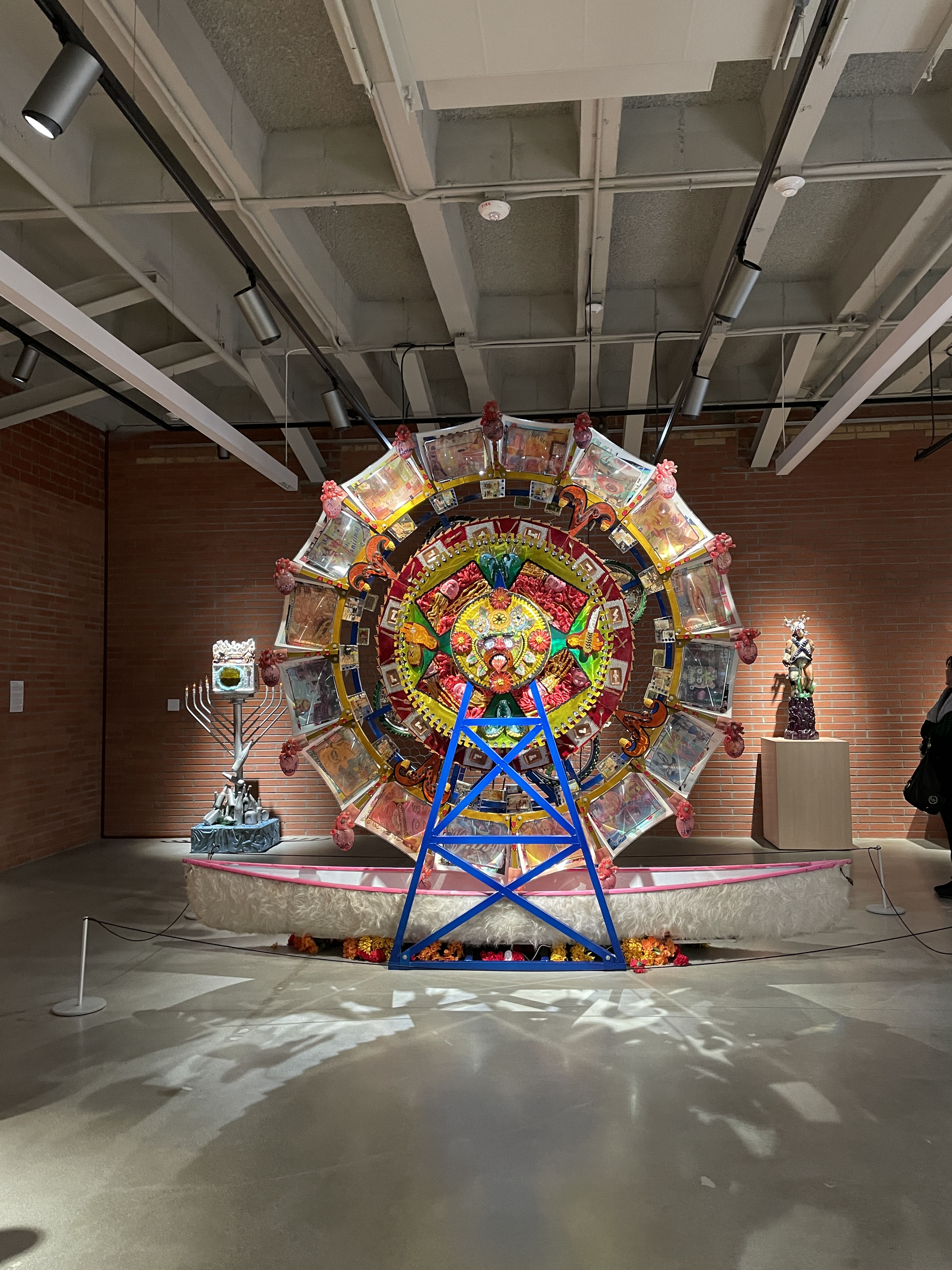
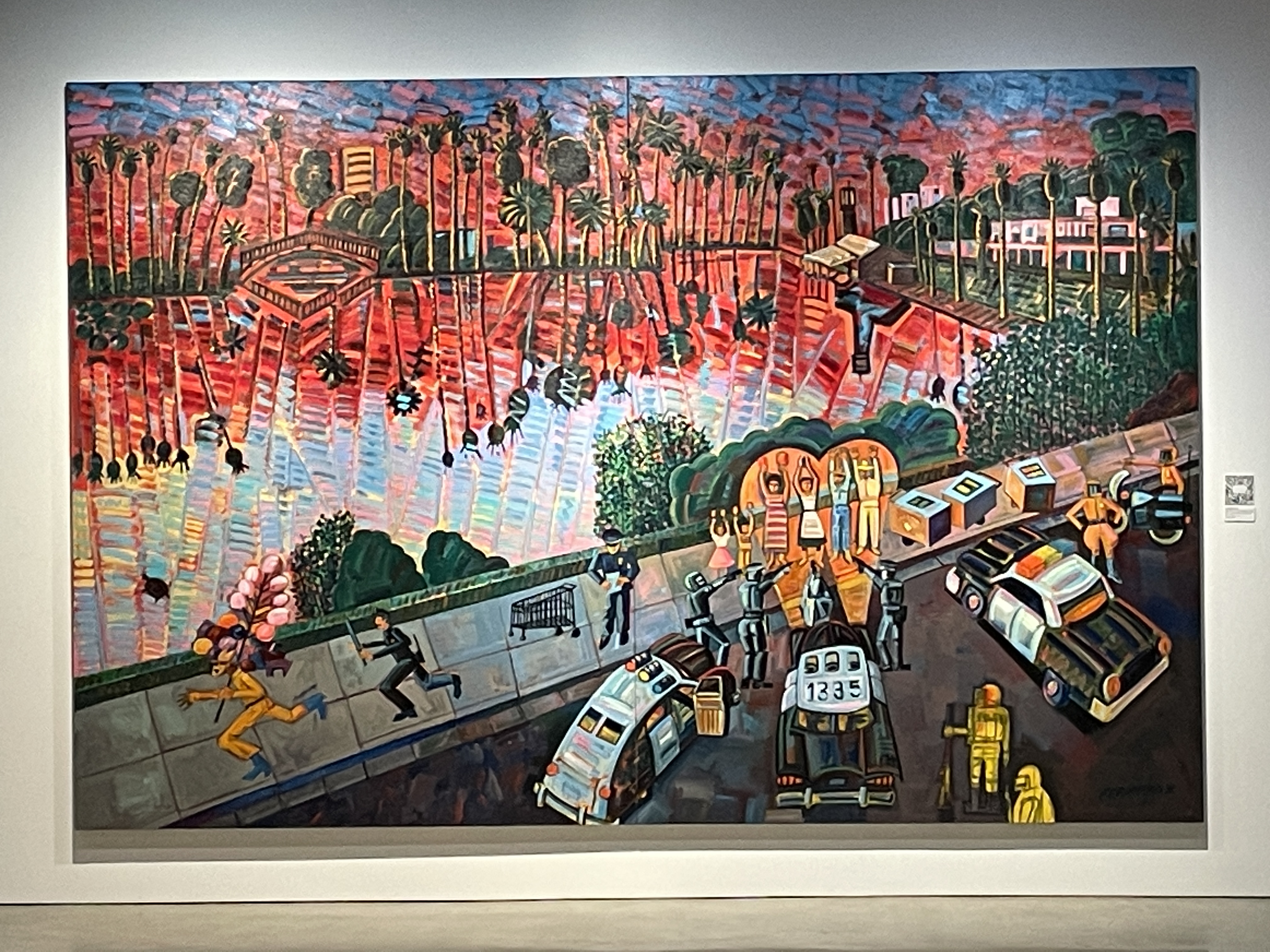
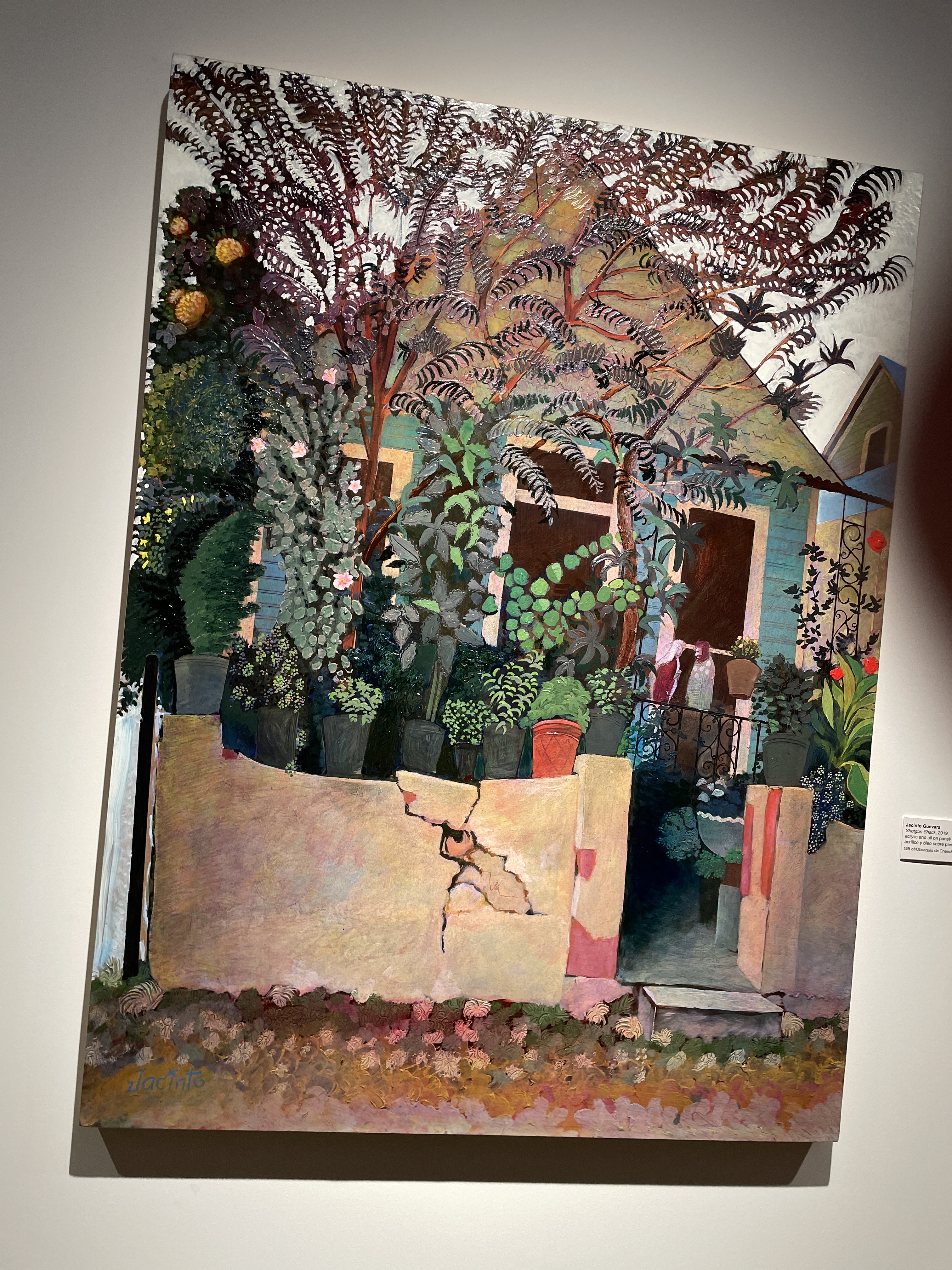
The second floor of the Cheech contains even more astonishing art including more multidimensional pieces except smaller than the giant one you see when you enter the building.

Depending where you stand in front, to either side, what you see is quite different. I kept thinking some old Flemish art or Hieronymus Bosch meets modern technology.

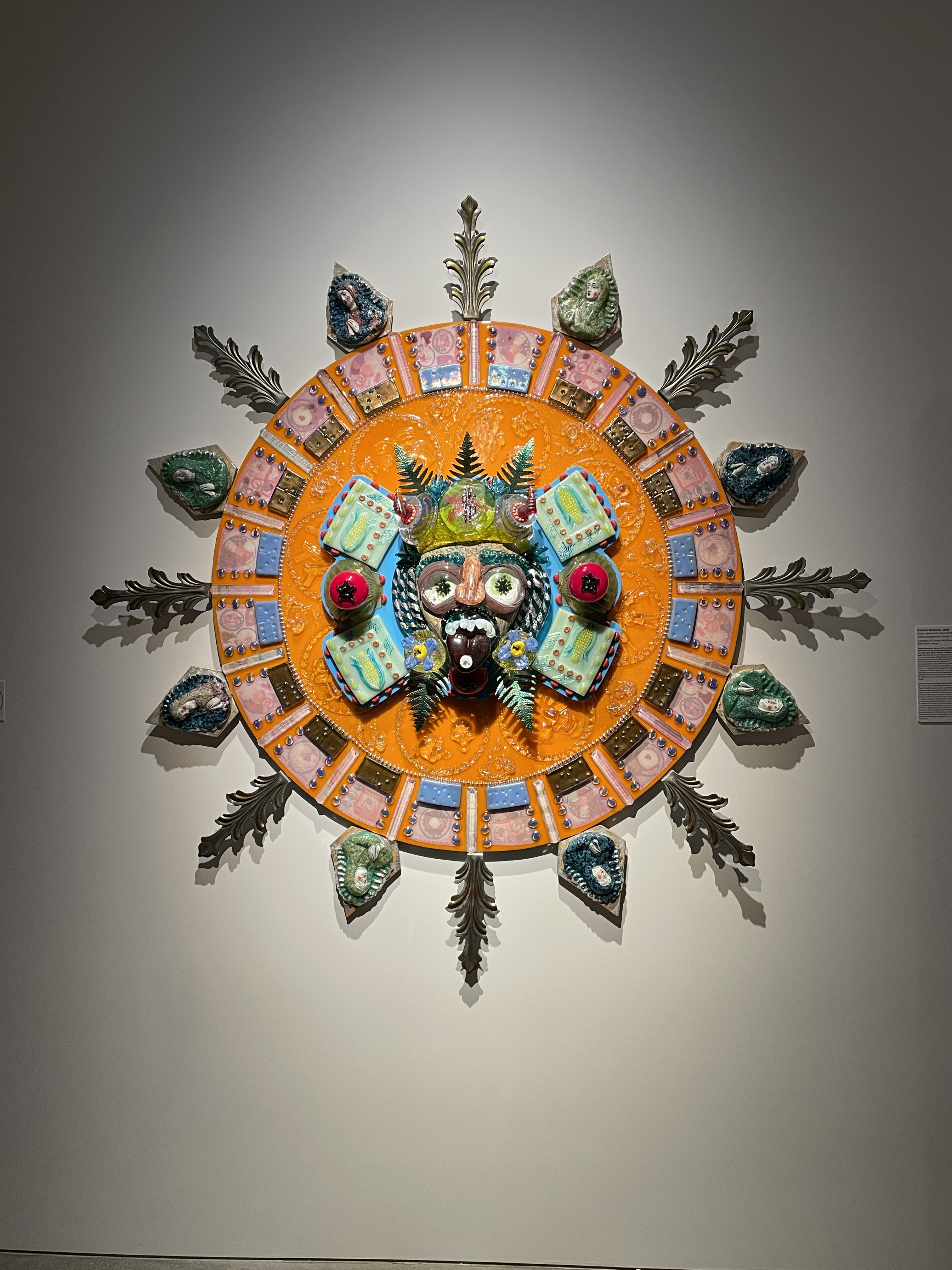
Much of the art makes a social or political statement especially about colonization, culture, poverty.

Some of the art is reminiscent of Mayan and Aztec calendars.

Hearts appear in many of the paintings.

And of course Frida.

This is a space ship with changing eyes. If you walk around the back there is a creature inside watching everything with monitors.

An Afternoon at the Cheech–1


Some of you may remember the comedy duo Cheech and Chong way back in the day. Cheech has spent his life collecting Chicano and Chicana art. This year he gave a lot of his art collection to open a new museum in Riverside, California. Earlier this week my grandson, his girlfriend and I went to visit the museum. Photos and videos are allowed without flash. The following is the first set of photos I took. Please note that you need to see this art for yourself. Photos do not do it justice. Much of it is multidimensional and looks very different depending on where the viewer stands.

This is what you see when you enter the door; it is two stories high and multidimensional. Look how different the next photo of it looks from this one.

Walk farther to the side and it looks totally different again.

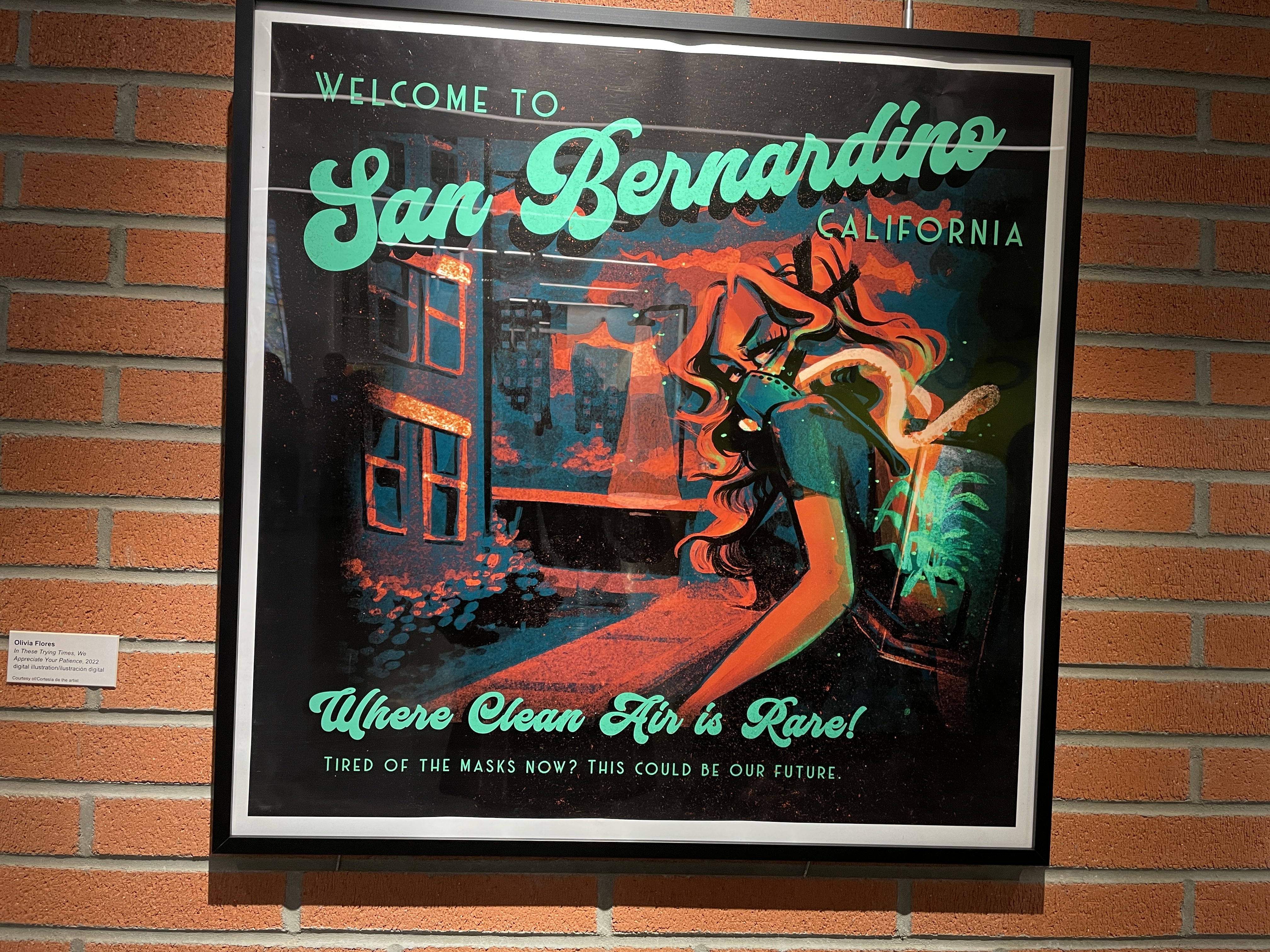
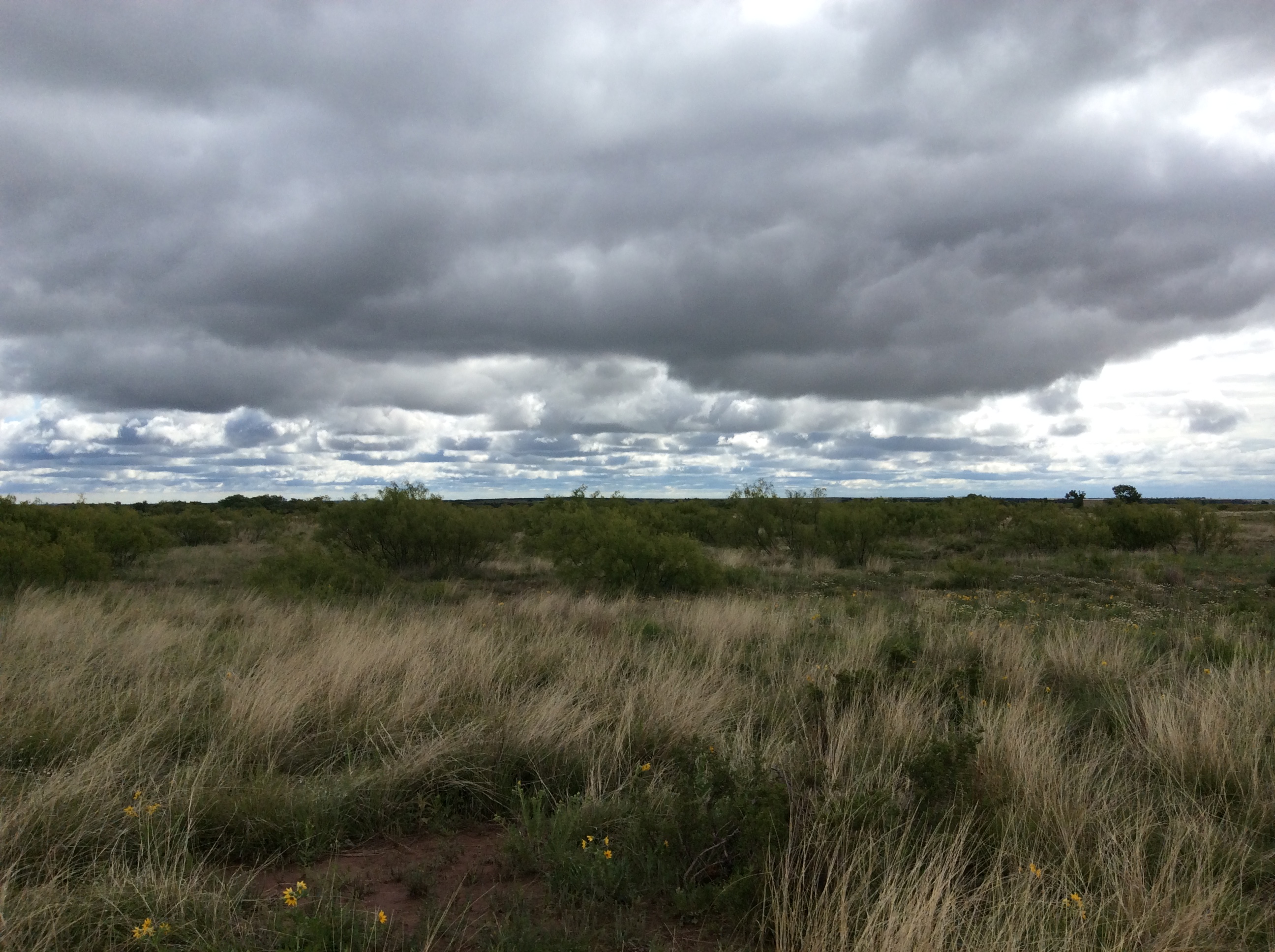
This speaks for itself. Right now where I live the air is clean enough that unless it is foggy, I can see all the way to downtown LA 30 plus miles away.

All the art at this museum has a message; much of it illustrates the ills of society.

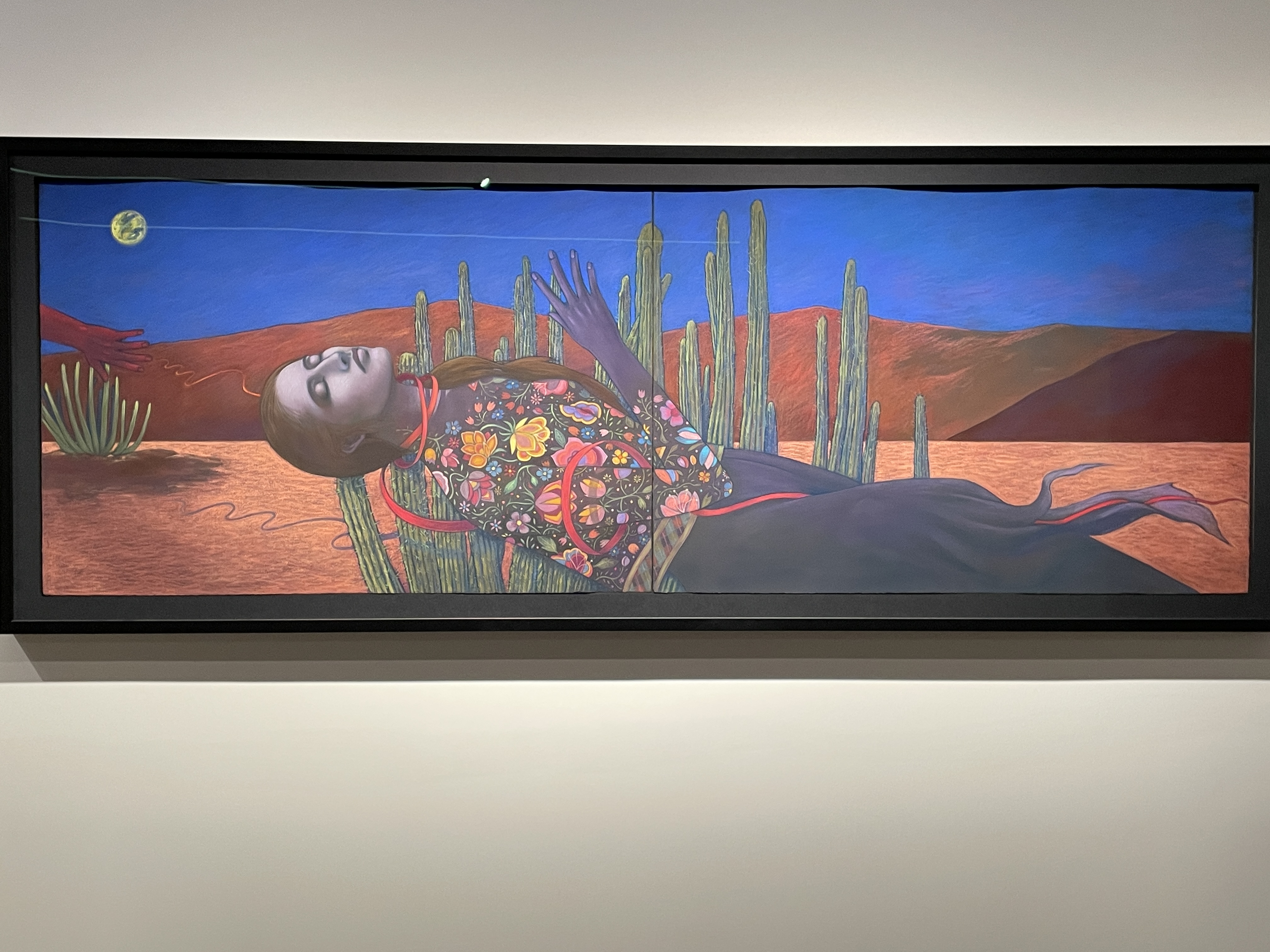
The influence of indigenous art, e.g. Aztec, Mayan, can be seem in much of the art and the statements the art makes.

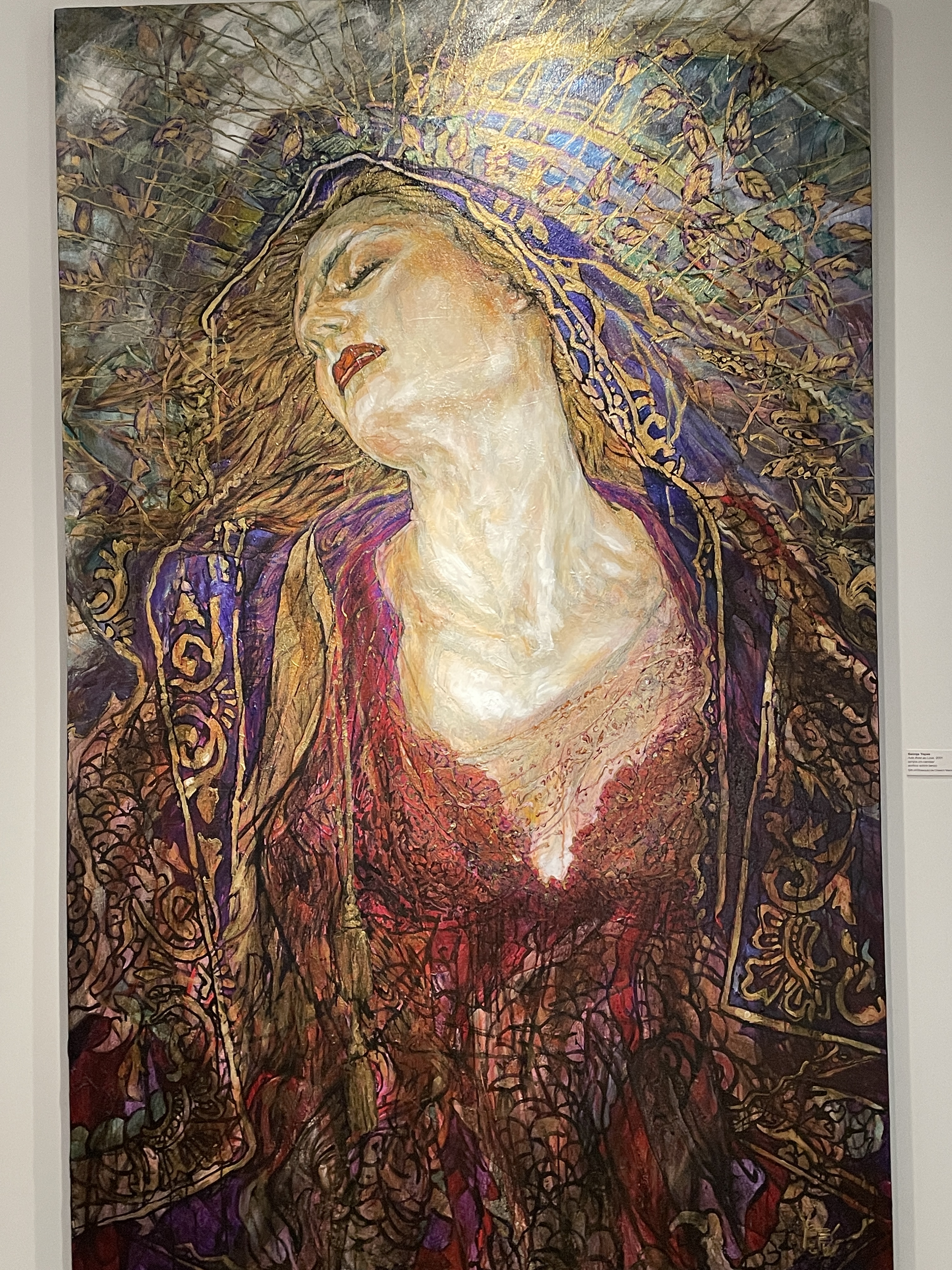
The woman above and the woman below hang next to each other.

Blackwater Draw


I walk the mile long trail down into the depths,

caliche, gravel, larger rocks strewn by millennia.

The ancients–Clovis, Folsom, Portales

Man–hunted here at the shores of a lake

nearly 12,000 years ago. In 1929, an amateur

archeologist discovered a spear point lodged in bone.

Scattered cottonwoods whisper in the wind,

timeless voices call me, beckoning.

Who were these people? What did they

look like? Where did they come

from? In whose gods, goddesses, did

they believe? Doubtless hunger

drove them to this place of water

and plenty. Columbia mammoths, giant

sloths, dire wolves, saber toothed cats.

I walk this long path, read signs

that tell what diggers found at specific

spots along the trail: bison horns

spanning seven feet, mammoths twice

the size of elephants. I stand in the shade

of the cottonwoods. They whisper to me.

They tell me ancient tales of hunger, strife,

beauty, love, endurance, woe, war, weaponry,

courage and community. How did they overcome

danger, fear? My skin tingles strangely

in the summer heat. Now this land is dry,

desert, the water that sustained teeming life

evaporated in the crystalline air.

Twelve thousand years from now who will stand here?

Will this place exist? Will someone wonder the meaning

of our bones, who we were, what we believed?

Reflections on Independence Day


IMG_3636

When I was a child, we lived on a farm where it rains around 40 inches annually.  On the Fourth of July, Dad always shot off a few Roman candles, and we had small firecrackers and sparklers, nothing fancy, just fun.  Even then I knew about the Declaration of Independence, revered its message.  Still do.

Now I live where it is hot and dry.  The neighbor’s fireworks display rivaled those found in cities–beautiful but dangerous in brown grass country.  I wonder if they give any thought to the history, to why anyone celebrates this day.

For the first time in the decades of my life, I did not celebrate Independence Day.  Why?

Born decades ago, I originally went to college in Virginia where I experienced the shock of real segregation; I had not grown up where it was like that. I was horrified, lasted only one semester, then transferred.  Later I attended a college which shut down in protest over the Viet Nam War, I supported The Civil Rights Movement, I helped create one of the first intercollegiate groups to advocate for abused women, and with an ethnically diverse group I taught diversity classes for teachers.

Now in 2020, I feel that even with all that hard, determined work, progress has been too limited.  It is as if I have been transported back to 40 years ago.  People need to learn from the history most do not even know:

-Cotton Mather, the leading intellectual and Puritan minister in the colonial era, actually helped butcher King Phillip (Metacomet) like an animal.  What did he do to deserve this?  He tried to save his Native people.  Cotton Mather later writes about tearing Metacomet’s jaw from his skull.

-In 1676, when poor whites joined enslaved Africans to rebel for a better life and decent living conditions, fighting for justice against the wealthy planters, those rich planters realized they had to get poor whites to hate Blacks.  They took land owned by Blacks and gave it to poor white people and then paid them to hunt down and abuse, even kill, people of African descent.

-Later, the same Cotton Mather mentioned above, learned from his slave that in Africa, Africans had been taking pus from a smallpox infected person and inoculating others with it to prevent smallpox from spreading.  He refused to believe any African  could be so smart even though he inoculated himself and his family after learning this.  Later, he wrote this about his African slave who had told him the story that may have saved his life: “…brokenly and blunderingly and like Idiots they tell the Story.”

-Of course, we all know that the intellectual giant, Thomas Jefferson, held the deed to the woman who would later bear him numerous children while he proclaimed those famous words that all people are created equal.

The history of racial and ethnic hatred goes back to the inception of this country.  It continues to poison progress and hope.  It never seems to end.  I am tired of it.  Enough is enough.


Plains Indian Artifacts–Beaded Moccasins


Last evening I attended a new exhibit at Panhandle-Plains Historical Museum.  The exhibit featured moccasins, paintings, and various artifacts made by different Great Plains tribes, including a headdress worn by Quanah Parker.  The exhibit also contains many old photographs.  A number of Comanches were present including a lady over 100 years old.

After I left the exhibit, I kept thinking about it and wondered how current Comanches might feel when they come to something like this which in many ways honors them but also displays a past that will never return.  While contemplating, I wrote this poem about what I saw.

Beaded moccasins,

moons of work.

Ceremonial beauty,

now encased in glass, labelled, dated by someone’s guess,

for strangers who believe in a strange god,

desecrate the land,

waste invaluable water,

kill bears for sport.

Weep

Wait


img_2432

Palo Duro Canyon, Comanche Country, where they made their last stand and were forced to go to a reservation in Oklahoma after federal troops killed over a thousand of their horses.


Blood Quantum: A Poem for Our Time


My grandson cuts himself into 16 equal pieces:

4/16 Urhobo from Africa

3/16 Spanish from Spain

4/16 European–two Swiss German great, great-grandfathers

(Werth and Kaiser), Irish, English and who knows what

3/16 Mexican–whatever mixtures that may be

2/16 Navaho


Who am I? What am I?

Who are you? What are you?

Do we really know?

Who sets the rules?

white men

black

Indian

Native American

Irish

English

German

from where and for whom?


He looks Navaho:

-blue black straight hair

-pale brown skin

-obsidian eyes.

One four year old girl asks him,

“Are you American Indian?”

His six year old self says nothing.

She repeats,

“Are you American Indian?”

He says, “It’s complicated.”


The Navaho won’t claim him, too little blood.

He needs 1/4, not 1/8.

Caddy and Fort Sill Apache allow 1/16, not Navahos.

1/4 blood is for

-Sioux

-Cheyenne

-Kiowa

-Navaho

1/8 works for Comanche and Pawnee.

Some Cherokees only want a Cherokee ancestor.


But he is none of those.

Is he Navaho?

Is he white?

The old South goes by the one drop rule:

one drop of Negro…

Is a person with 99/100 per cent white

and 1/100 black, black?

Who says?

Kids at school ask, “What are you?”

He tells them.

They say, “You’re lying.”


I only know specifically about two ancestors,

the Swiss Germans.

Another great grandfather disappeared during the Civil War.

I don’t even know his name.

Who am I?

Who are you?

I think I’ll get a DNA test.

Then I’ll know how many pieces I need to cut myself into.


Note:  This was originally published in my book “On the Rim of Wonder”.  I had a cousin send me 75 pages of ancestry information.  I looked up more myself.  That one great grandfather remains a mystery.  I had my DNA done.  It did not match what I expected from the ancestry work.

Blood quantum is the term the US government used to determine whether a person would be qualified as an Indian.  Now many Indian Nations use it to decide who can be on the tribal rolls and who cannot.


An Open Letter to President Obama about the Dakota Access Pipeline by Elizabeth Cunningham


Since the election results, I have become increasingly concerned not only about the plight of Standing Rock, but also about water safety throughout the USA. President-elect Trump has major interests in the company building the pipeline. North Dakota seems determined to go to extreme policing to make sure their fracking results get into this pipeline. This state has a long history of mistreatment of its native people.

Elizabeth Cunningham's avatarFeminism and Religion

Elizabeth_Author Photo 2I wrote this letter to President Obama on November 18, the morning after I returned from a few days at Standing Rock. I am not an activist by temperament. I went to Standing Rock to support a friend who felt strongly called to go, as well as, to support the cause. I did not participate in direct action, because I did not fully grasp till I was there the preparations I would need to make in terms of clearing my calendar for jail time and a return to North Dakota for a trial. Gratitude and respect for those who are taking this risk and dedicating their lives to this cause.

One thing this letter below does not address is how to donate to the Water Protectors at Standing Rock. Given the overwhelming donations of food and clothing that are still pouring in, financial donation is more practical now. Here’s a…

View original post 752 more words

Santa Ana Pueblo, New Mexico


At Tamaya Resort, this past week I attended a regional conference of the Alpha Delta Kappa teachers’ sorority.  Run by Hyatt, this resort resides on Santa Ana Pueblo land near Bernalillo, New Mexico.  Although the word pueblo is Spanish for town, in New Mexico its meaning extends far beyond town.

There are 19 pueblos in New Mexico.  Several are near Albuquerque:  Santa Ana, Santa Domingo, Sandia, and farther to the north, Taos Pueblo near the town which bears its name.  Many  pueblos have been inhabited for many centuries, e.g.Santa Ana since the 1500s and Acoma since the 1200s.  Each pueblo is synonymous with a particular American Indian tribe.

Santa Ana Pueblo land borders the Rio Grande River.  Tribal members number approximately 900.  Their children attend public school in Bernalillo.  The tribe’s income comes primarily from the Tamaya Resort and a casino. Employees at the resort come from all over the United States as well as other countries.  Our waiter at one of the four restaurants came from a small town in Yucatan, Mexico.

IMG_2350

All the buildings show the traditional pueblo style.  The horno–oven–on the left in this photo is actually used.  The courses and activities for guests are extensive, including making bread and baking it in this horno.  Golf, horse back riding, hiking to the Rio Grande, swimming–there are four pools, jewelry making, bike riding, creating your own dream catcher, and many others options keep guests busy.  Their horse rescue center is the largest in New Mexico.

IMG_2351

The trail to the bosque and river start just below the lounging and grill area.  Bosque (forest or woods) is another one of those Spanish words, here used specifically in relation to the forested area along the Rio Grande.  Like in most of the West, rain is always welcome.  It rained several times while we were there.

IMG_2353

IMG_2356

The intense blue of the New Mexico sky mixed with storm clouds make for perfect photos.

IMG_2357

After approximately a mile of walking, the hiker arrives at the Rio Grande.  Because of the rains, it became higher and higher.

IMG_2358

Looking down river.  The river was moving so fast that I could hear it rolling along.

IMG_2359

Looking slightly up river.  Seeing this, it is hard to believe that by the time it arrives at the Gulf of Mexico, it is a mere trickle.

IMG_2360

Early morning hikers on the bosque trail.

IMG_2361

While hiking, I looked up and could not help it; I had to photograph the famous New Mexico sky which Georgia O’Keefe loved to paint.