One Book a Week-33: “Narrative of the Life of FREDERICK DOUGLAS, an American Slave”, Frederick Douglas


Anyone who thinks slavery was useful to slaves needs to read this personal account. By the time Frederick Douglas was in his mid-20s, he had worked for several different people as a slave. Some of these people were decent given the circumstances and helped him learn to read. Others performed acts of abject cruelty. The latter far outnumbered the former. In the past I have read a number of slave narratives. However, he so eloquently describes the beatings, shootings, and other atrocities that it is horrifying to read. The fact that he endured so much at such an early age and became the famous abolitionist, orator, and writer later in life speaks to his remarkable intellectual abilities and emotional strength.

Book a Week-20: “Sankofa”, Chibundu Onuzo


After her mother dies, Anna searches through her mother’s belongings and discovers a hidden diary written by the African father she never knew and about whom her white mother, who never married, told her nearly nothing. She travels to Scotland to have the diary authenticated by an expert, researches, and discovers her father had to return to Africa, became a revolutionary, and then president (or dictator, depending on the source) of a small African nation. She also learns that he is still alive.

Leaving behind a daughter and white husband from whom she is separated, Anna decides to travel to Africa to find her father. Treated unequally as a biracial child in England, in Africa she is seen as “obroni”, white. Thus, the book addresses issues of racial identity, family acceptance (she does find her father) and belonging, and tells a tale of the adventures of a middle-aged woman in search of self.

One Book a Week-18: “If An Egyptian Cannot Speak English”, Noor Naga


Identity politics remains at the heart of this unusual novel. Written in three parts, One portrays a “love” affair between an Egyptian American woman who has gone to Cairo to find her Egyptian self and an unemployed, revolution (as in Arab Spring) photographer who alternates between living in a rooftop shack and homelessness. Each vignette starts with a question and alternates between the voice of the woman and the man, expressing their viewpoints on life, love, and their situation. Part Two is the same except without the “headline” question. Part Three is a big surprise–a discussion, written as a play, a critique of the rest of the novel among the author, an instructor, and several “students”.

I loved this book in part because it enabled me to learn a lot about Egyptian cultures, but also because I found it thought provoking and intriguing.

One Book a Week-16, “The Promise”, Damon Galgut


Winner of the 2021 Booker Prize, this novel illustrates the dismal consequences of colonialism and racism. South Africa before and after apartheid comes alive in this story about an Afrikaner family whose matriarch dies young enough to leave her husband with three children, only one of whom is old enough to be on his own. In her dying, she returns to her Jewish roots much to the horror of her husband and many others. Her youngest daughter overhears her dying wish which her husband promises to fulfill even though he has no intention of doing so. This remains an underlying thread, the promise which this daughter never forgets.

The difficult, often prejudiced and unequal, relations between the races underpins the actions of most of the characters, leading a few to greater humanity and kindness, but most into lives of loss, disappointment, and anger.

One Book a Week-13: Blue Desert, Celia Jeffries


As an ardent reader who prefers what are usually referred to as literary novels and serious non-fiction, few books impact me deeply and emotionally like this one has. As soon as I finished it, I reread parts of it several times, then sat silently stunned.

After her family moves to North Africa for her father’s work, an 18 year old British girl, rescued by a Taureg leader, is believed dead by her family until she resurfaces years later at a Catholic “home” run by nuns in North Africa. She re-enters British society, marries, leads a relatively “normal” life while keeping a secret for decades. When she receives a telegram, “Abu is dead”, everything changes. Her past comes rushing back in unexpected ways.

One Book a Week-5: The Importance of Paris by Cynthia F. Davidson


This memoir take place when the author decides to move to Paris in order to address certain “issues” related to her childhood and young adult years. She grew up in Saudi Arabia before the oil boom and went to high school and lived in Beirut when it was considered one of the best cities in the world. She had to leave when Lebanon became war torn, her dad was kidnapped, and her sister shot. Her return to the US proved traumatizing even though she is not genetically of Middle Eastern descent. Paris was filled with Lebanese refugees so she moves there in an attempt to understand what happened to her beloved Lebanon and why.

This is not an ordinary memoir. I could not stop reading it; I wanted to know what happens next and why. It includes a graphic honesty not found in most memoirs I’ve read. In addition, it contains political and historical explanations for the events that transpired during the time period of the book.

Want to learn more about the background to current events in the Middle East? Want to read about a remarkable life? Then read this memoir.

The First Time I Saw the Nile


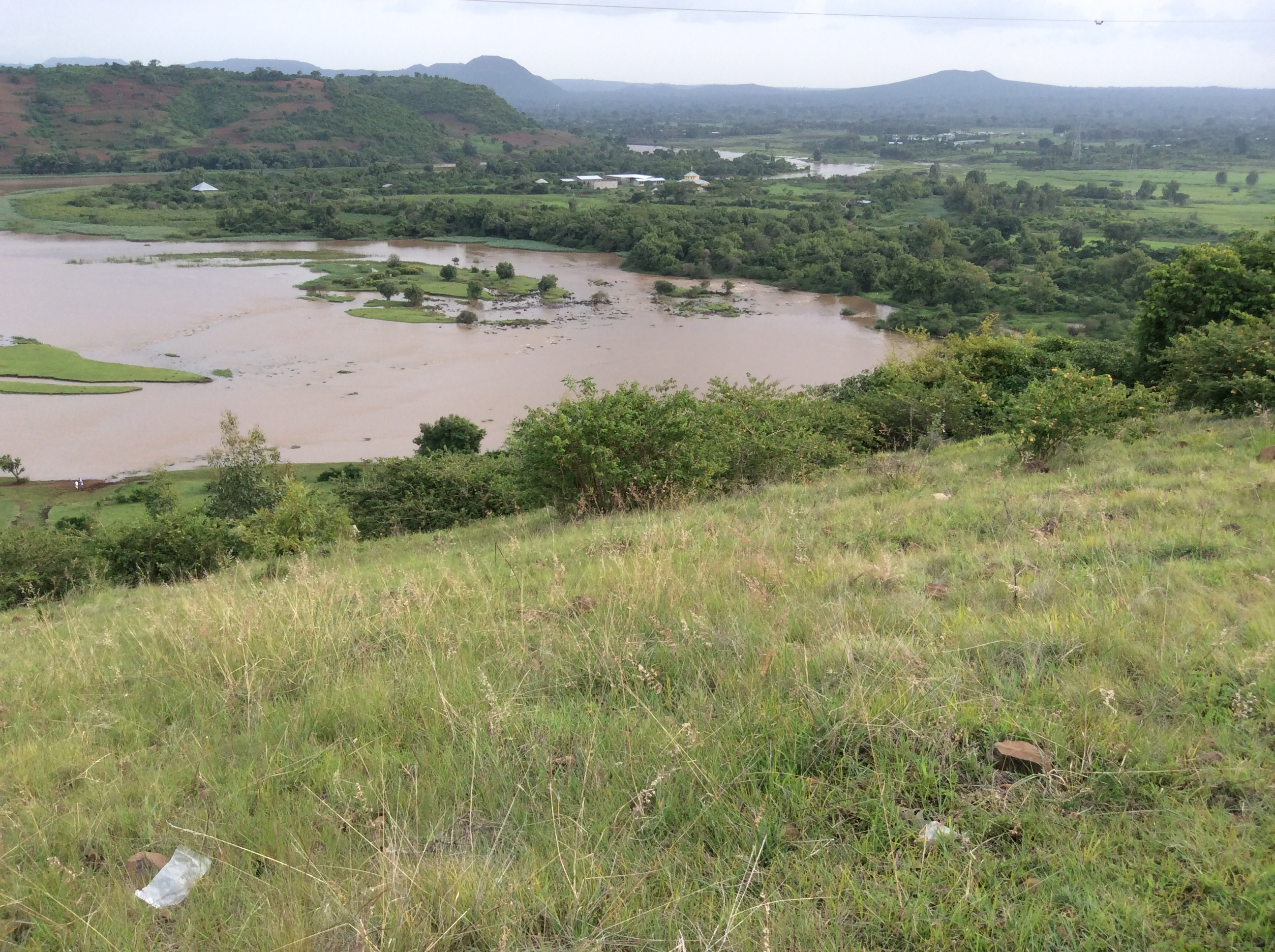
Riding hours through emerald mountains

to Bahir Dar.

We drove up a steep road,

monkeys begging near the roadside.

Car parked, we climbed a steep hill.

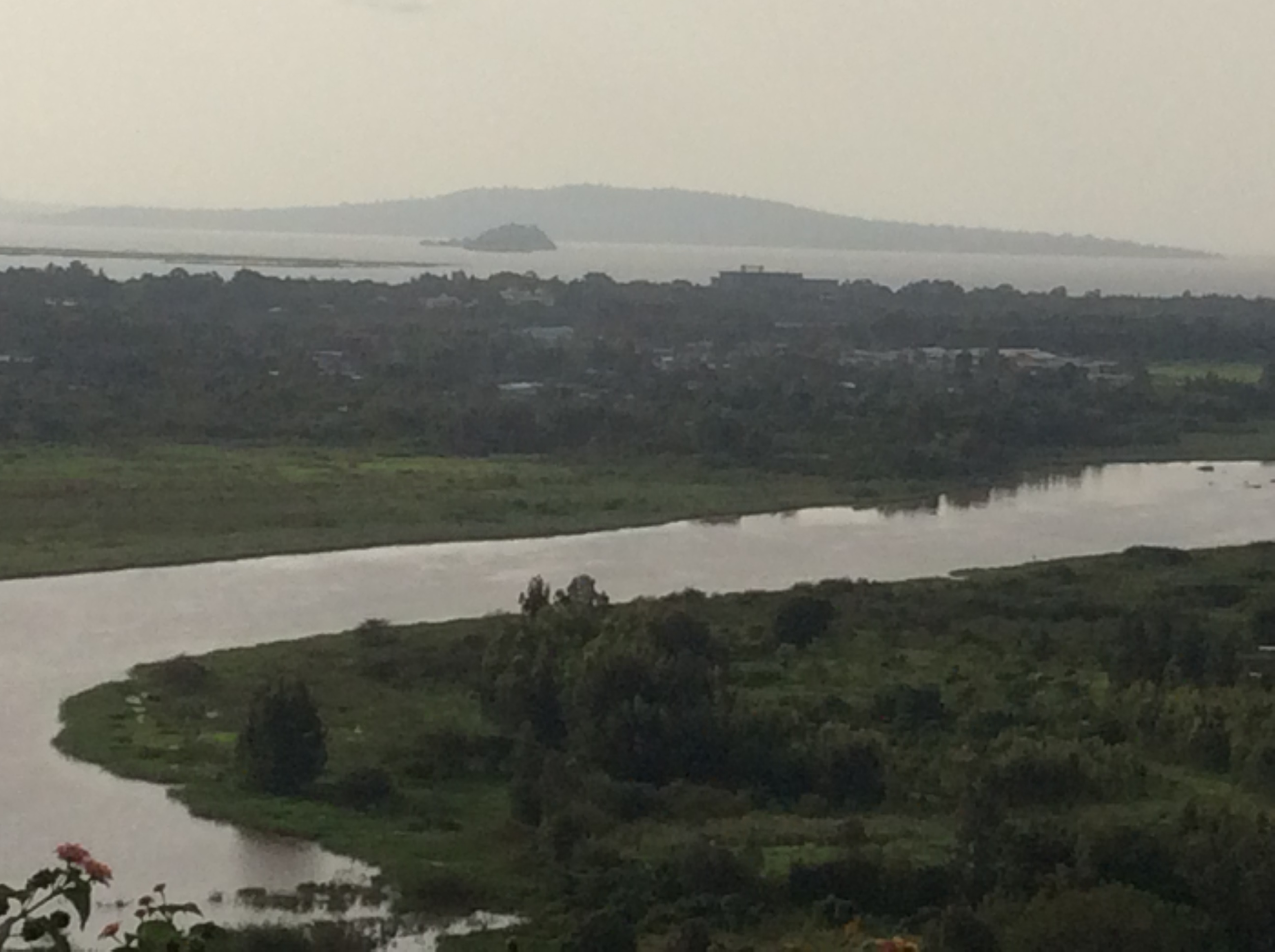
There she was

The NILE

a silver ribbon far below

grassy fields

two white robed people

walked, hippos barely visible.

The NILE

I cried,

a life’s longing fulfilled.

The NILE

Flowing from Lake Tana,

she lay below me,

the legendary river,

ancient people, ancient stories,

builder of civilizations,

of life.

The NILE.

Wandering the World–Food


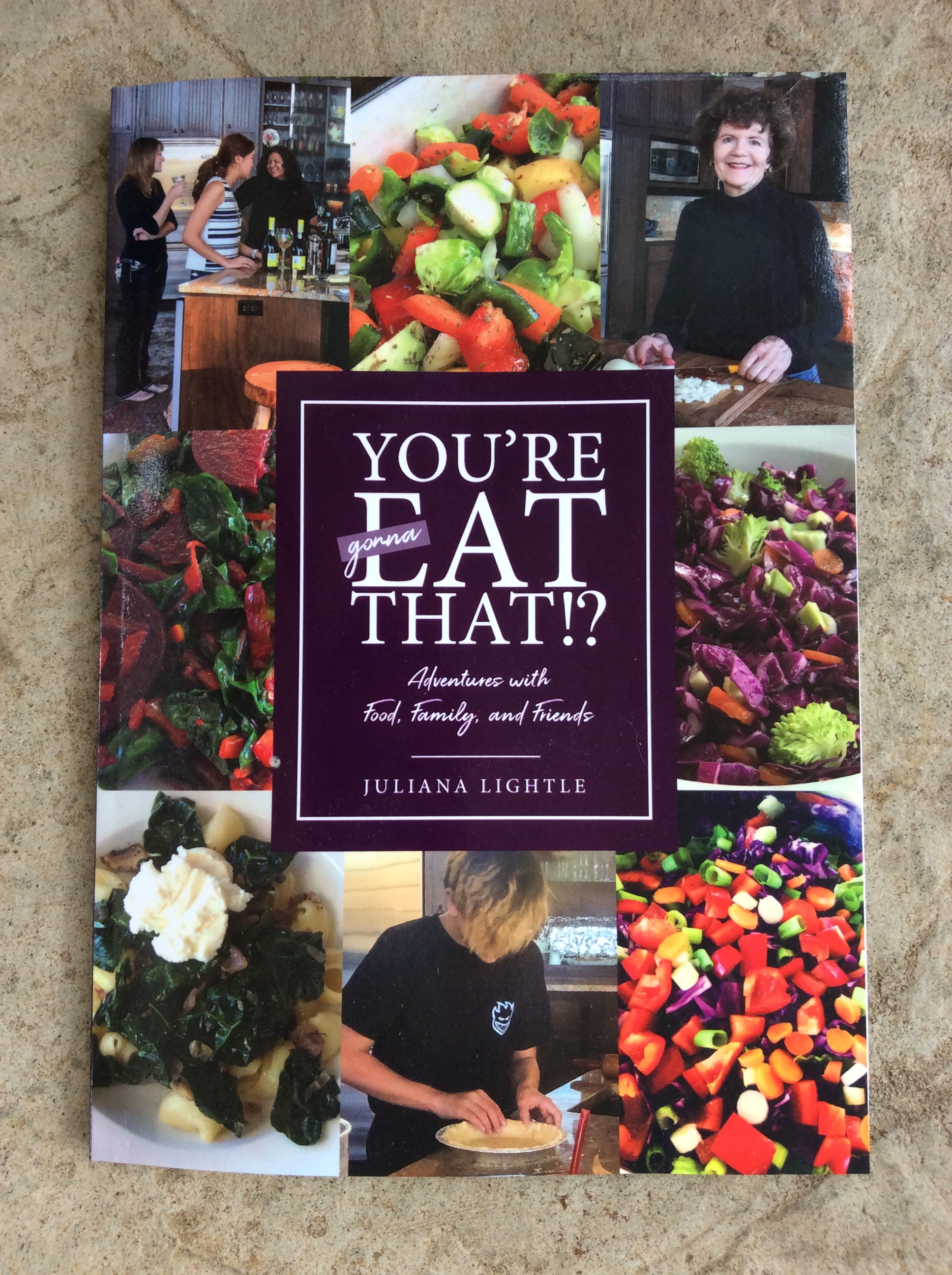
My travels have not only enlightened me personally, but also enabled me to create recipes from my food adventures around the world. Due to the recommendations of friends and family worldwide, I created a cookbook/memoir with stories and recipes. Len Leatherwood, new President of the Story Circle Network, says, “This is a cookbook after my own heart, filled with a wide range of healthy recipes from several cultures that will add flavor, color, and variety to any table.” Jennifer Archer, award winning writer and editor elaborated further, “A feast for the senses…combines colorful stories, poems, and mouth-watering recipes that inspire readers to experience new places, new tastes…from Asia, Africa, Latin America, Scandinavia, and America.”

This would make a great Christmas present for foodies and people who want worldwide food adventures. It can be ordered online from: http://www.dreamcatcherbooks.com and go to Angel Books.

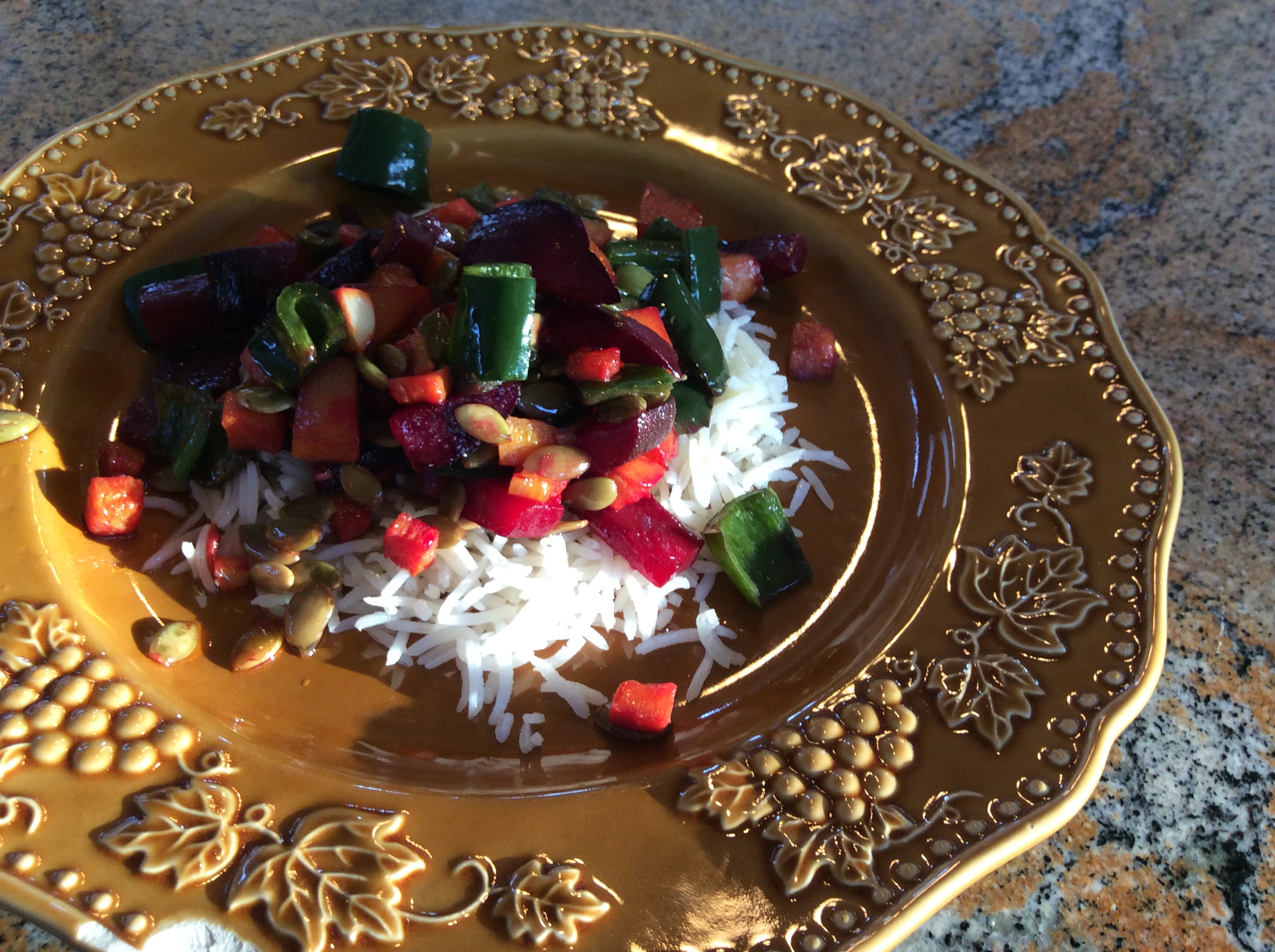
Recipes for the food in the photos above are included in the book. More food photos follow:

Lemon pasta with mixed salad topped with grated asiago cheese.

Many of the recipes feature berbere, a spice used in Ethiopian cooking. The book also includes four different recipes for salmon and many vegetarian and vegan recipes using spices from around the world.

The Churches of Lalibela


Last night part of 60 Minutes featured these churches.  Several years ago I went with friends from Ethiopia to see them.  We spent almost an entire day hiking through around and up and down all eleven of them. I decided to travel back a few years and relive my experiences there and share it here.
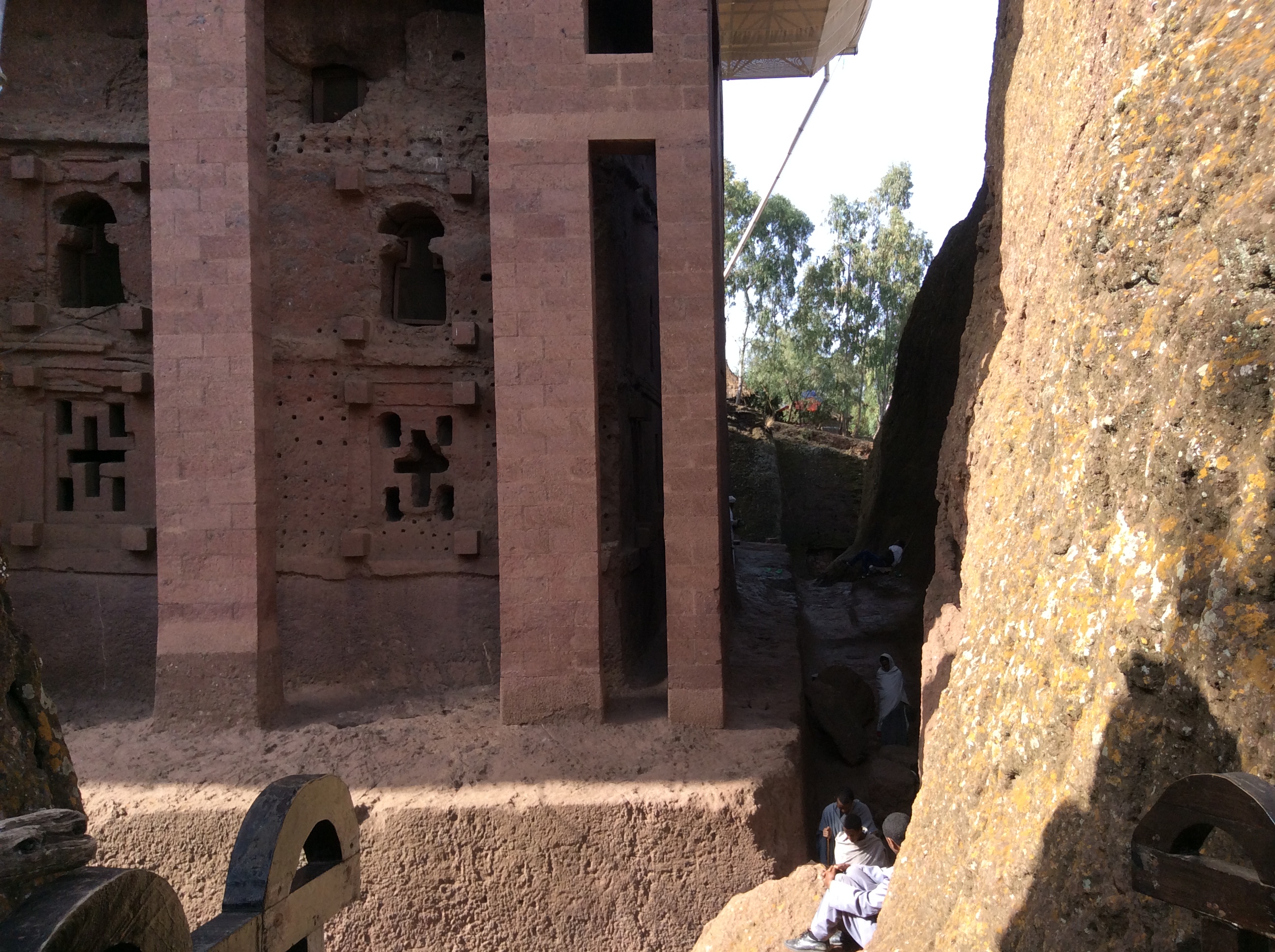
IMG_0397

800 years ago these churches were carved from the top down out of solid stone. They dug a trench deep all around what is now each church and then worked from there.  Everything is stone, including the interior columns and spaces.
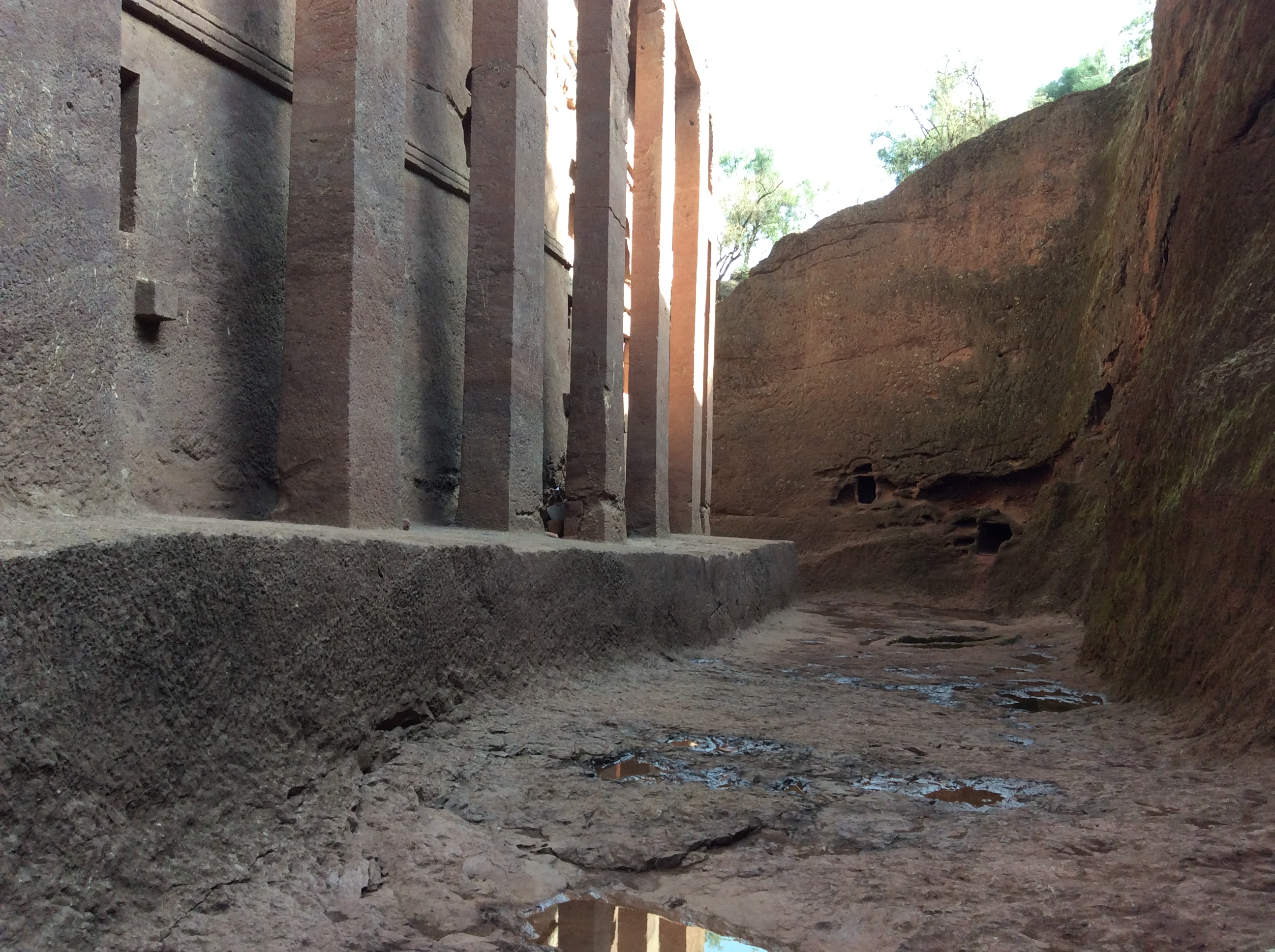
IMG_0400

There are areas around all the churches and drainage canals so they do not flood in the rainy season.

IMG_0412

The inside of each church is decorated with carvings, frescoes, and wall hangings.

IMG_0417

Because 800 years of wear and tear and especially rain was beginning to take its toll, they covered them several years ago.  Now, according the the architect on 60 Minutes, they are experiencing the opposite problem.  The stone is getting too dry and contracting. They are teaching local people how to preserve the stone so it will last hundreds more years.

IMG_0420

Dino, my Ethiopia friend, and the guide, in white.

IMG_0442

IMG_0444

Why the ridiculous looking socks?  Fleas are a problem.  Many of the churches have old carpet on the floors, thousands of people still workshop in them regularly.  We were told to spray our ankles, tuck our pants inside out socks, spray our socks. It worked.

IMG_0448

IMG_0427

And here is probably the most photographed of them from up above. Yes, you do get to climb all the way down there if you want to go inside.  We did. The story goes that the king went to Jerusalem and wanted to create an Ethiopian Jerusalem.  There is a river nearby which they call the River Jordan. As you tour, they explain every detail and how they match passages and stories from the Biblical Jerusalem.  How did they build all of these out of solid stone?  With the help of angels.


Heat


110

I look at the weather station.

watch hot wind bend juniper, mesquite.

Off and on clicks electricity, then off.

15 minutes, 20 minutes, 25,30,35.

Slowly, interior temperature rises.

I find the coolest place, read, worry

about refrigerated food.

40 minutes, 45.

Switch flips, ceiling fans whir.

I think:  how could anyone live

in this heat without air conditioning.

One happy plant resides outside,

from somewhere in East Africa.

Everything else–wilted.

IMG_4701