Baja Trip-7: Tres Mujeres Winery


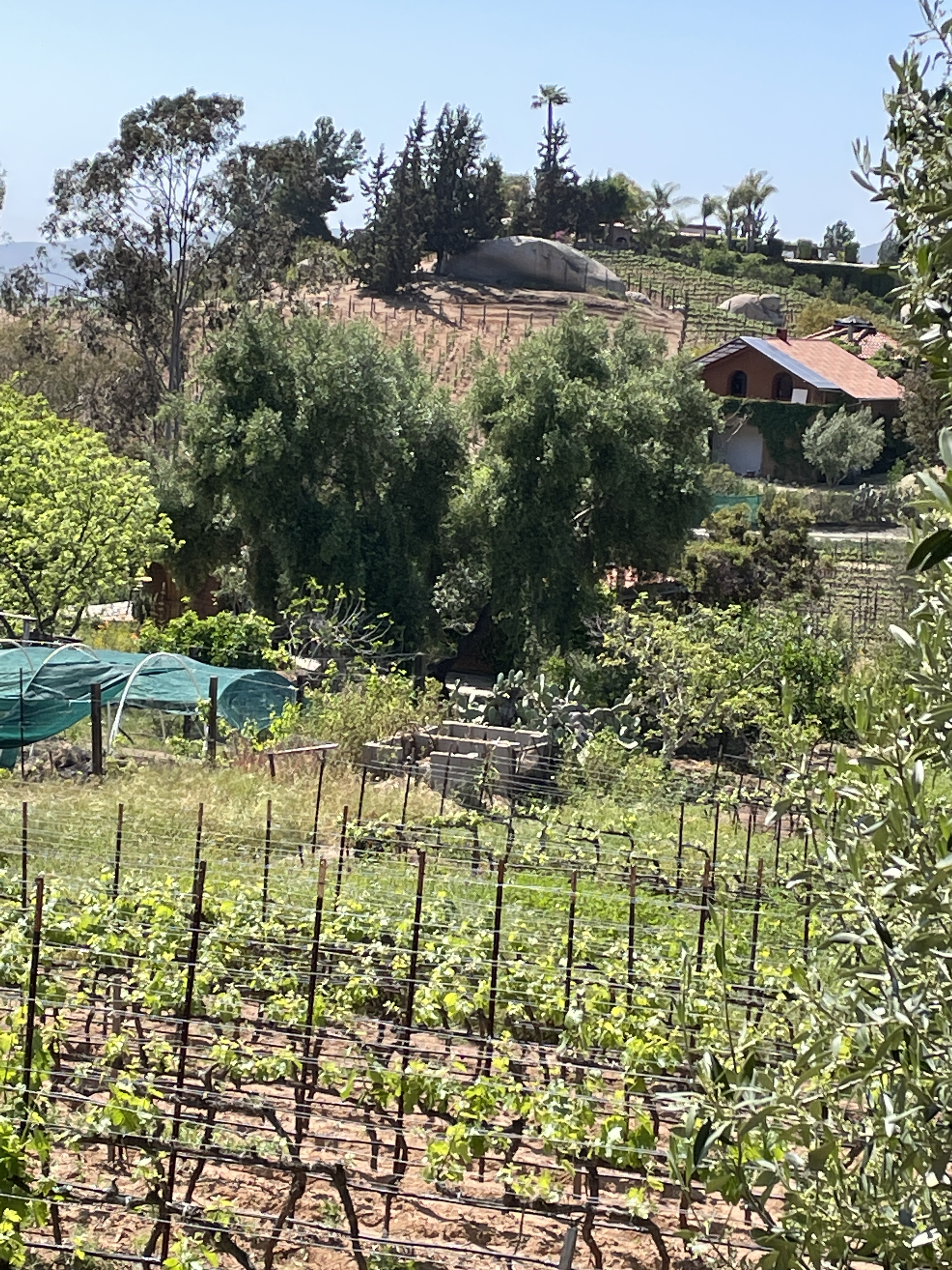
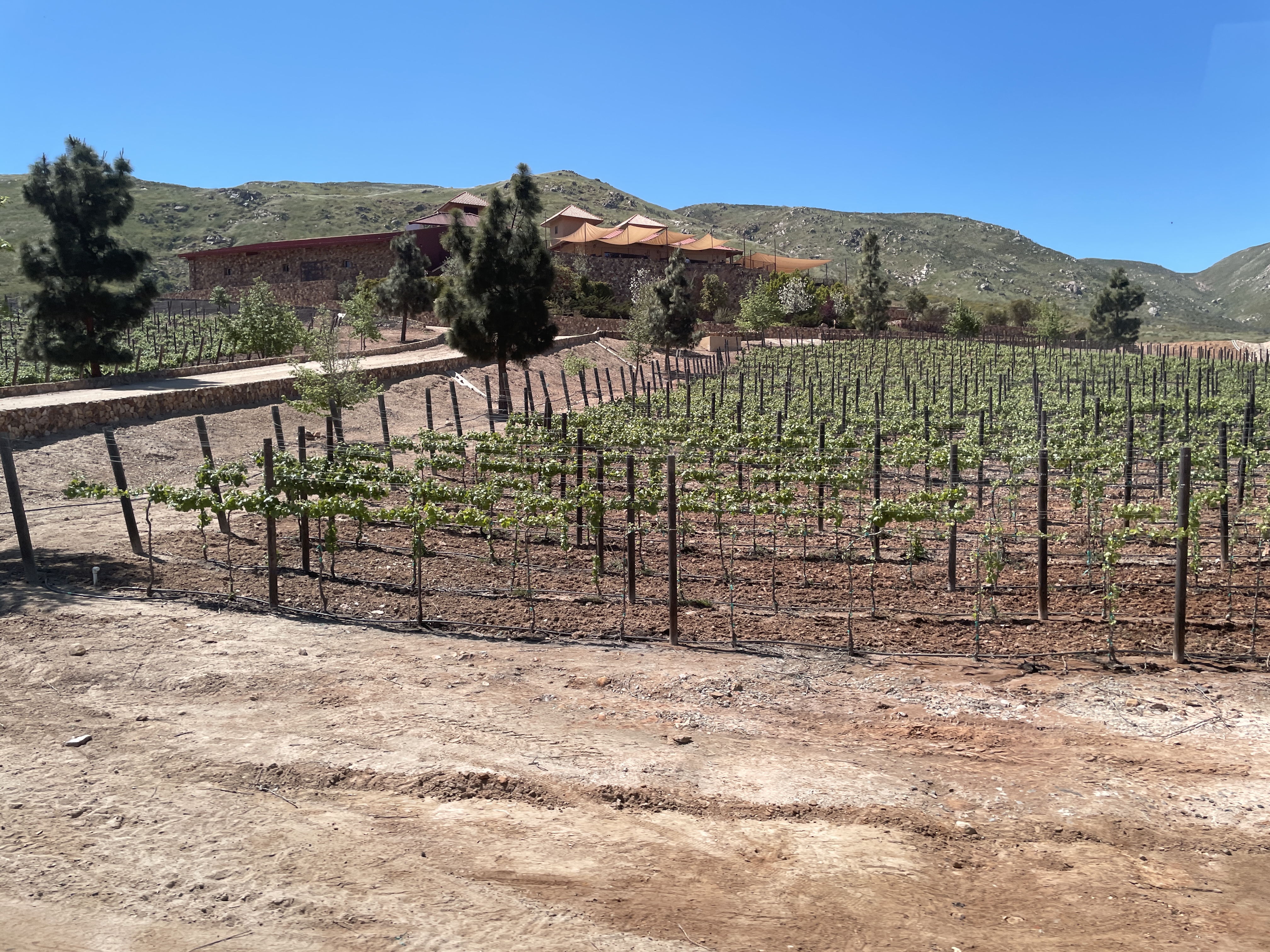
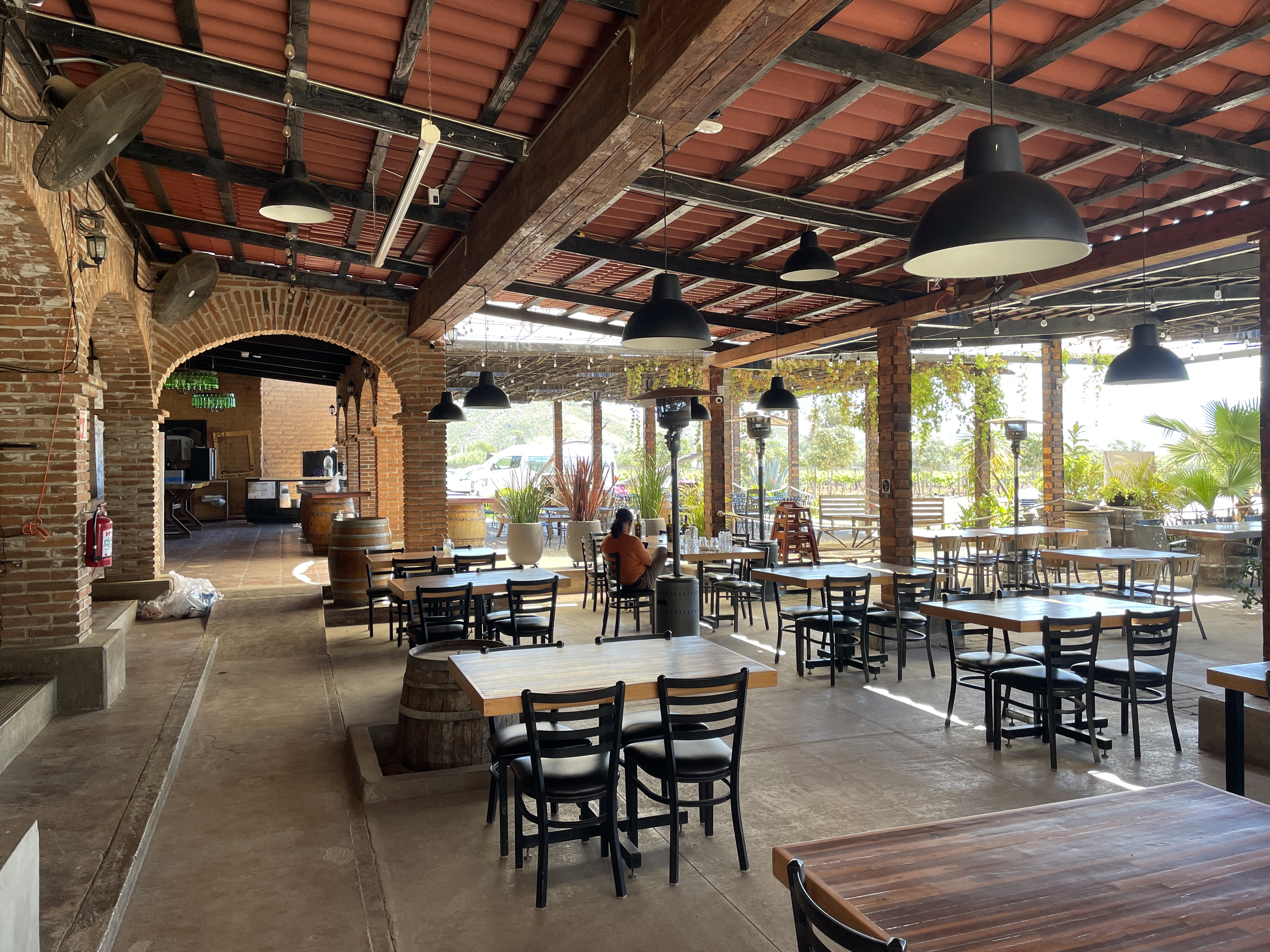
Originally started by three women–see the name, this woman is the only one of the three left as owner. She said she has been doing this for 20 years. The vineyards keep healthy without the use of toxic herbicides or pesticides. She says the breezes from the ocean help with keeping the vines healthy. She also has olive trees and gardens and a small restaurant–outside. The vegetables, flowers, etc. used in the restaurant are grown there. Below is the salad we had for lunch.

Lunch under the trees.

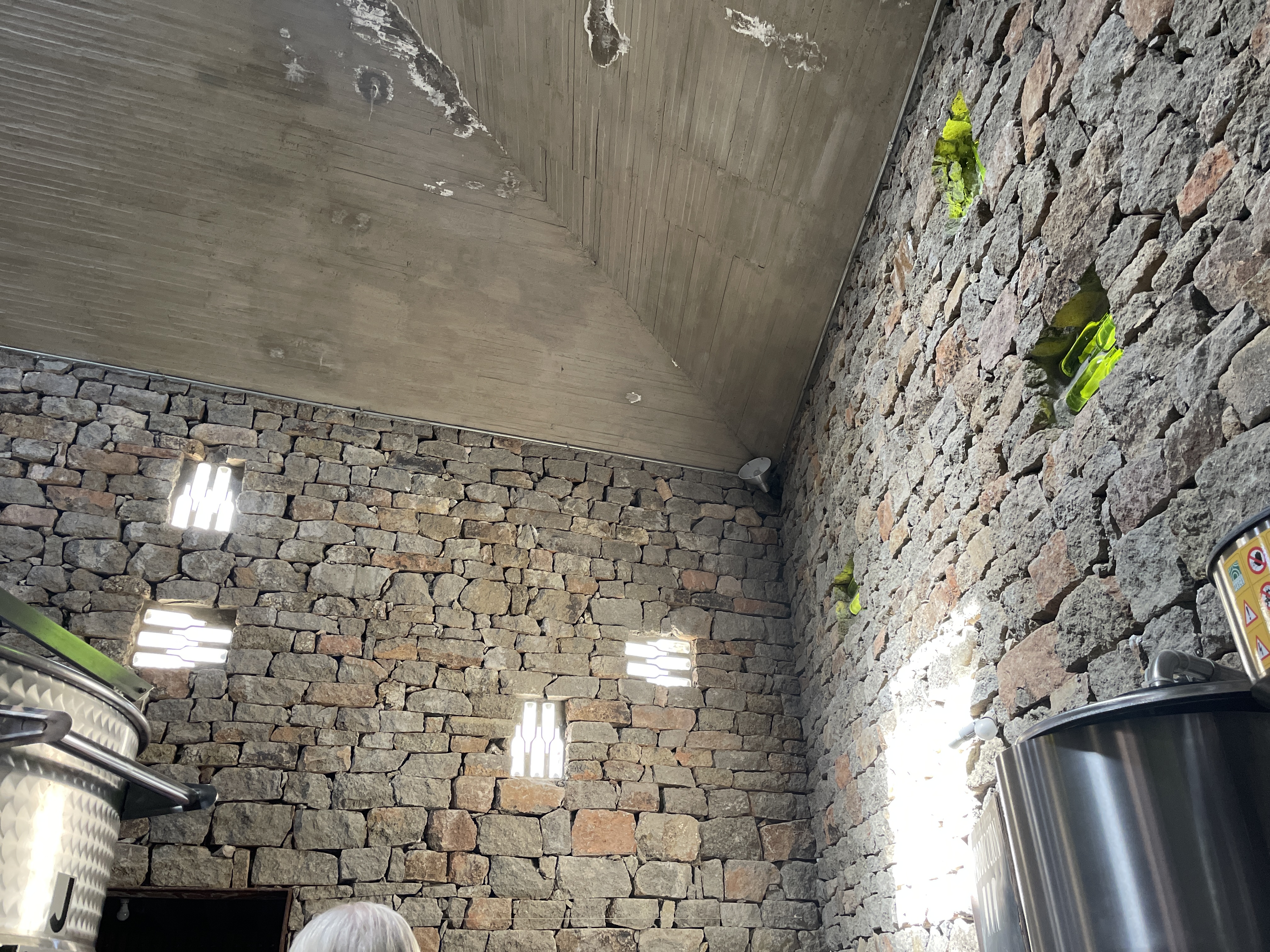
Wine tasting underground. What you notice when you drink all natural wines is that at the bottom of the bottle there is usually a residue.

The path in and out of the tasting room.

Buildings and fences made of local stone and flowers everywhere.

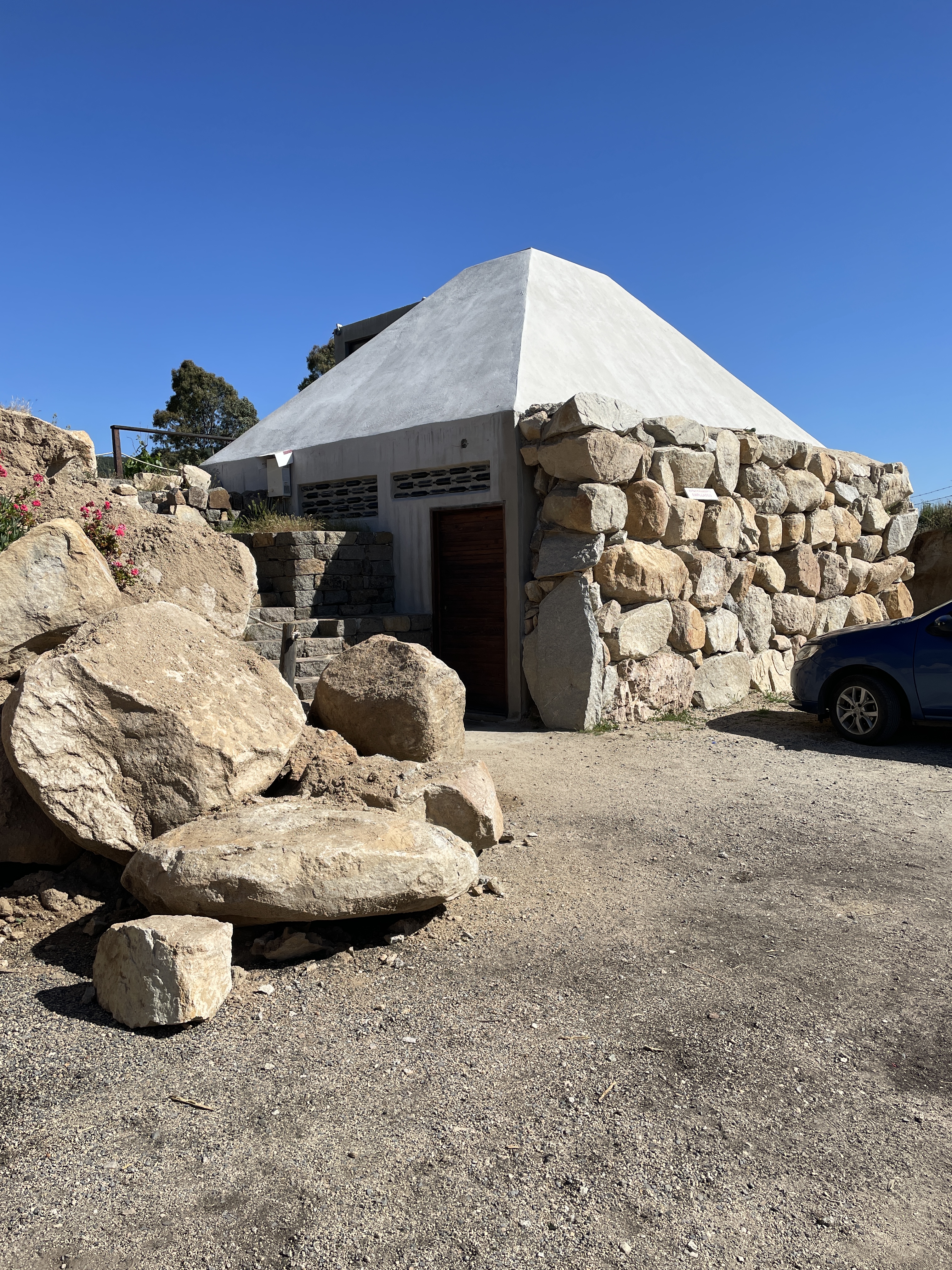
Stones, some quite large, show up everywhere in this part of Valle de Guadalupe. Some buildings, restaurants, other wineries, houses are build around the rocks with rocks as part of the architecture. I took the following photos from Tres Mujeres.

A lot of Valle de Guadalupe reminded me of parts of New Mexico and also the rocky hills around Temecula, California.

Not only are there over 100 vineyards in this valley but also endless olive groves. Locally pressed olive oil can also be purchased at many of the wineries. The other specialty is cheese. We stopped at one shop, the Cremeria Los Globos where they specialized in many cheeses filled with chipotle, black pepper, you name it. Honey is also produced locally and for sale at many wineries. For the most part, everything is all natural.

Baja Trip-4


Off to another winery, Santo Tomas, after visiting the fish market where I glanced at all the fish and saw fish I could not begin to identify. This winery is in a different valley, Santo Tomas Valley, and the second oldest winery in Mexico. Although their official sign says it is 130 years old, it is actually older and originated years before that to produce wine for communion and the Catholic Church.

Rather than have the wine tasting in a building or patio, here they put us on a wagon pulled by an old tractor and transported us to the vineyards where they drove around then stopped to give us various wines to try while we sat on the wagon. Our guides brought along cheese and other goodies for snacks as we tasted the wine.

The main building for production.

Vineyards for miles. They have 800 acres of vineyards mostly in this valley but a few in another area we did not visit.

Baja Trip-3


After visiting the winery in the previous trip post, we headed to another winery, Las Nubes (The Clouds), for more tasting and lunch. We did not visit the cellars here but the lunch view was spectacular as were the sandwiches. Like many other buildings at other wineries, a lot of the building material is local stone.

Taken from below the winery and restaurant area. Then off we went to winery three for the day, Clos de Tres Cantos. This winery is created with a philosophy dedicated to making natural wine, caring for Earth, and blending into nature. They also have deliberately grown varietals that can best withstand climate change. All the buildings are made from local materials and designed by a local architect.

A wall made from wine bottles.

A shrine to the Virgen de Guadalupe with wine aging to the side.

A natural roof of soil and flowers.

From here we drove through the countryside to La Laja restaurant for dinner. It is located way out in the country where they grow what they serve except for the fish which is locally caught in Ensenada area. It is rated as one of the top 50 restaurants in Latin America. We experienced a six course meal including two desserts, one of which was a slice of mango steeped in mescal.

Baja Trip-2


Day Two we visited several wineries and went to dinner at one of the top 50 restaurants in Latin America, La Laja. The following photos are from the first winery where we not only tasted various wines but also took a tour of their remarkable wine cellar dug deep into solid rock.

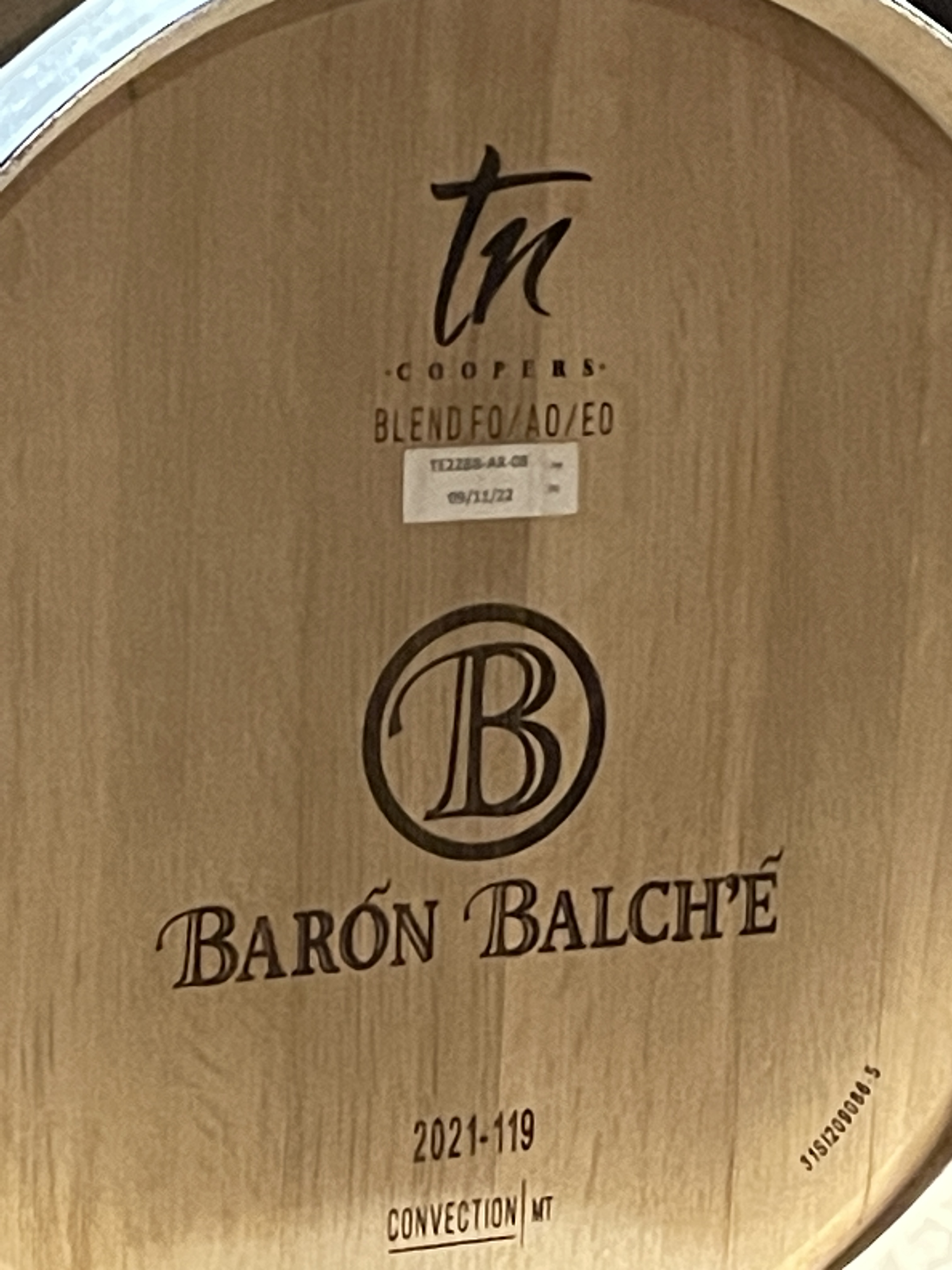
This is the name of the winery and each barrel is marked with varietal, date, etc.

The hills in some part of Valle de Guadalupe reminded me of the hills near Temecula, CA.

Here you can see how the cellar is dug out of the rock. The rock was oozing moisture due to the unusual amount of rain they received this winter.

I loved this message so much I had to take a photo of it.

I wish I could find a duplicate to hang outside on one of the empty sides of my house.

The wines here are all natural. Many of the wineries we visited do not use pesticides or herbicides.The sophistication of many of the wineries in Baja is very impressive.

Baja Trip-1


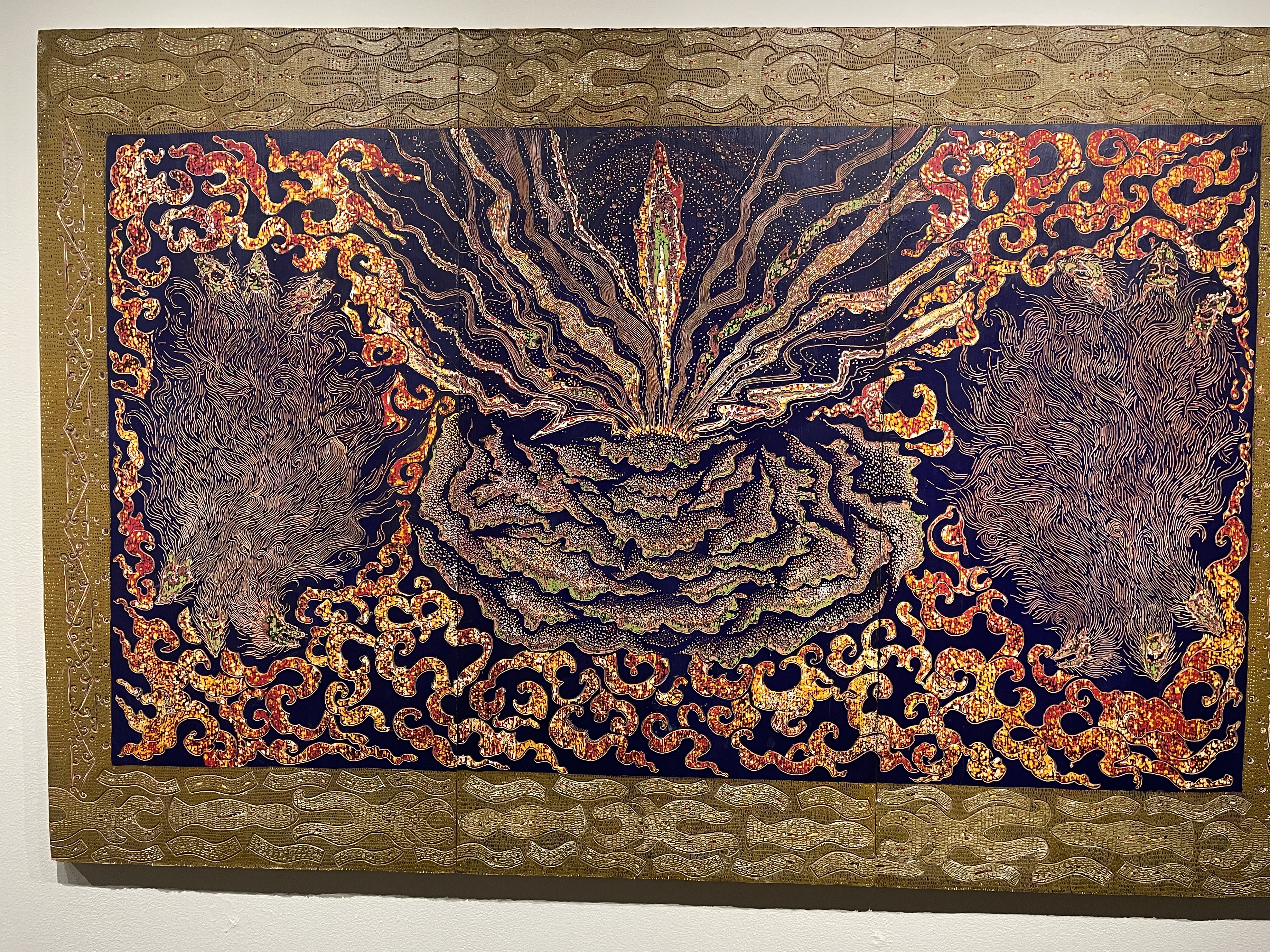
Day one we drove across border to Tijuana where we visited the incredible La Caja Art Gallery. We viewed a variety of art works, drank delicious Mexican chocolate, and had a sensory experience blind-folded.

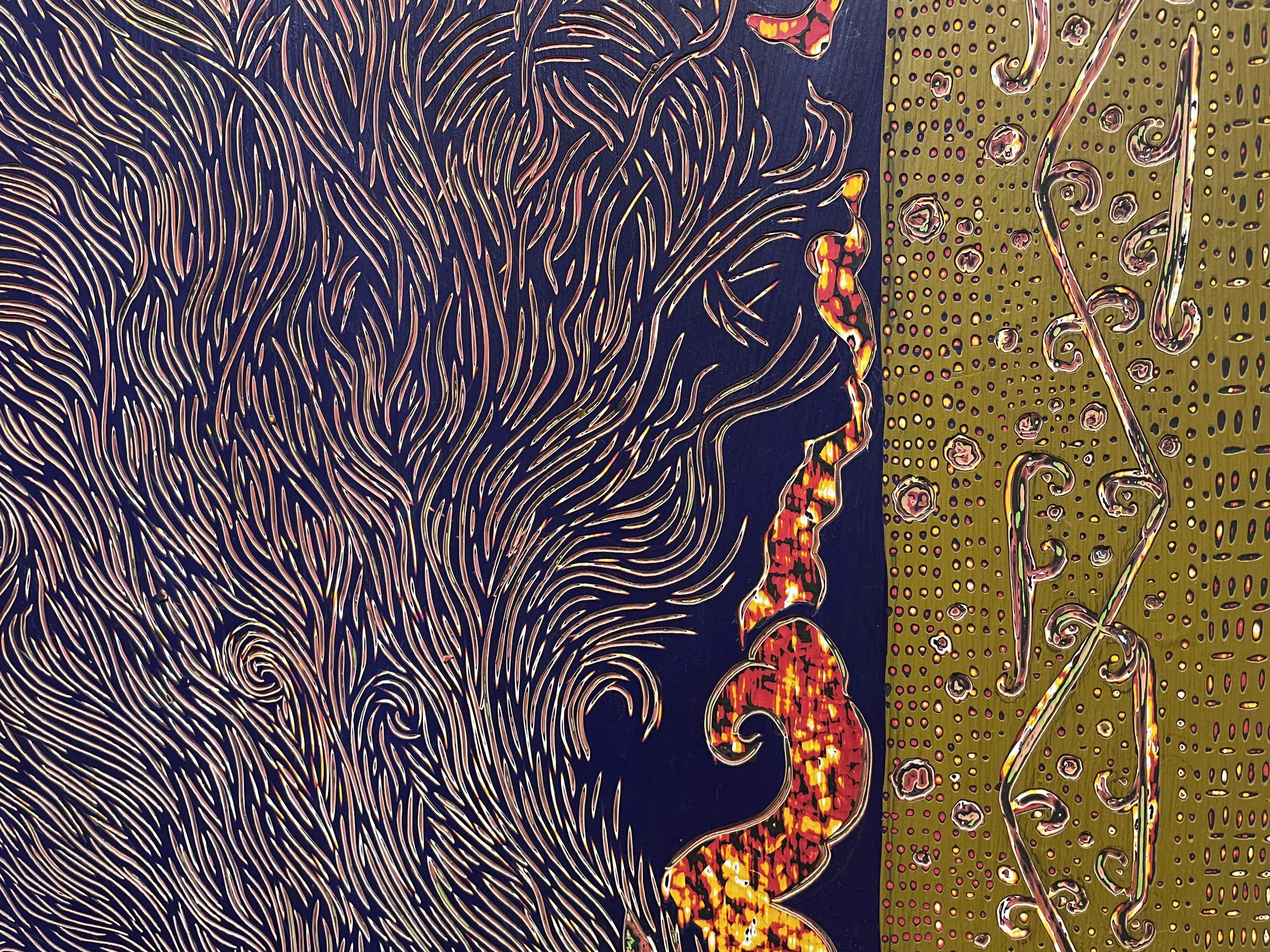
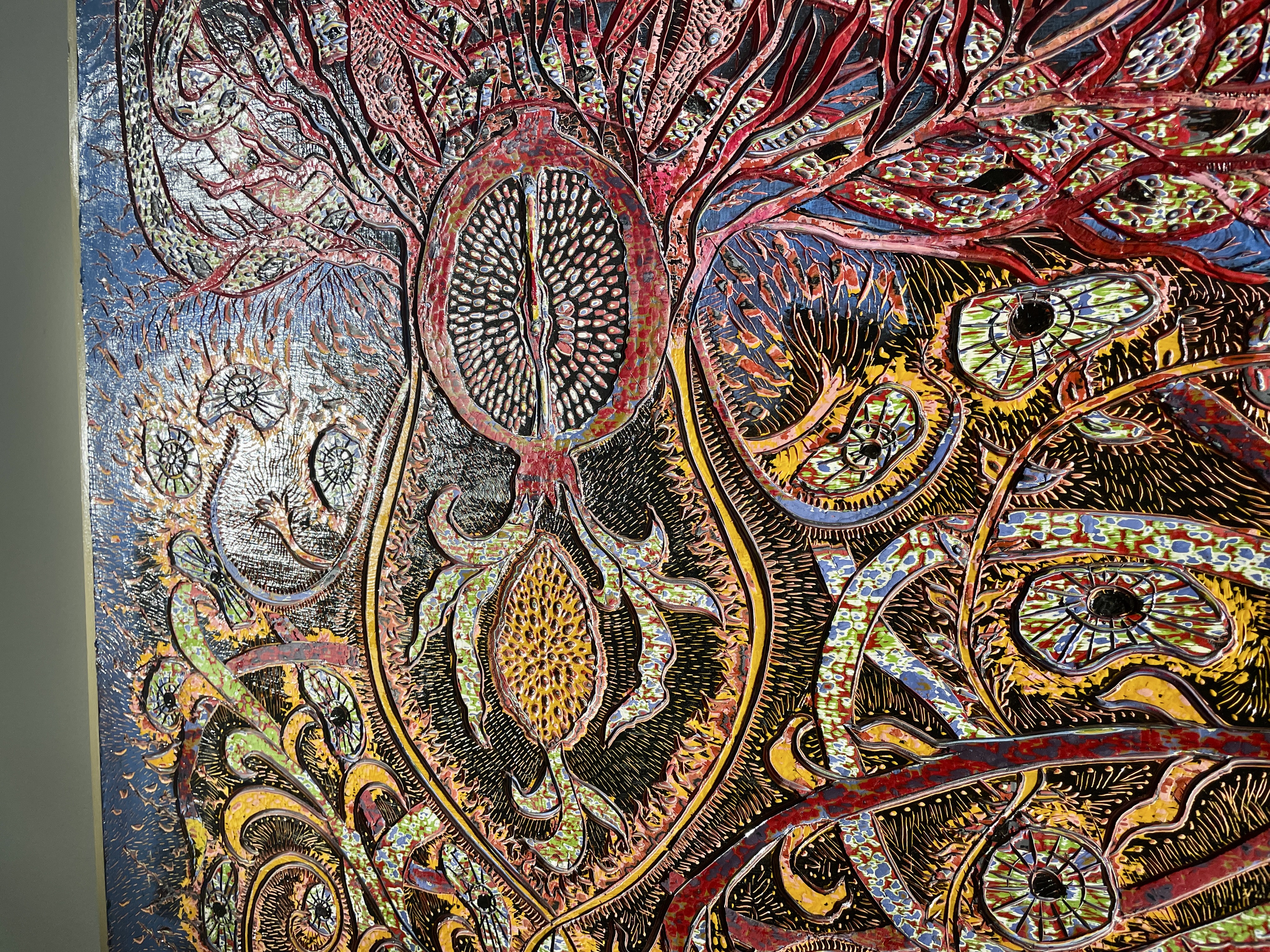
A close up of the previous painting. It consists of not only layers of paint but also carving into the surface.

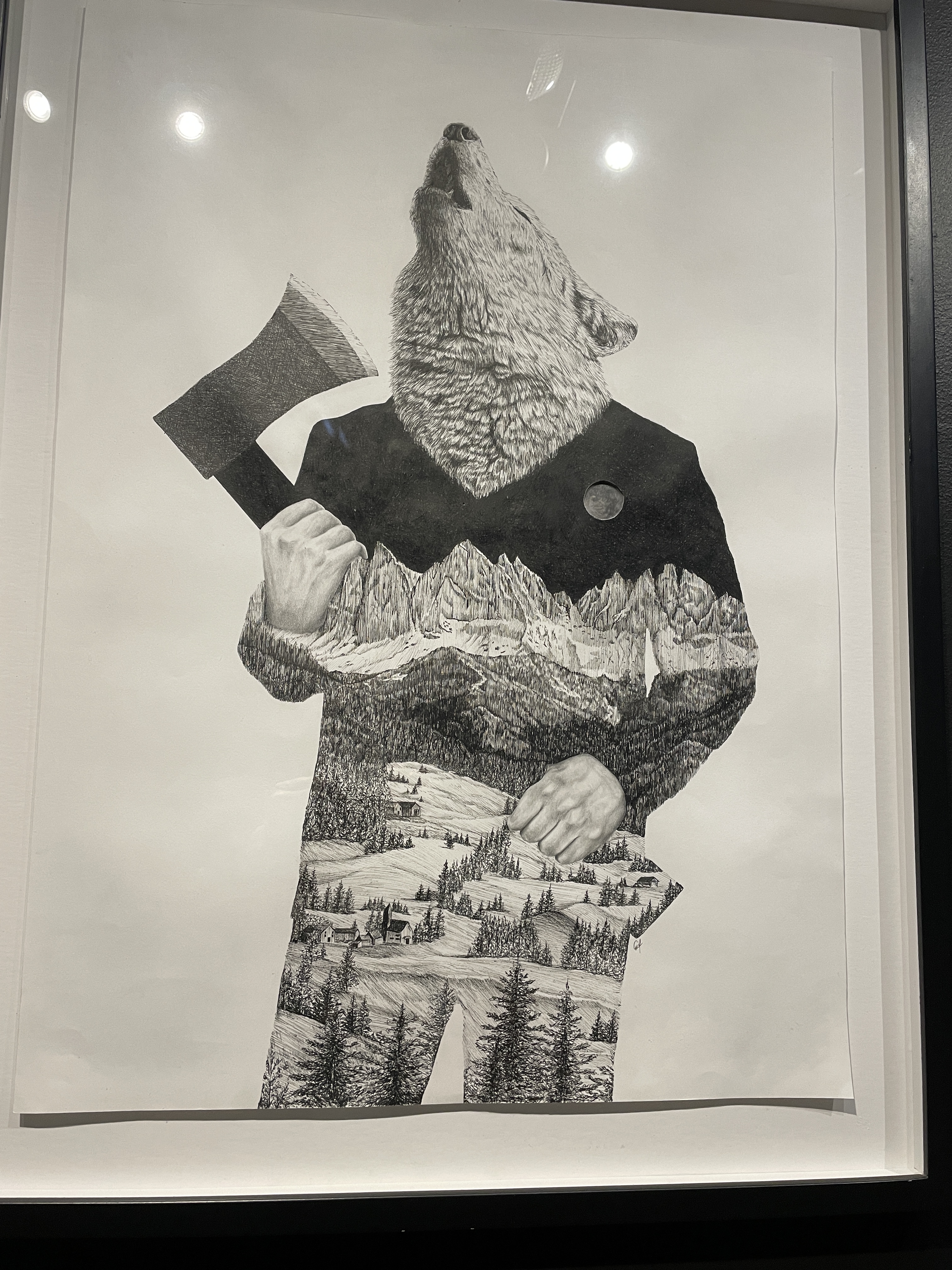
Food for thought.

A different artist for the above and the following.

This one was painted directly onto the wall.

Later we experienced lunch at Caesar’s where supposedly (this is contested by some other places in Mexico) the original Caesar Salad was created.

One Book a Week-13: Blue Desert, Celia Jeffries


As an ardent reader who prefers what are usually referred to as literary novels and serious non-fiction, few books impact me deeply and emotionally like this one has. As soon as I finished it, I reread parts of it several times, then sat silently stunned.

After her family moves to North Africa for her father’s work, an 18 year old British girl, rescued by a Taureg leader, is believed dead by her family until she resurfaces years later at a Catholic “home” run by nuns in North Africa. She re-enters British society, marries, leads a relatively “normal” life while keeping a secret for decades. When she receives a telegram, “Abu is dead”, everything changes. Her past comes rushing back in unexpected ways.

One Book a Week-10: A Solitude of Wolverines, Alice Henderson


The perfect book for those who love suspense, Montana, wildlife, wildlife conservation, Alice Cooper, the protagonist, is a young, wildlife biologist who spends most of her life going from one remote research site to another. Here she’s located in a remote area of the high country in Montana, 26 miles from Bitterroot, studying wolverine populations for a wildlife conservancy/trust which now owns a defunct ski resort. While a few of the locals support her work and the conservancy, many more see the trust and her as endangering their way of life, and they are willing to kill anyone who gets in their way.

Filled with suspense, reading this page turner will also inform readers about wildlife biology and research, wolverine study, and life in the northern high country.

If you are looking for a fun read where you actually also learn something, this book is the perfect fit.

Note: This is one of three books I have read this month so far. I will post about the other two in the next few days.

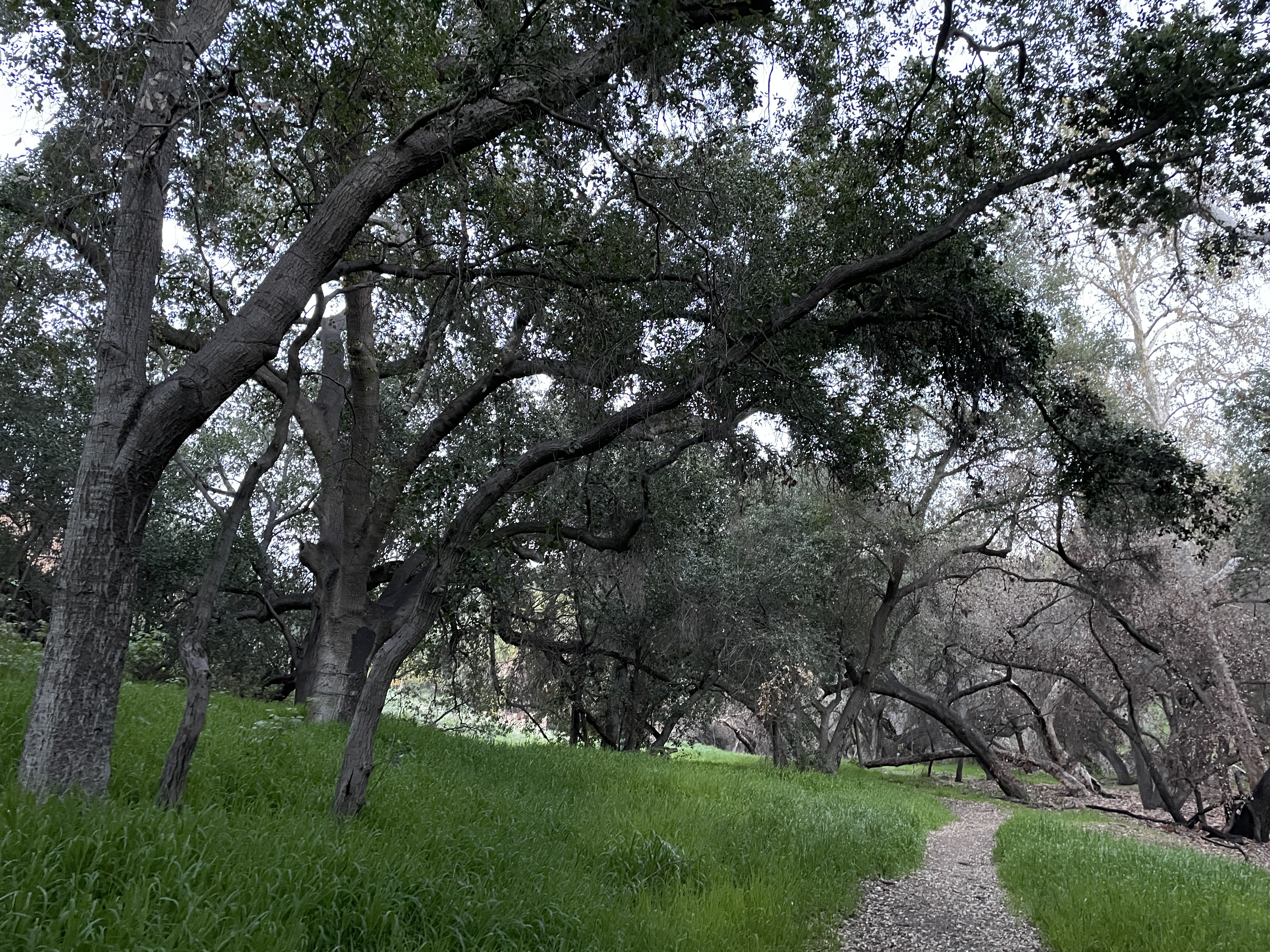
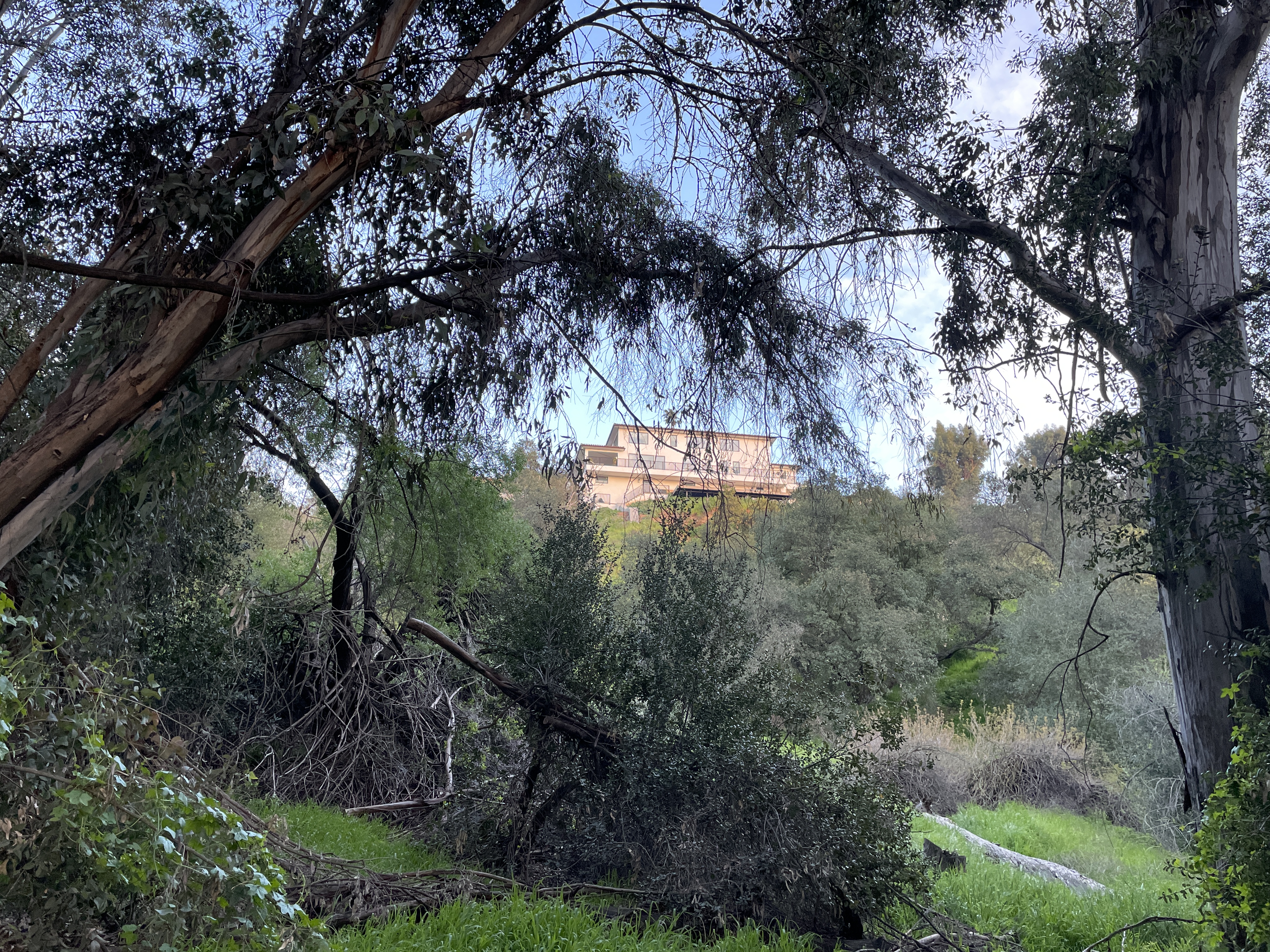
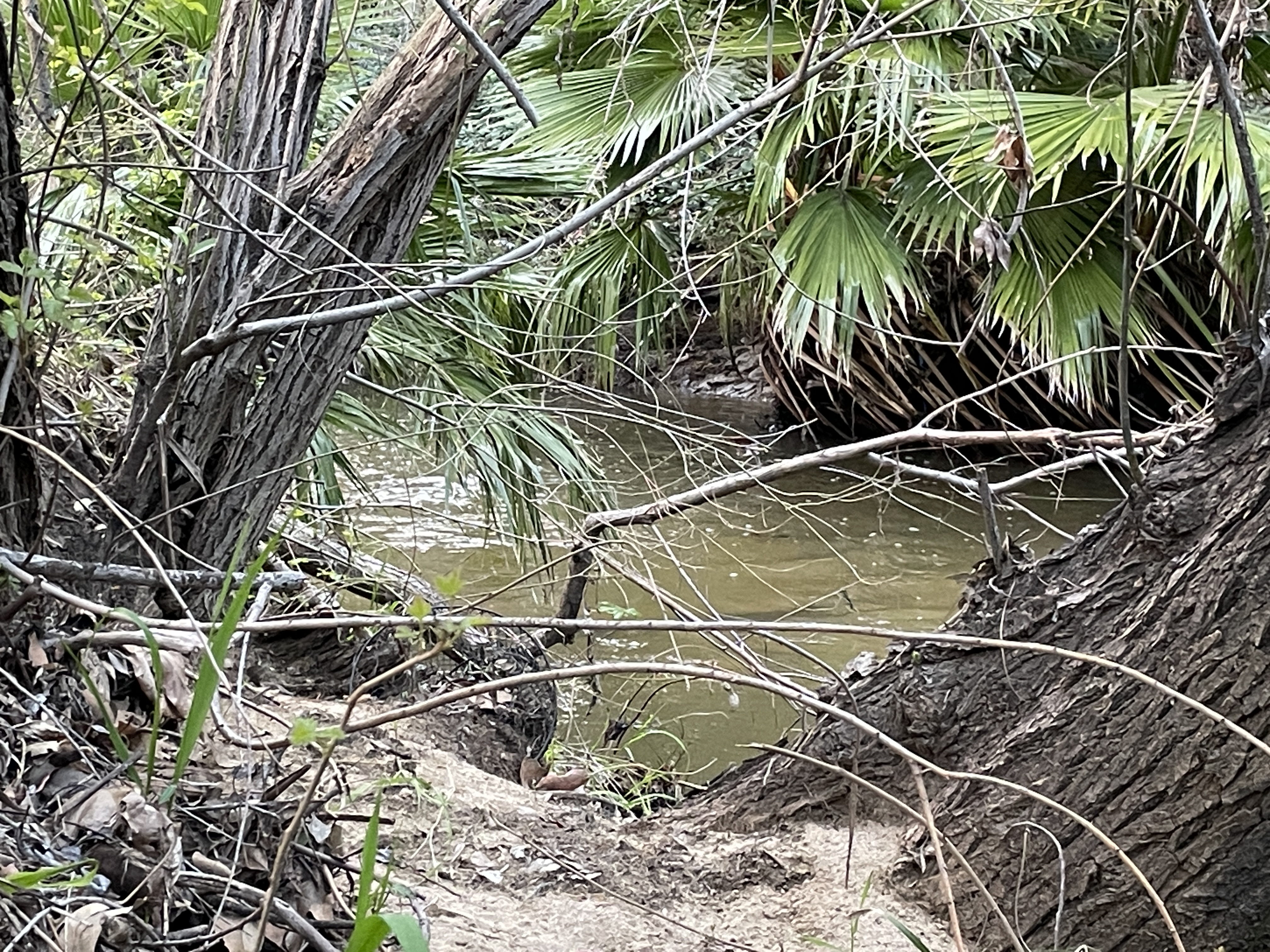
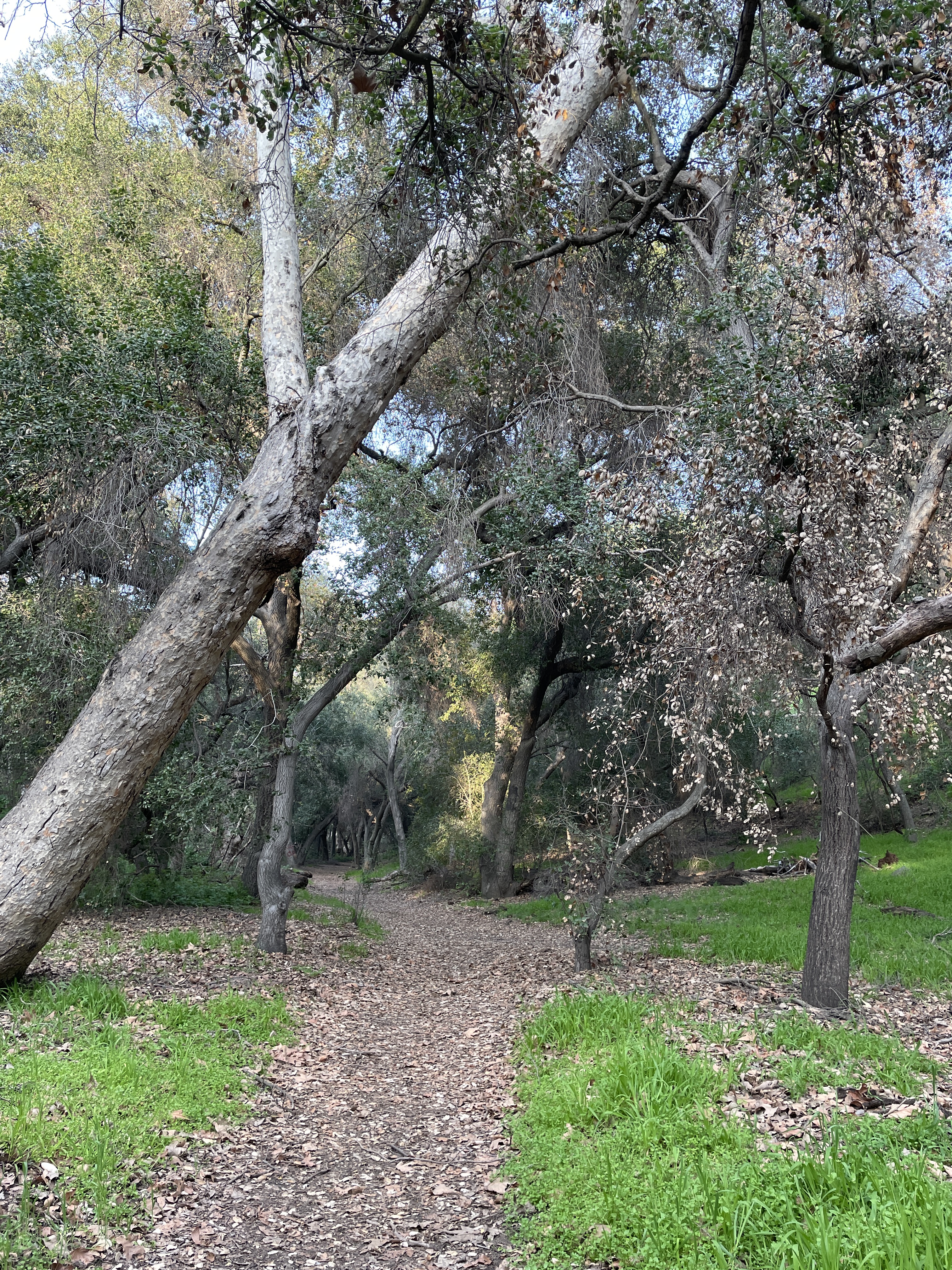
Walnut Creek


emerald surrounds

rushing waters

wandering pathways

Los Angeles County contains many well maintained trails. This one includes Walnut Creek along which a hiker can walk many miles when water is low and easily cross the water crossings. Not this spring. Unless you are on horseback or have tall waders, it is impossible to cross the meandering creek crossings. Along the train in one area is a bridge and a round pen for horses.

Near this area are picnic tables and a meadow.

One Book a Week-9: “Flights”, Olga Tokarczuk


How to describe this unusual novel? Here’s a possible list:

-No over all plot.

-Several stories about individuals scattered throughout, e.g. read about a person and event, then many pages later back to that person and the consequences of the event(s).

-Short philosophical musings/vignettes interspersed here and there. One reviewer counted 116.

-One common theme relates to the title, Flights, in that in most of the “stories” people are traveling or have traveled on quests for “meaning” or escape from a cumbersome reality.

I learned the following from reading this book:

-Per his request Chopin’s heart was taken from his body. His body was buried in Paris but his sister secretly transported his heart in a jar of special preservation liquid back to Poland, the land of his birth.

-A Dutch anatomist discovered the Achilles tendon after dissecting his own amputated leg.

-Plastination is the method used in anatomy to preserve bodies and body parts. Several characters in the book make their living or are obsessed with this process.

This is not a book for those who prefer relaxing reading or for the “faint of heart”.

Note: The author won the Nobel Prize in literature in 2018. This book won the Mann Booker for translated literature from all over earth in 2018. I plan to read another of her books–have now read two of them–but since the other one in English is 1000 pages long rather guess it might take more than a week for me to read it. This is actually the 11th book I have read to date in 2023 but did not start blogging about them so two are missing in the blog posts,

The First Time I Saw the Nile


Riding hours through emerald mountains

to Bahir Dar.

We drove up a steep road,

monkeys begging near the roadside.

Car parked, we climbed a steep hill.

There she was

The NILE

a silver ribbon far below

grassy fields

two white robed people

walked, hippos barely visible.

The NILE

I cried,

a life’s longing fulfilled.

The NILE

Flowing from Lake Tana,

she lay below me,

the legendary river,

ancient people, ancient stories,

builder of civilizations,

of life.

The NILE.