Book 34 for 2026: “Forgotten”, Raja Shehadeh and Penny Johnson


The subtitle is “Searching for Palestine’s Hidden Places and Lost Memorials”. Published in 2025, the book follows the authors’ travels from their home in Ramallah in the West Bank in search of ancient buildings, churches, grave memorials, etc. For those who find it difficult to picture the location of Israel, Gaza, West Bank, etc. there is a detailed map at the beginning of the book.

The memorials they find vary from that for three Egyptian soldiers who died in the 1967 war to buried famous poets. They discover the remains of the wall that surrounded the great Bronze Age city of Tell Balata and a sophisticated water system from a Bronze and Iron Age city. In many cases these places are hidden among modern Israeli buildings or appear to be a bunch of rubble at first. Usually, they manage to find these places with the help of older locals.They find the tombs of saints, a Greek Orthodox monastery that had to be rebuilt, the remains of a deserted mosque destroyed by Israelis–all that is left is the minaret, the ruins of many ancient Palestinian villages that over time have been destroyed by the Israelis. In some cases ruins from the BC era have been built over with malls and parks, including one that is now under the Palestine Television Tower.

One thing they noted that has nothing to do with buildings or ruins is how the Dead Sea is becoming smaller and smaller due to excessive irrigation for crops farmed by kibbutzes. The Jordan River feeds into the Dead Sea and its level has gone down for the same reason. Drought and irrigation has increased the need for water for crops. The authors question the longterm sustainability of these irrigation methods. As I read this I thought of all the irrigation in the West of the US, the low water flow of the Colorado River, and how the Western US is facing some of the same issues.

Book 30 for 2026: “A Rift in Time”, Raja Shehadeh


Written in 2010 this nonfiction work follows the author on a journey as he attempts to reenact the journey his great-great uncle made to escape the police of the Ottoman Empire as it was disintegrating in the early 1900s. Unlike now when the countries of Syria, Lebanon, Iraq, Jordan, Israel have borders and you have to have permission to cross, then they were all part of the Ottoman Empire with no borders. The only countries at the time that were not part of the Ottoman Empire were Iran and a lot of the peninsula of what is now Saudi Arabia. The fact that all these new countries have borders made it difficult for the author to exactly follow his ancestor’s travels.

The author, a Palestinian Christian who is also a leading Palestinian lawyer, lived in the West Bank when he wrote this memoir. The uncle was a journalist in the late 1800s and died just before the existence of Israel occurred. As Shehadeh travels, he notes how the landscape has changed. Israeli authorities have destroyed most of the old Palestinian villages. Where their small farms, olive groves, etc. existed, the Israelis have created large, mechanized farms. He notes that these farms use a lot of irrigation and have caused the water table to go down and made changes to the Jordan River and Dead Sea.

While visiting the old places and people he can find that might know of his relative, he also discusses Palestinian history and the history of the creation of Israel. Britain wanted the help of Zionist Jews to help defeat the Ottoman Turks who had allied themselves with the Germans in WWI. To get their help they created the Balfour Declaration in 1917 which promised the Zionists that they would help them create a homeland of their own in what was then Palestine. After the fall of the Ottoman Empire, what was Palestine and now Israel was ruled for decades by the British–the British Mandate (1920-1948). The author’s uncle predicted much of what occurred and actually wanted the Ottomans to continues ruling but differently, giving each group of people more self-governing power. Instead we now have countries many of whose borders were created by the British and French.

Recent Adventures in Santa Barbara County


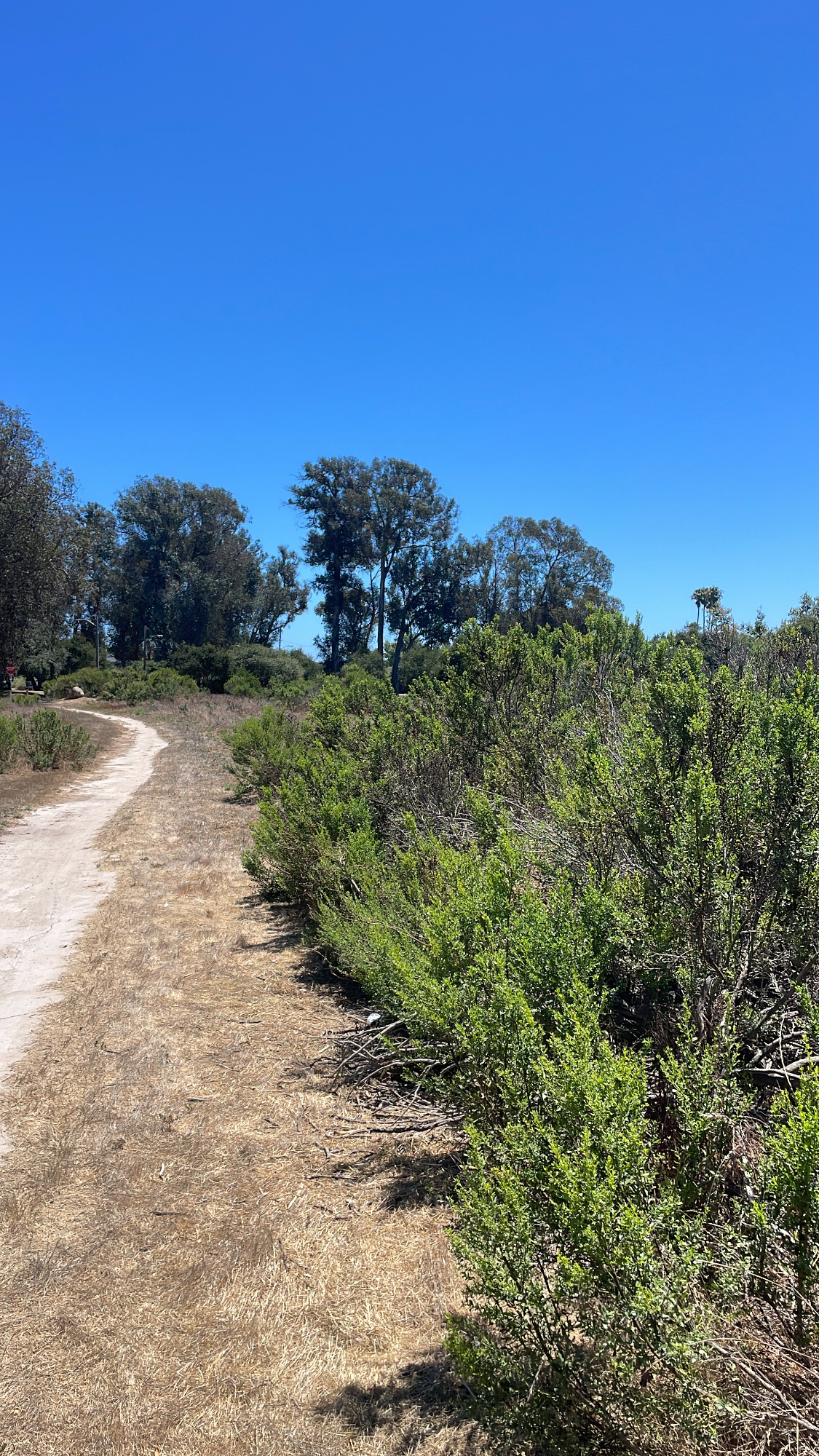
After dropping my grandson off at his apartment in Goleta, I went in search of a trail about which I had read. Well, GPS did not take me there but to another trail. Here is where I began.

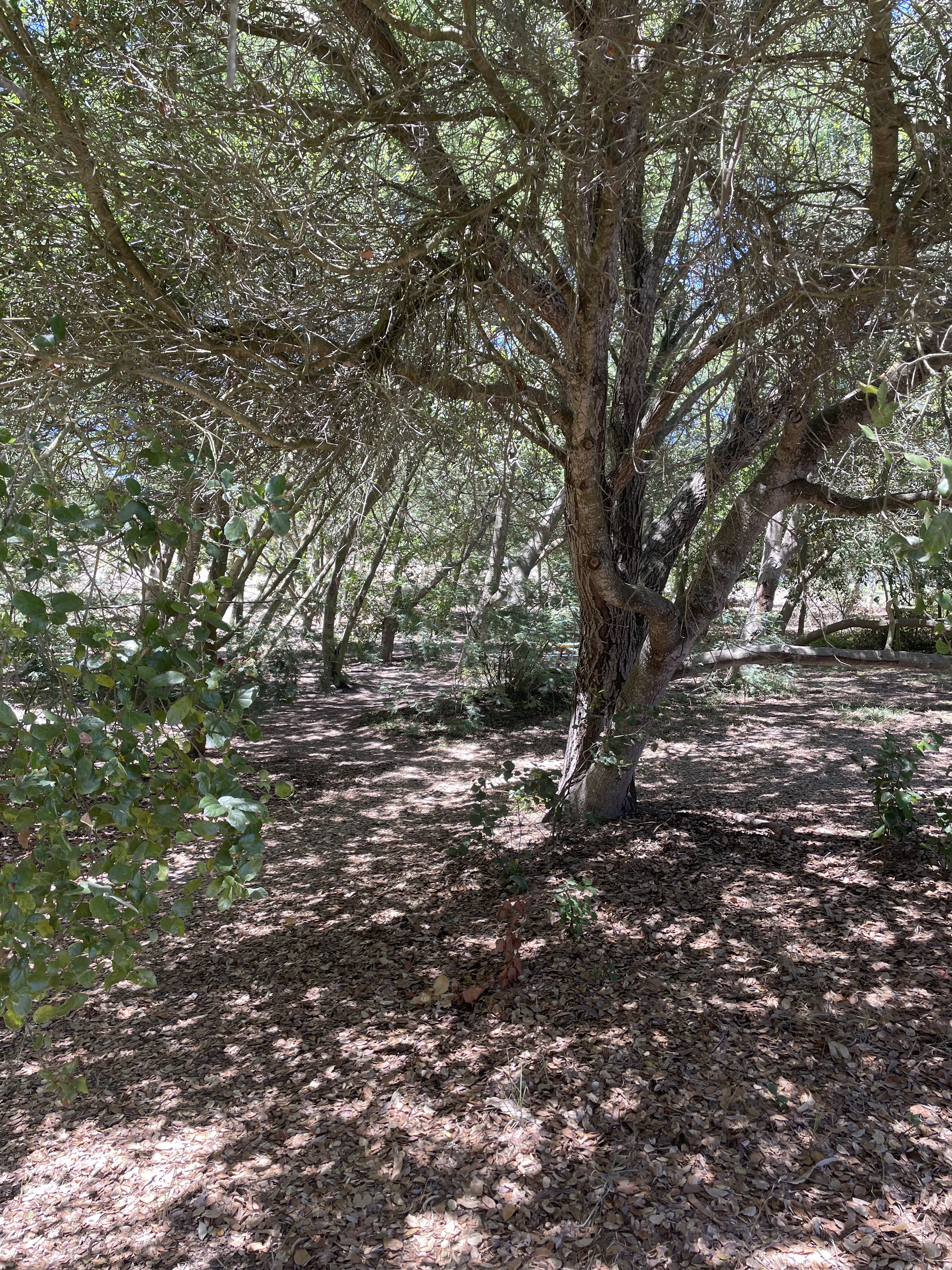
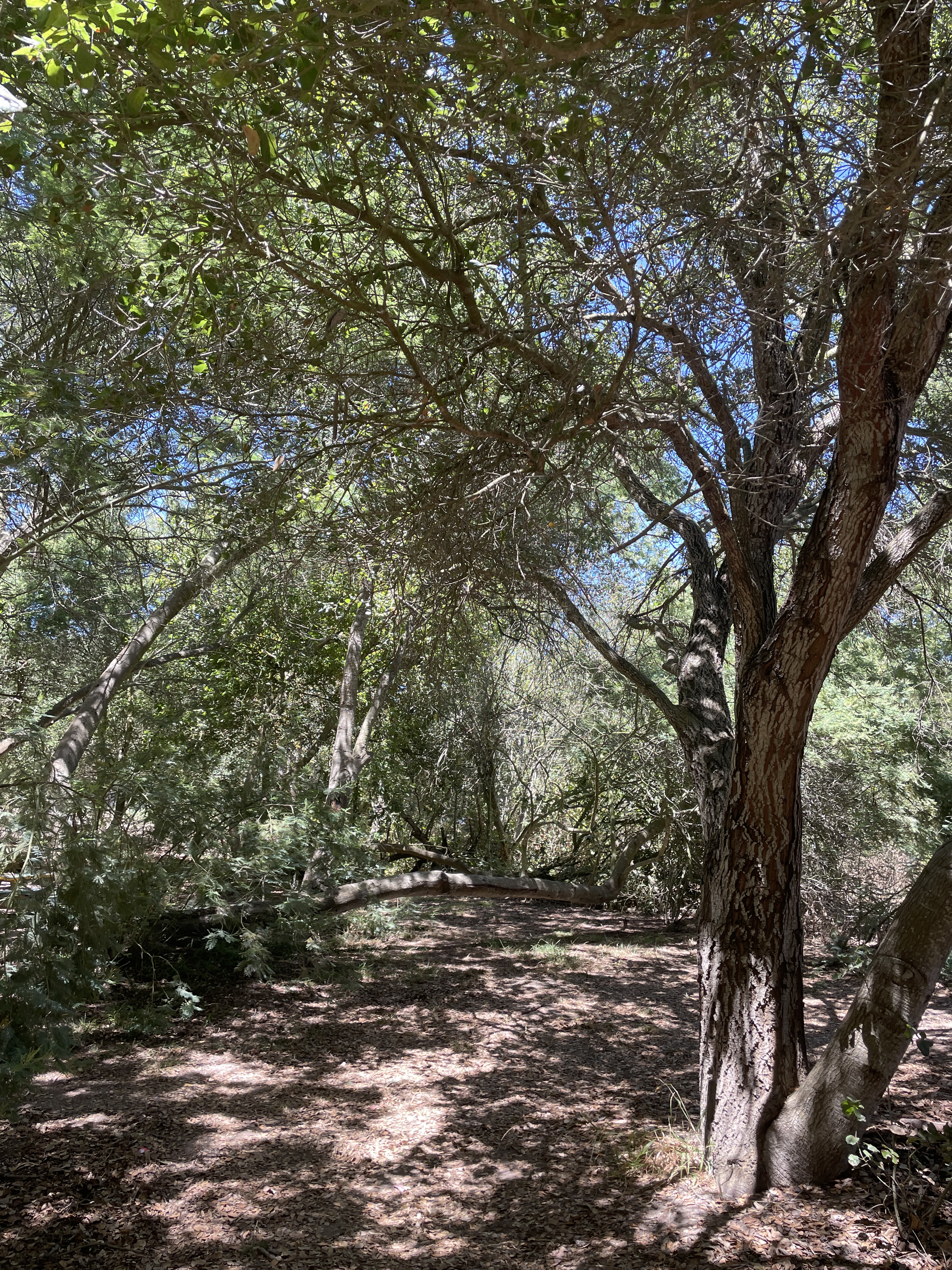
It’s summer and the wetlands are not very wet but this goes between two wetlands. This whole area is apparently for wetland preservation. Lower after looping around, I came to a woods.

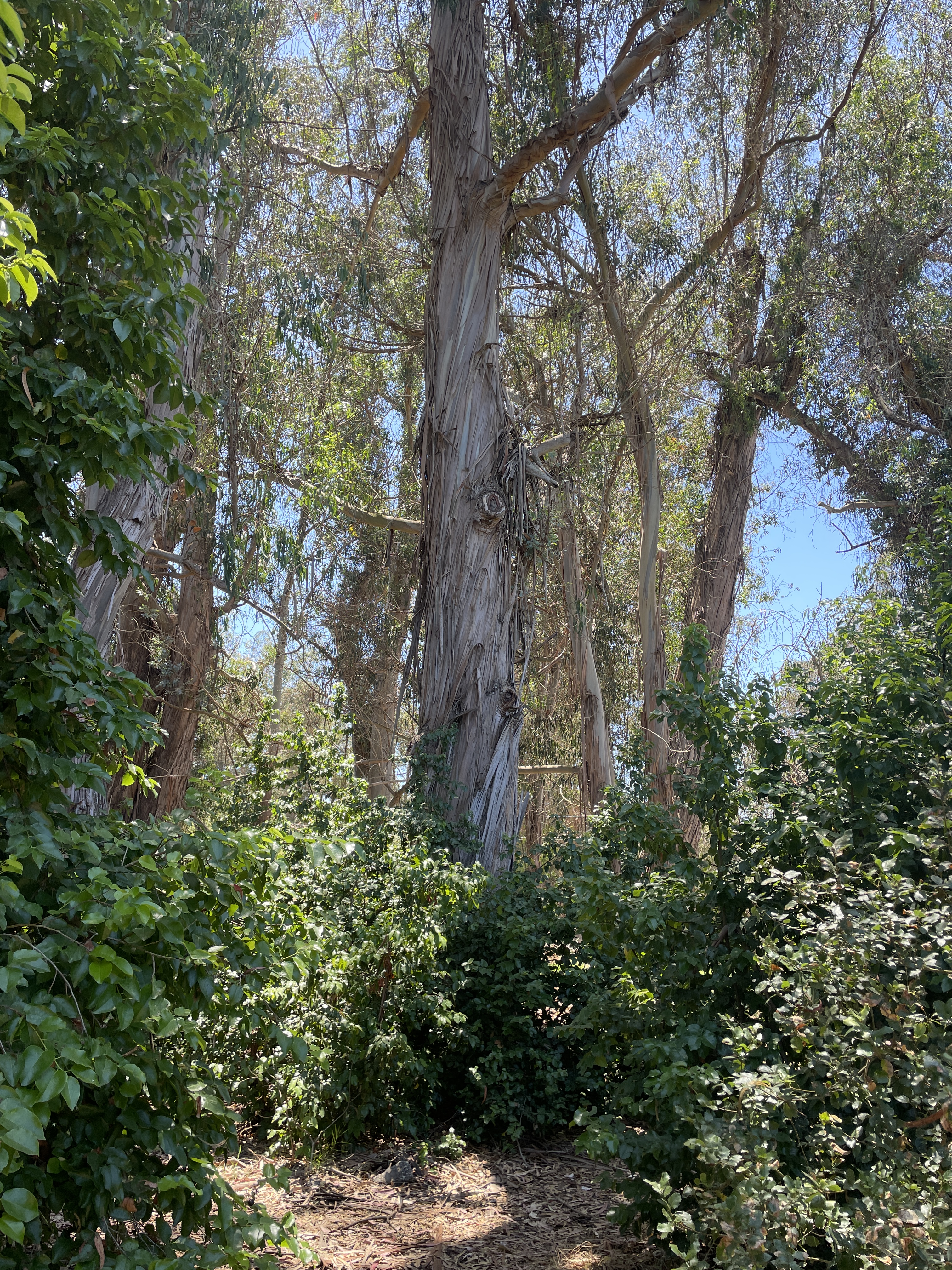
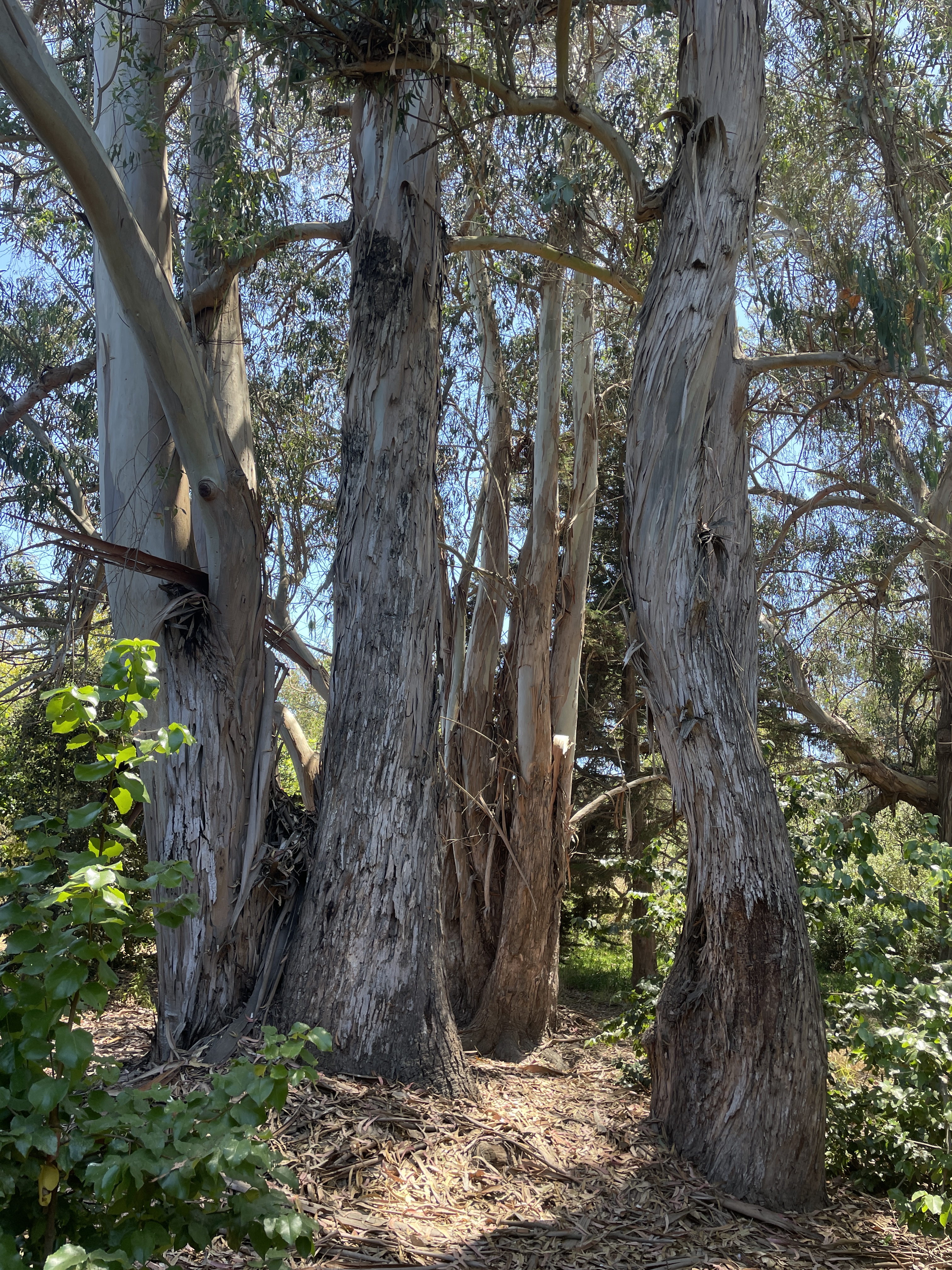
I tried to figure out a way to take a photo that would encompass the entirety of these large, tall trees but gave up.

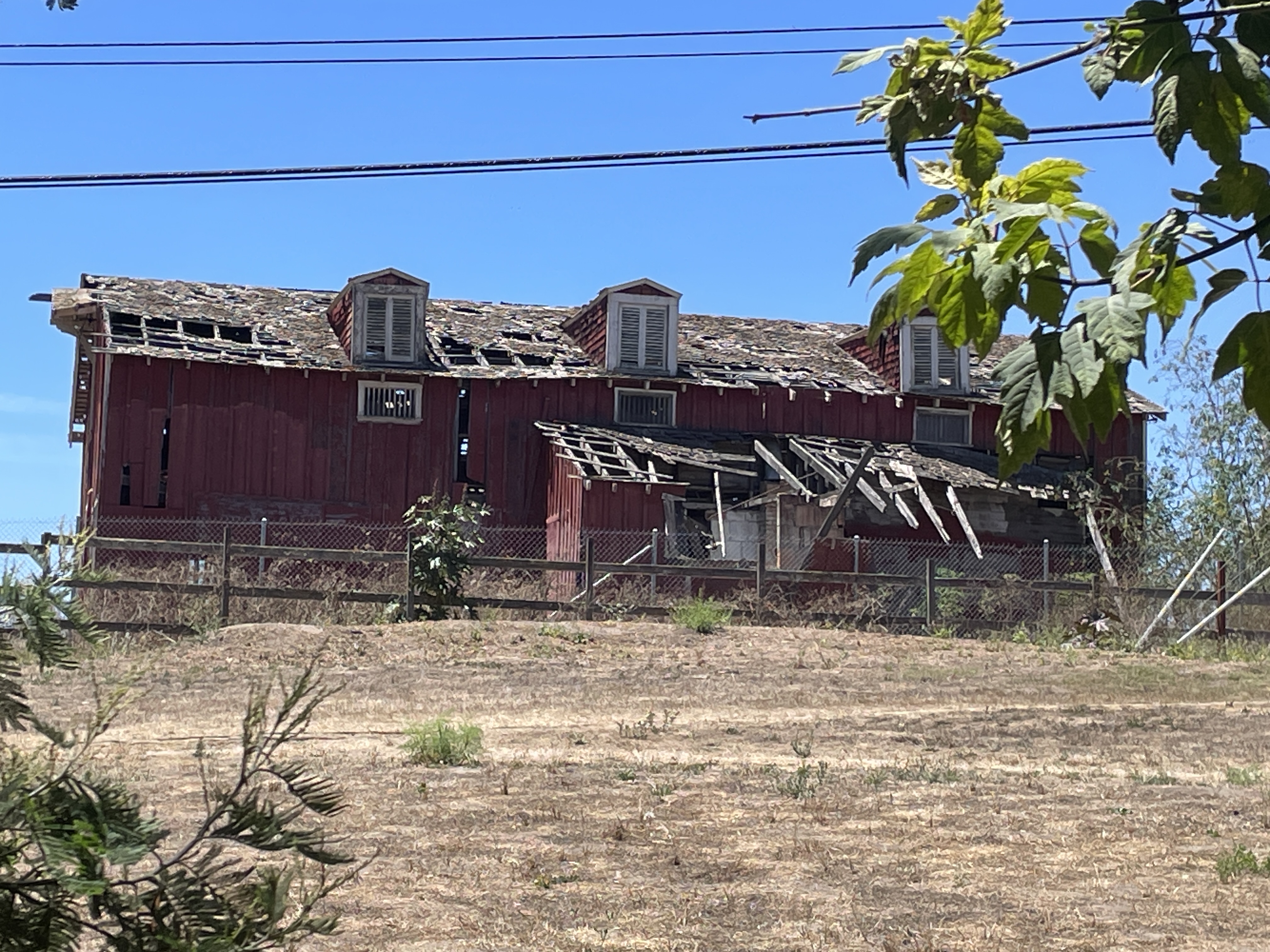
The trail sort of loops back and near here I saw a picnic table covered in graffiti. And then after walking to the other side of the wooded area, I saw this old barn.

Once upon a time, it appears to have been quite fancy.

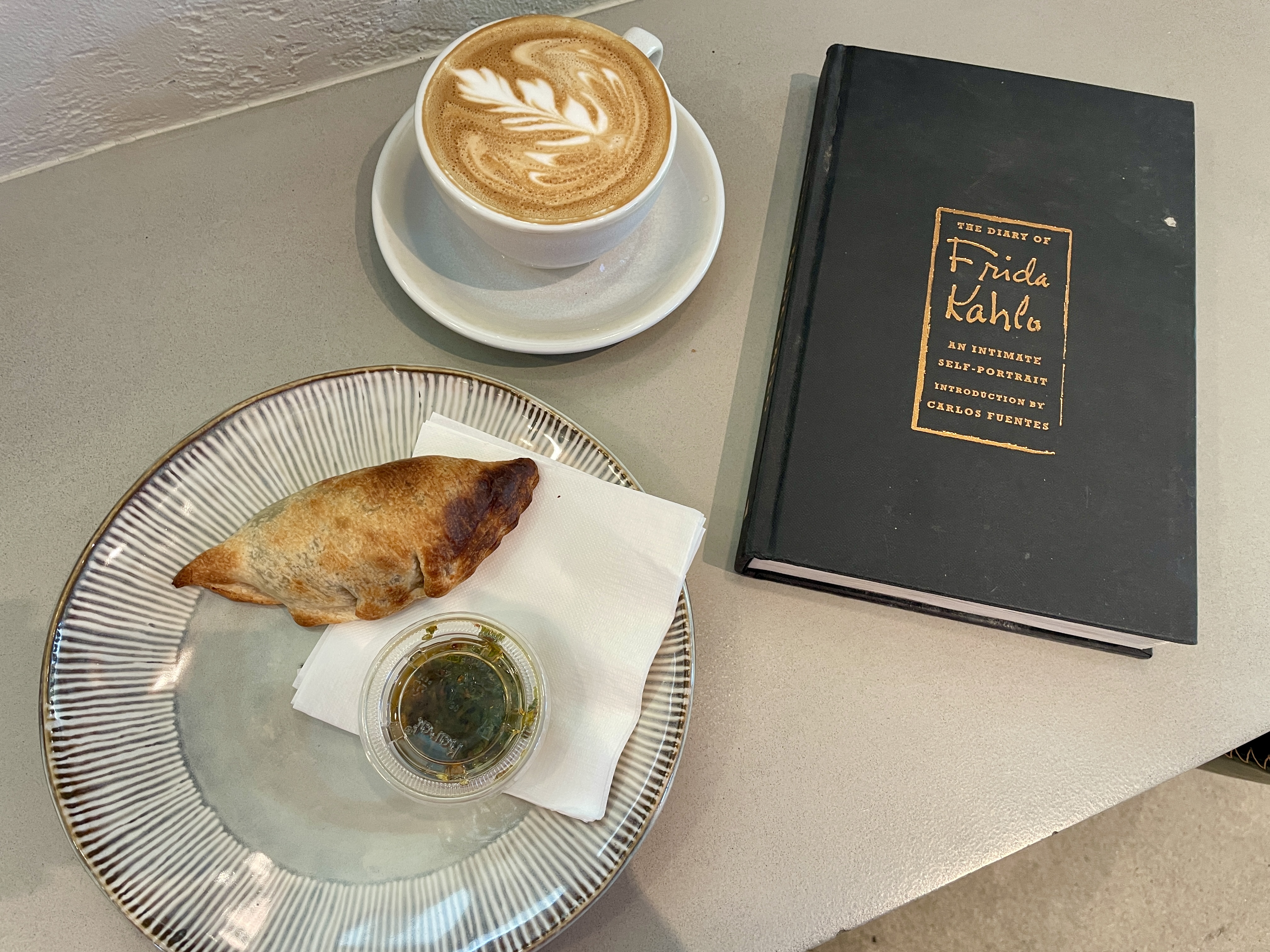
I walked back to my car and drove to Carpenteria, a smaller beach town south of Santa Barbara toward Ventura. Carpenteria is not fancy like some other beach towns. It is friendly, laid back. I was hungry so went to the Dart Coffee place which was closed the last time I stopped there.

The empanada was yummy and served with their own chimichurri. This is a Frida book I have never seen before; it was on a shelf with other books for anyone to read.

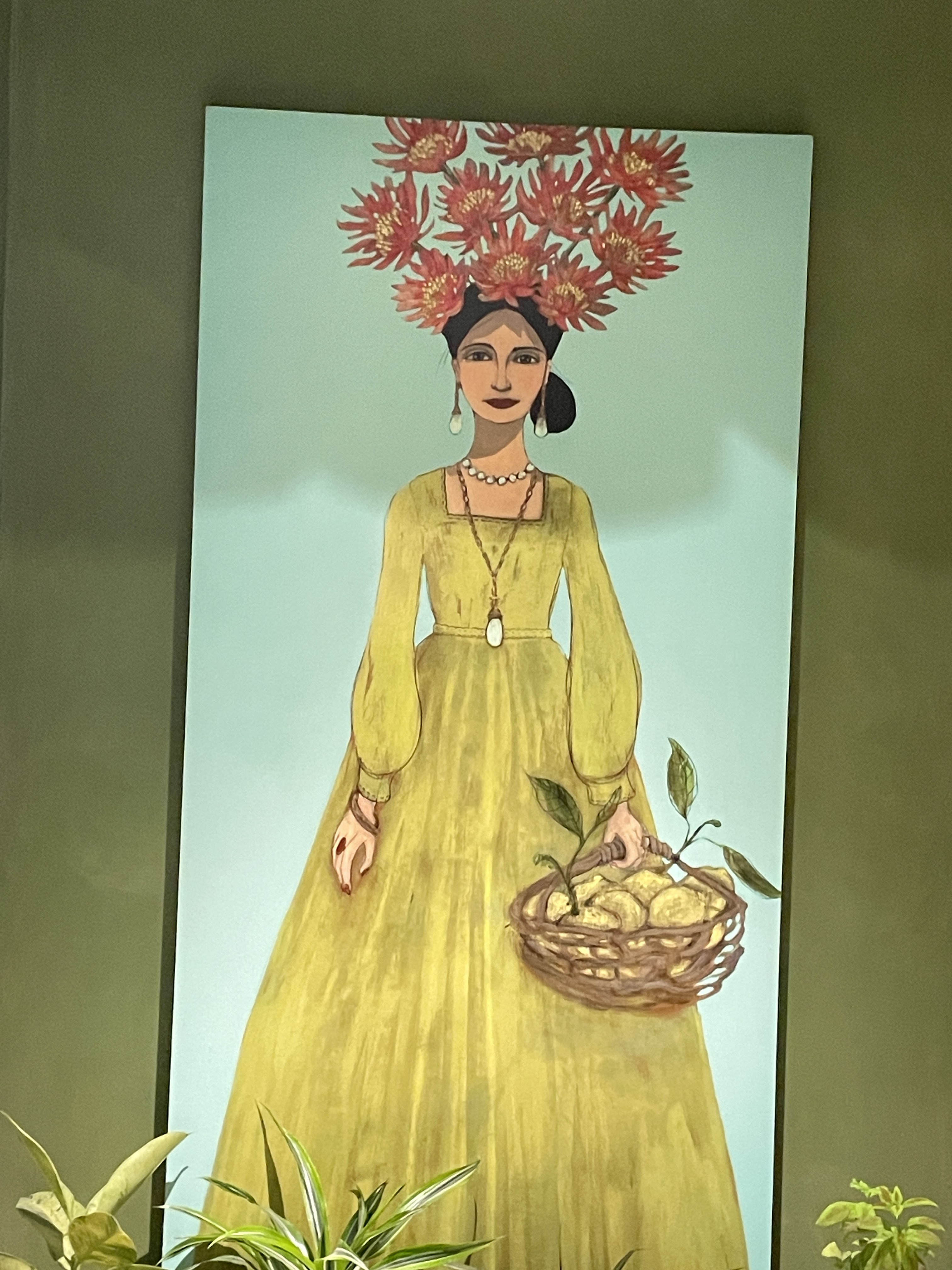
This coffee shop sells cards with paintings similar to this one on the wall in a hallway that goes to other shops.

After wandering around this area and trying to find a shop where I previously bought a sweater (the shop was gone), I walked toward the beach.

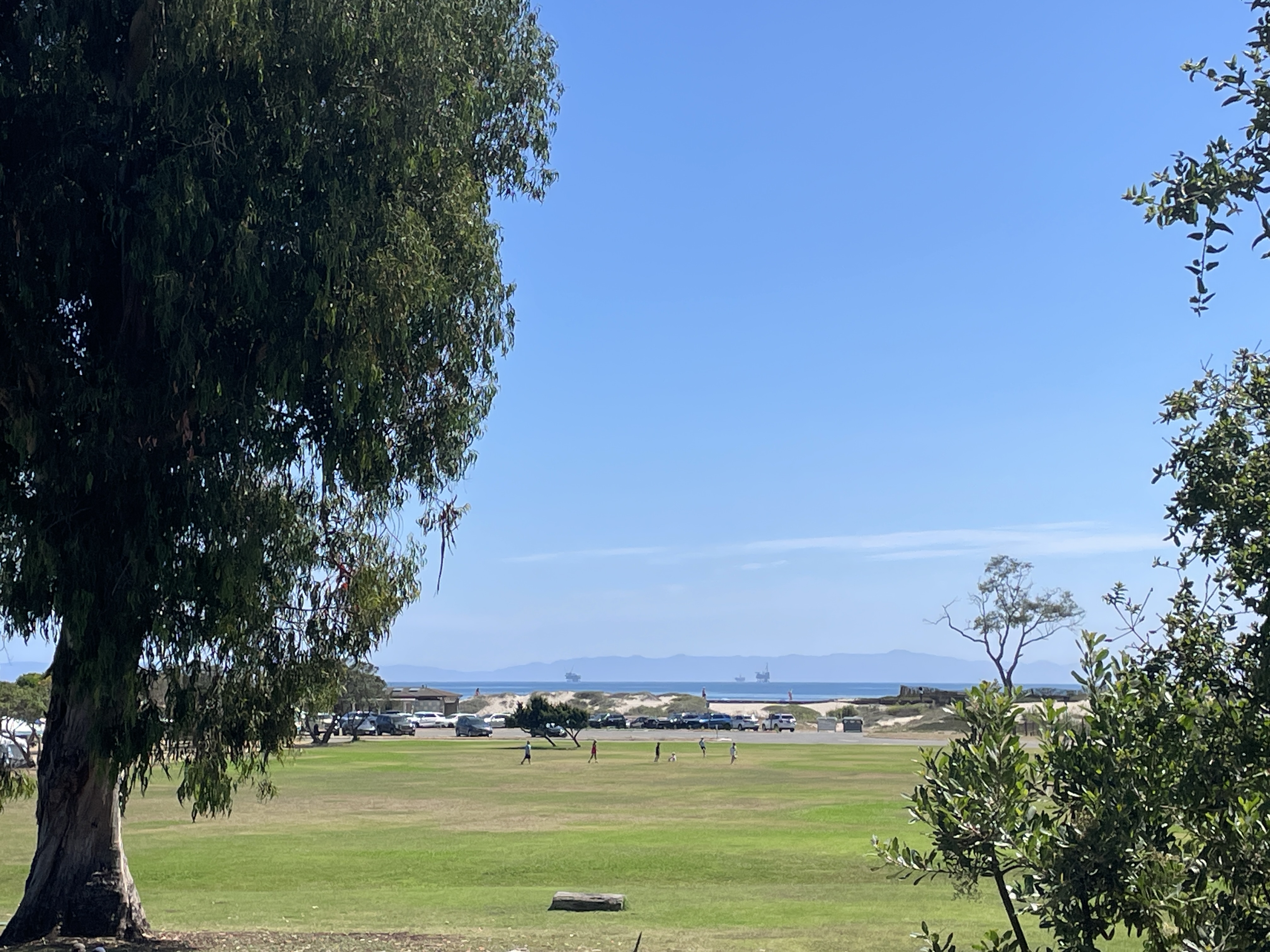
In the distance beyond the ocean you can see the Channel Islands.

And turning around and facing the other direction, I saw this.

Book 26 for 2026: “The Loneliness of Sonia and Sunny”, Kiran Desai


By an author whose previous novel won the Booker Prize, this novel was long listed for the most recent Booker Prize. Although 670 pages long, it did not take me as long as I expected to read this because I found I kept going because I wanted to know what was going to occur. It is the tale of two families and two young people, both of whom have studied and lived in the United States. The background city for both families is the Indian city of Allahabad. The two, retired, family patriarchs get together frequently to play chess even though their families are sometimes rivals for status and influence.. The two do not live far apart and all the older family members know each other, including those who have moved away to Delhi and other places. The youngest members do not know each other and accidentally meet on an overnight train. At that point they do not know that their two grandparents had tried to match make them in an arranged marriage. Later, this becomes an embarrassment.

Sonia wants to become a novelist and is attending college at a small liberal arts college in New England where she becomes involved with a famous but cruel artist who becomes obsessed with her and whose influence she has become unable to escape, initially literally and later psychologically. Sunny lives and wants to stay in NYC to escape the overbearing influence of his mother and the violence between her and the two brothers of her deceased husband.

Not wanting to reveal all the complexities of the lives of these two young people who come to love each other but whose lives keep tearing them apart and the challenges they face as they try to make sense of their lives, I will simply say this is a novel I recommend. The reader learns a lot of about Indian culture and its variances, about the huge differences among different parts of India, e.g. Goa and Delhi, but also how universal family and personal struggles really are.

Book 18 for 2026: “The Hakawati”, Rabih Alameddine


In Lebanese, a hakawati is a traditional teller of legends, tales, all sorts of stories. Two basic sets of stories run parallel in this 500 plus page novel. One set is the family story of the narrator whose grandfather was a famous hakawati. This part of the novel portrays life in contemporary Lebanon and the life of the narrator who emigrated to the US to attend UCLA engineering school and stayed in the US. He tells about his family history and his growing up, the various invasions of Israel into Lebanon and how it affected his family and friends, and how his family deals with their blended ethnicities, e.g Druze, Maronite, Orthodox. The novel alternates between this family’s story and traditional Middle Eastern tales of military heroes, jinn, magic, the underworld, etc. That portion of the novel is a sort of more modern One Thousand and One Nights.

My favorite quote from the novel is this: “Uncle Jihad used to say that what happens is of little significance compared with the stories we tell ourselves about what happens. Events matter little, only stories of those events affect us.” I reread this several times and thought about how even in the same family, individuals remember an event totally differently. This novel is also a reminder that even though Lebanon is in a totally different part of the world, families everywhere are more similar than different–the likes and dislikes, the family feuds, the emotions–in this all families remain the same no matter where on Earth.

California Adventure 2


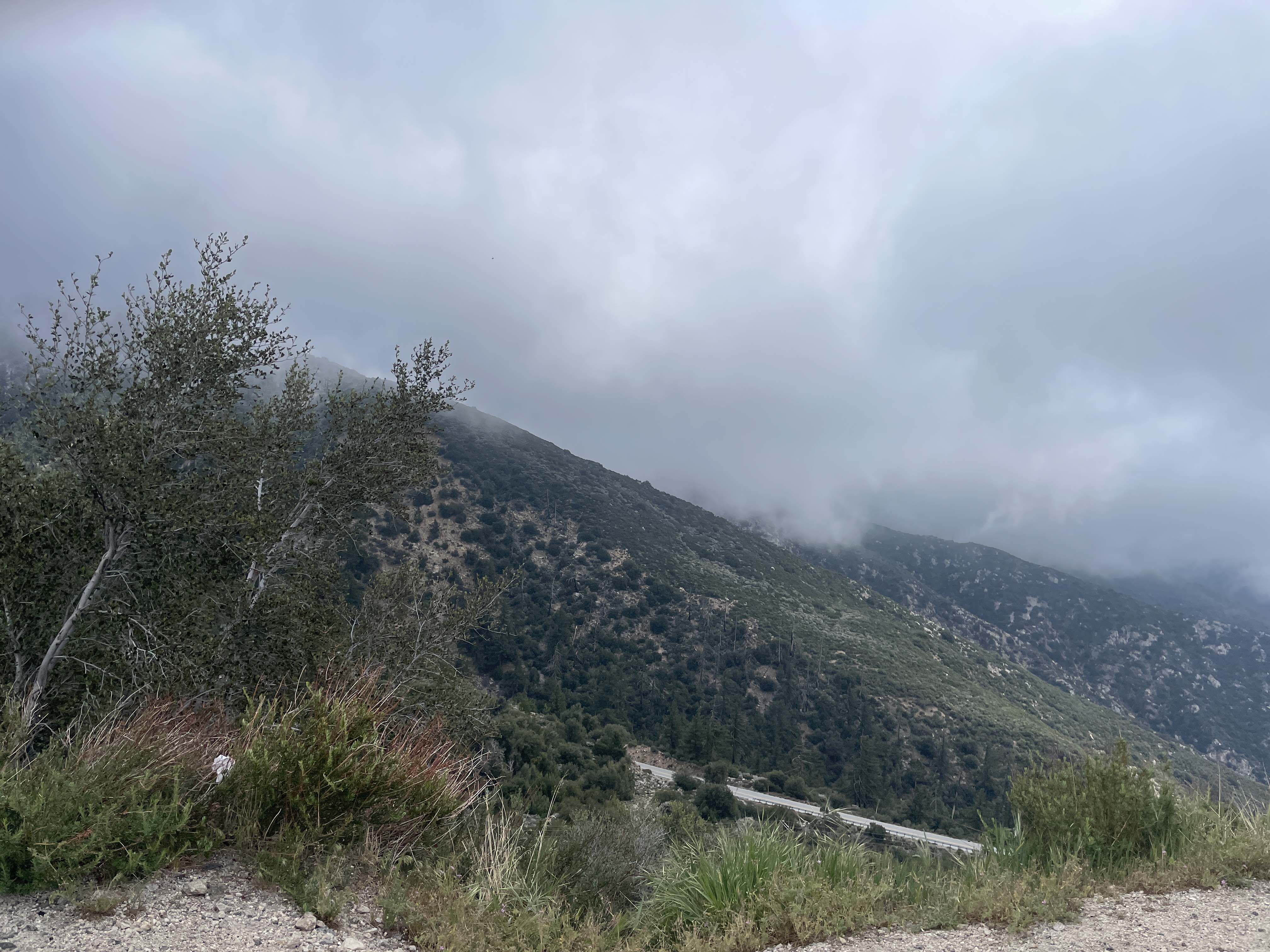
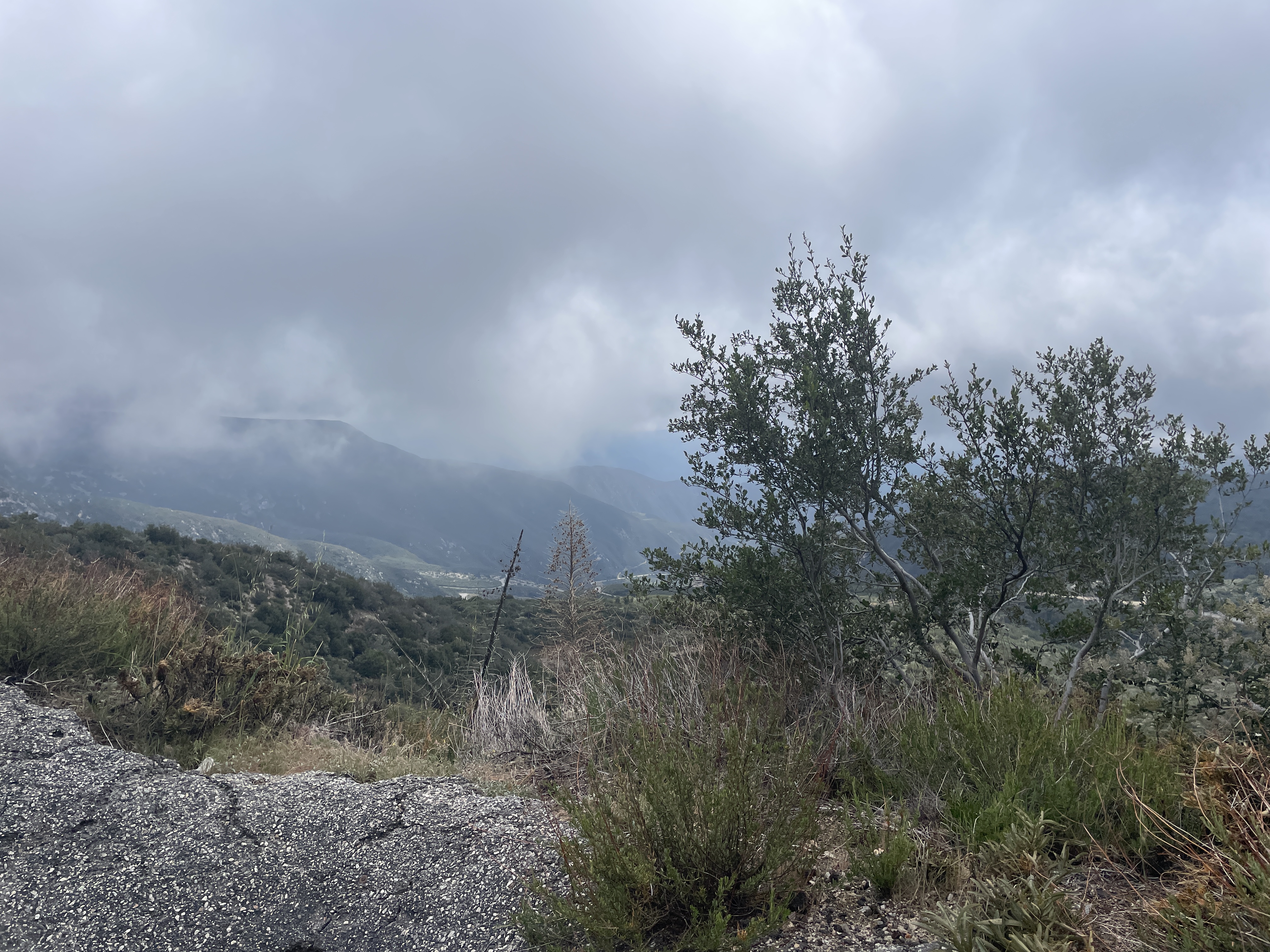
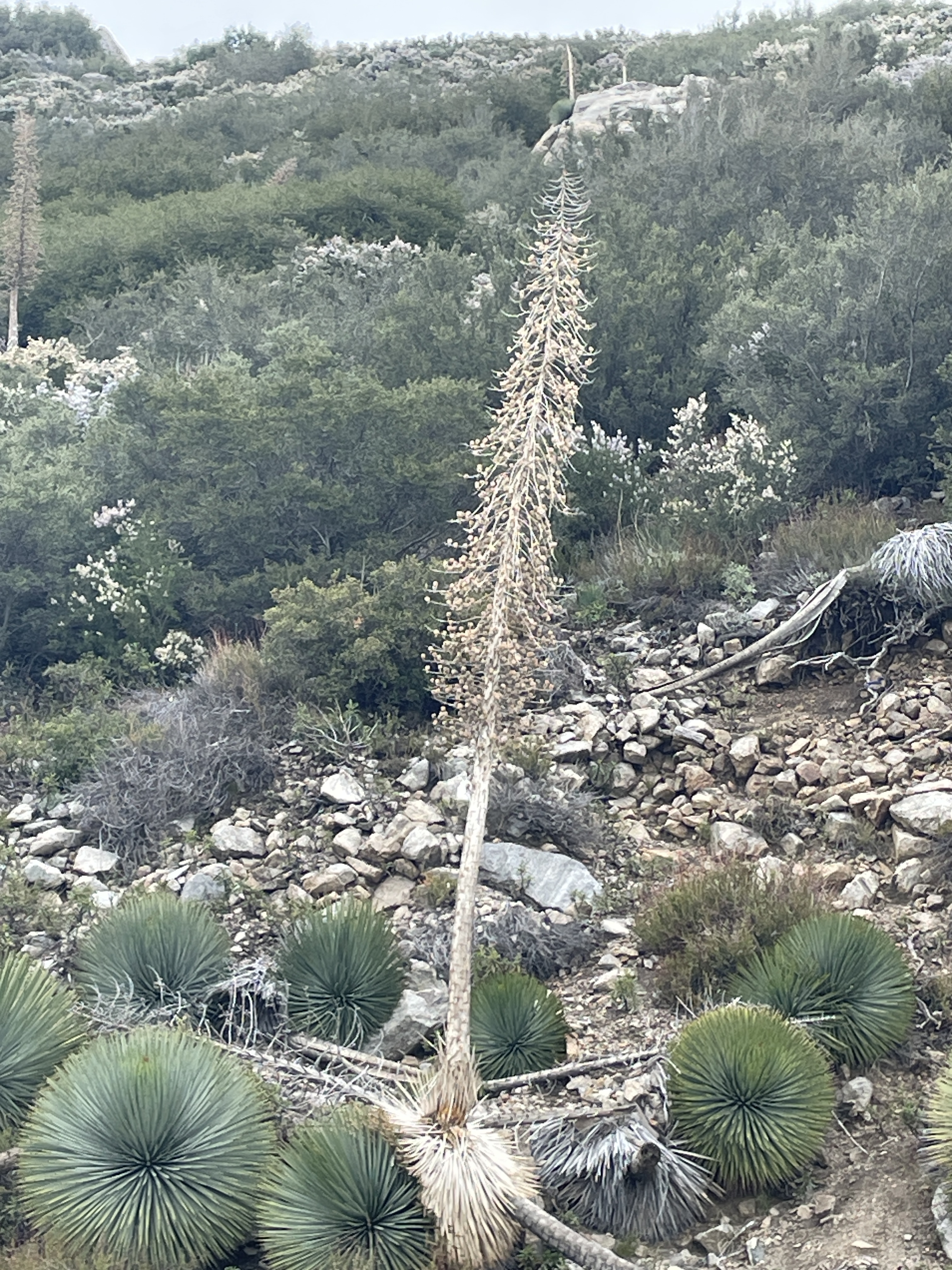
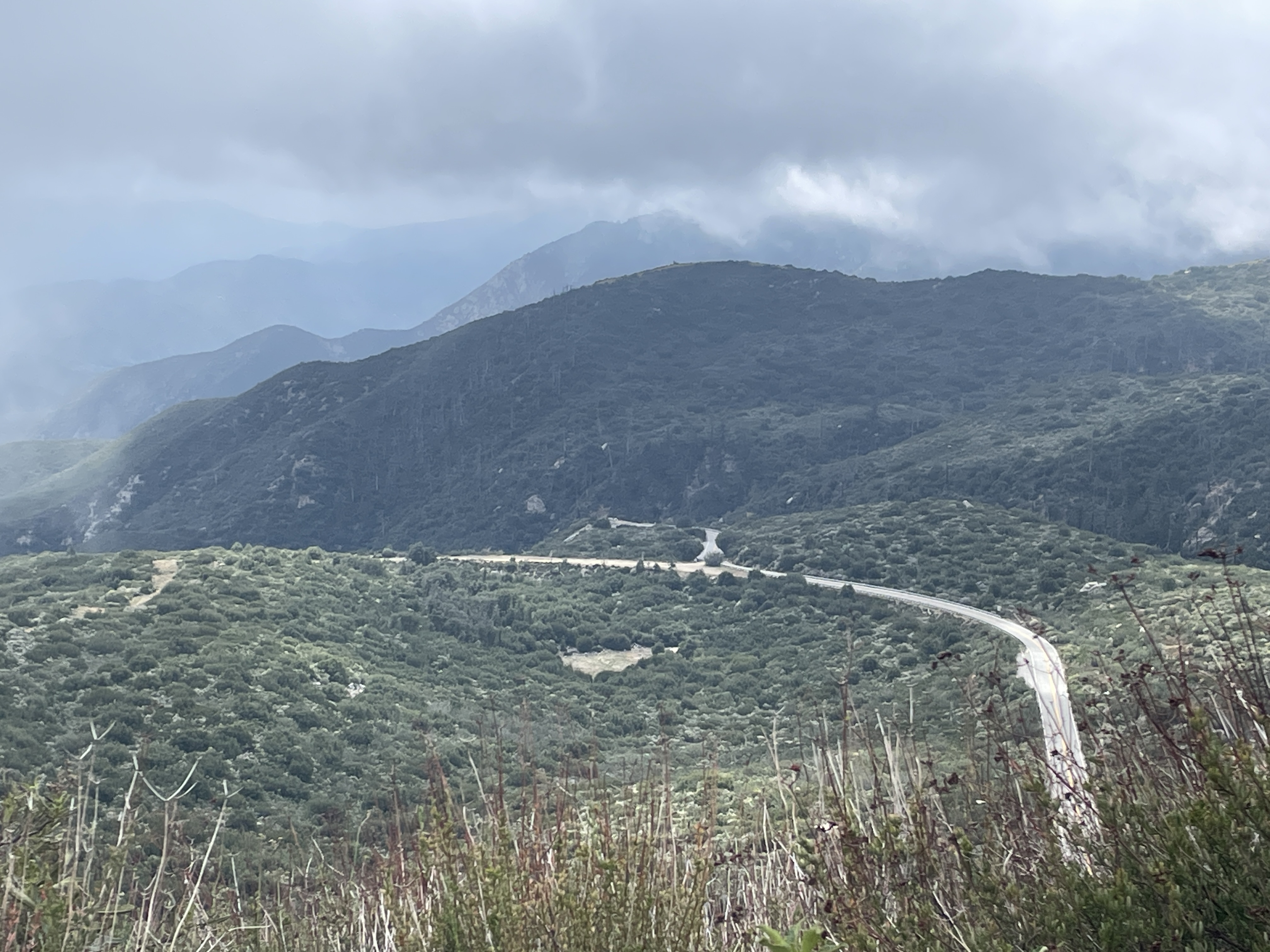
Although my son had been here a couple of times previously, he had never been up Mt. Baldy so we decided to drive a way I had never gone before, the Glendora Mountain Highway. It begins in the mountains above the town of Glendora, CA, and goes approximately 22 miles east where it intersects the highway going up Mt. Baldy at the Mt. Baldy Village. This road is not for the faint of heart. Although in good condition and well paved and two lanes wide, it is narrow and windy and without guard rails. Unfortunately, we did not stop and I was so busy driving, I could not see all the views. Unlike most of the highways and roads up toward the mountains all of which have views to the south, this highway crosses over to the other side so that many of views reveal all the rugged mountains to the north. I will attempt this adventure again, but not alone. For most of the trip we saw no other cars, and there is no cell phone reception up this way so best to have someone along with you if you decide to drive this.

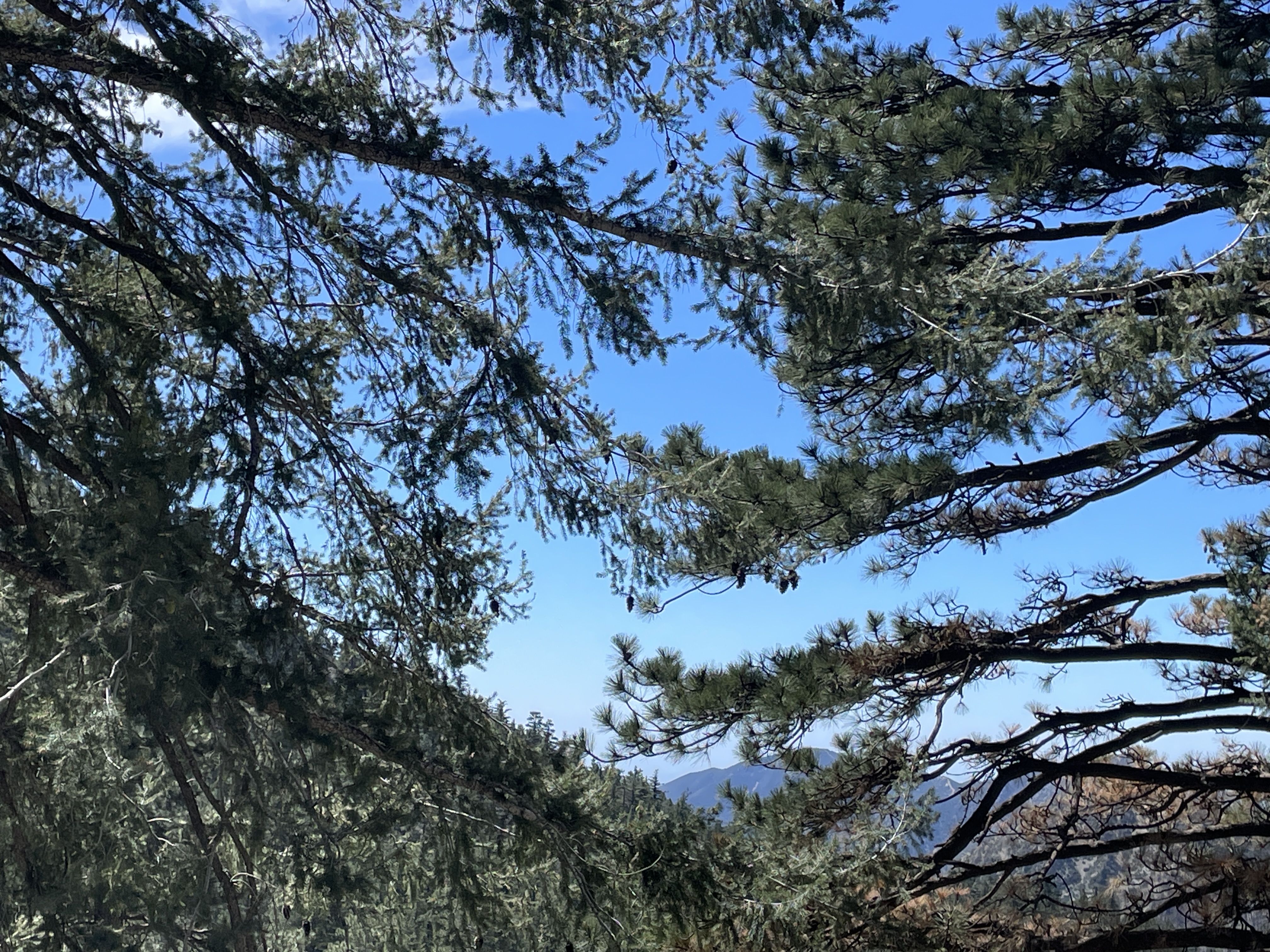
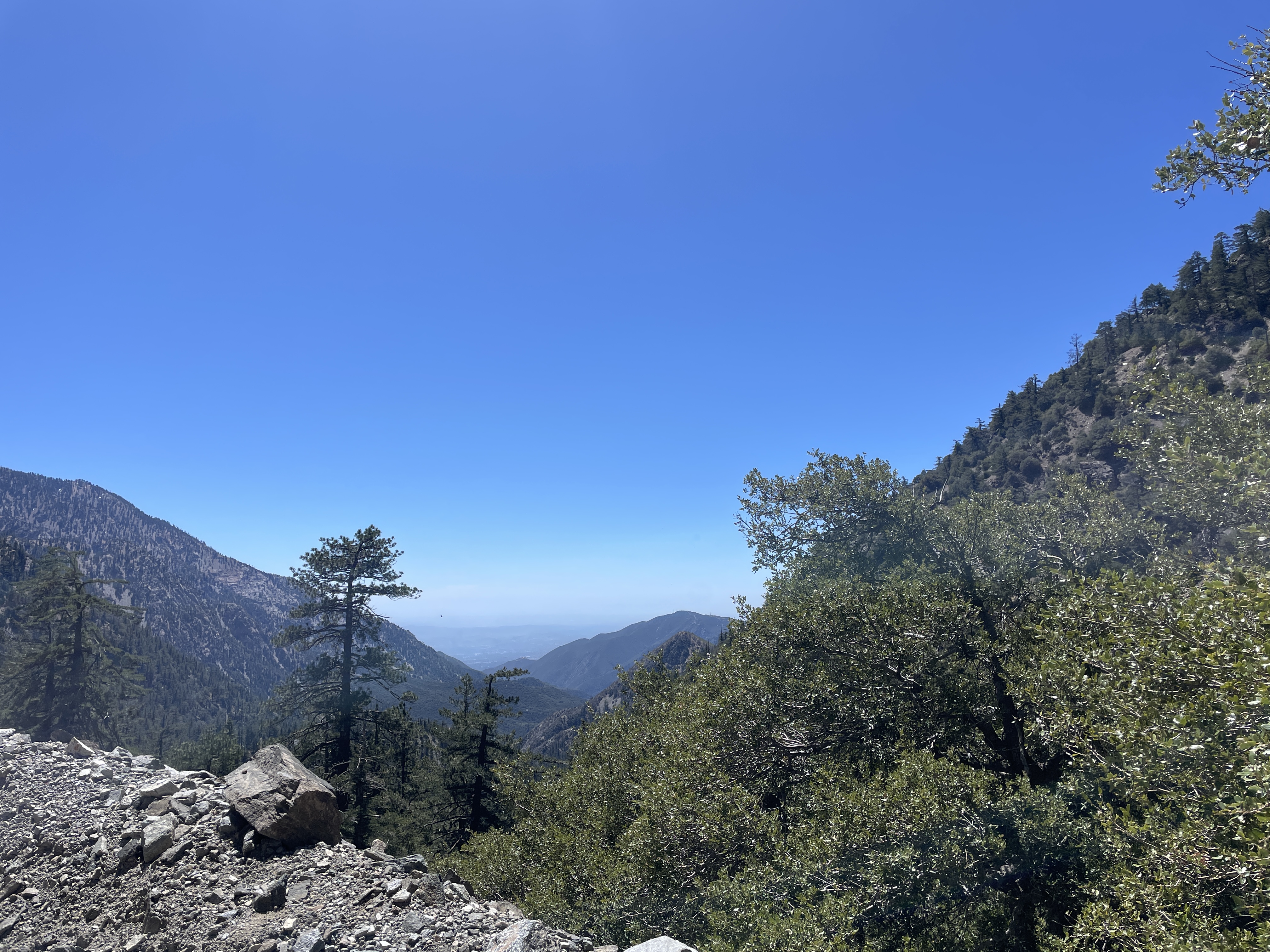
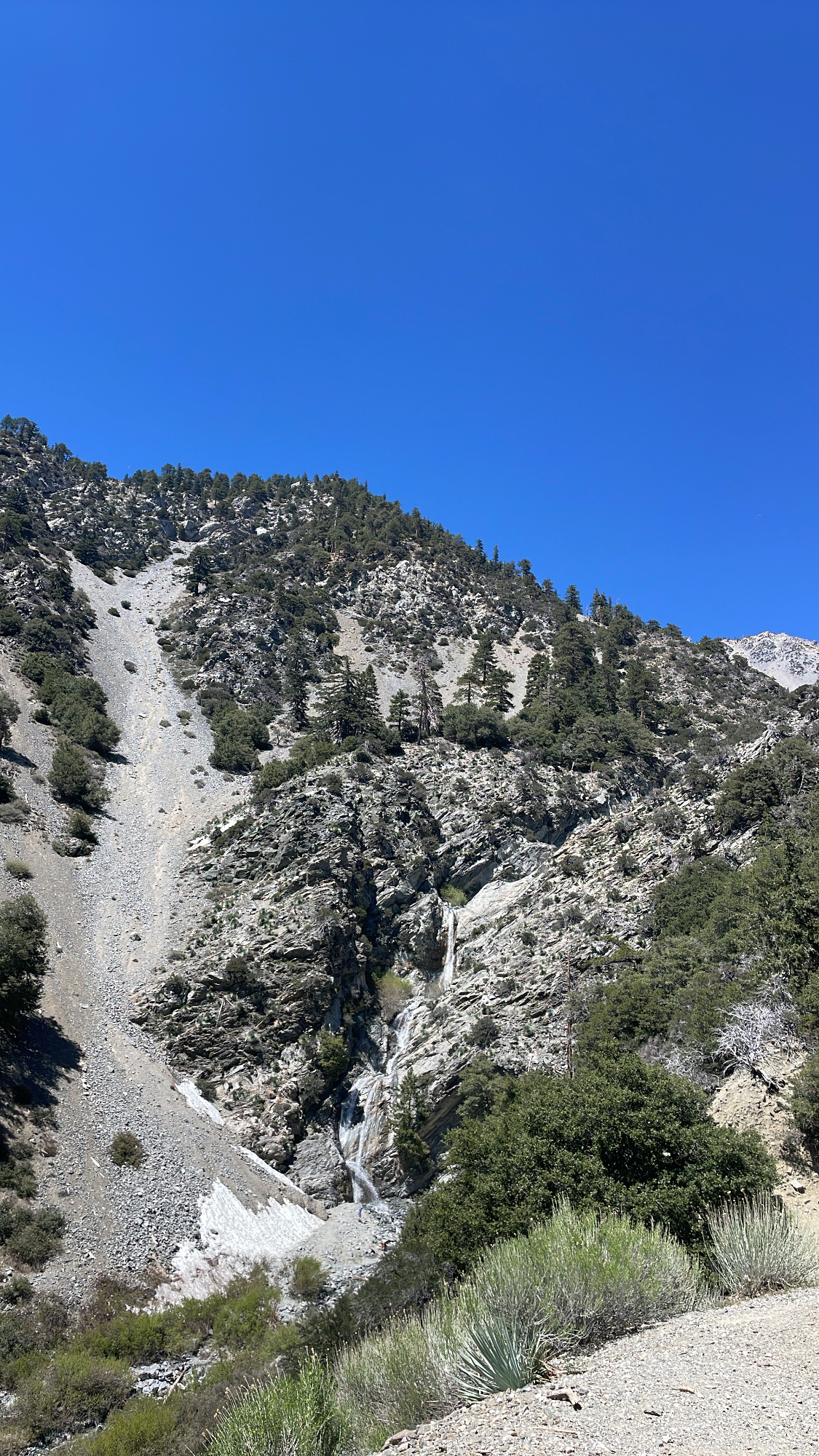
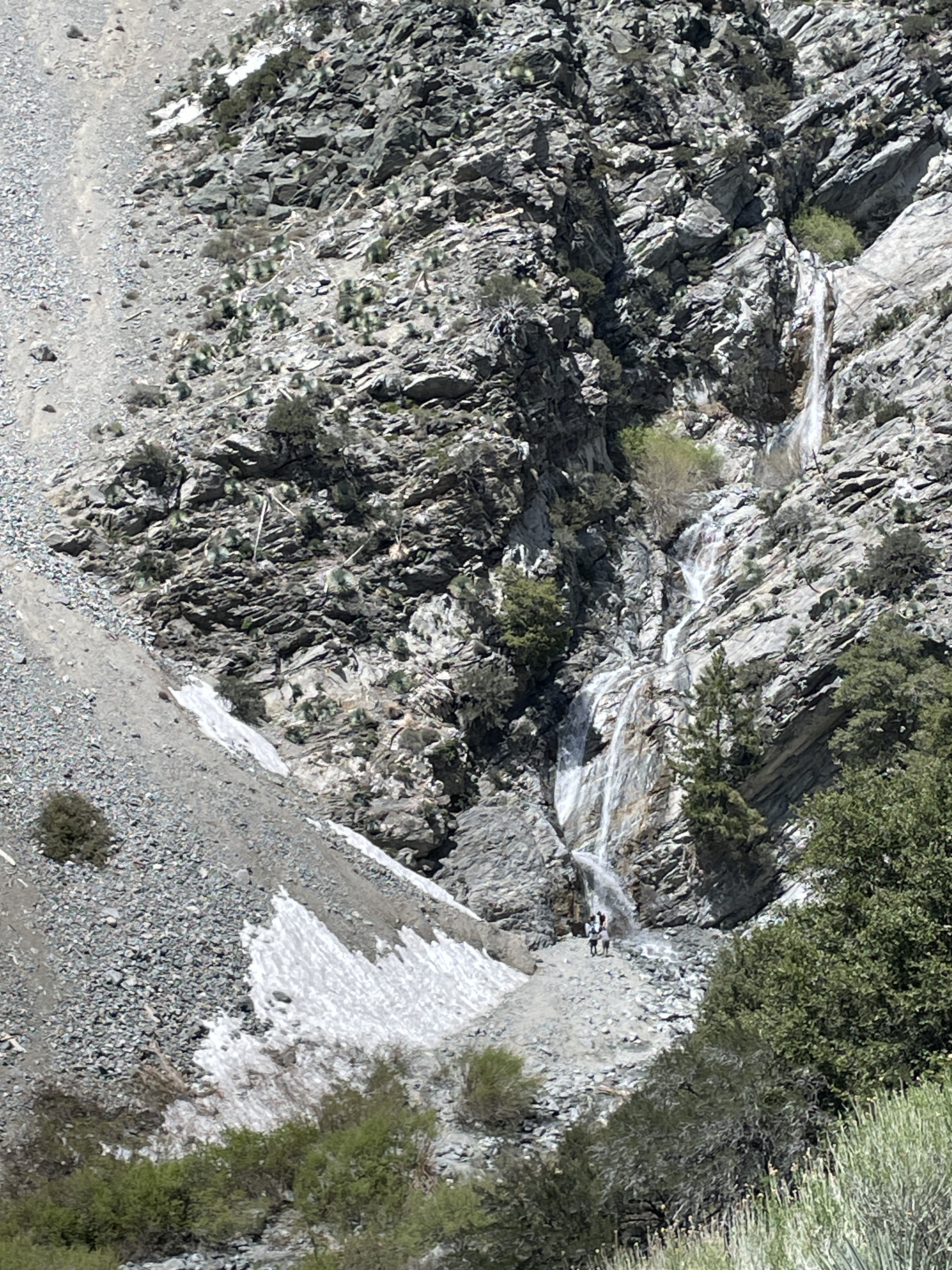
After we intersected the main road, we drove to the top but the very top is blocked off so we turned around and parked to hike to Angel Falls. The following photos were taken on this hike. Most of it is paved, but the very last part up to the falls is steep and gravel and necessitates crossing the stream below the falls. We decided to hike farther up a gravel road that climbs up the mountain where the paved part stops. Angel Falls can be heard long before you can see it. This is a relatively easy hike. Even on a Monday, there were quite a few people headed to the Falls so if you do not want crowds, go on a weekday.

Yes, that is snow on the left side.

California Adventure 1


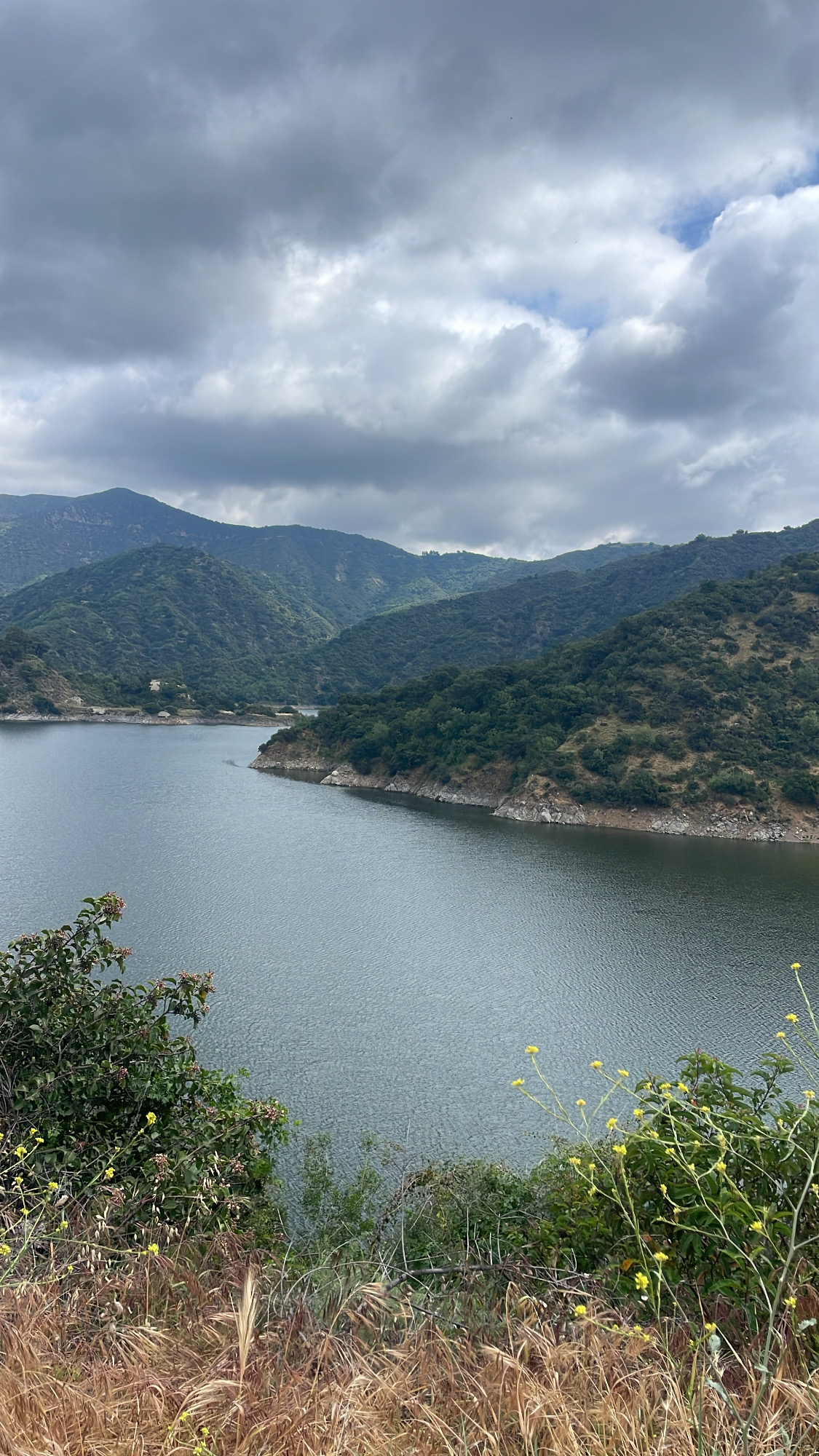
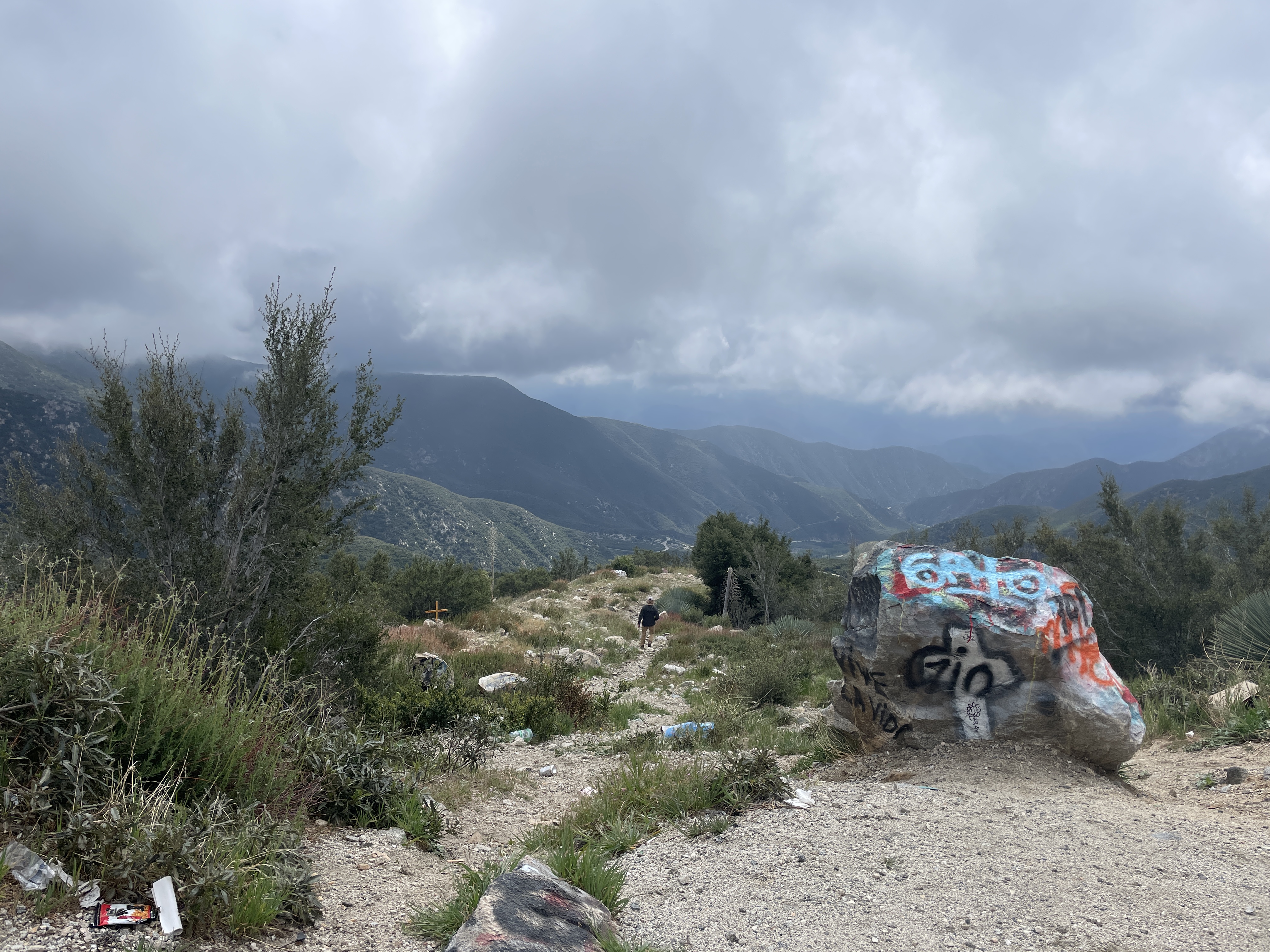
My son was visiting from Ohio and we decided to go on an adventure. Highway 39 used to go up through the mountains north of Azusa and connect with Highway 2. However, due to rockslides the last 4 or so miles, those 4 miles of the highway have been closed for years. We decided to drive as far as we could. You can go around the barrier and continue by hiking farther up over a sort of pass. Although my son did go partway, we did not hike to the top. These are photos along the way where you pass two reservoirs that are now used only for flood control. It is not a difficult drive and a fun activity going up into Los Angeles National Forest–an easy day adventure.

Books 12 and 13 for 2026: “The Women of Troy” and “The Voyage Home”, Pat Barker


After getting started with the first one, I realized the other was a sequel. Later, I learned this is a trilogy but the library did not have the first book of it. This British author won the Booker Prize for another historical trilogy, “The Regeneration Trilogy.” These two books are obviously about the Trojan War. Although “The Women of Troy” begins with Achilles’ son stuck in the Trojan horse, young (16), scared and concerned about how he will live up to his father’s name, most of the book occurs after the Greeks have won the war, Troy is destroyed, most of the Trojan men and boys, including infants, have been killed and the Greeks have built a village below what is left of Troy because they cannot go home. The constant gale winds make it impossible for their fleet of ships to travel. They have been stuck there for years, have become restive, often violent, bored. The women of Troy, even the princesses and other noble women are now slaves to Greek leaders. Most of the book is told from the viewpoint of several women including, Briseis, who once belonged to Achilles and is pregnant with his child but now married to the leader Acinus. Cassandra, the murdered Trojan king’s daughter, has been forced to live with Agamemnon, She has vowed revenge and has prophesied than both of them will die once they reach his Greek kingdom. This novel centers on what life is like for these Trojan women who are the spoils of war, living as slaves in the Greek camp.

“The Voyage Home” centers on the trip from Troy back to Mycenae and the immediate aftermath of their arrival home. It is mostly told from the viewpoint of Ritsa, a healer who has been assigned to watch over Cassandra even though she belongs as a slave to another person, a doctor. Because of her assignment to Cassandra and healing abilities, she has higher status than many others. Part of the story is also told from the viewpoint of Clytemnestra, Agamemnon’s wife, the queen who has been in charge of Mycenae during his ten year absence. For readers who know many of the different myths surrounding her, this novel has a totally different take. It is from the viewpoint of a woman still devastated by the death of her daughter with Agamemnon whom he killed because he was told the gods would give him and his soldiers a good wind to get to Troy if he sacrificed her. He deceived Clytemnestra to achieve this sacrifice and she has never recovered from this loss.

If you enjoy Greek mythes and the different retellings of them and want to experience a different perspective, mostly told from the viewpoint of female characters, you will enjoy these books. I read both in just a few day; I became so interested.

Book Eight for 2026: “What Life Was Like In The Land of The Prophet. Islamic World AD 570-1405


Fascinated since childhood by the lands surrounding the Mediterranean Sea, I accidentally discovered this book when I had to go to a new LA County library because the one near me is closed for renovations. The book describes in detail the life of Mohammed and the controversy that ensued after his death as to who should be in charge. This dispute ultimately caused the division into Sunni and Shia which continues today. It also covers other less well known groups such as Ismailis, a missionary sect of Shia Islam, and Sufiis, Muslim mystics.

I found the book extremely informative in describing how a small group of Arabs managed to conquer most of the land south of the Mediterranean and the lands to the east and eventually convert Central Asia and a substantial portion of West Africa. It also details the reign of many of the more famous caliphs, wars among various Muslim ruling families, and the building of Alhambra. While most of Europe was still feudal and in the Dark Ages, many Muslim cities such as Cairo and Damascus were centers of scientific research and learning as well as the arts and literature. Unlike what many continue to believe, Muslim women often held jobs and sometimes positions of considerable power and had legal guarantees to property and inheritance when women in Europe did not.

Book Four for 2026: “Playground”, Richard Powers


Another intriguing novel by an author who has won both the Pulitzer and the National Book Award. Initially the four main characters do not seem to have any interactions with each other. 12 year old Evie’s life is changed forever when her father, the inventor of the first aqualung, makes her submerge in a pool to prove it works. She becomes one of the world’s most famous divers and oceanographers. Ina, an artist, grew up in US naval bases all over the South Pacific and eventually finds herself at a university in Illinois. Rafi, a genius black child, is pushed by his dad to apply to a private Jesuit high school where he meets Todd, a rich kid whose whose family provides scholarships to the school. The two become best friends in spite of different interests. Rafi loves literature and Todd loves computers. They bond over a thousands of years old Chinese game with which they become obsessed. They become roommates at the same university where Ina is a student. The three become best friends.

Decades later all these lives become intertwined on an island in the South Pacific–Makatea in French Polynesia, an island where the harvesting of giant phosphorus deposits nearly ruined it while furnishing the rest of the world with fuel to make planets grows faster and better and feed the world. Because of Evie’s obsession with the sea, I learned enormous amounts about the ocean and the varied animals that live there, some of which I had never heard of before. Because of Todd’s obsession with computers and his invention of an AI game, I learned a lot about how gaming works and how people become addicted. For Rafi, the agony and anger of often being the one left out, the one seen as the smart Black kid, and the only one in many circumstances affect how he views the world and himself and where life eventually takes him. From his character I learned new things about literature and how books and writing affect people and their relationships.

I could not stop reading this book. Years ago, when it first came out, I read the author’s novel, “The Overstay”. While the topics and characters are totally different, in some ways this novel reminded me of that story, of how our lives are often intertwined in all sorts of ways we never expected.