Book 21 for 2026: “Hurricane Season”, Fernanda Melchor


The inside of the front cover informs the potential reader that this is a novel about a world steeped in mythology and violence, set in a small town in rural southeastern Mexico. The violence part is extreme, the kind of violence that only sometimes pervades a lot of small, rural, poverty ridden towns everywhere in the world. Written in a style reminiscent of Faulkner (I read a translation from the Spanish), each chapter tells the main story from a different perspective, the story leading up to and the death of the Witch who is found floating in the water of a canal. She is called the Witch but no one for sure seems to know her gender, where she attained the money to build such a huge house, and how she manages to entertain with lavish abandon. People both avoid her and are drawn to her.

There is the grandmother who thinks her wayward grandson can do no wrong while blaming her daughter ( the child’s mother) for everything and anything, there is his friend whom he both loves and hates, their is the poor girl he aids and loves who has been groomed and impregnated by her stepfather and has run away because of it, the engineer who loves boys and men, the woman who makes her living as a fancy prostitute to support her disabled husband and on and on it goes–people harming each other out of anger and frustration with their dire circumstances. For some of the characters, the writing is first person so the reader learns the interworkings of those mentally harmed by their life’s poverty and environment from which there appears to be no escape.

This is not a novel for the faint of heart.

Book 20 for 2026: “Ransom”, David Malouf


When I was in the eighth grade, I asked my parents for two books for Christmas, “The Iliad” and “The Odyssey”. I am sure even then there was a more modern version but they chose Dryden’s translation which was basically 17th century British. It took me a while, but I read them both even though I often had to resort to using the dictionary to learn all the words I had never seen before. My favorite then and now is “The Iliad”, the story of Achilles and the Trojan War. Since then, I have read more books than I can count about Achilles and the war, including this one and three recently by Pat Barker, which I wrote about on this blog.

David Malouf focuses on two characters, Achilles and Priam and one singular event, Priam’s decision to disguise himself as an ordinary person, hire an ordinary man with an ordinary cart, and go to the Greek camp and beg Achilles for Hector’s body. The only other main character in the book is the cart driver who likes to talk and share. From him Priam sees another view of life and experiences some new simple things, like cooling your feet in a stream, eating ordinary food. Priam suddenly realizes he has missed much of life’s meaning since, as king, he has been shielded from the lives of most people. The book includes Priam’s thoughts, those of the cart driver, and Achilles’. This is not an action thriller novel. It is the story of three people and their thoughts and reactions to this one event.

Book 19 for 2026: “An Unnecessary Woman”, Rabih Alameddine


Aaliya Saleh, 72, lives alone in an apartment in Beirut. Her obsession is reading books and translating books into Arabic. Every January she starts a new translation. Upon completion, she stores the translation in a box and puts it in the spare bedroom. No one ever sees them or reads them. Her family members envy her large apartment because she is divorced and has no children–her brothers think they should have it because they are married and have children. Her mother is a difficult woman and has become stricken with mild dementia. Written in first person, Aaliya relates her life as she sees it. Her impotent husband walks out and she is fine with this because he is a difficult person. Living alone she is able to defy norms and customs and lives as she chooses, a reclusive life for the most part except for her decades long job running a small bookstore. During her telling in the novel she is now retired with some relatively minor aches and pains. She has managed to live as she chooses in spite of the Civil War, repeated bombing by the Israelis, and other difficulties. Toward the end, an unthinkable disaster occurs that threatens what she views as her life’s purpose.

This character’s prodigious reading and knowledge of literature and authors inspired me to look up authors I had not read, learn more about them, and go to the bookstore and library in search of some of the books she discusses in the novel. It also made me think more about how societies see women as unnecessary (or worse) if they fail to comply with societal norms. This novel’s setting may be Beirut, but it could be anywhere in the world in terms of the price women often pay when they defy cultural norms and live as they choose.

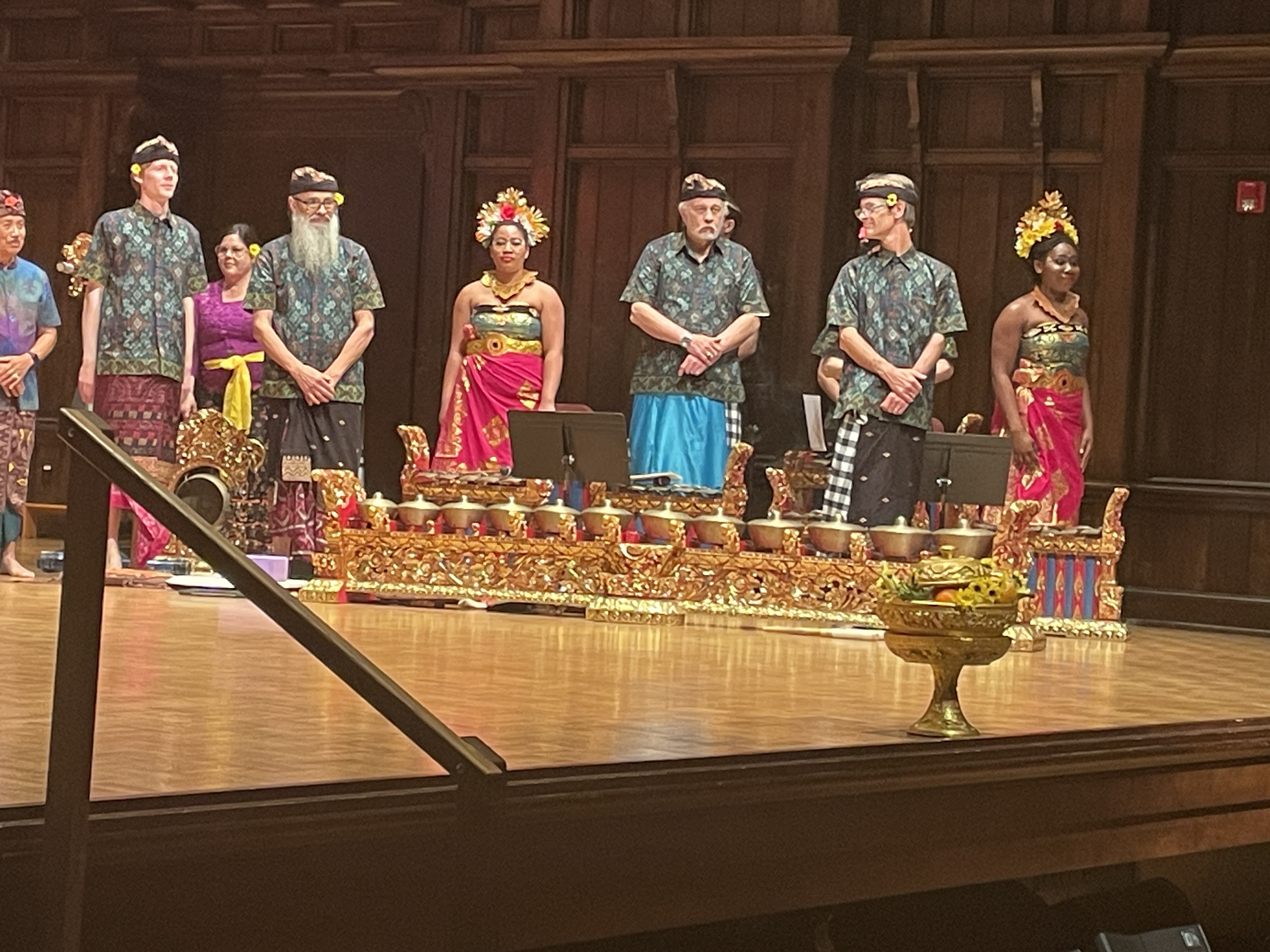
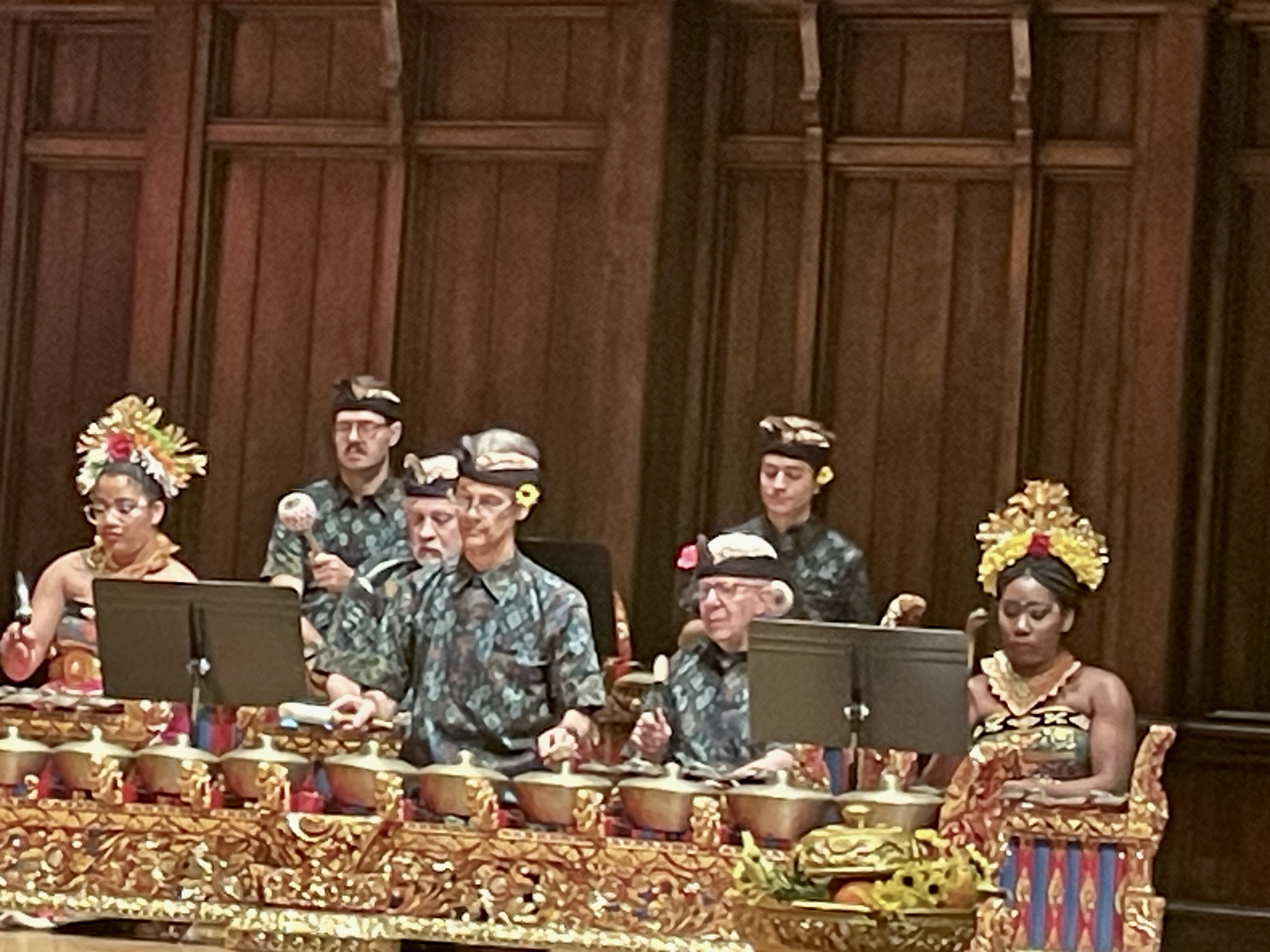
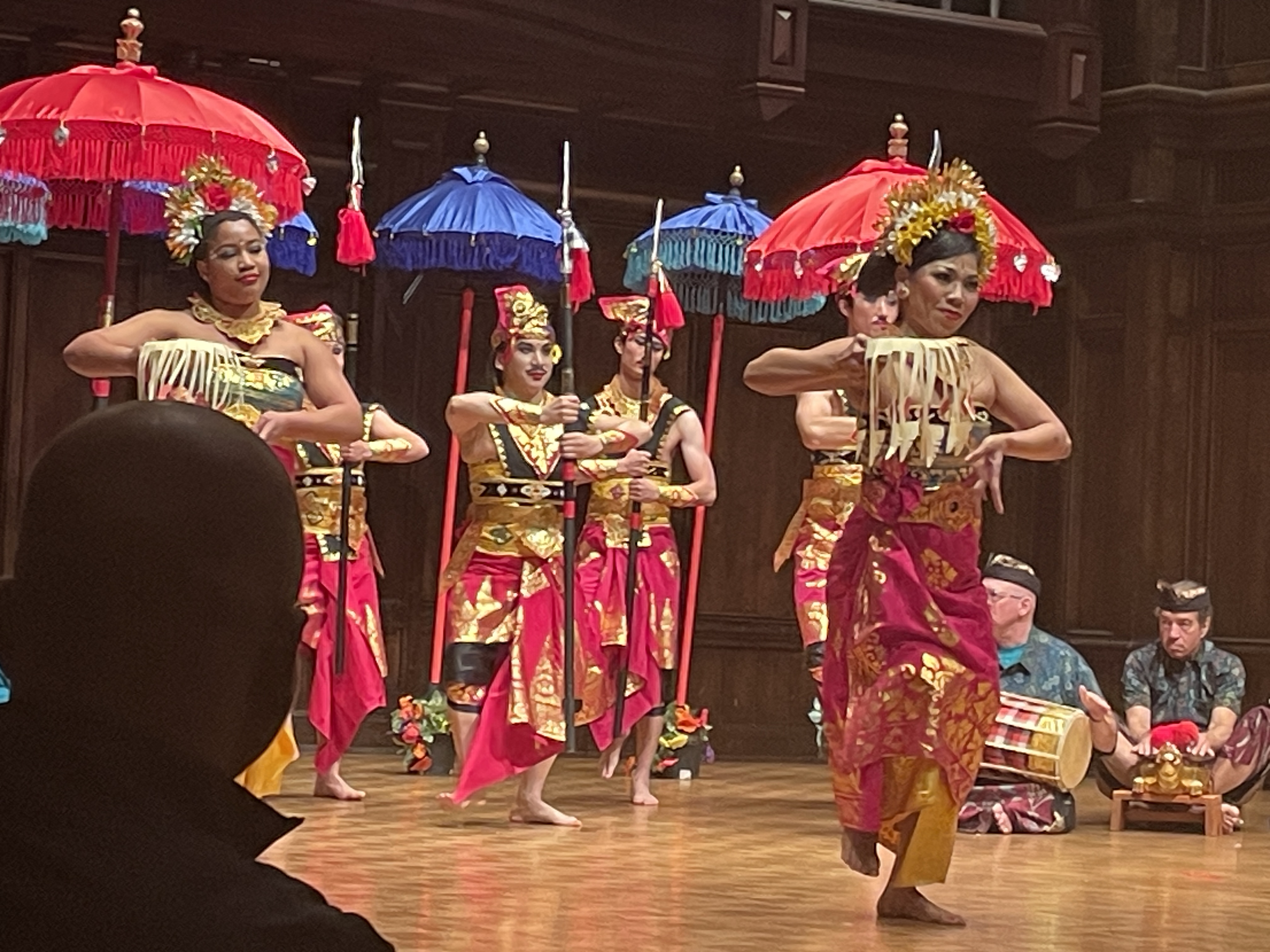
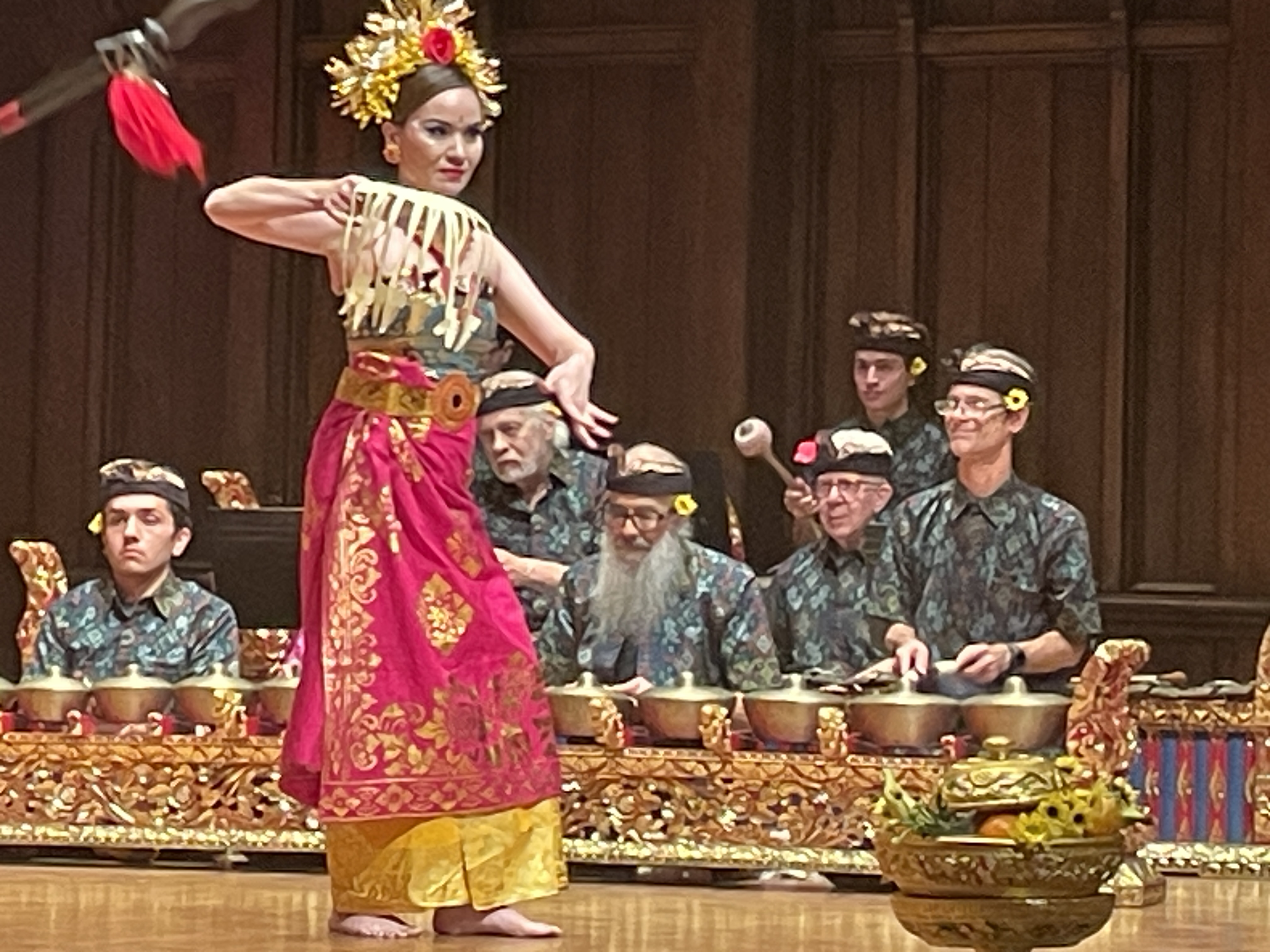
Balinese Gamelan Music and Dancing


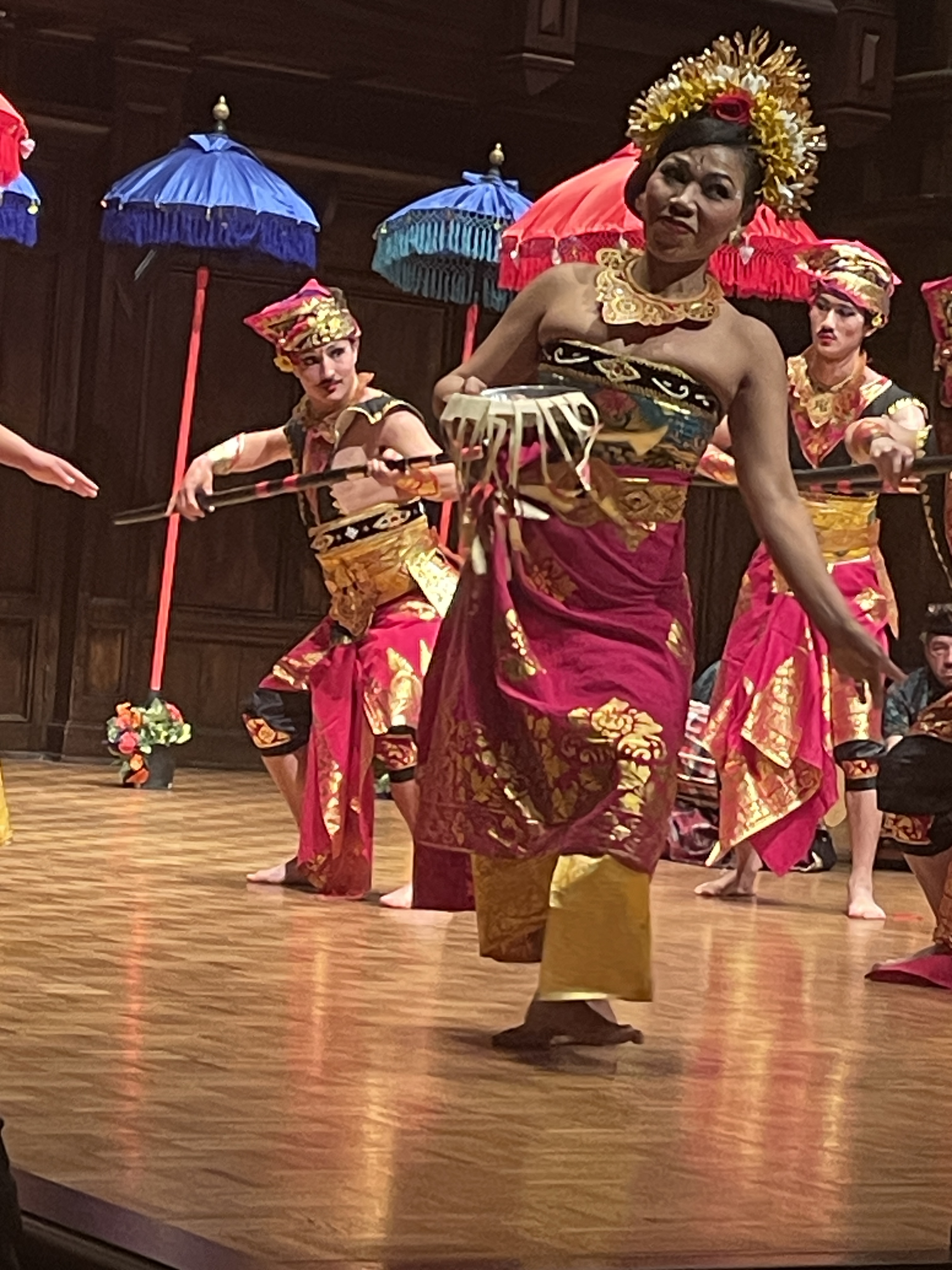
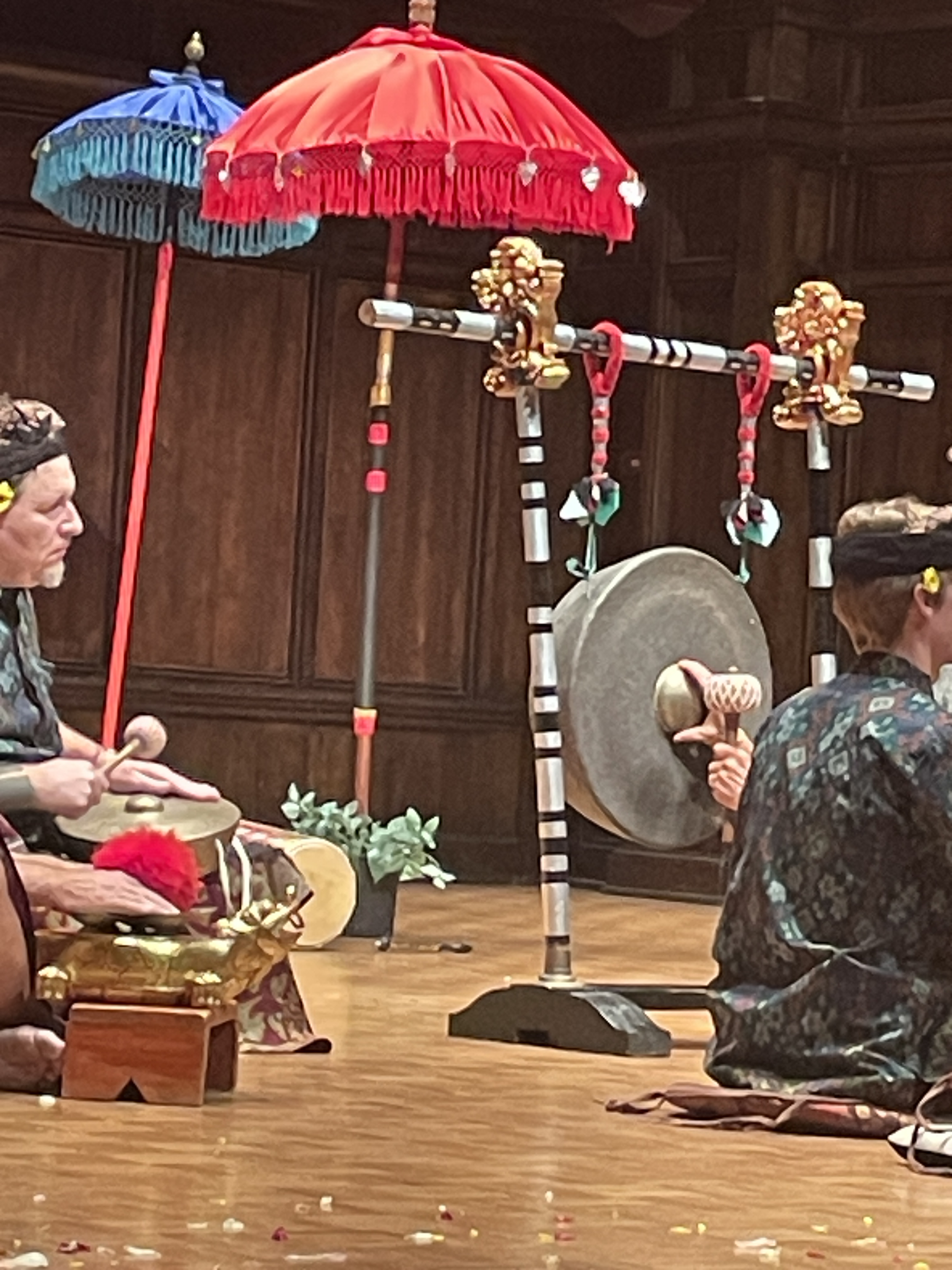
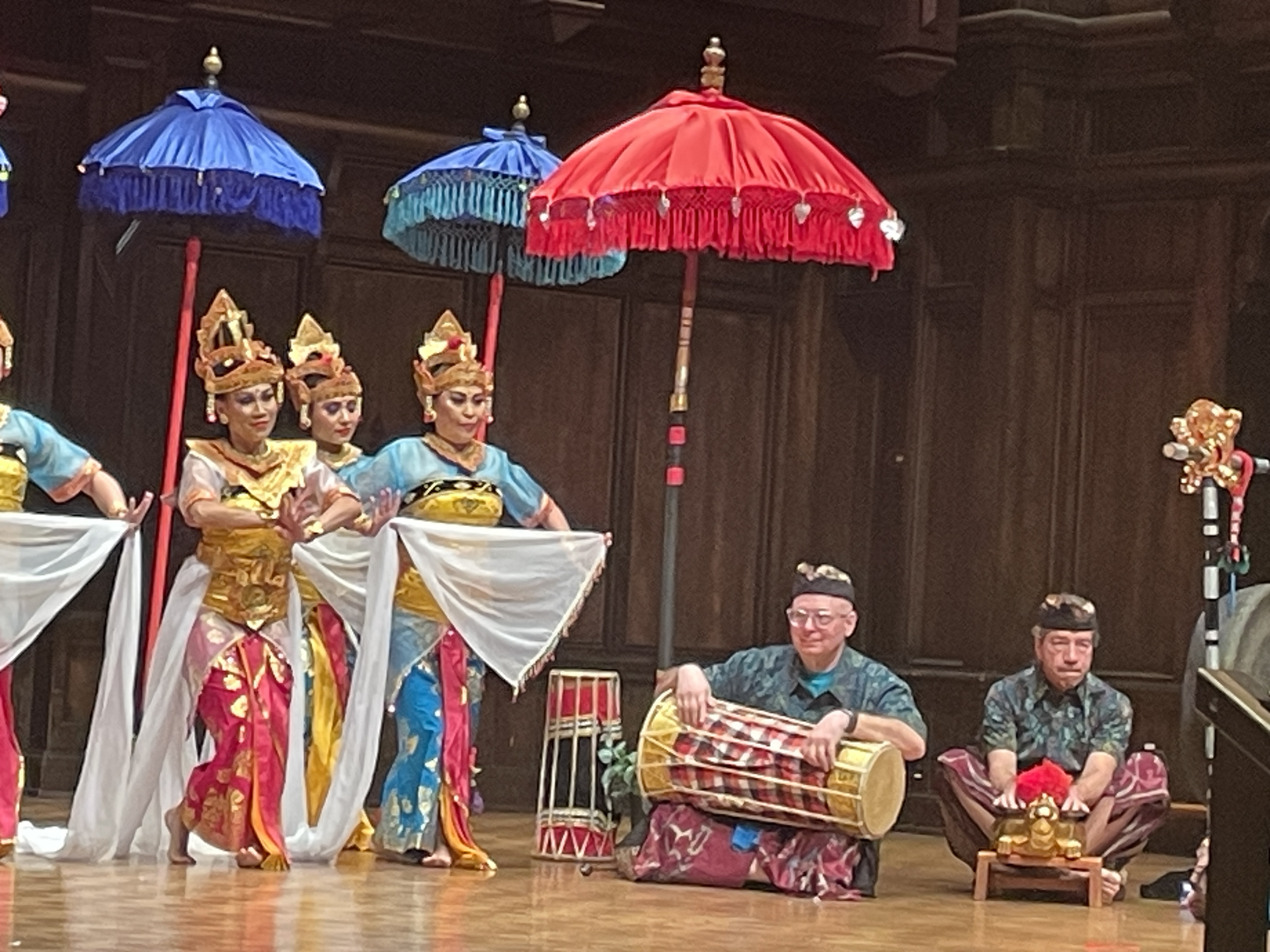
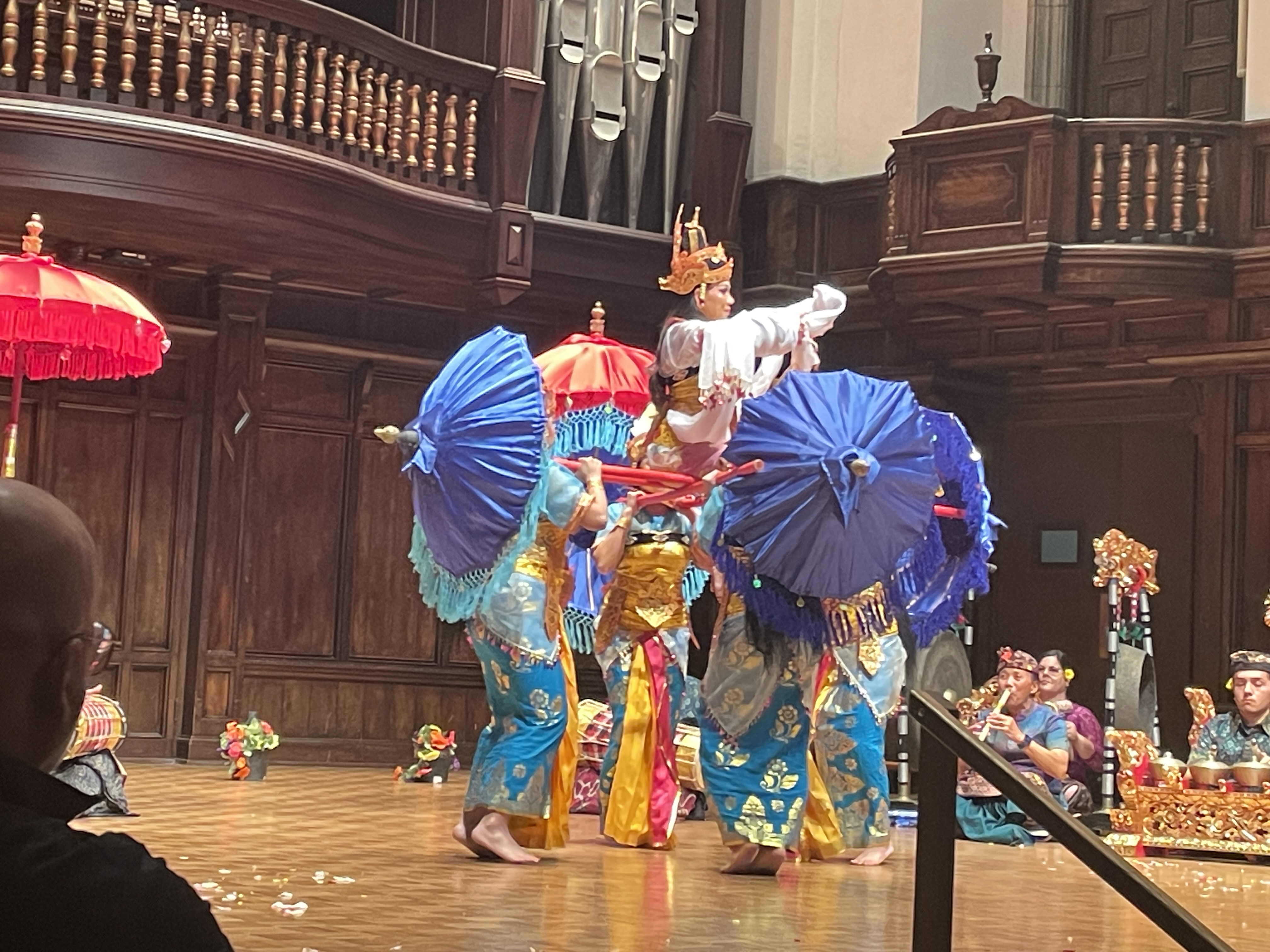
Earlier this week I attended a concert at Pomona College. I do not recall ever hearing Gamelan music before. Gamelan is percussion music. In fact the word means percussion orchestra. The instruments used in this performance are called gong kebyar. The instruments are made of bronze, iron, or bamboo. This music sounds nothing like European music. The instruments are tuned to a very high pitch and deliberately what one might consider out of tune. This is intentional. Pomona College has its own gamelan ensemble. Musicians and dancers from The Californian Institute of the Arts joined them. They performed traditional temple dancing, music from Balinese puppet theatre, and some original pieces by a famous Balinese couple (Dr. NyomanWenten and Nanik Wenten) –both music and dance. The style of this music is loud and fiery. I could only take photos because recording was prohibited.

Delights 6


Redwood tree absorbs the mist.

Jasmine fragrance fills th air.

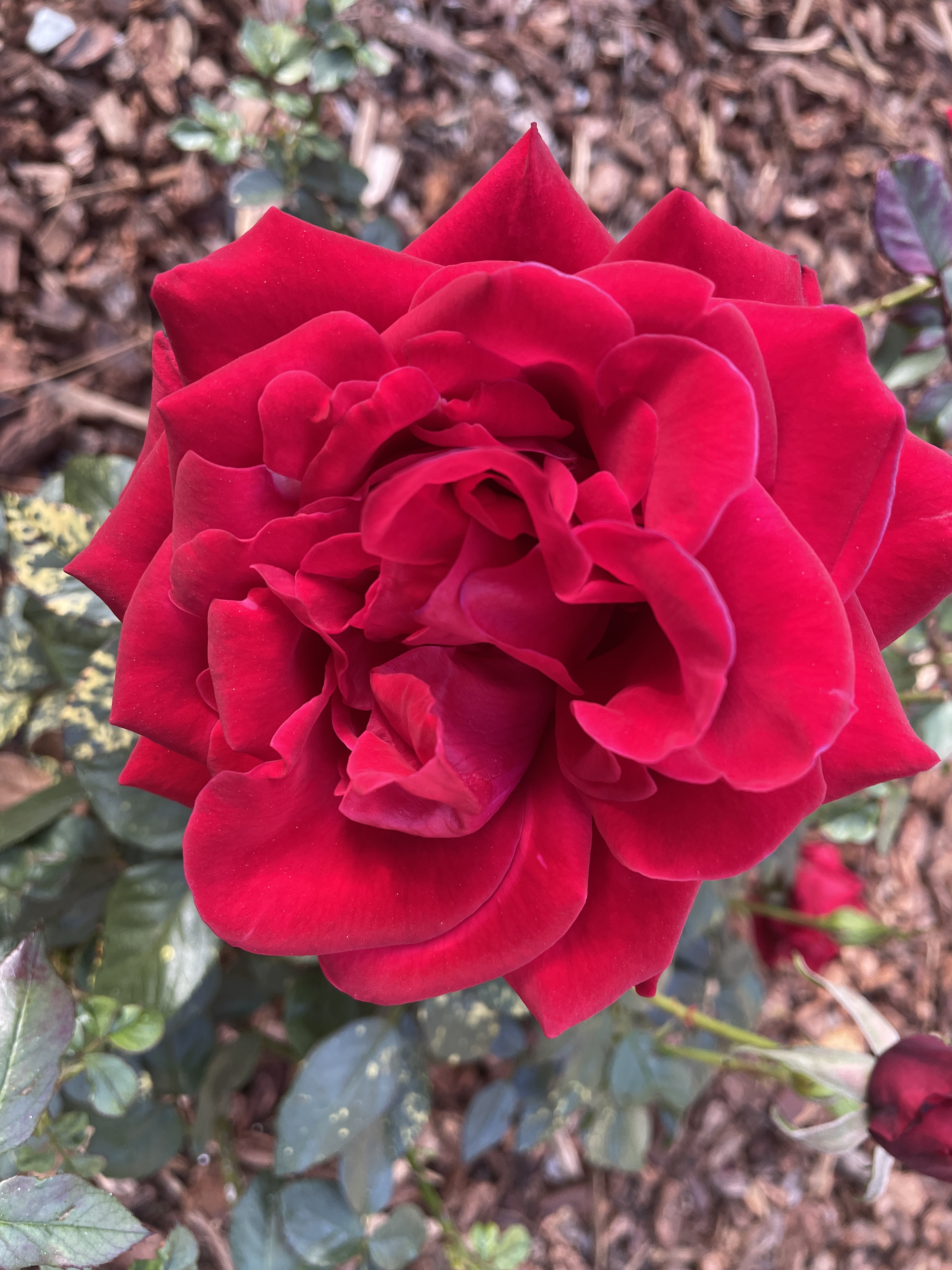
Scarlet, hot pink, peach, orange and multicolored

rose blooms grace the garden wall.

Hummingbirds drink nectar from the feeder

in the lilac bush.

Morning joy.